

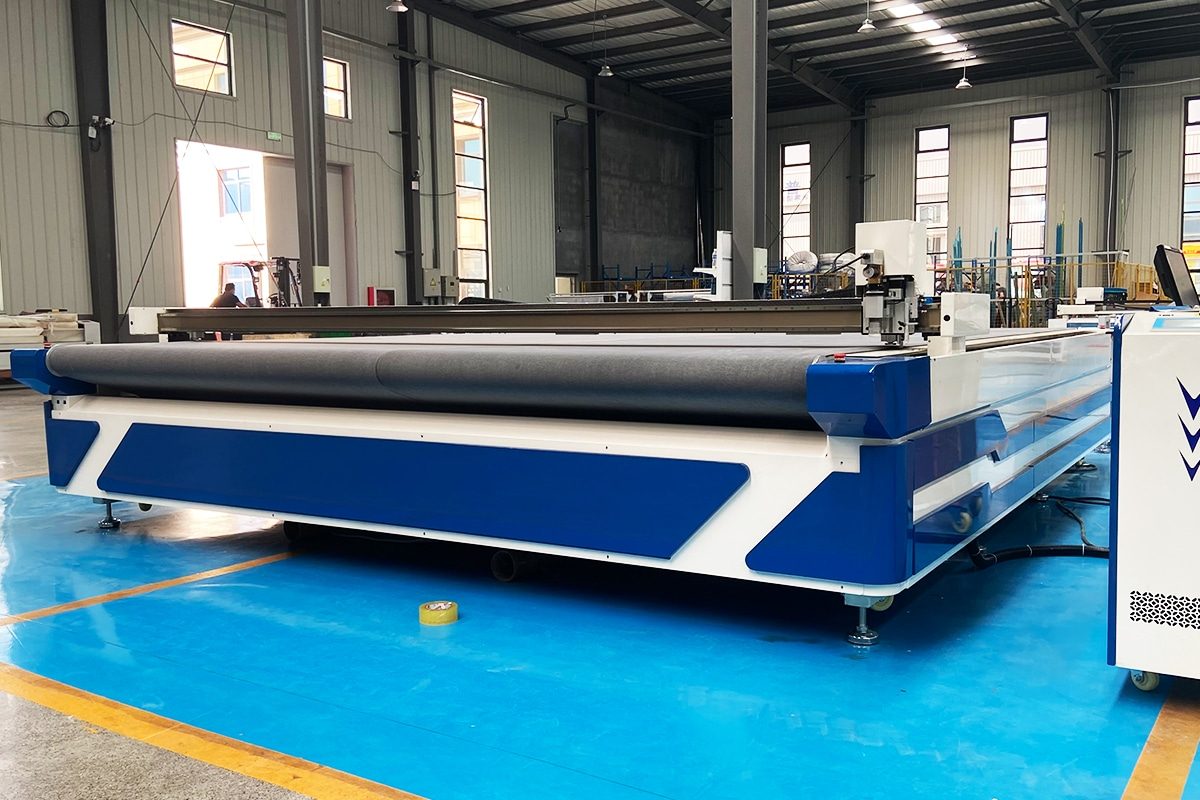
Oscillating Knife Cutting VS Laser Cutting
In modern manufacturing and fabrication, cutting technologies play a critical role in determining efficiency, precision, and material versatility. Among the many methods available today, oscillating knife cutting and laser cutting stand out as two widely used yet fundamentally different approaches. Each method has evolved to meet specific industrial needs, and understanding their core principles is essential for selecting the right solution in a given application.
Oscillating knife cutting is a mechanical process that uses a rapidly vibrating blade to slice through materials. It is particularly well-suited for soft to semi-rigid materials such as foam, rubber, textiles, leather, and certain composites. Because the blade physically separates the material without generating significant heat, this method avoids issues like melting, burning, or material distortion. As a result, it is often preferred in industries where material integrity and clean edges are critical.
In contrast, laser cutting relies on a focused beam of high-energy light to melt, burn, or vaporize material along a precise path. This non-contact process offers exceptional accuracy and is commonly used for metals, plastics, wood, and other materials that respond well to thermal cutting. Laser systems are known for their ability to handle intricate designs and tight tolerances, making them indispensable in sectors such as automotive, aerospace, and electronics manufacturing.
Despite their shared purpose of material separation, these two technologies differ significantly in terms of working principles, material compatibility, cost, and operational outcomes. This article explores the key differences between oscillating knife cutting and laser cutting, providing a clear comparison to help manufacturers, engineers, and designers make informed decisions based on their specific production requirements.
Table of Contents
What Is Oscillating Knife Cutting
Oscillating knife cutting is a precision, computer-controlled cutting method that uses a rapidly vibrating blade to process materials without applying heat. At a basic level, the technique combines vertical blade oscillation with horizontal movement across a work surface, allowing the tool to slice through materials cleanly and efficiently. The blade moves up and down at high frequency while following a digital cutting path generated from CAD or vector design files.
What sets this method apart from other cutting technologies is its purely mechanical nature. Unlike laser or plasma cutting, which rely on thermal energy to melt or vaporize material, oscillating knife cutting separates material through repeated physical motion. This makes it especially suitable for heat-sensitive materials that could otherwise deform, discolor, or lose structural integrity under high temperatures.
Another key aspect of the concept is its compatibility with modern digital manufacturing workflows. Designs can be created, modified, and executed quickly, making the process ideal for both rapid prototyping and short production runs. It bridges the gap between manual cutting and high-energy automated systems, offering a balance of flexibility, control, and material safety.
Working Principle
The working principle of oscillating knife cutting revolves around high-frequency reciprocating motion combined with precise CNC-guided movement. The blade, mounted within a cutting head, oscillates vertically at speeds that can reach several thousand strokes per minute. At the same time, the machine’s motion system moves the blade along the X and Y axes according to a predefined toolpath.
Each downward stroke of the blade contributes to gradually penetrating and separating the material. Rather than forcing the blade through in a single motion, the oscillation creates a continuous micro-cutting action. This reduces friction and minimizes the force required, which is particularly important when working with delicate, elastic, or layered materials.
In many systems, additional parameters such as cutting depth, oscillation frequency, and downward pressure can be adjusted in real time. Some advanced machines also incorporate tangential control, which automatically rotates the blade to align with the cutting direction. This ensures cleaner corners and more accurate curves.
The overall effect is a controlled, low-stress cutting process. Materials remain stable during cutting, especially when secured by a vacuum table, and the risk of tearing, stretching, or distortion is significantly reduced.
Key Components
Oscillating knife cutting systems are made up of several interconnected components, each playing a critical role in achieving precise and consistent results:
- Oscillating Blade Tool: The central cutting element, designed to move in rapid vertical strokes. Blade shape and thickness vary depending on the material and application.
- Oscillation Drive Mechanism: Typically powered by an electric motor, this system converts rotational motion into high-speed reciprocating movement. It determines the stroke rate and cutting intensity.
- Cutting Head Assembly: Houses the blade and drive mechanism, ensuring stability and accurate transmission of motion. It may also support quick tool changes for different applications.
- CNC Motion System: Includes servo motors, linear guides, and controllers that move the cutting head precisely along the programmed path.
- Vacuum Worktable: Holds materials firmly in place during cutting, preventing movement or vibration that could compromise accuracy.
- Control Software and Interface: Translates digital designs into machine instructions, allowing operators to adjust parameters such as speed, depth, and tool type.
The coordination of these components ensures that the blade moves smoothly, maintains consistent contact with the material, and produces high-quality cuts across a wide range of applications.
Advantages
- No Thermal Damage: Because the process does not involve heat, materials retain their original physical and chemical properties. There is no risk of melting, burning, or forming heat-affected zones, which is especially important for plastics, foams, and coated fabrics.
- Clean Edges: The oscillating motion produces smooth, well-defined edges with minimal fraying or burr formation. This is particularly beneficial in applications where appearance and precision are important, such as packaging or textile cutting.
- Cost-Effective for Soft Materials: For industries working primarily with soft or flexible materials, oscillating knife cutting offers a lower-cost alternative to laser systems. It requires less energy, simpler maintenance, and fewer safety measures related to heat and fumes.
- Environmentally Friendly: The absence of thermal processing means there are no harmful emissions, smoke, or toxic gases generated during cutting. This reduces environmental impact and improves workplace safety.
- Versatility in Flexible Materials: The method is highly adaptable and can handle a wide variety of materials, including foam, rubber, leather, textiles, felt, and corrugated board. It also performs well with layered materials, making it suitable for complex assemblies.
Disadvantages
- Limited to Soft Materials: One of the main limitations is its inability to cut hard materials, such as metals or rigid plastics, effectively. Attempting to do so can damage the blade and compromise the machine.
- Tool Wear: Continuous contact with the material leads to gradual blade wear. Over time, this can reduce cutting quality and require frequent blade replacement, adding to operational costs.
- Lower Precision Compared to Laser: Although highly accurate for many uses, oscillating knife cutting cannot achieve the same level of micro-precision as laser cutting. Extremely fine details or very tight tolerances may be more challenging.
- Speed Limitations: The physical nature of the cutting process means that speed is constrained by the need for the blade to travel through the material. For complex patterns or thick materials, this can result in longer processing times compared to non-contact methods.
Typical Applications
Oscillating knife cutting is widely used across multiple industries that require precise, clean cutting of soft materials:
- Packaging and Prototyping: Creating custom packaging designs, foam inserts, and structural prototypes from corrugated board.
- Textile and Fashion Industry: Cutting fabrics for clothing, upholstery, and technical textiles with high accuracy and repeatability.
- Automotive Sector: Producing interior components such as seat covers, carpets, insulation, and trim materials.
- Signage and Display Production: Cutting foam boards, banners, and soft signage materials used in advertising and exhibitions.
- Gasket and Sealing Manufacturing: Shaping rubber and foam materials into precise sealing components.
- Aerospace and Sporting Goods: Processing composite materials and lightweight structures without compromising their integrity.
Oscillating knife cutting is a versatile and practical solution for industries that work with soft, flexible, and heat-sensitive materials. By combining high-frequency blade motion with precise digital control, it delivers clean, accurate cuts while preserving the material’s original properties. Its strengths lie in its simplicity, cost efficiency, and environmentally friendly operation.
At the same time, it is not a one-size-fits-all technology. Its limitations in handling hard materials, achieving ultra-fine precision, and matching the speed of laser systems mean it is best used in specific contexts. When applied appropriately, however, oscillating knife cutting provides a reliable and efficient alternative that complements other cutting methods, particularly in applications where material integrity and edge quality are the top priorities.
What Is Laser Cutting
Laser cutting is a precision manufacturing process that uses a highly focused beam of light to cut, melt, or vaporize materials along a defined path. The term “laser” stands for Light Amplification by Stimulated Emission of Radiation, which refers to how light is generated, amplified, and concentrated into a powerful, coherent beam. This beam carries a large amount of energy in a very small area, making it capable of processing materials with remarkable accuracy.
At a fundamental level, laser cutting is a thermal separation process. When the laser beam strikes the surface of a material, its energy is absorbed and converted into heat. This causes the material to reach its melting or vaporization point almost instantly. Depending on the settings and material type, the process may involve melting (fusion cutting), burning (flame cutting), or direct vaporization.
One of the defining characteristics of laser cutting is that it is a non-contact method. There is no physical cutting tool touching the material, which eliminates mechanical stress, reduces deformation, and removes the need for tool replacement due to wear. This makes it especially suitable for delicate, thin, or highly detailed workpieces.
Laser cutting is also deeply integrated into digital manufacturing workflows. Designs created in CAD software can be translated directly into machine instructions, allowing for rapid prototyping, customization, and efficient mass production. This seamless transition from design to execution is a key reason for its widespread adoption across industries.
Working Principle
The working principle of laser cutting involves generating a high-energy beam, focusing it precisely, and moving it along a controlled path to remove material. The process begins with the laser source, which produces a coherent beam of light with a specific wavelength.
This beam is then transmitted through a beam delivery system. In traditional systems, mirrors guide the beam, while in modern systems, especially fiber lasers, the beam is delivered through flexible optical fibers. The beam then enters the cutting head, where a focusing lens concentrates it into an extremely small spot, often less than 0.1 mm in diameter.
At this focal point, the energy density becomes extremely high. When the beam contacts the material, it rapidly heats a localized area, causing it to melt, burn, or vaporize. At the same time, an assist gas is expelled through a nozzle coaxially with the laser beam. This gas performs several important functions: it blows away molten material, prevents oxidation (when using nitrogen), or enhances the cutting reaction (when using oxygen).
The cutting head is mounted on a CNC-controlled system that moves it along the X and Y axes, and sometimes the Z axis for focus adjustment. As the beam travels across the material, it creates a narrow cut known as a kerf. Because the beam is so fine and precisely controlled, the kerf width is minimal, enabling tight tolerances and intricate geometries.
Advanced systems can dynamically adjust parameters such as laser power, cutting speed, focal position, and gas pressure. This ensures consistent cutting quality across different materials and thicknesses, even in complex production scenarios.
Key Components
Laser cutting machines are composed of several critical components that must operate in harmony:
- Laser Source: The core of the system, responsible for generating the beam. Its type determines the machine’s capabilities and material compatibility.
- Beam Delivery System: Uses mirrors or optical fibers to guide the beam from the source to the cutting head with minimal energy loss.
- Cutting Head and Focusing Optics: Concentrate the beam into a fine spot and direct it precisely onto the material.
- CNC Control System: Controls the movement of the cutting head or worktable, ensuring accurate execution of the programmed design.
- Assist Gas System: Supplies gases such as oxygen, nitrogen, or compressed air to improve cutting efficiency and edge quality.
- Worktable or Support Bed: Holds the material securely and is designed to reduce heat buildup and reflections.
- Cooling System: Maintains stable operating temperatures for the laser source and optical components, ensuring reliability and longevity.
- Fume Extraction and Filtration System: Removes smoke, dust, and potentially hazardous fumes generated during cutting, contributing to a cleaner and safer workspace.
Each of these components plays a vital role in ensuring that the cutting process remains stable, precise, and efficient over extended periods of operation.
Types of Laser Cutting Machines
Laser cutting machines are categorized based on the type of laser source they use, each with distinct advantages:
- CO2 Laser Cutting Machines: These use a gas mixture (primarily carbon dioxide) to generate the laser beam. They are highly effective for non-metal materials such as wood, acrylic, leather, paper, textiles, and certain plastics, and can also handle thin metals in some cases.
- Fiber Laser Cutting Machines: These use optical fibers doped with rare-earth elements to generate the beam. They are known for high efficiency, low maintenance, and excellent performance when cutting metals such as carbon steel, stainless steel, aluminum, brass, and copper.
- Solid-State Lasers (e.g., Nd:YAG): These produce high-energy pulses and are often used for specialized applications like micro-cutting, engraving, and precision industrial processes.
- Direct Diode Lasers: Offer improved electrical efficiency and compact design, making them suitable for certain industrial and niche applications.
- Hybrid Laser Cutting Systems: Combine different technologies to enhance flexibility, allowing manufacturers to process a broader range of materials.
The selection of laser cutting machines depends on factors such as material type, thickness, required precision, production volume, and budget.
Advantages
- High Precision: Laser cutting can achieve extremely tight tolerances and intricate details. The fine beam allows for sharp corners, delicate patterns, and complex geometries that are difficult to achieve with mechanical tools.
- Non-Contact Process: Because the process does not involve physical contact, there is no tool wear or mechanical distortion. This ensures consistent quality and reduces maintenance requirements.
- Wide Material Range: Laser cutting is capable of processing a diverse range of materials, including metals, plastics, wood, glass, and composites. This versatility makes it suitable for many different industries.
- Automation-Friendly: The technology integrates seamlessly with CNC systems and automated production lines. It supports rapid design changes, repeatability, and efficient large-scale manufacturing.
- High Speed: For thin to medium materials, laser cutting offers high processing speeds. This improves production efficiency and reduces lead times, especially in mass production.
Disadvantages
- Thermal Effects: As a heat-based process, laser cutting can create a heat-affected zone (HAZ) around the cut. This may alter the material’s properties, cause discoloration, or lead to slight warping in sensitive materials.
- Higher Cost: Laser cutting machines require a significant initial investment. In addition, maintenance costs, including optics replacement and system upkeep, can be relatively high compared to mechanical methods.
- Energy Consumption: Operating a high-power laser requires substantial electrical energy. This can increase operational costs, particularly in continuous or high-volume production environments.
- Safety Concerns: Laser cutting involves intense light energy, high temperatures, and potentially harmful fumes. Proper safety measures, such as protective enclosures, ventilation systems, and operator training, are essential to prevent accidents and health risks.
Typical Applications
Laser cutting is widely used in industries that demand precision, flexibility, and efficiency:
- Metal Fabrication: Producing components for automotive, aerospace, construction, and industrial machinery.
- Electronics Manufacturing: Cutting precise parts, enclosures, and circuit-related components.
- Signage and Advertising: Creating detailed designs in acrylic, wood, and plastic materials.
- Medical Device Manufacturing: Producing high-precision components for surgical tools and medical equipment.
- Textile and Fashion Industry: Cutting fabrics with intricate patterns and sealed edges to prevent fraying.
- General Manufacturing: Producing a wide variety of parts and assemblies with high accuracy and repeatability.
Laser cutting is a powerful and highly refined technology that uses focused light energy to process materials with exceptional precision and efficiency. Its ability to deliver clean, accurate cuts without physical contact makes it a cornerstone of modern manufacturing. The combination of high speed, automation compatibility, and material versatility allows it to meet the demands of industries ranging from heavy fabrication to precision engineering.
However, the process comes with trade-offs. Thermal effects can influence material properties, and the costs associated with equipment, energy consumption, and maintenance are relatively high. Even so, laser cutting remains one of the most versatile and widely adopted cutting methods available today. When compared with mechanical techniques such as oscillating knife cutting, it stands out for its precision and ability to handle rigid materials, making it an essential complementary technology in many production environments.
Core Differences Between Oscillating Knife Cutting and Laser Cutting
Although oscillating knife cutting and laser cutting are often grouped as CNC-based cutting technologies, they are built on fundamentally different principles. These differences are not just technical details. They directly affect how each method performs in real production environments, how materials respond during cutting, and what kind of results can be achieved in terms of quality, efficiency, and cost.
Oscillating knife cutting is a mechanical, contact-driven process. It uses a rapidly vibrating blade to physically slice through materials, making it particularly suitable for soft, flexible, or layered substrates. Laser cutting, in contrast, is a thermal, non-contact process. It uses a focused beam of light to melt or vaporize material, which allows it to handle a much broader range of materials, including metals and rigid plastics.
Because of these core differences, the two technologies are rarely direct substitutes. Instead, they serve different roles. Oscillating knife cutting is often chosen when material integrity and heat sensitivity are critical, while laser cutting is preferred for high precision, complex geometries, and industrial-scale production. The following sections break down the most important differences in detail.
Cutting Mechanism
The cutting mechanism defines how each technology interacts with material at the most basic level. Oscillating knife cutting uses a blade that moves up and down at high frequency while traveling along a programmed path. This creates a repeated slicing action that gradually separates the material. The oscillation reduces resistance and allows the blade to move smoothly, even through fibrous or layered materials.
Laser cutting operates through energy concentration rather than mechanical force. A highly focused beam delivers intense energy to a very small point, causing the material to melt, burn, or vaporize. The material is removed through this thermal reaction, often assisted by a gas jet that clears molten residue from the cut.
This distinction between physical force and energy-based removal influences nearly every other aspect of performance, including speed, wear, and material response.
Heat Generation
Heat generation is one of the most significant practical differences. Oscillating knife cutting produces almost no heat because it relies entirely on mechanical motion. This means there is no heat-affected zone, and the material’s structure, color, and chemical properties remain unchanged after cutting.
Laser cutting, by its nature, generates a concentrated zone of high temperature. This is essential for cutting but introduces thermal side effects. Materials may experience melting, charring, oxidation, or slight distortion near the cut edge. In some cases, these effects are useful, such as sealing synthetic fabric edges to prevent fraying. In other cases, they can reduce quality or require additional finishing steps.
Contact VS Non-Contact
Oscillating knife cutting is a contact process. The blade must physically penetrate the material, which introduces mechanical interaction. While modern systems minimize force through high-frequency oscillation, there is still some level of pressure applied. This can affect very soft, elastic, or loosely supported materials, especially if vacuum hold-down is insufficient.
Laser cutting is completely non-contact. The beam interacts with the material without applying physical force, which eliminates mechanical deformation. This makes it ideal for fragile, thin, or highly detailed components. Another important advantage is that there is no tool wear, meaning consistent performance over long production runs without the need for blade replacement.
Material Compatibility
Material compatibility is one of the most decisive factors when choosing between these methods. Oscillating knife cutting is best suited for soft and flexible materials such as foam, rubber, leather, textiles, felt, and corrugated cardboard. It is also highly effective for multi-layer cutting, where several sheets can be processed in a single pass without heat distortion.
However, its application range is limited when it comes to rigid or hard materials. Metals, ceramics, and thick plastics cannot be effectively cut using a mechanical blade in this way.
Laser cutting offers far broader compatibility. It can process metals, plastics, wood, glass, and composite materials, depending on the laser type and configuration. Fiber lasers excel at cutting metals, while CO2 lasers are commonly used for non-metals. That said, some materials remain challenging due to thermal sensitivity, and certain plastics may release harmful fumes when exposed to laser energy.
Edge Quality
Edge quality is influenced by both the cutting mechanism and the material. Oscillating knife cutting typically produces clean, natural edges without burning or discoloration. This is particularly valuable in applications where appearance and texture matter, such as textiles, leather goods, and packaging. However, edge quality depends on blade sharpness and correct tool selection. Dull blades can lead to fraying or uneven cuts.
Laser cutting can achieve very smooth and precise edges, often with a polished or glossy appearance in metals and rigid plastics. The quality of the edge depends heavily on process parameters such as speed, power, and gas type. However, thermal effects may result in charred edges in wood or slight melting in plastics. In some cases, a heat-affected zone may be visible, which can influence both appearance and material performance.
Precision and Accuracy
In terms of precision, laser cutting generally has the advantage. The beam can be focused to an extremely small diameter, resulting in a narrow kerf and the ability to produce fine details and sharp internal corners. This makes it ideal for intricate designs, complex patterns, and components requiring tight tolerances.
Oscillating knife cutting also offers good accuracy, especially for larger shapes and less complex geometries. However, its precision is inherently limited by the physical size and geometry of the blade. It may struggle with very small details or sharp internal angles, where the blade cannot fully replicate the design.
Speed and Efficiency
Speed and efficiency vary depending on the material and cutting requirements. Laser cutting is generally faster, especially for thin materials and complex patterns. Because it does not rely on physical contact, it can move rapidly across the surface without resistance, making it well-suited for high-volume production.
Oscillating knife cutting can be highly efficient in specific scenarios, particularly when cutting thick, soft materials or multiple layers at once. In these cases, it can reduce the number of passes required and avoid issues related to heat buildup. However, for intricate designs or dense materials, the need for physical movement can slow down the process.
Efficiency also depends on operational factors. Laser cutting systems require more energy and may involve higher operating costs, while oscillating knife systems may require more frequent tool maintenance due to blade wear.
Oscillating knife cutting and laser cutting differ in ways that go far beyond their surface similarities as CNC cutting methods. Oscillating knife cutting is a mechanical, contact-based process that excels in preserving material integrity and delivering clean cuts in soft, flexible materials. It is particularly effective where heat must be avoided and where materials are prone to deformation or damage under thermal conditions.
Laser cutting, on the other hand, is a thermal, non-contact process that offers superior precision, speed, and material versatility. It is capable of cutting a wide range of materials, including metals, with high accuracy and efficiency. However, it introduces thermal effects that can influence material properties and edge appearance.
In practice, the choice between these two methods depends on the specific application. Factors such as material type, desired edge quality, production volume, and cost all play a role. Rather than competing directly, oscillating knife cutting and laser cutting often complement each other, with each method providing distinct advantages in different manufacturing scenarios.
Material Compatibility Comparison
Material compatibility is one of the most decisive factors when comparing oscillating knife cutting and laser cutting. Even though both technologies can follow the same digital design files and produce accurate shapes, the way they interact with materials is fundamentally different. Oscillating knife cutting relies on mechanical force and direct contact, while laser cutting depends on concentrated thermal energy. This difference influences not only what materials can be processed, but also how those materials behave during cutting and what kind of edge quality and structural integrity can be expected afterward.
In practical terms, selecting the wrong cutting method for a given material can lead to common problems such as melting, burning, fraying, deformation, or inefficient production. For example, a material that performs well under mechanical cutting may degrade under heat, while a rigid material that requires high energy input may be impossible to process with a blade. There is also a growing number of applications where both methods are technically viable, but the final choice depends on priorities such as cost, speed, finish quality, or downstream processing requirements.
Understanding material compatibility is therefore not just about listing suitable materials. It involves recognizing how material properties such as hardness, elasticity, thickness, thermal sensitivity, and internal structure influence the cutting process. The following sections examine these relationships in detail.
Materials Suitable for Oscillating Knife Cutting
Oscillating knife cutting is particularly well-suited for materials that are soft, flexible, fibrous, or layered. Because it is a cold cutting process, it avoids any thermal effect on the material, which is a major advantage when working with substrates that are sensitive to heat or require a natural edge finish.
Foam materials are among the most widely processed using oscillating knives. This includes EVA foam, polyethylene foam, polyurethane foam, and other cushioning or packaging materials. These materials are often thick and compressible, and they can easily deform or melt under heat. The oscillating blade allows for clean, controlled cuts without altering the material’s structure, even when cutting multiple layers at once.
Rubber and gasket materials are another important category. In applications such as sealing, vibration damping, or insulation, maintaining the material’s original properties is critical. Mechanical cutting ensures that edges remain stable and free from hardening or thermal damage, which could otherwise affect performance.
Textiles and fabrics form a large and diverse group of materials suited for oscillating knife cutting. Natural fibers such as cotton, wool, and linen benefit from the absence of heat, which prevents shrinkage or discoloration. Synthetic fabrics, including polyester and nylon, can also be processed effectively, particularly when they are thick or layered. Materials like felt and nonwoven fabrics are especially compatible due to their fibrous composition.
Leather and synthetic leather are commonly used in industries such as automotive interiors, furniture manufacturing, and fashion. Oscillating knife cutting produces clean edges without burn marks, preserving both the appearance and the tactile qualities of the material.
Paper-based materials, including corrugated cardboard, honeycomb board, and rigid paperboard, are also ideal for this method. In packaging and prototyping applications, the ability to cut thick, multi-layer structures without crushing or scorching the edges is a significant advantage.
Oscillating knife cutting is most effective for materials that are relatively soft, thick, or sensitive to heat. It is especially valuable when the goal is to maintain material integrity and achieve a natural, unaltered edge.
Materials Suitable for Laser Cutting
Laser cutting is known for its broad material compatibility, particularly when it comes to rigid and high-density materials. Because it uses concentrated heat to remove material, it can process substrates that would be difficult or impossible to cut mechanically.
Metals are the most prominent category for laser cutting. Materials such as stainless steel, carbon steel, aluminum, brass, and copper can be cut with high precision and efficiency. Fiber laser cutting systems are especially effective in this area, offering fast cutting speeds and excellent edge quality. This makes laser cutting a standard choice in industries such as automotive, aerospace, and heavy manufacturing.
Among non-metal materials, acrylic is one of the most popular choices. Laser cutting produces smooth, polished edges that often require no additional finishing, making it ideal for signage, displays, and decorative components. Wood is also commonly processed, although the thermal nature of the process may result in charred edges, which can be either a drawback or a desired aesthetic effect depending on the application.
Certain plastics can be cut effectively with lasers, particularly those that respond well to heat without producing harmful emissions. However, material selection must be handled carefully. Some plastics, such as PVC, release toxic fumes when exposed to laser energy, making them unsuitable for this process.
Laser cutting is also used for composite materials, thin sheets used in electronics, and specialized industrial materials. In textiles, it is often applied to synthetic fabrics where the heat can seal the edges, preventing fraying and improving durability.
Despite its versatility, laser cutting has limitations. Materials that are extremely heat-sensitive, highly reflective, or very thick may require specialized equipment or alternative methods. In some cases, the thermal effect can negatively affect material properties, which must be considered during process selection.
Materials That Can Be Processed by Both
There is a significant group of materials that can be processed by both oscillating knife cutting and laser cutting, although the results can differ substantially depending on the method used.
Foam is a common example. Oscillating knife cutting is generally preferred for thicker or softer foams because it avoids melting and preserves edge quality. However, laser cutting can be used for thinner foam sheets where higher speed and precision are required. The trade-off is that some foams may exhibit slight melting or edge sealing when exposed to heat.
Textiles also fall into this overlapping category. Oscillating knife cutting is ideal for natural fabrics and thicker materials, while laser cutting is often chosen for synthetic textiles where sealed edges are beneficial. For example, polyester fabrics can benefit from laser cutting because the heat prevents fraying, whereas cotton fabrics may perform better with mechanical cutting.
Leather and synthetic leather can be processed by both methods as well. Oscillating knife cutting produces a clean, natural edge without discoloration, while laser cutting allows for intricate detailing but may result in darker edges due to heat exposure.
Thin plastics and certain composite materials can also be handled by both technologies. Laser cutting offers higher precision and smoother edges in rigid plastics, while oscillating knife cutting may be better suited for softer or layered variations where heat could cause deformation.
In these cases, the choice is often driven by application priorities. If maintaining material properties and avoiding thermal effects is critical, oscillating knife cutting is usually preferred. If precision, speed, and fine detail are more important, laser cutting may be the better option.
Material compatibility clearly illustrates the fundamental differences between oscillating knife cutting and laser cutting. Oscillating knife cutting excels in processing soft, flexible, and heat-sensitive materials, offering clean edges and preserving the material’s original characteristics. It is particularly effective for foam, textiles, leather, and packaging materials, where maintaining structure and appearance is essential.
Laser cutting, by contrast, provides far greater versatility in terms of material range. It is capable of processing metals, rigid plastics, and a wide variety of industrial materials with high precision and efficiency. Its ability to handle complex geometries and support high production volumes makes it a key technology in modern manufacturing.
There is also a shared category of materials that can be processed by both methods, but the choice depends on the desired outcome. Factors such as edge quality, thickness, thermal sensitivity, and production efficiency all influence the decision. In practice, oscillating knife cutting and laser cutting are often complementary, with each method selected based on the specific material properties and performance requirements of the application.
Cutting Quality and Precision
Cutting quality and precision are critical factors when comparing oscillating knife cutting and laser cutting, especially in industries where accuracy, appearance, and repeatability directly affect product performance and value. While both methods are capable of producing high-quality results, they achieve those results through very different physical processes. Oscillating knife cutting emphasizes material preservation and mechanical consistency, while laser cutting focuses on fine detail and energy-based accuracy.
It is also important to understand that cutting quality is not defined by a single parameter. It includes edge finish, dimensional accuracy, and the ability to reproduce complex geometries consistently. These aspects are influenced by machine capability, process settings, and, most importantly, the properties of the material being cut. In many cases, the “better” method depends less on the machine itself and more on how well the process matches the material and application requirements.
In practical manufacturing, trade-offs are common. A method that delivers excellent edge quality may not provide the highest precision, and a process that achieves extreme accuracy may introduce unwanted material changes. The following sections examine how oscillating knife cutting and laser cutting compare across key dimensions of quality and precision.
Edge Finish
Edge finish is often the first aspect people notice when evaluating cut quality. It reflects how the cutting process interacts with the material surface and can significantly affect both appearance and functionality.
Oscillating knife cutting produces a natural, unaltered edge because it does not involve heat. The blade slices through the material, leaving the original structure intact. This is particularly important for materials such as textiles, foam, leather, and paper-based products, where maintaining the original texture, color, and flexibility is essential. For example, in garment production, a clean but soft edge is necessary to ensure proper stitching and finishing.
Another advantage of oscillating knife cutting is the absence of thermal defects. There is no risk of burning, melting, or discoloration, which can be critical in high-quality or visible products. However, the quality of the edge depends heavily on blade condition and selection. A sharp blade matched to the material will produce smooth edges, while a dull blade may cause fraying in fabrics, tearing in fibrous materials, or slight compression marks in thicker substrates.
Laser cutting, by contrast, often produces very smooth and visually refined edges, especially in rigid materials such as metals and acrylic. The heat from the laser melts the material along the cut path, and the subsequent cooling can create a polished or glossy finish. This is a major advantage in applications where aesthetics and minimal post-processing are important.
At the same time, thermal effects can influence the final edge. Wood may show charred edges, plastics may exhibit slight melting or re-solidification, and metals may develop a heat-affected zone. In synthetic fabrics, the heat can seal the edges, preventing fraying but altering the flexibility and feel of the material. Whether this is beneficial or undesirable depends on the specific use case.
Dimensional Accuracy
Dimensional accuracy refers to how precisely the cut part matches the intended design dimensions, including consistency across multiple parts. This aspect is especially important in applications where components must fit together or meet strict tolerances.
Laser cutting generally offers superior dimensional accuracy due to its fine beam diameter and minimal kerf width. The ability to focus the beam to a very small point allows for precise material removal with minimal impact on surrounding areas. This results in tight tolerances and high repeatability, even in complex or large-scale production. Because the process is non-contact, there is no mechanical force that could shift or deform the material during cutting.
Oscillating knife cutting also provides reliable accuracy, particularly for medium to large components. Modern CNC systems ensure precise movement along programmed paths, and the oscillating motion reduces cutting resistance, helping maintain consistent performance. However, because the blade physically contacts the material, there is a possibility of slight displacement or deformation, especially in soft, elastic, or poorly secured materials.
Blade geometry is another factor that influences accuracy. The thickness and shape of the blade create a limit on how narrow the cut can be and how closely it can follow tight internal features. Additionally, material compression during cutting can introduce small deviations if the setup is not optimized. Despite these factors, oscillating knife cutting remains sufficiently accurate for a wide range of industrial applications.
Complex Geometry
The ability to handle complex geometry is a key measure of precision, particularly in applications involving intricate designs, small features, or detailed contours.
Laser cutting excels in this area due to its fine beam and non-contact operation. It can produce sharp internal corners, small holes, and highly detailed patterns with minimal deviation. This makes it ideal for industries such as electronics, medical devices, and precision engineering, where even small geometric variations can affect performance.
Oscillating knife cutting is capable of producing complex shapes, especially in larger formats or less intricate designs. It performs well in applications such as packaging layouts, textile patterns, and layered material cutting. However, its mechanical nature introduces limitations. The physical size of the blade means that extremely tight internal corners may be slightly rounded, and very small features may be difficult to achieve with high precision.
Despite these limitations, oscillating knife cutting remains highly effective for many practical applications. In industries where materials are soft and designs are moderate in complexity, it offers a good balance between precision and material compatibility.
Cutting quality and precision highlight the fundamental differences between oscillating knife cutting and laser cutting. Oscillating knife cutting delivers clean, natural edges without thermal damage, making it ideal for soft, flexible, and appearance-sensitive materials. It provides dependable accuracy for most applications and preserves the original characteristics of the material.
Laser cutting, on the other hand, offers higher precision and excels in producing fine details and complex geometries. Its ability to achieve smooth, uniform edges and tight tolerances makes it the preferred choice for rigid materials and high-precision applications. However, the thermal nature of the process can introduce changes to the material that must be carefully managed.
In real-world applications, the choice between these methods depends on the balance between material requirements and precision needs. If maintaining material integrity and achieving a natural edge finish are the main priorities, oscillating knife cutting is often the better option. If maximum accuracy, intricate detailing, and consistent repeatability are required, laser cutting provides clear advantages.
Production Speed and Efficiency
Production speed and efficiency are often discussed as if they are the same thing, but in practice, they are closely related yet distinct concepts. Speed refers to how quickly a machine can complete a cutting path, while efficiency reflects the entire production cycle, including setup, material handling, downtime, and the ability to maintain consistent output over time. When comparing oscillating knife cutting and laser cutting, it becomes clear that each method performs differently depending on the context in which it is used.
Laser cutting is typically associated with high-speed, continuous production. It is widely used in industries where large volumes of identical parts are required and where minimizing cycle time is critical. Oscillating knife cutting, on the other hand, is often favored in more flexible production environments. It is particularly effective when dealing with variable materials, thicker soft substrates, or frequent design changes.
A realistic comparison must therefore consider not only raw cutting speed but also how quickly a system can be prepared, how efficiently it processes different materials, and how well it integrates into automated workflows. In many cases, the “faster” technology in theory may not be the most efficient in practice if setup time, material limitations, or process constraints are taken into account.
Speed in Different Materials
The speed performance of oscillating knife cutting and laser cutting varies significantly depending on the material type, thickness, and complexity of the cutting pattern.
Laser cutting generally offers superior speed when working with thin to medium-thickness materials, especially metals and rigid plastics. Because the process is non-contact, there is no mechanical resistance between the tool and the material. This allows the cutting head to move at high speed while maintaining consistent quality. In applications such as sheet metal fabrication, laser cutting systems can process complex geometries rapidly, making them highly efficient for large production runs.
However, laser cutting speed is not constant across all materials. As material thickness increases, the process often slows down. More energy is required to penetrate the material, and cutting parameters must be adjusted to prevent excessive heat buildup or quality loss. In some cases, thicker materials require slower speeds or multiple passes, which reduces overall throughput.
Oscillating knife cutting behaves differently. For thin materials with intricate designs, it may be slower because the blade must physically follow every contour. The mechanical nature of the process introduces natural limits on cutting speed, particularly when dealing with detailed or highly complex patterns.
That said, oscillating knife cutting becomes highly efficient when working with thick, soft, or layered materials. Materials such as foam, textiles, and corrugated cardboard can often be cut in multiple layers simultaneously. This multi-layer capability can significantly increase overall productivity, even if the movement speed of the blade is lower than that of a laser. Additionally, because there is no heat involved, there is no need to slow down to manage thermal effects.
In practical terms, laser cutting tends to dominate in speed for thin and rigid materials, while oscillating knife cutting can outperform it in efficiency when processing thick or flexible materials in bulk.
Setup Time
Setup time is a critical but often overlooked factor in production efficiency. It becomes especially important in environments where production runs are short, designs change frequently, or multiple materials are processed on the same machine.
Laser cutting systems typically require a more detailed setup. Operators must configure parameters such as laser power, cutting speed, focal position, and assist gas type and pressure. While modern systems can store presets and automate many of these adjustments, switching between different materials or thicknesses may still require calibration and testing to ensure optimal results.
In addition, laser cutting systems often require supporting processes such as ventilation, cooling, and safety checks before operation. These steps can add to the preparation time, particularly in smaller production environments where quick turnaround is important.
Oscillating knife cutting systems generally have a simpler and faster setup process. Since the method does not rely on heat, there is no need to adjust energy levels or gas settings. Preparation mainly involves selecting the appropriate blade, installing it, and securing the material on the cutting table. Tool changes are usually quick, and parameter adjustments are minimal.
This simplicity makes oscillating knife cutting highly efficient for prototyping, custom manufacturing, and small-batch production. Faster setup times allow operators to switch between jobs quickly, reducing downtime and improving overall workflow efficiency.
Automation Potential
Automation plays a major role in determining long-term production efficiency, particularly in large-scale manufacturing environments.
Laser cutting is highly compatible with advanced automation systems. It can be integrated with robotic arms, automated material loading and unloading systems, and centralized production lines. Once programmed, laser cutting machines can operate continuously with minimal human intervention, maintaining consistent quality over long production cycles. This makes them ideal for industries that require high production volume and repeatability.
Oscillating knife cutting also supports automation, but it is often used in more flexible and adaptive production settings. It can be integrated with conveyor belts, automatic feeding systems, and nesting software to optimize material usage and reduce waste. In industries such as packaging and textiles, these systems enable efficient processing of large sheets or rolls of material.
One of the key strengths of oscillating knife cutting in automation is its flexibility. It can handle a wide variety of materials and design changes with minimal reconfiguration. This makes it particularly suitable for on-demand production, customization, and applications where product variation is high.
Production speed and efficiency highlight the practical differences between oscillating knife cutting and laser cutting. Laser cutting offers high speed and strong efficiency when processing thin and rigid materials, especially in automated, high-volume production environments. Its ability to operate continuously with minimal intervention makes it a powerful tool for industrial manufacturing.
Oscillating knife cutting, while generally slower in raw cutting speed, provides strong overall efficiency in applications involving soft, thick, or layered materials. Its shorter setup time, lower complexity, and ability to cut multiple layers in a single pass make it highly effective in industries such as packaging, textiles, and prototyping.
Ultimately, efficiency is not determined by speed alone. It is the result of how well a cutting method fits the material, production scale, and workflow requirements. In many real-world scenarios, oscillating knife cutting and laser cutting are complementary technologies, each offering distinct advantages that can be leveraged to achieve optimal production performance.
Cost Analysis
Cost analysis is a critical part of evaluating oscillating knife cutting versus laser cutting, especially for businesses planning equipment investment or optimizing production workflows. While both technologies can deliver strong performance, their cost structures differ across the entire lifecycle, from initial purchase to long-term operation. A thorough comparison must consider not only upfront expenses but also operating efficiency, maintenance requirements, and the overall return on investment over time.
In real production environments, cost is rarely a single variable. It is influenced by production volume, material type, labor requirements, and how often the system is used. For example, a machine that is expensive to purchase may still be cost-effective if it significantly increases output or reduces waste. Conversely, a lower-cost system may become inefficient if it cannot meet production demands or requires frequent manual intervention.
Another important factor is scalability. Some systems are better suited for small-batch or customized production, while others are designed for continuous, high-volume manufacturing. Understanding these cost dynamics helps businesses choose a solution that aligns not only with their budget but also with their long-term operational goals.
Initial Investment
The initial investment includes the purchase price of the equipment, installation costs, and any additional infrastructure required to operate the system safely and effectively.
Oscillating knife cutting systems typically require a lower initial investment. Their design is based on mechanical motion, which makes them less complex and less expensive to manufacture. As a result, the cost of acquiring such a system is generally more accessible, particularly for small and medium-sized enterprises. This lower entry barrier makes oscillating knife cutting an attractive option for businesses entering digital cutting or expanding their capabilities without committing to a large capital expense.
Installation requirements are also relatively simple. Most systems require a stable cutting table, a standard electrical connection, and sometimes a vacuum system to hold materials in place. There is usually no need for specialized ventilation, protective enclosures, or advanced cooling systems. This reduces both the direct installation cost and the time required to bring the system into operation.
Laser cutting systems, by contrast, involve a significantly higher initial investment. The cost is driven by advanced components such as the laser source, optical systems, precision control units, and cooling equipment. High-performance machines, especially those designed for metal cutting, can represent a major capital expenditure.
In addition to the machine itself, laser cutting systems often require supporting infrastructure. This includes exhaust and filtration systems to manage fumes, cooling units to maintain stable operating temperatures, and safety measures to protect operators from high-energy beams. These requirements increase both the financial investment and the complexity of installation.
For businesses with limited budgets or uncertain production needs, the lower upfront cost of oscillating knife cutting provides flexibility and reduces financial risk. For operations with stable, high-volume production, the higher investment in laser cutting may be justified by its broader capabilities.
Operating Costs
Operating costs include all ongoing expenses associated with running the equipment, such as energy consumption, consumables, labor, and process efficiency.
Oscillating knife cutting systems are generally more economical in day-to-day operation. They consume less electrical energy because they rely on mechanical motion rather than generating a high-energy beam. This makes them more energy-efficient, especially in applications that do not require continuous operation.
The primary consumable in oscillating knife cutting is the blade. While blades do wear out over time, they are relatively inexpensive and easy to replace. There are no additional consumables, such as gases or specialized materials, required during the cutting process.
Labor efficiency is another advantage. Setup is straightforward, and operators can switch between jobs quickly with minimal adjustments. This reduces downtime and makes the system well-suited for environments with frequent design changes or small production batches.
Laser cutting systems typically have higher operating costs. They require substantial electrical power to generate and maintain the laser beam, which increases energy expenses. In addition, assist gases such as oxygen or nitrogen are often used during cutting, adding to the ongoing cost.
However, laser cutting can achieve high productivity in suitable applications. Faster cutting speeds, particularly in thin materials, can significantly reduce the cost per unit in large production runs. In such cases, the higher operating cost is offset by increased output and efficiency.
Another consideration is material utilization. Laser cutting often produces narrow kerf widths and precise cuts, which can minimize material waste. For expensive materials, this waste reduction can lead to meaningful cost savings over time.
Maintenance Costs
Maintenance costs affect both the long-term financial performance of the system and its reliability in production. These costs include routine servicing, replacement of worn components, and potential downtime.
Oscillating knife cutting systems are relatively simple to maintain. The main wear component is the blade, which must be replaced periodically depending on usage and material type. Blade replacement is quick, inexpensive, and does not require specialized skills.
Routine maintenance tasks typically include cleaning, lubrication, and inspection of mechanical parts. Because the system does not involve high temperatures or sensitive optical components, the likelihood of complex failures is relatively low. This results in predictable maintenance costs and minimal disruption to production.
Laser cutting systems require more advanced and often more expensive maintenance. Key components such as lenses, mirrors, and the laser source must be kept in optimal condition to ensure cutting quality. These parts can degrade over time and may require cleaning, alignment, or replacement.
In addition, laser cutting systems include cooling units, power supplies, and electronic control systems that require regular servicing. Maintenance often involves trained technicians, and unexpected failures can lead to higher repair costs and longer downtime.
Despite these higher maintenance requirements, modern laser cutting systems are engineered for durability and long operating cycles. For businesses that rely on continuous production, the performance and reliability of these systems can justify the additional maintenance investment.
Cost analysis shows that oscillating knife cutting and laser cutting have distinct financial profiles that reflect their underlying technologies. Oscillating knife cutting offers a lower initial investment, reduced operating costs, and simpler maintenance, making it a cost-effective choice for soft materials, flexible production environments, and small to medium production volumes.
Laser cutting, while requiring a higher upfront investment and higher ongoing costs, provides advantages in speed, precision, and material versatility. These strengths can lead to higher productivity and lower per-unit costs in high-volume or high-precision applications, particularly when working with metals and rigid materials.
Ultimately, the most cost-effective solution depends on how the technology is used. For businesses focused on customization, rapid setup, and lower production volumes, oscillating knife cutting often delivers better value. For operations requiring high throughput, consistent accuracy, and a wide range of material capabilities, laser cutting can provide a stronger return on investment over time.
Environmental Impact
Environmental impact is no longer a secondary concern in manufacturing. It sits alongside cost, quality, and productivity as a core decision factor. When comparing oscillating knife cutting and laser cutting, the environmental differences come from how each process uses energy, interacts with materials, and affects the surrounding workspace. One is a mechanical, cold-cutting method. The other is a high-energy thermal process. That single distinction drives most of the environmental outcomes.
A proper evaluation goes beyond simple ideas like “low energy” or “high emissions.” It requires looking at the full lifecycle of the process. This includes electricity consumption, emissions during cutting, waste generation, consumables, and even the conditions experienced by operators on the factory floor. It also involves understanding trade-offs. For example, a process that uses more energy might still reduce overall environmental impact if it minimizes material waste or increases throughput.
In real applications, environmental performance is closely tied to how the machine is used. High-volume production, material type, and process optimization all influence the final footprint. The following sections break down these factors in detail to provide a clearer and more practical comparison.
Energy Consumption and Carbon Footprint
Energy consumption is one of the most measurable aspects of environmental impact. Oscillating knife cutting systems generally operate with lower power requirements because they rely on mechanical motion. The energy is used to drive motors and control systems rather than to generate heat. As a result, overall electricity usage tends to be moderate and predictable.
This lower energy demand directly affects the carbon footprint, especially in regions where electricity is generated from fossil fuels. Over long production cycles, the difference in energy consumption between mechanical and thermal processes can become significant.
Laser cutting systems, in contrast, require high levels of electrical energy to produce and maintain the laser beam. Additional systems such as cooling units, exhaust systems, and gas delivery mechanisms further increase energy demand. In continuous industrial operation, this leads to a higher overall energy footprint.
However, energy efficiency should also be considered in terms of output. Laser cutting can process certain materials much faster, which may reduce energy consumption per part in high-volume production. Even so, on a total system level, laser cutting typically consumes more energy than oscillating knife cutting.
Emissions, Fumes, and Air Quality
Air quality is a critical environmental and workplace factor. Oscillating knife cutting produces very limited emissions because it does not involve heat, combustion, or material vaporization. The process simply separates material through mechanical motion, resulting in minimal airborne contaminants.
In most cases, only small amounts of dust or fibers are generated, depending on the material. These are relatively easy to manage with basic dust collection systems. The absence of smoke and toxic gases reduces the need for complex filtration and improves overall workplace conditions.
Laser cutting introduces a different situation. Because it relies on heat to melt or vaporize material, it inevitably produces fumes, smoke, and fine particles. The composition of these emissions depends heavily on the material being cut. Metals may produce fine particulates, while plastics and composites can release more complex and potentially hazardous gases.
To control these emissions, laser cutting systems require dedicated extraction and filtration systems. These systems are effective but add to energy consumption, maintenance requirements, and operational complexity. They also introduce secondary waste streams, such as used filters, which must be disposed of properly.
Material Utilization and Waste
Material efficiency is another important part of environmental performance. Reducing waste not only lowers costs but also minimizes the use of raw resources.
Laser cutting has a clear advantage in kerf width. The narrow beam allows for tight nesting of parts, meaning more components can be cut from the same sheet of material. This is especially beneficial when working with expensive or resource-intensive materials such as metals. Over large production volumes, improved material utilization can significantly reduce overall waste.
Oscillating knife cutting also supports efficient material use, particularly when combined with advanced nesting software. In addition, its ability to cut multiple layers at once can reduce handling and improve productivity. However, the kerf is generally wider than that of a laser, which may result in slightly higher material usage in some cases.
At the same time, oscillating knife cutting avoids thermal damage. Materials are not burned or melted, which reduces the risk of scrap caused by heat distortion. In applications involving heat-sensitive materials, this can lead to a higher usable yield and less waste overall.
Consumables and Resource Sustainability
Consumables contribute to long-term environmental impact through both usage and disposal. Oscillating knife cutting primarily relies on blades as its main consumable. These blades are relatively small, last for a reasonable period, and can often be recycled depending on their material. The overall consumption rate is low, and waste generation is minimal.
Laser cutting involves a broader range of consumables. Assist gases such as oxygen and nitrogen are commonly used to improve cutting performance. The production and transportation of these gases add to the environmental footprint. In addition, optical components such as lenses and protective windows must be replaced periodically, and filtration systems require regular filter changes.
While each consumable may seem minor, its cumulative impact over time can be significant, especially in high-volume production environments.
Workplace Environment and Safety
The working environment is an important but sometimes overlooked part of environmental impact. Oscillating knife cutting systems typically operate at moderate noise levels and generate little heat. This creates a more comfortable and safer workspace with fewer environmental controls required.
Laser cutting systems introduce additional challenges. The process generates heat, requires cooling systems, and involves high-intensity light. Combined with emissions, this necessitates protective enclosures, ventilation systems, and strict safety protocols. While these measures are effective, they increase both energy use and system complexity.
From a sustainability perspective, a cleaner and simpler working environment can reduce the need for additional resources and improve overall operational efficiency.
The environmental impact of oscillating knife cutting and laser cutting reflects their fundamentally different operating principles. Oscillating knife cutting, as a mechanical and heat-free process, generally offers lower energy consumption, minimal emissions, and a simpler, more sustainable profile. It is particularly well-suited for applications where material sensitivity, workplace safety, and environmental considerations are priorities.
Laser cutting, while more energy-intensive and associated with emissions, provides advantages in precision, speed, and material utilization. In high-volume production, its efficiency can offset some of its environmental drawbacks, especially when combined with effective filtration and energy management systems.
Ultimately, the choice between these technologies depends on balancing performance needs with environmental responsibility. For operations focused on reducing energy use and maintaining clean working conditions, oscillating knife cutting is often the more sustainable option. For applications requiring high precision and broad material capability, laser cutting remains a viable choice when supported by proper environmental controls and optimized production practices.
Safety Considerations
Safety is a critical factor when comparing oscillating knife cutting and laser cutting, especially in modern manufacturing environments where machines operate continuously and often at high speeds. Although both technologies are widely used and can be operated safely, they present very different risk profiles due to their fundamentally different working principles. Oscillating knife cutting is a mechanical, contact-based process, while laser cutting is a high-energy, non-contact thermal process. These differences influence not only the type of hazards involved but also the level of safety infrastructure, monitoring, and operator training required.
A complete safety evaluation should consider both immediate and long-term risks. Immediate risks include physical injury, burns, or exposure to hazardous emissions, while long-term risks involve factors such as air quality, noise exposure, and operator fatigue. In addition, safety is closely linked to machine design, maintenance practices, and workflow organization. Even a relatively safe technology can become hazardous if used improperly or without adequate safeguards.
In general, oscillating knife cutting tends to involve more visible and straightforward risks that are easier to control, while laser cutting introduces more complex and less visible hazards that require stricter management. The following sections provide a detailed comparison across key safety dimensions.
Mechanical and Motion-Related Hazards
Oscillating knife cutting systems primarily involve mechanical risks associated with a moving blade. The blade oscillates at high frequency and moves along programmed paths, which creates a potential hazard if operators come into direct contact with it. Injuries can occur during material loading, repositioning, or maintenance activities such as blade replacement.
However, these risks are relatively well understood and can be effectively managed. Modern machines are equipped with protective covers, safety interlocks, and emergency stop systems that immediately halt operation if a problem is detected. In addition, because the cutting force is relatively low and controlled, accidental contact is less likely to result in severe injury compared to high-force industrial tools.
Laser cutting systems introduce a different category of hazards related to the laser beam itself. The beam can be extremely powerful and, depending on the wavelength, may not be visible to the human eye. Direct exposure can cause serious eye damage or skin burns almost instantly. Reflected beams from shiny or reflective materials can also pose a hidden risk if not properly controlled.
To address these dangers, laser cutting machines are typically enclosed in protective housings. Viewing panels are made from specialized materials that filter harmful radiation, and interlock systems prevent the laser from operating when the enclosure is open. These safety features are essential, as the risks associated with laser exposure are significantly more severe and less intuitive than those associated with mechanical cutting.
Fire and Thermal Risks
Fire risk is another major point of difference between the two technologies. Oscillating knife cutting generates little to no heat during operation, which means there is almost no risk of ignition under normal conditions. This makes it particularly safe for cutting flammable materials such as foam, textiles, and paper-based products.
Laser cutting, by contrast, involves extremely high temperatures at the cutting point. This creates a potential ignition source, especially when processing materials that are combustible or have low ignition temperatures. Sparks, molten material, and residual heat can all contribute to fire hazards.
To manage these risks, laser cutting systems often incorporate fire detection systems, flame sensors, and sometimes automatic suppression systems. Operators must also carefully select materials, as some materials may ignite easily or behave unpredictably when exposed to intense heat. Continuous monitoring during operation is often required, particularly when cutting new or unfamiliar materials.
Fumes, Dust, and Airborne Hazards
Airborne hazards are a significant consideration for both operator safety and environmental conditions. Oscillating knife cutting produces minimal fumes because it does not involve thermal processes. However, it can generate dust, fibers, or small particles depending on the material being cut. For example, cutting textiles or composites may release fine particles into the air.
While these particles are generally less hazardous than thermal emissions, they can still affect air quality over time. Basic dust extraction or ventilation systems are usually sufficient to maintain a safe working environment.
Laser cutting produces a wider range of airborne emissions. As materials are melted or vaporized, they release smoke, fine particulates, and gases. The exact composition depends on the material. For instance, cutting certain plastics can release toxic or corrosive gases, while metal cutting can produce fine metallic dust that may be harmful if inhaled.
To ensure safety, laser cutting systems require effective extraction and filtration systems. These systems must be properly designed and regularly maintained to prevent the buildup of hazardous substances. Failure to manage these emissions can pose serious health risks, particularly in long-term exposure scenarios.
Electrical and System Safety
Both technologies rely on electrical systems, but the level of complexity and associated risks differ significantly. Oscillating knife cutting systems use relatively standard electrical components to power motors and control movement. While electrical safety measures such as grounding and insulation are still necessary, the overall system is less complex and easier to maintain.
Laser cutting systems involve high-power electrical components that generate and sustain the laser beam. This introduces additional risks related to electrical faults, overheating, and system instability. Cooling systems are required to manage heat, and any failure in these systems can lead to safety issues or equipment damage.
Because of this complexity, laser cutting systems require more rigorous maintenance and monitoring. Regular inspections, proper system calibration, and adherence to manufacturer guidelines are essential to ensure safe operation. In many cases, maintenance must be carried out by trained technicians with specialized knowledge.
Operator Training and Human Factors
Operator training is a key element of safety for both technologies, but the depth and scope of training differ. Oscillating knife cutting systems typically require training in machine operation, material handling, and blade safety. The risks are more visible and intuitive, which makes them easier to understand and manage.
Laser cutting requires more comprehensive training. Operators must understand laser safety principles, material compatibility, and emergency procedures. They need to be aware of invisible hazards such as radiation and fumes, as well as how to respond to abnormal operating conditions.
Human factors such as attention, fatigue, and workflow design also play an important role. Clear procedures, well-organized workspaces, and intuitive machine interfaces can reduce the likelihood of errors and improve overall safety. In complex systems like laser cutting, even small mistakes can have serious consequences, making proper training and supervision essential.
Safety considerations clearly distinguish oscillating knife cutting from laser cutting in terms of risk type and management requirements. Oscillating knife cutting involves primarily mechanical hazards that are visible, predictable, and relatively easy to control with standard safety measures. Its lack of heat and minimal emissions contribute to a safer and more straightforward working environment, especially when handling soft or flammable materials.
Laser cutting, while offering high precision and versatility, introduces additional risks related to high-energy beams, extreme temperatures, airborne emissions, and complex electrical systems. These risks can be effectively managed through proper machine design, protective enclosures, ventilation systems, and thorough operator training, but they require a higher level of safety infrastructure and operational discipline.
Ultimately, both technologies can be used safely when appropriate precautions are taken. The key difference lies in the complexity of risk management. For operations that prioritize simplicity and lower inherent risk, oscillating knife cutting is often the safer option. For applications that require the advanced capabilities of laser cutting, a well-designed safety system and trained operators are essential to ensure safe, reliable, and compliant production.
How To Choose Between Oscillating Knife Cutting and Laser Cutting
Choosing between oscillating knife cutting and laser cutting is less about picking a universally superior technology and more about making a decision that fits your specific production context. Both methods are mature, widely adopted, and capable of delivering high-quality results. The difference lies in how they interact with materials, how they scale with production, and how they align with operational priorities such as cost, flexibility, and precision.
In real manufacturing environments, decisions are rarely based on a single factor. Instead, they involve balancing multiple variables, including the type of material being processed, the volume and frequency of production, available budget, and the level of quality required. A method that performs exceptionally well in one scenario may be inefficient or impractical in another. For example, a company focused on custom textile products will have very different needs compared to a factory producing large volumes of metal components.
Another important point is that these two technologies are not always mutually exclusive. Many advanced production facilities use both, applying each method where it performs best. However, for businesses that must choose one primary solution, a structured evaluation of key factors is essential. The sections below provide a detailed framework to guide that decision.
Consider Material Type
Material type is usually the most decisive factor because it directly determines whether a cutting method is technically suitable. Oscillating knife cutting is designed for soft, flexible, and compressible materials. These include foam, textiles, leather, rubber, felt, and various paper-based products. Because the process does not generate heat, it preserves the material’s original properties, such as elasticity, texture, and color.
This makes oscillating knife cutting particularly valuable in industries where material integrity is critical. For instance, in apparel manufacturing, maintaining the natural structure of fabric is essential for sewing and finishing. Similarly, in packaging, avoiding crushed or burned edges ensures both functionality and appearance.
Laser cutting, in contrast, is more appropriate for rigid and dense materials. It is especially effective for metals such as steel, aluminum, and brass, as well as for hard plastics, acrylic, and wood. The ability to concentrate energy into a small point allows it to cut materials that cannot be processed mechanically.
There is also a middle ground where both methods can be used. Materials like thin plastics, synthetic fabrics, and certain composites can be processed by either technology. In these cases, the decision depends on priorities. If avoiding heat is important, oscillating knife cutting is preferred. If precision, speed, or edge sealing is more important, laser cutting may be the better option.
Consider Production Volume
Production volume is another key factor that influences the choice of technology. Laser cutting is generally better suited for high-volume, continuous production. Its high speed and non-contact nature allow it to operate efficiently over long production runs with minimal variation in quality. When combined with automated loading and unloading systems, laser cutting can achieve very high throughput.
This makes it ideal for industries such as metal fabrication, automotive manufacturing, and large-scale industrial production, where consistency and efficiency are critical. In these environments, the higher initial cost of laser cutting systems is often offset by lower cost per unit over time.
Oscillating knife cutting is typically more advantageous in low to medium production volumes, especially where flexibility is required. It is well-suited for custom manufacturing, prototyping, and short production runs. The ability to switch between different designs quickly, without complex parameter adjustments, reduces downtime and improves responsiveness.
In addition, for certain materials such as foam or textiles, oscillating knife cutting can process multiple layers simultaneously. This can significantly increase productivity and make it competitive even in higher-volume scenarios, provided the material type supports this approach.
Consider Budget
Budget considerations extend beyond the initial purchase price to include operating expenses, maintenance, and long-term return on investment. Oscillating knife cutting systems generally have a lower upfront cost. Their simpler mechanical design means fewer expensive components, and installation requirements are minimal.
Operating costs are also relatively low. Energy consumption is moderate, and consumables are limited to blades, which are inexpensive and easy to replace. Maintenance is straightforward and can often be handled without specialized technicians. These factors make oscillating knife cutting an attractive option for small to medium-sized businesses or those with variable production demands.
Laser cutting systems require a higher initial investment due to the cost of the laser source, optics, and supporting infrastructure. Operating costs are also higher, as they include significant energy consumption and the use of assist gases. Maintenance can be more complex and may involve specialized servicing.
However, in high-volume production, laser cutting can deliver strong economic value. Its speed, precision, and automation capabilities can reduce labor costs and increase output, leading to a lower cost per unit over time. For businesses with stable, large-scale production, this can justify the higher upfront and ongoing costs.
Consider Quality Requirements
Quality requirements play a crucial role in determining the most suitable cutting method. If your application demands extremely high precision, intricate details, and tight tolerances, laser cutting is generally the better choice. The fine beam allows for very narrow kerf widths, sharp internal corners, and complex geometries that are difficult to achieve with a mechanical blade.
Laser cutting is also capable of producing smooth, uniform edges, particularly in rigid materials like acrylic and metal. This can reduce or eliminate the need for secondary finishing processes. However, it is important to consider the thermal effects of the process. In some materials, heat can cause discoloration, melting, or structural changes.
Oscillating knife cutting offers a different type of quality advantage. It produces clean, natural edges without any thermal damage. This is particularly important for materials where appearance, texture, and flexibility must be preserved. For example, in leather goods or textile products, maintaining a natural edge is essential for both function and aesthetics.
While oscillating knife cutting may not achieve the same level of micro-detail as laser cutting, it provides sufficient accuracy for many applications. For larger shapes, layered materials, or products where material integrity is more important than extreme precision, it is often the better choice.
Choosing between oscillating knife cutting and laser cutting requires a balanced evaluation of several key factors. Material type is often the starting point, as it determines whether a mechanical or thermal process is appropriate. Production volume then influences whether speed and automation or flexibility and quick setup are more important.
Budget considerations should include not only the initial investment but also operating and maintenance costs over time. Quality requirements further refine the decision by determining whether precision and fine detail or material preservation and clean edges are the priority.
In practical terms, oscillating knife cutting is best suited for soft, flexible, and heat-sensitive materials, offering lower costs and greater adaptability. Laser cutting excels in high-precision, high-volume applications involving rigid materials, despite its higher cost and complexity.
Ultimately, the most effective approach is to match the technology to the specific application. By carefully evaluating these factors, businesses can select the method that delivers the best combination of performance, efficiency, and long-term value.
Summary
Oscillating knife cutting and laser cutting are two widely used technologies in modern manufacturing, each built on fundamentally different principles and suited to different applications. Oscillating knife cutting is a mechanical, contact-based process that uses a rapidly moving blade to slice through materials without generating heat. This makes it particularly effective for soft, flexible, and heat-sensitive materials such as foam, textiles, leather, and packaging materials. It offers clean, natural edges, low operating costs, and a relatively simple and safe working environment.
Laser cutting, in contrast, is a non-contact thermal process that uses a focused beam of energy to melt or vaporize material. It is highly versatile and capable of cutting a wide range of materials, including metals, plastics, and wood. Laser cutting stands out for its high precision, ability to handle complex geometries, and suitability for automated, high-volume production. However, it also involves higher initial investment, greater energy consumption, and additional considerations related to heat effects, emissions, and safety.
The choice between these two technologies depends on several key factors. Material type is often the most decisive, as each method is optimized for different material properties. Production volume and workflow requirements determine whether speed and automation or flexibility and quick setup are more important. Budget considerations must include not only the initial cost but also long-term operating and maintenance expenses. Quality requirements further influence the decision, particularly when balancing precision against material integrity.
In practice, neither technology fully replaces the other. Instead, they are often complementary, with each excelling in specific scenarios. Oscillating knife cutting is ideal for applications where preserving material characteristics and minimizing cost are priorities, while laser cutting is better suited for high-precision, high-efficiency processing of rigid materials.
Ultimately, selecting the right cutting method requires a clear understanding of your production needs and constraints. By aligning the technology with the specific application, businesses can achieve the best balance of performance, cost, and quality.
Get Oscillating Knife Cutting Solutions
For businesses working with soft, flexible, or composite materials, choosing the right cutting solution is essential to achieving consistent quality and efficient production. Oscillating knife cutting offers a reliable, heat-free alternative to thermal processes, making it especially suitable for industries such as packaging, textiles, automotive interiors, advertising, and gasket manufacturing. To fully benefit from this technology, it is important to work with an experienced equipment provider that understands both the machinery and the application.
AccTek Group provides advanced oscillating knife cutting solutions designed to meet a wide range of industrial needs. Their systems are engineered with precision motion control, high-speed oscillating tools, and intelligent software integration, allowing users to achieve clean cuts, high efficiency, and flexible production capabilities. Whether you are handling foam, leather, fabric, rubber, or corrugated materials, AccTek Group’s cutting machines are designed to deliver stable performance and repeatable results.
One of the key advantages of working with AccTek Group is the ability to customize solutions based on your specific requirements. This includes selecting the appropriate tool configurations, table sizes, feeding systems, and automation options. For example, businesses with high production demands can integrate conveyor systems for continuous cutting, while those focused on prototyping can benefit from quick setup and easy design adjustments.
In addition to equipment, AccTek Group offers technical support, training, and after-sales service to ensure smooth operation and long-term reliability. Their expertise helps users optimize cutting parameters, improve material utilization, and reduce downtime.
If your production involves heat-sensitive materials or requires clean, natural edges without thermal effects, investing in a professional oscillating knife cutting solution can significantly improve both quality and efficiency. By partnering with a trusted manufacturer like AccTek Group, you can implement a solution that is tailored to your workflow and scalable for future growth.