

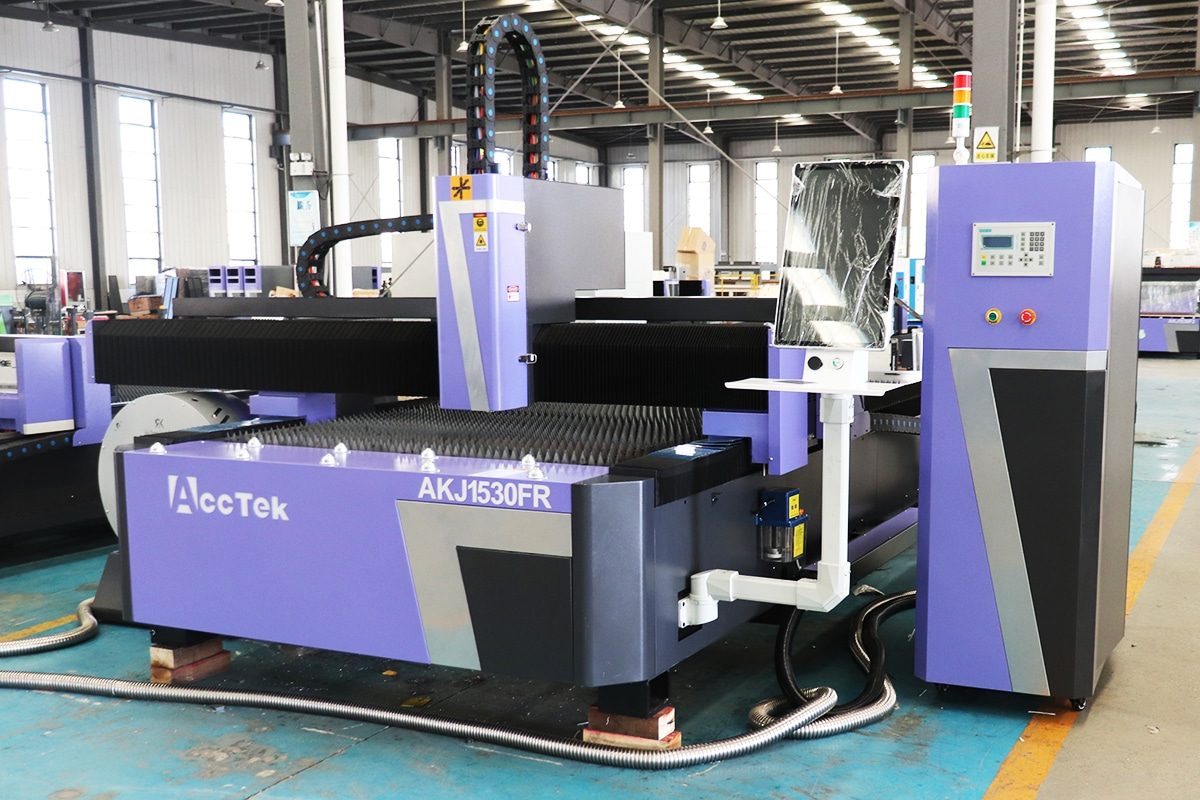
Precautions for Operating Laser Cutting Machines
Laser cutting machines have become essential tools across modern manufacturing, metal fabrication, electronics, signage production, and countless other industries due to their high precision, speed, and ability to process a wide range of materials. However, despite their efficiency, laser cutting systems also involve concentrated optical energy, high temperatures, moving mechanical components, and potentially hazardous fumes—making safe operation a critical responsibility for every user. Whether you are running a small workshop or managing an industrial production line, understanding operational precautions is not only important for protecting personnel but also vital for maintaining equipment performance, prolonging machine lifespan, and ensuring consistent product quality.
Comprehensive safety practices go far beyond simply wearing protective eyewear. They include proper pre-operation checks, correct material handling, stabilizing work environments, routine maintenance, and following strict operational protocols. Neglecting these precautions can lead to fire risks, eye injuries, equipment malfunction, poor cutting results, and costly downtime. As laser technology continues to advance, so do the expectations for safe, standardized usage in professional and educational settings.
This article provides an in-depth guide to the essential safety precautions every operator should follow. By integrating these practices into your daily workflow, you can achieve safer operations, cleaner results, and more reliable productivity from your laser cutting machine.
Table of Contents
Understanding Laser Cutting Risks
Operating laser cutting machines involves far more than directing a beam onto a material. These machines combine optical energy, electrical systems, pressurized gases, high-temperature zones, precision motion mechanisms, and digital control software—all of which introduce their own categories of risk. Understanding these hazards is the foundation of safe operation. Before adopting protective measures or writing standard operating procedures, operators must fully recognize how and where incidents can occur.
Optical Hazards
At the core of every laser cutting machine is a high-intensity beam capable of burning, melting, or vaporizing material. Direct exposure to the beam can cause irreversible eye damage, with even brief contact potentially leading to retinal burns or blindness. Indirect exposure is equally dangerous: reflected or scattered laser light can bounce off metal surfaces or machine components, creating uncontrolled beams that may not be immediately visible. Optical hazards also extend to the infrared wavelength range, which is invisible to the naked eye, making accidental exposure more likely without proper protective eyewear and enclosure systems.
High Temperature and Fire Hazards
Laser cutting generates extreme heat at the focal point, often reaching several thousand degrees Celsius. This concentrated thermal energy can ignite combustible materials such as wood, acrylic, paper, or dust particles. Even with metals, accumulated slag, unattended debris, or excessive heat buildup can create smoldering hotspots that lead to fire after cutting is complete. Improper air assist settings, dirty optics, and poor ventilation can intensify the risk. Fire hazards also increase when operators cut prohibited materials, use flammable cleaning agents inside the machine, or leave the machine running without supervision.
Electrical Shock Risks
Laser cutting systems rely on high-voltage power supplies, stepper or servo drives, cooling units, and control electronics. Damaged wiring, poorly grounded equipment, exposed terminals, or improper maintenance can lead to electric shock. High-voltage laser power supplies (especially in CO2 laser cutting machines) can store dangerous residual charges even after the machine is turned off. Electrical risks also arise when operators perform unauthorized repairs, bypass machine interlocks, or plug the system into unregulated or unstable power sources. Moisture, condensation, and coolant leaks around electrical components further magnify the hazard.
Mechanical and Motion Control Hazards
The motion system of laser cutting machines—typically involving linear guides, ball screws, belts, or gantry systems—moves at high speeds and with significant force. Pinch points, moving beams, and rapidly shifting axes pose risks of crushing or entanglement if operators place hands or tools inside the work area during operation. Unexpected movements can occur during homing, calibration, or software-controlled job execution. Improperly secured materials may slip into the motion path, causing mechanical collisions that damage machine components or create flying debris.
Fume and Smoke Exposure
Laser cutting vaporizes materials, producing fumes, particulates, and chemical by-products that may be harmful if inhaled. Plastics such as acrylic, ABS, and polycarbonate release fumes that irritate the respiratory system and, in some cases, contain toxic compounds. Cutting certain coatings, foams, or unknown materials can produce corrosive or carcinogenic gases. Poor ventilation, clogged filters, or non-functional exhaust systems allow these emissions to accumulate around the machine, posing long-term health risks for operators and affecting indoor air quality across the facility.
Cooling System Risks
Laser sources—especially CO2 tubes and high-power fiber lasers—depend on stable cooling systems to prevent overheating. Faulty chillers, clogged water lines, incorrect coolant mixtures, or leaks can cause sudden temperature spikes, tube failure, or catastrophic thermal damage to the laser source. Coolant leaks around electronics introduce electrical hazards, while insufficient coolant flow may lead to micro-fractures, reduced laser lifespan, or unexpected shutdowns. In extreme cases, overheated components may crack, burst, or cause internal fires.
Gas System Hazards
Assist gases such as oxygen, nitrogen, or compressed air play an important role in cutting performance, but they also introduce unique hazards. Pressurized cylinders can become explosive projectiles if damaged or improperly secured. Oxygen-enriched environments significantly increase fire risk, as materials ignite more easily and burn faster. Leaking nitrogen or inert gases can displace oxygen in confined spaces, creating suffocation risks. Faulty regulators, cracked hoses, and incorrect pressure settings can also cause sudden bursts, unstable cutting performance, or system failure.
Noise and Vibration Hazards
Although laser cutting machines are quieter than many mechanical cutting machines, they still generate noise from blowers, air pumps, compressors, exhaust systems, and high-speed motion components. Prolonged exposure can contribute to hearing fatigue or long-term hearing damage, especially in enclosed workshops. Excessive vibration from unstable machine placement, worn mechanical components, or high-speed cutting can also lead to structural wear, reduced accuracy, and ergonomic strain for nearby workers.
Software and Programming Errors
Modern laser cutting machines depend heavily on software for motion control, path planning, power modulation, and cut sequencing. Programming mistakes—such as incorrect speed–power combinations, missing kerf compensation, or flawed toolpaths—can cause sudden jerks, collisions, misfires, or overheating. Inadequate nesting strategies may result in dangerously thin cut sections that fall into the beam path. Corrupted files, outdated firmware, or operator inexperience can further contribute to unpredictable machine behavior, posing both safety and quality risks.
Laser cutting machines integrate multiple high-energy, mechanical, and digital systems, making them extremely powerful but also inherently hazardous when operated without clear safety awareness. Every risk—optical, electrical, thermal, mechanical, chemical, or software-related—can lead to equipment damage, personal injury, or operational downtime if not properly managed. A thorough understanding of these risks forms the foundation for effective safety protocols and responsible machine operation. By recognizing how each hazard arises and what conditions make it worse, operators can implement the right precautions, maintain consistent performance, and ensure a safe working environment throughout the cutting process.
Pre-Operation Precautions
Before any laser cutting task begins, safety starts with proper preparation. Pre-operation precautions form the foundation of safe, predictable, and efficient machine performance. This stage focuses on three essential pillars: preparing the operator, preparing the machine, and preparing the environment. Whether the system is used in an industrial shop, educational environment, or small business workspace, thorough preparation ensures that both personnel and equipment are ready for the complexities of high-energy laser cutting. The steps outlined below help prevent common accidents, reduce equipment failures, and create a controlled environment where precision and safety can coexist.
Operator Training Requirements
Laser cutting machines must only be handled by trained and authorized personnel. Operators should understand not only how to run the machine but also how it works, how hazards emerge, and where emergency controls are located. Comprehensive training includes learning laser classifications, understanding beam characteristics, recognizing safe and unsafe materials, and mastering the machine’s operating software. Training should cover startup and shutdown sequences, basic troubleshooting, gas and cooling system management, ventilation requirements, and maintenance expectations. Refresher training is essential for long-term safety, and no untrained individuals should be allowed access to the laser cutting area.
Personal Protective Equipment (PPE)
Appropriate PPE is mandatory for every operator and anyone working near the machine. Laser-specific safety goggles should match the wavelength and optical density rating required for the specific laser cutting system. Operators must also wear protective clothing made from non-flammable materials to minimize fire risk. Gloves should be used when handling raw materials, finished parts, and components that may retain heat. Respiratory protection is recommended when working with materials known to release fumes, especially if the ventilation system is under maintenance. Hearing protection may be needed in settings where compressors, blowers, or extraction systems operate at high noise levels.
Workspace Requirements
Laser cutting machines should operate in a clean, organized, and well-ventilated workspace. The area surrounding the machine must remain free of flammable liquids, paper, packaging materials, wood dust, and stray debris. Adequate lighting helps operators inspect materials, align workpieces, and detect potential hazards. Ventilation systems—including exhaust ducts, filters, and air assist systems—should run smoothly to remove smoke and fumes at the source. The machine should be placed on a stable surface, protected from vibration, and insulated from excessive humidity or temperature fluctuations. Access to emergency exits, fire equipment, and electrical panels must remain unobstructed.
Fire Prevention Setup
Fire prevention begins before the first cut. Operators should inspect the machine’s interior for leftover debris, previous cut materials, loose scraps, and accumulated dust—any of which can ignite during high-temperature cutting. A functional air assist system is essential to reduce heat concentration and disperse flammable particles. A certified fire extinguisher, preferably rated for electrical and flammable solid fires, must be readily accessible. Some professional workshops use automatic fire suppression systems inside the cutting chamber, which should be inspected regularly. Never use flammable cleaners or solvents inside the machine, and ensure that no flammable objects are stored near the beam path or exhaust outlet.
Machine Condition Checks
Before beginning operation, the machine must undergo a thorough inspection to ensure that all systems function correctly. Operators should examine the optics—including lenses and mirrors—for dust, residue, or scratches that could distort the beam or cause overheating. The cutting bed should be leveled, clean, and free of obstructions. Motion components such as rails, belts, pulleys, and bearings should move smoothly without unusual noise. Cooling systems must be fully operational, with adequate coolant levels and proper temperature settings. Gas lines, regulators, and nozzles should be free of leaks or blockages. Electrical connections—including grounding—must be secure, and all safety interlocks and sensors must be tested for responsiveness.
Effective laser cutting begins with preparation. Ensuring that the operator is trained, properly equipped, and fully aware of potential hazards establishes a strong safety foundation. Verifying that the workspace is clean, ventilated, and free of ignition sources reduces accident risks dramatically. Conducting careful fire prevention and machine condition checks ensures that all mechanical, optical, electrical, and thermal systems are stable before cutting begins. By integrating these pre-operation precautions into daily routines, operators can prevent accidents, extend machine lifespan, and promote safe, reliable, and precise cutting performance.
Material-Related Precautions
Selecting and preparing materials is one of the most critical aspects of operating laser cutting machines safely. Each material interacts with the laser beam differently—some vaporize cleanly, others burn unpredictably, and some release toxic or corrosive gases. Understanding which materials are safe, which are dangerous, and how to prepare them properly is essential for preventing accidents, equipment damage, and harmful exposure. Material-related precautions help ensure stable cutting performance, better edge quality, and a safer working environment. Before loading any workpiece into the machine, operators must evaluate the material’s composition, thickness, surface condition, and suitability for the specific laser cutting system.
Materials That Are Safe to Cut (General Guidelines)
Laser cutting machines, especially CO2 and fiber laser cutting systems, can safely cut a wide range of materials as long as operators follow manufacturer guidelines. Safe-to-cut materials generally include natural woods, plywood, MDF, acrylic, PETG, paper, cardboard, leather, fabrics, rubber without chlorine, and many plastics that do not produce toxic fumes. Metals such as stainless steel, carbon steel, and aluminum are safe for fiber lasers, but only when paired with proper assist gases and appropriate power settings. Operators must always confirm material purity and chemical composition, since unknown coatings, glues, or additives can change how the material reacts under laser heat. Even safe materials require proper air assist, consistent cooling, and reliable exhaust extraction to manage smoke and prevent fire.
Materials That Are Dangerous or Forbidden
Certain materials should never be cut with a laser due to severe health and safety risks. PVC, vinyl, and chlorinated plastics release chlorine gas when vaporized, which is highly toxic to humans and corrosive to machine components. Polycarbonate tends to discolor, burn, or melt uncontrollably, creating flame hazards and producing hazardous fumes. ABS emits cyanide-containing compounds and melts instead of cutting cleanly, leading to unpredictable fires. Fiberglass, carbon fiber composites, and epoxy-coated materials release harmful particulates and can damage optical components. Reflective metals, when processed with CO2 lasers, may reflect laser energy into the machine, damaging the laser tube or optics. Unknown materials, recycled plastics, or coated substrates should always be tested or avoided until their chemical composition is verified. If there is any doubt about a material’s safety, it must not be loaded into the laser cutting machine.
Material Flatness and Cleanliness
A stable, clean, and properly aligned material surface is essential for accurate and safe laser cutting. Warped, uneven, or bowed materials can disrupt the focal distance, causing inconsistent energy absorption, excessive burning, or laser backscatter. Uneven surfaces may also collide with the machine’s nozzle, leading to mechanical damage or sudden misalignment. Operators should inspect materials for warping, bending, or thickness variations and secure them properly to the cutting bed when needed. Cleanliness is equally important: dust, oil, coatings, adhesives, or oxidation can ignite, produce excess smoke, or contaminate optical components. Dirty surfaces degrade cut quality and may scatter the beam unpredictably. Before cutting, all materials should be wiped clean, free from loose particles, and placed firmly on a stable cutting platform.
Material selection and preparation are central to laser cutting safety. Choosing materials that are proven to be laser-safe minimizes fume hazards, ensures cleaner cuts, and protects machine components. Avoiding forbidden materials prevents toxic gas emissions, corrosive damage, fires, and severe health risks. Ensuring that every material is flat, clean, and properly secured helps maintain the correct focal distance, improves accuracy, and prevents mechanical collisions. By following these material-related precautions, operators ensure a safer cutting environment, reduced machine wear, and consistently high-quality results across all projects.
Laser Activation Precautions
Activating the laser is one of the most critical phases of the cutting process, because this is the moment when high-energy optical power transitions from standby to active operation. Any mistake during activation—whether in warming up the laser source, setting parameters, securing materials, or aligning the optics—can directly impact safety, cutting quality, and machine longevity. Laser activation precautions ensure that the machine is prepared to deliver stable output, the workpiece is properly positioned, and the optical path is optimized for clean, efficient cutting. By performing these steps carefully and systematically, operators reduce the risk of fire, collisions, equipment damage, and inconsistent cutting results.
Laser Warm-Up Sequence
Every laser cutting system, whether CO2 or fiber-based, requires a proper warm-up cycle to reach stable operating conditions. Ignoring this step can lead to fluctuating beam quality, uneven power output, and premature wear of critical components. For CO2 lasers, the warm-up sequence stabilizes the gas mixture, increases tube pressure to the correct level, and brings internal optics to the right temperature. Fiber lasers require stabilization of diode pumps and internal cooling channels to ensure consistent beam mode quality. Operators should let the machine run its designated warm-up routine as specified by the manufacturer and monitor the coolant temperature, power supply readiness indicators, and any diagnostic messages. Starting the cutting process before the system has fully stabilized can lead to weak initial cuts, material burning, or unexpected power spikes.
Correct Parameter Setting
Activating the laser without verifying the correct cutting parameters is one of the most common causes of poor results and operational hazards. Each material requires specific combinations of power, speed, frequency, air assist pressure, and focus height. Incorrect power settings may cause excessive melting, scorching, or ignition, while excessive speed results in incomplete cuts or mechanical strain. Operators must carefully review the material database or manufacturer recommendations and ensure that parameters match the exact material type, thickness, and desired cutting effect. Attention should also be given to kerf compensation, pulse frequency, and multi-pass settings when required. Before full production begins, performing a small test cut helps confirm that parameters are correct and stable.
Securing the Workpiece
A loose, warped, or improperly positioned workpiece can shift during cutting, leading to misalignment, inaccurate parts, collisions with the nozzle, or fire hazards. Securing the material ensures that the laser’s focal point remains consistent across the entire work area. Operators should check that the material lies flat against the cutting bed and use clamps, magnets, pins, or honeycomb supports when necessary. For thin or lightweight materials, securing edges prevents airflow from lifting the material during high-air-pressure cutting. Additionally, operators must verify that the material is positioned within the safe cutting zone, with sufficient clearance from the machine’s edges and motion components. Proper securing also reduces vibration and improves the precision of intricate cuts.
Alignment and Focus Checks
Before activating the laser for cutting, the optical path must be correctly aligned and the focal distance precisely calibrated. Misaligned mirrors, dirty lenses, or incorrect focus height can scatter the beam, weaken cutting power, or cause the beam to strike unintended areas. Operators should inspect the optical components and ensure the focus mechanism—manual or automatic—is functioning correctly. The nozzle should be checked for debris, and the standoff distance must match the material thickness and cutting parameters. Improper focus can lead to overheating, increased slag, or inconsistent kerf width. In extreme cases, beam misalignment can damage internal parts, ignite materials, or reflect into the machine. Confirming alignment and focus before each job guarantees clean edge quality, stable penetration, and predictable cutting performance.
Laser activation is a high-risk stage that demands precision and attention to detail. Ensuring that the machine completes a proper warm-up cycle stabilizes the laser source and prevents power fluctuations. Setting the correct parameters for the specific material and application improves cut quality and minimizes fire and burn risks. Securing the workpiece prevents unwanted movement, mechanical collisions, and inconsistent cuts. Conducting thorough alignment and focus checks ensures that the beam path is safe, controlled, and optimized for clean cutting. By following these activation precautions, operators can significantly enhance safety, reduce machine stress, and achieve consistent, high-quality results every time the laser is engaged.
Precautions During Cutting Operation
Once the laser begins cutting, the machine enters its highest-risk operational phase. High-temperature beams, rapid motion systems, concentrated fume generation, and dynamic material reactions make real-time vigilance essential. Even small deviations—such as unexpected reflections, smoke buildup, loose clothing, or human interference—can lead to fires, equipment damage, or serious injury. Effective safety practices during active cutting ensure that operators remain attentive, the machine operates within safe limits, and environmental conditions stay controlled. The following precautions focus on continuous monitoring, managing physical hazards, restricting access, and maintaining a stable workspace while the laser is in motion.
Monitoring the Cutting Process
Laser cutting machinery must never be left unattended while running. The operator should continuously observe the cutting head, the beam interaction with the material, and the movement of the gantry or axes. Warning signs such as excessive flame, slow cutting, abnormal sparks, discoloration, or audible irregularities indicate that parameters may be incorrect or that material is reacting unpredictably. Sudden smoke surges or unusual odors may suggest overheating or combustion. Real-time monitoring enables the operator to pause or stop the machine immediately if a hazard develops. Relying solely on automation or pre-programmed routines is unsafe; active supervision is essential for prompt response.
Preventing Laser Reflection
Laser reflections occur when the beam hits shiny surfaces, polished metals, or improperly coated materials. Reflected energy can travel unpredictably, posing risks to operators, bystanders, and machine optics. To prevent reflection hazards, operators must avoid cutting highly reflective materials with CO2 lasers unless special coatings or absorptive layers are applied. Fiber lasers, while more capable with metals, still require careful control of beam angle, nozzle condition, and material orientation. Using matte-finish surfaces when possible reduces stray reflections. The cutting chamber door should remain closed at all times, and all protective shielding or enclosure systems must remain intact to prevent stray beams from escaping.
Controlling Smoke and Dust
Laser cutting generates significant amounts of smoke, fumes, and fine particulates that must be managed immediately to prevent health and fire hazards. A functioning exhaust system should continuously draw fumes away from the cutting area and expel them through properly maintained filters or ducting. Operators should monitor airflow patterns and ensure that smoke is not accumulating inside the cutting chamber. If visibility becomes clouded or smoke begins leaking from enclosure gaps, cutting should be paused and the ventilation issue corrected. Excessive residue buildup inside the machine not only impacts cut quality but can also ignite under high heat, making dust control a critical safety requirement.
Avoiding Unauthorized Access
During cutting, the laser cutting machine must remain in a restricted-access zone. Only trained personnel should be allowed near the machine, and doors or safety barriers should be used to prevent accidental entry. Visitors, untrained staff, and children must never be near an active laser cutting machine. The operator should ensure that the machine’s safety interlocks, door sensors, and enclosure locks are functioning properly. Unauthorized access can lead to accidental exposure to the beam, entanglement in moving parts, or unintended emergency stops that disrupt the process. A controlled environment maintains both safety and cutting efficiency.
Ensuring No Loose Clothing or Jewelry
Loose sleeves, scarves, gloves, necklaces, watches, and long hair pose entanglement and fire risks near a moving laser head. High-speed gantry systems can catch dangling items, pulling the operator toward the machine unexpectedly. Additionally, some fabrics or accessories may ignite if they come near hot surfaces, sparks, or laser reflections. Operators must secure or remove all loose items before starting a job. Hair should be tied back, and non-flammable, close-fitting clothing should be worn. Maintaining strict apparel protocols reduces both mechanical and thermal hazards.
Keeping Hands Clear of Moving Parts
The motion system of the laser cutting machine—rails, belts, gears, and the cutting head—moves with speed and precision. Operators must never reach into the cutting area while the machine is running, even for small adjustments or material repositioning. Attempting to manually remove cutouts or hold down a lifting corner can lead to severe injury. Any adjustment must wait until the machine is paused or stopped completely. Emergency stop buttons should always be within reach, and operators must know how to use them quickly in case of unexpected movement or material obstruction.
Maintaining Clean Cutting Areas
A clean cutting area reduces the likelihood of fire, improves beam consistency, and prevents mechanical obstructions. Small scraps, cutouts, and leftover debris can ignite under direct beam exposure or block airflow around the nozzle. Dust and residue buildup on the honeycomb bed reduces ventilation efficiency and contributes to smoke accumulation. Operators should routinely clear the cutting bed between tasks, ensuring the work surface is free of clutter. Keeping the area clean around the machine also minimizes tripping hazards and prevents contamination of optical components or moving parts.
Safety during active laser cutting depends on constant attention and strict adherence to operational procedures. Continuous monitoring ensures rapid response to unexpected material behavior, while preventing reflections protects operators and machine optics. Proper ventilation controls smoke and reduces fire risk, and restricting access keeps untrained individuals away from hazardous zones. Eliminating loose clothing and keeping hands clear of moving parts minimizes mechanical injury risks. Maintaining a clean cutting environment improves performance and further reduces hazards. By following these precautions, operators can maintain a stable, controlled, and safe cutting environment throughout the entire operation.
Electrical and Mechanical Precautions
Laser cutting machines integrate advanced electrical systems, precision mechanics, optical components, and high-power energy sources. Because these systems work together at high speeds and high temperatures, even minor electrical faults or mechanical misalignments can result in severe safety risks, equipment damage, or reduced cutting quality. Proper electrical and mechanical precautions ensure that all components operate within safe limits, minimize the potential for accidents, and extend the lifespan of the machine. This section covers essential precautions involving high-voltage safety, transmission system maintenance, lens and nozzle cleaning practices, and the importance of regular calibration.
High-Voltage Safety
Laser cutting machines contain multiple high-voltage components, including laser power supplies, high-frequency inverters, servo drives, control boards, and auxiliary systems. These components can retain dangerous residual charges even after the machine is powered off. Operators must never attempt to open electrical cabinets, remove covers, or troubleshoot high-voltage components unless they are certified technicians. Proper grounding is essential to prevent electric shock, equipment malfunction, and electromagnetic interference. Moisture, coolant leaks, and high humidity greatly increase the risk of electrical shorts, so the machine should always be operated in a dry, controlled environment. All power cables must remain intact, firmly connected, and free from fraying or heat damage. Before performing any maintenance, the machine should be fully powered down, locked out, and allowed sufficient time for capacitors to discharge.
Transmission System Precautions
The transmission system—typically consisting of linear rails, ball screws, rack-and-pinion drives, belts, pulleys, and gantry assemblies—enables the machine’s precise motion. Because these components move rapidly and with significant force, they pose both mechanical and entanglement hazards. Operators must never place hands or tools near moving elements, even briefly. Regular lubrication of rails and bearings is required to prevent friction, overheating, and premature wear. Loose belts, misaligned gantries, or debris lodged in the rail path can cause sudden jerks, stalls, or collisions, which not only compromise safety but can also misalign the optical path or damage the cutting head. Any abnormal noise, vibration, or stiffness during movement should be investigated immediately. Ensuring that materials are properly secured and workpieces do not interfere with the moving assembly is also critical for preventing mechanical accidents.
Lens and Nozzle Cleaning Precautions
Optical components such as focusing lenses, protective windows, and nozzles must remain clean for safe and efficient cutting. Dirty or damaged optics can scatter the beam, reduce cutting power, or cause localized overheating, which increases fire risk and accelerates wear on the laser source. Operators should use only approved cleaning solutions, lint-free cloths, and proper handling tools to prevent scratching delicate surfaces. Cleaning must be performed with the machine powered off and cooled down. The nozzle should be checked regularly for slag buildup, dust, or debris that can obstruct airflow, cause backfire, or lead to unstable cutting flames. Any sign of cracking, pitting, or discoloration on lenses or mirrors should be addressed immediately, as damaged optics can distort the beam or create harmful reflections.
Regular Calibration
Laser cutting machines require routine calibration to maintain accuracy, safety, and consistent performance. Calibration ensures that the laser beam aligns correctly with the nozzle, that focus height is precise, and that the machine’s axes move exactly according to programmed instructions. Over time, mechanical wear, temperature changes, and vibration may cause drift in positioning systems or focus mechanisms. Regular calibration involves checking mirror alignment (for CO2 lasers), adjusting focus height, verifying the accuracy of stepper or servo motors, and ensuring that software offset values match the physical machine geometry. A poorly calibrated machine may cut inaccurately, apply excessive heat, or place the beam off-center—leading to weak cuts, poor edge quality, or accidental damage to internal components. Consistent calibration reduces long-term risk and maximizes productivity.
Electrical and mechanical safety is fundamental to the reliable and secure operation of laser cutting machines. High-voltage precautions protect operators from shock hazards and prevent component failures. Proper care of the transmission system ensures smooth, stable, and safe motion during cutting. Clean, well-maintained lenses and nozzles safeguard beam quality and reduce risks related to overheating or reflection. Regular calibration keeps the machine accurate, efficient, and safe for daily use. By integrating these precautions into routine operations, operators can maintain a high level of safety, extend equipment life, and achieve consistent cutting performance.
Cooling System Precautions
The cooling system is one of the most critical safety and performance components of any laser cutting machine. Whether using CO2 laser tubes or a high-power fiber laser source, stable cooling ensures that the laser operates within safe temperature limits, prevents overheating, and protects sensitive optical and electronic components. Failures in the cooling system can lead to sudden power loss, thermal cracking, reduced beam quality, and even catastrophic tube or module failure. Proper cooling system precautions—including correct water chiller operation, condensation management, and the use of appropriate antifreeze—are essential for maintaining long-term machine stability and operator safety.
Water Chiller Operation
A high-quality water chiller is the heart of the cooling system, and its correct operation directly determines the performance and lifespan of the laser source. The chiller must be turned on before activating the laser and allowed sufficient time to reach the target temperature. Operators should monitor the inlet and outlet temperatures to ensure stable cooling flow and confirm that the chiller’s pump is running smoothly. The water level must always remain within the recommended range; low water levels can cause cavitation, pump damage, or inadequate cooling. Only clean, deionized, or distilled water should be used to prevent mineral buildup, algae growth, or corrosion inside cooling channels. Filters should be inspected and replaced regularly to ensure unobstructed circulation. Any unusual noise, vibration, or temperature fluctuation in the chiller indicates a potential issue that must be addressed immediately before operation continues.
Avoiding Condensation
Condensation is a hidden but serious risk that can cause electrical shorts, optical damage, and corrosion, especially in environments with high humidity or significant temperature differences. When cold water from the chiller circulates through the laser tube or fiber module, moisture in the surrounding air can condense on the system’s exterior surfaces. This condensation may drip onto circuit boards, laser modules, electrical connectors, or optical paths, creating dangerous operating conditions. To prevent this, operators should avoid setting the chiller temperature too low. The coolant temperature should be close to the ambient temperature to reduce the chance of moisture formation. In humid environments, dehumidifiers or climate control systems should be used to maintain stable humidity levels. Regular inspections of tubing, fittings, and the laser housing help detect early signs of moisture buildup before it becomes a safety hazard.
Antifreeze Precautions
In colder climates or unheated workshops, antifreeze may be required to prevent coolant from freezing inside the chiller or laser’s water lines. However, not all antifreeze solutions are suitable for laser cutting systems. Operators should only use antifreeze types approved by the machine manufacturer—typically low-corrosion, low-conductivity formulations designed specifically for precision cooling systems. Common automotive antifreeze products can damage seals, clog microchannels, or reduce heat transfer efficiency. When using antifreeze, the concentration must be carefully controlled: too little offers insufficient protection, while too much can thicken the coolant and restrict flow. Coolant mixtures should be replaced on a regular schedule to maintain chemical stability and prevent sediment buildup. Before switching between pure water and antifreeze mixtures, the system must be thoroughly flushed to prevent chemical reactions or contamination.
A well-maintained cooling system is essential for safe and consistent laser cutting operations. Correct operation of the water chiller ensures stable temperatures, reliable coolant flow, and long-term protection of the laser source. Preventing condensation safeguards electrical and optical components from moisture-related damage and helps maintain beam stability. Using antifreeze responsibly protects the cooling system in cold environments while avoiding chemical damage caused by incompatible fluids. By following these cooling system precautions, operators significantly reduce the risk of thermal failure, extend the lifespan of critical components, and maintain the high precision and safety required for professional laser cutting.
Gas System Precautions
The assist gas system is a critical part of laser cutting operations, directly influencing cut quality, material behavior, and operational safety. Whether using oxygen for reactive cutting, nitrogen for clean-edge processing, or compressed air for cost-efficient general use, the gas delivery system must be handled with extreme care. Pressurized cylinders, regulators, hoses, and valves all carry inherent risks, including fire hazards, explosions, asphyxiation, and equipment damage if improperly managed. The following precautions address safe cylinder handling, proper pressure settings, leak detection, and the process of switching between gas types, ensuring that operators can work safely and maintain stable machine performance.
Safe Cylinder Handling
Gas cylinders store gases at extremely high pressures and must be handled with strict safety protocols. Cylinders should always be secured in an upright position using chains, brackets, or specialized stands to prevent tipping. An unsecured cylinder can fall, rupture the valve, and turn into a high-speed projectile. Caps must remain on the cylinder when not in use to protect the valve assembly. Operators should avoid dragging, rolling, or dropping cylinders; instead, approved carts or trolleys should be used for transportation. Cylinders should be stored away from heat sources, electrical equipment, and flammable materials, with adequate ventilation to prevent gas accumulation. Only trained personnel should connect or disconnect gas lines, and all handling must follow the manufacturer’s safety guidelines and local regulations.
Pressure Settings
Correct pressure settings are essential for stable cutting performance and safe operation. Each material and cutting technique requires specific gas pressures to achieve clean kerfs, effective oxidation (for oxygen cutting), or smooth molten metal ejection. Excessive pressure can cause blowouts, unstable flames, noisy cutting, or nozzle damage. Insufficient pressure may lead to dross buildup, poor penetration, or overheating. Operators must verify the set pressure on both the regulator and the machine interface before starting a job. Regulators must be compatible with the gas type and rated for the required pressure levels. Sudden pressure fluctuations may indicate regulator malfunction, clogged nozzles, or leaks, and must be addressed immediately. Pressure tests should always be performed with the machine idle to avoid dangerous gas surges during activation.
Leak Detection
Gas leaks pose serious risks, including fire, explosion, and suffocation. Regular leak detection is essential for maintaining a safe working environment. Operators should inspect hoses, fittings, regulators, and valve assemblies for cracks, wear, or loose connections before each use. Soap-solution tests can be applied to suspect areas to reveal bubbles indicating a leak, while electronic gas detectors provide more sensitive detection for nitrogen, oxygen, and compressed air leaks. Any detected leak requires the system to be shut down immediately. Gas cylinders must be turned off at the valve during maintenance or extended downtime. Operators should never rely solely on smell to identify leaks, as many industrial gases are odorless. Adequate ventilation and regular inspection routines dramatically reduce the likelihood of hazardous gas buildup.
Switching Gas Types
Different materials and cutting conditions often require switching between gases, but this process must be performed with precision to avoid contamination, pressure mismatches, and equipment stress. Before changing gas types, the operator should fully shut off the existing cylinder, release residual pressure from the lines, and ensure that regulators and hoses are designed for the new gas. Using an incorrect regulator type can cause dangerous over-pressurization or valve failure. Lines should be purged to remove leftover gases that could react with or dilute the new supply—for example, mixing oxygen with oil residue or incompatible gases can create explosive conditions. Operators must update machine settings to match the new gas, including nozzle size, cutting parameters, and pressure levels. After switching, a brief test cut is recommended to confirm that gas flow, pressure, and cut quality are stable.
The gas system plays a vital role in laser cutting safety and performance, and improper handling can result in serious hazards. Safe cylinder handling prevents physical accidents and protects high-pressure components. Correct pressure settings ensure stable cutting, prevent equipment damage, and minimize fire risks. Routine leak detection safeguards the workspace from dangerous gas accumulation and oxygen depletion. Proper gas-switching procedures maintain system integrity and ensure consistent cutting results. By following these gas system precautions, operators can maintain a controlled, safe, and efficient environment, ensuring reliable laser performance and long-lasting machine health.
Post-Operation Precautions
Post-operation procedures are just as important as the precautions taken before and during laser cutting. After the laser completes its task, the machine, materials, and surrounding environment remain in a state where hazards are still present—such as hot workpieces, residual fumes, active electronics, and elevated temperatures inside the laser source. Proper shutdown practices, careful handling, thorough cleaning, and systematic inspection help protect operators, maintain machine longevity, and ensure that the next cutting cycle begins under safe conditions. This section outlines essential post-operation precautions that should be followed consistently to minimize risks and preserve cutting precision.
Shutting Down Safely
Shutting down laser cutting machines requires more than simply pressing the power button. The operator must follow the manufacturer’s recommended shutdown sequence to ensure all subsystems deactivate gradually and safely. Cutting should be paused before lifting the lid or opening the enclosure. Once the job is complete, the laser source should be powered down, followed by the motion system, exhaust system, and auxiliary components in the specified order. Operators should wait until all movement has fully stopped before reaching into the cutting area. Power supplies must be switched off completely, and emergency stop buttons should never be used as a routine shutdown method unless there is an actual emergency. Proper shutdown prevents electrical stress, overheating, and accidental reactivation.
Handling Hot Materials
Workpieces, cutouts, scrap material, and even the cutting bed itself can remain extremely hot immediately after cutting. Handling them without caution can lead to burns, fires, or material warping. Operators should wait until the workpiece cools naturally before removing it, or use heat-resistant gloves if removal is necessary sooner. Thin or lightweight materials may ignite if placed near flammable objects while still hot. Metal workpieces and slats can retain heat for several minutes or even longer, depending on their thickness and thermal conductivity. Hot debris should be placed in designated metal containers that can withstand high temperatures. Always check for smoldering spots or lingering sparks that could reignite after removal.
Cleaning the Machine
Regular cleaning after each operation significantly reduces mechanical wear, fire risk, and smoke buildup. Operators should remove scrap pieces, dust, and residue from the cutting bed, honeycomb surface, and surrounding areas. Excess debris obstructs airflow, increases flare-ups, and diminishes cut quality. The exhaust port, filters, and internal chamber should be inspected for particulate buildup that may restrict ventilation. Cleaning must always be performed with the machine powered down and cooled. Operators should avoid using flammable cleaning agents and instead rely on manufacturer-approved solutions. Keeping the work area clean also prevents foreign materials from entering the optical path or mechanical components during the next cutting cycle.
Checking Optics for Damage
The intense heat and particulate matter produced during cutting can affect optical components such as lenses, mirrors, protective windows, and nozzles. After each session, operators should visually inspect these components for soot, smoke film, scratches, or cracks. Even minor contamination can scatter the beam, reduce power efficiency, and increase the risk of overheating during the next job. If optics appear dirty, they should be cleaned with non-abrasive, laser-safe cleaning tools. Damaged or worn components must be replaced promptly to prevent energy loss or beam distortion. Early detection of optical issues ensures stable performance and protects the machine from long-term damage.
Cooling System Shutdown
The cooling system should remain active for a short period after cutting to allow the laser tube or fiber module to return to a safe temperature. Turning off the chiller prematurely can trap heat inside the system, causing thermal expansion, micro-fractures, or premature aging of the laser source. Operators should confirm that coolant temperatures have stabilized before shutting down the chiller or water pump. The coolant level should be checked, and any air bubbles or abnormal temperature readings should be recorded for maintenance. In environments with high humidity, operators must ensure that residual condensation does not form on cold surfaces after shutdown. Proper cooling system shutdown protects the laser from thermal stress and extends its operational lifespan.
Effective post-operation precautions ensure that the laser cutting machine remains safe, clean, and ready for the next job. A proper shutdown sequence protects electronic and mechanical systems from stress or accidental activation. Safe handling of hot materials prevents burns, fires, and material distortion. Thorough cleaning reduces the risk of debris accumulation, flare-ups, and suboptimal cutting conditions. Inspecting optics after each session preserves beam quality and prevents long-term damage. Allowing the cooling system to run until temperatures stabilize protects the laser source from thermal shock. By integrating these post-operation practices into routine workflows, operators maintain a safer working environment and enhance the reliability and longevity of their laser cutting machines.
Environmental Precautions
Laser cutting machines do not operate safely or efficiently in just any environment. The surrounding workspace plays a critical role in beam stability, component lifespan, operator safety, and overall cutting quality. Environmental factors such as ventilation, air cleanliness, temperature, humidity, and vibration control must be carefully managed to ensure that the machine performs within its designed parameters. A poorly controlled environment can introduce risks such as optical contamination, overheating, electrical instability, misalignment, and even fire. This section outlines the essential environmental precautions that operators must follow to maintain safe and predictable laser cutting operations.
Ventilation Requirements
Proper ventilation is mandatory when operating laser cutting machines. Cutting materials generate smoke, fumes, particulates, and chemical by-products that must be extracted immediately to prevent respiratory exposure, fire hazards, and optical contamination. A dedicated exhaust system should be installed to draw fumes directly from the cutting chamber and vent them outdoors or into a filtered purification system. Operators must ensure that airflow is strong, consistent, and unobstructed, with no leaks in the ducting. Ventilation filters should be cleaned or replaced regularly to maintain efficiency. Poor ventilation can cause harmful fumes to accumulate, cloud the cutting area, reduce laser penetration, and leave carbon deposits on lenses and internal surfaces. In enclosed workshops, supplemental air circulation or make-up air systems may be required to maintain safe oxygen levels.
Dust-Free Environment
Dust is one of the most damaging environmental contaminants for laser cutting machines. It can accumulate on lenses, mirrors, guide rails, motors, and electronic components, leading to overheating, reduced accuracy, and beam distortion. Fine dust particles generated by other workshop equipment can be drawn into the laser cabinet, where they may ignite or interfere with cooling systems. To reduce these risks, the laser cutting machine should be placed away from woodworking or grinding areas, and nearby equipment should have dust-extraction systems. Operators must regularly clean the workspace and avoid storing cardboard, paper, or debris near the machine. Maintaining a dust-free environment ensures that optical components remain clear, motion systems run smoothly, and interior surfaces are free from ignition risks.
Temperature and Humidity Control
Laser cutting machines operate best within specific temperature and humidity ranges. Excess heat can cause the laser source, chiller, power supply, and electronics to overheat, while low temperatures increase the risk of condensation and thermal shock. Ideally, the workshop temperature should remain stable and close to the coolant temperature to minimize the chance of moisture forming on the laser tube, fiber module, or electrical boards. High humidity accelerates corrosion, increases dust adhesion, and promotes condensation on cold surfaces. On the other hand, extremely dry environments can increase static electricity, which may interfere with electronics or ignite fine particulates. Temperature and humidity should be monitored continuously, and climate-control systems such as air conditioning or dehumidifiers should be used when needed. Maintaining environmental stability reduces stress on the laser, protects optical coatings, and prevents electrical hazards.
Avoiding Vibrations
Laser cutting machines rely on precision motion systems that require stability to function accurately. Vibrations—whether from nearby machinery, foot traffic, building structure, or external equipment—can affect cut accuracy, distort kerf width, and disrupt beam focus. Excessive vibrations can also accelerate wear on guide rails, bearings, screws, and optical mounts. The machine should be installed on a stable, level surface capable of supporting its weight without flex. If the workshop includes heavy industrial machines like compressors or CNC mills, the laser should be placed away from their vibration zones, or vibration-damping pads should be installed under the machine. Operators should also avoid placing the laser in areas with heavy foot traffic or near doors that slam shut. A vibration-free environment ensures smooth motion, consistent focus height, and professional-grade cutting results.
Environmental control is essential for safe, reliable, and high-quality laser cutting. Effective ventilation removes hazardous fumes and ensures clear visibility within the cutting chamber. A dust-free workspace protects sensitive optical and mechanical components from contamination and fire risks. Maintaining stable temperature and humidity prevents condensation, electrical failures, and thermal stress on the laser source. Eliminating vibration sources preserves motion accuracy and extends the lifespan of mechanical components. By following these environmental precautions, operators create a safe, controlled, and efficient workspace that supports long-term machine performance and consistent cutting results.
Maintenance Precautions
Regular maintenance is essential for keeping laser cutting machines in optimal working condition. A well-maintained machine delivers better cutting quality, reduces the risk of operational failures, and ensures long-term safety for operators. Maintenance tasks must be performed systematically, using proper procedures and approved tools, because careless handling can damage sensitive components or introduce safety hazards such as leaks, electrical shorts, or optical misalignment. This section covers critical maintenance precautions involving lubrication, cooling system care, optical cleaning, gas system inspection, and electrical safety—each of which contributes to stable and reliable laser cutting performance.
Lubrication
The motion system of a laser cutting machine depends on smooth, low-friction movement across rails, bearings, slides, belts, and ball screws. Lubrication prevents wear, overheating, and premature failure of these mechanical components. Operators must use only manufacturer-approved lubricants to avoid chemical reactions or degradation of seals. Before applying lubricant, the area should be cleaned thoroughly to remove dust, metal particles, and old grease, as contaminant buildup can grind against mechanical parts. Over-lubrication is also a hazard, as excess oil can attract dust, leak into sensitive areas, or create slip hazards. Lubrication schedules should be followed strictly, adjusting frequency based on usage level and environmental conditions. Any unusual noise, vibration, or stiffness in the motion system should be investigated immediately before further operation.
Cooling System Filter Replacement
The cooling system relies on clean water flow and filtration to regulate the laser’s temperature, prevent overheating, and protect internal components from deposits. Over time, filters trap debris, algae, metal ions, and particulate matter, which restrict coolant flow and reduce cooling efficiency. Operators should replace water filters at regular intervals and inspect them for discoloration, clogging, or unusual odor. Before removing or installing filters, the cooling system must be powered off, depressurized, and allowed to cool. Improper handling can introduce air bubbles, which may disrupt flow or cause pump cavitation. After replacing the filter, the coolant loop should be flushed if necessary, and the system must be run for several minutes to confirm stable flow and temperature.
Optical Component Maintenance
The optical path—including lenses, mirrors, protective windows, and nozzles—is highly sensitive to dust, soot, fingerprints, and microscopic scratches. Without proper care, contaminated optics scatter laser energy, reduce cutting efficiency, and increase fire hazards. Operators must use non-abrasive, laser-safe cleaning agents and lint-free wipes designed specifically for precision optics. Cleaning should be performed gently and only when necessary, because excessive cleaning can degrade anti-reflective coatings. Before accessing optical components, the machine must be fully powered off and allowed to cool to avoid burns or accidental exposure. Any signs of pitting, discoloration, cracks, or deformation indicate that the component should be replaced immediately. Maintaining clean optics ensures maximum beam quality, stable cutting penetration, and long-term equipment integrity.
Gas System Maintenance
Assist gas systems require regular inspection and maintenance to ensure consistent gas flow and prevent leaks, pressure fluctuations, and contamination. Operators should periodically check regulators, hoses, fittings, and connectors for wear, cracking, corrosion, or loose connections. Dust caps should be used on unused ports to prevent contamination. Regulators must be calibrated and tested to verify accurate pressure control, especially when switching between gas types. Moisture and oil contamination in the gas lines can cause dangerous reactions when mixed with oxygen or high-pressure gases, making routine line purging essential. Cylinders must be stored securely, inspected for expiration dates, and replaced before pressure drops below safe operating limits. Proper gas system maintenance ensures clean cuts, safe operation, and stable machine performance.
Electrical Maintenance
Electrical systems in laser cutting machines operate at high voltage and must be maintained with extreme caution. Only qualified technicians should open electrical cabinets or perform repairs involving power supplies, inverters, motors, and wiring. Operators should routinely inspect external cables, grounding points, plugs, and connectors for damage, burns, fraying, or overheating. Any signs of discoloration, unusual smell, or sparking indicate immediate shutdown and inspection. Dust and moisture are major hazards—electrical enclosures should remain clean, dry, and tightly sealed. Before performing any electrical maintenance, the machine must be fully powered down and locked out to prevent accidental activation. Proper electrical maintenance reduces the risk of shocks, fires, and unexpected system failures.
Maintenance precautions are vital to ensuring the long-term safety, precision, and efficiency of laser cutting machines. Proper lubrication keeps mechanical components moving smoothly and reduces wear. Regular replacement of cooling system filters prevents overheating and protects the laser source. Careful maintenance of optical components preserves beam quality and prevents dangerous scattering or overheating. Routine inspection of gas systems ensures stable pressure, consistent flow, and safe operation. Electrical maintenance safeguards operators from high-voltage hazards and prevents catastrophic failures. By following these maintenance precautions consistently, operators can significantly extend machine lifespan, improve cutting quality, and maintain a safe, controlled working environment.
Emergency Precautions
Despite careful operation and thorough safety practices, emergencies can still occur when working with laser cutting machines. High temperatures, pressurized gases, electrical systems, and complex mechanical components create conditions where unexpected failures can escalate quickly if not handled properly. Emergency precautions provide operators with the knowledge and procedures needed to respond effectively to hazardous situations. Whether dealing with a fire, electrical fault, cooling system failure, or gas leak, quick and informed action can prevent injuries, minimize equipment damage, and stop minor incidents from becoming major accidents. The following subsections describe essential emergency responses that every operator must understand and practice regularly.
Fire Response
Laser cutting involves intense heat, making fire one of the most common emergency risks. If a fire occurs inside the cutting chamber, the operator should immediately press the machine’s emergency stop button to shut down the laser and halt all motion. Opening the enclosure should be avoided unless necessary, as sudden airflow can intensify the flame. A fire extinguisher rated for electrical and solid-material fires (e.g., Class ABC) should be used to extinguish the fire through the designated safety ports if available. Operators must never use water inside the machine. After extinguishing the fire, the machine should remain off until a full inspection is conducted to ensure that optics, wiring, and the cutting bed have not been damaged. Even small flare-ups require documentation and follow-up maintenance to prevent recurrence.
Electrical Emergencies
Electrical faults can occur due to wiring damage, short circuits, moisture exposure, or failing power supplies. In the event of electrical sparks, burning odors, or sudden loss of power accompanied by unusual noise, the operator must immediately shut off power at the main disconnect switch—never attempt to troubleshoot live circuits. The laser cutting machine should be unplugged if safe to do so, and no one should touch affected components until they have cooled and discharged. Operators must not attempt to repair electrical systems unless they are certified technicians. Instead, the machine should be inspected by qualified personnel. Electrical emergencies often indicate underlying issues with grounding, insulation, or environmental moisture; such conditions must be corrected before the machine is returned to operation.
Cooling Failure
A cooling system failure—such as pump malfunction, coolant blockage, low coolant level, or chiller shutdown—can cause the laser source to overheat rapidly. Overheating may lead to tube cracking (in CO2 lasers), diode damage (in fiber lasers), or thermal shutdowns. If coolant flow alarms or temperature warnings appear, the operator should pause the job immediately and shut down the laser source, but allow the chiller to continue running briefly to reduce residual heat. The cutting job must not resume until the cooling issue is fully diagnosed and corrected. Inspect coolant levels, check for leaks, confirm pump operation, and ensure that the chiller is functioning properly. Running the laser without cooling flow—even for a few seconds—can cause permanent damage, making prompt response essential.
Gas Leaks
Assist gases such as oxygen, nitrogen, and compressed air can pose serious hazards if leaks occur. Gas leaks may result in oxygen-enriched environments that accelerate fires, pressure hazards that damage components, or oxygen displacement that causes suffocation. If a hissing sound, gas odor (when applicable), or unexpected pressure drop is detected, the operator must stop cutting immediately and close the cylinder valve. All electrical equipment in the vicinity should be turned off to prevent sparks. The area must be ventilated thoroughly, and no flames, smoking, or ignition sources should be allowed nearby. Operators should never attempt to tighten leaking fittings under pressure; instead, the system must be depressurized first. If the leak is significant, the area should be evacuated and emergency services contacted. Only trained personnel should inspect and repair gas-related components before the machine is used again.
Emergency precautions are critical for minimizing risks and ensuring operator safety during unexpected events. Quick and informed fire response prevents flames from spreading and protects valuable equipment. Proper handling of electrical emergencies reduces shock hazards and avoids catastrophic system failures. Immediate action during cooling system failures helps prevent irreversible damage to the laser source. Recognizing and responding to gas leaks protects operators from fire, explosion, and suffocation risks. By understanding and practicing these emergency procedures, operators create a safer work environment and ensure that laser cutting operations remain controlled, predictable, and resilient against unforeseen hazards.
Organizational and Administrative Precautions
Beyond technical safety measures, organizations must establish strong administrative controls to ensure that laser cutting operations remain safe, consistent, and compliant with workplace standards. Organizational precautions form the framework that governs how personnel access the machine, how information is displayed, how maintenance is documented, and how procedures are standardized across teams. These measures help eliminate ambiguity, enforce accountability, and create a safety culture in which both experienced operators and new staff understand exactly how to work with the equipment responsibly. The following sections outline key administrative practices that support the safe long-term operation of laser cutting machines.
Access Control
Only trained and authorized personnel should be allowed to operate or closely approach laser cutting machines. Access control reduces the risk of accidental exposure, unauthorized adjustments, and unsafe behavior. Effective control measures include keycard-entry rooms, locked enclosures, password-protected machine interfaces, and physical barriers during operation. Supervisors should maintain an up-to-date list of authorized operators, ensuring that trainees, visitors, or unqualified staff cannot activate or modify the machine. These restrictions are particularly important in shared workshops, educational facilities, and industrial spaces where multiple teams operate nearby. Strict access control prevents unauthorized access to high-voltage components, pressurized gas systems, and hazardous optical zones.
Safety Signage
Clear, visible safety signage communicates essential warnings and instructions to anyone entering the laser cutting area. Signs should indicate laser classification levels, eye protection requirements, electrical hazards, hot surface warnings, emergency stop locations, and restricted access notices. Labels near gas cylinders, power panels, ventilation units, and fire extinguishers help orient operators during routine work and emergencies. Proper signage reduces the likelihood of accidental exposure and reinforces the importance of safe behavior. Signs should remain clean, unobstructed, and compliant with industry regulations. In multi-language environments, signage must be displayed in all relevant languages to ensure universal comprehension.
Maintenance Logs
Laser cutting machines’ long-term safety and performance depend on consistent and traceable maintenance. Maintenance logs document lubrication schedules, filter replacements, optical cleanings, calibration events, repairs, and component replacements. Recording this information helps identify patterns of wear, anticipate failures, and maintain manufacturer warranty compliance. Logs also provide accountability by showing which operator or technician performed each task and when. During safety inspections or troubleshooting, maintenance records offer critical insight into recurring issues or neglected areas. Digital logs, cloud-based tracking, or integrated machine monitoring systems ensure that data remains accurate, accessible, and secure.
Standard Operating Procedures (SOPs)
SOPs are formal, written instructions that define how to operate the laser cutting machine safely and consistently. They eliminate guesswork and ensure that every operator follows the same approved process, from pre-operation checks to shutdown procedures. A well-written SOP covers material verification, parameter setting, laser activation, emergency response, personal protective equipment requirements, and common troubleshooting tasks. SOPs should be reviewed regularly and updated when new equipment, software, or safety regulations are introduced. A physical or digital copy must remain easily accessible near the machine. Training programs should incorporate SOPs as core content, and operators should be tested on their understanding before receiving full authorization.
Organizational and administrative precautions form the structural backbone of safe laser cutting operations. Access control ensures that only trained personnel work with the machine, reducing the risk of accidental exposure or improper use. Safety signage provides constant visual reminders of hazards and correct procedures. Maintenance logs create a reliable record of service history, helping predict issues and sustain long-term performance. Standard Operating Procedures unify workflow practices, eliminate uncertainty, and ensure regulatory compliance. Together, these administrative measures foster a disciplined, safety-oriented environment in which laser cutting machines can operate reliably and responsibly.
Long-Term Safety Culture and Continuous Improvement
Laser cutting safety is not achieved through one-time training or isolated procedures—it requires an ongoing, organization-wide commitment to continuous improvement. As machines age, materials evolve, and operator experience changes, safety practices must adapt accordingly. Building a long-term safety culture means creating an environment where operators remain vigilant, management remains proactive, and the entire workplace remains aligned with modern safety standards. Continuous improvement ensures that the operation remains efficient, compliant, and resilient against emerging risks. This section outlines foundational practices that sustain a strong safety culture and promote long-term operational excellence.
Conduct Routine Safety Audits
Regular safety audits allow organizations to identify potential hazards before they cause accidents. These audits should evaluate all aspects of laser cutting operations, including equipment condition, operator behavior, environmental controls, emergency readiness, and compliance with internal procedures. A thorough audit may include checking grounding connections, verifying ventilation performance, inspecting fire suppression equipment, and reviewing access control measures. Safety audits help pinpoint weaknesses such as neglected maintenance, outdated signage, or operator errors. Findings should be documented, discussed with the team, and addressed promptly through corrective action plans. Consistent safety audits reinforce accountability and keep the entire operation aligned with best practices.
Update Safety Procedures Regularly
As technology, regulations, and workplace conditions evolve, safety procedures must be updated to reflect new requirements. Manufacturers may issue revised guidelines, new materials may require updated cutting parameters, or safety regulations may change at regional or national levels. Organizations should review and revise Standard Operating Procedures (SOPs), emergency response protocols, PPE requirements, and maintenance schedules at regular intervals. Updated procedures must be communicated clearly to all operators, and training should incorporate any changes. Outdated procedures can lead to confusion, unsafe shortcuts, and preventable hazards. Regular updates ensure that safety protocols remain relevant, effective, and compliant with modern standards.
Encourage Operator Feedback
Operators interact with laser cutting machines daily, making them the most valuable source of insight into real-world safety challenges. Encouraging open communication allows operators to report near-misses, recurring problems, equipment anomalies, or procedural inefficiencies without fear of blame. Feedback sessions, safety meetings, or anonymous suggestion channels help organizations gather input that may otherwise go unnoticed. When feedback leads to meaningful improvements—such as adjusting workflows, modifying PPE requirements, or enhancing training materials—it strengthens trust and reinforces the importance of operator involvement. A safety culture thrives when every individual feels responsible for maintaining and improving workplace safety.
Upgrade Outdated Components
Laser cutting machines evolve, and components that were state-of-the-art years ago may become outdated or unsafe. Upgrading worn or obsolete components enhances both safety and performance. Examples include replacing aging laser tubes, installing modern water chillers with digital controls, upgrading motion controllers for smoother movement, or updating exhaust systems to meet current air-quality standards. Safety-related upgrades—such as improved interlocks, reinforced enclosures, enhanced gas regulators, or better fire detection sensors—can significantly reduce risks. Organizations should allocate a budget for periodic modernization, ensuring that equipment continues to meet operational demands and safety expectations. Upgrading components extends machine lifespan, improves efficiency, and reduces the likelihood of catastrophic failures.
Long-term safety culture is built on continuous evaluation, communication, and improvement. Routine safety audits help identify hazards early and reinforce accountability. Regularly updated safety procedures ensure that operational standards keep pace with technological and regulatory changes. Encouraging operator feedback fosters a collaborative environment where practical insights drive meaningful improvements. Upgrading outdated components enhances machine reliability, boosts performance, and reduces inherent risks. Together, these practices create a proactive, resilient, and safety-focused organization capable of maintaining high-quality laser cutting operations over the long term.
Final Recommendations and Best Practices
After examining all aspects of laser cutting safety—from operator preparation and material handling to environmental control, maintenance, and emergency procedures—it becomes clear that safe machine operation depends on a combination of technical knowledge, responsible behavior, and consistent organizational practices. This final section consolidates the most important principles into a set of actionable recommendations and best practices that operators and organizations can apply every day. These guidelines help ensure not only the safety of personnel but also the long-term reliability of the machine, the stability of production quality, and the overall efficiency of laser cutting operations.
- Prioritize Operator Competency: Ensure that every operator receives formal training, understands material restrictions, follows safety procedures, and stays current with periodic refresher courses. Encourage operators to develop a habit of double-checking parameters, inspecting the workspace, and recognizing early warning signs of hazards.
- Maintain a Clean, Controlled Environment: A properly ventilated, dust-free, temperature-stable workspace supports safe operation and protects the machine from unnecessary wear. Operators should make cleaning part of their daily routine and report environmental issues—such as inadequate airflow or excessive humidity—immediately.
- Conduct Routine Machine Inspections: Daily inspections before and after the operation help detect small issues before they escalate. Checking optics, clearing debris, confirming gas pressure, and inspecting electrical connections should become standard practice. Preventive maintenance always outweighs reactive repairs.
- Follow Approved Operating Parameters: Using manufacturer-recommended cutting parameters prevents overheating, fire hazards, and damage to materials or lenses. Operators should never guess or rely on untested settings. When new materials are introduced, test cuts are mandatory.
- Never Leave the Machine Unattended: Active supervision reduces the risk of fire, reflection hazards, and mechanical collisions. Operators must remain alert during cutting, respond quickly to irregularities, and pause the machine immediately if abnormal flame behavior, smoke patterns, or noises occur.
- Respect All Safety Interlocks and Protective Devices: Interlocks, enclosures, emergency stops, and laser-safety doors exist for a reason—they must never be bypassed. Removing or disabling safety features exposes the operator to dangerous energy levels and increases the likelihood of serious injury.
- Practice Safe Material Management: Always verify that materials are laser-safe and free of coatings, adhesives, or unknown compounds. Store materials properly, avoid stacking flammable workpieces near the machine, and dispose of hot scrap safely.
- Keep Records and Review Safety Protocols Regularly: Documenting each maintenance task, audit finding, or safety incident helps identify patterns and prevent repeated errors. Updating SOPs and safety guidelines ensures that procedures stay relevant as technology, regulations, and work conditions evolve.
- Cultivate a Safety-First Mindset: Encourage operators to speak up about concerns, suggest improvements, and participate in ongoing training. A workplace culture that values safety over speed or convenience creates long-term operational excellence.
- Plan for Emergencies Before They Happen: Having a fire extinguisher nearby, conducting emergency drills, knowing evacuation routes, and understanding how to shut down the machine quickly can make the difference between a minor incident and a major accident.
Final recommendations and best practices bring together the core principles needed for safe and effective laser cutting operations. Competent operators, controlled environments, routine maintenance, and strict adherence to proper procedures form the foundation of safety. A proactive mindset—supported by regular inspections, updated guidelines, and a strong organizational culture—ensures that risks remain manageable and operations remain smooth. By consistently applying these best practices, organizations not only protect their workforce but also extend the lifespan of their equipment, reduce downtime, and maintain the highest standards of cutting quality and operational efficiency.
Summary
Operating laser cutting machines requires a comprehensive approach to safety that combines proper training, responsible behavior, and disciplined technical procedures. From the moment an operator enters the workspace to the final shutdown of the machine, every step involves potential risks—optical hazards, electrical exposure, fire, pressurized gases, mechanical movement, and airborne contaminants. Understanding these risks and applying structured precautions is essential for protecting both personnel and equipment.
Effective safety begins with preparation: ensuring that operators are trained, the workspace is controlled, and the machine is correctly configured. During cutting, constant monitoring, restricted access, stable ventilation, and proper material handling prevent accidents and ensure consistent results. After the operation, safe shutdown, debris removal, optical inspection, and cooling-system stabilization reduce long-term wear and prevent hidden hazards. Regular maintenance, routine audits, updated safety procedures, and investment in modern components help sustain long-term reliability. Organizational measures—including access control, signage, maintenance logs, and SOPs—reinforce consistency and accountability.
Ultimately, a strong safety culture is the most important precaution of all. By encouraging continuous improvement, open communication, and adherence to best practices, operators and organizations can ensure that laser cutting remains efficient, precise, and safe in every application.
Get Laser Cutting Solutions
At AccTek Group, we understand that safe and efficient laser cutting depends not only on skilled operators but also on reliable, intelligently designed equipment. As a professional manufacturer of advanced laser systems, AccTek Group offers comprehensive solutions that combine cutting-edge technology, rigorous safety engineering, and expert support to help businesses operate with confidence. Whether you are upgrading your production line, expanding manufacturing capacity, or seeking guidance on safe laser integration, our team provides customized recommendations based on your materials, industry requirements, and workflow needs.
Our laser cutting machines are engineered with precision motion systems, enhanced optical protection, robust cooling designs, and intelligent monitoring functions that help reduce risks during operation. From high-power fiber laser cutting machines for metal fabrication to versatile CO2 laser cutting systems for mixed-material processing, every AccTek Group machine is built to meet international safety standards while delivering stable, high-quality performance.
AccTek also provides operator training, installation guidance, maintenance support, and long-term technical service to ensure your equipment continues running safely and productively. If you’re looking to improve operational safety, enhance cutting quality, or choose the right machine for your application, AccTek Group is ready to help.
Contact us today to get tailored laser cutting solutions that elevate your workflow with precision, safety, and reliability.