

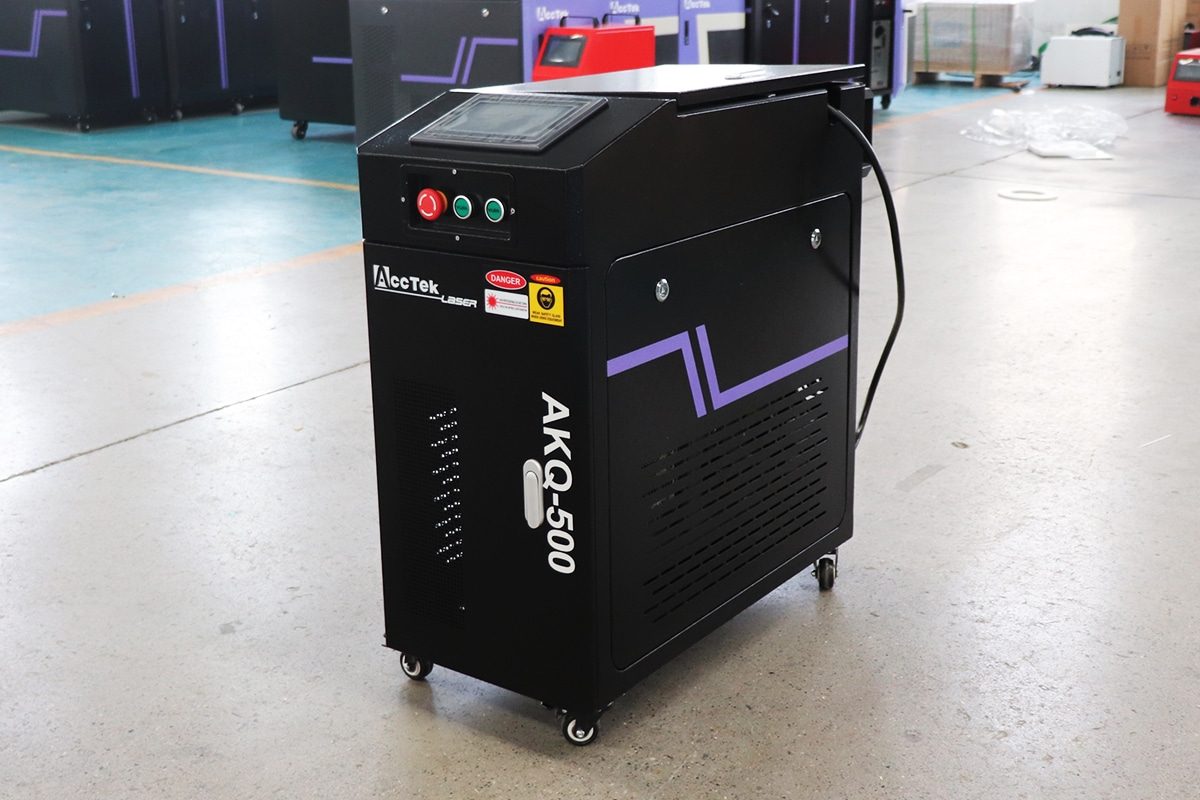
Lifespan of Laser Cleaning Machines
Laser cleaning machines have become an increasingly important solution for removing rust, paint, oxide layers, oil, coatings, and other contaminants from material surfaces. Compared with traditional cleaning methods such as sandblasting, chemical cleaning, grinding, and dry-ice cleaning, laser cleaning offers greater precision, reduced consumable use, less secondary waste, and easier integration into automated production lines. However, because these machines represent a significant investment, understanding their expected lifespan is essential for evaluating long-term operating costs, maintenance requirements, productivity, and return on investment.
A single number cannot define the lifespan of a laser cleaning machine. A well-designed and properly maintained system may remain in productive service for many years, while a poorly maintained machine operating in a harsh industrial environment may experience premature component failure. The overall service life depends on the laser source, optical system, cleaning head, cooling system, electrical components, motion system, control system, workload, operating environment, and maintenance practices. Some structural components may last for the entire usable life of the machine, whereas consumable or wear-related parts may require periodic inspection and replacement.
Different machine configurations also have different durability characteristics. Pulsed laser cleaning machines, continuous-wave laser cleaning machines, handheld systems, and automated cleaning lines operate under different thermal loads and production conditions. A machine used occasionally for light rust removal will generally experience less wear than a system running continuously in a high-volume manufacturing facility.
Understanding machine lifespan involves more than estimating how long the equipment will continue to turn on. Users must also consider cleaning stability, output power, operating accuracy, downtime, repair costs, spare-part availability, and whether an aging machine can still meet production and quality requirements. This article examines the expected lifespan of laser cleaning machines, the service life of their major components, the factors that cause premature aging, and the maintenance practices that can help extend reliable operation.
Table of Contents
What Does Laser Cleaning Machine Lifespan Mean?
The lifespan of a laser cleaning machine refers to the period during which the equipment can perform cleaning operations safely, reliably, and economically. It is not simply the number of years between installation and final disposal. A machine may still power on after many years but no longer provide stable laser output, consistent cleaning quality, acceptable productivity, or reasonable maintenance costs.
Laser cleaning machine lifespan should therefore be evaluated from several perspectives. These include the physical condition of the equipment, its ability to meet production requirements, its economic value, its warranty coverage, its reliability between failures, and the relationship between operating hours and calendar age. Each perspective answers a different question about how long the machine can remain useful.
The total machine lifespan also differs from the lifespan of individual components. The machine frame, enclosure, electrical cabinet, and motion structure may remain usable for many years, while protective lenses, nozzles, filters, cooling-water components, scanning systems, and other wear-related parts require periodic replacement. Even major components such as the laser source, chiller, control system, and cleaning head may have different service-life expectations.
Physical Service Life
Physical service life is the period during which the laser cleaning machine and its major components remain mechanically and electrically functional. It ends when structural deterioration, component failure, corrosion, electrical damage, or irreversible wear makes continued operation unsafe or technically impractical.
The physical service life of a well-built laser cleaning machine can be relatively long because the laser cleaning process is non-contact. The cleaning head does not normally touch the workpiece, which reduces mechanical wear compared with grinding, brushing, or abrasive blasting equipment. However, non-contact operation does not mean the machine is free from aging.
Electronic components are affected by heat, dust, humidity, voltage fluctuations, and repeated thermal cycling. Optical components may deteriorate because of contamination, reflected laser energy, fumes, or improper cleaning. Cooling pumps, fans, seals, hoses, connectors, cables, and scanning mechanisms can gradually wear during operation. Mobile or handheld machines may also experience physical damage from transportation, vibration, impacts, or improper cable handling.
The machine frame and enclosure often last longer than the laser source, cleaning head, chiller, or control electronics. As a result, physical service life may be extended by replacing worn components rather than replacing the entire machine. Preventive maintenance, correct storage, stable power, effective fume extraction, and proper environmental control all help maximize physical durability.
Productive Service Life
Productive service life is the period during which the machine can continue to meet the user’s practical production requirements. These requirements may include cleaning speed, surface quality, process consistency, precision, uptime, automation compatibility, and production capacity.
A laser cleaning machine can remain physically operational even as it reaches the end of its productive life. For example, an older machine may still remove rust, but its cleaning speed may be too low for increased production demand. Its laser output may fluctuate, the scanning system may lose accuracy, or the equipment may require frequent adjustments to maintain acceptable results.
Productive life is therefore closely connected to the application. A machine used for occasional maintenance may remain productive for longer than the same machine used in continuous industrial production. Similarly, a low-power system may remain suitable for light oxide removal but become inadequate when the company begins cleaning thick coatings, larger components, or more difficult contaminants.
Changes in production standards can also shorten productive life. Customers may demand lower surface roughness, greater cleaning uniformity, reduced heat input, improved traceability, or integration with robotic systems. If the machine cannot meet these new requirements, it may become obsolete for the original production line even though it remains usable for less demanding work.
Economic Life
Economic life is the period during which operating the machine remains financially reasonable compared with repairing, upgrading, or replacing it. It ends when the total cost of ownership becomes too high relative to the machine’s productivity and value.
Economic life considers more than the original purchase price. It includes maintenance expenses, replacement parts, electricity consumption, labor requirements, unplanned downtime, lost production, cleaning speed, reject rates, and the availability of technical support. As the machine ages, repair frequency may increase while production efficiency decreases.
An older laser cleaning machine may still function, but keeping it in operation may no longer be economical. For example, repeated laser-source repairs, unstable power output, obsolete control hardware, or unavailable spare parts can make continued use expensive and risky. A newer machine may provide higher cleaning efficiency, better energy utilization, improved automation, easier parameter control, and lower maintenance requirements.
Economic life varies between users. A machine that is no longer economical for a high-volume manufacturer may still be valuable to a small workshop with lower production demands. Businesses should evaluate repair costs, expected remaining service life, production losses, upgrade options, and replacement benefits before deciding whether to retain or replace aging equipment.
Warranty Period
The warranty period is the time during which the manufacturer or supplier agrees to repair or replace specified components under defined conditions. It is important to understand that the warranty period is not the same as the machine’s expected lifespan.
A machine with a one-year, two-year, or longer warranty is not expected to fail when the warranty expires. The warranty only defines the supplier’s contractual responsibility for covered defects. Properly maintained equipment can continue operating for many years after warranty coverage ends.
Warranty terms may differ between components. The complete machine, laser source, cleaning head, chiller, control system, optical components, and consumable parts may have separate coverage periods. Protective lenses, filters, seals, cables, and damage caused by contamination or misuse are often treated differently from major manufacturing defects.
Users should examine what the warranty covers, which failures are excluded, whether labor and transportation are included, and whether remote support or on-site service is available. They should also confirm the maintenance requirements necessary to keep the warranty valid. Using unapproved parts, operating outside specified environmental conditions, modifying the machine, or failing to perform required maintenance may affect coverage.
The warranty period is best viewed as an indicator of manufacturer support and risk allocation rather than a direct measurement of equipment lifespan.
Mean Time Between Failures
Mean Time Between Failures, commonly abbreviated as MTBF, is a reliability measurement used for repairable equipment. It represents the average operating time between one equipment failure and the next.
A higher MTBF generally indicates that a machine can operate for longer periods without an unexpected failure. However, MTBF does not mean that every machine will run for exactly that number of hours before breaking down. It is a statistical value calculated from the performance of multiple units, components, or operating periods.
MTBF may apply to the entire laser cleaning system or to individual components such as the laser source, control electronics, scanning head, cooling system, or power supply. The reliability of the complete machine depends on how these systems work together. A highly reliable laser source does not guarantee high machine uptime if the chiller, optics, electrical connections, or scanning system frequently cause interruptions.
Operating conditions strongly affect real-world MTBF. Excessive dust, poor ventilation, unstable voltage, contaminated cooling water, blocked filters, high ambient temperatures, and improper machine settings can reduce the interval between failures. Preventive maintenance and early fault detection can improve practical reliability by addressing problems before they cause shutdowns.
MTBF should be considered together with Mean Time to Repair, spare-parts availability, technical support, and overall equipment uptime. A machine with occasional failures may still be productive when repairs are quick, while a machine with infrequent but difficult-to-repair failures may cause significant production losses.
Operating-Hour Life and Calendar Life
Operating-hour life measures machine aging according to the number of hours the equipment has actively operated. Calendar life measures aging according to the total time that has passed since the machine was manufactured, installed, or commissioned.
Operating hours are particularly important for components affected by active use. Laser sources, cooling pumps, fans, scanners, motors, bearings, extraction systems, and power electronics experience wear during operation. A machine running two shifts per day will accumulate wear much faster than one used for only a few hours each week.
Calendar age also matters because some materials deteriorate even when the machine is not operating. Rubber seals can harden, hoses can age, lubricants can degrade, batteries can lose capacity, electrical contacts can corrode, and moisture can affect optical and electronic components. Long storage periods under unsuitable conditions may therefore damage a machine with very few operating hours.
A lightly used older machine should not automatically be considered equivalent to a newer machine with the same operating hours. Its storage environment, maintenance history, software support, spare-parts availability, and component age must also be evaluated. In the same way, a relatively new machine that has accumulated many operating hours under heavy production conditions may show significant wear.
The most accurate lifespan assessment considers both operating hours and calendar age. Maintenance records, alarm histories, laser-output measurements, cooling-system condition, optical inspection, and cleaning-performance tests provide additional evidence of the machine’s actual condition.
Laser cleaning machine lifespan has several meanings, and no single measurement provides a complete answer. Physical service life describes how long the machine remains mechanically and electrically functional. Productive service life refers to how long it can continue meeting cleaning-quality and production requirements. Economic life focuses on whether operating and maintaining the machine remains financially worthwhile.
The warranty period defines the manufacturer’s contractual coverage but does not represent the machine’s total expected lifespan. Mean Time Between Failures helps measure equipment reliability, while operating-hour life and calendar life explain how active use and natural aging affect different components.
A proper lifespan evaluation should therefore consider machine condition, cleaning performance, reliability, maintenance history, operating environment, accumulated working hours, calendar age, repair costs, and future production requirements. Understanding these distinctions helps users plan maintenance, estimate ownership costs, schedule component replacement, evaluate used equipment, and determine the most appropriate time to upgrade or replace a laser cleaning machine.
How Long Do Laser Cleaning Machines Usually Last?
The typical lifespan of a laser cleaning machine depends on how “lifespan” is measured. The laser source may remain capable of producing light for tens of thousands of operating hours, while cooling components, protective optics, electrical parts, scanning mechanisms, cables, and control hardware may require repair or replacement much earlier. Consequently, the expected life of the complete machine is usually shorter than the theoretical or rated life of its laser source.
As a practical planning range, a properly designed and maintained industrial laser cleaning machine may provide approximately 8 to 15 years of productive service. Some machines remain usable for longer when major components can be replaced or upgraded. In contrast, machines exposed to continuous heavy-duty operation, contaminated air, unstable power, poor cooling, frequent transportation, or inadequate maintenance may develop significant problems within a much shorter period.
Industrial fiber laser sources are known for long operating lives. Certain industrial laser cleaning systems specify laser-source MTBF values of approximately 100,000 hours, while industrial-grade systems may be designed for more than ten years of operation. However, MTBF is a statistical reliability measurement rather than a guaranteed replacement interval, and it does not represent the lifespan of every component in the machine.
Users should therefore evaluate lifespan according to the machine type, laser operating mode, cooling method, duty cycle, maintenance condition, and level of automation.
General Expected Lifespan
Most industrial laser cleaning machines can be expected to provide approximately 8 to 15 years of useful service when operated within their rated conditions and maintained correctly. Light-duty machines used only occasionally may accumulate relatively few operating hours and remain physically functional for longer. Machines operating for multiple shifts every day may reach the end of their productive or economic life sooner, even if their calendar age is lower.
The machine frame, enclosure, electrical cabinet, and structural components may last well beyond 15 years if they are protected from corrosion, impact, and excessive vibration. The laser source may also remain operational for a long period. Nevertheless, smaller supporting components often determine real-world reliability.
Components that may require attention during the machine’s service life include:
- Protective windows and lenses
- Scanning mirrors and galvanometer assemblies
- Optical cables and electrical cables
- Cooling fans, pumps, filters, and hoses
- Power supplies and electronic control boards
- Touchscreens, industrial computers, and PLC hardware
- Fume extraction filters and ducting
- Handheld cleaning-head triggers and connectors
- Robotic joints, linear guides, fixtures, and safety sensors
Replacing these components does not necessarily mean that the machine has reached the end of its life. Many laser cleaning machines can remain productive through planned repairs, component replacements, software updates, and system upgrades.
A machine’s actual retirement point is usually reached when it can no longer deliver sufficient cleaning speed, consistent laser output, acceptable surface quality, reliable uptime, or economical operation. For this reason, a ten-year-old machine with good maintenance records may be more valuable than a five-year-old machine that has been overloaded or poorly maintained.
Lifespan of Pulsed Laser Cleaning Machines
Pulsed laser cleaning machines commonly provide approximately 8 to 15 years of productive service, although well-maintained industrial systems may remain usable for longer. Pulsed machines deliver short, high-peak-power laser pulses that remove contamination while limiting the amount of heat transferred into the underlying material.
Because pulsed cleaning is often selected for precision applications, these machines may operate at lower average powers than high-power continuous-wave systems. The reduced average thermal load can benefit the laser source, optical system, cleaning head, and cooling equipment. However, pulsed systems still contain electronic and optical components that experience aging.
The lifespan of a pulsed laser cleaner depends partly on the quality of its laser source and scanning system. Stable pulse energy, pulse width, repetition frequency, and beam quality are necessary for consistent cleaning. Over time, output degradation or scanning inaccuracies may reduce process repeatability even when the machine still functions.
Applications also influence lifespan. A pulsed machine used for delicate mold cleaning, oxide removal, cultural heritage restoration, or occasional maintenance may experience relatively light duty. The same type of machine used continuously for industrial coating removal may accumulate operating hours much faster.
Common lifespan concerns for pulsed systems include:
- Contamination or damage to protective optics
- Galvanometer scanner wear or calibration drift
- Reduced pulse-energy stability
- Damage caused by back-reflected laser energy
- Cooling-fan or chiller deterioration
- Fiber cable stress and connector damage
- Aging control electronics
Pulsed laser sources may have very long rated or statistical operating lives, but the productive life of the complete machine is more likely to be determined by optical cleanliness, scanner condition, cooling performance, and the availability of technical support.
Lifespan of Continuous-Wave Laser Cleaning Machines
Continuous-wave laser cleaning machines generally provide approximately 7 to 12 years of productive service under normal industrial conditions. High-quality systems may operate longer, particularly when the laser source, cleaning head, and cooling system are maintained correctly.
Continuous-wave machines deliver laser energy continuously rather than in separate pulses. They are commonly selected for applications requiring fast removal of heavy rust, thick paint, oil, or extensive surface contamination. Their higher average power can provide excellent productivity, but it also generates greater thermal load.
High-power continuous-wave cleaning machines usually depend heavily on effective heat management. Poor coolant quality, restricted water flow, blocked filters, high ambient temperatures, or chiller failure can cause overheating and accelerate component deterioration. The cleaning head and protective optics may also be exposed to substantial reflected energy, fumes, dust, and debris.
A continuous-wave machine operated intermittently may last longer than the same machine working continuously in a multi-shift production environment. The actual duty cycle should therefore be considered alongside calendar age.
Components that deserve particular attention include:
- The water chiller
- Cooling pumps and fans
- Coolant hoses and connections
- Protective windows
- Optical fiber delivery cables
- Electrical power modules
- Cleaning-head optics
- Temperature and flow sensors
Preventive maintenance is especially important for continuous-wave systems because cooling problems can affect several expensive components at the same time. Maintaining stable temperature, adequate coolant flow, clean optics, and proper operating parameters can significantly extend reliable service.
Lifespan of Handheld Laser Cleaning Machines
Handheld laser cleaning machines commonly provide approximately 5 to 10 years of productive service. High-quality handheld units may remain operational longer, but their mobility and operating conditions often expose them to more physical wear than stationary machines.
A handheld cleaner may be moved between workshops, construction sites, ships, maintenance areas, storage facilities, and outdoor work locations. During transportation and operation, the machine may experience vibration, dust, humidity, impacts, cable pulling, and rapid environmental changes.
The cleaning head is particularly vulnerable because it is handled directly by the operator. Common problems include:
- Dropping or striking the cleaning head
- Excessive bending of the fiber cable
- Damage to the trigger or control buttons
- Loose electrical or optical connectors
- Contamination of the protective lens
- Blocked ventilation openings
- Improper machine transportation
- Exposure to rain, condensation, or metal dust
Operator behavior can therefore have a major effect on lifespan. A machine that is carefully transported, stored in a clean environment, and operated by trained personnel may remain reliable for many years. A similar machine subjected to rough handling or contaminated conditions may need frequent repairs.
The portability of handheld machines can also result in repeated power connections. Poor grounding, incorrect voltage, undersized extension cables, unstable generators, or voltage fluctuations may damage sensitive electronics.
Handheld units should be stored with the cleaning head secured, the fiber cable arranged within its permitted bending radius, and all optical ports protected. Periodic inspection of the cable, connectors, protective lens, ventilation system, and safety interlocks helps prevent premature failure.
Lifespan of Automated Laser Cleaning Systems
Automated laser cleaning systems may provide approximately 10 to 15 years or more of productive service, especially when built with industrial-grade components and supported by a formal preventive-maintenance program. Some automated industrial cleaning machines are specifically designed for at least ten years of operation and continuous production in demanding environments.
These systems may include:
- A fiber laser source
- One or more cleaning heads
- A robot or multi-axis motion system
- Linear stages or conveyor systems
- A PLC and industrial computer
- Cameras and inspection equipment
- Part-positioning fixtures
- Safety enclosures and interlocks
- Fume extraction equipment
- Temperature-controlled electrical cabinets
Automation can improve consistency because process parameters, scanning paths, cleaning distances, and cycle times are controlled rather than depending entirely on manual operation. The laser-cleaning process itself is non-contact, so it does not produce the same direct tool wear as brushing, grinding, or abrasive blasting.
However, an automated system contains more components than a standalone handheld machine. Robots, motors, gearboxes, bearings, linear guides, sensors, cameras, safety switches, conveyor components, and pneumatic equipment all require maintenance. The complete system’s reliability is therefore determined by more than the laser source.
Automated systems are often easier to maintain over a long period because many components are modular. A robot, scanner, PLC, camera, extraction unit, or laser source can be repaired or replaced without rebuilding the entire production cell.
The economic life of an automated system may nevertheless end before its physical life. Changes in product design, production volume, software requirements, safety standards, or factory communications may make an older cell less suitable. Retrofitting new controls, sensors, laser sources, or inspection systems can extend productive life when the mechanical platform remains in good condition.
Lifespan of Air-Cooled Machines
Air-cooled laser cleaning machines generally provide approximately 6 to 12 years of productive service, depending on laser power, operating hours, environmental cleanliness, and thermal design. Air cooling is commonly found in lower-power pulsed laser cleaners and compact portable machines.
One advantage of air-cooled equipment is its relative simplicity. It does not require a separate water chiller, coolant pump, water reservoir, or extensive liquid-cooling circuit. Fewer cooling components can reduce the number of possible leaks and simplify daily maintenance.
However, air-cooled machines depend on clean and unrestricted airflow. Cooling fans pull workshop air through or around heat exchangers and electronic components. In dusty or oily environments, contamination can accumulate on:
- Fan blades
- Heat sinks
- Air filters
- Ventilation openings
- Power supplies
- Internal electronic components
This contamination reduces heat-transfer efficiency and may cause operating temperatures to rise. Prolonged exposure to excessive heat can shorten the life of power electronics, laser diodes, control boards, and other components.
Cooling fans are also wear components. Their bearings can deteriorate, airflow can decrease, and noise may increase as they age. A failed fan may cause temperature alarms or automatic shutdowns.
Air-cooled machines generally perform best in clean, temperature-controlled workshops. Users should regularly inspect filters and ventilation openings, remove accumulated dust, maintain sufficient clearance around the machine, and avoid operating the system above its specified ambient-temperature range.
In hot factories or environments with heavy airborne contamination, an air-cooled machine may experience greater thermal stress than a properly maintained water-cooled system.
Lifespan of Water-Cooled Machines
Water-cooled laser cleaning machines commonly provide approximately 8 to 15 years of productive service when their cooling circuits are maintained correctly. Water cooling is frequently used for high-power pulsed systems, continuous-wave cleaners, and machines intended for long operating cycles.
Water transfers heat more effectively than air, helping maintain stable temperatures in the laser source and other heat-sensitive components. Stable thermal conditions can support consistent laser output and reduce temperature-related stress during prolonged operation.
The additional cooling capacity does not automatically guarantee longer equipment life. Water-cooled machines include more components that can fail or deteriorate, such as:
- Chiller compressors
- Circulation pumps
- Fans and condensers
- Water filters
- Flow sensors
- Temperature sensors
- Coolant hoses
- Seals and fittings
- Water tanks and heat exchangers
Coolant quality is critical. Contaminated water can cause deposits, microbial growth, corrosion, restricted flow, or reduced heat-transfer efficiency. Laser maintenance guidance emphasizes that dirty or chemically unsuitable coolant can corrode components, clog filters, reduce cooling capacity, and shorten machine life.
Users should follow the manufacturer’s requirements for deionized water, distilled water, approved additives, antifreeze, or corrosion inhibitors. Different laser sources and chillers may have different coolant specifications, so unsuitable liquids should not be substituted without approval.
The system should also be protected against freezing. If water freezes inside the laser source, pump, heat exchanger, or hose, expansion can cause severe damage. Machines stored or transported in cold climates may need approved antifreeze or complete drainage.
Water-cooled systems can achieve long service lives when users monitor temperature, coolant level, conductivity, flow rate, filter condition, and hose integrity. Neglecting the chiller can shorten the life of both the cooling equipment and the laser source it is intended to protect.
Laser cleaning machines generally provide around 8 to 15 years of productive service, but this range should be treated as a planning estimate rather than a fixed guarantee. Some machines remain operational for longer after major components have been replaced, while others reach the end of their useful life sooner because of heavy workloads, poor maintenance, unsuitable environments, or outdated technology.
Pulsed laser cleaning machines often provide long service because their average thermal loads can be relatively moderate, while continuous-wave systems require especially reliable cooling because of their higher average power. Handheld machines may have shorter practical lives due to transportation, cable movement, operator handling, and exposure to variable work environments. Automated systems can remain productive for ten years or more, although their robots, motion equipment, sensors, controls, and safety systems require planned maintenance.
Air-cooled machines offer simpler cooling arrangements but depend on clean airflow and properly functioning fans. Water-cooled machines support higher power and longer duty cycles, but their lifespan depends heavily on chiller maintenance, coolant quality, flow stability, and freeze protection.
The laser source should not be used as the only measure of machine life. Even when a fiber laser source has a statistical reliability figure near 100,000 hours, the complete machine contains optical, electrical, mechanical, cooling, extraction, and control components with different service lives. The most realistic estimate should therefore consider the whole system, its annual operating hours, application intensity, environment, maintenance history, repairability, and ability to continue meeting production requirements.
Why Fiber Laser Cleaning Machines Can Last So Long
Fiber laser cleaning machines are known for their long service life, stable performance, and relatively low maintenance requirements. Unlike cleaning systems that rely on abrasive media, chemical agents, mechanical brushes, or rapidly wearing tools, fiber laser cleaning machines remove rust, paint, oxides, oil, and other contaminants through controlled laser energy. The cleaning process creates little direct mechanical stress on the machine and requires very few consumable parts.
The durability of these machines mainly comes from the design of the fiber laser source. Fiber lasers use a solid-state architecture, efficient semiconductor pump diodes, enclosed optical components, and fiber-based beam transmission. These features reduce the number of moving parts, limit contamination inside the optical system, improve thermal stability, and minimize energy loss.
Under suitable operating conditions, a well-built fiber laser cleaning machine can remain productive for many years. The laser source may be rated for tens of thousands of operating hours, while the machine frame, control system, scanning head, cooling system, and electrical components can often be maintained, repaired, or replaced individually. The following factors explain why fiber laser cleaning machines can achieve such a long operational lifespan.
Solid-State Laser Architecture
One of the main reasons fiber laser cleaning machines last so long is their solid-state laser architecture. In a fiber laser, the active laser medium is typically a rare-earth-doped optical fiber rather than a gas-filled tube, lamp-pumped crystal assembly, or mechanically complex optical system.
This design eliminates many of the components that commonly experience wear in other laser technologies. Fiber lasers do not require gas circulation systems, vacuum pumps, large discharge chambers, or frequent optical alignment. They also contain very few moving parts inside the laser source. Fewer moving components mean fewer opportunities for vibration, friction, mechanical fatigue, and alignment errors to develop over time.
The optical fiber performs several functions within the system. It acts as the gain medium, guides the laser energy, and helps transmit the beam toward the cleaning head. Because the laser beam remains confined within the fiber for much of its path, the system is less sensitive to external vibration, dust, and minor changes in machine position.
Solid-state architecture also provides strong resistance to industrial operating conditions. A properly installed fiber laser cleaning machine can tolerate normal workshop vibration, temperature variation, and continuous production better than systems that depend on exposed mirrors or delicate free-space beam paths.
This does not mean that fiber laser sources are immune to failure. Excessive heat, unstable electrical power, moisture, contamination, back reflection, and poor cooling can still shorten their service life. However, the fundamental architecture is highly reliable and requires less routine intervention than many alternative laser designs.
Long-Life Pump Diodes
Fiber laser sources generate laser energy using semiconductor pump diodes. These diodes inject light into the doped optical fiber, where the energy is amplified and converted into the laser beam used for cleaning.
Modern pump diodes are designed for long-term industrial operation. When operated within their rated current and temperature ranges, they can provide tens of thousands of working hours. Many fiber laser manufacturers design their sources with an expected diode lifespan of approximately 80,000 to 100,000 hours under controlled conditions, although actual service life depends on power settings, duty cycle, cooling performance, component quality, and the operating environment.
Pump diodes usually do not fail suddenly simply because the machine reaches a specific number of hours. Their output may gradually decline over time. A high-quality laser source is designed with sufficient performance margin so that normal diode degradation does not immediately prevent the machine from completing cleaning tasks.
Some fiber laser sources also use multiple pump diodes rather than relying on a single unit. This distributed design can improve reliability because the laser source is not always dependent on one component carrying the entire load. In certain systems, minor degradation in one diode module may have a limited effect on total laser output.
Temperature management is especially important for diode life. Excessive heat accelerates semiconductor aging, reduces output stability, and can damage internal connections. This is why the cooling system, ventilation path, air filters, water quality, and ambient temperature have a major influence on the lifespan of the laser source.
When users keep the cooling system in good condition, avoid prolonged operation above rated power, and maintain stable electrical input, the pump diodes can remain functional for many years.
Efficient Energy Conversion
Fiber laser cleaning machines also benefit from high electrical-to-optical conversion efficiency. A larger percentage of the electrical energy entering the machine is converted into usable laser output, while a smaller percentage is lost as waste heat.
This efficiency provides several lifespan advantages. First, the laser source generates less excess heat compared with less efficient laser technologies of similar output power. Lower thermal loading reduces stress on pump diodes, fiber connections, power electronics, insulation materials, and cooling components.
Second, efficient energy conversion allows the cooling system to operate under a more manageable load. The chiller, fans, pumps, heat exchangers, and filters do not need to remove as much waste heat as they would in a less efficient system. Reduced cooling demand can lower component wear and help maintain more stable internal temperatures.
Third, thermal stability reduces repeated expansion and contraction of internal components. Frequent temperature cycling can loosen connections, affect optical alignment, degrade solder joints, and weaken seals. A fiber laser source that maintains a relatively stable temperature experiences less of this long-term thermal fatigue.
High efficiency also helps reduce electricity consumption during operation. Although lower energy use does not directly guarantee a longer machine life, it is often associated with a more compact, controlled, and thermally efficient design.
The greatest benefits are achieved when the machine is correctly matched to the application. Using an undersized machine at maximum output for long periods may create more heat and stress than using a properly sized machine at a moderate load. Selecting adequate laser power allows the system to complete cleaning efficiently without continuously operating at its limits.
Non-Contact Processing
Laser cleaning is a non-contact process. The cleaning head does not need to press against, scrape, grind, or mechanically cut the workpiece. The laser beam transfers energy to the contaminant layer without requiring direct physical contact between the machine and the material surface.
This significantly reduces mechanical wear. Traditional cleaning methods may use brushes, grinding wheels, blasting nozzles, abrasive media, scrapers, or other tools that deteriorate through friction. These tools must be inspected and replaced regularly, and their wear can also place additional loads on motors, bearings, shafts, and support structures.
In laser cleaning, the main scanning action is performed by controlled mirrors inside the cleaning head. The machine does not experience the same reaction forces that occur during grinding, shot blasting, or mechanical polishing. Lower mechanical loading helps protect the scanning system, robotic arm, motion platform, fixtures, and machine structure.
Non-contact processing also reduces the risk of damage caused by collision with uneven workpieces. When the operator maintains the recommended working distance, the cleaning head can process irregular surfaces without continuously touching them.
However, the non-contact nature of the process does not eliminate all wear. Protective lenses may become contaminated, scanning components operate continuously, cables may bend, and handheld cleaning heads may be dropped or struck. The machine still requires regular inspection and proper handling.
Even so, the absence of direct tool-to-workpiece contact is one of the strongest reasons laser cleaning machines have low consumable use and long mechanical service life.
Sealed Optical Path
A fiber laser cleaning machine typically uses a highly enclosed optical path. Much of the laser energy travels through optical fiber from the laser source to the cleaning head rather than through an open arrangement of mirrors and lenses.
A sealed optical path protects sensitive optical components from dust, smoke, moisture, oil mist, and airborne particles. This is especially valuable in laser cleaning applications because the process may release rust particles, paint fragments, oxide dust, carbon residue, and fumes from the treated surface.
If these contaminants enter the laser source or settle on internal optical components, they can absorb laser energy and create localized heating. Over time, this may cause coating damage, reduced transmission, beam distortion, or component failure. Enclosing the optical path greatly reduces this risk.
Fiber delivery also reduces the need for frequent beam alignment. In systems that use multiple exposed mirrors, vibration or thermal movement can gradually shift the beam path. Misalignment can reduce cleaning efficiency and place excessive energy on optical edges or internal surfaces. Fiber-based transmission provides a more stable and protected route for the beam.
The optical path is not completely maintenance-free. The protective lens at the cleaning head is exposed to the working environment and may collect dust or spatter. It should be inspected and replaced when contaminated or damaged. The connection between the fiber cable and cleaning head must also be protected from impact, excessive bending, and improper disassembly.
Users should never open the sealed laser source unless the work is performed by qualified service personnel. Opening the enclosure in an uncontrolled environment can introduce contamination and may void the manufacturer’s warranty.
When the sealed optical system remains intact, it can preserve beam quality and reduce maintenance requirements throughout the machine’s operating life.
Stable Beam Control
Stable beam control is another major factor supporting the long life of fiber laser cleaning machines. The laser source, control system, scanning head, and software work together to regulate laser power, pulse energy, pulse width, repetition rate, scanning speed, and cleaning pattern.
Consistent beam control prevents the machine from operating unpredictably. Stable laser output reduces sudden thermal loads on the fiber, optics, scanning mirrors, and workpiece. It also allows the cleaning process to achieve the required result without unnecessary overprocessing.
Pulsed fiber laser cleaning machines can deliver short, controlled energy pulses that remove contaminants while limiting heat transfer into the base material. Continuous-wave machines provide a steady beam for higher-speed or heavier cleaning tasks. In both cases, accurate control helps keep the system within its designed operating range.
The scanning head uses galvanometer motors to move the laser beam rapidly across the surface. High-quality galvanometers provide fast, repeatable motion with minimal mechanical friction. Proper acceleration control, scanning frequency, and thermal management reduce stress on the motors and mirror assemblies.
Stable beam control also protects the laser source from improper parameter combinations. Well-designed systems include alarms, interlocks, temperature monitoring, power monitoring, and fault protection. These functions can stop or limit operation when the machine detects overheating, cooling failure, abnormal voltage, fiber connection problems, or other unsafe conditions.
Software also contributes to long-term reliability. Stored process parameters reduce operator errors and prevent frequent use of unnecessarily high power. Standardized cleaning programs help the machine produce consistent results without repeated trial-and-error adjustments.
Routine calibration remains important. If the beam becomes unstable, the cleaning width changes, the output power drops, or the scanning pattern becomes distorted, the machine should be inspected. Continuing to operate with a damaged protective lens, misaligned scanning system, or cooling problem may cause more serious damage.
Fiber laser cleaning machines can achieve a long service life because their core technology is inherently reliable. Their solid-state architecture contains few moving parts and avoids many of the gas-handling, alignment, and mechanical components found in other laser cleaning systems. Long-life semiconductor pump diodes provide dependable laser generation, while high energy-conversion efficiency reduces heat production and lowers the load on the cooling system.
The non-contact cleaning process further improves durability by eliminating friction between the cleaning head and the workpiece. Because there are no grinding wheels, abrasive media, or cutting tools pressing against the surface, the machine experiences relatively little mechanical wear. The sealed optical path protects sensitive components from dust, moisture, fumes, and process debris, while fiber-based beam delivery reduces alignment problems.
Stable beam control also plays an essential role. Precise management of laser power, pulse characteristics, scanning speed, and cleaning patterns allows the machine to operate efficiently without unnecessary thermal or electrical stress. Monitoring systems, alarms, and protective interlocks help prevent damage when abnormal operating conditions occur.
A long theoretical lifespan does not remove the need for maintenance. The machine still depends on clean optics, effective cooling, stable power, proper ventilation, correct operating parameters, and careful handling. Protective lenses, filters, cooling water, fans, pumps, scanning heads, cables, and electrical components should be inspected according to the manufacturer’s maintenance schedule.
When a fiber laser cleaning machine is properly selected, installed, operated, and maintained, its laser source and major structural components can remain productive for many years. This combination of durable architecture, low mechanical wear, efficient thermal management, and protected beam delivery makes fiber laser cleaning one of the most reliable technologies available for long-term industrial surface treatment.
Lifespan of Major Laser Cleaning Machine Components
The overall lifespan of a laser cleaning machine depends on more than the durability of its laser source. A complete system includes optical components, cooling equipment, electrical hardware, control devices, extraction units, safety systems, and, in automated installations, robots or motion platforms. Each component has a different service life and may be affected by operating hours, power settings, environmental conditions, maintenance quality, and manufacturing standards.
Some parts, such as the machine frame, cleaning head housing, programmable logic controller, and sealed optical system, may remain functional for well over ten years. Other components, including protective windows, filters, fans, pumps, and electrical power supplies, are more likely to require periodic replacement. Consumable or wear-sensitive parts should not be used to judge the lifespan of the entire machine because they can usually be replaced independently.
In many cases, a laser cleaning machine reaches the end of its practical life not because every component has failed, but because maintenance costs increase, performance becomes inconsistent, replacement parts become difficult to obtain, or the system no longer meets production requirements. Understanding the expected lifespan of each major component helps users create maintenance plans, estimate operating costs, and avoid unexpected downtime.
Laser Source
The laser source is the core component of a laser cleaning machine and usually represents one of the largest portions of the machine’s purchase price. Most modern industrial laser cleaning machines use fiber laser sources because they provide high efficiency, stable beam quality, compact construction, and long operating life.
A high-quality fiber laser source may provide approximately 50,000 to 100,000 operating hours before significant output degradation occurs. In well-maintained systems, this can correspond to roughly eight to fifteen years of industrial use, depending on the number of operating shifts and the annual workload.
The actual service life can vary considerably. A laser source operating for one shift per day at moderate power may last longer in calendar years than a source running continuously in a three-shift production environment. Frequent operation at maximum rated power, excessive ambient temperature, unstable voltage, insufficient cooling, moisture, dust, and back reflection can accelerate aging.
Laser sources do not always fail suddenly. Their output power may gradually decline, beam stability may deteriorate, or fault alarms may become more frequent. If the laser source can no longer deliver the required cleaning efficiency even after optics, parameters, and cooling conditions have been checked, repair or replacement may be necessary.
Pump Diodes
Pump diodes are semiconductor devices that supply energy to the active fiber inside the laser source. Their performance has a major influence on the output stability and lifespan of the entire laser cleaning system.
Industrial pump diodes are commonly designed to operate for tens of thousands of hours. Under controlled temperature and electrical conditions, their expected lifespan may reach approximately 80,000 to 100,000 hours. However, this rating is not a guaranteed replacement interval. Actual diode life depends on operating current, heat dissipation, duty cycle, manufacturing quality, and the amount of performance margin built into the laser source.
Excessive heat is one of the most important causes of premature pump-diode aging. Poor chiller performance, restricted airflow, dirty filters, high workshop temperatures, or degraded thermal interfaces can increase diode temperature and shorten service life.
Pump diodes may gradually lose output efficiency rather than stop working immediately. In a multi-diode laser source, limited degradation in one module may initially cause only a small reduction in total power. Over time, however, declining diode performance can lead to unstable output, reduced cleaning speed, and difficulty maintaining the required pulse energy or continuous-wave power.
Optical Delivery Fiber
The optical delivery fiber carries laser energy from the laser source to the cleaning head. It is designed for long-term use and normally does not require scheduled replacement when it is installed, handled, and protected correctly.
A well-maintained delivery fiber may last for the full service life of the laser source, often eight to fifteen years or longer. However, it is highly sensitive to physical damage. Excessive bending, crushing, repeated twisting, sharp impacts, poor connector handling, and exposure to hot surfaces can damage the internal fiber.
Handheld laser cleaning machines are more vulnerable to delivery-fiber wear because operators frequently move, bend, and reposition the cable. Automated systems may provide a more controlled cable path, but repeated robotic motion can still create fatigue if the cable carrier and bend radius are not designed correctly.
A damaged optical fiber may cause unstable power, intermittent faults, visible cable heating, reduced beam quality, or complete transmission failure. Severe damage can also create a safety hazard. The fiber should therefore be inspected regularly for cuts, crushing, burned sections, damaged connectors, and excessive bending.
Galvanometer Scanner
The galvanometer scanner, often called the galvo scanner, rapidly moves the laser beam across the workpiece. It usually contains high-speed motors, mirrors, position sensors, electronic drivers, and control circuitry.
A high-quality galvanometer scanner may operate for approximately 20,000 to 50,000 hours or more, depending on scanning speed, field size, acceleration, temperature, and duty cycle. In normal industrial use, this may equal five to ten years of service.
The scanner is continuously active during cleaning, so it is one of the more dynamically loaded components in the optical system. Aggressive scanning patterns, excessively high frequencies, poor heat dissipation, contamination, and constant operation near the scanner’s performance limits may accelerate wear.
Common signs of scanner deterioration include distorted cleaning patterns, inconsistent line spacing, reduced scanning width, unusual noise, overheating, position errors, and unstable beam movement. Scanner recalibration may correct minor accuracy problems, but damaged motors, bearings, mirrors, or driver boards may require professional repair or replacement.
Protective Window
The protective window is one of the most frequently replaced optical components in a laser cleaning machine. It protects the more expensive internal lenses and scanner optics from dust, smoke, paint particles, rust debris, oil mist, and accidental contamination.
Its lifespan can range from several days to several months. In clean, well-extracted applications, a protective window may remain usable for hundreds of operating hours. In heavy rust removal, paint stripping, oil cleaning, or poorly ventilated environments, contamination can occur much more quickly.
The protective window should be inspected regularly rather than replaced according to a fixed calendar interval. A contaminated window absorbs laser energy, causing localized heating. Continued operation may burn the coating, crack the glass, distort the beam, reduce cleaning efficiency, or damage the focusing lens behind it.
Operators should not attempt to extend the life of a badly damaged window by continuing to use higher laser power. Protective windows are relatively inexpensive compared with internal optics, and timely replacement can prevent much more costly repairs.
Focusing Lens and Internal Optics
The focusing lens concentrates the laser beam onto the working surface, while the internal optical system may include collimating lenses, scanner mirrors, beam expanders, and coated optical elements.
These components can often last for several years and may remain functional for five to ten years or longer when the optical path is sealed and the protective window is maintained correctly. Unlike the protective window, internal optics are not normally treated as routine consumables.
Their lifespan can be shortened by contamination, overheating, coating damage, improper cleaning, loose mounting, vibration, and accidental exposure to smoke or dust. A damaged protective window is a common cause of secondary damage because it allows contaminants or excessive heat to reach more expensive optical components.
Symptoms of internal optical problems include uneven cleaning, reduced power at the workpiece, distorted scanning patterns, an enlarged or irregular laser spot, inconsistent focus, and repeated protective-window failure. Internal optical inspection should normally be performed by trained service personnel in a clean environment.
Cleaning Head Housing
The cleaning head housing protects the scanner, optics, wiring, sensors, and other internal components. It is usually made from aluminum alloy or another lightweight and durable material.
The housing itself may last ten years or longer and often remains usable for the full lifespan of the machine. Its actual durability depends heavily on handling. Handheld cleaning heads are more likely to be dropped, struck against the workpiece, dragged by the cable, or exposed to excessive dust and heat.
Physical damage to the housing can affect optical alignment, sealing, ventilation, and operator safety. Cracks, loose fasteners, damaged protective covers, bent mounting surfaces, and worn cable connections should be repaired promptly.
The housing should also be kept clean so that cooling vents and seals remain effective. Even when the outer structure appears undamaged, repeated impact can affect the scanner or optics inside the head.
Chiller
Water-cooled laser cleaning machines use an industrial chiller to control the temperature of the laser source, cleaning head, or other heat-sensitive components. The chiller has a major influence on laser-source reliability.
A quality industrial chiller may provide approximately five to ten years of service. Its lifespan depends on operating hours, ambient temperature, water quality, maintenance, ventilation, compressor loading, and whether the cooling capacity is correctly matched to the laser cleaning system.
The chiller includes several components with different lifespans, such as the compressor, pump, fans, sensors, heat exchanger, control board, and water tank. In some cases, replacing one failed component can extend the chiller’s useful life considerably.
Poor water quality can cause scale, corrosion, biological growth, and blocked channels. Dirty condenser fins and air filters can reduce heat rejection, forcing the compressor to work harder. Regular cleaning, water replacement, leak inspection, and temperature monitoring can significantly extend chiller life.
Water Pump
The water pump circulates coolant between the chiller and the laser cleaning system. It operates whenever the machine is running and may continue operating during standby, depending on the machine design.
An industrial water pump may last approximately 15,000 to 40,000 hours, which often corresponds to three to eight years of normal use. Pump quality, coolant cleanliness, operating temperature, pressure, and maintenance strongly influence its service life.
Contaminated coolant can damage seals, bearings, and impellers. Running the pump with insufficient water may cause overheating or cavitation. Restricted hoses, blocked filters, and air trapped in the cooling circuit can also increase mechanical stress.
Warning signs include unusual noise, reduced water flow, unstable pressure, leakage, vibration, and frequent cooling alarms. Because pump failure can quickly cause laser overheating, suspected problems should be addressed immediately.
Cooling Fans
Cooling fans are used in air-cooled laser sources, electrical cabinets, chillers, extraction systems, control computers, and power supplies. They are relatively inexpensive but critical for temperature control.
Depending on quality and operating conditions, cooling fans may last approximately 20,000 to 50,000 hours. In practical terms, many fans require replacement after three to seven years of continuous or heavy industrial use.
Dust accumulation, blocked filters, high temperature, bearing wear, and vibration can shorten fan life. Fans operating in dirty workshops may fail much sooner if ventilation openings are not cleaned regularly.
Common signs of wear include increased noise, reduced airflow, slow startup, intermittent rotation, vibration, and overheating alarms. Replacing a deteriorating fan early is usually far less expensive than repairing the heat-damaged electrical or laser components it was intended to protect.
Electrical Power Supply
Laser cleaning machines use several power supplies to operate the laser source, scanner, control system, motors, safety circuits, and auxiliary equipment. These may include high-power laser power modules, switching power supplies, servo drives, and low-voltage control supplies.
A high-quality electrical power supply may last approximately five to ten years, although heavy loads, unstable mains power, overheating, dust, and repeated voltage surges can shorten its service life.
Capacitors are often among the first internal components to age. As capacitors deteriorate, the power supply may become less stable, produce voltage fluctuations, generate excessive heat, or fail to start reliably.
Surge protection, proper grounding, stable input voltage, clean cooling airflow, and adequate cabinet ventilation can significantly improve power-supply life. In areas with unstable electricity, a voltage stabilizer or suitable uninterruptible power supply may be necessary for the control system.
Control Computer
The control computer runs the laser cleaning software, stores process parameters, communicates with the laser source and scanner, and provides the operator interface.
An industrial computer may remain functional for approximately five to eight years. Some systems continue operating for ten years or longer, but software compatibility, storage-device wear, memory limitations, and unavailable replacement parts may eventually make upgrading more practical than repair.
Dust, heat, vibration, and uncontrolled shutdowns can shorten the life of the motherboard, solid-state drive, memory, display, and cooling fans. Traditional hard drives are generally more vulnerable to vibration than solid-state drives.
Regular data backups are important because computer failure may result in the loss of cleaning parameters, system settings, software licenses, and production records. Keeping backup copies of configuration files can reduce downtime when the computer is repaired or replaced.
Programmable Logic Controller
The programmable logic controller, or PLC, coordinates machine functions such as cooling, alarms, doors, relays, sensors, extraction, motion, and safety interlocks. It is designed for industrial environments and is generally more durable than a standard office computer.
A quality PLC may operate for ten to twenty years or longer. It has no major mechanically wearing parts and can remain highly reliable when installed in a clean, temperature-controlled electrical cabinet.
PLC failure is relatively uncommon, but input and output modules, communication ports, power supplies, relays, and backup batteries may require replacement earlier. Electrical surges, moisture, excessive heat, vibration, and incorrect wiring are major risks.
The PLC program should be backed up and documented. A physically functional PLC may still create long-term maintenance problems if the original program, passwords, communication settings, or replacement modules are unavailable.
Extraction System
The extraction system removes smoke, dust, vapor, paint particles, oxide residue, and other contaminants created during laser cleaning. Its service life depends on the fan or blower, motor, filters, ducting, seals, sensors, and control components.
A well-maintained industrial extraction unit may last approximately five to ten years or longer. The blower housing and ductwork may remain usable for much longer, while motors, bearings, filters, and control electronics may need periodic replacement.
Filters have much shorter service lives than the extraction unit itself. Prefilters may require replacement after days or weeks in heavy-duty applications, while main filters, HEPA filters, and activated-carbon elements may last several weeks or months depending on contaminant loading.
Operating the system with blocked filters reduces airflow and increases motor load. This can shorten blower life, reduce cleaning visibility, contaminate optics, and expose operators to hazardous fumes. Filter pressure indicators and airflow monitoring can help determine the correct replacement interval.
Safety System
The safety system may include emergency-stop buttons, door interlocks, key switches, warning lights, safety relays, laser shutters, protective enclosures, sensors, and operator-presence devices.
Many safety components can last eight to fifteen years, but their service life varies widely. Mechanical switches, emergency-stop buttons, door contacts, and relays may wear faster because they are activated repeatedly. Safety light curtains and electronic sensors may remain reliable for many years if they are protected from impact and contamination.
Safety components should not be replaced only when they fail visibly. They must be tested periodically to confirm that they correctly interrupt laser emission and machine motion. A stuck contact, bypassed interlock, damaged cable, or failed warning device may not affect production performance but can create a serious safety risk.
Emergency stops, enclosure doors, warning signals, laser shutters, and interlocks should be included in routine inspection procedures. Any defective safety device should be repaired before the machine returns to service.
Robot or Motion System
Automated laser cleaning systems may use industrial robots, gantry systems, linear stages, turntables, rotary axes, conveyors, or custom motion platforms. These components position the cleaning head and workpiece during operation.
An industrial robot may remain in service for ten to fifteen years or longer, and some systems operate for more than twenty years with regular maintenance and component replacement. Gantry and linear motion systems may have a similar structural life, although bearings, gearboxes, rack-and-pinion drives, ball screws, cable carriers, and servo motors may wear sooner.
The lifespan of a motion system depends on payload, speed, acceleration, contamination, lubrication, duty cycle, alignment, and collision history. Repeated operation near maximum payload or speed increases mechanical stress.
Wear may appear as backlash, vibration, positioning errors, unusual noise, increased motor current, reduced repeatability, or rough movement. Regular lubrication, gearbox inspection, axis calibration, fastener checks, and cable inspection can significantly extend service life.
Robot controllers and servo drives may become obsolete before the mechanical robot structure wears out. Long-term spare-parts availability, software support, and compatibility should therefore be considered when evaluating the practical life of an automated laser cleaning system.
The major components of a laser cleaning machine do not all age at the same rate. The laser source, pump diodes, optical delivery fiber, internal optics, PLC, machine structure, and robot may remain operational for many years. Depending on component quality and operating conditions, the main laser source may provide tens of thousands of working hours, while structural and control components may remain serviceable for ten years or longer.
Wear-sensitive parts generally have shorter replacement cycles. Protective windows may last from days to months, while cooling fans, water pumps, power supplies, computer hardware, filters, and galvanometer scanners may require replacement after several years. These components should be viewed as maintainable parts of the machine rather than evidence that the entire system has reached the end of its life.
Maintenance quality has a strong influence on every component. Clean cooling water, unrestricted airflow, stable electricity, effective extraction, correct laser parameters, clean optics, proper cable handling, and regular safety testing can greatly extend service life. By contrast, dust, heat, moisture, unstable voltage, damaged protective windows, blocked filters, and neglected cooling systems can cause multiple components to fail prematurely.
A laser cleaning machine can often remain productive long after individual parts have been replaced. The practical lifespan of the complete system depends on whether replacement components remain available, whether the machine can still meet cleaning requirements, and whether repair costs remain economically reasonable. A planned maintenance and replacement strategy allows users to protect the most expensive components, reduce unplanned downtime, and achieve the longest possible return from their equipment investment.
Factors That Affect Laser Cleaning Machine Lifespan
The lifespan of a laser cleaning machine is influenced by a combination of design quality, operating intensity, environmental conditions, application demands, and maintenance practices. Two machines with the same rated power and similar specifications may have very different service lives if one operates in a clean, temperature-controlled workshop with trained operators while the other runs continuously in a dusty, humid, or poorly ventilated environment.
The laser source is usually designed for tens of thousands of operating hours, but the complete machine also relies on optics, scanners, power supplies, cooling devices, control hardware, extraction equipment, cables, and safety components. Stress on any of these parts can reduce overall reliability and increase downtime. In many cases, premature failure is not caused by normal aging alone. It results from overheating, contaminated optics, unstable electrical power, incorrect parameter settings, poor water quality, or repeated mechanical damage.
Understanding the factors that affect machine lifespan allows users to prevent avoidable wear. It also helps buyers compare machine quality more accurately, plan maintenance schedules, select appropriate power levels, and create operating procedures that protect expensive components.
Machine Quality
Machine quality is one of the most important factors determining the long-term reliability of a laser cleaning system. A machine built with a reputable laser source, high-quality optical components, reliable electrical hardware, correctly sized cooling equipment, and durable mechanical structures will generally last longer than a low-cost system assembled with poorly matched components.
The quality of the laser source directly affects output stability, diode life, thermal performance, and resistance to electrical stress. Similarly, the galvanometer scanner, focusing optics, power supply, control system, cables, connectors, relays, and cooling components must be suitable for industrial operation.
Component matching is just as important as the quality of individual parts. An undersized chiller may be unable to control laser temperature during continuous operation. A low-capacity extraction system may allow smoke and particles to contaminate the optical system. Poor cable routing may cause repeated bending or tension on the delivery fiber.
Manufacturing and assembly standards also influence lifespan. Secure electrical connections, correct grounding, proper sealing, accurate optical alignment, reliable cooling circuits, and adequate cabinet ventilation reduce the likelihood of early failure.
Machine quality should therefore be evaluated through the complete system design rather than only through the brand of the laser source or the machine’s rated power.
Daily Operating Hours
The number of hours a laser cleaning machine operates each day has a direct effect on component aging. A machine used for two or three hours per day will usually accumulate wear more slowly than one operating for sixteen or twenty-four hours per day.
Long daily operating periods increase the working hours of pump diodes, scanners, fans, pumps, chillers, power supplies, extraction motors, and control electronics. These components may have long rated lifespans, but their useful calendar life becomes shorter when operating hours accumulate quickly.
A machine used for one shift may remain productive for many years before reaching a high number of laser hours. The same machine in a three-shift production environment may reach an equivalent operating-hour total in a much shorter period.
Daily operating hours also affect thermal stress. Machines that operate continuously may remain at a relatively stable temperature, while machines that are repeatedly started and stopped experience more heating and cooling cycles. Both conditions can create wear in different ways.
Users should record actual laser-emission hours rather than only the time when the machine is switched on. This provides a more accurate basis for maintenance planning, component-life evaluation, and future replacement decisions.
Duty Cycle
Duty cycle refers to the percentage of time the machine actively emits laser energy during a given operating period. A machine may be powered on for eight hours but emit the laser for only four hours, resulting in a lower duty cycle than a system cleaning continuously.
A high duty cycle places greater thermal and electrical stress on the laser source, pump diodes, scanner, power electronics, cooling system, and cleaning head. Continuous heavy cleaning may keep these components near their normal operating limits for long periods.
A low or moderate duty cycle provides cooling intervals between cleaning operations. This may reduce average component temperature and extend service life, provided the machine is not subjected to excessive start-stop cycling.
The rated duty cycle of the machine should match the production requirement. A machine designed for occasional maintenance work may not be suitable for continuous industrial cleaning. Similarly, a properly designed industrial system should include sufficient cooling and ventilation to support extended operation.
Operating beyond the recommended duty cycle may cause overheating alarms, unstable output, reduced cleaning performance, accelerated diode aging, and premature failure of fans or pumps.
Laser Power Loading
Laser power loading describes how heavily the laser source is operated relative to its maximum rated output. Running a machine continuously at or near 100% power generally places more stress on the laser source than operating at a moderate percentage of its capacity.
High power loading increases heat generation within the pump diodes, active fiber, optical connectors, power electronics, and cleaning head. The cooling system must remove this additional heat to maintain safe operating temperatures.
A machine that is too small for the application may need to operate at maximum output for long periods. Although it may complete the task, its components can experience greater thermal stress and faster aging. Selecting a slightly higher-power machine and operating it below maximum load may provide better productivity and longer component life.
However, excessive oversizing is not always necessary or economical. The correct approach is to select enough power to complete the intended cleaning task efficiently without forcing the system to operate continuously at its limits.
Operators should also avoid increasing power to compensate for contaminated optics, incorrect focus, poor extraction, or unsuitable scanning parameters. This can mask the real problem while exposing the laser source and optics to unnecessary stress.
Pulse Parameters
In pulsed laser cleaning machines, pulse energy, pulse width, repetition frequency, peak power, and scanning speed strongly influence both cleaning performance and component stress.
High pulse energy and short pulse duration can create very high peak power. This is useful for removing rust, oxide layers, coatings, and contaminants while limiting heat transfer into the base material. However, unsuitable pulse settings may increase the risk of optical damage, back reflection, scanner overheating, or excessive surface reaction.
A low repetition frequency combined with high pulse energy may create stronger individual impacts on the workpiece and optics. A high repetition frequency may increase average thermal loading, especially when the beam remains concentrated in a small area.
Incorrect pulse overlap can also lead to overheating of the workpiece, excessive smoke generation, or unnecessary processing time. These effects may place additional demands on the extraction system and protective window.
Using manufacturer-approved parameter ranges helps protect the laser source and optical system. Operators should adjust pulse settings according to the material, contaminant type, required cleaning depth, and surface sensitivity rather than relying on maximum values.
Back Reflection
Back reflection occurs when part of the laser energy is reflected from the workpiece back toward the cleaning head and laser source. Excessive reflected energy can damage optical components, fiber connectors, isolators, and the internal laser cleaning system.
Highly reflective materials, polished surfaces, curved components, and certain cleaning angles can increase the risk of back reflection. Metals such as aluminum, copper, and stainless steel may reflect significant laser energy under certain conditions.
The cleaning head should normally be positioned at an appropriate angle rather than directly perpendicular to highly reflective surfaces. Changing the working angle helps direct reflected energy away from the optical path.
Poor focus, incorrect working distance, damaged optics, and unsuitable parameters may also increase reflected energy. High-power continuous-wave systems can be particularly sensitive because they deliver substantial average power.
Quality laser sources may include optical isolators and reflection monitoring, but these protective features have limits. Operators should never assume that the machine is fully protected from improper working angles or highly reflective surfaces.
Working Distance
Working distance is the distance between the cleaning head and the workpiece surface. Maintaining the correct distance is essential for achieving the intended spot size, focus position, energy density, and cleaning pattern.
If the head is too close, the laser may be overfocused, creating excessive energy density and increasing the risk of surface damage, optical contamination, or back reflection. The cleaning head may also be exposed to more smoke, hot particles, and debris.
If the working distance is too great, the beam may become too large or weak to clean effectively. Operators may respond by increasing laser power or slowing the scan, which can unnecessarily increase operating stress and reduce productivity.
Inconsistent working distance causes uneven cleaning results and may expose the optical system to repeated changes in reflected energy. Handheld systems are especially affected because the operator must manually maintain head position and angle.
Distance guides, focus indicators, robotic path control, height sensors, and proper operator training can improve consistency and reduce stress on the machine.
Optical Contamination
Optical contamination is one of the most common causes of performance loss and premature damage in laser cleaning machines. Smoke, oil mist, dust, rust particles, paint residue, and vaporized contaminants can settle on the protective window or enter the cleaning head.
Contaminated optics absorb laser energy and become hot. Localized heating may damage optical coatings, crack the protective window, distort the beam, and reduce power transmission.
As transmission decreases, operators may increase laser power to maintain cleaning speed. This creates more heat in the contaminated optic and may accelerate failure. A relatively inexpensive protective window can therefore cause costly damage to the focusing lens, scanner mirrors, or cleaning head if it is not replaced promptly.
Optics should be inspected at intervals based on application severity rather than according to a fixed universal schedule. Heavy paint removal and oily surface cleaning may require much more frequent inspection than light oxide removal.
Optical components should be cleaned only with approved tools, materials, and procedures. Improper wiping can scratch coatings or introduce additional contamination.
Ambient Temperature
Ambient temperature affects the laser source, pump diodes, scanner, power supplies, control computer, chiller, and electrical cabinet. Machines generally perform best within the temperature range specified by the manufacturer.
High workshop temperatures make it more difficult for the chiller and cooling fans to remove heat. The laser source may operate at an elevated internal temperature, accelerating pump-diode aging and increasing the likelihood of thermal alarms.
Power supplies, capacitors, control boards, motors, and computer components also age faster when exposed to continuous heat. An extraction unit or electrical cabinet with restricted airflow may experience even higher internal temperatures than the surrounding workshop.
Very low temperatures can create other problems. Coolant viscosity may increase, condensation may form when the machine warms up, and unprotected water circuits may freeze.
The machine should be kept away from furnaces, direct sunlight, poorly ventilated corners, and other heat sources. Adequate spacing around the chiller and cabinet is necessary for proper airflow.
Humidity and Condensation
High humidity can damage electrical, optical, and mechanical components. Moisture may corrode connectors, circuit boards, relays, terminals, metal housings, and motion components.
Condensation is especially dangerous because it can form on cold optical surfaces, laser modules, electrical boards, and cooling pipes. This often occurs when chilled components are colder than the surrounding air’s dew point.
Moisture on optical components can reduce transmission and attract dust. Moisture inside the laser source or electrical cabinet may cause short circuits, tracking, corrosion, or unstable operation.
The machine should not be started immediately after being moved from a cold environment into a warm, humid workshop. It should be allowed to reach a stable temperature before power is applied.
Dehumidification, air conditioning, sealed electrical cabinets, correct chiller settings, and environmental monitoring can reduce condensation risk. Cooling-water temperature should not be set unnecessarily low in humid conditions.
Dust and Fumes
Laser cleaning often generates dust, smoke, vapor, and fine particles. These contaminants can enter ventilation openings, settle on electrical components, block filters, reduce fan performance, and damage optics.
Conductive dust can create electrical problems inside control cabinets and power supplies. Sticky fumes from paint, oil, adhesive, or polymer coatings may coat fans, heat exchangers, sensors, and ductwork.
Dust accumulation reduces heat dissipation. A fan may still rotate while airflow becomes insufficient because the filter or heat exchanger is blocked. This can lead to gradual overheating rather than an immediate fault.
The machine should be positioned so that contaminated air is drawn away from the cleaning head and electrical equipment. Cabinet filters, chiller filters, extraction filters, and ventilation openings should be inspected regularly.
Workshop cleaning is also important. Even an effective extraction system cannot fully protect a machine operating in an area with heavy airborne contamination from other processes.
Electrical Power Quality
Laser cleaning machines depend on stable voltage, frequency, grounding, and electrical protection. Poor power quality can shorten the lifespan of laser sources, power supplies, computers, controllers, chillers, servo drives, and scanners.
Voltage fluctuations may cause unstable laser output, unexpected shutdowns, communication faults, and overheating of electrical components. Severe surges can damage power modules, control boards, and safety circuits.
Voltage that remains too low may force power supplies and motors to draw excessive current. Voltage that is too high may overstress capacitors, insulation, and semiconductor devices.
Reliable grounding is essential for electrical safety, communication stability, and protection from electromagnetic interference. Loose or incorrect grounding may contribute to scanner errors, controller faults, and damage during electrical disturbances.
Where supply quality is poor, users may need surge protection, voltage regulation, phase monitoring, isolation transformers, or uninterruptible power supplies for sensitive control equipment.
Vibration and Mechanical Shock
Vibration and mechanical shock can affect the cleaning head, scanner, internal optics, electrical connections, control computer, motion system, and machine structure.
Handheld cleaning heads are especially vulnerable to accidental drops and impacts. A housing may appear undamaged while internal mirrors, mounts, connectors, or scanning components have shifted.
Machines installed near presses, stamping equipment, forging machines, heavy traffic, or unstable floors may experience continuous vibration. Over time, this can loosen fasteners, damage cable connections, reduce motion accuracy, and affect optical alignment.
Automated systems may also experience shock from collisions, abrupt motion, incorrect robot paths, or workpiece interference. Repeated emergency stops at high speed can stress gearboxes, bearings, and servo systems.
Stable foundations, secure mounting, correct cable support, collision protection, and careful handling can reduce mechanical damage. Any cleaning head that has been dropped should be inspected before continued use.
Cooling-Water Quality
Water quality has a direct effect on the chiller, water pump, heat exchanger, hoses, seals, laser source, and cleaning head. Poor-quality water can cause corrosion, scale, biological growth, blocked channels, and reduced heat transfer.
Tap water may contain minerals that form deposits inside narrow cooling passages. These deposits restrict flow and create hot spots, forcing the chiller and pump to work harder.
Contaminated water may also support algae or bacterial growth, particularly when the machine is left idle in a warm environment. Biological material can block filters and reduce circulation.
Users should follow the manufacturer’s requirements for distilled, deionized, or purified water. Coolant should be replaced at the recommended interval, and filters, hoses, water tanks, and connectors should be inspected for contamination or leakage.
Incorrect antifreeze or excessive additive concentration may also reduce cooling performance or damage seals. Only approved coolant products should be used.
Extraction Performance
The extraction system protects both the operator and the machine. Effective extraction removes smoke, dust, paint particles, rust, oil vapor, and other contaminants before they can spread through the workshop or settle on the cleaning head.
Poor extraction performance increases optical contamination and may shorten the life of protective windows, focusing lenses, scanner mirrors, fans, filters, and electronic components.
Insufficient airflow can result from blocked filters, undersized ducting, long hose runs, leaking connections, incorrect hood position, or an extraction unit that is too small for the application.
The extraction inlet should be positioned close to the cleaning zone without interfering with laser movement. Airflow should carry contaminants away from the beam path and operator.
Filters must be replaced before they become severely blocked. Continuing to operate with overloaded filters increases blower load, reduces capture efficiency, and may allow hazardous contaminants to escape.
Operator Skill
Operator skill strongly affects machine lifespan. A trained operator can select suitable parameters, maintain the correct working distance, identify optical contamination, recognize abnormal sounds, and respond appropriately to alarms.
An inexperienced operator may use excessive power, incorrect pulse settings, unsuitable scanning speeds, or poor cleaning angles. These mistakes can increase back reflection, overheat the workpiece, contaminate optics, and place unnecessary stress on the laser source.
Operators should know how to inspect the protective window, handle the delivery fiber, clean the machine, check cooling-water levels, monitor extraction performance, and identify signs of chiller or scanner problems.
Ignoring warning signs often turns a minor maintenance issue into a major repair. For example, continuing to operate with weak airflow, a dirty lens, unusual pump noise, or repeated temperature alarms may damage more expensive components.
Standard operating procedures, parameter libraries, training records, and regular refresher instruction improve consistency and reduce preventable damage.
Application Type
The type of cleaning application has a major influence on machine wear. Light oxide removal under controlled conditions is generally less demanding than thick rust removal, heavy paint stripping, oil removal, mold cleaning, or continuous industrial surface preparation.
Paint, adhesive, oil, and polymer residues can generate sticky fumes that quickly contaminate optics and extraction filters. Thick rust and scale may produce large quantities of abrasive dust. Cleaning galvanized or reflective surfaces may increase back-reflection risk.
High-throughput continuous-wave cleaning places different stresses on the machine than precision pulsed cleaning. Continuous-wave systems may experience greater average heat loading, while pulsed systems may operate at very high peak power.
Outdoor cleaning exposes the machine to dust, temperature changes, humidity, rain risk, and unstable power supplies. Shipyards, foundries, construction sites, and heavy manufacturing environments may therefore require additional protection.
The machine should be selected according to the application rather than used as a universal solution for every task. Correct power, pulse characteristics, cooling capacity, extraction performance, enclosure level, and automation design help reduce wear and extend service life.
The lifespan of a laser cleaning machine is determined by much more than the rated life of its laser source. Machine quality establishes the foundation for reliability, but operating hours, duty cycle, power loading, pulse parameters, working distance, and application type determine how much stress the system experiences during use.
Environmental and maintenance conditions are equally important. Excessive heat, humidity, condensation, dust, fumes, vibration, unstable electricity, poor cooling-water quality, and weak extraction can shorten the life of optics, pump diodes, power supplies, scanners, fans, pumps, controllers, and motion components. Optical contamination is especially damaging because it can begin with a dirty protective window and eventually affect more expensive internal optics.
Operator behavior often determines whether these risks are controlled. Correct parameter selection, proper working distance, suitable cleaning angles, careful fiber handling, timely lens inspection, and immediate response to alarms can prevent many premature failures. Training and standardized procedures are therefore essential parts of machine-life management.
The longest service life is usually achieved when the machine is correctly sized for the application, operated below unnecessary stress levels, installed in a suitable environment, and maintained according to actual working conditions. By controlling the factors that cause overheating, contamination, reflection, mechanical damage, and electrical instability, users can protect the most valuable components and keep the laser cleaning system productive for many years.
Maintenance Practices That Extend Machine Life
Regular maintenance is one of the most effective ways to extend the lifespan of a laser cleaning machine. Although fiber laser cleaning systems are designed for long-term industrial use and contain relatively few moving parts, they still depend on clean optics, reliable cooling, stable electrical connections, effective extraction, and correct operating parameters. Neglecting any of these areas can increase thermal stress, contaminate sensitive components, reduce cleaning performance, and eventually cause premature failure.
A good maintenance program should combine frequent visual inspections with scheduled preventive servicing. Daily checks help identify small problems before operation begins, while weekly, monthly, quarterly, and annual maintenance tasks address components that deteriorate more gradually. Maintenance intervals should be adjusted according to working hours, application severity, environmental conditions, and manufacturer recommendations.
Machines used for heavy rust removal, paint stripping, oil cleaning, or continuous production generally require more frequent attention than machines used occasionally for light oxide removal. Dusty workshops, humid climates, unstable power supplies, and high ambient temperatures also justify shorter inspection intervals.
Maintenance should not be limited to repairing faults after they occur. Preventive maintenance protects expensive components such as the laser source, galvanometer scanner, focusing optics, chiller, power supply, robot, and control system. It also improves cleaning consistency, reduces downtime, supports safe operation, and helps users achieve the longest possible return on their equipment investment.
Daily Inspection
A daily inspection should be completed before the machine begins production. The purpose is to identify visible damage, abnormal conditions, leaks, contamination, or warning signs that could develop into more serious problems during operation.
The operator should begin by checking the cleaning head, optical delivery cable, electrical cables, connectors, hoses, and control interfaces. The delivery fiber should not show signs of crushing, sharp bending, cuts, twisting, or heat damage. Handheld cables should be arranged so that they are not trapped under equipment, pulled across sharp edges, or exposed to vehicle traffic.
The cleaning head should be checked for cracks, loose screws, damaged seals, burned areas, or impact marks. If the head has been dropped or struck, it should not be used until its optics and scanner have been inspected.
The operator should also examine the chiller or air-cooling system. Water-cooled machines should have the correct coolant level, stable temperature, normal flow, and no visible leakage. Air-cooled machines should have clear ventilation openings and unrestricted fan airflow.
The extraction system should be switched on and checked for sufficient suction before laser cleaning begins. Unusual noise, weak airflow, excessive vibration, or visible dust escaping from the system may indicate blocked filters, damaged hoses, or blower problems.
Electrical cabinets, warning lights, emergency stops, door interlocks, key switches, and other safety devices should also be checked. The machine should not be operated when a safety interlock has been bypassed or when repeated alarms appear without a known cause.
During startup, operators should listen for unusual sounds from fans, pumps, scanners, extraction motors, or motion systems. They should also monitor temperature, water flow, voltage, and communication status. A few minutes spent on daily inspection can prevent hours or days of unplanned downtime.
Protective-Window Inspection
The protective window is one of the most important maintenance points in a laser cleaning machine. It shields the focusing lens, scanner mirrors, and other internal optical components from smoke, dust, rust particles, paint residue, oil mist, and process debris.
Because it is positioned close to the cleaning area, the protective window can become contaminated quickly. Its inspection frequency should therefore be based on the application. Heavy paint removal, oily surfaces, thick rust, adhesive cleaning, or weak extraction may require inspection several times during a shift. Cleaner applications may require less frequent checks.
The window should be examined under suitable lighting for dust, haze, burned spots, discoloration, scratches, cracks, coating damage, or adhered particles. Even a small dark spot can absorb laser energy and generate localized heat.
A contaminated protective window reduces laser transmission and may cause declining cleaning efficiency. Operators may notice that the machine cleans more slowly, requires higher power, produces an uneven pattern, or leaves incomplete areas. Increasing laser power without inspecting the window can make the problem worse.
If the protective window is only lightly contaminated and the manufacturer permits cleaning, it should be handled with clean gloves and cleaned using approved optical wipes, lens tissue, and suitable optical-grade cleaning fluid. Household paper, workshop cloths, compressed air containing oil or water, and abrasive materials should never be used.
The window should be replaced if it is burned, cracked, deeply scratched, permanently stained, or damaged in any way that affects transmission. A low-cost protective window should be treated as a sacrificial component. Replacing it promptly can prevent damage to much more expensive internal optics.
The mounting area should also be kept clean during replacement. Dust introduced while installing a new window may immediately contaminate the optical path. Replacement should be performed in a clean area with the laser disabled and according to the machine manufacturer’s procedure.
Cleaning the Machine Exterior
Cleaning the machine exterior prevents dust, oil, debris, and process residue from entering ventilation openings, electrical cabinets, cooling components, and cable connections.
The outer surfaces of the laser source enclosure, control cabinet, chiller, cleaning head, extraction unit, and machine frame should be wiped regularly using a clean, dry, or slightly damp cloth. Aggressive solvents should not be used unless approved by the manufacturer because they may damage labels, seals, coatings, screens, and plastic parts.
Ventilation openings, fan guards, air filters, and heat-exchanger surfaces require particular attention. Dust buildup restricts airflow and reduces cooling performance. A fan may continue rotating even when the blocked inlet prevents sufficient air movement.
The exterior of the cleaning head should be cleaned carefully to prevent residue from entering seals, optical mounts, or cable connections. Operators should avoid directing compressed air into the cleaning head because this may drive particles deeper into the housing.
Cables and hoses should also be wiped and inspected. Oil, paint, abrasive dust, and metal particles can damage cable jackets over time. Cleaning these surfaces makes cracks, abrasion, and heat damage easier to identify.
The area around the machine should be kept orderly. Accumulated dust, loose abrasive particles, oil spills, metal scraps, and blocked ventilation space increase the likelihood of contamination and physical damage.
Exterior cleaning may appear simple, but it supports almost every other maintenance objective. A clean machine dissipates heat more effectively, makes leaks easier to detect, reduces dust entry, and allows operators to identify damage earlier.
Weekly Maintenance
Weekly maintenance should include a more detailed inspection than the daily startup check. The exact schedule may vary according to operating intensity, but weekly servicing is useful for catching gradual contamination, wear, and loosening.
The operator or maintenance technician should inspect all visible cable routes, fiber supports, hose connections, connectors, and cable carriers. Loose connectors should be secured according to the manufacturer’s instructions, while damaged cables or hoses should be replaced rather than temporarily repaired with tape.
Air filters on the electrical cabinet, chiller, laser source, and extraction unit should be checked. Light dust may be removed where reusable filters are specified, but damaged or heavily contaminated filters should be replaced.
The extraction hose and hood should be inspected for cracks, blockages, loose connections, or incorrect positioning. Dust and residue should be removed from accessible ducting where necessary.
The cleaning head should be checked for looseness, unusual heat, abnormal vibration, or changes in scanning behavior. The protective-window holder and sealing surfaces should remain clean and secure.
Cooling-water levels should be checked on water-cooled machines. Any unexplained drop may indicate leakage, evaporation, or trapped air. Water hoses should be inspected for discoloration, kinks, swelling, or seepage.
The operator should also review recent alarm messages and cleaning performance. Repeated minor alarms should not be ignored simply because the machine continues to operate. Patterns involving temperature, water flow, scanner communication, or voltage may indicate a developing problem.
For robotic or automated systems, weekly maintenance may also include cleaning sensors, checking cable carriers, inspecting fixtures, and confirming that movement remains smooth and repeatable.
Monthly Maintenance
Monthly maintenance should focus on components that accumulate contamination or wear gradually over several weeks of operation.
Cooling fans and air filters should be cleaned or replaced as necessary. Dust should be removed from fan guards, heat exchangers, condenser surfaces, and cabinet ventilation paths. Power should be isolated before internal electrical cabinets are opened.
The coolant should be examined for cloudiness, discoloration, particles, biological growth, or an unusual odor. Even when the coolant replacement interval has not been reached, visible contamination may justify immediate replacement.
Water flow and pressure readings should be compared with normal values. Declining flow can indicate blocked filters, restricted hoses, air in the system, pump wear, or scale formation.
The extraction system should be checked for pressure loss and filter loading. Prefilters may need replacement much more frequently than once per month, but main filters, HEPA elements, and activated-carbon filters should also be inspected according to actual contaminant accumulation.
Electrical connections that are accessible and approved for inspection should be checked for looseness, discoloration, corrosion, or heat damage. Burned smells, darkened terminals, or melted insulation require immediate attention from qualified personnel.
The control computer should be checked for adequate storage space, software errors, slow operation, and cooling problems. Important cleaning parameters, system settings, and production data should be backed up.
Monthly maintenance is also a suitable time to check the condition of emergency stops, key switches, interlocks, warning lights, laser shutters, and protective enclosure doors. Safety devices should be functionally tested rather than only inspected visually.
Automated systems should be checked for abnormal backlash, vibration, noise, positioning error, or cable wear. Motion paths and fixtures should remain aligned, and fasteners should be secure.
Quarterly Maintenance
Quarterly maintenance provides an opportunity for a more comprehensive technical inspection. It should usually be completed by trained maintenance personnel or an authorized service provider.
The optical system should be evaluated for changes in beam quality, cleaning width, focus, power delivery, and scanning accuracy. Internal optics should not be opened unnecessarily, but declining performance may justify professional inspection.
Laser output may be measured using suitable equipment and compared with previous records. A gradual reduction in output can indicate pump-diode aging, optical contamination, fiber problems, cooling issues, or incorrect calibration.
The galvanometer scanner should be checked for pattern distortion, positional drift, unusual noise, overheating, or reduced response. Calibration may be required if the cleaning area no longer matches programmed dimensions.
The chiller should receive a more detailed inspection of its pump, compressor, fans, condenser, filters, hoses, sensors, and alarm functions. Water lines should be checked for internal deposits and leakage.
Electrical cabinets should be inspected for dust, loose terminals, deteriorated insulation, aged relays, damaged contactors, swollen capacitors, or overheated components. These tasks should only be performed after safe isolation by qualified personnel.
Grounding and power-protection devices should also be checked. Surge protectors, voltage stabilizers, phase monitors, and uninterruptible power supplies may degrade over time without obvious external signs.
Extraction airflow should be measured where possible. Visual suction alone may not reveal gradual performance loss caused by blocked filters or deteriorating blower components.
In automated systems, quarterly maintenance should include checking robot accuracy, axis lubrication, gearbox condition, linear guides, rack-and-pinion drives, ball screws, bearings, sensors, and cable carriers.
Quarterly servicing is particularly important for machines operating multiple shifts, processing hazardous coatings, or working in harsh environments.
Annual Preventive Maintenance
Annual preventive maintenance should involve a complete evaluation of the laser cleaning machine and its supporting equipment. For heavily used machines, some annual tasks may need to be performed every six months.
The laser source should be checked for output stability, operating-hour accumulation, temperature history, error logs, and signs of power degradation. Fiber connections, optical interfaces, and internal cooling performance should be assessed by qualified technicians.
The galvanometer scanner should be tested for accuracy, speed, stability, and calibration. Cleaning patterns should remain uniform across the full working field.
The focusing system and internal optics should be inspected if performance data suggests contamination, coating damage, or misalignment. Unnecessary opening of sealed optical assemblies should be avoided.
The cooling system should receive full preventive service. This may include coolant replacement, tank cleaning, filter replacement, pump inspection, hose evaluation, condenser cleaning, flow testing, and sensor calibration.
Electrical power supplies, circuit breakers, relays, contactors, terminal blocks, grounding points, fans, and cabinet filters should be inspected. Worn fans and aging components may be replaced proactively to reduce the risk of unexpected failure.
The control computer, PLC, software, parameter files, licenses, and communication settings should be backed up. Backup batteries in PLCs, controllers, or industrial computers should be replaced where required.
Safety systems should undergo a documented functional test. Emergency stops, door interlocks, warning lights, key controls, safety relays, laser shutters, light curtains, and enclosure integrity should all be verified.
The extraction unit should be inspected for blower wear, damaged seals, duct contamination, filter condition, and reduced airflow. Hazardous residues should be handled according to applicable disposal requirements.
Robots and motion systems should be lubricated, calibrated, and checked for backlash, gearbox wear, bearing condition, brake performance, cable fatigue, and controller alarms.
Annual preventive maintenance is also the right time to review spare-parts availability, software support, manufacturer recommendations, and whether any system upgrades could improve reliability or safety.
Cooling-System Maintenance
The cooling system directly protects the laser source, pump diodes, optics, scanner, power electronics, and cleaning head from excessive temperature. Cooling-system maintenance is therefore essential to machine longevity.
Water-cooled machines should use only the coolant specified by the manufacturer. Depending on the machine, this may be distilled water, deionized water, purified water, or an approved coolant mixture.
Tap water should generally be avoided because minerals can form scale inside narrow cooling passages. Scale reduces heat transfer, restricts flow, and creates hot spots.
Coolant should be replaced at the recommended interval and sooner if it becomes dirty, discolored, cloudy, or biologically contaminated. The tank and accessible water circuit should be cleaned during replacement.
Filters should be inspected and changed before they become blocked. Hoses should remain flexible and free from cracks, swelling, kinks, or deposits. Connections should be checked for leaks.
The water pump should operate smoothly without cavitation, vibration, or unusual noise. Flow and pressure should remain within specified limits. Low-flow alarms should never be repeatedly reset without investigating the cause.
The chiller condenser and cooling fans should be kept clean. Adequate clearance should be maintained around the chiller so that hot air can escape.
Cooling temperature should be set within the manufacturer’s range. Setting the coolant unnecessarily cold can cause condensation in humid environments, while an excessively high setting may reduce thermal protection.
In cold environments, approved antifreeze may be required. The mixture must be compatible with seals, pumps, hoses, and laser components. Automotive coolant or unapproved chemicals should not be added.
Air-cooled machines also require cooling maintenance. Air filters, fans, ventilation paths, and heat sinks must remain clean and unobstructed. The machine should not be positioned directly against walls or enclosed in poorly ventilated spaces.
Extraction-System Maintenance
The extraction system removes airborne contamination before it can spread through the workshop, settle on optics, block cooling components, or expose operators to hazardous fumes.
Maintenance requirements depend on the type and quantity of material being removed. Rust, paint, oil, adhesive, oxide, plastic coating, and composite residue can create very different filter-loading conditions.
Prefilters should be checked frequently because they capture larger particles and protect more expensive main filters. In heavy applications, they may require replacement after only a few shifts.
Main filters and HEPA filters should be monitored using pressure indicators, airflow readings, or manufacturer-specified service intervals. Filters should not be used until airflow becomes visibly weak because damage and contamination may already be occurring.
Activated-carbon filters used for gases and odors may become saturated even when they do not appear dirty. Their replacement should be based on usage, contaminant type, odor breakthrough, or monitoring data.
The extraction hood should remain close to the cleaning area and positioned so that contaminants are drawn away from the cleaning head and operator. A poorly positioned hood can allow smoke to pass through the laser beam and settle on the protective window.
Hoses and ducting should be checked for leaks, collapse, blockage, or accumulated residue. Sticky paint or oil deposits can narrow the internal passage and reduce airflow.
The blower should be checked for unusual noise, vibration, overheating, and declining suction. Bearings, belts, seals, and motors may require maintenance depending on the extraction-system design.
Filter waste may contain hazardous materials. It should be sealed, labeled, stored, and disposed of according to the contaminants removed and applicable regulations.
Parameter Management
Correct parameter management reduces unnecessary stress on the laser source, optics, scanner, extraction system, and workpiece. Operators should avoid using maximum power or aggressive pulse settings when lower settings can achieve the required result.
Each application should have a validated parameter set that includes laser power, pulse energy, pulse width, repetition frequency, scanning speed, cleaning width, working distance, focus position, and number of passes.
Test cleaning should be performed when processing a new material, coating, surface condition, or part geometry. Parameters should be increased gradually rather than starting at the machine’s maximum output.
Operators should not increase power automatically when cleaning performance declines. Reduced performance may result from a dirty protective window, incorrect focus, weak extraction, poor working distance, scanner problems, or unstable cooling.
Standard parameter libraries help prevent inconsistent operation between shifts. Each approved program should identify the material, contaminant, surface requirement, machine model, cleaning head, and any relevant safety precautions.
Changes to validated programs should be controlled. Unrecorded adjustments make it difficult to identify the cause of optical damage, overheating, poor cleaning quality, or abnormal component wear.
Automated machines should also control robot speed, path overlap, acceleration, standoff distance, and beam angle. Excessive dwell time or repeated processing in one location can increase heat and back reflection.
Effective parameter management extends component life by ensuring that the machine uses only the energy and processing time necessary for the task.
Maintenance Records
Maintenance records provide a history of machine condition, component replacement, alarms, cleaning performance, and service activity. They are essential for identifying patterns and planning preventive work.
Records should include machine operating hours, laser-emission hours, inspection dates, coolant changes, filter replacements, protective-window replacements, cleaning procedures, software updates, calibration results, and repaired faults.
Alarm codes and recurring symptoms should also be recorded. A single temperature alarm may not appear serious, but repeated alarms over several weeks can reveal a developing cooling problem.
Component serial numbers and replacement dates help users estimate actual service life under their operating conditions. This information is useful for stocking spare parts and forecasting maintenance budgets.
Records should also show who performed the maintenance and what actions were taken. Clear documentation prevents the same issue from being investigated repeatedly and improves communication between operators, maintenance staff, suppliers, and service technicians.
Parameter changes should be documented alongside cleaning results. This makes it easier to determine whether reduced component life is linked to particular applications, power levels, or duty cycles.
Digital records are convenient for analysis and backup, while paper checklists may be useful at the machine. The most important requirement is consistency. Maintenance records should be accurate, accessible, and updated immediately after work is completed.
Over time, maintenance data can reveal trends in protective-window use, filter loading, coolant condition, scanner performance, and laser output. This allows maintenance intervals to be based on actual machine behavior rather than guesswork.
Extending the lifespan of a laser cleaning machine requires a structured maintenance program rather than occasional cleaning or repair. Daily inspections help identify damaged cables, leaking hoses, contaminated optics, weak extraction, and abnormal sounds before they cause serious downtime. Protective-window inspection is especially important because a low-cost optical component can protect the machine’s much more expensive focusing and scanning optics.
Weekly and monthly maintenance should focus on gradually developing problems such as blocked filters, reduced airflow, cooling-water contamination, loose connections, cable wear, and repeated alarms. Quarterly servicing allows technicians to evaluate laser output, scanner accuracy, electrical condition, extraction performance, and motion-system wear. Annual preventive maintenance provides a complete opportunity to inspect, test, calibrate, clean, replace, and document critical components.
Cooling-system and extraction-system maintenance have a direct influence on machine reliability. Clean coolant, stable water flow, clear ventilation, effective filtration, and sufficient extraction protect the laser source from heat and the optics from contamination. Neglecting either system can shorten the life of several components at the same time.
Parameter management is equally important. Correct power, pulse settings, scanning speed, focus, working distance, and motion paths reduce unnecessary thermal and electrical loading. Operators should never use higher power to compensate for dirty optics, weak extraction, or mechanical problems.
Finally, accurate maintenance records turn routine servicing into a long-term reliability strategy. By tracking operating hours, alarms, replacement intervals, parameter changes, and component condition, users can identify trends, plan preventive work, reduce unexpected failures, and keep the laser cleaning machine productive for many years.
Warning Signs of Aging Laser Cleaning Machines
Laser cleaning machines rarely reach the end of their service life without showing warning signs. In most cases, aging appears gradually through slower cleaning, unstable output, repeated alarms, increased consumable use, or more frequent maintenance requirements. These symptoms may come from normal component wear, optical contamination, cooling-system deterioration, electrical aging, outdated controls, or accumulated mechanical damage.
Not every performance problem means that the entire machine must be replaced. A dirty protective window, blocked filter, weak water pump, loose electrical connection, or incorrect parameter setting can create symptoms similar to those of an aging machine. Before making a replacement decision, users should inspect and test the complete system to determine whether the problem can be corrected through cleaning, calibration, repair, or component replacement.
However, when several warning signs appear at the same time and continue returning after maintenance, the machine may be approaching the end of its practical operating life. Recognizing these signs early allows users to plan repairs, order spare parts, schedule upgrades, or prepare for replacement without disrupting production.
Reduced Cleaning Speed
A noticeable reduction in cleaning speed is one of the most common signs that a laser cleaning machine is no longer operating at its original performance level. The machine may require slower scanning, additional passes, or higher power to remove the same type of contamination that it previously cleaned easily.
Reduced cleaning speed can result from declining laser output, contaminated optics, scanner deterioration, cooling problems, or incorrect focus. Pump-diode aging may gradually reduce the usable power produced by the laser source. A damaged protective window or focusing lens can also reduce the amount of energy reaching the workpiece.
Before assuming that the laser source is aging, operators should inspect the protective window, verify the working distance, check the cleaning head, confirm the extraction airflow, and compare the current parameter settings with previously validated values. Material variation should also be considered because thicker rust, harder coatings, or different surface conditions can naturally require more cleaning time.
If the same test piece consistently takes longer to clean even after the optics, parameters, and cooling system have been checked, laser output should be measured. A continuing loss of productivity may indicate that the laser source, scanner, or optical system requires professional service.
Inconsistent Cleaning Results
An aging machine may produce uneven or inconsistent cleaning results. Some areas may be cleaned completely while others remain partially contaminated, even when the operator uses the same parameters and working technique.
Inconsistent results may appear as alternating light and dark bands, incomplete rust removal, irregular cleaning width, uneven surface texture, or changing results from one workpiece to another. These problems can be caused by unstable laser output, scanner-positioning errors, damaged optics, inconsistent focus, or worn motion components.
Handheld machines may also produce inconsistent results when the delivery fiber becomes damaged, or the cleaning head has experienced repeated impact. In automated systems, robot backlash, loose fixtures, worn linear guides, or inaccurate height control can change the distance and angle between the beam and the surface.
The machine should be tested using a known material and a validated cleaning program. If the results remain inconsistent under controlled conditions, the problem is more likely to be related to the machine than to the operator or workpiece.
Repeated inconsistency is especially important when it begins affecting product quality, coating adhesion, weld preparation, or inspection results. At that point, calibration, optical inspection, scanner servicing, or machine replacement may be necessary.
Frequent Temperature Alarms
Occasional temperature alarms may result from high ambient temperature, blocked airflow, low coolant level, or a temporary operating condition. Frequent or repeated alarms, however, often indicate deterioration in the cooling system or increasing thermal stress inside the machine.
Possible causes include a worn water pump, contaminated coolant, blocked filters, dirty condenser fins, aging cooling fans, restricted hoses, chiller-compressor wear, or failing temperature sensors. Pump-diode degradation and aging power electronics may also generate more heat than they did when new.
Temperature alarms should never be repeatedly reset without investigation. Continuing to operate an overheated machine can shorten the life of the laser source, scanner, power supply, seals, control boards, and optical components.
Operators should compare coolant temperature, water flow, pressure, fan speed, and ambient conditions with the machine’s normal operating values. A chiller that runs continuously but struggles to maintain the set temperature may be losing capacity.
If cooling components have already been cleaned and serviced but alarms continue, the machine may require chiller replacement, pump replacement, internal cooling inspection, or evaluation of the laser source.
Increasing Optical Consumption
Protective windows are consumable parts, but a sudden increase in replacement frequency can indicate a developing problem. A machine that previously used one protective window for several weeks may begin damaging windows within a few days or even a single shift.
Rapid optical consumption may result from poor extraction, excessive smoke, incorrect working distance, direct exposure to hot debris, unsuitable cleaning angles, back reflection, damaged seals, or contamination inside the cleaning head.
A misaligned beam or deteriorating focusing system can concentrate energy unevenly on the protective window. This may create burned spots, discoloration, cracking, or coating damage. Increasing laser power to compensate for reduced transmission can accelerate this failure.
Repeated protective-window damage should be treated as a warning, not simply as a normal operating expense. If the root cause is not corrected, contamination or heat may reach the focusing lens, scanner mirrors, or fiber connection.
Users should review extraction performance, inspect the window holder and seals, confirm the head angle and working distance, and evaluate the internal optical system. Rising optical consumption often provides an early warning before more expensive damage occurs.
Scanner Noise or Distortion
The galvanometer scanner should operate rapidly and smoothly without noticeable mechanical noise or irregular beam movement. As the scanner ages, the motors, bearings, mirrors, position sensors, or electronic drivers may begin to deteriorate.
Warning signs include buzzing, clicking, grinding, rattling, or unusually loud high-frequency sounds from the cleaning head. The cleaning pattern may become distorted, tilted, stretched, compressed, or unstable.
Operators may also notice that the programmed cleaning width no longer matches the actual width on the workpiece. Straight scan lines may become curved, overlap may become irregular, or the beam may hesitate at certain positions.
Scanner problems can result from long operating hours, excessive scanning frequency, overheating, vibration, impact damage, or operation near the scanner’s maximum speed and field size.
Calibration may correct minor positional drift, but mechanical noise usually requires a more detailed inspection. Continuing to operate a failing scanner can damage internal optics, reduce cleaning quality, and create unpredictable beam movement.
If the scanner repeatedly loses calibration or produces distorted patterns after adjustment, repair or replacement is generally more practical than repeated temporary correction.
Unstable Laser Output
Stable laser output is essential for consistent cleaning. An aging laser source may produce fluctuating power, delayed emission, intermittent output, or sudden changes in cleaning intensity.
The operator may notice that the beam cleans normally for a period and then weakens, recovers, or shuts down unexpectedly. The machine may require repeated restarting, or the displayed power may not match actual cleaning performance.
Possible causes include pump-diode aging, power-supply instability, damaged delivery fiber, poor optical connections, back-reflection damage, overheating, or failing control electronics. Contaminated optics can also create the appearance of unstable output.
The machine should be tested after the cooling system, protective window, electrical supply, fiber connection, and parameters have been checked. Laser power measurement can help determine whether the instability originates inside the laser source.
Repeated fluctuations are more serious than a gradual power decline because they can make processing unpredictable. Unstable output may damage sensitive workpieces, create incomplete cleaning, or cause operators to use unnecessarily aggressive settings.
If output stability cannot be restored through maintenance or external component replacement, the laser source may require factory repair or replacement.
Electrical Problems
Electrical components often show signs of aging before complete failure occurs. Warning signs may include difficult startup, random shutdowns, flickering displays, communication errors, blown fuses, tripped breakers, unstable controls, or repeated loss of connection between the laser source and cleaning head.
Aging capacitors, worn relays, loose terminals, overheated connectors, damaged cables, deteriorated insulation, and failing switching power supplies are common causes. Electrical cabinets may also accumulate conductive dust or moisture, increasing the risk of faults.
Unusual smells, discoloration, buzzing sounds, excessive heat, or visible arcing should be treated as urgent warning signs. The machine should be disconnected and inspected by qualified personnel.
Electrical problems may appear intermittent at first. For example, the machine may operate normally when cold but fail after several hours as components heat up. This type of behavior often points to aging power supplies, relays, connections, or control boards.
Power quality from the facility should also be checked. Voltage fluctuations, phase imbalance, poor grounding, and electrical surges can imitate machine-aging symptoms or accelerate actual component deterioration.
When electrical faults become frequent, and replacement boards are difficult to obtain, the practical value of repairing the machine may decline rapidly.
Increasing Downtime
Increasing downtime is one of the clearest indicators that a laser cleaning machine is becoming less reliable. The machine may require more frequent cleaning, adjustment, calibration, troubleshooting, or component replacement.
Individual failures may appear unrelated. One month, the problem may involve a cooling fan; the next, a power supply; later, a scanner alarm or control-computer failure may occur. As components age together, these interruptions can become more frequent.
Users should evaluate both planned and unplanned downtime. A machine that still operates but requires constant attention may already be reducing production efficiency and increasing labor costs.
Maintenance records are especially useful for identifying this trend. If the time between failures is becoming shorter, the number of service visits is increasing, or the same problem keeps returning, the machine may be approaching the end of its economic life.
Increasing downtime does not always mean immediate replacement is necessary. A major preventive overhaul may restore reliability if the machine structure and laser source remain in good condition.
However, when repairs become unpredictable, spare parts are unavailable, or downtime threatens customer delivery, replacement may be more economical than continuing to repair the old system.
Obsolete Software and Controls
A laser cleaning machine may become outdated even when its mechanical and optical components are still operational. Control computers, operating systems, PLCs, communication interfaces, and proprietary software can become obsolete over time.
Warning signs include slow startup, frequent software crashes, unsupported operating systems, unavailable drivers, communication problems, and difficulty backing up or restoring machine settings.
Older systems may rely on discontinued control boards, outdated ports, or software that cannot run on modern replacement computers. The original manufacturer may no longer provide updates, licenses, passwords, or technical support.
Obsolete software can also create cybersecurity and data-recovery risks. A hard-drive or computer failure may cause long downtime if the control software cannot be reinstalled.
Limited software capability may prevent the machine from supporting newer cleaning patterns, parameter control, automation interfaces, production monitoring, or safety features.
In some cases, upgrading the computer, controller, scanner card, or software can extend the useful life of the machine. In others, the control system is too closely integrated with discontinued hardware, making replacement more practical.
Software obsolescence should therefore be included in lifespan planning, even when the laser source continues to function.
Safety-System Deterioration
A machine should not be considered serviceable if its safety systems can no longer provide reliable protection. Safety deterioration may occur gradually through mechanical wear, damaged cables, contaminated sensors, bypassed interlocks, or aging safety relays.
Warning signs include emergency stops that feel loose or fail to latch correctly, doors that do not stop laser emission, unreliable warning lights, delayed shutters, damaged protective enclosures, and repeated safety-circuit alarms.
Safety devices may also be intentionally bypassed because they interrupt production. This does not solve the underlying problem and can create serious risk of laser exposure, electrical shock, fire, or uncontrolled motion.
Older machines may not meet current safety expectations, especially if they were originally supplied without complete enclosures, monitored access doors, reliable extraction, modern safety relays, or effective beam containment.
Safety-system deterioration should be evaluated separately from cleaning performance. A machine may still remove rust effectively while being unsafe to operate.
Emergency stops, key switches, interlocks, shutters, warning indicators, protective barriers, light curtains, and motion-safety devices should be functionally tested. Any failure should be corrected before the machine returns to production.
If the safety system cannot be repaired, replacement components are unavailable, or upgrading would require major redesign, retiring the machine may be the safest decision.
Aging laser cleaning machines usually show a combination of performance, reliability, and safety problems rather than one sudden sign. Reduced cleaning speed, inconsistent results, unstable output, scanner distortion, and increased optical consumption may indicate deterioration in the laser source, cleaning head, scanner, or optical system.
Frequent temperature alarms, electrical faults, and increasing downtime often point to broader system aging. Cooling components, fans, pumps, power supplies, control boards, and connectors may begin failing at similar stages of the machine’s life. Maintenance records can help users determine whether these problems are isolated or part of a continuing decline.
Software and control obsolescence can also limit practical lifespan. Even when the laser source remains functional, unsupported computers, discontinued PLC modules, unavailable software, and obsolete communication systems can make the machine difficult to maintain.
Safety deterioration is the most serious warning sign. A machine should not continue operating with unreliable emergency stops, failed interlocks, damaged enclosures, or bypassed protection. Productivity never justifies unsafe operation.
Before replacing an aging machine, users should inspect the optics, measure laser output, evaluate the cooling and extraction systems, check electrical power quality, review error logs, and compare current performance with historical records. Some problems can be corrected through repair, calibration, or component replacement.
However, when performance loss, repeated failures, unavailable parts, obsolete controls, and safety concerns occur together, replacement may provide better reliability and lower long-term cost than continued repair. Recognizing these warning signs early allows businesses to plan the transition before a complete breakdown disrupts production.
Lifespan in Different Applications
The lifespan of a laser cleaning machine can vary significantly depending on how and where it is used. The same machine may provide many years of reliable service in a controlled production environment but require more frequent maintenance when used outdoors, on heavily contaminated surfaces, or in continuous high-load applications.
Different cleaning tasks create different types of stress. Rust removal produces abrasive dust, paint stripping generates smoke and sticky residue, mold cleaning demands high precision, and heavy-industry applications may expose the machine to vibration, heat, moisture, and long operating hours. These conditions affect the protective window, internal optics, scanner, extraction system, cooling components, cables, and laser source.
Application type also determines how heavily the machine is loaded. A pulsed laser used intermittently for precision cleaning may accumulate operating hours slowly, while a continuous-wave system used for large steel structures may run at high power for several shifts per day. As a result, practical machine lifespan depends not only on the laser technology but also on duty cycle, contamination level, working environment, maintenance frequency, and operator skill.
The following applications illustrate how real operating conditions influence the service life of laser cleaning machines.
Rust Removal
Rust removal is one of the most common applications for laser cleaning machines. It may involve light surface oxidation, moderate corrosion, thick rust layers, or heavy scale on steel components.
Machines used for light or moderate rust removal can achieve a long service life because the process is relatively straightforward and often requires stable, repeatable parameters. Pulsed laser cleaning machines are commonly used where controlled removal and minimal thermal effect are important, while higher-power continuous-wave systems may be selected for large surfaces or heavy corrosion.
Rust particles can be highly abrasive. If extraction is weak, airborne debris may settle on the protective window, cleaning head, cooling vents, and electrical cabinet. This increases optical consumption and may reduce cooling performance over time.
Thick rust also requires more energy and slower scanning. Machines that operate continuously at high power may experience greater thermal loading on the laser source, scanner, power supply, and cooling system.
The practical lifespan of a rust-removal machine may range from eight to fifteen years or longer when it is correctly sized and maintained. Light-duty workshop systems may last longer in calendar years, while machines used continuously on large structural components may require earlier replacement of protective windows, fans, pumps, scanners, and extraction filters.
Regular removal of rust dust, strong local extraction, clean optics, and correct power settings are essential for extending machine life in this application.
Paint and Coating Removal
Paint and coating removal is generally more demanding on a laser cleaning machine than light rust removal. Paint, primer, adhesive, resin, rubberized coating, and protective films may generate dense smoke, sticky vapor, carbon residue, and fine particles.
These contaminants can rapidly cover the protective window and extraction filters. If the process is not well controlled, residue may enter the cleaning head or settle on internal cooling components.
Coating thickness and chemical composition strongly affect machine loading. Thin paint layers may be removed efficiently with moderate pulse energy, while thick industrial coatings may require multiple passes, slower scanning, or higher laser power.
Continuous processing of heavy coatings can increase the duty cycle of the laser source and extraction system. Activated-carbon filters and main extraction filters may need frequent replacement, especially when coatings release strong odors or hazardous gases.
Protective-window consumption is often higher in paint-removal applications. A machine that is properly maintained may still last eight to twelve years or longer, but service costs can be higher than in cleaner applications.
The longest life is achieved when the machine uses effective extraction positioned close to the cleaning area, validated parameters for each coating, and frequent optical inspection. Attempting to remove thick coatings at excessive power can increase smoke, back reflection, substrate heating, and optical damage.
Welding Pretreatment
Welding pretreatment involves removing rust, oil, oxide, paint, moisture, and other contaminants before welding. The goal is to create a clean surface that supports stable arc behavior, good penetration, and reliable weld quality.
This application is usually favorable for machine lifespan because the cleaning area is often narrow and localized. The machine may clean only the weld seam and adjacent heat-affected zone rather than the full surface of the component.
Operating times can therefore be shorter than in large-area rust or paint removal. Laser power may also be moderate, especially when removing light oil, thin oxide, or minor contamination.
However, oily surfaces can produce sticky fumes that contaminate the protective window. Welding shops may also contain grinding dust, metal particles, smoke, and heat from nearby processes. These environmental conditions can shorten the life of fans, filters, optics, and control hardware.
When used in an automated welding line, the laser cleaning machine may run at a high duty cycle. In this case, scanner reliability, robot cable management, extraction performance, and synchronization with the welding process become important.
A properly integrated system can remain productive for ten to fifteen years or longer. Routine lens inspection, stable working distance, and protection from welding spatter help reduce wear.
Welding Post-Treatment
Laser cleaning after welding is used to remove discoloration, oxide scale, soot, spatter residue, and surface contamination from the weld and surrounding area.
The process is usually less mechanically demanding than grinding or brushing because it does not require direct contact with the welded surface. This reduces wear on the machine and eliminates abrasive-tool replacement.
Post-weld cleaning may involve newly heated metal, reflective surfaces, and irregular weld geometry. These conditions can increase back reflection and make it more difficult to maintain a consistent working distance.
If the cleaning head is positioned too close to the hot weld, it may be exposed to rising heat, smoke, and spatter. The protective window and housing may therefore experience greater thermal and contamination stress.
Manual post-treatment systems may also suffer from accidental contact with sharp edges or hot components. Automated systems provide more consistent distance and angle but require regular motion calibration.
With suitable beam angles, extraction, and cooling time between welding and cleaning, machines used for welding post-treatment may remain reliable for ten years or more. The application generally produces moderate machine wear unless it is integrated into a high-volume, continuous production line.
Mold Cleaning
Laser cleaning is widely used for cleaning tire molds, rubber molds, plastic molds, casting molds, food molds, and precision tooling. It can remove release agents, carbon deposits, rubber residue, oil, and surface contamination without abrasive blasting or chemical cleaning.
Mold cleaning is often performed with pulsed laser cleaning systems because they provide precise energy control and reduce the risk of damaging fine textures, engraved patterns, and dimensional features.
This application can support a long machine lifespan because the laser normally operates at controlled power levels. However, mold residues may generate sticky smoke, carbon particles, and oily deposits that contaminate the protective window and extraction system.
Complex mold geometry can also cause the beam to strike the surface at changing angles. Deep grooves, cavities, and reflective features may increase back-reflection risk or make it difficult to maintain a consistent focus.
Handheld mold-cleaning machines are frequently moved between production areas, increasing the risk of cable damage, dropped cleaning heads, and environmental contamination. Fixed robotic systems reduce handling damage but may accumulate more operating hours.
With proper extraction, controlled parameters, and careful handling, a mold-cleaning machine may remain productive for ten to fifteen years or longer. Protective-window replacement and scanner calibration are likely to be the most frequent optical maintenance tasks.
Automotive Manufacturing
Automotive manufacturers use laser cleaning for welding preparation, battery-tray cleaning, body-panel treatment, adhesive preparation, oxide removal, paint stripping, tire-mold cleaning, and surface activation.
Automotive production lines often operate for long hours and demand high repeatability. A laser cleaning system may be integrated with robots, conveyors, vision systems, welding cells, and automated quality control.
Although the environment is generally organized and controlled, the high duty cycle can cause operating hours to accumulate rapidly. Scanner motors, robot axes, cable carriers, cooling pumps, extraction blowers, and power electronics may run for multiple shifts each day.
Automotive applications often use precise and stable parameters, which helps prevent excessive laser loading. Automated working distance and beam angle also reduce operator-related variation.
The practical service life of an automotive laser cleaning system may be ten to fifteen years, but major supporting components may be replaced during that period. Robots, scanners, computers, safety controllers, and extraction systems may require refurbishment or upgrades before the machine structure reaches the end of its life.
Software compatibility and spare-parts availability are especially important. An otherwise functional system may become difficult to maintain if the robot controller, communication hardware, or production software becomes obsolete.
Preventive maintenance is usually highly structured in automotive plants, which can significantly extend equipment life and reduce unexpected failures.
Aerospace Applications
Aerospace laser cleaning applications may include oxide removal, coating removal, surface preparation, adhesive bonding preparation, turbine-component cleaning, composite-tool cleaning, and maintenance of aircraft structures.
These applications place a strong emphasis on process control, repeatability, traceability, and preservation of the base material. Pulsed laser cleaning machines are commonly selected because they can remove thin contamination layers with limited thermal influence.
The machine may not always operate at maximum power, which can support a long laser-source lifespan. However, aerospace systems often require very stable beam quality, accurate motion, validated parameters, and frequent calibration.
Even small changes in output, focus, or scanner accuracy may be unacceptable. As a result, components may be repaired or replaced before complete failure occurs. The machine’s practical service life is therefore influenced by quality standards as much as by physical wear.
Clean production environments reduce dust and contamination, helping optics and electronics last longer. However, removal of aerospace coatings, sealants, and composites may generate hazardous fumes that require high-performance extraction.
A well-maintained aerospace laser cleaning machine may operate for ten to fifteen years or more. Control systems, software, sensors, and calibration equipment may require upgrades during that period to remain compliant with evolving production requirements.
Shipbuilding and Heavy Industry
Shipbuilding, offshore fabrication, steel construction, foundries, rail manufacturing, and heavy-equipment production are among the most demanding environments for laser cleaning machines.
These applications often involve thick rust, mill scale, paint, marine coatings, oil, grease, and large steel surfaces. Machines may operate outdoors or in partially enclosed workshops where they are exposed to humidity, salt, dust, vibration, and temperature variation.
High-power continuous-wave systems are often used because they can clean large areas quickly. However, extended operation at high output increases thermal stress on the laser source, power supply, chiller, scanner, and cleaning head.
Salt and humidity can corrode connectors, housings, electrical terminals, and motion components. Heavy airborne dust can block filters and reduce cooling airflow. Long cables may be dragged across floors, damaged by vehicles, or bent around large structures.
In these environments, a machine may have a shorter practical life than an equivalent system used in a clean factory. A well-protected and properly maintained system may remain productive for seven to twelve years, while poorly protected equipment may experience major failures much sooner.
Industrial enclosures, sealed connectors, rugged cable protection, high-capacity extraction, dehumidification, and frequent cleaning are essential. Operators should also avoid leaving the machine exposed to rain, salt spray, or extreme temperature changes.
Heritage Conservation
Heritage conservation uses laser cleaning to remove dirt, soot, biological growth, corrosion, paint, and deposits from stone, metal, wood, ceramics, monuments, sculptures, and historical artifacts.
This application generally uses low-power or medium-power pulsed laser cleaning systems with precise control. The objective is to remove contamination without damaging fragile, aged, or culturally significant surfaces.
Because the machine often operates at moderate power and a relatively low duty cycle, the laser source may accumulate operating hours slowly. This can support a long calendar lifespan, potentially exceeding ten to fifteen years.
However, conservation work frequently takes place at outdoor sites, museums, churches, archaeological locations, and temporary work areas. The machine may be transported often and exposed to dust, humidity, temperature variation, and unstable electrical power.
Frequent movement creates risks for the optical delivery fiber, cleaning head, connectors, and internal alignment. Outdoor work also increases the possibility of condensation, rain exposure, and contamination.
Protective cases, controlled transportation, power conditioning, and careful setup are particularly important. Operators must also maintain exact parameter records because excessive energy can damage irreplaceable surfaces.
Heritage-conservation machines may remain in service for many years because their usage is often intermittent. Their practical lifespan is more likely to be limited by transport damage, software obsolescence, or unavailable replacement components than by continuous laser-source wear.
Laser cleaning machine lifespan varies according to the physical demands, contamination level, operating environment, and production intensity of each application. Light rust removal, welding preparation, mold cleaning, and heritage conservation may allow a machine to remain productive for ten years or longer because operating power and duty cycle are often moderate.
Paint and coating removal places greater stress on protective windows, internal optics, and extraction systems because it produces smoke, sticky residue, and potentially hazardous fumes. These machines can still achieve a long service life, but they generally require more frequent filter changes, optical inspection, and cleaning-head maintenance.
Automotive and aerospace applications benefit from controlled environments, standardized parameters, and strong preventive-maintenance programs. However, these systems may accumulate operating hours quickly and depend on robots, control software, sensors, and automation hardware. Their practical lifespan may therefore be limited by control-system obsolescence or integration requirements before the laser source physically fails.
Shipbuilding and heavy industry create the harshest operating conditions. High power, long duty cycles, salt, humidity, vibration, abrasive dust, and outdoor use can shorten the life of cables, optics, cooling components, electrical hardware, and motion systems. Rugged machine design and frequent maintenance are essential in these environments.
The longest machine life is achieved when the laser type, power, cooling capacity, extraction system, and enclosure design are matched to the application. Users should also adjust maintenance intervals according to the actual amount of dust, smoke, heat, vibration, and operating time. By understanding the stresses created by each cleaning task, businesses can protect critical components, reduce downtime, and achieve a longer and more predictable service life.
How Machine Lifespan Affects Total Cost of Ownership
The purchase price of a laser cleaning machine represents only one part of its total financial impact. Total cost of ownership includes every expense associated with purchasing, installing, operating, maintaining, repairing, and eventually replacing or reselling the equipment. Machine lifespan has a major influence on all of these costs because it determines how long the initial investment can support productive work.
A machine with a higher purchase price may offer a lower lifetime cost if it operates reliably for many years, requires fewer repairs, maintains stable cleaning performance, and retains useful resale value. By contrast, a cheaper machine may become expensive when short component life, frequent downtime, rapid performance decline, and limited technical support are considered.
Lifespan also affects the cost per operating hour and the cost per cleaned part. When the initial investment is distributed across a greater number of productive years and operating hours, the ownership cost of each cleaning task usually decreases. A long-lasting machine can therefore provide a stronger return on investment even when its initial price is relatively high.
To evaluate the real economic value of a laser cleaning machine, buyers should consider expected service life, component durability, maintenance requirements, downtime risk, productivity stability, spare-parts availability, and residual value rather than focusing only on the purchase quotation.
Purchase Price Versus Lifetime Cost
Purchase price is the most visible cost when comparing laser cleaning machines, but it does not always indicate which machine will be the most economical over time. A low-priced machine may reduce the initial capital requirement, yet it may use lower-quality components, an undersized cooling system, less durable optics, or unsupported control hardware.
A higher-quality machine may cost more initially because it includes a reputable laser source, reliable pump diodes, an industrial galvanometer scanner, stable power supplies, effective cooling, durable cables, and a well-designed cleaning head. These components can increase the expected lifespan and reduce the need for major repairs.
Machine lifespan affects how the purchase price is spread across productive years. For example, a machine that costs more but operates reliably for twelve years may have a lower annual ownership cost than a cheaper machine that requires replacement after five or six years.
Operating hours must also be considered. A machine used for one shift per day may remain in service for many calendar years, while a machine used continuously in a three-shift facility may accumulate the same number of laser hours much faster. Buyers should therefore estimate both expected calendar life and expected operating-hour life.
Lifetime cost also includes installation, training, extraction equipment, cooling equipment, software, automation integration, safety enclosures, consumables, spare parts, electricity, and future upgrades. Some low-cost machines may require additional equipment before they can operate safely or productively.
The most economical machine is not necessarily the one with the lowest price or the longest theoretical lifespan. It is the machine that provides the required cleaning quality and production output at the lowest reasonable cost throughout its useful operating life.
Maintenance Cost
Maintenance cost generally increases as a laser cleaning machine ages. During the early years of operation, maintenance may be limited mainly to protective-window replacement, filter changes, exterior cleaning, cooling-water service, and routine inspection.
As operating hours accumulate, components such as cooling fans, water pumps, power supplies, scanner assemblies, control computers, relays, and extraction motors may begin to wear. These parts can usually be replaced individually, but the cost and frequency of maintenance may rise over time.
The quality and availability of spare parts strongly influence lifetime maintenance cost. Machines built with standardized industrial components may be easier and less expensive to repair. Proprietary or discontinued parts can create long delays and high replacement expenses.
Preventive maintenance usually reduces total cost by identifying contamination, cooling problems, cable wear, and electrical deterioration before they damage more expensive components. Replacing a contaminated protective window is far less costly than replacing a focusing lens or scanner assembly. Similarly, changing a weak cooling fan can prevent overheating of the laser source or power supply.
Poor maintenance can shorten machine life and increase costs dramatically. Dirty optics may cause operators to use more power, blocked filters may overload the extraction blower, and contaminated coolant may damage the pump and heat exchanger.
Maintenance cost should therefore be evaluated over the entire service life. A machine that requires slightly more disciplined routine maintenance may still be economical if that maintenance protects high-value components and extends productive life.
Downtime Cost
Downtime can be one of the largest hidden expenses associated with an aging or unreliable laser cleaning machine. When the machine stops unexpectedly, the business may lose production time, delay customer orders, interrupt welding or coating lines, and continue paying operators who cannot complete their assigned work.
The financial effect of downtime depends on how critical the machine is to the production process. If laser cleaning is performed as an occasional maintenance task, a short interruption may have limited consequences. If it is integrated into an automated welding, bonding, painting, or assembly line, a single failure may stop the entire production cell.
Downtime costs may include lost output, overtime labor, emergency service charges, expedited shipping for spare parts, outsourced cleaning, rescheduling, quality delays, and contractual penalties. These costs can exceed the price of the failed component.
Long machine lifespan does not automatically eliminate downtime. A durable machine still requires planned maintenance. However, a well-designed system with reliable components, available spare parts, effective diagnostics, and strong technical support is less likely to suffer unpredictable failures.
As a machine ages, the time between failures may become shorter. Multiple components may begin reaching the end of their useful lives at approximately the same time, creating repeated interruptions. Cooling faults, electrical problems, computer failures, scanner alarms, and cable damage may occur in succession.
Maintenance records can help users identify whether downtime is increasing. When repair frequency and service duration begin affecting production commitments, the economic life of the machine may be ending even if it remains technically repairable.
Productivity Decline
Aging laser cleaning machines may continue operating while producing less work per hour. This gradual productivity decline is easy to overlook because the machine has not completely failed.
Declining laser output, contaminated internal optics, scanner wear, cooling instability, and control-system limitations can reduce cleaning speed. Operators may need to slow the scanning process, use higher power, make additional passes, or stop more frequently for inspection and adjustment.
Small productivity losses can become expensive when accumulated across many shifts. If a machine takes 10% longer to clean each part, the business may produce fewer parts per day, require additional labor hours, or create bottlenecks in downstream welding, coating, or assembly operations.
Inconsistent cleaning also affects productivity. Parts may need to be reprocessed if rust, paint, oxide, or oil is not removed completely. Inadequate surface preparation may cause welding defects, poor coating adhesion, weak bonding, or quality-control failures.
Older controls and software can further limit output. A machine may lack automated parameter selection, modern scanning patterns, robot communication, production monitoring, or faster processing functions available in newer systems.
Energy consumption may also rise indirectly. Operators often compensate for performance decline by increasing power or extending processing time. The machine therefore consumes more electricity while producing less output.
Productivity should be evaluated using cleaning time per part, total parts per shift, rework rate, setup time, alarm frequency, and actual laser output. When declining productivity increases unit cost substantially, upgrading or replacing the machine may be more economical than continuing to operate it.
Resale Value
Machine lifespan influences how much value remains when the owner decides to sell, trade, or replace the equipment. A machine with a strong reliability record, moderate operating hours, complete maintenance history, and available technical support will usually retain more value than a poorly maintained machine with uncertain condition.
The laser source is an important factor in resale value. Buyers may review total operating hours, output stability, fault history, and the condition of the pump diodes and delivery fiber. A laser source that still delivers power close to its rated output makes the complete machine more attractive.
The condition of the cleaning head, scanner, chiller, extraction system, control computer, safety equipment, and cables also affects resale price. Visible damage, repeated alarms, coolant leaks, obsolete controls, or unavailable software can reduce buyer confidence.
Maintenance records provide evidence that the machine has been serviced correctly. Documentation of coolant changes, protective-window replacement, scanner calibration, laser-output testing, software backups, and repaired faults can support a higher resale value.
Brand reputation and spare-parts availability also matter. Machines from manufacturers that continue to provide technical support, replacement components, and software updates are generally easier to resell.
Automated systems may have more complicated resale considerations. Robots and motion systems can retain significant value, but highly customized fixtures, control programs, and line integration may be difficult to transfer to another facility.
A machine does not need to remain in service until complete failure. Selling or trading it while it is still reliable may recover more value and reduce the risk of expensive late-life repairs. Businesses should compare the remaining resale value with projected maintenance costs, productivity decline, and the benefits of newer technology.
Machine lifespan has a direct effect on the total cost of ownership of a laser cleaning system. A longer service life allows the purchase price, installation cost, and training expense to be distributed across more productive years and operating hours. This can reduce the annual ownership cost and the cost per cleaned part.
Purchase price should never be considered in isolation. A low-cost machine may create higher lifetime expenses if it has a short service life, frequent component failures, weak technical support, or limited spare-parts availability. A more expensive machine may provide better long-term value through stable performance, durable components, and lower downtime.
Maintenance cost usually increases as the machine ages, but preventive servicing can delay major failures and protect expensive components. Timely replacement of protective windows, filters, pumps, fans, and worn electrical parts can extend useful life and reduce the risk of damage to the laser source, optics, or scanner.
Downtime and productivity decline are often more expensive than direct repair costs. A machine that operates inconsistently, requires additional cleaning passes, or repeatedly interrupts production can raise labor costs and delay downstream processes even when it has not completely failed.
Resale value should also be included in ownership planning. Machines with documented maintenance, stable laser output, supported controls, and good overall condition retain more residual value. Selling or replacing a machine before reliability declines severely may produce a better financial result than operating it until complete failure.
The best total cost of ownership is achieved by selecting a machine that is correctly sized for the application, maintaining it systematically, monitoring productivity and downtime, and replacing it when increasing operating costs outweigh the benefits of continued service.
How to Extend the Lifespan of Laser Cleaning Machines
Extending the lifespan of a laser cleaning machine begins before the machine enters production. Correct equipment selection, suitable installation conditions, proper operator training, and a structured maintenance program all influence how long the laser source, optics, scanner, cooling system, electrical components, and control hardware remain reliable.
Fiber laser cleaning machines are designed for long-term industrial use, but their rated service life can only be achieved when they operate within appropriate power, temperature, duty-cycle, and environmental limits. Excessive heat, contaminated optics, weak extraction, damaged fiber cables, unstable cooling, and unsuitable parameters can shorten component life even when the machine is relatively new.
The goal is not simply to avoid complete machine failure. Good lifespan management also helps preserve cleaning speed, beam stability, safety performance, and process consistency. A machine that continues operating but requires frequent repairs, additional cleaning passes, or repeated optical replacement is already losing practical value.
The following practices help reduce avoidable wear, protect high-cost components, and keep laser cleaning equipment productive for as long as possible.
Select the Correct Machine
Choosing the correct laser cleaning machine for the intended application is one of the most important steps in extending equipment life. A machine that is too small, underpowered, or poorly matched to the workload may need to operate continuously at maximum output, increasing stress on the laser source, pump diodes, power supply, scanner, and cooling system.
Machine selection should consider the contaminant type, coating thickness, workpiece material, cleaning area, required cleaning speed, surface sensitivity, daily operating hours, and automation level. Light rust, precision mold cleaning, and heritage conservation may require different laser characteristics from heavy paint stripping or large-area steel cleaning.
Pulsed laser cleaning machines are often selected for precise cleaning, thin contamination layers, and applications requiring limited heat input. Continuous-wave machines are generally more suitable for high-speed removal of thick rust, paint, or heavy contamination over large areas. Using the wrong type of laser may force the machine to work inefficiently and increase wear.
The cooling capacity, extraction system, scanner rating, optical design, fiber length, and electrical supply should also match the workload. A high-power laser connected to an undersized chiller or weak extraction unit will experience avoidable overheating and contamination.
Buyers should evaluate the complete machine rather than focusing only on rated laser power. Reliable component brands, industrial wiring, correct sealing, effective cooling, service access, spare-parts availability, and manufacturer support all contribute to long-term durability.
Control the Environment
The operating environment has a direct effect on machine lifespan. Laser cleaning systems contain sensitive optical, electrical, and cooling components that perform best within controlled temperature, humidity, dust, and vibration conditions.
High ambient temperatures increase the load on cooling fans and chillers. When heat cannot be removed effectively, pump diodes, power supplies, scanners, computers, and control boards operate at elevated temperatures and age more quickly.
High humidity creates a risk of condensation, especially when chilled components are colder than the surrounding air. Moisture on optics, electrical boards, connectors, or laser modules can cause corrosion, short circuits, contamination, and unstable operation.
Dust and airborne particles can block filters, coat heat exchangers, reduce fan airflow, and contaminate optical surfaces. Machines used near grinding, blasting, welding, painting, or heavy machining should be protected from surrounding processes as much as possible.
The machine should be installed on a stable surface away from excessive vibration, direct sunlight, rain, salt spray, furnaces, and heavy traffic. Adequate clearance should be maintained around the laser source, chiller, electrical cabinet, and extraction unit so that air can circulate freely.
Where necessary, air conditioning, dehumidification, sealed electrical cabinets, dust control, and vibration isolation should be used. Environmental monitoring can help identify conditions that may shorten equipment life before damage occurs.
Use Effective Extraction
Effective extraction protects both the operator and the machine. Laser cleaning can generate rust dust, paint particles, smoke, oil vapor, adhesive residue, oxide debris, and hazardous fumes. If these contaminants are not captured close to the cleaning area, they may settle on the protective window, enter ventilation paths, and contaminate electrical or optical components.
The extraction system should be sized according to the laser power, cleaning area, contaminant type, and production intensity. Heavy coating removal may require much greater airflow and filtration than light oxide cleaning.
The extraction inlet should be positioned close to the point where contamination is generated. It should draw smoke and particles away from the cleaning head and operator without interfering with beam movement or working distance.
Filters must be inspected and replaced before airflow becomes severely restricted. Blocked prefilters and main filters reduce capture efficiency and place additional load on the blower motor. Weak airflow can quickly increase protective-window consumption and internal machine contamination.
Hoses and ducting should be kept short and direct where possible. Leaks, sharp bends, collapsed hoses, and accumulated residue can significantly reduce suction.
Extraction performance should be monitored through airflow indicators, pressure readings, visible smoke capture, and maintenance records. A well-maintained extraction system reduces optical damage, improves cooling cleanliness, and can significantly extend the life of the cleaning head and internal components.
Protect the Fiber Cable
The optical delivery fiber carries high-power laser energy from the laser source to the cleaning head. Although it contains no conventional mechanical drive components, it is vulnerable to crushing, excessive bending, twisting, impact, and repeated movement.
The fiber cable should always remain within the minimum bend radius specified by the manufacturer. Sharp loops, tight coils, or bending around corners can damage the internal fiber even when the outer jacket appears normal.
Handheld systems require particular care because operators move the cable continuously. The cable should not be dragged across sharp metal edges, stepped on, trapped under equipment, or exposed to forklifts and vehicles.
Cable supports, overhead suspension systems, protective sleeves, and floor guides can reduce mechanical stress. When the machine is not in use, the fiber should be stored in a large, loose loop rather than tightly wrapped.
Automated systems require properly designed cable carriers and strain relief. Robotic movement should not repeatedly twist the fiber or pull on the cleaning-head connector. Robot paths should be tested throughout the full working range to ensure that the cable does not stretch or interfere with nearby equipment.
Connectors should only be opened or serviced by qualified personnel in a clean environment. Dust or physical damage at the connection point can cause localized heating and serious optical failure.
Any signs of cuts, crushing, burned areas, intermittent power, unusual heating, or unstable output should be investigated immediately. Continuing to use a damaged delivery fiber may cause expensive failure and create a safety hazard.
Maintain Optics Proactively
Optical maintenance should be preventive rather than reactive. Waiting until cleaning performance drops significantly may allow contamination to damage the protective window, focusing lens, scanner mirrors, or internal optical path.
The protective window should be inspected frequently under suitable lighting. Inspection intervals should be shorter for paint stripping, oily surfaces, adhesive removal, heavy rust, and applications that produce dense smoke.
Light contamination may be removed only when the manufacturer allows cleaning. Operators should use clean gloves, approved optical wipes, suitable lens tissue, and optical-grade cleaning fluid.
A window that is burned, scratched, cracked, discolored, or permanently stained should be replaced immediately. Increasing laser power to compensate for reduced transmission can rapidly worsen the damage.
The protective-window holder, seals, and mounting surfaces should remain clean. Installing a new window in a contaminated holder may reduce its life immediately.
Internal optics should not be opened unnecessarily. If cleaning width changes, beam quality deteriorates, or window failure becomes unusually frequent, professional optical inspection may be required.
Optical maintenance should also include correct working distance, beam angle, focus position, and extraction placement. These operating conditions strongly influence how quickly contamination reaches the cleaning head.
Maintain Stable Cooling
Stable cooling protects the laser source, pump diodes, scanner, power electronics, and cleaning head from excessive temperature. Cooling problems are among the most common causes of premature component aging.
Water-cooled machines should use only the coolant recommended by the manufacturer. Tap water may contain minerals that form scale inside narrow passages and reduce heat transfer.
Coolant should be replaced at the specified interval and sooner if it becomes cloudy, discolored, dirty, or biologically contaminated. The tank, filters, hoses, and accessible cooling circuit should be cleaned during coolant replacement.
Water level, temperature, flow, and pressure should be checked regularly. Declining flow may indicate a blocked filter, restricted hose, worn pump, trapped air, or internal deposits.
The water pump should operate smoothly without excessive noise, vibration, or leakage. Cooling alarms should never be repeatedly reset without identifying the cause.
The chiller condenser, air filters, fans, and ventilation openings should remain clean. Sufficient clearance should be maintained around the chiller so that hot air can escape.
Coolant temperature should not be set unnecessarily low. In humid conditions, excessively cold water can cause condensation on laser modules, optics, pipes, and electrical components.
Air-cooled machines also require regular maintenance. Fans, heat sinks, ventilation channels, and filters should be inspected and cleaned so that the laser source does not operate with restricted airflow.
Train Operators
Operator training has a major influence on machine lifespan. A trained operator can select appropriate parameters, maintain the correct working distance, identify contamination, respond to alarms, and avoid damaging the delivery fiber or cleaning head.
Operators should understand the relationship between laser power, pulse energy, repetition frequency, scanning speed, overlap, focus, and cleaning result. They should not use maximum power by default or increase output whenever cleaning performance declines.
Reduced performance may be caused by a dirty protective window, weak extraction, incorrect focus, poor working distance, or material variation. Increasing power without checking these factors can damage optics and increase thermal stress.
Training should also cover correct startup and shutdown procedures, protective-window inspection, fiber handling, coolant checks, filter inspection, safety-system testing, and emergency response.
Handheld operators should learn to control beam angle and standoff distance consistently. Poor angles can increase back reflection, while excessive movement or impact can damage the cleaning head and cable.
Standard operating procedures and approved parameter libraries improve consistency between operators and shifts. Refresher training should be provided when new applications, coatings, materials, or machine upgrades are introduced.
Operators should also be encouraged to report unusual noise, heat, alarms, weak airflow, unstable output, and cleaning changes immediately. Early reporting often prevents small problems from becoming expensive failures.
Use Original or Approved Parts
Replacement parts should meet the machine manufacturer’s technical requirements. Low-cost, unapproved components may appear compatible but can reduce reliability, safety, and optical performance.
Protective windows must have the correct material, coating, thickness, diameter, and laser-wavelength rating. An incorrect window may absorb excessive energy, distort the beam, or fail rapidly.
Cooling pumps, fans, filters, hoses, and electrical power supplies should provide the required capacity and environmental rating. An undersized replacement fan or pump may operate but fail to provide adequate cooling.
Electrical components such as relays, contactors, circuit breakers, sensors, and safety devices should have the correct voltage, current, response time, and safety classification.
Fiber connectors, focusing lenses, scanner mirrors, and internal optics should only be replaced with approved components. Small differences in coating or optical geometry may affect beam quality and create dangerous heat concentration.
Original parts are not always the only acceptable option, but alternatives should be approved by the machine manufacturer or a qualified service provider. Parts should be sourced from reliable suppliers and documented in the maintenance history.
Using correct replacement parts helps preserve warranty coverage, calibration accuracy, process consistency, and safety-system performance.
Monitor Performance
Performance monitoring helps identify gradual deterioration before complete failure occurs. Users should track cleaning speed, laser output, protective-window consumption, temperature, water flow, extraction airflow, scanner behavior, alarm frequency, and downtime.
A known reference workpiece and validated cleaning program can be used for periodic comparison. If the same surface begins requiring slower scanning, higher power, or additional passes, the system should be inspected.
Laser-output measurements can reveal gradual power decline. Scanner checks can identify distortion, width changes, positional drift, or unstable beam movement.
Cooling data should be compared with normal operating values. A chiller that takes longer to reach temperature or runs continuously under a moderate load may be losing capacity.
Protective-window replacement frequency can provide useful information about extraction performance, head sealing, working distance, and optical alignment. A sudden increase in optical use should be investigated.
Downtime and alarm records should also be reviewed. Repeated temperature, communication, scanner, or power faults may indicate developing component wear.
Performance monitoring is most effective when data is recorded consistently. Trends over several months are more informative than isolated observations. Early detection allows repairs to be scheduled before the machine fails during production.
Preserve Software and Configuration Backups
A laser cleaning machine can become unusable after a control-computer or storage-device failure even when the laser source and mechanical components remain in good condition. Software and configuration backups are therefore essential for extending practical machine life.
Backups should include control software, operating-system recovery files, laser parameters, scanner calibration data, PLC programs, robot programs, communication settings, safety configurations, licenses, passwords, and machine-specific drivers.
Approved cleaning programs should be stored with clear names and descriptions. Each file should identify the material, contaminant, power level, pulse settings, scan width, working distance, and other important process conditions.
Backups should be stored in more than one location. A local copy may be convenient for fast recovery, while an external drive or secure network location protects against computer failure or accidental deletion.
The backup procedure should be tested. Files are only useful if they can be restored successfully to replacement hardware.
Software updates should be managed carefully. An update that changes drivers, communication protocols, or operating-system compatibility may interrupt machine operation. Existing configurations should be backed up before any software change.
Users should also keep records of software versions, license keys, supplier contacts, and hardware requirements. This information becomes increasingly important as the machine ages and original computers or control boards become obsolete.
Schedule Professional Service
Routine operator maintenance is essential, but some inspections and repairs require specialized tools, training, and clean working conditions. Scheduled professional service helps protect components that cannot be evaluated through basic visual checks.
A qualified technician can measure laser output, inspect beam quality, calibrate the scanner, test cooling performance, examine electrical cabinets, verify grounding, and review fault logs.
Professional service may also include internal optical inspection, fiber-connection evaluation, chiller servicing, power-supply testing, PLC backup, robot calibration, and safety-system validation.
The service interval should reflect operating hours and application severity. A lightly used machine in a clean environment may require annual professional inspection, while a continuously operated machine in heavy industry may need service every six months or more frequently.
Professional service should not be delayed until the machine stops working. Preventive inspections can identify worn fans, weak pumps, loose terminals, damaged seals, scanner drift, or declining laser output before production is affected.
Users should choose service providers with experience in the specific laser source, cleaning head, scanner, chiller, control system, and robot used in the machine.
Service findings should be documented, and recommended repairs should be prioritized according to safety, failure risk, and production impact. Planned professional maintenance is generally less expensive than emergency repair after a major failure.
Extending the lifespan of a laser cleaning machine requires attention to equipment selection, operating conditions, maintenance quality, and long-term technical support. The process begins with choosing a machine that is correctly matched to the contaminant, workload, cleaning area, production speed, and duty cycle. A properly sized system does not need to operate continuously at its maximum limits.
Environmental control, extraction, cooling, and optical maintenance provide the foundation for reliable operation. Clean air, stable temperature, controlled humidity, sufficient airflow, good coolant quality, and timely protective-window replacement reduce heat and contamination throughout the machine.
The fiber cable and cleaning head require careful handling. Excessive bending, crushing, twisting, impact, and poor connector practices can damage components that are expensive to repair or replace. Operator training and standard procedures help prevent these failures while also improving parameter selection and cleaning consistency.
Approved replacement parts, regular performance monitoring, and complete maintenance records make it easier to detect gradual deterioration and preserve original machine performance. Software, PLC programs, scanner calibration files, and parameter libraries should also be backed up so that control-system failures do not make otherwise functional equipment unusable.
Finally, professional preventive service should be scheduled before serious faults occur. Technical inspection of the laser source, scanner, optics, cooling system, electrical hardware, controls, safety devices, and motion system can identify risks that routine operator checks may miss.
When these practices are applied consistently, a laser cleaning machine can maintain stable output, reduce unexpected downtime, protect expensive components, and remain productive for many years beyond what poorly maintained equipment would achieve.
How to Choose a Long-Life Laser Cleaning Machine
Choosing a laser cleaning machine with a long service life requires more than comparing laser power, cleaning speed, and purchase price. The durability of the complete system depends on the quality of the laser source, scanner, cleaning head, cooling equipment, electrical components, enclosure, diagnostics, software, and after-sales support.
A machine may appear attractive because it offers high-rated power at a low price, but weak component matching or limited service support can shorten its practical lifespan. An undersized chiller, low-quality power supply, poorly protected fiber cable, or unsupported control system may cause repeated failures long before the laser source reaches its expected operating hours.
Buyers should evaluate both physical durability and long-term maintainability. Even high-quality machines eventually require protective windows, filters, pumps, fans, power supplies, scanner components, cables, and software support. A system with available spare parts, accessible service documentation, reliable diagnostics, and upgrade options can remain productive much longer than equipment that is difficult to repair.
The best long-life machine is one that is correctly matched to the application, built with proven industrial components, protected against the intended working environment, and supported throughout its operating life. The following areas should be carefully evaluated before purchasing.
Evaluate the Laser Source
The laser source is the most valuable and technically important component in a laser cleaning machine. Its quality directly affects output stability, energy efficiency, cleaning performance, maintenance requirements, and expected service life.
Buyers should first confirm the laser-source type. Pulsed fiber lasers are commonly used for precision cleaning, oxide removal, mold cleaning, welding preparation, and applications requiring limited heat input. Continuous-wave fiber lasers are generally more suitable for high-speed removal of heavy rust, paint, and thick contamination over large areas.
The laser source should be matched to the intended workload rather than selected only according to maximum output power. A machine that is too small may need to operate continuously near 100% power, increasing thermal stress on the pump diodes, power electronics, fiber connections, and cooling system. A correctly sized source can often complete the task at a more moderate load.
Buyers should ask about the manufacturer of the laser source, expected operating life, rated duty cycle, warranty conditions, output stability, power-adjustment range, and protection against back reflection. The source should include temperature monitoring, fault detection, power control, and appropriate safety interlocks.
For pulsed systems, buyers should evaluate pulse energy, pulse width, repetition-frequency range, peak power, and whether these parameters can be adjusted independently. A machine with flexible pulse control can handle more applications without forcing the system to operate at unsuitable settings.
The source should also be evaluated under actual working conditions. A laser may produce its rated output during a short factory test but behave differently during extended operation. Buyers should request information about power stability after several hours of continuous cleaning.
Serviceability is another important consideration. Some laser sources are modular and can be repaired by replacing specific components, while others require complete factory return. Buyers should ask whether local diagnosis, diode-module repair, fiber replacement, and power calibration are available.
The laser source should have a clear serial number, traceable technical documentation, and reliable manufacturer support. Unbranded or poorly documented sources may be difficult to repair after the warranty period.
Evaluate the Scanner and Cleaning Head
The scanner and cleaning head determine how accurately, rapidly, and consistently the laser beam moves across the workpiece. These components operate continuously during cleaning and can strongly influence both performance and service life.
A high-quality galvanometer scanner should provide stable movement, accurate positioning, consistent scan width, and low distortion across the working field. Buyers should ask about the scanner brand, rated operating hours, maximum scanning speed, mirror size, thermal management, and calibration method.
The scanner must be matched to the laser power and wavelength. Mirrors and coatings that are not rated for the actual laser energy may absorb heat, degrade, or fail prematurely. Higher-power continuous-wave systems generally require stronger thermal protection than lower-power precision systems.
The cleaning head should remain stable during extended operation. Buyers should test whether the housing, scanner, and optics become excessively hot after continuous use. Poor heat dissipation can reduce scanner life and increase beam instability.
The protective-window design should allow fast inspection and replacement without exposing the internal optical path to contamination. The holder should seal correctly, remain mechanically secure, and use commonly available optical sizes where possible.
The focusing lens, collimating optics, scanner mirrors, and internal seals should be industrial-grade components. Buyers should ask whether these parts can be replaced independently and whether calibration is required after replacement.
For handheld machines, weight and balance also affect lifespan. An excessively heavy or poorly balanced cleaning head may be dropped more frequently and may cause operators to pull on the delivery fiber. The handle, trigger, strain relief, and cable connection should be strong enough for repeated industrial use.
The cleaning head should include suitable safety controls, such as an enable switch, workpiece detection where applicable, temperature monitoring, and laser-emission indicators. These features help prevent accidental firing and reduce the risk of operating under abnormal conditions.
Buyers should also inspect the fiber-to-head connection. The cable should have proper strain relief, protective sleeving, and a bend radius suitable for the intended movement. Robotic applications require cable routing designed for repeated flexing rather than a standard handheld cable arrangement.
Evaluate Cooling Capacity
Cooling capacity has a direct effect on the lifespan of the laser source, pump diodes, scanner, power supply, optics, and cleaning head. A machine with inadequate cooling may operate normally during short demonstrations but overheat during continuous production.
Buyers should confirm whether the system is air-cooled or water-cooled. Air-cooled machines are generally simpler, lighter, and easier to transport, but they depend heavily on clean airflow and suitable ambient temperature. They are often used for lower-power pulsed systems and intermittent work.
Water-cooled systems are usually preferred for higher-power machines, long duty cycles, and continuous production. The chiller should have enough cooling capacity for the laser source and any additional cooled components.
Cooling capacity should not be evaluated only through the chiller’s rated power. Buyers should ask about cooling performance at the expected workshop temperature. A chiller that performs well at a moderate ambient temperature may struggle in a hot factory.
The cooling system should include water-temperature monitoring, flow detection, low-level alarms, pressure protection, and automatic shutdown when cooling conditions become unsafe. These functions protect the laser source from serious overheating.
The pump, compressor, fans, heat exchanger, hoses, tank, and filters should be industrial-grade and easy to access for maintenance. Buyers should verify that replacement pumps, fans, sensors, and filters are readily available.
The chiller should maintain stable temperature rather than repeatedly cycling through large fluctuations. Stable cooling reduces thermal expansion, protects optical alignment, and lowers stress on electrical components.
Water quality requirements should be clearly documented. The supplier should specify the approved coolant, replacement interval, antifreeze requirements, and cleaning procedure. Systems that use narrow internal channels may be especially sensitive to mineral scale and biological contamination.
The chiller should also have sufficient airflow clearance and should not discharge hot air directly into the laser cabinet. Poor equipment layout can cause the cooling system to recirculate its own hot exhaust.
For air-cooled machines, buyers should inspect fan quality, filter access, heat-sink size, and ventilation design. Air inlets should be protected against dust while still allowing sufficient flow.
Evaluate Electrical Components
Electrical quality influences startup reliability, output stability, control accuracy, cooling performance, and resistance to voltage disturbances. Weak electrical components can create intermittent faults that are difficult to diagnose and expensive to repair.
Buyers should evaluate the power supplies, relays, contactors, circuit breakers, terminal blocks, cables, connectors, servo drives, control boards, and grounding system. These components should be rated for industrial use and matched to the machine’s actual electrical load.
The electrical cabinet should be neatly wired, clearly labeled, and easy to service. Loose cables, unmarked terminals, exposed conductors, and overcrowded layouts may indicate poor assembly quality.
Power supplies should have adequate capacity rather than operating continuously near their maximum rating. Components with additional capacity generally handle heat, voltage changes, and startup loads more reliably.
The machine should include appropriate overcurrent protection, surge protection, grounding, phase monitoring, and emergency isolation. Three-phase machines should be protected against phase loss and incorrect phase sequence where necessary.
Cooling fans and ventilation paths inside the electrical cabinet should be easy to inspect and maintain. Filtered cabinet airflow helps protect power supplies, controllers, and circuit boards from dust.
Buyers should ask whether the machine can tolerate the electrical conditions at the installation site. Where voltage is unstable, the supplier should recommend suitable voltage regulation, isolation, or uninterruptible-power protection.
Standard industrial components are generally easier to replace than custom boards with limited documentation. Buyers should identify which components are proprietary and whether replacements are guaranteed to remain available.
The quality of connectors and cable routing should also be examined. Connectors exposed to movement, dust, oil, or moisture should have appropriate sealing and mechanical locking. Cables should not rub against sharp edges or remain under excessive tension.
Evaluate Environmental Protection
A machine designed for a clean laboratory may not survive long in a shipyard, foundry, construction site, or heavy fabrication workshop. Environmental protection should therefore match the actual installation conditions.
Buyers should evaluate resistance to dust, fumes, moisture, oil mist, vibration, temperature variation, and mechanical impact. Electrical cabinets, laser-source enclosures, and connectors should provide suitable sealing.
The machine should have filtered ventilation where air enters electrical or cooling compartments. Filters should be easy to remove and replace. Poorly accessible filters are often neglected, leading to dust accumulation and overheating.
In humid environments, the system should include measures to reduce condensation risk. These may include cabinet heaters, dehumidification, appropriate chiller settings, sealed enclosures, or environmental alarms.
Outdoor or mobile systems require stronger protection. The frame, housings, connectors, control interface, and cables should tolerate transport, dust, temperature changes, and occasional exposure to harsh conditions. Outdoor use does not mean that the machine should be left exposed to rain or direct water.
Machines used near welding, grinding, or cutting should be protected from sparks, metal dust, and hot particles. Cable jackets and hoses should resist abrasion, oil, and heat where necessary.
The cleaning head should also be evaluated for impact resistance. Handheld systems are frequently placed on workbenches, moved between sites, and used near sharp metal components. A durable housing and secure optical assembly reduce the risk of damage.
The machine layout should allow sufficient space around ventilation openings, chiller exhausts, and service panels. A compact machine is not necessarily better if its internal components are crowded and difficult to cool or maintain.
Evaluate Diagnostics
Effective diagnostics can extend practical machine life by identifying developing problems before they cause major failure. A system that only reports a general fault code may be much harder to maintain than one that provides detailed operating information.
Buyers should evaluate whether the machine displays laser temperature, coolant temperature, water flow, water pressure, scanner status, power-supply condition, extraction status, interlock condition, and operating hours.
The control system should store alarm histories rather than clearing them after each restart. A detailed fault log helps technicians identify repeated temperature, voltage, communication, or scanner problems.
Diagnostic messages should be clear enough for operators to understand the likely cause. Codes without descriptions may increase downtime because users must contact the supplier for every minor problem.
Remote diagnosis can also be valuable. A manufacturer or service provider may be able to review logs, software settings, and operating data without immediately sending a technician to the site. Remote access should be controlled securely and used only with the owner’s authorization.
The machine should monitor both operating time and actual laser-emission time. These records help estimate component life, plan maintenance, and evaluate how heavily the system has been used.
Buyers should ask whether performance data can be exported. Temperature trends, alarm frequency, output settings, and maintenance records can provide useful information for preventive servicing.
Diagnostic capability is especially important in automated systems. The laser cleaning machine should communicate meaningful fault information to the robot, PLC, or production-line controller so that the complete system can respond safely.
A well-designed diagnostic system reduces troubleshooting time, prevents repeated alarm resetting, and helps protect expensive components from continued operation under abnormal conditions.
Evaluate Spare-Parts Availability
Even a durable laser cleaning machine will eventually require replacement parts. Long machine life depends on whether those parts remain available at a reasonable cost and can be installed without major redesign.
Buyers should ask for a list of normal consumables and expected replacement components. This may include protective windows, filters, hoses, fans, pumps, relays, power supplies, scanner components, lenses, seals, cables, and control hardware.
Commonly used consumables should be stocked locally or available through fast delivery. Waiting several weeks for a protective window, pump, or control board can create unnecessary downtime.
The supplier should clearly identify which parts are standard industrial components and which are proprietary. Standard components may be easier to source, but they must still meet the correct technical specifications.
Buyers should ask how long the manufacturer plans to support the machine model. A long theoretical laser lifespan has limited value if replacement boards, software licenses, or scanner components become unavailable after a few years.
Spare-parts pricing should also be considered. Some low-cost machines use inexpensive purchase pricing but very expensive proprietary replacements. Total ownership cost may therefore be higher than expected.
For critical production systems, buyers should consider purchasing a recommended spare-parts package. Keeping protective windows, filters, fans, sensors, relays, and other high-risk components on-site can reduce downtime.
Documentation should include part numbers, specifications, replacement procedures, and calibration requirements. Without this information, sourcing replacements becomes more difficult as the machine ages.
Evaluate Service Capability
Service capability has a major influence on practical machine lifespan. A machine that can be diagnosed, repaired, calibrated, and upgraded may remain productive for many years, while unsupported equipment may be retired after a relatively minor failure.
Buyers should evaluate the supplier’s technical team, response process, service coverage, training capability, and experience with the selected laser source, scanner, chiller, and control system.
The supplier should be able to provide remote support for software, parameters, alarms, and basic troubleshooting. For complex optical, electrical, or cooling problems, qualified field or workshop service should be available.
Buyers should ask about normal response times, service charges, warranty procedures, and whether local technicians are available. International buyers should also confirm how parts and service are handled across borders.
Technical support should extend beyond the warranty period. The most important service needs often occur after the machine has accumulated several years of operation.
The supplier should provide maintenance manuals, electrical diagrams, cooling-system instructions, software backups, parameter documentation, and alarm explanations. A machine that depends entirely on undocumented supplier knowledge may be difficult to maintain later.
Training quality is also part of service capability. Operators should receive instruction on startup, shutdown, parameter selection, optics, cooling, extraction, safety, and fault recognition. Maintenance personnel may require additional technical training.
Buyers should request references from customers using similar machines in comparable applications. Long-term user experience often reveals more about service quality than sales materials.
A strong service provider should help identify root causes rather than repeatedly replacing parts. Accurate diagnosis reduces repair cost and prevents the same problem from returning.
Evaluate Upgrade Possibilities
A machine may remain mechanically functional for many years while its software, controls, scanner, automation interface, or safety system becomes outdated. Upgrade possibilities can therefore extend practical service life.
Buyers should ask whether the control computer, software, PLC, scanner card, robot interface, laser source, and cleaning head can be upgraded independently.
A modular system is generally easier to modernize than one in which all functions depend on a single proprietary controller. Modular construction allows individual components to be replaced as technology changes.
Software upgrades may provide improved cleaning patterns, better parameter control, data collection, remote diagnostics, or compatibility with newer operating systems.
Control upgrades may allow the machine to communicate with robots, conveyors, production lines, vision systems, and factory-monitoring platforms.
The cooling system should have enough flexibility to support reasonable future changes. If a higher-power source or different cleaning head may be installed later, buyers should ask whether the existing chiller and electrical system can support the upgrade.
Safety upgrades are also important. Older machines may require improved enclosures, interlocks, shutters, warning systems, or safety controllers to meet changing production or regulatory expectations.
Buyers should confirm that configuration files, PLC programs, calibration data, and communication settings can be backed up and transferred to replacement hardware.
Upgradeability does not mean that every machine should be modified indefinitely. However, a system that allows selective modernization can remain economically useful longer than equipment that must be replaced completely when one subsystem becomes obsolete.
Request Application Testing
Application testing is one of the best ways to determine whether a laser cleaning machine is correctly matched to the intended work. Brochure specifications cannot fully predict cleaning speed, optical contamination, heat input, extraction requirements, or component loading.
Buyers should provide actual workpieces or representative samples containing the real rust, paint, oxide, oil, coating, or residue that must be removed.
Testing should evaluate more than whether the machine can remove the contaminant. It should also measure cleaning speed, number of passes, laser power, pulse settings, scan width, working distance, surface quality, and substrate condition.
The test should run long enough to reveal thermal and contamination behavior. A short demonstration may not show whether the chiller can maintain temperature, whether the scanner becomes hot, or how quickly the protective window becomes dirty.
For production applications, the supplier should demonstrate the expected duty cycle. If the machine will operate for several hours continuously, testing should include extended operation rather than only a few minutes of cleaning.
Extraction should be used during the test so that smoke behavior, filter loading, and optical protection can be evaluated. A test performed without suitable extraction may not represent real production conditions.
Buyers should also inspect the cleaned surface for roughness, discoloration, melting, heat damage, incomplete removal, and changes that could affect welding, coating, bonding, or inspection.
Automated applications should include testing of robot paths, standoff distance, beam angle, cycle time, fixtures, and communication with the production line.
The final parameter set should be documented. This provides a baseline for future production and helps determine whether the machine is operating efficiently rather than relying on maximum power.
Application testing reduces the risk of purchasing an undersized or unsuitable system. It also allows buyers to compare machines based on actual results rather than rated specifications alone.
Choosing a long-life laser cleaning machine requires careful evaluation of the complete system. The laser source should provide stable output, suitable pulse or continuous-wave characteristics, reliable thermal protection, and enough capacity to perform the intended work without operating continuously at its limits.
The scanner, cleaning head, optics, and fiber cable should be matched to the laser power and working method. Stable scanning, durable housing, accessible protective windows, effective sealing, and proper cable strain relief help reduce optical and mechanical failures.
Cooling and electrical systems are equally important. The chiller, pump, fans, power supplies, grounding, protection devices, and cabinet ventilation should be sized for real production conditions rather than short demonstrations. Environmental protection should also match the workshop, especially where dust, fumes, humidity, vibration, or outdoor use are involved.
Diagnostics, spare-parts availability, and service capability determine how easily the machine can be maintained as it ages. Clear alarms, operating records, remote support, technical documentation, and readily available components reduce downtime and extend practical service life.
Upgrade possibilities should be considered because software, computers, PLCs, scanners, communication systems, and safety controls may become obsolete before the laser source fails. A modular machine that supports selective upgrades can remain productive for much longer.
Finally, buyers should request application testing using real workpieces and realistic operating conditions. The test should confirm cleaning quality, productivity, thermal stability, extraction requirements, optical consumption, and duty-cycle capability. A machine that performs reliably during representative testing is more likely to deliver a long, predictable, and economical service life.
Common Misconceptions About Laser Cleaning Machine Lifespan
Laser cleaning machines are often promoted as durable, low-maintenance systems with laser sources capable of operating for tens of thousands of hours. While these advantages are real, they can also lead to unrealistic expectations about equipment lifespan. A long-rated laser-source life does not mean that every machine will operate for the same number of hours without maintenance, repair, or component replacement.
The practical lifespan of a laser cleaning machine depends on the complete system, including the laser source, pump diodes, optical delivery fiber, scanner, cleaning head, cooling equipment, power supplies, control hardware, extraction system, safety devices, and any robot or motion platform. Operating conditions, application type, maintenance quality, and operator behavior also have a major influence.
Misunderstanding these factors can lead users to delay maintenance, ignore warning signs, select unsuitable equipment, or expect warranty coverage to define the full useful life of the machine. The following misconceptions should be corrected when evaluating, operating, and maintaining laser cleaning equipment.
A Fiber Laser Always Lasts 100,000 Hours
One of the most common claims about fiber lasers is that they always last 100,000 hours. This figure is better understood as a possible design-life estimate for certain laser-source components under suitable operating conditions rather than a guaranteed service life for every machine.
The actual lifespan of a fiber laser depends on pump-diode quality, operating temperature, output loading, duty cycle, electrical stability, cooling performance, contamination, back reflection, and manufacturing quality. A laser source operated at moderate power in a clean, temperature-controlled environment may remain reliable for a very long time. The same source may age much faster if it runs continuously near maximum output in a hot, dusty, or poorly maintained workshop.
The 100,000-hour figure may also refer mainly to pump-diode life rather than the life of the complete laser source. Internal power electronics, fiber connections, cooling channels, control boards, isolators, and optical components may require repair or replacement earlier.
Laser output can also decline gradually. A source may still emit laser energy after many years but no longer produce enough stable power to meet the required cleaning speed or quality. Technical operation and economical operation are not always the same.
Buyers should therefore ask how lifespan ratings are defined, under what operating conditions they apply, and what performance level is expected near the end of the rated period. Recorded operating hours, output measurements, cooling history, and fault records provide a more realistic picture than a single promotional number.
Laser Cleaning Machines Require No Maintenance
Laser cleaning machines require less routine consumable use than abrasive blasting, chemical cleaning, grinding, or mechanical brushing, but they are not maintenance-free.
The non-contact process eliminates wear on cutting tools, brushes, blasting nozzles, and abrasive media. However, the machine still relies on protective windows, focusing optics, scanners, fans, pumps, filters, chillers, cables, electrical components, software, and safety systems.
Protective windows must be inspected because smoke, rust, paint particles, oil mist, and process residue can reduce transmission and cause localized heating. Cooling systems require clean water, correct flow, clear ventilation, and periodic servicing. Extraction filters must be replaced before airflow falls to an unsafe level.
Cables, hoses, connectors, and the cleaning head also need inspection. Handheld machines may experience repeated fiber bending, impact, and contamination, while automated systems require robot lubrication, calibration, and cable-management maintenance.
A machine that receives no maintenance may continue operating for a period, but performance usually declines, and the risk of expensive failure increases. A dirty protective window can eventually damage internal optics, while a blocked chiller filter can contribute to laser-source overheating.
Low maintenance should therefore be understood as a relative advantage, not an absence of maintenance responsibilities.
The Laser Source Determines the Entire Machine Life
The laser source is one of the most expensive and important components, but it does not determine the lifespan of the entire machine by itself.
A laser cleaning system may become unreliable even when the laser source remains functional. The galvanometer scanner may lose accuracy, the chiller may fail, the delivery fiber may become damaged, or the power supply may produce unstable voltage.
Control computers, PLC modules, software licenses, communication boards, sensors, safety relays, and displays may also become obsolete or unavailable. In automated systems, the robot controller, servo drives, gearboxes, cable carriers, and motion components can limit practical service life.
Supporting equipment can have a direct effect on whether the laser source reaches its expected life. An undersized chiller, weak extraction system, poor grounding, or low-quality power supply may damage the source long before normal diode aging becomes a concern.
The complete machine should therefore be evaluated as an integrated system. A long-life laser source has limited value when the scanner cannot be repaired, software cannot be reinstalled, or replacement control boards are no longer available.
Machine lifespan depends on component quality, system design, serviceability, spare-parts support, and upgrade possibilities as well as laser-source durability.
Higher Power Means a Longer Lifespan
Higher laser power does not automatically mean that a machine will last longer. Power determines cleaning capability and potential productivity, not durability by itself.
A higher-power machine may last longer in a demanding application when it can complete the work at a moderate load instead of operating continuously at maximum output. For example, a properly selected machine may remove thick rust or coatings faster, reducing total operating time and duty cycle.
However, higher-power equipment also produces more heat and may place greater demands on the optics, scanner, power supply, extraction system, and cooling equipment. If these components are poorly matched, the machine may experience more thermal stress rather than less.
An oversized machine can also be operated incorrectly. Excessive power may create more smoke, stronger back reflection, faster optical contamination, and unnecessary heat input into the workpiece. Operators may damage protective windows or internal optics if parameters, focus, and working distance are not controlled.
Lower-power machines are not necessarily short-lived either. A well-built pulsed system used for precision cleaning at moderate duty cycles may remain productive for many years.
The correct goal is to select enough power for the application without forcing the machine to operate continuously at its limits. Lifespan depends on component quality, thermal design, parameter control, and maintenance rather than the power rating alone.
Machines Are Finished When Their Warranty Ends
The end of the warranty period does not mean that the machine has reached the end of its useful life. Warranty duration is a commercial protection period, not a direct prediction of equipment lifespan.
Many laser cleaning machines have warranties lasting one to three years, while major components may remain functional for much longer. A properly maintained machine may continue operating reliably for eight, ten, fifteen, or more years depending on usage and application conditions.
After the warranty ends, normal consumables and wear components may need replacement. Fans, pumps, protective windows, power supplies, filters, and computer hardware can often be repaired or replaced independently without retiring the entire system.
Post-warranty service capability is therefore very important. A machine supported by available spare parts, technical documentation, remote diagnostics, and qualified technicians may remain economical for many years.
The opposite situation is also possible. A machine may become difficult to operate before the warranty ends if it is misused, poorly maintained, or installed in unsuitable conditions. Warranty coverage does not protect equipment from every type of contamination, impact, incorrect parameter use, or environmental damage.
Users should judge the machine by performance, reliability, safety, repair cost, and parts availability rather than warranty status alone. The end of the warranty should trigger a review of preventive maintenance and long-term support, not automatic replacement.
No Visible Damage Means the Optics Are Clean
Optical contamination is not always obvious to the naked eye. A protective window or lens may appear acceptable during a quick visual check while still having fine dust, oil film, haze, coating damage, or microscopic burned spots.
Even a small contaminated area can absorb laser energy and become extremely hot. This may reduce beam transmission, distort the cleaning pattern, damage the optical coating, or crack the window.
Some contamination is easier to see under angled lighting, magnification, or a clean inspection lamp. Operators should not evaluate optics only by looking through the cleaning-head opening in normal workshop light.
Performance changes can also reveal optical problems. Reduced cleaning speed, uneven beam intensity, increased power requirements, irregular cleaning width, or frequent window failure may indicate contamination even when no major damage is visible.
Internal optics present an additional challenge because they are usually enclosed. A clean-looking protective window does not guarantee that the focusing lens, scanner mirrors, or internal seals are undamaged.
Optics should be inspected using the manufacturer’s recommended method and at intervals appropriate to the application. Paint, oil, adhesive, and heavy rust cleaning generally require more frequent inspection than cleaner processes.
Operators should never touch optical surfaces with bare hands or use unsuitable cloths and workshop solvents. Improper cleaning can create scratches and contamination that are more damaging than the original dust.
Repeated Alarms Can Be Safely Reset
An alarm is not simply an interruption to production. It indicates that the control system has detected a condition that may affect performance, component life, or safety.
A single alarm may be caused by a temporary condition, but repeated temperature, flow, voltage, scanner, communication, or interlock alarms should never be continuously reset without investigation.
Temperature alarms may indicate low coolant, blocked airflow, pump wear, a dirty condenser, or excessive ambient heat. Water-flow alarms may point to restricted hoses, contaminated coolant, air in the circuit, or a failing pump.
Repeated scanner alarms may indicate overheating, cable problems, calibration loss, motor wear, or driver-board deterioration. Power and communication alarms may result from unstable electricity, loose connectors, aging power supplies, or failing control hardware.
Resetting the alarm allows the machine to continue operating without correcting the cause. This may convert a minor service issue into a damaged laser source, burned optic, failed power supply, or complete production stoppage.
Safety alarms are especially serious. Door interlocks, emergency-stop circuits, shutters, workpiece detection, and safety relays should never be bypassed simply to maintain output.
Alarm codes, operating conditions, and corrective actions should be recorded. If the cause cannot be identified through approved operator checks, qualified service personnel should inspect the machine before operation continues.
Laser cleaning machine lifespan is often misunderstood because rated component life, warranty duration, and actual machine service life are treated as if they were the same. A statement such as 100,000 operating hours may describe expected pump-diode performance under suitable conditions, but it does not guarantee that every laser source or complete machine will reach that figure.
Laser cleaning equipment is low-maintenance compared with many traditional cleaning methods, but it still requires inspection and servicing. Optics, cooling systems, extraction filters, cables, scanners, electrical components, controls, and safety devices all need attention if the machine is expected to remain reliable.
The laser source alone does not determine the life of the complete system. A machine may become uneconomical because of scanner wear, cooling failure, software obsolescence, unavailable spare parts, or repeated electrical problems even when the laser still emits normally.
Higher power should not be confused with longer life. The best lifespan is achieved when the machine is correctly matched to the application and operates without unnecessary thermal, optical, or electrical stress.
Warranty expiration also does not define the end of machine life. Supported equipment can remain productive for many years after the warranty ends, while poorly maintained equipment can fail much earlier.
Finally, visual inspection and alarm resetting should never replace proper maintenance. Optical contamination may be difficult to see, and recurring alarms usually indicate a developing problem. Correcting these conditions early protects expensive components, reduces downtime, and helps the machine achieve a longer and more predictable service life.
Summary
The lifespan of a laser cleaning machine depends on the quality of the complete system, not only the rated life of its laser source. A well-built fiber laser cleaning machine can remain productive for many years because its solid-state architecture, long-life pump diodes, efficient energy conversion, sealed optical path, and non-contact cleaning process minimize mechanical wear and reduce maintenance requirements.
Actual service life varies according to machine type, operating hours, duty cycle, laser power loading, application, workshop environment, and maintenance quality. Pulsed machines used for precision cleaning may experience different stresses from continuous-wave systems used for large-area rust or coating removal. Air-cooled, water-cooled, handheld, automated, and robotic systems also have different maintenance needs and component replacement cycles.
The laser source may provide tens of thousands of operating hours, while components such as the protective window, filters, fans, pumps, power supplies, scanner, control computer, and extraction system may require earlier replacement. These serviceable parts should not be mistaken for the end of the complete machine’s life.
Regular inspection and preventive maintenance are essential. Clean optics, stable cooling, effective extraction, suitable water quality, reliable electrical power, correct parameters, and careful fiber-cable handling protect expensive components from contamination, heat, back reflection, and mechanical damage. Trained operators should respond promptly to repeated alarms, unstable output, slower cleaning, scanner distortion, rising optical consumption, and increasing downtime.
Machine lifespan also affects total cost of ownership. A higher-quality system may cost more initially but provide lower lifetime costs through improved reliability, stable productivity, reduced downtime, easier maintenance, and stronger resale value.
When purchasing equipment, buyers should evaluate the laser source, scanner, cleaning head, cooling capacity, electrical components, diagnostics, environmental protection, spare-parts availability, service support, and upgrade possibilities. Application testing with real workpieces is particularly important.
Ultimately, the longest service life is achieved by selecting the correct machine, operating it within its designed limits, maintaining it systematically, and replacing worn components before they cause larger failures.
Get Laser Cleaning Solutions
Choosing the right laser cleaning machine is essential for achieving stable performance, long service life, and a favorable total cost of ownership. AccTek Group is a professional manufacturer of intelligent laser equipment, providing laser cleaning solutions for rust removal, paint and coating removal, oxide cleaning, weld preparation, mold cleaning, and industrial surface treatment.
AccTek Group can help customers select a suitable machine according to the workpiece material, contaminant type, cleaning thickness, required processing speed, daily operating hours, and production environment. Available solutions can include pulsed laser cleaning machines for precise, low-heat treatment and continuous-wave systems for efficient removal of heavier contamination from larger surfaces. Handheld and automated configurations can also be considered according to production volume and operating requirements.
A reliable laser cleaning solution should include more than the correct laser power. The laser source, cleaning head, galvanometer scanner, cooling system, extraction equipment, electrical components, control system, and safety devices must work together as a properly matched system. AccTek Group focuses on complete equipment configuration so that customers can achieve consistent cleaning quality without placing unnecessary stress on critical components.
Before purchasing, customers can provide sample materials, photographs, coating information, and productivity targets for application evaluation. Cleaning tests can help determine suitable power, pulse parameters, scanning speed, working distance, and the number of passes required. This reduces the risk of selecting an undersized or unsuitable machine.
AccTek Group also supports customers with machine installation guidance, operating instructions, parameter recommendations, maintenance planning, and technical assistance. Proper training helps operators protect the optical delivery fiber, inspect protective windows, maintain cooling and extraction systems, and respond correctly to alarms.
Whether the application involves occasional maintenance work or continuous industrial production, AccTek Group can provide laser cleaning solutions designed around cleaning performance, durability, safety, and long-term operating value. A correctly selected and properly maintained system can reduce downtime, control maintenance costs, and deliver reliable surface-cleaning results for many years.