

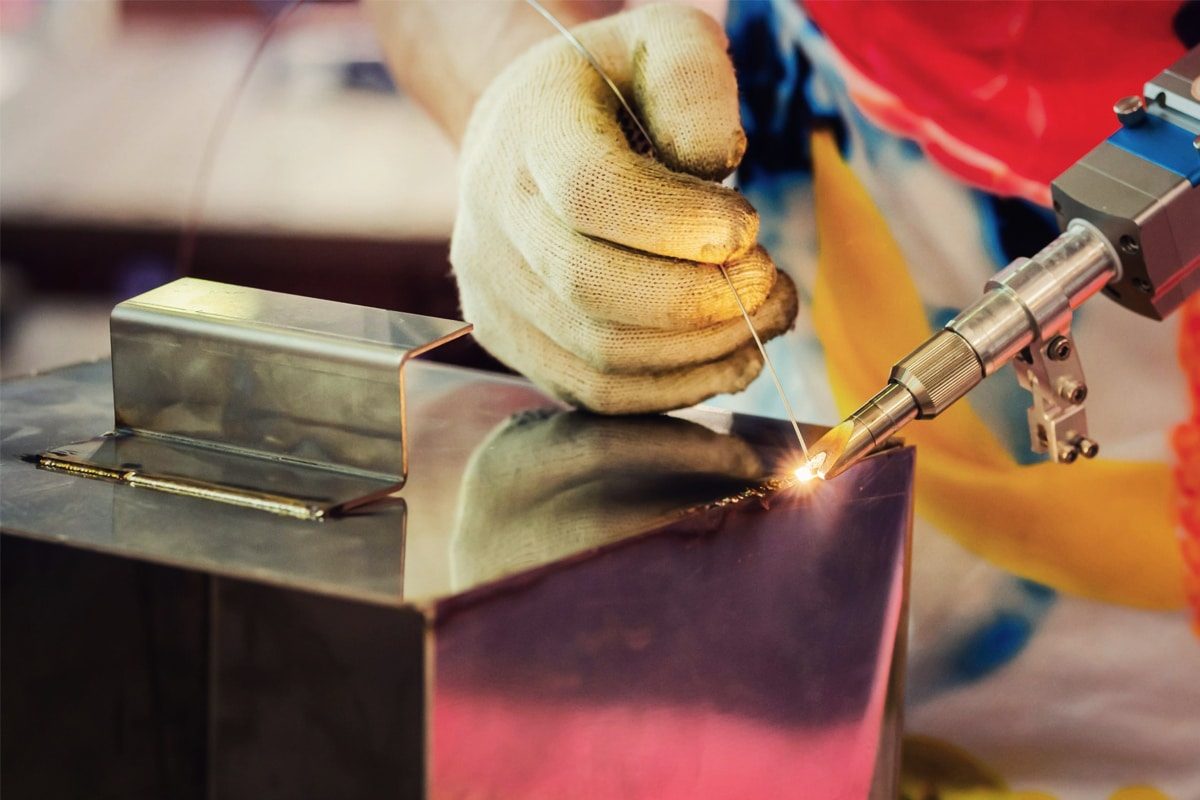
Introduction to Welding
Understanding Laser Welding
History of Laser Welding
Principle of Laser Welding
Technology Behind Laser Welding
The technology behind laser welding involves several key elements that work together to produce high-quality welds. The laser source generates the beam of light, which is directed to the workpiece using mirrors or optical fibers. Common types of lasers used in welding include:
- CO2 Lasers: These lasers, first developed for industrial use in the 1960s, produce an infrared beam that is highly effective for welding metals like steel and aluminum. CO2 lasers are still widely used in large-scale industrial applications.
- Fiber Lasers: These lasers offer excellent beam quality, efficiency, and precision. Fiber lasers have become popular in recent years due to their compact size, ability to produce high-intensity beams, and their suitability for a wide range of materials.
- Diode Lasers: Diode lasers are efficient, reliable, and offer excellent beam quality for fine, precise welding tasks. They are commonly used in specialized, low- to medium-power applications.
Types of Laser Welding
Laser welding can be classified into different types based on the technique and application. The most common types include:
- Laser Spot Welding: In this process, the laser beam is focused on a small area, creating a local molten pool that solidifies to form a strong bond. Spot welding is commonly used in the electronics and medical device industries for joining small, precise components.
- Laser Seam Welding: This technique uses a continuous laser beam to create an uninterrupted weld along a joint. It is ideal for applications involving thin materials, such as sheet metal used in automotive manufacturing.
- Laser Hybrid Welding: This method combines laser welding with another welding process, typically arc welding. Hybrid welding is used to achieve deeper penetration, which is particularly beneficial when welding thicker materials or joints that require additional strength.
Components of Laser Welding Systems
A typical laser welding system consists of several critical components that work in harmony to achieve precise welds:
- Laser Source: The laser source generates the high-intensity light beam. The type of laser source chosen depends on the material to be welded and the specific application requirements.
- Beam Delivery System: This system transmits the laser beam to the workpiece, typically through fiber optics or mirrors. It is responsible for focusing the beam and directing it to the desired spot.
- Welding Head: The welding head holds the optics and focuses the laser beam on the workpiece. It often contains cooling mechanisms to ensure that the system operates effectively under high-power conditions.
- Control System: A laser welding system is usually equipped with an advanced control system that adjusts key parameters in real-time, such as laser power, welding speed, and focus. This ensures the process is optimized for each specific application.
- Cooling System: Given the high energy generated during laser welding, effective cooling is critical to prevent overheating of the laser source, delivery system, and welding head.
Materials Suitable for Laser Welding
Laser welding can be used to join a wide variety of materials, making it a versatile technique for various industries. Materials commonly welded using lasers include:
- Steel: Both carbon steel and stainless steel are commonly welded using lasers, particularly in the automotive, aerospace, and manufacturing industries.
- Aluminum: Due to its lightweight and high-strength properties, aluminum is frequently welded using lasers, especially in the aerospace industry, where precision and minimal heat distortion are crucial.
- Titanium: Titanium and its alloys are often welded with lasers in industries like aerospace and medical devices, where high strength-to-weight ratios are required.
- Copper: Laser welding can be used for copper, although it presents some challenges due to its high thermal conductivity and reflectivity. Specialized techniques, such as adjusting laser power and focus, are required for effective welding of copper.
Applications of Laser Welding
Laser welding is widely used in various industries, where its precision and speed are essential:
- Automotive Industry: Laser welding is used extensively in the automotive sector for tasks such as welding body panels, exhaust systems, and battery components. The technique’s ability to create clean, precise welds with minimal distortion is ideal for high-volume production lines.
- Aerospace: In aerospace manufacturing, laser welding is employed to join lightweight, high-strength components. Its precision ensures the integrity of critical parts that must meet stringent safety standards.
- Medical Device Manufacturing: The medical industry relies on laser welding for making small, precise parts, such as surgical instruments and implants. Laser welding ensures clean, strong welds that are crucial for the performance and safety of medical devices.
- Electronics: Laser welding is also used in electronics to join components, such as connectors, sensors, and switches. The precision of laser welding ensures that delicate components remain undamaged during the welding process.
Advantages of Laser Welding
Laser welding offers several advantages that make it an attractive option for high-precision applications:
- High Precision: The laser beam can be focused to a very small spot, allowing for precise welding of intricate or small components with minimal heat distortion.
- Minimal Heat-Affected Zone (HAZ): Laser welding minimizes the heat-affected zone, reducing the risk of material distortion and thermal damage to the surrounding areas.
- Speed: Laser welding is a fast process, making it well-suited for high-throughput manufacturing environments where efficiency is crucial.
- Automation: Laser welding systems can be easily automated, ensuring consistent and repeatable results, which reduces the variability associated with manual welding.
- Clean and Smooth Welds: Laser welding produces welds with minimal spatter and a clean finish, reducing the need for post-welding cleaning or finishing.
Limitations of Laser Welding
Despite its many advantages, laser welding has some limitations:
- High Initial Cost: The equipment for laser welding, particularly high-powered systems, can be expensive to purchase and maintain, which may not be feasible for smaller operations or projects with lower budgets.
- Material Thickness: While laser welding is highly effective for thin materials, it may struggle with thicker materials unless hybrid techniques or multiple passes are used.
- Reflective Materials: Materials with high reflectivity, such as copper and gold, can be challenging to weld using lasers because the laser energy may be reflected, reducing welding efficiency.
- Skilled Operation: Successful laser welding requires highly skilled operators who can adjust system settings, monitor the process, and ensure optimal weld quality. The complexity of laser welding systems means that operator expertise is essential for achieving the best results.
Understanding Arc Welding
History of Arc Welding
Principle of Arc Welding
Types of Arc Welding
Arc welding includes several different processes, each with unique advantages and applications. Some of the most common types of arc welding are:
- Shielded Metal Arc Welding (SMAW): Also known as stick welding, SMAW is one of the most widely used and versatile arc welding processes. In SMAW, a consumable electrode coated with flux is used to create the arc. As the electrode melts, the flux coating forms a protective slag to shield the weld pool from contaminants. This process is often used for outdoor and heavy-duty applications, including construction and maintenance work.
- Gas Metal Arc Welding (GMAW): Also known as MIG (Metal Inert Gas) welding, GMAW uses a continuously fed consumable wire electrode and an inert gas shield to protect the weld from contamination. GMAW is known for its high deposition rate and is commonly used for welding thin to medium-thick metals in industries such as automotive and manufacturing.
- Tungsten Inert Gas Welding (TIG): TIG welding, or Gas Tungsten Arc Welding (GTAW), uses a non-consumable tungsten electrode to create the arc, and an inert gas (usually argon) shields the weld area. This process is ideal for creating precise, high-quality welds on thin materials and is often used in aerospace, automotive, and high-end manufacturing.
- Flux-Cored Arc Welding (FCAW): This process is similar to GMAW but uses a flux-cored wire that can either be self-shielding or require a gas shield. FCAW is used in applications where high deposition rates and deep penetration are required, such as in construction and shipbuilding.
- Submerged Arc Welding (SAW): SAW involves creating the arc beneath a blanket of flux, which is melted to form a protective slag. This process is typically used for welding thick materials, such as those found in the shipbuilding and heavy equipment industries, due to its ability to create deep, strong welds with high productivity.
Components of Arc Welding Systems
An arc welding system consists of several critical components that work together to create a high-quality weld:
- Power Supply: The power supply generates the electrical current required to create the arc. Depending on the process, the power supply can be either AC (alternating current) or DC (direct current), with DC being preferred for processes like SMAW and TIG welding.
- Electrode: In consumable electrode processes (SMAW, GMAW, FCAW), the electrode is used to conduct the current and provides filler material for the weld. In non-consumable electrode processes (TIG), the tungsten electrode remains intact and does not contribute material to the weld.
- Welding Torch/Holder: The welding torch or electrode holder is used to hold the electrode and direct the arc onto the workpiece. It often includes a cooling system to prevent overheating during the welding process.
- Filler Material: In consumable electrode processes, the filler material comes from the electrode itself. In some processes like TIG welding, a separate filler rod is used to provide the necessary material to form the weld.
- Shielding Gas: In processes like GMAW and TIG welding, shielding gas (usually argon or a mix of gases) is used to protect the weld pool from contamination by the atmosphere, which can compromise the strength and quality of the weld.
- Ground Clamp: The ground clamp completes the electrical circuit by attaching the welding machine’s negative terminal to the workpiece, allowing current to flow through the material and create the arc.
Materials Suitable for Arc Welding
Arc welding is highly versatile and can be used on a wide range of materials, particularly metals. Materials commonly welded using arc welding include:
- Mild Steel: Arc welding is ideal for welding mild steel, which is commonly used in construction, automotive, and heavy manufacturing.
- Stainless Steel: Stainless steel can be welded using various arc welding processes, with TIG welding often used for high-quality, precise welds.
- Aluminum: While aluminum can be welded with arc welding processes like MIG and TIG, its low melting point and high thermal conductivity require special techniques to avoid distortion and ensure strong, clean welds.
- Cast Iron: Cast iron, which is difficult to weld with other methods due to its brittleness, can be successfully welded with arc welding, particularly with the use of appropriate filler materials and techniques.
- Copper and Alloys: Arc welding can also be used for welding copper, although it requires specific electrodes and techniques due to the metal’s high thermal conductivity.
Applications of Arc Welding
Arc welding is used across a wide range of industries due to its versatility, accessibility, and effectiveness in heavy-duty applications. Common uses include:
- Construction: Arc welding is widely used in construction for welding steel beams, reinforcing bars, and other structural components.
- Shipbuilding: In shipbuilding, arc welding processes like SMAW and SAW are used to weld thick metal plates and sections in the construction of ships and offshore platforms.
- Automotive Manufacturing: Arc welding is essential in automotive manufacturing for joining body panels, chassis, exhaust systems, and other metal components.
- Pipeline Welding: Arc welding, particularly SMAW and FCAW, is used extensively in pipeline construction due to its portability and ability to weld in outdoor and remote locations.
- Maintenance and Repair: Arc welding is commonly used in maintenance and repair work, especially for heavy equipment, machinery, and industrial structures.
Advantages of Arc Welding
Arc welding offers several distinct advantages:
- Versatility: Arc welding can be used on a wide variety of materials, thicknesses, and joint configurations, making it suitable for many different applications.
- Portability: Unlike some other welding methods, arc welding equipment is relatively portable, allowing it to be used in fieldwork, maintenance, and outdoor applications.
- Cost-Effectiveness: Arc welding machines are generally affordable, and the process itself is relatively low-cost compared to other welding techniques, making it an attractive option for many industries.
- High Penetration: Arc welding processes like SMAW and SAW are capable of deep weld penetration, making them ideal for heavy-duty applications, such as shipbuilding and pipeline welding.
- Simplicity: Arc welding is a straightforward process that requires minimal training to master basic techniques, making it accessible to a wide range of operators.
Limitations of Arc Welding
Despite its many advantages, arc welding has some limitations:
- Heat-Affected Zone (HAZ): The high heat generated during the welding process can cause significant distortion and a large heat-affected zone, especially in thinner materials.
- Skill Required: While basic arc welding can be learned quickly, producing high-quality, strong welds requires skill and experience, particularly for processes like TIG welding.
- Fume and Smoke: Arc welding produces smoke and fumes that can be hazardous to the welder’s health if proper ventilation and protective equipment are not used.
- Limited Precision: Compared to other welding methods like laser welding, arc welding may not provide the same level of precision, especially for small or delicate components.
Comparison of Laser Welding and Arc Welding
Energy Source
The primary difference between laser welding and arc welding lies in their energy sources.
- Laser Welding utilizes a focused beam of light generated by a laser to provide the energy necessary for welding. The beam’s high intensity is concentrated on a small spot, creating intense heat that melts the materials being joined. Lasers can be powered by various sources, including CO2 lasers, fiber lasers, or diode lasers. Laser welding is typically more energy-efficient in terms of power use because the energy is highly focused, reducing wastage.
- Arc Welding, on the other hand, relies on an electric arc to generate the heat required to melt the workpieces. This arc is created between an electrode (which may be consumable or non-consumable) and the workpiece. Arc welding systems, whether using direct current (DC) or alternating current (AC), typically consume more power because the arc is less focused compared to a laser beam. However, arc welding’s energy source is typically easier to generate and requires less sophisticated technology than lasers.
Welding Speed and Efficiency
Both methods are capable of producing high-quality welds, but they differ in terms of welding speed and efficiency.
- Laser Welding is known for its high speed and efficiency, particularly in applications where precision is paramount. The concentrated heat from the laser allows for quick melting and solidification of the material, leading to rapid welding speeds. In high-volume production settings, such as automotive manufacturing or electronics assembly, laser welding can significantly increase throughput without compromising quality.
- Arc Welding, although effective for a wide range of materials and applications, generally operates at slower speeds than laser welding. However, its efficiency can be high when welding thicker materials or when deep penetration is required. While not as fast as laser welding in precision tasks, arc welding is still highly efficient in heavy-duty applications like construction or pipeline welding, where the volume of material being welded is substantial.
Precision and Control
Precision and control are critical factors, especially in industries that require highly accurate welds.
- Laser Welding offers superior precision due to the ability to focus the laser beam very narrowly. This allows for extremely fine control over the weld, making it ideal for delicate or intricate work. Industries such as aerospace, medical devices, and electronics rely heavily on laser welding’s ability to produce small, highly detailed welds with minimal heat distortion.
- Arc Welding, while versatile, typically offers less precision than laser welding. The arc is harder to control, and welds can be less consistent, particularly for very small or intricate parts. However, modern advancements in arc welding techniques, such as automated systems and advanced controls, have improved the precision and repeatability of arc welding to some extent. It is still best suited for larger, more forgiving joints or for situations where speed and material thickness are prioritized over fine detail.
Heat Affected Zone (HAZ)
The Heat Affected Zone (HAZ) refers to the area around the weld that experiences thermal changes that can affect the material’s properties.
- Laser Welding produces a very small HAZ due to the concentrated nature of the heat. This is advantageous in preventing distortion or material degradation in the surrounding areas of the workpiece. The small HAZ is especially beneficial when working with heat-sensitive materials, such as thin metals or alloys used in the aerospace and electronics industries.
- Arc Welding generally results in a larger HAZ. Since the heat from the arc is less focused, it affects a wider area of the workpiece, potentially causing more significant changes in the material’s structure and leading to greater thermal distortion. While this is not necessarily a problem in many industrial applications (e.g., for thick steel or structural welding), it can be a disadvantage when precision is required, or when working with materials that are prone to warping under heat.
Material Compatibility
Both laser welding and arc welding are versatile when it comes to the types of materials that can be welded, but there are differences in the materials they are most suited for.
- Laser Welding is highly effective on materials that require precise control and minimal heat distortion, such as thin metals, alloys, and materials like aluminum, titanium, and high-strength steels. Laser welding can also be applied to non-ferrous materials like copper and plastics, though the challenges of reflectivity (for metals like copper) may require adjustments in technique.
- Arc Welding is suitable for a broader range of materials, including thicker metals. It is commonly used to weld materials such as carbon steel, stainless steel, and alloy steels, and is especially favored for heavy-duty applications. Arc welding is also highly compatible with metals that may be more challenging to weld with lasers, such as certain types of cast iron, where the arc process can offer better penetration and bonding.
Cost Considerations
The costs associated with both welding methods can vary significantly, both in terms of initial investment and ongoing operational expenses.
- Laser Welding requires significant upfront investment due to the high cost of laser systems and the associated equipment, such as beam delivery and control systems. The initial setup costs can be a barrier for smaller businesses, although advancements in fiber laser technology have made laser welding systems more affordable in recent years. Operational costs can be relatively low due to the efficient energy use and minimal material waste, but maintenance costs for high-powered lasers can still be substantial.
- Arc Welding, in contrast, is much more affordable in terms of both equipment and operational costs. The machines are relatively inexpensive, and the process itself uses consumables (like electrodes and filler material) that are low-cost. This makes arc welding more accessible for smaller companies or for applications where large-scale welding is necessary. While the equipment costs are lower, the operational costs can increase with the need for consumables and the potential for more energy consumption, especially when working with larger, thicker materials.
Safety Concerns
Both welding techniques require appropriate safety precautions, though the risks associated with each process differ.
- Laser Welding involves the use of high-powered lasers, which can be hazardous to the eyes and skin. Strict safety measures, including protective eyewear, are required to avoid exposure to the intense light emitted by the laser. Additionally, laser systems often require controlled environments to mitigate the risk of fire hazards and to ensure the accuracy of the welding process.
- Arc Welding also presents several safety concerns, particularly due to the high temperatures generated by the electric arc. Welders need to wear protective gear, including gloves, face shields, and flame-resistant clothing, to protect themselves from burns, sparks, and UV radiation. The fumes produced by arc welding processes can be harmful if inhaled, requiring proper ventilation or fume extraction systems.
Environmental Impact
The environmental impact of welding depends on factors such as energy use, emissions, and waste.
- Laser Welding is generally considered more environmentally friendly due to its energy efficiency and reduced material waste. The small HAZ and precise energy application minimize unnecessary energy consumption. However, the production and disposal of high-powered lasers and their components can have some environmental impact.
- Arc Welding tends to have a higher environmental impact due to the consumption of energy and the release of fumes and gases during the welding process. Arc welding also produces more spatter and waste material, which may require additional cleaning and disposal. However, advancements in arc welding equipment have improved efficiency and reduced some of the environmental impacts.
Maintenance and Training
The maintenance and training requirements for laser and arc welding can vary significantly.
- Laser Welding systems require highly specialized training to operate and maintain. Laser machines have intricate components, such as optics and beam delivery systems, which require regular calibration and maintenance. While lasers are low-maintenance compared to some other types of equipment, they do require skilled technicians to ensure they operate efficiently.
- Arc Welding, while still requiring trained operators, is generally easier to maintain and requires less technical expertise compared to laser welding systems. The equipment is straightforward and robust, making it easier for operators to troubleshoot and repair. Training for arc welding is also less specialized, and the skills can be acquired more quickly compared to laser welding.
Performance Comparison
Weld Quality
The quality of a weld, in terms of both strength and appearance, is crucial in any manufacturing or repair process. The weld quality encompasses factors such as the strength of the joint, the smoothness and cleanliness of the weld, and the minimal presence of defects.
- Laser Welding is known for producing extremely high-quality welds with a smooth, clean finish. The laser beam can be focused very precisely, which results in minimal spatter and a small heat-affected zone (HAZ). This precision allows for strong, consistent welds with excellent mechanical properties. Laser welding’s ability to minimize distortion and reduce the chances of contamination makes it particularly ideal for applications requiring high aesthetic standards, such as in electronics, medical devices, or the aerospace industry. The deep penetration and fine control offered by laser welding contribute to welds that are not only strong but also aesthetically pleasing.
- Arc Welding, while also capable of producing strong welds, generally results in a larger HAZ compared to laser welding. This can lead to more significant thermal distortion in the surrounding areas, particularly when working with thin materials. The weld surface may also have more spatter, which could necessitate additional post-weld cleaning or finishing, especially in processes like Shielded Metal Arc Welding (SMAW). While arc welding provides robust joints, it may not always achieve the same level of visual or mechanical perfection as laser welding, especially when fine detail is required.
Speed of Operation
Speed is a critical factor in many industrial processes, particularly those involving high-volume production. The speed of the welding process influences both throughput and cost-efficiency.
- Laser Welding is generally faster than arc welding, especially when high precision is required. The focused energy from the laser allows for quick penetration and fusion of the materials, which leads to rapid welding speeds. Laser welding is particularly advantageous in applications where thin materials need to be joined or where there is a need for intricate welds with minimal distortion. Its speed is a significant advantage in industries like electronics, medical device manufacturing, and automotive production, where production volumes are high and time is critical.
- Arc Welding, on the other hand, tends to be slower than laser welding, particularly in processes like TIG welding (Tungsten Inert Gas) and SMAW (Stick Welding). While arc welding can still provide excellent results in terms of strength and versatility, its welding speed is typically lower, particularly for intricate or small components. That said, certain arc welding processes like MIG (Metal Inert Gas) welding can achieve faster welding speeds compared to others, especially in thicker materials.
Suitability for Mass Production
In industries that require high throughput and efficiency, the suitability of a welding method for mass production is paramount. Mass production often demands a balance of speed, consistency, and minimal downtime.
- Laser Welding is highly suitable for mass production due to its speed, precision, and ability to be easily automated. Laser systems can operate continuously without the need for frequent adjustments, which reduces downtime and increases production capacity. Moreover, the small heat-affected zone (HAZ) and minimal material distortion make laser welding an excellent choice for welding delicate components in high volumes, such as in the automotive, electronics, and consumer goods industries. Automation of laser welding systems, including robotic arms and computer numerical control (CNC) systems, allows for a consistent and repeatable process that is ideal for mass production.
- Arc Welding, while highly effective and versatile, is generally less efficient than laser welding in mass production environments, especially for high-precision and high-volume tasks. Traditional arc welding processes, like SMAW and TIG welding, can be slower and require more manual intervention, which can increase production time and costs. However, arc welding processes like MIG welding can be automated and adapted for mass production in certain applications, such as car body manufacturing or shipbuilding, where speed is important but fine detail is less critical.
Adaptability to Automation
The ability to automate the welding process is increasingly important in modern manufacturing, as it improves consistency, reduces labor costs, and increases production speed.
- Laser Welding is highly adaptable to automation and is frequently integrated into automated systems. With laser welding, precision is maintained regardless of the system’s automation level. Robots equipped with lasers can perform precise, high-quality welds at high speed, making them an excellent choice for industries that require constant, high-volume output. The integration of advanced sensors and automated control systems ensures that laser welding processes remain consistent, reducing human error and increasing production efficiency. The precise control over the beam and the welding parameters ensures that laser welding can be reliably used in automated environments, especially in the electronics, automotive, and medical device sectors.
- Arc Welding can also be automated, particularly in processes like MIG and FCAW (Flux-Cored Arc Welding). Automated arc welding systems, such as robotic arms, are widely used in industries like automotive manufacturing and construction. However, arc welding systems may require more calibration and adjustment when automated, particularly when switching between different materials or joint configurations. The more complex manual control required in some arc welding processes, like TIG welding, can make full automation more difficult compared to laser welding, but advancements in robotics and artificial intelligence are gradually improving the automation capabilities of arc welding.
Effectiveness in Different Material Types
Both laser and arc welding are versatile, but each method performs differently depending on the material being welded. The material’s thickness, composition, and behavior under heat all influence the effectiveness of the welding process.
- Laser Welding excels at welding thin materials with precision. It is particularly effective for high-strength steels, stainless steel, aluminum, and titanium. Laser welding is also used effectively on materials that are difficult to weld with arc processes, such as copper and some advanced alloys. The key advantage of laser welding is its ability to create precise welds on thin or delicate materials without causing excessive thermal distortion. However, it can struggle with thicker materials unless hybrid welding processes (combining laser and arc welding) are used.
- Arc Welding is extremely effective for welding thicker materials and is particularly favored for heavy-duty applications. Arc welding processes like SMAW, MIG, and FCAW are ideal for joining thicker metals, such as carbon steel, stainless steel, and alloys. The deep penetration achieved by arc welding makes it a better option for welding thicker sections of material that require high strength, such as structural steel or pipeline welding. However, arc welding can be less effective on thin materials because of the larger heat-affected zone (HAZ) and potential for distortion.
Safety and Environmental Considerations
Laser Welding Safety Aspects
Laser welding, though efficient and precise, comes with its own set of safety concerns primarily related to the intense energy produced by the laser and the specialized equipment required for operation.
- Laser Radiation: The most significant safety concern in laser welding is the exposure to laser radiation. High-powered laser beams, especially those used in industrial applications, can cause severe eye damage, including permanent blindness, if the beams are not properly shielded. As a result, laser welding operators must wear specialized protective eyewear designed to block specific wavelengths of laser light. Protective screens and enclosures around the work area are also necessary to prevent unintended exposure to laser radiation.
- Heat and Fire Hazards: While laser welding produces a highly concentrated heat source, it also creates a potential fire hazard. If proper precautions are not taken, materials surrounding the weld site may catch fire. In addition, the extremely high temperatures at the weld point can result in the risk of burns or injury if operators are not careful. Ensuring adequate cooling systems and proper ventilation can help mitigate these risks.
- Toxic Fumes: Laser welding, especially when working with materials like metals and plastics, can produce hazardous fumes. These fumes may contain harmful compounds like oxides, volatile organic compounds (VOCs), and other particulates that could be harmful to the respiratory system if inhaled. To reduce exposure, laser welding systems should be equipped with fume extraction systems that capture and remove harmful vapors from the work environment.
- Electrical Hazards: Though not as significant as arc welding, laser welding systems still involve high-voltage electrical components. Operators must follow strict electrical safety protocols to avoid the risk of electrical shock or other electrical hazards, particularly when working with high-powered lasers.
Arc Welding Safety Aspects
Arc welding involves the use of an electric arc to create intense heat, which also introduces several safety risks for operators.
- Electric Shock: One of the primary safety risks in arc welding is electrical shock. This occurs when the welder comes into contact with the welding circuit, electrode holder, or workpiece. To mitigate this risk, arc welding equipment should be properly grounded, and protective gear like insulated gloves and rubber footwear should be worn. Additionally, using welding machines that comply with safety standards and implementing proper lockout/tagout procedures can help prevent electrical accidents.
- Radiation Exposure: Arc welding generates significant amounts of ultraviolet (UV) and infrared (IR) radiation, which can cause damage to the eyes and skin. Prolonged exposure to UV radiation can result in “welder’s flash,” a painful condition similar to sunburn that affects the eyes. To protect against these hazards, arc welders must wear specially designed protective face shields or helmets equipped with UV and IR filters. Welders should also wear appropriate clothing to protect their skin from burns and radiation exposure.
- Fume and Gas Inhalation: Arc welding generates a considerable amount of fumes, including oxides, ozone, and particulate matter, especially when working with metals such as aluminum, zinc, and galvanized steel. The fumes produced can contain hazardous substances like manganese, chromium, and nickel, which can lead to respiratory issues and long-term health problems if inhaled. Fume extraction systems and proper ventilation are essential in arc welding operations to prevent the accumulation of these harmful gases. Additionally, welding operators should wear respiratory protection, such as fume extraction masks or respirators, to reduce exposure to these toxic fumes.
- Fire and Explosion Hazards: Due to the high heat generated by the electric arc, arc welding presents a fire hazard, particularly when working with combustible materials. Sparks, hot slag, and molten metal droplets can ignite nearby materials if proper fire prevention measures are not in place. Welders must ensure that the work area is clear of flammable materials and should always have fire extinguishers readily available.
Comparison of Fumes, Noise, and Other Environmental Concerns
Both laser welding and arc welding can produce environmental concerns in terms of fumes, noise, and waste, although the nature and intensity of these concerns can differ.
- Fumes:
- Laser Welding: The fumes generated by laser welding tend to be less pronounced than those produced by arc welding. However, they can still contain harmful substances, particularly when welding metals like steel, aluminum, or plastics. The highly concentrated heat from the laser tends to produce fewer fumes, but the materials used in the process may still release hazardous vapors. Proper ventilation and fume extraction systems are crucial to ensure that the workplace is safe.
- Arc Welding: Arc welding produces significant amounts of smoke and fumes, especially when working with certain metals or electrodes. The fumes can include harmful chemicals like manganese, chromium, and nickel, and prolonged exposure can lead to respiratory issues and other health problems. The production of fumes is more substantial than in laser welding, requiring more robust fume extraction and ventilation systems. The type of filler material and shielding gases used in the process can also influence the amount and toxicity of fumes produced.
- Noise:
- Laser Welding: Laser welding tends to generate minimal noise because it does not involve the same mechanical or physical processes that produce sound in arc welding. The primary noise concerns in laser welding come from the equipment and cooling systems, but these are typically much quieter than the loud sounds produced by arc welding.
- Arc Welding: Arc welding is generally much noisier than laser welding due to the constant electrical arcing, the noise of the welding machine, and the impact of molten material. The sound produced during welding can exceed safe decibel levels, requiring the use of hearing protection to prevent hearing damage in industrial settings.
- Waste and Environmental Impact:
- Laser Welding: One of the environmental benefits of laser welding is its high precision, which leads to less material waste. The small heat-affected zone (HAZ) and minimal distortion mean that there is less scrap material or need for rework after the welding process. Additionally, the energy efficiency of laser welding systems reduces energy consumption and minimizes environmental impact.
- Arc Welding: Arc welding, especially when using consumable electrodes, generates more waste in the form of electrode stubs and spatter. The larger HAZ also means that more material may be affected by heat and needs to be discarded. The production of fumes and gases, combined with the energy-intensive nature of arc welding, means that its environmental footprint is typically higher than that of laser welding. However, recycling programs for electrodes and materials can help mitigate some of the environmental impact.
Sustainability of Each Method
Sustainability in welding is primarily concerned with energy consumption, material efficiency, and minimizing environmental impact.
- Laser Welding is generally considered more sustainable than arc welding due to its energy efficiency, precise control, and reduced material waste. The laser’s ability to focus energy on a small area minimizes heat loss, reducing overall power consumption. Additionally, laser welding often results in less post-welding work, such as cleaning, finishing, and rework, which further reduces material usage and waste. As a result, laser welding is often considered a more environmentally friendly option, especially when used in high-precision and high-volume applications.
- Arc Welding is less energy-efficient than laser welding, primarily because of the less concentrated heat from the arc and the larger HAZ. The increased energy consumption and the greater amount of waste produced during arc welding can make it a less sustainable option compared to laser welding, particularly in applications requiring high precision and low waste. However, its versatility and lower upfront costs make it a practical choice for many industries, especially in heavy-duty and large-scale applications.
Choosing Between Laser Welding and Arc Welding
Material Type and Thickness
The choice of welding method largely depends on the material being welded, as well as its thickness and structure. Different materials behave differently under heat, and their properties can influence the success of the welding process.
- Laser Welding is particularly effective for welding thin materials and those that require high precision. The ability of the laser beam to focus on a small area allows it to work efficiently on delicate or thin metals, such as aluminum, stainless steel, titanium, and high-strength alloys. Laser welding also excels in situations where minimal heat distortion is required, making it ideal for precision industries such as electronics and aerospace. However, laser welding may struggle with thicker materials, as achieving deep penetration requires a higher-powered laser, and in some cases, hybrid methods combining lasers with other welding techniques may be needed.
- Arc Welding, on the other hand, is better suited for thicker materials. The depth of penetration achievable by arc welding allows it to handle heavy-duty applications such as structural steel, shipbuilding, and pipeline welding. Processes like MIG (Metal Inert Gas) welding and Stick welding (SMAW) are commonly used for welding thick plates, while TIG (Tungsten Inert Gas) welding can be used for thinner metals but still requires greater precision. Arc welding is often the preferred choice for welding high-melting-point materials and ductile metals in applications requiring robust strength and durability.
Weld Quality and Precision
The desired quality of the weld is another crucial factor in choosing the right welding method. Weld quality encompasses aspects such as strength, aesthetics, dimensional accuracy, and minimal post-weld treatment.
- Laser Welding offers high precision with minimal heat-affected zones (HAZ) and excellent aesthetics. The precision of the laser beam means that the weld can be highly controlled, making it ideal for creating small, intricate welds or working with sensitive components. The resulting welds are clean, with minimal spatter or distortion, which is critical in industries like medical device manufacturing, electronics, and aerospace. Laser welding is also superior in producing strong, consistent welds with little to no need for post-processing or finishing, making it a top choice for applications where both strength and appearance are paramount.
- Arc Welding tends to produce larger heat-affected zones (HAZ) and may require additional post-weld treatment, such as grinding or cleaning, especially when using processes like Stick welding (SMAW) or MIG welding. While arc welding can produce strong, durable welds, the visual quality might not be as clean or precise as laser welding. The increased heat input associated with arc welding often results in more distortion, which can be problematic when working with thin or delicate materials. However, in many heavy-duty applications where strength is the primary focus, such as construction or shipbuilding, the welds created by arc welding are robust and capable of withstanding significant stresses.
Speed and Efficiency
Speed is a critical factor in production environments where high throughput is necessary. The welding method must not only deliver high-quality results but also do so in a timely and efficient manner to keep up with production demands.
- Laser Welding is known for its speed, especially in high-precision applications. The rapid heat input and focused energy allow laser welding to produce fast results, making it ideal for industries where high-volume production is required. The speed of laser welding is particularly advantageous in settings like automotive manufacturing, electronics assembly, and medical device production, where precision and throughput must be balanced. Additionally, laser welding’s ability to minimize post-processing and reduce the amount of distortion or rework required further contributes to its efficiency.
- Arc Welding, while generally slower than laser welding in precision tasks, can still be highly efficient in applications that prioritize strength over speed. MIG welding, for example, is faster than many other arc welding processes and is commonly used in automotive assembly and structural applications. However, arc welding requires more time for setup and cleaning, and the weld quality can sometimes necessitate rework, especially in processes like TIG welding or Stick welding. In heavy-duty applications, arc welding’s slower speed may be offset by the ability to handle thicker materials and joints that laser welding may struggle with.
Cost Considerations
Cost is an important consideration when selecting a welding method, particularly for businesses operating on a budget or working with high production volumes.
- Laser Welding typically involves a higher initial investment due to the cost of the laser welding system, which includes the laser source, optics, and associated components. The cost of setting up a high-powered laser welding system can be substantial, and it also requires skilled operators and specialized training. However, the operational costs of laser welding can be relatively low, as it is a highly efficient process that minimizes energy consumption, material waste, and post-processing time. For high-precision, high-volume production, the long-term benefits of laser welding often outweigh the initial costs.
- Arc Welding is much more affordable in terms of both initial equipment cost and operational expenses. Arc welding machines are generally less expensive than laser systems, and the consumables, such as electrodes and filler materials, are relatively inexpensive. Additionally, arc welding systems are widely available and require less specialized training compared to laser welding. For applications where cost-effectiveness is a priority and welds do not require the level of precision offered by lasers, arc welding is often the more economical choice.
Suitability for Automation and Mass Production
Automation has become a significant factor in modern manufacturing, especially when dealing with high-volume production. The choice of welding method affects how easily the process can be automated and how well it adapts to mass production environments.
- Laser Welding is highly automatable and is often integrated into robotic systems and computer-controlled systems for precision tasks. Automation in laser welding systems allows for repeatable, consistent results, making it ideal for mass production environments. Laser welding’s speed, precision, and minimal need for post-weld processing allow manufacturers to maximize efficiency while maintaining high-quality standards, making it well-suited for industries like electronics, automotive, and medical device manufacturing.
- Arc Welding can also be automated, but the process may require more manual intervention or adjustment, particularly when using more complex techniques like TIG welding. MIG welding, however, is commonly used in automated systems, especially in industries such as automotive manufacturing, where high-volume production is required. While automation in arc welding has been advancing, especially with robotic welding systems, it is often not as precise or fast as laser welding, especially in tasks that require intricate or highly detailed work.
Industry and Application Considerations
The choice between laser welding and arc welding is often determined by the specific industry requirements and application needs.
- Laser Welding is the ideal choice for industries requiring high precision, minimal heat distortion, and clean welds. It is highly favored in sectors like aerospace, medical devices, electronics, and automotive manufacturing, where the complexity of the components and the quality of the welds are paramount. Laser welding’s ability to produce small, high-strength welds with minimal post-processing makes it a top choice for these applications.
- Arc Welding is more suited to heavy-duty applications where the focus is on strength and versatility rather than precision. It is the go-to method for industries like construction, shipbuilding, and pipeline welding, where large, thick materials are used, and the welding process needs to be adaptable to various environmental conditions. Arc welding’s flexibility and cost-effectiveness make it a reliable choice for applications where speed and durability are key.