

Product Introduction
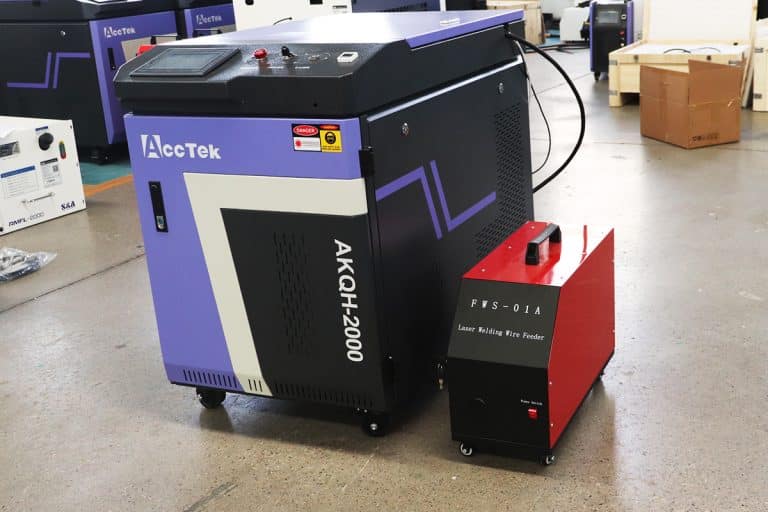
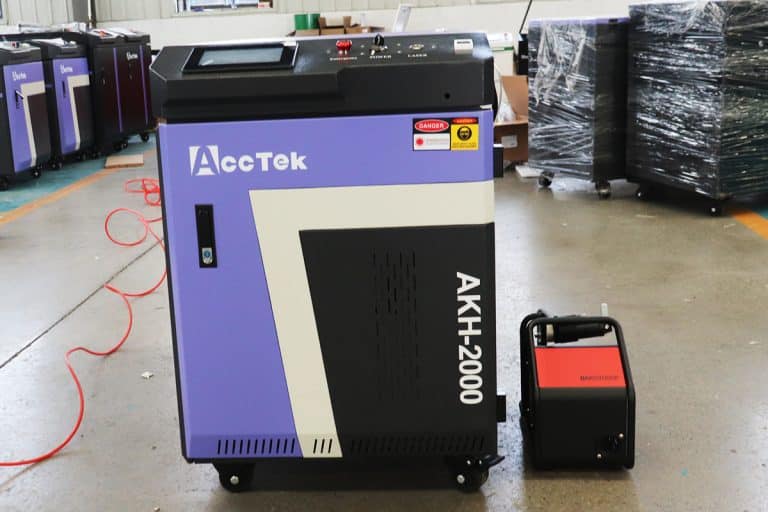
Types of 3kW Laser Welding Machines
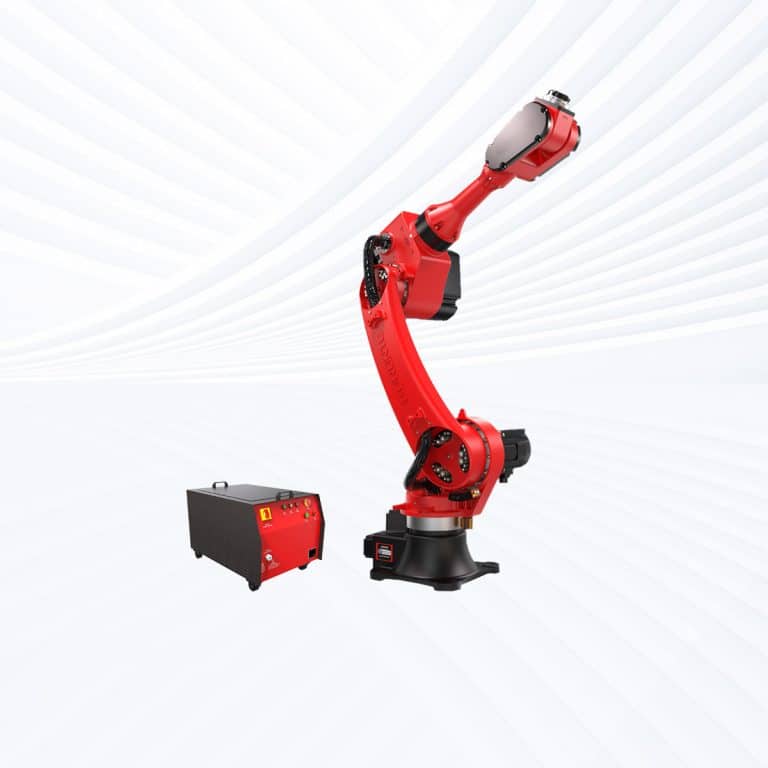
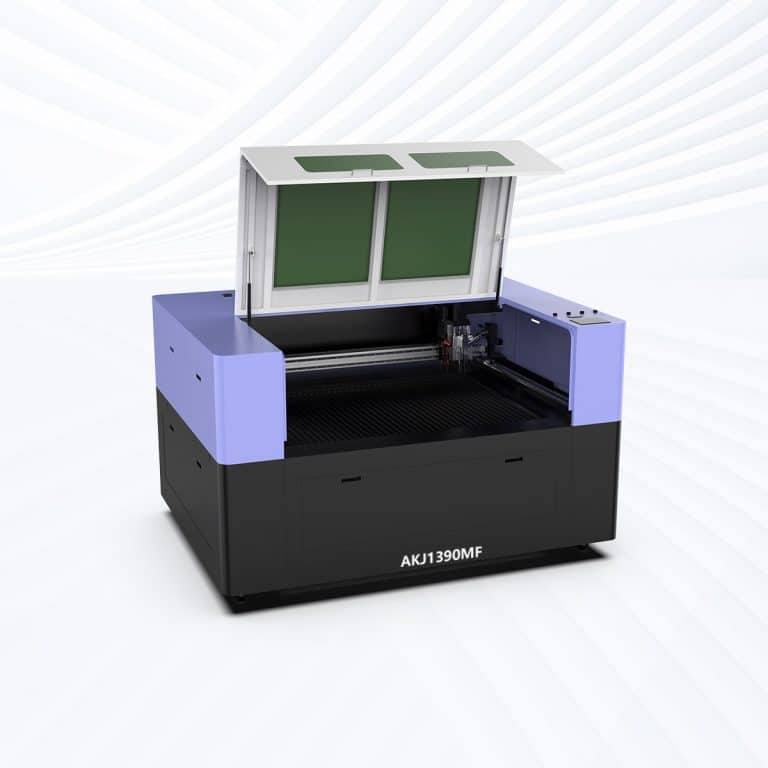
3kW Laser Welding Capacity
| Material Type | Welding Form | Thickness (mm) | Welding Speed (mm/s) | Defocus Amount | Protective Gas | Blowing Method | Flow (L/min) | Welding Effect |
|---|---|---|---|---|---|---|---|---|
| Carbon Steel (Q2358) | Butt Welding | 0.5 | 100~110 | -1~1 | Ar | Coaxial/Paraaxial | 5~10 | Welded Completely |
| Butt Welding | 1 | 90~100 | -1~1 | Ar | Coaxial/Paraaxial | 5~10 | Welded Completely | |
| Butt Welding | 1.5 | 70~80 | -1~1 | Ar | Coaxial/Paraaxial | 5~10 | Welded Completely | |
| Butt Welding | 2 | 60~70 | -1~1 | Ar | Coaxial/Paraaxial | 5~10 | Welded Completely | |
| Butt Welding | 3 | 50~60 | -1~1 | Ar | Coaxial/Paraaxial | 5~10 | Welded Completely | |
| Butt Welding | 4 | 40~50 | -1~1 | Ar | Coaxial/Paraaxial | 5~10 | Welded Completely | |
| Butt Welding | 5 | 30~40 | -1~1 | Ar | Coaxial/Paraaxial | 5~10 | Welded Completely | |
| Butt Welding | 6 | 20~30 | -1~1 | Ar | Coaxial/Paraaxial | 5~10 | Welded Completely | |
| Stainless Steel (SUS304) | Butt Welding | 0.5 | 110~120 | -1~1 | Ar | Coaxial/Paraaxial | 5~10 | Welded Completely |
| Butt Welding | 1 | 100~110 | -1~1 | Ar | Coaxial/Paraaxial | 5~10 | Welded Completely | |
| Butt Welding | 1.5 | 90~100 | -1~1 | Ar | Coaxial/Paraaxial | 5~10 | Welded Completely | |
| Butt Welding | 2 | 80~90 | -1~1 | Ar | Coaxial/Paraaxial | 5~10 | Welded Completely | |
| Butt Welding | 3 | 70~80 | -1~1 | Ar | Coaxial/Paraaxial | 5~10 | Welded Completely | |
| Butt Welding | 4 | 60~70 | -1~1 | Ar | Coaxial/Paraaxial | 5~10 | Welded Completely | |
| Butt Welding | 5 | 40~50 | -1~1 | Ar | Coaxial/Paraaxial | 5~10 | Welded Completely | |
| Butt Welding | 6 | 30~40 | -1~1 | Ar | Coaxial/Paraaxial | 5~10 | Welded Completely | |
| Brass | Butt Welding | 0.5 | 90~100 | -1~1 | Ar | Coaxial/Paraaxial | 5~10 | Welded Completely |
| Butt Welding | 1 | 80~90 | -1~1 | Ar | Coaxial/Paraaxial | 5~10 | Welded Completely | |
| Butt Welding | 1.5 | 70~80 | -1~1 | Ar | Coaxial/Paraaxial | 5~10 | Welded Completely | |
| Butt Welding | 2 | 60~70 | -1~1 | Ar | Coaxial/Paraaxial | 5~10 | Welded Completely | |
| Butt Welding | 3 | 50~60 | -1~1 | Ar | Coaxial/Paraaxial | 5~10 | Welded Completely | |
| Butt Welding | 4 | 30~40 | -1~1 | Ar | Coaxial/Paraaxial | 5~10 | Welded Completely | |
| Butt Welding | 5 | 20~30 | -1~1 | Ar | Coaxial/Paraaxial | 5~10 | Welded Completely | |
| 1-3 Series Aluminum Alloys | Butt Welding | 0.5 | 100~110 | -1~1 | Ar | Coaxial/Paraaxial | 5~10 | Welded Completely |
| Butt Welding | 1 | 90~100 | -1~1 | Ar | Coaxial/Paraaxial | 5~10 | Welded Completely | |
| Butt Welding | 1.5 | 80~90 | -1~1 | Ar | Coaxial/Paraaxial | 5~10 | Welded Completely | |
| Butt Welding | 2 | 70~80 | -1~1 | Ar | Coaxial/Paraaxial | 5~10 | Welded Completely | |
| Butt Welding | 3 | 40~50 | -1~1 | Ar | Coaxial/Paraaxial | 5~10 | Welded Completely | |
| Butt Welding | 4 | 20~30 | -1~1 | Ar | Coaxial/Paraaxial | 5~10 | Welded Completely | |
| 4-7 Series Aluminum Alloys | Butt Welding | 0.5 | 80~90 | -1~1 | Ar | Coaxial/Paraaxial | 5~10 | Welded Completely |
| Butt Welding | 1 | 70~80 | -1~1 | Ar | Coaxial/Paraaxial | 5~10 | Welded Completely | |
| Butt Welding | 1.5 | 60~70 | -1~1 | Ar | Coaxial/Paraaxial | 5~10 | Welded Completely | |
| Butt Welding | 2 | 40~50 | -1~1 | Ar | Coaxial/Paraaxial | 5~10 | Welded Completely | |
| Butt Welding | 3 | 30~40 | -1~1 | Ar | Coaxial/Paraaxial | 5~10 | Welded Completely | |
| Copper | Butt Welding | 0.5 | 60~70 | -1~1 | Ar | Coaxial/Paraaxial | 5~10 | Welded Completely |
| Butt Welding | 1 | 40~50 | -1~1 | Ar | Coaxial/Paraaxial | 5~10 | Welded Completely | |
| Butt Welding | 1.5 | 30~40 | -1~1 | Ar | Coaxial/Paraaxial | 5~10 | Welded Completely | |
| Butt Welding | 2 | 20~30 | -1~1 | Ar | Coaxial/Paraaxial | 5~10 | Welded Completely |
Compatible Materials
- Carbon Steel
- Stainless Steel
- Mild Steel
- Galvanized Steel
- High-Strength Steel
- Tool Steel
- Spring Steel
- Alloy Steel
- Cast Iron
- Aluminum
- Aluminum Alloys
- Copper
- Brass
- Bronze
- Titanium
- Titanium Alloys
- Nickel
- Nickel Alloys
- Inconel
- Monel
- Hastelloy
- Cobalt
- Cobalt Alloys
- Magnesium
- Magnesium Alloys
- Molybdenum
- Tantalum
- Zirconium
- Tungsten
- Gold
- Gold
- Platinum
- Palladium
- Electrical Steels
- Duplex Stainless Steel
- Super Duplex Stainless Steel
- Nitinol
- Low-Alloy Steels
- Clad Metals
- Bimetallic Joints
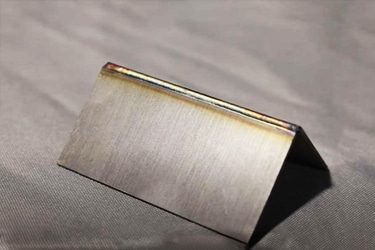
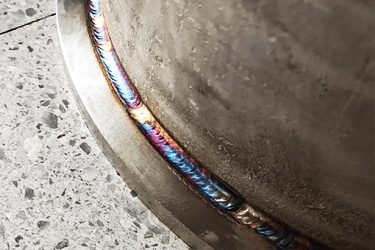
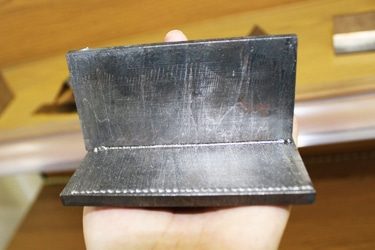
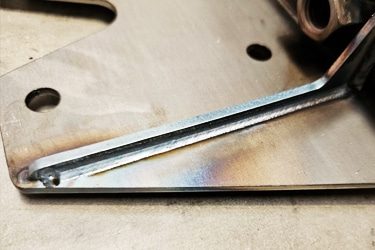
Application of 3kW Laser Welding Machines
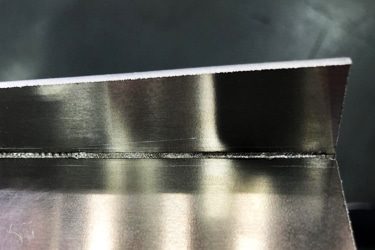
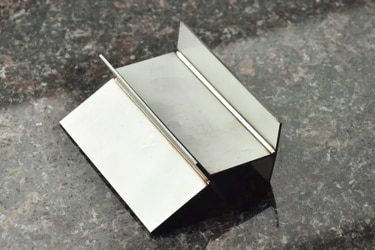
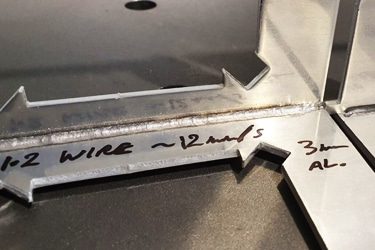
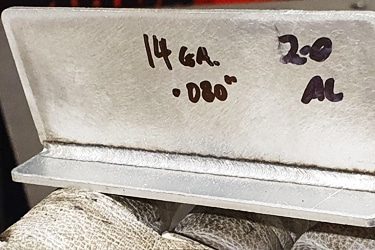
Customer Testimonials
Comparison VS Other WeldingTechnologies
| Features | Laser Welding | TIG Welding (GTAW) | MIG Welding (GMAW) | Plasma Arc Welding |
|---|---|---|---|---|
| Weld Quality | Superior precision, smooth, minimal defects | Excellent, very clean | Good, but prone to spatter | High, may need post-finishing |
| Heat Input | Very low, minimal distortion | Moderate, localized | Higher, risk of warping | Higher than laser, less than MIG |
| Welding Speed | Very fast | Slow | Faster than TIG | Moderate |
| Penetration Depth | High, effective on thin and medium materials | Shallow to moderate | Moderate, strong on thicker parts | Deep penetration possible |
| Automation Compatibility | Excellent, robotics integration | Limited automation | Compatible, less precise | Good automation potential |
| Material Versatility | Wide: stainless, aluminum, copper, titanium, alloys | Wide, but struggles on thin sheets | Wide, best on medium/thick metals | Wide, effective on conductive metals |
| Setup Time | Short with presets, quick changeover | Long, requires skill | Moderate | Longer than MIG |
| Skill Requirement | Low–moderate, user-friendly | High, operator expertise needed | Moderate | High, requires trained operators |
| Maintenance | Low, few consumables | High (electrode wear, gas usage) | Medium (wire + shielding gas) | Higher (gas + electrodes) |
| Consumables Cost | Very low | High (tungsten electrodes, gas) | Medium (wire, gas) | Medium (gas, electrodes) |
| Operational Cost | Low, energy-efficient, less rework | Medium | Medium | High, more energy-intensive |
| Welding Thickness Range | Best for thin to medium sections | Thin to medium | Medium to thick | Medium to very thick |
| Spatter & Cleanup | None or negligible | Minimal | Significant spatter, cleanup needed | Some spatter |
| Safety Considerations | Enclosed systems reduce exposure | High UV/IR exposure | High arc light + fumes | High UV, PPE required |
| Suitability for Mass Production | Excellent, scalable for automation | Poor | Good, common in production | Moderate |
Why Choose Us
High Precision
Our machines deliver accurate, clean welds with minimal heat input, reducing distortion and ensuring strong, consistent joints across a wide range of materials and thicknesses.
Easy Operation
Designed with intuitive controls and user-friendly interfaces, our systems allow both experienced operators and new users to achieve professional results with minimal training.
Durable & Reliable
Built with high-quality components and strict quality standards, our welding machines provide stable performance, long service life, and low maintenance requirements.
Custom Options
We offer a variety of models and customizable features to match specific production needs, helping businesses improve workflow and adapt to changing manufacturing demands.
Related Resources
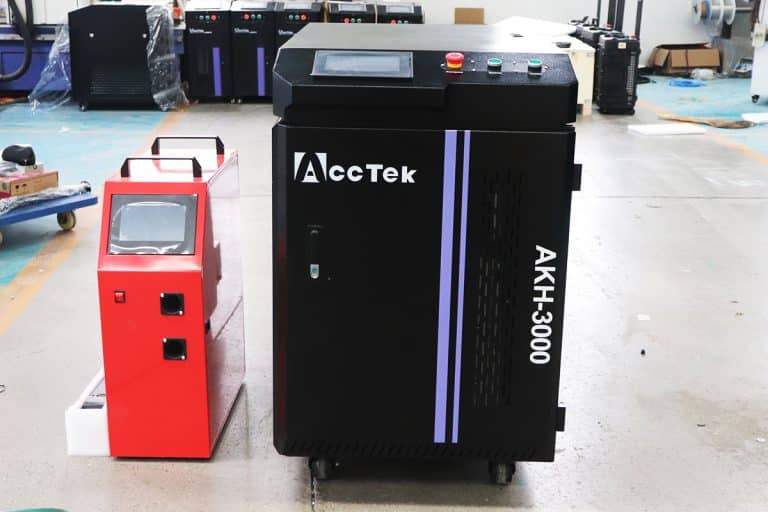
What Is The Lifespan Of Laser Welding Machines
This article explores the lifespan of laser welding machines, including key components, influencing factors, industry applications, maintenance practices, and strategies to optimize performance and durability.
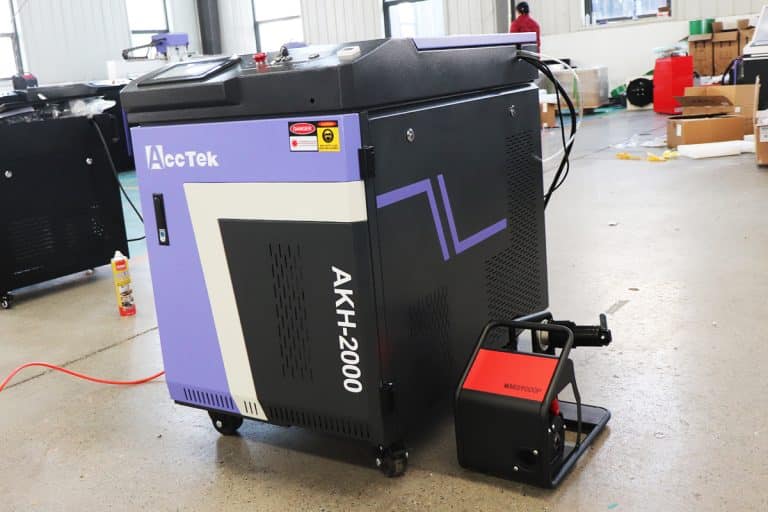
Comprehensive Guide to Choosing the Right Laser Welding Machines
Comprehensive guide to choosing the right laser welding machines, covering technology, key features, cost factors, safety requirements, maintenance practices, and supplier selection.
Are Welding Masks Required For Laser Welding
This article explains laser welding safety, including laser hazards, standards, PPE requirements, and practical scenarios that determine when welding masks and laser-rated eye protection are needed.
How To Select Laser Welding Power
This article teaches you how to select laser welding power and provides clear guidance on materials, thickness, welding modes, beam settings, defects, testing methods, and process optimization to achieve stable, high-quality welds.
Frequently Asked Questions
How Much Do 3kW Laser Welding Machines Cost?
- Entry-Level Models: Machines priced around $6,500 are typically basic versions, offering core welding functions with manual parameter adjustments. These models are ideal for small workshops or businesses handling medium-thickness metals and moderate production volumes.
- Mid-to-High-End Options: At the higher end of the range, around $9,200, machines come equipped with advanced features such as touchscreen interfaces, automatic wire feeding, smart control systems, and real-time monitoring. These machines are designed for high-speed, precision welding and continuous production, making them ideal for large-scale industrial operations.
- Additional Costs to Consider: Besides the base price, buyers should budget for accessories and consumables, such as assist gases (argon, nitrogen, helium), protective laser goggles, fume extraction systems, and spare components like nozzles and lenses. Optional services like installation, operator training, and extended warranties may also add to the total investment.
What Is The Power Consumption Of 3kW Laser Welding Machines?
- Laser Generator Power: The laser generator is the core of the machine, responsible for creating the high-energy laser beam used for welding. For 3kW laser welding machines, the generator typically consumes 9000W (9kW). This level of power supports deep penetration, fast welding speeds, and the ability to handle thicker materials.
- Chiller Power: To maintain stable operation and prevent overheating, the machine uses a cooling system. The chiller power is approximately 2710W (2.71kW). This system circulates coolant through the laser source and other key components, ensuring optimal temperature control and extending the machine’s lifespan.
- Total Power Requirement: When combining the laser generator and chiller, the total power consumption reaches around 11,710W (11.71kW). For safe and stable operation, a reliable power supply with proper circuit protection and voltage regulation is essential to prevent damage caused by electrical fluctuations.
Is It Safe To Use 3kW Laser Welding Machines?
- Laser Radiation Safety: The concentrated laser beam can cause severe eye and skin injuries if proper protective measures are not taken. Operators must always wear laser safety goggles designed for the specific wavelength of the machine. Many machines also include protective enclosures or shields to block stray laser light and minimize exposure risks.
- Heat and Fire Hazards: The welding process produces high heat that can ignite flammable materials nearby. Keeping the work area clean and free of combustibles is essential. Proper cooling and heat management systems are also important to prevent the machine from overheating during continuous operation.
- Fumes and Air Quality: Welding certain metals or coated materials can release harmful fumes and gases. A well-ventilated workspace or an efficient fume extraction system is necessary to maintain a safe breathing environment and prevent health issues caused by prolonged exposure.
- Electrical and Mechanical Safety: Since 3kW laser welding machines draw significant power, a stable electrical supply with circuit protection is required. Regular inspections help prevent electrical faults or component malfunctions that could pose shock or fire hazards.
How Should I Choose 3kW Laser Welding Machines?
- Assess Your Welding Requirements: Begin by evaluating the types of materials you will be working with, such as stainless steel, carbon steel, aluminum, or titanium. 3kW laser welding machines are ideal for medium to thick materials and applications that require deep penetration and high-speed welding, such as in the automotive, aerospace, and machinery industries.
- Evaluate Machine Features: Look for features that improve ease of use and productivity, such as touchscreen controls, automatic wire feeding, intelligent parameter settings, and real-time monitoring systems. A reliable cooling system is also essential to maintain stable performance during long production runs.
- Check Build Quality and Safety Systems: The machine should be constructed with durable components and have built-in safety features, including emergency stop switches, laser shielding, and fume extraction systems. Machines that comply with international safety standards offer greater operator protection.
- Consider Supplier Support and Warranty: Choose a reputable supplier that provides installation services, operator training, spare parts availability, and ongoing technical support. A comprehensive warranty will help protect your investment and minimize downtime.
- Budget and Value: The typical price range for 3kW laser welding machines is $6,500 to $9,200. While it is important to stay within budget, focus on overall value, including durability, performance, and after-sales service, rather than just the initial cost.
What Are The Disadvantages Of Using 3kW Laser Welding Machines?
- High Initial Cost: These machines are more expensive than lower-powered models, with prices typically ranging between $6,500 and $9,200. For small businesses or workshops, this higher upfront investment may be challenging, especially when factoring in the cost of accessories, assist gases, and maintenance.
- Energy Consumption: 3kW laser welding machines have a total power consumption of around 11.71kW, including both the laser generator and cooling system. This higher energy demand leads to increased operational costs and requires a stable, well-protected electrical setup.
- Limited Thickness Range: While 3kW laser welding machines are suitable for medium and thick materials, they may struggle with extremely thick metal plates, resulting in incomplete penetration or slower welding speeds. In such cases, a higher-powered machine may be necessary.
- Training and Skill Requirements: Operating 3kW laser welding machines safely and effectively requires specialized training. Improper use can lead to welding defects, machine damage, or safety hazards, making operator education a vital part of setup.
- Maintenance Demands: The machine’s optical components, cooling system, and consumables require frequent inspection and replacement. Neglecting maintenance can lead to performance decline, costly repairs, or reduced machine lifespan.
- Safety Risks: Due to the machine’s high power, there are significant risks, including eye injuries, burns, and exposure to harmful fumes. Proper PPE, ventilation, and laser shielding are essential to minimize these hazards.
What Problems May Occur When Using 3kW Laser Welding Machines?
- Welding Quality Issues: Incorrect parameter settings, such as laser power or welding speed, can cause defects like incomplete penetration, burn-through, or weak weld joints. Misaligned optics or a dirty lens may result in uneven seams and poor precision. Additionally, unstable wire feeding during filler welding can create inconsistent welds or excessive spatter.
- Material-Related Challenges: Highly reflective materials like aluminum, brass, and copper can reflect the laser beam, potentially damaging internal optical components. Contaminated workpieces with rust, oil, or coatings may produce porosity, weak welds, or poor surface finish.
- Cooling System and Overheating Problems: The laser source generates significant heat, and if the cooling system fails or coolant levels are low, the machine may overheat, leading to shutdowns or permanent damage. Regular checks of coolant flow and temperature are critical for reliable operation.
- Electrical and Mechanical Failures: 3kW laser welding machines require a stable power supply. Voltage fluctuations or unstable electricity can disrupt operations and harm sensitive electronics. Worn or damaged mechanical parts, such as nozzles and lenses, can reduce efficiency and increase maintenance costs.
- Safety Risks: Without proper fume extraction, harmful gases and particulates can accumulate, posing respiratory hazards. Failing to follow safety protocols may lead to eye injuries, skin burns, or even fires caused by intense laser energy and high heat.
What Is The Service Life Of 3kW Laser Welding Machines?
- Laser Source Lifespan: The laser source is the most durable and vital part of the machine. Under normal operating conditions, it typically lasts 80,000 to 100,000 working hours. This translates to several years of use, even in demanding production environments, provided the machine is operated within recommended parameters.
- Supporting Components: Other critical parts, such as optical lenses, nozzles, and cooling systems, have a shorter service life and require routine inspection and replacement. Neglecting these components can lead to performance loss and reduced weld quality.
- Maintenance and Usage Impact: Machines used continuously or in harsh industrial settings may experience faster wear. However, following a scheduled maintenance plan, including cleaning optics, checking coolant levels, and replacing consumables, can significantly extend the machine’s operational life.
How Should I Maintain 3kW Laser Welding Machines?
- Daily Cleaning and Inspection: Operators should clean optical lenses and protective covers to prevent dust, debris, or welding spatter from reducing the laser beam’s precision. The welding head and nozzles should be checked daily for buildup that could block gas flow or distort welds. Keeping the work area clean helps prevent contamination of sensitive machine parts.
- Cooling System Maintenance: The chiller unit plays a vital role in temperature control. Regularly check coolant levels, clean filters, and inspect hoses for leaks or blockages. Using clean, high-quality coolant prevents corrosion inside the cooling system and protects the laser source from overheating.
- Optical Component Care: Lenses, mirrors, and protective windows should be inspected frequently for scratches, residue, or damage. Replacing worn or damaged optics ensures stable laser output and consistent weld penetration.
- Electrical and Mechanical Checks: Inspect all electrical connections, cables, and grounding systems to prevent shocks or malfunctions. Mechanical components, such as wire feeders and moving parts, should be lubricated and checked for wear to maintain smooth, reliable operation.
- Scheduled Preventive Maintenance: Follow the manufacturer’s recommended maintenance schedule for replacing consumables like nozzles, seals, and filters. Periodic professional servicing ensures calibration accuracy and prolongs the life of the laser source and other critical parts.