

Product Introduction
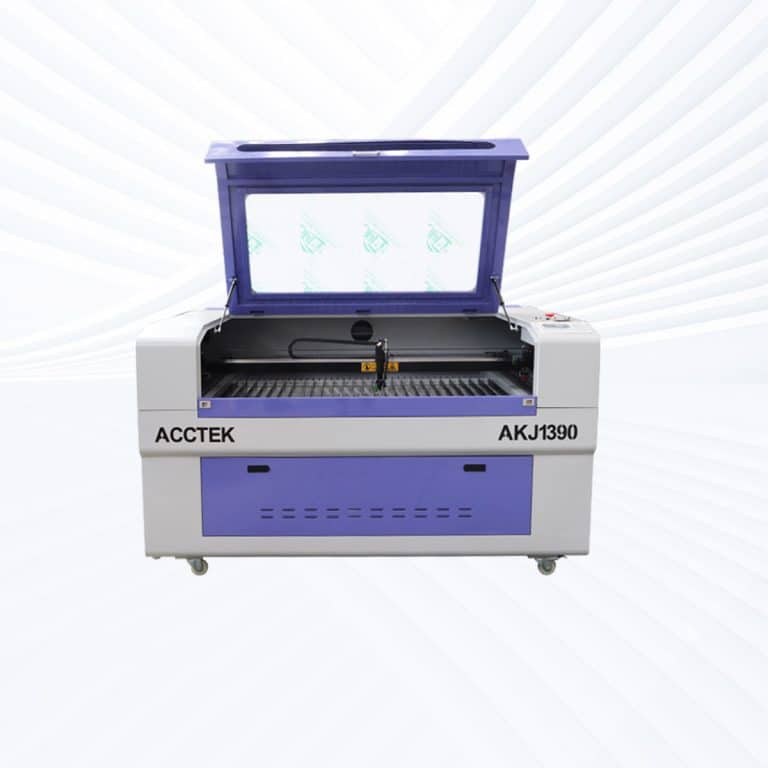
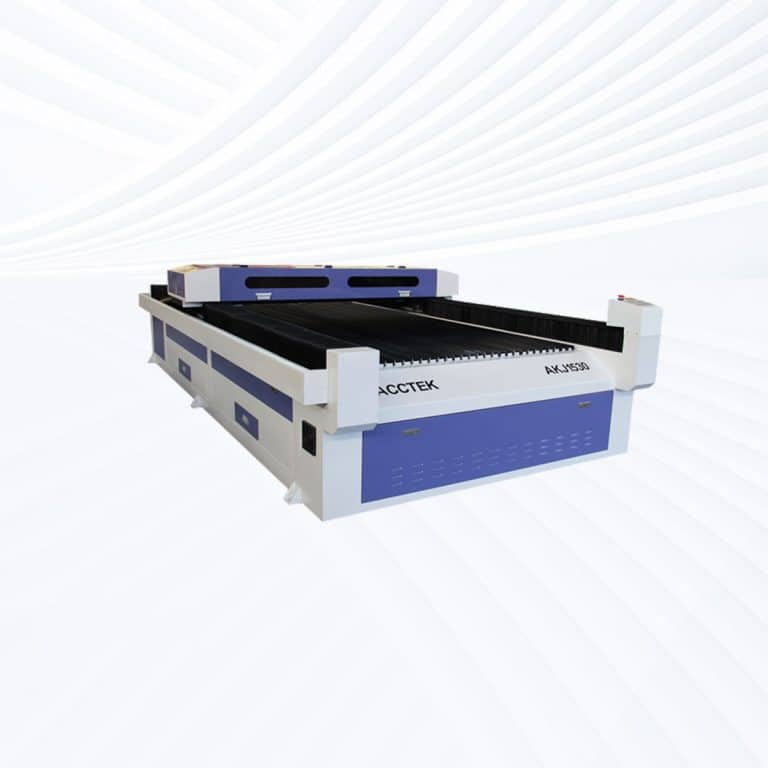
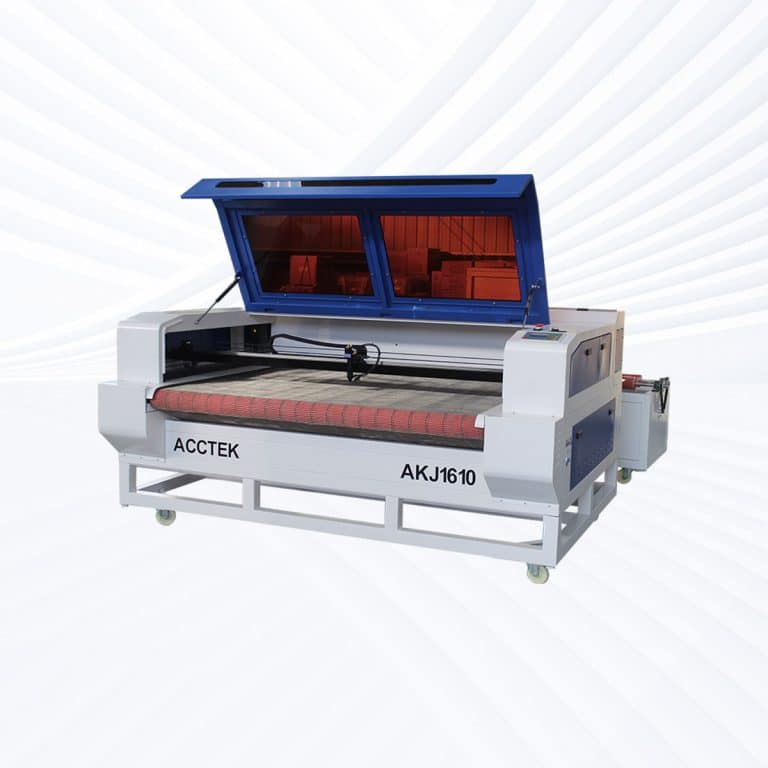
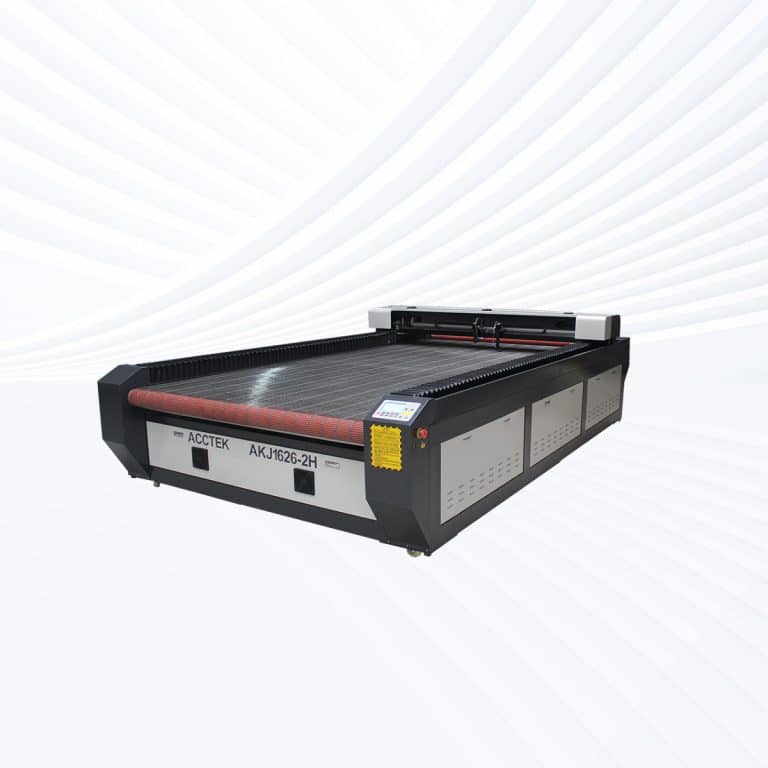
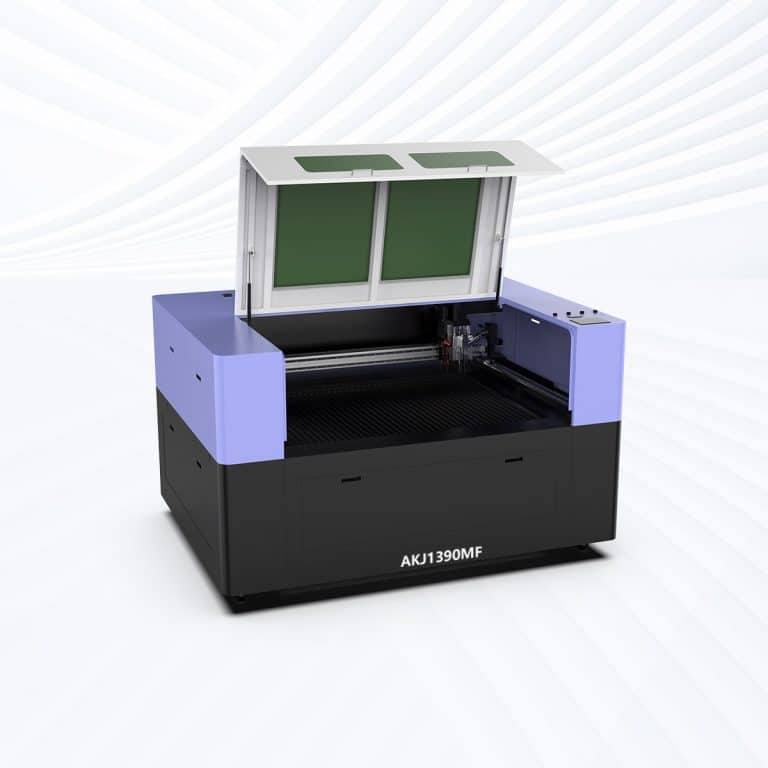
CO2 Laser Cutting Capabilities
| Material Type | 60W | 80W | 90W | 100W | 130W | 150W | 180W | 220W | 260W | 300W | 500W | 600W |
|---|---|---|---|---|---|---|---|---|---|---|---|---|
| Acrylic | 0-8mm | 0-10mm | 0-12mm | 0-15mm | 0-18mm | 0-20mm | 0-22mm | 0-25mm | 0-28mm | 0-30mm | 0-35mm | 0-40mm |
| Plywood | 0-6mm | 0-8mm | 0-9mm | 0-10mm | 0-12mm | 0-15mm | 0-15mm | 0-18mm | 0-20mm | 0-22mm | 0-25mm | 0-28mm |
| MDF | 0-5mm | 0-6mm | 0-8mm | 0-9mm | 0-12mm | 0-15mm | 0-15mm | 0-18mm | 0-20mm | 0-22mm | 0-25mm | 0-25mm |
| Solid Wood | 0-5mm | 0-6mm | 0-8mm | 0-10mm | 0-12mm | 0-15mm | 0-15mm | 0-18mm | 0-20mm | 0-22mm | 0-25mm | 0-25mm |
| Bamboo Board | 0-5mm | 0-6mm | 0-8mm | 0-10mm | 0-12mm | 0-15mm | 0-15mm | 0-18mm | 0-20mm | 0-22mm | 0-25mm | 0-25mm |
| Leather | 0-4mm | 0-5mm | 0-5mm | 0-6mm | 0-6mm | 0-8mm | 0-8mm | 0-8mm | 0-10mm | 0-10mm | 0-12mm | 0-12mm |
| Textile | Any Cutting | Any Cutting | Any Cutting | Any Cutting | Any Cutting | Any Cutting | Any Cutting | Any Cutting | Any Cutting | Any Cutting | Any Cutting | Any Cutting |
| Rubber | 0-3mm | 0-4mm | 0-5mm | 0-5mm | 0-6mm | 0-6mm | 0-8mm | 0-8mm | 0-8mm | 0-10mm | 0-10mm | 0-10mm |
| EVA | 0-5mm | 0-6mm | 0-8mm | 0-10mm | 0-12mm | 0-15mm | 0-15mm | 0-18mm | 0-20mm | 0-25mm | 0-30mm | 0-30mm |
| Cardboard | 0-3mm | 0-4mm | 0-4mm | 0-5mm | 0-6mm | 0-6mm | 0-8mm | 0-8mm | 0-8mm | 0-10mm | 0-10mm | 0-10mm |
| Cork Sheet | 0-3mm | 0-4mm | 0-5mm | 0-5mm | 0-6mm | 0-6mm | 0-8mm | 0-8mm | 0-8mm | 0-10mm | 0-10mm | 0-10mm |
| ABS | 0-3mm | 0-4mm | 0-5mm | 0-6mm | 0-8mm | 0-8mm | 0-10mm | 0-10mm | 0-12mm | 0-12mm | 0-15mm | 0-15mm |
| Delrin | 0-3mm | 0-4mm | 0-5mm | 0-6mm | 0-8mm | 0-8mm | 0-10mm | 0-10mm | 0-12mm | 0-12mm | 0-15mm | 0-15mm |
| Foam Board | 0-5mm | 0-6mm | 0-8mm | 0-10mm | 0-12mm | 0-15mm | 0-18mm | 0-20mm | 0-25mm | 0-25mm | 0-30mm | 0-30mm |
| PCB | 0-1mm | 0-1.5mm | 0-2mm | 0-2mm | 0-3mm | 0-3mm | 0-3mm | 0-4mm | 0-4mm | 0-5mm | 0-5mm | 0-5mm |
| Laminates | 0-3mm | 0-4mm | 0-5mm | 0-6mm | 0-8mm | 0-8mm | 0-10mm | 0-10mm | 0-12mm | 0-12mm | 0-15mm | 0-15mm |
| Stone | Engraving Only | Engraving Only | Engraving Only | Engraving Only | Engraving Only | Engraving Only | Engraving Only | Engraving Only | Engraving Only | Engraving Only | Engraving Only | Engraving Only |
| Ceramic | Engraving Only | Engraving Only | Engraving Only | Engraving Only | Engraving Only | Engraving Only | Engraving Only | Engraving Only | Engraving Only | Engraving Only | Engraving Only | Engraving Only |
Compatible Materials
- Rubber
- Delrin
- ABS Plastic
- Polystyrene
- Polycarbonate
- PETG
- EVA Foam
- Neoprene
- Mylar
- Nylon
- Canvas
- Suede
- Fleece
- Cardstock
- Veneer
- Latex
- Foam Board
- Pressboard
- Melamine
- Carbon Fiber
- Linoleum
- Birch Plywood
- Walnut Plywood
- Alder Wood
- Basswood
- Chipboard
- Hardboard
- Synthetic Felt
- Wool Fabric
- Polyurethane Foam
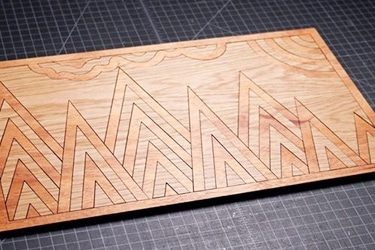
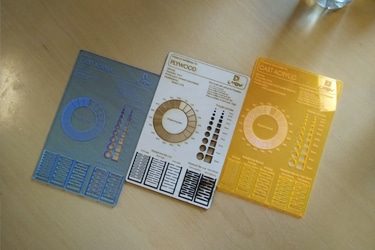
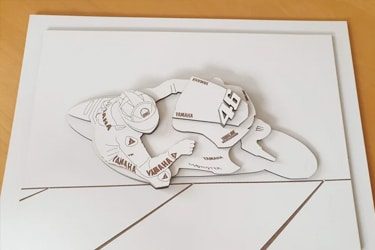
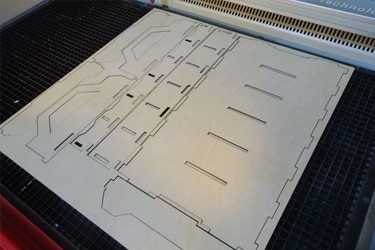
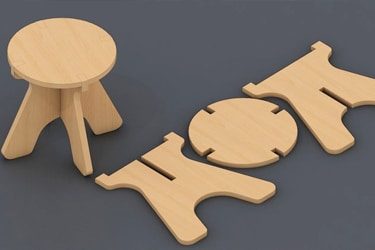
Application of 500W CO2 Laser Cutting Machines



Customer Testimonials
Comparison VS Other Cutting Technologies
| Comparison Item | CO2 Laser Cutting | CNC Routing | Knife Cutting | Waterjet Cutting |
|---|---|---|---|---|
| Cutting Principle | Uses a focused laser beam to vaporize material | Uses rotating cutting bits to remove material | Uses a sharp blade to slice through material | Uses a high-pressure jet of water (with or without abrasive) |
| Suitable Materials | Non-metals like wood, acrylic, leather, fabric, rubber | Wood, plastics, composites, soft metals | Soft materials like foam, leather, textiles, and paper | Almost all materials, including metal, stone, glass, and composites |
| Cutting Precision | Very high (±0.05 mm) | Moderate (±0.2 mm) | Moderate to high (±0.1 mm) | High (±0.1 mm) |
| Edge Quality | Smooth, sealed edges (especially on acrylic and wood) | May require sanding or finishing | Clean for soft materials | Smooth but can be slightly rough on thick cuts |
| Cutting Speed | Fast for thin to medium materials | Slower due to mechanical resistance | Fast on soft materials | Slower, especially for thick or hard materials |
| Maintenance | Low — no physical contact with material | Medium — bits wear out regularly | Low — blades replaced periodically | High — pumps, nozzles, and abrasive handling required |
| Noise Level | Quiet operation | Noisy (due to motor and bit contact) | Very quiet | Very loud (requires sound enclosure) |
| Heat Effect | Generates localized heat (may char some materials) | Minimal heat | No heat | No heat |
| Tool Wear | None — non-contact process | High — cutting tools dull quickly | Moderate — blades wear over time | High — nozzles and pumps wear from abrasive use |
| Material Waste | Minimal (thin kerf <0.2 mm) | Moderate | Low | Moderate to high (especially with abrasives) |
| Operating Cost | Low — mostly electricity and maintenance | Medium — bits and material waste | Low — inexpensive blades | High — abrasives, water, and power costs |
| Environmental Impact | Clean, no water waste | Minimal | Clean | Generates slurry and consumes large amounts of water |
| Software Compatibility | Compatible with most CAD/CAM and design files | Standard CNC software | Basic vector design software | Specialized CAD/CAM software |
| Cutting Thickness Range | Best up to ~15 mm (material-dependent) | Varies widely by bit and material | Best for soft, thin materials | Can cut very thick materials (>100 mm) |
| Ideal Applications | Signage, crafts, packaging, engraving, prototyping | Woodworking, furniture, 3D carving | Soft goods, packaging, leatherwork | Industrial metal, stone, and glass cutting |
Why Choose Us
Advanced Technology
Our laser cutting machines feature high-speed, precision cutting with the latest laser technology, ensuring smooth edges, minimal waste, and superior efficiency across various materials and thicknesses.
Reliable Quality
Each machine undergoes rigorous quality control and durability testing to ensure long-term stability, low maintenance, and consistent high performance, even under demanding industrial conditions.
Comprehensive Support
We provide full technical support, including installation guidance, operator training, and after-sales service, ensuring smooth machine operation and minimal downtime for your business.
Cost-Effective Solutions
Our machines offer high performance at competitive prices, with customizable options to fit different production needs, helping businesses maximize their investment without compromising on quality.
Related Resources
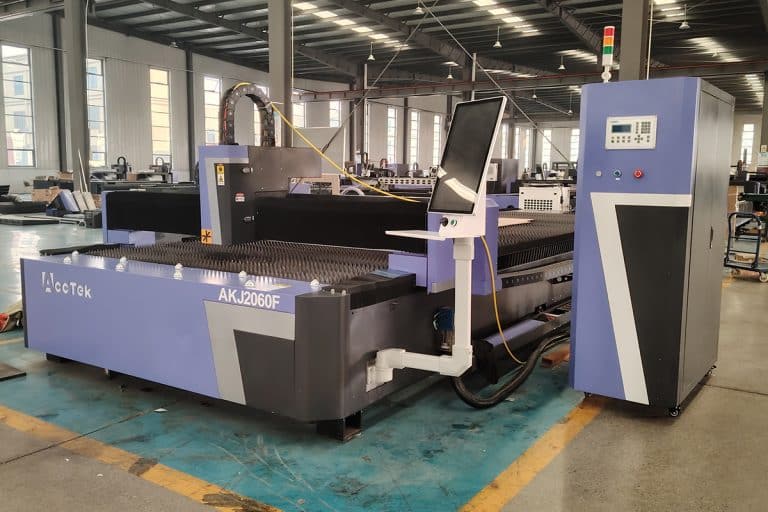
Understanding The Cooling System Of Laser Cutting Machines
This article explores the cooling system of laser cutting machines, including chiller operation, cooling water management, maintenance, alarms, troubleshooting, and safety requirements.
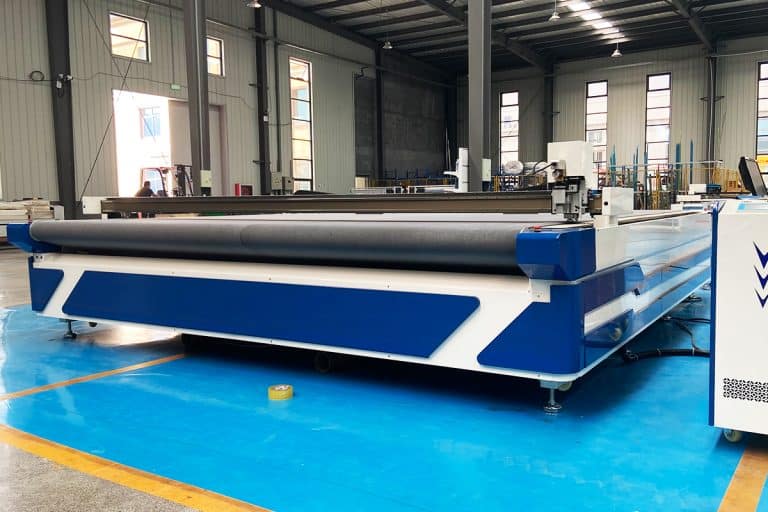
Oscillating Knife Cutting VS Laser Cutting
This article provides a comprehensive comparison of oscillating knife cutting and laser cutting, covering working principles, materials, precision, cost, efficiency, safety, and how to choose the right method.
How Effective Is Laser Cutting
This article outlines the effectiveness of laser cutting, including its principles, materials, precision, speed, cost factors, environmental impact, applications, and comparisons with other cutting methods.
What Cutting Defects Might Occur With Laser Cutting
This article outlines common laser cutting defects, detailing their causes, characteristics, and effects, along with practical methods to identify, prevent, and control them in manufacturing processes.
Frequently Asked Questions
What Is The Price Of 500W CO2 Laser Cutting Machines?
- Working Area Size: The machine’s working area significantly impacts cost and production capability. Larger beds—such as 1300×2500mm, 1600×2600mm, or 1500×3000mm—require stronger frames, reinforced motion components, and extended optical systems, raising the price considerably. Smaller platforms like 900×600mm or 1300×900mm are more affordable and suitable for small-scale operations. Industrial manufacturers prefer larger machines for processing full sheets of acrylic, MDF, or wood panels efficiently, reducing the need for manual repositioning and increasing productivity.
- Laser Tube Brand and Quality: The laser tube is one of the most expensive and critical components in a 500W system. High-quality tubes from RECI (W10/W12), EFR (F10/F12), or SPT TR series provide consistent beam quality, long lifespan (up to 10,000 hours), and stable output during continuous operation. Budget tubes may reduce initial costs but often have shorter service lives and inconsistent performance, leading to higher maintenance expenses over time. Machines with dual laser tubes or water-cooled beam combiners are priced higher but deliver increased cutting stability for long production cycles.
- Motion Control System: Precision and motion smoothness are driven by the motion control setup. Systems featuring servo motors, HIWIN or PMI linear guide rails, and rack-and-pinion transmission mechanisms offer higher cutting accuracy and longer durability compared to stepper-based configurations. These upgrades improve cutting speed, minimize vibration, and ensure smooth operation on large-format cuts, directly contributing to the overall cost increase.
- Automation and Intelligent Features: Automation options such as autofocus, motorized Z-axis tables, dual laser heads, or CCD camera recognition systems add convenience and improve throughput. Autofocus ensures perfect focal positioning across materials of varying thicknesses, while dual heads allow for simultaneous cutting. These smart features are particularly valuable for high-volume production environments, though they increase machine pricing.
- Cooling and Exhaust Systems: 500W lasers generate substantial heat, requiring robust cooling and ventilation. Models equipped with CW-6200 or CW-6600 industrial chillers, high-pressure air assist systems, and powerful exhaust blowers command higher prices. These systems ensure continuous performance and prevent beam distortion or thermal stress during extended operation.
- Build Quality and Frame Structure: Industrial-grade 500W CO2 laser cutting machines use welded steel frames for maximum rigidity and vibration resistance. Enhanced structural integrity improves cutting precision at high speeds and prolongs optical alignment stability. Machines with reinforced beds, enclosed designs, and dust-proof motion components are priced higher but offer long-term reliability.
- Software, Controller, and After-Sales Support: Top-tier machines use Ruida, Trocen, or LightBurn controllers, providing intuitive interfaces and high compatibility with design software. Brands offering reliable technical support, spare parts availability, and operator training tend to cost more but ensure long-term operational security and reduced downtime.
What Are The Working Areas Of 500W CO2 Laser Cutting Machines?
- Small Working Areas (600×400mm, 900×600mm, 1300×900mm): These compact models are designed for small workshops, studios, and prototyping labs. They are ideal for precision engraving and cutting of lightweight, thin materials such as acrylic, wood, leather, paper, and fabric. Smaller working areas allow for faster motion speeds and higher detail accuracy due to shorter travel distances and reduced vibration. They are also easier to maintain and require less power, making them suitable for entry-level users or small-scale production environments.
- Medium Working Areas (1600×1000mm, 1800×1000mm, 1300×1800mm): Mid-sized models balance flexibility and efficiency, offering enough space for cutting medium-sized sheets and larger custom projects without the bulk of an industrial platform. These machines are widely used in advertising, furniture, architectural model-making, and packaging industries. The slightly larger bed size allows for multi-part nesting, improving material utilization and workflow efficiency. Many models in this range feature motorized Z-axis tables, autofocus systems, and dual laser heads, boosting productivity and ease of use.
- Large Working Areas (1300×2500mm, 1600×2600mm, 1500×3000mm): Large-format 500W CO2 laser cutting machines are built for industrial production and heavy-duty cutting tasks. Their expanded cutting beds accommodate full-size materials like acrylic panels, MDF boards, plywood sheets, and composite materials. These configurations are ideal for factories engaged in signage manufacturing, furniture production, and large-scale sheet processing. The extended working area requires reinforced steel frames, longer linear guide rails, and high-precision rack systems to maintain stability and accuracy during long cutting runs.
How Clean Is The Cut Edge Of 500W CO2 Laser Cutting Machines?
- Laser Power and Beam Focus: The 500W CO2 laser provides high-intensity energy concentration, allowing for clean penetration of thicker materials with minimal residue. The focal length and lens quality play a vital role—shorter focal lenses (e.g., 63.5mm) deliver fine, detailed cuts with sharper edges, while longer focal lengths (e.g., 100mm or 127mm) are preferred for thicker sheets to maintain beam consistency. A properly aligned optical system ensures uniform beam focus across the working area, preventing uneven edges or burn marks.
- Material Type and Thickness: Material properties significantly affect the cut edge finish. Acrylic, for example, achieves a flame-polished, glossy edge due to localized melting and re-solidification. In contrast, wood and MDF may show slight darkening or carbonization, especially if cut too slowly or with excessive power. Using appropriate air-assist pressure and cutting speed minimizes discoloration and ensures sharp, debris-free edges.
- Motion Control Precision: High-quality motion systems equipped with servo motors, HIWIN or PMI linear guide rails, and rack-and-pinion drives ensure vibration-free operation and consistent motion accuracy. These components reduce edge waviness, prevent uneven cuts, and enable smooth contour transitions even at high speeds. The precise synchronization between laser output and motion control results in crisp, burr-free cuts, particularly important for intricate designs and detailed engraving work.
- Air Assist and Exhaust System: A powerful air-assist system helps blow away smoke, molten material, and debris from the cutting path, maintaining clean edges and preventing soot buildup. Simultaneously, efficient exhaust and filtration systems remove airborne particulates, improving both cut quality and operator safety. For high-power lasers like 500W, a well-calibrated airflow system is essential to preserve optical clarity and prevent lens contamination.
- Cooling and Thermal Stability: Consistent temperature regulation using CW-6200 or CW-6600 chillers ensures the laser tube operates at optimal conditions, reducing beam fluctuation. Stable beam output minimizes thermal distortion on the material surface, which is crucial for achieving smooth, uniform edges without rippling or melt marks.
- Software and Cutting Parameters: Software such as Ruida RDWorks, Trocen, or LightBurn allows fine-tuning of power, speed, frequency, and pulse width, all of which influence edge quality. Proper parameter optimization ensures the balance between cutting depth and thermal exposure, resulting in clear, sealed edges without burns or gaps.
How To Choose The Focal Length For 500W CO2 Laser Cutting Machines?
- Material Thickness: The most critical factor in selecting a lens is material thickness. Shorter focal lengths, such as 63.5mm or 75mm, provide a smaller spot size and higher energy density, ideal for cutting thin materials (below 8mm) with fine precision and clean edges. For medium-thickness materials (8–20mm), lenses with 100mm or 127mm focal lengths balance cutting depth and beam focus stability. When processing thicker materials (20mm or more), longer lenses, such as 190mm or 200mm, maintain consistent beam quality and penetration power, minimizing focus drift across thicker sections.
- Cutting Detail and Accuracy Requirements: If the application requires intricate engraving, micro-cutting, or fine patterning—such as in acrylic displays, signage, or decorative woodwork—a short focal length lens (63.5mm–75mm) is preferred. It creates a tight focal point that produces ultra-fine cuts and smooth edges. However, for coarse cutting of large panels or thick substrates, a longer lens ensures better depth of focus and less beam divergence, though with slightly reduced edge sharpness.
- Beam Divergence and Depth of Focus: The depth of focus—the range over which the beam maintains effective cutting power—increases with focal length. While short lenses offer high precision, they have a narrow focus range, requiring precise height control. Long lenses provide more tolerance for material height variations, which is particularly useful for large-format machines (1300×2500mm, 1500×3000mm) handling uneven sheets. Autofocus systems can help maintain optimal focus regardless of lens choice, improving consistency.
- Material Type and Application: Different materials respond differently to beam concentration. Acrylic, leather, and fabric benefit from short-focus lenses for fine detail and minimal melting. Wood, MDF, and composite panels perform better with medium to long-focus lenses to reduce scorching and maintain uniform cutting depth.
- Maintenance and Longevity: Short-focus lenses are more susceptible to contamination from debris and smoke, requiring frequent cleaning. Long-focus lenses, positioned farther from the work surface, stay cleaner and last longer, especially in high-power, continuous-use environments.
What Is The Cutting Precision Of 500W CO2 Laser Cutting Machines?
- Laser Tube Power and Beam Stability: The 500W CO2 laser delivers a strong, consistent beam capable of cutting thicker materials without sacrificing precision. High-quality laser tubes from brands like RECI, EFR, or SPT maintain uniform beam density and energy distribution, which is critical for achieving smooth, burr-free cuts. Stable beam quality ensures that even long-duration cuts remain accurate, minimizing edge deviation or thermal distortion.
- Motion Control System: Precision heavily depends on the motion control system. Machines equipped with servo motors, HIWIN or PMI linear guide rails, and rack-and-pinion transmission systems maintain excellent stability and low mechanical backlash. These components reduce vibration and ensure smooth movement along the X and Y axes, allowing for micron-level accuracy even during complex contour cutting or high-speed operations.
- Optical and Focusing System: A properly calibrated focusing lens and mirror alignment are essential to maintain a sharp, consistent beam spot. Shorter focal length lenses (e.g., 63.5mm or 75mm) produce smaller focal spots for ultra-fine detail work, while longer focal lengths maintain accuracy over thicker materials. Autofocus systems automatically adjust the focal height, preventing manual errors and guaranteeing precise focus across the cutting area.
- Mechanical Frame and Build Quality: The heavy-duty welded steel structure of industrial-grade 500W CO2 laser cutting machines minimizes vibration and mechanical drift. Reinforced frames and stable workbeds prevent misalignment during extended operations, maintaining cutting precision even on large workpieces or heavy materials. Dust-proof linear guide covers further enhance performance consistency over time.
- Software Control and Optimization: Advanced control systems using Ruida RDWorks, LightBurn, or Trocen controllers allow fine adjustment of laser power, pulse frequency, acceleration, and corner compensation. This intelligent motion management ensures smooth transitions and prevents overburning on tight curves or delicate features.
- Material and Process Factors: Material type, surface texture, and thickness also influence precision. Smooth, homogeneous materials like acrylic and ABS plastic yield exceptionally clean cuts, while porous or fibrous materials like wood and leather may show slight variations due to natural inconsistencies.
What Problems Might Occur When Using 500W CO2 Laser Cutting Machines?
- Laser Power Instability: One of the most frequent issues is inconsistent laser output, which affects cutting depth and edge quality. This can be caused by aging laser tubes, unstable power supplies, or improper cooling. Over time, CO2 laser tubes lose gas pressure, leading to reduced beam intensity and uneven cutting results. Regular calibration and timely tube replacement are essential to maintain consistent power performance.
- Optical Misalignment: The mirrors and focusing lens must be precisely aligned to ensure the laser beam remains centered throughout the working area. Misalignment caused by vibration, dust accumulation, or mechanical shock can lead to burnt edges, incomplete cuts, or reduced accuracy. Routine optical inspection and cleaning are critical, especially for machines operating in dusty or high-vibration environments.
- Overheating and Cooling Issues: 500W laser tubes generate significant heat during operation. If the CW-6200 or CW-6600 chiller system fails to maintain proper temperature, the machine can experience thermal drift, beam instability, or even tube cracking. It’s important to use clean, filtered water, maintain proper coolant flow, and monitor temperature levels continuously to prevent damage to both the laser source and optical components.
- Material-Specific Problems: Different materials react uniquely to laser energy. Wood and MDF may char or emit heavy smoke, acrylic can show edge melting, and composite boards might produce sticky residue that adheres to the lens or nozzle. Insufficient air assist or poor exhaust ventilation can worsen these effects, resulting in dirty or uneven cuts.
- Software and Motion Control Errors: Controller issues, such as incorrect Ruida RDWorks or LightBurn settings, can cause distorted shapes or overlapping cuts. Mechanical backlash, loose drive belts, or uncalibrated servo motors may also result in positioning errors, especially during long cutting cycles.
- Maintenance and Environmental Factors: Dust accumulation on guide rails, weak lubrication, or ambient temperature fluctuations can degrade performance over time. Regular cleaning, lubrication, and workshop ventilation help prevent these issues.
What Are The Environmental Requirements For 500W CO2 Laser Cutting Machines?
- Ambient Temperature and Humidity: The ideal operating temperature range for 500W CO2 laser cutting machines is 15℃ to 30℃ (59℉ to 86℉). Temperatures above this range can cause laser tube overheating, reducing beam stability and lifespan, while low temperatures may condense moisture inside optical paths and electrical components. The relative humidity should be maintained between 40% and 70%—too high can cause corrosion or short circuits, and too low may lead to static buildup that interferes with control systems. Using air conditioning or dehumidifiers helps maintain a stable environment for optimal laser output.
- Ventilation and Exhaust System: Proper air circulation is critical because CO2 laser cutting produces fumes, smoke, and fine particles that can damage optics and pose health risks. A high-efficiency exhaust system should be installed to extract cutting gases and maintain clean airflow around the laser head. Industrial-grade filters or fume extractors are recommended, particularly when cutting acrylic, MDF, or plastics, which emit volatile organic compounds. Adequate ventilation also prevents heat buildup inside the machine enclosure.
- Dust and Air Cleanliness: Laser optics, including mirrors and lenses, are highly sensitive to dust contamination. The workspace should be kept clean, dry, and dust-free. Airborne particles can degrade beam quality, scatter the laser, and cause burns on the material surface. Regular cleaning of machine interiors and installing air filtration systems around the cutting area significantly improves performance stability and component longevity.
- Power Supply Stability: 500W CO2 lasers require a stable and clean power supply. Voltage fluctuations or surges can lead to controller errors or power supply damage. Installing an uninterruptible power supply (UPS) or voltage stabilizer helps protect electronic components, ensuring uninterrupted laser operation during production.
- Cooling and Water Quality: Since 500W laser tubes produce substantial heat, a CW-6200 or CW-6600 chiller is required to maintain stable water temperatures between 20℃ and 25℃. The cooling water must be distilled or deionized, free of impurities, to prevent scaling inside the cooling channels. Proper coolant flow prevents laser tube cracking and optical misalignment due to thermal stress.
- Machine Placement and Vibration Control: The machine should be installed on a flat, stable surface, away from heavy machinery or vibration sources. Excessive vibration can misalign optics, reduce accuracy, and increase mechanical wear.
What Training Is Required To Operate 500W CO2 Laser Cutting Machines?
- Laser Safety and Hazard Awareness: Before operating 500W CO2 lasers, operators must complete laser safety training to understand the potential risks associated with high-powered infrared radiation. Training should cover eye and skin protection, proper use of laser safety goggles rated for 10.6μm wavelength, and adherence to Class IV laser safety standards. Operators must also learn emergency shutdown procedures, correct ventilation practices, and handle flammable materials.
- Machine Setup and Calibration: Training on machine installation and calibration is essential to maintain cutting accuracy and beam alignment. This includes learning how to align mirrors and lenses, set the correct focus distance, and calibrate X/Y axes for optimal cutting precision. Since the 500W laser system has high beam energy, improper calibration can lead to material burning, uneven cuts, or optical damage. Regular alignment checks and focus adjustments are part of routine operation.
- Software and Control Operation: Operators must be proficient in using control software such as Ruida RDWorks, Trocen, or LightBurn. Training should include importing design files (DXF, AI, or SVG), setting cutting paths, speeds, and power parameters, and optimizing motion control for different materials. Understanding software automation features like autofocus, multi-layer cutting, and nesting optimization enhances productivity and minimizes waste.
- Material Handling and Cutting Techniques: Different materials react differently to laser energy. Operators need instruction on selecting proper power settings, speeds, and air-assist pressure for wood, acrylic, fabric, and composites. Training should emphasize identifying ideal cutting parameters to prevent charring, melting, or incomplete cuts. Additionally, operators should learn how to manage thicker materials with longer focal lenses for deeper, consistent penetration.
- Maintenance and Troubleshooting: Regular maintenance is crucial for reliable performance. Training should cover optical cleaning, water chiller management (CW-6200/6600), lubrication of guide rails, and inspection of air and exhaust systems. Operators must be able to identify early signs of issues like beam instability, tube degradation, or cooling inefficiency.
- Emergency and Operational Protocols: Training includes response steps for power surges, overheating, or fire risks, ensuring quick and safe machine shutdown. Understanding how to handle coolant leaks or air compressor faults is also part of comprehensive operator training.