

Introduction
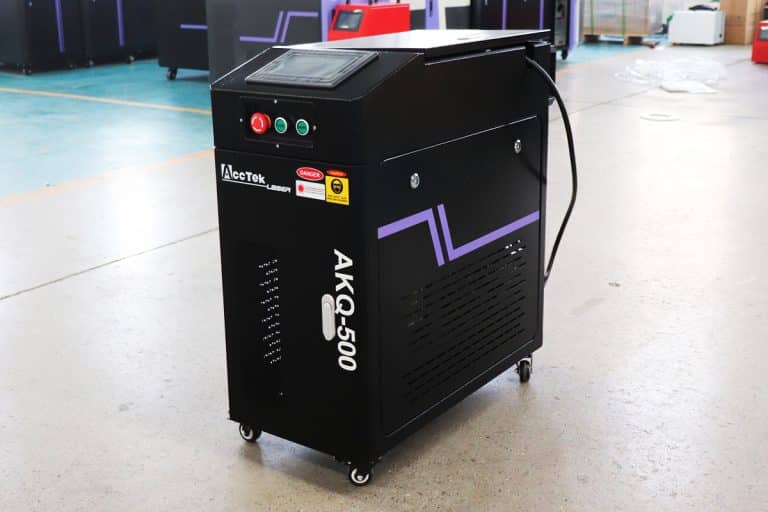
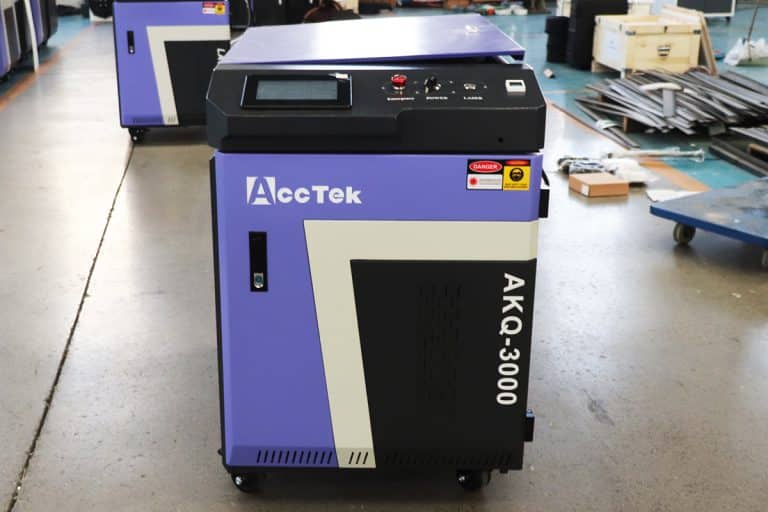
Laser Cleaing Machines Suitable For Wood
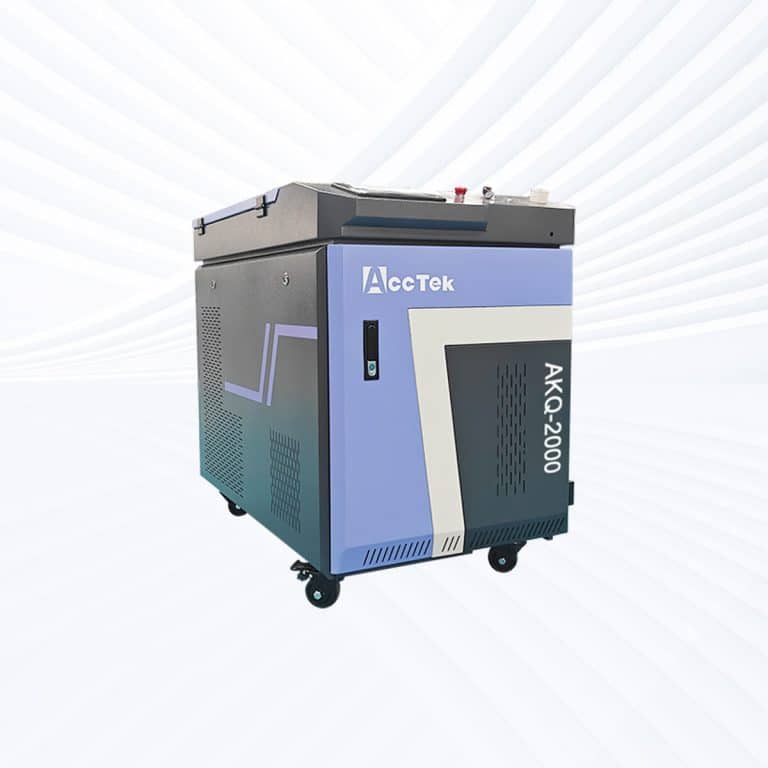
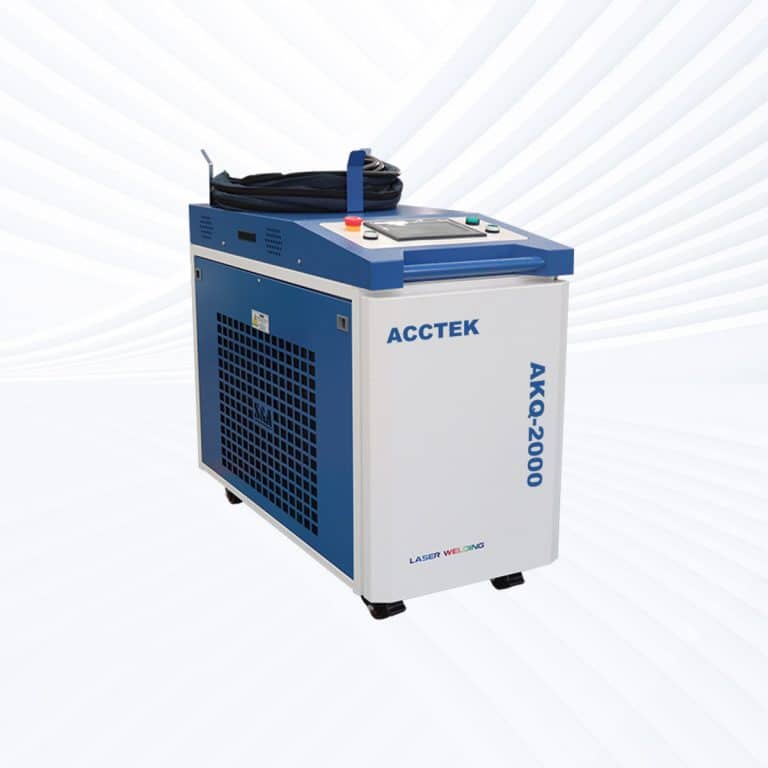
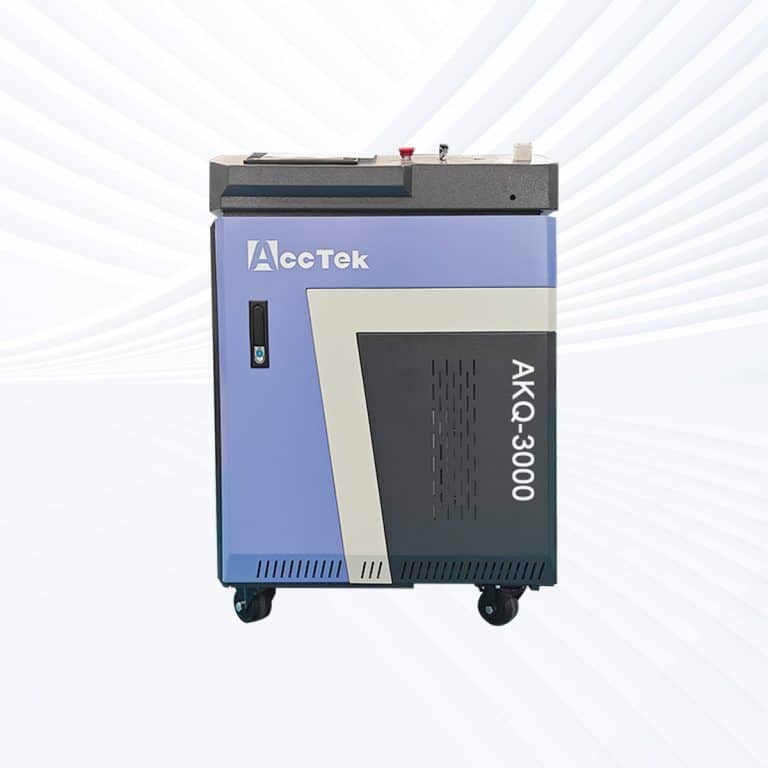
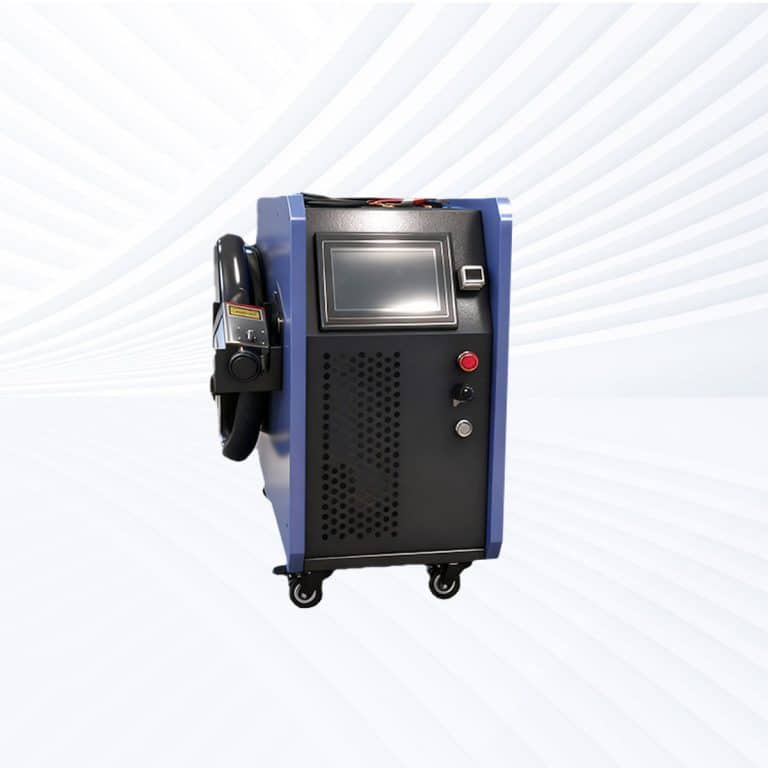
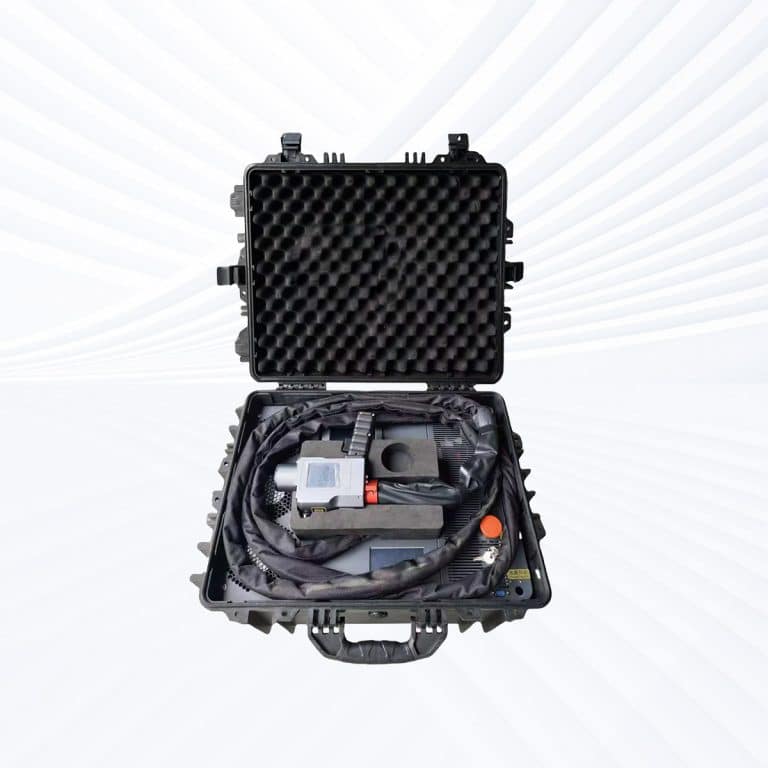
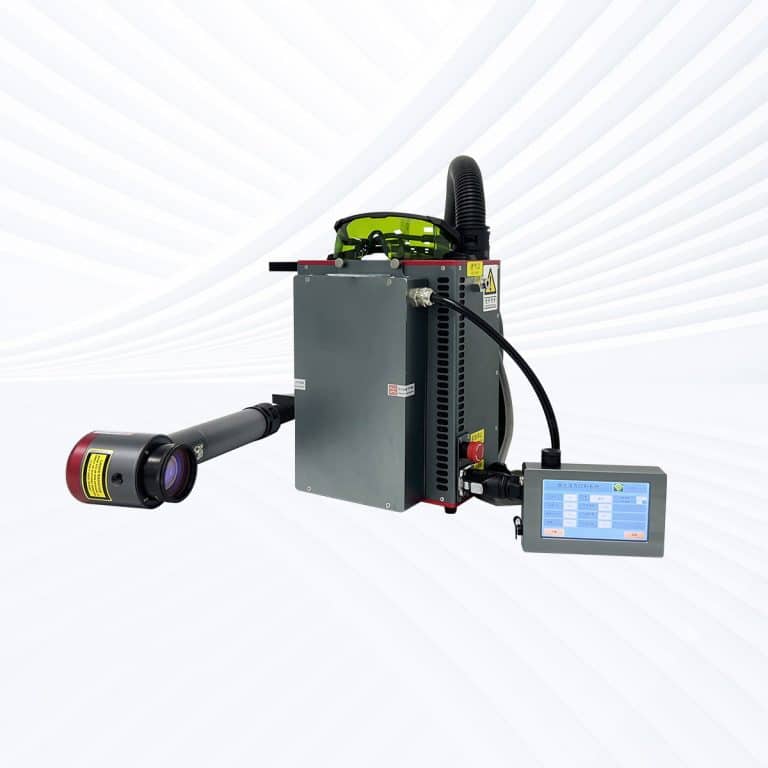
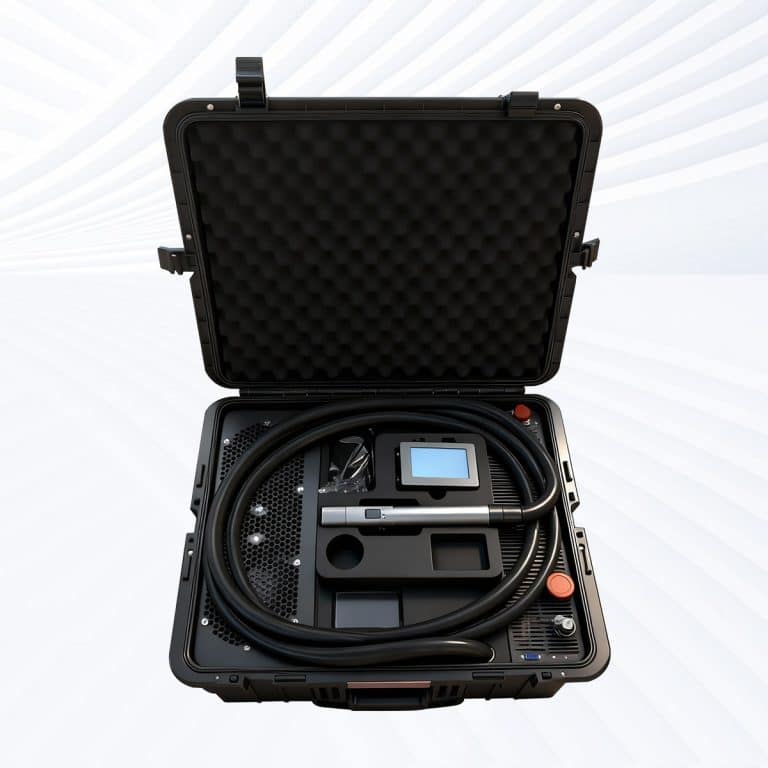
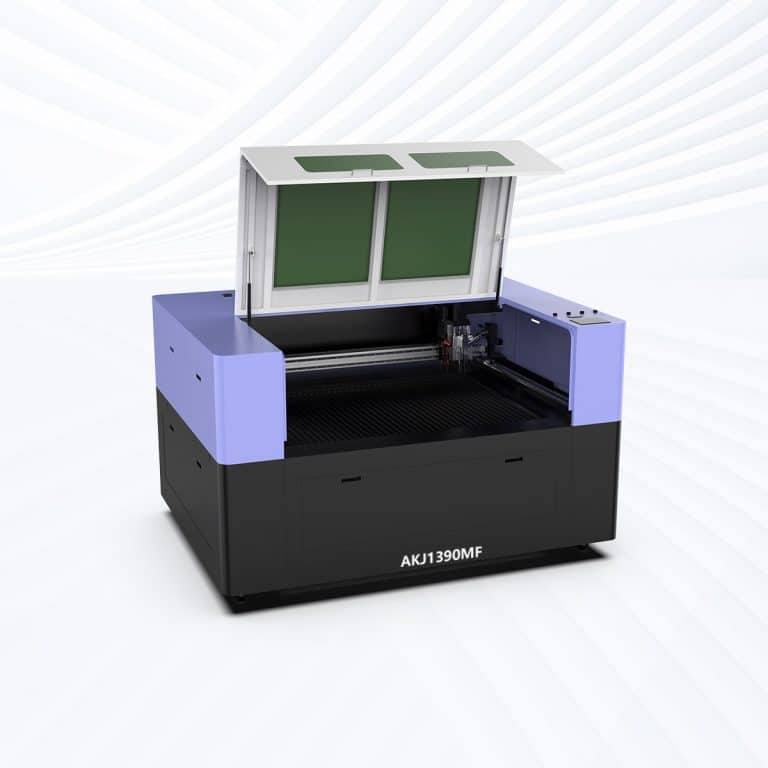
Advantages of Laser Cleaning Wood
Non-Contact and Fiber-Safe Cleaning
Laser cleaning wood is a non-contact process that removes paint, coatings, and contaminants without mechanical abrasion. This protects delicate wood fibers, carvings, and grain structure, preventing tearing, scratching, or loss of fine surface details.
High Precision and Selective Removal
Laser parameters can be precisely adjusted to remove unwanted layers while preserving the underlying wood. This selectivity is ideal for detailed carvings, joints, and decorative elements where traditional sanding would cause damage.
Preserves Natural Appearance and Texture
By avoiding chemicals and abrasives, laser cleaning maintains the natural color, texture, and grain of wood. It allows controlled cleaning without over-processing, helping preserve the original character and craftsmanship of wooden surfaces.
Environmentally Friendly Process
Laser cleaning wood requires no solvents, water, or abrasive materials. This reduces waste, prevents chemical exposure, and supports cleaner, safer, and more sustainable wood cleaning and restoration practices.
Suitable for Historic and Delicate Wood
Laser cleaning is especially effective for historic, aged, or fragile wood found in antiques and heritage structures. The controlled energy delivery minimizes the risk of cracking, warping, or long-term material degradation.
Consistent Results and Process Control
Laser cleaning systems deliver repeatable and controllable results across different wood types and surface conditions. This consistency reduces operator dependency and supports both restoration projects and industrial wood processing applications.
Compatible Materials
- Oak
- Maple
- Walnut
- Cherry
- Beech
- Ash
- Birch
- Pine
- Spruce
- Fir
- Cedar
- Redwood
- Teak
- Mahogany
- Rosewood
- Ebony
- Poplar
- Alder
- Hickory
- Sycamore
- Bamboo
- Plywood
- MDF
- HDF
- Particle Board
- OSB
- Laminated Veneer Lumber
- Glulam
- Engineered Wood Panels
- Veneered Wood
- Reclaimed Wood
- Antique Wood
- Softwood Lumber
- Hardwood Lumber
- Structural Timber
- Decorative Wood Panels
- Carved Wood
- Furniture-Grade Wood
- Architectural Wood
- Wood Composite Materials
Laser Cleaning Wood VS Other Cleaning Methods
| Comparison Item | Laser Cleaning | Sandblasting | Chemical Cleaning | Ultrasonic Cleaning |
|---|---|---|---|---|
| Cleaning Principle | Laser energy selectively removes coatings and contaminants | Abrasive impact erodes surface | Chemicals dissolve or soften coatings | Cavitation in liquid loosens contaminants |
| Contact With Surface | Non-contact | Direct abrasive contact | Chemical contact | Liquid contact |
| Risk of Fiber Damage | Very low | Very high | Medium | Low |
| Preservation of Grain & Details | Excellent | Poor | Good | Good |
| Suitability for Historic Wood | Excellent | Poor | Moderate | Limited |
| Precision & Selectivity | Extremely high | Low | Medium | Medium |
| Control on Carved Areas | Excellent | Poor | Good | Limited |
| Moisture Introduction | None | None | Possible | Required |
| Consumables Required | None | Abrasive media | Chemicals/solvents | Cleaning liquids |
| Environmental Impact | Minimal waste | Dust and debris | Chemical waste | Wastewater |
| Operator Safety | High | Dust inhalation risk | Chemical exposure risk | Moderate |
| Automation Capability | High | Low | Medium | Medium |
| Process Consistency | Highly repeatable | Operator-dependent | Process-dependent | Batch-dependent |
| Residue After Cleaning | None | Abrasive residue | Chemical residue | Moisture residue |
| Long-Term Operating Cost | Low | High | High | Moderate |
Laser Cleaning Capacity
| Material | 100W Pulse | 200W Pulse | 300W Pulse | 500W Pulse | 1000W Pulse | 1500W Pulse | 2000W Pulse | 1000W Continuous | 1500W Continuous | 2000W Continuous | 3000W Continuous | 6000W Continuous |
|---|---|---|---|---|---|---|---|---|---|---|---|---|
| Ceramics | Good | Good | Good | Good | Limited | Limited | Limited | Not Recommended | Not Recommended | Not Recommended | Not Recommended | Not Recommended |
| Composite | Good | Good | Good | Good | Limited | Limited | Not Recommended | Not Recommended | Not Recommended | Not Recommended | Not Recommended | Not Recommended |
| Glass | Limited | Limited | Good | Good | Limited | Limited | Not Recommended | Not Recommended | Not Recommended | Not Recommended | Not Recommended | Not Recommended |
| Metal | Good | Good | Good | Best | Best | Best | Best | Good | Good | Best | Best | Best |
| Plastic | Limited | Good | Good | Limited | Not Recommended | Not Recommended | Not Recommended | Not Recommended | Not Recommended | Not Recommended | Not Recommended | Not Recommended |
| Rubber | Limited | Good | Good | Limited | Not Recommended | Not Recommended | Not Recommended | Not Recommended | Not Recommended | Not Recommended | Not Recommended | Not Recommended |
| Stone | Limited | Good | Good | Good | Limited | Limited | Not Recommended | Good | Good | Good | Best | Best |
| Wood | Limited | Good | Good | Limited | Not Recommended | Not Recommended | Not Recommended | Not Recommended | Not Recommended | Not Recommended | Not Recommended | Not Recommended |
| Concrete/Cement | Limited | Good | Good | Good | Limited | Limited | Not Recommended | Good | Good | Best | Best | Best |
| Brick/Masonry | Limited | Good | Good | Good | Limited | Limited | Not Recommended | Good | Good | Good | Best | Best |
| Carbon Steel | Good | Good | Best | Best | Best | Best | Best | Good | Best | Best | Best | Best |
| Stainless Steel | Good | Good | Best | Best | Best | Best | Best | Good | Good | Best | Best | Best |
| Aluminum | Good | Good | Good | Best | Best | Best | Best | Limited | Limited | Good | Good | Best |
| Copper/Brass | Limited | Good | Good | Good | Best | Best | Best | Limited | Limited | Good | Good | Best |
| Titanium | Good | Good | Best | Best | Best | Best | Best | Limited | Good | Good | Best | Best |
| Galvanized Steel | Limited | Good | Good | Good | Limited | Limited | Not Recommended | Not Recommended | Not Recommended | Not Recommended | Not Recommended | Not Recommended |
| Painted Metal | Good | Good | Best | Best | Best | Best | Best | Limited | Good | Good | Best | Best |
| Weld Seam Cleanup | Good | Good | Best | Best | Best | Best | Best | Good | Good | Best | Best | Best |
| Molds & Tools | Good | Good | Best | Best | Best | Best | Best | Good | Good | Best | Best | Best |
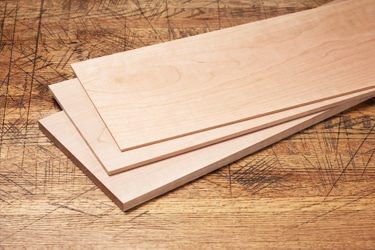
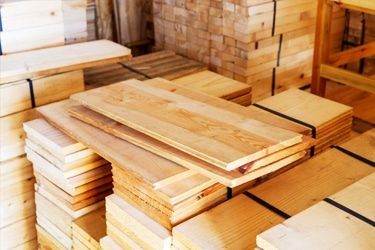
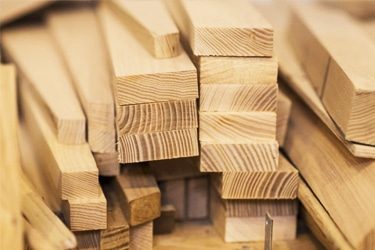
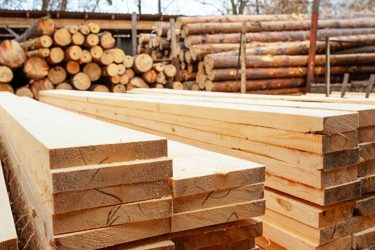
Applications of Laser Cleaning Wood
Customer Testimonials
Related Resources
How Effective Is Laser Cleaning At Removing Contaminants
This article explores how effective laser cleaning is at removing contaminants, covering mechanisms, materials, system types, real-world applications, limitations, and optimization factors for reliable results.
Will Laser Cleaning Damage The Substrate
This article explains whether laser cleaning damages substrates, examining damage mechanisms, material risks, process control, and verification methods for safe, effective laser cleaning.
Comprehensive Guides to Choosing the Right Laser Cleaning Parameters
This comprehensive guide explores the key factors in choosing the right laser cleaning parameters, including material types, contamination levels, and practical considerations for optimal results.

What Training Is Required to Operate Laser Cleaning Machines
This article is a comprehensive guide outlining the safety, operation, maintenance, and certification training required for operators of modern industrial laser cleaning machines.
Frequently Asked Questions
What Contaminants Can Laser Cleaning Remove From Wood Surfaces?
- Surface Dirt and Atmospheric Grime: Laser cleaning can effectively remove accumulated dust, soot, and airborne pollutants that settle on wood surfaces over time. These contaminants are usually weakly bonded and respond well to low-energy laser ablation.
- Soot and Smoke Residues: Wood exposed to fire or smoke often develops carbon-based soot deposits. Lasers are particularly effective at removing soot because they strongly absorb laser energy, allowing selective removal without excessive penetration into the wood.
- Paint and Coating Residues (Thin Layers): Laser cleaning can remove thin paint layers, varnishes, shellac, lacquers, and aged surface coatings. This is especially useful in restoration work where chemical stripping or sanding could damage fine details. Thick or multi-layer coatings may require multiple passes and careful control.
- Biological Contaminants: Surface mold, mildew, algae, lichens, and fungal growth can be reduced or removed using laser cleaning. The laser energy disrupts biological material on the surface, though spores embedded deep in pores may remain.
- Grease and Oil Films: Light oils, wax residues, and greasy films can be removed from wood surfaces. These contaminants absorb laser energy well, making them suitable for surface-level cleaning. Deep oil penetration, however, is difficult to eliminate.
- Adhesive and Glue Residues: Laser cleaning can remove thin adhesive films, tape residues, and glue smears from wood, particularly in manufacturing or furniture refurbishment. Care is required to prevent scorching.
- Weathered and Oxidized Surface Layers: Aged wood often develops degraded surface fibers due to UV exposure and oxidation. Laser cleaning can selectively remove this weak outer layer, revealing a more stable surface beneath.
- Salt and Efflorescence Deposits: In some cases, surface salt crystallization on wood can be reduced, although salts absorbed deep into the wood structure are not fully removable by lasers.
- Previous Conservation Residues: Old conservation coatings, consolidants, or surface treatments applied during earlier restoration efforts can sometimes be selectively removed.
What Are The Risks Of Laser Cleaning Wood?
- Charring and Burning: The most significant risk is charring or ignition. Wood absorbs laser energy efficiently, and even slightly excessive fluence can cause surface scorching, burn marks, or open flames. This risk is higher in dry, resin-rich, or soft woods.
- Surface Discoloration: Laser heating can darken wood fibers, producing uneven browning or blackened areas. This discoloration may penetrate beyond the intended cleaning depth and is often irreversible without further sanding or refinishing.
- Loss of Surface Detail: Fine carvings, textures, or grain patterns can be degraded if laser energy removes more than just the contaminant layer. Over-cleaning may erode soft earlywood faster than dense latewood, leading to uneven surfaces.
- Fiber Degradation and Weakening: Laser exposure can thermally degrade cellulose and lignin at the surface. This weakens wood fibers, causing brittleness, fuzzing, or powdering that reduces mechanical integrity and aesthetic quality.
- Uneven Cleaning Results: Wood grain direction, density variation, knots, and resin pockets cause inconsistent laser absorption. This can result in patchy cleaning where some areas are over-cleaned while others remain contaminated.
- Fire Risk From Residues: Oils, resins, old finishes, or adhesives present on wood can ignite when heated by the laser. Dust accumulation also increases fire risk if not properly extracted.
- Smoke and Toxic Fume Generation: Laser cleaning wood produces smoke, char particles, and volatile organic compounds (VOCs). Treated or painted wood may release hazardous fumes, posing health risks without adequate ventilation and respiratory protection.
- Limited Depth of Cleaning: Contaminants that penetrate deep into wood pores, such as oils or biological growth roots, cannot be fully removed. Attempts to increase laser power to reach deeper layers often result in burning rather than effective cleaning.
- Moisture-Related Damage: If wood contains moisture, rapid heating can cause steam formation, leading to microcracking, blistering, or surface lifting, especially in layered or veneered wood.
- Compatibility Issues With Engineered Wood: Plywood, MDF, and particleboard contain adhesives that may degrade, emit toxic fumes, or delaminate under laser exposure.
What Are The Limitations Of Laser Cleaning Wood?
- High Sensitivity to Heat: Wood absorbs laser energy readily, making it extremely sensitive to thermal damage. The narrow margin between effective cleaning and surface charring limits the usable laser power and slows the cleaning process.
- Risk of Burning and Charring: Unlike metals or stone, wood can ignite. This makes laser cleaning unsuitable for heavy contaminant removal or thick coatings, as higher energy levels quickly cause scorch marks or open flames.
- Limited Cleaning Depth: Laser cleaning is primarily a surface process. Contaminants that penetrate deeply into wood pores—such as oils, resins, biological roots, or waterborne stains—cannot be fully removed without damaging the underlying wood.
- Uneven Results Due to Grain Structure: Wood is anisotropic, meaning its properties vary with grain direction, density, knots, and growth rings. These variations cause inconsistent laser absorption, resulting in patchy cleaning or uneven surface appearance.
- Discoloration and Aesthetic Changes: Even at low energy, laser exposure can darken wood fibers or alter natural color tones. This limits use in applications where color fidelity and visual uniformity are critical.
- Incompatibility With Engineered Wood Products: Plywood, MDF, particleboard, and laminated wood contain adhesives that may degrade, delaminate, or emit toxic fumes when exposed to laser heat. This significantly limits laser cleaning on composite wood products.
- Fire and Safety Constraints: Continuous monitoring, fire suppression readiness, and strong air extraction are required. These safety demands reduce efficiency and increase operational complexity compared to mechanical or chemical methods.
- Smoke and Fume Generation: Laser cleaning produces smoke, char particles, and volatile organic compounds. Treated or painted wood can release hazardous fumes, making ventilation and respiratory protection essential.
- Not Suitable for Thick Coatings: Multiple paint layers, heavy varnish, or tar-based coatings are difficult to remove without damaging the wood surface. Mechanical stripping is often more practical for such applications.
- High Skill Requirement: Successful laser cleaning of wood demands precise parameter control and experienced operators. Small errors in focus, speed, or power can permanently damage the surface.
What Are The Defects Of Laser Cleaning Wood?
- Charring and Burn Marks: The most common defect is surface charring. Excessive laser energy can carbonize wood fibers, leaving blackened burn marks that penetrate beyond the intended cleaning depth. Even brief overheating can permanently scar the surface.
- Surface Discoloration: Laser exposure frequently causes uneven darkening or browning of wood. Color changes may follow the grain pattern, resulting in patchy or striped appearances that are difficult to correct without sanding or refinishing.
- Loss of Surface Detail: Fine carvings, textures, and decorative details can be eroded if the laser removes not only contaminants but also soft wood fibers. This is particularly problematic in historic or artistic woodwork where detail preservation is critical.
- Fiber Degradation and Fuzzing: Thermal degradation of cellulose and lignin can weaken surface fibers, causing fuzziness, powdering, or raised grain. This defect reduces surface smoothness and may require additional mechanical finishing.
- Uneven Cleaning Patterns: Variations in wood density, grain direction, knots, and resin content cause inconsistent laser absorption. As a result, some areas may be over-cleaned while others remain contaminated, creating a mottled appearance.
- Cracking and Surface Checking: Rapid localized heating can induce internal stresses, leading to microcracks or surface checking, especially in dry or aged wood. These cracks may expand over time with environmental changes.
- Scorching Around Knots and Resin Pockets: Knots and resin-rich zones absorb more laser energy, increasing the risk of localized scorching or sticky resin bleed-out, which further discolors the surface.
- Damage to Engineered Wood: In plywood, MDF, or particleboard, laser cleaning can degrade adhesives, leading to delamination, blistering, or surface bubbling—defects that are often irreversible.
- Residue Deposition: Smoke, soot, and char particles generated during laser cleaning may redeposit on the wood surface if extraction is inadequate, leaving stains or haze after cleaning.
- Increased Flammability Risk Post-Cleaning: Charred or thermally altered wood surfaces may become more prone to ignition in future exposure to heat or sparks.
Does Laser Cleaning Of Wood Require Auxiliary Gases?
- No Chemical Assist Gases Required: Wood cleaning does not need reactive or inert gases such as oxygen, nitrogen, or argon to enable material removal. The laser energy alone is sufficient to ablate surface contaminants like soot, dirt, thin coatings, or biological residues.
- Air Assist for Safety and Cleanliness: While not classified as an auxiliary gas in the strict sense, compressed air or low-pressure airflow is commonly used. Air assist helps blow away ablated particles, reduce residue redeposition, and improve visibility at the cleaning interface.
- Fire Risk Reduction: A steady airflow can help dissipate heat and remove combustible debris, lowering—but not eliminating—the risk of charring or ignition. However, air assist cannot substitute for proper power control and supervision.
- Fume and Smoke Extraction Is Essential: Laser cleaning wood generates smoke, char particles, and volatile organic compounds. High-efficiency extraction systems are far more important than assist gases. These systems protect operator health and prevent soot from settling back onto the surface.
- Inert Gas Use Is Rare and Situational: In highly controlled conservation environments, inert gases like nitrogen may occasionally be used to reduce oxidation or lower ignition risk. However, this is uncommon due to the added cost, complexity, and limited benefit compared to careful parameter control.
- Oxygen Is Not Recommended: Oxygen-rich environments increase combustion risk and are unsuitable for wood laser cleaning. Introducing oxygen can intensify burning and should be avoided.
- Moisture and Gas Interaction: Unlike some industrial laser processes, moisture content in wood does not require gas-assisted control. Drying and environmental conditioning are more effective than gas use.
- Portable and On-Site Applications: One advantage of not needing auxiliary gases is easier deployment in restoration sites or workshops. Only power, ventilation, and safety systems are required.
- Comparison With Other Materials: Metals often use assist gases to control oxidation or molten material ejection, and some polymers benefit from inert atmospheres. Wood, by contrast, is best cleaned in normal air with controlled airflow.
How Does The Moisture Content Of Wood Affect The Laser Cleaning Effect?
- Laser Energy Absorption and Efficiency: Moist wood absorbs a portion of the laser energy through its water content. This reduces the energy available to ablate surface contaminants, making cleaning less efficient. As a result, higher laser power or slower scanning speeds may be required, which narrows the safety margin.
- Steam Formation and Surface Disruption: When laser energy heats moisture within wood pores, water rapidly vaporizes into steam. This can cause localized pressure buildup, leading to fiber lifting, blistering, surface roughening, or microcracking, especially in soft or aged wood.
- Reduced Risk of Ignition (to a Point): Moderate moisture content can lower immediate fire risk by absorbing heat and delaying ignition. However, this benefit is limited and unpredictable; once surface moisture evaporates, dry wood beneath can still char or ignite quickly.
- Uneven Cleaning Results: Moisture distribution in wood is rarely uniform. Wet and dry zones respond differently to laser exposure, causing inconsistent contaminant removal, patchy discoloration, or uneven surface texture.
- Increased Discoloration Potential: Moisture can accelerate thermal and chemical reactions during laser heating. This may intensify darkening, staining, or color changes in wood fibers, especially in tannin-rich species like oak.
- Impact on Contaminant Behavior: Some contaminants, such as oils or biological residues, may become more mobile in moist wood. Laser heating can redistribute these substances rather than remove them, leading to ghost staining or reappearance after drying.
- Longer Drying and Post-Treatment Issues: After laser cleaning, moisture-driven defects such as warping, checking, or raised grain may appear as the wood dries unevenly. These effects can compromise surface quality and dimensional stability.
- Effect on Engineered Wood Products: In plywood, MDF, or laminated wood, moisture combined with laser heat can weaken adhesives, increasing the risk of delamination or blistering during cleaning.
- Best Moisture Range for Laser Cleaning: Wood that is too wet is difficult to clean effectively, while overly dry wood increases fire and charring risk. A controlled, moderate moisture content is generally preferred for predictable results.
How Does The Grain Direction Affect The Uniformity Of Laser Cleaning?
- Anisotropic Structure of Wood: Wood fibers are aligned primarily along the grain, creating directional differences in strength, density, and thermal conductivity. Laser energy interacts more easily with softer earlywood and along fiber pathways, leading to uneven material response.
- Differential Energy Absorption: Areas where the laser beam runs parallel to the grain often absorb energy differently than areas where it crosses the grain. Along the grain, laser energy can penetrate slightly deeper between fibers, increasing the risk of over-cleaning, darkening, or fiber degradation.
- Earlywood and Latewood Contrast: Growth rings contain alternating bands of soft earlywood and dense latewood. Earlywood ablates more readily, while latewood resists removal. This difference causes striped or ribbed cleaning patterns that follow the grain, reducing visual uniformity.
- Surface Roughness Variation: When cleaning across grain transitions, uneven ablation can raise fibers in one direction while leaving others intact. This creates roughness or fuzzing that varies with grain orientation.
- Influence on Discoloration: Thermal darkening often follows grain lines. Grain-aligned areas may char more quickly, while cross-grain zones appear lighter, resulting in patchy or streaked coloration after cleaning.
- Knots and Irregular Grain Zones: Knots contain densely packed fibers and resin, which absorb laser energy differently from straight grain. These areas may scorch, bleed resin, or remain partially uncleaned, interrupting uniformity.
- Effect on Scanning Strategy: Laser scanning direction relative to grain orientation matters. Cleaning exclusively in one scan direction can exaggerate grain-based contrast. Multi-directional or cross-hatched scanning can help distribute energy more evenly.
- Impact on Contaminant Removal: Contaminants may accumulate differently along grain paths. Laser cleaning may remove deposits more effectively in porous grain-aligned regions while leaving residues in denser cross-grain areas.
- Limitations for Decorative or Historic Wood: In carved or decorative wood, grain direction changes continuously. This makes it difficult to achieve consistent results without constant parameter adjustment.
- Mitigation Strategies: Lower energy settings, faster scan speeds, multiple gentle passes, and varying scan angles can reduce grain-related non-uniformity.
How Can Odors Be Reduced During Laser Cleaning Of Wood?
- Use Effective Fume Extraction Systems: High-efficiency local exhaust ventilation is the most important factor in odor reduction. Extraction hoods should be positioned close to the cleaning zone to capture smoke and volatile organic compounds (VOCs) before they disperse. Systems with activated carbon filters are particularly effective at absorbing odor-causing gases.
- Optimize Laser Parameters: Lower laser power, shorter pulse duration, and faster scanning speeds reduce excessive thermal decomposition of wood fibers. Gentle, multiple passes generate fewer burnt byproducts than a single aggressive pass, resulting in less smoke and odor.
- Avoid Charring and Overheating: Odors intensify when wood begins to char or burn. Maintaining laser settings just above the contaminant ablation threshold minimizes pyrolysis of the wood itself, which is a major source of unpleasant smells.
- Use Air Assist or Directed Airflow: A controlled stream of compressed air helps disperse smoke at the point of generation and prevents burnt residues from lingering on the surface. Airflow also reduces localized heat buildup, indirectly lowering odor production.
- Pre-Clean the Wood Surface: Removing loose dirt, grease, oils, waxes, or biological growth before laser cleaning reduces the amount of organic material vaporized. Contaminants such as oils and resins produce particularly strong odors when heated.
- Control Wood Moisture Content: Moderate moisture levels can reduce odor intensity by absorbing some heat and limiting rapid pyrolysis. Extremely dry wood burns more readily and produces stronger, harsher odors.
- Avoid Treated or Coated Wood When Possible: Paints, preservatives, adhesives, and finishes release strong and sometimes hazardous odors when laser-cleaned. Identifying and mechanically removing these layers beforehand can greatly reduce odor issues.
- Maintain Clean Extraction Filters: Clogged or saturated filters reduce airflow efficiency and allow odors to escape into the workspace. Regular maintenance of particulate and carbon filters is essential for consistent odor control.
- Enclose the Cleaning Area: Using partial enclosures, laser cabinets, or curtains helps contain odors and directs fumes toward extraction points rather than allowing them to spread.
- Supplement With Room Ventilation: General room ventilation complements local extraction by diluting any remaining odors and improving overall air quality.