

Introduction
Laser Cleaing Machines Suitable For Welding Burn
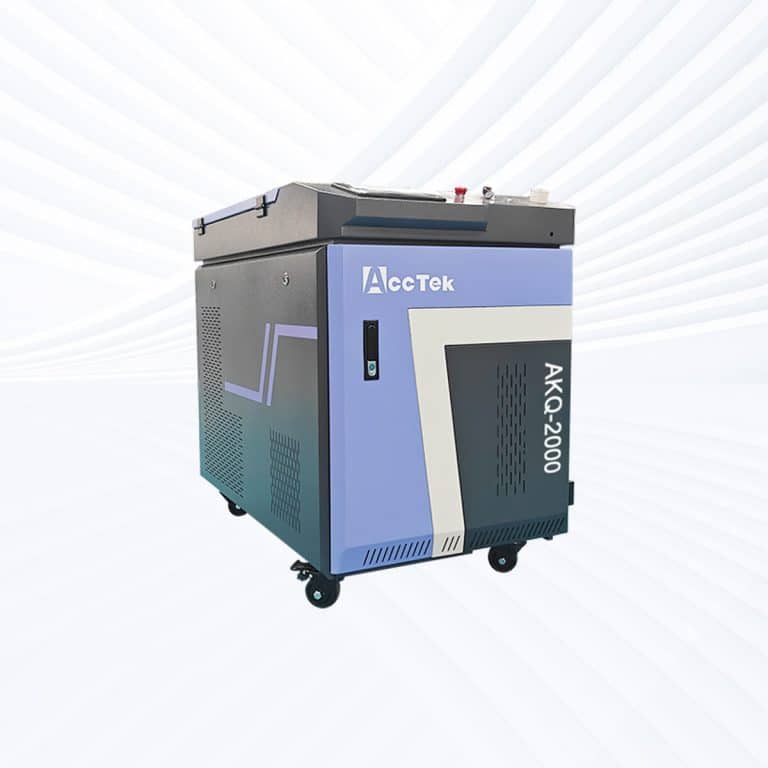
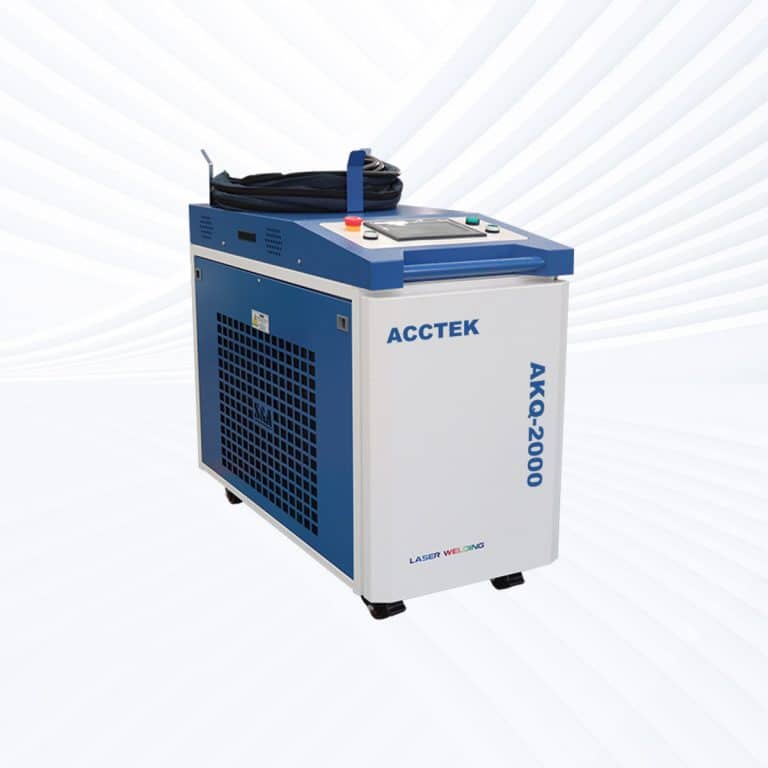
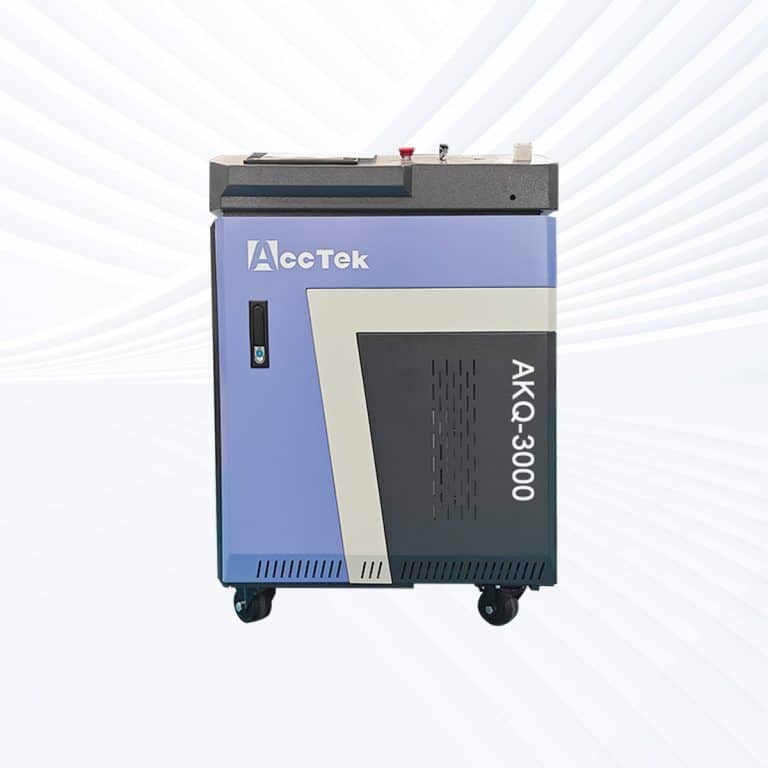
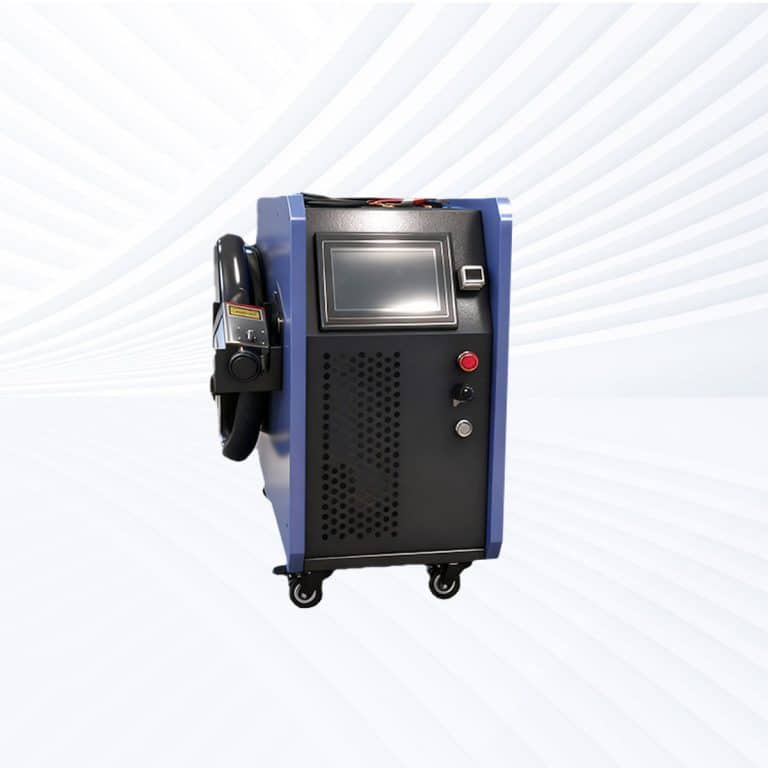
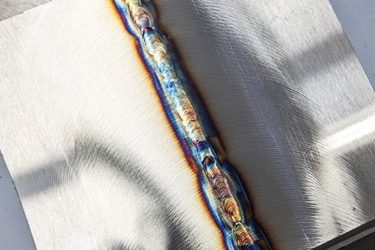
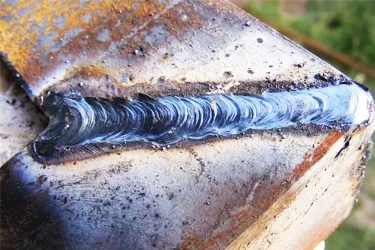
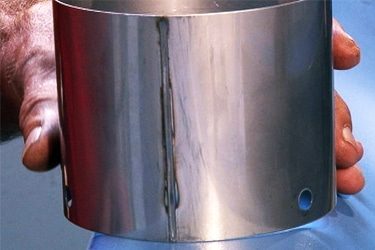
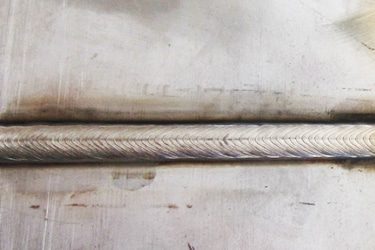
Advantages of Laser Cleaning Welding Burn
Non-Contact and Surface-Safe Treatment
Laser cleaning welding burn removes heat tint and oxidation without grinding or brushing. This prevents scratches, material loss, and surface distortion, making it ideal for thin metals, precision welds, and finished components.
High Precision and Selective Removal
Laser parameters can be precisely controlled to target only burn marks and oxide layers. This selectivity preserves the base metal and weld geometry, even on complex joints and tight weld areas.
Restores Corrosion Resistance
By fully removing welding heat tint and oxides, laser cleaning helps restore the natural corrosion resistance of metals such as stainless steel and titanium. This improves durability and long-term performance.
Improves Surface Appearance
Laser cleaning removes discoloration and burn marks evenly, leaving a clean and uniform surface. This enhances visual quality without the uneven finish often caused by mechanical or chemical methods.
Environmentally Friendly Process
Laser cleaning welding burn requires no acids, abrasives, or water. This eliminates hazardous waste, reduces environmental impact, and creates a safer working environment for operators.
Automation and Consistent Results
Laser cleaning systems integrate easily into automated welding lines. They provide repeatable, operator-independent results, improving productivity and ensuring consistent post-weld surface quality.
Compatible Materials
- Carbon Steel
- Mild Steel
- Low-Carbon Steel
- Medium-Carbon Steel
- High-Carbon Steel
- Alloy Steel
- Structural Steel
- Tool Steel
- Stainless Steel 304
- Stainless Steel 316
- Stainless Steel 321
- Stainless Steel 430
- Duplex Stainless Steel
- Super Duplex Stainless Steel
- Aluminum
- Aluminum Alloy 5052
- Aluminum Alloy 6061
- Aluminum Alloy 7075
- Cast Aluminum
- Titanium
- Titanium Grade 2
- Titanium Grade 5
- Nickel
- Nickel Alloys
- Inconel
- Hastelloy
- Monel
- Copper
- Copper Alloys
- Brass
- Bronze
- Magnesium
- Magnesium Alloys
- Chromium Steel
- Manganese Steel
- Galvanized Steel
- Electrical Steel
- Heat-Resistant Alloys
- Welded Metal Pipes and Tubes
- Precision Welded Components
Laser Cleaning Welding Burn VS Other Cleaning Methods
| Comparison Item | Laser Cleaning | Sandblasting | Chemical Cleaning | Ultrasonic Cleaning |
|---|---|---|---|---|
| Cleaning Principle | Laser energy selectively removes heat tint and oxides | Abrasive erosion removes surface material | Acids dissolve oxides and discoloration | Cavitation loosens residues in liquid |
| Contact With Surface | Non-contact | Direct abrasive contact | Chemical contact | Liquid contact |
| Risk of Surface Damage | Very low | High | Medium | Low |
| Precision and Control | Extremely high | Low | Medium | Medium |
| Selective Heat Tint Removal | Excellent | Poor | Limited | Limited |
| Preservation of Weld Geometry | Excellent | Poor | Good | Good |
| Suitability for Thin Materials | Excellent | Poor | Moderate | Good |
| Effect on Surface Finish | Preserved | Roughened | Possible etching | Preserved |
| Consumables Required | None | Abrasive media | Acids/chemicals | Cleaning fluids |
| Environmental Impact | Minimal waste | Dust and debris | Hazardous chemical waste | Wastewater |
| Operator Safety | High | Dust inhalation risk | Chemical exposure risk | Moderate |
| Moisture Introduction | None | None | Possible | Required |
| Automation Capability | High | Low | Medium | Medium |
| Cleaning Consistency | Highly repeatable | Operator-dependent | Process-dependent | Batch-dependent |
| Long-Term Operating Cost | Low | High | High | Moderate |
Laser Cleaning Capacity
| Surface | 100W pulse | 200W pulse | 300W pulse | 500W pulse | 1000W pulse | 1500W pulse | 2000W pulse | 1000W continuous | 1500W continuous | 2000W continuous | 3000W continuous | 6000W continuous |
|---|---|---|---|---|---|---|---|---|---|---|---|---|
| Graffiti | Limited | Limited | Good | Good | Good | Good | Limited | Good | Good | Best | Best | Best |
| Rust Light | Good | Good | Good | Best | Best | Best | Best | Good | Good | Best | Best | Best |
| Rust Heavy | Limited | Good | Good | Best | Best | Best | Best | Good | Good | Best | Best | Best |
| Paint Thin | Good | Good | Best | Best | Best | Best | Best | Limited | Good | Good | Best | Best |
| Paint Thick | Limited | Good | Good | Best | Best | Best | Best | Good | Good | Best | Best | Best |
| Coatings Thin | Good | Good | Best | Best | Best | Best | Best | Limited | Limited | Good | Good | Best |
| Coatings Thick | Limited | Good | Good | Best | Best | Best | Best | Good | Good | Best | Best | Best |
| Welding Burns | Good | Good | Best | Best | Best | Best | Best | Good | Good | Best | Best | Best |
| Oil Light | Good | Good | Best | Best | Best | Best | Best | Limited | Limited | Good | Good | Best |
| Oil Heavy | Limited | Good | Good | Best | Best | Best | Best | Limited | Good | Good | Best | Best |
| Oxidation Film | Good | Good | Best | Best | Best | Best | Best | Limited | Limited | Good | Best | Best |
| Oxide Scale | Limited | Good | Good | Best | Best | Best | Best | Good | Good | Best | Best | Best |
| Adhesive Residue | Good | Good | Best | Best | Best | Best | Best | Limited | Limited | Good | Good | Best |
| Soot | Good | Good | Best | Best | Best | Best | Best | Good | Good | Best | Best | Best |
| Rubber Marks | Limited | Good | Good | Good | Good | Limited | Limited | Good | Good | Best | Best | Best |
| Salt Deposits | Limited | Good | Good | Best | Best | Best | Best | Limited | Good | Good | Best | Best |
| Mold Release | Good | Good | Best | Best | Best | Best | Best | Limited | Good | Good | Best | Best |
| Surface Prep | Good | Good | Best | Best | Best | Best | Best | Good | Good | Best | Best | Best |
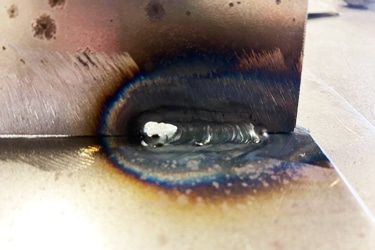
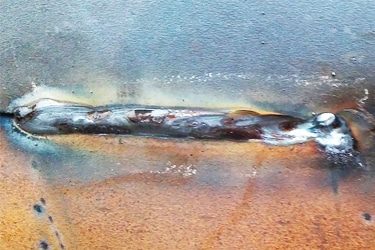
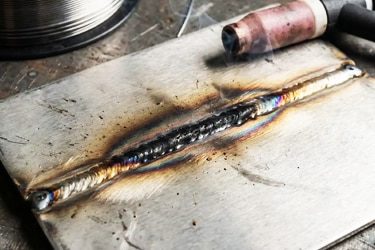
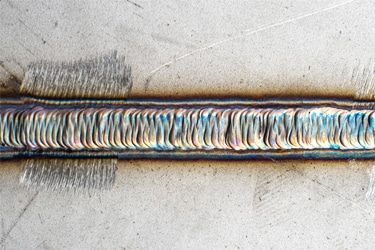
Applications of Laser Cleaning Welding Burn
Customer Testimonials
Related Resources
How Effective Is Laser Cleaning At Removing Contaminants
This article explores how effective laser cleaning is at removing contaminants, covering mechanisms, materials, system types, real-world applications, limitations, and optimization factors for reliable results.
Will Laser Cleaning Damage The Substrate
This article explains whether laser cleaning damages substrates, examining damage mechanisms, material risks, process control, and verification methods for safe, effective laser cleaning.
Comprehensive Guides to Choosing the Right Laser Cleaning Parameters
This comprehensive guide explores the key factors in choosing the right laser cleaning parameters, including material types, contamination levels, and practical considerations for optimal results.

What Training Is Required to Operate Laser Cleaning Machines
This article is a comprehensive guide outlining the safety, operation, maintenance, and certification training required for operators of modern industrial laser cleaning machines.
Frequently Asked Questions
Can Laser Cleaning Completely Remove Welding Burn?
- Laser Cleaning Technology: Laser cleaning uses high-intensity laser beams to remove surface contaminants by ablation or vaporization. Different types of lasers, like CO2 lasers or fiber lasers, are employed depending on the material and the nature of the contamination. Fiber lasers are often preferred for metal surfaces, including for welding burns, due to their higher absorption by metals and ability to deliver concentrated power.
- Welding Burn Characteristics: Welding burns are caused by the intense heat from the welding process, which leaves behind hardened, discolored areas on metal surfaces. These burns can vary in depth and coverage, making it challenging to remove them completely with a single cleaning session. Light welding burns or surface discolorations can often be effectively removed using laser cleaning, but deeper or more severe burns may require multiple passes or additional methods.
- Effectiveness of Laser Cleaning: Laser cleaning can successfully remove welding burns by focusing the laser’s energy on the burnt area. The laser energy breaks down the burnt material without damaging the base material underneath, as long as the parameters (power, pulse rate, and focus) are correctly set. Fiber lasers, due to their precision and efficiency, can particularly handle tough burns on metals like steel or aluminum, effectively restoring the surface.
- Material Considerations: The material being cleaned also plays a critical role. Laser cleaning works best on metals like steel, aluminum, and other alloys commonly found in welding applications. The thickness and hardness of the weld area affect the cleaning process; more extensive or hardened welding burns may require more aggressive cleaning techniques or multiple passes.
- Additional Methods: In some cases, laser cleaning may not be sufficient to completely remove severe welding burns. If the burn is too deep, mechanical or chemical cleaning methods may be required to assist in the process. Laser cleaning can be used as part of a multi-step approach to achieve a pristine surface.
Which Laser Is Best Suited For Cleaning Welding Burns?
- Pulsed Lasers
- Best Suited For: Precision cleaning of hard materials
- How It Works: Pulsed lasers emit short bursts of high-intensity energy, which are typically used to target specific areas without affecting the surrounding material. The short pulse duration delivers energy in a very controlled manner, allowing the laser to focus on the contaminants, like welding burns, without causing excessive heat buildup in the surrounding area.
- Advantages for Welding Burns: Pulsed lasers are ideal for cleaning small to moderate welding burns, especially on metals like steel and aluminum. The ability to control the energy density per pulse ensures that the laser removes the burn without damaging the underlying material. Pulsed lasers also work well for precise and detailed cleaning, where minimal heat is necessary to avoid distorting the surface.
- Limitations: While they are effective at removing smaller and less severe burns, pulsed lasers might not be as effective for large or deep welding burns that require continuous energy to clear.
- Continuous Lasers
- Best Suited For: Removing large or severe welding burns
- How It Works: Continuous lasers provide a steady stream of energy, which is great for handling large areas of contamination or burns. The consistent heat generated by the continuous laser is effective in vaporizing the burnt material and can efficiently clear thicker or deeper welding burns.
- Advantages for Welding Burns: Continuous lasers are particularly useful when dealing with larger welding burns that require a sustained energy input to clean the surface. They are also effective at cleaning rust, oxidation, or paint residues that might accompany welding burns. The continuous application of energy can make the cleaning process faster for larger surfaces.
- Limitations: The key challenge with continuous lasers is that they require careful management to avoid overheating the material. If not properly controlled, there is a higher risk of damaging the metal or causing unwanted surface modifications.
What Are The Disadvantages Of Laser Cleaning Welding Burns?
- Limited Depth of Burn Removal: Laser cleaning is most effective for surface-level burns, and it may struggle to remove deep or extensive welding burns. While lasers can vaporize the burnt material on the surface, deeper burns or hardened layers may require multiple passes or may not be fully removed in a single cleaning session.
- Risk of Surface Damage: If not properly calibrated, the high energy of the laser can damage the underlying material. Excessive laser energy may cause unwanted heat buildup, resulting in thermal distortion, oxidation, or other surface imperfections. This risk is especially prominent with continuous lasers if the heat is not controlled correctly.
- Material Limitations: Not all materials are suitable for laser cleaning. Certain reflective metals, such as highly polished aluminum, brass, or copper, may cause problems when cleaned with a CO2 laser, as they reflect much of the laser energy, reducing efficiency and potentially damaging the laser equipment. Fiber lasers are better suited for metals, but still have limitations on materials with varying absorption rates.
- High Initial Cost: Laser cleaning equipment, particularly for industrial use, can be expensive. This initial investment can be a significant barrier for small and medium-sized businesses. Additionally, the ongoing maintenance costs of high-powered lasers can add up over time, especially if the equipment is used frequently.
- Fume and Dust Generation: Laser cleaning produces fumes and particulate matter, which can be hazardous to health if not properly managed. In many cases, an adequate fume extraction system is required to ensure the operator’s safety and prevent contamination of the working environment. Without proper ventilation, the process can be dangerous, especially when cleaning materials that release toxic fumes, such as plastics or rubber.
- Slow Cleaning Speed for Large Areas: While laser cleaning is precise, it can be slow for larger surfaces or extensive welding burns. For high-volume cleaning, other methods like abrasive blasting or mechanical cleaning might be more efficient. Lasers are generally more effective for smaller, localized areas rather than large-scale surface cleaning.
- Power Consumption: Laser cleaning systems, especially those used for industrial applications, can be power-hungry. Depending on the laser type and the scale of the cleaning process, the energy costs for operating these systems can be high, which may not be cost-effective in all scenarios.
What Laser Power Is Needed For Laser Cleaning Welding Burns?
- Material Type: Different materials require different laser power settings. For example, metals like steel or aluminum require more powerful lasers compared to more delicate materials like plastics or thin metals. The laser power used will depend on the material’s thermal conductivity, absorption rate, and the type of contaminants present.
- Contaminant Thickness: The thickness of the welding burns or oxidation layer significantly influences the laser power required. Thin surface contaminants may be removed with lower laser power, while thicker layers will demand higher power for effective cleaning. The laser should have enough power to vaporize or ablate the contamination without damaging the underlying surface.
- Laser Type: Fiber lasers are commonly used for laser cleaning because they offer high power density and can clean various metal surfaces effectively. Fiber lasers can penetrate the contamination layers and clean efficiently with high precision. The power settings for fiber lasers typically range from 50 to 500 watts, depending on the material and the thickness of the contaminant layer.
- Beam Parameters: The focus spot size and scanning speed of the laser beam also play critical roles in determining the necessary power. A smaller spot size requires higher power density for effective cleaning, while a larger spot size may reduce the energy density and require less power.
What Kind Of Fumes Are Produced During Laser Cleaning Of Welding Burns?
- Metal Fumes: When cleaning metals like steel, aluminum, or stainless steel, the laser energy causes the metal oxides or rust to vaporize. This results in the release of metal oxide fumes such as iron oxide (rust), zinc oxide (from galvanized steel), or aluminum oxide. These fumes are typically in the form of fine particulate matter that can be harmful if inhaled over extended periods.
- Organic Fumes: If there are any organic coatings, paints, or oils on the surface being cleaned, the laser will break these down, releasing fumes that may include volatile organic compounds (VOCs), hydrocarbons, and carbon-based particulates. These fumes can be irritating to the eyes, nose, and throat, and may also have toxic or carcinogenic properties depending on the chemical makeup of the coating or contaminant.
- Polymer Fumes: In cases where plastics or polymers are involved, laser cleaning can generate fumes that contain harmful substances like formaldehyde or hydrochloric acid. For instance, if plastic coatings or adhesives are present on the metal, laser cleaning can break them down, producing these toxic gases. This is particularly dangerous with materials containing chlorine, like PVC, which releases chlorine gas upon heating.
- Ozone: Laser cleaning of certain materials, particularly metals, can also generate small amounts of ozone (O3) due to the high-energy laser interaction with air. Although ozone is typically found in trace amounts, it is still a respiratory irritant and can be harmful in poorly ventilated spaces.
Is Fume Extraction Equipment Needed For Laser Cleaning Of Heat-Treated Materials?
- Metal Oxides and Particulates: Heat-treated metals often have a hard, oxidized layer that is removed during laser cleaning. The laser energy breaks down these metal oxides (e.g., iron oxide, chromium oxide), which are then vaporized into fine particulate matter. These metal fumes can be toxic, and inhalation can pose serious health risks, such as lung damage or respiratory issues.
- Organic Contaminants: Depending on the processing or treatment the material underwent, heat-treated metals may have organic residues such as oils, lubricants, or surface coatings. When these are exposed to the laser, they can release toxic fumes like volatile organic compounds (VOCs), hydrocarbons, or other hazardous chemicals. These can be both harmful to human health and harmful to the environment.
- Increased Ozone Production: The high-energy nature of the laser can generate ozone (O3) as it interacts with the air during cleaning. Ozone is a respiratory irritant, and prolonged exposure can have detrimental effects on health. Fume extraction systems help reduce ozone concentrations in the working area.
- Chemical Fumes from Coatings: Many heat-treated materials are coated with protective layers to improve their properties. During laser cleaning, these coatings may release fumes, particularly if they contain chemicals like zinc, chrome, or plastic-based materials. These fumes can be dangerous and require proper filtration.
What PPE Is Needed For Laser Cleaning Welding Burns?
- Laser Safety Glasses: The most important piece of PPE for laser cleaning is laser safety eyewear. Laser light can cause permanent eye damage, especially when cleaning metals or other reflective materials. Laser safety glasses are specifically designed to protect against the wavelength of the laser being used. For example, if you’re using a CO2 laser, you would need glasses that protect against the specific wavelength of infrared light emitted by the laser (typically 10.6 microns). These glasses should be worn at all times during the cleaning process.
- Protective Gloves: Heat-resistant gloves are essential to protect the hands from burns caused by the heat generated during the laser cleaning process. Leather or high-temperature-resistant gloves protect against both heat and sharp edges that might be present when cleaning welded metal surfaces. They also offer protection if any debris is dislodged during cleaning.
- Flame-Resistant Clothing: To shield the body from potential heat and sparks, flame-resistant clothing is recommended. Materials such as fire-resistant jackets, aprons, or coveralls should be worn to prevent burns or injuries from heat and particles. These clothing items help protect against incidental contact with hot surfaces or flying debris.
- Respiratory Protection: Fume extraction is crucial during laser cleaning, but operators should also wear respiratory protection if the fumes and particulates are not completely filtered. A half-mask or full-face respirator with a particulate filter may be necessary, especially in situations where the fume extraction system is not sufficient or if harmful gases are produced from the laser cleaning process.
- Face Shields or Helmets: A face shield or a full helmet provides added protection for the face, especially from flying particles and intense light exposure. It is particularly important when working with high-powered lasers or when cleaning materials that may create significant heat and fumes.
- Hearing Protection: While not always necessary, if the laser cleaning operation occurs in a noisy environment, earplugs or earmuffs may be needed to protect against potential hearing damage from ambient noise levels.
Why Do Heat-Treated Materials Remain After Laser Cleaning?
- Surface Hardness and Oxide Layers: Heat-treated materials, such as hardened steels or titanium alloys, typically develop a tough oxide layer on their surface during the heat treatment process. This oxide layer is often highly resistant to removal and may not be easily cleaned by the laser. Laser cleaning targets the outermost layers, and while it can remove surface contaminants like rust or paint, it might struggle to fully eliminate thicker oxide layers. These layers can remain because they require more precise laser power or a different type of treatment to break down the bond between the oxide and the base material.
- Laser Parameters: The laser’s settings, such as power, focus, and scanning speed, play a significant role in determining how effectively the contaminants or oxide layers are removed. If the settings aren’t optimized for the specific material, the laser may not have enough energy to fully penetrate the tough oxide layer or might only remove a portion of the surface material. As a result, traces of the heat-treated material or the oxide layer can remain even after cleaning.
- Material Composition: The chemical composition of the heat-treated material also affects how it interacts with the laser. Materials like titanium or high-carbon steels have a strong affinity for oxygen, meaning they can quickly re-oxidize once exposed to air, forming a new oxide layer that may make the surface appear unchanged after cleaning. The laser might only be able to clean the surface temporarily before re-oxidation occurs, leading to the material looking like it has not been fully cleaned.
- Depth of Contamination: In some cases, the contamination (such as welding burns or oxidation) may be embedded deeper in the material, especially after heat treatment. Laser cleaning is most effective on surface-level contaminants, but it may not fully address deeper layers of oxidation or burnt material. Some residual contamination may remain due to the inability of the laser to reach deeper layers without causing potential damage to the substrate.