

Introduction
Laser Cleaing Machines Suitable For Stone
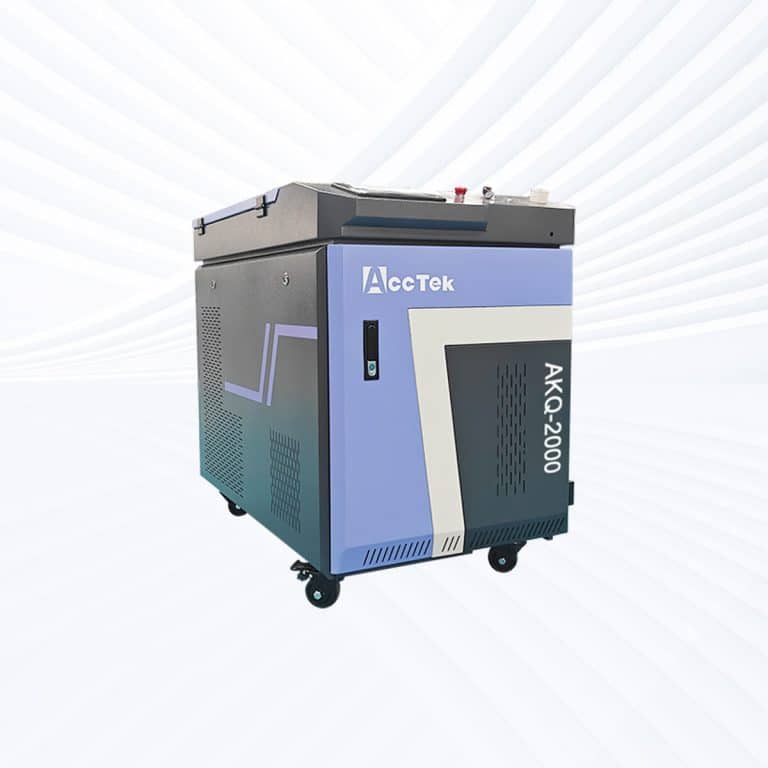
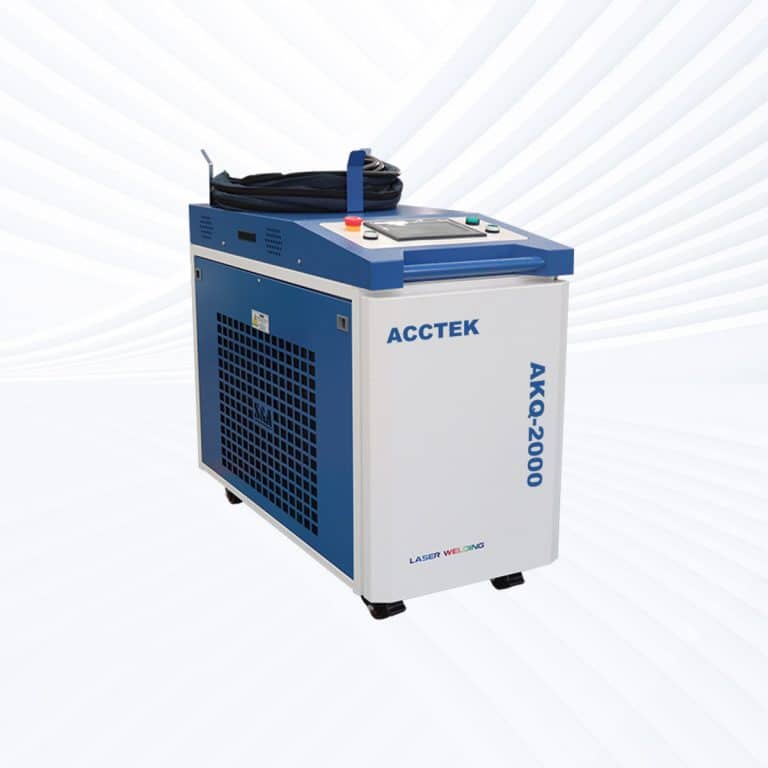
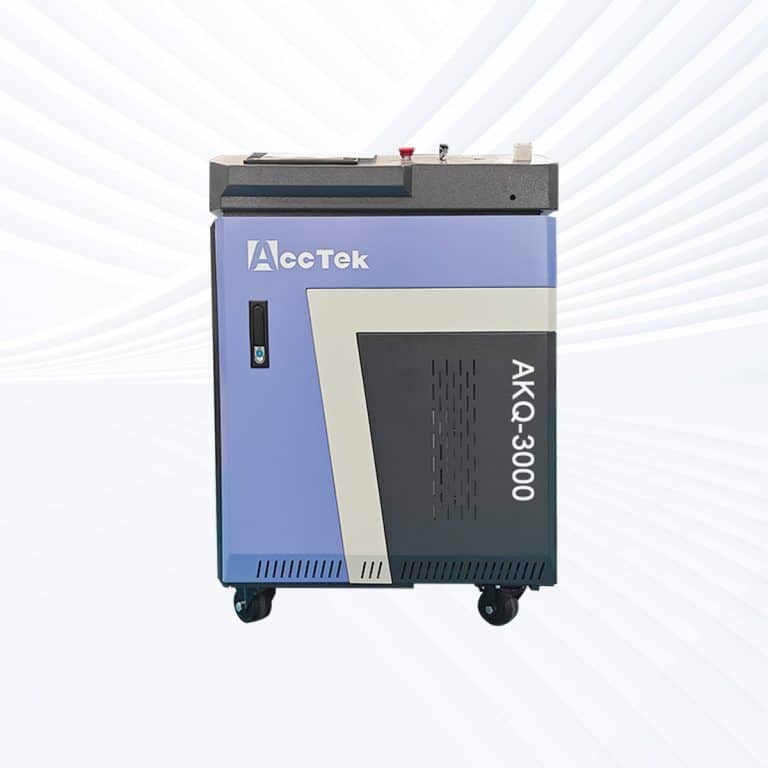
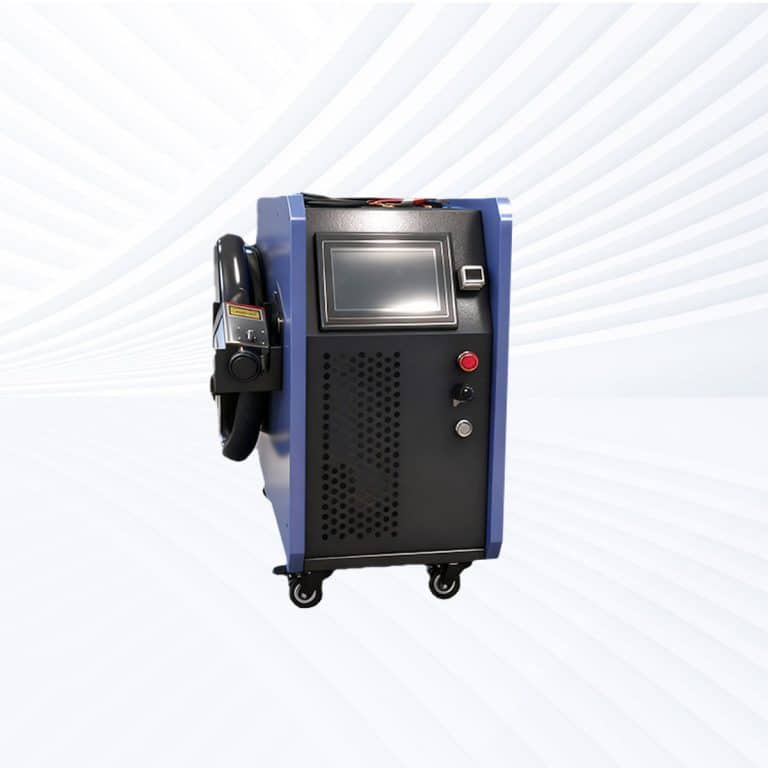
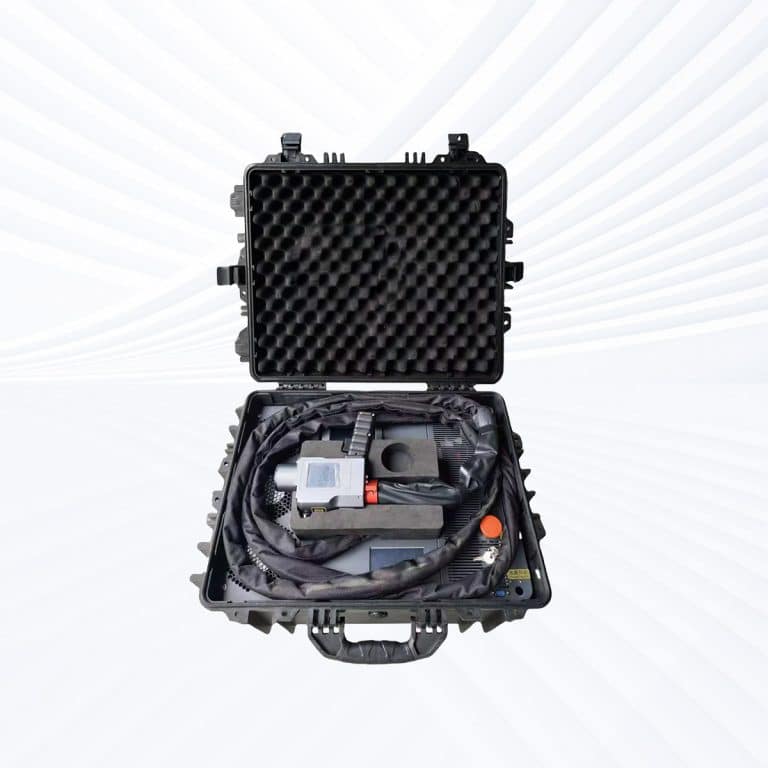
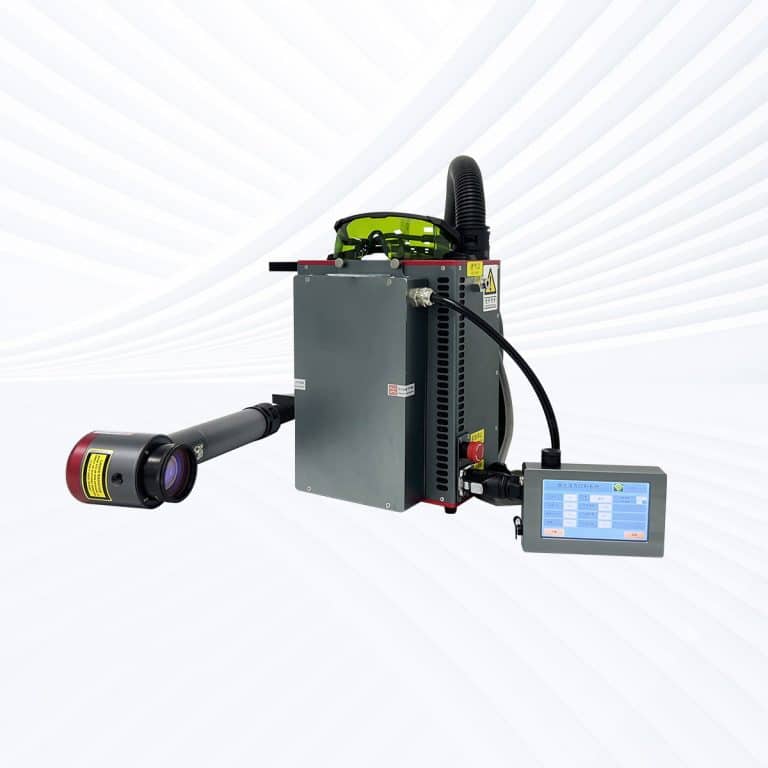
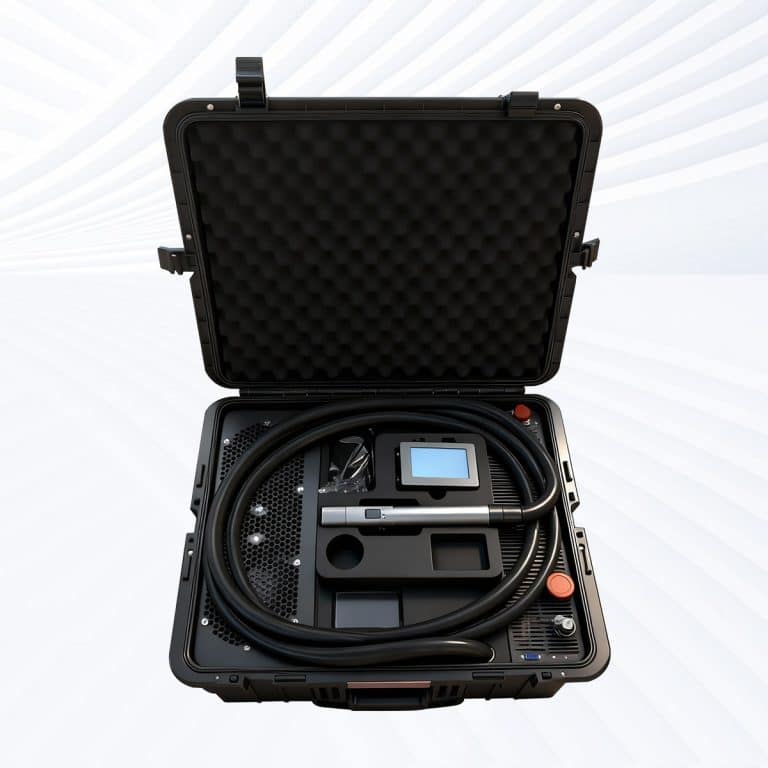
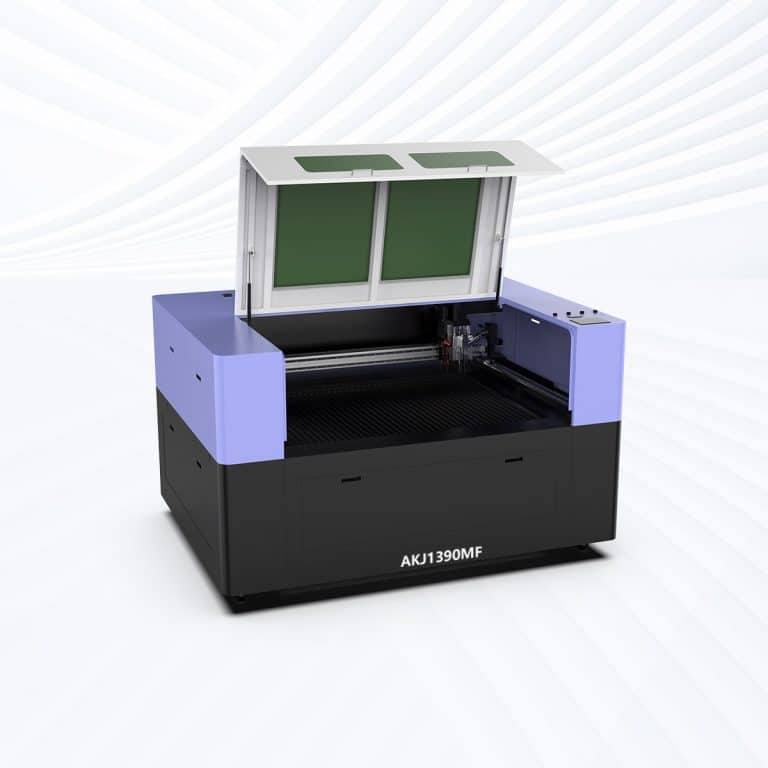
Advantages of Laser Cleaning Stone
Non-Contact and Surface-Safe Cleaning
Laser cleaning stone is a non-contact process that removes contaminants without mechanical abrasion. This prevents scratching, surface erosion, or loss of fine details, which is especially important for delicate, aged, or decorative stone surfaces.
High Precision and Selective Removal
Laser parameters can be precisely controlled to target pollutants, biological growth, or coatings while preserving the stone substrate. This selectivity allows safe cleaning of carved details, inscriptions, and textured stone surfaces.
Preserves Original Appearance and Texture
By avoiding harsh chemicals and abrasives, laser cleaning maintains the natural color, grain, and surface texture of stone. This helps retain the original visual character and historical value of stone structures and artworks.
Environmentally Friendly Process
Laser cleaning stone requires no chemicals, water, or abrasive materials. This reduces waste, prevents chemical runoff, and supports sustainable and environmentally responsible stone cleaning and restoration practices.
Suitable for Fragile and Historic Stone
Laser cleaning is ideal for fragile, porous, or weathered stone surfaces commonly found in historical monuments. The controlled energy delivery minimizes the risk of cracking, flaking, or long-term material degradation.
Consistent Results and Process Control
Laser cleaning systems provide repeatable and controllable cleaning results across different stone types and surface conditions. This consistency improves quality, reduces operator dependency, and supports both conservation and industrial stone applications.
Compatible Materials
- Marble
- Granite
- Limestone
- Sandstone
- Slate
- Travertine
- Basalt
- Bluestone
- Quartzite
- Onyx
- Soapstone
- Dolomite
- Gneiss
- Schist
- Tuff
- Chalk Stone
- Flagstone
- Cobblestone
- Fieldstone
- Volcanic Stone
- Fossil Limestone
- Shell Limestone
- Calcite Stone
- Alabaster
- Soapstone
- Engineered Quartz Stone
- Artificial Stone
- Cast Stone
- Reconstituted Stone
- Terrazzo
- Concrete Stone
- Decorative Architectural Stone
- Sculptural Stone
- Monument Stone
- Tombstone Granite
- Historical Masonry Stone
- Building Facade Stone
- Paving Stone
- Natural Boulder Stone
- Stone Composite Materials
Laser Cleaning Stone VS Other Cleaning Methods
| Comparison Item | Laser Cleaning | Sandblasting | Chemical Cleaning | Ultrasonic Cleaning |
|---|---|---|---|---|
| Cleaning Principle | Laser energy selectively removes contaminants | Abrasive impact erodes surface | Chemicals dissolve deposits | Cavitation in liquid removes dirt |
| Contact With Surface | Non-contact | Direct abrasive contact | Chemical contact | Liquid contact |
| Risk of Surface Damage | Very low | Very high | Medium | Low |
| Preservation of Fine Details | Excellent | Poor | Good | Good |
| Suitability for Historic Stone | Excellent | Poor | Moderate | Limited |
| Control and Precision | Extremely high | Low | Medium | Medium |
| Effect on Stone Texture | Preserved | Often damaged | Possible alteration | Preserved |
| Consumables Required | None | Abrasive media | Chemicals | Cleaning liquids |
| Environmental Impact | Minimal waste | Dust and debris | Chemical runoff | Wastewater |
| Chemical Exposure | None | None | High | Low |
| Moisture Introduction | None | None | Possible | Required |
| Automation Capability | High | Low | Medium | Medium |
| Cleaning Consistency | Highly repeatable | Operator-dependent | Process-dependent | Batch-dependent |
| Residue After Cleaning | None | Abrasive residue | Chemical residue | Moisture residue |
| Long-Term Operating Cost | Low | High | High | Moderate |
Laser Cleaning Capacity
| Material | 100W Pulse | 200W Pulse | 300W Pulse | 500W Pulse | 1000W Pulse | 1500W Pulse | 2000W Pulse | 1000W Continuous | 1500W Continuous | 2000W Continuous | 3000W Continuous | 6000W Continuous |
|---|---|---|---|---|---|---|---|---|---|---|---|---|
| Ceramics | Good | Good | Good | Good | Limited | Limited | Limited | Not Recommended | Not Recommended | Not Recommended | Not Recommended | Not Recommended |
| Composite | Good | Good | Good | Good | Limited | Limited | Not Recommended | Not Recommended | Not Recommended | Not Recommended | Not Recommended | Not Recommended |
| Glass | Limited | Limited | Good | Good | Limited | Limited | Not Recommended | Not Recommended | Not Recommended | Not Recommended | Not Recommended | Not Recommended |
| Metal | Good | Good | Good | Best | Best | Best | Best | Good | Good | Best | Best | Best |
| Plastic | Limited | Good | Good | Limited | Not Recommended | Not Recommended | Not Recommended | Not Recommended | Not Recommended | Not Recommended | Not Recommended | Not Recommended |
| Rubber | Limited | Good | Good | Limited | Not Recommended | Not Recommended | Not Recommended | Not Recommended | Not Recommended | Not Recommended | Not Recommended | Not Recommended |
| Stone | Limited | Good | Good | Good | Limited | Limited | Not Recommended | Good | Good | Good | Best | Best |
| Wood | Limited | Good | Good | Limited | Not Recommended | Not Recommended | Not Recommended | Not Recommended | Not Recommended | Not Recommended | Not Recommended | Not Recommended |
| Concrete/Cement | Limited | Good | Good | Good | Limited | Limited | Not Recommended | Good | Good | Best | Best | Best |
| Brick/Masonry | Limited | Good | Good | Good | Limited | Limited | Not Recommended | Good | Good | Good | Best | Best |
| Carbon Steel | Good | Good | Best | Best | Best | Best | Best | Good | Best | Best | Best | Best |
| Stainless Steel | Good | Good | Best | Best | Best | Best | Best | Good | Good | Best | Best | Best |
| Aluminum | Good | Good | Good | Best | Best | Best | Best | Limited | Limited | Good | Good | Best |
| Copper/Brass | Limited | Good | Good | Good | Best | Best | Best | Limited | Limited | Good | Good | Best |
| Titanium | Good | Good | Best | Best | Best | Best | Best | Limited | Good | Good | Best | Best |
| Galvanized Steel | Limited | Good | Good | Good | Limited | Limited | Not Recommended | Not Recommended | Not Recommended | Not Recommended | Not Recommended | Not Recommended |
| Painted Metal | Good | Good | Best | Best | Best | Best | Best | Limited | Good | Good | Best | Best |
| Weld Seam Cleanup | Good | Good | Best | Best | Best | Best | Best | Good | Good | Best | Best | Best |
| Molds & Tools | Good | Good | Best | Best | Best | Best | Best | Good | Good | Best | Best | Best |
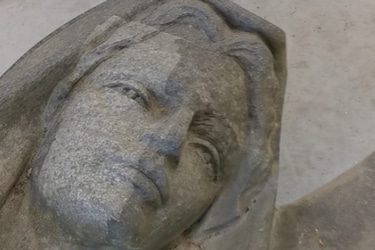
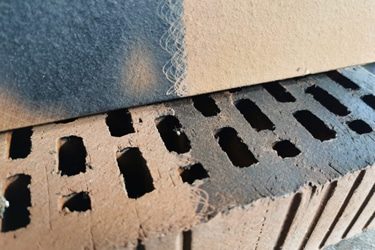
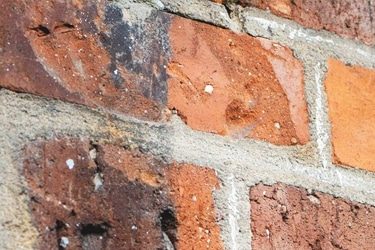
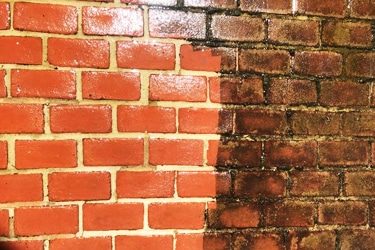
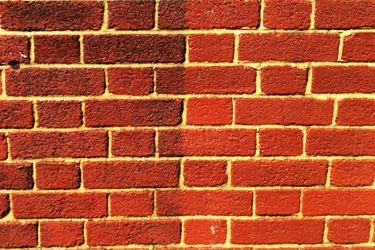
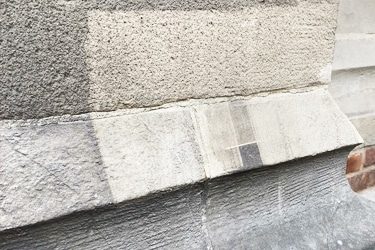
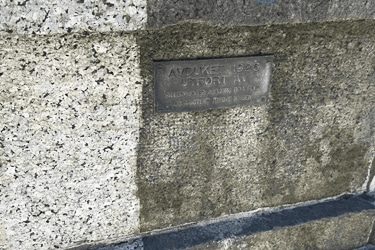
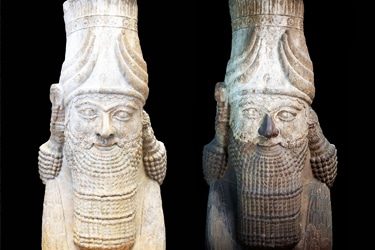
Applications of Laser Cleaning Stone
Customer Testimonials
Related Resources
How Effective Is Laser Cleaning At Removing Contaminants
This article explores how effective laser cleaning is at removing contaminants, covering mechanisms, materials, system types, real-world applications, limitations, and optimization factors for reliable results.
Will Laser Cleaning Damage The Substrate
This article explains whether laser cleaning damages substrates, examining damage mechanisms, material risks, process control, and verification methods for safe, effective laser cleaning.
Comprehensive Guides to Choosing the Right Laser Cleaning Parameters
This comprehensive guide explores the key factors in choosing the right laser cleaning parameters, including material types, contamination levels, and practical considerations for optimal results.

What Training Is Required to Operate Laser Cleaning Machines
This article is a comprehensive guide outlining the safety, operation, maintenance, and certification training required for operators of modern industrial laser cleaning machines.
Frequently Asked Questions
What Contaminants Can Laser Cleaning Remove From Stone?
- Black Crusts and Atmospheric Pollution: One of the most common applications is the removal of black crusts formed by air pollution. These crusts typically consist of carbon particles, sulfates, and nitrates that bond to stone surfaces in urban environments. Laser cleaning effectively breaks down and removes these deposits without eroding the stone beneath.
- Soot and Smoke Residues: Stone exposed to fires, exhaust fumes, or industrial emissions often accumulates soot and smoke stains. These carbon-based contaminants absorb laser energy efficiently and can be removed with high selectivity.
- Biological Growth: Laser cleaning can remove algae, moss, lichens, fungi, and biofilms that grow on stone in damp or outdoor environments. These biological contaminants are organic in nature and respond well to controlled laser ablation.
- Paint, Graffiti, and Coatings: Unwanted paints, graffiti, varnishes, and protective coatings can be selectively removed from stone surfaces. Laser cleaning is especially valued in heritage conservation because it allows precise removal without chemical solvents that may penetrate or discolor the stone.
- Oil, Grease, and Organic Stains: Stones in industrial, urban, or public settings often absorb oils, greases, and organic stains. Laser cleaning can remove surface-bound residues and reduce staining, although deeply absorbed contaminants may require multiple passes or supplementary methods.
- Salt Efflorescence and Surface Deposits: Laser cleaning can remove surface salt crusts and efflorescence formed by moisture migration. While it does not stop salt movement within the stone, it can clean visible deposits effectively.
- Dust, Dirt, and Particulate Matter: Accumulated dust, soil, and particulate debris embedded in surface textures can be dislodged and removed without physical contact, preserving delicate carvings and textures.
- Old Restoration Residues: Residual materials from previous restoration efforts—such as limewash remnants, consolidants, or aged protective treatments—can often be reduced or removed using carefully tuned laser parameters.
- Oxidized Metal Stains: Rust stains caused by metal fixtures or runoff can sometimes be lightened or removed, depending on depth and stone porosity.
What Are The Limitations Of Laser Cleaning of Stone?
- Material Variability of Stone: Stone is not a uniform material. Different types—such as limestone, marble, granite, sandstone, or slate—vary widely in mineral composition, color, grain size, and porosity. A laser setting that works well on one stone may cause discoloration, surface roughening, or damage on another. Extensive testing is required for each stone type.
- Risk of Surface Discoloration: Laser interaction can cause color changes due to thermal effects, mineral transformations, or oxidation of iron-containing compounds. Light-colored stones are particularly sensitive, and even slight discoloration may be unacceptable in heritage or architectural applications.
- Limited Effectiveness on Deep Contamination: Laser cleaning is primarily a surface process. Contaminants that have penetrated deeply into porous stone—such as oils, salts, or rust stains—may not be fully removed. Multiple passes may be required, and results can still be incomplete.
- Potential Surface Roughening or Microcracking: Improper laser parameters can cause microfractures, grain detachment, or increased surface roughness. This is especially problematic for soft or highly porous stones, as it can weaken the surface and increase future dirt accumulation.
- Slow Processing Speed for Large Areas: Laser cleaning is relatively slow compared to abrasive blasting or chemical washing, particularly on large façades or heavily contaminated surfaces. This can increase project time and cost for large-scale applications.
- High Equipment and Operating Costs: Laser systems require significant upfront investment, along with specialized safety equipment and trained operators. For routine or low-value stone cleaning, traditional methods may be more cost-effective.
- Requirement for Skilled Operators: Successful laser cleaning of stone demands experienced operators who understand laser–material interaction, stone behavior, and conservation principles. Inadequate expertise increases the risk of irreversible damage.
- Line-of-Sight Limitation: Laser cleaning is a direct line-of-sight process. Complex carvings, deep recesses, or shadowed areas can be difficult to clean evenly without repositioning equipment or optics.
- Fume and Dust Management Needs: Although cleaner than many traditional methods, laser cleaning still produces dust and fumes from removed contaminants. Effective extraction systems are required, particularly in enclosed or indoor environments.
What Are The Risks Of Laser Cleaning Of Stone?
- Surface Discoloration: One of the most common risks is unwanted color change. Laser-induced heating can alter mineral phases or oxidize iron-containing compounds, resulting in yellowing, reddening, darkening, or uneven tonal changes. Even subtle discoloration can be unacceptable on historic or decorative stone.
- Microcracking and Structural Damage: Rapid heating and cooling can generate thermal stress within the stone. This may cause microcracks, grain boundary separation, or internal fracturing, particularly in brittle, layered, or weathered stone. Such damage may not be immediately visible but can weaken the stone over time.
- Surface Roughening and Grain Loss: Improper laser parameters can cause selective removal of mineral grains or binders, leading to increased roughness, loss of fine detail, or erosion of carved features. This risk is higher for soft, porous stones like limestone or sandstone.
- Uneven Cleaning Results: Stone surfaces are often heterogeneous. Variations in mineral composition, porosity, and contamination thickness can cause uneven laser absorption, leading to patchy cleaning or localized damage.
- Limited Control Over Deep Contaminants: Laser cleaning primarily affects surface layers. Attempts to remove deeply embedded salts, oils, or stains by increasing laser energy may damage the stone before contaminants are fully removed.
- Risk to Previous Conservation Treatments: Laser cleaning may unintentionally remove or alter earlier restoration materials such as consolidants, protective coatings, limewashes, or patinas that contribute to the stone’s stability or historical authenticity.
- Dust and Fume Exposure: Laser cleaning generates dust and fumes from removed contaminants, including carbonaceous particles, biological residues, and mineral fragments. Without effective extraction, these can pose health risks to operators and redeposit on the stone surface.
- Operator-Dependent Outcomes: The success and safety of laser cleaning are highly dependent on operator skill. Inadequate training or poor parameter selection significantly increases the likelihood of irreversible damage.
- Cost and Project Risk: Because stone cleaning projects—especially on heritage structures—are often irreversible, mistakes can carry high financial, cultural, and reputational consequences.
Does The Porosity Of The Stone Affect The Laser Cleaning Effect?
- Impact on Contaminant Penetration: Porous stones such as limestone, sandstone, and some types of marble readily absorb contaminants like oils, salts, pollutants, and biological growth deep into their pore networks. Laser cleaning is primarily a surface treatment, so while surface deposits may be removed effectively, contaminants embedded deeper in porous stone often remain. This can result in incomplete cleaning or reappearance of stains over time.
- Energy Absorption and Heat Distribution: Highly porous stone tends to scatter and absorb laser energy unevenly. Air-filled pores act as thermal insulators, limiting heat dissipation and increasing the risk of localized overheating. This can lead to surface discoloration, microcracking, or grain detachment if parameters are not carefully controlled.
- Risk of Microstructural Damage: Porous stones are mechanically weaker at the surface due to voids and interconnected pores. Rapid thermal expansion from laser exposure can stress pore walls, causing microfractures, powdering, or loss of surface cohesion. This risk is much lower in dense, low-porosity stones like granite.
- Cleaning Uniformity Challenges: Variations in porosity across a stone surface can result in uneven cleaning. Areas with higher porosity may absorb more contaminants and laser energy, leading to inconsistent visual results or localized damage, while denser areas may clean more easily.
- Depth Limitation of Laser Cleaning: Increasing laser energy to target contaminants within pores is generally ineffective and dangerous. Higher energy levels may damage the stone surface before deep contaminants are removed, especially in soft, porous materials.
- Effect on Biological and Salt Deposits: Biological growth and salt crystallization often extend into pore spaces. Laser cleaning can remove surface manifestations but does not eliminate underlying causes. In porous stones, this limits long-term effectiveness unless combined with additional conservation treatments.
- Parameter Sensitivity: Porous stones require lower fluence, shorter pulse durations, faster scanning speeds, and multiple gentle passes. Conservative settings reduce the risk of surface damage but also limit cleaning depth.
- Comparison with Dense Stone: Low-porosity stones such as polished marble or granite respond more predictably to laser cleaning. Contaminants tend to remain on the surface, energy absorption is more uniform, and damage risk is lower.
Does The Moisture Content Of The Stone Affect The Risks Of Laser Cleaning?
- Rapid Vaporization and Internal Pressure: When laser energy heats stone containing moisture, water trapped in pores can rapidly vaporize. This sudden phase change generates internal pressure that the stone matrix may not be able to withstand. As a result, microcracking, spalling, or even surface flaking can occur, especially in porous stones like limestone or sandstone.
- Increased Risk of Microcracking: Moisture amplifies thermal stress. As the laser heats the surface, temperature gradients develop between wet and dry zones. Uneven expansion caused by localized steam formation can propagate microfractures along grain boundaries or pore walls, weakening the stone over time.
- Surface Explosions and Grain Detachment: In highly porous or moisture-saturated stone, laser heating can cause small “steam explosions” at the surface. These micro-bursts can eject mineral grains, leading to surface roughening, loss of fine detail, or powdering—particularly damaging for carved or historic stone.
- Unpredictable Cleaning Results: Moisture affects laser energy absorption and heat distribution. Wet areas may absorb and dissipate energy differently than dry areas, resulting in uneven cleaning, patchy discoloration, or inconsistent contaminant removal across the surface.
- Enhanced Discoloration Risk: The presence of moisture can accelerate chemical reactions during heating, such as oxidation of iron-bearing minerals. This increases the likelihood of staining, darkening, or color changes that may not occur on dry stone under the same laser settings.
- Interaction With Salts and Pollutants: Moisture often carries dissolved salts or pollutants within the stone. Laser heating can cause these substances to recrystallize at or near the surface, forming new efflorescence or crusts shortly after cleaning, reducing long-term effectiveness.
- Reduced Control Over Thermal Effects: Dry stone allows for more predictable thermal behavior. Moist stone introduces variability that narrows the safe operating window and increases the chance of accidental overexposure.
- Higher Risk for Fragile and Weathered Stone: Weathered or deteriorated stone already has weakened pore walls. Moisture further compromises structural integrity, making laser cleaning riskier and more prone to irreversible damage.
- Best Practice – Pre-Drying and Assessment: To reduce risks, stone should ideally be dry before laser cleaning. Moisture measurements, environmental monitoring, and controlled drying periods are recommended prior to treatment.
What Are The Defects Of Laser Cleaning Of Stone?
- Surface Discoloration: One of the most common defects is unwanted color change. Laser-induced heating can alter mineral phases or oxidize iron-bearing compounds within the stone. This may cause yellowing, reddening, darkening, or patchy tonal variations, particularly in light-colored stones such as limestone and marble.
- Microcracking: Rapid localized heating and cooling can introduce thermal stress, leading to microcracks within the stone matrix. These cracks may not be immediately visible but can weaken the stone and accelerate long-term deterioration, especially in weathered or porous materials.
- Surface Roughening and Grain Loss: Improper laser fluence can cause selective removal of fine mineral grains or binders. This results in increased surface roughness, powdering, or loss of sharp details in carvings and inscriptions. Soft stones such as sandstone are especially vulnerable.
- Spalling and Flaking: In stones with high porosity or moisture content, laser heating can cause trapped water to vaporize rapidly. The resulting internal pressure may eject surface layers, leading to spalling or flaking of the stone surface.
- Uneven Cleaning and Patchiness: Stone surfaces often vary in mineral composition, porosity, and contamination thickness. These variations can cause uneven laser absorption, producing inconsistent cleaning results where some areas remain stained while others are over-cleaned or damaged.
- Incomplete Contaminant Removal: Laser cleaning is primarily a surface process. Deeply embedded pollutants, salts, or oil stains may not be fully removed. Attempts to increase laser energy to address this can damage the stone before contaminants are eliminated.
- Damage to Historic Patina or Previous Treatments: Laser cleaning may unintentionally remove historic patinas, limewashes, or conservation treatments that contribute to the stone’s historical value or protective function. This can alter the appearance and authenticity of heritage surfaces.
- Residue Redeposition: Ablated contaminants can redeposit as fine dust or films if fume extraction is inadequate. This may leave streaks or hazy residues on the stone surface after cleaning.
- Accelerated Weathering: Surface microdamage caused by laser exposure can increase porosity or roughness, making the stone more susceptible to future moisture ingress, pollution accumulation, and biological growth.
What Are The Reasons For The Laser Cleaning Failure Of Stone?
- Incorrect Laser Parameters: One of the primary reasons for failure is improper selection of laser fluence, pulse duration, repetition rate, or scanning speed. Excessive energy can cause discoloration, microcracking, or grain loss, while insufficient energy leaves contaminants partially or completely intact.
- High Stone Porosity: Porous stones such as limestone and sandstone absorb contaminants deep into their pore networks. Since laser cleaning is mainly a surface process, deeply embedded pollutants cannot be removed effectively, leading to unsatisfactory results even after multiple passes.
- Excessive Moisture Content: Moisture trapped in stone pores increases the risk of steam formation during laser exposure. This can cause spalling, surface flaking, or microfracturing, forcing the cleaning process to be stopped prematurely and resulting in incomplete cleaning.
- Incompatible Contaminants: Some deposits, such as deep oil stains, soluble salts, or chemically bonded crusts, do not respond well to laser ablation. Attempting to remove these with higher laser energy often damages the stone before the contaminant is eliminated.
- Heterogeneous Mineral Composition: Stones often contain multiple minerals with different absorption and thermal properties. Uneven laser interaction can cause patchy cleaning, localized overheating, or selective mineral damage, reducing visual and structural quality.
- Surface Condition and Weathering: Heavily weathered or degraded stone has weakened grain bonds. Laser-induced thermal stress can easily dislodge material, making safe cleaning impossible without causing further deterioration.
- Loss of Historic Patina Constraints: In conservation work, the goal is often to preserve patina or original surface finishes. Laser cleaning may be halted intentionally to avoid removing these layers, resulting in limited or incomplete contaminant removal that may be perceived as failure.
- Inadequate Testing and Calibration: Skipping preliminary testing on inconspicuous areas often leads to incorrect assumptions about safe energy thresholds. Without trials, operators may either under-clean or unintentionally damage the stone.
- Poor Fume and Debris Extraction: Ablated material can redeposit on the surface if extraction is insufficient, creating residues or streaks that compromise cleaning effectiveness.
- Operator Skill and Experience: Laser cleaning stone requires precise control and judgment. Inexperienced operators may struggle to balance cleaning efficiency and material preservation, leading to suboptimal outcomes.
What PPE Do Laser Cleaning Operators Need?
- Laser Safety Eyewear: Specialized laser safety glasses or goggles are mandatory. They must be rated for the specific laser wavelength and power level in use. Standard safety glasses are insufficient, as unprotected exposure can cause permanent eye damage or blindness from direct or reflected laser beams.
- Respiratory Protection: Laser cleaning often generates fumes, vapors, and fine particulates from ablated contaminants, coatings, or substrates. Operators should use appropriate respirators, such as P100 particulate filters or combination cartridges for gases and vapors, depending on the materials involved. In high-risk environments, powered air-purifying respirators (PAPRs) may be required.
- Protective Gloves: Heat-resistant and cut-resistant gloves protect hands from hot surfaces, sharp debris, and residual contaminants. Gloves should also provide chemical resistance when cleaning surfaces contaminated with oils, paints, or hazardous substances.
- Protective Clothing: Flame-resistant or laser-rated protective clothing is recommended to shield skin from accidental laser exposure, hot particles, and sparks. Long sleeves, full-length trousers, and lab coats or coveralls help prevent burns and contamination.
- Face Shields: In addition to laser goggles, face shields offer extra protection against flying debris, molten particles, and secondary reflections. They are especially useful when cleaning heavily corroded or coated surfaces.
- Hearing Protection: Some laser cleaning systems produce high noise levels due to pulsed laser operation, extraction systems, or substrate interaction. Earplugs or earmuffs may be necessary to prevent long-term hearing damage.
- Foot Protection: Safety boots with slip-resistant soles and protective toe caps help protect against falling objects, hot debris, and slippery work surfaces.
- Skin Protection and Hygiene Measures: Barrier creams and proper handwashing facilities reduce the risk of skin irritation or absorption of hazardous residues. Operators should avoid direct skin contact with cleaned surfaces or collected debris.
- Environmental and Area Safety Equipment (Supporting PPE): Although not worn, laser curtains, beam enclosures, warning signs, and interlock systems complement PPE by reducing exposure risks in the work area.