

Introduction
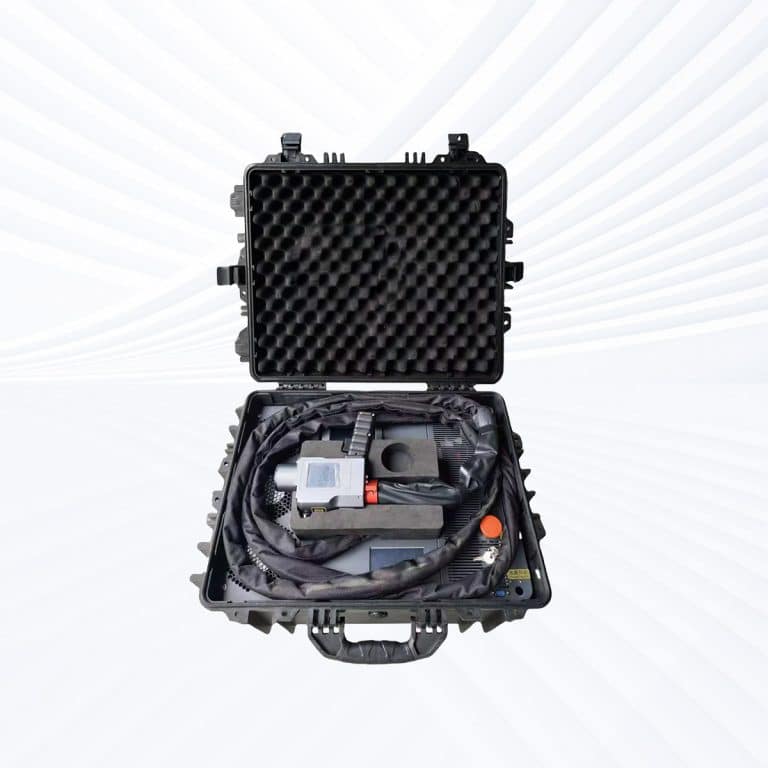
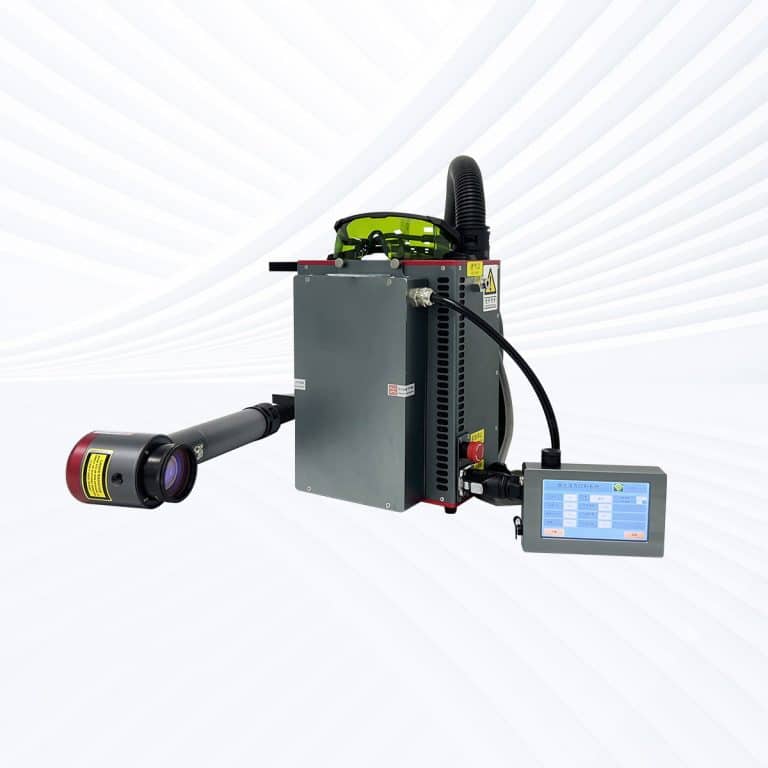
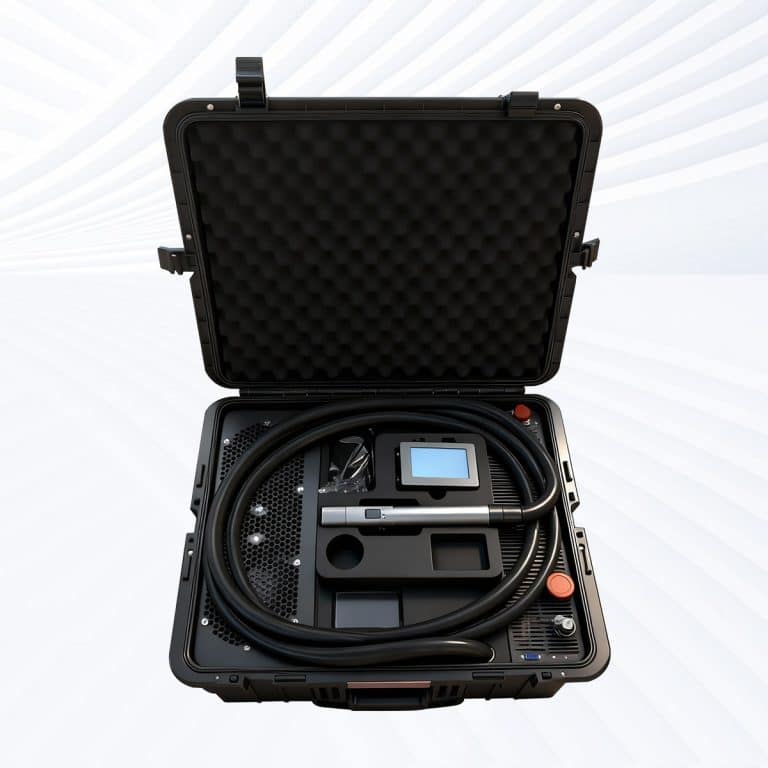
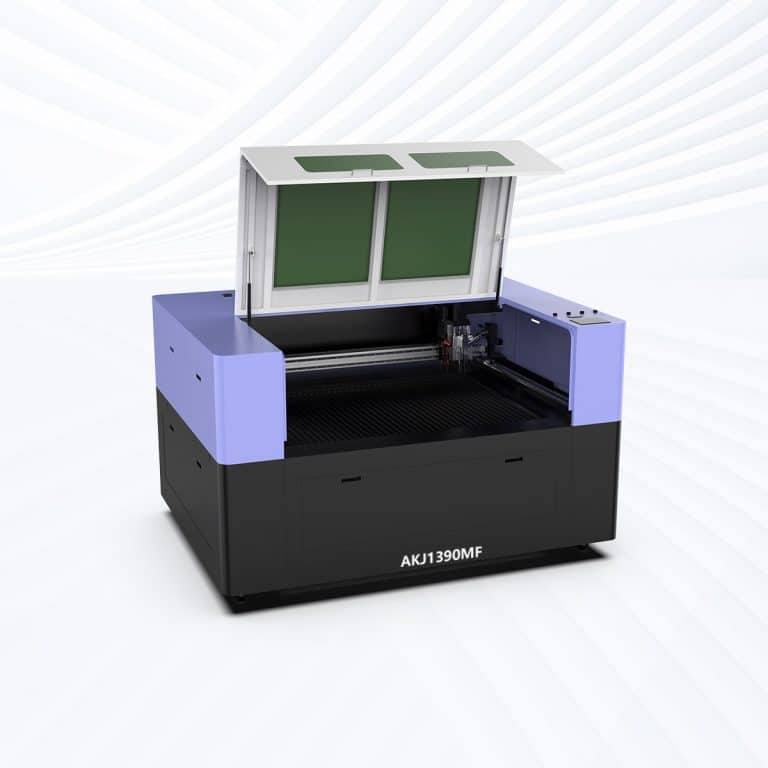
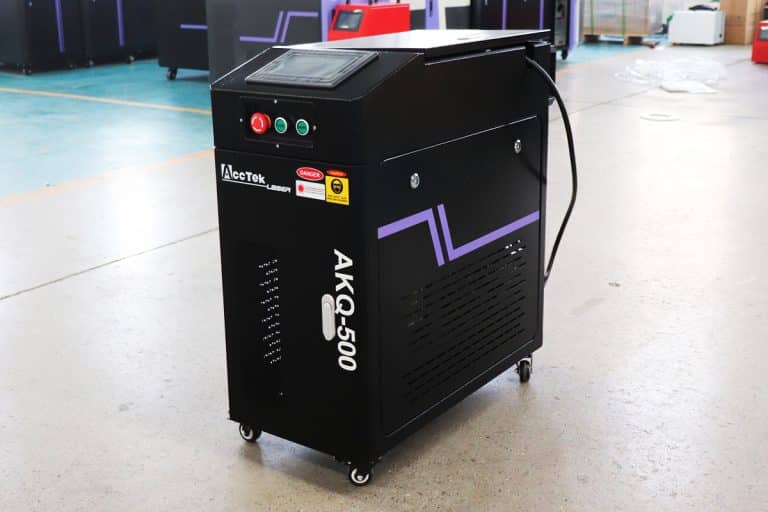
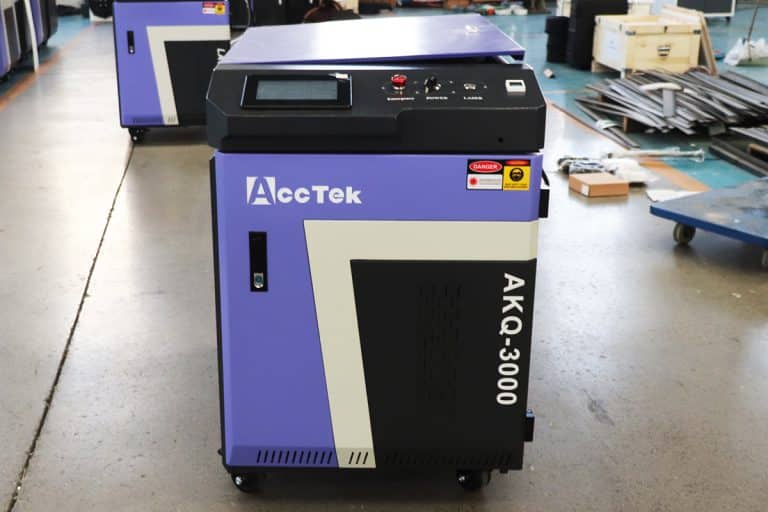
Laser Cleaing Machines Suitable For Rust
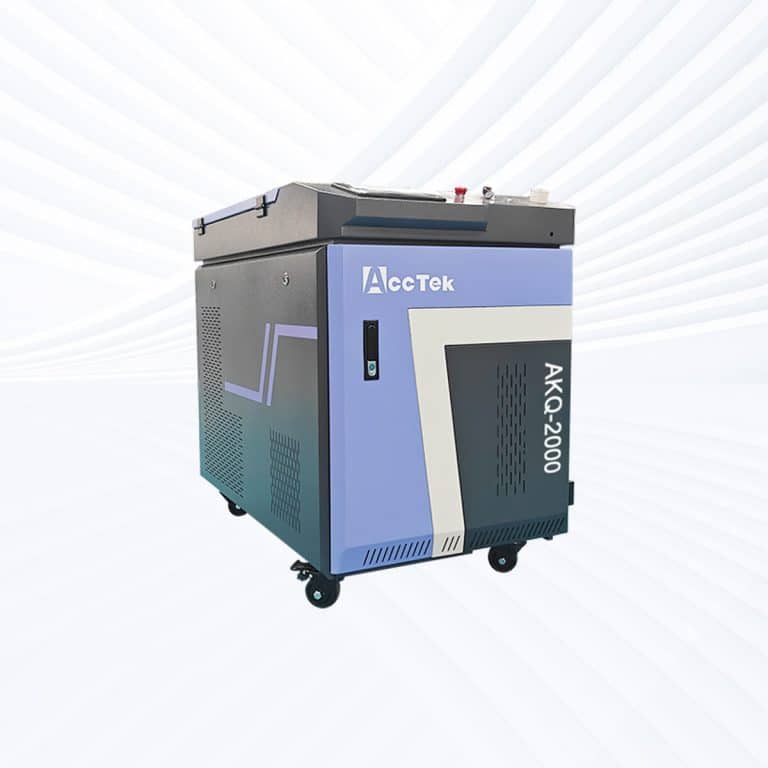
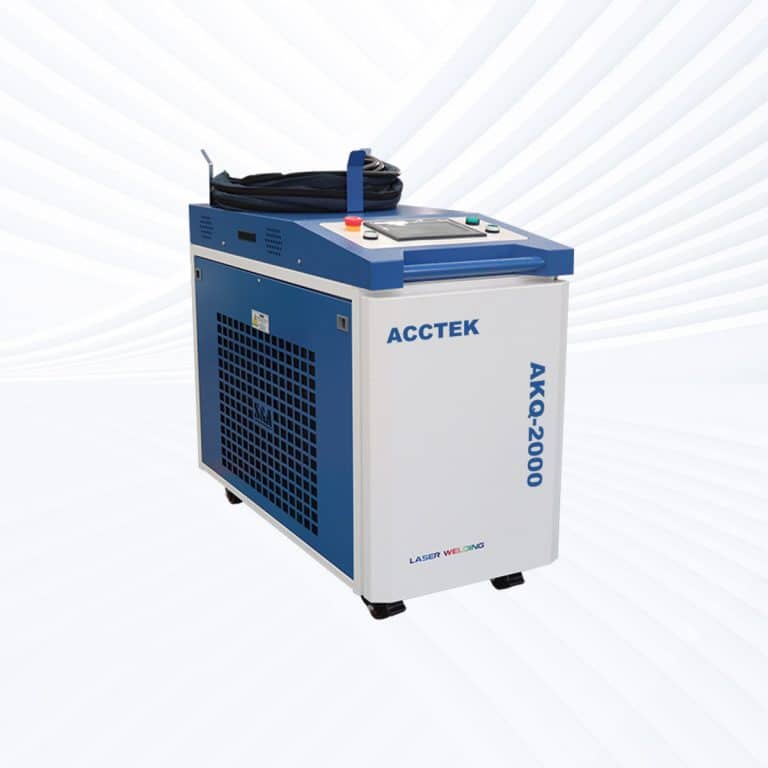
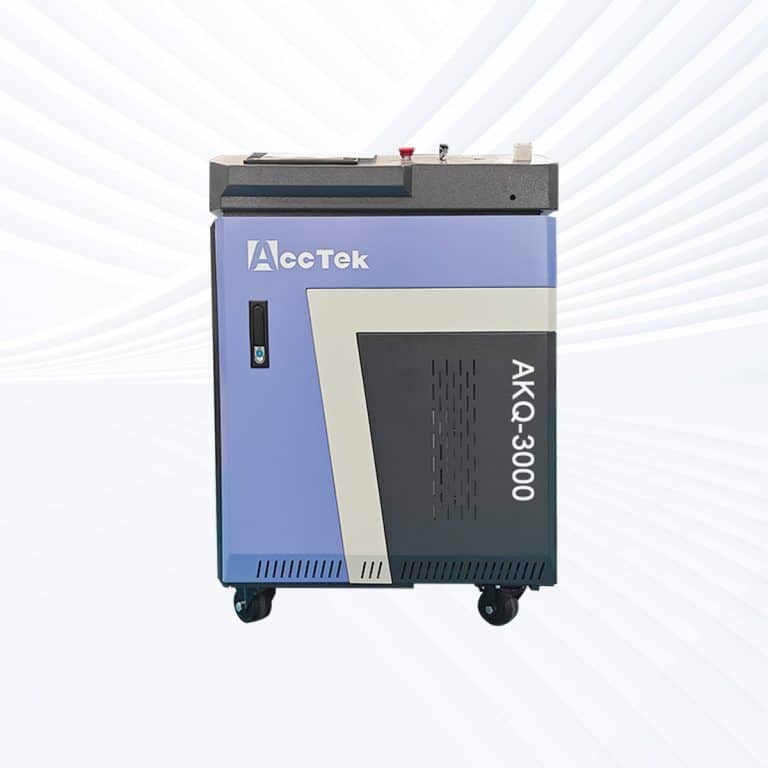
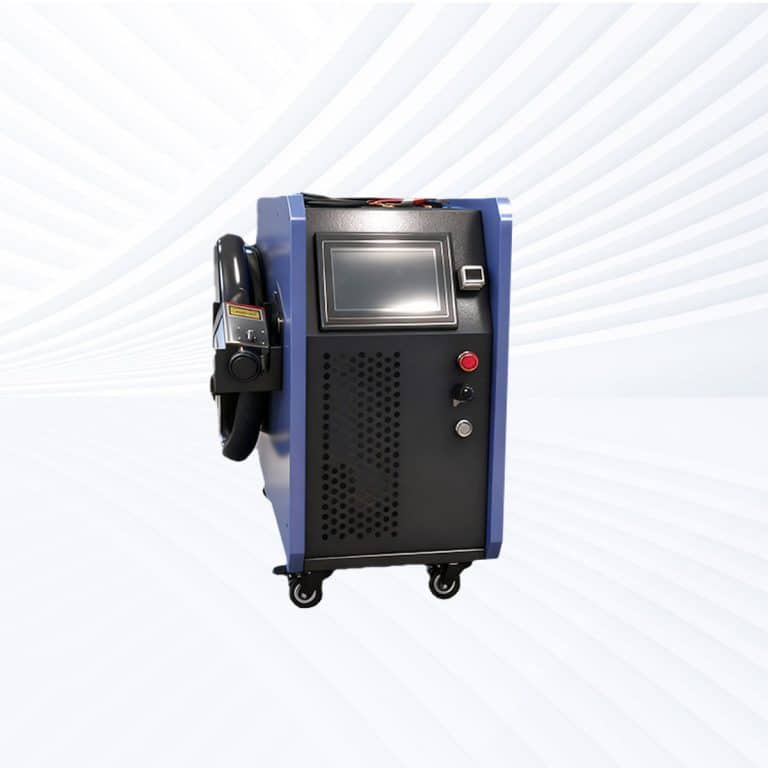
Advantages of Laser Cleaning Rust
Non-Contact and Damage-Free Rust Removal
Laser cleaning rust removes corrosion without physical contact or abrasive force. This prevents scratches, deformation, and material loss, making it ideal for precision components, thin metal parts, and surfaces that must retain dimensional accuracy.
High Precision and Selective Cleaning
Laser parameters can be precisely adjusted to target only rust and corrosion layers. This selectivity preserves the base metal and allows controlled cleaning on complex shapes, edges, and detailed surfaces without over-processing.
Preserves Base Metal Integrity
Unlike grinding or sandblasting, laser rust removal does not weaken or roughen the underlying metal. The original surface structure, strength, and finish remain intact after cleaning.
Improves Welding and Coating Quality
By fully removing rust and oxidation, laser cleaning creates clean metal surfaces. This improves weld penetration, coating adhesion, and corrosion resistance, reducing defects and rework.
Environmentally Friendly and Chemical-Free
Laser cleaning rust requires no acids, solvents, abrasives, or water. This eliminates hazardous waste, reduces environmental impact, and creates safer working conditions for operators.
Automation and Consistent Results
Laser rust cleaning systems integrate easily into automated production lines. They deliver repeatable, operator-independent results, improving productivity and ensuring stable surface quality standards across operations.
Compatible Materials
- Carbon Steel
- Mild Steel
- Low-Carbon Steel
- Medium-Carbon Steel
- High-Carbon Steel
- Alloy Steel
- Tool Steel
- Structural Steel
- Stainless Steel 304
- Stainless Steel 316
- Stainless Steel 430
- Cast Iron
- Ductile Iron
- Wrought Iron
- Galvanized Steel
- Weathering Steel
- Spring Steel
- Electrical Steel
- Aluminum
- Aluminum Alloys
- Magnesium
- Magnesium Alloys
- Copper
- Copper Alloys
- Brass
- Bronze
- Nickel
- Nickel Alloys
- Titanium
- Titanium Alloys
- Zinc
- Zinc Alloys
- Chromium Steel
- Manganese Steel
- Steel Pipes and Tubes
- Steel Plates and Sheets
- Steel Beams and Frames
- Metal Molds and Dies
- Industrial Machinery Components
- Automotive and Structural Metal Parts
Laser Cleaning Rust VS Other Cleaning Methods
| Comparison Item | Laser Cleaning | Sandblasting | Chemical Cleaning | Ultrasonic Cleaning |
|---|---|---|---|---|
| Cleaning Principle | Laser energy selectively removes rust | Abrasive erosion removes material | Acids dissolve rust | Cavitation loosens rust in liquid |
| Contact With Surface | Non-contact | Direct abrasive contact | Chemical contact | Liquid contact |
| Risk of Base Metal Damage | Very low | High | Medium | Low |
| Precision and Control | Extremely high | Low | Medium | Medium |
| Selective Rust Removal | Excellent | Poor | Limited | Limited |
| Suitability for Thin Parts | Excellent | Poor | Moderate | Good |
| Preservation of Surface Finish | Excellent | Poor | Moderate | Good |
| Heat or Chemical Impact | Minimal heat input | No heat, high mechanical stress | Chemical attack possible | Moisture exposure |
| Consumables Required | None | Abrasive media | Acids/chemicals | Cleaning fluids |
| Environmental Impact | Minimal waste | Dust and debris | Hazardous chemical waste | Wastewater |
| Operator Safety | High | Dust inhalation risk | Chemical exposure risk | Moderate |
| Dry Process | Yes | Yes | No | No |
| Automation Capability | High | Low | Medium | Medium |
| Cleaning Consistency | Highly repeatable | Operator-dependent | Process-dependent | Batch-dependent |
| Long-Term Operating Cost | Low | High | High | Moderate |
Laser Cleaning Capacity
| Surface | 100W pulse | 200W pulse | 300W pulse | 500W pulse | 1000W pulse | 1500W pulse | 2000W pulse | 1000W continuous | 1500W continuous | 2000W continuous | 3000W continuous | 6000W continuous |
|---|---|---|---|---|---|---|---|---|---|---|---|---|
| Graffiti | Limited | Limited | Good | Good | Good | Good | Limited | Good | Good | Best | Best | Best |
| Rust Light | Good | Good | Good | Best | Best | Best | Best | Good | Good | Best | Best | Best |
| Rust Heavy | Limited | Good | Good | Best | Best | Best | Best | Good | Good | Best | Best | Best |
| Paint Thin | Good | Good | Best | Best | Best | Best | Best | Limited | Good | Good | Best | Best |
| Paint Thick | Limited | Good | Good | Best | Best | Best | Best | Good | Good | Best | Best | Best |
| Coatings Thin | Good | Good | Best | Best | Best | Best | Best | Limited | Limited | Good | Good | Best |
| Coatings Thick | Limited | Good | Good | Best | Best | Best | Best | Good | Good | Best | Best | Best |
| Welding Burns | Good | Good | Best | Best | Best | Best | Best | Good | Good | Best | Best | Best |
| Oil Light | Good | Good | Best | Best | Best | Best | Best | Limited | Limited | Good | Good | Best |
| Oil Heavy | Limited | Good | Good | Best | Best | Best | Best | Limited | Good | Good | Best | Best |
| Oxidation Film | Good | Good | Best | Best | Best | Best | Best | Limited | Limited | Good | Best | Best |
| Oxide Scale | Limited | Good | Good | Best | Best | Best | Best | Good | Good | Best | Best | Best |
| Adhesive Residue | Good | Good | Best | Best | Best | Best | Best | Limited | Limited | Good | Good | Best |
| Soot | Good | Good | Best | Best | Best | Best | Best | Good | Good | Best | Best | Best |
| Rubber Marks | Limited | Good | Good | Good | Good | Limited | Limited | Good | Good | Best | Best | Best |
| Salt Deposits | Limited | Good | Good | Best | Best | Best | Best | Limited | Good | Good | Best | Best |
| Mold Release | Good | Good | Best | Best | Best | Best | Best | Limited | Good | Good | Best | Best |
| Surface Prep | Good | Good | Best | Best | Best | Best | Best | Good | Good | Best | Best | Best |
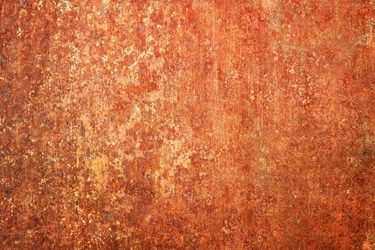
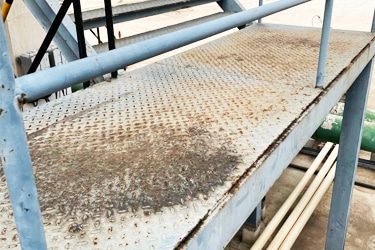
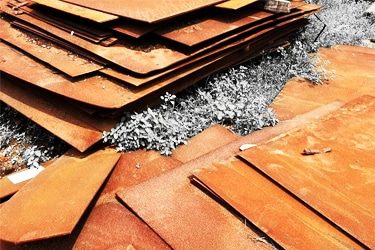
Applications of Laser Cleaning Rust
Customer Testimonials
Related Resources
How Effective Is Laser Cleaning At Removing Contaminants
This article explores how effective laser cleaning is at removing contaminants, covering mechanisms, materials, system types, real-world applications, limitations, and optimization factors for reliable results.
Will Laser Cleaning Damage The Substrate
This article explains whether laser cleaning damages substrates, examining damage mechanisms, material risks, process control, and verification methods for safe, effective laser cleaning.
Comprehensive Guides to Choosing the Right Laser Cleaning Parameters
This comprehensive guide explores the key factors in choosing the right laser cleaning parameters, including material types, contamination levels, and practical considerations for optimal results.

What Training Is Required to Operate Laser Cleaning Machines
This article is a comprehensive guide outlining the safety, operation, maintenance, and certification training required for operators of modern industrial laser cleaning machines.
Frequently Asked Questions
Is Laser Cleaning Better Than Sandblasting?
- Advantages of Laser Cleaning Over Sandblasting
- Precision and Selectivity: Laser cleaning allows for highly precise removal of rust, even from delicate surfaces or areas that are difficult to reach. The laser can be focused with great accuracy, targeting only the rust or residue without damaging the underlying metal. Sandblasting, on the other hand, involves abrasive particles that may damage the surface, especially on softer metals.
- Minimal Surface Damage: Since laser cleaning uses focused light to remove contaminants, there is significantly less physical impact on the material compared to sandblasting. Sandblasting, especially if not carefully controlled, can lead to surface pitting or erosion, especially on fine finishes or more sensitive surfaces.
- No Secondary Waste: Laser cleaning generates very little waste. It typically produces only small amounts of vaporized material or smoke, which can be extracted. In contrast, sandblasting creates a considerable amount of abrasive dust, which can be hazardous to the environment and requires disposal, adding to cleanup efforts.
- Environmentally Friendly: Laser cleaning does not require the use of chemicals or abrasives, making it a more environmentally friendly option compared to sandblasting, which can involve the use of chemicals or produce waste materials that need proper disposal.
- Fume Control: Laser cleaning produces fewer airborne particles compared to sandblasting. However, it still requires fume extraction systems to manage smoke and vaporized material. Sandblasting, on the other hand, can create a significant amount of dust that can be harmful if inhaled without proper ventilation.
- Disadvantages of Laser Cleaning
- Higher Initial Cost: Laser cleaning equipment typically has a higher upfront cost compared to sandblasting equipment. This can make it less attractive for small-scale operations or for cleaning large surfaces where sandblasting may be more cost-effective.
- Limited Material Types: While laser cleaning works well for rust removal on metals, it is not effective for all types of contaminants. Sandblasting can remove a broader range of residues, including tougher coatings and paints, which may be more challenging for lasers to handle.
How To Choose The Laser Power For Laser Cleaning Rust?
- Material Type: The type of metal being cleaned will influence the laser power required. Harder metals, like stainless steel or titanium, generally require higher power settings to remove rust effectively. Softer metals, such as aluminum, require lower power settings to avoid surface damage. In general, metals with high thermal conductivity (e.g., copper) may also need more power to efficiently remove rust.
- Rust Thickness: The thickness of the rust layer is a significant factor in determining laser power. Thicker rust requires higher power to be effectively vaporized and removed. For light rust or superficial corrosion, lower power settings are typically sufficient. However, if the rust is deep and stubborn, a higher power setting or longer exposure time may be necessary.
- Laser Beam Focus: A focused laser beam provides higher intensity and precision, which is useful for cleaning rust from detailed or intricate surfaces. The focus can be adjusted to concentrate the laser’s energy on the rust without damaging the underlying material. Properly adjusting the focus helps optimize the cleaning process without overexposing the material to heat.
- Cleaning Speed: Higher laser power allows for faster cleaning, but it can also increase the risk of thermal damage to the surface. If the cleaning speed is crucial (such as in industrial settings), higher power may be required, but careful adjustment of the beam’s speed and focus is necessary to avoid overheating. Conversely, lower power can be used for slower, more controlled cleaning of rust, ensuring less risk of damage.
- Type of Laser (Fiber vs. CO2): Fiber lasers, known for their higher intensity and efficiency in handling metals, are generally preferred for rust removal from metallic surfaces. CO2 lasers, while effective on organic materials, are typically not as efficient for cleaning rust from metals, and fiber lasers are the better choice in this regard.
- Material Preservation: It’s essential to balance the laser power to remove rust without compromising the underlying material. Excessive laser power can cause heat buildup, potentially leading to warping or surface alteration. A lower power setting may take longer, but it is safer for maintaining the integrity of the material.
What Changes Occur To The Rust During The Laser Cleaning Process?
- Vaporization: The primary change that occurs during laser cleaning is the vaporization of the rust. Rust, which is primarily iron oxide, absorbs the laser’s energy, causing it to heat up rapidly. As the rust reaches its vaporization point, it turns into vapor, leaving behind the clean metal surface. This is the main mechanism that removes the rust from the substrate.
- Melting and Oxidation: If the laser power is too high, some of the rust may not just vaporize but also melt. This can cause the rust to form molten droplets, which are then blown away by the laser or air assist system. During this process, the oxidation layer of the rust may further react with the surrounding air, producing small amounts of smoke or other byproducts, which is why proper ventilation is important.
- Thermal Stress and Cracking: As the laser heats the rust, thermal stress can occur due to the rapid heating and cooling of the material. This can lead to the formation of cracks in the rust layer, making it easier for the laser beam to break down and remove the rust. This cracking also helps the laser reach deeper layers of rust by allowing the energy to penetrate more effectively.
- Chemical Changes: The laser energy can also induce some chemical changes in the rust. In some cases, rust may be chemically altered to form more stable compounds during the cleaning process. For example, high-intensity lasers can cause partial reduction of iron oxide, converting it into a less corrosive form of iron. However, the main focus remains on removing the iron oxide rather than transforming it chemically.
- Surface Preparation: After rust removal, the laser leaves behind a clean, roughened metal surface. The cleaning process can also slightly modify the surface texture, creating microscopic peaks and valleys, which can be advantageous for further treatments such as painting, coating, or welding, improving adhesion to the clean metal surface.
What Fumes Are Produced During Laser Cleaning Of Rust?
- Iron Oxide Fumes (Fe2O3): The primary component of rust is iron oxide (Fe2O3), and when it is exposed to the high intensity of the laser beam, it vaporizes and releases iron oxide fumes. These fumes are typically fine particles of iron oxide that can linger in the air if not properly ventilated. Although not highly toxic, iron oxide fumes can be harmful if inhaled in large quantities, especially over extended periods.
- Metal Vapor: As the laser vaporizes the rust, the heat may also cause some of the base metal, such as steel or iron, to vaporize. This can release fine metal vapors into the air. These metal vapors are particularly concerning if they are inhaled, as they may contain microscopic particles of metal that can be harmful to the respiratory system.
- Carbon-based Fumes: If the rust is not pure iron oxide, and there are organic contaminants like oils, grease, or paint coatings on the metal surface, the laser cleaning process can also produce carbon-based fumes. These fumes result from the thermal decomposition of organic compounds, which may include volatile organic compounds (VOCs) and hydrocarbons. These can be hazardous to health and should be properly filtered.
- Ozone: The high-intensity laser can also cause the breakdown of oxygen molecules in the air, leading to the formation of ozone (O3). While ozone itself is a natural component of the atmosphere, high concentrations of it, especially near the ground, can be harmful to the lungs and respiratory system. It is particularly important in environments where high-powered lasers are used without adequate ventilation.
- Smoke and Particulates: Depending on the laser settings and the material composition, smoke and fine particulate matter may be generated. This can include soot-like substances or smaller debris created from the rust or metal being vaporized or melted. These particulates can be inhaled and pose respiratory hazards.
Does Laser Cleaning Rust Require Fume Extraction Equipment?
- Iron Oxide Fumes: The rust (primarily iron oxide) vaporizes under the laser, producing iron oxide fumes. These fine particles can remain airborne and pose respiratory risks if inhaled. Prolonged exposure to these fumes can cause lung irritation or other health issues, making effective fume extraction essential to maintain a safe working environment.
- Metal Vapor: In some cases, the high heat generated by the laser can cause the base metal (like steel or iron) to vaporize along with the rust. This can release small metal particles into the air, which can be harmful if inhaled over time. Fume extraction systems help capture these metal vapors and remove them from the work area.
- Carbon-based Fumes: If the rust contains organic contaminants such as oils, grease, or coatings, the laser can cause these materials to decompose, producing carbon-based fumes. These fumes can include volatile organic compounds (VOCs) and other potentially toxic gases, which are harmful if inhaled. A fume extraction system helps to mitigate exposure to these byproducts.
- Ozone Formation: The intense light and heat from the laser can also lead to the formation of ozone, especially in environments with insufficient ventilation. Ozone is harmful to the respiratory system at high concentrations, making it crucial to have an extraction system to capture and filter out the ozone.
- Smoke and Particulates: Laser cleaning can generate smoke, soot-like particulates, and small debris from the rust or metal surface. These particulates, if not captured by fume extraction equipment, can contribute to respiratory problems and make the work area unsafe.
What PPE Is Needed For Laser Cleaning Rust?
- Laser Safety Glasses: The most critical piece of PPE when using lasers is safety eyewear specifically designed to protect against the laser’s wavelength. Since rust removal involves high-powered laser beams, direct or reflected exposure can cause serious eye injuries, including burns or permanent vision loss. The glasses should be rated for the specific type of laser used, such as CO2 or fiber lasers, to ensure adequate protection.
- Protective Clothing: Operators should wear flame-resistant and heat-resistant clothing to protect themselves from potential burns caused by the laser’s heat or by flying debris. A long-sleeve, non-flammable jacket and long pants are typically recommended to minimize skin exposure to laser radiation. In some cases, operators may wear full-body protective suits, especially in industrial settings where the laser power is higher.
- Gloves: Heat-resistant gloves are essential for protecting the hands from high temperatures. The gloves should be capable of withstanding the heat generated by the laser when working close to the cleaning area, preventing burns from contact with the metal surface or debris that has been exposed to the laser.
- Respiratory Protection: Laser cleaning generates harmful fumes, smoke, and particulates, especially when removing rust from metals. These fumes may include iron oxide particles, volatile organic compounds (VOCs), or other potentially hazardous substances. A high-quality respirator or face mask (such as an N95 or P100) is necessary to prevent inhalation of these harmful particles and gases. In environments with higher contamination, a full-face respirator may be required for more comprehensive protection.
- Hearing Protection: While not always necessary, hearing protection (such as earplugs or earmuffs) should be used in environments where the noise levels from the laser cleaning system or associated equipment (e.g., air assist or ventilation systems) are high. Prolonged exposure to loud noise can cause hearing damage, so wearing hearing protection helps reduce this risk.
- Face Shield: In addition to laser safety glasses, a face shield may be used to provide extra protection for the face and neck, especially when dealing with high-powered lasers or when working in areas where flying debris or smoke is more likely to occur.
Does Laser Cleaning Of Rust Produce Sparks?
- Laser Power and Settings: If the laser power is set too high or the cleaning process is not carefully controlled, it can cause the rust or metal beneath it to melt. This melted material can form droplets or small particles, which might be expelled from the surface. These molten droplets could resemble sparks, especially if they are rapidly cooled by the surrounding environment or air assist system.
- Type of Metal and Rust: The material being cleaned plays a significant role. For instance, if the rust is on a high-carbon steel surface, the interaction between the laser and the metal can sometimes cause small amounts of the metal to vaporize, potentially resulting in a spark-like effect. However, in most cases, the laser cleaning process is designed to vaporize the rust without causing significant melting of the underlying metal.
- Air Assist and Fume Extraction: Laser cleaning systems often use air assist to help remove debris and smoke during the process. This can help blow away molten particles or small droplets, reducing the risk of sparks. However, if air assist is not used properly or is insufficient, small particles might remain in the air, which could also give the appearance of sparks or flashes.
- Rust Composition: The composition of the rust itself can influence the behavior of the laser. Rust is primarily iron oxide, which generally doesn’t burn or produce sparks. However, if the rust contains organic contaminants like oil or grease, these can combust when exposed to the laser, potentially producing small sparks or flashes of flame.
What Training And Certifications Are Required For Laser Cleaning Operators?
- Laser Safety Training: The most fundamental certification for laser cleaning operators is laser safety training, which covers the safe operation of lasers, including identifying hazards, understanding laser classifications, and proper handling of the equipment. Laser safety courses are often required by regulatory agencies like OSHA (Occupational Safety and Health Administration) and should include topics such as eye protection, skin protection, and emergency procedures.
- Technical Training on Laser Equipment: Operators must be trained on the specific equipment they will be using. This includes understanding the different types of lasers (e.g., CO2, fiber), their properties, and the appropriate settings for various cleaning tasks. Training programs provided by the laser equipment manufacturers or authorized institutions often cover the technical aspects of adjusting laser parameters (like power, speed, and focus), maintaining the equipment, and troubleshooting common issues.
- Material Compatibility and Safety: Since laser cleaning is used on a variety of materials (such as metals, ceramics, plastics, and more), operators must be trained on how to work with different surfaces to avoid damage and ensure effective cleaning. They should understand the material properties and how different surfaces react to the laser, including risks such as heat buildup or contamination from fumes.
- Fume and Dust Control Training: Laser cleaning produces fumes and particulate matter, which can be hazardous if inhaled. Operators must be trained in fume extraction systems and other ventilation requirements to ensure they operate in a safe environment. This training helps minimize exposure to potentially harmful substances created during the cleaning process.
- Industry Certifications: Some laser cleaning operations may require specific industry certifications. For example, in certain regions, operators working in industrial or hazardous environments may need certifications from regulatory bodies like the American National Standards Institute (ANSI) or specific certifications for handling hazardous materials.
- Safety Certifications for Personal Protective Equipment (PPE): Operators must also be trained in the proper use of personal protective equipment (PPE), including laser safety glasses, gloves, and clothing. This certification ensures operators are protected from laser exposure, burns, and potential chemical hazards.
- Ongoing Education: As laser technology and safety protocols evolve, operators should undergo periodic training to stay updated on new equipment, safety guidelines, and industry standards.