

Introduction
Laser Cleaing Machines Suitable For Rubber
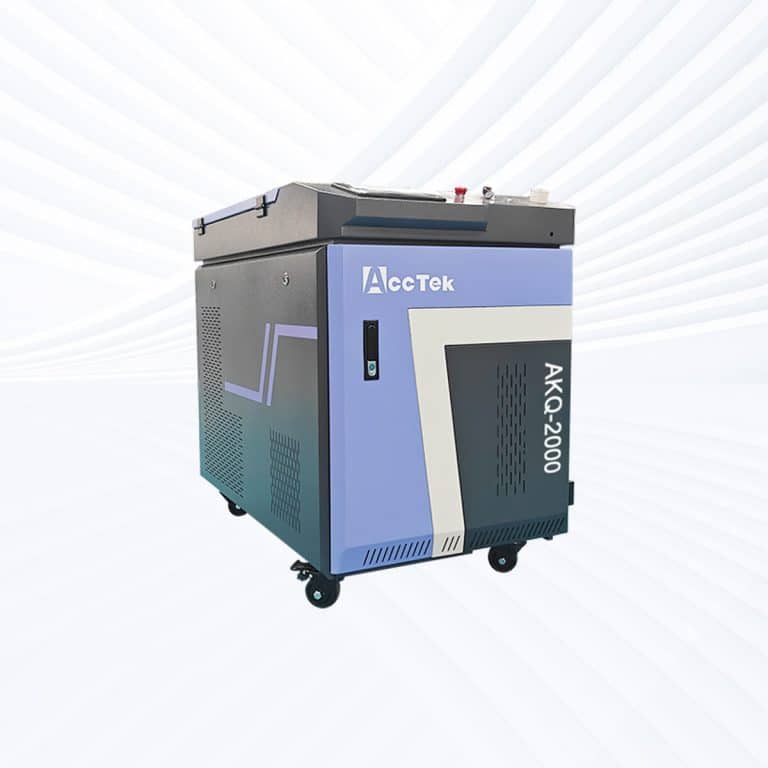
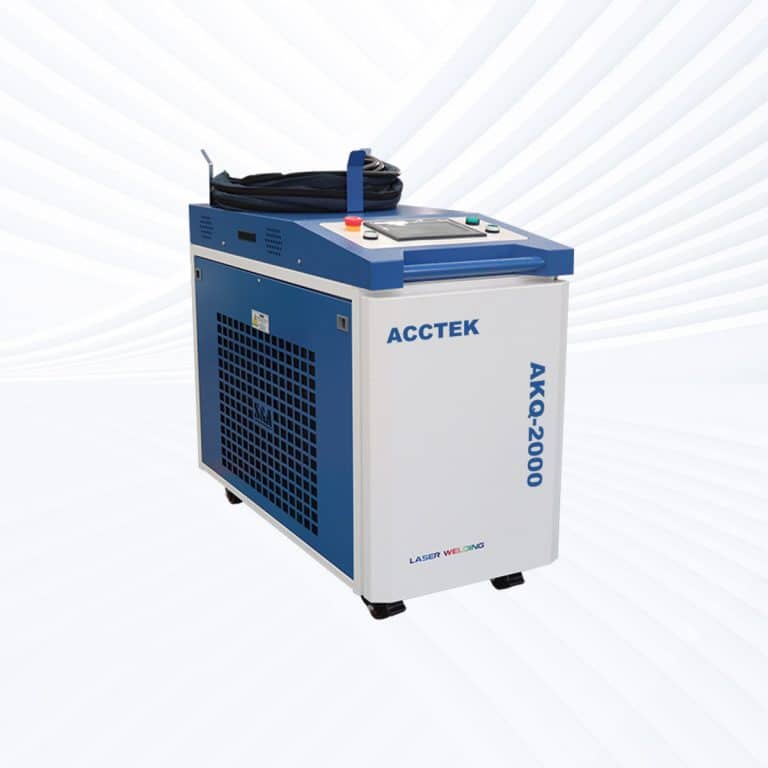
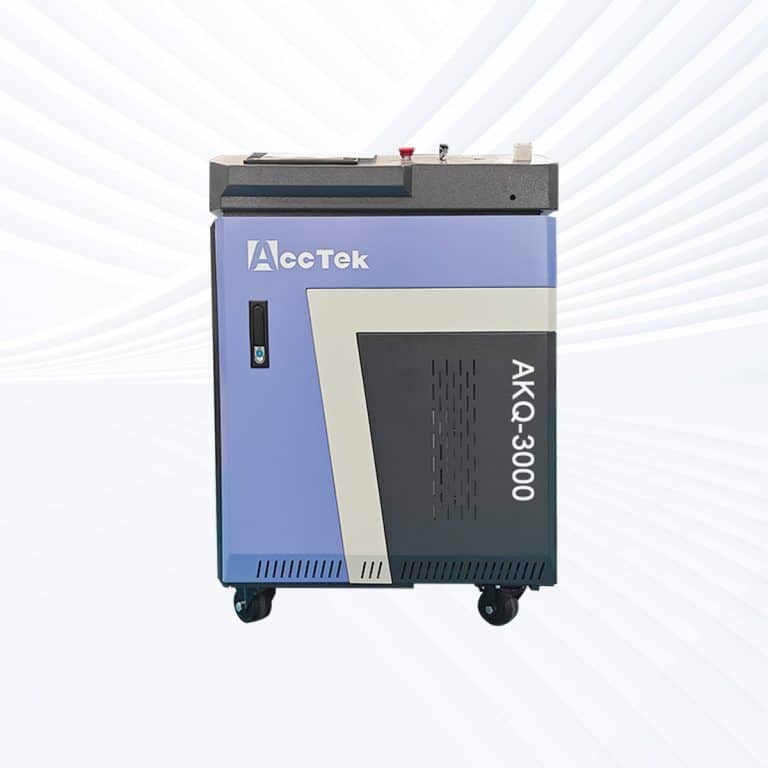
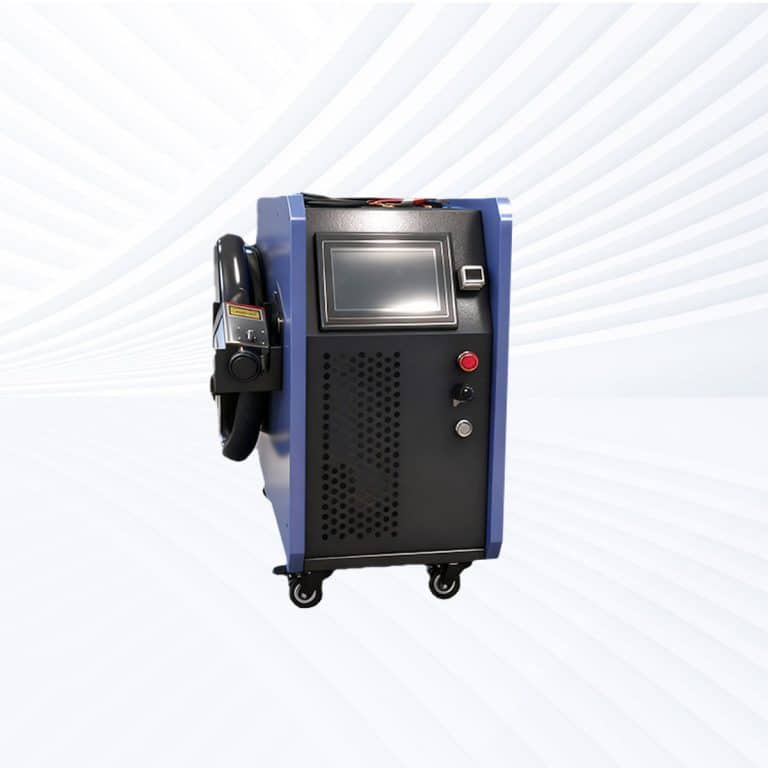
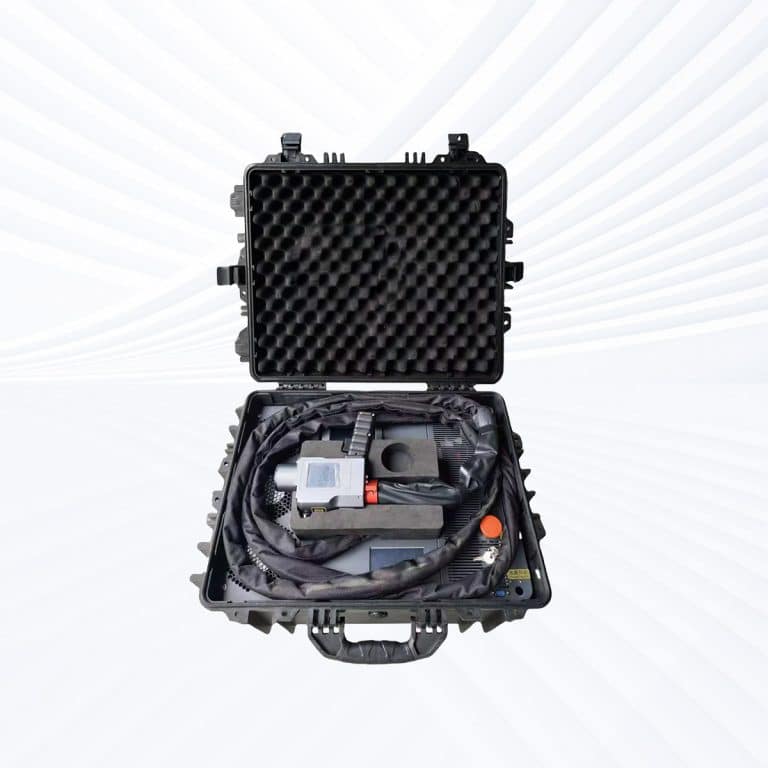
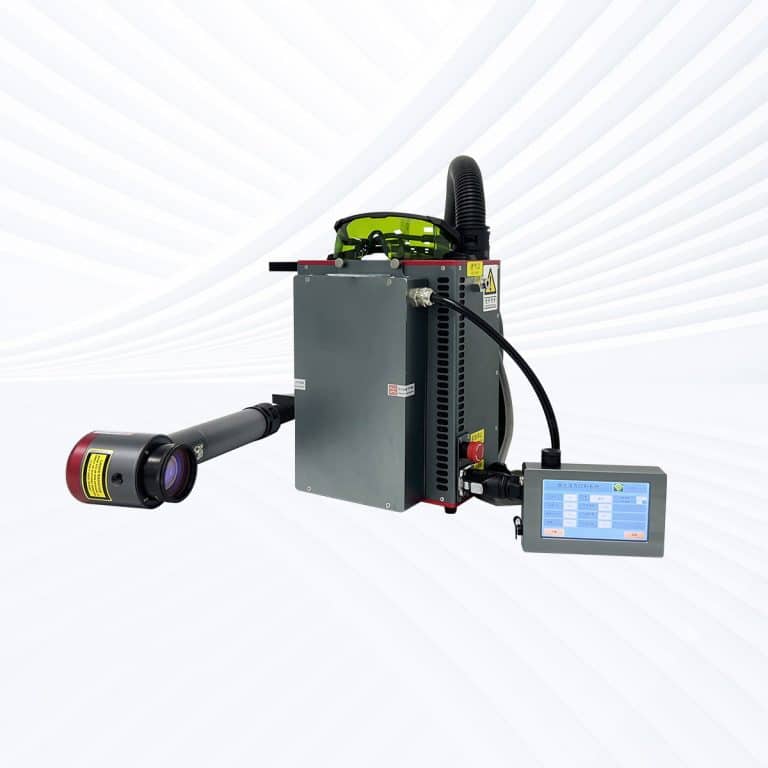
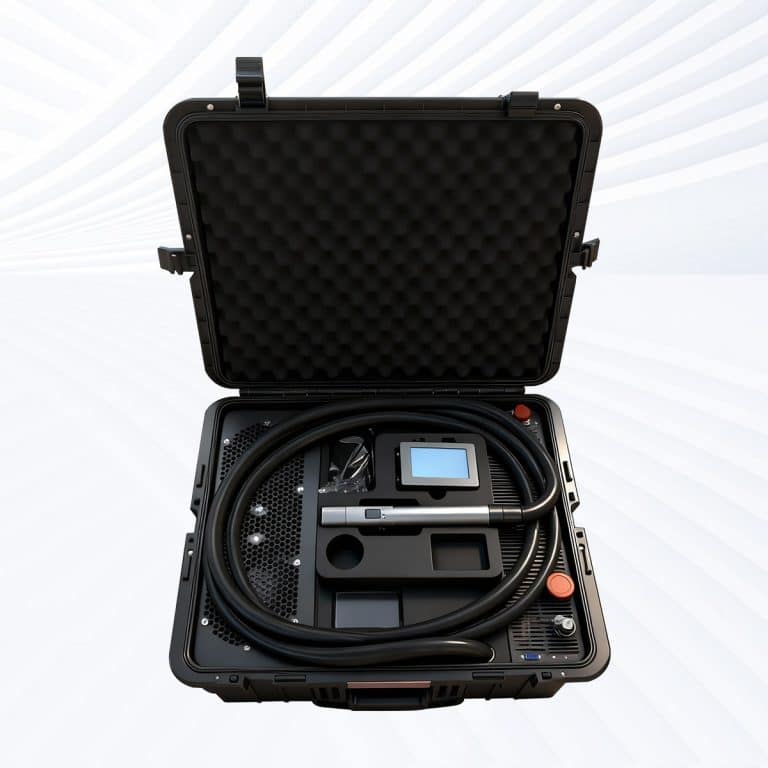
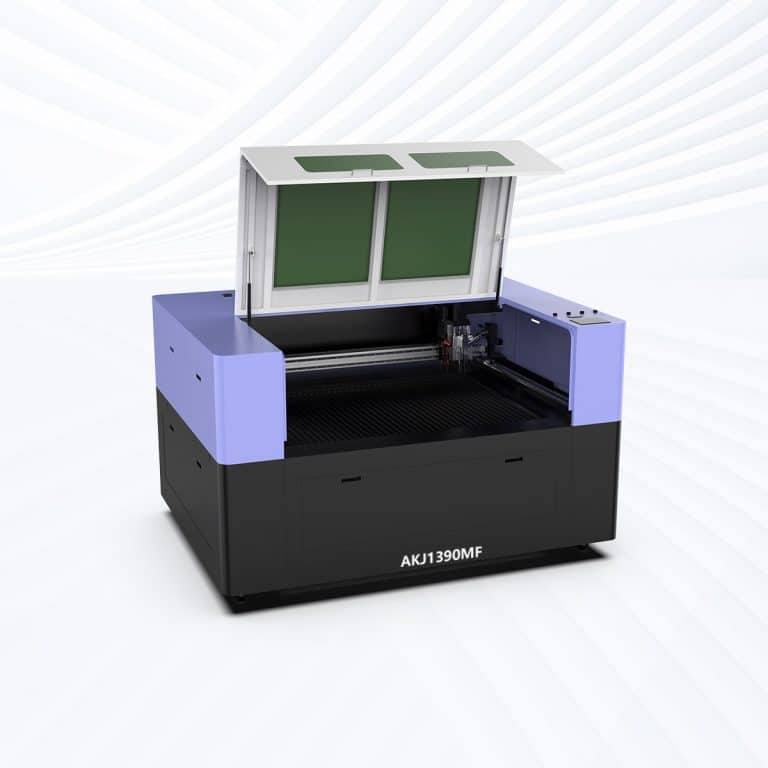
Advantages of Laser Cleaning Rubber
Non-Contact and Material-Safe Cleaning
Laser cleaning rubber is a non-contact process that removes surface contaminants without physical abrasion. This prevents tearing, surface roughening, or deformation, helping rubber parts maintain their elasticity, sealing performance, and original shape.
Precise and Controlled Contaminant Removal
Laser parameters can be finely adjusted to remove mold release agents, oils, carbon deposits, and residues while leaving the rubber compound untouched. This precision ensures uniform cleaning across complex shapes and textured rubber surfaces.
Extends Mold and Tool Life
Laser cleaning effectively removes rubber buildup from molds without scratching or wearing the tool surface. This reduces mechanical stress on molds, extends service life, and lowers maintenance and replacement costs.
Improves Bonding and Coating Performance
By eliminating surface contaminants, laser cleaning creates an ideal rubber surface for bonding, coating, or vulcanization. This improves adhesion strength, consistency, and long-term reliability of rubber assemblies.
Environmentally Friendly and Clean Process
Laser cleaning rubber requires no solvents, chemicals, or water. This reduces hazardous waste, lowers environmental impact, and creates safer working conditions compared to traditional chemical or abrasive cleaning methods.
Automation and Production Efficiency
Laser cleaning systems integrate easily into automated production lines. They provide repeatable results, reduce manual labor, minimize downtime, and support high-throughput rubber manufacturing with consistent quality standards.
Compatible Materials
- Natural Rubber
- Styrene-Butadiene Rubber
- Nitrile Butadiene Rubber
- Hydrogenated Nitrile Rubber
- Ethylene Propylene Diene Monomer
- Silicone Rubber
- Fluorosilicone Rubber
- Fluoroelastomer
- Perfluoroelastomer
- Chloroprene Rubber
- Butyl Rubber
- Halobutyl Rubber
- Polyisoprene Rubber
- Polybutadiene Rubber
- Acrylic Rubber
- Ethylene Acrylic Rubber
- Polyurethane Rubber
- Thermoplastic Elastomer
- Thermoplastic Vulcanizate
- Styrenic Block Copolymers
- Fluorinated Rubber
- Urethane Rubber
- Isobutylene Rubber
- Latex Rubber
- Sponge Rubber
- Foam Rubber
- Hard Rubber
- Oil-Resistant Rubber
- Heat-Resistant Rubber
- Weather-Resistant Rubber
- Electrical Insulation Rubber
- Automotive Rubber Compounds
- Industrial Sealing Rubber
- Medical-Grade Rubber
- Food-Grade Rubber
- Reinforced Rubber Compounds
- Rubber-to-Metal Bonded Materials
- Rubber-to-Plastic Bonded Materials
- Carbon-Filled Rubber
- High-Performance Engineering Rubber
Laser Cleaning Rubber VS Other Cleaning Methods
| Comparison Item | Laser Cleaning | Sandblasting | Chemical Cleaning | Ultrasonic Cleaning |
|---|---|---|---|---|
| Cleaning Principle | Laser ablation removes contaminants selectively | Abrasive impact removes material | Chemicals dissolve contaminants | Cavitation in liquid removes contaminants |
| Contact With Surface | Non-contact | Direct abrasive contact | Chemical contact | Indirect liquid contact |
| Risk of Rubber Damage | Very low | Very high | Medium | Low |
| Suitability for Soft Rubber | Excellent | Poor | Moderate | Good |
| Precision and Control | Extremely high | Low | Medium | Medium |
| Elasticity Preservation | Fully preserved | Often damaged | Usually preserved | Preserved |
| Consumables Required | None | Abrasive media | Chemicals | Cleaning fluids |
| Environmental Impact | Clean and eco-friendly | Dust and waste | Chemical waste | Wastewater |
| Chemical Exposure | None | None | High | Low |
| Moisture Introduction | None | None | Possible | Required |
| Automation Capability | High | Low | Medium | Medium |
| Process Consistency | Highly repeatable | Operator-dependent | Chemical concentration dependent | Batch-dependent |
| Complex Geometry Handling | Excellent | Poor | Limited | Limited |
| Residue After Cleaning | None | Abrasive residue possible | Chemical residue possible | Liquid residue possible |
| Long-Term Operating Cost | Low | High | High | Moderate |
Laser Cleaning Capacity
| Material | 100W Pulse | 200W Pulse | 300W Pulse | 500W Pulse | 1000W Pulse | 1500W Pulse | 2000W Pulse | 1000W Continuous | 1500W Continuous | 2000W Continuous | 3000W Continuous | 6000W Continuous |
|---|---|---|---|---|---|---|---|---|---|---|---|---|
| Ceramics | Good | Good | Good | Good | Limited | Limited | Limited | Not Recommended | Not Recommended | Not Recommended | Not Recommended | Not Recommended |
| Composite | Good | Good | Good | Good | Limited | Limited | Not Recommended | Not Recommended | Not Recommended | Not Recommended | Not Recommended | Not Recommended |
| Glass | Limited | Limited | Good | Good | Limited | Limited | Not Recommended | Not Recommended | Not Recommended | Not Recommended | Not Recommended | Not Recommended |
| Metal | Good | Good | Good | Best | Best | Best | Best | Good | Good | Best | Best | Best |
| Plastic | Limited | Good | Good | Limited | Not Recommended | Not Recommended | Not Recommended | Not Recommended | Not Recommended | Not Recommended | Not Recommended | Not Recommended |
| Rubber | Limited | Good | Good | Limited | Not Recommended | Not Recommended | Not Recommended | Not Recommended | Not Recommended | Not Recommended | Not Recommended | Not Recommended |
| Stone | Limited | Good | Good | Good | Limited | Limited | Not Recommended | Good | Good | Good | Best | Best |
| Wood | Limited | Good | Good | Limited | Not Recommended | Not Recommended | Not Recommended | Not Recommended | Not Recommended | Not Recommended | Not Recommended | Not Recommended |
| Concrete/Cement | Limited | Good | Good | Good | Limited | Limited | Not Recommended | Good | Good | Best | Best | Best |
| Brick/Masonry | Limited | Good | Good | Good | Limited | Limited | Not Recommended | Good | Good | Good | Best | Best |
| Carbon Steel | Good | Good | Best | Best | Best | Best | Best | Good | Best | Best | Best | Best |
| Stainless Steel | Good | Good | Best | Best | Best | Best | Best | Good | Good | Best | Best | Best |
| Aluminum | Good | Good | Good | Best | Best | Best | Best | Limited | Limited | Good | Good | Best |
| Copper/Brass | Limited | Good | Good | Good | Best | Best | Best | Limited | Limited | Good | Good | Best |
| Titanium | Good | Good | Best | Best | Best | Best | Best | Limited | Good | Good | Best | Best |
| Galvanized Steel | Limited | Good | Good | Good | Limited | Limited | Not Recommended | Not Recommended | Not Recommended | Not Recommended | Not Recommended | Not Recommended |
| Painted Metal | Good | Good | Best | Best | Best | Best | Best | Limited | Good | Good | Best | Best |
| Weld Seam Cleanup | Good | Good | Best | Best | Best | Best | Best | Good | Good | Best | Best | Best |
| Molds & Tools | Good | Good | Best | Best | Best | Best | Best | Good | Good | Best | Best | Best |
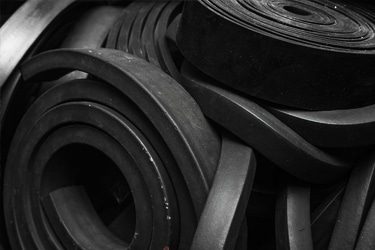
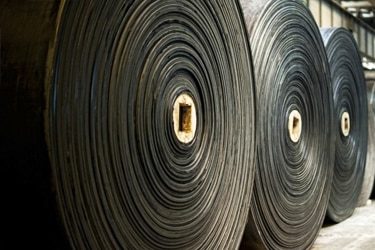
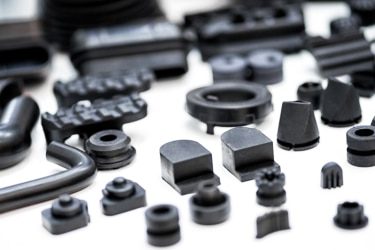
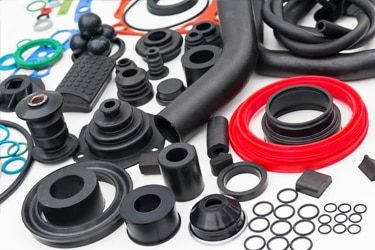
Applications of Laser Cleaning Rubber
Customer Testimonials
Related Resources
How Effective Is Laser Cleaning At Removing Contaminants
This article explores how effective laser cleaning is at removing contaminants, covering mechanisms, materials, system types, real-world applications, limitations, and optimization factors for reliable results.
Will Laser Cleaning Damage The Substrate
This article explains whether laser cleaning damages substrates, examining damage mechanisms, material risks, process control, and verification methods for safe, effective laser cleaning.
Comprehensive Guides to Choosing the Right Laser Cleaning Parameters
This comprehensive guide explores the key factors in choosing the right laser cleaning parameters, including material types, contamination levels, and practical considerations for optimal results.

What Training Is Required to Operate Laser Cleaning Machines
This article is a comprehensive guide outlining the safety, operation, maintenance, and certification training required for operators of modern industrial laser cleaning machines.
Frequently Asked Questions
What Types Of Contaminants Can Laser Cleaning Remove From Rubber Surfaces?
- Oils and Greases: Rubber components used in manufacturing, automotive, or sealing applications often accumulate oils, lubricants, and handling grease. These organic contaminants absorb laser energy efficiently and can be vaporized without mechanical contact, leaving a clean, dry surface.
- Mold Release Agents: During rubber molding and vulcanization, release agents such as waxes, silicones, or fatty compounds are commonly used. Laser cleaning can selectively remove these thin films, improving surface energy and adhesion for bonding, coating, or printing.
- Adhesive Residues: Residual pressure-sensitive adhesives, tapes, labels, or bonding agents can be removed from rubber surfaces using controlled laser cleaning. This is useful when parts need rework or reassembly without chemical solvents.
- Carbon Black Residues and Blooming: Some rubber formulations contain carbon black or additives that migrate to the surface over time, a phenomenon known as blooming. Laser cleaning can remove light surface bloom or carbonaceous residues, restoring surface uniformity.
- Dust and Particulate Contamination: Rubber surfaces readily attract dust, fibers, powders, and fine particulates due to static charge and surface tackiness. Laser cleaning can dislodge and remove these particles without wiping or abrasion.
- Paints, Inks, and Markings: Temporary inks, markings, or thin paint layers on rubber can be removed for refurbishment or reprocessing. Careful parameter selection is essential to avoid damaging the underlying rubber.
- Oxidized or Aged Surface Films: Environmental exposure can cause light oxidation or aging of films on rubber surfaces. Laser cleaning can remove these degraded surface layers in preparation for bonding or coating, though depth control is critical.
- Biological Contaminants: In outdoor or industrial environments, rubber components may accumulate mold, algae, or organic growth. Laser cleaning can remove these biological contaminants without water or chemicals.
- Processing Residues: Residues from cutting, trimming, grinding, or post-processing—such as rubber dust or fine debris—can be removed effectively.
What Are The Risks Of Laser Cleaning Rubber?
- Thermal Degradation and Burning: Rubber is highly sensitive to heat. Excessive laser energy or slow scanning speeds can cause surface melting, charring, burning, or carbonization. Even brief overheating can permanently damage the rubber, altering its elasticity, hardness, and mechanical performance.
- Surface Hardening or Cracking: Laser-induced heat can cause localized hardening or embrittlement of the rubber surface. Over time, this may lead to cracking, reduced flexibility, or premature failure of seals and gaskets.
- Loss of Functional Properties: Over-cleaning can remove more than contaminants, stripping away functional surface layers or additives. This may reduce friction properties, sealing effectiveness, or chemical resistance.
- Fire and Ignition Risk: Many rubber compounds are flammable. Concentrated laser energy, particularly in continuous-wave operation, can ignite rubber surfaces or accumulated residues if not carefully controlled.
- Toxic Fume Generation: Laser interaction with rubber can release hazardous fumes, including volatile organic compounds, sulfur-containing gases, and other decomposition products. Rubbers containing chlorine (such as certain chlorinated elastomers or PVC-based materials) are especially dangerous, as they can emit toxic chlorine or hydrochloric acid gases and should never be laser cleaned.
- Uneven Cleaning Results: Rubber formulations vary widely in composition, fillers, and pigmentation. These differences affect laser absorption, potentially leading to uneven cleaning, localized overheating, or inconsistent surface quality.
- Surface Roughening and Material Loss: Improper parameter selection may cause excessive ablation, leading to surface roughening, pitting, or dimensional changes. This can be problematic for precision rubber components.
- Aging and Accelerated Degradation: Laser-induced thermal and chemical changes can accelerate aging processes in rubber, reducing long-term durability and increasing susceptibility to environmental damage.
- Limited Process Window: Rubber has a narrow safe operating window for laser cleaning. Small variations in laser power, focus, or dwell time can quickly shift the process from effective cleaning to damage.
- Operator and Environmental Safety Risks: Without proper ventilation, PPE, and fire safety measures, laser cleaning of rubber poses risks to operators and surrounding equipment.
What Toxic Byproducts Are Generated During Laser Cleaning Of Rubber?
- Volatile Organic Compounds (VOCs): Most rubbers are based on natural or synthetic polymers that break down under laser heat. This decomposition releases VOCs such as benzene derivatives, toluene, styrene, and other hydrocarbon vapors. These compounds can cause respiratory irritation, headaches, dizziness, and long-term health risks with repeated exposure.
- Carbonaceous Smoke and Fine Particulates: Laser interaction with rubber often produces carbon-rich smoke and ultrafine particulate matter. These particles can penetrate deep into the lungs when inhaled and may carry adsorbed toxic compounds on their surfaces, increasing health hazards.
- Sulfur-Containing Gases: Many rubber formulations, especially vulcanized rubber, contain sulfur or sulfur-based curing agents. When exposed to laser energy, these materials can release sulfur dioxide (SO₂), hydrogen sulfide (H₂S), and other sulfur-containing gases. These gases are highly irritating, corrosive, and toxic at elevated concentrations.
- Nitrogen Oxides (NOx): Rubbers containing nitrogen-based additives or accelerators can generate nitrogen oxides during laser cleaning. NOx gases are harmful to the respiratory system and contribute to poor air quality.
- Chlorine and Acidic Gases (High-Risk Rubbers): Rubbers that contain chlorine—such as chloroprene rubber, chlorinated elastomers, or PVC-based materials—are especially dangerous. Laser exposure can release chlorine gas (Cl₂), hydrogen chloride (HCl), and other acidic vapors. These byproducts are highly toxic, corrosive, and can cause severe respiratory injury even at low concentrations. Such materials should never be laser cleaned.
- Polycyclic Aromatic Hydrocarbons (PAHs): Incomplete thermal breakdown of rubber can form PAHs, a group of potentially carcinogenic compounds commonly associated with combustion and carbon-based materials.
- Odorous and Irritating Compounds: Laser cleaning of rubber often produces strong, unpleasant odors due to complex mixtures of organic and sulfur-based gases. While odor itself is not always a direct indicator of toxicity, it often signals the presence of harmful byproducts.
- Environmental Concerns: If not captured, these emissions can contribute to air pollution and may violate environmental and workplace exposure regulations.
What Are The Reasons For Failure In Laser Cleaning Rubber Projects?
- Incorrect Rubber Material Selection: Not all rubbers are laser-safe. Projects often fail when chlorinated rubbers, PVC-based elastomers, or unknown formulations are processed. These materials decompose unpredictably, releasing toxic gases and suffering severe surface damage rather than controlled cleaning.
- Excessive Laser Energy Input: Rubber has a very low thermal tolerance. Using laser power, fluence, or dwell time that is too high causes burning, charring, melting, or carbonization. Once the rubber surface is thermally damaged, the cleaning quality deteriorates rapidly and cannot be corrected.
- Inappropriate Laser Type or Mode: Continuous-wave lasers or long pulse durations introduce sustained heat, which is unsuitable for rubber. Failure often occurs when pulsed, low-energy lasers are not used, leading to overheating and material degradation.
- Poor Control of Scanning Speed and Overlap: Slow scan speeds or excessive pulse overlap cause localized heat accumulation. This results in uneven cleaning, surface hardening, or deep ablation instead of gentle contaminant removal.
- Inadequate Fume Extraction and Ventilation: Rubber generates dense smoke and toxic fumes when exposed to laser energy. Without effective extraction, redeposited residues can contaminate the surface, interfere with cleaning, and pose serious health risks, often forcing projects to be halted.
- Failure to Match Wavelength to Contaminants: If the laser wavelength is poorly absorbed by surface contaminants but strongly absorbed by the rubber itself, the substrate heats up faster than the contaminant is removed. This leads to damage before effective cleaning occurs.
- Lack of Preliminary Testing: Skipping small-scale trials is a frequent cause of failure. Rubber formulations vary widely, and parameters that work on one type may fail on another. Without testing, operators cannot identify safe operating windows.
- Surface Additives and Blooming Effects: Some rubbers contain additives that migrate to the surface over time. Laser cleaning may remove these temporarily, but rapid re-blooming can make the process appear ineffective or inconsistent.
- Operator Inexperience: Rubber laser cleaning requires precise control and experience. Inadequate training leads to misinterpretation of results and repeated damage.
What Are The Limitations Of Laser Cleaning Rubber?
- High Sensitivity to Heat: Rubber has a low thermal tolerance. Even modest laser energy can cause melting, charring, burning, or carbonization. This narrow thermal window makes it difficult to remove contaminants without damaging the rubber substrate.
- Limited Material Compatibility: Not all rubbers are laser-safe. Chlorinated rubbers, PVC-based elastomers, and many synthetic formulations release highly toxic gases when exposed to laser energy. This restricts laser cleaning to a small subset of verified, non-chlorinated rubbers.
- Toxic Fume Generation: Laser interaction with rubber produces dense smoke, volatile organic compounds, sulfur-containing gases, and fine particulates. These emissions require powerful fume extraction and filtration systems, increasing system complexity and operating costs.
- Fire and Ignition Risk: Rubber is flammable. Laser cleaning introduces a real risk of ignition, especially with continuous-wave lasers, slow scanning speeds, or accumulated residues. Fire safety controls are mandatory.
- Poor Selectivity Between Contaminant and Substrate: Rubber and many surface contaminants absorb laser energy similarly. This reduces selectivity, making it difficult to remove contaminants without simultaneously heating or ablating the rubber itself.
- Inconsistent Cleaning Results: Rubber formulations vary widely in fillers, pigments, and additives. These variations affect laser absorption and thermal behavior, leading to uneven cleaning, localized overheating, or unpredictable outcomes.
- Surface Property Degradation: Laser exposure can harden, embrittle, or crack the rubber surface. Changes in elasticity, friction, or sealing performance may occur even if visible damage is minimal.
- Limited Depth Control: Laser cleaning is best suited for surface contaminants. Rubber contaminants that have diffused into the material cannot be effectively removed without damaging the substrate.
- Short-Term Effectiveness: Additives in rubber often migrate back to the surface over time (blooming). Laser cleaning may provide only temporary improvement, requiring repeated treatment.
- High Skill and Testing Requirements: Successful laser cleaning of rubber requires extensive testing, conservative parameter selection, and experienced operators. Small deviations can cause immediate failure.
How Can Heat Buildup Be Controlled During Laser Cleaning Of Rubber?
- Use Low-Energy, Pulsed Lasers: Pulsed lasers are strongly preferred over continuous-wave lasers for rubber cleaning. Short pulse durations deliver energy in brief bursts, allowing contaminants to absorb energy while limiting heat transfer into the rubber substrate. Long pulse or continuous exposure increases thermal buildup and should be avoided.
- Reduce Laser Power and Fluence: Operating at the lowest effective power is essential. Rubber has a narrow safe operating window, so laser fluence should be set just above the contaminant removal threshold and well below the damage threshold of the rubber itself. Incremental testing helps identify this balance.
- Increase Scanning Speed: Faster scan speeds reduce dwell time at any single point, preventing localized overheating. High-speed scanning distributes energy over a larger area and allows heat to dissipate between passes.
- Minimize Pulse Overlap: Excessive overlap between laser pulses can cause cumulative heating. Adjusting scan spacing and overlap percentages reduces repeated energy deposition in the same area, lowering surface temperature rise.
- Use Multiple Light Passes Instead of One Heavy Pass: Rather than attempting to remove contaminants in a single pass, multiple low-energy passes are safer. This staged approach allows heat to dissipate between passes and provides better control over material response.
- Defocus the Laser Slightly: A slightly defocused beam spreads energy over a wider area, reducing peak power density. This technique helps prevent surface burning while still enabling contaminant removal.
- Employ Assist Air or Inert Gas Flow: Gentle airflow or inert gas (such as nitrogen) helps remove heat, debris, and fumes from the interaction zone. This reduces plume shielding and provides limited convective cooling of the rubber surface.
- Allow Cooling Intervals: Pausing between scan cycles allows the rubber to cool naturally. This is especially important for thick rubber parts or areas with poor heat dissipation.
- Monitor Surface Temperature: Infrared sensors or thermal cameras can be used to monitor real-time temperature changes. Immediate adjustments can be made if temperatures approach unsafe levels.
- Verify Rubber Compatibility Before Processing: Even with perfect heat control, some rubber types are unsuitable for laser cleaning. Material verification prevents unavoidable thermal damage.
What Are The Common Defects In Laser Cleaning Rubber?
- Burning and Charring: One of the most frequent defects is surface burning or charring. Excessive laser energy or slow scanning speeds cause localized overheating, turning the rubber blackened or carbonized. This damage is usually permanent and degrades elasticity and strength.
- Surface Hardening and Embrittlement: Laser-induced heat can cause the rubber surface to harden or become brittle. This occurs when polymers partially decompose or crosslink under heat, leading to cracking, reduced flexibility, and early material failure.
- Surface Cracking and Crazing: Thermal stress from uneven heating can create fine cracks or crazing on the rubber surface. These defects compromise sealing performance and can propagate under mechanical stress.
- Uneven Cleaning and Patchiness: Variations in rubber composition, fillers, or pigments affect laser absorption. As a result, some areas may clean effectively while others overheat or remain contaminated, producing inconsistent appearance and performance.
- Excessive Material Removal: Improper laser fluence or excessive pulse overlap can remove not only contaminants but also base rubber material. This leads to thinning, pitting, or dimensional changes, which are critical defects in precision components.
- Sticky or Tacky Surfaces: Partial thermal degradation can leave the rubber surface sticky or gummy. This occurs when polymers soften without fully ablating, making the surface prone to dirt attraction and handling difficulties.
- Loss of Functional Surface Properties: Laser cleaning can alter surface friction, adhesion, or sealing characteristics. Over-cleaning may remove surface treatments or additives necessary for proper performance.
- Odor and Residual Deposits: Incomplete vaporization of contaminants or rubber compounds can leave odorous residues or thin films redeposited on the surface, reducing cleanliness and usability.
- Accelerated Aging: Thermal and chemical changes induced by laser exposure can speed up aging processes, reducing resistance to ozone, UV light, and environmental stress.
- Fire or Scorch Marks: In severe cases, localized ignition may occur, leaving scorch marks or burned areas and posing safety risks.
What PPE Is Required For Laser Cleaning Operators?
- Laser Safety Eyewear (Mandatory): Laser safety glasses or goggles are the most critical PPE item. They must be specifically rated for the exact laser wavelength and optical density (OD) of the system in use. Proper eyewear protects against direct beam exposure as well as reflected or scattered radiation. Incorrect or generic eyewear provides no protection and can result in permanent eye injury.
- Respiratory Protection: Laser cleaning generates fumes, vapors, and fine particulates from oils, coatings, rust, rubber residues, or other contaminants. Operators should wear respirators equipped with particulate filters (P100 or equivalent) and organic vapor cartridges when required. For higher-risk applications, powered air-purifying respirators (PAPRs) may be necessary.
- Protective Gloves: Gloves protect against hot parts, sharp edges, and contact with residues. Heat-resistant gloves are recommended when handling recently cleaned components, while chemical-resistant gloves (such as nitrile) protect against deposited contaminants and cleaning residues.
- Flame-Resistant Protective Clothing: Laser cleaning can produce sparks, hot particles, or accidental beam reflections. Operators should wear flame-resistant (FR) lab coats, jackets, or coveralls that fully cover arms and legs. Synthetic fabrics that melt under heat should be avoided.
- Face Protection: Face shields may be used in addition to laser safety eyewear to protect against flying debris, molten particles, or spatter. Face shields must never replace laser-rated eye protection but serve as a secondary barrier.
- Safety Footwear: Steel-toe or composite-toe safety shoes with non-slip soles protect against dropped parts, hot debris, and sharp fragments commonly present in industrial cleaning environments.
- Hearing Protection (When Required): While lasers themselves are quiet, associated equipment such as fume extractors, air knives, or compressors can generate high noise levels. Hearing protection should be worn if exposure exceeds safe limits.
- Skin and Hygiene Protection: Long sleeves and proper work practices reduce skin exposure to metal dust, rubber residues, or chemical byproducts. Washing hands and exposed skin after operations is recommended.
- Fire Safety Readiness: Fire-resistant gloves and immediate access to appropriate fire extinguishers are essential, particularly when cleaning flammable materials.