

Introduction
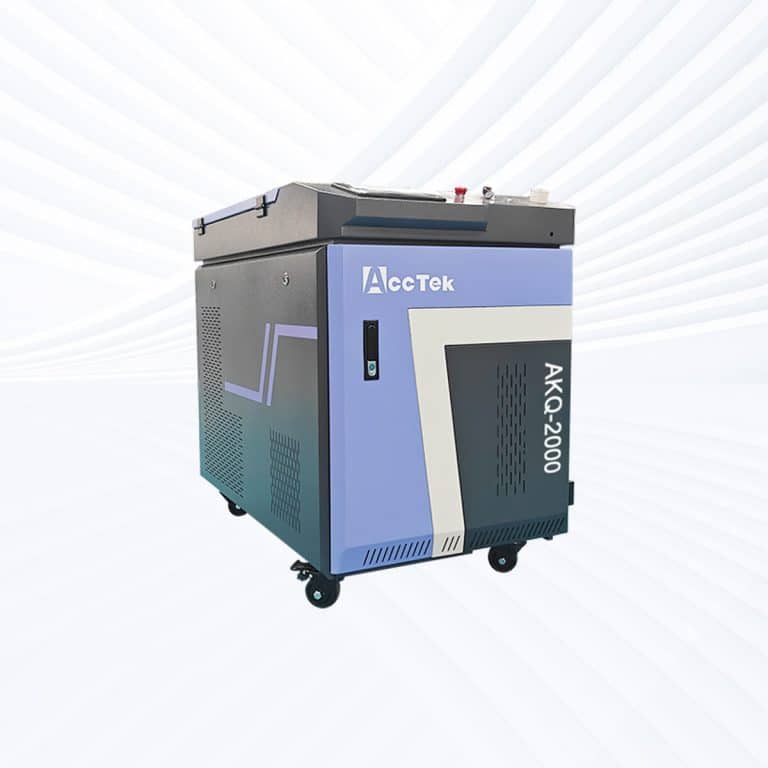
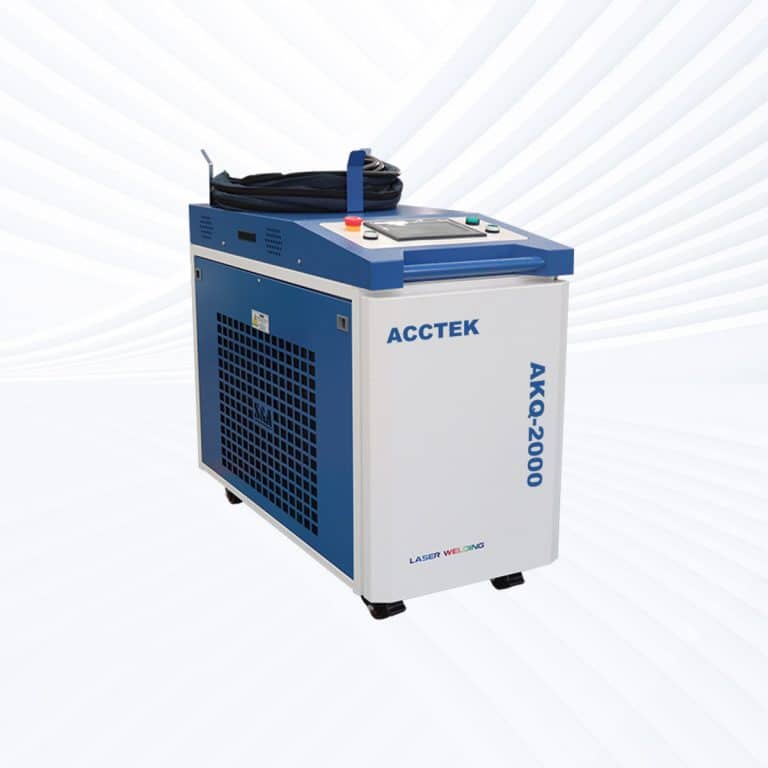
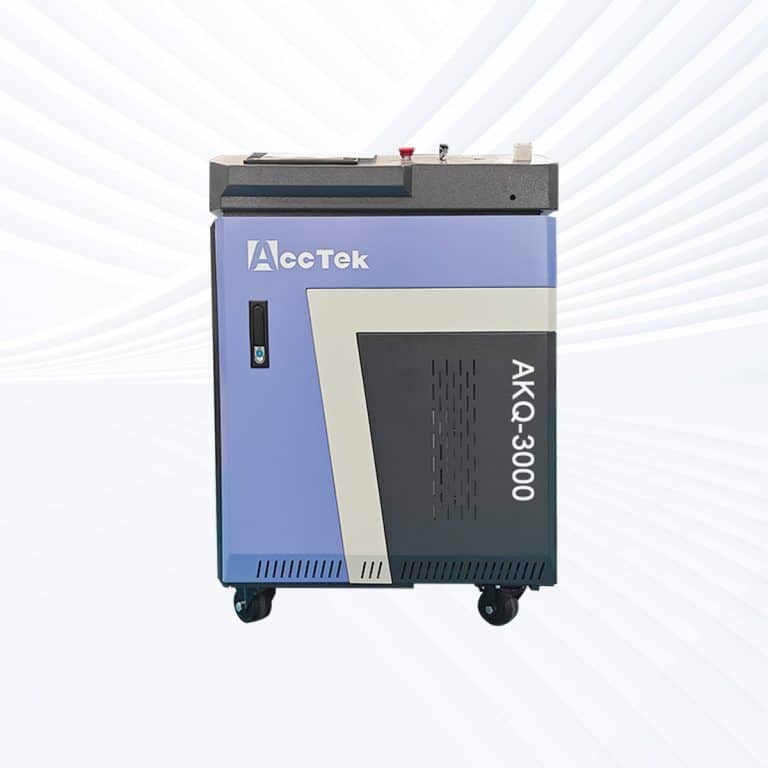
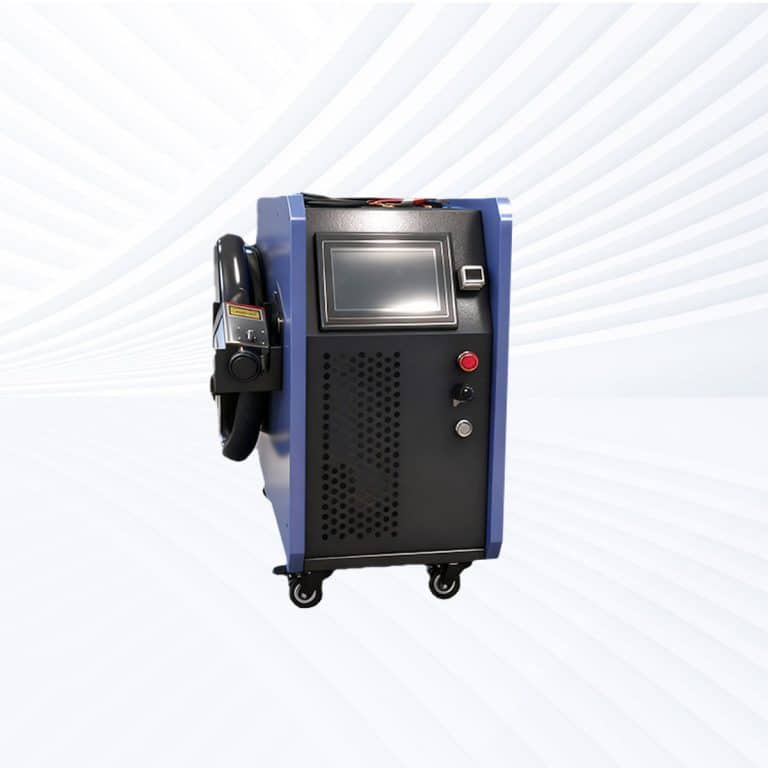
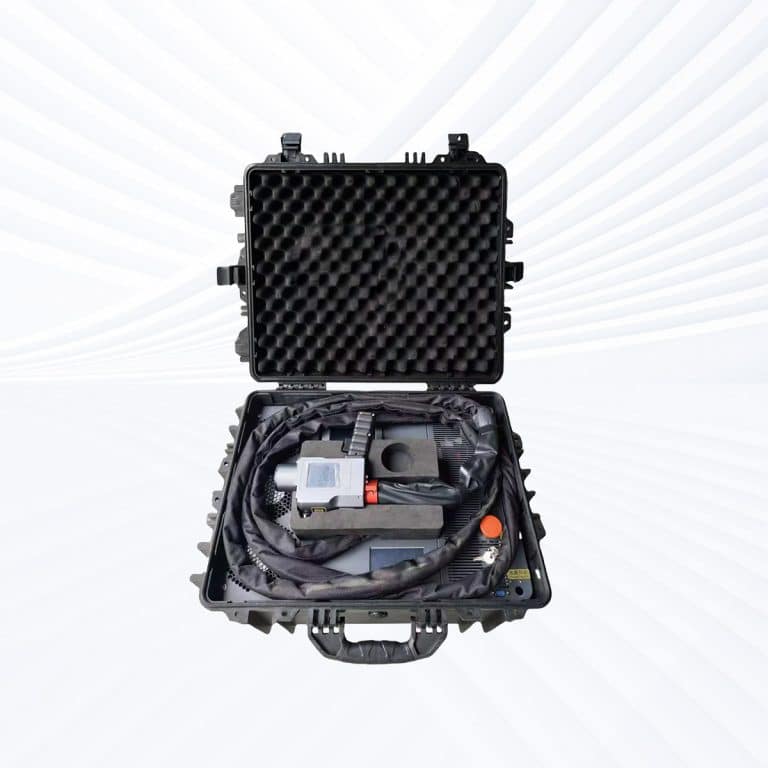
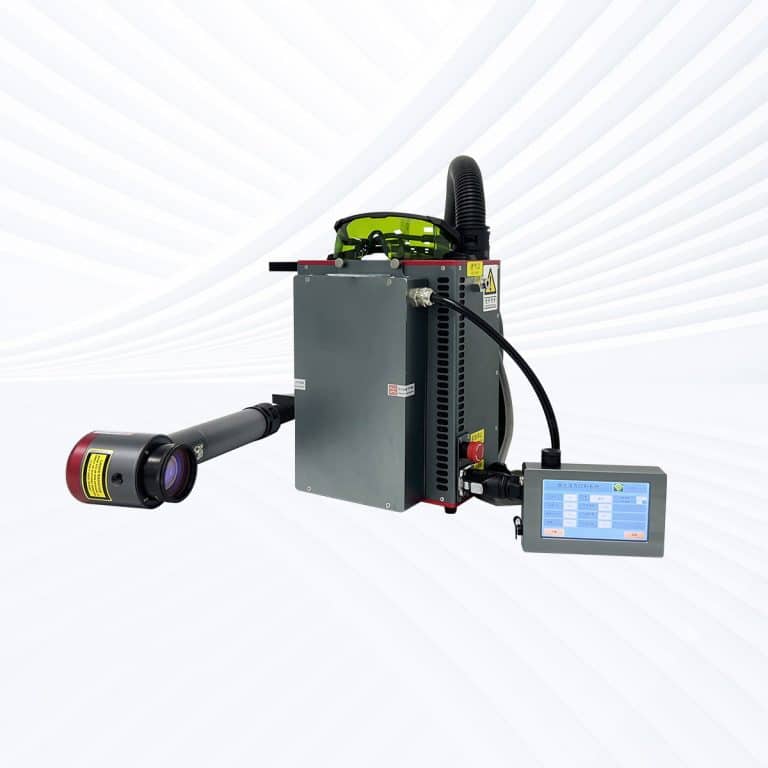
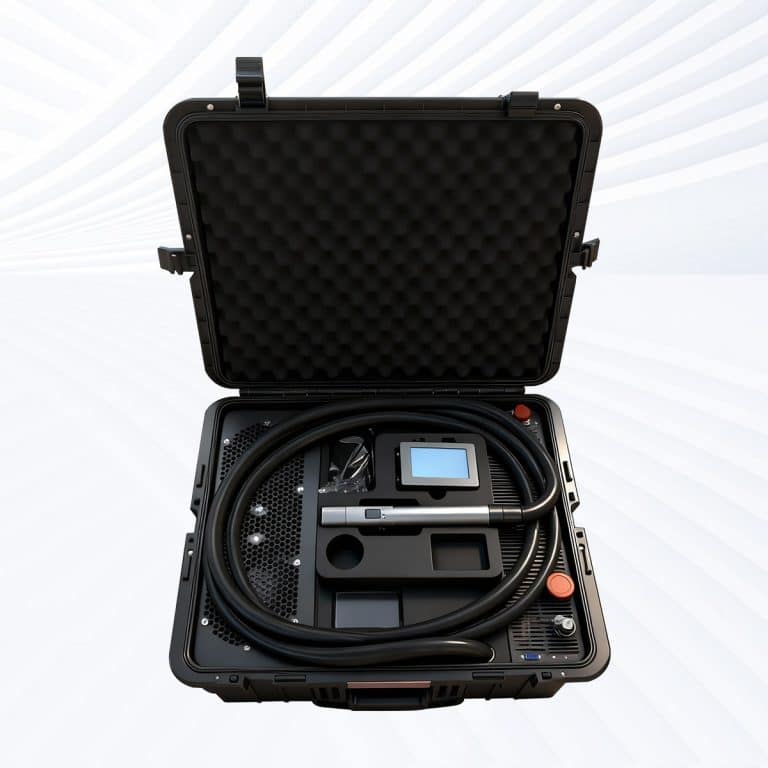
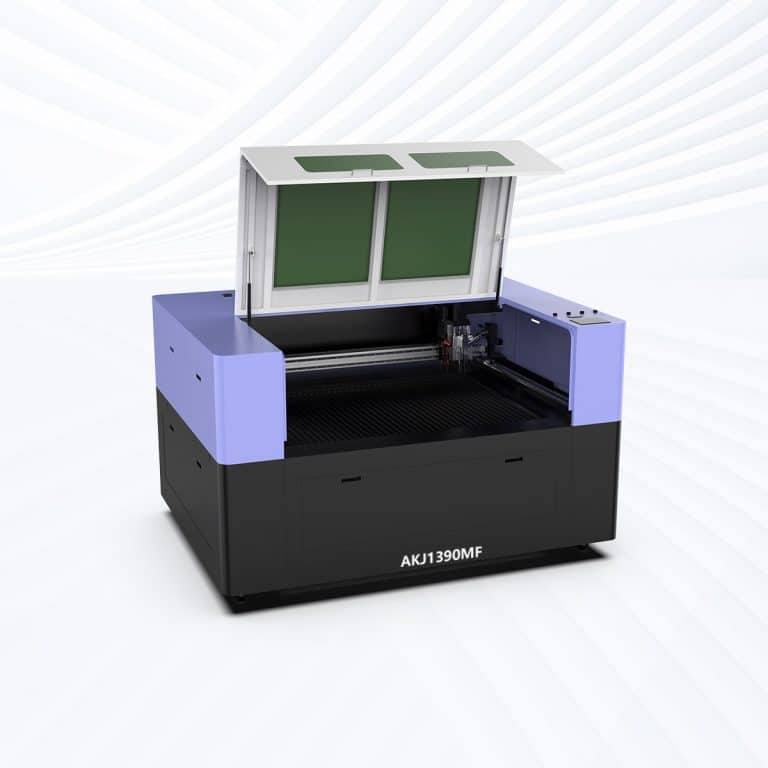
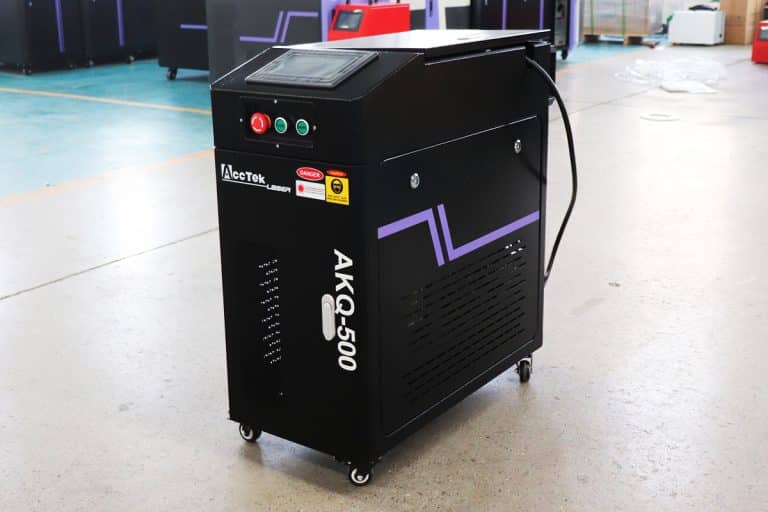
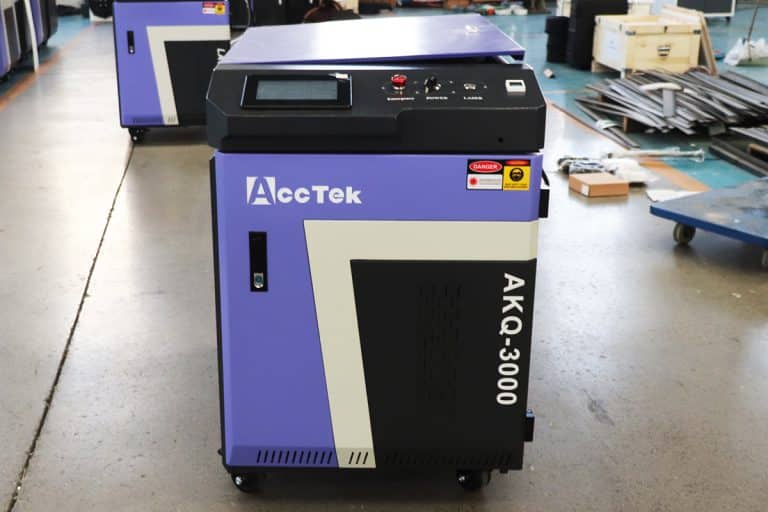
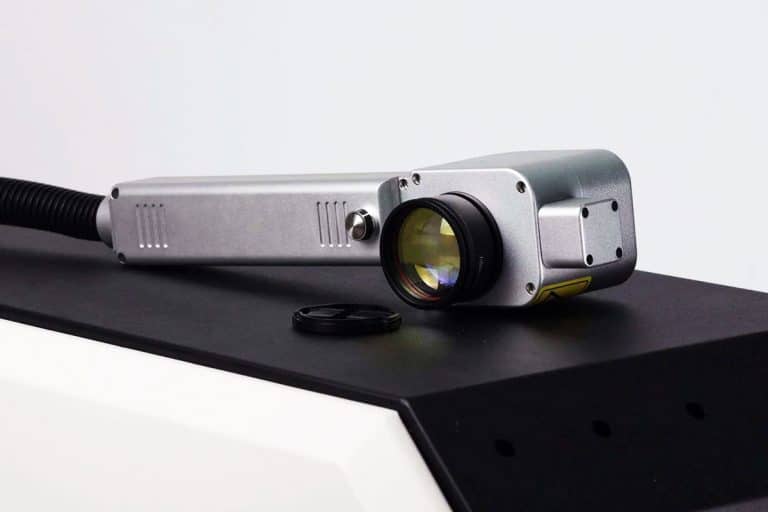
Laser Cleaing Machines Suitable For Residue
Advantages of Laser Cleaning Residue
Non-Contact and Surface-Safe Cleaning
Laser cleaning residue removes unwanted contaminants without physical contact or abrasion. This prevents scratches, deformation, or surface wear, making it ideal for precision parts, delicate surfaces, and finished components.
High Precision and Selective Removal
Laser parameters can be precisely controlled to target only residue layers such as oils, flux, adhesives, or carbon deposits. This selectivity preserves the base material and ensures consistent results on complex geometries.
Improves Downstream Process Quality
By completely removing residues, laser cleaning improves welding quality, bonding strength, coating adhesion, and electrical performance. Clean surfaces reduce defects, rework, and long-term failures.
Environmentally Friendly and Chemical-Free
Laser cleaning residue requires no solvents, detergents, abrasives, or water. This eliminates hazardous waste, lowers environmental impact, and creates safer working conditions.
Dry Process with Immediate Readiness
The laser cleaning process leaves surfaces dry and residue-free. Parts can move directly to the next production step without drying time, improving workflow efficiency.
Automation and Consistent Results
Laser residue cleaning systems integrate easily into automated production lines. They provide repeatable, operator-independent results, improving productivity and maintaining stable quality standards.
Compatible Materials
- Carbon Steel
- Mild Steel
- Stainless Steel
- Alloy Steel
- Tool Steel
- Cast Iron
- Aluminum
- Aluminum Alloys
- Copper
- Copper Alloys
- Brass
- Bronze
- Titanium
- Titanium Alloys
- Nickel
- Nickel Alloys
- Inconel
- Hastelloy
- Monel
- Magnesium
- Magnesium Alloys
- Zinc
- Zinc Alloys
- Galvanized Steel
- Electrical Steel
- Carbon Fiber Composites
- Glass Fiber Composites
- Engineering Plastics
- Thermoplastics
- Rubber Materials
- Ceramic Components
- Industrial Ceramics
- Glass
- Quartz
- Silicon Wafers
- Electronic Circuit Boards
- Mold and Die Surfaces
- Precision Mechanical Parts
- Medical Device Components
- Industrial Machinery Components
Laser Cleaning Residue VS Other Cleaning Methods
| Comparison Item | Laser Cleaning | Sandblasting | Chemical Cleaning | Ultrasonic Cleaning |
|---|---|---|---|---|
| Cleaning Principle | Laser energy vaporizes or detaches residues | Abrasive impact removes material | Chemicals dissolve residues | Cavitation removes residues in liquid |
| Contact With Surface | Non-contact | Direct abrasive contact | Chemical contact | Liquid contact |
| Risk of Surface Damage | Very low | High | Medium | Low |
| Precision and Control | Extremely high | Low | Medium | Medium |
| Selective Residue Removal | Excellent | Poor | Limited | Limited |
| Suitability for Precision Parts | Excellent | Poor | Good | Good |
| Effect on Base Material | No material loss | Material erosion | Possible chemical attack | Minimal impact |
| Dry Process | Yes | Yes | No | No |
| Consumables Required | None | Abrasive media | Chemicals/solvents | Cleaning fluids |
| Environmental Impact | Minimal waste | Dust and debris | Hazardous waste | Wastewater |
| Operator Safety | High | Dust inhalation risk | Chemical exposure risk | Moderate |
| Automation Capability | High | Low | Medium | Medium |
| Cleaning Consistency | Highly repeatable | Operator-dependent | Process-dependent | Batch-dependent |
| Residue After Cleaning | None | Abrasive residue | Chemical residue | Moisture residue |
| Long-Term Operating Cost | Low | High | High | Moderate |
Laser Cleaning Capacity
| Surface | 100W pulse | 200W pulse | 300W pulse | 500W pulse | 1000W pulse | 1500W pulse | 2000W pulse | 1000W continuous | 1500W continuous | 2000W continuous | 3000W continuous | 6000W continuous |
|---|---|---|---|---|---|---|---|---|---|---|---|---|
| Graffiti | Limited | Limited | Good | Good | Good | Good | Limited | Good | Good | Best | Best | Best |
| Rust Light | Good | Good | Good | Best | Best | Best | Best | Good | Good | Best | Best | Best |
| Rust Heavy | Limited | Good | Good | Best | Best | Best | Best | Good | Good | Best | Best | Best |
| Paint Thin | Good | Good | Best | Best | Best | Best | Best | Limited | Good | Good | Best | Best |
| Paint Thick | Limited | Good | Good | Best | Best | Best | Best | Good | Good | Best | Best | Best |
| Coatings Thin | Good | Good | Best | Best | Best | Best | Best | Limited | Limited | Good | Good | Best |
| Coatings Thick | Limited | Good | Good | Best | Best | Best | Best | Good | Good | Best | Best | Best |
| Welding Burns | Good | Good | Best | Best | Best | Best | Best | Good | Good | Best | Best | Best |
| Oil Light | Good | Good | Best | Best | Best | Best | Best | Limited | Limited | Good | Good | Best |
| Oil Heavy | Limited | Good | Good | Best | Best | Best | Best | Limited | Good | Good | Best | Best |
| Oxidation Film | Good | Good | Best | Best | Best | Best | Best | Limited | Limited | Good | Best | Best |
| Oxide Scale | Limited | Good | Good | Best | Best | Best | Best | Good | Good | Best | Best | Best |
| Adhesive Residue | Good | Good | Best | Best | Best | Best | Best | Limited | Limited | Good | Good | Best |
| Soot | Good | Good | Best | Best | Best | Best | Best | Good | Good | Best | Best | Best |
| Rubber Marks | Limited | Good | Good | Good | Good | Limited | Limited | Good | Good | Best | Best | Best |
| Salt Deposits | Limited | Good | Good | Best | Best | Best | Best | Limited | Good | Good | Best | Best |
| Mold Release | Good | Good | Best | Best | Best | Best | Best | Limited | Good | Good | Best | Best |
| Surface Prep | Good | Good | Best | Best | Best | Best | Best | Good | Good | Best | Best | Best |
Applications of Laser Cleaning Residue
Customer Testimonials
Related Resources
How Effective Is Laser Cleaning At Removing Contaminants
This article explores how effective laser cleaning is at removing contaminants, covering mechanisms, materials, system types, real-world applications, limitations, and optimization factors for reliable results.
Will Laser Cleaning Damage The Substrate
This article explains whether laser cleaning damages substrates, examining damage mechanisms, material risks, process control, and verification methods for safe, effective laser cleaning.
Comprehensive Guides to Choosing the Right Laser Cleaning Parameters
This comprehensive guide explores the key factors in choosing the right laser cleaning parameters, including material types, contamination levels, and practical considerations for optimal results.

What Training Is Required to Operate Laser Cleaning Machines
This article is a comprehensive guide outlining the safety, operation, maintenance, and certification training required for operators of modern industrial laser cleaning machines.
Frequently Asked Questions
What Types Of Residues Can Laser Cleaning Remove?
- Paint and Coatings: Laser cleaning is particularly efficient for removing paint and coatings from surfaces. Whether it’s acrylic, polyurethane, epoxy, enamel, or industrial coatings, laser cleaning can ablate the paint layer without damaging the base material. It works on various substrates, including metals, plastics, wood, and concrete. The laser energy causes the paint to vaporize or break down, leaving the substrate clean.
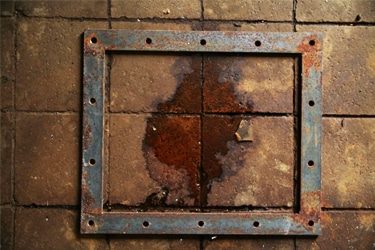
- Rust and Oxidation: One of the most common applications for laser cleaning is the removal of rust and oxidation. Oxide layers, such as iron oxide (rust) on steel or aluminum oxide on aluminum, can be effectively removed using lasers. The focused energy breaks the bond between the oxide layer and the underlying metal, leaving a clean and smooth surface for further treatment or coating.
- Grease and Oils: Laser cleaning is effective for removing oil and grease residues from surfaces. These substances are typically found in manufacturing environments, especially on equipment, machinery, and parts exposed to lubricants or other oils. The laser’s energy targets and vaporizes the grease and oils, leaving the surface free of contaminants without the need for chemical solvents or abrasive methods.
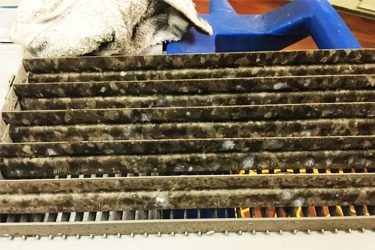
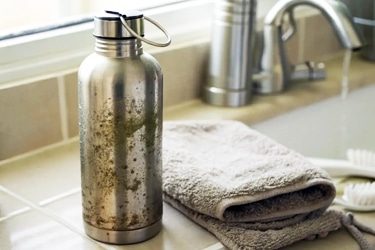
- Mold, Dirt, and Environmental Contaminants: Laser cleaning can also remove dirt, mold, and other environmental residues from surfaces. In industries such as construction or heritage conservation, where delicate materials may need cleaning without causing damage, lasers can remove biological growth like mold or mildew that accumulates over time.
- Adhesives and Sealants: Laser cleaning can be used to remove adhesives, sealants, or bonding residues that may be left behind after manufacturing or assembly processes. The laser’s precise control allows it to remove these residues without damaging the surrounding materials, which is especially useful in applications involving thin or sensitive substrates.
- Carbon and Soot Deposits: Laser cleaning is highly effective for removing carbon deposits or soot that can accumulate on surfaces exposed to high heat or combustion, such as engine parts or exhaust systems. The laser’s energy breaks down the carbon, leaving a clean surface without any abrasive impact.
- Silicone and Rubber Residues: Laser cleaning can also remove silicone and rubber residues left behind after molding, sealing, or other industrial processes. The laser’s focused energy targets and removes the rubber without damaging the base material.
What Changes Occur To The Residues During The Laser Cleaning Process?
- Thermal Decomposition and Vaporization: One of the primary changes that occurs during laser cleaning is thermal decomposition. The intense heat from the laser beam causes the residues, such as paint, oil, or rust, to break down. This thermal decomposition leads to the vaporization of organic and inorganic components, causing them to transition from solid to gas or vapor phase. For example, paint may break down into gaseous VOCs (volatile organic compounds) and carbon byproducts, while rust may undergo oxidation or be ablated as metal oxides and particulate matter.
- Ablation and Ejection: Laser cleaning also involves ablation, which is the process of material being removed from the surface through the laser’s energy. The high intensity of the laser causes the residue to physically detach and be ejected from the substrate. For instance, paint layers may flake off, while oxide layers like rust or corrosion are loosened and removed as fine particles. The ablated material is typically vaporized or converted into small particles that are carried away by ventilation or extraction systems.
- Chemical Breakdown of Contaminants: For residues like grease, oil, or adhesives, the laser energy can cause chemical reactions that break down complex molecules into simpler components. These components are then either vaporized or converted into other chemical forms. For instance, hydrocarbons in oils may break down into carbon dioxide (CO₂), carbon monoxide (CO), and other gases.
- Conversion of Residue into Particulates: Some residues, particularly metallic coatings, corrosion, or hard paints, undergo physical changes into solid particles that are ejected from the surface. For example, rust particles from steel or aluminum oxide from aluminum may remain as fine powdery particulates after ablation. These particles are then typically removed by fume extraction systems.
- Surface Modification or Alteration: While not a residue, the underlying surface may also experience thermal effects during laser cleaning. The laser’s heat may induce microstructural changes in the surface of the material, causing slight alterations in texture, hardness, or color, especially if the laser settings are too aggressive.
- Residue Transformation (Soot or Char): Some organic residues, like plastics or rubber, may leave behind charred or soot-like deposits if not completely ablated. These carbonized residues can sometimes form a thin layer on the surface, which can also be cleaned off with additional laser passes.
Which Laser Is Best Suited For Removing Residues?
- Pulsed Lasers: Pulsed lasers deliver high-energy bursts of laser light in very short, intense pulses. This results in high peak power and quick bursts of heat that are ideal for breaking down residues, such as paint, rust, oils, and other contaminants. Pulsed lasers work by rapidly heating the residue, causing it to vaporize or ablate from the surface without significantly affecting the underlying material. The short duration of the pulses also helps minimize heat transfer to the substrate, reducing the risk of thermal damage.
- Precision and Control: Pulsed lasers allow for fine control of the energy delivered, making them ideal for the precise removal of residues without affecting surrounding material. This precision is crucial when dealing with delicate surfaces or thin coatings.
- Minimized Heat Impact: The short pulses mean less heat is transferred to the material, which reduces the risk of burning or warping the substrate, making pulsed lasers suitable for a wide range of materials, including metals and sensitive surfaces.
- Efficient Residue Removal: The high energy in each pulse allows the laser to effectively ablate residues such as rust, paint, grease, and oils from the surface quickly and efficiently.
- Continuous Lasers: In contrast, continuous lasers emit a steady beam of light, delivering a more constant and uniform energy output. This can be effective for applications like cutting and welding, where a consistent heat source is required. However, when it comes to residue removal, continuous lasers can be less efficient.
- Higher Heat Transfer: The steady output of energy in continuous lasers leads to more heat being transferred to the material, increasing the risk of thermal damage or distortion to the substrate. This is less ideal for delicate or heat-sensitive materials.
- Less Precision: Continuous lasers lack the sharp, precise energy pulses provided by pulsed lasers, making them less effective for removing residues in intricate or selective cleaning applications.
Does Laser Cleaning Of Residues Produce Fumes?
- Metals: When cleaning metals such as steel, aluminum, or titanium, the laser energy typically vaporizes the contaminants, and this can generate fumes, especially if the contaminants include organic substances or coatings. Metal oxide fumes may also be produced, especially when rust or paint is involved. The nature of the fumes depends on the materials being removed; for example, removing a layer of paint may release volatile organic compounds (VOCs) into the air.
- Plastics and Composites: If plastic coatings or composites are involved, the laser cleaning process can create potentially hazardous fumes. Plastics like PVC, for instance, are particularly dangerous because they release toxic chlorine gas when vaporized. Other materials like polycarbonate or polyester may also emit harmful fumes, including gases like styrene or formaldehyde.
- Organic Materials (e.g., wood, paper): Cleaning organic materials such as wood or paper with a laser can produce smoke and particulate matter, which can include carbon-based fumes. These can sometimes be visible and may contribute to air pollution if not adequately vented.
- Rubber and Paints: Like plastics, rubber coatings and certain paints, especially those containing chemicals or solvents, can produce hazardous fumes when subjected to laser cleaning. It’s essential to ensure that the material doesn’t release harmful gases upon heating or vaporization.
What Are The Disadvantages Of Laser Cleaning Residues?
- High Initial Cost: Laser cleaning systems are typically more expensive than traditional cleaning methods such as sandblasting or chemical cleaning. The cost of the equipment, maintenance, and potential setup for specific materials can be a significant investment, especially for smaller operations or those with limited budgets.
- Limited Material Compatibility: Laser cleaning is not suitable for all materials. For example, highly reflective metals (such as copper or aluminum) can pose a challenge for laser systems, reducing their efficiency. The laser beam may reflect off these surfaces, which can damage the system or lead to poor cleaning results. Additionally, certain coatings or materials that are too thick may not be effectively cleaned by lasers.
- Potential for Surface Damage: While lasers are precise, they can also cause unintended damage to the material being cleaned. For example, delicate materials may suffer from thermal stresses or even burn if the laser intensity is not correctly calibrated. The heat generated by the laser can also warp or degrade the underlying surface if not carefully controlled.
- Fume and Smoke Production: Laser cleaning can produce fumes, smoke, and particulates, especially when cleaning materials like plastics, rubber, or coatings. These fumes can be hazardous to health, and without proper ventilation or fume extraction systems, they can pose environmental risks. The buildup of smoke may also obscure the laser beam, affecting cleaning efficiency.
- Power and Energy Consumption: Lasers can be energy-intensive, particularly for high-powered systems used in industrial applications. This can lead to high operating costs, especially in facilities where extended use is required. Energy consumption might make the process less attractive in environments focused on reducing energy costs.
- Specialized Operator Knowledge: Laser cleaning requires skilled operators who understand how to adjust the settings, such as the intensity, duration, and focus of the laser, based on the material being cleaned. Improper settings can result in suboptimal cleaning or damage to both the material and the equipment. This can lead to additional training costs or the need for specialized personnel.
What Are The Hazards Of Using Lasers To Clean Residues?
- Laser Radiation Exposure: One of the primary hazards when using lasers is exposure to high-intensity laser radiation. Direct exposure to the laser beam, especially from high-powered systems, can cause severe eye damage or even permanent blindness. Skin burns are also a risk if safety precautions, such as protective eyewear and skin coverings, are not worn. The risk increases with the power of the laser, as higher power levels can penetrate deeper into the skin and eyes.
- Fumes and Toxic Gases: Laser cleaning, particularly when removing residues like paint, rust, or coatings, can produce hazardous fumes. These fumes may contain toxic gases such as carbon monoxide, volatile organic compounds (VOCs), or other harmful chemicals. Materials like plastics, rubber, or certain coatings may release noxious fumes that can be harmful to respiratory health if inhaled. Without proper ventilation or fume extraction systems, these toxins can accumulate in the workplace, posing long-term health risks.
- Fire Hazard: The intense heat generated by lasers during cleaning can ignite materials that are flammable, such as wood, paper, or certain coatings. Sparks or heated residues can catch fire, especially if the environment is not properly controlled. Adequate fire suppression systems and constant supervision are necessary to mitigate the risk of combustion during laser cleaning operations.
- Surface Damage: Laser cleaning involves the application of high-energy light to a surface, which can lead to unintended damage. The heat generated by the laser can cause warping, cracking, or degradation of the material being cleaned, especially if it is delicate or thin. Improper settings (like excessive laser power or incorrect focus) can also lead to uneven cleaning or unintended surface modification, potentially compromising the integrity of the material.
- Electrical Hazards: Laser cleaning machines often involve high-voltage electrical components, which can pose electrical shock risks if mishandled. Inadequate grounding or damaged equipment can result in electrical hazards, especially during maintenance or setup.
- Noise and Vibration: Some laser cleaning systems generate significant noise, especially when cleaning larger surfaces or dealing with certain materials. Prolonged exposure to high noise levels can cause hearing damage if proper ear protection is not used. Additionally, the mechanical movement of some systems may create vibrations that could affect precision or cause discomfort for operators.
Does Laser Cleaning Of Residues Require Auxiliary Gases?
- Inert Gases (e.g., Nitrogen or Argon): In many cases, an inert gas like nitrogen or argon is used during laser cleaning. These gases help to prevent oxidation or combustion of the material being cleaned, especially in cases where the surface may be susceptible to such reactions when exposed to heat. For example, when cleaning metals, the inert gas shields the surface from reactive oxygen, preventing the material from oxidizing while the laser is being applied. This is particularly important in high-precision applications where preserving the quality of the material is crucial.
- Oxygen for Enhanced Cleaning: In some cases, oxygen can be used as an auxiliary gas to improve the cleaning process. Oxygen can help to accelerate the removal of organic residues, such as oils or paints, by promoting combustion or oxidation. This is particularly effective for removing organic contamination from metal surfaces or other materials. However, this comes with the tradeoff of potentially increasing the risk of ignition or combustion, which must be carefully controlled.
- Air Assist: An air assist system, which uses compressed air, is another common auxiliary gas used in laser cleaning. The purpose of air assist is to help blow away the debris or vaporized residues generated during the cleaning process, thus preventing them from interfering with the laser beam or contaminating the cleaned surface. It can also help in cooling the workpiece, ensuring that excessive heat buildup does not cause surface damage.
- Fume Extraction: Although not a direct auxiliary gas for cleaning, fume extraction systems play a critical role in the overall process by removing harmful fumes, smoke, and particulates generated during laser cleaning. This ensures that the work environment remains safe and that operators are not exposed to harmful substances.
What PPE Is Needed For Laser Residue Removal?
- Laser Safety Glasses: The most critical PPE for laser cleaning is laser safety eyewear. These glasses are designed to protect the eyes from direct or reflected laser beams. The eyewear must be appropriate for the wavelength of the laser in use (e.g., CO2 lasers or fiber lasers). Laser safety glasses help prevent serious eye injuries such as burns or blindness, which can occur from exposure to high-intensity light.
- Protective Clothing: Operators should wear flame-resistant and heat-resistant clothing to prevent burns from accidental exposure to the laser or from hot debris produced during the cleaning process. In many cases, specialized clothing made from materials that resist heat or fire is required. This may include long-sleeve shirts, pants, gloves, and aprons to protect the skin from both the laser beam and any high-temperature debris or fumes.
- Respiratory Protection: Depending on the material being cleaned, laser cleaning can produce hazardous fumes, smoke, and particulates. Respiratory protection is crucial in environments where toxic fumes or particles may be released. This can include N95 respirators, half-face or full-face respirators, or other specialized filters designed to capture harmful airborne particles. This is especially important when cleaning materials like plastics, rubber, or painted surfaces, which can release noxious fumes when heated.
- Gloves: Heat-resistant gloves are necessary to protect the hands during the operation, particularly when handling materials that may be exposed to the laser. These gloves should be designed to withstand high temperatures, especially when cleaning metal surfaces, to prevent burns and injuries.
- Hearing Protection: In certain settings, especially in industrial environments, noise levels generated by the laser machine can be significant. Prolonged exposure to high noise levels may lead to hearing damage. Operators should wear ear protection, such as earplugs or earmuffs, to reduce the risk of hearing loss.
- Face Shields or Helmets: In some cases, particularly when laser cleaning involves high-powered lasers or when large surfaces are being cleaned, operators may be required to wear full-face shields or helmets. These provide additional protection for the face and neck from the potential hazards of laser exposure, flying debris, or heat.