

Introduction
Laser Cleaing Machines Suitable For Paint
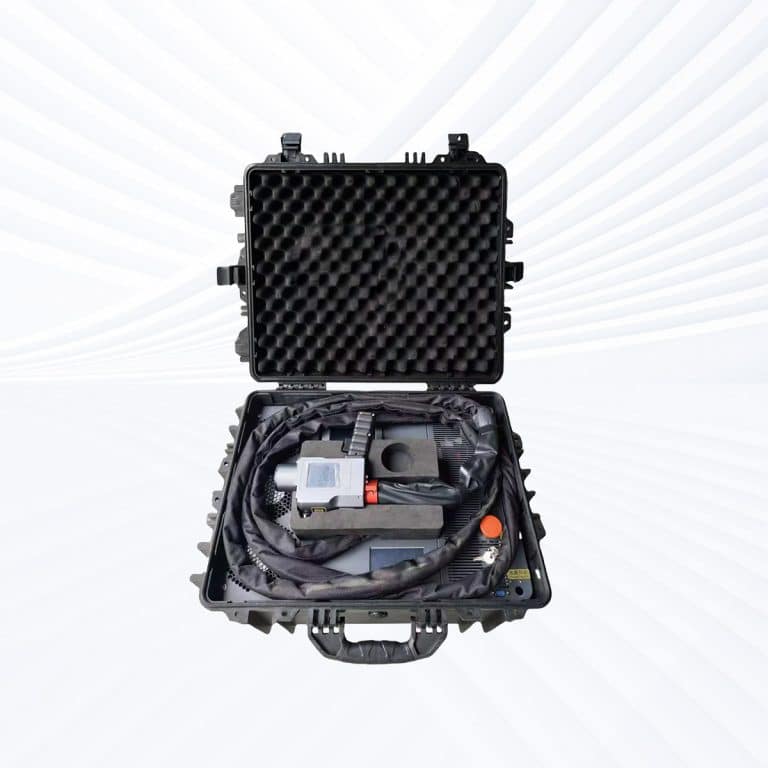
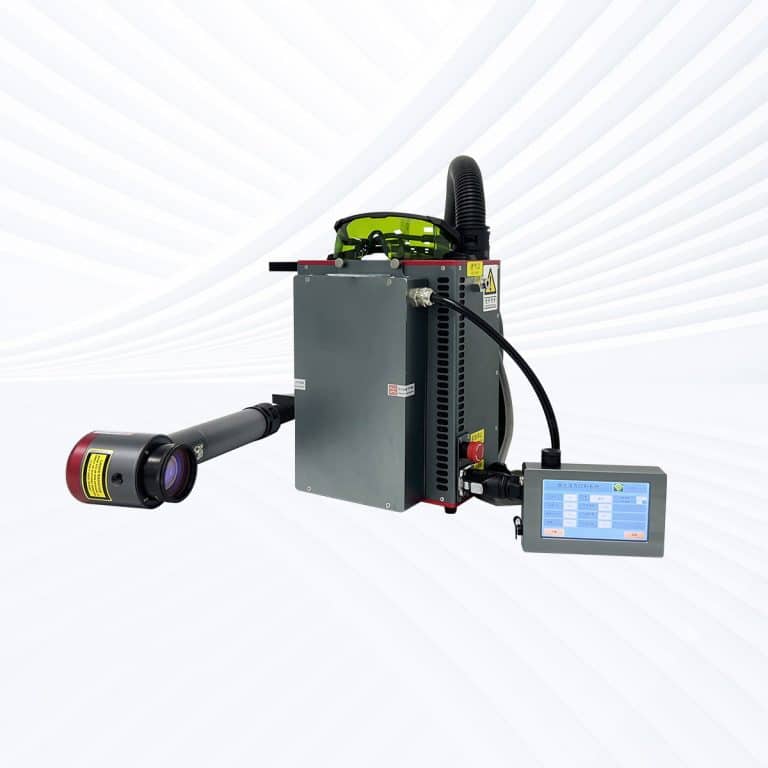
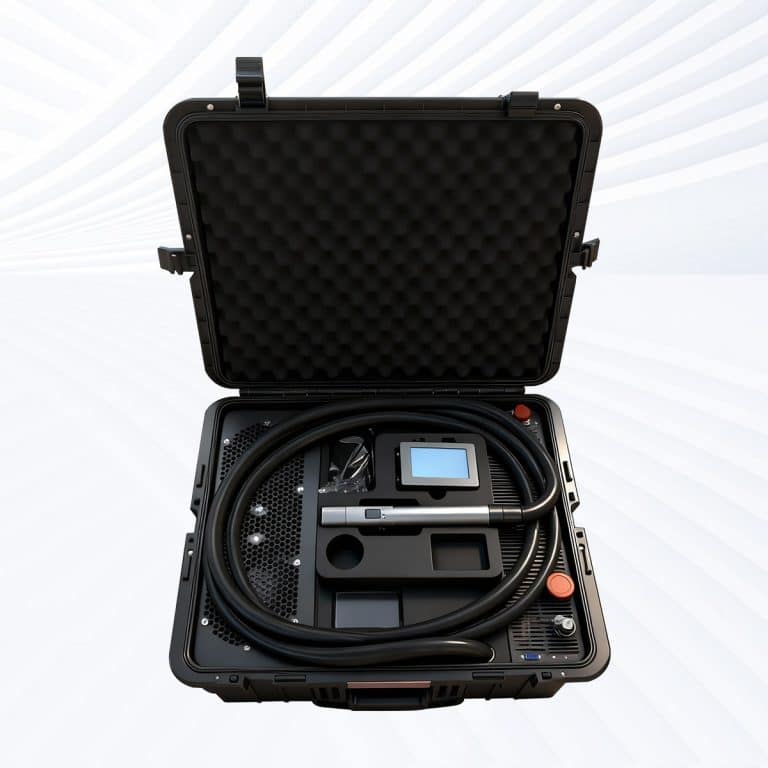
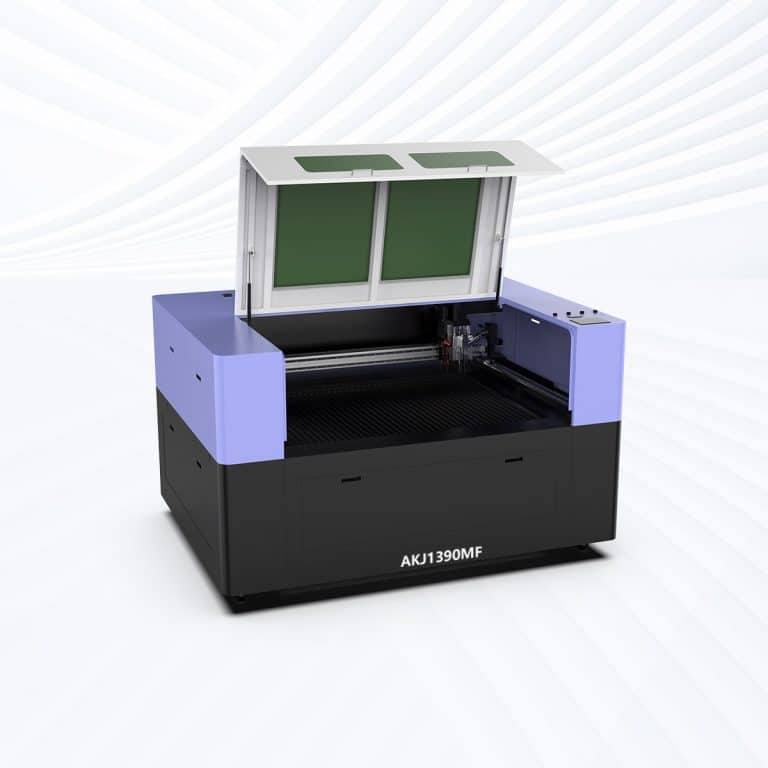
Advantages of Laser Cleaning Paint
Non-Contact and Surface-Safe Paint Removal
Laser cleaning paint removes coatings without physical abrasion. This prevents scratching, deformation, or surface wear, making it ideal for thin materials, precision components, and substrates that must remain dimensionally accurate.
High Precision and Selective Layer Removal
Laser parameters can be precisely adjusted to remove paint layer by layer. This allows selective stripping in specific areas without affecting the base material or surrounding surfaces.
Preserves Substrate Integrity
Unlike sandblasting or grinding, laser paint removal does not weaken or roughen the substrate. The base material retains its original strength, texture, and surface finish after cleaning.
Environmentally Friendly Process
Laser cleaning paint requires no chemicals, solvents, abrasives, or water. This eliminates hazardous waste, reduces environmental impact, and supports safer, cleaner working environments.
Improves Recoating and Welding Quality
By fully removing paint and residues, laser cleaning creates clean surfaces that improve coating adhesion and weld quality. This reduces defects and enhances long-term performance.
Automation and Consistent Results
Laser paint cleaning systems integrate easily into automated production lines. They deliver repeatable, operator-independent results, improving productivity and maintaining consistent quality standards.
Compatible Materials
- Carbon Steel
- Mild Steel
- Stainless Steel
- Alloy Steel
- Tool Steel
- Cast Iron
- Aluminum
- Aluminum Alloys
- Copper
- Brass
- Bronze
- Titanium
- Titanium Alloys
- Nickel
- Nickel Alloys
- Inconel
- Hastelloy
- Monel
- Magnesium
- Magnesium Alloys
- Zinc
- Zinc Alloys
- Galvanized Steel
- Structural Steel
- Sheet Metal
- Metal Panels
- Carbon Fiber Composites
- Glass Fiber Composites
- Ceramic Components
- Concrete
- Reinforced Concrete
- Brick
- Stone
- Marble
- Granite
- Wood
- Hardwood
- Softwood
- Glass
- Industrial Machinery Surfaces
Laser Cleaning Paint VS Other Cleaning Methods
| Comparison Item | Laser Cleaning | Sandblasting | Chemical Cleaning | Ultrasonic Cleaning |
|---|---|---|---|---|
| Cleaning Principle | Laser energy vaporizes paint layers | Abrasive erosion removes material | Chemicals dissolve paint | Cavitation loosens coatings in liquid |
| Contact With Surface | Non-contact | Direct abrasive contact | Chemical contact | Liquid contact |
| Risk of Surface Damage | Very low | High | Medium | Low |
| Precision and Control | Extremely high | Low | Medium | Medium |
| Selective Layer Removal | Excellent | Poor | Limited | Limited |
| Suitability for Thin Parts | Excellent | Poor | Moderate | Good |
| Preservation of Substrate | Excellent | Poor | Moderate | Good |
| Consumables Required | None | Abrasive media | Chemicals | Cleaning fluids |
| Environmental Impact | Minimal waste | Dust and debris | Hazardous waste | Wastewater |
| Operator Safety | High | Dust inhalation risk | Chemical exposure risk | Moderate |
| Moisture Introduction | None | None | Possible | Required |
| Automation Capability | High | Low | Medium | Medium |
| Cleaning Consistency | Highly repeatable | Operator-dependent | Process-dependent | Batch-dependent |
| Residue After Cleaning | None | Abrasive residue | Chemical residue | Liquid residue |
| Long-Term Operating Cost | Low | High | High | Moderate |
Laser Cleaning Capacity
| Surface | 100W pulse | 200W pulse | 300W pulse | 500W pulse | 1000W pulse | 1500W pulse | 2000W pulse | 1000W continuous | 1500W continuous | 2000W continuous | 3000W continuous | 6000W continuous |
|---|---|---|---|---|---|---|---|---|---|---|---|---|
| Graffiti | Limited | Limited | Good | Good | Good | Good | Limited | Good | Good | Best | Best | Best |
| Rust Light | Good | Good | Good | Best | Best | Best | Best | Good | Good | Best | Best | Best |
| Rust Heavy | Limited | Good | Good | Best | Best | Best | Best | Good | Good | Best | Best | Best |
| Paint Thin | Good | Good | Best | Best | Best | Best | Best | Limited | Good | Good | Best | Best |
| Paint Thick | Limited | Good | Good | Best | Best | Best | Best | Good | Good | Best | Best | Best |
| Coatings Thin | Good | Good | Best | Best | Best | Best | Best | Limited | Limited | Good | Good | Best |
| Coatings Thick | Limited | Good | Good | Best | Best | Best | Best | Good | Good | Best | Best | Best |
| Welding Burns | Good | Good | Best | Best | Best | Best | Best | Good | Good | Best | Best | Best |
| Oil Light | Good | Good | Best | Best | Best | Best | Best | Limited | Limited | Good | Good | Best |
| Oil Heavy | Limited | Good | Good | Best | Best | Best | Best | Limited | Good | Good | Best | Best |
| Oxidation Film | Good | Good | Best | Best | Best | Best | Best | Limited | Limited | Good | Best | Best |
| Oxide Scale | Limited | Good | Good | Best | Best | Best | Best | Good | Good | Best | Best | Best |
| Adhesive Residue | Good | Good | Best | Best | Best | Best | Best | Limited | Limited | Good | Good | Best |
| Soot | Good | Good | Best | Best | Best | Best | Best | Good | Good | Best | Best | Best |
| Rubber Marks | Limited | Good | Good | Good | Good | Limited | Limited | Good | Good | Best | Best | Best |
| Salt Deposits | Limited | Good | Good | Best | Best | Best | Best | Limited | Good | Good | Best | Best |
| Mold Release | Good | Good | Best | Best | Best | Best | Best | Limited | Good | Good | Best | Best |
| Surface Prep | Good | Good | Best | Best | Best | Best | Best | Good | Good | Best | Best | Best |
Applications of Laser Cleaning Paint
Customer Testimonials
Related Resources
How Effective Is Laser Cleaning At Removing Contaminants
This article explores how effective laser cleaning is at removing contaminants, covering mechanisms, materials, system types, real-world applications, limitations, and optimization factors for reliable results.
Will Laser Cleaning Damage The Substrate
This article explains whether laser cleaning damages substrates, examining damage mechanisms, material risks, process control, and verification methods for safe, effective laser cleaning.
Comprehensive Guides to Choosing the Right Laser Cleaning Parameters
This comprehensive guide explores the key factors in choosing the right laser cleaning parameters, including material types, contamination levels, and practical considerations for optimal results.

What Training Is Required to Operate Laser Cleaning Machines
This article is a comprehensive guide outlining the safety, operation, maintenance, and certification training required for operators of modern industrial laser cleaning machines.
Frequently Asked Questions
What Types Of Paint Can Laser Cleaning Remove?
- Organic-Based Paints: Laser cleaning is especially effective on organic paints, which absorb laser energy efficiently and break down under heat. These include acrylic paints, polyurethane coatings, epoxy paints, alkyd paints, and enamel finishes. When exposed to laser energy, these coatings undergo rapid heating, decomposition, and ablation, allowing them to lift cleanly from the substrate.
- Automotive and Industrial Coatings: Many automotive paints, primers, clear coats, and industrial protective coatings can be removed with laser cleaning. Multi-layer paint systems can be stripped selectively, enabling the removal of top layers while preserving primers or base materials when properly controlled.
- Powder Coatings: Powder coatings are generally removable using laser cleaning, although they often require higher power or multiple passes due to their thickness and strong adhesion. Pulsed lasers are commonly used to break the coating’s bond without damaging the underlying surface.
- Oil-Based and Solvent-Based Paints: Traditional oil-based and solvent-based paints respond well to laser cleaning because their hydrocarbon components absorb laser energy and decompose efficiently. These paints are often removed through a combination of evaporation and ablation.
- Anti-Corrosion and Protective Paints: Protective coatings such as zinc-rich paints, marine coatings, and industrial barrier paints can also be removed, though higher energy levels and careful parameter control are needed due to fillers and metallic pigments.
- Paints That Are More Challenging: Highly reflective or ceramic-filled paints, thick elastomeric coatings, and heat-resistant paints can be more difficult to remove. These may require slower scanning speeds, higher power, or pre-treatment.
- Selective and Controlled Removal: One of laser cleaning’s key advantages is selectivity. By adjusting laser parameters, operators can remove paint without harming the base material, making it ideal for restoration, repainting, or surface preparation.
Can Laser Cleaning Partially Remove Paint?
- Controlled Energy Delivery: Laser cleaning works by delivering energy that is absorbed by the paint layer. By adjusting power, pulse duration, scanning speed, and overlap, the laser can be set to remove only the top paint layer while leaving lower layers or primers intact. This makes partial paint removal both practical and repeatable.
- Selective Layer-by-Layer Removal: Multi-layer paint systems, such as those used in aerospace, automotive, and industrial applications, are well-suited for laser cleaning. Each layer often has different absorption characteristics, allowing the laser to stop at a specific depth once the desired layer is removed.
- Surface Preparation Applications: Partial paint removal is commonly used for surface roughening, defect repair, repainting, or localized maintenance. For example, laser cleaning can remove damaged or aged paint in a specific area while preserving surrounding coatings.
- Masking-Free Precision: Unlike mechanical or chemical methods, laser cleaning does not require physical masking to protect adjacent areas. The beam can be tightly focused and digitally controlled, enabling precise paint removal patterns and sharp boundaries.
- Influence of Paint Type: Organic paints such as acrylic, epoxy, polyurethane, and enamel respond especially well to partial removal. Thicker or more heat-resistant coatings may require multiple light passes to achieve controlled removal without overshooting.
- Role of Laser Type: Pulsed lasers are preferred for partial paint removal because they offer high peak power with minimal heat diffusion. This reduces the risk of burning, bubbling, or thermal damage to remaining paint layers or the substrate.
- Avoiding Substrate Damage: By using multiple low-energy passes instead of a single high-energy pass, operators can finely tune the depth of removal and maintain surface integrity.
Can Laser Cleaning Remove Paint Layer By Layer?
- Principle of Layer-by-Layer Removal: Laser cleaning works by delivering energy that is absorbed by the paint coating. Each paint layer typically has a different thickness, composition, and absorption characteristics. By setting the laser energy just above the removal threshold of the top layer, the laser ablates or decomposes that layer while leaving the underlying layer largely unaffected.
- Precise Parameter Control: Key parameters such as laser power, pulse energy, pulse duration, scanning speed, and overlap determine how deeply the laser interacts with the coating. Lower energy and faster scanning enable removal of only the surface layer, while slightly higher settings allow deeper penetration. This enables progressive, controlled stripping of paint.
- Role of Pulsed Lasers: Pulsed lasers are particularly well suited for layer-by-layer paint removal. Their short, high-energy pulses minimize heat diffusion into lower layers and the substrate. This prevents burning, bubbling, or thermal damage and ensures clean separation between layers.
- Multi-Layer Coating Systems: Laser cleaning is widely used on complex coating systems such as primers, base coats, and topcoats in aerospace, automotive, and industrial applications. Operators can stop the process at a specific layer, such as removing only the topcoat while preserving corrosion-protection primers.
- Selective and Mask-Free Operation: Because the laser beam can be digitally controlled and focused, layer-by-layer removal can be performed without physical masking. This allows localized repairs, selective stripping, and precise edge definition.
- Process Feedback and Repeatability: Visual inspection, optical sensors, or acoustic monitoring can be used to detect when a layer has been removed, improving repeatability and reducing the risk of over-cleaning.
- Material and Paint Considerations: Organic paints such as acrylic, epoxy, polyurethane, and enamel are especially suitable for layered laser removal. Thick or highly reflective coatings may require multiple passes.
Does Laser Cleaning Paint Require Auxiliary Gases?
- Role of Auxiliary Gases in Laser Cleaning
- Fume Management: One of the main reasons auxiliary gases are used during laser cleaning is to help remove fumes and airborne particulates that are generated during the cleaning process. Paints, especially organic ones, release volatile organic compounds (VOCs), smoke, and small particles when ablated by the laser. Air or nitrogen is often used to ventilate these byproducts and prevent their accumulation, ensuring a safer working environment and reducing the health risks for operators.
- Surface Cooling and Protection: Inert gases like argon or nitrogen can be used to cool the surface and protect the substrate during cleaning. The cooling effect helps prevent excessive heat buildup, which could lead to damage, especially on sensitive or thin materials. Nitrogen, being inert, also reduces the risk of oxidation that could occur on metals during the cleaning process.
- Enhancing Cleaning Efficiency: Auxiliary gases can accelerate the removal of ablated materials. For example, carbon dioxide (CO₂) is sometimes used to help clear debris from the cleaned area quickly. This can increase cleaning speed and improve overall efficiency by reducing the time spent on each pass.
- When Auxiliary Gases Are Not Necessary
- Air Assist: In many cases, air assist can be sufficient for removing fumes and cooling the work area. Air assist provides a steady airflow to clear debris and helps in removing some of the byproducts of the paint removal process. For certain paints or when fume generation is minimal, this may be adequate without requiring the use of additional gases.
- Simple Applications: For some materials and simpler cleaning tasks, laser cleaning can be done without any auxiliary gases. In these cases, the natural airflow or ventilation in the environment may be enough to handle the byproducts.
Does Laser Paint Cleaning Produce Fumes?
- Types of Fumes Produced
- Volatile Organic Compounds (VOCs): Many paints are organic-based, containing resins, solvents, and additives that release VOCs when exposed to heat. These compounds include alcohols, aldehydes, and hydrocarbons. VOCs are a significant concern because they can be harmful to health and contribute to air pollution.
- Metal Oxides and Particles: When paint is applied over metal surfaces, laser cleaning can release metal oxide particles. For example, iron oxide (rust) from steel or aluminum oxide from aluminum coatings may be generated. These tiny particles can remain suspended in the air and pose inhalation risks if not properly extracted.
- Carbon Byproducts: Paints, especially oil-based paints, may undergo carbonization during laser cleaning, producing gases like carbon dioxide (CO₂) and carbon monoxide (CO), as well as particulate carbon (soot-like residues). These byproducts are typically harmless in small quantities but can be hazardous in poorly ventilated spaces.
- Toxic Fumes from Additives and Fillers: Some paints contain additives like plasticizers, stabilizers, and pigments, which may release harmful toxic fumes when exposed to intense laser heat. For example, certain pigments or coatings may release chlorine gas or other hazardous substances when vaporized.
- Fume Management
- Laser cleaning systems are often equipped with fume extraction systems to manage and eliminate harmful fumes. Commonly used extraction methods include high-efficiency particulate air (HEPA) filters and activated carbon filters. These systems are designed to capture harmful particles and gases, ensuring the air remains safe for operators.
- Additionally, air assist systems are often used during laser cleaning to help direct fumes away from the work area and into the extraction system, improving both cleaning efficiency and air quality.
- Health and Safety Considerations
- Given the potential for harmful fumes and particles, proper ventilation and respiratory protection are crucial for operators. Fume extraction systems and PPE, such as fume hoods, respirators, and safety glasses, help mitigate exposure to the fumes produced during laser paint cleaning.
What Are The Disadvantages Of Laser Paint Cleaning?
- High Initial Equipment Cost: Laser cleaning systems, particularly those with high power and precision, can be quite expensive. The initial investment in the laser machine and associated equipment (such as fume extraction systems) can be prohibitively high for smaller businesses or operations with limited budgets. In addition, the maintenance and repair costs of laser systems can add to the total expense.
- Limited Effectiveness on Thick Coatings: Laser cleaning is generally most effective on thin to moderate paint layers. If the paint is thick or heavily layered, especially with certain types of industrial coatings, the laser may not be able to remove the paint in a single pass. Multiple passes are often required, which can slow down the cleaning process and reduce efficiency.
- Potential for Surface Damage: Although laser cleaning is precise, improper laser settings (such as excessive power or incorrect scanning speed) can lead to surface damage. For instance, the laser may cause thermal distortion, melting, or micro-ablation of the underlying material, especially if the substrate is heat-sensitive. Thin metals or delicate materials may be particularly prone to such damage.
- Fume and Particle Generation: Laser cleaning produces fumes and particulate matter, including volatile organic compounds (VOCs), metal oxides, and carbon byproducts. Without proper ventilation and fume extraction systems, these byproducts can be harmful to both the environment and the operator. This requires additional equipment and safety measures, increasing the complexity of the operation.
- Reflectivity Issues with Certain Materials: Lasers struggle to effectively clean materials with high reflectivity, such as aluminum, copper, or stainless steel. When cleaning metal-coated surfaces, the laser beam may be reflected away, resulting in lower efficiency. In these cases, fiber lasers are often preferred over CO₂ lasers for metal-based paint removal.
- Slow Cleaning Speed for Large Areas: While laser cleaning is excellent for precision cleaning, it can be relatively slow compared to traditional methods like sandblasting, especially when cleaning large surfaces. The speed of cleaning is influenced by the laser power, scanning speed, and the type of paint being removed. For high-throughput industries, traditional methods may still be more cost-effective.
- Not Suitable for All Paint Types: Certain heat-resistant or ceramic-based coatings may not be effectively removed with laser cleaning due to their high resistance to thermal decomposition. In such cases, other removal methods like chemical stripping or mechanical abrasion may be more effective.
What Are The Hazards Of Using Lasers To Clean Paint?
- Eye Safety Risks: Lasers emit intense light that can cause severe eye damage if not properly shielded. Even brief exposure to direct or scattered laser light can cause permanent eye injury. Laser safety goggles that are specifically rated for the wavelength of the laser being used are essential for protecting the eyes of the operator and anyone in the vicinity.
- Fume and Particulate Emission: Laser cleaning of paint generates fumes, vapors, and particulates, which can be harmful to human health. These emissions can include volatile organic compounds (VOCs) from the paint, metal oxides, and carbon byproducts. Prolonged exposure to these fumes, especially in poorly ventilated areas, can irritate the respiratory system and lead to long-term health problems. Proper fume extraction and ventilation systems are necessary to capture and remove these harmful byproducts.
- Fire Hazards: Laser cleaning can produce high temperatures, especially when cleaning materials like oil-based paints, which may catch fire under intense heat. Flammable coatings can ignite if the laser settings are too aggressive or if the material is not properly monitored. Ensuring proper fire safety measures, including fire extinguishers and fire-resistant barriers, is crucial in preventing accidents.
- Surface Damage and Heat-Affected Zones: Improper laser settings, such as excessive power or incorrect scanning speed, can result in thermal damage to the substrate. The heat generated by the laser can cause melting, warping, or micro-ablation of the underlying material, especially if it is heat-sensitive. This is a particular concern when working with thin metals or delicate surfaces.
- Electrical and Equipment Hazards: Laser cleaning systems are high-powered equipment, and like any electrical device, they carry electrical hazards. Improper handling, faulty wiring, or failure to follow safety protocols can lead to electrical shocks or fires. Operators should ensure the equipment is properly maintained and that safety locks and protective shields are in place.
- Environmental Impact: The process generates waste in the form of toxic fumes and metal particles, which, if not managed properly, could pose an environmental hazard. Fumes from the laser cleaning process must be carefully filtered and managed to avoid contaminating the surrounding environment.
What PPE Is Needed For Laser Cleaning Paint?
- Laser Safety Glasses or Goggles: One of the most critical pieces of PPE is laser safety eyewear. Lasers used in cleaning can cause severe eye damage from both direct exposure and reflected laser light. The specific wavelength and power of the laser determine the type of eyewear needed. The glasses or goggles must be rated for the laser wavelength being used, ensuring that they effectively block harmful radiation while maintaining visibility for the operator.
- Respiratory Protection: Laser cleaning generates fumes, vapors, and particles from the paint and the underlying substrate. These emissions may include volatile organic compounds (VOCs), metal oxides, and carbon byproducts, which can be harmful if inhaled. Therefore, a respirator with appropriate filters (e.g., HEPA filters, carbon filters, or a combination of both) is required, especially in areas without proper ventilation. If fume extraction systems are not sufficient, a full-face respirator may be necessary to protect against inhalation risks.
- Protective Clothing: To protect the skin from potential laser burns, chemical splashes, and other hazards, operators should wear flame-resistant clothing or lab coats made of natural materials such as cotton or specialized protective garments. These clothes prevent heat transfer and minimize the risk of injury from laser-induced heat. Depending on the environment, coveralls may also be used for complete body protection.
- Gloves: Heat-resistant gloves are essential to protect the hands from accidental exposure to laser heat and from handling hot materials after laser cleaning. Gloves should be made of materials that provide both thermal protection and mechanical strength to handle abrasive or potentially sharp paint residues and substrates.
- Hearing Protection: In some laser cleaning applications, especially in industrial settings, the equipment can generate significant noise. If the sound levels exceed safe thresholds, earplugs or earmuffs may be required to prevent hearing damage from the high-pitched noise.
- Ventilation and Air Extraction: While not technically PPE, adequate ventilation systems are necessary to remove fumes and particles produced during laser cleaning. This includes local exhaust ventilation (LEV) systems, which direct fumes and particulates away from the operator, ensuring that the workspace remains clean and safe.