

Introduction
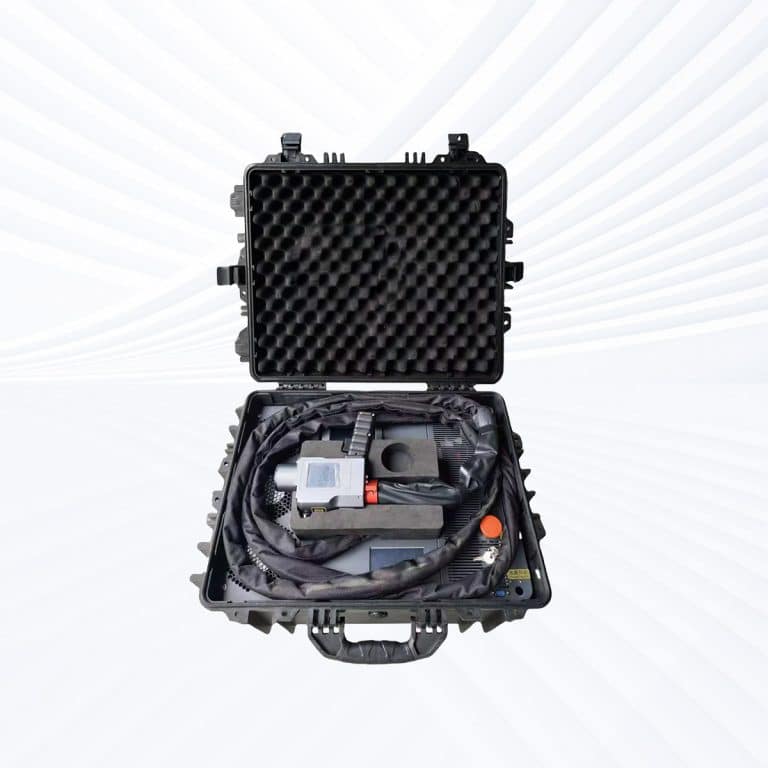
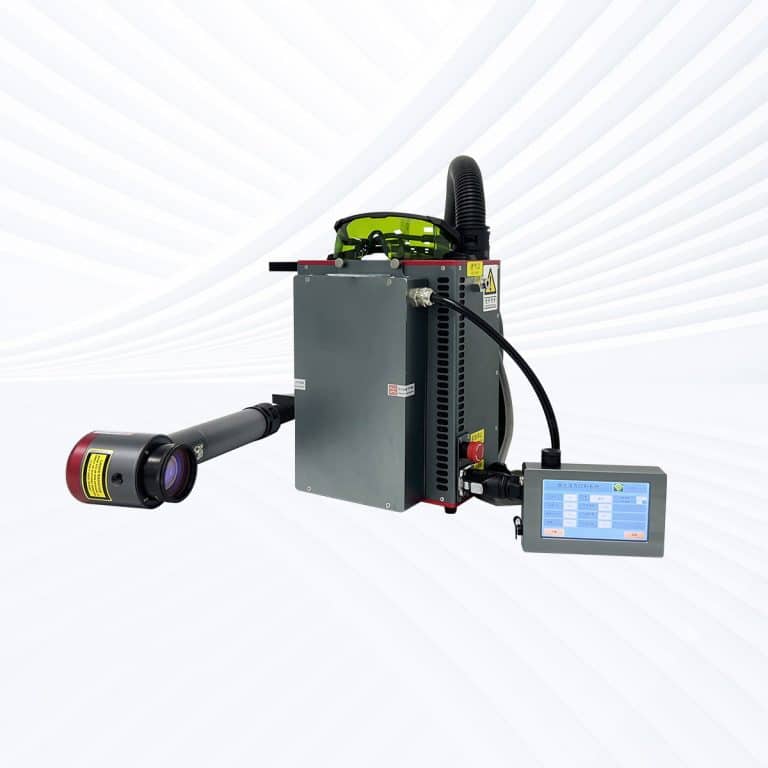
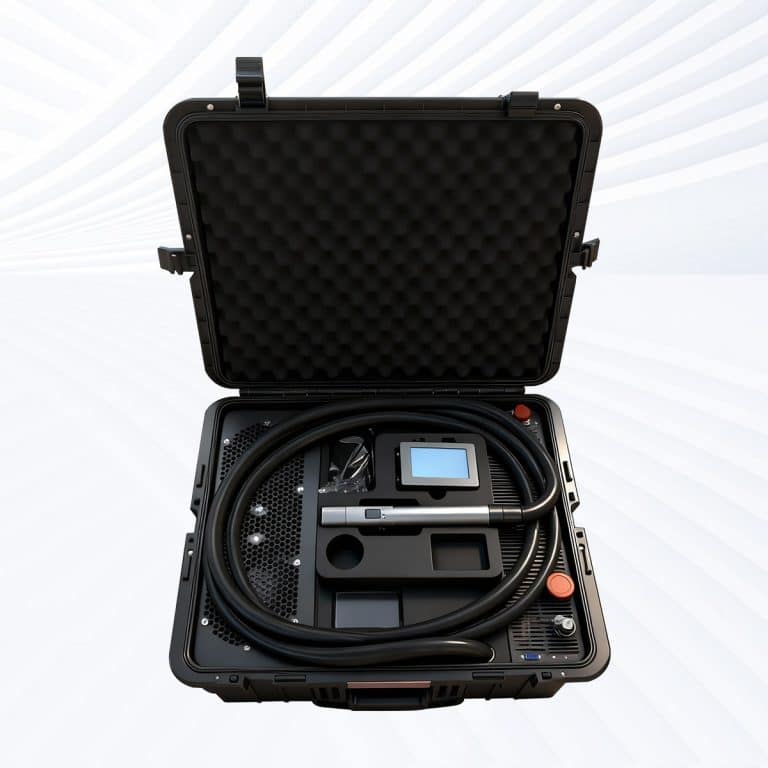
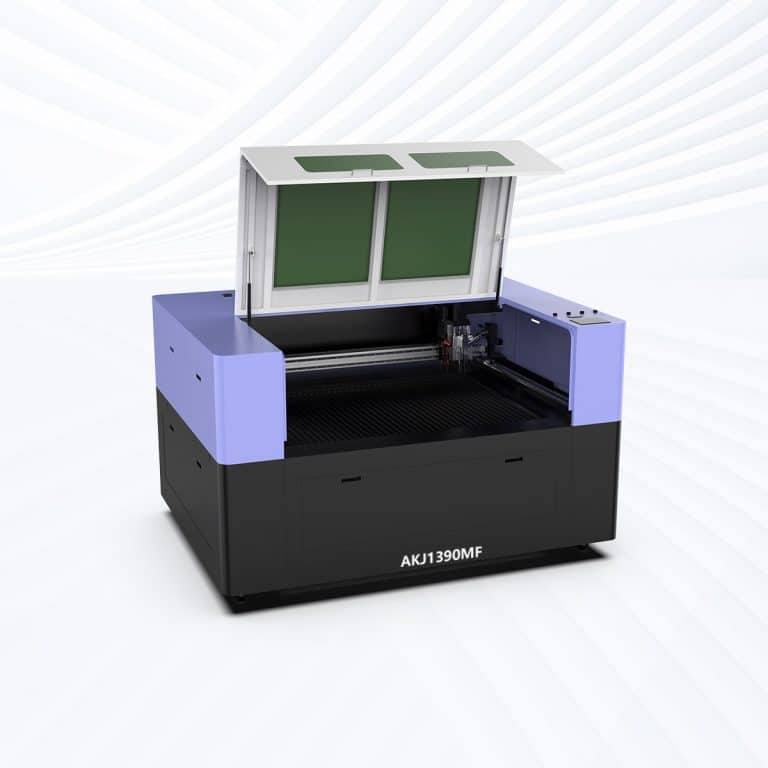
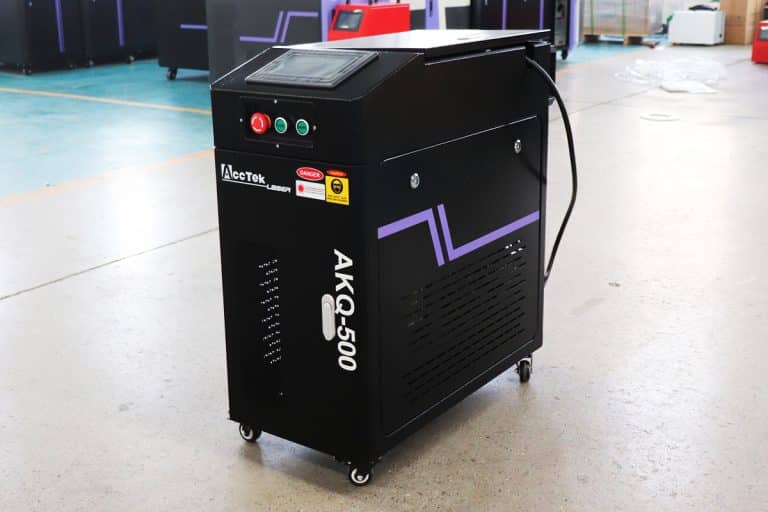
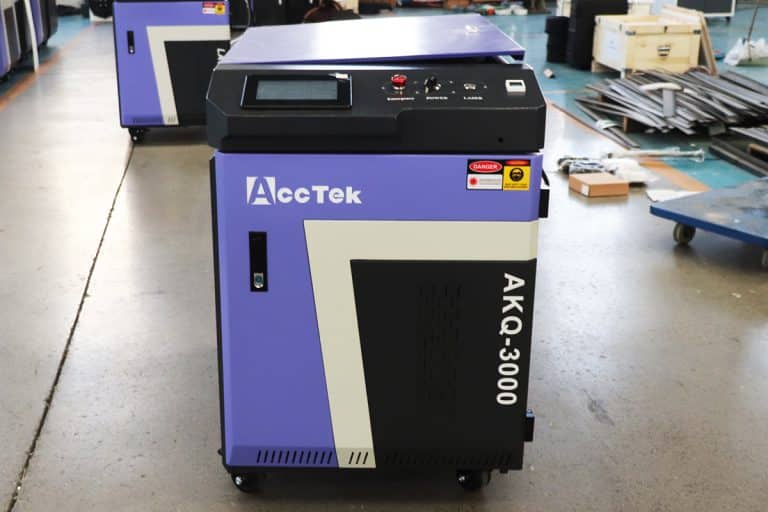
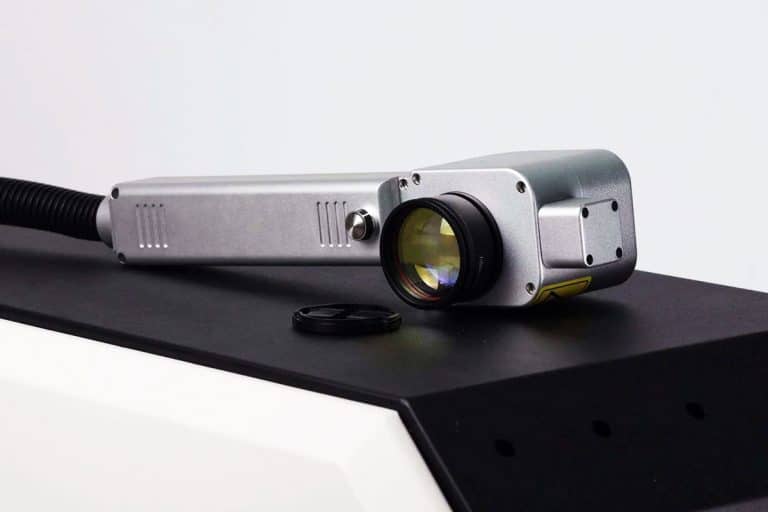
Laser Cleaing Machines Suitable For Oil
Advantages of Laser Cleaning Oil
Non-Contact and Damage-Free Cleaning
Laser cleaning oil removes grease and lubricants without brushes, cloths, or mechanical contact. This protects delicate surfaces from scratches, wear, or deformation, making it suitable for precision components and finished parts.
Fast and Highly Efficient Degreasing
Laser energy instantly breaks down and vaporizes oil contamination. The process is quick and leaves surfaces dry, allowing parts to move directly to welding, bonding, coating, or assembly without waiting or secondary cleaning steps.
Precise and Selective Oil Removal
Laser parameters can be accurately adjusted to target only oil and grease layers. This ensures the base material remains unchanged, even on complex shapes, fine features, or mixed-material assemblies.
Improves Downstream Process Quality
By fully eliminating oil residues, laser cleaning improves weld penetration, adhesive bonding strength, and coating adhesion. This reduces defects, rework, and long-term failures caused by surface contamination.
Environmentally Friendly and Safer Process
Laser cleaning oil requires no solvents, detergents, or water. This eliminates chemical waste, reduces fire and health risks, and supports cleaner, safer, and more sustainable industrial operations.
Easy Automation and Consistent Results
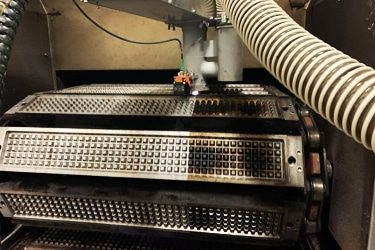
Laser oil cleaning systems integrate seamlessly into automated production lines. They provide repeatable, operator-independent results, ensuring consistent cleanliness standards and higher productivity in high-volume manufacturing environments.
Compatible Materials
- Carbon Steel
- Mild Steel
- Stainless Steel
- Alloy Steel
- Tool Steel
- Cast Iron
- Aluminum
- Aluminum Alloys
- Copper
- Brass
- Bronze
- Titanium
- Titanium Alloys
- Nickel
- Nickel Alloys
- Inconel
- Hastelloy
- Monel
- Magnesium
- Magnesium Alloys
- Zinc
- Zinc Alloys
- Tin
- Chromium
- Molybdenum
- Tungsten
- Cobalt
- Cobalt-Chromium Alloys
- Metal Matrix Composites
- Carbon Fiber Composites
- Glass Fiber Composites
- Ceramic Components
- Industrial Ceramics
- Engineering Plastics
- Thermoplastics
- Rubber Components
- Seals and Gaskets
- Mold and Die Surfaces
- Mechanical Parts and Shafts
- Industrial Machinery Components
Laser Cleaning Oil VS Other Cleaning Methods
| Comparison Item | Laser Cleaning | Sandblasting | Chemical Cleaning | Ultrasonic Cleaning |
|---|---|---|---|---|
| Cleaning Principle | Laser energy vaporizes oil and grease | Abrasive impact removes surface material | Solvents dissolve oil contaminants | Cavitation removes oil in liquid bath |
| Contact With Surface | Non-contact | Direct abrasive contact | Chemical contact | Liquid contact |
| Risk of Surface Damage | Very low | High | Low to medium | Low |
| Effectiveness on Oil Removal | Excellent | Poor | Excellent | Good |
| Precision and Control | Extremely high | Low | Medium | Medium |
| Suitability for Precision Parts | Excellent | Poor | Good | Good |
| Residue After Cleaning | None | Abrasive residue | Chemical residue possible | Liquid residue possible |
| Dry Process | Yes | Yes | No | No |
| Consumables Required | None | Abrasive media | Chemicals and solvents | Cleaning fluids |
| Environmental Impact | Minimal waste | Dust and debris | Hazardous chemical waste | Wastewater disposal |
| Operator Safety | High | Dust inhalation risk | Chemical exposure risk | Moderate |
| Automation Capability | High | Low | Medium | Medium |
| Cleaning Speed | Fast and instant | Moderate | Slow to moderate | Moderate |
| Maintenance Requirements | Low | High | High | Moderate |
| Long-Term Operating Cost | Low | High | High | Moderate |
Laser Cleaning Capacity
| Surface | 100W pulse | 200W pulse | 300W pulse | 500W pulse | 1000W pulse | 1500W pulse | 2000W pulse | 1000W continuous | 1500W continuous | 2000W continuous | 3000W continuous | 6000W continuous |
|---|---|---|---|---|---|---|---|---|---|---|---|---|
| Graffiti | Limited | Limited | Good | Good | Good | Good | Limited | Good | Good | Best | Best | Best |
| Rust Light | Good | Good | Good | Best | Best | Best | Best | Good | Good | Best | Best | Best |
| Rust Heavy | Limited | Good | Good | Best | Best | Best | Best | Good | Good | Best | Best | Best |
| Paint Thin | Good | Good | Best | Best | Best | Best | Best | Limited | Good | Good | Best | Best |
| Paint Thick | Limited | Good | Good | Best | Best | Best | Best | Good | Good | Best | Best | Best |
| Coatings Thin | Good | Good | Best | Best | Best | Best | Best | Limited | Limited | Good | Good | Best |
| Coatings Thick | Limited | Good | Good | Best | Best | Best | Best | Good | Good | Best | Best | Best |
| Welding Burns | Good | Good | Best | Best | Best | Best | Best | Good | Good | Best | Best | Best |
| Oil Light | Good | Good | Best | Best | Best | Best | Best | Limited | Limited | Good | Good | Best |
| Oil Heavy | Limited | Good | Good | Best | Best | Best | Best | Limited | Good | Good | Best | Best |
| Oxidation Film | Good | Good | Best | Best | Best | Best | Best | Limited | Limited | Good | Best | Best |
| Oxide Scale | Limited | Good | Good | Best | Best | Best | Best | Good | Good | Best | Best | Best |
| Adhesive Residue | Good | Good | Best | Best | Best | Best | Best | Limited | Limited | Good | Good | Best |
| Soot | Good | Good | Best | Best | Best | Best | Best | Good | Good | Best | Best | Best |
| Rubber Marks | Limited | Good | Good | Good | Good | Limited | Limited | Good | Good | Best | Best | Best |
| Salt Deposits | Limited | Good | Good | Best | Best | Best | Best | Limited | Good | Good | Best | Best |
| Mold Release | Good | Good | Best | Best | Best | Best | Best | Limited | Good | Good | Best | Best |
| Surface Prep | Good | Good | Best | Best | Best | Best | Best | Good | Good | Best | Best | Best |
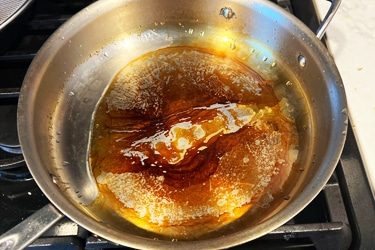
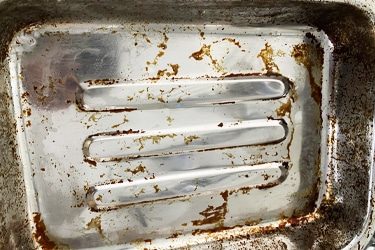
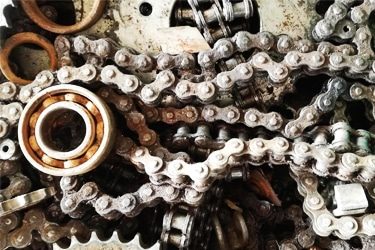
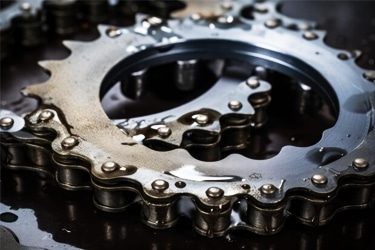
Applications of Laser Cleaning Oil
Customer Testimonials
Related Resources
How Effective Is Laser Cleaning At Removing Contaminants
This article explores how effective laser cleaning is at removing contaminants, covering mechanisms, materials, system types, real-world applications, limitations, and optimization factors for reliable results.
Will Laser Cleaning Damage The Substrate
This article explains whether laser cleaning damages substrates, examining damage mechanisms, material risks, process control, and verification methods for safe, effective laser cleaning.
Comprehensive Guides to Choosing the Right Laser Cleaning Parameters
This comprehensive guide explores the key factors in choosing the right laser cleaning parameters, including material types, contamination levels, and practical considerations for optimal results.

What Training Is Required to Operate Laser Cleaning Machines
This article is a comprehensive guide outlining the safety, operation, maintenance, and certification training required for operators of modern industrial laser cleaning machines.
Frequently Asked Questions
What Types Of Oil Can Laser Cleaning Remove?
- Mineral Oils: Laser cleaning can efficiently remove mineral-based oils derived from petroleum. These include lubricating oils used in machinery, hydraulic oils, spindle oils, and gear oils. Such oils are common in manufacturing, automotive, and metalworking environments, where laser cleaning is often used before welding, coating, or bonding operations.
- Synthetic Oils: Synthetic lubricants, such as polyalphaolefin (PAO) oils, ester-based oils, and silicone oils, can also be removed with laser cleaning. These oils are typically more thermally stable than mineral oils, but with appropriate laser parameters—such as higher pulse energy or optimized scanning speed—they can be effectively decomposed and removed without leaving residue.
- Cutting and Machining Oils: Cutting fluids and machining oils, which may contain oil-water emulsions, additives, and corrosion inhibitors, are commonly removed using laser cleaning. The laser selectively targets the oil fraction, breaking down organic components while leaving metal surfaces clean and ready for downstream processes.
- Greases and Heavy Oils: Thick oils and greases, including bearing grease, assembly grease, and heavy-duty lubricants, can also be removed. These materials may require multiple laser passes or slower scanning speeds due to their higher viscosity and thickness. Pulsed lasers are especially effective in gradually ablating layered grease without overheating the substrate.
- Bio-Based and Vegetable Oils: Vegetable oils and bio-lubricants—such as rapeseed, soybean, or ester-based biodegradable oils—are generally easy to remove with laser cleaning. Their organic structure absorbs laser energy efficiently, allowing clean vaporization with minimal risk of surface damage.
- Aged and Oxidized Oils: Laser cleaning is particularly valuable for removing aged, polymerized, or oxidized oil films that are difficult to eliminate with solvents. Over time, oils can harden or carbonize on surfaces; laser energy can break these stubborn residues into removable particles or vapors.
- Protective and Anti-Corrosion Oils: Temporary rust-prevention oils and storage coatings applied to metal parts are also well-suited for laser removal. Laser cleaning ensures complete removal without chemical waste, making it ideal for environmentally conscious production lines.
Does Laser Cleaning Evaporate Or Ablate Oil?
- Ablation of Oil Films: When a laser beam strikes an oil-contaminated surface, the oil absorbs part of the laser energy. If the energy density (fluence) exceeds a certain threshold, the oil layer is rapidly heated and undergoes laser ablation. In this process, the oil breaks down and is ejected from the surface as vapor, fine particles, or microdroplets due to sudden expansion. This is especially common with short-pulse lasers, such as nanosecond or picosecond systems, where energy is delivered faster than the oil can dissipate heat.
- Evaporation Due to Thermal Heating: At lower laser fluence, the oil may not ablate violently. Instead, it heats up gradually and evaporates. Oils generally have lower boiling points than metals or substrates, so controlled laser heating can selectively vaporize the oil without damaging the underlying surface. This mechanism is often preferred when cleaning sensitive components or precision parts.
- Photothermal Decomposition: In some cases, the laser energy causes the oil to chemically decompose rather than fully evaporate. Long-chain hydrocarbons can break into smaller molecules, gases, or carbonaceous residues, which are then removed by airflow or suction. Proper parameter control is important to avoid leaving charred residues behind.
- Selective Cleaning Advantage: One key benefit of laser cleaning is selectivity. Oil absorbs laser energy more efficiently than most metallic substrates. This allows the laser to remove oil while leaving the base material largely unaffected. By adjusting wavelength, pulse duration, and power, operators can target oil layers precisely.
- Role of Laser Type and Settings: Continuous-wave lasers tend to favor evaporation and heating, while pulsed lasers favor ablation and shock-based removal. Shorter pulse durations reduce heat transfer to the substrate, making ablation cleaner and more controlled.
Which Laser Is Suitable For Removing Oil?
- Pulsed Lasers (Highly Recommended for Oil Removal)
- Pulsed lasers are generally the preferred choice for removing oil, grease, and hydrocarbon contaminants. They deliver energy in very short bursts with high peak power, which causes rapid heating and expansion of the oil layer. This leads to laser ablation, where the oil is lifted and ejected from the surface as vapor or micro-particles.
- Because the pulse duration is extremely short, heat does not have time to spread into the base material. This makes pulsed lasers ideal for cleaning precision components, molds, electronic parts, and coated or sensitive substrates. They offer excellent control, minimal thermal damage, and high selectivity between oil and the underlying material. Nanosecond and picosecond pulsed lasers are especially effective for thin oil films and high-quality cleaning results.
- Continuous-Wave (CW) Lasers (Limited but Practical in Some Cases)
- Continuous lasers emit a steady beam of energy rather than short bursts. In oil removal, CW lasers mainly rely on thermal evaporation rather than ablation. The oil absorbs the heat, reaches its boiling point, and gradually evaporates from the surface.
- This method can work well for thicker oil layers or heavy grease, particularly on robust metal surfaces where heat damage is not a concern. However, CW lasers transfer more heat to the substrate, increasing the risk of discoloration, oxidation, or thermal distortion. As a result, they are less suitable for delicate parts or precision cleaning.
- Efficiency and Control Comparison: Pulsed lasers provide higher cleaning efficiency with lower average power consumption and superior control. CW lasers may require higher power and longer exposure times to achieve similar results, which can reduce overall process stability.
- Safety and Cleanliness Considerations: Pulsed lasers produce less residual contamination and reduce the chance of burning oil into carbonized residues. CW lasers, if not carefully controlled, may cause oil to partially decompose and leave charred deposits.
- Overall Recommendation: For most industrial oil-removal applications, pulsed lasers are the optimal solution due to their precision, safety, and substrate protection. Continuous lasers are best reserved for heavy-duty cleaning where surface heat tolerance is high, and precision is less critical.
What Changes Occur To Oil During Laser Cleaning?
- Rapid Heating and Phase Transition: The first change occurs when the oil absorbs laser energy and heats up quickly. Because oil generally has a lower boiling point than metals or ceramics, it reaches its vaporization temperature much faster than the underlying surface. As a result, the oil transitions from a liquid to a gaseous state, either partially or completely, allowing it to detach from the surface.
- Evaporation and Vapor Formation: At moderate energy levels, laser exposure causes the oil to evaporate. Volatile components within the oil vaporize first, forming a gas plume above the surface. This plume is typically removed by airflow or extraction systems, leaving the substrate clean and dry.
- Laser Ablation and Material Ejection: When higher energy densities or pulsed lasers are used, the oil experiences laser ablation. In this case, the oil layer expands violently due to rapid energy absorption, breaking apart into fine droplets, vapor, and microscopic particles. These fragments are ejected away from the surface, resulting in efficient contaminant removal.
- Thermal Decomposition (Pyrolysis): If the oil is exposed to sustained or excessive heat, long-chain hydrocarbons within the oil can chemically decompose. This process, known as pyrolysis, breaks oil molecules into smaller gases such as carbon monoxide, carbon dioxide, and light hydrocarbons. Improper parameter control can cause partial decomposition, leaving behind carbon-rich residues.
- Carbonization and Residue Formation (Undesirable Effect): In some cases, especially with continuous-wave lasers or insufficient ventilation, oil may carbonize instead of fully vaporizing. This creates a thin, charred residue on the surface, which may require additional cleaning passes to remove.
- Selective Interaction with the Substrate: An important characteristic of laser cleaning is selectivity. Oil absorbs laser energy more readily than most solid substrates, meaning these transformations occur primarily in the oil layer while the base material remains largely unchanged.
How Can Fire Be Prevented During The Laser Cleaning Of Oil?
- Optimize Laser Parameters: The most important step is the correct adjustment of laser power, pulse duration, and scanning speed. Excessive energy density can overheat the oil, causing ignition instead of controlled evaporation or ablation. Using lower average power with short pulses allows oil to be removed quickly while minimizing heat accumulation on the surface.
- Prefer Pulsed Laser Operation: Pulsed lasers are safer than continuous-wave lasers for oil cleaning because they deliver energy in brief bursts. This limits sustained heating and reduces the risk of reaching the oil’s flash point. The short interaction time also prevents heat transfer into surrounding areas that could trigger combustion.
- Ensure Effective Ventilation and Fume Extraction: As oil vaporizes or ablates, it produces flammable vapors and aerosols. Proper extraction systems remove these vapors immediately, preventing them from accumulating near the laser interaction zone. Good airflow also cools the surface, further reducing fire risk.
- Clean in Thin Layers or Multiple Passes: Attempting to remove thick oil layers in a single pass increases the likelihood of ignition. A safer approach is progressive cleaning, where oil is removed in thin layers over multiple passes. This keeps temperatures under control and ensures consistent results.
- Use Inert Gas Assistance When Necessary: For high-risk applications, introducing an inert gas such as nitrogen or argon around the cleaning area can significantly reduce fire hazards. These gases displace oxygen, making ignition much less likely during laser exposure.
- Monitor the Process in Real Time: Continuous visual or sensor-based monitoring helps detect early signs of glowing, smoking, or localized ignition. Immediate adjustment or shutdown can prevent small flare-ups from developing into fires.
- Maintain a Clean and Controlled Environment: Residual oil, dust, or debris around the work area can act as secondary fuel sources. Keeping the workspace clean and free of flammable materials greatly improves overall safety.
What PPE Is Needed For Laser Cleaning Of Oil?
- Laser Safety Eyewear: The most critical PPE item is laser-rated safety glasses or goggles. These must be specifically designed for the laser’s wavelength and power level being used. Proper eyewear protects the eyes from direct exposure, reflected beams, and scattered laser radiation, which can cause serious or permanent eye injury.
- Protective Gloves: Heat-resistant and chemical-resistant gloves are recommended. During laser cleaning, components may become hot, and residual oil or byproducts may be present on surfaces. Gloves protect against burns, skin contact with degraded oil residues, and accidental contact with hot metal parts.
- Respiratory Protection: Laser cleaning of oil can generate vapors, fumes, and fine particulate matter. When local exhaust ventilation is insufficient or when cleaning is performed in confined spaces, operators should wear an appropriate respirator. Filters should be selected based on the expected oil fumes and particulate size, typically including organic vapor cartridges and particulate filters.
- Protective Clothing: Flame-resistant or non-flammable work clothing is advisable, especially when cleaning oil-coated parts. Long sleeves, lab coats, or industrial coveralls protect the skin from heat, spatter, and airborne contaminants. Synthetic fabrics that can melt should be avoided in favor of natural or flame-resistant materials.
- Face Shield (When Necessary): In applications involving heavy oil buildup or higher laser power, a face shield can provide additional protection against splatter, debris, or sudden flare-ups. This is used in combination with laser safety eyewear, not as a replacement.
- Hearing Protection (Optional): Some laser cleaning systems, particularly pulsed lasers, can generate sharp acoustic noise during ablation. In high-noise environments, earplugs or earmuffs may be required to protect hearing.
- General Safety Accessories: Closed-toe safety shoes help protect against dropped components or hot debris. Fire-resistant barriers and emergency stop access further enhance safety but are considered engineering controls rather than PPE.
Does Laser Cleaning Of Oil Produce Harmful Fumes?
- Origin of Fumes During Laser Cleaning: When laser energy interacts with oil, the oil is rapidly heated, evaporated, or ablated. This process releases oil vapors, aerosols, and fine particulates into the surrounding air. These emissions are not unique to laser cleaning but result from the thermal breakdown of hydrocarbons under high energy.
- Chemical Composition of Emissions: Most industrial oils are composed of long-chain hydrocarbons. During laser exposure, these molecules can partially or fully decompose, producing substances such as hydrocarbon vapors, carbon monoxide, carbon dioxide, aldehydes, and ultrafine carbon particles. Additives in oils, such as corrosion inhibitors or detergents, may also contribute to the complexity of the fumes.
- Potential Health Risks: Inhalation of oil fumes and fine particles can irritate the respiratory system, eyes, and skin. Prolonged or repeated exposure without protection may lead to headaches, nausea, or respiratory discomfort. In poorly ventilated environments, higher concentrations of decomposition gases may pose more serious health concerns.
- Influence of Laser Type and Settings: Pulsed lasers generally produce fewer harmful fumes than continuous-wave lasers because they limit sustained heating and reduce excessive oil decomposition. Improperly set continuous lasers may overheat oil, increasing the formation of smoke and carbonized byproducts.
- Importance of Ventilation and Filtration: Effective local exhaust ventilation is essential to capture fumes at the source. Industrial laser cleaning systems are often paired with fume extractors equipped with HEPA and activated carbon filters, which remove particulates and absorb harmful gases before air is released back into the workspace.
- Risk Reduction Measures: Using correct laser parameters, cleaning oil in thin layers, and ensuring consistent airflow significantly reduce fume generation. In confined spaces, supplemental respiratory protection may be necessary.
What Wastes Are Generated During The Laser Cleaning Of Oil?
- Gaseous Waste (Vapors and Gases): The largest portion of waste generated during laser oil cleaning is gaseous. As the oil absorbs laser energy, it evaporates or decomposes into hydrocarbon vapors and gases. Common gaseous byproducts include carbon dioxide, carbon monoxide, light hydrocarbons, and trace organic compounds. These gases are typically captured and treated by ventilation and filtration systems.
- Aerosols and Fine Particulates: Laser ablation can produce microscopic oil droplets and fine carbon-based particles suspended in the air. These aerosols are generated when oil is rapidly heated and expelled from the surface. Although small in volume, they must be filtered using HEPA or multi-stage filtration systems to prevent inhalation and environmental release.
- Carbonaceous Residues: In cases where oil is partially decomposed rather than fully vaporized, carbon-rich residues may remain on the surface or be collected in filters. These residues are often minimal and can usually be removed with additional laser passes or routine maintenance cleaning.
- Collected Filter Waste: Fume extraction units accumulate waste in their filters over time. Activated carbon filters capture organic vapors, while particulate filters trap fine solids. These spent filters represent a solid waste stream that must be disposed of according to local regulations, especially if they contain concentrated oil byproducts.
- Condensed Oil Byproducts: Some systems include condensation stages where oil vapors cool and revert to liquid form. This results in small amounts of condensed oil or sludge, which can be collected and disposed of as industrial waste.
- Minimal Secondary Waste Compared to Traditional Methods: Unlike chemical degreasing or solvent cleaning, laser cleaning produces no wastewater, no used chemicals, and no abrasive debris. This significantly reduces waste handling and disposal requirements.