

Introduction
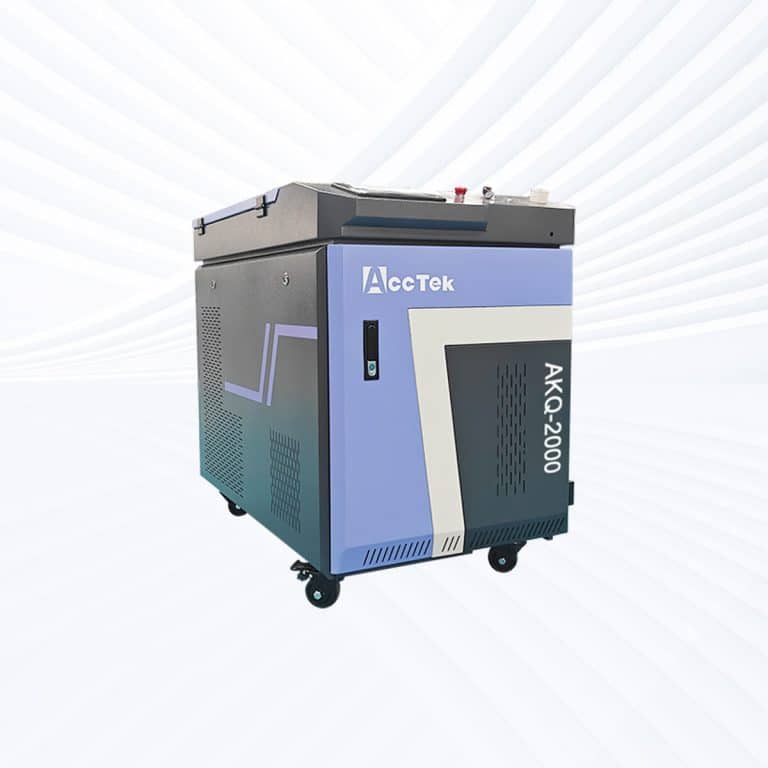
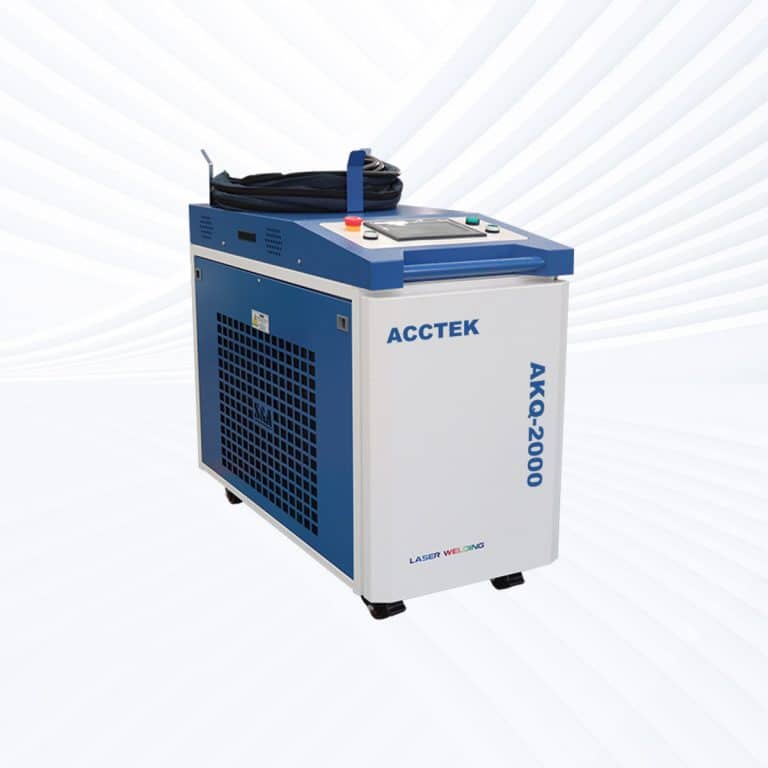
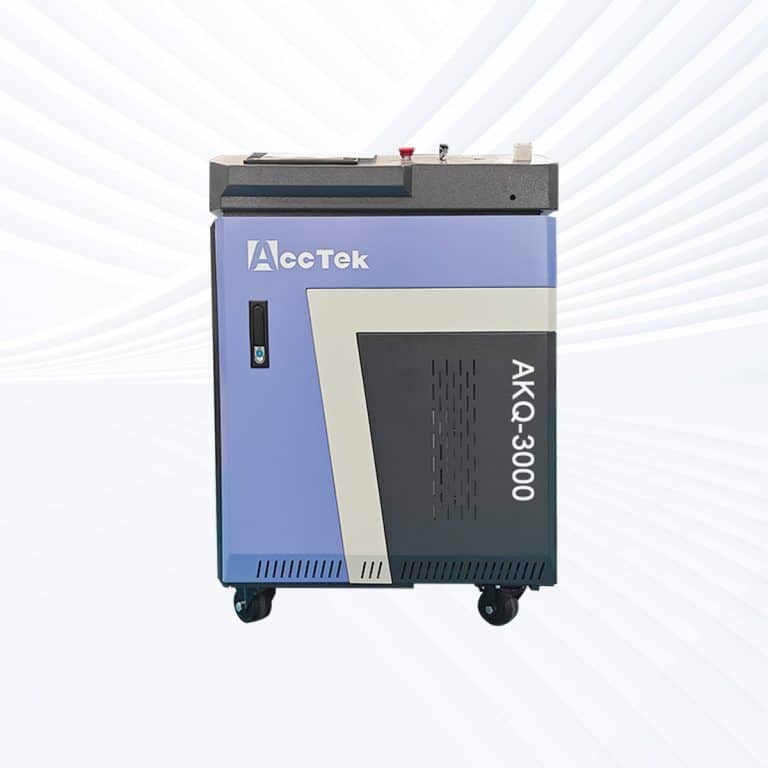
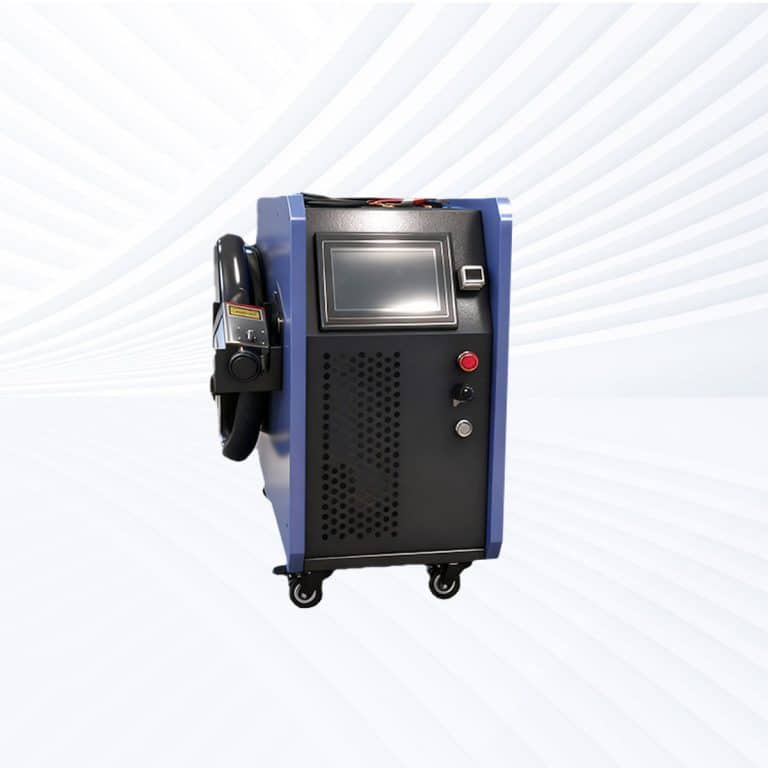
Laser Cleaing Machines Suitable For Metal
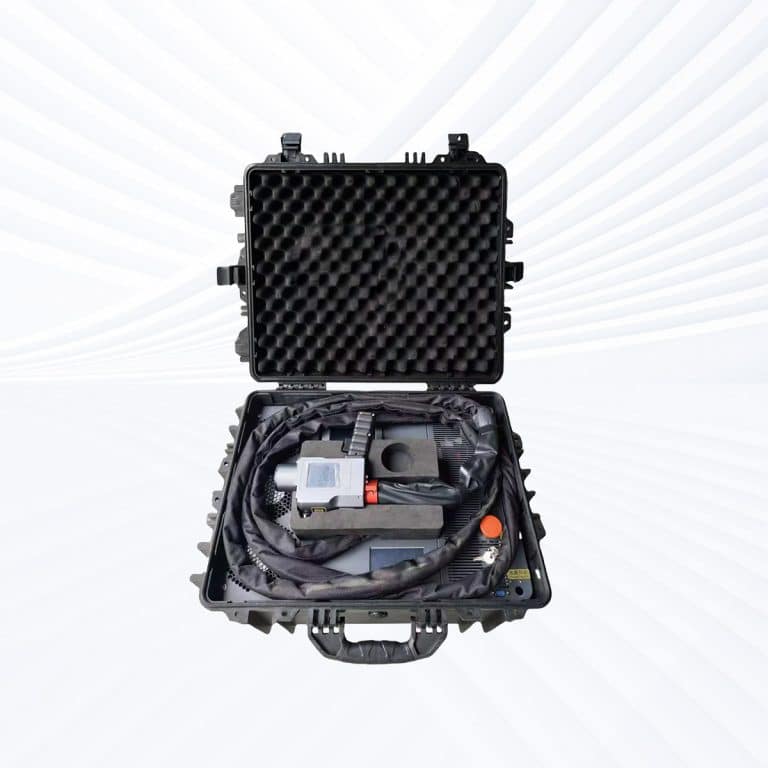
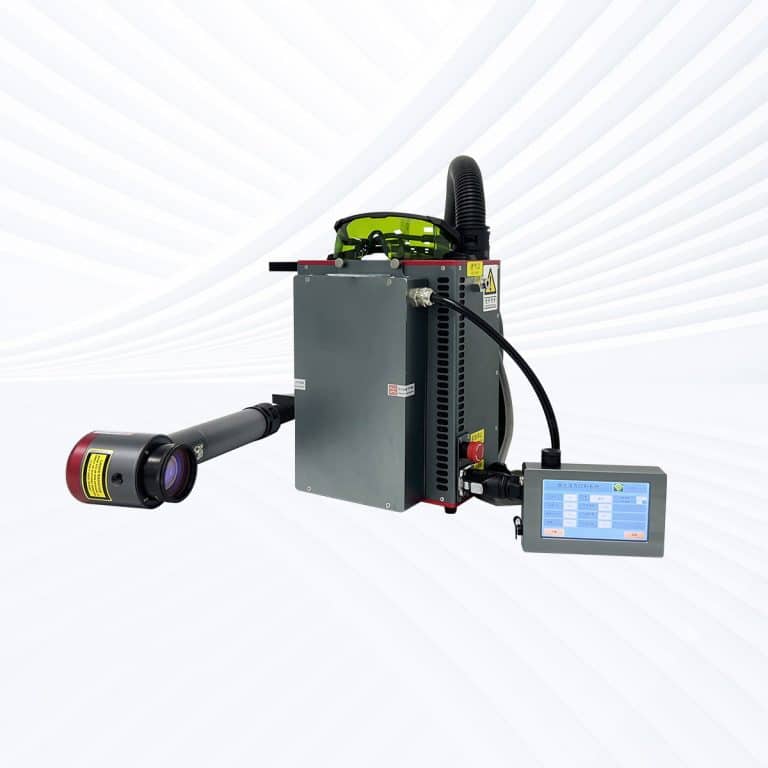
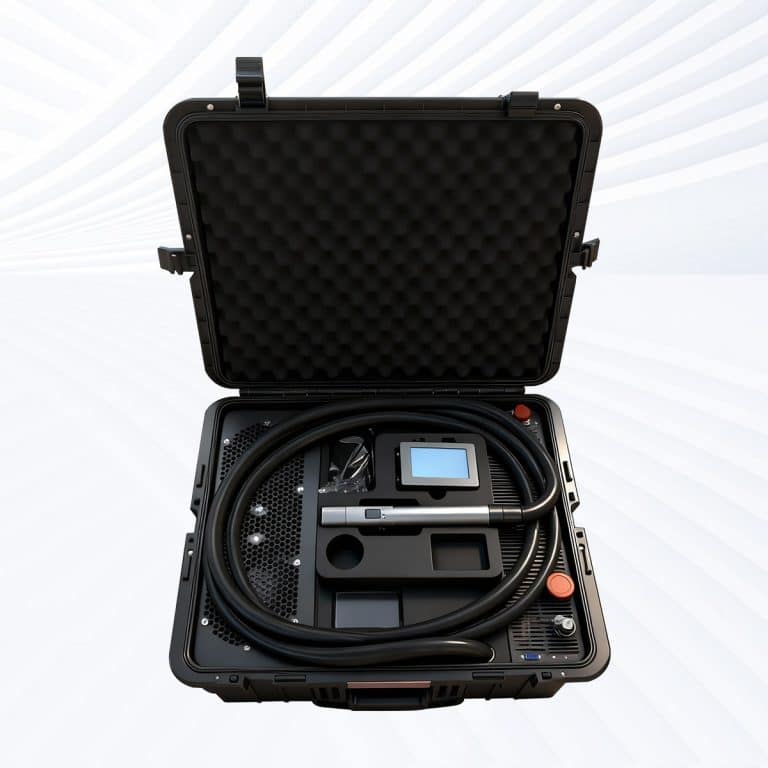
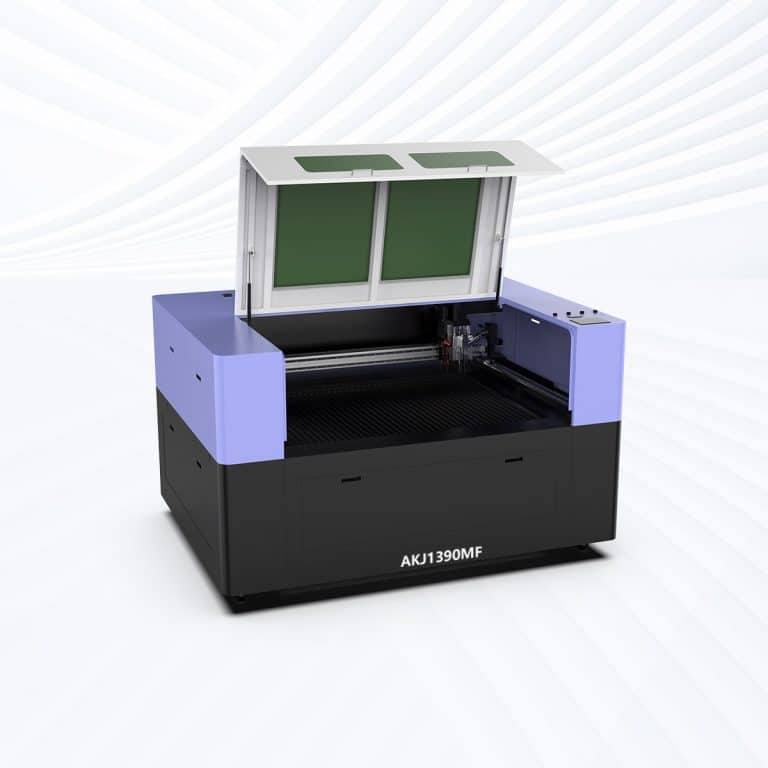
Advantages of Laser Cleaning Metal
Non-Contact and Damage-Free Cleaning
Laser cleaning metal is a non-contact process that removes rust, paint, and contaminants without mechanical force. This prevents surface scratches, deformation, or loss of material, making it ideal for precision parts and thin metal components.
High Precision and Selective Removal
Laser parameters can be precisely controlled to remove only unwanted layers while preserving the base metal. This selectivity ensures consistent results on complex geometries, fine features, and sensitive metal surfaces.
Improved Welding and Coating Quality
By eliminating oxides, oils, and residues, laser cleaning creates clean metal surfaces that improve weld strength, coating adhesion, and bonding reliability. This leads to higher product quality and longer service life.
Environmentally Friendly Process
Laser cleaning metal requires no chemicals, abrasives, or water. This reduces hazardous waste, minimizes environmental impact, and supports safer, cleaner production environments.
Low Operating and Maintenance Costs
Although the initial investment may be higher, laser cleaning eliminates recurring costs for consumables and chemical disposal. Minimal maintenance requirements contribute to lower long-term operating costs.
Automation and Process Consistency
Laser cleaning systems integrate easily into automated production lines. This ensures repeatable, operator-independent results, improves productivity, and supports high-throughput industrial metal processing.
Compatible Materials
- Carbon Steel
- Mild Steel
- Low-Alloy Steel
- Tool Steel
- Stainless Steel 304
- Stainless Steel 316
- Stainless Steel 430
- Galvanized Steel
- Aluminum
- Aluminum Alloy 6061
- Aluminum Alloy 7075
- Cast Aluminum
- Copper
- Brass
- Bronze
- Titanium
- Titanium Alloy
- Nickel
- Nickel Alloys
- Inconel
- Hastelloy
- Monel
- Magnesium
- Magnesium Alloys
- Zinc
- Zinc Alloys
- Tin
- Lead
- Cobalt
- Cobalt-Chromium Alloy
- Chromium
- Molybdenum
- Tungsten
- Tungsten Alloy
- Iron
- Cast Iron
- Ductile Iron
- Gold
- Silver
- Platinum
Laser Cleaning Metal VS Other Cleaning Methods
| Comparison Item | Laser Cleaning | Sandblasting | Chemical Cleaning | Ultrasonic Cleaning |
|---|---|---|---|---|
| Cleaning Principle | Laser ablation removes contaminants selectively | Abrasive impact removes material | Chemicals dissolve contaminants | Cavitation in liquid removes contaminants |
| Contact With Surface | Non-contact | Direct abrasive contact | Chemical contact | Indirect liquid contact |
| Risk of Surface Damage | Very low | High | Medium | Low |
| Precision and Control | Extremely high | Low | Medium | Medium |
| Suitability for Thin Parts | Excellent | Poor | Moderate | Good |
| Consumables Required | None | Abrasive media | Chemicals | Cleaning fluids |
| Environmental Impact | Minimal waste | Dust and abrasive waste | Hazardous chemical waste | Wastewater |
| Operator Safety | High | Dust inhalation risk | Chemical exposure risk | Moderate |
| Automation Capability | High | Low | Medium | Medium |
| Process Consistency | Highly repeatable | Operator-dependent | Chemical concentration dependent | Batch-dependent |
| Complex Geometry Handling | Excellent | Poor | Limited | Limited |
| Residue After Cleaning | None | Abrasive residue possible | Chemical residue possible | Liquid residue possible |
| Maintenance Requirements | Low | High | High | Moderate |
| Long-Term Operating Cost | Low | High | High | Moderate |
| Application Flexibility | Very high | Limited | Medium | Medium |
Laser Cleaning Capacity
| Material | 100W Pulse | 200W Pulse | 300W Pulse | 500W Pulse | 1000W Pulse | 1500W Pulse | 2000W Pulse | 1000W Continuous | 1500W Continuous | 2000W Continuous | 3000W Continuous | 6000W Continuous |
|---|---|---|---|---|---|---|---|---|---|---|---|---|
| Ceramics | Good | Good | Good | Good | Limited | Limited | Limited | Not Recommended | Not Recommended | Not Recommended | Not Recommended | Not Recommended |
| Composite | Good | Good | Good | Good | Limited | Limited | Not Recommended | Not Recommended | Not Recommended | Not Recommended | Not Recommended | Not Recommended |
| Glass | Limited | Limited | Good | Good | Limited | Limited | Not Recommended | Not Recommended | Not Recommended | Not Recommended | Not Recommended | Not Recommended |
| Metal | Good | Good | Good | Best | Best | Best | Best | Good | Good | Best | Best | Best |
| Plastic | Limited | Good | Good | Limited | Not Recommended | Not Recommended | Not Recommended | Not Recommended | Not Recommended | Not Recommended | Not Recommended | Not Recommended |
| Rubber | Limited | Good | Good | Limited | Not Recommended | Not Recommended | Not Recommended | Not Recommended | Not Recommended | Not Recommended | Not Recommended | Not Recommended |
| Stone | Limited | Good | Good | Good | Limited | Limited | Not Recommended | Good | Good | Good | Best | Best |
| Wood | Limited | Good | Good | Limited | Not Recommended | Not Recommended | Not Recommended | Not Recommended | Not Recommended | Not Recommended | Not Recommended | Not Recommended |
| Concrete/Cement | Limited | Good | Good | Good | Limited | Limited | Not Recommended | Good | Good | Best | Best | Best |
| Brick/Masonry | Limited | Good | Good | Good | Limited | Limited | Not Recommended | Good | Good | Good | Best | Best |
| Carbon Steel | Good | Good | Best | Best | Best | Best | Best | Good | Best | Best | Best | Best |
| Stainless Steel | Good | Good | Best | Best | Best | Best | Best | Good | Good | Best | Best | Best |
| Aluminum | Good | Good | Good | Best | Best | Best | Best | Limited | Limited | Good | Good | Best |
| Copper/Brass | Limited | Good | Good | Good | Best | Best | Best | Limited | Limited | Good | Good | Best |
| Titanium | Good | Good | Best | Best | Best | Best | Best | Limited | Good | Good | Best | Best |
| Galvanized Steel | Limited | Good | Good | Good | Limited | Limited | Not Recommended | Not Recommended | Not Recommended | Not Recommended | Not Recommended | Not Recommended |
| Painted Metal | Good | Good | Best | Best | Best | Best | Best | Limited | Good | Good | Best | Best |
| Weld Seam Cleanup | Good | Good | Best | Best | Best | Best | Best | Good | Good | Best | Best | Best |
| Molds & Tools | Good | Good | Best | Best | Best | Best | Best | Good | Good | Best | Best | Best |
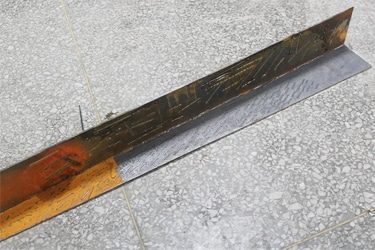
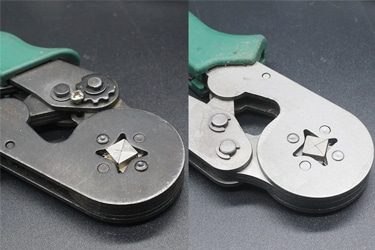
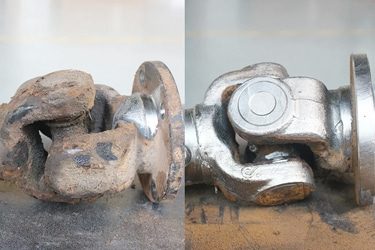
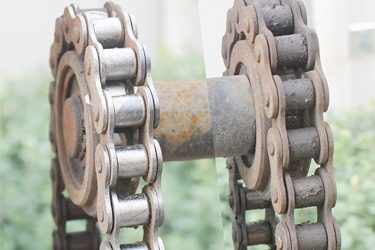
Applications of Laser Cleaning Metal




Customer Testimonials
Related Resources
How Effective Is Laser Cleaning At Removing Contaminants
This article explores how effective laser cleaning is at removing contaminants, covering mechanisms, materials, system types, real-world applications, limitations, and optimization factors for reliable results.
Will Laser Cleaning Damage The Substrate
This article explains whether laser cleaning damages substrates, examining damage mechanisms, material risks, process control, and verification methods for safe, effective laser cleaning.
Comprehensive Guides to Choosing the Right Laser Cleaning Parameters
This comprehensive guide explores the key factors in choosing the right laser cleaning parameters, including material types, contamination levels, and practical considerations for optimal results.

What Training Is Required to Operate Laser Cleaning Machines
This article is a comprehensive guide outlining the safety, operation, maintenance, and certification training required for operators of modern industrial laser cleaning machines.
Frequently Asked Questions
What Contaminants Can Laser Cleaning Remove From Metal Surfaces?
- Oils, Greases, and Lubricants: Manufacturing, machining, and handling often leave oils, cutting fluids, and greases on metal parts. Laser cleaning efficiently vaporizes these organic residues, leaving a dry, residue-free surface suitable for welding, coating, or bonding.
- Paints, Coatings, and Varnishes: Laser cleaning can remove paints, primers, powder coatings, lacquers, and protective films from metal surfaces. This is especially useful for repainting, repair, or selective coating removal without abrasive blasting or chemical stripping.
- Oxides and Corrosion Products: Surface oxides such as rust (iron oxide), scale, and tarnish can be removed from metals like steel, iron, copper, and aluminum. Laser cleaning is effective for light to moderate corrosion, restoring surface condition without altering part dimensions.
- Heat-Affected Oxide Layers: Metals exposed to high temperatures during welding, heat treatment, or forging often develop oxide or discoloration layers. Laser cleaning removes these layers to prepare the surface for further processing or inspection.
- Carbon and Soot Deposits: Carbonaceous residues from combustion, welding fumes, or exhaust exposure absorb laser energy efficiently. Laser cleaning removes soot and carbon buildup without spreading contamination across the surface.
- Adhesives and Sealant Residues: Residual adhesives, sealants, tapes, and bonding agents can be removed cleanly from metal substrates. This is particularly valuable when components need to be re-bonded or reassembled.
- Manufacturing Residues: Laser cleaning removes flux residues, mold-release agents, rolling oils, and other process-related contaminants left from metal forming, casting, or assembly operations.
- Particulates and Embedded Debris: Dust, polishing compounds, abrasive residues, and fine particulates embedded in surface textures can be dislodged and removed without mechanical contact.
- Thin Surface Films and Passivation Layers: In some applications, laser cleaning is used to remove thin films or passivation layers to activate the metal surface and improve adhesion or electrical conductivity.
Why Does The Substrate Discolor After Laser Cleaning?
- Thermal Oxidation: Localized heating during laser cleaning can raise the surface temperature enough to promote oxidation, even if contaminants are removed successfully. Thin oxide layers form rapidly when hot metal reacts with oxygen in the air. These oxides often appear as blue, brown, yellow, or rainbow-like discoloration, depending on oxide thickness and metal type.
- Heat Tint and Interference Effects: On metals such as stainless steel, titanium, or aluminum, very thin oxide films can create optical interference effects. Light reflecting from the oxide layer produces visible color changes without significant material damage. This “heat tint” is common when laser energy slightly exceeds the minimum required for cleaning.
- Surface Microstructural Changes: Laser energy can alter grain structure, surface roughness, or residual stress states. Even minor microstructural changes can affect how light reflects from the surface, resulting in visible color variation compared to untreated areas.
- Incomplete Removal of Thin Films: Sometimes discoloration is caused by partially removed coatings, oils, or oxide layers rather than new oxidation. Thin residual films can change surface reflectivity, giving the appearance of staining or color change.
- Re-deposition of Vaporized Material: During laser cleaning, vaporized contaminants or metal particles can condense back onto the surface as a very thin layer. This redeposition may be invisible to the naked eye but still cause color shifts.
- Assist Gas and Atmosphere Effects: Cleaning in ambient air increases the likelihood of oxidation. Insufficient use of inert assist gases such as nitrogen or argon allows oxygen to react with the heated substrate, promoting discoloration.
- Excessive Energy Input: Using laser power or fluence higher than necessary increases surface temperature and dwell time. This not only raises oxidation risk but can also cause slight surface melting or roughening, both of which influence color.
- Material-Specific Sensitivity: Some metals are more prone to discoloration due to their oxide behavior. Stainless steels, titanium alloys, and copper alloys are particularly sensitive, showing visible color changes even at moderate temperatures.
What Are The Environmental Benefits Of Laser Cleaning Metals?
- Elimination of Chemical Cleaners: One of the most significant environmental benefits of laser cleaning is that it does not require chemical solvents, acids, or detergents. Conventional metal cleaning often relies on hazardous chemicals that generate toxic waste, require special handling, and pose disposal challenges. Laser cleaning is a dry process, eliminating chemical runoff and reducing environmental contamination.
- Reduced Hazardous Waste Generation: Traditional methods such as chemical stripping, pickling, or abrasive blasting produce large volumes of contaminated waste, including sludge, spent media, and wastewater. Laser cleaning generates only small amounts of dry particulate debris, which is easier to collect, filter, and dispose of responsibly.
- Lower Water Consumption: Many conventional metal cleaning processes rely heavily on water for washing, rinsing, or cooling. Laser cleaning requires little to no water, significantly reducing water usage and preventing the release of contaminated wastewater into the environment.
- Minimal Material Loss: Laser cleaning selectively removes contaminants without removing base metal. This precision reduces unnecessary material loss compared to abrasive methods, which can erode the substrate. Preserving material extends component life and reduces the need for replacement parts, indirectly lowering resource consumption.
- Improved Air Quality Control: Although laser cleaning produces fumes and particulates, these emissions are localized and can be effectively captured using modern fume extraction and filtration systems. In contrast, open abrasive blasting can release large amounts of dust into the environment, affecting air quality and surrounding ecosystems.
- Energy Efficiency Over Lifecycle: While lasers require electrical power, the overall energy footprint can be lower when considering the full process lifecycle. Laser cleaning reduces energy-intensive steps such as chemical production, transportation, waste treatment, and disposal associated with traditional cleaning methods.
- No Secondary Pollution: Laser cleaning does not introduce secondary pollutants such as spent chemicals, contaminated water, or abrasive residues into the environment. The process leaves the cleaned metal surface dry and ready for further processing without additional cleaning stages.
- Support for Sustainable Manufacturing: By reducing waste, eliminating hazardous chemicals, and improving process efficiency, laser cleaning supports cleaner production practices and helps companies meet environmental regulations and sustainability goals.
What Are The Limitations Of Laser Cleaning Metals?
- High Initial Equipment Cost: Laser cleaning systems require significant upfront investment compared to conventional cleaning methods such as chemical baths or abrasive blasting. In addition to the laser source, costs include safety enclosures, fume extraction, and control systems, which can limit adoption for small-scale or low-budget operations.
- Limited Effectiveness on Heavy Corrosion: Laser cleaning is highly effective for light to moderate rust and oxide layers, but thick corrosion, heavy scale, or deeply embedded contaminants may require multiple passes or complementary mechanical methods. This can increase processing time and reduce efficiency.
- Risk of Thermal Effects: Although laser cleaning is non-contact, improper parameter selection can lead to thermal damage, including oxidation, heat tint, microstructural changes, or surface melting. Metals with low thermal conductivity or high oxidation sensitivity are especially prone to these effects.
- Reflective Metal Challenges: Highly reflective metals such as aluminum, copper, and brass can reflect a significant portion of laser energy, reducing cleaning efficiency and increasing the risk of back-reflections that may damage the laser optics if not properly managed.
- Process Speed Limitations: For large surface areas or thick contamination layers, laser cleaning may be slower than abrasive blasting or chemical stripping. This can limit throughput in high-volume industrial applications.
- Need for Skilled Operators: Laser cleaning requires trained operators to correctly set parameters such as wavelength, power, pulse duration, and scanning speed. Improper setup can result in incomplete cleaning or substrate damage.
- Fume and Particulate Management Requirements: Although waste volumes are low, laser cleaning generates fumes and fine particulates that require effective extraction and filtration systems. Without proper ventilation, workplace safety and surface quality can be compromised.
- Surface Appearance Changes: Even when cleaning is successful, slight discoloration or changes in surface texture may occur due to oxidation or microstructural modification. This can be undesirable in applications with strict aesthetic requirements.
- Geometry and Accessibility Constraints: Laser cleaning is a line-of-sight process. Complex geometries, deep recesses, or shadowed areas may be difficult to clean uniformly without repositioning or specialized optics.
Does Laser Cleaning Of Metals Require Auxiliary Gases?
- Dry Laser Cleaning Without Assist Gases: Many metal-cleaning applications can be performed in ambient air without additional gases. Pulsed lasers can effectively ablate contaminants such as oils, rust, paints, and oxides on their own. This approach is simple and cost-effective, particularly for small-scale operations or non-critical surface treatments.
- Compressed Air for Debris Removal: Low-pressure compressed air is commonly used to blow away ablated particles and prevent redeposition on the metal surface. This improves cleaning consistency and reduces the number of laser passes required, especially when removing rust or coatings.
- Inert Gases to Reduce Oxidation: Nitrogen or argon is frequently used when surface appearance and chemical purity are important. Inert gases displace oxygen from the cleaning zone, reducing thermal oxidation and discoloration. This is especially beneficial when cleaning stainless steel, aluminum, or titanium alloys.
- Oxygen for Enhanced Removal (Controlled Use): In some cases, oxygen is introduced intentionally to enhance the removal of carbon-based contaminants or certain coatings. Oxygen supports oxidation, allowing contaminants to break down at lower laser energy. However, this can increase surface oxidation of the metal and must be carefully controlled.
- Process Stability and Plume Control: Assist gases help remove vaporized material from the laser interaction zone. This prevents plume shielding, where accumulated vapor absorbs or scatters incoming laser energy, reducing cleaning effectiveness and process consistency.
- Cooling and Thermal Management: Gentle gas flow can provide limited cooling, helping to control localized heat buildup. This reduces the risk of heat tint, microstructural changes, or surface melting, particularly during high-power or repeated laser passes.
- Fume Direction and Safety: Assist gases help direct fumes and particulates toward extraction systems, improving operator safety and protecting laser optics from contamination.
- When Assist Gases May Be Unnecessary: For light contamination, non-appearance-critical surfaces, and operations with effective fume extraction, auxiliary gases may offer limited additional benefit beyond proper laser parameter control.
What Are The Defects Of Laser Cleaning Metals?
- Surface Oxidation and Discoloration: One of the most common defects is discoloration caused by thermal oxidation. Localized heating during laser cleaning can form thin oxide layers on the metal surface, resulting in heat tint, rainbow coloring, or darkened areas, especially on stainless steel, aluminum, and titanium alloys.
- Surface Melting and Recast Layers: Excessive laser energy or slow scanning speeds may partially melt the metal surface. Upon cooling, the molten material can resolidify as a recast layer, altering surface smoothness, hardness, or chemical composition.
- Microstructural Changes: Laser-induced heating can modify the surface microstructure, including grain growth, phase transformation, or changes in residual stress. These changes may affect fatigue strength, corrosion resistance, or mechanical performance.
- Increased Surface Roughness: Over-cleaning can remove not only contaminants but also base metal, leading to surface roughening, pitting, or texturing. While slight roughness may improve adhesion, excessive roughness can be detrimental for sealing or precision applications.
- Heat-Affected Zones (HAZ): High energy input can create heat-affected zones beneath the surface where material properties are altered. These zones may have reduced hardness or increased brittleness depending on the metal and process conditions.
- Incomplete Cleaning and Residual Contamination: If laser parameters are too conservative, contaminants may not be fully removed. Thin oxide films, oils, or coatings can remain, resulting in uneven or patchy surfaces.
- Redeposition of Ablated Material: Vaporized contaminants or metal particles can condense back onto the surface if fume extraction is inadequate. This redeposition can form thin films or spots that reduce cleanliness and appearance quality.
- Edge Damage and Localized Overheating: Edges, corners, and thin sections absorb heat more rapidly and are more prone to localized overheating, melting, or distortion.
- Damage to Adjacent Features: Selective cleaning near sensitive features or coatings can be challenging. Improper beam control may unintentionally affect nearby areas.
Does Laser Cleaning Of Metals Produce Fumes?
- Primary Source of Fumes – Removed Contaminants: The main source of fumes during laser cleaning is not the metal itself, but the contaminants being removed. Oils, greases, paints, coatings, adhesives, corrosion products, and carbon deposits absorb laser energy and are rapidly heated, vaporized, or decomposed. This process releases gases and fine particulate matter into the air.
- Metal Vapor and Oxide Particles (Limited): When laser parameters are well controlled, the base metal is not significantly vaporized. However, slight surface heating can produce microscopic metal oxide particles, especially if oxidation occurs during cleaning in ambient air. Excessive energy input increases the likelihood of metal vaporization and oxide fume formation.
- Types of Emissions Generated: Laser cleaning of metals can produce a mixture of fine dust, metal oxide particles, carbonaceous smoke, and volatile organic compounds (VOCs), depending on the contaminant. For example, removing paint or oil produces organic vapors, while rust removal generates iron oxide particulates.
- Health and Safety Concerns: Inhalation of metal fumes, oxides, or VOCs can irritate the respiratory system and, with prolonged exposure, may pose health risks. Certain metals or coatings may produce hazardous fumes that require stricter exposure controls.
- Importance of Fume Extraction Systems: Effective local exhaust ventilation is essential during laser cleaning of metals. Fume extraction systems equipped with particulate (HEPA) and gas-phase (activated carbon) filters capture airborne contaminants at the source, protecting operators and preventing redeposition on the cleaned surface or laser optics.
- Role of Assist Gases: Compressed air or inert gases such as nitrogen can help direct fumes away from the interaction zone and toward extraction inlets. While assist gases do not eliminate fume generation, they improve plume control and cleaning consistency.
- Comparison With Traditional Methods: Although laser cleaning produces fumes, the total waste generated is far less than with chemical stripping or abrasive blasting. The emissions are localized and easier to capture, making laser cleaning cleaner and more controllable from an environmental standpoint.
- Regulatory and Environmental Considerations: Facilities must ensure that fume control systems comply with occupational safety and environmental regulations, particularly when cleaning hazardous coatings or alloys.
What PPE Is Required For Laser Cleaning Operators?
- Laser Safety Eyewear: Laser-rated protective eyewear is mandatory. Glasses or goggles must match the specific laser wavelength being used (e.g., infrared, visible, or ultraviolet) and provide the correct optical density (OD) to protect against direct, reflected, or scattered laser radiation. Incorrect eyewear offers no protection and can result in serious eye injury.
- Respiratory Protection: Laser cleaning generates fumes, vapors, and fine particulates from contaminants such as oils, coatings, rust, or polymers. Operators should wear respirators equipped with appropriate filters—typically a combination of particulate (P100 or equivalent) and organic vapor cartridges. In higher-exposure environments, powered air-purifying respirators (PAPRs) may be required.
- Protective Gloves: Heat-resistant and chemical-resistant gloves protect against hot surfaces, sharp edges, and contact with residues or debris. Nitrile gloves are commonly used, sometimes combined with cut-resistant gloves when handling rough or sharp components.
- Protective Clothing: Flame-resistant (FR) lab coats, jackets, or coveralls are recommended to protect against sparks, hot particles, and accidental beam reflections. Clothing should fully cover exposed skin to prevent burns, irritation, or contamination from particulates.
- Face Shields: Face shields may be used in addition to laser safety eyewear to protect against flying debris, molten particles, or spatter from ablated material. Face shields must be compatible with laser safety requirements and not replace laser-rated eyewear.
- Foot Protection: Safety footwear with protective toe caps and non-slip soles helps protect against dropped components, hot debris, and sharp metal fragments.
- Hearing Protection (If Required): Although lasers themselves are quiet, associated equipment such as fume extractors or compressed air systems can generate high noise levels. Hearing protection should be worn if noise exceeds safe limits.
- Skin and Contamination Protection: Long sleeves and proper hygiene reduce the risk of skin irritation from metal dust, fibers, or chemical residues. Washing exposed skin after work is recommended.
- Fire Safety Preparedness: Operators should have access to fire-resistant gloves and nearby fire extinguishers, as laser cleaning can ignite flammable residues.