

Introduction
Laser Cleaing Machines Suitable For Graffiti
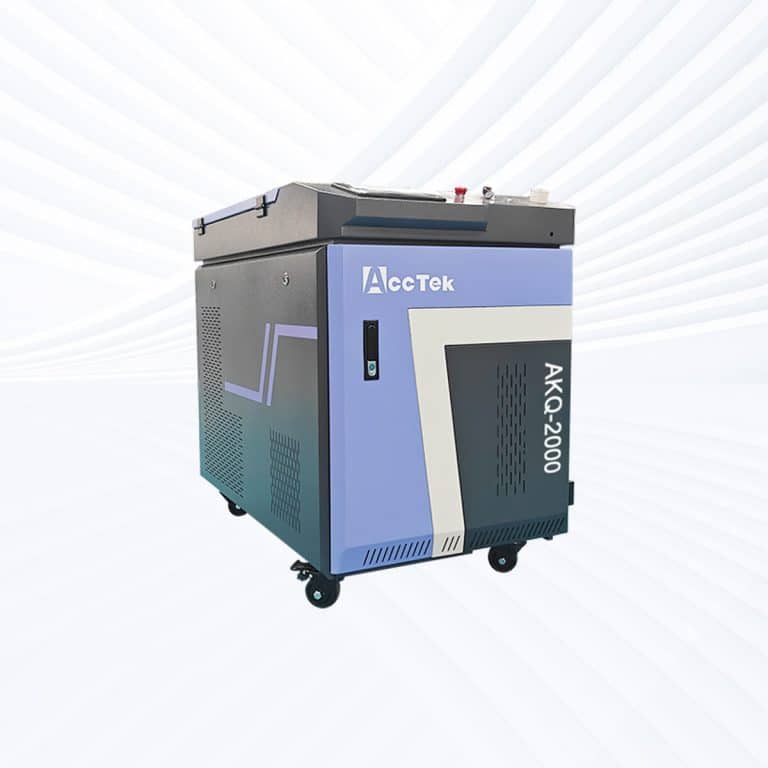
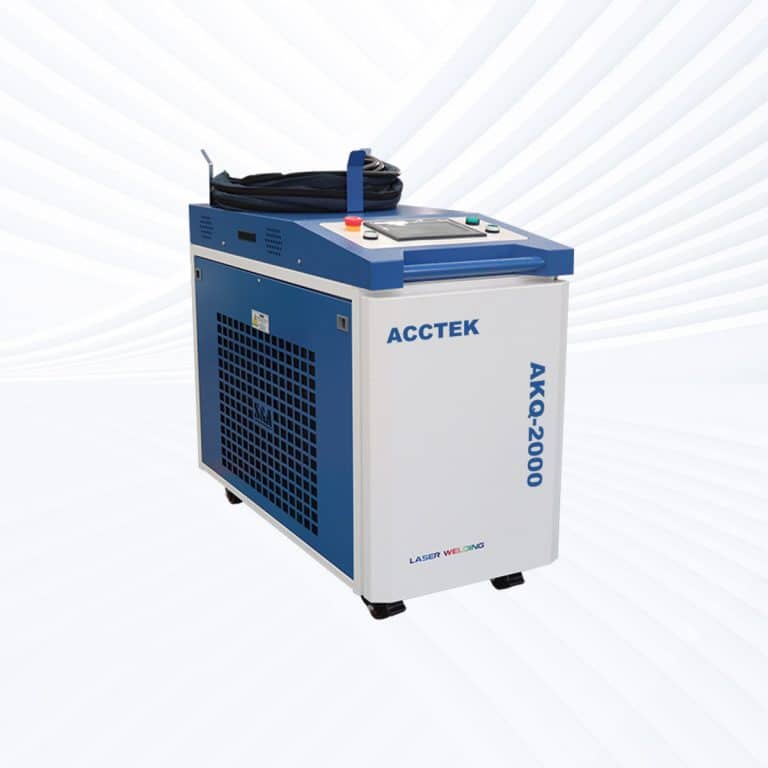
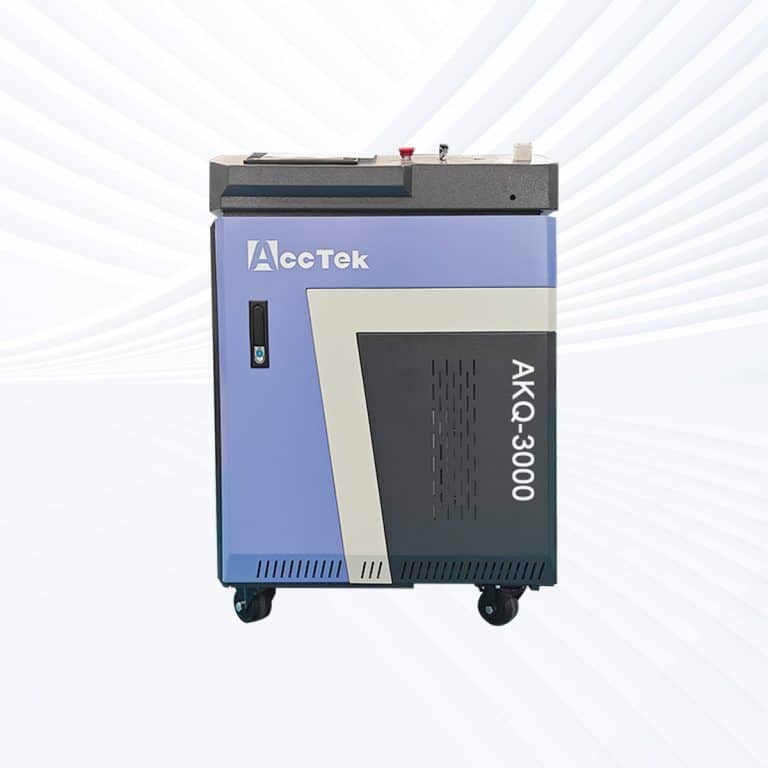
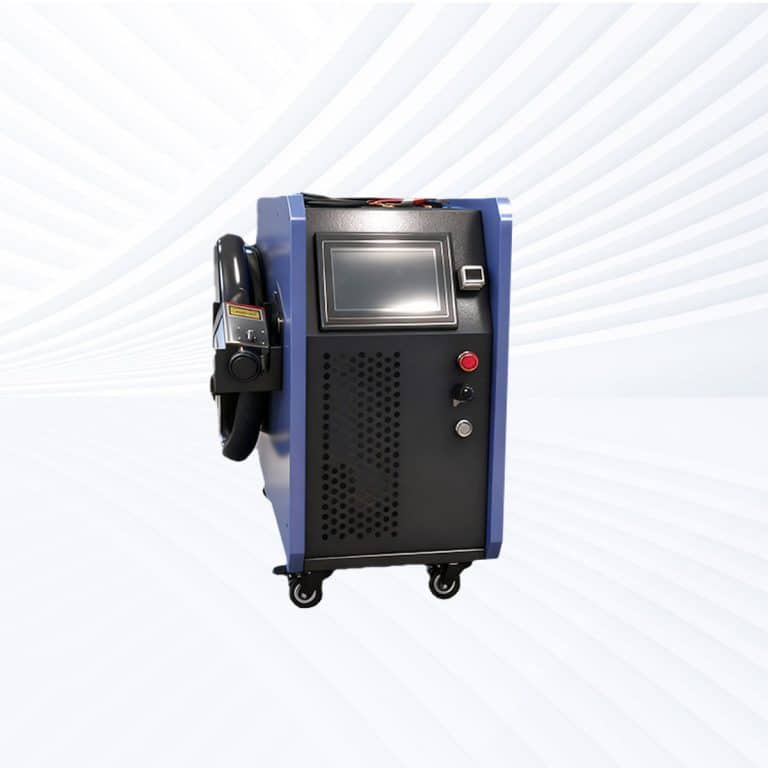
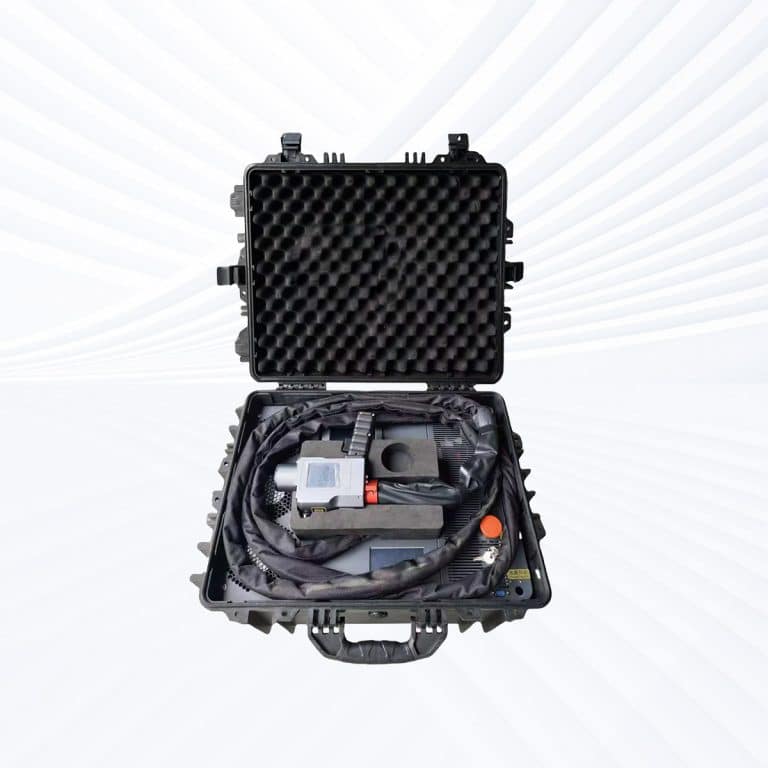
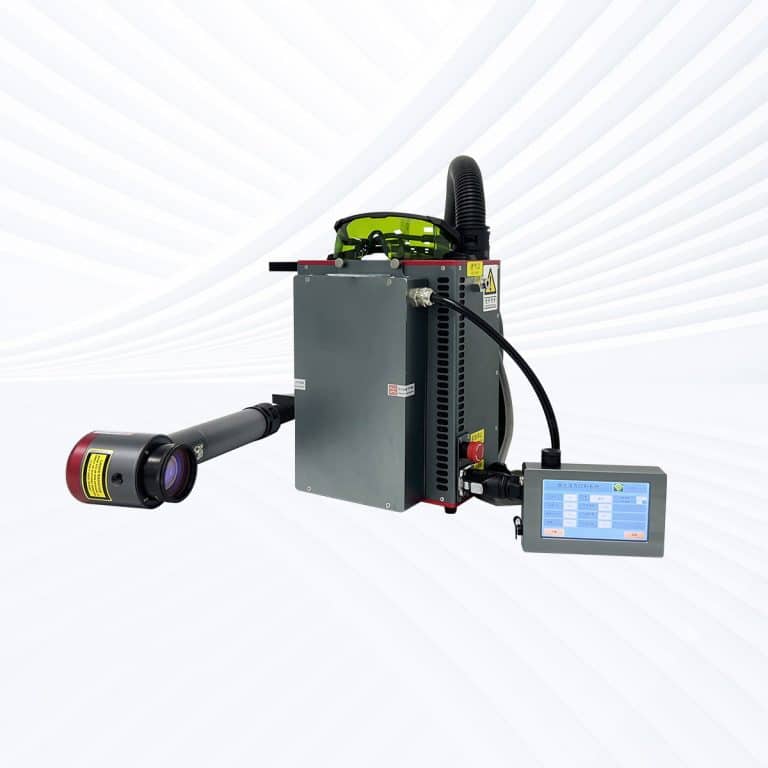
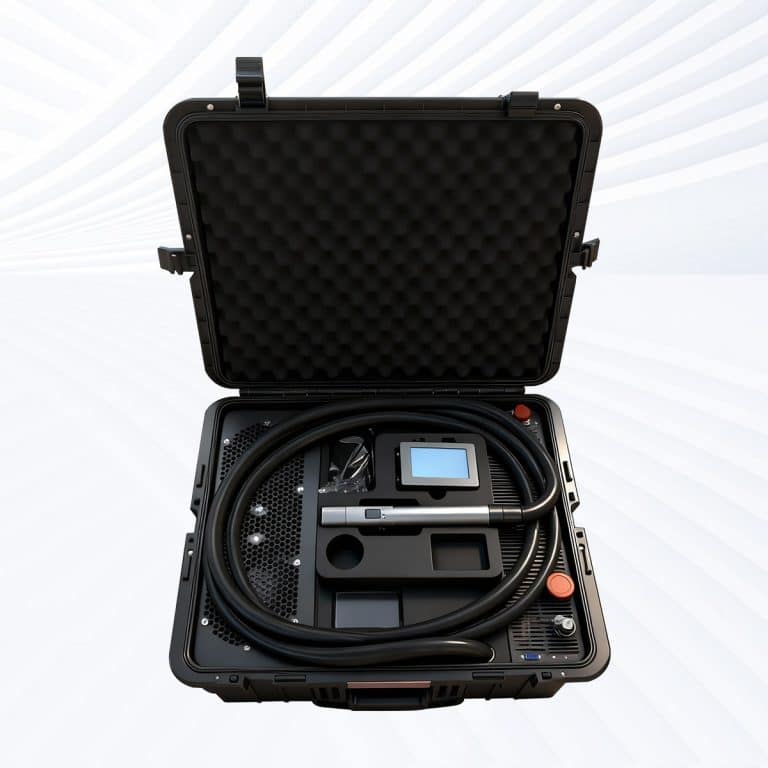
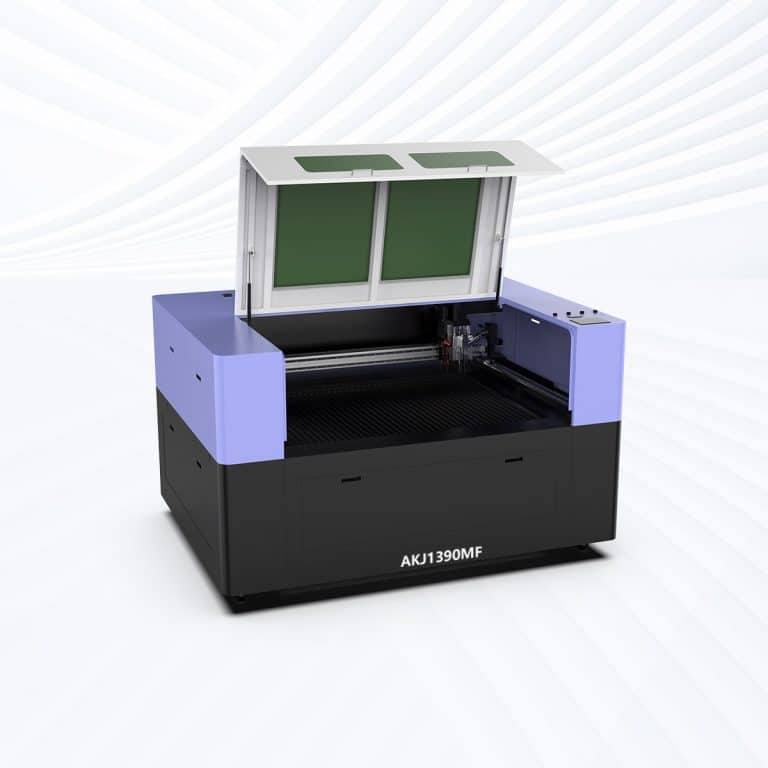
Advantages of Laser Cleaning Graffiti
Non-Contact and Surface-Safe Removal
Laser cleaning graffiti is a non-contact process that removes paint and ink without mechanical abrasion. This prevents surface erosion, scratching, or loss of texture, making it ideal for delicate or historic surfaces.
High Precision and Selective Cleaning
Laser parameters can be precisely adjusted to target graffiti layers while leaving the underlying material untouched. This selectivity allows safe removal on textured, carved, or porous surfaces without over-cleaning.
Preserves Original Appearance
By avoiding harsh chemicals and abrasives, laser graffiti removal maintains the original color, texture, and finish of the surface. This helps preserve architectural details and aesthetic value.
Environmentally Friendly Process
Laser cleaning graffiti requires no solvents, chemicals, or water. This eliminates hazardous waste, prevents chemical runoff, and supports environmentally responsible urban and heritage maintenance practices.
Suitable for Historic and Sensitive Surfaces
Laser cleaning is especially effective for historical buildings, monuments, and artworks. The controlled energy delivery minimizes the risk of damage to aged or fragile materials.
Efficient and Repeatable Results
Laser cleaning systems provide consistent, repeatable results across different surfaces and graffiti types. This improves cleaning efficiency, reduces labor time, and ensures predictable outcomes for maintenance teams.
Compatible Materials
- Marble
- Granite
- Limestone
- Sandstone
- Slate
- Travertine
- Brick
- Concrete
- Reinforced Concrete
- Natural Stone
- Engineered Stone
- Cast Stone
- Terrazzo
- Ceramic Tile
- Porcelain
- Stucco
- Plaster
- Rendered Walls
- Carbon Steel
- Stainless Steel
- Aluminum
- Copper
- Bronze
- Painted Metal Surfaces
- Tempered Glass
- Architectural Glass
- Oak
- Maple
- Hardwood
- Softwood
- Painted Wood
- Historic Timber
- Concrete Blocks
- Masonry Walls
- Stone Sculptures
- Monument Stone
- Building Facades
- Tunnel Walls
- Bridge Structures
- Public Art Installations
Laser Cleaning Graffiti VS Other Cleaning Methods
| Comparison Item | Laser Cleaning | Sandblasting | Chemical Cleaning | Ultrasonic Cleaning |
|---|---|---|---|---|
| Cleaning Principle | Laser energy selectively removes graffiti layers | Abrasive erosion removes surface material | Chemicals dissolve paint and ink | Cavitation in liquid loosens contaminants |
| Contact With Surface | Non-contact | Direct abrasive contact | Chemical contact | Liquid contact |
| Risk of Surface Damage | Very low | Very high | Medium | Low |
| Preservation of Surface Texture | Excellent | Poor | Good | Good |
| Suitability for Historic Surfaces | Excellent | Poor | Moderate | Limited |
| Precision and Selectivity | Extremely high | Low | Medium | Medium |
| Effect on Porous Materials | Controlled and safe | Causes erosion | Risk of staining | Limited effectiveness |
| Consumables Required | None | Abrasive media | Chemicals and solvents | Cleaning fluids |
| Environmental Impact | Minimal waste | Dust and debris | Chemical runoff | Wastewater |
| Chemical Exposure | None | None | High | Low |
| Moisture Introduction | None | None | Possible | Required |
| Automation Capability | High | Low | Medium | Medium |
| Cleaning Consistency | Highly repeatable | Operator-dependent | Process-dependent | Batch-dependent |
| Residue After Cleaning | None | Abrasive residue | Chemical residue | Moisture residue |
| Long-Term Operating Cost | Low | High | High | Moderate |
Laser Cleaning Capacity
| Surface | 100W pulse | 200W pulse | 300W pulse | 500W pulse | 1000W pulse | 1500W pulse | 2000W pulse | 1000W continuous | 1500W continuous | 2000W continuous | 3000W continuous | 6000W continuous |
|---|---|---|---|---|---|---|---|---|---|---|---|---|
| Graffiti | Limited | Limited | Good | Good | Good | Good | Limited | Good | Good | Best | Best | Best |
| Rust Light | Good | Good | Good | Best | Best | Best | Best | Good | Good | Best | Best | Best |
| Rust Heavy | Limited | Good | Good | Best | Best | Best | Best | Good | Good | Best | Best | Best |
| Paint Thin | Good | Good | Best | Best | Best | Best | Best | Limited | Good | Good | Best | Best |
| Paint Thick | Limited | Good | Good | Best | Best | Best | Best | Good | Good | Best | Best | Best |
| Coatings Thin | Good | Good | Best | Best | Best | Best | Best | Limited | Limited | Good | Good | Best |
| Coatings Thick | Limited | Good | Good | Best | Best | Best | Best | Good | Good | Best | Best | Best |
| Welding Burns | Good | Good | Best | Best | Best | Best | Best | Good | Good | Best | Best | Best |
| Oil Light | Good | Good | Best | Best | Best | Best | Best | Limited | Limited | Good | Good | Best |
| Oil Heavy | Limited | Good | Good | Best | Best | Best | Best | Limited | Good | Good | Best | Best |
| Oxidation Film | Good | Good | Best | Best | Best | Best | Best | Limited | Limited | Good | Best | Best |
| Oxide Scale | Limited | Good | Good | Best | Best | Best | Best | Good | Good | Best | Best | Best |
| Adhesive Residue | Good | Good | Best | Best | Best | Best | Best | Limited | Limited | Good | Good | Best |
| Soot | Good | Good | Best | Best | Best | Best | Best | Good | Good | Best | Best | Best |
| Rubber Marks | Limited | Good | Good | Good | Good | Limited | Limited | Good | Good | Best | Best | Best |
| Salt Deposits | Limited | Good | Good | Best | Best | Best | Best | Limited | Good | Good | Best | Best |
| Mold Release | Good | Good | Best | Best | Best | Best | Best | Limited | Good | Good | Best | Best |
| Surface Prep | Good | Good | Best | Best | Best | Best | Best | Good | Good | Best | Best | Best |
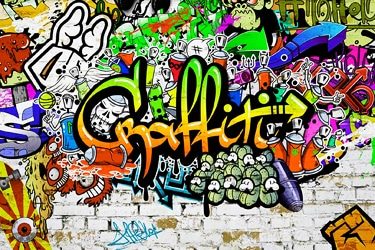
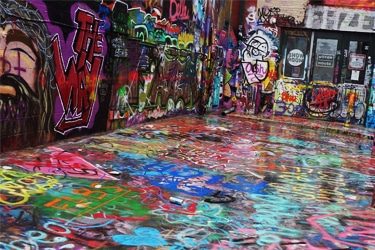
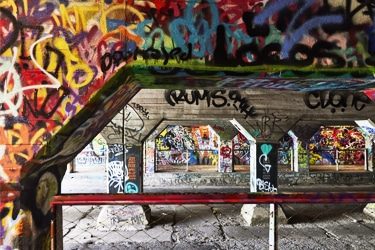
Applications of Laser Cleaning Graffiti





Customer Testimonials
Related Resources
How Effective Is Laser Cleaning At Removing Contaminants
This article explores how effective laser cleaning is at removing contaminants, covering mechanisms, materials, system types, real-world applications, limitations, and optimization factors for reliable results.
Will Laser Cleaning Damage The Substrate
This article explains whether laser cleaning damages substrates, examining damage mechanisms, material risks, process control, and verification methods for safe, effective laser cleaning.
Comprehensive Guides to Choosing the Right Laser Cleaning Parameters
This comprehensive guide explores the key factors in choosing the right laser cleaning parameters, including material types, contamination levels, and practical considerations for optimal results.

What Training Is Required to Operate Laser Cleaning Machines
This article is a comprehensive guide outlining the safety, operation, maintenance, and certification training required for operators of modern industrial laser cleaning machines.
Frequently Asked Questions
Why Is Laser Cleaning Effective For Graffiti?
- Selective Absorption of Laser Energy: Graffiti paints and inks typically absorb laser energy more efficiently than the underlying substrate. When the laser is applied, the paint layer heats, decomposes, and vaporizes before the base material is affected. This selectivity allows graffiti to be removed while preserving the original surface.
- Non-Contact and Non-Abrasive Process: Unlike sandblasting or mechanical scraping, laser cleaning does not physically touch the surface. This prevents scratching, erosion, or loss of surface detail, which is critical for heritage buildings, sculptures, and decorative finishes.
- Precise Depth Control: Laser parameters such as fluence, pulse duration, and scanning speed can be finely adjusted to target only the graffiti layer. This precise control minimizes the risk of over-cleaning and substrate damage, even on porous or fragile materials.
- Effective on a Wide Range of Substrates: Laser cleaning works on stone, brick, concrete, metal, glass, and some wood surfaces. It can remove graffiti from uneven, textured, or carved surfaces where chemical or mechanical methods struggle.
- No Chemical Residues: Chemical graffiti removers often leave residues that can discolor surfaces, weaken materials, or contaminate the environment. Laser cleaning eliminates the need for solvents, reducing environmental impact and cleanup requirements.
- Minimal Secondary Waste: Graffiti removal by laser produces only small amounts of fine particulate and vaporized paint, which can be captured with proper extraction systems. This contrasts with slurry, dust, or contaminated runoff produced by other methods.
- Reduced Risk of Spreading Paint: Mechanical cleaning can smear paint deeper into porous surfaces. Laser cleaning breaks down the paint at a molecular level, reducing the risk of driving pigments further into pores.
- Adaptability to Different Paint Types: Spray paints, markers, inks, and layered graffiti can all be addressed by adjusting laser settings. Multiple gentle passes can remove thick or multi-layer graffiti safely.
- Preservation of Historic Patina: In conservation work, laser cleaning can remove graffiti while leaving natural aging layers and original finishes intact—something rarely achievable with aggressive cleaning methods.
- On-Site and Controlled Application: Portable laser cleaning systems allow targeted removal in public spaces without extensive masking or site disruption.
How Long Does Laser Cleaning Graffiti Take?
- Size of the Graffiti Area: Small tags or symbols may take only a few minutes, while large murals or extensive graffiti covering walls, bridges, or monuments can take several hours or multiple sessions. Cleaning speed is typically measured in square centimeters or square meters per hour.
- Type and Thickness of Paint: Thin spray paint layers are removed faster than thick, multi-layer graffiti or marker inks. Heavy paint buildup often requires multiple low-energy passes rather than one aggressive pass, increasing total cleaning time.
- Number of Paint Layers: Graffiti applied repeatedly over time significantly increases cleaning duration. Each layer must be selectively removed to avoid damaging the underlying surface, especially on stone or historic materials.
- Substrate Material: Dense, non-porous materials like polished stone or metal clean faster and more uniformly. Porous substrates such as sandstone, brick, or concrete slow the process because paint penetrates pores and must be removed gradually.
- Surface Texture and Geometry: Flat, smooth surfaces allow faster scanning. Rough, carved, or highly textured surfaces require slower scanning speeds and more careful control, increasing cleaning time.
- Laser Power and Type: Higher-power laser systems can clean larger areas more quickly, but power is often intentionally limited to protect sensitive surfaces. Pulsed lasers used for conservation work typically prioritize precision over speed.
- Cleaning Quality Requirements: If complete paint removal is required for aesthetic or conservation reasons, cleaning takes longer. In some cases, partial removal is acceptable, reducing time.
- Operator Skill and Setup Time: Experienced operators work more efficiently, but setup, calibration, test patches, and safety checks add to total project time—especially on heritage sites.
- Environmental and Safety Constraints: Public-area work may require pauses, barriers, or noise restrictions, extending project duration.
- Typical Time Ranges: As a general estimate, laser cleaning graffiti may take 5–30 minutes per square meter for light graffiti on smooth surfaces, and 30–90 minutes per square meter or more for thick, layered graffiti on porous or historic substrates.
What Are The Risks Of Laser Cleaning Graffiti?
- Substrate Damage Risk: If laser parameters are not properly adjusted, the underlying material may be damaged. Excessive laser energy can cause surface etching, melting, discoloration, or microcracking, especially on porous materials like sandstone, brick, or concrete.
- Surface Discoloration and Color Change: Laser heating can alter the color of the substrate. Minerals in stone may oxidize, concrete may darken, and metals may show heat tinting. On wood, laser cleaning can cause browning or charring beyond the graffiti layer.
- Incomplete Graffiti Removal: Graffiti pigments often penetrate deep into porous surfaces. Laser cleaning primarily works at the surface, so residual “ghost images” or shadows may remain. Attempts to remove these completely by increasing laser power can damage the substrate.
- Uneven Cleaning and Patchiness: Different paint colors, binders, and thicknesses absorb laser energy differently. This can lead to uneven removal where some areas are fully cleaned while others remain partially stained, especially on textured or heterogeneous surfaces.
- Loss of Historic or Protective Layers: On heritage buildings, laser cleaning may unintentionally remove historic patinas, surface finishes, or previous conservation coatings that contribute to the structure’s authenticity and protection.
- Thermal Stress and Microcracking: Rapid localized heating and cooling can introduce thermal stress. Over time, this may result in microfractures that weaken the substrate and accelerate weathering.
- Fume and Particle Hazards: Laser cleaning graffiti generates fumes, vapors, and fine particulates from vaporized paint. These may contain toxic compounds, heavy metals, or solvents, posing health risks without adequate ventilation and respiratory protection.
- Fire Risk on Combustible Substrates: On wood or wood-based materials, laser cleaning increases the risk of charring or ignition, particularly if graffiti contains flammable binders or if the wood is dry.
- Equipment and Safety Risks: Improper handling of high-powered lasers can pose eye and skin hazards to operators and bystanders if safety protocols, enclosures, and laser-rated PPE are not used.
- Time and Cost Constraints: Laser cleaning is often slower and more expensive than chemical or abrasive methods, particularly for large graffiti areas. A rushed operation to reduce time increases the likelihood of damage.
Is Laser Cleaning Graffiti Environmentally Friendly?
- Elimination of Chemical Cleaners: Laser cleaning does not rely on solvents, acids, or alkaline chemicals commonly used in graffiti removal. This prevents chemical runoff into soil, drains, and waterways and avoids secondary pollution associated with chemical disposal.
- Minimal Secondary Waste: Traditional methods often produce contaminated wastewater, slurry, or large volumes of debris. Laser cleaning generates only small amounts of fine particulate matter and vaporized paint, which can be captured using proper filtration systems.
- Reduced Water Consumption: Unlike pressure washing or wet abrasive blasting, laser cleaning is a dry process. This significantly lowers water usage and eliminates the need for wastewater treatment.
- Selective Material Removal: The laser targets only the graffiti layer, preserving the underlying substrate. This reduces the need for repeated repairs, repainting, or surface replacement, which lowers long-term material consumption and environmental impact.
- Lower Risk of Surface Degradation: By avoiding aggressive mechanical abrasion, laser cleaning helps extend the lifespan of building materials. Longer service life means fewer resources are needed for maintenance or restoration.
- Controlled Emissions: Although laser cleaning produces fumes, these can be effectively managed with local exhaust ventilation and HEPA or activated carbon filtration. This allows contaminants to be captured at the source rather than released into the environment.
- Energy Efficiency Compared to Alternatives: While lasers consume electricity, overall energy use can be lower than repeated chemical treatments, mechanical grinding, or surface replacement. Portable laser systems also reduce transportation and logistics impacts.
- Safe for Sensitive and Historic Sites: Laser cleaning allows graffiti removal on heritage structures without introducing chemicals that could alter stone chemistry or leave harmful residues. This supports sustainable conservation practices.
- Reduced Worker Exposure to Harmful Substances: Operators are not exposed to harsh chemicals or solvent vapors, improving occupational safety and reducing the need for chemical handling and disposal procedures.
- Limitations to Environmental Friendliness: The process is environmentally beneficial only when proper fume extraction is used. Without filtration, vaporized paint particles could contribute to localized air pollution.
Can laser Cleaning Remove Multiple Layers Of Graffiti?
- Layer-by-Layer Removal Capability: Each pass of the laser removes the topmost layer of graffiti. Operators can perform multiple controlled passes, adjusting parameters between passes to ensure deeper layers are removed without damaging the substrate.
- Control Through Adjustable Parameters: Laser power, pulse energy, repetition rate, and scanning speed can be fine-tuned for thick or multilayer coatings. Higher energy or slower scanning speeds are often used for heavily layered graffiti, while reduced settings are applied as the substrate is approached.
- Effect of Paint Type and Color: Dark-colored paints absorb laser energy more efficiently than light or reflective colors. Multiple layers composed of different paint types may require parameter adjustments during cleaning to maintain consistent removal.
- Substrate Sensitivity Matters: Porous materials like stone, brick, or concrete may absorb some paint into their pores. While lasers can remove surface layers effectively, deeply penetrated pigments may require additional passes and careful energy control to avoid surface alteration.
- Uniformity Challenges: With multiple layers applied unevenly over time, thickness can vary across the surface. This may lead to uneven cleaning if parameters are not dynamically adjusted or if automated scanning systems are not used.
- Time Considerations: Removing multiple layers takes longer than single-layer graffiti removal. Each layer must be ablated gradually to preserve the integrity of the underlying surface, especially on historic or decorative materials.
- Reduced Risk Compared to Abrasive Methods: Unlike sandblasting or grinding, laser cleaning avoids mechanical stress even when removing thick, multilayer graffiti. This makes it particularly suitable for delicate or high-value surfaces.
- Fume and Particle Management: More layers mean increased vaporized material. Effective fume extraction and filtration are essential to maintain safety and environmental compliance during extended cleaning cycles.
Does Laser Cleaning Graffiti Require Auxiliary Gases?
- How Laser Graffiti Cleaning Works: Laser cleaning removes graffiti through controlled ablation. The laser energy is absorbed by paint, ink, or pigment layers, causing them to rapidly heat, vaporize, or break into fine particles. Because graffiti coatings absorb laser energy more readily than underlying substrates such as stone, brick, metal, or wood, removal can be achieved without chemical reactions or oxidation support.
- No Chemical Assistance Needed: Auxiliary gases like oxygen, nitrogen, or argon are commonly used in laser cutting to enhance combustion, protect molten edges, or improve cut quality. In graffiti cleaning, these functions are not required. The laser alone provides sufficient energy to detach and remove the unwanted layer.
- Air Assist vs. Auxiliary Gas: Some laser cleaning systems use low-pressure compressed air as an air assist. This airflow helps blow away loosened debris, prevent redeposition, and reduce localized heat buildup. However, this is a mechanical aid rather than a true auxiliary gas and does not alter the cleaning chemistry.
- Importance of Fume Extraction: While auxiliary gases are not required, effective fume extraction is essential. Graffiti paints often contain resins, solvents, and pigments that break down into smoke, fine particulates, and volatile organic compounds during laser ablation. Proper ventilation and filtration protect operators and ensure regulatory compliance.
- Situations Where Gas May Be Optional: In rare or specialized cases—such as cleaning heat-sensitive historical surfaces or operating in confined environments—an inert gas flow may be introduced to reduce oxidation or help manage heat. These cases are exceptions and not standard practice.
- Operational and Environmental Benefits: Eliminating auxiliary gases reduces operating costs, simplifies equipment setup, and avoids handling pressurized gas cylinders. It also supports environmentally friendly cleaning by minimizing secondary waste and chemical use.
- Consistency Across Substrates: Whether graffiti is removed from concrete, masonry, metal, wood, or painted surfaces, laser cleaning remains effective without auxiliary gases when parameters are properly adjusted.
What PPE Is Needed For Laser Cleaning Graffiti?
- Laser Safety Eyewear: Laser-rated protective goggles are the most critical PPE. These must be specifically designed for the laser’s wavelength and power level used during graffiti cleaning. Ordinary safety glasses are insufficient. Proper laser eyewear prevents eye injuries caused by direct exposure, reflected beams, or scattered radiation from glossy or uneven surfaces.
- Respiratory Protection: Graffiti paints often contain pigments, solvents, binders, and additives that break down into fumes, smoke, and fine particulates during laser ablation. Operators should wear a suitable respirator, such as a half-mask or full-face respirator with particulate and organic vapor filters, especially when working outdoors, in confined spaces, or where local exhaust ventilation is limited.
- Protective Gloves: Heat-resistant or chemical-resistant gloves protect hands from hot surfaces, loosened debris, and potentially hazardous residues. Gloves also reduce the risk of skin contact with contaminated dust or flakes removed during the cleaning process.
- Protective Clothing: Flame-resistant or non-reflective long-sleeved clothing is recommended to protect the skin from accidental laser exposure, hot particles, and ultraviolet radiation generated during cleaning. Loose, reflective, or synthetic fabrics should be avoided, as they may reflect laser light or melt under heat.
- Face Shield (When Required): In situations where debris projection is likely—such as cleaning thick paint layers or rough masonry—a full-face shield provides additional protection against flying particles and splatter, supplementing laser safety eyewear rather than replacing it.
- Hearing Protection: Laser cleaning systems may produce noise from fume extraction units, compressors, or auxiliary equipment. Hearing protection such as earplugs or earmuffs may be required in high-noise environments.
- Foot Protection: Safety footwear with closed toes and slip-resistant soles protects against falling debris, uneven ground, and accidental contact with hot fragments, particularly during outdoor graffiti removal on pavements or walls.
- Supporting Safety Measures: PPE should be used alongside engineering controls such as fume extraction systems, beam enclosures, warning signage, and controlled access zones to minimize risk.
What Training Do Laser Cleaning Operators Need?
- Laser Safety Training: The foundation of operator training is laser safety. Operators must understand laser classifications, beam hazards, reflection risks, and exposure limits. Training typically covers safe beam paths, controlled work zones, emergency shut-off procedures, and proper use of laser safety eyewear. Many facilities also require awareness of relevant laser safety standards and local regulations.
- Equipment Operation and System Familiarization: Operators must be trained on the specific laser cleaning system they will use. This includes start-up and shutdown procedures, software interfaces, parameter selection (power, pulse duration, frequency, scanning speed), and routine system checks. Understanding how changes in settings affect cleaning efficiency and substrate safety is critical for consistent performance.
- Material and Surface Knowledge: Laser cleaning behavior varies significantly depending on the substrate and contaminant. Training should cover how different materials—such as metals, stone, wood, rubber, or painted surfaces—absorb laser energy and respond to heat. Operators learn how to recognize damage thresholds, avoid over-cleaning, and adapt parameters for sensitive or porous surfaces.
- Fume and Environmental Safety Training: Laser cleaning generates fumes, vapors, and fine particulates, especially when removing paints, oils, corrosion, or biological growth. Operators need training in ventilation requirements, fume extraction systems, and respirator use. This includes understanding health risks associated with specific contaminants and how to maintain a safe working environment.
- Personal Protective Equipment (PPE) Training: Operators must be trained not only to wear PPE but to select the correct type for the task. This includes laser-rated eyewear, protective clothing, gloves, respiratory protection, and hearing protection where applicable. Proper inspection, maintenance, and replacement of PPE are also part of this training.
- Process Control and Quality Awareness: Training should include how to evaluate cleaning results visually and, when required, through surface testing. Operators learn to identify incomplete cleaning, surface discoloration, micro-damage, or uneven removal and how to correct these issues through parameter adjustments.
- Emergency and Incident Response: Operators must know how to respond to emergencies such as accidental exposure, fire risks, equipment malfunctions, or fume system failures. This includes first-aid basics, incident reporting, and shutdown procedures.