

Introduction
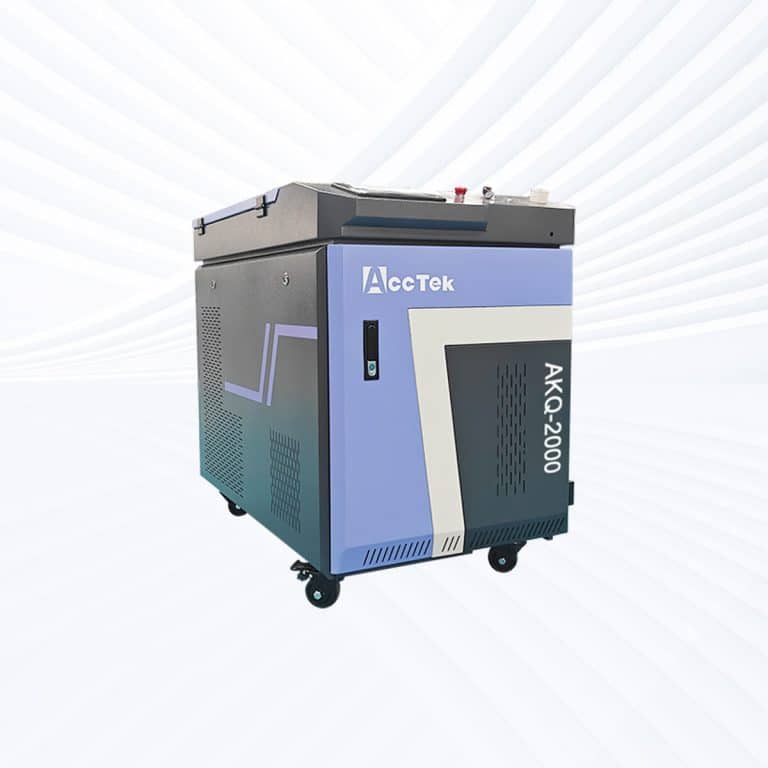
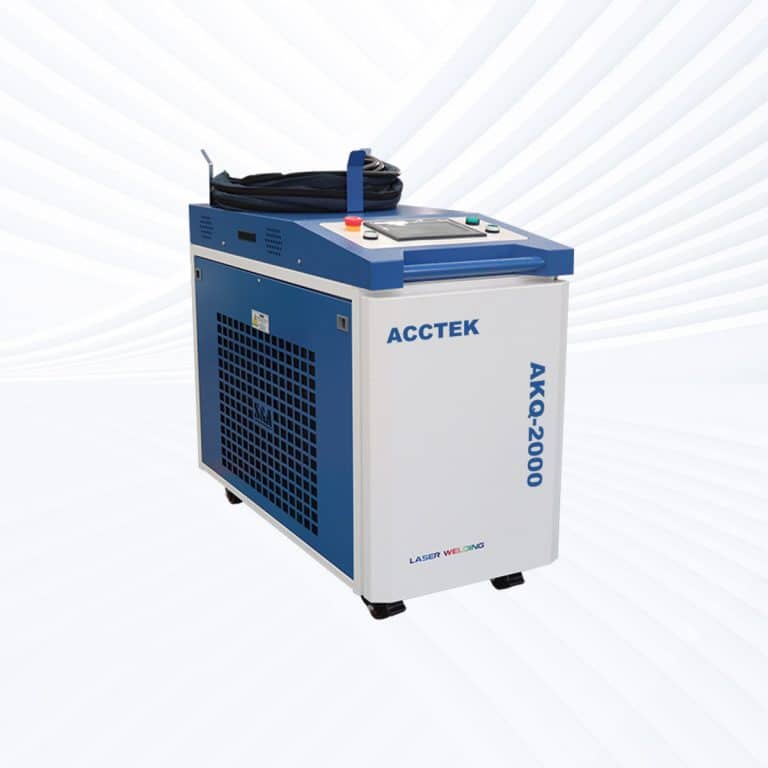
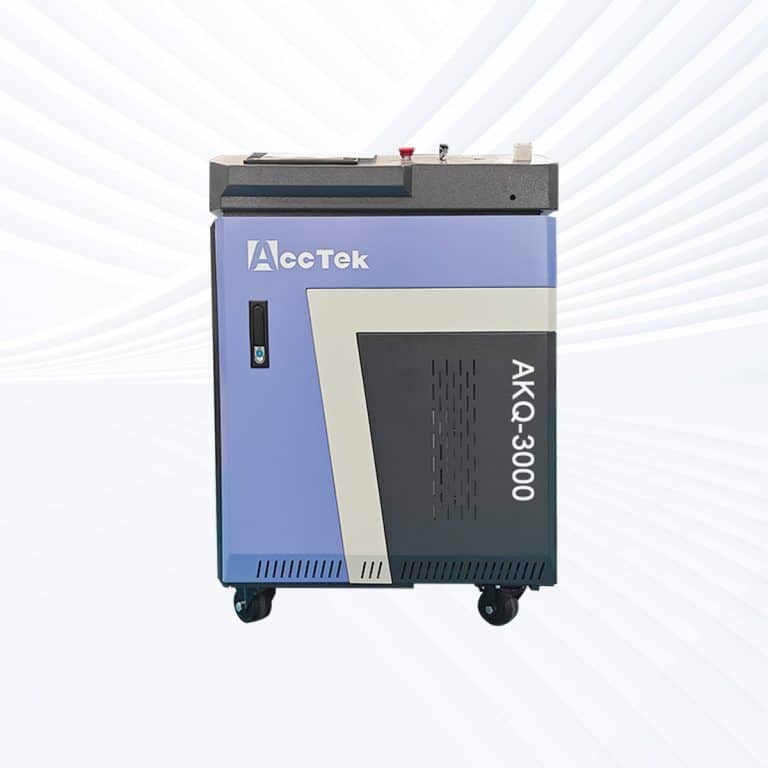
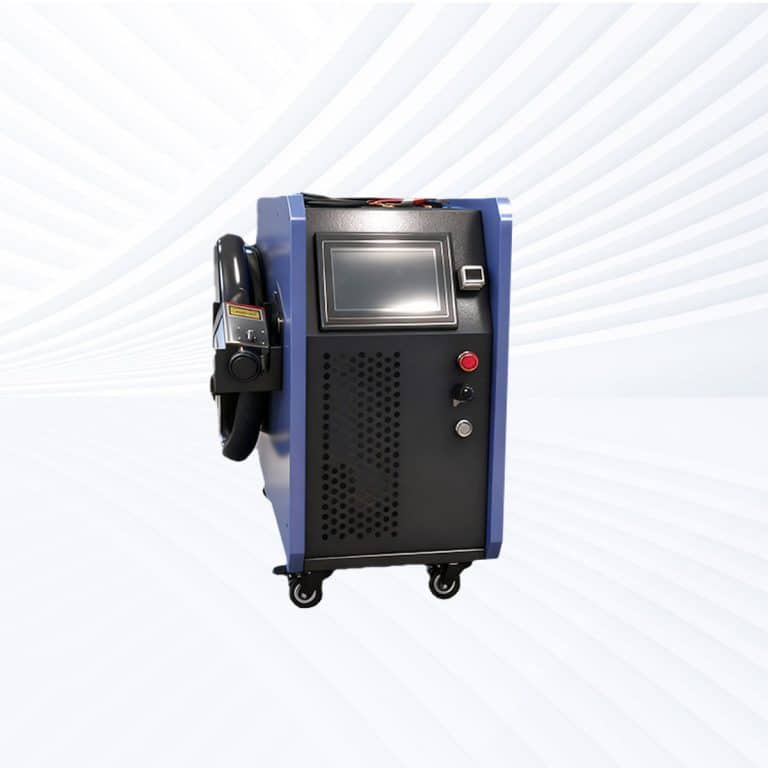
Laser Cleaing Machines Suitable For Glass
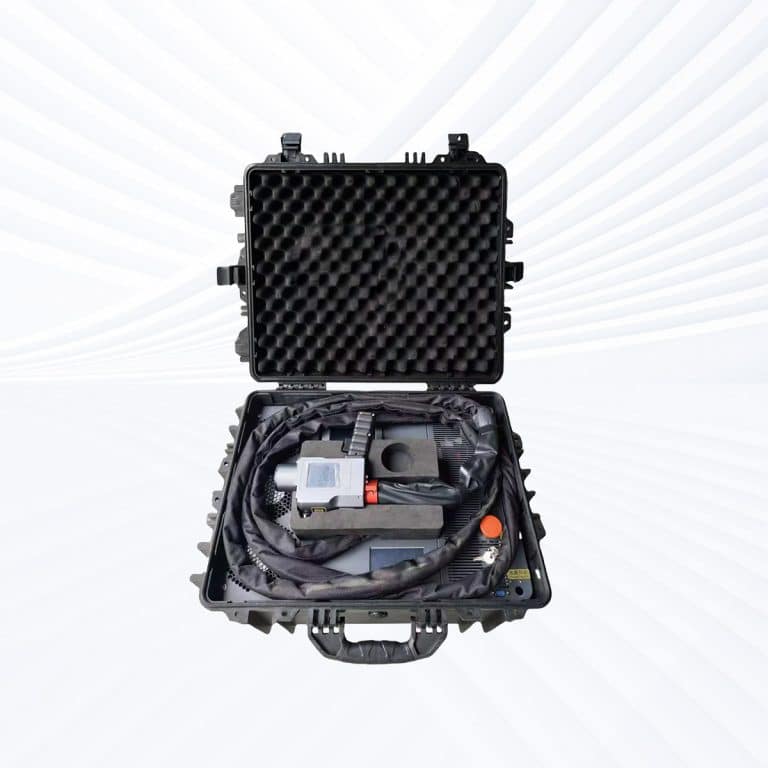
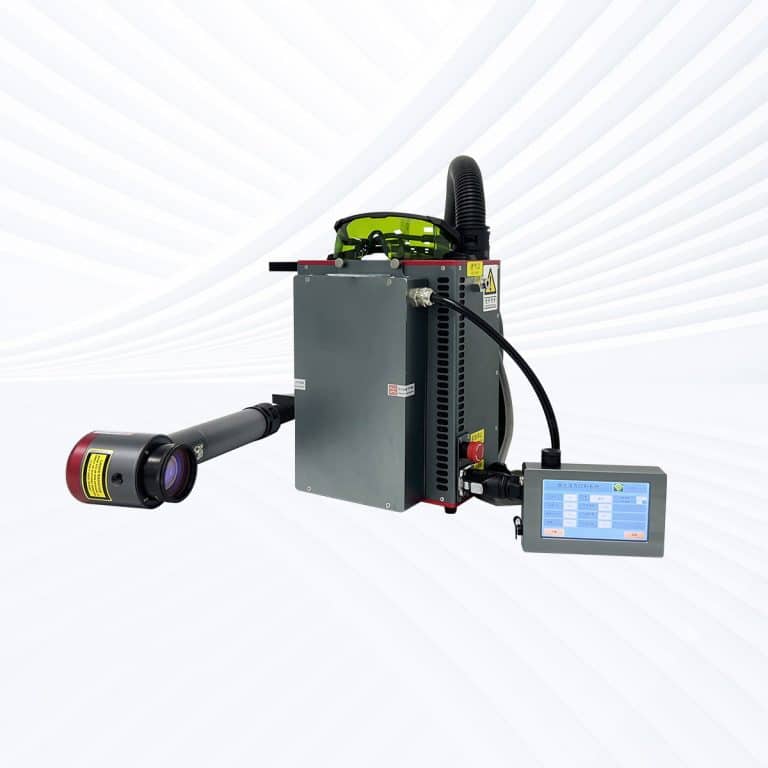
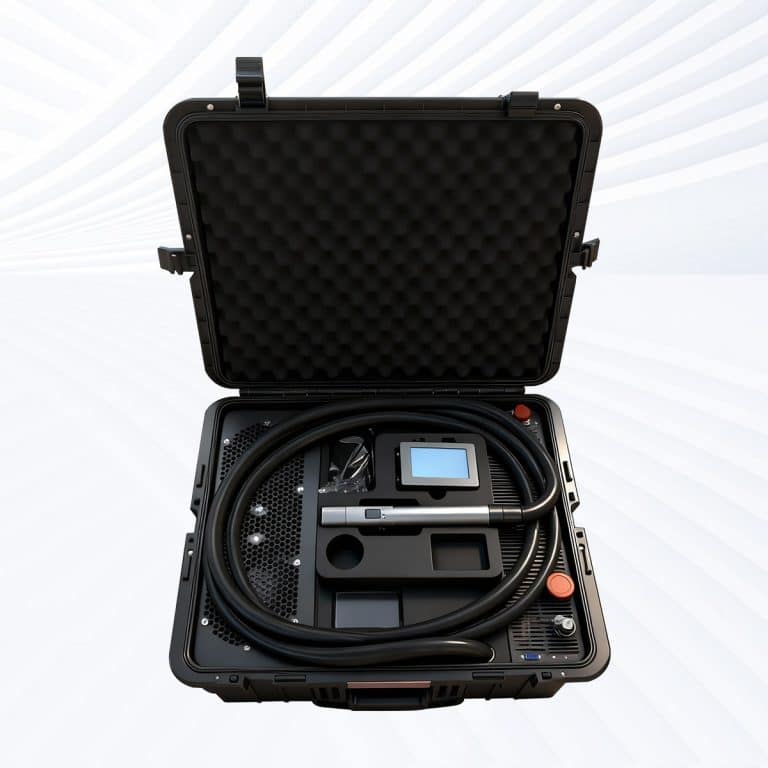
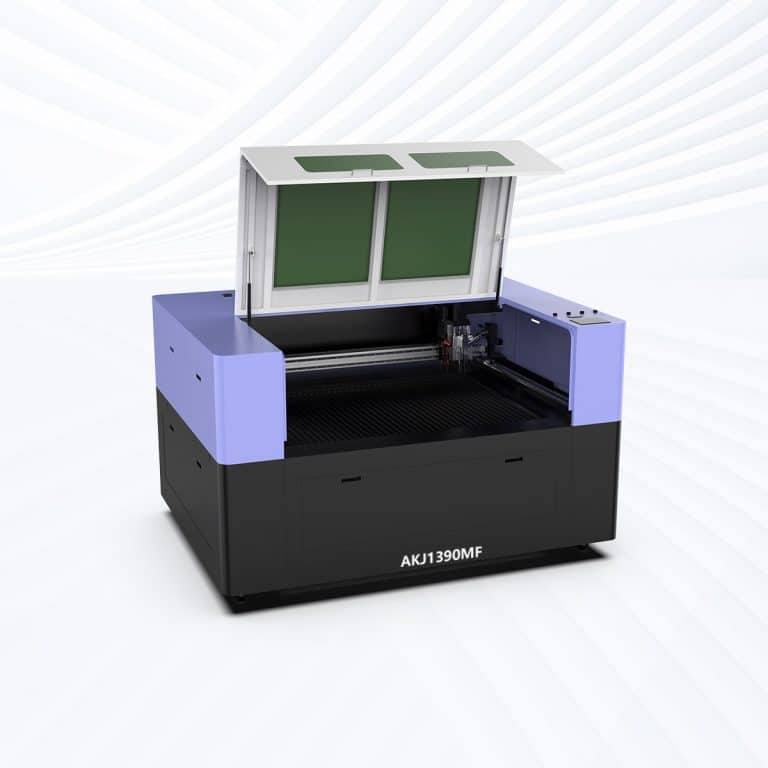
Advantages of Laser Cleaning Glass
Non-Contact and Scratch-Free Cleaning
Laser cleaning glass is a non-contact process that removes surface contaminants without physical abrasion. This prevents scratches, micro-cracks, and surface wear, which are common risks when using mechanical or abrasive cleaning methods on glass.
High Precision and Selective Removal
Laser parameters can be precisely controlled to target coatings, residues, or contaminants while leaving the glass substrate untouched. This selectivity is ideal for optical glass, patterned surfaces, and applications requiring strict clarity standards.
Preserves Optical Quality
By avoiding chemicals and abrasives, laser cleaning maintains the transparency, smoothness, and optical performance of glass. It ensures uniform light transmission, reduced haze, and consistent surface quality for high-performance optical applications.
Environmentally Friendly Process
Laser cleaning glass does not require solvents, detergents, or water. This eliminates chemical waste and wastewater treatment, supporting environmentally responsible production and reducing compliance and disposal costs.
Suitable for Complex Shapes and Delicate Glass
Laser cleaning works effectively on curved, textured, and thin glass components. The controlled energy delivery allows safe cleaning of delicate or high-value glass without introducing stress or thermal damage.
Automation and Process Consistency
Laser cleaning systems can be integrated into automated production lines, ensuring repeatable and consistent results. This reduces operator dependence, improves productivity, and supports high-throughput industrial glass processing.
Compatible Materials
- Soda-Lime Glass
- Borosilicate Glass
- Fused Silica
- Quartz Glass
- Optical Glass
- Float Glass
- Tempered Glass
- Laminated Glass
- Heat-Strengthened Glass
- Low-Iron Glass
- High-Purity Silica Glass
- Lead Glass
- Aluminosilicate Glass
- Chemically Strengthened Glass
- Display Cover Glass
- Smartphone Cover Glass
- Architectural Glass
- Automotive Glass
- Solar Panel Glass
- Photovoltaic Glass
- Flat Panel Display Glass
- Laboratory Glassware
- Medical Glass
- Pharmaceutical Glass
- Glass-Ceramic Materials
- Colored Glass
- Frosted Glass
- Patterned Glass
- Textured Glass
- Coated Glass
- Anti-Reflective Glass
- Low-E Glass
- Insulating Glass Units
- Mirror Glass
- Safety Glass
- Hollow Glass
- Precision Molded Glass
- Thin Glass Sheets
- Curved Glass
- Decorative Art Glass
Laser Cleaning Glass VS Other Cleaning Methods
| Comparison Item | Laser Cleaning | Sandblasting | Chemical Cleaning | Ultrasonic Cleaning |
|---|---|---|---|---|
| Cleaning Principle | Laser ablation removes contaminants selectively | Abrasive impact removes material | Chemicals dissolve contaminants | Cavitation in liquid removes contaminants |
| Contact With Surface | Non-contact | Direct abrasive contact | Chemical contact | Indirect liquid contact |
| Risk of Scratching | Very low | Very high | Low | Very low |
| Surface Precision | Extremely high | Low | Medium | Medium |
| Optical Clarity Preservation | Excellent | Poor | Good | Good |
| Suitability for Delicate Glass | Excellent | Poor | Moderate | Good |
| Consumables Required | None | Abrasive media | Chemicals and solvents | Cleaning fluids |
| Environmental Impact | Clean and eco-friendly | Dust and waste | Chemical waste | Wastewater |
| Chemical Exposure | None | None | High | Low |
| Moisture Introduction | None | None | Possible | Required |
| Automation Capability | High | Low | Medium | Medium |
| Process Consistency | Highly repeatable | Operator-dependent | Chemical concentration dependent | Batch-dependent |
| Complex Geometry Handling | Excellent | Poor | Limited | Limited |
| Post-Cleaning Residue | None | Abrasive residue possible | Chemical residue possible | Liquid residue possible |
| Operating Cost (Long-Term) | Low | High | High | Moderate |
Laser Cleaning Capacity
| Material | 100W Pulse | 200W Pulse | 300W Pulse | 500W Pulse | 1000W Pulse | 1500W Pulse | 2000W Pulse | 1000W Continuous | 1500W Continuous | 2000W Continuous | 3000W Continuous | 6000W Continuous |
|---|---|---|---|---|---|---|---|---|---|---|---|---|
| Ceramics | Good | Good | Good | Good | Limited | Limited | Limited | Not Recommended | Not Recommended | Not Recommended | Not Recommended | Not Recommended |
| Composite | Good | Good | Good | Good | Limited | Limited | Not Recommended | Not Recommended | Not Recommended | Not Recommended | Not Recommended | Not Recommended |
| Glass | Limited | Limited | Good | Good | Limited | Limited | Not Recommended | Not Recommended | Not Recommended | Not Recommended | Not Recommended | Not Recommended |
| Metal | Good | Good | Good | Best | Best | Best | Best | Good | Good | Best | Best | Best |
| Plastic | Limited | Good | Good | Limited | Not Recommended | Not Recommended | Not Recommended | Not Recommended | Not Recommended | Not Recommended | Not Recommended | Not Recommended |
| Rubber | Limited | Good | Good | Limited | Not Recommended | Not Recommended | Not Recommended | Not Recommended | Not Recommended | Not Recommended | Not Recommended | Not Recommended |
| Stone | Limited | Good | Good | Good | Limited | Limited | Not Recommended | Good | Good | Good | Best | Best |
| Wood | Limited | Good | Good | Limited | Not Recommended | Not Recommended | Not Recommended | Not Recommended | Not Recommended | Not Recommended | Not Recommended | Not Recommended |
| Concrete/Cement | Limited | Good | Good | Good | Limited | Limited | Not Recommended | Good | Good | Best | Best | Best |
| Brick/Masonry | Limited | Good | Good | Good | Limited | Limited | Not Recommended | Good | Good | Good | Best | Best |
| Carbon Steel | Good | Good | Best | Best | Best | Best | Best | Good | Best | Best | Best | Best |
| Stainless Steel | Good | Good | Best | Best | Best | Best | Best | Good | Good | Best | Best | Best |
| Aluminum | Good | Good | Good | Best | Best | Best | Best | Limited | Limited | Good | Good | Best |
| Copper/Brass | Limited | Good | Good | Good | Best | Best | Best | Limited | Limited | Good | Good | Best |
| Titanium | Good | Good | Best | Best | Best | Best | Best | Limited | Good | Good | Best | Best |
| Galvanized Steel | Limited | Good | Good | Good | Limited | Limited | Not Recommended | Not Recommended | Not Recommended | Not Recommended | Not Recommended | Not Recommended |
| Painted Metal | Good | Good | Best | Best | Best | Best | Best | Limited | Good | Good | Best | Best |
| Weld Seam Cleanup | Good | Good | Best | Best | Best | Best | Best | Good | Good | Best | Best | Best |
| Molds & Tools | Good | Good | Best | Best | Best | Best | Best | Good | Good | Best | Best | Best |
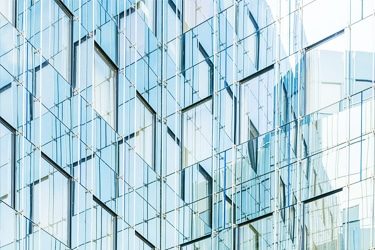
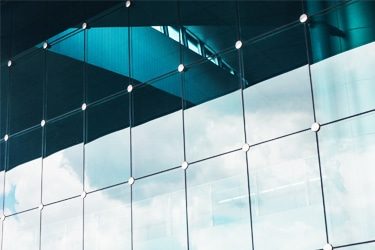
Applications of Laser Cleaning Glass
Customer Testimonials
Related Resources
How Effective Is Laser Cleaning At Removing Contaminants
This article explores how effective laser cleaning is at removing contaminants, covering mechanisms, materials, system types, real-world applications, limitations, and optimization factors for reliable results.
Will Laser Cleaning Damage The Substrate
This article explains whether laser cleaning damages substrates, examining damage mechanisms, material risks, process control, and verification methods for safe, effective laser cleaning.
Comprehensive Guides to Choosing the Right Laser Cleaning Parameters
This comprehensive guide explores the key factors in choosing the right laser cleaning parameters, including material types, contamination levels, and practical considerations for optimal results.

What Training Is Required to Operate Laser Cleaning Machines
This article is a comprehensive guide outlining the safety, operation, maintenance, and certification training required for operators of modern industrial laser cleaning machines.
Frequently Asked Questions
What Contaminants Can Laser Cleaning Remove From Glass Surfaces?
- Organic Residues: Laser cleaning is highly effective at removing organic contaminants such as oils, greases, fingerprints, waxes, and processing residues. These materials absorb laser energy more readily than glass, allowing them to be vaporized without affecting the underlying surface.
- Paints, Inks, and Coatings: Temporary or unwanted paints, inks, screen-printing residues, lacquers, and thin coatings can be selectively removed from glass. This is commonly used in recycling, refurbishment, signage correction, and industrial rework applications.
- Adhesive Residues: Residual adhesives from labels, tapes, protective films, or mounting processes can be difficult to remove mechanically. Laser cleaning breaks down these residues efficiently without scratching or clouding the glass.
- Dust and Particulate Contamination: Fine dust, powders, polishing debris, and airborne particles can be removed with high precision. This is especially important for optical glass, display panels, laboratory glassware, and photovoltaic substrates, where surface cleanliness is critical.
- Carbon and Soot Deposits: Soot, smoke stains, and carbon-based deposits from combustion or industrial exposure absorb laser energy very well. Laser cleaning can remove these deposits without spreading contamination or introducing moisture.
- Oxide and Mineral Films (Thin Layers): Thin oxide layers or light mineral films formed from environmental exposure or processing conditions can be removed. However, thick or strongly bonded mineral scale may require multiple passes or alternative cleaning methods.
- Biological Contaminants: Algae, mold, biofilms, and organic growth on architectural or outdoor glass can be removed using controlled laser cleaning. This method avoids chemicals and minimizes surface wear, making it suitable for restoration and conservation work.
- Manufacturing Residues: Glass production and finishing processes may leave residues such as release agents, polishing compounds, or flux remnants. Laser cleaning effectively removes these materials before coating, bonding, or sealing.
- Light Surface Discoloration: Surface staining or discoloration caused by environmental exposure can often be reduced or eliminated when the discoloration layer absorbs laser energy more effectively than the glass.
What Are The Risks Of Laser Cleaning Glass?
- Thermal Shock and Cracking: Glass is highly sensitive to rapid temperature changes. Localized laser heating followed by rapid cooling can generate internal stresses, leading to microcracks or sudden fracture. Thin glass, tempered glass, and pre-stressed components are especially vulnerable.
- Surface Microcracking and Crazing: Even when visible cracking does not occur, laser exposure can create microscopic surface cracks or crazing. These defects may reduce mechanical strength and can propagate over time, especially under thermal or mechanical loading.
- Surface Roughening and Etching: Excessive laser energy or repeated passes can unintentionally etch the glass surface. This leads to increased surface roughness, loss of smoothness, and reduced optical clarity, which is unacceptable for optical, display, or architectural glass.
- Loss of Optical Transparency: Improper parameter selection can cause haze, frosting, or localized opacity. Changes in surface microstructure or refractive properties can degrade light transmission and visual quality.
- Localized Melting or Deformation: High energy density may cause partial surface melting. While glass does not behave like metals when melted, localized softening can distort the surface, alter flatness, or permanently mark the glass.
- Uneven Cleaning Results: Glass absorbs laser energy poorly at many wavelengths, while contaminants may absorb strongly. If parameters are not carefully matched, cleaning can become inconsistent, leaving residue in some areas while damaging others.
- Propagation of Pre-Existing Defects: Scratches, inclusions, internal stresses, or edge defects act as stress concentrators. Laser-induced heating can cause these flaws to grow, resulting in delayed cracking or failure.
- Damage to Coatings or Functional Layers: Many glass products include functional coatings such as anti-reflective, conductive, or protective layers. Laser cleaning may unintentionally remove or degrade these coatings if selectivity is insufficient.
- Fume and Particle Deposition: Vaporized contaminants can redeposit on the glass surface if extraction is inadequate, creating streaks, films, or residue that reduce cleanliness and optical quality.
- Safety Hazards from Fracture: Unexpected glass breakage poses a risk of sharp fragments, requiring proper shielding and PPE.
Does The Optical Transparency Of Glass Affect The Effectiveness Of Laser Cleaning?
- High Transparency Limits Direct Energy Absorption: Most common glasses—such as soda-lime, borosilicate, and optical glass—are highly transparent to visible and near-infrared wavelengths. When a laser operates at a wavelength that the glass transmits, most of the energy passes through the substrate rather than being absorbed at the surface. As a result, the glass itself is largely unaffected, which is beneficial for avoiding damage but limits direct laser–glass interaction.
- Contaminant Absorption Drives Cleaning Efficiency: Laser cleaning of glass relies primarily on the contaminant absorbing the laser energy, not the glass. Organic residues, soot, inks, adhesives, and paints usually absorb laser radiation far more strongly than transparent glass. These contaminants heat rapidly, vaporize, or are ejected from the surface, enabling effective cleaning even when the glass remains transparent to the laser wavelength.
- Wavelength Selection Is Critical: If the glass is transparent at the chosen wavelength, selective cleaning is easier and safer. However, if a wavelength is selected that the glass partially absorbs—such as mid-infrared wavelengths—there is a higher risk of surface heating, microcracking, or etching. Therefore, wavelengths are typically chosen to maximize contaminant absorption while maintaining the transparency of the glass.
- Effect on Cleaning Uniformity: Highly transparent glass can lead to uneven results if contaminants vary in thickness or absorption properties. Areas with thin or weakly absorbing contamination may clean more slowly, requiring careful parameter control to avoid overexposing adjacent areas.
- Influence of Coatings and Treated Glass: Optical transparency changes when glass has coatings such as anti-reflective layers, conductive films, or tinted treatments. These layers may absorb laser energy more strongly than the base glass, increasing cleaning efficiency but also raising the risk of coating damage if selectivity is insufficient.
- Thermal Safety Benefits: High transparency reduces heat buildup within the glass, lowering the likelihood of thermal shock, cracking, or deformation. This makes laser cleaning particularly attractive for delicate or high-precision glass components when properly configured.
- Limitations for Inorganic Deposits: Some inorganic or mineral contaminants may not absorb laser energy efficiently, especially if they are thin and transparent themselves. In such cases, laser cleaning effectiveness may be reduced, regardless of glass transparency.
Does Frosted Or Etched Glass Affect Laser Cleaning Results?
- Increased Surface Roughness: Frosted and etched glass surfaces are intentionally roughened, either chemically or mechanically. This roughness increases the surface area and creates micro-valleys where contaminants such as oils, dust, adhesives, and soot can become trapped. While laser cleaning can still remove these contaminants, complete removal may require more careful parameter tuning or multiple low-energy passes.
- Higher Laser Energy Absorption: Unlike smooth glass, frosted or etched glass scatters and partially absorbs more laser energy due to its irregular surface. This increased absorption can improve contaminant removal efficiency but also raises the risk of unintended surface heating, microcracking, or further etching if energy levels are too high.
- Reduced Selectivity Compared to Clear Glass: On transparent glass, most laser energy passes through the substrate and primarily affects absorbing contaminants. On frosted or etched glass, some energy is absorbed by the glass itself. This reduces selectivity and narrows the safe operating window, making conservative parameter selection essential.
- Risk of Surface Modification: Over-cleaning frosted or etched glass can unintentionally deepen the etched texture or alter the frosted appearance. This may result in uneven matte finishes, localized bright spots, or changes in visual uniformity, which is undesirable for decorative or architectural glass.
- Uneven Cleaning Results: Because frosted and etched surfaces scatter the laser beam, energy distribution can be less uniform. This may lead to inconsistent cleaning, where some areas are fully cleaned while others retain residues or show surface alteration.
- Lower Damage Threshold: The microstructural defects created during etching act as stress concentrators. Laser-induced thermal stress can propagate these microdefects, increasing the likelihood of surface microcracks compared to smooth glass.
- Advantages in Certain Applications: In some cases, the roughened surface can actually aid cleaning by allowing contaminants to absorb more laser energy. This can be beneficial for removing stubborn organic films or carbon deposits, provided energy input is tightly controlled.
- Parameter Adjustment Is Critical: Lower fluence, faster scan speeds, short pulse durations, and fewer passes are typically required for frosted or etched glass. Slight defocusing and real-time inspection help prevent surface damage.
Is Laser Cleaning Glass Requiring Assist Gases?
- Dry Laser Cleaning Without Assist Gases: Many glass-cleaning applications are successfully performed in ambient air without additional gases. When removing light organic residues, dust, fingerprints, or thin soot layers, the laser alone can vaporize or eject contaminants effectively. This approach is simple, cost-effective, and suitable for small-scale or low-contamination tasks.
- Compressed Air for Debris Removal: Low-pressure compressed air is commonly used to blow away ablated particles and prevent redeposition on the glass surface. This improves cleaning consistency, especially on large or horizontal surfaces where debris might settle back onto the glass.
- Nitrogen for High-Purity Applications: Nitrogen is frequently used when cleaning optical, display, or laboratory glass. As an inert gas, nitrogen minimizes oxidation, reduces moisture interaction, and helps maintain a clean surface. It is particularly beneficial when surface cleanliness and optical clarity are critical.
- Assist Gases to Improve Process Stability: Auxiliary gas flow helps stabilize the laser–material interaction by removing vaporized contaminants from the cleaning zone. This prevents plume shielding, where accumulated vapor absorbs or scatters incoming laser energy, reducing cleaning efficiency.
- Cooling and Thermal Control: Gentle gas flow can provide limited surface cooling, helping reduce localized heat buildup. This is especially useful for thin, stressed, or frosted glass that is more susceptible to thermal shock and microcracking.
- Oxygen Use (Rare and Controlled): Oxygen may be used in very specific cases to enhance the removal of carbon-based contaminants. However, oxygen increases oxidation and heat generation, so its use on glass is uncommon and must be tightly controlled to avoid surface damage.
- Fume and Particle Management: Laser cleaning of glass generates vaporized contaminants and fine particles. Assist gases help direct these byproducts toward extraction systems, improving operator safety and maintaining optical cleanliness of the work area and laser optics.
- When Assist Gases May Be Unnecessary: For low-risk, non-critical cleaning tasks with effective fume extraction, assist gases may offer minimal additional benefit. Proper laser parameter control alone may be sufficient.
What Defects Can Occur When Laser Cleaning Glass?
- Microcracks and Fracture: Rapid, localized heating followed by cooling can induce thermal shock in glass. This may lead to microcracks that are not immediately visible but can propagate over time. In severe cases, sudden fracture or shattering can occur, particularly in thin, tempered, or stressed glass.
- Surface Crazing: Laser-induced thermal stress can create fine networks of microcracks, known as crazing. This defect reduces mechanical strength and may degrade optical performance, especially in precision glass components.
- Surface Roughening and Etching: Excessive laser energy or repeated passes can unintentionally etch the glass surface. This increases surface roughness, resulting in a frosted appearance, loss of smoothness, or uneven texture, which is undesirable for optical or decorative applications.
- Loss of Optical Transparency: Improper cleaning can cause haze, cloudiness, or localized opacity. Changes in surface microstructure alter how light passes through the glass, reducing transparency and visual clarity.
- Localized Melting or Deformation: High energy density may partially melt the glass surface. While glass does not flow like metal, localized softening can cause surface distortion, waviness, or permanent marks.
- Uneven Cleaning and Residual Staining: If laser parameters are not well matched to the contaminant, cleaning may be inconsistent. Some areas may remain contaminated while others experience surface damage, leading to patchy or stained appearances.
- Damage to Functional Coatings: Glass often carries functional layers such as anti-reflective, conductive, or protective coatings. Laser cleaning may unintentionally remove, thin, or chemically alter these coatings, affecting performance.
- Propagation of Existing Defects: Pre-existing scratches, inclusions, or internal stresses can act as initiation points for damage. Laser-induced heating may worsen these defects, leading to delayed cracking or failure.
- Residue Redeposition: Inadequate fume extraction can allow vaporized contaminants to redeposit as thin films or streaks, compromising cleanliness and appearance.
Does Laser Cleaning Glass Produce Fumes?
- Primary Source of Fumes – Surface Contaminants: The glass substrate typically does not emit fumes during laser cleaning because it absorbs little energy at commonly used wavelengths. However, contaminants such as oils, greases, fingerprints, adhesives, paints, inks, soot, and organic films readily absorb laser energy. When these materials are rapidly heated, they vaporize or decompose, producing fumes and fine particulates.
- Types of Emissions Generated: Laser cleaning of glass can release volatile organic compounds (VOCs), carbon-based smoke, aerosols, and ultrafine particles. The exact composition depends on the contaminant type. For example, adhesive residues may release organic vapors, while soot or smoke stains generate carbonaceous particles.
- Minimal Emissions From the Glass Itself: Unlike polymers or composites, glass does not typically break down into hazardous gases under laser exposure at cleaning-level energies. Therefore, fume generation is usually lower than when cleaning plastics or composite materials, provided that the glass surface is free of thick organic coatings.
- Effect of Coatings and Treated Glass: If the glass has applied coatings—such as paints, lacquers, conductive layers, or anti-reflective films—laser cleaning can produce additional fumes from the removal of these layers. Some coatings may emit more complex or irritating vapors when ablated.
- Health and Safety Considerations: Although fume volumes may be relatively low, inhalation of VOCs and fine particles can still pose health risks. Prolonged exposure may cause respiratory irritation, eye discomfort, or unpleasant odors. Therefore, fumes should never be ignored, even in small-scale operations.
- Importance of Fume Extraction: Local exhaust ventilation is strongly recommended during laser cleaning of glass. Proper extraction systems capture fumes and particulates at the source, preventing redeposition on the glass surface and protecting both operators and sensitive optical components.
- Role of Assist Gases: Low-pressure air or inert gases can help direct fumes toward extraction systems, reducing plume buildup and improving cleaning consistency. While not required, they can enhance overall process cleanliness.
- Environmental and Regulatory Compliance: Facilities must ensure that fume handling complies with workplace safety and environmental regulations, particularly when removing hazardous or unknown contaminants.
What Training And Certifications Are Required For Laser Cleaning Operators?
- Laser Safety Training (Mandatory): All operators must receive laser safety training appropriate to the laser class in use. Industrial laser cleaning systems are typically Class 4 lasers, which present serious eye, skin, and fire hazards. Training covers laser physics basics, beam hazards, controlled areas, signage, interlocks, emergency shutdown procedures, and safe work practices.
- Compliance With Recognized Safety Standards: Most facilities require training aligned with established laser safety standards such as ANSI Z136, IEC 60825, or equivalent national regulations. Completion certificates from accredited laser safety training providers are commonly required and may be audited during inspections.
- Laser Safety Officer (LSO) Program Awareness: While not every operator must be a Laser Safety Officer, operators must work under an LSO-approved laser safety program. They are trained to follow site-specific laser safety rules, reporting procedures, and hazard controls defined by the LSO.
- Equipment-Specific Manufacturer Training: Operators must be trained on the exact laser cleaning system they will use. This includes startup and shutdown procedures, parameter adjustment, scanning methods, software interfaces, routine maintenance checks, and basic troubleshooting. Many manufacturers require formal completion of system training before authorizing independent operation.
- Material and Process Knowledge Training: Laser cleaning operators need education on how different materials—such as metals, composites, ceramics, and glass—respond to laser energy. This includes understanding damage thresholds, contamination types, surface sensitivity, and proper parameter selection to avoid defects.
- Fume Extraction and Environmental Safety Training: Because laser cleaning generates fumes and particulates, operators must be trained in ventilation system operation, filter handling, air quality monitoring, and hazardous emission awareness. This training supports both health protection and regulatory compliance.
- PPE and Workplace Safety Training: Operators must be trained in the correct use of laser safety eyewear, respiratory protection, gloves, and protective clothing. Fire safety, electrical safety, and emergency response training are also typically required.
- Hands-On Practical Certification: Most organizations require supervised hands-on training followed by a competency assessment. Operators must demonstrate safe operation, correct parameter setup, and proper response to abnormal conditions.
- Refresher and Recertification Training: Periodic refresher courses are often mandatory to maintain authorization, especially when equipment is upgraded or safety standards change.