

Introduction
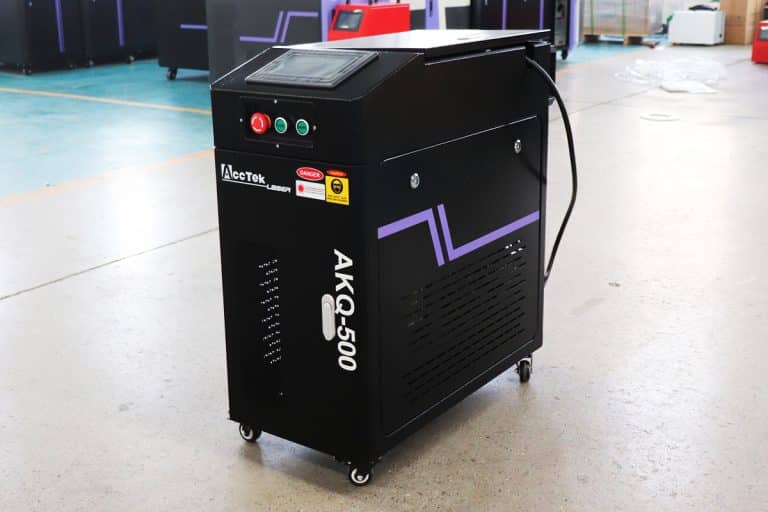
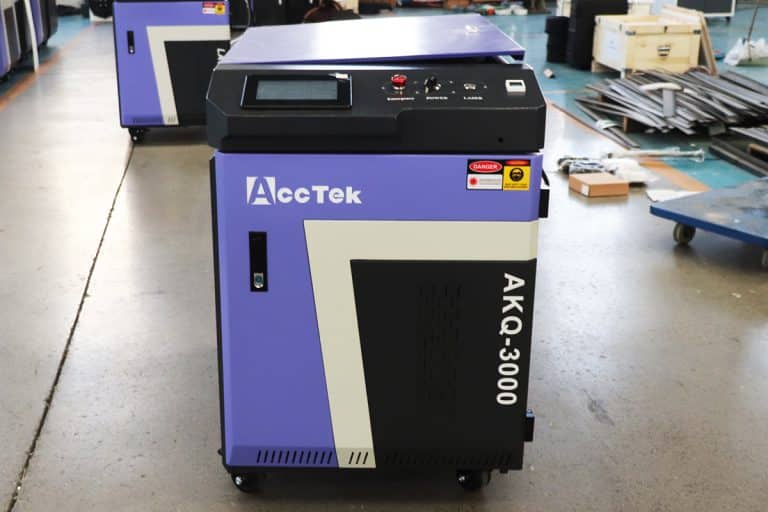
Laser Cleaing Machines Suitable For Coating
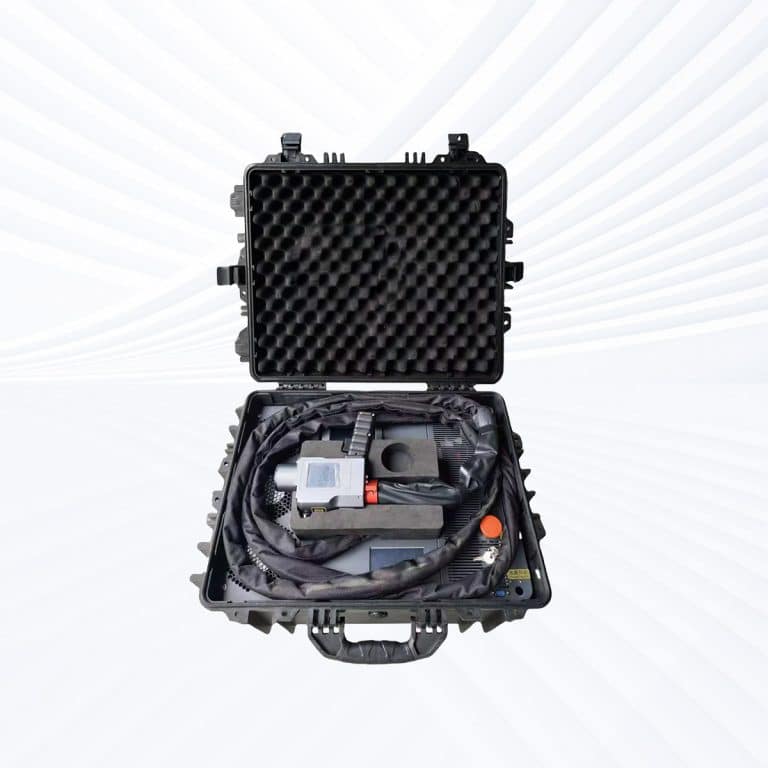
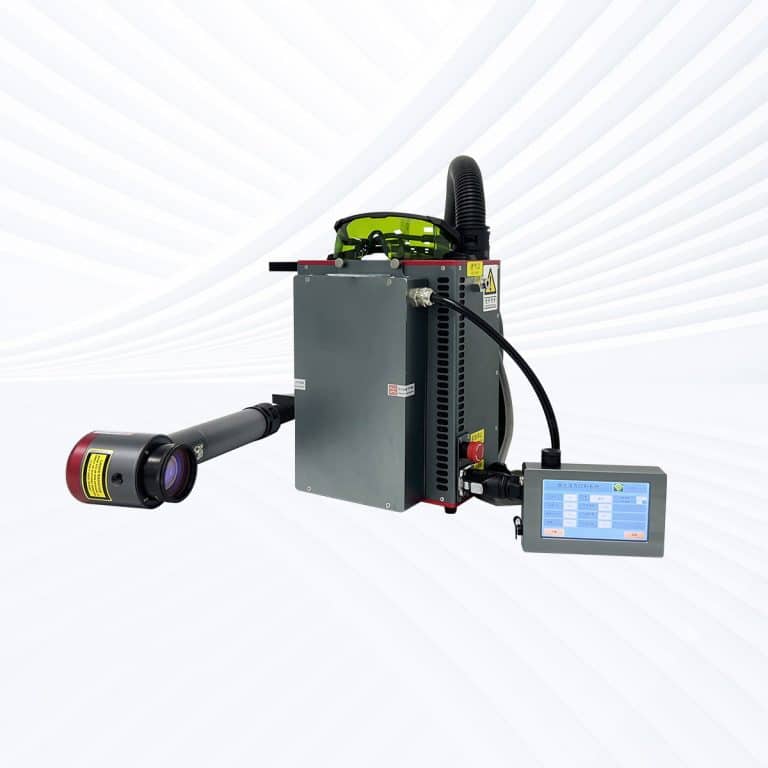
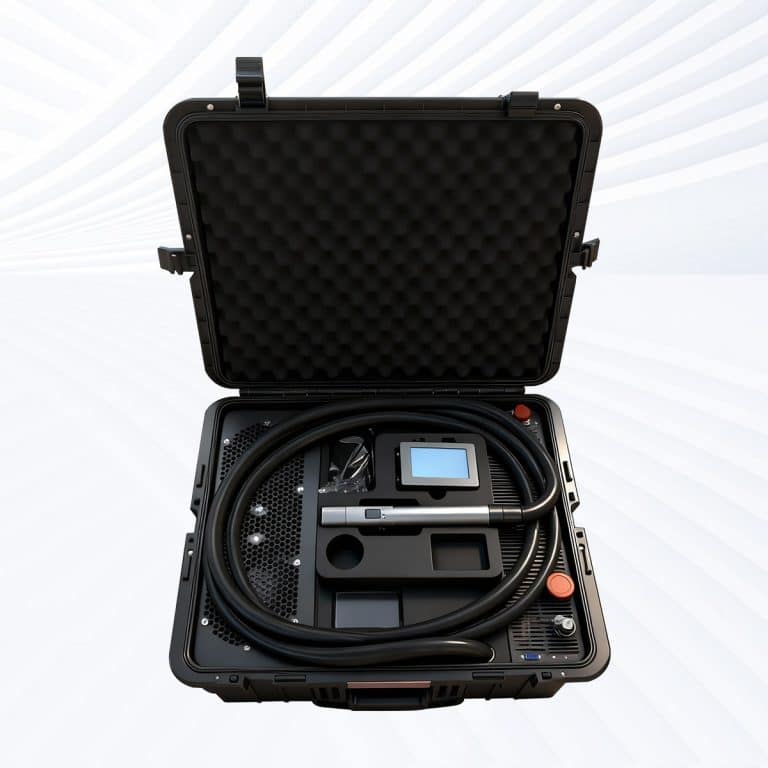
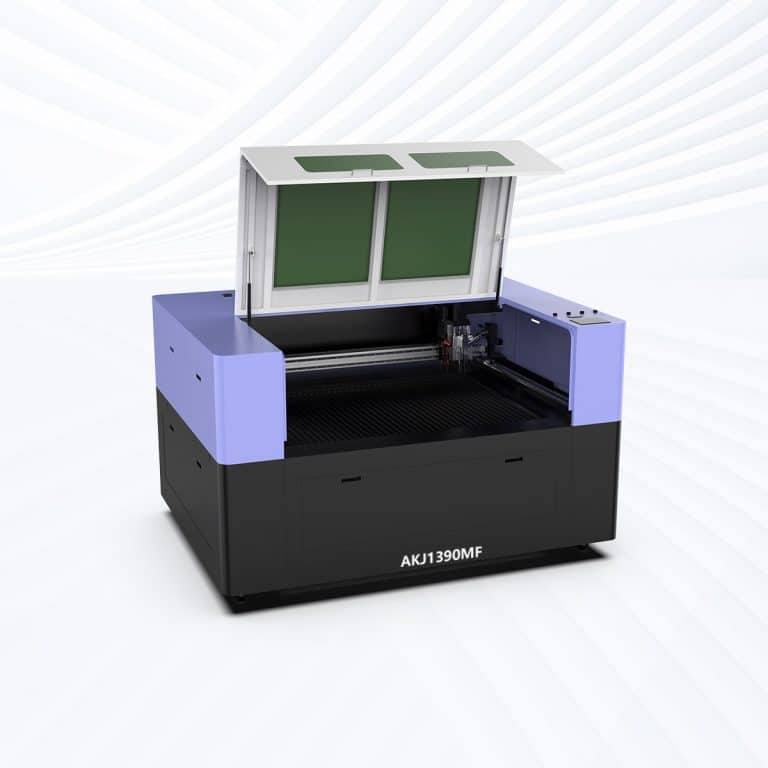
Advantages of Laser Cleaning Coating
Non-Contact and Damage-Free Coating Removal
Laser cleaning coating removes surface layers without physical contact. This prevents scratches, deformation, and material loss, making it ideal for precision components, thin substrates, and high-value parts.
High Precision and Selective Layer Removal
Laser parameters can be accurately controlled to remove the coating layer by layer. This enables selective cleaning of specific areas while preserving the base material and surrounding surfaces.
Preserves Substrate Integrity
Unlike abrasive methods, laser coating removal does not roughen or weaken the substrate. The original surface texture, strength, and dimensional accuracy remain intact after cleaning.
Environmentally Friendly and Chemical-Free
Laser cleaning coating requires no solvents, abrasives, or water. This eliminates hazardous waste, reduces environmental impact, and creates a safer workplace.
Improves Recoating and Bonding Results
By fully removing old coatings and residues, laser cleaning creates clean, reactive surfaces. This improves adhesion of new coatings, paints, and bonded layers.
Automation and Consistent Quality
Laser coating cleaning systems integrate easily into automated production lines. They deliver repeatable, operator-independent results, improving productivity and maintaining consistent surface quality standards.
Compatible Materials
- Carbon Steel
- Mild Steel
- Stainless Steel
- Alloy Steel
- Tool Steel
- Cast Iron
- Aluminum
- Aluminum Alloys
- Copper
- Copper Alloys
- Brass
- Bronze
- Titanium
- Titanium Alloys
- Nickel
- Nickel Alloys
- Inconel
- Hastelloy
- Monel
- Magnesium
- Magnesium Alloys
- Zinc
- Zinc Alloys
- Galvanized Steel
- Structural Steel
- Sheet Metal
- Carbon Fiber Composites
- Glass Fiber Composites
- Ceramic Components
- Industrial Ceramics
- Concrete
- Reinforced Concrete
- Brick
- Stone
- Marble
- Granite
- Wood
- Hardwood
- Softwood
- Industrial Machinery Surfaces
Laser Cleaning Coating VS Other Cleaning Methods
| Comparison Item | Laser Cleaning | Sandblasting | Chemical Cleaning | Ultrasonic Cleaning |
|---|---|---|---|---|
| Cleaning Principle | Laser energy vaporizes coating layers | Abrasive erosion removes material | Chemicals dissolve coatings | Cavitation loosens coatings in liquid |
| Contact With Surface | Non-contact | Direct abrasive contact | Chemical contact | Liquid contact |
| Risk of Substrate Damage | Very low | High | Medium | Low |
| Precision and Control | Extremely high | Low | Medium | Medium |
| Selective Layer Removal | Excellent | Poor | Limited | Limited |
| Suitability for Thin Parts | Excellent | Poor | Moderate | Good |
| Preservation of Surface Finish | Excellent | Poor | Moderate | Good |
| Consumables Required | None | Abrasive media | Chemicals | Cleaning fluids |
| Environmental Impact | Minimal waste | Dust and debris | Hazardous waste | Wastewater |
| Operator Safety | High | Dust inhalation risk | Chemical exposure risk | Moderate |
| Moisture Introduction | None | None | Possible | Required |
| Automation Capability | High | Low | Medium | Medium |
| Cleaning Consistency | Highly repeatable | Operator-dependent | Process-dependent | Batch-dependent |
| Post-Cleaning Residue | None | Abrasive residue | Chemical residue | Liquid residue |
| Long-Term Operating Cost | Low | High | High | Moderate |
Laser Cleaning Capacity
| Surface | 100W pulse | 200W pulse | 300W pulse | 500W pulse | 1000W pulse | 1500W pulse | 2000W pulse | 1000W continuous | 1500W continuous | 2000W continuous | 3000W continuous | 6000W continuous |
|---|---|---|---|---|---|---|---|---|---|---|---|---|
| Graffiti | Limited | Limited | Good | Good | Good | Good | Limited | Good | Good | Best | Best | Best |
| Rust Light | Good | Good | Good | Best | Best | Best | Best | Good | Good | Best | Best | Best |
| Rust Heavy | Limited | Good | Good | Best | Best | Best | Best | Good | Good | Best | Best | Best |
| Paint Thin | Good | Good | Best | Best | Best | Best | Best | Limited | Good | Good | Best | Best |
| Paint Thick | Limited | Good | Good | Best | Best | Best | Best | Good | Good | Best | Best | Best |
| Coatings Thin | Good | Good | Best | Best | Best | Best | Best | Limited | Limited | Good | Good | Best |
| Coatings Thick | Limited | Good | Good | Best | Best | Best | Best | Good | Good | Best | Best | Best |
| Welding Burns | Good | Good | Best | Best | Best | Best | Best | Good | Good | Best | Best | Best |
| Oil Light | Good | Good | Best | Best | Best | Best | Best | Limited | Limited | Good | Good | Best |
| Oil Heavy | Limited | Good | Good | Best | Best | Best | Best | Limited | Good | Good | Best | Best |
| Oxidation Film | Good | Good | Best | Best | Best | Best | Best | Limited | Limited | Good | Best | Best |
| Oxide Scale | Limited | Good | Good | Best | Best | Best | Best | Good | Good | Best | Best | Best |
| Adhesive Residue | Good | Good | Best | Best | Best | Best | Best | Limited | Limited | Good | Good | Best |
| Soot | Good | Good | Best | Best | Best | Best | Best | Good | Good | Best | Best | Best |
| Rubber Marks | Limited | Good | Good | Good | Good | Limited | Limited | Good | Good | Best | Best | Best |
| Salt Deposits | Limited | Good | Good | Best | Best | Best | Best | Limited | Good | Good | Best | Best |
| Mold Release | Good | Good | Best | Best | Best | Best | Best | Limited | Good | Good | Best | Best |
| Surface Prep | Good | Good | Best | Best | Best | Best | Best | Good | Good | Best | Best | Best |
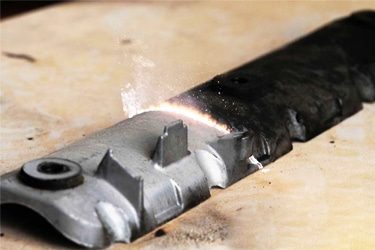
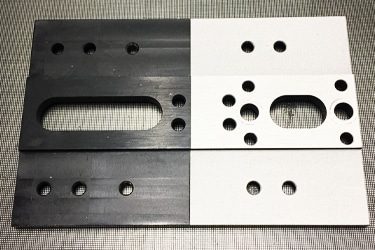
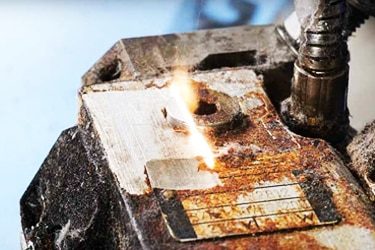
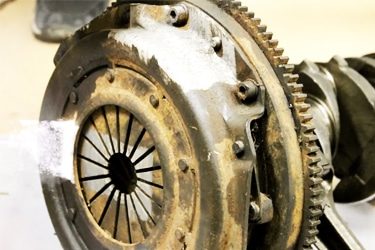
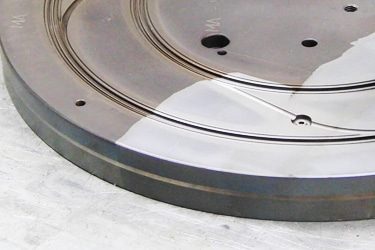
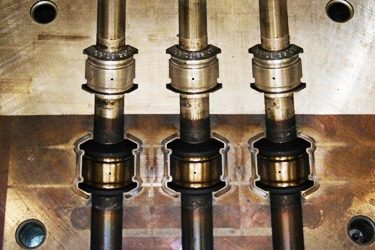
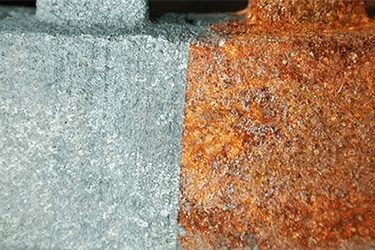
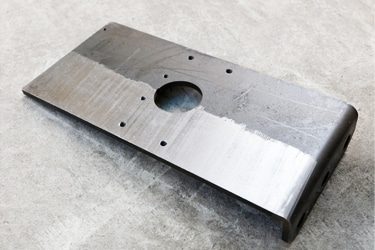
Applications of Laser Cleaning Coating
Customer Testimonials
Related Resources
How Effective Is Laser Cleaning At Removing Contaminants
This article explores how effective laser cleaning is at removing contaminants, covering mechanisms, materials, system types, real-world applications, limitations, and optimization factors for reliable results.
Will Laser Cleaning Damage The Substrate
This article explains whether laser cleaning damages substrates, examining damage mechanisms, material risks, process control, and verification methods for safe, effective laser cleaning.
Comprehensive Guides to Choosing the Right Laser Cleaning Parameters
This comprehensive guide explores the key factors in choosing the right laser cleaning parameters, including material types, contamination levels, and practical considerations for optimal results.

What Training Is Required to Operate Laser Cleaning Machines
This article is a comprehensive guide outlining the safety, operation, maintenance, and certification training required for operators of modern industrial laser cleaning machines.
Frequently Asked Questions
What Types Of Coatings Can Laser Cleaning Remove?
- Rust and Oxidation: Laser cleaning is widely used to remove rust and corrosion from metal surfaces, especially steel and aluminum. The high-intensity laser heats the metal oxide layers, causing them to evaporate or break down. This process leaves behind a clean, unoxidized surface, often improving the material’s strength and durability.
- Paint: Laser cleaning can effectively remove different types of paint coatings, including automotive paints, industrial coatings, and architectural paints. The laser beam targets the paint layer, causing it to vaporize or flake off without affecting the underlying surface. This is especially beneficial in applications where the paint is old, cracked, or peeling, and traditional methods such as sanding or chemical stripping are less effective or slower.
- Powder Coatings: Powder coatings, commonly used for metal finishing, can be efficiently removed using laser cleaning. This type of coating is often tough and resistant to traditional cleaning methods. A laser can effectively break down the coating layer by layer, leaving a smooth, clean metal surface underneath.
- Grease, Oil, and Lubricants: In industrial settings, laser cleaning can be used to remove oils, lubricants, and grease from machinery parts and surfaces. The laser heats the contaminants, causing them to evaporate, which is particularly effective for hard-to-reach areas where manual cleaning may not be possible.
- Adhesive Residue: In industries where adhesives are used for bonding, laser cleaning can also help in removing residual adhesives from surfaces. The laser removes the adhesive without damaging the underlying material, which is particularly useful in industries like electronics and automotive manufacturing.
- Carbon Deposits: Laser cleaning can also remove carbon-based residues, including soot and other carbon deposits left from welding, cutting, or other processes. The laser breaks down the carbon, allowing it to be removed from surfaces like metals, ceramics, or even composites.
- Chrome and Galvanized Coatings: Laser cleaning can remove thin layers of chrome or galvanized coatings, particularly when these coatings are no longer needed or need to be replaced. The laser gently removes these layers without damaging the base material underneath.
Can Laser Cleaning Remove The Coating Layer By Layer?
- Selective Ablation: Laser cleaning works by focusing high-intensity laser beams on the surface of a material, causing the coating to absorb the energy and break down. The laser can be finely controlled to remove coating layers layer by layer, making it possible to remove only the topmost layers without affecting the substrate. This is particularly useful for applications where multiple layers of coatings need to be removed without harming the base material beneath.
- Material Interaction: Different coatings react differently to the laser. Some coatings may absorb laser energy more efficiently, causing them to vaporize or disintegrate first. This characteristic allows the laser to target the coating in a controlled manner, gradually removing it. By adjusting the power, frequency, and speed of the laser, operators can control the depth of the ablation process, effectively removing each layer without going deeper into the material itself.
- Layer-by-Layer Removal: For thicker coatings, such as multiple layers of paint or rust, the laser can work progressively, removing one layer at a time. The laser’s precision makes it possible to clean surfaces without damaging the underlying material. For instance, if a metal surface has several layers of old paint, the laser can be adjusted to remove the top layer of paint, then the next, and so on, leaving the metal clean and undamaged.
- No Abrasive Damage: Unlike traditional mechanical methods, laser cleaning is non-abrasive, meaning it does not involve physical scraping or grinding, which could potentially damage the substrate. This allows for a cleaner, more controlled approach to layer-by-layer removal, particularly when dealing with sensitive materials or intricate surfaces.
- Applications: Laser cleaning is ideal for industries like automotive, aerospace, and manufacturing, where precise removal of coatings such as paint, rust, or grease is needed without impacting the base material’s integrity.
What Changes Occur To The Coating Material During Laser Cleaning?
- Thermal Decomposition: When the laser beam strikes the coating material, it rapidly heats the surface. As the energy is absorbed, the temperature of the coating rises sharply. This heat can cause the coating to decompose, leading to the breakdown of chemical bonds within the material. For example, paint may begin to decompose into gases or ash, while rust can break down into smaller particles that are vaporized. The process of decomposition depends on the coating’s composition and how it interacts with the laser energy.
- Vaporization: One of the main effects of laser cleaning is the vaporization of the coating material. The heat from the laser causes the coating to reach its boiling point, leading to the transition from solid or liquid phases directly to gas. This process effectively lifts or removes the coating from the surface without physically contacting it. For paint, this could mean the conversion of the coating into gaseous compounds that are either carried away by fume extraction systems or captured by air filtration systems.
- Melting and Ablation: In some cases, particularly with certain coatings like plastics or thick paints, the laser may cause the material to melt before it is ablated (evaporated or burned away). As the coating melts, it can form small droplets or particles that may either be removed by the laser’s energy or settle nearby. This process helps ensure a clean surface beneath the coating.
- Oxidation and Surface Modification: During laser cleaning, if the coating includes metallic components or if the substrate beneath the coating is exposed, localized heating can lead to oxidation of the surface. For example, the metal underneath a coating may form a thin oxide layer if exposed to air during cleaning. In some cases, the laser process can modify the coating, making it more porous or altering its texture.
- Emission of Fumes and Gases: The laser energy not only heats the coating material but also triggers chemical reactions, releasing fumes, gases, and particulate matter. These emissions vary depending on the coating’s chemical composition. Paints with solvents, for instance, can release VOCs, while rust may produce iron oxide fumes. This is why proper ventilation and fume extraction systems are essential to safely carry out laser cleaning.
What Are The Hazards Of Using Lasers To Clean The Coating?
- Laser Radiation: The most obvious hazard of using lasers for cleaning is the potential for eye injury or skin burns. Lasers emit intense beams of light that can cause permanent damage to the eyes, even from indirect reflection. The skin is also at risk of burns from direct exposure to the laser beam. Appropriate laser safety glasses and protective clothing are essential to mitigate these risks. Additionally, ensuring that the laser system is equipped with proper safety features, such as beam enclosures or interlocks, can help minimize these hazards.
- Fume and Gas Emissions: Laser cleaning can produce a significant amount of harmful fumes and gases. The process of heating and vaporizing coatings can release volatile organic compounds (VOCs), carbon monoxide, metal oxide particles, and other toxic gases. Depending on the material being cleaned, dangerous fumes like chlorine gas (from PVC coatings) or formaldehyde (from certain plastics) can also be emitted. Fume extraction systems are crucial to safely capture and filter these hazardous emissions and prevent them from contaminating the work environment.
- Particulate Matter: Laser cleaning can also generate fine particulate matter, such as metal oxides, soot, and other residues from the coating. These particles can be inhaled and pose serious respiratory risks if not properly captured by an effective air filtration system. Long-term exposure to these particles may cause lung damage, so the use of respiratory protection may be necessary, particularly in environments without adequate ventilation.
- Fire and Explosion Risks: Laser cleaning can generate high levels of heat, which, if not properly controlled, could ignite flammable materials, especially in cases where coatings contain volatile substances like solvents or oils. Fire-resistant clothing and ensuring that flammable materials are removed from the work area are essential precautions to reduce this risk.
- Heat Damage: In some cases, the intense heat from the laser can cause unintended damage to the underlying material or nearby components, especially if the coating is particularly thick or the laser parameters are not properly adjusted. This can result in structural weakening or material degradation.
Do Laser Cleaning Coatings Produce Fumes?
- Volatile Organic Compounds (VOCs): Many coatings, especially paints, adhesives, and polymers, contain VOCs. When exposed to the intense heat of the laser, these compounds can vaporize and form hazardous fumes. VOCs are a significant concern, as they can be harmful to both human health and the environment. Depending on the specific coating, VOCs can cause respiratory irritation, dizziness, or even more severe health effects with prolonged exposure.
- Toxic Gases: Some coatings, especially those with chlorine or fluorine compounds, can release highly toxic gases when heated by the laser. For example, PVC coatings (polyvinyl chloride) can produce chlorine gas, which is dangerous to human health. Additionally, certain paints may release formaldehyde or carbon monoxide, both of which can pose serious health risks if inhaled.
- Metal Fumes: If the coating involves metal components, such as in the case of galvanized steel (coated with zinc), the laser cleaning process can produce metal oxide fumes. These fumes can include zinc oxide, iron oxide, or aluminum oxide, depending on the material being cleaned. Inhalation of these fumes can be harmful to the respiratory system and may cause long-term health issues if adequate ventilation is not provided.
- Particulate Matter: The breakdown of coatings can also result in the release of fine particulates or dust, especially when removing thicker layers of rust, paint, or other materials. These particles can be hazardous if they are not properly captured and filtered through an extraction system.
- Ozone: In some cases, the high-intensity laser beam can also produce ozone (O₃) when interacting with air. Ozone can irritate the eyes, lungs, and throat, especially in high concentrations. Proper ventilation and fume extraction are essential to prevent the accumulation of ozone in the workspace.
Are Fume Extraction Systems Required For Laser Cleaning Coatings?
- Toxic Fumes from Coatings: Many coatings, including paints, oils, and industrial lubricants, contain volatile organic compounds (VOCs) and solvents. When these coatings are exposed to the high heat of a laser, the VOCs are vaporized and released into the air. These chemicals can include hazardous substances such as formaldehyde, benzene, and toluene, which are harmful to human health when inhaled. Fume extraction systems help capture these toxic fumes before they spread throughout the workspace.
- Metal Fumes: If the coating contains metallic components, such as zinc in galvanized coatings or chromium in certain paints, the laser cleaning process can release metal oxide fumes. These metal particles, such as zinc oxide or iron oxide, can be harmful if inhaled, leading to respiratory issues or long-term health problems. Fume extraction is essential to safely remove these particles from the air.
- Ozone Generation: High-intensity laser beams can also generate ozone (O₃) during the cleaning process, particularly when cleaning metal coatings. Ozone is a respiratory irritant and can cause symptoms such as coughing, shortness of breath, and throat irritation. Prolonged exposure to ozone can lead to more serious health issues. An effective fume extraction system can help capture and remove ozone from the air.
- Particulate Matter: Laser cleaning can create fine particles or dust, especially when removing thick coatings like paint or rust. These particles may be harmful to the respiratory system, particularly if they are small enough to be inhaled deeply into the lungs. Fume extraction systems equipped with high-efficiency filters, such as HEPA filters, are critical for capturing these particulates.
- Environmental Concerns: In addition to health risks, allowing fumes and gases to accumulate in the workspace can negatively impact the surrounding environment. Fume extraction systems help ensure compliance with environmental regulations and improve air quality.
What PPE Is Needed For Laser Cleaning Coatings?
- Laser Safety Glasses: The most important piece of PPE is laser safety eyewear. The intense laser light emitted during cleaning can cause severe eye damage, even from indirect reflections. Laser safety glasses are designed to filter out specific wavelengths of light based on the type of laser used. For instance, CO2 lasers typically emit infrared light at 10.6 microns, so eyewear that specifically protects against this wavelength is necessary. These glasses help prevent eye injuries, which are among the most serious risks when using lasers.
- Flame-Resistant Clothing: Laser cleaning can generate high temperatures, especially when working with coatings that include flammable or heat-sensitive materials. Flame-resistant clothing, such as fire-resistant jackets or coveralls, is essential to protect the operator from burns. This is particularly important when working in environments where there is a potential for sparks, heat buildup, or if the coating materials contain volatile substances.
- Gloves: Heat-resistant gloves are crucial to protect the hands from burns or accidental contact with hot surfaces. As laser cleaning generates heat, there is a risk of touching parts of the machinery or materials that may be heated during the cleaning process. Leather or specialized heat-resistant gloves offer protection from thermal hazards and sharp edges that may be present on the cleaned surface.
- Respiratory Protection: Respiratory protection is necessary because laser cleaning produces fumes, gases, and particulate matter. Coatings like paint, adhesives, and oils often release toxic fumes when exposed to high-energy lasers. Half-mask or full-face respirators with appropriate filters (such as HEPA filters or chemical cartridges) are required to prevent inhalation of harmful substances like VOCs, metal fumes, and particulate matter.
- Face Shield or Helmet: In addition to laser safety glasses, a face shield or full helmet may be necessary to provide added protection from flying debris, sparks, and intense light. This is particularly useful when cleaning coatings that produce larger particles or when cleaning at higher powers.
- Hearing Protection: If the laser cleaning is being performed in a noisy environment, such as near heavy machinery or with high-powered lasers, earplugs or earmuffs should be used to protect against excessive noise levels.
What Training And Certifications Are Required For Laser Cleaning Operators?
- Laser Safety Training: Operators must undergo laser safety training to understand the risks associated with laser use, such as eye injuries, burns, and exposure to harmful radiation. This training typically covers the safe handling of lasers, the importance of wearing appropriate personal protective equipment (PPE), and how to use laser systems safely. Training programs often include both theoretical knowledge and practical skills in laser safety.
- Certified Laser Safety Officer (LSO): In some workplaces, especially those with high-powered lasers, a Laser Safety Officer (LSO) is designated to oversee laser safety. While this certification may not be required for all operators, those in charge of laser operations or overseeing safety practices may need to complete specific LSO certification programs. LSOs are responsible for ensuring that all safety protocols are followed, and they may also be involved in conducting regular safety audits and risk assessments.
- Manufacturer-Specific Training: Each laser cleaning system has its own set of operating procedures and maintenance requirements. Operators should complete the training provided by the manufacturer of the laser cleaning equipment. This training typically includes the setup, calibration, and operation of the laser cleaning machine, as well as troubleshooting common issues. Manufacturers often offer certification programs to ensure operators are competent in using their specific systems.
- Hazardous Materials Handling: Since laser cleaning can produce hazardous fumes and particles, operators should be trained in hazardous materials handling. This includes recognizing the risks associated with fumes released from coatings, paints, and metals, as well as how to use fume extraction systems to capture harmful substances. Training may also involve understanding the appropriate disposal methods for waste materials.
- Occupational Health and Safety (OHS) Training: Operators should complete general occupational health and safety (OHS) training, which covers topics like emergency response, fire safety, first aid, and how to recognize and mitigate potential risks in the workplace. This ensures operators are prepared for any accidents or emergencies that may arise.
- Local and National Regulatory Compliance: In many regions, laser cleaning operations must comply with local and national regulations, such as OSHA (Occupational Safety and Health Administration) standards in the U.S. or ISO 9001 quality management standards. Operators should be familiar with these regulations to ensure compliance and maintain a safe working environment.