

Introduction
Laser Cleaing Machines Suitable For Ceramics
Advantages of Laser Cleaning Ceramics
Non-Contact and Damage-Free Process
Laser cleaning ceramics is a non-contact method, meaning no physical force is applied to the surface. This prevents micro-cracks, chipping, or mechanical stress, which are common risks when cleaning fragile or high-precision ceramic components.
High Precision and Selective Cleaning
Laser parameters can be finely controlled to target only contaminants while preserving the ceramic substrate. This selectivity is ideal for complex geometries, fine features, and delicate surfaces where traditional cleaning methods may be too aggressive.
Environmentally Friendly Technology
Laser cleaning ceramics requires no chemicals, solvents, water, or abrasive media. This significantly reduces hazardous waste, environmental pollution, and disposal costs, making it a clean and sustainable surface treatment solution.
Improved Surface Quality and Performance
By effectively removing oxides, residues, and organic contaminants, laser cleaning enhances surface purity. This leads to better adhesion for coatings, bonding, or metallization, ultimately improving product reliability and long-term performance.
Low Operating and Maintenance Costs
Although the initial investment may be higher, laser cleaning eliminates recurring costs for consumables and chemical handling. Minimal maintenance requirements and long equipment lifespan make it a cost-effective solution over time.
Automation and Process Consistency
Laser cleaning of ceramics can be easily integrated into automated production lines. This ensures repeatable, consistent cleaning results, reduces human error, and supports high-throughput industrial applications with strict quality standards.
Compatible Materials
- Alumina
- Zirconia
- Yttria-Stabilized Zirconia
- Silicon Carbide
- Silicon Nitride
- Aluminum Nitride
- Boron Carbide
- Boron Nitride
- Mullite
- Cordierite
- Steatite
- Macor
- Glass Ceramics
- Porcelain
- Earthenware
- Stoneware
- Ferrite Ceramics
- Piezoelectric Ceramics
- Bioactive Ceramics
- Hydroxyapatite
- Calcium Silicate Ceramics
- Zircon
- Titanium Diboride
- Tungsten Carbide
- Chromium Oxide Ceramics
- Magnesium Oxide
- Spinel
- Silica
- Fused Quartz
- Refractory Fireclay Ceramics
- Lithium Disilicate Ceramics
- Lead Zirconate Titanate
- Sialon Ceramics
- Glass-Bonded Mica Ceramics
- Ceramic Matrix Composites
- Oxide Ceramic Composites
- Non-Oxide Technical Ceramics
- Electroceramics
- Structural Engineering Ceramics
- Advanced Refractory Ceramics
Laser Cleaning Ceramics VS Other Cleaning Methods
| Comparison Item | Laser Cleaning | Sandblasting | Chemical Cleaning | Ultrasonic Cleaning |
|---|---|---|---|---|
| Cleaning Mechanism | Laser ablation and thermal shock remove contaminants selectively | Abrasive impact physically removes surface material | Chemical reactions dissolve or loosen contaminants | Cavitation bubbles dislodge contaminants in liquid |
| Contact With Surface | Non-contact process | Direct mechanical contact | Immersed in chemicals | Indirect contact through liquid |
| Risk of Surface Damage | Very low when properly controlled | High risk of erosion and micro-cracks | Medium risk of chemical etching | Low to medium, depends on part geometry |
| Precision and Selectivity | Extremely high, micron-level control | Low, difficult to localize | Medium, depends on masking | Medium, limited on complex areas |
| Suitability for Fragile Ceramics | Excellent | Poor | Moderate | Good |
| Consumables Required | None | Abrasive media | Chemicals and solvents | Cleaning fluids |
| Environmental Impact | Environmentally friendly, minimal waste | Dust and abrasive waste | Hazardous chemical waste | Wastewater disposal required |
| Operating Costs | Low long-term operating cost | Ongoing media replacement costs | High chemical and disposal costs | Moderate energy and fluid costs |
| Automation Capability | Easily automated and programmable | Difficult to automate precisely | Limited automation | Moderate automation |
| Cleaning Consistency | Highly repeatable and stable | Operator-dependent | Chemical concentration dependent | Batch-dependent |
| Geometry Compatibility | Excellent for complex and fine features | Poor for intricate shapes | Limited for enclosed areas | Limited for deep cavities |
| Post-Cleaning Residue | None | Abrasive residue possible | Chemical residues possible | Possible liquid residues |
| Safety for Operators | High, enclosed laser systems | Dust inhalation risk | Chemical exposure risk | Moderate electrical and liquid hazards |
| Maintenance Requirements | Low | High due to wear | High due to corrosion | Moderate |
| Process Speed | Fast and controllable | Fast but aggressive | Slow to moderate | Moderate |
Laser Cleaning Capacity
| Material | 100W Pulse | 200W Pulse | 300W Pulse | 500W Pulse | 1000W Pulse | 1500W Pulse | 2000W Pulse | 1000W Continuous | 1500W Continuous | 2000W Continuous | 3000W Continuous | 6000W Continuous |
|---|---|---|---|---|---|---|---|---|---|---|---|---|
| Ceramics | Good | Good | Good | Good | Limited | Limited | Limited | Not Recommended | Not Recommended | Not Recommended | Not Recommended | Not Recommended |
| Composite | Good | Good | Good | Good | Limited | Limited | Not Recommended | Not Recommended | Not Recommended | Not Recommended | Not Recommended | Not Recommended |
| Glass | Limited | Limited | Good | Good | Limited | Limited | Not Recommended | Not Recommended | Not Recommended | Not Recommended | Not Recommended | Not Recommended |
| Metal | Good | Good | Good | Best | Best | Best | Best | Good | Good | Best | Best | Best |
| Plastic | Limited | Good | Good | Limited | Not Recommended | Not Recommended | Not Recommended | Not Recommended | Not Recommended | Not Recommended | Not Recommended | Not Recommended |
| Rubber | Limited | Good | Good | Limited | Not Recommended | Not Recommended | Not Recommended | Not Recommended | Not Recommended | Not Recommended | Not Recommended | Not Recommended |
| Stone | Limited | Good | Good | Good | Limited | Limited | Not Recommended | Good | Good | Good | Best | Best |
| Wood | Limited | Good | Good | Limited | Not Recommended | Not Recommended | Not Recommended | Not Recommended | Not Recommended | Not Recommended | Not Recommended | Not Recommended |
| Concrete/Cement | Limited | Good | Good | Good | Limited | Limited | Not Recommended | Good | Good | Best | Best | Best |
| Brick/Masonry | Limited | Good | Good | Good | Limited | Limited | Not Recommended | Good | Good | Good | Best | Best |
| Carbon Steel | Good | Good | Best | Best | Best | Best | Best | Good | Best | Best | Best | Best |
| Stainless Steel | Good | Good | Best | Best | Best | Best | Best | Good | Good | Best | Best | Best |
| Aluminum | Good | Good | Good | Best | Best | Best | Best | Limited | Limited | Good | Good | Best |
| Copper/Brass | Limited | Good | Good | Good | Best | Best | Best | Limited | Limited | Good | Good | Best |
| Titanium | Good | Good | Best | Best | Best | Best | Best | Limited | Good | Good | Best | Best |
| Galvanized Steel | Limited | Good | Good | Good | Limited | Limited | Not Recommended | Not Recommended | Not Recommended | Not Recommended | Not Recommended | Not Recommended |
| Painted Metal | Good | Good | Best | Best | Best | Best | Best | Limited | Good | Good | Best | Best |
| Weld Seam Cleanup | Good | Good | Best | Best | Best | Best | Best | Good | Good | Best | Best | Best |
| Molds & Tools | Good | Good | Best | Best | Best | Best | Best | Good | Good | Best | Best | Best |
Applications of Laser Cleaning Ceramics





Customer Testimonials
Related Resources
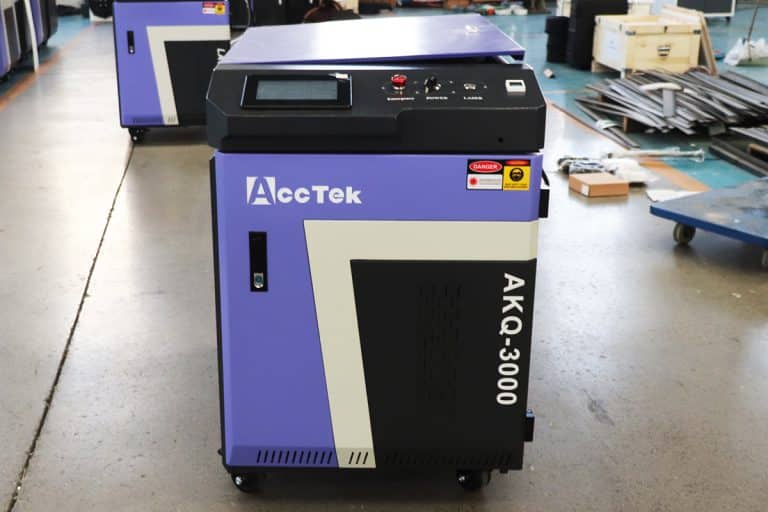
How Effective Is Laser Cleaning At Removing Contaminants
This article explores how effective laser cleaning is at removing contaminants, covering mechanisms, materials, system types, real-world applications, limitations, and optimization factors for reliable results.
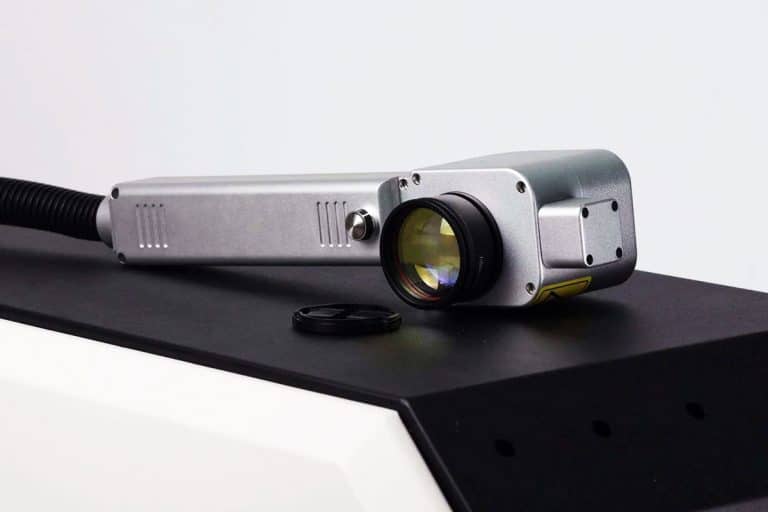
Will Laser Cleaning Damage The Substrate
This article explains whether laser cleaning damages substrates, examining damage mechanisms, material risks, process control, and verification methods for safe, effective laser cleaning.
Comprehensive Guides to Choosing the Right Laser Cleaning Parameters
This comprehensive guide explores the key factors in choosing the right laser cleaning parameters, including material types, contamination levels, and practical considerations for optimal results.

What Training Is Required to Operate Laser Cleaning Machines
This article is a comprehensive guide outlining the safety, operation, maintenance, and certification training required for operators of modern industrial laser cleaning machines.
Frequently Asked Questions
What Types Of Contaminants Can Lasers Remove From Ceramic Surfaces?
- Organic Contaminants: Lasers are highly effective at removing organic residues such as oils, greases, waxes, resins, adhesives, fingerprints, and biological films. These contaminants absorb laser energy more readily than ceramics, causing them to vaporize or break down while leaving the ceramic substrate intact. This is particularly useful in electronics, medical ceramics, and precision components where chemical cleaning is undesirable.
- Paints, Coatings, and Inks: Laser cleaning can strip paints, inks, glazes, varnishes, and protective coatings from ceramic tiles, insulators, and decorative ceramics. The laser energy selectively ablates the coating layer without cracking or melting the ceramic beneath, making it ideal for restoration, rework, or surface preparation before recoating.
- Oxides and Discoloration Layers: Surface oxidation, heat stains, and discoloration caused by high-temperature processing can be removed using lasers. Although ceramics themselves are resistant to oxidation, surface oxides from environmental exposure or adjacent materials can be effectively cleaned without mechanical abrasion.
- Particulate and Dust Contamination: Lasers can remove fine dust, powder residues, polishing debris, and embedded particles from ceramic surfaces. This is especially valuable in high-purity applications such as semiconductor substrates, optical ceramics, and laboratory equipment where microscopic cleanliness is required.
- Carbon and Soot Deposits: Carbon-based contaminants from combustion, laser processing, or furnace exposure absorb laser energy efficiently. Laser cleaning vaporizes soot and carbon films without spreading contamination or introducing moisture, unlike wet cleaning methods.
- Residual Processing Materials: Ceramics used in manufacturing may retain mold-release agents, sintering binders, flux residues, or machining coolants. Laser cleaning eliminates these residues before bonding, metallization, or coating, improving adhesion and product reliability.
- Biological Growth (Limited Cases): On architectural or outdoor ceramics, lasers can remove algae, mold, and biofilms from the surface. The process is dry and chemical-free, making it suitable for conservation and restoration work.
What Are The Limitations Of Laser Cleaning Ceramics?
- Risk of Thermal Damage: Ceramics are brittle and have low tolerance for rapid thermal shock. If laser parameters such as power density, pulse duration, or repetition rate are improperly set, localized heating can cause microcracks, surface crazing, or even fracture. This is especially critical for thin, porous, or glazed ceramics.
- Limited Material Absorption: Many ceramics reflect or transmit certain laser wavelengths rather than absorbing them. Poor absorption reduces cleaning efficiency and may require higher power levels, increasing the risk of damage. Some ceramic compositions may therefore be incompatible with specific laser types without surface pretreatment.
- Surface Roughening and Texture Changes: While lasers can clean without contact, repeated exposure or excessive energy may alter surface texture. Matte finishes can become rougher, and glossy or glazed surfaces may lose their smoothness or shine, which is undesirable in decorative or precision applications.
- Selective Contaminant Removal Challenges: Laser cleaning works best when contaminants absorb laser energy more readily than the ceramic substrate. If the contaminant and ceramic have similar absorption characteristics, selective removal becomes difficult, increasing the chance of substrate erosion.
- Limited Depth Cleaning: Laser cleaning is primarily a surface treatment. Contaminants embedded deep within pores or cracks may not be fully removed, particularly in highly porous ceramics. Mechanical or chemical methods may still be required for deep contamination.
- High Equipment and Setup Costs: Laser cleaning systems involve significant initial investment and require skilled operators. This makes them less economical for small-scale, low-value, or infrequent cleaning tasks compared to conventional methods.
- Safety and Environmental Considerations: Laser cleaning can generate airborne particulates, fumes, or vaporized contaminants that require proper extraction and filtration. Additionally, strict laser safety measures—such as enclosures, protective eyewear, and training—are mandatory.
- Process Optimization Requirements: Each ceramic type and contaminant combination requires careful parameter optimization. Trial-and-error testing is often needed, increasing setup time and limiting throughput in high-volume applications.
What Factors Make Ceramics More Sensitive During Laser Cleaning?
- Low Thermal Shock Resistance: Most ceramics are brittle and have limited ability to withstand rapid temperature changes. Laser cleaning introduces localized, high-intensity heat in a very short time. If heat is applied too quickly or unevenly, it can create internal stresses that lead to microcracks, surface crazing, or complete fracture.
- Brittle Mechanical Structure: Unlike ductile materials, ceramics cannot plastically deform to relieve stress. Any stress generated by thermal expansion, laser-induced vibration, or uneven heating is more likely to result in cracking or chipping, especially at edges, corners, or thin sections.
- Low Thermal Conductivity (in many ceramics): Many ceramic materials dissipate heat poorly. This causes heat to remain concentrated in the laser interaction zone instead of spreading evenly across the surface. The resulting hot spots significantly increase the risk of localized damage during cleaning.
- Variable Laser Absorption: Ceramics exhibit wide variation in laser absorption depending on composition, color, glaze, and wavelength. Poor absorption may require higher laser energy to remove contaminants, which increases the likelihood of surface melting, roughening, or microstructural changes.
- Surface Coatings and Glazes: Glazed or coated ceramics often have different thermal and optical properties than the base ceramic. Mismatched expansion rates between glaze and substrate can cause delamination, cracking, or loss of gloss when exposed to laser energy.
- Porosity and Microstructure: Porous ceramics trap contaminants within surface pores. When laser energy interacts with these trapped materials, rapid vaporization can generate internal pressure, leading to spalling, pitting, or surface flaking.
- Thin or Complex Geometries: Thin ceramic components and intricate shapes are especially vulnerable. Reduced material mass limits heat dissipation, while complex geometries cause uneven energy distribution, increasing stress concentration points.
- Pre-existing Defects: Microcracks, inclusions, or manufacturing defects can act as stress concentrators. Laser-induced heating may propagate these flaws, even when conservative laser settings are used.
- Sensitivity to Parameter Variation: Ceramics require narrow process windows. Small changes in laser power, pulse duration, spot size, or scanning speed can shift the process from effective cleaning to surface damage.
Which Laser Wavelengths Are Most Commonly Used For Ceramic Cleaning?
- Infrared (IR) Lasers – 1064 nm (Nd:YAG and Fiber Lasers): The 1064 nm wavelength is the most widely used for industrial ceramic cleaning. It is effective for removing organic residues, carbon deposits, oils, paints, and some oxides. Many contaminants absorb infrared energy better than ceramic substrates, allowing selective ablation. Fiber and Nd:YAG lasers at this wavelength also offer high beam quality, controllable pulse durations, and excellent repeatability, making them suitable for precision applications.
- Near-Infrared Harmonic Wavelengths – 532 nm (Green Lasers): Green lasers are often used when higher absorption by surface contaminants is required. Some ceramics and glazes reflect infrared wavelengths but absorb visible green light more efficiently. The 532 nm wavelength enables lower energy input while maintaining cleaning effectiveness, reducing the risk of thermal shock and surface roughening.
- Ultraviolet (UV) Lasers – 355 nm and 266 nm: UV lasers are commonly used for sensitive ceramic surfaces and high-precision cleaning. At shorter wavelengths, laser-material interaction is dominated by photochemical rather than thermal effects. This allows extremely controlled removal of thin contamination layers, inks, or residues with minimal heat input. UV lasers are ideal for microelectronics, optical ceramics, and medical components, though they are more expensive and typically lower in power.
- Mid-Infrared CO2 Lasers – 10.6 µm (Limited Use): CO2 lasers are less common for ceramic cleaning but may be used for surface treatment or engraving. Their longer wavelength is strongly absorbed by some ceramic materials, increasing the risk of surface melting or cracking. As a result, CO2 lasers are generally avoided for delicate cleaning tasks and used only with carefully controlled parameters.
- Wavelength Matching to Contaminants: The most effective laser cleaning results are achieved when the contaminant absorbs the laser wavelength more strongly than the ceramic substrate. This principle drives wavelength selection and often determines whether infrared, visible, or ultraviolet lasers are used.
How To Select Parameters For Laser Cleaning Ceramics?
- Laser Wavelength Selection: Begin by choosing a wavelength that is strongly absorbed by the contaminant but weakly absorbed by the ceramic substrate. Infrared (1064 nm) lasers are commonly used for organic residues and carbon deposits, while green (532 nm) or ultraviolet wavelengths are preferred for delicate ceramics or thin contamination layers.
- Laser Power and Energy Density: Use the lowest laser power that effectively removes the contaminant. Excessive power increases the risk of surface melting, microcracking, or roughening. Energy density (fluence) should be set just above the ablation threshold of the contaminant but below the damage threshold of the ceramic.
- Pulse Duration and Mode: Short pulse durations (nanosecond, picosecond, or femtosecond) are ideal for ceramic cleaning. Pulsed lasers limit heat diffusion into the substrate, reducing thermal shock. Continuous-wave lasers are generally avoided due to their higher risk of overheating ceramics.
- Repetition Rate and Overlap: Repetition rate must be balanced to avoid heat accumulation. High repetition rates can cause localized heating if pulses overlap excessively. Adjust pulse overlap and scanning strategy to ensure uniform cleaning without repeated heating of the same area.
- Scanning Speed and Pattern: Faster scanning speeds reduce dwell time and heat buildup. Raster or cross-hatch scanning patterns help distribute energy evenly across the surface, minimizing stress concentrations and uneven cleaning.
- Spot Size and Focus Position: A slightly defocused beam often provides more uniform energy distribution and reduces the risk of localized damage. Smaller spot sizes increase precision but also raise energy density, requiring careful adjustment.
- Material Condition and Geometry: Thin, porous, glazed, or complex-shaped ceramics require more conservative settings. Pre-existing cracks or defects should be identified, as they can propagate under laser-induced stress.
- Incremental Testing and Monitoring: Always start with conservative parameters and gradually increase energy as needed. Visual inspection, microscopy, or surface roughness measurements help confirm that cleaning is effective without damaging the ceramic.
- Environmental Controls: Use proper fume extraction and debris removal to prevent redeposition of contaminants and ensure consistent results.
Are Auxiliary Gases Needed When Laser Cleaning Ceramics?
- Dry Laser Cleaning (No Auxiliary Gas): Many ceramic cleaning applications are performed in ambient air without additional gases. Pulsed lasers can vaporize or eject contaminants effectively on their own, especially when removing organic residues, dust, soot, or light surface films. Dry laser cleaning is simple, cost-effective, and avoids the need for gas supply systems.
- Compressed Air or Nitrogen for Debris Removal: Low-pressure compressed air or nitrogen is commonly used to blow away ablated particles and prevent redeposition on the ceramic surface. Nitrogen is preferred for sensitive or high-purity applications because it is inert and does not promote oxidation. These gases also help maintain consistent cleaning results over larger areas.
- Oxygen (Limited and Controlled Use): Oxygen can be introduced in specific cases to enhance the removal of carbon-based contaminants, such as soot or organic coatings. Oxygen supports oxidation, allowing contaminants to break down more efficiently at lower laser energy. However, its use must be carefully controlled to avoid excessive heat generation or unintended reactions with glazes or adjacent materials.
- Inert Gases for Thermal Control: Argon and nitrogen are sometimes used to reduce thermal effects during cleaning. By displacing ambient air, inert gases limit oxidation and help stabilize the laser–material interaction, which is beneficial for delicate, glazed, or porous ceramics.
- Cooling and Surface Protection Benefits: Auxiliary gas flow can provide mild surface cooling, reducing localized heat buildup and lowering the risk of thermal shock or microcracking. This is particularly useful for thin ceramics or components with complex geometries.
- Safety and Cleanliness Considerations: Assist gases help direct fumes and particles toward extraction systems, improving operator safety and keeping optical components clean. This is especially important when removing hazardous or fine particulate contaminants.
- Situations Where Gases May Be Unnecessary: For small-scale cleaning, low contamination levels, or non-critical surfaces, auxiliary gases may offer minimal benefit. In these cases, proper laser parameter selection and effective fume extraction are sufficient.
What Are The Common Types Of Damage Caused By Laser Cleaning Of Ceramics?
- Microcracking and Fracture: One of the most common forms of damage is microcracking caused by thermal shock. Rapid, localized heating followed by cooling creates internal stresses that brittle ceramics cannot absorb. These microcracks may not be immediately visible but can propagate over time, leading to structural failure.
- Surface Melting and Glazing Damage: Excessive laser energy can cause partial melting of the ceramic surface or its glaze. This may result in loss of surface smoothness, gloss reduction, blistering, or distortion. In decorative or functional ceramics, even minor glaze damage can compromise appearance and performance.
- Surface Roughening and Pitting: Over-cleaning or high energy density can erode the ceramic surface along with the contaminant. This leads to increased surface roughness, pitting, or localized material loss, which can negatively affect sealing, adhesion, or optical properties.
- Spalling and Flaking: In porous ceramics, trapped contaminants or moisture can rapidly vaporize during laser exposure. The resulting internal pressure may cause small pieces of material to break away from the surface, a phenomenon known as spalling. This damage is often irreversible.
- Delamination of Coatings or Layers: Multi-layer ceramics or glazed components may experience delamination due to mismatched thermal expansion between layers. Laser-induced heating can weaken the bond between the coating and substrate, leading to peeling or separation.
- Discoloration and Heat Staining: Thermal effects can alter the surface chemistry or microstructure, causing discoloration, darkening, or heat stains. This is particularly problematic for white or light-colored ceramics used in medical, optical, or architectural applications.
- Propagation of Pre-Existing Defects: Pre-existing flaws such as microvoids, inclusions, or cracks can act as stress concentrators. Laser cleaning may accelerate their growth, even when conservative parameters are used.
- Loss of Dimensional Accuracy: Repeated laser passes or excessive material removal can slightly change surface geometry. While often subtle, this can be critical in precision ceramic components.
How To Avoid Over-Cleaning Ceramic Surfaces With Lasers?
- Use the Lowest Effective Energy: Start with the minimum laser power or fluence required to remove the contaminant. Gradually increase energy only if cleaning is incomplete. Staying just above the contaminant’s ablation threshold minimizes the risk of eroding the ceramic surface.
- Select Short Pulse Durations: Pulsed lasers with short pulse widths (nanosecond, picosecond, or femtosecond) reduce heat transfer into the ceramic. This limits thermal accumulation and helps prevent melting, microcracking, and surface roughening associated with over-cleaning.
- Optimize Scanning Speed and Overlap: Increase scanning speed to reduce dwell time on any single area. Avoid excessive pulse overlap, which can repeatedly heat the same spot and lead to cumulative damage. Uniform raster or cross-hatch patterns help distribute energy evenly.
- Limit the Number of Passes: Multiple cleaning passes increase the likelihood of substrate damage once contaminants are removed. Monitor the surface after each pass and stop cleaning as soon as the desired cleanliness level is achieved.
- Use Slight Defocusing: A slightly defocused beam spreads energy over a larger area, lowering peak energy density. This approach is especially useful for fragile, glazed, or porous ceramics where localized overheating can occur.
- Match Wavelength to Contaminant: Choose a laser wavelength that is preferentially absorbed by the contaminant rather than the ceramic. Better selectivity allows effective cleaning at lower energy levels, reducing the risk of over-cleaning.
- Implement Real-Time Monitoring: Visual inspection, optical sensors, or acoustic monitoring can indicate when contaminants have been removed. These feedback methods help prevent continued laser exposure after cleaning is complete.
- Perform Small-Scale Testing First: Always conduct trials on inconspicuous areas or sample pieces. This allows parameter refinement without risking valuable or functional components.
- Consider Auxiliary Air or Inert Gas: Low-pressure air or inert gas flow can remove debris efficiently, reducing the need for higher laser energy or repeated passes.
- Account for Material Condition: Thin, porous, or pre-damaged ceramics require more conservative settings. Adjust parameters based on surface condition, geometry, and thermal sensitivity.