

Product Introduction
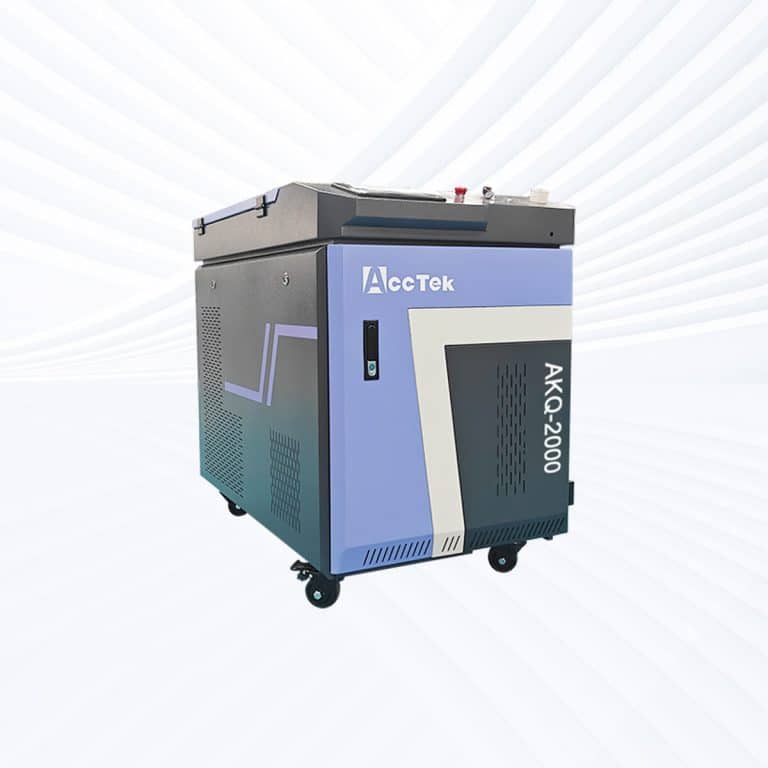
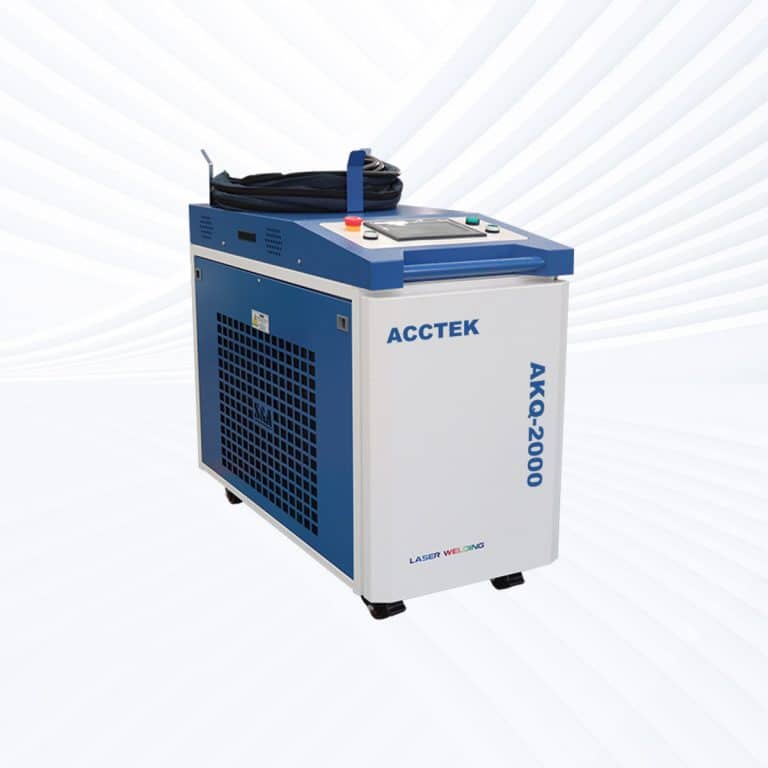
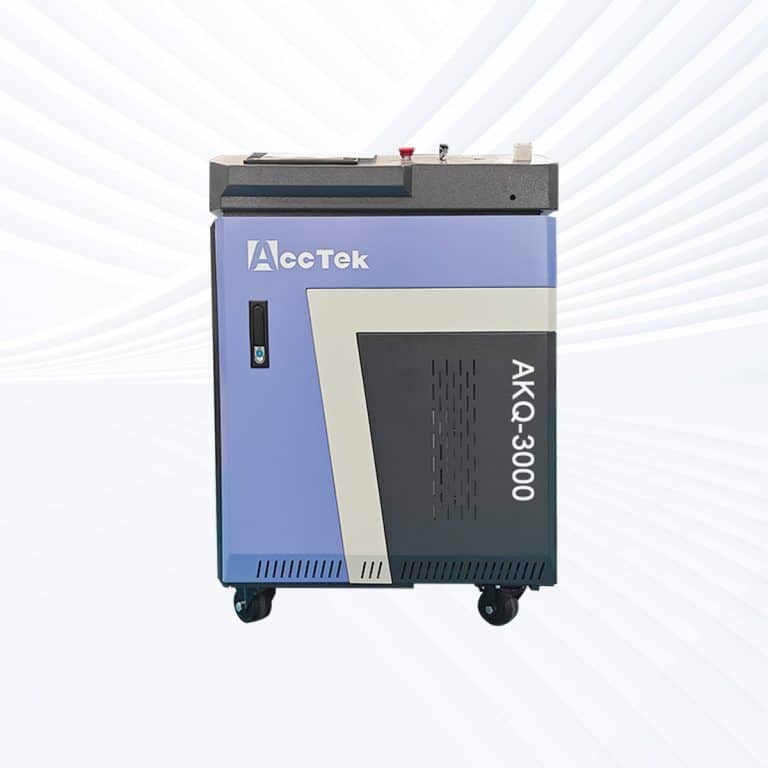
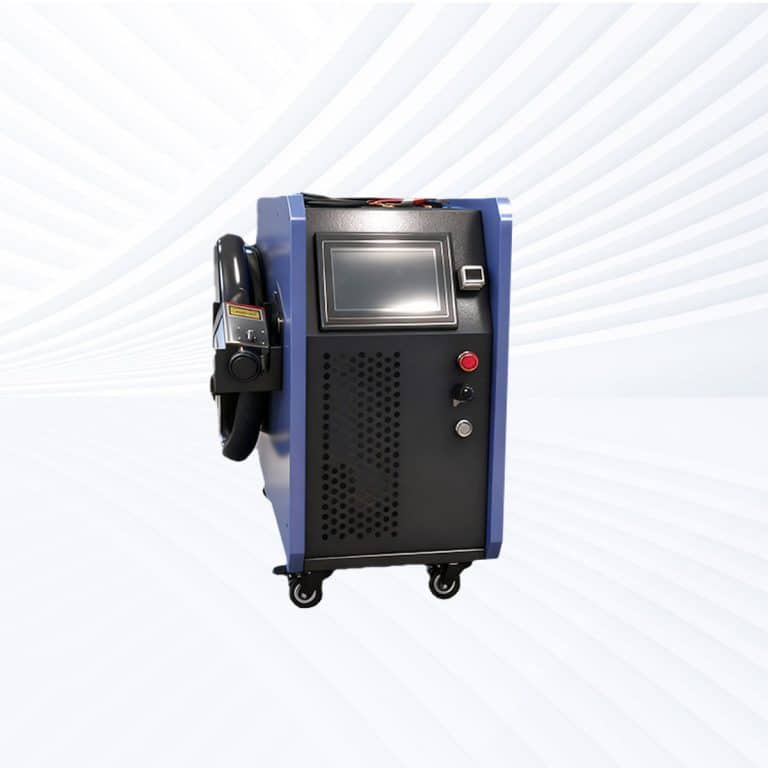
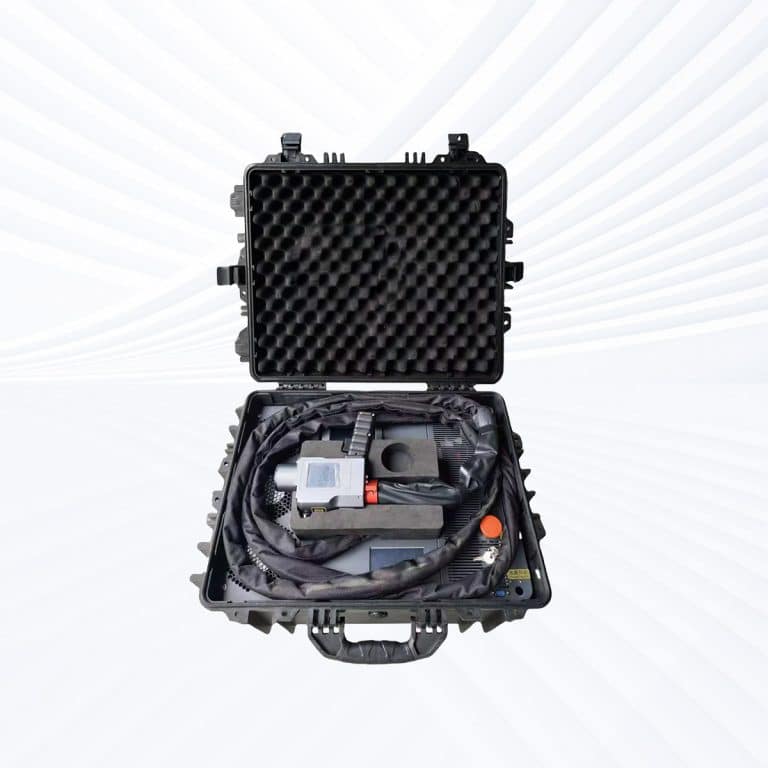
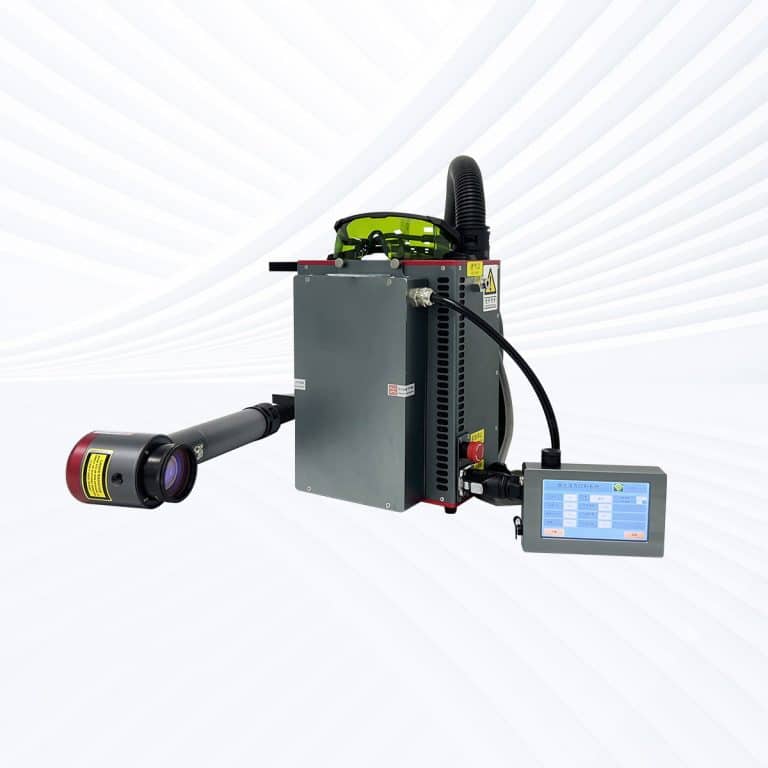
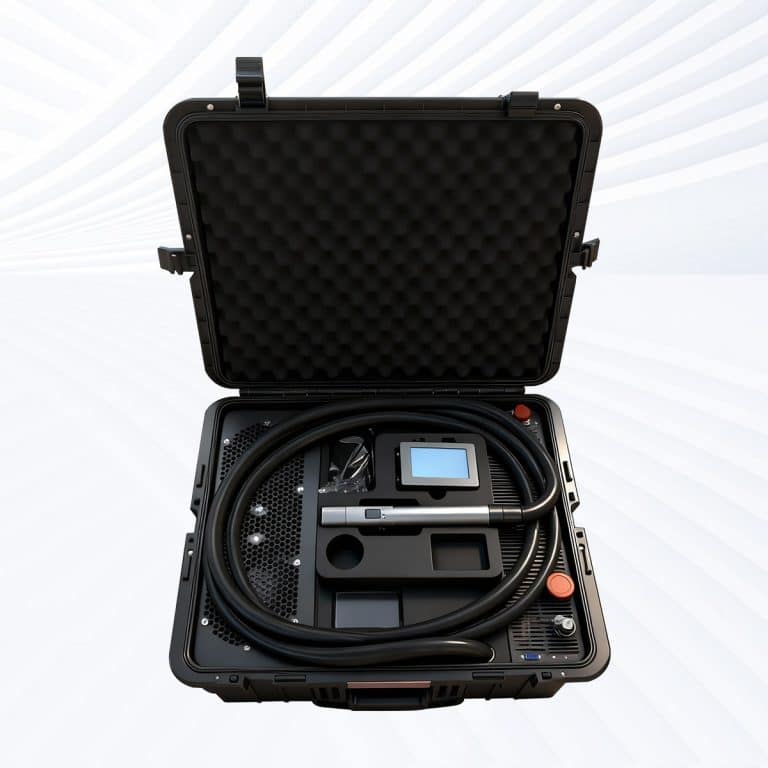
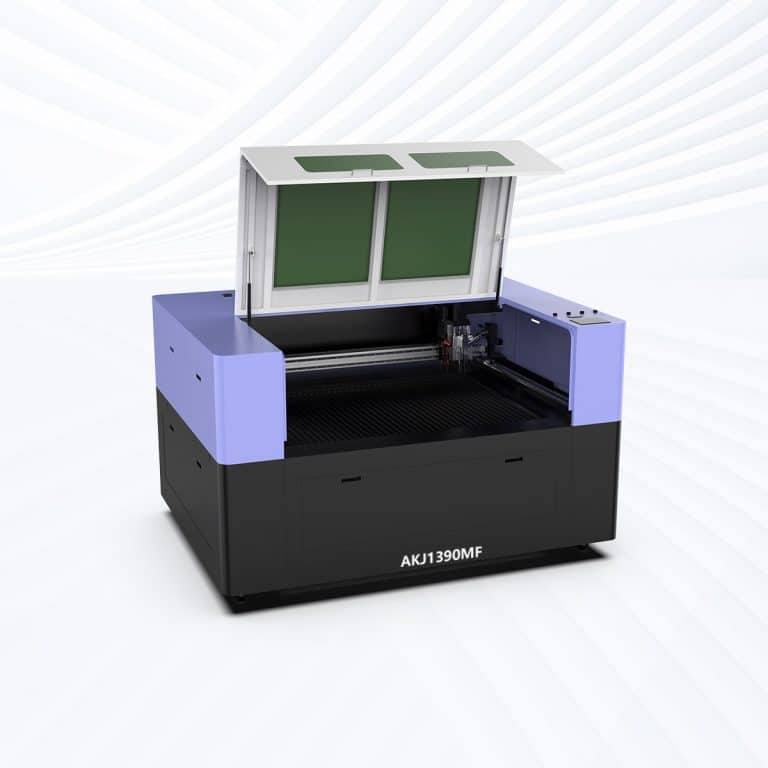
Types of Wood Laser Cleaning Machines
Benefits of Laser Cleaning Wood
Preserves Natural Wood Texture
Laser cleaning removes contaminants without damaging or altering the natural grain, texture, or color of the wood. This makes it ideal for restoring antique furniture, wooden artwork, or heritage architecture with fine detailing.
Chemical-Free and Eco-Friendly
The process eliminates the need for harsh chemicals, abrasives, or water. It produces no hazardous waste, making it a safe and environmentally friendly solution for cleaning wood surfaces in both indoor and outdoor settings.
Non-Contact and Gentle Cleaning
Laser cleaning is a non-contact method that doesn’t apply pressure to the wood, preventing surface gouging, splintering, or warping. It’s especially beneficial for delicate carvings, veneer finishes, or softwood materials.
Accurate and Selective Material Removal
Laser parameters can be finely adjusted to target specific contaminants such as paint, soot, resin, or biological growth without affecting the wood beneath. This ensures precise cleaning and minimal material loss.
Clean, Dry, and No Residue
Unlike sanding or chemical methods, laser cleaning leaves no dust, moisture, or residue. The surface remains dry and immediately ready for painting, varnishing, or restoration work, improving process efficiency.
Ideal for Restoration and Conservation
Laser cleaning is widely used in cultural preservation and wood restoration projects. It gently revives aged wooden surfaces without introducing chemicals or abrasives, making it perfect for museums, churches, and historic wooden structures.
Compatible Wood Materials
- Oak
- Pine
- Maple
- Walnut
- Cherry
- Birch
- Beech
- Ash
- Teak
- Mahogany
- Cedar
- Fir
- Hemlock
- Spruce
- Poplar
- Hickory
- Sycamore
- Elm
- Redwood
- Bamboo
- Rosewood
- Ebony
- Acacia
- Wenge
- Alder
- Douglas Fir
- Larch
- Chestnut
- Plywood
- MDF
- HDF
- OSB
- Particle Board
- Veneered Wood Panels
- Laminated Wood
- Engineered Wood Flooring
- Reclaimed Wood
- Driftwood
- Balsa Wood
- Cork
Application of Wood Laser Cleaning Machines

Customer Testimonials
Comparison VS Other Cleaning Technologies
| Comparison Item | Laser Cleaning | Sandblasting | Chemical Cleaning | Ultrasonic Cleaning |
|---|---|---|---|---|
| Cleaning Method | Laser ablation (non-contact) | Abrasive media impact | Chemical dissolution | Ultrasonic cavitation in fluid |
| Surface Damage Risk | Very low—precise, grain-preserving | High—can erode or roughen wood grain | Moderate—may stain or soften wood | Not suitable for most wooden objects |
| Precision | High—adjustable by material and detail | Low—affects surrounding surface | Medium—may lack control | Low—limited to immersible small items |
| Suitability for Carvings | Excellent—no contact, preserves details | Poor—removes fine details | Risk of softening or discoloring fine areas | Not compatible |
| Environmental Impact | Eco-friendly—no chemicals or dust | High—dust and abrasive waste | High—chemical disposal needed | Requires fluid handling |
| Cleaning Speed | Fast and adjustable | Fast but aggressive | Moderate to slow | Slow |
| Surface Finish Preservation | Excellent—no scratching or abrasion | Poor—leaves rough or uneven finish | May require rinsing or sanding after | Not suitable |
| Glued or Laminated Wood | Safe if parameters are set correctly | High risk of delamination | May weaken adhesive bonds | Not suitable |
| Automation Potential | Easily integrated into automated systems | Difficult to automate | Limited automation potential | Limited to lab-scale setups |
| Health & Safety | Safe with proper laser precautions | Dust inhalation and eye hazards | Chemical fumes and handling hazards | Safer, but involves heated liquids |
| Waste Generation | Minimal—vaporized debris only | High—abrasive media and wood dust | High—chemical residues | Medium—dirty fluids |
| Cost Over Time | Low—no consumables, low maintenance | High—abrasive media and nozzle wear | High—chemical purchases and disposal | Moderate—fluid costs and maintenance |
| Suitable for Antique Wood | Excellent—non-destructive and controlled | Unsafe—may destroy fragile surfaces | Risk of irreversible changes | Not suitable |
| Portability | Available in handheld and portable models | Bulky and workshop-bound | Limited—chemical tanks not portable | Typically stationary |
| Cleaning Consistency | Highly consistent and programmable | Inconsistent due to media variation | Depends on chemical strength and duration | Variable—depends on part size and orientation |
Why Choose Us
Efficient Cleaning
Our machines offer fast, precise cleaning without chemicals or abrasion, making them ideal for delicate surfaces and complex materials across various industries.
Safe & Eco-Friendly
Laser cleaning eliminates the need for harsh chemicals and generates no secondary pollution, creating a safer and more environmentally friendly workspace.
Stable Performance
Built with high-quality components and advanced control systems, our machines ensure consistent cleaning results with minimal maintenance and long service life.
Custom Solutions
We provide flexible configurations and tailored options to match different cleaning requirements, helping customers achieve optimal performance for their specific applications.
Related Resources
How Effective Is Laser Cleaning At Removing Contaminants
This article explores how effective laser cleaning is at removing contaminants, covering mechanisms, materials, system types, real-world applications, limitations, and optimization factors for reliable results.
Will Laser Cleaning Damage The Substrate
This article explains whether laser cleaning damages substrates, examining damage mechanisms, material risks, process control, and verification methods for safe, effective laser cleaning.
Comprehensive Guides to Choosing the Right Laser Cleaning Parameters
This comprehensive guide explores the key factors in choosing the right laser cleaning parameters, including material types, contamination levels, and practical considerations for optimal results.

What Training Is Required to Operate Laser Cleaning Machines
This article is a comprehensive guide outlining the safety, operation, maintenance, and certification training required for operators of modern industrial laser cleaning machines.
Frequently Asked Questions
What Laser Power Options Are Available For Wood Laser Cleaning Machines?
- Continuous Laser Cleaning Machines: These machines emit a steady beam of energy and are best suited for large, heavily soiled, or industrial wood surfaces.
- 1000W and 1500W: These lower power options are effective for removing soot, smoke damage, or grime from hardwood and softwood without overburning. Proper beam control is essential to avoid darkening or etching.
- 2000W and 3000W: Offer faster cleaning with the ability to strip off surface coatings, charred layers, or old finishes. Suitable for restoration work on furniture, beams, or painted trim.
- 6000W: Provides high-speed cleaning for commercial or structural wood surfaces, such as building interiors or exterior cladding. However, this power level requires experienced handling to avoid scorching or material loss.
- Pulse Laser Cleaning Machines: Pulse lasers operate in short bursts, allowing for greater control and minimal heat transfer, critical when working with delicate or historical wood.
- 100W to 300W: Ideal for precise cleaning tasks on decorative wood, carved surfaces, or veneer, where surface preservation is key.
- 500W to 1000W: These mid-range options provide a good balance between cleaning speed and surface safety. Effective for resin removal, weathering cleanup, or smoke restoration without damaging wood grain.
- 2000W: Offers fast and deep cleaning while still maintaining control over thermal effects, making it suitable for larger wooden structures or restoration projects requiring consistent, clean results.
How Much Do Wood Laser Cleaning Machines Cost?
- Continuous Laser Cleaning Machines: These machines use a constant laser beam and are commonly used for general cleaning of hardwood, softwood, and structural wood elements. Lower-priced models around $3,500 are suitable for light-duty tasks, such as removing soot or surface grime. Higher-end units closer to $7,500 offer faster speeds and are capable of stripping paint, resin buildup, or charred layers from larger wood surfaces. These systems are typically used in building restoration, furniture workshops, or production environments where cost efficiency and speed are prioritized.
- Pulse Laser Cleaning Machines: Pulse lasers deliver short, controlled bursts of energy, making them ideal for more delicate work on wood. Entry-level models start at around $6,000 and are designed for small-scale or detailed projects, such as cleaning carved wood, veneer, or antique furniture without damaging the grain. Mid-range systems are used in commercial restoration and architectural conservation. High-end units can cost up to $70,000 and offer advanced features like automatic targeting, power modulation, and large-format coverage. These are typically found in museums, heritage restoration labs, or large-scale architectural preservation.
How Does Laser Power Affect The Speed of Cleaning Wood?
- Continuous Laser Cleaning Machines: These machines emit a steady laser beam, which allows for fast and aggressive cleaning of hardwood, softwood, plywood, and other structural wood surfaces.
- 1000W–1500W: Provides moderate cleaning speed, ideal for removing smoke damage, light soot, or environmental grime. Best suited for furniture, indoor beams, or decorative panels where overburning must be avoided.
- 2000W–3000W: Offers faster removal of paint, char, or surface coatings. These machines can handle rougher or unfinished wood with more resilience and are commonly used in building restoration or outdoor wood surface preparation.
- 6000W: Delivers the highest cleaning speed, capable of stripping heavy buildup or large wood surfaces quickly. However, heat control is crucial—at this power level, softwood or detailed grain structures may darken or burn if the laser is not properly tuned.
- Pulse Laser Cleaning Machines: Pulse lasers deliver energy in short, focused bursts. This makes them better for precise cleaning where detail preservation and thermal control are essential.
- 100W–300W: These low-power units clean slowly but with great precision. They are ideal for antique wood, veneer, or intricate carvings where preserving the original texture is critical.
- 500W–1000W: Balance speed and control, allowing for the removal of aged coatings, resin buildup, or light weathering without compromising the wood’s natural appearance.
- 2000W: Provides faster throughput while still minimizing thermal load on the material. This level is suitable for more demanding cleaning tasks on larger surfaces or wood with moderate damage or buildup.
How Do I Choose Wood Laser Cleaning Machines?
- Surface Type and Material Sensitivity: For cleaning plywood, MDF, hardwood, softwood, and veneer, machine selection must match the surface sensitivity. Delicate or decorative wood—like antiques, carvings, or veneered panels require pulse laser cleaning machines. These systems emit energy in short bursts, reducing heat impact and preserving fine surface detail. In contrast, continuous laser cleaning machines are more aggressive and better suited for structural timber, painted siding, or charred beams.
- Cleaning Speed and Coverage Area: Continuous lasers offer high-speed performance for large surfaces. A 1000W to 3000W continuous machine is effective for removing smoke damage, old paint, or resin from framing or decking. For faster throughput, a 6000W system is suitable for industrial-scale cleaning, but requires skilled operation to avoid surface burn. If working with smaller or detailed areas, 100W to 500W pulse lasers provide slower, controlled cleaning that protects the wood grain.
- Type of Contaminants: Charred material, weathered finishes, or smoke buildup can vary in thickness. Higher power (1000W–2000W pulse or 2000W+ continuous) lasers are more effective for tough layers. Lighter residues, dust, or surface oxidation can be safely removed with lower-power pulse lasers without damaging wood texture or color.
- Mobility and Work Environment: For on-site restoration or historical conservation, portable pulse machines are ideal. Compact, lower-wattage systems can be easily moved and operated without a dedicated industrial setup. For workshop or fixed-site use, enclosed continuous systems with ventilation and safety shielding offer speed and stability.
Does Laser Cleaning Wood Produce Fumes?
- Natural Wood Surfaces: When cleaning untreated wood, lasers vaporize fibers, resin, and organic matter. This produces wood smoke, which contains fine particulates and volatile organic compounds (VOCs). While less hazardous than synthetic materials, wood smoke can still irritate the respiratory system and reduce visibility in enclosed spaces. Ventilation and air filtration are essential, especially for indoor restoration work or prolonged use.
- Painted or Finished Wood: Wood with old paint, varnish, or sealants generates denser fumes, which may include hazardous byproducts depending on the chemical composition of the coating. Older paints, particularly those containing lead or solvents, can release toxic gases when heated by the laser beam. These fumes must be captured with fume extraction systems equipped with HEPA and activated carbon filters to protect both the operator and the environment.
- Plywood and MDF: Engineered woods like plywood and MDF contain adhesives and binders that break down during laser cleaning. These materials often release formaldehyde and resin-based smoke, which are harmful when inhaled. Extra caution and strong ventilation are needed when working with these products.
- Fire Risk and Safety Measures: Though laser cleaning is non-contact, wood is flammable, and improper settings or poor airflow can lead to smoldering or flare-ups. Use air assist, monitor temperature buildup, and never leave the system unattended during operation.
Are There Any Harmful Byproducts When Laser Cleaning Wood?
- Wood and Wood-Based Products: Cleaning hardwood, softwood, plywood, MDF, and veneer with lasers vaporizes not only surface dirt and char but also underlying organic compounds in the wood itself. Natural wood emits fine particulates and volatile organic compounds (VOCs) when burned, including formaldehyde and acrolein, both of which can irritate the eyes and respiratory system.
- Painted or Coated Wood: When removing old paint, varnish, or stain, laser cleaning may release lead particles, solvent-based vapors, or polyurethane byproducts, depending on the coating. Older paints and finishes—especially those applied before safety regulations—are more likely to emit toxic gases such as toluene, benzene, or heavy metals during laser ablation. These byproducts are hazardous and must be captured with appropriate fume extraction.
- Engineered Woods (Plywood, MDF): These materials contain adhesives, binders, and resins that break down when exposed to laser heat. MDF, for example, often includes urea-formaldehyde resin, which emits formaldehyde gas when burned. Plywood may contain phenol-formaldehyde or other industrial adhesives that can release toxic fumes and corrosive particulates.
- Soot and Carbon Residue: Even when cleaning natural, untreated wood, the laser process can generate carbon-rich smoke and soot particles. In high concentrations, these byproducts can settle on nearby surfaces or be inhaled by operators, posing health risks over time if not properly filtered.
What Are The Operating Environment Requirements For Wood Laser Cleaning Machines?
- Ventilation and Air Quality Control: Proper ventilation is critical when cleaning wood, as the process generates smoke, fine dust, and volatile organic compounds (VOCs). Whether removing char, paint, or grime, all wood types release airborne particles when exposed to laser energy. A fume extraction system with HEPA and activated carbon filters should be used to remove harmful particulates and gases from the air. Exhaust should be safely vented outdoors or filtered for recirculation in enclosed spaces.
- Temperature and Humidity: Wood laser cleaning machines should be operated in environments with ambient temperatures between 15℃ and 35℃ (59℉–95℉) and relative humidity between 40% and 70%. Excessive heat or cold can affect the laser system’s internal cooling, while high humidity can cause condensation on optics and sensitive components.
- Power Supply and Stability: Most low- to mid-power pulsed lasers operate on standard 220V, while high-power continuous lasers (2000W and above) often require three-phase industrial power. A stable, surge-protected power supply ensures consistent performance and protects electronics from damage. Grounded outlets and proper cable management are important for safety.
- Surface and Workspace Preparation: The cleaning area should be flat, clean, and free of combustible materials like sawdust, paper, or solvents. Wood dust is highly flammable and can ignite from stray sparks or heat. Ensure that the work surface supports the laser unit’s weight and allows for free movement of the laser head if automated.
- Lighting and Visibility: While laser cleaning generates smoke and debris, bright, even lighting improves visibility for the operator. It helps detect incomplete cleaning or potential surface damage during operation. Avoid direct sunlight or reflective surfaces near the beam path.
- Fire Safety and Supervision: Since wood is a flammable material, laser cleaning must be constantly supervised. Keep a fire extinguisher within reach, and never leave the laser running unattended. Use air assist if available to reduce local temperature and minimize burn marks on sensitive surfaces.
How Do I Maintain Wood Laser Cleaning Machines?
- Optical Components: Lenses, mirrors, and protective glass surfaces in the beam path must remain clear to ensure proper laser focus and energy delivery. When cleaning wood—especially resinous or treated types—residue can form on optics, reducing power and causing uneven results. Use non-abrasive wipes and optical cleaner to remove buildup after each use. Check for scratches or burns that could distort the beam.
- Cooling System: Laser cleaning systems often use water or air cooling to manage heat buildup. Inspect and clean air filters, fans, and radiators, and check coolant levels if the system is water-cooled. Dirty or underperforming cooling systems can lead to overheating, which shortens the lifespan of the laser source and may result in automatic shutdowns or permanent damage.
- Fume Extraction and Ventilation: Laser cleaning of wood produces smoke, carbon particles, and volatile organic compounds (VOCs). To keep air quality safe and internal parts clean, maintain the fume extractor unit regularly. Replace HEPA and carbon filters as recommended, clear out ducts, and check for leaks or weak airflow. Clogged systems reduce suction power and can allow harmful particulates to settle inside the machine.
- Laser Source and Cabling: If your machine uses a fiber laser, inspect the fiber optic cable for twists, kinks, or wear. Keep connectors clean and covered when not in use. Periodically verify that the laser output is consistent and aligned. A decline in beam quality may indicate the need for recalibration or professional servicing.
- Machine Housing and Safety Features: Keep the machine’s exterior and work area clean, especially from wood dust and resin. These can accumulate inside vents and moving parts, increasing fire risk. Inspect emergency stops, interlocks, and enclosures to make sure all safety systems are fully functional. Ensure that the worktable and supports remain level and stable.
- Software and Diagnostics: Regularly update the machine’s control software and perform system diagnostics to check calibration and alignment. Many machines have built-in logs that can indicate maintenance needs or alert you to potential issues before they affect performance.