

Product Introduction
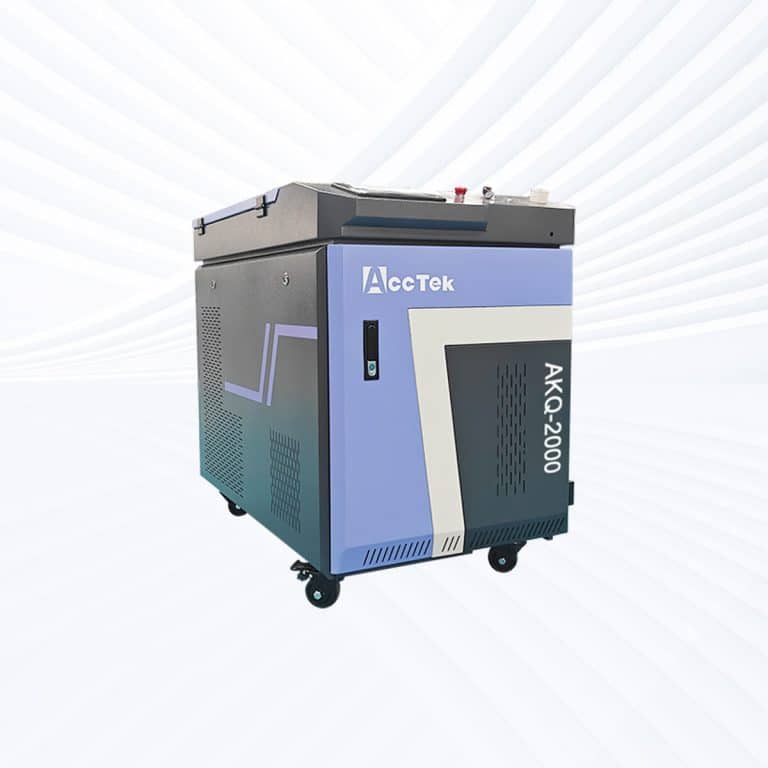
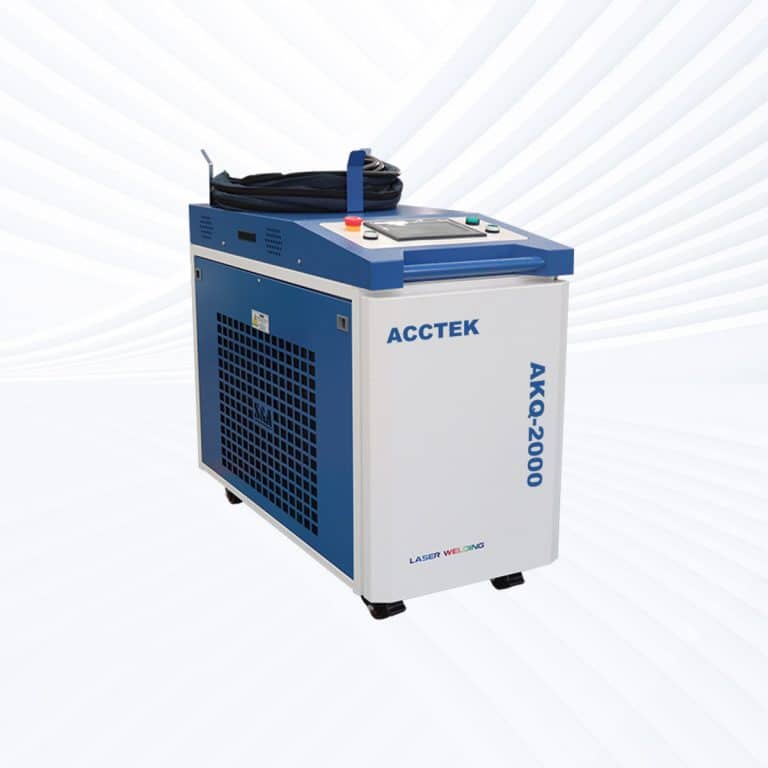
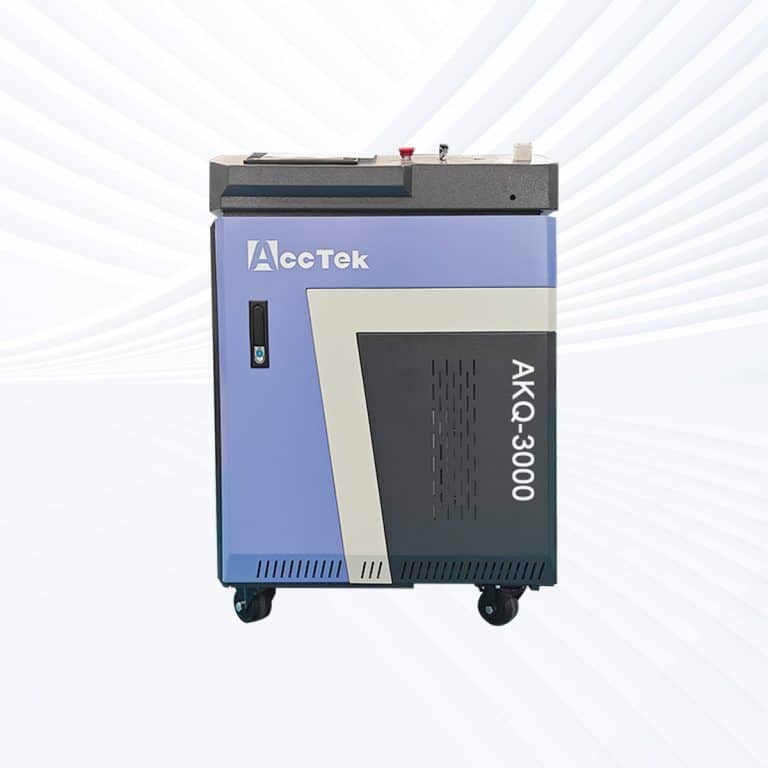
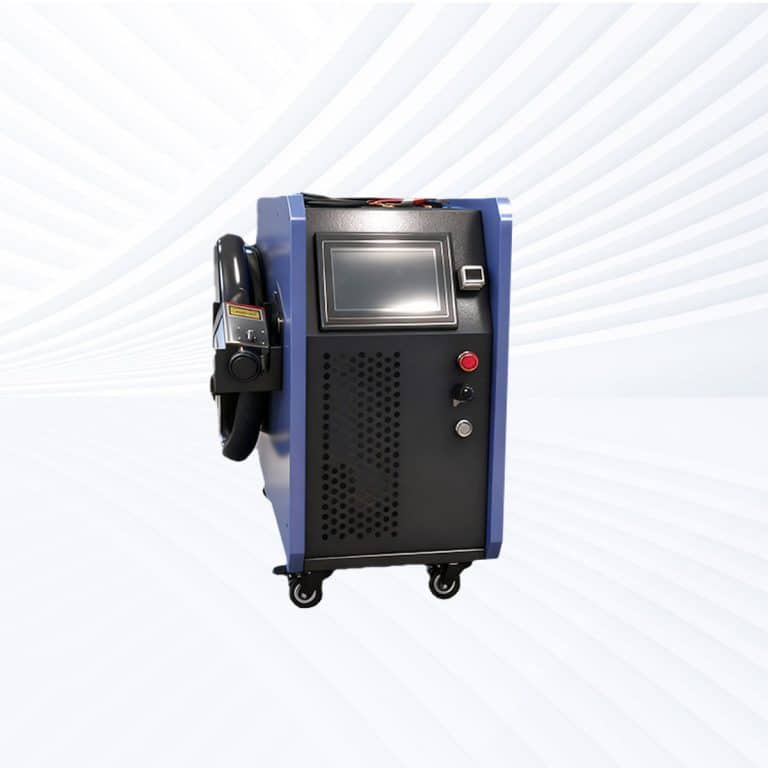
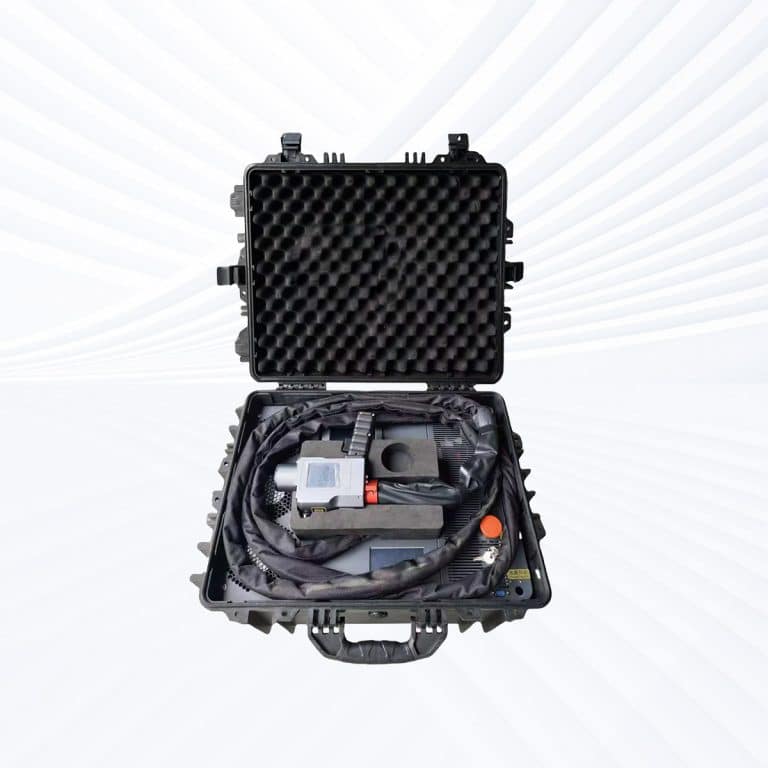
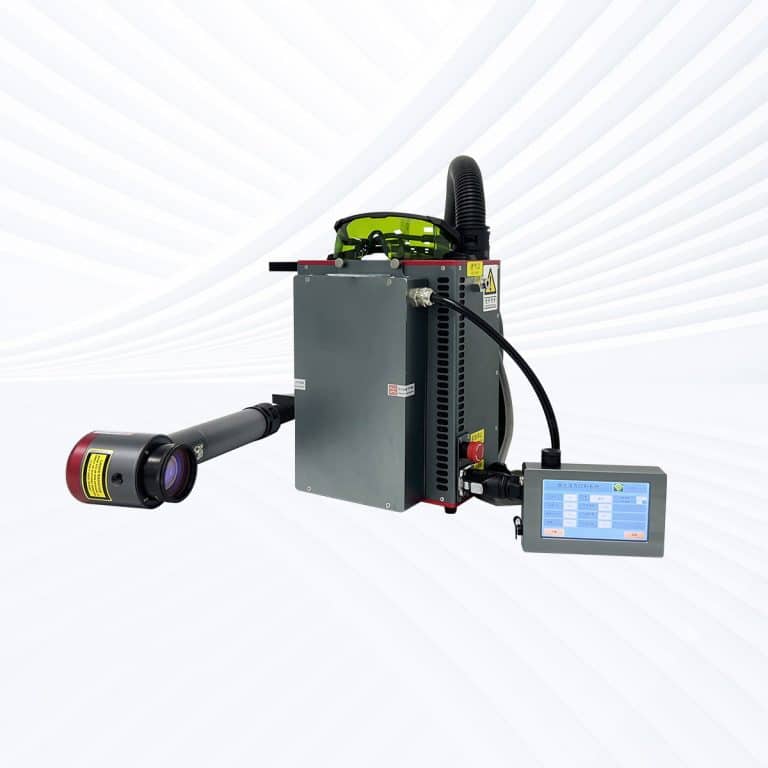
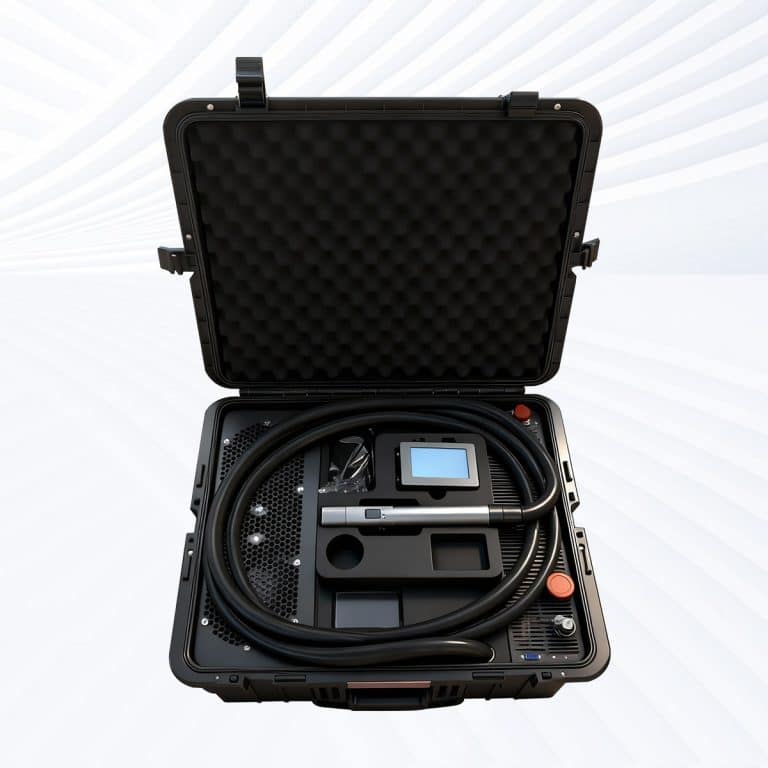
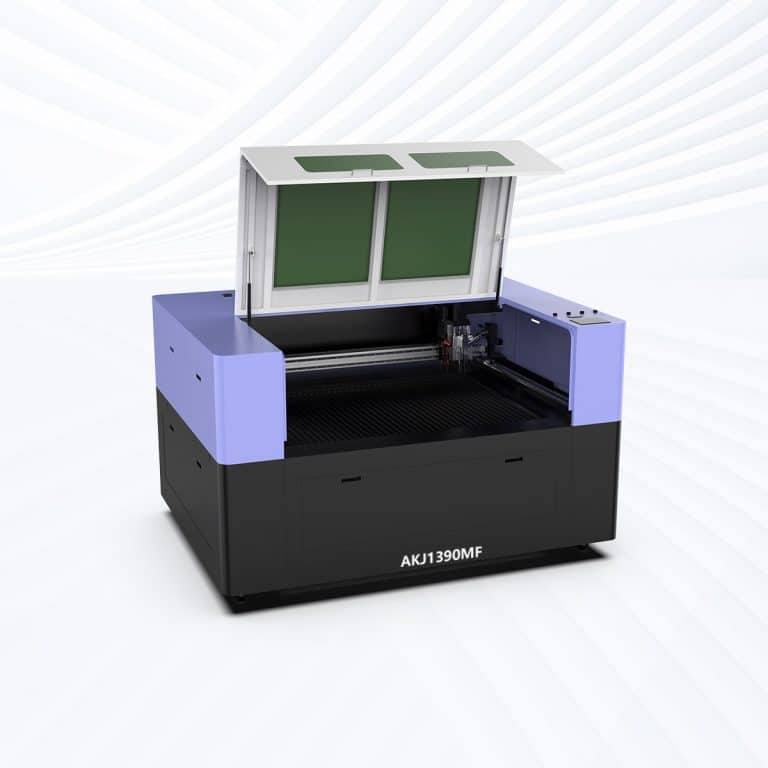
Types of Stone Laser Cleaning Machines
Benefits of Laser Cleaning Stone
Gentle on Delicate Surfaces
Laser cleaning offers a non-contact solution that gently removes dirt, biological growth, and coatings without damaging the stone’s surface or texture, making it ideal for cleaning historical monuments, sculptures, and fragile architectural features.
Chemical-Free and Eco-Friendly
The process does not require abrasive chemicals, acids, or water, eliminating the risk of chemical runoff or environmental contamination. This makes it a sustainable and safe cleaning option for both indoor and outdoor stone surfaces.
High Precision and Control
Laser parameters can be finely adjusted to remove only the unwanted layer while preserving the integrity of the stone. This precise control is essential for restoring fine carvings, inscriptions, and valuable stone artifacts.
No Abrasive Wear or Erosion
Unlike sandblasting or mechanical scraping, laser cleaning does not wear down the stone or create micro-cracks. It helps maintain the original material strength and appearance over time with repeated cleanings.
Effective on Various Contaminants
Laser cleaning efficiently removes pollution, soot, paint, graffiti, and biological growth such as moss or lichen. It works well on different types of stone, including marble, granite, limestone, and sandstone, without altering the material properties.
Ideal for Restoration and Preservation
Laser technology is widely used in conservation work for its ability to clean without altering the underlying stone. It helps preserve the cultural and historical value of stone structures while improving their appearance and longevity.
Compatible Stone Materials
- Marble
- Granite
- Limestone
- Sandstone
- Travertine
- Slate
- Basalt
- Quartzite
- Onyx
- Soapstone
- Dolomite
- Serpentine
- Alabaster
- Gneiss
- Schist
- Tuff
- Conglomerate
- Breccia
- Chalk
- Bluestone
- Siltstone
- Jasper
- Flint
- Porphyry
- Andesite
- Rhyolite
- Diorite
- Syenite
- Pegmatite
- Scoria
- Pumice
- Obsidian
- Quartz
- Artificial Stone
- Cast Stone
- Engineered Quartz
- Terrazzo
- Concrete
- Mortar
- Fossil-bearing Stone
Application of Stone Laser Cleaning Machines




Customer Testimonials
Comparison VS Other Cleaning Technologies
| Comparison Item | Laser Cleaning | Sandblasting | Chemical Cleaning | Ultrasonic Cleaning |
|---|---|---|---|---|
| Cleaning Method | Laser ablation, non-contact | Abrasive particle blasting | Chemical dissolution | High-frequency cavitation in liquid |
| Surface Damage Risk | Very low | High—abrasive on soft/delicate stone | Moderate—chemical etching possible | Very low |
| Precision | Extremely high, controllable | Low to moderate | Low to moderate | High for small parts |
| Suitability for Delicate Surfaces | Excellent | Poor | Risk of damage depending on chemicals | Limited to small items |
| Environmental Impact | Eco-friendly, no chemical waste | Dust and media waste | Hazardous chemical runoff | Requires safe fluid disposal |
| Residue Generation | Minimal to none | High—abrasive media remains | Chemical residues | Contaminated liquid |
| Health & Safety Concerns | Laser safety required, no toxic waste | Inhalable dust, PPE needed | Toxic fumes, handling precautions | Risk of fluid splashes and heat |
| Cleaning Speed | Fast, adjustable | Fast for large areas | Slow to moderate | Slow |
| Surface Preservation | Excellent, no abrasion | Poor, removes stone material | Risk of discoloration or etching | Good on small components |
| Equipment Maintenance | Low | Moderate to high | High due to chemical handling | Medium |
| Cost Over Time | Low—minimal consumables | High media replacement cost | High recurring chemical costs | Moderate |
| Automation Potential | Easy to automate with robotics | Difficult to automate | Limited automation | Limited to enclosed systems |
| Portability | Highly portable models available | Bulky and heavy | Requires chemical tanks | Not suitable for large objects |
| Suitable for Outdoor Use | Excellent | Good, but messy | Limited—requires containment | Not suitable |
| Selective Cleaning Capability | High—precise targeting | None—cleans everything in path | Low—affects all exposed areas | Limited |
Why Choose Us
Efficient Cleaning
Our machines offer fast, precise cleaning without chemicals or abrasion, making them ideal for delicate surfaces and complex materials across various industries.
Safe & Eco-Friendly
Laser cleaning eliminates the need for harsh chemicals and generates no secondary pollution, creating a safer and more environmentally friendly workspace.
Stable Performance
Built with high-quality components and advanced control systems, our machines ensure consistent cleaning results with minimal maintenance and long service life.
Custom Solutions
We provide flexible configurations and tailored options to match different cleaning requirements, helping customers achieve optimal performance for their specific applications.
Related Resources
How Effective Is Laser Cleaning At Removing Contaminants
This article explores how effective laser cleaning is at removing contaminants, covering mechanisms, materials, system types, real-world applications, limitations, and optimization factors for reliable results.
Will Laser Cleaning Damage The Substrate
This article explains whether laser cleaning damages substrates, examining damage mechanisms, material risks, process control, and verification methods for safe, effective laser cleaning.
Comprehensive Guides to Choosing the Right Laser Cleaning Parameters
This comprehensive guide explores the key factors in choosing the right laser cleaning parameters, including material types, contamination levels, and practical considerations for optimal results.

What Training Is Required to Operate Laser Cleaning Machines
This article is a comprehensive guide outlining the safety, operation, maintenance, and certification training required for operators of modern industrial laser cleaning machines.
Frequently Asked Questions
What Laser Power Options Are Available For Stone Laser Cleaning Machines?
- Continuous Laser Cleaning Machines: Continuous-wave lasers emit a steady stream of laser energy, making them suitable for removing thick deposits or hardened surface layers from larger stone surfaces such as building facades, sculptures, or monuments. Here are the available power levels for continuous laser cleaning machines used on stone:
- 1000W: Suitable for light to moderate surface deposits like soot, grime, or pollution crusts on stone walls.
- 1500W: Offers faster cleaning on harder crusts or coatings; useful for outdoor architectural restoration.
- 2000W: Ideal for more stubborn stains, paint layers, or urban pollutants on stone and concrete.
- 3000W: Provides high cleaning throughput; used for deep or large-area cleaning in infrastructure maintenance.
- 6000W: Delivers maximum cleaning force for highly weathered or heavily encrusted stone, though surface protection protocols are important due to the higher energy intensity.
- Pulse Laser Cleaning Machines: Pulse lasers release short, controlled bursts of energy, making them ideal for delicate surfaces, historic stonework, or artifacts that cannot tolerate thermal stress or surface abrasion. These are the pulse laser power options for stone cleaning:
- 100W: Used for precision work on fragile or culturally significant stone objects such as statues or inscriptions.
- 200W: Effective for moderate cleaning of soft stone surfaces like limestone or sandstone with biological or atmospheric soiling.
- 300W: Offers more removal power while still preserving fine surface texture.
- 500W: Balances cleaning efficiency with surface safety; often used in the restoration of old buildings and monuments.
- 1000W: Cleans faster while maintaining control; can handle tougher deposits on structurally stable stone.
- 2000W: High peak energy for challenging restoration projects where speed is important but minimal surface impact is still required.
What Is The Price of Stone Laser Cleaning Machines?
- Continuous Laser Cleaning Machines: These machines typically cost between $3,500 and $7,500. They are ideal for high-speed cleaning tasks where precision is less critical. They work well for removing rust, paint, and oxides from stone surfaces and are best suited for large-area cleaning where surface integrity is not easily compromised. While more affordable, they generate more heat and are less suitable for delicate or detailed restoration.
- Pulse Laser Cleaning Machines: This type comes at a much broader and higher price range—from $6,000 to $70,000, depending on power, pulse frequency, and system design. Pulse laser machines use short, high-energy bursts that remove contaminants with minimal thermal impact, making them ideal for sensitive surfaces, including historic or decorative stone. They’re commonly used in restoration work, art conservation, and applications where damage to the substrate must be avoided.
How Does Laser Power Affect The Speed of Cleaning Stone?
- Continuous Laser Cleaning Machines (1000W–6000W): These machines operate at steady power levels and are available in configurations like 1000W, 1500W, 2000W, 3000W, and 6000W. The higher the wattage, the greater the energy output, which allows for quicker removal of surface contaminants like rust, paint, limescale, and soot. For example, a 3000W system can clean significantly faster than a 1000W model, especially over large stone surfaces. However, continuous lasers generate more heat, which can risk damaging delicate or historical stonework if not properly controlled.
- Pulse Laser Cleaning Machines (100W–2000W): Pulse lasers come in lower power ranges—100W, 200W, 300W, 500W, 1000W, and 2000W—but deliver high-intensity bursts of energy in very short durations. This makes them ideal for precise cleaning with minimal thermal impact. A 100W pulse laser is suited for fine detailing or restoration, while a 1000W or 2000W model significantly speeds up cleaning without compromising the surface. Unlike continuous lasers, pulse lasers balance speed and surface protection, making them effective for intricate carvings or aged stone.
How To Select Stone Laser Cleaning Machines?
- Surface Type and Sensitivity: Hard granite, limestone, marble, or rough-cut stone can typically handle higher power and heat, making continuous laser cleaning machines suitable. These machines are better for large-scale or industrial cleaning, especially on robust surfaces. In contrast, detailed carvings, historic monuments, or delicate masonry require gentler treatment. In these cases, pulse laser cleaning machines are the preferred option, as they remove contaminants without damaging the underlying stone.
- Type of Contaminants: Rust, oil, soot, paint, or lichen buildup all respond differently to laser energy. Pulse lasers offer more control and precision, ideal for carefully removing thin or layered pollutants. Continuous lasers provide faster cleaning on thick or deeply embedded materials but may risk altering fragile surfaces if not properly adjusted.
- Power Range and Speed Requirements: Continuous machines range from 1000W to 6000W, delivering steady power and higher cleaning speeds. Pulse machines vary from 100W to 2000W, offering flexible control and lower thermal load. For large projects where time is critical, a 3000W or 6000W continuous laser will be efficient. For precision work or conservation, 500W to 1000W pulse lasers are optimal.
- Mobility and Application Environment: Portable laser cleaning machines are better for on-site jobs, like monuments or building facades. Fixed systems may suit workshops or factories. Consider machine size, weight, cooling method, and whether the system supports handheld operation.
- Budget and Long-Term Value: Pulse laser machines are more expensive (from $6,000 to $70,000) due to their precision and safety benefits, while continuous models cost less ($3,500 to $7,500) and are better for general-purpose cleaning. Balancing initial cost with operational needs is key to a smart investment.
How Smooth Is The Surface Finish After Laser Cleaning Stone?
- Continuous Laser Cleaning Machines: These machines clean by delivering a constant beam, which can quickly strip away rust, paint, soot, and other residues. On hard, coarse stones like granite or concrete, they leave a uniform but slightly rougher finish due to the thermal effect and deeper ablation. While effective for speed, they can cause minor surface texturing if power settings are too high or if the stone is softer and more porous.
- Pulse Laser Cleaning Machines: Pulse lasers offer greater control through short, high-energy bursts. They excel at cleaning sensitive stone surfaces without noticeable damage or texturing. For marble, limestone, and intricately carved materials, pulse lasers deliver a clean, smooth finish while preserving surface detail and color. Higher-frequency, lower-energy pulses minimize heat input, which reduces the risk of micro-cracks or discoloration.
- Stone Type and Contamination Level: Natural texture plays a role—polished stones retain more smoothness, while rough or weathered stones will still show their original grain post-cleaning. Heavily soiled or aged surfaces may reveal underlying pitting or erosion after laser removal of surface buildup, but this reflects existing wear, not laser-induced damage.
Does Laser Cleaning of Stone Produce Harmful Byproducts?
- Paints and Coatings: When laser cleaning removes layers of old paint, sealants, or graffiti, the heat can vaporize these materials into fumes or particulates, some of which may contain heavy metals, solvents, or other hazardous compounds. Proper fume extraction systems and personal protective equipment (PPE) are essential in these cases to prevent exposure.
- Organic Growth and Biological Matter: Removing mold, algae, or lichen from stone can release spores and burnt organic particles. While not always toxic, they may cause respiratory irritation, especially in enclosed or poorly ventilated areas.
- Dust and Fine Particulates: Even when cleaning bare stone, especially weathered or dirty surfaces, the laser can generate fine dust as the top layer breaks away. This dust is often mineral-based and can be harmful if inhaled over time, particularly in older structures where the stone might contain silica or other fine particulate risks.
- Burned Residue: Continuous lasers, especially at higher power settings, may cause some charring or vaporization of embedded debris. These reactions can produce smoke or burnt odors, which should be ventilated with an air filtration system to ensure operator safety.
What Are The Operating Environment Requirements for Stone Laser Cleaning Machines?
- Temperature and Humidity: Most stone laser cleaning machines operate best in ambient temperatures between 5℃ and 40℃ (41℉–104℉). Extremely cold environments can affect internal components and cooling systems, while excessive heat may reduce efficiency. Relative humidity should stay below 70% to prevent condensation inside the machine, which can damage optics or electronics.
- Ventilation and Air Filtration: Laser cleaning vaporizes or breaks down surface contaminants, releasing dust, fumes, and particles into the air. An effective fume extraction system is required to remove airborne byproducts and ensure a safe breathing environment. For indoor use, HEPA filters or activated carbon units should be installed to capture hazardous particulates and chemical residues.
- Stable Surface and Space Requirements: Machines should be placed on a level, vibration-free surface to avoid misalignment of the laser optics. Sufficient working space is needed around the machine to accommodate cables, cooling units, and operator movement, especially for larger or handheld systems.
- Power Supply and Electrical Safety: Machines have different voltage requirements, often 220V–380V for industrial units. Ensure that the workspace has a stable power supply with proper grounding. Surge protectors or voltage regulators may be necessary in areas with unstable grids to prevent power-related damage.
- Dust-Free, Clean Environment: Laser optics and sensors are sensitive to dust buildup. Even in rugged or construction zones, it’s important to minimize ambient dust and airborne debris that could interfere with the laser beam or cooling systems.
- Laser Safety and Access Control: Designated operating zones should include laser safety signage, restricted access, and protective barriers if needed. Operators must wear appropriate laser safety goggles, and reflective surfaces should be avoided in the beam path to prevent scattering.
How To Maintain The Stone Laser Cleaning Machines?
- Optical Components: Lenses, protective windows, and scanning heads should be inspected and cleaned regularly using approved optical wipes and solvents. Dust, residue, or buildup on these surfaces can distort the laser beam and reduce cleaning efficiency. Never touch optics with your bare hands, and avoid using abrasive materials.
- Cooling System: Both pulse and continuous laser cleaning machines rely on effective cooling—either air or water-based—to prevent overheating. Water-cooled units should have their coolant levels checked weekly, and filters or chillers must be cleaned or replaced on schedule. Poor cooling can lead to power loss or permanent laser damage.
- Air Filters and Exhaust Systems: Fume extractors, HEPA filters, and carbon units must be inspected for blockages or saturation. These components remove hazardous particles generated during cleaning, so regular replacement is essential to maintain air quality and system performance.
- Electrical and Connection Checks: Inspect cables, power plugs, and grounding connections for signs of wear or loose fittings. Damaged wires or unstable connections can cause operational faults or even short circuits. Check connectors between the laser source and control system to ensure tight, corrosion-free contact.
- Software and System Calibration: Regular software updates and calibration of scanning systems help maintain accuracy. Many machines include internal diagnostics—run these tests periodically to verify that pulse width, frequency, and beam alignment are within factory specs.
- General Cleaning and Storage: Keep the machine’s exterior and intake vents free from dust and debris. If not used for extended periods, store the machine in a dry, dust-free, and temperature-controlled environment, ideally with protective covers over exposed ports or optics.
- Maintenance Schedule: Follow the manufacturer’s maintenance log, which typically outlines daily, weekly, and monthly checks. Routine servicing by trained technicians may be required to maintain warranty coverage and system reliability.