

Product Introduction
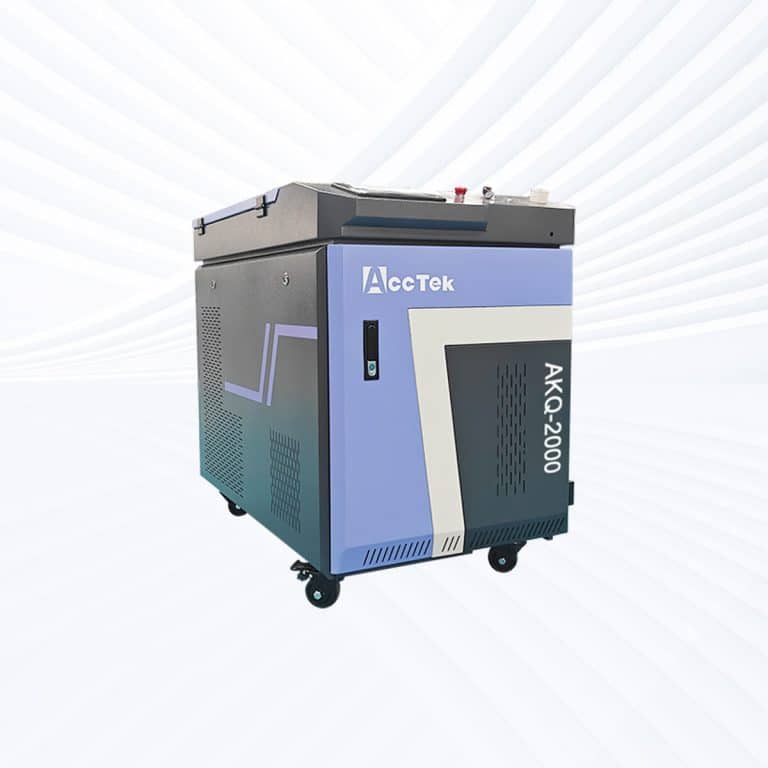
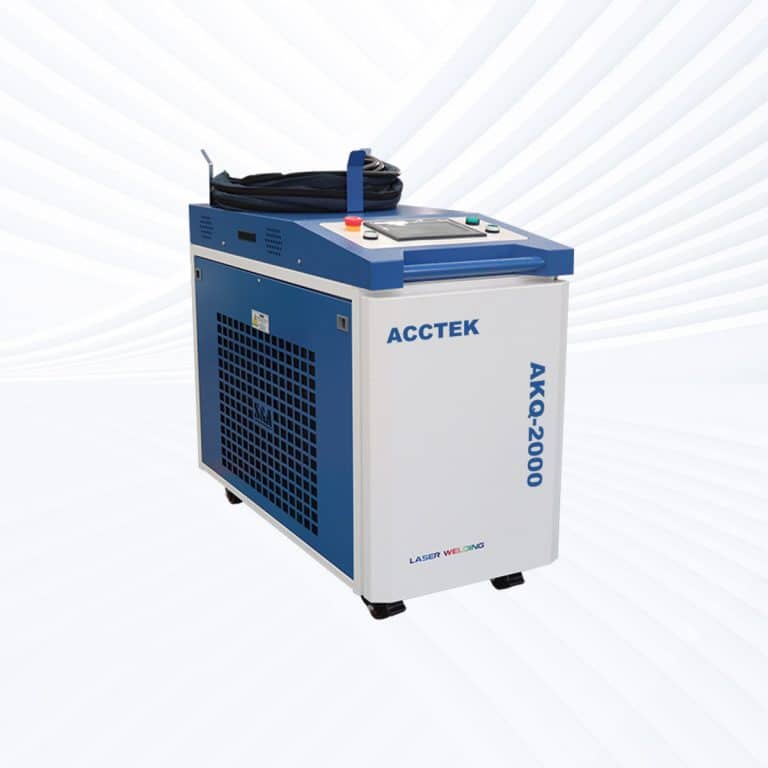
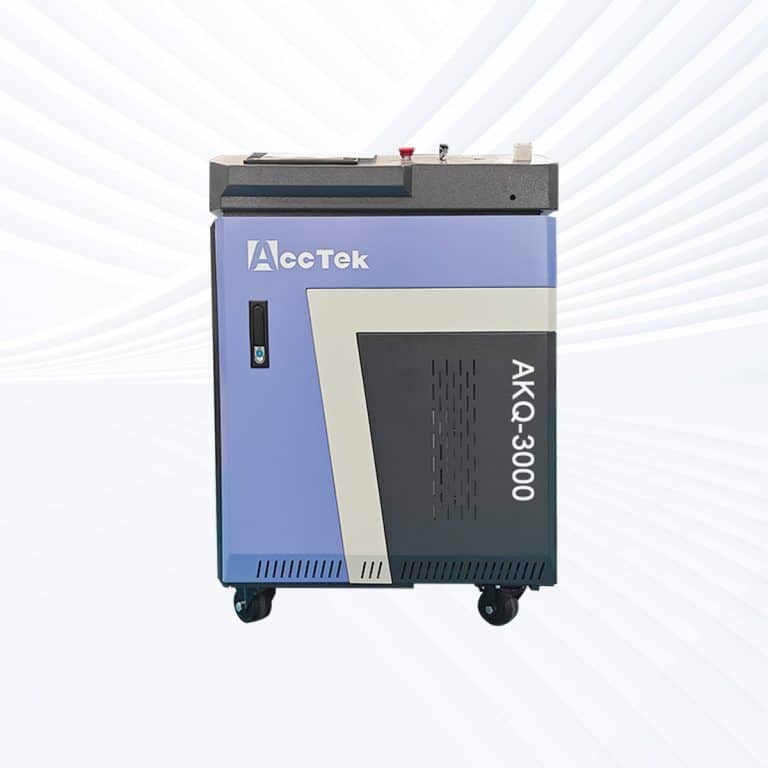
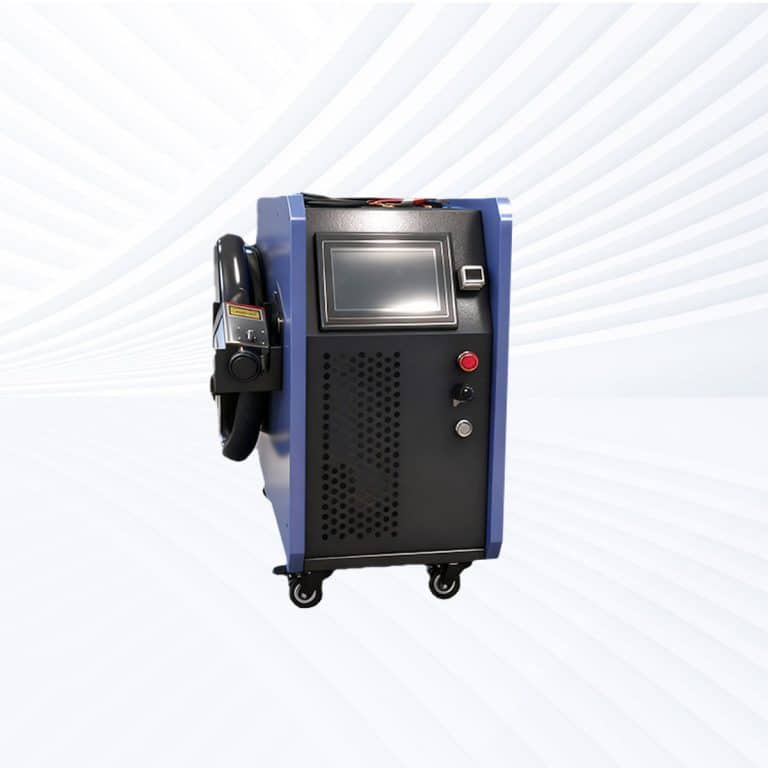
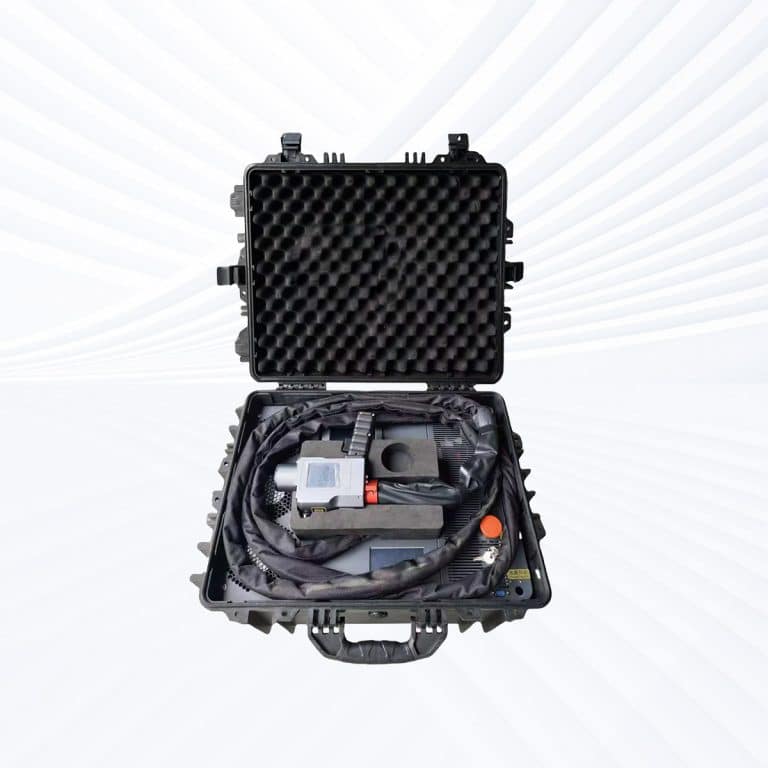
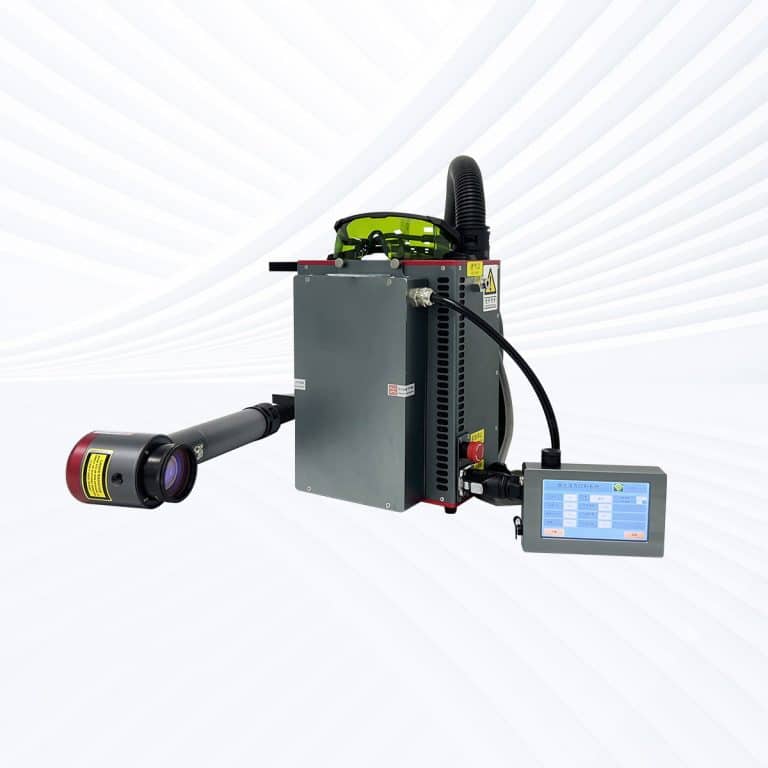
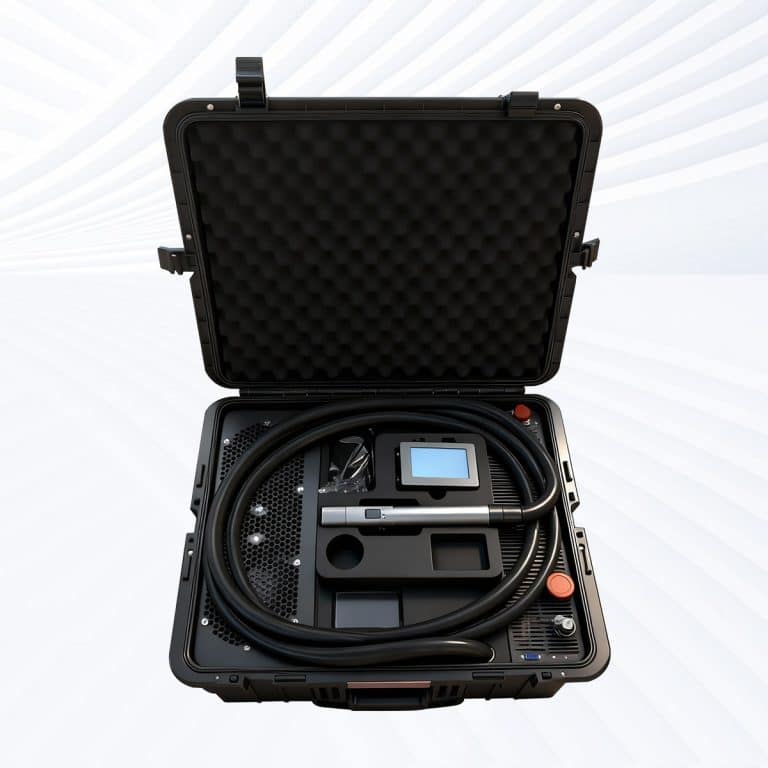
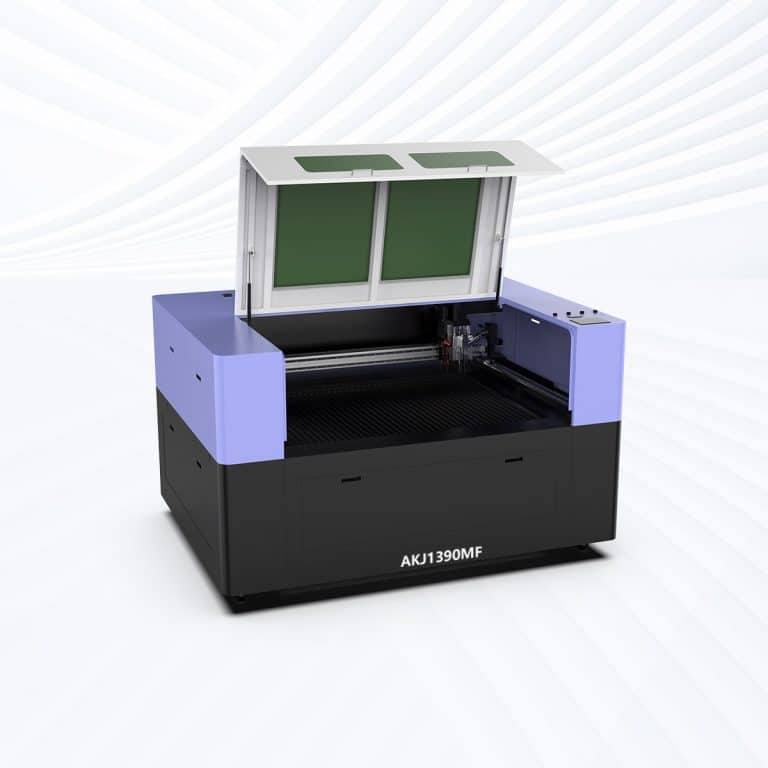
Types of Rubber Laser Cleaning Machines
Benefits of Laser Cleaning Rubber
Non-Damaging to Mold Surfaces
Laser cleaning gently removes burnt rubber, residues, and release agents from molds without scratching or eroding the surface. This ensures molds maintain their precision and extend their service life in repeated rubber manufacturing cycles.
Chemical-Free and Eco-Friendly
The process requires no harsh chemicals, abrasives, or water. This eliminates secondary pollution, improves operator safety, and supports compliance with environmental standards for sustainable industrial cleaning operations.
High Precision for Detailed Areas
Laser cleaning can be precisely focused to clean intricate grooves, textures, or patterned areas on rubber molds. It ensures thorough cleanliness without altering the mold geometry or affecting surrounding components.
Fast Operation and Reduced Downtime
Laser cleaning offers rapid, repeatable cleaning with minimal preparation or cooldown time. This significantly reduces equipment downtime and increases operational efficiency in rubber part production lines.
No Media Residue or Wear
Unlike sandblasting or chemical cleaning, laser cleaning leaves no media residue or abrasive particles. It also avoids tool wear, offering a cleaner process and lowering long-term maintenance costs.
Suitable for Automation and Robotics
Laser systems can be integrated with robotic arms or automated systems for hands-free operation. This allows safe, consistent, and efficient cleaning of rubber molds in high-volume industrial environments.
Compatible Rubber Materials
- Natural Rubber
- Styrene-Butadiene Rubber
- Nitrile Butadiene Rubber
- Ethylene Propylene Diene Monomer
- Butyl Rubber
- Chloroprene Rubber
- Silicone Rubber
- Fluorosilicone Rubber
- Fluoroelastomer
- Hydrogenated Nitrile Rubber
- Acrylic Rubber
- Polyurethane Rubber
- Thermoplastic Elastomer
- Thermoplastic Polyurethane
- Thermoplastic Vulcanizate
- Ethylene Acrylic Rubber
- Epichlorohydrin Rubber
- Perfluoroelastomer
- Isoprene Rubber
- Chlorosulfonated Polyethylene
- Styrene-Isoprene-Styrene
- Styrene-Ethylene-Butylene-Styrene
- Styrene-Butadiene-Styrene
- Liquid Silicone Rubber
- Methyl Vinyl Silicone Rubber
- Alkylated Chlorosulfonated Polyethylene
- Low-Temperature Nitrile Rubber
- Bromobutyl Rubber
- Carboxylated Nitrile Rubber
- Polyisoprene Rubber
- Modified EPDM
- Saturated Polyester Elastomer
- High-Performance Fluorocarbon Rubber
- Sulfur-Cured Rubber
- Peroxide-Cured Rubber
- Conductive Rubber
- Food-Grade Silicone Rubber
- Medical-Grade Rubber
- Antistatic Rubber Compounds
- Recycled Rubber Compounds
Application of Rubber Laser Cleaning Machines
Customer Testimonials
Comparison VS Other Cleaning Technologies
| Comparison Item | Laser Cleaning | Sandblasting | Chemical Cleaning | Ultrasonic Cleaning |
|---|---|---|---|---|
| Cleaning Method | Non-contact laser ablation | Abrasive blasting | Solvent or acid-based dissolution | Cavitation from high-frequency sound waves |
| Rubber Surface Safety | Excellent—no damage to surface or structure | High risk of surface erosion | May degrade rubber or leach additives | Safe for small, durable parts |
| Precision | Very high—adjustable and selective | Low—non-selective blasting | Moderate—depends on chemical spread | High for fine detail cleaning |
| Suitability for Molds | Ideal—cleans without abrasion | Poor—damages mold edges and fine features | Chemical residue may affect mold surfaces | Limited to smaller, immersible molds |
| Environmental Impact | Eco-friendly—no waste or chemicals | Produces airborne dust and waste media | Hazardous chemical waste | Contaminated cleaning fluids |
| Cleaning Speed | Fast and consistent | Fast but messy | Moderate to slow | Slow, especially for heavy contaminants |
| Health & Safety | Requires laser protection | PPE required for dust exposure | Risk from chemical fumes and spills | Lower risk but still needs precautions |
| Waste Disposal | Minimal—dry vaporization of contaminants | High—abrasive particles | High—chemical neutralization required | Moderate—fluid needs filtering/disposal |
| Maintenance Needs | Low—no consumables | High—media replacement and nozzle wear | High—chemical handling and storage | Medium—tank and fluid maintenance |
| Automation Potential | Easy to automate with robots or CNC | Difficult to automate | Limited automation | Difficult to scale |
| Operating Costs | Low—minimal consumables and labor | High—ongoing media costs | High—chemical purchases and safety measures | Medium |
| Surface Preparation Quality | Excellent for adhesion or coating | Too abrasive for rubber prep | May leave residues needing post-cleaning | Clean, but not suitable for all shapes/sizes |
| Portability | Highly portable models available | Large and difficult to move | Chemicals limit portability | Mostly bench-top setups |
| Risk of Rubber Degradation | None—low heat and no abrasion | High—causes surface wear or cracks | Moderate to high depending on solvent type | Low if properly controlled |
| Cleaning Consistency | Excellent—uniform and repeatable results | Inconsistent due to media wear or pressure | Variable—depends on solution strength | Consistent on submerged, simple geometries |
Why Choose Us
Efficient Cleaning
Our machines offer fast, precise cleaning without chemicals or abrasion, making them ideal for delicate surfaces and complex materials across various industries.
Safe & Eco-Friendly
Laser cleaning eliminates the need for harsh chemicals and generates no secondary pollution, creating a safer and more environmentally friendly workspace.
Stable Performance
Built with high-quality components and advanced control systems, our machines ensure consistent cleaning results with minimal maintenance and long service life.
Custom Solutions
We provide flexible configurations and tailored options to match different cleaning requirements, helping customers achieve optimal performance for their specific applications.
Related Resources
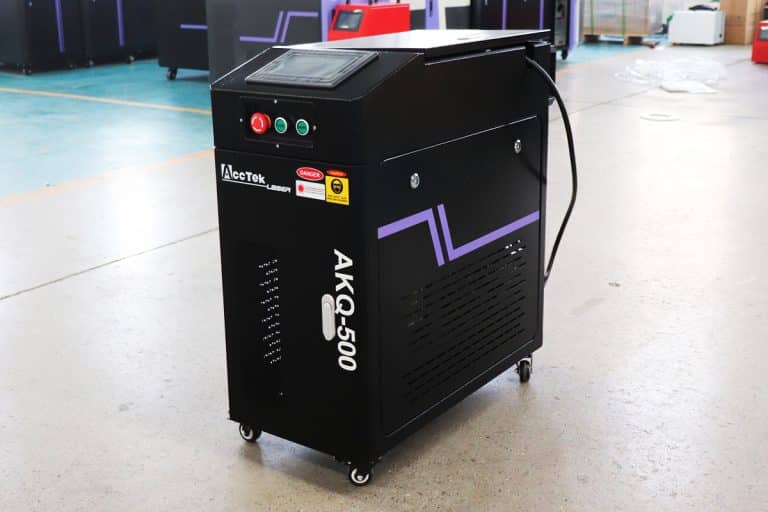
How Effective Is Laser Cleaning At Removing Contaminants
This article explores how effective laser cleaning is at removing contaminants, covering mechanisms, materials, system types, real-world applications, limitations, and optimization factors for reliable results.
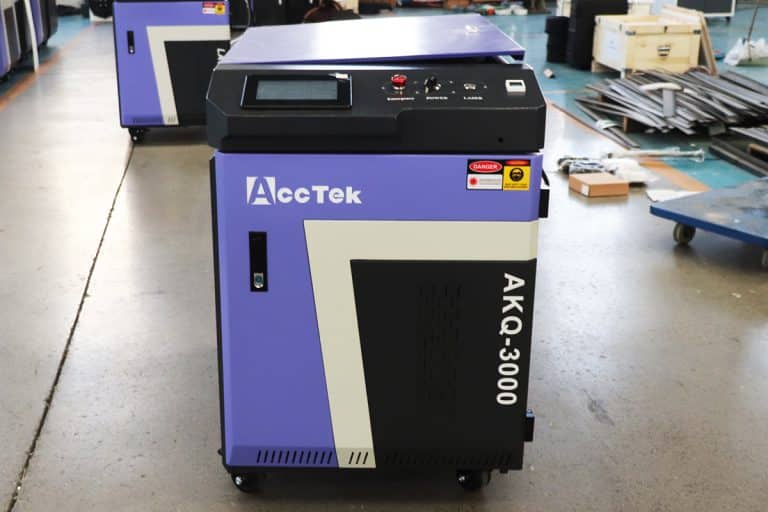
Will Laser Cleaning Damage The Substrate
This article explains whether laser cleaning damages substrates, examining damage mechanisms, material risks, process control, and verification methods for safe, effective laser cleaning.
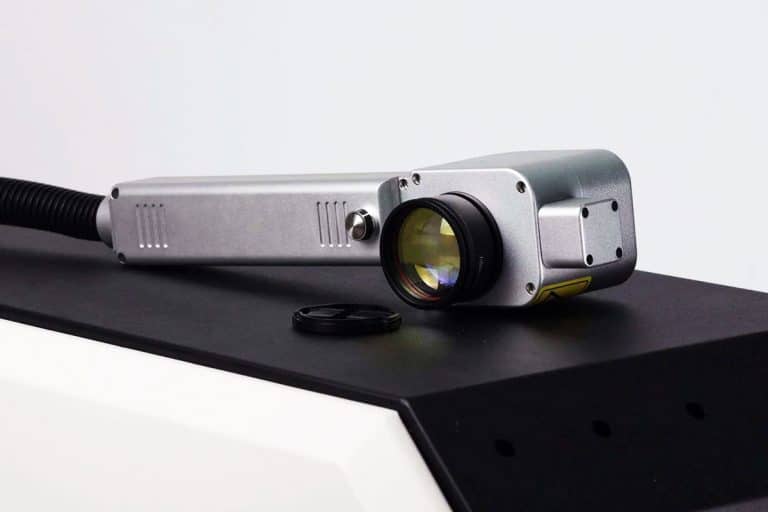
Comprehensive Guides to Choosing the Right Laser Cleaning Parameters
This comprehensive guide explores the key factors in choosing the right laser cleaning parameters, including material types, contamination levels, and practical considerations for optimal results.

What Training Is Required to Operate Laser Cleaning Machines
This article is a comprehensive guide outlining the safety, operation, maintenance, and certification training required for operators of modern industrial laser cleaning machines.
Frequently Asked Questions
What Laser Power Options Are Available For Rubber Laser Cleaning Machines?
- Continuous Laser Cleaning Machines: These machines provide a steady beam for rapid cleaning of large areas or thick layers. Continuous laser power levels include: 1000W, 1500W, 2000W, 3000W, 6000W. Higher wattages like 3000W and 6000W offer faster removal rates but produce more heat, which can lead to scorching or deformation if used improperly. Continuous lasers are best suited for industrial-grade rubber parts, like tire molds or conveyor belts, where speed is critical and surface texture is less sensitive.
- Pulse Laser Cleaning Machines: Pulse lasers emit energy in short bursts, allowing for controlled cleaning with minimal thermal load on the rubber surface. Pulse power options include: 100W, 200W, 300W, 500W, 1000W, 2000W. Lower pulse powers (100W–300W) are ideal for precision cleaning where fine details must be preserved. Higher pulse powers (500W–2000W) provide faster cleaning while still protecting the rubber’s elasticity and chemical structure.
How Much Do Rubber Laser Cleaning Machines Cost?
- Continuous Laser Cleaning Machines: These systems operate with a steady beam and are priced between $3,500 and $7,500. They are designed for high-speed cleaning tasks such as mold restoration, stripping thick residues from industrial rubber parts, or cleaning conveyor belts. While more affordable, continuous lasers are less precise and produce more heat, making them better suited for durable rubber components that can tolerate higher thermal exposure.
- Pulse Laser Cleaning Machines: Pulse lasers use short, intense bursts of energy and are priced between $6,000 and $70,000, depending on the power rating and system complexity. These machines are ideal for sensitive rubber surfaces or applications that require fine control, such as cleaning injection molds, seals, or rubberized mechanical parts. Their ability to minimize heat input makes them the preferred choice for precision work, especially in manufacturing and aerospace environments.
How Does Laser Power Affect The Speed of Cleaning Rubber?
- Continuous Laser Cleaning Machines: These machines are available in power levels of 1000W, 1500W, 2000W, 3000W, and 6000W, with higher wattage enabling faster cleaning speeds. A 1000W system is suitable for light-duty cleaning tasks, but for industrial-scale mold or roller cleaning, a 3000W or 6000W machine delivers significantly faster results. However, continuous beams generate more heat, which increases the risk of burning or hardening the rubber if settings are not properly controlled. Careful tuning is necessary to balance speed with surface safety.
- Pulse Laser Cleaning Machines: Pulse lasers operate at 100W, 200W, 300W, 500W, 1000W, and 2000W, and use high-intensity bursts for more controlled cleaning. With lower power levels (100W–300W), cleaning is slower but highly precise, ideal for delicate or high-value components. Mid to high power levels (500W–2000W) offer a better mix of speed and control, allowing for effective removal of thicker contaminants without damaging the rubber’s elasticity or texture.
How To Select Rubber Laser Cleaning Machines?
- Continuous Laser Cleaning Machines: These systems come in power levels such as 1000W, 1500W, 2000W, 3000W, and 6000W, and are suited for high-speed, large-surface cleaning tasks. They are effective for cleaning tire molds, industrial rollers, or thick rubber sheets. However, continuous lasers produce more heat and may not be suitable for softer or more heat-sensitive rubber materials. When speed is the priority and surface precision is less critical, higher wattage continuous systems are ideal.
- Pulse Laser Cleaning Machines: Pulse lasers are available at 100W, 200W, 300W, 500W, 1000W, and 2000W, and provide more controlled, lower-heat cleaning. These machines are better for precision cleaning of delicate rubber surfaces, such as sealing gaskets, rubber molds with fine patterns, or components in electronics and automotive parts. The pulse beam prevents charring and deformation, making it the safer choice for materials that degrade under continuous exposure.
- Application Type and Surface Condition: If the rubber has heavy buildup or hardened residues, higher power—whether continuous or pulse—may be necessary. For lightly soiled or patterned rubber parts, lower power pulse machines are better suited to preserve detail.
- Workspace and Operation Requirements: Consider whether the cleaning needs to be done on-site or in a controlled environment. Portable models are available, but stationary systems offer more power and precision. Also factor in cooling systems, extraction units, and safety enclosures.
Does Laser Cleaning Rubber Produce Harmful Byproducts?
- Synthetic and Chlorinated Rubbers: When cleaning rubbers containing chlorine (such as neoprene or PVC-based compounds), the laser can generate toxic gases like hydrogen chloride (HCl), which can be corrosive and harmful to respiratory systems. These materials should be avoided or verified as safe before laser cleaning is performed.
- Natural and Industrial Rubbers: Even when cleaning natural rubber or laser-safe synthetic formulations, the breakdown of surface layers can emit volatile organic compounds (VOCs), carbon monoxide (CO), and soot-like particulates. These emissions result from the thermal decomposition of hydrocarbons in the rubber and any surface coatings or residues.
- Coatings, Adhesives, and Surface Residues: If the rubber is coated with adhesives, release agents, or oil-based compounds, laser cleaning can vaporize these layers, producing smoke, fumes, and fine particulate matter. Depending on the chemical composition, some byproducts may be carcinogenic or irritating to the eyes, skin, or lungs.
- Ventilation and Safety Measures: A proper exhaust system with activated carbon and HEPA filtration is essential when laser cleaning rubber. Operators should also wear protective eyewear and respiratory protection, especially in enclosed environments or when working with questionable material compositions.
What Is The Power Consumption of Rubber Laser Cleaning Machines?
- Continuous Laser Cleaning Machines: These systems maintain a constant beam and are designed for high-speed cleaning of large surfaces. They consume more electricity due to their steady output. Power consumption by wattage is as follows:
- 1000W: approximately 5 kW
- 1500W: approximately 6.5 kW
- 2000W: approximately 8.5 kW
- 3000W: approximately 12 kW
- 6000W: approximately 20 kW
- Pulse Laser Cleaning Machines: Pulse systems deliver energy in short bursts, offering more control and lower overall heat. These machines are more energy-efficient and are used where surface sensitivity or precision is important. Power consumption per model includes:
- 100W: approximately 0.5 kW
- 200W: approximately 1 kW
- 300W: approximately 1.5 kW
- 500W: approximately 2.5 kW
- 1000W: approximately 5 kW
- 2000W: approximately 8.5 kW
What Is The Surface Finish After Laser Cleaning Rubber?
- Continuous Laser Cleaning Machines: These machines deliver a constant beam and are used in power ranges like 1000W, 1500W, 2000W, 3000W, and 6000W. They remove residues quickly, but the continuous energy can cause surface discoloration, texturing, or slight hardening, especially on soft or thermally sensitive rubber. While effective for large industrial components such as tire molds or rollers, continuous lasers may leave a slightly rougher finish if not finely controlled.
- Pulse Laser Cleaning Machines: Pulse lasers operate in bursts at 100W, 200W, 300W, 500W, 1000W, and 2000W, making them more precise and thermally gentle. This results in a smoother, more uniform surface with minimal surface oxidation or residue. Pulse systems are preferred for detailed components like rubber gaskets or parts with fine textures, where maintaining the original finish is important.
- Material and Contaminant Considerations: The final surface quality also depends on the type of rubber and what’s being removed. Soft natural rubbers and certain synthetic compounds may slightly darken or show faint ablation marks, while harder rubber surfaces typically clean well without visual change. Adhesive layers or embedded grime may require multiple passes but can be removed cleanly without gouging or pitting.
How To Maintain Rubber Laser Cleaning Machines?
- Optical Components: Lenses, protective glass, and scanning mirrors must be inspected frequently and cleaned using non-abrasive optical cloths and approved lens cleaning fluid. Rubber vapor and debris can build up on optics, leading to power loss or beam distortion. Contaminated optics should be addressed immediately to prevent damage to the beam path.
- Cooling System: Both continuous and pulse systems require effective cooling. Water-cooled machines should have coolant levels, purity, and flow rate checked regularly. Clean or replace filters and clean chiller reservoirs to prevent clogs and overheating. For air-cooled systems, ensure intake vents are unobstructed and internal fans are dust-free.
- Fume Extraction and Filtration: Rubber cleaning can emit sticky fumes and corrosive byproducts, especially from synthetic materials. The fume extractor’s pre-filters, HEPA filters, and activated carbon filters should be monitored and replaced on schedule to maintain airflow and protect both the machine and the operator.
- Electrical and System Checks: Inspect cables, connectors, and grounding points for signs of wear or corrosion. Loose or frayed wires can cause power fluctuations or short circuits. Internal diagnostics should be run periodically to check for alignment issues or system errors.
- Software and Calibration: Laser scanning heads, focus controls, and beam delivery systems may require occasional calibration. Ensure firmware and software are up to date, and verify that system parameters are correctly configured for rubber applications.
- Cleaning and Environmental Care: Wipe down machine housings, control panels, and exterior surfaces to prevent dust buildup. Keep the machine in a dry, dust-free workspace with stable temperature and humidity, ideally between 5℃ and 40℃, with relative humidity below 70%.