

Product Introduction
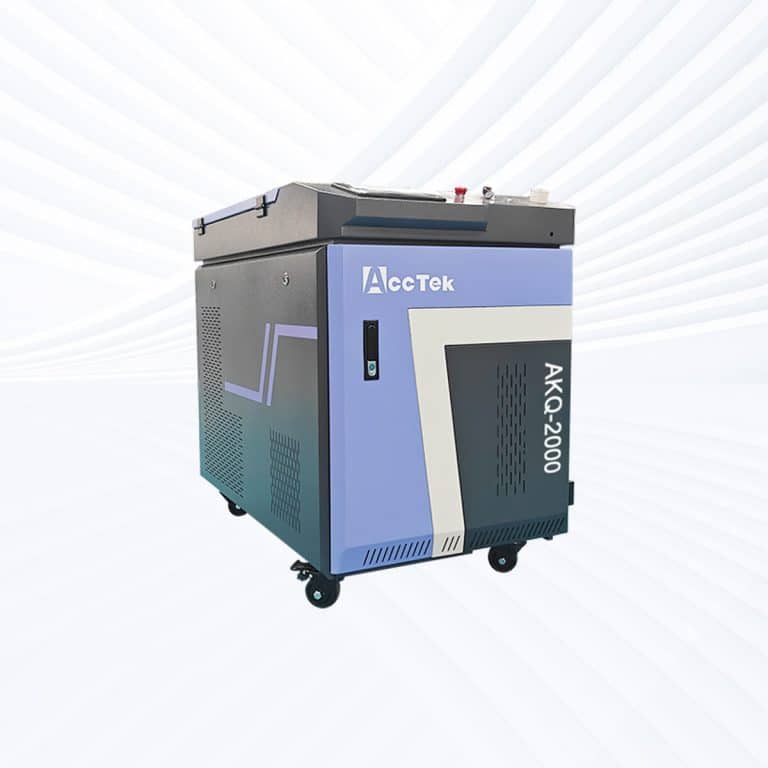
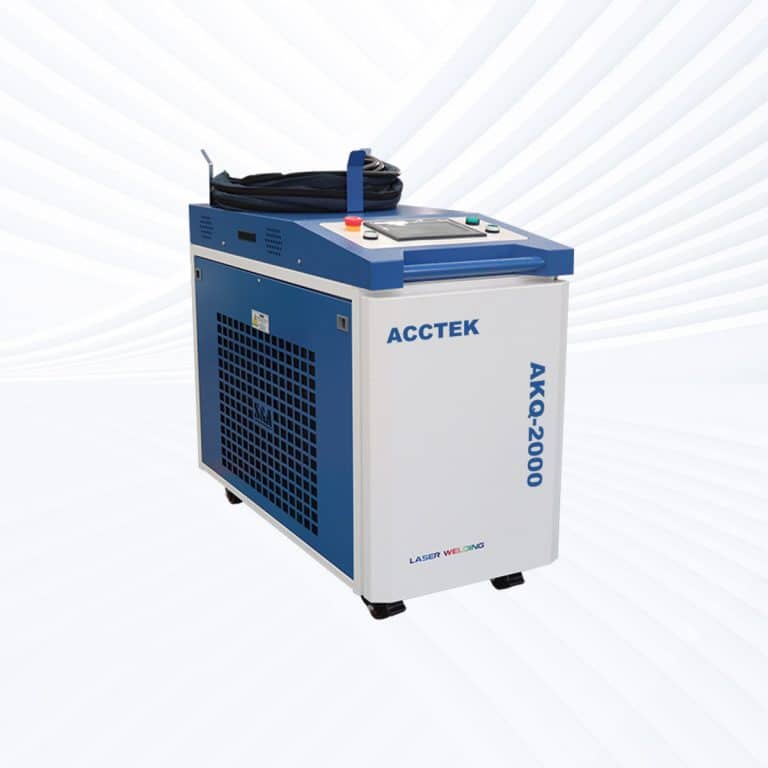
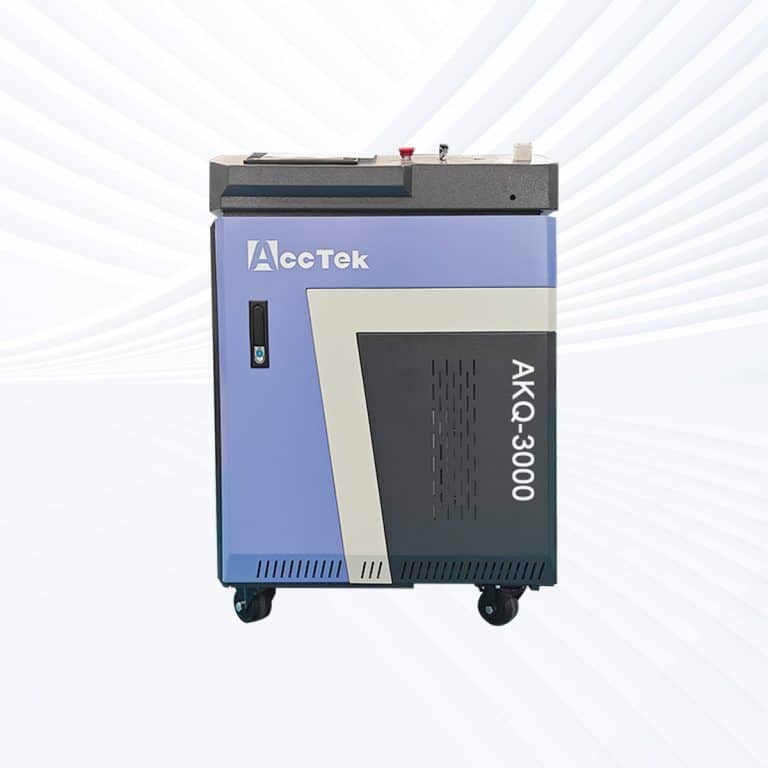
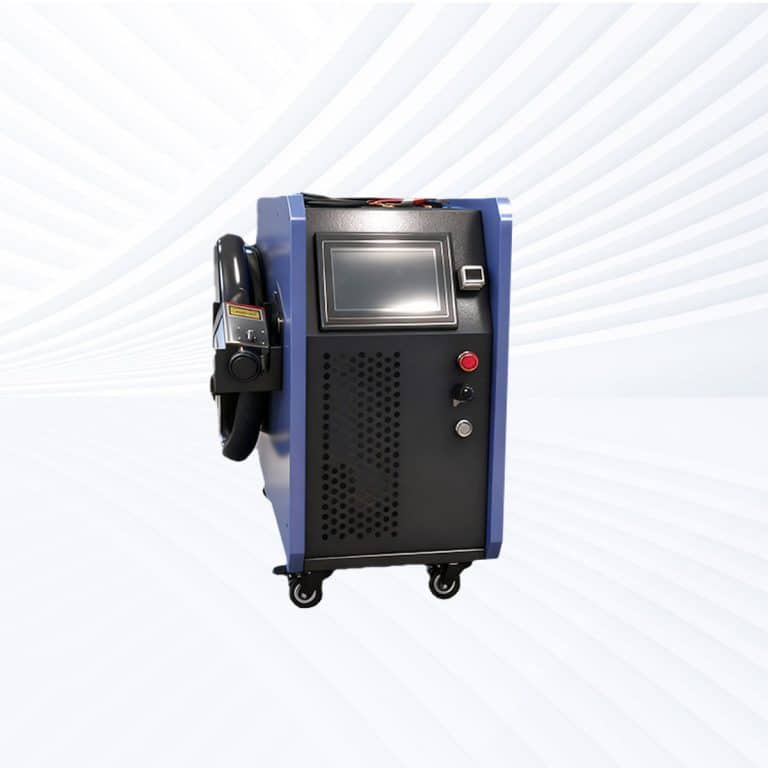
Types of Plastic Laser Cleaning Machines
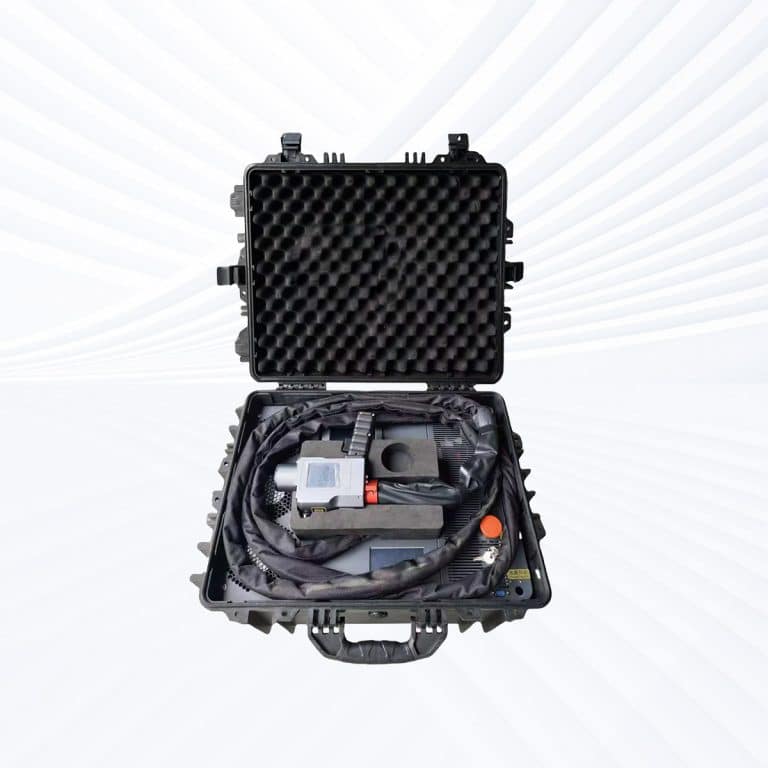
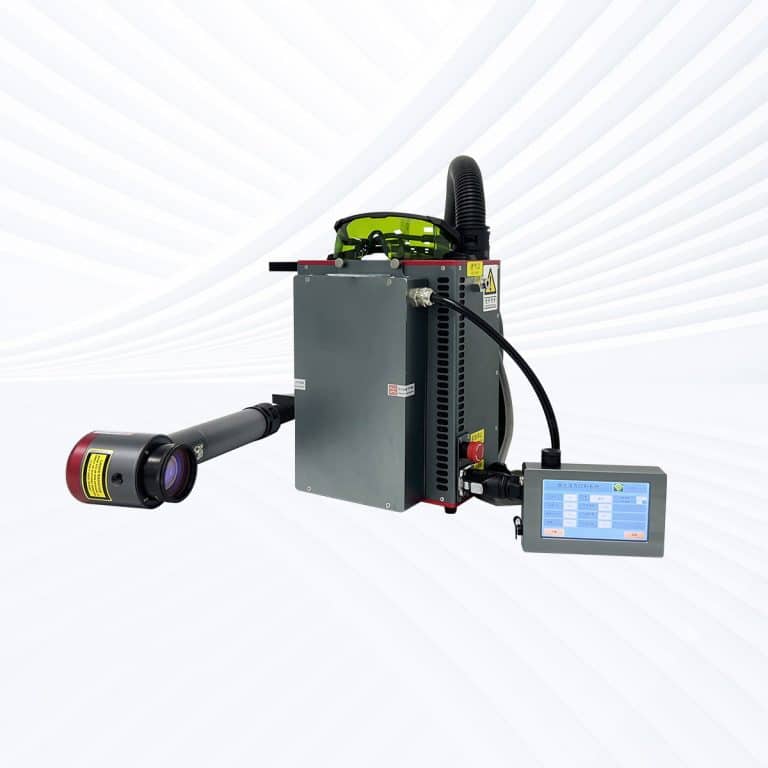
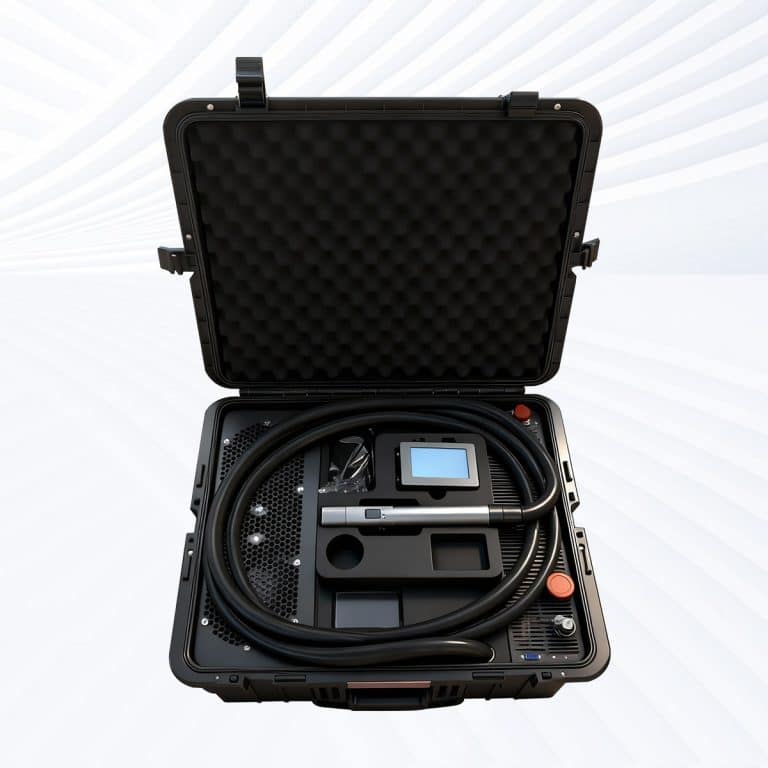
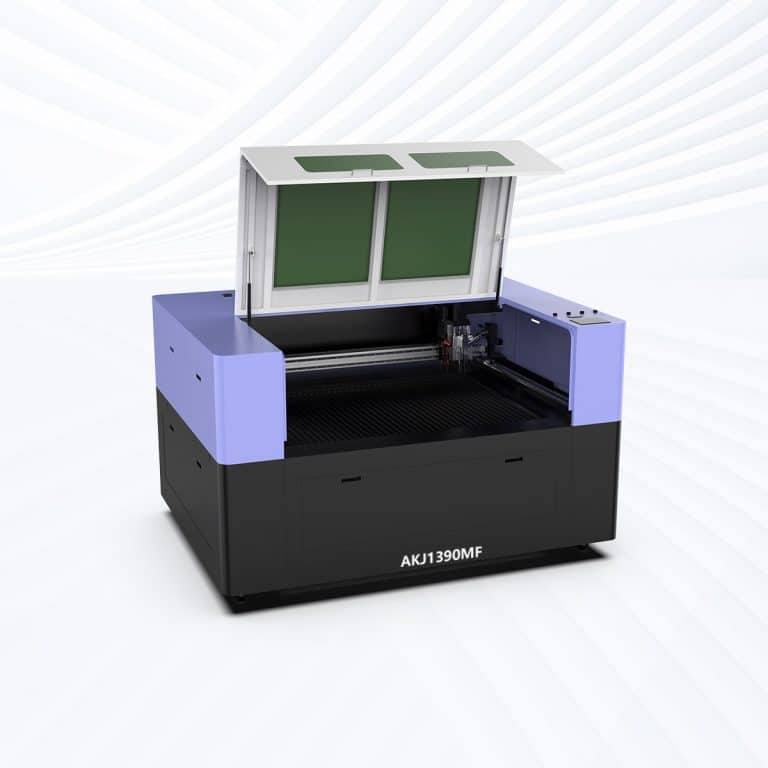
Benefits of Laser Cleaning Plastic
Non-Contact Cleaning Preserves Surface Integrity
Laser cleaning is a non-contact method that gently removes surface contaminants without physically touching the plastic. This prevents scratches, deformation, or abrasion, making it ideal for delicate or high-precision plastic components.
No Chemicals or Abrasive Materials Needed
Laser cleaning requires no solvents, acids, or abrasive blasting materials. This ensures a safer working environment, reduces hazardous waste, and eliminates the risk of chemical reactions that could damage or alter plastic properties.
Adjustable for Heat-Sensitive Plastics
The laser’s power and pulse settings can be precisely controlled to avoid overheating or melting plastic surfaces. This ensures safe cleaning for a wide range of heat-sensitive plastic types used in electronics, packaging, and medical devices.
Effective Removal of Surface Contaminants
Laser cleaning efficiently removes dust, grease, ink, paint, mold release agents, and other contaminants. It prepares plastic surfaces for subsequent processes like gluing, painting, or molding without requiring additional treatment steps.
Clean, Dry, and Residue-Free Process
Unlike wet cleaning or blasting, laser cleaning leaves no water, dust, or chemical residue. The result is a dry, immediately usable surface, streamlining production workflows and minimizing the need for post-cleaning handling.
Suitable for Automation and Integration
Laser cleaning systems can be integrated into robotic arms or automated production lines for consistent, high-speed operation. This reduces manual labor, improves precision, and increases productivity in large-scale plastic manufacturing environments.
Compatible Plastic Materials
- Polyethylene
- High-Density Polyethylene
- Low-Density Polyethylene
- Polypropylene
- Polyvinyl Chloride
- Polyethylene Terephthalate
- Polycarbonate
- Polystyrene
- Acrylonitrile Butadiene Styrene
- Nylon
- Polyoxymethylene
- Polyurethane
- Polylactic Acid
- Polyethylene Naphthalate
- Polyether Ether Ketone
- Polyetherimide
- Polyphenylene Sulfide
- Polymethyl Methacrylate
- Polyvinylidene Fluoride
- Fluorinated Ethylene Propylene
- Ethylene-Vinyl Acetate
- Thermoplastic Elastomers
- Thermoplastic Polyurethane
- Polyimide
- Polybenzimidazole
- Polysulfone
- Polyether Sulfone
- Styrene Acrylonitrile
- Cellulose Acetate
- Polybutylene Terephthalate
- Polyvinyl Butyral
- Polyisoprene
- Chlorinated Polyethylene
- Bioplastics
- Liquid Crystal Polymer
- Polyamide-Imide
- Silicone Rubber
- Fluorosilicone
- Conductive Polymers
- Recycled Plastic Composites
Application of Plastic Laser Cleaning Machines
Customer Testimonials
Comparison VS Other Cleaning Technologies
| Comparison Item | Laser Cleaning | Sandblasting | Chemical Cleaning | Ultrasonic Cleaning |
|---|---|---|---|---|
| Cleaning Method | Laser ablation (non-contact) | Abrasive blasting | Chemical dissolution | Cavitation from high-frequency sound waves |
| Surface Damage Risk | Very low—safe for plastics | High—can warp or erode plastic surfaces | Medium—may cause chemical degradation | Low—gentle on small parts |
| Precision | High—targeted and selective | Low—non-selective | Moderate—depends on application | High—on smooth, small surfaces |
| Heat Sensitivity Control | Adjustable—low thermal impact | Minimal control—risk of frictional heat | Depends on solution temperature | Low—safe if temperature controlled |
| Environmental Impact | Eco-friendly—no chemicals or media | Dust and abrasive waste | Toxic waste and fumes | Requires disposal of contaminated fluid |
| Cleaning Speed | Fast and controllable | Fast but harsh | Moderate to slow | Slow—especially for thick residues |
| Surface Preservation | Excellent—no scratching or melting | Poor—abrasive damage risk | Chemical interaction can cause surface change | Good—retains smooth finish |
| Label/Ink Removal | Excellent for selective removal | May damage surrounding areas | Moderate—may require long exposure | Limited to smooth, printed parts |
| Automation Compatibility | Easily automated or robotic-integrated | Difficult to automate | Limited automation potential | Mostly benchtop/manual |
| Health & Safety | Requires laser shielding—no toxic byproducts | Dust inhalation hazard | Risk of exposure to harmful chemicals | Fluid handling safety required |
| Waste Generation | Minimal—vaporized particles only | High—abrasive particles and dust | High—requires chemical disposal | Moderate—used cleaning fluid |
| Cost Over Time | Low—minimal consumables and maintenance | High—abrasive media and wear costs | High—chemical purchase and disposal | Moderate—fluid replacement and energy use |
| Suitability for Soft Plastics | Excellent—adjustable energy control | Poor—likely to damage or deform | Risk of softening or dissolving | Good with low power and temperature |
| Portability | Handheld and mobile models available | Bulky and fixed setups | Limited by containment needs | Mostly fixed or bench-mounted |
| Cleaning Consistency | Highly repeatable and uniform | Variable—depends on media condition | Varies with solution concentration | Consistent for small, uniform items |
Why Choose Us
Efficient Cleaning
Our machines offer fast, precise cleaning without chemicals or abrasion, making them ideal for delicate surfaces and complex materials across various industries.
Safe & Eco-Friendly
Laser cleaning eliminates the need for harsh chemicals and generates no secondary pollution, creating a safer and more environmentally friendly workspace.
Stable Performance
Built with high-quality components and advanced control systems, our machines ensure consistent cleaning results with minimal maintenance and long service life.
Custom Solutions
We provide flexible configurations and tailored options to match different cleaning requirements, helping customers achieve optimal performance for their specific applications.
Related Resources
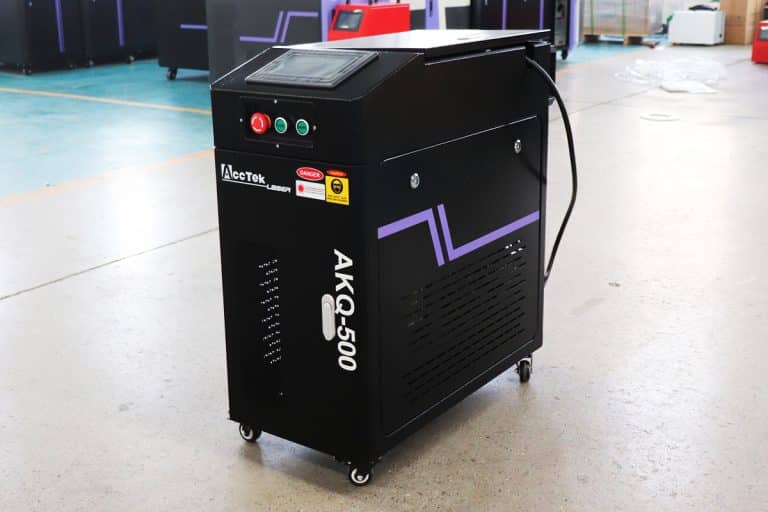
How Effective Is Laser Cleaning At Removing Contaminants
This article explores how effective laser cleaning is at removing contaminants, covering mechanisms, materials, system types, real-world applications, limitations, and optimization factors for reliable results.
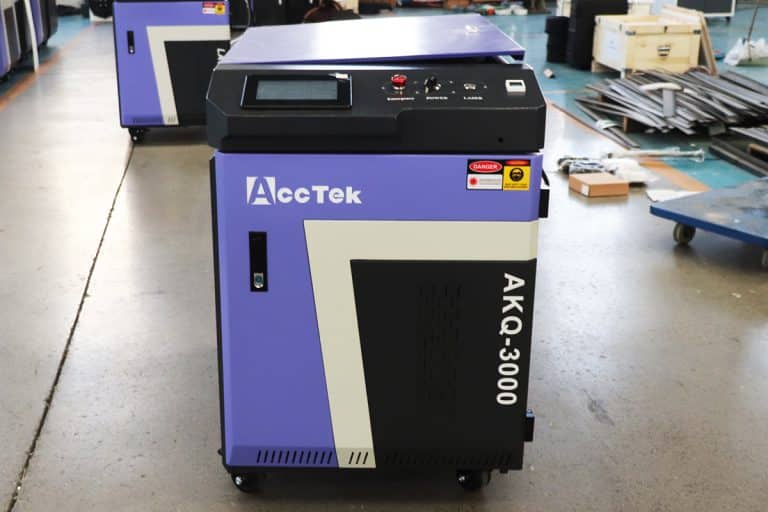
Will Laser Cleaning Damage The Substrate
This article explains whether laser cleaning damages substrates, examining damage mechanisms, material risks, process control, and verification methods for safe, effective laser cleaning.
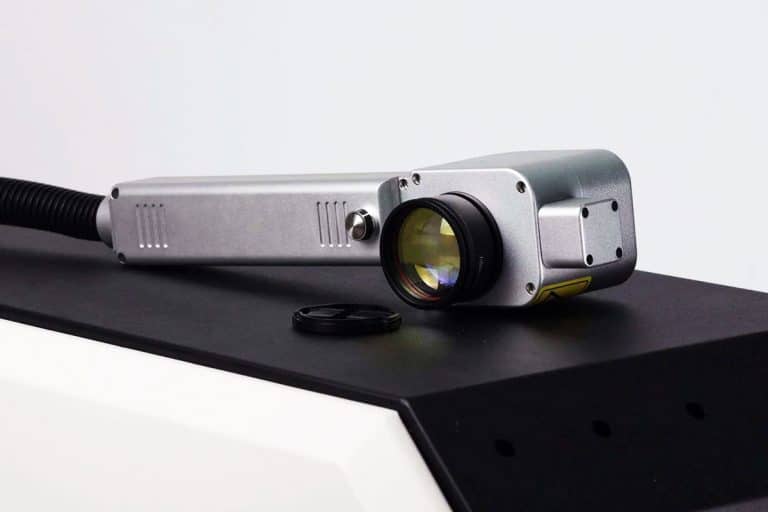
Comprehensive Guides to Choosing the Right Laser Cleaning Parameters
This comprehensive guide explores the key factors in choosing the right laser cleaning parameters, including material types, contamination levels, and practical considerations for optimal results.

What Training Is Required to Operate Laser Cleaning Machines
This article is a comprehensive guide outlining the safety, operation, maintenance, and certification training required for operators of modern industrial laser cleaning machines.
Frequently Asked Questions
What Laser Power Options Are Available For Plastic Laser Cleaning Machines?
Plastic laser cleaning machines are available in a wide range of power levels, each suited to different types of plastics and cleaning demands. The type of laser—continuous or pulsed—greatly affects performance, safety, and surface results.
- Continuous Laser Cleaning Machines: These machines emit a steady laser beam and are better suited for large-area cleaning tasks or thick, resilient plastic surfaces. Lower power levels like 1000W and 1500W offer moderate cleaning ability with controlled heat, which is important when working with heat-sensitive plastics like polyethylene or polycarbonate. Higher power options, such as 3000W and 6000W, deliver faster cleaning speeds, but they can cause surface melting or deformation if not finely tuned. These machines are typically used in industrial settings for stripping paint, coatings, or adhesives from rugged plastic parts.
- Pulse Laser Cleaning Machines: Pulse lasers fire in rapid bursts rather than a continuous beam, making them more precise and much safer for cleaning plastics prone to warping or chemical reaction under heat. 100W to 300W pulse lasers are commonly used for detail-sensitive work like removing contaminants from electronics housings or plastic tooling without damaging the base material. Mid-range options such as 500W or 1000W allow for faster cleaning of tough buildup, like charred residue or hardened glues. The top-tier 2000W pulse units are used in industrial decontamination, where surface integrity must be preserved while removing thick or layered contaminants.
In summary, plastic laser cleaning machines offer a wide spectrum of power options depending on the application. Continuous lasers prioritize speed and efficiency for durable plastic surfaces but must be carefully managed to avoid overheating. Pulse lasers offer controlled, non-invasive cleaning across a variety of plastic types, from soft polymers to engineered composites. Choosing the correct power and mode ensures safe, effective results without compromising the integrity of the plastic.
How Much Do Plastic Laser Cleaning Machines Cost?
Plastic laser cleaning machines are available in two main types—continuous and pulse, each offering a specific performance range and cost structure depending on the cleaning application and level of surface sensitivity.
- Continuous Laser Cleaning Machines ($3,500–$7,500): These systems use a steady laser beam to heat and vaporize surface contaminants. They are well-suited for cleaning durable plastic materials such as ABS, HDPE, or polypropylene in industrial settings. Applications include removing mold release agents, paint overspray, and adhesive residues. Lower-end machines around $3,500 are ideal for light-duty cleaning, while higher-powered options near $7,500 offer faster performance and deeper cleaning. However, care must be taken to avoid melting or distorting heat-sensitive plastics due to constant energy exposure.
- Pulse Laser Cleaning Machines ($6,000–$70,000): Pulse lasers release energy in short, high-intensity bursts that are safer for cleaning delicate plastics or parts with fine surface details. They excel in applications requiring precision, such as cleaning injection molds, removing surface oxides from medical-grade plastics, or preparing plastic parts for bonding or coating. Entry-level systems start around $6,000, making them accessible for small businesses or portable cleaning tasks. Premium units with advanced beam control, automation, and higher wattage can reach $70,000, offering reliable performance for high-throughput manufacturing or aerospace-grade surface prep.
In summary, plastic laser cleaning machines range in cost from $3,500 to $70,000. Continuous models provide economical solutions for general use on sturdy plastics, while pulse machines deliver high-precision cleaning and are better suited for sensitive materials or specialized industries. The right choice depends on the type of plastic, the level of surface contamination, and the production environment.
How Does Laser Power Affect The Speed of Cleaning Plastic?
Laser power significantly affects the speed and safety of cleaning plastic surfaces, and selecting the appropriate power level depends on the type of plastic, the degree of contamination, and the machine type—continuous or pulse.
- Continuous Laser Cleaning Machines: Continuous lasers provide a steady beam, which translates into faster cleaning speeds, especially at higher wattages. A 1000W or 1500W machine offers moderate speed, suitable for removing light oils, surface grime, or dust from durable plastics like ABS or Delrin. When the power increases to 2000W or 3000W, the cleaning rate improves significantly, making it efficient for thicker deposits or industrial contaminants. At 6000W, cleaning becomes extremely fast but also riskier, as sensitive plastics like polyethylene or polypropylene may warp or discolor under continuous high heat. Proper speed control and beam modulation are essential at these power levels.
- Pulse Laser Cleaning Machines: Pulse lasers operate by emitting rapid bursts of energy, which allows for more controlled material removal and reduces the risk of thermal damage. 100W to 300W pulse lasers clean slowly but with high precision, ideal for soft or thin plastics, as found in electronics, packaging, or consumer goods. Increasing to 500W or 1000W, the cleaning process accelerates and becomes suitable for tougher residues such as cured adhesives or layered grime. At the high end, 2000W pulse lasers combine speed with control, enabling fast cleaning on structurally sensitive or high-value plastic components without surface degradation.
In summary, higher laser power leads to faster plastic cleaning, but the right power level depends on balancing speed with material safety. Continuous lasers clean fast but require careful thermal management. Pulse lasers clean slower at lower wattages but offer superior control, with higher-powered models delivering both speed and protection for delicate surfaces. Selecting the right configuration ensures efficient, safe, and consistent results.
How Do I Choose Plastic Laser Cleaning Machines?
Plastic laser cleaning machines come in a range of configurations, and selecting the right one depends on the type of plastic, the level of contamination, and how much control you need over the cleaning process. Understanding the differences between machine types and power levels is key to making the right choice.
- Material Type and Sensitivity: Plastics like ABS, Delrin, and polyethylene all respond differently to heat. For thin or heat-sensitive plastics, a pulsed laser cleaning machine is often the better option. These machines use short, controlled bursts of energy that reduce the risk of melting, discoloration, or warping. In contrast, continuous lasers work best on thicker, more durable plastic surfaces where higher heat exposure is less of a concern.
- Power Requirements and Cleaning Speed: If you need to clean large areas quickly—such as in industrial settings or high-throughput environments—continuous laser machines in the 1000W to 6000W range offer faster operation. However, they require more precise control to avoid damaging the surface. For more delicate work, pulsed lasers from 100W to 2000W provide slower but much safer cleaning, especially when working with detailed parts, electronics housings, or injection molds.
- Type of Contaminants: Light residues like dust or oil can be cleaned with lower-power lasers, but thicker contaminants—like adhesives, coatings, or carbonized deposits—may require higher power levels. Pulsed lasers are more effective for controlled removal of surface buildup, while continuous lasers are preferred for heavy-duty cleaning where some surface abrasion is acceptable.
- Environment and Mobility: For on-site or flexible workspaces, portable systems are ideal and often available in pulsed configurations. If you’re working in a fixed production line, consider larger, enclosed continuous systems with automation capabilities. Also, ensure proper fume extraction is available, especially when cleaning synthetic plastics that may emit harmful gases.
In summary, choosing a plastic laser cleaning machine depends on matching power, precision, and material compatibility. Pulsed lasers offer controlled cleaning for sensitive applications, while continuous lasers deliver fast, high-power cleaning for industrial surfaces. Evaluate your cleaning goals, plastic type, and work environment to choose the best machine for safe, efficient results.
Does Laser Cleaning Damage The Plastic Surface?
Laser cleaning machines are effective tools for removing contaminants from plastic surfaces, but the potential for damage depends on the type of plastic, laser settings, and cleaning method used. When used correctly, laser cleaning preserves surface quality and avoids deformation.
- Low-Power Pulsed Lasers (100W–300W): These lasers are well-suited for plastics that are sensitive to heat or require precise cleaning. They work by delivering rapid bursts of energy that vaporize surface residues with minimal thermal impact. Materials like ABS, Delrin (acetal), and lightly coated polyethylene can be cleaned safely at these settings. This makes low-power pulsed lasers ideal for delicate parts or electronics housings, where preserving surface detail is critical.
- Midto High-Power Pulsed Lasers (500W–2000W): With higher power, cleaning speed increases, but so does the risk of surface distortion. On plastics with good thermal resistance, such as fiber-reinforced composites or engineering-grade polymers, these machines perform well when settings are carefully optimized. However, if the laser dwells too long on one spot, or if energy density is too high, even durable plastics can show signs of whitening, melting, or bubbling.
- Continuous Lasers (1000W–6000W): Continuous laser beams clean fast and are used in large-scale or industrial applications. At 1000W to 1500W, they can safely clean certain rigid plastics when operated at high scan speeds. At 3000W or above, continuous exposure can quickly raise surface temperatures, posing a higher risk of softening or warping, especially on plastics with low melting points like polyethylene or polypropylene. For these materials, continuous lasers should only be used with strict speed control and proper ventilation.
- Coated or Printed Surfaces: Plastic surfaces with printed labels, protective films, or coatings may react differently under laser cleaning. Low-power pulsed lasers can selectively remove coatings while preserving the base material. In contrast, continuous lasers may strip away both the coating and the plastic underneath if not precisely managed.
In summary, laser cleaning does not damage plastic surfaces when properly configured. Pulsed lasers provide superior control and are safer for sensitive materials, while continuous lasers require caution and are better suited for robust plastics. Matching laser type and power level to the plastic’s heat tolerance ensures clean results without surface damage.
Does Laser Cleaning Plastic Produce Fumes?
Laser cleaning of plastics can produce fumes, depending on the type of plastic and the nature of the contaminants being removed. These fumes result from the thermal breakdown of surface materials during the cleaning process and should be properly managed for safe operation.
- Thermoplastics like ABS, Polyethylene, and Delrin: When exposed to laser energy, common plastics such as ABS, polyethylene, and Delrin can release smoke, particulates, and chemical vapors. The composition of these fumes varies—ABS may emit acrylonitrile and styrene compounds, while polyethylene can release hydrocarbons. These byproducts can be irritating or harmful if inhaled in confined spaces. Proper fume extraction and ventilation systems are essential to maintain air quality.
- Coated or Painted Surfaces: Plastic surfaces that are painted, printed, or treated with adhesives can emit additional fumes when cleaned with a laser. Burned paint and coatings often release volatile organic compounds (VOCs) or carbon-based particulates. The breakdown of synthetic adhesives may also produce toxic fumes, especially if the adhesive contains halogens or reactive chemicals.
- PVC and Vinyl-Based Materials: Plastics containing chlorine, such as PVC, should never be laser cleaned. These materials release hydrochloric acid and chlorine gas, both highly corrosive and hazardous. Even small traces of PVC in surface coatings or adhesives can result in harmful emissions when exposed to laser energy. Always verify material compatibility before cleaning.
- Environmental Controls: To prevent the buildup of fumes and particulates in the workspace, laser cleaning machines should be paired with high-efficiency particulate air (HEPA) filtration units or active fume extraction systems. Enclosed workstations with directed airflow further reduce operator exposure and protect sensitive equipment from contamination.
In summary, laser cleaning plastic does produce fumes, especially when removing paint, adhesives, or contaminants from synthetic materials. The severity depends on the plastic type and surface treatment. Adequate ventilation and proper safety precautions are critical to ensure clean, safe operation during the laser cleaning process.
What Is The Power Consumption of Plastic Laser Cleaning Machines?
Plastic laser cleaning machines vary in power consumption depending on the machine type and wattage. Understanding the energy demand is essential for proper facility planning, especially in industrial environments where efficiency and utility costs are key factors.
- Continuous Laser Cleaning Machines: These systems deliver a steady beam and consume more energy due to sustained laser operation. Power consumption increases significantly with wattage:
- 1000W: Draws approximately 5 kW during operation. Suitable for general cleaning tasks on durable plastics like ABS.
- 1500W: Uses about 6.5 kW, offering faster cleaning with moderate energy use.
- 2000W: Consumes roughly 8.5 kW, ideal for tougher residues or large plastic surfaces.
- 3000W: Requires around 12 kW, typically used in industrial cleaning lines where speed is critical.
- 6000W: Reaches up to 20 kW, offering high throughput but demanding substantial electrical infrastructure.
- Pulse Laser Cleaning Machines: Pulse lasers fire energy in short bursts and are more energy-efficient, especially for sensitive or precision applications. Power consumption is significantly lower across all wattage levels:
- 100W: Consumes about 0.5 kW, suitable for fine-detail cleaning or delicate plastic parts.
- 200W: Uses 1 kW, ideal for electronics or low-residue surfaces.
- 300W: Draws 1.5 kW, offering balanced speed and control.
- 500W: Consumes 2.5 kW, commonly used in mold cleaning or surface prep.
- 1000W: Uses 5 kW, providing faster cleaning for larger parts without excess heat.
- 2000W: Peaks at 8.5 kW, offering industrial-level cleaning with efficient power use.
In summary, continuous plastic laser cleaning machines consume more power—up to 20 kW at higher levels— and are best for large-scale, fast-paced cleaning. Pulse machines offer energy efficiency, with lower power demands ranging from 0.5 kW to 8.5 kW, making them ideal for precision work and facilities with limited electrical capacity. Matching machine type and wattage to your application ensures both performance and operational efficiency.
How Do I Maintain Plastic Laser Cleaning Machines?
Plastic laser cleaning machines are precision tools that require regular upkeep to ensure consistent performance, safe operation, and long service life. Maintenance needs vary slightly between continuous and pulse systems, but the core routines remain similar.
- Optical Components: The laser’s lenses, protective windows, and beam delivery optics must remain clean and free of residue. Plastics often release fine particulates and vapors during cleaning, which can accumulate on these surfaces and degrade performance. Use lens-safe cleaning kits regularly, and inspect optics before each use. Avoid using abrasive materials that could scratch or distort the lens.
- Cooling System: Both continuous and pulse machines use air or liquid cooling to manage operating temperatures. Overheating shortens the lifespan of the laser source and internal components. Check coolant levels (in water-cooled systems), ensure filters are clean, and verify fans and heat exchangers are functioning properly. Keep vents clear and regularly service the chiller if one is included.
- Laser Source and Cabling: Inspect fiber connections and cables for wear, dust, or bending. Damaged fiber optics reduce beam quality and can lead to dangerous misfires. Always handle cables carefully and use protective caps when the machine is idle. Some systems require occasional laser calibration, which should be done according to the manufacturer’s guidelines.
- Ventilation and Fume Extraction: Since plastics can produce smoke and chemical fumes during cleaning, fume extraction systems must be maintained. Replace filters, clean ducts, and check airflow regularly. Poor ventilation not only affects safety but also causes internal contamination, leading to more frequent optical cleaning.
- Control Software and Alignment: Keep firmware updated and periodically run diagnostic tests to ensure laser power output, beam focus, and alignment remain within spec. For automated or CNC-guided units, check axis calibration, belt tension, and motor performance as part of routine maintenance.
- Housing and Safety Systems: Inspect safety interlocks, enclosures, and emergency stop systems to ensure compliance. Regularly clean the machine exterior and make sure access panels are secure. For portable systems, verify transport cases and mounts to prevent mechanical shock during handling.
In summary, plastic laser cleaning machines must be maintained through consistent cleaning of optics, monitoring of cooling and ventilation systems, and inspection of electrical and safety components. Routine checks and preventive service help extend machine life, maintain beam quality, and ensure safe, effective operation with plastic materials.