

Product Introduction
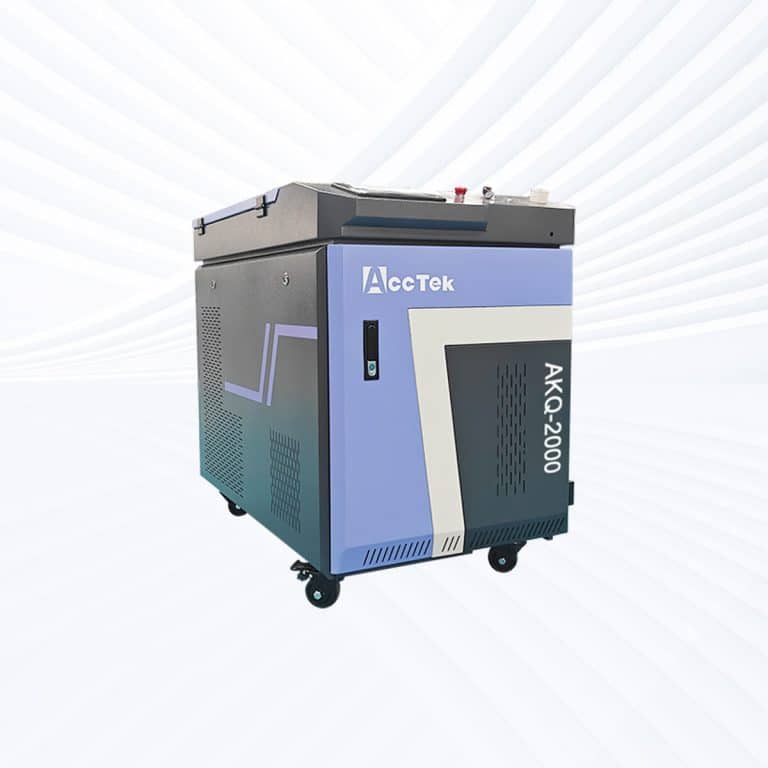
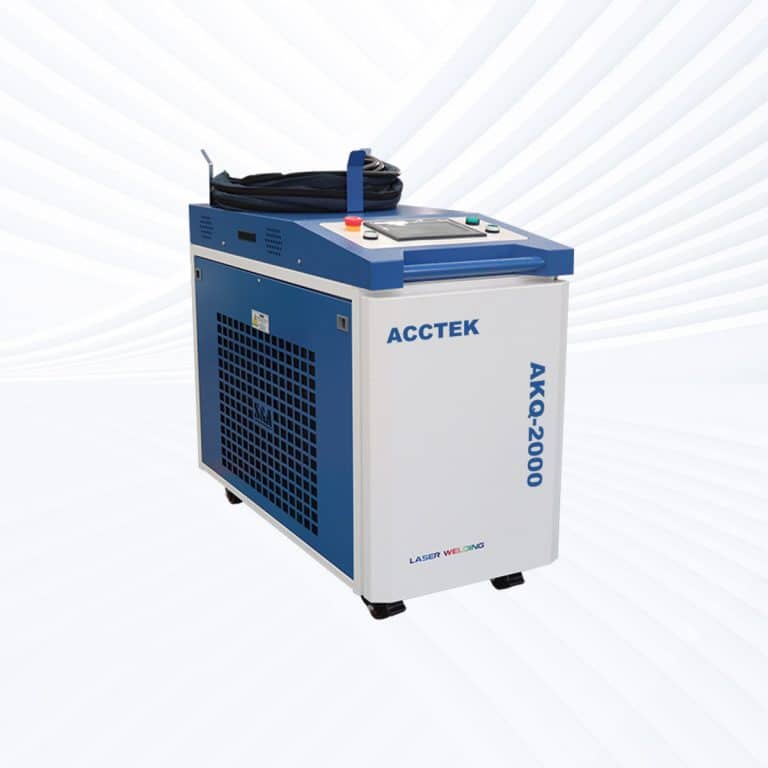
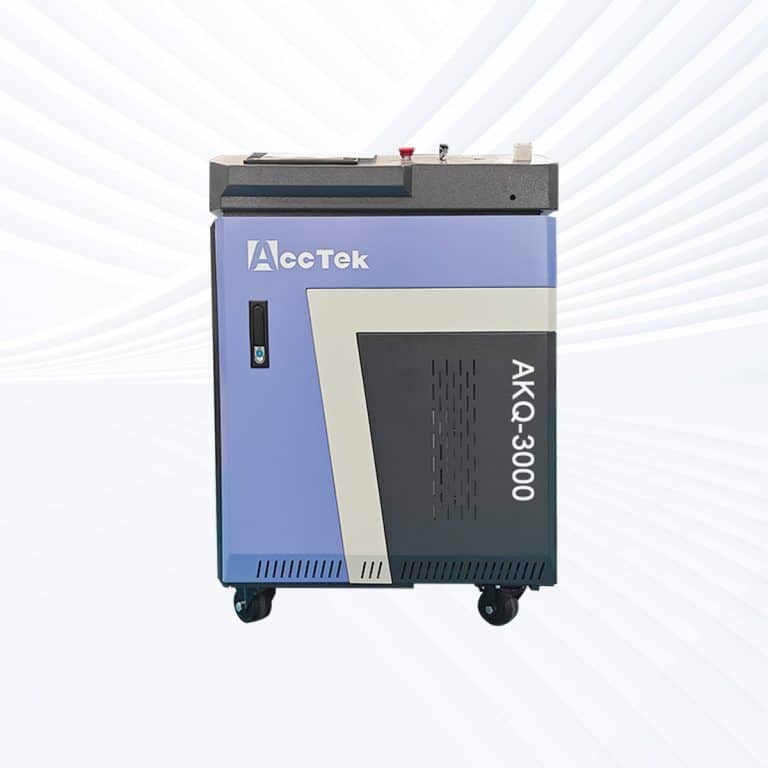
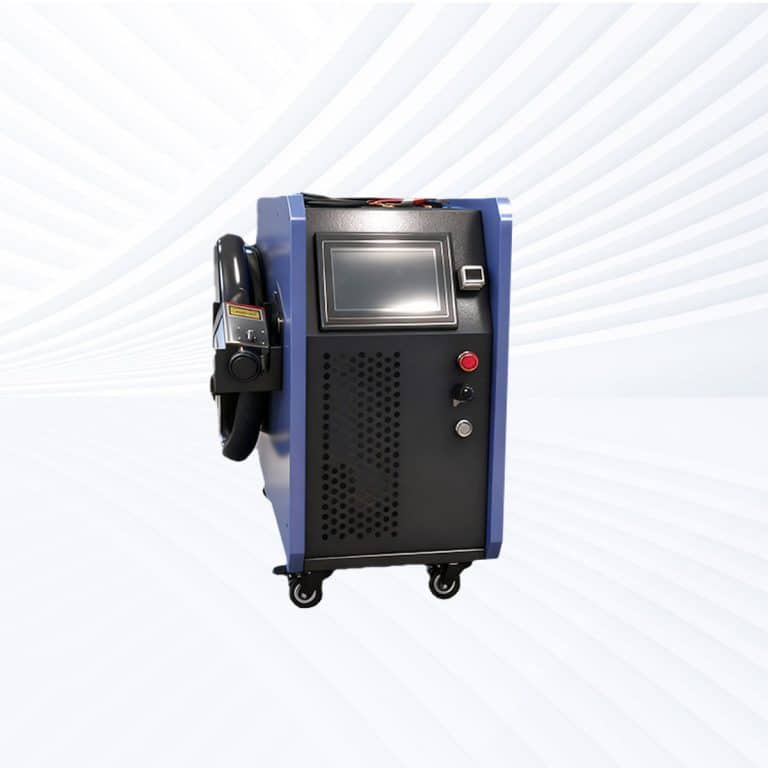
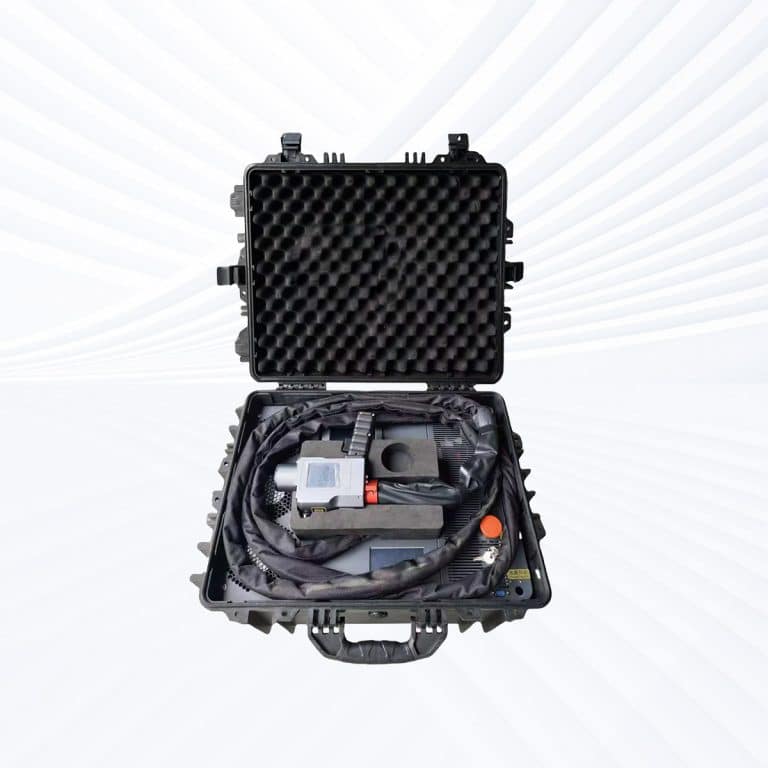
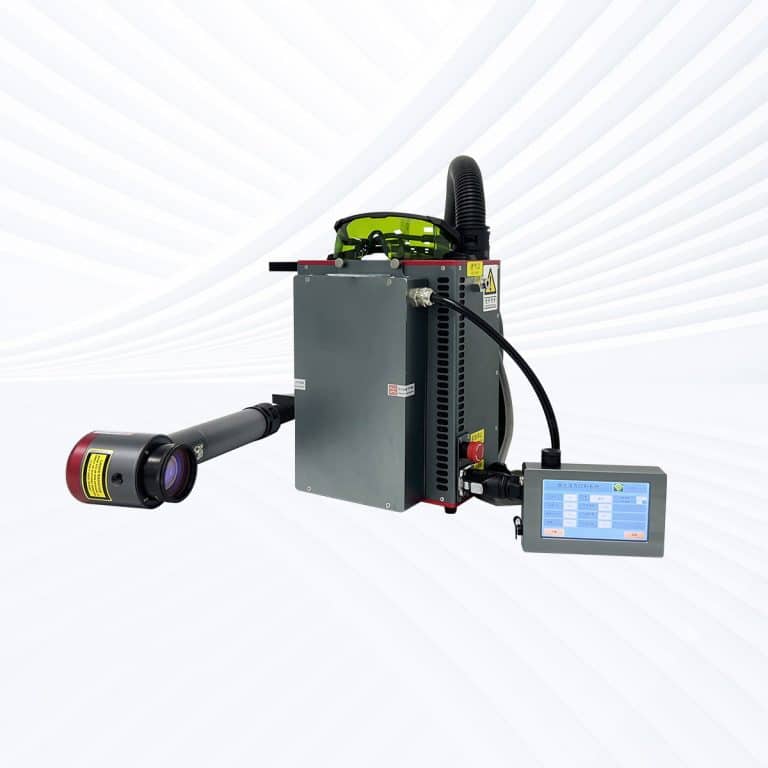
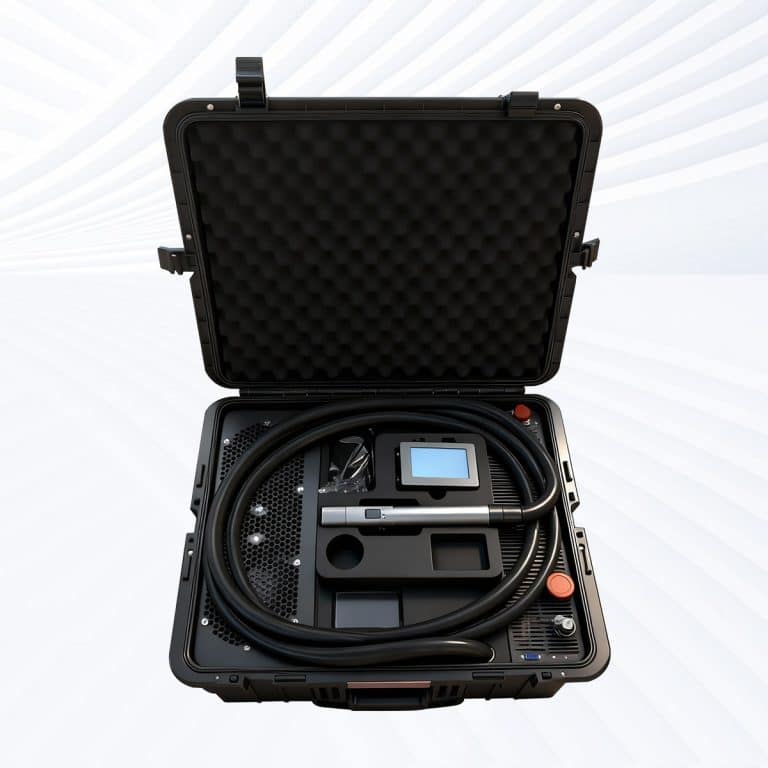
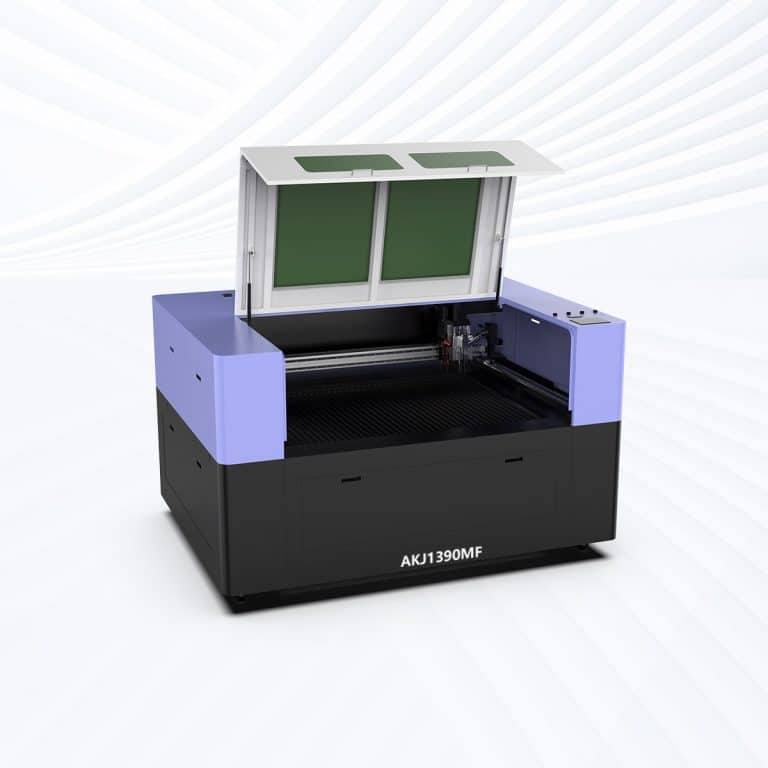
Types of Glass Laser Cleaning Machines
Benefits of Laser Cleaning Glass
Non-Contact and Scratch-Free
Laser cleaning is a non-contact process that removes contaminants without physically touching the glass surface, preventing scratches, abrasions, or micro-cracks. It ensures the glass remains clear, intact, and structurally sound after cleaning.
Chemical-Free and Environmentally Friendly
This method requires no chemicals, solvents, or abrasive media, reducing environmental impact and operator health risks. It offers a clean and sustainable alternative to traditional glass cleaning methods like acid washing or sandblasting.
High Precision for Sensitive Applications
Laser cleaning allows precise targeting of contamination on intricate or sensitive glass surfaces. It’s ideal for cleaning glass used in electronics, optics, and laboratory equipment where precision and surface quality are critical.
Removes a Wide Range of Contaminants
The laser effectively removes paint, oxides, coatings, adhesives, oil stains, and other residues from both flat and curved glass. It cleans without altering the transparency, color, or coating integrity of the original material.
No Risk of Thermal Shock
With controlled laser parameters, the cleaning process minimizes thermal stress on the glass. This prevents cracking, warping, or discoloration, making it suitable for cleaning heat-sensitive or laminated glass products.
Easy Integration with Automation Systems
Glass laser cleaning machines can be integrated into robotic arms or automated production lines. This improves cleaning consistency, reduces labor requirements, and supports high-volume industrial applications such as display panels or solar glass.
Compatible Glass Materials
- Float Glass
- Tempered Glass
- Laminated Glass
- Low-E Glass
- Coated Glass
- Tinted Glass
- Annealed Glass
- Mirror Glass
- Patterned Glass
- Frosted Glass
- Etched Glass
- Wired Glass
- Optical Glass
- Quartz Glass
- Borosilicate Glass
- Lead Glass
- Aluminosilicate Glass
- Fused Silica Glass
- Soda-Lime Glass
- High-Transmission Glass
- Chemically Strengthened Glass
- Smart Glass (Electrochromic)
- Gorilla Glass
- Dragontrail Glass
- Display Panel Glass
- Touchscreen Glass
- LCD Glass Substrates
- OLED Glass
- Fiber Optic Glass
- Laboratory Glassware
- Photovoltaic (Solar) Glass
- UV-Blocking Glass
- IR-Reflective Glass
- Crystal Glass
- Art Glass
- Architectural Glass
- Automotive Glass
- Light Diffusing Glass
- Vacuum Glass
- Technical/Precision Glass
Application of Glass Laser Cleaning Machines
Customer Testimonials
Comparison VS Other Cleaning Technologies
| Comparison Item | Laser Cleaning | Sandblasting | Chemical Cleaning | Ultrasonic Cleaning |
|---|---|---|---|---|
| Cleaning Method | Laser ablation (non-contact) | Abrasive particle impact | Chemical dissolution | Cavitation from high-frequency sound waves |
| Surface Damage Risk | Very low—safe for delicate glass | High—can scratch or break glass | Medium—risk of etching or residue | Low—gentle on glass when controlled |
| Precision | Extremely high—selective and adjustable | Low—non-selective | Moderate—depends on chemical strength | High—best for uniform small items |
| Transparency Preservation | Excellent—no optical distortion | Poor—can dull surface or remove coatings | Variable—risk of haze or residue | Good—if no abrasive particles are involved |
| Environmental Impact | Eco-friendly—no solvents or waste | High—dust and media waste | Hazardous chemical runoff | Contaminated fluid requires disposal |
| Cleaning Speed | Fast and controllable | Fast but harsh | Moderate to slow | Slow—especially for thick contaminants |
| Surface Preservation | Excellent—no abrasion or residue | Poor—abrasive to surface | Chemical interaction may alter finish | Good—retains finish if properly tuned |
| Glazed or Coated Glass | Safe for coated or treated glass | High risk of coating damage | Can react with or strip coatings | Safe for some coatings with proper setup |
| Automation Capability | Easily automated or robotic-integrated | Difficult to automate | Limited automation | Mostly benchtop or batch systems |
| Health & Safety | Safe with laser protection gear | Dust inhalation and eye hazards | Toxic fumes, handling risks | Safer, but spills or splash risks exist |
| Waste Generation | Minimal—vaporized particles | High—abrasive dust and waste media | High—chemical disposal needed | Medium—used fluids require filtering |
| Cost Over Time | Low—no consumables or waste | High—media costs and equipment wear | High—chemical purchases and handling | Moderate—fluid maintenance required |
| Compatibility with Thin Glass | Excellent—non-contact cleaning | Not suitable—risk of cracking | Risky—can react chemically with thin layers | Good with correct frequency and temperature |
| Portability | Portable and handheld options available | Heavy and difficult to transport | Limited by chemical containment systems | Mostly fixed or benchtop systems |
| Result Consistency | Highly repeatable and precise | Variable—depends on media condition | Varies with chemical strength and exposure | Consistent for uniform parts |
Why Choose Us
Efficient Cleaning
Our machines offer fast, precise cleaning without chemicals or abrasion, making them ideal for delicate surfaces and complex materials across various industries.
Safe & Eco-Friendly
Laser cleaning eliminates the need for harsh chemicals and generates no secondary pollution, creating a safer and more environmentally friendly workspace.
Stable Performance
Built with high-quality components and advanced control systems, our machines ensure consistent cleaning results with minimal maintenance and long service life.
Custom Solutions
We provide flexible configurations and tailored options to match different cleaning requirements, helping customers achieve optimal performance for their specific applications.
Related Resources
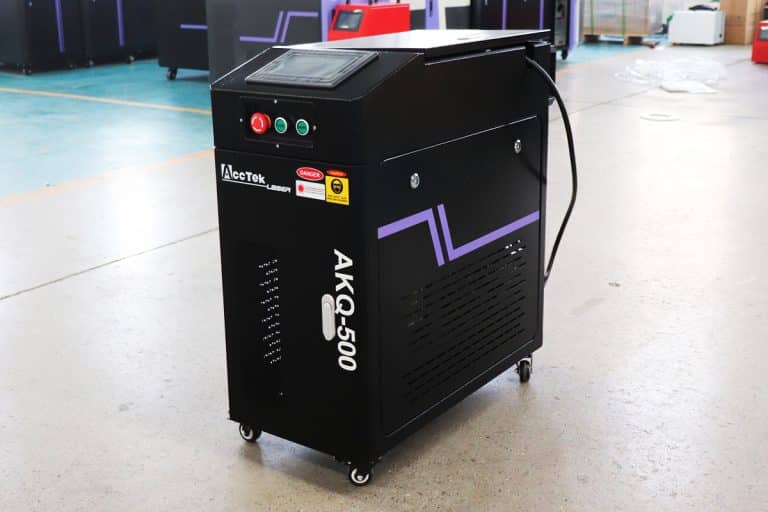
How Effective Is Laser Cleaning At Removing Contaminants
This article explores how effective laser cleaning is at removing contaminants, covering mechanisms, materials, system types, real-world applications, limitations, and optimization factors for reliable results.
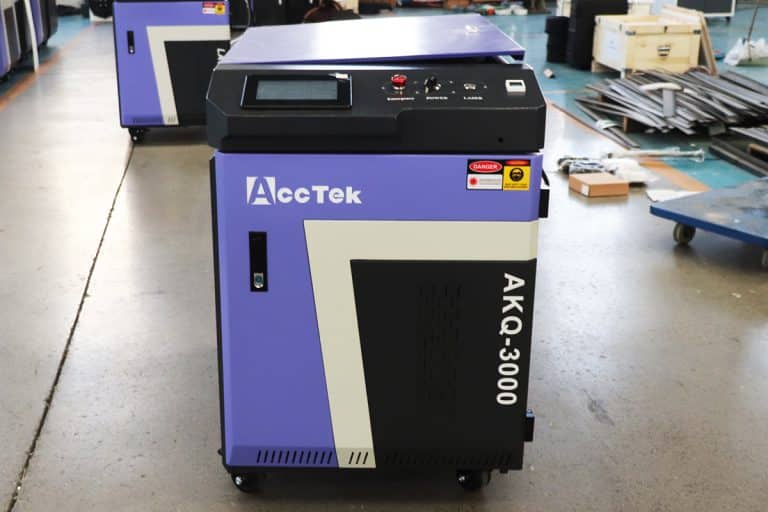
Will Laser Cleaning Damage The Substrate
This article explains whether laser cleaning damages substrates, examining damage mechanisms, material risks, process control, and verification methods for safe, effective laser cleaning.
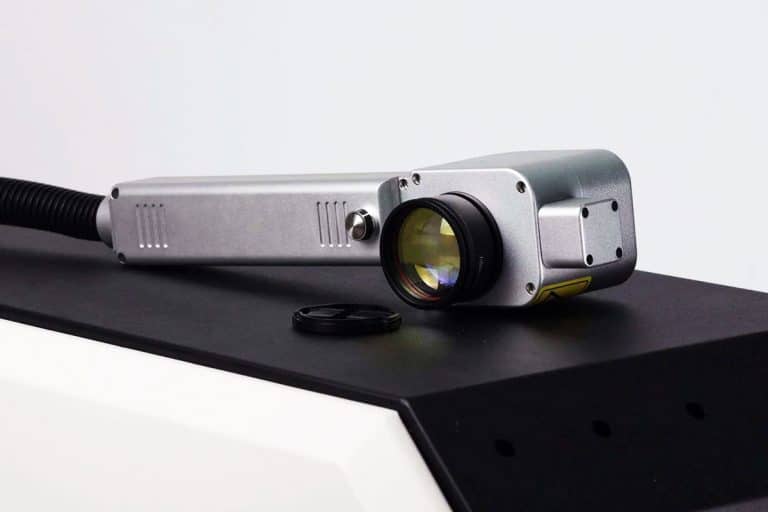
Comprehensive Guides to Choosing the Right Laser Cleaning Parameters
This comprehensive guide explores the key factors in choosing the right laser cleaning parameters, including material types, contamination levels, and practical considerations for optimal results.

What Training Is Required to Operate Laser Cleaning Machines
This article is a comprehensive guide outlining the safety, operation, maintenance, and certification training required for operators of modern industrial laser cleaning machines.
Frequently Asked Questions
What Laser Power Options Are Available For Glass Laser Cleaning Machines?
- Continuous Laser Cleaning Machines: Continuous wave lasers deliver a steady beam of energy, making them ideal for removing persistent surface contaminants or working on large glass panels where consistent coverage is needed.
- 1000W: Suitable for general-purpose cleaning on glass surfaces with moderate residues or coatings.
- 1500W: Offers greater efficiency and speed for slightly tougher contamination, including paint layers or mineral deposits.
- 2000W: Used for more demanding industrial cleaning tasks, such as preparing large panes or removing fused coatings.
- 3000W: Delivers strong, uninterrupted power, well-suited for deep cleaning or thick coatings on architectural or industrial glass.
- 6000W: Designed for high-throughput operations requiring rapid cleaning of large glass areas, often in automated production environments.
- Pulse Laser Cleaning Machines: Pulse lasers release bursts of high-energy light in short intervals, which reduces thermal stress and is safer for the fragile nature of glass. These are ideal when precision and surface integrity are a priority.
- 100W: Best for light-duty applications such as removing fine dust, light stains, or oxidation without damaging the surface.
- 200W: Effective for cleaning coated or treated glass without altering the substrate.
- 300W: Provides more cleaning strength while maintaining control, suitable for layered grime or residue buildup.
- 500W: Balances power and precision for more stubborn contaminants or selective layer removal.
- 1000W: High-performance pulse option that can clean thoroughly without cracking or warping the glass.
- 2000W: Capable of handling industrial-strength residues or multilayer coatings, while still protecting the glass substrate.
How Much Do Glass Laser Cleaning Machines cost?
- Continuous Laser Cleaning Machines: These machines are priced between $3,500 and $7,500. They operate by emitting a constant laser beam, making them ideal for fast, large-area cleaning. They’re commonly used to remove rust, paint, or oxide layers from flat surfaces. Because of their straightforward design and lower power requirements, continuous models are generally more affordable. However, they are less precise and can generate more heat, which might not be ideal for sensitive or detailed work on glass.
- Pulse Laser Cleaning Machines: These are more advanced and versatile, with prices ranging widely from $6,000 to $70,000. Pulse lasers emit light in short bursts, delivering high peak power with less thermal impact. This makes them better suited for delicate surfaces like glass, where controlled cleaning is essential to avoid damage or distortion. Within this category, price depends heavily on laser power (e.g., 100W vs. 2000W), pulse frequency, cooling system, and whether the system is portable or integrated into an industrial line.
How Does Laser Power Affect The Speed of Cleaning Glass?
- Continuous Laser Cleaning Machines (1000W, 1500W, 2000W, 3000W, 6000W): These machines use a steady laser beam to heat and remove surface contaminants. Higher power models—especially in the 3000W to 6000W range—can clean large areas of glass faster and more thoroughly, making them suitable for industrial applications where speed is a priority. At lower power levels like 1000W or 1500W, the cleaning is slower but more controlled, which is better for thinner or more delicate glass that could crack under sustained heat.
- Pulse Laser Cleaning Machines (100W, 200W, 300W, 500W, 1000W, 2000W): Pulse lasers work differently by delivering bursts of energy in microseconds. While these machines are generally slower than their continuous counterparts, they offer far greater control, essential for cleaning etched, curved, or high-value glass. Low-power pulse lasers (100W–300W) are used for precision work and smaller areas. As power increases to 1000W or 2000W, cleaning speed improves dramatically, and systems can handle tougher residues like hard-water stains or weathering without damaging the glass.
How Do I Choose Glass Laser Cleaning Machines?
- Surface Type and Sensitivity: For delicate glass surfaces—such as optical lenses, antiques, or coated panels—pulse laser cleaning machines are the safer choice. They deliver controlled bursts of energy that remove contaminants without generating excessive heat. Models in the 100W to 500W range work best for fine cleaning and minimal risk of surface damage. For tougher glass with built-up grime or oxidation, higher-powered pulse lasers (1000W–2000W) offer deeper cleaning without compromising structural integrity.
- Cleaning Area and Speed Requirements: If you’re working with large glass panels or need fast throughput, continuous laser cleaning machines (1000W–6000W) are more efficient. These machines are built for speed and can handle industrial-sized glass cleaning tasks. However, due to constant beam exposure, they may not be suitable for thin or heat-sensitive glass unless settings are carefully managed.
- Precision vs. Throughput: For precision tasks—like removing residue around etchings or restoring stained art glass—pulse lasers offer superior control and cleaner results. For general maintenance cleaning in bulk operations, such as glass manufacturing or construction, continuous lasers deliver faster performance at a lower cost.
- Mobility and Integration: Portable systems are ideal for fieldwork or on-site glass restoration. Desktop or integrated systems are better suited for controlled environments like labs or production lines. Always match the system design to your workspace and workflow.
- Budget Considerations: Pulse laser cleaning systems range from $6,000 to $70,000, depending on power and features. Continuous lasers are more budget-friendly, typically between $3,500 and $7,500. Investing more upfront in the right system reduces long-term damage risks and maintenance costs.
Can Lasers Effectively Clean Glass?
- Light Surface Contamination: Lasers excel at removing organic residues such as fingerprints, dust, soot, and mild weathering from glass surfaces. Pulse laser cleaning machines (100W–500W) are especially suitable for these tasks. Their short bursts of high-energy light vaporize contaminants without affecting the glass itself. This method is ideal for fragile surfaces like optical components or heritage glasswork.
- Stubborn Deposits and Coatings: For tougher buildup, such as hard-water stains, mineral deposits, or industrial film, higher-powered pulse lasers (1000W–2000W) or continuous laser cleaning machines (1500W–6000W) can be used. These systems break down thicker or more bonded materials efficiently. However, heat buildup must be carefully controlled to prevent warping or cracking, especially on thin or untreated glass.
- Patterned or Coated Glass: Laser cleaning can be effective on glass with etched patterns, frosted designs, or even certain coated surfaces, provided the coating is meant to be removed or can tolerate exposure. Low-power pulse lasers are best for preserving fine detail while stripping away contaminants. Some sensitive coatings may be damaged by continuous laser exposure and should be tested beforehand.
- Limitations and Safety: Lasers are not ideal for cleaning between panes in double-glazed glass or under laminated layers. Additionally, reflective surfaces can cause beam scattering, so safety measures—like appropriate beam control and operator training—are essential.
Does Laser Cleaning Damage The Surface Glass?
- Low-Power Pulse Lasers (100W–500W): These lasers are designed for delicate work and are the safest option for cleaning sensitive glass. They emit short, controlled bursts that remove dirt and coatings without raising the surface temperature too high. This minimizes the risk of cracking, warping, or microfractures. Low-power pulse lasers are commonly used on museum glass, optical lenses, or decorative glass with etched or frosted details.
- High-Power Pulse Lasers (1000W–2000W): While still precise, these models carry a greater risk of surface stress if used improperly. When matched with the right frequency and cleaning distance, they can strip heavy deposits without harming the glass. However, too much energy concentration can cause localized heating, leading to surface haze or small fractures on thinner glass.
- Continuous Lasers (1000W–6000W): These machines produce a constant beam, making them faster but also riskier on fragile glass. If the beam dwells too long on one spot, it can cause thermal shock or surface distortion. Continuous lasers are best for robust, industrial glass or thick panels where speed is more critical than precision. On decorative or untreated glass, careful calibration is essential to avoid damage.
- Surface Coatings and Treatments: Laser cleaning may also interact with anti-glare, reflective, or tinted coatings. If the goal is to preserve these coatings, lower-energy pulse lasers should be used. If removal is intended, higher-power settings can be applied with caution. Always test on a small area first to assess the impact.
Are There Harmful Byproducts When Laser Cleaning Glass?
- Organic Residues and Dust: When removing dust, soot, oils, or organic grime, laser vaporization breaks down these materials into microscopic airborne particles. While these are usually non-toxic, they can still pose inhalation risks in high concentrations. Proper fume extraction and protective eyewear are recommended, especially in enclosed spaces.
- Paints, Films, and Coatings: Lasers can effectively strip paints, anti-glare films, or mineral deposits from glass. However, certain coatings may release harmful byproducts when burned or vaporized. For example, lead-based paints, older UV coatings, or synthetic sealants can produce hazardous fumes or metal oxides. These require active air filtration systems and local exhaust ventilation to ensure operator safety.
- Adhesives and Sealants: Glass panels may have remnants of glue or silicone adhesives, especially in construction or automotive applications. When these materials are laser-cleaned, they can emit volatile organic compounds (VOCs) or toxic smoke depending on their chemical makeup. Ventilation and personal protective equipment (PPE) are critical when working with unknown or synthetic residues.
- Safety Precautions: While laser cleaning itself is a dry, non-contact process, it must be paired with proper fume extraction systems to prevent the buildup of airborne contaminants. Enclosed workstations, HEPA filters, and real-time air quality monitoring improve safety, especially when cleaning large or coated glass panels.
How Do I Maintain Glass Laser Cleaning Machines?
- Optical Components: The lens and protective glass window must be kept clean and scratch-free to ensure consistent laser focus and prevent beam distortion. Dust, smoke residue, or micro-abrasions can reduce performance or scatter the beam. Use lens-safe cleaning kits and inspect optics after each cleaning cycle, especially in dusty or high-debris environments.
- Cooling System: Both pulse and continuous laser machines generate heat, especially at higher power levels. Most systems use water or air cooling units to regulate temperature. Check coolant levels regularly, clean filters, and ensure proper flow through the chiller. Overheating reduces lifespan and causes output instability.
- Laser Source and Fiber Connections: Inspect fiber connections and cable integrity to avoid signal loss or beam inconsistency. Dust caps should always be used when the machine is idle. For fiber-coupled models, maintain bend radius and cable routing to prevent internal damage.
- Control Software and Sensors: Machine calibration, beam alignment, and power output checks should be done according to the manufacturer’s schedule. Update firmware when needed, and monitor real-time performance data for early signs of malfunction.
- Ventilation and Exhaust System: The fume extraction unit is vital for keeping the workspace safe and the machine clean. Replace or clean filters routinely, and inspect ducting for blockages. Poor airflow allows particles to settle on optics and internal components, increasing wear and reducing accuracy.
- General Wear and Environment: Keep the machine in a dry, dust-free environment with a stable ambient temperature. Periodically check moving parts such as scanning heads, enclosures, and mounts for wear or misalignment. For portable units, ensure shock protection during transport.