

Product Introduction
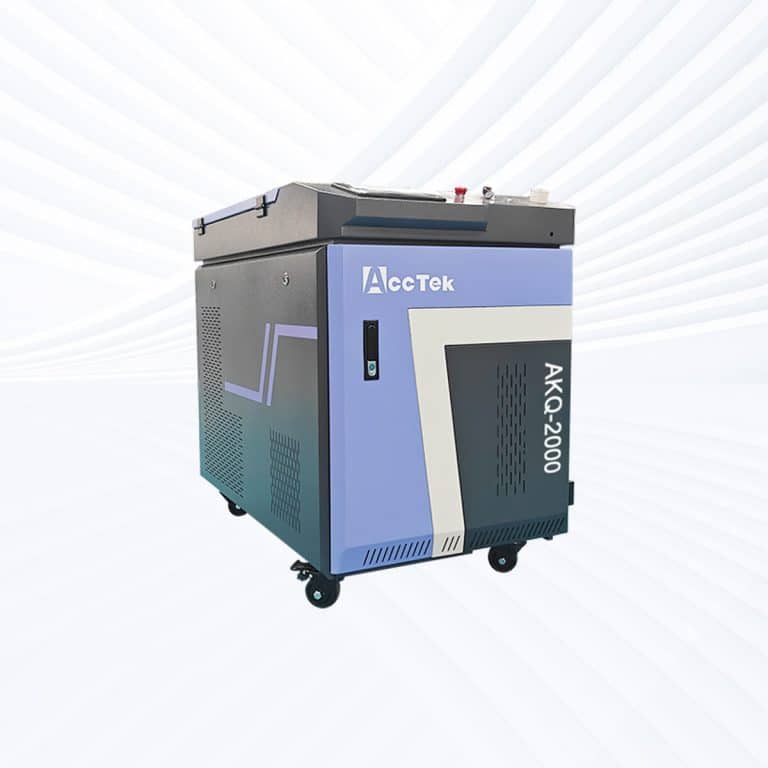
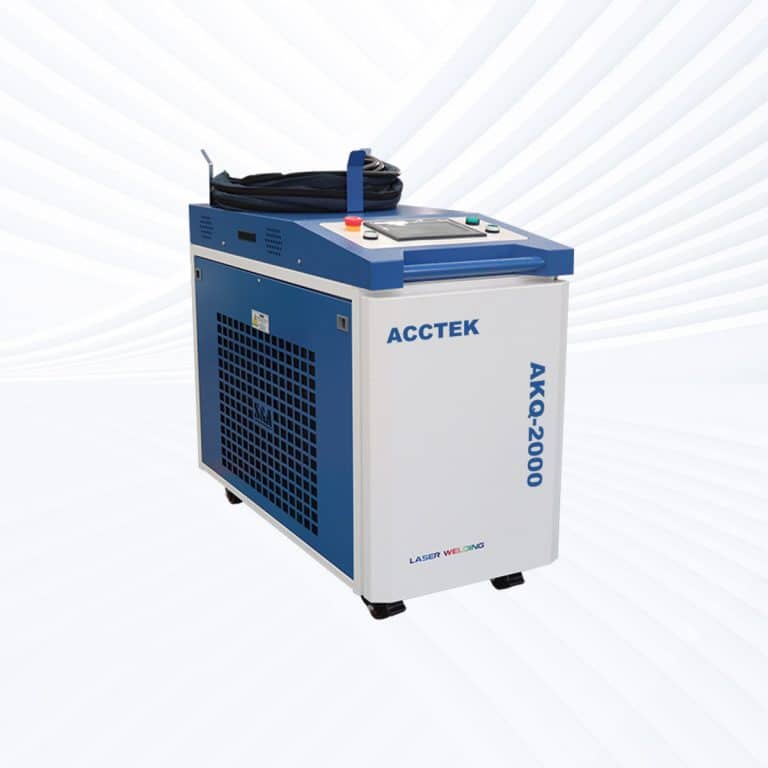
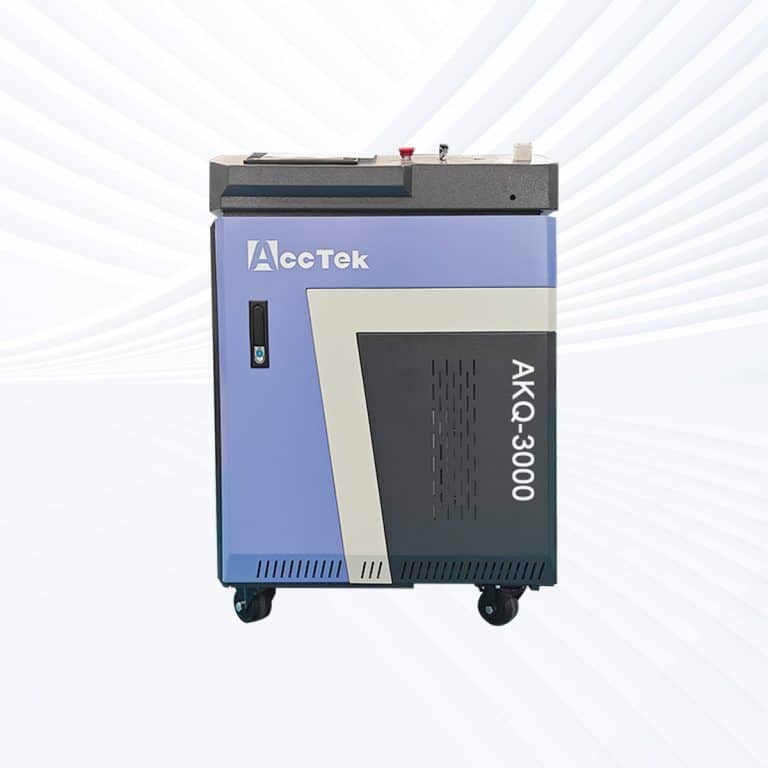
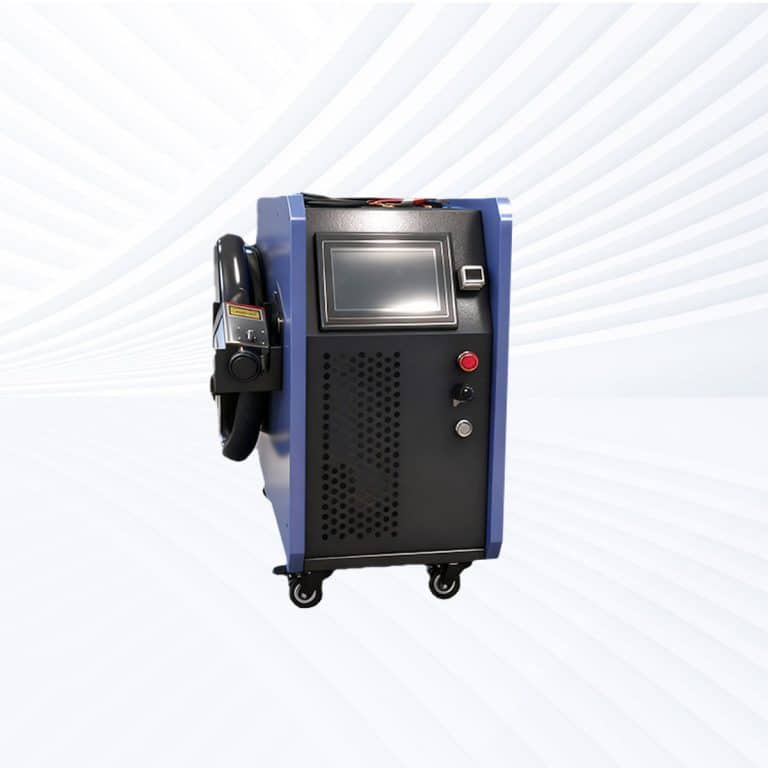
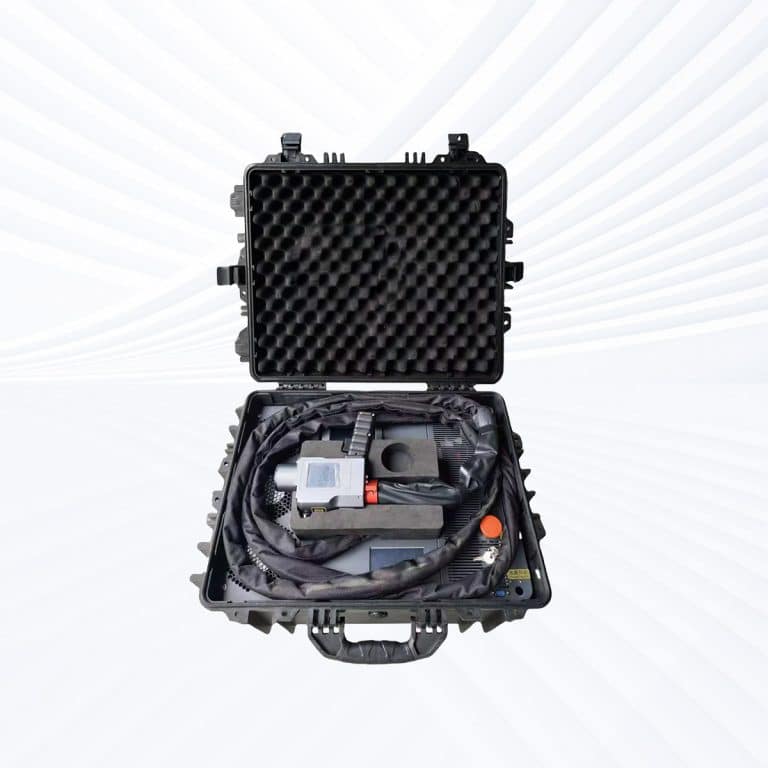
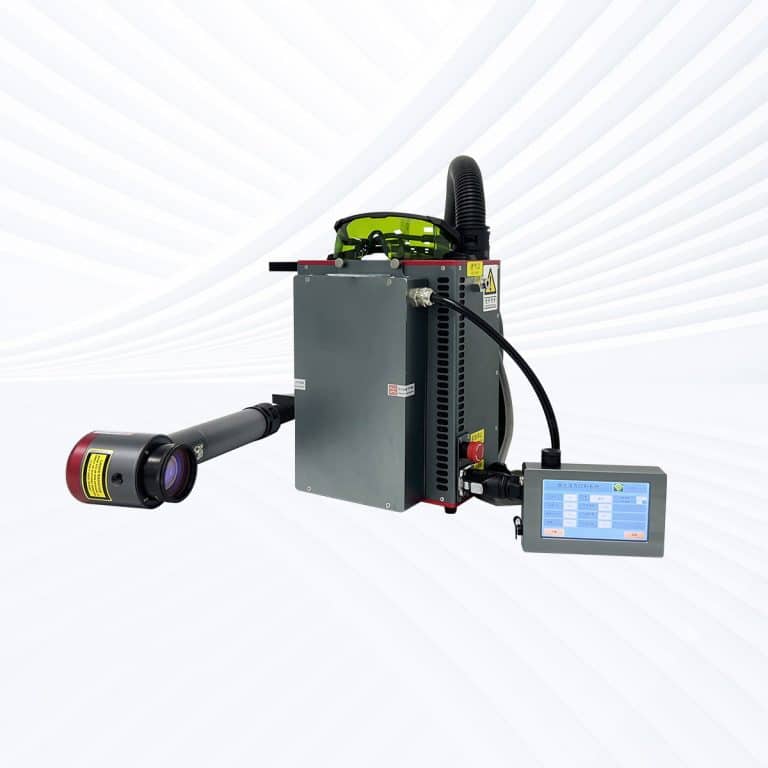
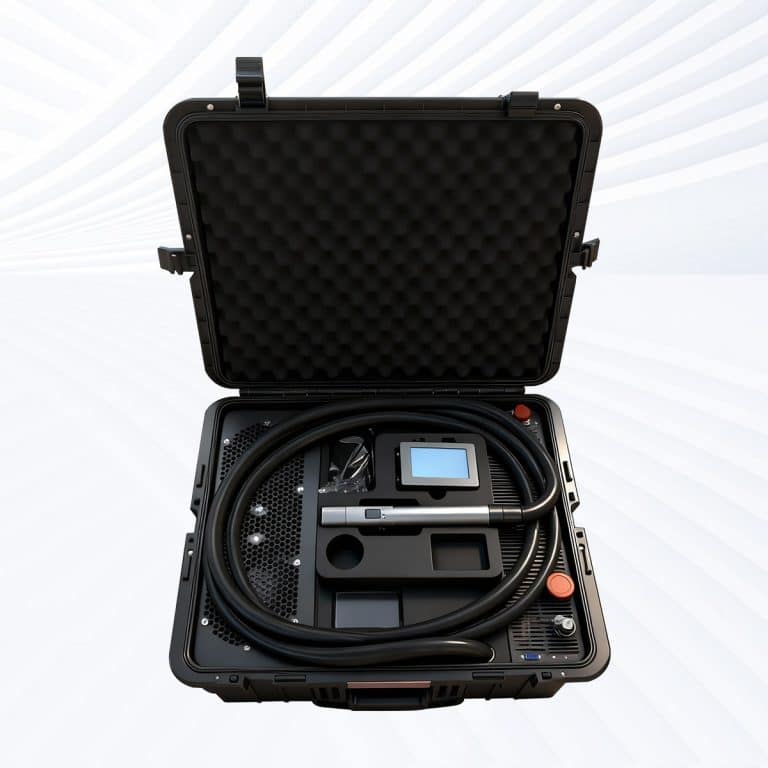
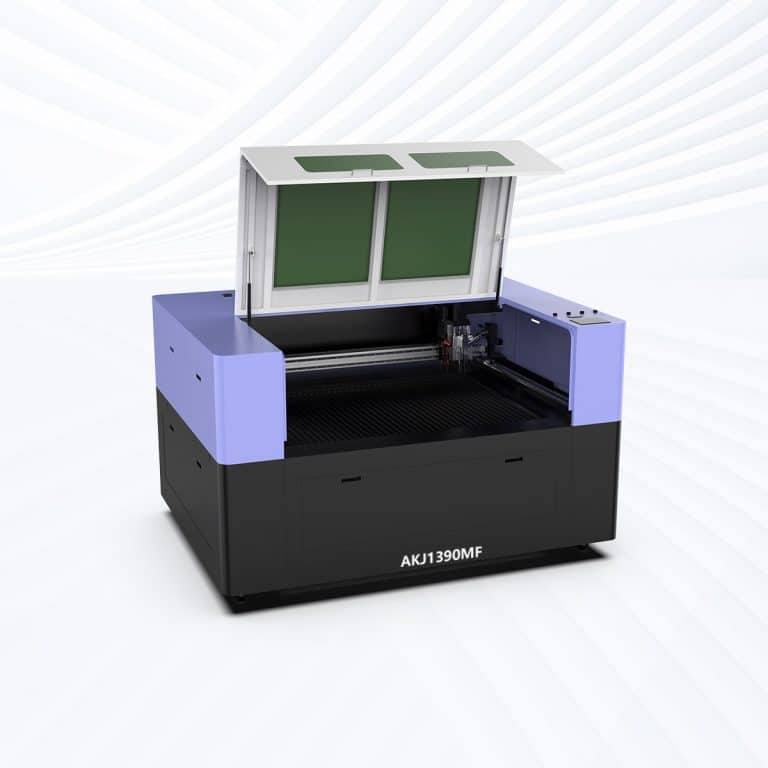
Types of Ceramics Laser Cleaning Machines
Benefits of Laser Cleaning Ceramics
Non-Contact and Gentle on Surfaces
Laser cleaning removes surface contaminants like dirt, oxides, or coatings without physically touching or scratching the ceramic. This preserves the original texture, glaze, and structural integrity, especially important for delicate or high-value ceramic components.
No Chemical or Abrasive Use
The process eliminates the need for acids, solvents, or abrasive media. This makes it an environmentally friendly solution that avoids secondary pollution and ensures safety for both the operator and the ceramic workpiece.
High Precision for Detailed Work
Laser cleaning offers excellent control over beam intensity and focus. It’s ideal for intricate ceramic patterns, inscriptions, or fragile artifacts, allowing selective cleaning without damaging fine features or surrounding material.
Effective on a Variety of Contaminants
Laser cleaning efficiently removes paint, stains, soot, mineral deposits, and adhesives from ceramic surfaces. It works on both glazed and unglazed ceramics without affecting color, finish, or material composition.
Consistent Results and Low Maintenance
With programmable settings and minimal tool wear, laser cleaning ensures stable and repeatable performance. It reduces the need for constant maintenance, making it a cost-effective long-term solution for ceramic processing and restoration.
Suitable for Automation and Industry Use
Ceramics laser cleaning machines can be integrated with robotic systems or CNC platforms. This allows precise, automated cleaning for industrial ceramic parts used in electronics, aerospace, medical devices, and other high-tech fields.
Compatible Ceramics Materials
- Alumina
- Zirconia
- Silicon Carbide
- Silicon Nitride
- Aluminum Nitride
- Boron Nitride
- Boron Carbide
- Mullite
- Steatite
- Cordierite
- Magnesia
- Barium Titanate
- Lead Zirconate Titanate
- Titania
- Yttria-Stabilized Zirconia
- Fused Silica
- Quartz
- Glass-Ceramics
- Lithium Disilicate
- Spinel
- Sialon
- Lanthanum Oxide Ceramics
- Porcelain
- Bone China
- Kaolinite-Based Ceramics
- Ceramic Matrix Composites
- Electroceramics
- Ceramic Substrates
- Ceramic Coatings
- Glazed Ceramics
- Piezoelectric Ceramics
- Bio-Ceramics
- Ceramic Filters
- Ceramic Ball Bearings
- Refractory Ceramics
- Structural Ceramics
- Advanced Oxide Ceramics
- Ceramic Capacitors
- Technical Ceramics
- Thermal Barrier Coating Ceramics
Application of Ceramics Laser Cleaning Machines




Customer Testimonials
Comparison VS Other Cleaning Technologies
| Comparison Item | Laser Cleaning | Sandblasting | Chemical Cleaning | Ultrasonic Cleaning |
|---|---|---|---|---|
| Cleaning Method | Focused laser ablation | Abrasive media impact | Chemical dissolution | Cavitation from high-frequency sound waves |
| Surface Damage Risk | Extremely low—non-contact | High—can chip or crack ceramics | Medium—risk of corrosion or etching | Low, but possible erosion over time |
| Precision | Very high—ideal for detailed components | Low—hard to control on fragile ceramics | Medium—depends on application | High—limited to small items |
| Thermal Effect | Minimal, adjustable | None | Variable—depends on chemicals used | None |
| Environmental Impact | Eco-friendly—no waste or chemicals | Dust and media pollution | Hazardous chemical disposal | Contaminated cleaning fluids |
| Cleaning Speed | Fast and controllable | Fast but aggressive | Slow to moderate | Slow, especially for thick contamination |
| Surface Preservation | Excellent—retains texture and coatings | Poor—removes glaze or details | Risk of dulling surface finish | Preserves surface with proper settings |
| Suitable for Glazed Ceramics | Yes—precise and gentle | No—may damage or remove glaze | Limited—risk of discoloration | Yes, if immersion is suitable |
| Automation Compatibility | Easily automated or robot-integrated | Difficult to automate | Limited automation options | Generally manual or batch-based |
| Health & Safety | Safe with proper laser protection | Dust inhalation hazard | Toxic fumes and spill risks | Safe but needs careful fluid handling |
| Waste Generation | Minimal—vaporized contaminants only | High—media and dust | High—chemical byproducts | Medium—used cleaning fluids |
| Cost Over Time | Low—minimal consumables and labor | High—constant media use | High—chemical purchase and disposal | Moderate—fluid replacement and tank care |
| Compatibility with Fragile Items | Excellent—non-contact | Poor—high fracture risk | Moderate—depends on item and chemical | Good for small, durable items |
| Portability | Handheld and portable options available | Bulky and less mobile | Limited by chemical containment | Mostly benchtop or stationary setups |
| Consistency of Results | Highly repeatable and precise | Inconsistent due to wear or media clogging | Variable based on chemical concentration | Consistent for small-scale, uniform objects |
Why Choose Us
Efficient Cleaning
Our machines offer fast, precise cleaning without chemicals or abrasion, making them ideal for delicate surfaces and complex materials across various industries.
Safe & Eco-Friendly
Laser cleaning eliminates the need for harsh chemicals and generates no secondary pollution, creating a safer and more environmentally friendly workspace.
Stable Performance
Built with high-quality components and advanced control systems, our machines ensure consistent cleaning results with minimal maintenance and long service life.
Custom Solutions
We provide flexible configurations and tailored options to match different cleaning requirements, helping customers achieve optimal performance for their specific applications.
Related Resources
How Effective Is Laser Cleaning At Removing Contaminants
This article explores how effective laser cleaning is at removing contaminants, covering mechanisms, materials, system types, real-world applications, limitations, and optimization factors for reliable results.
Will Laser Cleaning Damage The Substrate
This article explains whether laser cleaning damages substrates, examining damage mechanisms, material risks, process control, and verification methods for safe, effective laser cleaning.
Comprehensive Guides to Choosing the Right Laser Cleaning Parameters
This comprehensive guide explores the key factors in choosing the right laser cleaning parameters, including material types, contamination levels, and practical considerations for optimal results.

What Training Is Required to Operate Laser Cleaning Machines
This article is a comprehensive guide outlining the safety, operation, maintenance, and certification training required for operators of modern industrial laser cleaning machines.
Frequently Asked Questions
What Laser Power Options Are Available For Ceramic Laser Cleaning Machines?
- Continuous Laser Cleaning Machines: These systems use a steady beam of energy and are best suited for tough, industrial ceramics that can tolerate higher heat. Available power levels include: 1000W, 1500W, 2000W, 3000W, 6000W. Higher wattage systems, such as 3000W or 6000W, enable faster cleaning speeds, but care must be taken to avoid overheating or cracking delicate ceramic surfaces. These are typically used in manufacturing environments for cleaning ceramic molds, tiles, or technical components where precision is less critical.
- Pulse Laser Cleaning Machines: Pulse lasers deliver energy in controlled bursts, which significantly reduces thermal impact. These systems are ideal for sensitive or glazed ceramics, decorative pieces, and surfaces that require gentle treatment. Power options include: 100W, 200W, 300W, 500W, 1000W, 2000W. Lower power pulse lasers (100W–300W) offer high-precision cleaning for antique ceramics or surfaces with detailed finishes. Mid-to-high power systems (500W–2000W) are used for more demanding cleaning tasks while still preserving the material’s integrity.
What Is The Price of Ceramic Laser Cleaning Machines?
- Continuous Laser Cleaning Machines: These machines are suitable for industrial-grade ceramics where surface precision is less critical and cleaning speed is a priority. The cost typically ranges from $3,500 to $7,500, depending on the wattage and system configuration. These machines are often used in tile production, ceramic molds, or technical components where thermal tolerance is higher, and surface detail is less sensitive.
- Pulse Laser Cleaning Machines: Pulse systems are used where delicacy, precision, and surface protection are essential, such as on glazed, decorative, or historic ceramics. These systems provide more control over thermal impact and are priced between $6,000 and $70,000, based on power output and customization. Higher-end models are equipped with advanced scanning heads, fine-tuned pulse widths, and portable options for conservation work.
How Does Laser Power Affect The Speed of Cleaning Ceramics?
- Continuous Laser Cleaning Machines: Continuous lasers deliver steady energy and are available in 1000W, 1500W, 2000W, 3000W, and 6000W models. Higher wattage increases the cleaning rate by enabling deeper and faster ablation of surface contaminants. For example, a 3000W or 6000W system will clean ceramic molds or industrial tiles much faster than a 1000W unit. However, excessive heat buildup can cause thermal cracking or surface stress, especially on delicate or glazed ceramics. Continuous systems are ideal for high-volume, durable ceramic applications when speed is more critical than surface sensitivity.
- Pulse Laser Cleaning Machines: Pulse systems offer wattages including 100W, 200W, 300W, 500W, 1000W, and 2000W. They deliver short, high-intensity bursts of energy, which allows contaminants to be removed while minimizing heat transfer to the ceramic surface. Cleaning speed improves as power increases—500W and above are significantly faster than 100W or 200W units—but the thermal load remains well controlled. Pulse lasers are better suited for delicate surfaces or decorative ceramics that require fine control and minimal risk of damage.
How To Choose Ceramic Laser Cleaning Machines?
- Continuous Laser Cleaning Machines: Available in 1000W, 1500W, 2000W, 3000W, and 6000W, continuous lasers offer fast, uninterrupted cleaning ideal for industrial-grade ceramics like tiles, molds, or insulators. These machines are suitable for high-throughput environments where surface durability is high and speed is the priority. However, because ceramics can be brittle, these systems must be operated with caution to prevent heat-induced cracking or surface deformation.
- Pulse Laser Cleaning Machines: Pulse lasers offer finer control with less thermal impact and come in power levels such as 100W, 200W, 300W, 500W, 1000W, and 2000W. These are the preferred choice for glazed, painted, or decorative ceramics, as they protect the surface finish while still removing dirt, soot, or previous coatings. Lower-power options are best for fragile or detailed work, while mid- to high-power models improve cleaning speed for larger areas.
- Application and Sensitivity: If the ceramic material is used in architectural, heritage, or fine art settings, a low-to-mid-power pulse laser is typically required. For technical or mass-produced ceramics, continuous lasers may offer a better balance between speed and cost-effectiveness.
- Work Environment and Portability: Consider whether the machine will be used in a fixed industrial line or on-site for restoration work. Portable pulse systems with built-in cooling and fume extraction are ideal for conservation or field applications.
What Is The Surface Finish After Laser Cleaning Ceramics?
- Continuous Laser Cleaning Machines: Continuous lasers are available in power levels such as 1000W, 1500W, 2000W, 3000W, and 6000W. These systems clean quickly, but their steady heat output can affect surface texture if the ceramic is delicate or glazed. In some cases, especially at high power settings, the finish may appear slightly dull or thermally altered, particularly if used on fragile ceramics. For robust, unglazed technical ceramics, however, continuous lasers can provide a clean, even finish suitable for industrial reuse.
- Pulse Laser Cleaning Machines: Pulse lasers operate in controlled bursts, with common settings including 100W, 200W, 300W, 500W, 1000W, and 2000W. These systems are better suited for decorative or historical ceramics, as they minimize heat and preserve surface glaze, fine detail, and color. Pulse lasers offer a smoother, undisturbed surface finish, making them ideal for conservation or precision applications.
- Material and Surface Coating Considerations: The finish also depends on whether the ceramic has a glazed, matte, or porous surface. Glazed ceramics can maintain their gloss when cleaned with the proper laser parameters, while porous ceramics may darken slightly due to localized heating or residue absorption. In most cases, surface integrity is maintained when using correctly calibrated equipment.
Does Laser Cleaning Ceramics Produce Harmful Byproducts?
- Contaminants and Coatings: If the ceramic surface has inks, glazes, adhesives, oxides, or synthetic coatings, these materials may release fumes, particulates, or gases during laser cleaning. Some of these emissions can contain volatile organic compounds (VOCs) or fine particulate matter, depending on the material being removed. Just as PVC should never be cut due to toxic chlorine gas, glazed ceramics or painted finishes may emit compounds that require ventilation control.
- Ventilation and Filtration: For safety, ceramic laser cleaning setups should include proper fume extraction, especially in enclosed spaces. Air assist and exhaust systems help manage byproducts and protect both operators and laser optics. These systems are similar to those used when laser-cutting paper, foam, or rubber, where the fire and fume risk is also elevated.
- Laser Type and Settings: Pulse and continuous laser cleaning machines, ranging from 100W to 6000W, can be used on ceramics. Lower powers with precise control are generally preferred for delicate ceramic surfaces, reducing the chance of overheating and minimizing vaporized debris.
What Are The Operating Environment Requirements For Ceramic Laser Cleaning Machines?
- Temperature and Humidity Control: Ceramic laser cleaning systems typically operate best in ambient temperatures ranging from 5℃ to 40℃ (41℉ to 104℉). Extreme temperatures can affect laser performance or damage internal components. Relative humidity should remain below 70%, non-condensing. High humidity risks internal condensation, which can corrode optics or electronic parts.
- Ventilation and Airflow: Proper ventilation is essential for removing smoke, dust, and microscopic debris generated during the cleaning process. A well-ventilated workspace with local exhaust or air filtration systems helps maintain air quality and prevents the buildup of airborne contaminants that can damage optics or pose health risks.
- Dust-Free and Stable Environment: Ceramic laser cleaners rely on precise optics and electronics. A clean, low-dust environment helps protect sensitive parts and ensures consistent beam performance. Avoid installing machines in locations with heavy vibration, high foot traffic, or airborne industrial particles like grinding dust or chemical fumes.
- Stable Electrical Supply: These machines require a stable AC power source, usually between 220V to 380V, depending on the model. Voltage fluctuations can damage power supplies or cause system faults. Voltage stabilizers or UPS systems are recommended, especially in areas with unstable grids.
- Workpiece Grounding and Surface Prep: For optimal performance, the workpiece should be well-grounded to avoid static buildup. Surface conditions matter: heavy grease, moisture, or loose particles can reduce laser effectiveness or scatter the beam.
- Safety and Accessibility: The work area should allow easy access to the machine’s control interface and cleaning head. Maintain a clear radius around the machine, free from clutter, with adequate lighting for safe operation. Laser safety goggles rated for the machine’s wavelength must always be worn by operators and nearby personnel.
- No Flammable Materials Nearby: Ceramic laser cleaning doesn’t typically ignite materials, but high heat concentrations can pose risks. Keep flammable liquids, cloths, or aerosols well away from the machine. Some residue materials can smolder or produce sparks under intense laser exposure.
What Is The Power Consumption of Ceramic Laser Cleaning Machines?
- Continuous Laser Cleaning Machines: Continuous laser systems provide a steady, uninterrupted beam, delivering high efficiency for large-scale or heavy-duty cleaning jobs. Power consumption increases significantly with higher wattage models due to sustained output.
- 1000W: Consumes approximately 5 kW of electrical power during operation.
- 1500W: Requires about 6.5 kW, suitable for more intensive surface treatments.
- 2000W: Draws up to 8.5 kW, often used in industrial-grade cleaning scenarios.
- 3000W: Uses 12 kW, ideal for thick coatings or large surface areas.
- 6000W: Demands 20 kW, suitable for continuous, high-speed cleaning in manufacturing environments.
- Pulse Laser Cleaning Machines: Pulse systems deliver energy in short, powerful bursts, making them more energy-efficient and better for delicate or precision cleaning. Their power consumption is notably lower compared to continuous lasers of similar wattage.
- 100W: Consumes only 0.5 kW, ideal for fine cleaning on sensitive materials.
- 200W: Uses around 1 kW, good for removing light rust or paint.
- 300W: Requires 1.5 kW, offering a balance between precision and strength.
- 500W: Draws 2.5 kW, effective for moderate industrial cleaning tasks.
- 1000W: Consumes 5 kW, suitable for broader cleaning with higher throughput.
- 2000W: Needs 8.5 kW, often used for deep rust, thick coatings, or large-area prep.