
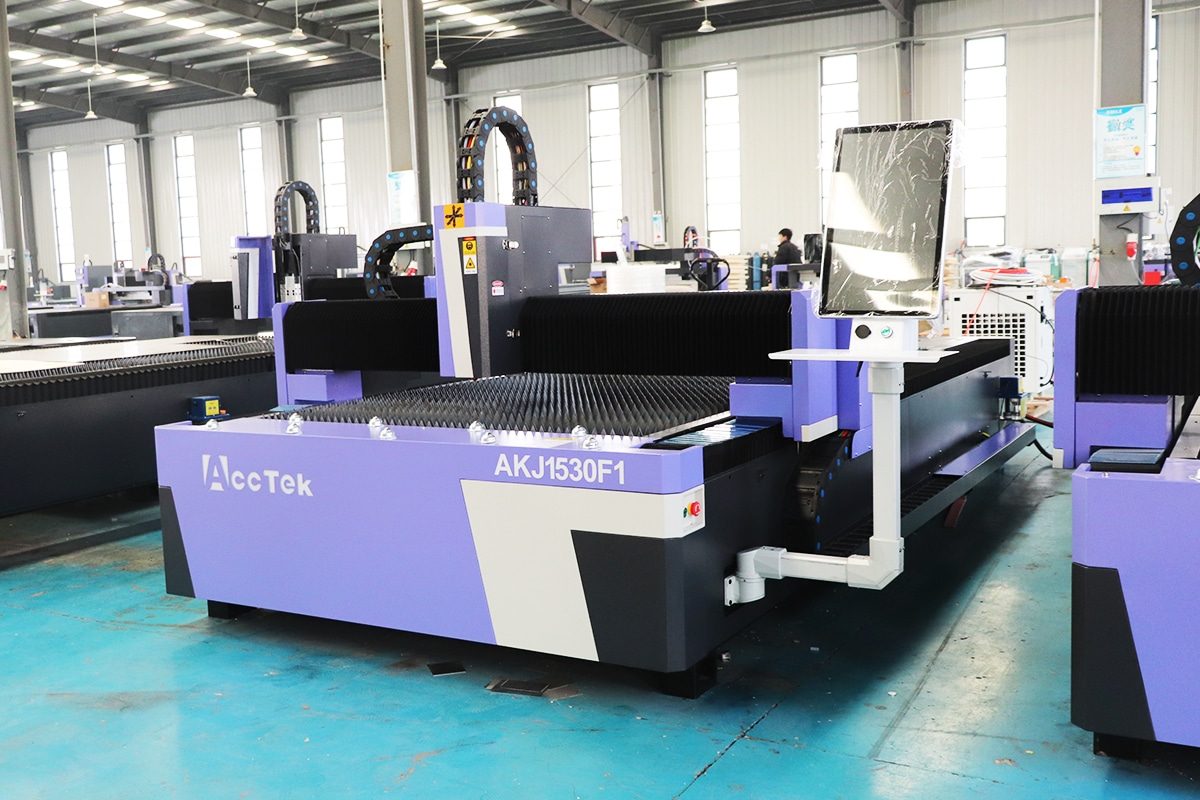
Comprehensive Guide to Choosing the Right Laser Cutting Machines

This comprehensive guide provides essential insights on selecting the right laser cutting machine, covering key factors like machine types, features, supplier evaluation, and installation considerations.
Home » Blog » Comprehensive Guide to Choosing the Right Laser Cutting Machines
Comprehensive Guide to Choosing the Right Laser Cutting Machines
Choosing the right equipment can make or break your production process, and when it comes to precision manufacturing, few tools are as transformative as laser cutting machines. In this comprehensive guide to choosing the right laser cutting machines, we’ll begin by understanding why selecting the right system is so critical for your business success.
Laser cutting machines have revolutionized industries ranging from automotive and aerospace to signage, electronics, and custom fabrication. Unlike traditional cutting methods, laser technology offers unmatched precision, speed, and versatility. Whether you are cutting stainless steel, aluminum, carbon steel, acrylic, wood, or composite materials, the right laser cutting system can dramatically improve efficiency, reduce material waste, and lower long-term operational costs.
However, not all laser cutting machines are created equal. With various technologies available—such as fiber lasers, CO2 lasers, and diode lasers—each comes with its own strengths, limitations, and ideal use cases. Factors such as material type, thickness, production volume, power requirements, budget, maintenance costs, and workspace constraints all play crucial roles in the decision-making process. Choosing without fully understanding these elements can lead to underperformance, unnecessary expenses, or scalability challenges.
Moreover, advancements in automation, smart controls, and Industry 4.0 integration have added another layer of complexity. Today’s laser cutting systems can include features like CNC automation, real-time monitoring, energy-efficient power sources, and software integration for improved workflow management.
This comprehensive guide is designed to simplify the selection process. Whether you are a small workshop owner exploring your first machine or a large-scale manufacturer upgrading your production line, this introduction sets the stage for a detailed exploration of everything you need to know to make an informed, confident investment decision.
Table of Contents

Understanding Laser Cutting Technology

Before investing in equipment, it is crucial to understand the science and structure behind laser cutting systems. In this guide, mastering the fundamentals of laser cutting technology will help you evaluate specifications, compare machine types, and avoid costly purchasing mistakes. Laser cutting is not just about power output—it is about beam quality, material interaction, control systems, and long-term operational efficiency. Let’s explore these elements in depth.

How Laser Cutting Works

Laser cutting is a thermal separation process that uses a highly concentrated beam of coherent light to melt, burn, or vaporize material in a controlled manner. Although the underlying physics involves advanced optics and quantum mechanics, the working process can be clearly understood through several essential stages.

Laser Generation

Every laser cutting machine contains a laser source. This source generates a beam of light by stimulating a lasing medium. Depending on the machine type, the medium may be:

  • A gas mixture (CO2 systems)
  • A solid-state fiber optic core (fiber systems)
  • Semiconductor diodes (diode systems)
Electrical energy excites the atoms within the medium, causing them to emit photons. These photons bounce between mirrors or reflectors inside a resonator, amplifying in intensity. Once sufficient energy builds up, the concentrated beam exits the resonator as a powerful, focused laser.

Beam Delivery and Focusing

The generated beam travels through mirrors or fiber-optic cables toward the cutting head. A focusing lens narrows the beam into a microscopic focal point. At this focal point, the energy density becomes extremely high—capable of instantly raising material temperature to thousands of degrees Celsius.
The diameter of this focal point directly influences precision. A smaller focal spot enables finer cuts and tighter tolerances. High beam quality ensures minimal divergence, meaning the laser maintains intensity over distance.

Material Interaction

When the laser strikes the material surface, rapid heating occurs. Depending on the material and assist gas used, one of three cutting mechanisms takes place:

  • Fusion Cutting: The material melts and is expelled by an inert gas such as nitrogen.
  • Flame Cutting: Oxygen reacts chemically with the heated metal, accelerating the cutting process.
  • Sublimation Cutting: The material vaporizes directly without melting (common in plastics and wood).
The assist gas plays a vital role. It removes molten debris, cools the cut zone, prevents oxidation (when using nitrogen), and improves edge finish.

CNC Motion Control

Laser cutting machines operate using Computer Numerical Control (CNC). Digital design files created in CAD software are converted into machine instructions. The CNC system precisely controls:

  • Cutting speed
  • Laser power output
  • Focal distance
  • Movement of the cutting head
  • Gas pressure
This digital automation ensures consistent results, minimal human error, and high repeatability—even in mass production environments.

Heat-Affected Zone (HAZ)

One of the key technical considerations in laser cutting is the Heat-Affected Zone. Because laser beams are highly focused, the HAZ remains narrow compared to plasma or mechanical cutting. This reduces material warping and preserves structural integrity—especially important in aerospace and automotive manufacturing.

Advantages of the Laser Cutting Process

  • Non-contact cutting (no mechanical tool wear)
  • High precision and tight tolerances
  • Minimal material waste
  • Smooth edge finish
  • High-speed production capability
  • Automation-friendly integration
These advantages explain why laser cutting has replaced many traditional fabrication methods in modern manufacturing facilities.

Main Types of Laser Cutting Machines

Different laser technologies serve different industrial purposes. Understanding their design differences, performance strengths, and limitations is essential when choosing equipment.

CO2 lasers use a gas mixture composed mainly of carbon dioxide, nitrogen, and helium. An electrical discharge stimulates the gas to produce infrared laser light at a wavelength of 10.6 micrometers.

  1. Strengths
  • Excellent performance on non-metal materials
  • Smooth, polished edges on acrylic and wood
  • Large-format cutting capability
  • Mature and widely available technology
  1. Ideal Applications
  • Signage production
  • Packaging prototypes
  • Furniture and interior design
  • Textile and garment cutting
  • Acrylic display manufacturing
Although CO2 lasers can cut thin metals, their efficiency decreases as metal sheets become thicker. They also require regular maintenance due to mirror alignment, gas refilling, and optical component wear.

Fiber laser cutting systems are solid-state machines that use fiber-optic cables doped with rare-earth elements (commonly ytterbium) as the lasing medium. They generate laser light at a wavelength of approximately 1.06 micrometers—making them highly suitable for absorption in metals.

  1. Key Advantages
  • High electrical-to-optical efficiency
  • Faster cutting speeds for metal
  • Lower maintenance requirements
  • Compact laser source design
  • Excellent performance on reflective metals
  1. Applicable Materials
They dominate industries such as automotive manufacturing, heavy machinery, aerospace, and sheet metal fabrication. Their durability and energy efficiency translate into lower operational costs over time.

Diode Laser Cutting Machines

Diode lasers use semiconductor technology to generate laser beams. They are generally lower-powered compared to industrial CO2 and fiber laser cutting systems.

  1. Characteristics
  • Compact and lightweight
  • Cost-effective entry-level option
  • Suitable for engraving and light-duty cutting
  • Lower energy consumption
  1. Scope of Application
  • Educational institutions
  • Small workshops
  • DIY manufacturing
  • Customized product engraving
While they lack the power needed for industrial metal fabrication, they provide an accessible solution for small-scale operations.

Emerging Hybrid and Specialized Systems

Modern markets also offer hybrid laser cutting systems that combine fiber sources with advanced automation features such as robotic arms and automated loading systems. These systems are designed for high-volume manufacturing and Industry 4.0 integration.

Specialized machines may include:

These advanced models support complex geometries and structural components.
Laser cutting technology operates by generating a concentrated beam of light, focusing it onto the material, and using controlled thermal energy to separate the material with precision. Assist gases, CNC automation, and beam quality all contribute to the final cut performance. The process is fast, accurate, non-contact, and suitable for both intricate designs and large-scale production.
Among the main machine types, CO2 lasers remain strong performers for non-metal and organic materials. Fiber lasers lead the metal fabrication industry due to their speed, efficiency, and low maintenance needs. Diode lasers provide affordable, compact solutions for engraving and lighter applications. Emerging hybrid systems offer advanced automation and multi-dimensional cutting capabilities for high-tech industries.
Understanding these technologies in depth enables businesses to align machine capabilities with production demands, material requirements, and long-term growth strategies. A well-informed decision ensures optimal productivity, cost efficiency, and competitive advantage in today’s rapidly evolving manufacturing landscape.

Defining Your Production Requirements

In this guide, defining your production requirements is the most strategic and practical step in the entire selection process. Before evaluating brands, comparing wattage levels, or analyzing price quotations, you must first understand your own operational reality. What exactly are you cutting? How thick are the materials? How frequently will the machine operate? These questions form the foundation of a smart investment decision.
Laser cutting machines are not one-size-fits-all solutions. They are engineered systems designed to perform optimally under specific material conditions, power ranges, and workload demands. A mismatch between machine capability and production requirements can lead to reduced efficiency, higher operational costs, premature wear, or limited scalability. Therefore, a detailed assessment of material type, material thickness range, and production volume ensures that your chosen system supports both present needs and future growth.

Material Type

Material type is the most critical determinant when defining production requirements because each material interacts differently with laser energy. Laser wavelength, absorption rate, thermal conductivity, reflectivity, and combustion characteristics all influence cutting performance.

Why Material Compatibility Matters

Laser cutting works through focused thermal energy. However, materials absorb laser wavelengths differently. If absorption is high, cutting is efficient and precise. If absorption is low, more energy is required, which reduces efficiency and may damage machine components.

For example:

  • Fiber lasers operate at a shorter wavelength than metals absorb efficiently.
  • CO2 lasers produce a longer wavelength that organic and non-metal materials absorb more effectively.
  • Highly reflective materials require advanced beam protection systems.
Selecting a laser source that matches your primary material category ensures optimal speed, edge quality, and energy efficiency.

Metal Materials

If your production focuses on stainless steel, carbon steel, aluminum, brass, copper, titanium, or galvanized sheets, fiber laser cutting systems are generally the preferred solution. Fiber lasers provide:

  • Faster cutting speeds
  • Superior energy efficiency
  • Lower maintenance requirements
  • Excellent performance on reflective surfaces
However, even within metal processing, differences matter. Aluminum dissipates heat quickly, meaning higher wattage may be required. Copper and brass reflect light, requiring anti-reflection protection. Galvanized steel may need specific gas settings to avoid rough edges or excess oxidation.
Surface condition also plays a role. Oily sheets, coated materials, or textured surfaces can affect beam interaction and cutting consistency.

When defining material type for metal applications, consider:

  • Primary alloy composition
  • Surface treatment
  • Reflectivity level
  • Post-processing requirements
This detailed evaluation prevents costly performance issues.

Non-Metal Materials

For businesses cutting wood, acrylic, plastics, rubber, leather, foam, paper, or textiles, CO2 laser cutting systems often provide better results. CO2 lasers create smooth edges on acrylic and clean cuts on wood and composite boards.
However, safety and ventilation must be considered. Some plastics release toxic fumes when heated. Wood density variations can influence cutting depth. Textiles may require precision control to avoid fraying or burning.

Additional considerations include:

  • Flammability
  • Emission control systems
  • Ventilation and filtration
  • Material thickness consistency
Defining non-metal production requirements carefully ensures both operational efficiency and workplace safety.

Multi-Material Production Environments

Some facilities process both metal and non-metal materials. In such cases, analyze production distribution. If 70–80% of output involves metal cutting, a fiber laser may be prioritized. If operations are evenly split, separate specialized machines may provide better productivity than compromising with a single multi-purpose system.
Clear material categorization helps narrow machine selection and avoid underutilization.

Material Thickness Range

Material thickness significantly influences laser power requirements, cutting speed, machine stability, and gas configuration. It is not enough to know what material you cut—you must know how thick it typically is.

Thin Materials

For thin sheet metal (below 3 mm), moderate-power fiber lasers provide high-speed cutting with exceptional precision. Thin acrylic sheets and plywood also require less power but demand stable focus control.

Thin-material processing emphasizes:

  • High cutting speed
  • Tight tolerances
  • Minimal heat-affected zones
  • Fine-detail capability
Choosing excessive wattage for thin materials increases operational costs without improving performance.

Medium-Thickness Materials

Medium-thickness materials (6–12 mm steel, for example) require higher power to maintain cutting quality. Insufficient wattage results in rough edges, incomplete penetration, and slower cycle times.

At this stage, additional technical factors become important:

  • Assist with gas pressure stability
  • Beam focus adjustment
  • Nozzle diameter
  • Machine frame rigidity
Heat management also becomes more critical to prevent distortion.

Thick Materials

For thick plates (15 mm and above), high-power industrial laser systems are required. These machines feature reinforced mechanical structures, high-capacity cooling systems, and advanced motion control.

Cutting thick materials involves:

  • Slower speeds
  • Greater energy concentration
  • Enhanced gas flow control
  • Increased mechanical stability
Planning for future expansion is vital. If your company plans to enter heavy fabrication markets, selecting a scalable power system prevents future reinvestment.

However, higher power systems come with trade-offs:

  • Higher capital investment
  • Increased energy consumption
  • Larger infrastructure requirements
  • Greater maintenance complexity
Strategic forecasting ensures you select equipment that supports growth without excessive overspending.

Production Volume

Production volume defines how intensively your laser cutting machine will operate and directly influences automation needs, durability, and cost efficiency.

Low-Volume Production

Small workshops, prototyping centers, and custom fabrication businesses often prioritize flexibility. In these environments:

  • Manual loading may be acceptable.
  • Moderate speed is sufficient.
  • Multi-purpose capability is valuable.
Investment focus may lean toward affordability and adaptability rather than maximum throughput.

Medium-Volume Production

As output increases, efficiency becomes more important. Medium-scale manufacturers benefit from:

  • Faster cycle times
  • Reliable daily duty cycles
  • Software-assisted nesting
  • Basic automation features
Material utilization becomes a key performance indicator, and intelligent layout software reduces scrap.

High-Volume Industrial Production

High-volume manufacturing requires machines capable of continuous operation with minimal downtime.

Such environments demand:

  • Automated loading and unloading systems
  • Real-time monitoring and diagnostics
  • Energy-efficient operation
  • Durable industrial-grade components
In high-output facilities, even minor improvements in speed or efficiency significantly impact annual profitability.
Seasonal demand variations should also be evaluated. Machines must handle peak production periods without overheating or excessive wear.
Defining production requirements is the strategic cornerstone of choosing the right laser cutting machine. Material type determines the appropriate laser source and ensures efficient energy absorption and cutting performance. Metal-focused production typically aligns with fiber laser cutting systems, while non-metal applications often benefit from CO2 technology.
Material thickness range dictates necessary power levels, structural stability, and cooling capacity. Thin materials require speed and precision, medium thickness demands balanced power and gas control, and thick materials necessitate high-wattage industrial systems with reinforced design.
Production volume influences automation, durability, and long-term return on investment. Low-volume operations prioritize flexibility, medium-scale production focuses on efficiency, and high-volume facilities require industrial-grade automation and energy optimization.
When material type, thickness range, and production volume are analyzed collectively, they provide a comprehensive framework for machine selection. This structured approach reduces risk, enhances productivity, supports scalability, and ensures that your laser cutting investment aligns with both operational goals and long-term business strategy.

Selecting the Appropriate Laser Power

In the guide, selecting the appropriate laser power is one of the most technically decisive steps in the buying process. Laser power determines not only whether a material can be cut, but how efficiently, how cleanly, and how profitably it can be processed. The correct wattage influences cutting speed, edge finish, heat-affected zone (HAZ), electricity consumption, cooling requirements, and long-term operating costs.
A common misconception is that “more power is always better.” While higher wattage expands cutting capability, it also increases capital investment, energy usage, infrastructure demands, and sometimes unnecessary complexity. The smarter strategy is precision alignment—choosing a power level that matches your most frequent material thickness and production workload while leaving reasonable room for growth.
Laser cutting systems are typically rated in watts (W) or kilowatts (kW). Industrial machines today range from 500 W systems for light fabrication to ultra-high power machines exceeding 20 kW for heavy industrial applications. Understanding how power interacts with material thickness and production objectives allows businesses to make informed, cost-effective decisions.

Power VS Thickness Relationship

The relationship between laser power and material thickness is fundamental to performance optimization. In general, thicker materials require greater energy input to achieve full-depth penetration. However, the relationship involves more than simple penetration—it directly impacts speed, cut quality, thermal control, and overall productivity.

Energy Density and Material Penetration

Laser cutting operates by concentrating energy into a very small focal point. When this energy exceeds the melting or vaporization threshold of a material, separation occurs. As thickness increases, the laser must deliver sufficient energy consistently throughout the full depth of the material.

If power is insufficient for the intended thickness, several operational issues may appear:

  • Incomplete penetration
  • Irregular cut edges
  • Excessive slag or dross buildup
  • Slower cutting speeds
  • Increased rework and material waste
Operators may attempt to compensate by reducing cutting speed. However, slower speeds reduce throughput and raise the cost per part. Therefore, selecting adequate power ensures stable penetration without sacrificing productivity.

Thin Materials

For thin materials—such as sheet metal below 3 mm or thin acrylic sheets—moderate power levels are generally sufficient. In fact, excessive wattage may cause negative side effects:

  • Overheating
  • Edge discoloration
  • Wider kerf width
  • Unnecessary energy consumption
In thin-material applications, the focus shifts toward speed and precision rather than brute cutting force. Lower to mid-range power systems can deliver extremely high cutting speeds with minimal heat-affected zones. This ensures dimensional accuracy and smooth finishes while keeping operational costs under control.

Medium-Thickness Materials

When processing materials in the 6–12 mm range, higher power becomes necessary to maintain both penetration and speed. At this stage, power must be carefully balanced with assist gas type, nozzle configuration, and machine stability.

Adequate wattage provides:

  • Stable full-depth cuts
  • Cleaner edge quality
  • Reduced slag formation
  • Higher cutting speeds
  • Lower need for secondary finishing
The interaction between laser power and assist gas (oxygen for reactive cutting or nitrogen for oxidation-free edges) becomes increasingly important. Proper power selection ensures efficient thermal management and consistent performance.

Thick Materials

For heavy industrial fabrication involving materials thicker than 15 mm, high-power laser systems are essential. These machines are engineered to provide concentrated energy capable of penetrating dense materials while maintaining structural accuracy.

However, increasing power also increases system complexity. High-power machines require:

  • Advanced cooling systems
  • Stable and high-capacity electrical supply
  • Reinforced machine frames
  • Precision beam control
It is also important to recognize diminishing returns. Beyond certain thickness levels, increasing power does not proportionally increase cutting speed. Thermal physics limits how fast energy can be transferred through thick material. Therefore, power selection should be based on typical production thickness—not rare maximum requirements.

Typical Industrial Power Ranges

Understanding standard industrial power categories helps businesses align their needs with appropriate system classes.

Low-Power Systems (Up to 1 kW)

These machines are ideal for:

  • Thin sheet metal
  • Engraving and marking
  • Educational institutions
  • Light-duty fabrication
They offer lower purchase costs and simpler installation requirements. However, their thickness capability is limited, making them unsuitable for industrial-scale metal cutting.

Mid-Range Industrial Systems (1 kW – 3 kW)

This category is widely used in small to medium manufacturing environments. It provides a practical balance between affordability and performance.

Typical applications include:

  • Thin to medium metal sheets
  • Custom fabrication shops
  • General manufacturing components
  • Moderate production volumes
These systems deliver reliable speed and consistent quality without requiring major infrastructure upgrades.

High-Power Industrial Systems (4 kW – 12 kW)

High-power systems are designed for demanding manufacturing operations. They support:

  • Medium to thick plate cutting
  • High-speed production
  • Continuous duty cycles
  • Automated manufacturing lines
Industries such as automotive, aerospace, heavy equipment manufacturing, and construction rely heavily on this power range.

Advantages include:

  • Faster cycle times
  • Higher throughput
  • Reduced per-unit cost at scale
  • Improved edge quality on thicker materials
However, these machines require greater electrical capacity and robust cooling systems.

Ultra-High Power Systems (12 kW and Above)

Ultra-high power machines represent advanced industrial capability. They are used for:

  • Structural steel fabrication
  • Shipbuilding
  • Large-scale infrastructure projects
  • Heavy plate processing
While they offer exceptional cutting capacity, they demand significant capital investment, facility planning, and skilled operators. Such systems are justified when production volume and thickness requirements consistently remain high.
Selecting the appropriate laser power is a strategic balance between capability and efficiency. The power-to-thickness relationship is central: thicker materials require greater energy to maintain penetration and productivity. However, excessive wattage increases operational costs without delivering proportional benefits, particularly when processing thinner materials.
Industrial laser cutting systems range from entry-level machines for light-duty tasks to ultra-high power systems designed for heavy fabrication. Each power category serves specific operational needs. The key is to evaluate typical material thickness, desired cutting speed, production volume, and long-term expansion plans.
Rather than choosing the most powerful machine available, businesses should focus on selecting a power level that aligns closely with their real-world production demands. A properly matched laser power configuration ensures stable cutting performance, optimized energy consumption, reduced operating costs, and strong return on investment. By approaching power selection strategically, manufacturers position themselves for both immediate productivity and sustainable long-term growth.

Machine Structure and Mechanical Stability

In the guide, machine structure and mechanical stability represent the physical backbone of performance, precision, and durability. While laser source power and software intelligence often capture attention, the mechanical integrity of the machine ultimately determines whether those advanced features can operate consistently under real production conditions. A poorly engineered structure can compromise accuracy, reduce lifespan, and increase maintenance costs—no matter how advanced the laser technology may be.
Laser cutting machines operate in demanding environments. High-speed acceleration, rapid directional changes, repetitive gantry movement, and prolonged thermal exposure generate constant mechanical stress. If the machine frame lacks rigidity or the motion system lacks precision, these stresses can lead to vibration, misalignment, reduced repeatability, and gradual structural deformation. Over time, these issues affect edge quality, dimensional accuracy, and production efficiency.

Mechanical stability ensures:

  • Precise beam alignment
  • Consistent cutting accuracy
  • Smooth edge finishes
  • High-speed operational reliability
  • Long-term structural durability
Understanding machine bed design and motion system performance is essential when evaluating equipment for both short-term productivity and long-term investment security.

Machine Bed Design

The machine bed serves as the foundational structure that supports all critical components, including the gantry, cutting head, worktable, motion rails, and auxiliary systems. Its design directly affects rigidity, vibration control, thermal stability, and overall geometric accuracy.

Structural Materials and Frame Construction

Industrial laser cutting machines typically use either welded steel frames or cast iron beds. Each material offers distinct advantages depending on application requirements.

Welded Steel Frames

Welded steel frames are widely used in fiber laser cutting machines because of their strength, flexibility in design, and cost efficiency. However, the welding process introduces internal stresses into the metal. Without proper treatment, these stresses may cause gradual deformation.

To prevent this, reputable manufacturers apply stress-relief processes such as:

  • Thermal annealing
  • Vibration aging
  • Controlled cooling cycles
These treatments stabilize the frame, ensuring long-term dimensional accuracy even under heavy workloads.

Benefits of welded steel frames include:

  • High structural strength
  • Adaptability to large working areas
  • Competitive manufacturing cost
  • Strong load-bearing capability

Cast Iron Beds

Cast iron is known for its exceptional vibration-damping properties. Its internal graphite structure absorbs mechanical shock and reduces resonance during high-speed motion.

Advantages of cast iron beds include:

  • Superior vibration absorption
  • Excellent thermal stability
  • High resistance to long-term deformation
  • Enhanced precision retention
Although heavier and often more expensive, cast iron beds are ideal for high-precision applications where stability is paramount.

Frame Rigidity and Load Distribution

Structural rigidity is not simply about weight—it is about intelligent engineering. Reinforced ribs, symmetrical designs, and optimized support points distribute dynamic loads evenly across the machine.
When cutting thick materials or operating at high acceleration rates, mechanical forces increase significantly. A rigid frame prevents twisting or bending, ensuring consistent positioning accuracy.

Poor load distribution may result in:

  • Micro-movements during cutting
  • Dimensional inconsistencies
  • Accelerated component wear
  • Reduced repeatability
A well-designed bed absorbs stress while maintaining geometric integrity.

Thermal Stability and Environmental Factors

Laser cutting generates heat, and environmental temperature changes can affect machine alignment over time. Thermal expansion and contraction may alter component positioning if not properly managed.

High-quality machines incorporate:

  • Heat-treated structural components
  • Symmetrical structural layouts
  • Integrated cooling pathways
  • Stable mounting systems
Thermal stability ensures consistent performance during extended production cycles.

Worktable and Exchange Systems

The worktable design influences both productivity and mechanical alignment.

  • Single-Table Systems: These are simpler and cost-effective but require downtime for material loading and unloading.
  • Dual Exchange Table Systems: These allow continuous production. While one table operates, the other is prepared. This significantly improves throughput.
However, exchange systems demand precise alignment mechanisms. Even minor positioning errors can affect cutting accuracy. Therefore, mechanical synchronization between tables must be carefully engineered.

Motion System

The motion system translates digital commands into precise physical movement. It controls the laser head’s movement across the X, Y, and Z axes with extreme accuracy.
A stable machine bed provides the foundation, but the motion system ensures precise execution.

Linear Guide Rails

Linear guide rails enable smooth and accurate movement. High-quality rails are precision-ground and hardened for durability.

Key characteristics include:

  • Tight tolerance positioning
  • Low friction
  • High load capacity
  • Resistance to wear
Any play or looseness in the rails can lead to inaccuracies, especially in intricate cutting patterns.

Drive Mechanisms

The drive mechanism converts rotational motion from motors into linear movement. Common types include:

  • Rack-and-Pinion Systems: Durable and suitable for long travel distances. Common in large industrial machines.
  • Ball Screw Systems: Provide high precision and smooth motion. Ideal for smaller machines or detailed work.
  • Linear Motor Systems: Offer direct-drive motion without mechanical contact. They provide high acceleration and minimal backlash but require higher investment.
Each drive type influences acceleration capability, precision level, and maintenance requirements.

Servo Motors and Feedback Control

Servo motors power the axes with high precision. Modern systems utilize closed-loop feedback control, constantly monitoring position and correcting deviations in real time.

Advanced motion control ensures synchronization between:

  • Laser power output
  • Cutting speed
  • Axis acceleration
  • Assist with gas regulation
This coordination maintains consistent edge quality and dimensional accuracy across varying geometries.

Dynamic Performance and Acceleration

High-speed production requires rapid acceleration and deceleration. Faster dynamic response reduces cycle time and increases throughput.
However, increased acceleration generates greater mechanical stress. Structural integrity and motion precision must work in harmony to prevent vibration or distortion.

Well-designed machines balance:

  • Lightweight gantry construction for speed
  • Reinforced structural base for stability
  • Precision drive systems for smooth motion
This balance allows high productivity without sacrificing accuracy.
Machine structure and mechanical stability are fundamental to laser cutting performance. A robust machine bed—constructed from stress-relieved welded steel or vibration-damping cast iron—ensures rigidity, thermal stability, and long-term geometric accuracy. Proper load distribution, vibration control, and worktable alignment enhance precision and durability.
The motion system—comprising linear guide rails, drive mechanisms, servo motors, and integrated feedback control—translates digital instructions into precise physical movement. Smooth motion, minimal backlash, and synchronized power control are essential for consistent cut quality.
Ultimately, the mechanical design determines whether laser cutting machines can sustain high-speed, high-precision operation over years of industrial use. By carefully evaluating machine bed engineering and motion system performance, businesses can secure reliable productivity, reduced maintenance costs, extended equipment lifespan, and consistent manufacturing excellence.

Cutting Head and Optical System

In the guide, the cutting head and optical system represent the precision command center of the entire operation. While the laser source determines how much energy is generated and the mechanical frame ensures structural stability, it is the cutting head that precisely shapes, focuses, and delivers that energy onto the material surface. The optical system, working in coordination with the cutting head, ensures that the beam remains stable, concentrated, and accurately aligned from emission to impact.
In high-performance manufacturing environments, even minor inconsistencies in beam delivery can result in edge defects, reduced cutting speeds, material waste, or increased downtime. Therefore, the design and quality of the cutting head and optical components directly influence production efficiency, cut quality, maintenance requirements, and overall return on investment.

Key performance areas affected by the cutting head and optical system include:

  • Energy density control
  • Dimensional precision
  • Piercing stability
  • Kerf width consistency
  • Heat-affected zone management
  • Gas flow optimization
  • Component longevity
To fully evaluate this critical subsystem, we must examine two essential elements in detail: autofocus cutting heads and the protective lens and nozzle system.

Autofocus Cutting Heads

Autofocus cutting heads represent a major technological advancement in modern laser cutting systems. In earlier generations of machines, operators manually adjusted the focal position when switching between materials or thicknesses. This process was time-consuming and prone to inconsistency.
Today, autofocus systems automatically regulate focal position with high precision, significantly improving productivity and repeatability.

The Science Behind Focal Position

Laser cutting relies on concentrating energy into a very small focal point. At this point, energy density reaches its peak, enabling efficient melting or vaporization of the material.

If the focal position is incorrect—even by a small margin—the consequences can include:

  • Reduced cutting penetration
  • Increased kerf width
  • Rough or irregular edges
  • Excessive dross formation
  • Slower processing speeds
  • Increased thermal distortion

Different materials require different focal strategies. For example:

  • Thin sheet materials typically require the focal point slightly above the surface to optimize speed.
  • Thick materials often require the focal point to be positioned within the material thickness to improve penetration.
  • Reflective metals demand a precise focus to maintain stable energy concentration.
Therefore, accurate focal positioning is critical for maximizing both efficiency and quality.

How Autofocus Systems Operate

Autofocus cutting heads utilize servo-driven mechanisms to adjust the internal focusing lens along the optical axis. These systems rely on digital parameters stored within the CNC control system.

The process includes:

  • Selecting material type and thickness
  • Automatically calculating optimal focal distance
  • Adjusting lens position accordingly
  • Continuously maintaining that focus during operation
Advanced cutting heads incorporate capacitive height sensors that monitor the distance between the nozzle and the workpiece surface in real time. If material warping or surface irregularities occur, the system automatically adjusts the Z-axis position.

This dynamic control ensures:

  • Consistent energy concentration
  • Stable cutting clearance
  • Uniform kerf width
  • Improved surface finish

Operational Advantages of Autofocus Technology

Autofocus systems deliver measurable operational improvements:

  • Reduced Setup Time: Material changes no longer require manual recalibration.
  • Improved Process Consistency: Maintains stable focal positioning during long production runs.
  • Enhanced Mixed-Production Capability: Supports seamless switching between different thicknesses.
  • Improved Piercing Efficiency: Accurate focus reduces splatter and accelerates initial penetration.
  • Lower Skill Dependency: Reduces reliance on operator expertise for fine adjustments.
In high-volume industrial applications, these advantages translate into greater throughput and lower operational risk.

Height Control and Surface Tracking

Height control systems are equally important. Capacitive sensors detect real-time surface variations and maintain optimal nozzle-to-material distance.

Accurate height control prevents:

  • Nozzle crashes
  • Uneven edge formation
  • Inconsistent energy delivery
  • Excessive vibration
In thin sheet applications, where minor surface warping is common, this feature is especially critical.

Anti-Collision Protection

Modern cutting heads often include anti-collision protection mechanisms. If the nozzle encounters an obstruction or raised scrap, the head can retract or stop immediately.

This protection:

  • Prevents mechanical damage
  • Protects internal optics
  • Reduces downtime
  • Extends component lifespan

Protective Lens and Nozzle System

While autofocus ensures proper beam concentration, the protective lens and nozzle system protect optical clarity and regulate assist gas flow.

Protective Lens

During cutting, molten material and debris are ejected upward. Without a protective barrier, these particles could contaminate or damage the focusing lens.
The protective lens serves as a shield between the harsh cutting environment and sensitive optical elements.

High-quality protective lenses offer:

  • High optical transparency
  • Strong resistance to heat and impact
  • Minimal beam distortion
  • Easy maintenance and replacement

Contamination of the protective lens can result in:

  • Reduced beam transmission efficiency
  • Localized overheating
  • Inconsistent cutting quality
  • Increased energy consumption
Routine inspection and cleaning are essential for maintaining stable performance. Some advanced systems include lens monitoring sensors that alert operators when contamination reaches critical levels.

Nozzle System

The nozzle directs assist gas precisely toward the cutting zone. Assist gas performs several crucial functions:

  • Expels molten material from the kerf
  • Controls oxidation (nitrogen)
  • Enhances cutting speed (oxygen)
  • Stabilizes the cutting reaction
  • Improves surface finish
Nozzle design directly impacts gas flow distribution and pressure stability.

Common configurations include:

  • Single-layer nozzles for high-pressure nitrogen cutting
  • Double-layer nozzles for oxygen-assisted cutting

Precise concentric alignment between the laser beam and nozzle opening is critical. Misalignment may cause:

  • Asymmetrical cuts
  • Increased slag buildup
  • Reduced gas efficiency
  • Inconsistent edge quality
Precision-machined nozzles ensure uniform gas distribution and stable cutting conditions.

Gas Flow Stability and Cut Performance

Assist gas pressure and flow uniformity significantly influence edge quality. Stable gas flow ensures clean kerf evacuation and minimizes secondary finishing requirements.
Regular inspection of nozzle condition prevents deformation or blockage, which can disrupt gas patterns and reduce performance.
The cutting head and optical system form the precision delivery mechanism of laser cutting machines. Autofocus cutting heads optimize focal positioning automatically, improving cutting efficiency, repeatability, and flexibility. Real-time height control maintains stable clearance and prevents collisions, ensuring consistent cut quality.
The protective lens shields internal optical components from contamination, preserving beam clarity and extending system lifespan. Meanwhile, the nozzle system regulates assist gas flow, ensuring clean kerf evacuation and smooth edge finishes.
Together, these components determine how effectively laser energy interacts with the material. A well-designed cutting head and optical system ensure precise beam delivery, reduced downtime, improved productivity, and long-term operational reliability. When selecting laser cutting machines, careful evaluation of autofocus capability, optical protection systems, and nozzle engineering is essential to achieving consistent performance and sustainable manufacturing success.

CNC Control System and Software

In the guide, the CNC control system and software represent the digital intelligence that drives precision, efficiency, and automation. While the laser source provides energy and the mechanical structure ensures stability, it is the CNC (Computer Numerical Control) system that coordinates every movement, parameter, and process variable in real time. A machine’s productivity, ease of operation, and long-term scalability depend heavily on the sophistication of its control software.
Modern laser cutting is no longer just a mechanical process—it is a data-driven, software-controlled operation. The CNC platform interprets design files, calculates cutting paths, regulates laser power, manages assist gas flow, and ensures precise synchronization between all components. When evaluating laser cutting machines, equal attention should be given to the software environment as to the hardware specifications.
Three critical elements define an effective CNC system: a user-friendly interface, seamless CAD/CAM integration, and intelligent cutting parameter libraries.

User Interface

The user interface (UI) is the primary interaction point between the operator and the laser cutting machine. A well-designed interface enhances efficiency, reduces errors, and simplifies training.

Importance of an Intuitive Design

Laser cutting operations involve multiple adjustable parameters, including power level, speed, focus position, gas pressure, and cutting sequences. If the interface is overly complex or poorly organized, operators may struggle to configure jobs correctly.

Modern CNC systems feature:

  • Touchscreen control panels
  • Graphical icons and visual menus
  • Real-time parameter displays
  • Multi-language support
  • Interactive error notifications
An intuitive interface allows operators to monitor system performance easily and adjust settings quickly when necessary.

Real-Time Visualization and Monitoring

Advanced CNC interfaces provide visual feedback during operation. Operators can observe:

  • Live cutting path simulation
  • Laser power output levels
  • Axis position and speed
  • Gas pressure indicators
  • Alarm and fault notifications
This transparency improves process control and reduces response time if abnormalities occur.

User Access Levels and Safety

Professional CNC systems often include customizable user access levels. Administrators can restrict parameter modification to authorized personnel, preventing accidental changes that could affect cut quality.

Safety-related interface features may include:

  • Emergency stop indicators
  • System diagnostics dashboards
  • Maintenance reminders
  • Collision alerts
A well-designed UI enhances both operational efficiency and workplace safety.

CAD/CAM Integration

Seamless CAD/CAM integration is essential for converting design concepts into precise cutting instructions. The ability to import and process digital design files efficiently determines workflow speed and production flexibility.

Design File Compatibility

Modern CNC software supports a wide range of file formats, allowing direct import from popular design platforms. This compatibility eliminates the need for manual reprogramming.

Benefits of strong CAD/CAM integration include:

  • Reduced programming time
  • Accurate translation of design geometry
  • Minimized human error
  • Faster job preparation
Design changes can be implemented quickly without complex reconfiguration.

Toolpath Generation and Optimization

Once a design file is imported, CAM software generates the cutting path. Advanced systems automatically calculate optimal paths based on:

  • Material thickness
  • Part geometry
  • Piercing locations
  • Cutting sequence
Optimized toolpaths reduce unnecessary movement, shorten cycle times, and improve overall efficiency.

Nesting and Material Efficiency

Integrated nesting software arranges multiple parts on a single sheet to maximize material usage. Intelligent nesting reduces scrap and lowers material costs.

Sophisticated nesting algorithms consider:

  • Part orientation
  • Common-line cutting opportunities
  • Thermal distribution
  • Sheet size constraints
Effective CAD/CAM integration supports lean manufacturing and cost optimization.

Cutting Parameter Libraries

Cutting parameter libraries are pre-programmed databases containing optimized settings for various materials and thicknesses. These libraries significantly simplify machine setup and improve consistency.

Pre-Configured Material Settings

Parameter libraries typically include recommended settings for:

  • Laser power
  • Cutting speed
  • Gas type and pressure
  • Piercing time
  • Focus position
Instead of manually adjusting each parameter, operators can select the material and thickness from the database.

This ensures:

  • Faster setup
  • Reduced trial-and-error adjustments
  • Consistent edge quality
  • Improved productivity

Customizable and Expandable Databases

Advanced CNC systems allow users to modify or expand parameter libraries. Operators can store optimized settings for specific materials or applications.

This flexibility supports:

  • Specialized production requirements
  • Continuous process improvement
  • Adaptation to new materials
Maintaining accurate parameter libraries enhances repeatability and reduces setup variability.

Intelligent Parameter Adjustment

Some modern systems incorporate adaptive control technology. These systems monitor cutting performance and automatically adjust parameters when conditions change.

For example:

  • Laser power may adjust dynamically during acceleration.
  • Gas pressure may vary based on cut geometry.
Such intelligent control enhances process stability and efficiency.
The CNC control system and software serve as the digital foundation of laser cutting machines. A well-designed user interface improves operator efficiency, simplifies monitoring, and enhances safety. Seamless CAD/CAM integration accelerates workflow by enabling accurate design file import and optimized toolpath generation.
Cutting parameter libraries provides pre-configured settings that reduce setup time and ensure consistent quality across production runs. Customizable databases allow adaptation to specific materials and evolving manufacturing needs.
Together, these software components transform raw mechanical capability into intelligent, efficient, and repeatable production performance. When selecting laser cutting machines, evaluating the strength of the CNC control platform—particularly its user interface, integration capability, and parameter management system—is essential for achieving precision, productivity, and long-term operational success.

Electrical Requirements and Energy Consumption

In the guide, electrical requirements and energy consumption are often underestimated—but they play a decisive role in machine performance, operational safety, and long-term cost control. Laser cutting systems are not simply a mechanical tool; it is an integrated electromechanical platform that depends on stable power delivery to function accurately and efficiently.
From the laser source and CNC controller to servo motors, cooling systems, exhaust units, and automation modules, every subsystem relies on consistent electrical input. If the electrical infrastructure is insufficient or unstable, even the most advanced laser cutting machine can experience performance fluctuations, unexpected shutdowns, or premature component failure.
When evaluating laser cutting machines, businesses must carefully assess two primary aspects: power supply stability and energy cost estimation. These factors determine whether the equipment can operate reliably and whether it will remain economically sustainable over its lifespan.

Power Supply Stability

Power supply stability is the foundation of reliable laser cutting performance. Modern laser cutting systems—especially fiber lasers—contain sensitive electronic components that require precise voltage and frequency conditions.

Voltage and Frequency Requirements

Most industrial laser cutting machines operate on three-phase electrical systems, typically within the range of 380V to 480V. The operating frequency is usually 50Hz or 60Hz, depending on regional standards.

Before installation, manufacturers should verify:

  • Rated voltage compatibility
  • Frequency alignment
  • Maximum current draw
  • Power factor rating
  • Circuit breaker capacity
  • Cable thickness requirements
Operating a machine outside its specified voltage range can reduce cutting quality and shorten component lifespan.

Impact of Voltage Fluctuations

Voltage fluctuations—even small ones—can significantly affect performance. Laser sources require a stable electrical input to maintain a consistent beam output.

Unstable voltage may cause:

  • Fluctuating laser power
  • Irregular cutting depth
  • CNC control errors
  • Servo motor instability
  • Overheating of electrical components
  • Increased wear on power modules
Severe instability may damage sensitive electronic boards, resulting in costly repairs.

To prevent these issues, facilities often implement:

  • Automatic voltage regulators (AVR)
  • Uninterruptible power supply (UPS) systems
  • Surge protection devices
  • Dedicated power lines
  • Harmonic filters
A stabilized power environment ensures consistent performance and protects long-term reliability.

Phase Balance and Grounding

Three-phase systems must maintain proper phase balance. Imbalanced phases increase current flow in certain lines, generating excess heat and reducing motor efficiency.

Proper grounding is equally critical. Effective grounding:

  • Protects electronic circuits from electrical noise
  • Reduces electromagnetic interference
  • Enhances signal accuracy in CNC systems
  • Improves operator safety
A dedicated grounding system designed specifically for laser equipment minimizes electrical risks and improves overall machine stability.

Infrastructure Capacity and Facility Planning

High-power laser cutting systems require substantial electrical capacity. For example, a 6 kW or 12 kW fiber laser cutting machine may demand transformer upgrades in smaller facilities.

Infrastructure planning may involve:

  • Increasing transformer capacity
  • Installing high-capacity distribution panels
  • Upgrading wiring systems
  • Separating circuits for auxiliary equipment
  • Ensuring compliance with industrial electrical standards
Conducting an electrical load analysis before installation prevents unexpected infrastructure costs and production delays.

Energy Cost Estimation

While electrical stability ensures reliable operation, energy consumption determines long-term operational cost. Electricity expenses accumulate daily and significantly affect total ownership cost.

Understanding Total Power Demand

The rated laser output (e.g., 6 kW or 12 kW) does not represent total electrical consumption. Complete laser cutting systems consume power across multiple subsystems, including:

  • Laser source
  • Water cooling chiller
  • CNC controller
  • Servo motors
  • Exhaust and filtration systems
  • Air compressors
  • Automation modules
The actual total consumption is often significantly higher than the nominal laser output.
For example, a system rated at 6 kW may draw 20–30 kW of total electrical power depending on configuration and load conditions.

Calculating Operational Energy Costs

Energy cost estimation involves calculating:

  • Average power usage per hour
  • Daily operating hours
  • Number of working days per year
  • Local electricity rate per kWh
For instance, if a system consumes 25 kW per hour and operates 8 hours daily, it uses 200 kWh per day. Multiplying by the electricity rate provides the daily cost. Annual costs can then be projected.
In high-volume manufacturing environments, annual electricity expenses may represent a significant portion of operational budgets. Therefore, accurate cost forecasting is essential.

Comparing Energy Efficiency Across Technologies

Different laser technologies vary in electrical efficiency.
Fiber lasers typically offer higher electrical-to-optical conversion efficiency compared to CO2 lasers. This means a greater percentage of input electricity is converted into usable laser energy, reducing wasted heat.

Higher efficiency provides:

  • Lower electricity bills
  • Reduced cooling requirements
  • Smaller carbon footprint
  • Improved sustainability
Selecting energy-efficient equipment can result in substantial savings over time.

Cooling System Energy Considerations

Cooling systems, particularly water chillers, contribute significantly to total power consumption. Larger laser sources require more intensive cooling.
Efficient cooling systems with variable-speed compressors can reduce electricity usage. Proper maintenance of cooling units also prevents unnecessary energy waste.

Strategies for Reducing Energy Consumption

Manufacturers can optimize energy usage through:

  • Intelligent nesting to reduce cutting time
  • Minimizing idle machine operation
  • Using automatic standby modes
  • Maintaining clean optical components for efficient energy transfer
  • Monitoring consumption through CNC analytics
Modern CNC platforms often provide energy monitoring dashboards, enabling operators to track real-time consumption and identify inefficiencies.
Electrical requirements and energy consumption are critical considerations when selecting laser cutting machines. A stable and properly configured power supply ensures consistent laser output, reliable CNC operation, and protection of sensitive electronic components. Voltage regulation, phase balance, and proper grounding are essential for safe and stable performance.
Energy cost estimation provides insight into long-term operating expenses. Total electrical consumption includes not only the laser source but also cooling systems, motion components, and auxiliary equipment. Accurately calculating daily and annual energy use enables manufacturers to evaluate total ownership cost realistically.
Energy-efficient technologies—especially fiber laser cutting systems—offer significant long-term savings due to higher conversion efficiency and lower cooling demands. Additionally, proactive energy management strategies and real-time monitoring tools help optimize operational efficiency.
Ultimately, careful evaluation of electrical infrastructure and energy consumption ensures stable operation, cost control, and sustainable manufacturing performance. Proper planning in this area protects your investment and supports consistent productivity throughout the machine’s operational life.

Assist Gas Selection and Supply

In the guide, assist gas selection and supply represent one of the most influential yet frequently underestimated factors affecting cutting performance. While the laser beam provides concentrated energy to melt or vaporize material, assist gas determines how efficiently molten material is expelled, how stable the cutting reaction remains, and how clean the final edge appears.

Assist gas flows through the nozzle coaxially with the laser beam, directly into the cutting zone. It performs several critical functions:

  • Removes molten metal from the kerf
  • Stabilizes the cutting process
  • Controls oxidation levels
  • Enhances cutting speed (in reactive cutting)
  • Cools the surrounding material
  • Protects internal optics from debris backflow
Selecting the correct assist gas is not only a technical decision but also an economic one. The choice influences operating cost, cutting speed, surface finish, post-processing requirements, and even long-term machine maintenance. The three primary assist gases used in industrial laser cutting are oxygen, nitrogen, and compressed air. Each has unique chemical properties and performance characteristics.

Oxygen

Oxygen is widely used for cutting carbon steel and mild steel. Its popularity stems from its reactive cutting mechanism, which increases efficiency for thicker materials.

Reactive Cutting Process

When oxygen enters the cutting zone, it reacts chemically with the heated metal. This exothermic oxidation reaction generates additional heat beyond the laser’s energy input.

This added heat:

  • Enhances penetration capability
  • Increases cutting speed for carbon steel
  • Reduces required laser power for certain thicknesses
  • Improves efficiency in thick plate cutting
Because oxygen contributes energy to the process, it enables effective cutting of thicker steel with relatively lower laser power compared to inert gases.

Advantages of Oxygen

Oxygen-assisted cutting offers several advantages:

  • High cutting speed for carbon steel
  • Lower gas cost compared to nitrogen
  • Reduced electrical demand due to reactive assistance
  • Effective performance in heavy fabrication industries
Industries such as construction equipment manufacturing, structural steel processing, and shipbuilding often rely on oxygen cutting for its productivity and cost efficiency.

Limitations of Oxygen

Despite its speed advantage, oxygen cutting creates oxidized edges. The oxidation layer may:

  • Appear dark or rough
  • Require additional cleaning before painting or coating
  • Affect weld preparation in high-precision applications
Oxygen cutting may also create a slightly larger heat-affected zone compared to nitrogen cutting. Therefore, it is best suited for applications where cutting speed and cost control are prioritized over premium aesthetic quality.

Nitrogen

Nitrogen is an inert gas, meaning it does not chemically react with the material during cutting. Instead of enhancing combustion, nitrogen functions primarily to expel molten material mechanically.

Oxidation-Free Cutting

Nitrogen prevents oxidation in the cutting zone, resulting in:

  • Bright, clean edges
  • No discoloration
  • Minimal post-processing
  • Improved weldability
This makes nitrogen ideal for stainless steel, aluminum, and decorative applications.

High-Pressure Operation

Nitrogen cutting relies on high-pressure gas flow to remove molten material effectively. Since nitrogen does not contribute additional heat, cutting thick materials may require:

  • Higher laser power
  • Slower cutting speeds
  • Increased gas consumption
However, the resulting edge quality often eliminates secondary finishing processes, saving labor and time.

Advantages of Nitrogen

Nitrogen cutting provides:

  • Superior surface finish
  • No oxidation layer
  • Reduced rework
  • Enhanced corrosion resistance in stainless steel
Industries such as food equipment manufacturing, medical device production, and precision metal fabrication commonly choose nitrogen for its clean results.

Cost and Supply Considerations

Nitrogen is generally more expensive than oxygen, especially in high-pressure applications. Large-scale manufacturers often install on-site nitrogen generation systems to reduce long-term supply costs.
Although initial investment in generation equipment can be significant, long-term savings and improved production consistency often justify the expense.

Compressed Air

Compressed air has become increasingly popular as a cost-effective assist gas option. It consists mainly of nitrogen and oxygen, combining characteristics of both gases.

Balanced Performance for General Fabrication

Compressed air can support moderate cutting speeds and acceptable edge quality for many thin and medium-thickness materials.

It is commonly used for:

  • Thin carbon steel
  • Aluminum
  • Galvanized sheet metal
  • General fabrication projects

Advantages of Compressed Air

Compressed air offers several practical benefits:

  • Significantly lower operating cost
  • Elimination of separate gas cylinders
  • Simplified supply infrastructure
  • Reduced dependency on external gas suppliers
For small to mid-sized operations, compressed air can substantially reduce overall production expenses.

Limitations and Quality Considerations

While economical, compressed air does not provide:

  • The speed advantage of oxygen for thick steel
  • The oxidation-free quality of nitrogen

Additionally, the air must be clean and dry. Moisture, oil, or contaminants can:

  • Damage optical components
  • Reduce cutting quality
  • Shorten nozzle lifespan
High-quality filtration and drying systems are essential when using compressed air.

Gas Supply Infrastructure and System Planning

Choosing the correct assist gas also requires evaluating supply methods. Reliable gas delivery must ensure consistent pressure, adequate flow rate, and contamination-free transmission.

Common supply options include:

  • High-pressure gas cylinders
  • Bulk liquid storage tanks
  • On-site nitrogen generators
  • Industrial air compressor systems
High-volume production environments often benefit from bulk storage or on-site generation due to long-term cost savings.

Proper gas supply systems must include:

  • Pressure regulators
  • Flow control valves
  • Filtration systems
  • Safety mechanisms
Stable gas pressure ensures consistent kerf evacuation and uniform edge quality.
Assist gas selection is a critical component of laser cutting performance. Oxygen enhances cutting speed for carbon steel through its reactive properties, making it suitable for heavy industrial applications where productivity and cost efficiency are key priorities. However, it produces oxidized edges that may require additional finishing.
Nitrogen provides clean, oxidation-free cuts with superior edge quality, making it ideal for stainless steel, aluminum, and precision fabrication. Although it involves higher operating costs, it reduces post-processing and improves product appearance.
Compressed air offers an economical alternative for thin materials and general fabrication. While it does not match the performance extremes of oxygen or nitrogen, it provides a balanced solution for cost-conscious operations.
Ultimately, assist gas selection should align with material type, thickness, required surface quality, production volume, and budget considerations. Proper gas supply planning—including pressure regulation, filtration, and storage solutions—ensures stable performance and long-term reliability.
By carefully evaluating assist gas characteristics and infrastructure requirements, manufacturers can optimize cutting efficiency, control operating expenses, and maintain consistent product quality across diverse production demands.

Cooling System Requirements

In the guide, cooling system requirements represent one of the most critical yet frequently underestimated aspects of machine selection. Laser cutting is an energy-intensive process. While the laser beam delivers concentrated energy to melt or vaporize material, a significant portion of the electrical input is converted into heat within the laser source, optical assemblies, and electronic components. If this heat is not efficiently removed, it can compromise cutting quality, reduce equipment lifespan, and increase the risk of system failure.
A properly designed cooling system ensures thermal stability, protects sensitive components, and maintains consistent beam performance during long production cycles. Whether operating a compact workshop system or a high-power industrial laser, understanding cooling requirements is essential for long-term reliability, safety, and cost control.

Why Thermal Stability Matters in Laser Cutting

Laser cutting systems rely on precise optical alignment and electronic stability. Even small temperature variations can cause measurable performance changes.

Excessive heat can lead to:

  • Laser output power fluctuation
  • Beam quality degradation
  • Reduced electrical efficiency
  • Thermal expansion of optical components
  • Drift in focal positioning
  • Premature aging of laser diodes
For example, fiber laser modules operate within a narrow temperature range to maintain optimal wavelength stability and power consistency. If cooling is inadequate, the system may automatically reduce output power to protect itself, resulting in slower cutting speeds and inconsistent results.
In extreme cases, overheating may trigger emergency shutdowns, halting production entirely.

Heat Sources Within Laser Cutting Machines

To understand cooling requirements, it is important to identify where heat is generated. Major heat-producing components include:

  • Laser source modules
  • Power supply units
  • Optical assemblies
  • CNC control electronics
  • Servo motor drives
  • Cutting head components
In high-power machines, the laser source is the largest contributor to thermal load. However, electrical cabinets and motion control systems also generate considerable heat during continuous operation.
Effective cooling must address all these thermal sources simultaneously.

Types of Cooling Systems Used in Laser Cutting

Most industrial laser cutting machines use closed-loop water cooling systems, commonly referred to as industrial chillers. Air cooling is generally insufficient for high-power applications.
Water chillers circulate temperature-controlled coolant through the laser source and other heat-sensitive components. The heated coolant then passes through a refrigeration system where heat is removed before being recirculated.

A typical industrial chiller includes:

  • Refrigeration compressor
  • Condenser
  • Evaporator
  • Coolant circulation pump
  • Temperature sensors
  • Digital control interface
Closed-loop systems offer precise temperature regulation, often maintaining stability within ±1℃ or better.

Matching Cooling Capacity to Laser Power

Cooling capacity must be carefully matched to the machine’s rated power and operating conditions.

As laser power increases, heat generation rises proportionally. For example:

  • 1–3 kW systems require moderate cooling capacity.
  • 4–6 kW systems demand stronger refrigeration capability.
  • 12kW and above systems require heavy-duty industrial chillers with enhanced heat dissipation performance.
An undersized chiller may struggle to maintain stable temperatures, leading to overheating and reduced output efficiency. Conversely, oversizing the system can increase energy consumption and unnecessary capital investment.

Accurate capacity planning should consider:

  • Laser output power
  • Ambient room temperature
  • Duty cycle and continuous operation hours
  • Auxiliary heat loads
  • Ventilation conditions
Proper sizing ensures optimal energy efficiency and long-term reliability.

Multi-Circuit Cooling Systems

High-power industrial machines often incorporate multiple cooling circuits. Different components may require independent temperature control zones.

For example:

  • Laser source cooling loop
  • Cutting the head cooling loop
  • Electrical cabinet cooling loop
Separate circuits allow precise temperature regulation for each subsystem, improving overall stability.

Environmental and Installation Considerations

Ambient environmental conditions significantly influence cooling performance. High room temperatures reduce the efficiency of the chiller’s condenser system, forcing the compressor to work harder.

Facilities should ensure:

  • Adequate ventilation
  • Proper airflow around the chiller
  • Clean and dust-free air intake
  • Sufficient installation clearance
Poor ventilation can cause overheating and increase electrical consumption.
Humidity levels must also be controlled to prevent condensation inside electronic cabinets.

Coolant Quality and System Maintenance

Coolant quality directly impacts cooling efficiency and system longevity. Using untreated tap water may introduce minerals that cause scale buildup or corrosion.

Manufacturers typically recommend:

  • Deionized or distilled water
  • Approved anti-corrosion additives
  • Proper coolant mixtures designed for laser systems

Regular maintenance procedures include:

  • Checking coolant levels
  • Cleaning filters
  • Inspecting hoses and seals
  • Replacing coolant periodically
  • Monitoring pump performance
Preventive maintenance reduces downtime and ensures consistent thermal performance.

Cooling System Energy Consumption

Cooling systems themselves consume electricity. In high-power systems, the chiller may account for a significant portion of total energy usage.
Energy-efficient chillers with variable-speed compressors and intelligent temperature control can reduce overall power consumption. Evaluating cooling efficiency contributes to accurate total cost of ownership calculations.

Redundancy and Risk Mitigation

In high-production environments, cooling failure can result in immediate downtime. Some facilities implement redundancy measures such as:

  • Backup chillers
  • Dual pump systems
  • Integrated alarm monitoring
  • Remote temperature tracking
These measures enhance operational security and protect production schedules.
Cooling system requirements are a fundamental consideration when selecting laser cutting machines. Laser cutting generates significant internal heat that must be effectively managed to maintain stable beam performance and protect sensitive components.
Closed-loop water chillers are the standard solution for industrial systems, providing precise temperature control and reliable thermal management. Cooling capacity must match laser power, environmental conditions, and operational demands. Multi-circuit cooling systems offer enhanced precision in high-power applications.
Environmental planning, coolant quality management, and routine maintenance significantly influence cooling performance. Energy-efficient chillers reduce operating costs and improve sustainability.
Ultimately, the cooling system is not merely a supporting accessory—it is a critical safeguard that ensures consistent cutting quality, protects valuable components, minimizes downtime, and supports long-term operational efficiency. Careful evaluation of cooling requirements ensures stable performance and protects your investment throughout the machine’s service life.

Automation and Production Integration

In the guide, automation and production integration are key factors that determine how efficiently a machine performs within a modern manufacturing environment. Today’s laser cutting systems are no longer standalone units operated entirely by manual labor. Instead, they are increasingly integrated into automated workflows that emphasize speed, precision, safety, and data-driven control.
Automation directly impacts productivity by reducing non-cutting time, minimizing manual intervention, and improving material handling consistency. As labor costs rise and production deadlines become tighter, integrating automation into laser cutting operations has become not just an advantage—but a strategic necessity.
When evaluating automation capabilities, manufacturers should focus on three major components: exchange table systems, automatic loading and unloading systems, and robotic integration. Each offers different levels of automation and scalability depending on production volume and operational goals.

Exchange Table Systems

Exchange table systems—also known as shuttle tables or dual-pallet systems—are among the most widely adopted automation features in industrial laser cutting machines.

How Exchange Tables Improve Workflow

In a traditional single-table configuration, the machine must stop cutting while operators remove finished parts and load new material. This downtime reduces overall productivity and increases idle time.

An exchange table system includes two separate worktables:

  • One table operates inside the cutting chamber.
  • The second table remains outside for loading and unloading.
Once cutting on the active table is complete, the system automatically switches tables within seconds. The pre-loaded table moves into position, and cutting resumes almost immediately.
This dramatically reduces downtime between cycles.

Productivity Advantages

Exchange tables provide measurable efficiency improvements:

  • Reduced idle time between cutting jobs
  • Higher machine utilization rates
  • Improved daily production output
  • Safer loading operations outside the enclosed cutting area
For high-volume manufacturing facilities, minimizing changeover time significantly increases overall throughput.

Engineering and Precision Considerations

When selecting an exchange table system, manufacturers should evaluate:

  • Table exchange speed
  • Positioning accuracy
  • Structural rigidity
  • Load-bearing capacity
Precise alignment is critical. Even minor misalignment can affect cutting accuracy and part repeatability. High-quality systems use advanced positioning mechanisms to ensure consistent performance after each table exchange.

Automatic Loading and Unloading Systems

For manufacturers seeking greater automation, automatic loading and unloading systems further reduce labor requirements and increase production continuity.

Automatic Loading Systems

Automatic loaders use vacuum suction cups, magnetic grippers, or mechanical arms to transfer raw material sheets from storage racks to the cutting table.

Benefits include:

  • Faster material preparation
  • Reduced manual handling
  • Lower risk of operator injury
  • Improved sheet positioning accuracy
These systems are especially valuable when processing heavy or oversized sheets that require multiple operators for manual handling.

Automatic Unloading Systems

After cutting is completed, automated unloading systems remove finished parts and scrap materials from the cutting table.

Advanced unloading solutions can:

  • Separate parts from the skeleton frame
  • Stack components neatly
  • Sort parts according to production orders
  • Transfer materials to secondary processes
By eliminating manual sorting and stacking, manufacturers reduce labor costs and improve workflow efficiency.

Continuous and Unattended Operation

When loading and unloading systems are combined with exchange tables, laser cutting machines can operate with minimal interruption.

In some cases, this enables:

  • Extended shifts with limited supervision
  • Reduced dependence on skilled labor
  • Increased overall equipment effectiveness (OEE)
However, proper safety systems and sensor integration are necessary to ensure reliable operation.

Robotic Integration

Robotic integration represents the highest level of automation in laser cutting environments. Industrial robots provide flexibility and precision beyond basic material handling.

Robotic Applications in Laser Cutting

Robots can perform tasks such as:

  • Automated sheet loading
  • Finished part removal
  • Palletizing products
  • Feeding parts into bending or welding systems
  • Handling irregular or three-dimensional components
Robotic arms can operate continuously with high repeatability, making them ideal for complex production lines.

Advantages of Robotic Automation

Robotic integration offers:

  • Increased operational flexibility
  • High positioning accuracy
  • Reduced human error
  • Consistent performance across long shifts
  • Capability for lights-out manufacturing
In high-mix production environments, robots adapt quickly to changing job requirements.

Smart Factory Integration

Modern robotic systems integrate seamlessly with:

  • CNC control platforms
  • Manufacturing execution systems (MES)
  • Enterprise resource planning (ERP) systems
  • Inventory management systems
This connectivity enables real-time monitoring, data collection, and performance analysis—core components of Industry 4.0 strategies.

Workflow Optimization and Scalability

Automation should align with long-term growth plans. Manufacturers should evaluate whether the system supports modular expansion.

A scalable approach may include:

  • Starting with an exchange table
  • Adding automatic loading later
  • Incorporating robotic systems as production demand increases
This modular flexibility protects initial investment and allows gradual automation upgrades.

Cost-Benefit Considerations

Although automation increases upfront investment, it often provides strong long-term returns through:

  • Reduced labor costs
  • Increased production capacity
  • Shorter cycle times
  • Lower material handling errors
  • Improved workplace safety
For high-volume production facilities, automation significantly improves profitability.
Automation and production integration play a crucial role in maximizing the efficiency of laser cutting operations. Exchange table systems reduce downtime by enabling simultaneous cutting and material preparation, significantly increasing machine utilization rates.
Automatic loading and unloading systems further enhance productivity by minimizing manual handling, improving safety, and supporting extended operating hours. These systems streamline workflow and improve consistency across production cycles.
Robotic integration provides advanced automation capabilities, enabling flexible manufacturing, precise material handling, and seamless integration with digital production management systems. Robots support continuous operation and contribute to smart factory development.
Ultimately, selecting the appropriate automation level depends on production volume, labor availability, budget, and long-term expansion goals. By carefully evaluating exchange tables, automatic material handling systems, and robotic integration options, manufacturers can build a scalable, efficient, and future-ready laser cutting operation that supports sustained growth and operational excellence.

Safety and Environmental Considerations

In the guide, safety and environmental considerations must be treated as core decision-making factors rather than secondary features. Laser cutting systems combine high-energy beams, high-voltage electrical systems, pressurized assist gases, moving mechanical components, and extreme heat. At the same time, the cutting process produces smoke, fine particulate matter, metal fumes, and noise. Without proper protective systems, these elements can pose serious health, safety, and environmental risks.
Modern laser cutting machines are engineered with integrated safety mechanisms and environmental control systems designed to protect operators, maintain regulatory compliance, and ensure long-term operational sustainability. Two of the most critical aspects to evaluate are enclosed machine design and fume extraction systems, both of which play a central role in workplace protection and environmental responsibility.

Enclosed Design

An enclosed machine structure is one of the most important safety advancements in modern laser cutting equipment. Unlike early open-frame systems, today’s industrial laser cutting machines are typically fully enclosed to provide comprehensive protection.

Protection from Laser Radiation

Industrial laser cutting systems emit highly concentrated beams of light that can cause severe injury if exposed directly. Even indirect reflections from metallic surfaces can be hazardous to the eyes.

A fully enclosed cutting chamber:

  • Prevents accidental exposure to direct laser radiation
  • Contains reflected beams within a controlled environment
  • Shields nearby personnel from high-intensity light emissions
Observation windows in enclosed systems are manufactured using certified laser-protective glass, allowing operators to safely monitor operations without compromising protection.
Most enclosed machines are designed to meet stringent international laser safety classifications, ensuring compliance with recognized industrial safety standards.

Containment of Sparks and Molten Metal

During laser cutting, molten metal droplets and sparks are expelled from the cutting zone. These particles can travel at high speed and pose risks such as:

  • Fire hazards
  • Burns or injury
  • Damage to nearby equipment
  • Ignition of combustible dust
An enclosed design effectively contains sparks within the cutting chamber, significantly reducing fire risk and protecting surrounding work areas.
Many systems incorporate flame-resistant interior materials and strategically designed spark containment zones to enhance safety.

Safety Interlock and Monitoring Systems

Modern enclosed laser cutting machines integrate multiple layers of safety controls.

Safety interlock systems automatically disable laser emission if:

  • Access doors are opened during operation
  • Protective panels are removed
  • System malfunctions are detected
These mechanisms ensure that the machine cannot operate under unsafe conditions.

Additionally, advanced systems may include:

  • Door position sensors
  • Emergency stop buttons
  • Over-temperature protection
  • Automatic shutdown during abnormal events
These layered protections minimize the risk of accidents.

Noise Reduction and Operator Comfort

Laser cutting machines generate mechanical noise from motion systems, exhaust fans, and cooling equipment. Enclosures help reduce noise levels within the workshop environment.

Lower noise exposure contributes to:

  • Improved operator concentration
  • Reduced fatigue
  • Compliance with occupational health standards
Improved acoustic control enhances overall workplace conditions.

Fume Extraction Systems

Laser cutting produces fumes and fine particulate matter as materials are heated and vaporized. Effective fume extraction is essential for maintaining air quality and protecting worker health.

Nature of Emissions

When cutting metals such as stainless steel, carbon steel, or aluminum, the process generates:

  • Metal oxide particles
  • Fine dust
  • Combustion gases
  • Vaporized coatings
  • Toxic fumes (depending on material composition)
Cutting coated, painted, or galvanized materials may produce particularly harmful emissions.
If not properly removed, these contaminants can accumulate in the air and pose respiratory hazards.

Source Capture Extraction Design

Modern laser cutting systems integrate extraction systems directly into the machine bed. Fumes are captured immediately at the cutting zone before dispersing into the workspace.

Effective systems include:

  • High-capacity suction units
  • Zoned extraction chambers
  • Airflow control dampers
  • Automated dust collection units
Capturing contaminants at the source is far more efficient than relying on general ventilation.

Multi-Stage Filtration Technology

Advanced fume extraction systems use multiple filtration stages to ensure clean air discharge.

Filtration components may include:

  • Pre-filters for larger debris
  • Fine particulate filters for microscopic dust
  • HEPA filters for ultra-fine particles
  • Activated carbon filters for chemical vapors
This layered filtration approach ensures thorough air purification.
In some systems, filtered air can be safely recirculated within the facility, reducing energy loss associated with exhausting conditioned air.

Maintenance and Performance Monitoring

Extraction systems require regular inspection and maintenance to maintain effectiveness.

Key maintenance activities include:

  • Replacing filter cartridges
  • Cleaning dust collection bins
  • Monitoring airflow performance
  • Inspecting duct integrity
Modern systems often include digital monitoring that alerts operators when filters require replacement.
Neglecting maintenance can reduce air quality and increase fire risk due to accumulated dust.

Fire Prevention and Risk Management

Laser cutting inherently involves high temperatures and sparks. Comprehensive fire prevention measures are essential.

Safety features may include:

  • Flame detection sensors
  • Automatic fire suppression systems
  • Spark arrestors in exhaust ducts
  • Thermal monitoring systems
Proper housekeeping practices, such as regular removal of scrap and dust, further reduce fire hazards.

Environmental Responsibility and Compliance

Manufacturers are increasingly expected to meet environmental sustainability standards. Effective fume extraction and energy-efficient machine design contribute to:

  • Reduced airborne emissions
  • Lower environmental impact
  • Compliance with regulatory requirements
  • Improved corporate social responsibility
Selecting equipment with advanced environmental controls demonstrates a commitment to sustainable manufacturing practices.
Safety and environmental considerations are essential when selecting laser cutting machines. A fully enclosed design protects operators from laser radiation, sparks, molten metal, and excessive noise. Integrated safety interlocks and monitoring systems provide additional layers of protection against accidental exposure and equipment malfunction.
Fume extraction systems play a critical role in maintaining clean air and regulatory compliance. By capturing emissions at the source and filtering contaminants through multi-stage systems, manufacturers protect worker health and minimize environmental impact.
Routine maintenance of both safety and extraction systems ensures consistent performance and long-term reliability. Fire prevention features and proper environmental planning further enhance operational safety.
Ultimately, prioritizing safety and environmental protection not only safeguards employees but also supports sustainable production, regulatory compliance, and responsible corporate operations. A well-designed laser cutting system should deliver precision and productivity while maintaining the highest standards of safety and environmental stewardship.

Maintenance and After-Sales Support

In the guide, maintenance and after-sales support are critical pillars that determine long-term operational success. While initial performance specifications such as laser power, speed, and automation capabilities are important, they represent only the beginning of the machine’s lifecycle. Laser cutting machines are a capital-intensive asset expected to deliver consistent performance for many years. Without structured maintenance planning and dependable after-sales support, even the most technologically advanced system can experience costly downtime, inconsistent output, and premature wear.
Selecting the right machine, therefore, requires evaluating not only technical features but also the strength of the manufacturer’s service infrastructure. Reliable spare parts access, responsive technical support, and transparent warranty terms collectively determine whether the equipment will remain productive and cost-efficient over time.
The three core areas to evaluate are spare parts availability, technical support systems, and warranty coverage.

Spare Parts Availability

Laser cutting machines incorporate precision optical systems, high-speed motion components, electronic modules, and cooling assemblies. Many of these components experience natural wear and require periodic replacement to maintain cutting accuracy and system reliability.

Common replacement and wear parts include:

  • Protective lenses
  • Cutting nozzles
  • Ceramic rings and holders
  • Dust and air filters
  • Linear guides and bearings
  • Drive belts and couplings
  • Cooling system pumps and hoses
  • Electrical relays and power modules
Consumable components such as nozzles and protective lenses directly influence beam focus and edge quality. Delayed replacement can lead to deteriorated cutting performance or damage to more expensive assemblies.

Local Inventory and Lead Time Management

Spare parts logistics significantly affect machine uptime. If essential components are not readily available, production may halt until replacements arrive.

Before purchasing a machine, manufacturers should verify:

  • Whether spare parts are stocked locally or regionally
  • Average delivery lead times
  • Emergency shipping options
  • Availability of high-value components such as laser source modules
Suppliers with established regional warehouses provide faster service and minimize downtime risk.

Authenticity and Quality Assurance

Using original manufacturer-approved spare parts ensures compatibility and consistent performance. Non-certified components may introduce alignment errors, reduce lifespan, or compromise optical efficiency.
Additionally, using unauthorized parts may void warranty coverage. A reliable supplier should provide documentation confirming part authenticity and compatibility.

Technical Support

Laser cutting systems integrate complex mechanical, electrical, and software systems. Technical issues may arise from parameter misconfiguration, software glitches, cooling instability, or mechanical misalignment. Effective technical support ensures rapid resolution and minimal disruption.

Remote Diagnostics and Digital Support

Modern laser cutting machines increasingly incorporate remote monitoring capabilities. Through secure online connections, service technicians can:

  • Access system logs and diagnostic data
  • Identify software errors
  • Adjust cutting parameters
  • Install firmware updates
  • Guide operators through troubleshooting procedures
Remote technical support significantly reduces downtime by enabling immediate assistance without waiting for on-site visits.

On-Site Service and Response Guarantees

Certain mechanical or electrical issues require physical inspection and repair. When evaluating after-sales support, manufacturers should consider:

  • Availability of certified service engineers
  • Guaranteed response time commitments
  • Regional service coverage
  • Availability of service vehicles equipped with spare parts
  • Emergency repair provisions
A supplier with a strong local service presence ensures rapid resolution of critical failures.

Operator Training and Continuous Support

Comprehensive training is an essential component of effective after-sales service. Properly trained operators are better equipped to:

  • Perform daily maintenance tasks
  • Recognize early warning signs of system issues
  • Optimize cutting parameters
  • Maintain safe operating procedures

Quality suppliers often provide:

  • Installation training
  • Operation manuals
  • Maintenance documentation
  • Ongoing technical seminars or updates
Investing in operator education reduces user-related errors and enhances machine longevity.

Warranty Terms

Warranty coverage protects against manufacturing defects and premature component failure. However, warranty conditions vary significantly between manufacturers and require careful review.

Scope and Duration of Warranty

Typical warranty coverage may include:

  • Laser source modules
  • CNC control systems
  • Electrical cabinets
  • Mechanical frame structures
  • Servo motors and drives

Manufacturers should carefully review:

  • Duration of coverage for each component
  • Labor cost coverage
  • Shipping responsibilities for replacement parts
  • Exclusions and limitations
The laser source is often the most expensive component. Extended warranty coverage for this module significantly reduces long-term financial risk.

Maintenance Compliance Requirements

Warranty validity often depends on adherence to prescribed maintenance schedules. Failure to perform recommended maintenance tasks may void warranty claims.
Maintaining detailed service records ensures compliance and protects warranty eligibility.

Preventive and Predictive Maintenance

Preventive maintenance is essential for maintaining performance and extending machine lifespan. Routine maintenance activities include:

  • Cleaning optical assemblies
  • Inspecting cutting head alignment
  • Checking coolant levels and flow
  • Replacing air and dust filters
  • Lubricating motion components
  • Verifying electrical connections
Advanced laser cutting systems may incorporate predictive maintenance technology that monitors system performance and alerts operators to potential failures before they occur.
Predictive analytics help reduce unexpected downtime and optimize replacement intervals.

Extended Service Agreements and Lifecycle Support

Some manufacturers offer extended service contracts that provide long-term support beyond the standard warranty period.

Extended service agreements may include:

  • Scheduled preventive maintenance visits
  • Priority technical response
  • Software upgrades and updates
  • Discounted spare parts
  • Annual performance audits
Although these agreements increase initial cost, they provide predictable maintenance expenses and enhanced operational stability.

Evaluating Total Cost of Ownership

Maintenance and after-sales support directly influence the total cost of ownership. A lower purchase price may be offset by high service costs or extended downtime due to limited spare parts availability.

Reliable support infrastructure contributes to:

  • Higher equipment uptime
  • Stable cutting quality
  • Reduced operational risk
  • Lower unexpected repair expenses
  • Improved production planning
Evaluating after-sales service strength ensures that the machine remains productive and financially viable over its entire lifecycle.
Maintenance and after-sales support are fundamental components in selecting the right laser cutting machine. Reliable spare parts availability ensures minimal downtime and consistent performance. Access to genuine replacement components protects system integrity and maintains warranty coverage.
Responsive technical support—both remote and on-site—minimizes production interruptions and enables rapid troubleshooting. Comprehensive operator training further enhances efficiency and reduces preventable errors.
Clear warranty terms provide financial security, while preventive and predictive maintenance strategies extend equipment lifespan and safeguard performance stability.
Ultimately, strong after-sales support transforms a capital purchase into a long-term operational partnership. By carefully evaluating spare parts logistics, technical support infrastructure, and warranty conditions, manufacturers can secure dependable performance, reduce downtime, and maximize return on investment throughout the machine’s service life.

Total Cost of Ownership

In the guide, evaluating the total cost of ownership (TCO) is one of the most important steps in making a smart investment decision. While many buyers initially focus on the purchase price, the true financial impact of a laser cutting machine extends far beyond the upfront cost. A comprehensive cost analysis must consider installation expenses, daily operating costs, maintenance requirements, productivity improvements, and long-term profitability.
Total cost of ownership provides a full financial picture of the machine’s lifecycle—from purchase and commissioning to years of operation and eventual replacement. A lower-priced machine may appear attractive at first, but higher energy consumption, expensive consumables, or frequent downtime can significantly increase long-term expenses. Conversely, a higher initial investment may result in lower operating costs, higher efficiency, and faster return on investment.
To accurately evaluate TCO, manufacturers should carefully examine three core elements: initial investment, operating costs, and long-term return on investment (ROI).

Initial Investment

The initial investment includes all costs associated with acquiring and preparing the machine for production.

Machine Purchase Price

The base cost of a laser cutting machine depends on multiple factors:

  • Laser power output
  • Working area dimensions
  • Automation level
  • Brand reputation
  • CNC software capabilities
  • Build quality and structural design
High-power systems and machines equipped with exchange tables or automated loading solutions typically require greater capital investment. However, these features often contribute to higher productivity.

Installation and Infrastructure Preparation

Beyond the machine price, facilities may need to invest in infrastructure upgrades. These may include:

  • Electrical system upgrades to handle increased load
  • Installation of industrial chillers
  • Gas supply systems for oxygen or nitrogen
  • Ventilation and fume extraction systems
  • Floor reinforcement for heavy equipment
  • Network integration for CNC connectivity
Failing to account for these costs can lead to unexpected financial strain.

Training and Commissioning Costs

Proper installation and commissioning are critical to ensuring optimal performance. Training expenses may include:

  • On-site operator training
  • Maintenance training
  • Travel expenses for technicians
  • Temporary production downtime during setup
Although these are one-time costs, they are essential for ensuring safe and efficient operation.

Operating Costs

Operating costs represent recurring expenses that accumulate over the machine’s lifespan. These costs significantly impact overall profitability.

Energy Consumption

Laser cutting systems consume electricity for:

  • The laser source
  • Cooling systems
  • CNC control units
  • Servo motors
  • Fume extraction systems
Energy-efficient machines, particularly modern fiber laser systems, generally consume less electricity compared to older technologies. Estimating average daily energy usage and multiplying by local electricity rates provides an annual cost projection.

Assist Gas Expenses

Assist gases such as oxygen, nitrogen, or compressed air are necessary for most cutting applications. Gas consumption varies based on:

  • Material type
  • Thickness
  • Cutting speed
  • Gas pressure
High-pressure nitrogen cutting may increase operational costs, particularly in large-scale production. On-site gas generation systems may reduce long-term expenses.

Consumables and Wear Parts

Routine consumables include:

  • Cutting nozzles
  • Protective lenses
  • Filters
  • Ceramic holders
Regular replacement is necessary to maintain cutting quality. Although individual parts may be inexpensive, cumulative costs over time can be substantial.

Maintenance and Repairs

Preventive maintenance helps reduce unexpected failures, but service and repair costs should be anticipated.

These costs may include:

  • Spare parts replacement
  • Labor for servicing
  • Software updates
  • Cooling system maintenance
Machines with robust construction and reliable after-sales support typically incur lower long-term maintenance expenses.

Labor Costs and Automation Efficiency

Automation features such as exchange tables and automatic loading systems can significantly reduce manual labor requirements.
Although automation increases initial cost, it may reduce labor expenses and increase machine utilization, resulting in improved overall efficiency.

Long-Term ROI (Return on Investment)

Return on Investment measures how quickly and effectively the machine generates financial benefits relative to total investment.

Increased Productivity

Higher cutting speeds and reduced downtime increase daily output. Greater production capacity allows businesses to:

  • Fulfill larger orders
  • Reduce delivery times
  • Lower per-unit production cost
Improved productivity accelerates revenue generation.

Improved Quality and Reduced Waste

Precise cutting reduces scrap material and rework. High-quality edges may eliminate secondary finishing processes, lowering labor and material expenses.
Consistent quality enhances customer satisfaction and reduces warranty claims.

Expanded Business Opportunities

Advanced laser cutting capabilities enable manufacturers to process complex designs and thicker materials. This may open access to new markets and industries.
Strategic expansion opportunities contribute to long-term revenue growth beyond simple cost savings.

Payback Period Estimation

The payback period is calculated by dividing the total investment by the additional monthly profit generated through:

  • Increased output
  • Reduced labor costs
  • Lower scrap rates
  • Improved efficiency
A shorter payback period indicates a stronger financial investment.

Indirect and Hidden Costs

A thorough TCO evaluation should also consider indirect costs such as:

  • Downtime risk
  • Lost production opportunities
  • Equipment depreciation
  • Regulatory compliance expenses
  • Technology obsolescence
Ignoring these factors may lead to underestimating the long-term financial impact.
The total cost of ownership is a comprehensive financial framework for evaluating laser cutting machines. The initial investment includes not only the purchase price but also installation, infrastructure upgrades, and training expenses.
Operating costs encompass electricity, assist gas, consumables, maintenance, and labor. These recurring expenses accumulate over time and significantly influence profitability.
Long-term ROI depends on increased productivity, improved quality, reduced waste, and expanded business opportunities. A higher initial investment may generate faster returns through greater efficiency and reduced operating costs.
Ultimately, evaluating the total cost of ownership enables manufacturers to make informed, strategic decisions. By analyzing initial expenses, recurring operational costs, and projected financial returns, businesses can select a laser cutting machine that supports sustainable growth, operational efficiency, and long-term financial success.

Future Scalability

In the guide, future scalability is an essential consideration that often gets overlooked in the initial stages of machine selection. While it’s important to choose a system that meets your current production needs, it’s equally critical to plan for the future. As industries evolve, so do manufacturing requirements, including the need for faster production speeds, handling more complex materials, and integrating newer technologies. Therefore, investing in laser cutting machines that can grow with your business is crucial for long-term sustainability.
Scalability in laser cutting machines refers to their ability to adapt, expand, and integrate additional features, technologies, and capabilities as production demands increase. This includes performance upgrades, automation integration, adaptability to new materials, and seamless integration with smart manufacturing solutions. In essence, choosing a scalable system ensures that your investment will continue to deliver value over time, allowing you to meet future demands without the need for significant, costly equipment replacements or overhauls.
Evaluating the scalability of laser cutting machines involves understanding their flexibility, the potential for upgrading components, and how well it integrates with emerging manufacturing technologies. A scalable system provides the opportunity to enhance machine efficiency, increase productivity, and accommodate new challenges as they arise.

Performance Upgrades and Modular Systems

One of the most important aspects of scalability is the ability to upgrade the machine’s performance over time, without needing to replace the entire system. As production volumes increase or new, more demanding materials are introduced, you may need a machine that can be enhanced to meet these new challenges. A modular system, designed with scalability in mind, allows businesses to progressively expand the machine’s capabilities as required.

Laser Power and Source Upgrades

Laser power is a significant factor in determining the speed and quality of the cutting process, and as your production needs grow, you may need to increase your laser cutting capacity. Many modern laser systems are designed with the flexibility to upgrade the laser power, allowing businesses to move from cutting thin sheets to thicker materials without replacing the entire system. Some machines allow for the easy swapping of different laser sources—such as upgrading from a CO2 laser to a fiber laser or vice versa—depending on the material requirements and desired cutting speeds.
For example, manufacturers in industries like automotive or aerospace may initially need lower power for thin metals but may later require higher-power lasers to process thicker metals or more complex parts. A machine that allows for these power upgrades ensures you don’t outgrow your equipment as demands increase.

Expanding Cutting Bed or Working Area

As your production needs grow, the ability to expand the cutting bed or working area is another key feature to look for in a scalable system. Machines with modular workbeds or the option to upgrade the cutting area provide the flexibility to accommodate larger sheets or more intricate designs without needing to invest in an entirely new machine. This flexibility is especially valuable for businesses that expand their product range or need to handle larger materials as their output grows.
In industries where customization and large-format parts are essential, the ability to scale up the machine’s cutting bed can dramatically improve overall workflow efficiency. Expanding the cutting bed capacity without replacing the whole machine allows manufacturers to scale operations gradually as production demands evolve.

Automation Integration

Automation plays an essential role in enhancing the scalability of laser cutting systems. As production volume increases, the need for automation grows. Automation systems streamline the production process by reducing downtime, improving material handling, and increasing cutting precision. The ability to add automation features at a later stage helps businesses avoid over-investing in high-end automation solutions before they are needed.

Automated Exchange Tables and Material Handling Systems

Automated exchange tables are critical for maintaining high productivity levels in high-volume production settings. These systems allow operators to prepare raw materials while the machine continues cutting, thus eliminating downtime between cutting cycles. For businesses that expect to scale their operations, selecting a machine with the option to add automated exchange tables can provide immediate benefits and a scalable solution for future growth.
As your operation expands, incorporating more advanced automation systems—such as robotic arms, automatic loading, and unloading systems—can further optimize production. These systems can be integrated over time, reducing labor costs and enabling 24/7 operations without significant human intervention. Many laser cutting machines are designed to be compatible with a wide range of automated material handling systems, so you can implement these systems as your needs evolve.

Robotic Integration for Complex Tasks

For manufacturers seeking to further enhance scalability, robotic integration offers significant advantages. Robotic arms can be programmed to perform a variety of tasks such as loading and unloading material, sorting finished parts, post-processing, and even packaging. The integration of robotic systems adds a layer of flexibility to the laser cutting operation, allowing businesses to automate more complex workflows and reduce labor costs.
Robotic arms are particularly valuable when dealing with irregularly shaped or heavy parts that require additional handling. They can also be used to support multi-machine setups, where robots coordinate the work of several laser cutting machines simultaneously. As new robotics technologies emerge, businesses with scalable laser cutting systems can seamlessly incorporate these advancements, keeping their operations at the cutting edge.

Adaptability to New Materials and Cutting Techniques

As manufacturing technologies evolve, so do the materials and techniques used in production. A scalable laser cutting system should be adaptable to cutting a wide range of materials, including new and emerging materials that may become relevant in the future. This flexibility ensures that businesses can remain competitive and respond to shifting market demands without needing to purchase entirely new machines.

Material Versatility

Laser cutting systems that are versatile in terms of the materials they can handle offer significant advantages for future scalability. Many advanced machines are capable of cutting not just metals, but also plastics, composites, and non-metals such as wood, glass, and ceramics. As new materials emerge, a scalable system should have the capability to be easily adapted to handle these materials. This may involve software updates, new cutting heads, or modifications to the laser power output.

Software and Technology Adaptability

The software and control systems that manage laser cutting operations must be adaptable to new cutting techniques and materials. Over time, new cutting algorithms and machine features are developed to improve cutting precision, efficiency, and speed. A machine with open-source or flexible software platforms is better suited to future upgrades. It allows you to integrate new technologies, such as automated part recognition or advanced cutting path optimization, without replacing the entire system.
As part of future scalability, the ability to incorporate new software updates ensures that your laser cutting machine remains compatible with the latest technological advancements in the industry.

Integration with Smart Manufacturing and Industry 4.0 Technologies

The rise of Industry 4.0 and smart manufacturing technologies has introduced new possibilities for optimizing production processes, improving efficiency, and enhancing data-driven decision-making. Laser cutting machines with future scalability should be compatible with these technologies, enabling integration into a fully connected and automated production environment.
Smart factories rely on seamless communication between machines to optimize production workflows. Laser cutting machines that can integrate into such systems can provide real-time data on performance, machine status, and material usage. This data can be analyzed to improve operational efficiency, predict maintenance needs, and reduce energy consumption.
As your factory expands and integrates more machines, having laser cutting machines that can communicate with other equipment, inventory management systems, and enterprise resource planning (ERP) platforms ensures that your entire production process is synchronized and optimized.
Future scalability is an essential factor in choosing the right laser cutting machine. As businesses grow and production demands evolve, having a machine that can adapt to new challenges and opportunities is crucial for long-term success. Scalable laser cutting systems offer the flexibility to upgrade performance, incorporate automation, and expand capabilities to meet the demands of future production environments.
Key features that contribute to scalability include modular upgrades for laser power and cutting bed size, the ability to integrate advanced automation systems, adaptability to new materials, and compatibility with emerging smart manufacturing technologies. By choosing a machine that is designed with scalability in mind, manufacturers can ensure they are prepared for future growth, reducing the need for costly system replacements and staying competitive in an ever-changing industry.
Investing in scalable systems offers long-term value and provides the flexibility to meet future demands with minimal additional investment. By evaluating scalability, businesses can future-proof their laser cutting capabilities, ensuring that their equipment will continue to provide value and support their growth for many years.

Choosing the Right Supplier

In the guide, selecting the right supplier is one of the most strategic decisions you will make. A laser cutting machine is not just a piece of equipment—it is a long-term production asset that directly impacts efficiency, product quality, operational stability, and business growth. While technical specifications such as laser power, automation features, and software capabilities are critical, the supplier behind the machine plays an equally important role in determining long-term success.
A reliable supplier does more than manufacture and deliver equipment. They provide engineering expertise, installation guidance, operator training, spare parts logistics, software updates, and ongoing technical support. In many cases, two machines with similar specifications can deliver vastly different long-term results depending on the strength of the supplier’s support system.
When evaluating suppliers, manufacturers should focus on three core criteria: manufacturing experience, certifications and compliance, and customer references and market reputation. Together, these factors provide a comprehensive assessment of credibility, reliability, and partnership potential.

Manufacturing Experience

Manufacturing experience reflects a supplier’s technical maturity, engineering depth, and industry knowledge. A company with extensive experience in laser cutting technology has likely refined its production processes and solved real-world challenges across multiple industries.

Industry Tenure and Market Presence

Suppliers that have operated in the laser cutting industry for many years typically possess:

  • Established engineering expertise
  • Mature production workflows
  • Reliable supply chain networks
  • Structured quality control systems
  • Strong global or regional distribution channels
Longevity in the market often indicates stability and consistent performance. A company that has successfully navigated technological transitions—from CO2 lasers to fiber lasers, for example—demonstrates adaptability and technical strength.

Research and Development Capability

Laser cutting technology evolves rapidly. Suppliers that invest in research and development (R&D) are better positioned to offer advanced solutions.

Strong R&D capability ensures:

  • Continuous improvement of machine performance
  • Integration of new laser sources and optical systems
  • Enhanced CNC software features
  • Improved energy efficiency
  • Better automation compatibility
A supplier with in-house engineering and innovation teams can provide upgrade pathways and technological adaptability, which is essential for long-term scalability.

Production Facilities and Quality Control

The quality of manufacturing facilities directly impacts machine reliability. Reputable suppliers typically maintain:

  • Modern assembly lines
  • Precision machining equipment
  • Component testing laboratories
  • Strict inspection protocols
  • Standardized production documentation
During evaluation, requesting factory audits, production certifications, or even arranging a site visit can provide valuable insight into build quality and operational standards.
Consistent quality control reduces the likelihood of mechanical misalignment, electrical instability, or premature component wear.

Certifications and Compliance

Certifications are objective indicators that a supplier adheres to recognized quality, safety, and regulatory standards. They demonstrate structured management systems and compliance with international requirements.

Quality Management Certifications

Certifications such as ISO quality management standards indicate that the manufacturer follows systematic quality control processes.

These certifications reflect:

  • Standardized manufacturing procedures
  • Documented inspection records
  • Continuous improvement programs
  • Reduced defect rates
A certified supplier is more likely to deliver consistent product quality and reliable performance.

Safety and Electrical Certifications

Laser cutting machines involve high-energy beams, high-voltage electrical systems, and mechanical motion components. Compliance with safety regulations is essential.

Relevant certifications may include:

  • Laser radiation safety standards
  • Electrical safety approvals
  • Machinery directive compliance
  • Electromagnetic compatibility (EMC) certification
Machines lacking proper certification may face installation barriers or regulatory complications.

Environmental and Export Compliance

Suppliers serving international markets typically comply with environmental and export standards. These certifications demonstrate understanding of global regulatory requirements.
This is especially important for manufacturers planning to export products or operate across multiple regions.

Customer References and Market Reputation

Customer references provide real-world evidence of supplier reliability. Marketing brochures alone cannot accurately reflect long-term service quality.

Industry-Specific Case Studies

Suppliers with experience serving your industry are more likely to understand your technical and production challenges.

Requesting case studies or speaking directly with existing customers can reveal:

  • Machine durability under continuous operation
  • Cutting quality consistency
  • Technical support responsiveness
  • Spare parts delivery efficiency
Industry-specific references reduce implementation risk.

Customer Testimonials and Independent Reviews

Feedback from current customers provides insight into:

  • Installation efficiency
  • Training quality
  • Warranty claim handling
  • Service response time
  • Overall satisfaction
Consistent positive reviews reflect strong after-sales infrastructure and reliable customer support.

Demonstrations and Operational Validation

Whenever possible, request live demonstrations or visit existing installations. Observing machines in active production provides a firsthand evaluation of:

  • Cutting precision
  • Automation integration
  • Operational stability
  • Operator ease of use
Real-world validation builds confidence in supplier credibility.

Financial Stability and Long-Term Partnership

Financial stability is often overlooked but highly important. A financially stable supplier is more likely to:

  • Maintain spare parts inventory
  • Continue investing in R&D
  • Honor long-term warranty commitments
  • Provide consistent service support
Suppliers with unstable financial conditions may struggle to provide reliable support in the future.
Choosing a stable supplier ensures continuity throughout the machine’s operational life.

Communication, Transparency, and Professionalism

Professional communication reflects organizational maturity and reliability. A trustworthy supplier provides:

  • Detailed technical documentation
  • Transparent quotations
  • Clear warranty terms
  • Realistic delivery schedules
  • Comprehensive installation plans
Prompt and transparent communication reduces misunderstandings and builds trust.

Building a Strategic Partnership

Selecting a laser cutting machine supplier should be viewed as establishing a long-term strategic partnership.

An ideal supplier:

  • Understands your production objectives
  • Provides customized technical solutions
  • Offers scalable upgrade options
  • Supports continuous improvement initiatives
A partnership-oriented approach fosters collaboration, ensuring that the machine continues to meet evolving production requirements.
Choosing the right supplier is a foundational step in selecting laser cutting machines. Manufacturing experience demonstrates technical expertise, production maturity, and long-term stability. Suppliers with strong R&D capabilities and advanced production facilities are more likely to deliver reliable and innovative equipment.
Certifications confirm compliance with recognized safety, quality, and regulatory standards, reducing operational risks and ensuring installation readiness. Environmental and international certifications further indicate global competence.
Customer references and real-world case studies provide valuable insight into machine performance, service responsiveness, and long-term reliability. Financial stability and professional communication strengthen confidence in long-term collaboration.
Ultimately, selecting the right supplier ensures not only the acquisition of high-quality equipment but also the establishment of a dependable, long-term partnership. By carefully evaluating manufacturing experience, certifications, and customer reputation, manufacturers can protect their investment and build a strong foundation for sustainable production success.

Installation Planning and Workshop Preparation

In the guide, thorough installation planning and workshop preparation are essential steps for ensuring the laser cutting system operates efficiently and safely right from the start. The installation phase is more than just setting up the machine; it requires proper coordination, space planning, and ensuring that the environment meets the technical and safety requirements for the system. An ideal installation will allow the machine to perform optimally, reduce downtime, and extend its lifespan.
A laser cutting machine is a highly sophisticated piece of equipment that requires specific conditions for optimal performance. These conditions include not only the right physical space but also the appropriate infrastructure, including electrical power, air supply, cooling systems, and exhaust solutions. If the workshop is not adequately prepared for these needs, the cutting machine may encounter issues that could hinder its efficiency, affect the quality of cuts, and even damage the machine. Proper installation and workshop preparation lay the foundation for smooth operation and productivity, ensuring that the machine continues to meet production demands over time.
This section will walk through the crucial factors of installation planning, including space and layout considerations, required infrastructure, machine positioning, and safety protocols. By addressing these key areas before and during installation, manufacturers can significantly improve the overall efficiency, longevity, and performance of their laser cutting machines.

Workshop Space Requirements

Preparing the workshop for the laser cutting machine involves ensuring that the physical space is suitable for the machine’s size and operational requirements. The space must allow for efficient workflow, clear access to the machine, and room for peripheral equipment, while also adhering to safety regulations.

Space Allocation for the Machine

Laser cutting machines vary significantly in size, depending on their cutting power, working area, and automation features. Larger machines with high-power capabilities or integrated automation features may require more floor space than smaller units. When preparing the workshop, it is essential to account for the following:

  • Machine Footprint: The space required for the machine itself is the primary consideration. Typically, a high-power laser cutting machine may occupy a footprint ranging from a few square meters to tens of square meters. Be sure to include adequate space for peripheral equipment like the CNC control system, cooling units, and exhaust systems.
  • Work Area Around the Machine: Aside from the machine’s footprint, a minimum of 1 to 1.5 meters (3 to 5 feet) of clearance around the machine is recommended to allow for safe operation, maintenance access, and proper airflow. This space is essential for operators to load and unload material and for routine maintenance tasks such as cleaning or replacing consumables.
  • Material Handling Areas: It’s important to allocate space for material storage, both raw material and finished products. Proper placement of material storage and scrap collection areas reduces the time and effort required to move material around, improving overall workflow efficiency.

Workflow Optimization

Optimizing the workflow within the workshop ensures that materials move efficiently from loading through cutting to unloading and finishing. This can improve both throughput and overall productivity.

  • Loading and Unloading Flow: Consider placing the laser cutting machine in a location where raw materials can be easily fed into the machine, and finished parts can be removed and sent to downstream processes. Ideally, the loading and unloading operations should be separated from each other to minimize the chance of congestion or interference.
  • Clear Pathways: Ensure that paths are clear of obstacles and allow for the safe and easy transport of materials. Materials should flow seamlessly from storage areas to the machine, and from the machine to final inspection, packaging, or further processing stations.
  • Automation Integration: If you plan to integrate automation features such as robotic arms, automatic loading/unloading systems, or exchange tables, factor in additional space for these systems. Automated solutions increase productivity by reducing downtime between cuts, but they also require careful planning in terms of space, power, and communication infrastructure.

Utility Infrastructure

Laser cutting machines require specific utilities to function optimally. These include electrical power, compressed air, assist gases, and cooling systems. Ensuring that the workshop is equipped with the necessary infrastructure can prevent operational disruptions and improve machine performance.

Electrical Power Requirements

Laser cutting machines often require a high-voltage three-phase electrical system. Power supply reliability is critical to avoid downtime or damage to the machine.

  • Voltage and Amperage: Ensure that your workshop’s electrical system can meet the required voltage, current, and frequency specifications of the machine. Some systems may need dedicated circuits to ensure a stable power supply without interference from other machines in the workshop.
  • Surge Protection: Power surges or fluctuations can damage sensitive components of the machine, including the control system and laser source. Installing surge protection equipment can help safeguard against these risks.
  • Grounding: Proper grounding of the laser cutting machine is critical for safety and optimal performance. Electrical grounding reduces the risk of electrical shock and ensures that sensitive equipment functions reliably without electrical interference.

Gas Supply and Compressed Air

Most laser cutting systems use assist gases—such as oxygen, nitrogen, or compressed air—to aid in the cutting process. These gases help blow molten material away from the cutting area and improve the quality of the cut.

  • Gas Supply System: Depending on the types of materials you plan to cut, you will need a consistent and reliable supply of gases. Consider whether you will use high-pressure gas cylinders or on-site gas generation systems (e.g., nitrogen generators). If the latter, ensure that the necessary storage and distribution infrastructure is in place.
  • Air Compressor Requirements: An air compressor is necessary for providing compressed air to the laser cutting system. The compressor should be powerful enough to meet the needs of the machine without compromising performance.

Cooling System

Laser cutting machines generate significant heat during operation, especially high-powered systems. To ensure continuous operation and protect the machine, a reliable cooling system is required.

  • Chiller/Water-Cooling: Some laser cutting systems require water-cooled chillers to maintain the appropriate operating temperature. Proper installation of cooling units ensures that the laser and other critical components maintain their optimal performance.
  • Airflow and Ventilation: In addition to cooling, adequate ventilation is needed to dissipate the heat generated by the machine. This is especially important in larger or high-powered systems.

Machine Positioning and Installation

Once the space and infrastructure are prepared, the next step is to position the laser cutting machine in the workshop. Proper machine placement ensures not only efficiency but also safety.

Ideal Placement for Machine Operation

Consider these key factors when positioning the machine:

  • Accessibility: Ensure that the machine is positioned in a location that is easily accessible for operators to load and unload materials, adjust settings, and perform maintenance tasks. It is also important to have easy access to the control system and interfaces.
  • Safety: Position the machine away from high-traffic areas to reduce the risk of accidents. If the laser cutting machine requires safety barriers or enclosures, make sure that these are placed in a way that minimizes risk to operators and other workers.
  • Noise Control: Laser cutting systems can produce significant noise during operation, especially in high-power models. Consider placing the machine in an area where noise won’t disturb other operations or workers. In some cases, additional soundproofing or noise-reduction strategies may be required.

Installation Coordination

Machine installation is a complex process that involves both technical installation and calibration. Working closely with your supplier or a certified installer is crucial for ensuring that the machine is set up correctly.

  • Supplier Coordination: Work with the supplier’s installation team to ensure that the machine is properly aligned, calibrated, and tested. This process typically includes adjusting the laser optics, testing the motion system, and verifying the software.
  • System Integration: If your laser cutting system will be part of a broader automated production line, coordinate with other departments to ensure that the machine is properly integrated with the entire system.
  • Testing and Calibration: After installation, the system must be tested to ensure all components work as expected. Calibration will ensure that the cutting precision meets the manufacturer’s specifications and that the machine is capable of performing at peak efficiency.

Safety Measures and Compliance

Safety is one of the most important aspects of laser cutting machine installation. Ensure that proper safety protocols are in place before the machine is operated.

  • Laser Safety: Laser radiation can be hazardous to the eyes and skin. Ensure that the machine has appropriate safety enclosures or barriers to protect operators and other personnel in the workshop.
  • Emergency Shutdown Systems: Install easily accessible emergency stop buttons and interlocks that shut down the machine if safety barriers are breached or if a malfunction occurs.
  • Fire Safety: Due to the heat and sparks generated during cutting, fire prevention systems should be in place. Fire suppression systems, fire extinguishers, and regular safety audits are necessary to minimize risk.
Installation planning and workshop preparation are crucial for ensuring the optimal performance, longevity, and safety of your laser cutting machine. Proper preparation involves careful space planning, utility setup, machine positioning, and installation coordination. By ensuring that the workshop is equipped with the right infrastructure—such as electrical systems, gas supplies, cooling units, and ventilation—you’ll create an environment that allows the machine to operate efficiently and reliably.
Proper machine placement not only ensures optimal performance but also contributes to workplace safety and efficiency. Coordinating the installation with your supplier and integrating the machine into the overall production workflow are essential steps in maximizing the return on your investment. Furthermore, adhering to safety standards and ensuring the proper setup of safety features and emergency protocols will mitigate risks and safeguard your workforce.
By investing time and effort into thoughtful installation planning and workshop preparation, businesses can significantly reduce operational disruptions, improve production efficiency, and ensure the laser cutting machine continues to meet evolving needs for years to come.

Common Mistakes to Avoid

In the guide, making informed decisions during the selection process is key to ensuring that the investment yields maximum returns over the long term. While laser cutting machines are incredibly versatile and efficient tools, several common mistakes during the buying process can lead to unexpected costs, operational inefficiencies, and safety risks. These mistakes can severely affect productivity, increase operational expenses, and even reduce the lifespan of the machine.
Laser cutting machines are an expensive investment, and the wrong choice or inadequate planning can undermine their performance and overall value. Therefore, understanding what not to do when purchasing and implementing laser cutting technology is as important as understanding the best practices to follow. This section will detail the most frequent mistakes made by buyers when choosing laser cutting machines and provide solutions to avoid them.
By avoiding these errors, manufacturers can ensure smooth integration, optimal performance, and long-term cost savings from their laser cutting systems.

Focusing Too Much on the Initial Cost

One of the most common mistakes made when selecting a laser cutting machine is focusing too heavily on the initial purchase price, ignoring the overall cost of ownership. While the upfront cost is certainly important, it’s not the only cost that needs to be considered. A laser cutting machine involves significant ongoing expenses, including operating costs, maintenance, and potential upgrades.

The Danger of Low-Cost Machines

Laser cutting machines are available at various price points, and while cheaper models may seem attractive at first, they often come with hidden costs, such as:

  • Higher Operating Costs: Low-cost machines tend to be less energy-efficient, have slower cutting speeds, or require more frequent maintenance. These inefficiencies can drive up operational costs over time, which negates any savings made on the initial purchase price.
  • Suboptimal Quality: Cheaper machines may lack precision, resulting in poor cut quality, inconsistent edges, or material waste. The additional labor required for rework or quality assurance can quickly outweigh any savings from the lower price.
  • Frequent Downtime: Budget machines may have less reliable components, which can lead to frequent breakdowns. Every instance of downtime means lost production time, which could translate into costly delays and unsatisfied customers.

How to Avoid This Mistake

To avoid falling into the trap of focusing only on initial costs, you need to evaluate the total cost of ownership (TCO). This includes the purchase price, energy consumption, maintenance and servicing costs, as well as the expected lifespan of the machine. Investing in a higher-quality machine with lower operational costs, fewer breakdowns, and greater longevity can save you money in the long term, even if the upfront price is higher.

Underestimating Space and Environmental Requirements

Laser cutting machines require specific space conditions and environmental factors for optimal performance. Failing to properly assess these requirements can lead to inefficient operation, reduced machine lifespan, and even safety issues.

The Hidden Costs of Poor Space Planning

One of the most frequent errors is underestimating the space needed for the machine and its surrounding systems. Space constraints can lead to:

  • Reduced Machine Accessibility: If there’s insufficient space around the machine, it can be difficult for operators to load materials, adjust settings, or perform routine maintenance tasks. Lack of clearance can also obstruct safety mechanisms and reduce overall efficiency.
  • Poor Workflow: A cluttered or poorly designed workspace can lead to inefficient material handling, longer cycle times, and increased labor costs. For example, having raw materials far from the cutting machine or not having a dedicated area for scrap removal can slow down the entire production process.
  • Heat and Airflow Issues: Laser cutters, especially high-powered machines, generate a significant amount of heat. Without proper ventilation, the machine may overheat or operate inefficiently, leading to breakdowns or safety risks.

How to Avoid This Mistake

Before purchasing the machine, carefully assess the available space and design the workshop layout to ensure the following:

  • Adequate Space: Provide ample clearance around the machine for easy access to all components and systems, including safety zones. Space should also be allocated for material handling and storage.
  • Efficient Workflow: Ensure that raw materials and finished products flow logically through the workspace. This helps reduce unnecessary movement, waste, and time.
  • Temperature and Humidity Control: Install proper HVAC systems or air conditioning to ensure the temperature and humidity levels remain within the optimal operating range for the laser cutter. Proper ventilation will also ensure that smoke, fumes, and dust are safely removed from the workspace.

Ignoring Future Material and Production Needs

Another frequent mistake is failing to consider future production needs and material types when selecting a laser cutting machine. Many buyers focus on their immediate material requirements, but over time, your business needs may evolve, requiring a machine that can handle new or different materials.

Material Limitations

Laser cutting machines are designed to cut specific types of materials, and not all machines are equipped to handle a wide range of materials or thicknesses. A common oversight is purchasing a machine that only meets current material requirements, which might limit your ability to cut new materials or thicker stock in the future.

  • Inability to Process New Materials: If your business plans to expand into new markets or materials, you’ll need a machine that can handle a broader range of materials, including metals, plastics, ceramics, and composites. Failure to account for this can limit growth opportunities.
  • Limited Thickness Capacity: Some laser cutters can only process thin materials. As your business grows, you might need to cut thicker materials, which require higher-power lasers or specialized machines.

How to Avoid This Mistake

When choosing a machine, carefully consider not only your current material requirements but also your expected needs for future material types and thicknesses. Look for a system that offers versatility or allows for future upgrades to increase power or expand the cutting area. This foresight ensures that your machine can handle both current and evolving demands, saving you from having to replace equipment too soon.

Overlooking Maintenance and Service Needs

It’s easy to underestimate the importance of ongoing maintenance and service support when purchasing laser cutting machines, but this can be a costly mistake. Laser cutters require regular maintenance to maintain their performance and extend their operational lifespan. Choosing a machine without considering service needs or the availability of spare parts can lead to serious operational disruptions down the line.

The Consequences of Poor Maintenance Support

  • Increased Downtime: Lack of proper maintenance can lead to frequent breakdowns, and without the necessary spare parts or technical support, you may face prolonged downtime. Unresolved issues or delays in getting replacement parts can significantly affect your production schedules.
  • Higher Repair Costs: If spare parts are not readily available or the machine is difficult to service, repair costs can escalate, affecting your bottom line. Additionally, without proper maintenance support, issues that could have been easily addressed might become expensive and complicated problems.
  • Subpar Performance: Without regular servicing and calibration, the machine’s cutting performance can degrade over time, leading to poor cut quality, increased material waste, and lower overall efficiency.

How to Avoid This Mistake

Before purchasing, ensure that the supplier offers comprehensive after-sales support, including:

  • Availability of Spare Parts: Confirm that the supplier can deliver spare parts in a timely manner and that the parts are reasonably priced.
  • Warranty and Service Agreements: Look for a machine with a solid warranty and service agreement, which covers the cost of repairs, servicing, and maintenance.
  • Service Response Time: Ensure that the supplier has a reliable support system in place with short response times for troubleshooting and repairs.
  • Training: Make sure your operators receive proper training on machine maintenance and troubleshooting to reduce the frequency of breakdowns.

Overlooking Safety Features

Laser cutting machines operate at high power and require strict safety protocols to protect operators, surrounding personnel, and the workshop environment. Failing to properly evaluate the safety features of the machine is a mistake that can lead to severe consequences.

Inadequate Safety Mechanisms

Common safety risks in laser cutting operations include exposure to laser radiation, fire hazards, and physical injuries from moving parts. Without the proper safety measures in place, these risks increase significantly.

  • Laser Radiation Exposure: Exposure to the laser beam can cause severe eye damage or burns. Machines without proper enclosures or protective barriers expose operators to unnecessary risk.
  • Fire Hazards: Laser cutting generates significant heat and sparks, especially when working with flammable materials. Without proper fire suppression systems, this can lead to dangerous fires in the workshop.

How to Avoid This Mistake

Before purchasing laser cutting machines, ensure that they are equipped with the following safety features:

  • Laser Safety Enclosures: The machine should have proper laser safety barriers or enclosures to protect operators from exposure to harmful laser radiation.
  • Emergency Stop Systems: The machine should have easily accessible emergency stop buttons that can immediately halt operations in case of an emergency.
  • Fire Suppression Systems: Consider machines that include integrated fire suppression systems or ensure that your workshop is equipped with appropriate fire safety measures.
Choosing the right laser cutting machine requires careful consideration of several key factors to avoid making costly mistakes. Focusing too heavily on the initial purchase price without factoring in long-term operating costs can lead to inefficiency and higher overall expenses. It’s also crucial to consider space, material compatibility, and future needs to ensure that your machine continues to serve your business as it grows.
Neglecting maintenance and service needs, ignoring safety protocols, and failing to properly assess the environmental conditions of your workshop can lead to downtime, equipment failure, and safety risks. By avoiding these common mistakes and taking a more holistic, long-term approach, you can maximize your investment in laser cutting machines, ensuring that it performs at peak efficiency for years to come.
By thoroughly evaluating all aspects of your laser cutting system—initial costs, operational costs, safety, maintenance, and long-term needs—you can ensure that your choice aligns with your current and future business objectives, ultimately contributing to greater productivity, lower costs, and long-term operational success.

Summary

Choosing the right laser cutting machine is a significant decision that impacts not only the efficiency of your production but also the overall profitability and long-term success of your business. As a complex investment, it requires careful consideration of numerous factors, including the type of materials you plan to cut, your required cutting speeds, machine size, power, and available features like automation and integration capabilities. It’s essential to assess both your current and future production needs, as laser cutting technology offers a wide range of models designed for specific applications and material types.
Understanding the key components—such as laser power, machine structure, and control systems—will help guide your selection process. Additionally, evaluating the supplier’s experience, after-sales support, and the machine’s total cost of ownership (TCO) is critical to ensuring a reliable, cost-effective investment. Factors such as energy consumption, maintenance costs, and the availability of spare parts and service support should all be factored into your decision to avoid costly mistakes in the future.
Equally important is the planning and preparation of your workshop space. The right laser cutting machine requires ample space, suitable utility infrastructure (like electrical power, assist gases, and cooling systems), and a controlled environment that ensures optimal machine performance. Moreover, proper installation and adherence to safety protocols are essential for preventing downtime, ensuring efficient operation, and protecting your workforce.
Ultimately, selecting the right laser cutting machine is about balancing performance, cost, scalability, and long-term support. By avoiding common pitfalls, taking a comprehensive approach, and ensuring that the machine you choose aligns with your production goals and future needs, you’ll maximize the return on your investment and set your business up for sustained growth and success.

Get Laser Cutting Solutions

When it comes to selecting the right laser cutting machine for your business, having access to professional and tailored laser cutting solutions can significantly simplify the decision-making process. Companies like AccTek Group, a leader in manufacturing intelligent laser equipment, offer advanced solutions that cater to various industrial needs. These solutions are designed to optimize your production processes, improve cutting accuracy, and enhance overall operational efficiency.
At the core of choosing the right laser cutting solution is understanding your unique business requirements. Factors such as the materials you plan to cut, the desired thickness, cutting speed, and precision levels all influence the type of machine best suited for your needs. AccTek Group specializes in providing customizable laser cutting machines that are adaptable to a wide range of industries, from automotive and aerospace to textiles and metalworking.

By working with a trusted supplier like AccTek Group, businesses can receive more than just a machine; they can access comprehensive solutions that include:

  • Tailored Laser Cutting Systems: Depending on your production needs, a professional supplier will recommend machines with the ideal power, bed size, and automation features, ensuring that your system can handle specific materials and production volumes.
  • Advanced Technology: With the latest in fiber and CO2 laser technology, solutions offered by companies like AccTek can provide higher cutting speeds, greater energy efficiency, and minimal maintenance requirements.
  • Consultative Approach: Expert manufacturers offer consultation services to understand the specific challenges of your business, helping you select the most appropriate system based on detailed analysis.
  • Ongoing Support and Maintenance: Reliable after-sales service, including training, installation, and maintenance, ensures your equipment operates smoothly and continues to perform at its best over the long term.
By choosing AccTek Group or similar professionals for your laser cutting needs, you gain access to advanced technology, expert support, and a machine tailored specifically to your operational needs. This strategic partnership ensures that your laser cutting systems provide maximum productivity, efficiency, and cost-effectiveness.
AccTek Logo
Privacy Overview

This website uses cookies so that we can provide you with the best user experience possible. Cookie information is stored in your browser and performs functions such as recognising you when you return to our website and helping our team to understand which sections of the website you find most interesting and useful.