

Introduction
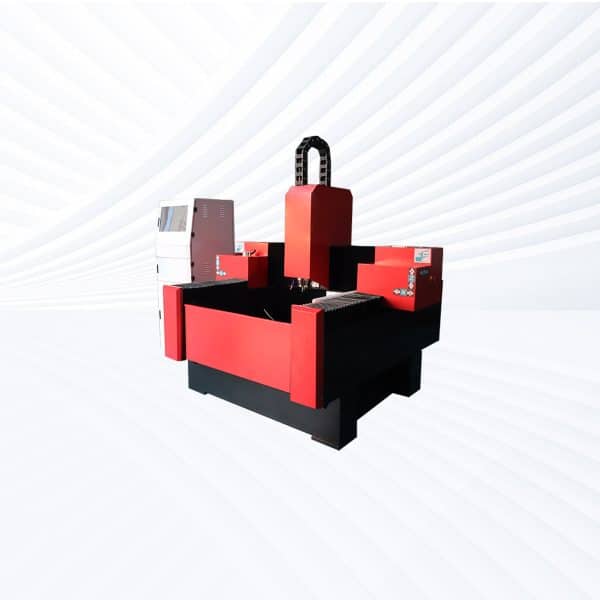
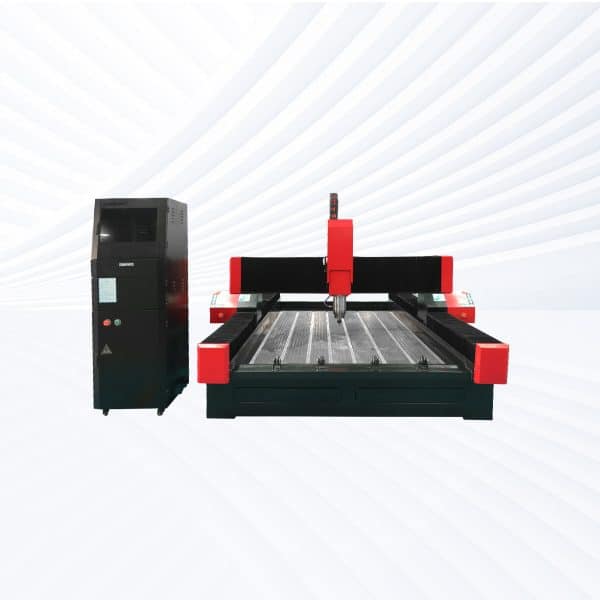
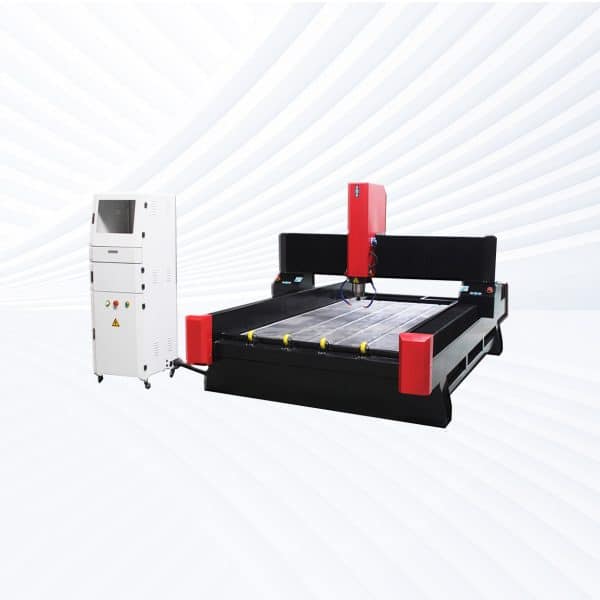
Advantages of CNC Routing Stone
High Precision and Accuracy
CNC routing provides highly accurate cutting, carving, and engraving on stone surfaces. This precision ensures consistent dimensions, clean edges, and intricate patterns, which are essential for architectural, decorative, and functional stone components.
Ability to Create Complex Designs
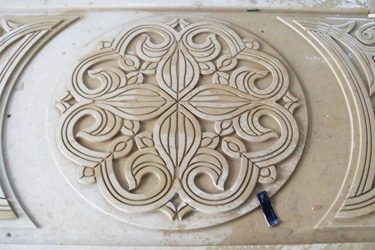
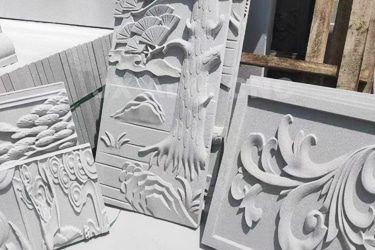
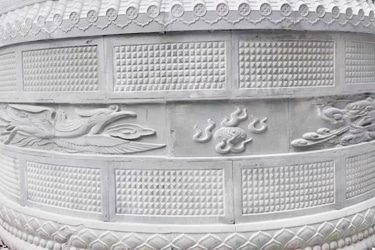
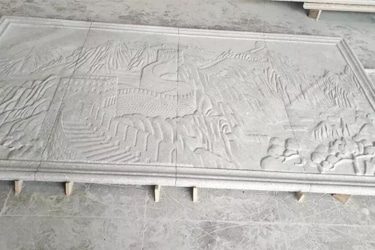
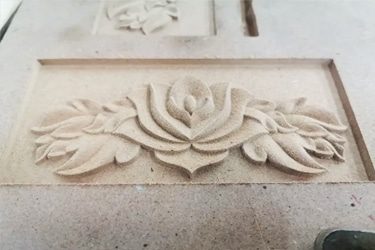
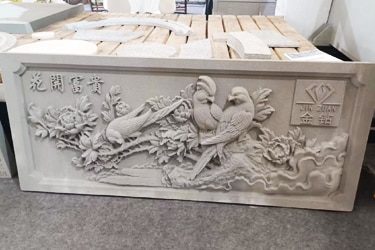
CNC routers can produce intricate 2D and 3D shapes, detailed engravings, and custom patterns in stone. This capability allows designers and manufacturers to create artistic elements, decorative panels, and detailed monuments that would be difficult to achieve manually.
Consistent and Repeatable Production
Once programmed, CNC routers can reproduce identical stone components repeatedly with consistent quality. This repeatability is crucial for large-scale projects, ensuring uniformity across multiple slabs, panels, or decorative elements.
Versatility Across Stone Types
CNC routing can process a wide range of natural and engineered stones, including granite, marble, limestone, sandstone, travertine, slate, and quartz composites. This flexibility allows manufacturers to work with various hardness levels and textures while maintaining quality.
Reduced Material Waste
Optimized CNC toolpaths remove only the necessary material, minimizing waste and reducing costs. This is especially important when working with expensive or limited stone materials, improving efficiency and supporting sustainable fabrication practices.
Faster Production and Automation
CNC routing automates the stone cutting and engraving process, significantly increasing production speed compared to manual methods. It reduces labor requirements and allows continuous operation while maintaining precision, making it ideal for both prototyping and large-scale projects.
Compatible Materials
- Granite
- Marble
- Limestone
- Sandstone
- Travertine
- Slate
- Quartz
- Engineered Quartz
- Onyx
- Basalt
- Serpentine
- Soapstone
- Alabaster
- Gneiss
- Schist
- Feldspar
- Porphyry
- Andesite
- Quartzite
- Dolomite
- Tuff
- Calcite
- Phyllite
- Obsidian
- Jasper
- Agate
- Sand-lime Stone
- Bluestone
- Travertine Tiles
- Limestone Tiles
- Granite Tiles
- Engineered Stone Slabs
- Terrazzo
- Pebble Stone Panels
- Composite Stone
- Reconstituted Stone
- River Stone
- Mosaic Stone Panels
- Crystal Stone
- Decorative Stone Veneer
CNC Routing VS Other Engraving Methods
| Comparison Item | CNC Routing | Laser Engraving | Hand Engraving | Chemical Etching |
|---|---|---|---|---|
| Processing Method | Uses computer-controlled cutting tools to carve, cut, or shape stone precisely. | Uses a high-powered laser to mark or vaporize the stone surface. | Manual carving using chisels or hand tools. | Applies chemicals to etch or remove selected areas of the stone surface. |
| Precision and Accuracy | Extremely high; produces consistent shapes, edges, and intricate designs. | High for surface marking; limited depth control on thick stone. | Depends on operator skill; less consistent for repeatable designs. | Moderate; precision depends on masking and chemical application accuracy. |
| Depth Control | Excellent; capable of shallow to deep cuts with precise control. | Limited; best for shallow engraving and surface details. | Variable; depends on skill and applied pressure. | Shallow etching only; depth is difficult to control consistently. |
| Complex Design Capability | Can create 2D and 3D intricate patterns, carvings, and cutouts. | Best for detailed 2D text and surface patterns. | Complex designs are possible but time-consuming and inconsistent. | Limited to simple or repetitive patterns. |
| Material Removal Efficiency | Efficient; removes precise amounts of stone material as required. | Low; mostly surface marking without significant material removal. | Slow; manual removal of stone requires significant effort. | Slow; chemical process gradually removes stone material. |
| Production Speed | Highly automated operation allows fast and continuous machining. | Fast for shallow marking; slower for deep or thick engraving. | Slow; fully dependent on manual labor. | Moderate; the etching process requires chemical reaction time. |
| Repeatability | Excellent; identical stone components can be produced consistently. | High digital control allows repeatable surface markings. | Difficult; results vary by operator skill and fatigue. | Moderate; requires precise masking and consistent chemical application. |
| Surface Finish | Smooth, clean edges with accurate detailing. | Smooth surface markings; edges may darken slightly. | Varies; often uneven or rough depending on skill. | Can produce smooth etching; edges may be irregular. |
| Automation Level | Fully automated with CAD/CAM programming. | Fully automated with laser control software. | Entirely manual process. | Semi-automated; manual preparation of chemicals and masking required. |
| Material Compatibility | Works with natural and engineered stones like granite, marble, limestone, quartz, and sandstone. | Works best with thinner or softer stones; some stones may discolor under heat. | Limited by the hardness of the stone and the operator’s ability. | Limited to stones that react effectively with chemicals. |
| Tool Wear | Cutting tools, usually diamond-coated, wear over time and are replaceable. | No mechanical wear; laser is contactless. | Manual tools require frequent sharpening. | No mechanical wear; chemicals need replenishment and handling. |
| Cost Efficiency (Large Production) | Cost-effective for large-scale production of precise stone components. | Cost-effective for decorative surface marking. | Labor-intensive; high costs for large batches. | Moderate; chemical disposal and preparation add costs. |
| Safety Considerations | Requires operator training, dust collection, and protective equipment. | Requires laser safety precautions, eye protection, and ventilation. | Low machine risk; depends on careful handling of hand tools. | Requires protective equipment, proper ventilation, and careful handling of chemicals. |
| Environmental Impact | Produces stone dust; minimal chemical waste. | Low physical waste; may produce fumes. | Minimal environmental impact. | Produces chemical waste requiring proper disposal. |
CNC Routing Capacity
| Item | Cutting | Engraving | Drilling | Pocketing | Carving | Slotting | Surface Finishing | 3D Contouring |
|---|---|---|---|---|---|---|---|---|
| Softwood | Supported | Supported | Supported | Supported | Supported | Supported | Supported | Supported |
| Hardwood | Supported | Supported | Supported | Supported | Supported | Supported | Supported | Supported |
| MDF | Supported | Supported | Supported | Supported | Supported | Supported | Supported | Supported |
| Plywood | Supported | Supported | Supported | Supported | Supported | Supported | Supported | Supported |
| Acrylic | Supported | Supported | Supported | Supported | Supported | Supported | Supported | Supported |
| PVC | Supported | Supported | Supported | Supported | Supported | Supported | Supported | Supported |
| ABS | Supported | Supported | Supported | Supported | Supported | Supported | Supported | Supported |
| Coroplast | Supported | Supported | Supported | Supported | Supported | Supported | Supported | Limited |
| Aluminum | Supported | Supported | Supported | Supported | Supported | Supported | Supported | Supported |
| Brass | Supported | Supported | Supported | Supported | Supported | Supported | Supported | Supported |
| Copper | Supported | Supported | Supported | Supported | Supported | Supported | Supported | Supported |
| Glass | Limited | Shallow engraving only | Limited | Limited | Limited | Limited | Limited | Limited |
| Foam | Supported | Supported | Supported | Supported | Supported | Supported | Supported | Limited |
| Rubber | Supported | Supported | Supported | Supported | Supported | Supported | Supported | Limited |
| Composite | Supported | Supported | Supported | Supported | Supported | Supported | Supported | Supported |
| Marble | Limited | Shallow engraving only | Supported | Pocketing only | Limited | Supported | Supported | Supported |
| Granite | Limited | Shallow engraving only | Supported | Pocketing only | Limited | Supported | Supported | Supported |
| Leather | Supported | Supported | Supported | Supported | Supported | Supported | Supported | Limited |
| Fabrics | Supported | Supported | Supported | Supported | Supported | Supported | Supported | Limited |
| Ceramics | Limited | Shallow engraving only | Limited | Limited | Limited | Limited | Surface polish only | Limited |
Applications of CNC Routing Stone


Customer Testimonials
Related Resources
CNC Router Safety Operation Guide
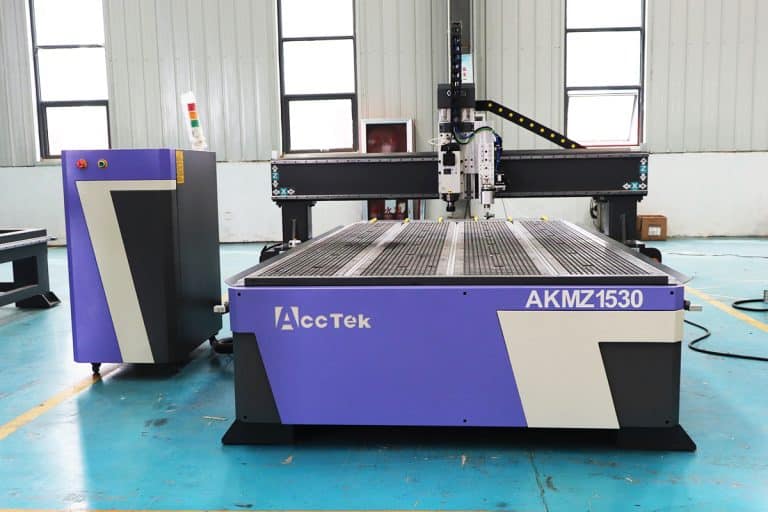
This article explains essential safety procedures, hazard prevention, PPE, tool setup, workholding, machine operation, maintenance, and emergency response.
How To Block Noise From CNC Routers?
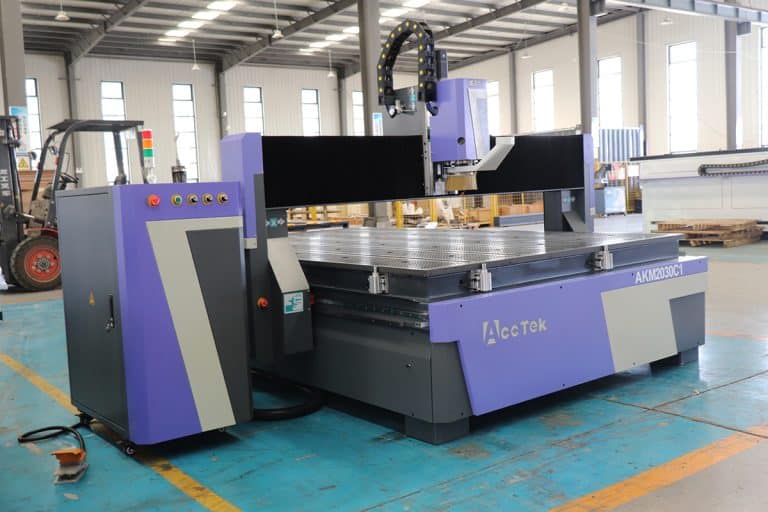
This article explores practical ways to block CNC router noise, including cutting optimization, vibration control, sound enclosures, auxiliary equipment isolation, and workshop soundproofing.
What Are 3D CNC Routers?
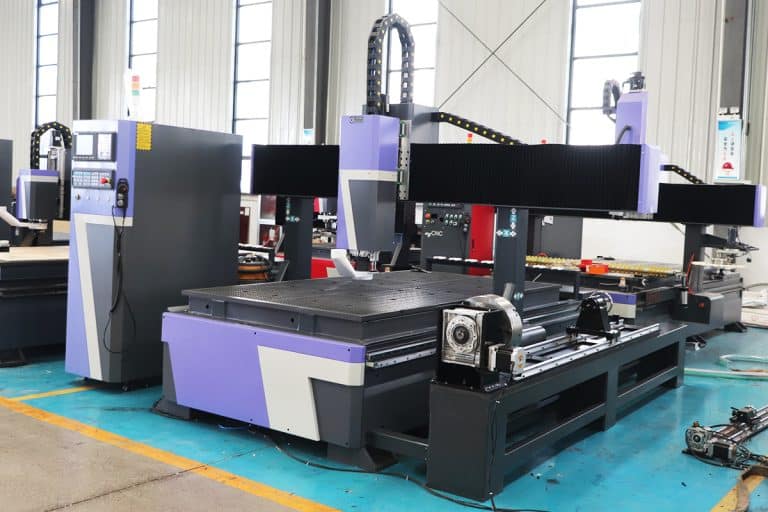
This article explores what 3D CNC routers are, how they operate, and the key types, components, software, materials, applications, benefits, limitations, safety practices, maintenance, and selection factors.
How To Program CNC Routers?
This article is a practical programming guide for CNC routers, covering CAD settings, CAM toolpaths, G-code basics, feed rate, workpiece clamping, safety checks, material settings, and troubleshooting.
Frequently Asked Questions
What Is The Working Principle Of CNC Routing Stone?
- Material Securing: Stone slabs are rigid but brittle, making secure fixturing essential. The stone is typically clamped or vacuum-fixed to the CNC router bed to prevent any movement during cutting. Proper alignment is crucial, as even minor shifts can cause cracks or dimensional inaccuracies.
- Tool and Spindle Mechanism: CNC routers use high-speed rotating cutting tools, often diamond-coated or embedded with abrasive particles, which can grind through extremely hard surfaces. The spindle drives the tool at high rotations per minute (RPM), ranging from 5,000 to 20,000 depending on stone type, tool diameter, and desired finish. This high-speed rotation enables efficient material removal while minimizing stress on the stone.
- Computer Numerical Control: The CNC system uses pre-programmed CAD/CAM files to guide the tool along precise paths. These paths control the tool’s motion across three or more axes (X, Y, Z, sometimes including rotational axes) to create intricate shapes, engravings, or contours. Layer-by-layer removal allows for complex geometries that are difficult or impossible with manual cutting.
- Material Removal: Stone cutting relies primarily on abrasion rather than shearing. The spinning tool gradually grinds away the material surface. Feed rate, depth per pass, and spindle speed are carefully calibrated to avoid overheating, chipping, or micro-cracks in the stone. Multiple passes may be needed for deeper cuts or detailed designs.
- Cooling and Dust Management: High-speed stone cutting generates heat and fine dust. Water is typically applied at the cutting zone to cool the tool and stone, reduce friction, and flush away debris. This minimizes thermal stress and protects both the material and tool. Dust collection systems further improve operator safety and maintain a clean working environment.
- Finishing: After CNC routing, stone surfaces may require polishing or sanding to achieve smooth finishes or detailed relief. The precision of CNC routing allows for repeatable patterns and consistent edge quality, making it suitable for architectural, decorative, and industrial applications.
What Are The Challenges Of CNC Routing Stone?
- Material Brittleness: Stone is inherently brittle and prone to chipping, cracking, or breaking under mechanical stress. Even minor misalignment, improper tool selection, or excessive feed rates can cause fractures, leading to wasted material. Operators must carefully balance cutting speed, depth, and tool pressure to avoid damage.
- Tool Wear and Costs: Cutting stone requires diamond-coated or abrasive tools due to its hardness. These tools wear down quickly, especially when cutting dense materials like granite or engineered stone. Frequent replacement increases operational costs and can interrupt production schedules.
- Vibration and Stability: CNC routers generate vibrations that can impact cutting accuracy. Since stone is heavy but rigid, inadequate fixturing or machine instability can result in inaccurate cuts, uneven edges, or surface imperfections. High-precision setups and robust machine frames are essential.
- Dust and Debris Management: Stone routing produces fine dust and abrasive slurry, which can pose health hazards and damage mechanical components. Effective dust extraction, water-cooling systems, and operator protective equipment are necessary to maintain safety and prolong machine life.
- Heat Generation: Extended routing generates friction and heat at the cutting surface. Excessive heat can induce micro-cracks or discoloration in stone. Water or coolant systems are required to manage temperature, but improper cooling may still cause surface defects.
- Complexity of Toolpaths: CNC routing stone relies on precise CAD/CAM programming. Complex geometries require advanced toolpath planning, multiple passes, and careful depth control. Any programming errors can result in wasted material or incomplete cuts, particularly for multilayered or decorative designs.
- Limited Flexibility for Material Variations: Natural stone often has inconsistencies such as veins, inclusions, or density variations. These irregularities can affect cutting performance, potentially causing tool deflection, uneven material removal, or sudden fractures.
- High Capital Investment: Stone CNC routers, especially multi-axis machines for 3D contouring, are expensive to purchase and maintain. Additionally, diamond tooling and consumables add to the ongoing cost of operation.
How To Reduce Waste During CNC Routing Of Stone?
- Accurate Material Layout: Before cutting, it is important to plan the layout of parts on the stone slab using CAD/CAM software. Nesting multiple pieces optimally reduces offcuts. Aligning designs along natural edges and veins in the stone also helps prevent waste caused by cracks or weak points.
- Correct Tool Selection: Using the right cutting tools for the stone type is critical. Diamond-coated or abrasive tools matched to the hardness and density of the material reduce chipping and uneven cuts. Proper tool diameter and shape allow precise removal without overcutting, which minimizes unnecessary material loss.
- Controlled Cutting Parameters: Feed rate, spindle speed, and cutting depth must be optimized for each stone type. Cutting too aggressively can crack the stone, producing unusable pieces. Incremental depth passes and slower feeds reduce the risk of fractures while preserving material integrity.
- Secure Workholding: Stone must be firmly clamped or vacuum-held to prevent movement during routing. Any shift can cause partial cuts or misalignment, resulting in scrap. Using rubber pads or soft fixtures can absorb vibrations and protect edges from chipping.
- Minimize Kerf Width: The kerf, or the width of material removed by the tool, directly contributes to waste. Using appropriately sized tools for the job and programming the CNC to follow precise toolpaths keeps kerf width minimal while maintaining accuracy.
- Monitor for Material Defects: Natural stone can contain inclusions, fissures, or density variations. Inspecting slabs before machining helps avoid areas prone to cracking, allowing operators to orient parts in a way that avoids weak zones.
- Efficient Coolant and Dust Management: Adequate water or air cooling reduces heat-induced cracking, while dust extraction prevents abrasive particles from damaging tools or workpieces. Maintaining consistent cooling and clean cutting conditions improves cut quality and reduces unusable sections.
- Use Simulation and Test Cuts: Running simulations and test cuts on scrap material or less valuable areas allows fine-tuning of CNC programs before working on the final piece. This reduces the likelihood of errors and wasted stone.
What Is Chipping During CNC Routing Of Stone?
- Causes of Chipping: Several factors contribute to chipping during CNC routing stone:
- Tool Type and Condition: Using dull, worn, or inappropriate cutting tools increases the likelihood of chips. Diamond-coated tools are standard for hard stone, but uneven grit, improper bonding, or excessive wear can fracture the stone instead of cutting it cleanly.
- Feed Rate and Spindle Speed: Aggressive feed rates or high spindle speeds create excessive cutting forces that the stone cannot absorb uniformly. These stresses cause micro-fractures that propagate into visible chips along edges and surfaces.
- Cutting Depth: Removing too much material in a single pass generates stress concentrations in the stone. Incremental depth passes distribute the load more evenly, reducing the chance of edge breakage.
- Stone Properties: Natural stone often has veins, fissures, or variable density areas, making some sections more susceptible to chipping during routing.
- Workpiece Stability: Insufficient fixturing or vibration during cutting amplifies stress on the stone. Even minor movement can result in edge breakage or surface chipping.
- Cooling and Lubrication: Lack of water or coolant can cause heat buildup at the cutting interface, leading to micro-cracks and chipping.
- Effects of Chipping: Chipping can compromise both the appearance and structural integrity of the stone. For decorative applications like countertops, tiles, or inlays, chips create rough, uneven edges that reduce visual appeal. For functional parts, chipping can alter dimensions, weaken structural points, or create sharp edges that are unsafe to handle.
- Prevention Methods:
- Use sharp, high-quality diamond tooling suitable for the stone type.
- Adjust feed rates, spindle speed, and cutting depth to match material hardness.
- Securely clamp the stone to minimize vibration.
- Inspect the stone for fissures and orient cuts to avoid weak areas.
- Employ water or mist cooling to reduce heat and prevent micro-cracking.
- Simulate toolpaths before cutting to optimize the machining process.
What Is The Workflow For CNC Routing Stone?
- Design and CAD Modeling: The process begins with a detailed design created in CAD (Computer-Aided Design) software. This digital model defines the shape, dimensions, and any decorative or functional details. Accurate modeling is critical because errors propagate through the machining process, potentially causing material waste.
- CAM Programming: The CAD design is imported into CAM (Computer-Aided Manufacturing) software to generate the toolpaths. CAM software determines cutting sequences, spindle speeds, feed rates, and depth of cuts. Proper toolpath planning is crucial to minimize chipping, prevent tearing, and ensure even material removal.
- Material Preparation and Fixturing: The stone slab is inspected for cracks, fissures, or veins that could cause breakage. It is then securely clamped or vacuum-mounted on the CNC worktable to prevent movement during cutting. A stable workpiece setup reduces vibrations and enhances cut quality.
- Tool Selection and Setup: Diamond-coated or PCD (polycrystalline diamond) tools are commonly used for stone due to their hardness. Tool diameter, grit size, and type are chosen based on the stone’s characteristics and the level of detail required. The CNC spindle is calibrated, and tool offsets are set.
- Cutting and Machining: The CNC router executes the pre-programmed toolpaths, removing material in layers to avoid overloading the stone. Coolant or water mist is often applied to reduce heat, prevent micro-cracks, and remove debris. Operators monitor the process for vibrations, unusual noises, or tool wear.
- Finishing: After rough cutting, finishing passes smooth edges, polishes surfaces, or creates decorative textures. Sanding, grinding, or polishing may be performed manually or via CNC attachments. Finishing ensures the stone meets dimensional and aesthetic requirements.
- Quality Inspection: The final piece is measured against design specifications using calipers, templates, or laser measuring tools. Surface finish, edge quality, and dimensional accuracy are verified, and any minor defects are corrected.
- Cleaning and Packaging: Stone dust and slurry are removed, and the finished piece is cleaned, polished, and packaged for transport. Proper handling prevents damage to edges or surfaces.
What Is The Toolpath Strategy For CNC Routing Stone?
- Roughing Passes: The first step is to remove the bulk of the material using roughing passes. These passes use larger-diameter tools and conservative step-downs to reduce stress on the stone. Toolpaths are usually designed in a raster (zig-zag) or spiral pattern to distribute cutting forces evenly and avoid sudden stress points that can cause cracking. Roughing is done at higher feed rates with lower spindle speeds to maintain efficiency without overheating.
- Step-Down and Step-Over Planning: Step-down (vertical depth per pass) and step-over (lateral distance between passes) are carefully chosen to balance material removal with surface integrity. Shallow step-downs reduce the likelihood of chipping, while controlled step-over ensures the stone surface remains uniform. Typically, multiple shallow passes replace a single deep cut, which prevents micro-fractures.
- Contour and Finishing Passes: After roughing, contouring passes define the final shape of the stone. These passes follow the exact edges or curves of the CAD design, often using smaller-diameter tools for higher detail resolution. Finishing passes use slower feed rates and higher spindle speeds to create smooth surfaces, polished edges, or intricate designs.
- Climb vs. Conventional Milling: Climb milling, where the cutter rotates in the direction of the toolpath, is commonly preferred for stone because it reduces the tool’s tendency to lift the material and creates cleaner edges. Conventional milling may be used in some cases to control tool deflection, especially on uneven or veined stone slabs.
- Multi-Axis Toolpaths: For complex geometries, 4-axis or 5-axis CNC routers allow the tool to approach the stone from multiple angles, reducing the need for repositioning and minimizing tool collisions. This is particularly useful for sculptural or three-dimensional designs.
- Entry and Exit Strategies: Gradual ramping or helical entry is used to engage the cutter smoothly into the stone, reducing the risk of cracking. Likewise, tool exit strategies are planned to prevent edge chipping by avoiding abrupt exits or lifts.
- Optimization and Simulation: Before cutting, CAM software simulates the entire toolpath, identifying potential collisions, overcuts, or inefficient movements. This step allows operators to refine feed rates, spindle speeds, and path sequences for optimal performance.
What Safety Risks Exist In CNC Routing Stone?
- Dust and Silica Exposure: Stone materials like granite, marble, and engineered composites generate fine dust during cutting. This dust often contains crystalline silica, which is highly hazardous when inhaled. Long-term exposure can lead to silicosis, lung cancer, and other respiratory issues. Effective dust extraction systems and the use of respirators are essential to reduce exposure.
- Flying Chips and Debris: Routing stone produces sharp chips and fragments that can be ejected at high speeds. These projectiles pose serious risks of eye injuries, lacerations, or bruising. Operators should always wear safety goggles, face shields, and protective clothing to prevent harm.
- Tool Breakage and Spindle Hazards: High-speed rotary tools or diamond-coated bits can break, especially when encountering hard inclusions or uneven stone surfaces. Broken tools can become dangerous projectiles. Proper tool selection, secure mounting, and frequent inspection reduce the risk of breakage and associated injuries.
- Noise and Vibration: Stone routing generates high noise levels that can damage hearing over time. Prolonged exposure to vibration from the CNC router can also cause operator fatigue or musculoskeletal disorders. Ear protection and ergonomic practices are necessary to minimize these effects.
- Handling Heavy Materials: Stone slabs are heavy and often irregularly shaped. Improper handling can lead to crush injuries, sprains, or falls. Use of lifting aids, hoists, or team lifting protocols is critical for safe material management.
- Slips and Wet Surfaces: Many stone CNC routers use water to cool tools and reduce dust, creating wet surfaces around the machine. Wet floors increase the risk of slips and falls, so operators must maintain clean, dry walkways and wear non-slip footwear.
- Electrical Hazards: CNC routers operate on high-voltage power, and coolant or water near electrical components can cause shocks or short circuits. Lockout/tagout procedures and proper maintenance are essential to prevent electrical accidents.
- Fire Risk: While natural stone is non-flammable, some engineered stones contain resins that can ignite if overheating occurs. Operators should monitor cutting speeds and coolant flow to prevent localized heat buildup.
What PPE Is Required For CNC Routing Stone?
- Eye and Face Protection: Stone routing produces high-speed chips and fragments that can cause serious eye injuries. Safety goggles or impact-resistant glasses are mandatory to prevent debris from entering the eyes. A full-face shield is recommended when performing deep cuts or working with large slabs, as it protects the entire face from flying fragments and splashes from coolant or water.
- Respiratory Protection: Cutting stone generates fine dust, often containing crystalline silica, which is hazardous to the lungs and can lead to silicosis or other respiratory diseases. Operators should wear a high-quality respirator with P100 or N95 filters when dust extraction systems are insufficient. In wet cutting setups, respirators may still be necessary for aerosolized particles.
- Hearing Protection: CNC routers for stone produce significant noise, often exceeding 85 dB. Extended exposure can cause hearing loss. Earplugs or earmuffs with appropriate noise reduction ratings should be worn at all times during operation.
- Hand Protection: Handling heavy stone slabs and sharp tools exposes operators to cuts, abrasions, and crush injuries. Cut-resistant gloves are recommended when loading, unloading, or adjusting stone materials. Gloves should be removed when operating controls directly to prevent accidental engagement.
- Foot Protection: Stone slabs are heavy and can crush toes or cause foot injuries if dropped. Steel-toed safety shoes with slip-resistant soles protect against these risks and provide stability on potentially wet surfaces near the CNC router.
- Protective Clothing: Long-sleeved, durable workwear helps protect the skin from flying chips and abrasive dust. Flame-resistant clothing may be necessary when cutting engineered stones containing resin components that can overheat.
- Additional Safety Measures: Operators should also use aprons or protective sleeves when performing precision cuts and ensure that any loose clothing, jewelry, or hair is secured to avoid entanglement in moving machine parts.