

Introduction
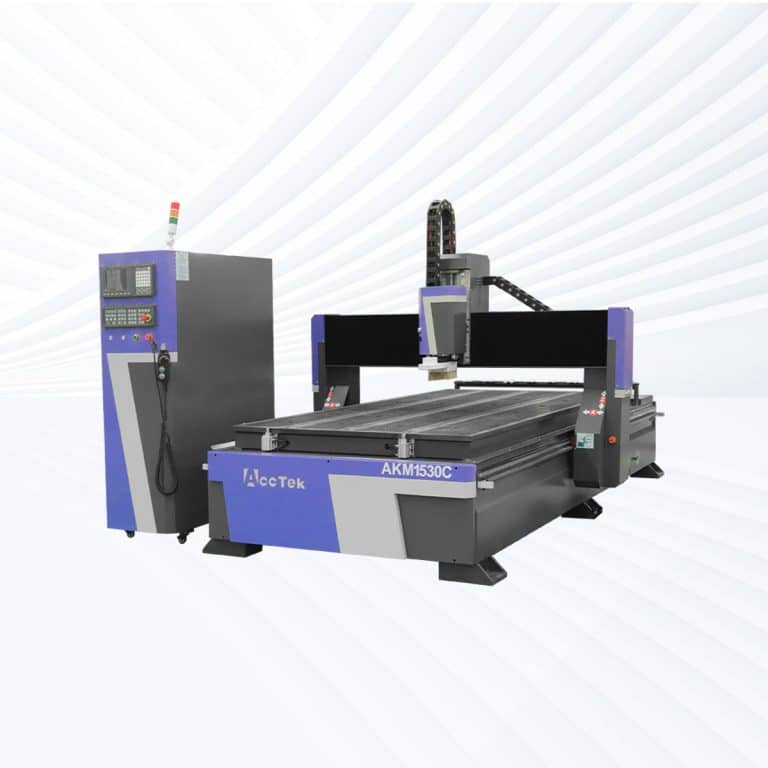
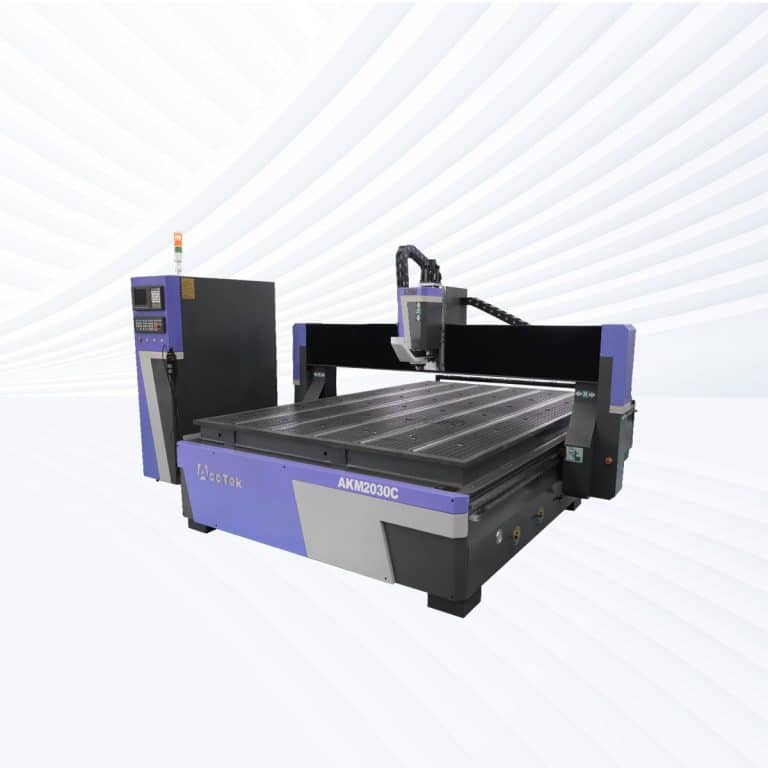
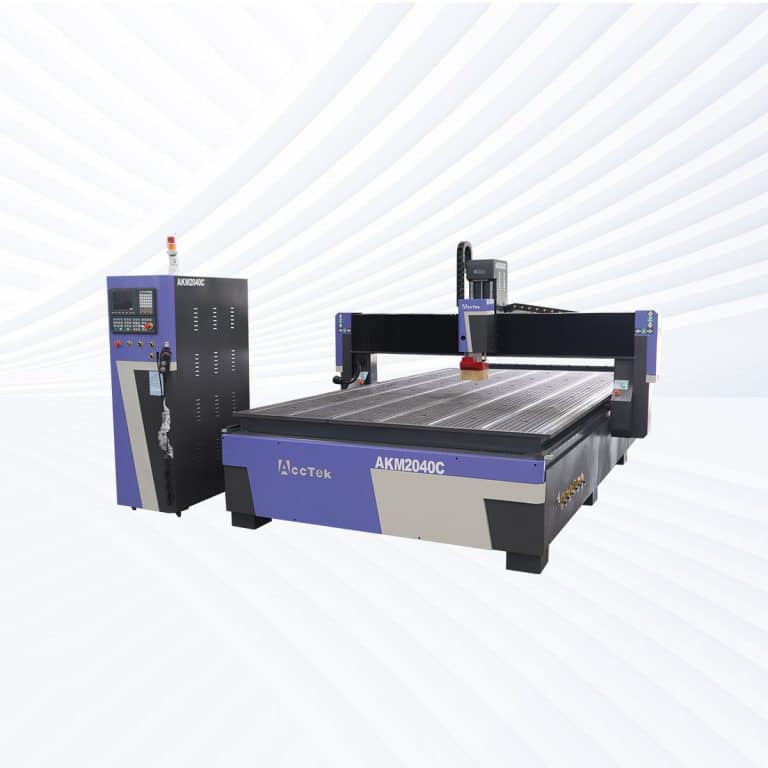
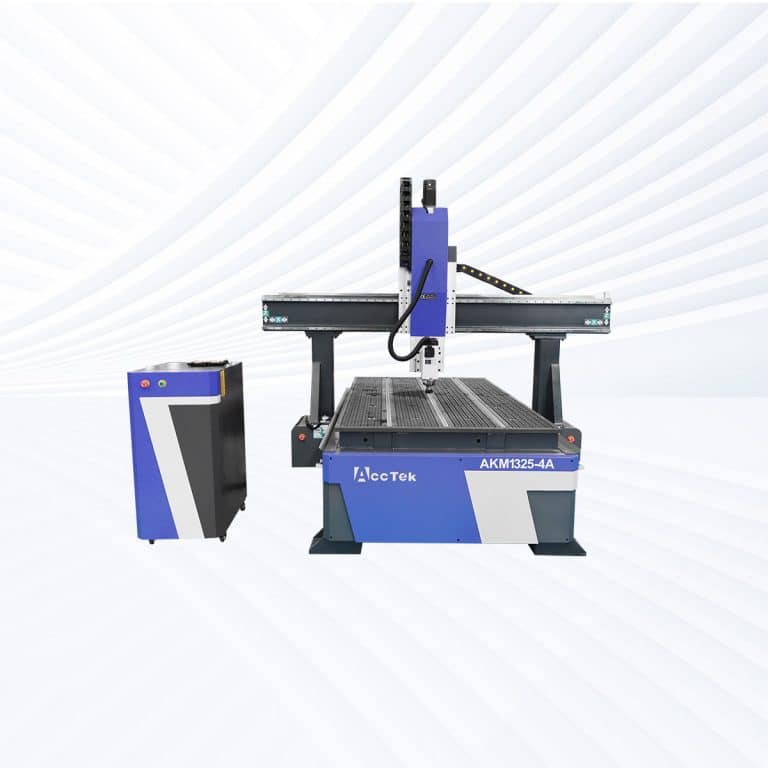
CNC Routers Suitable For Composite
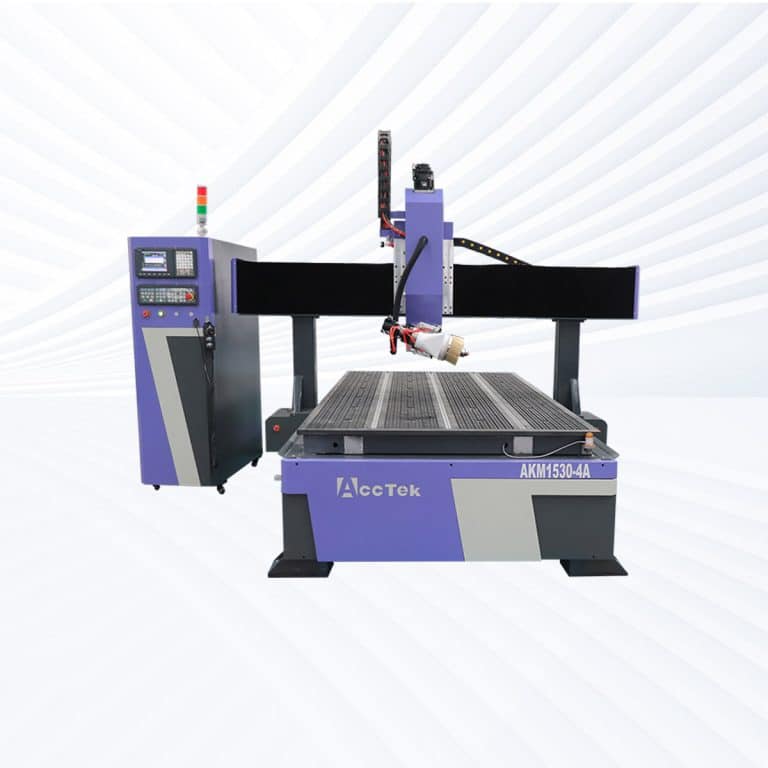
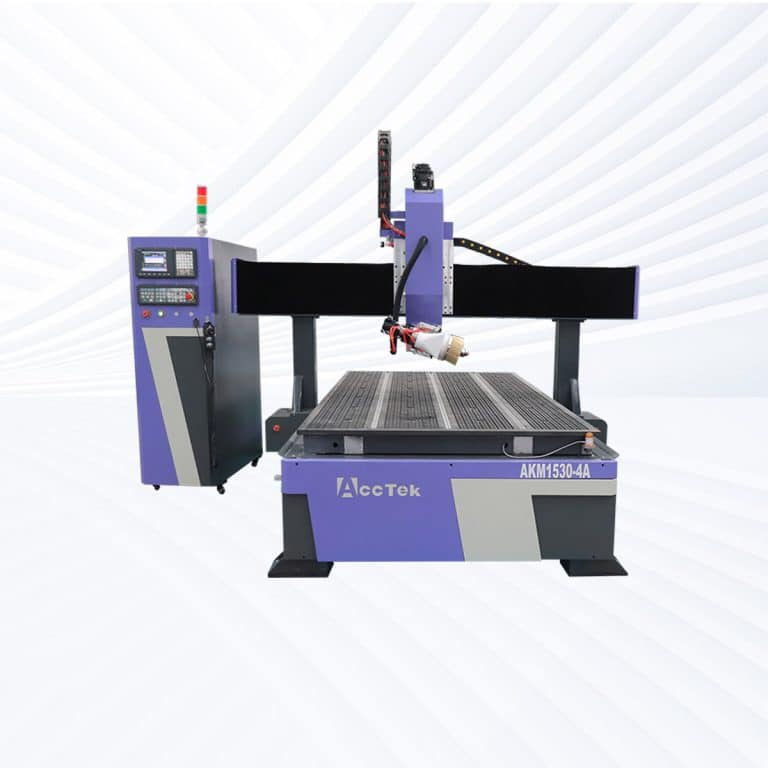
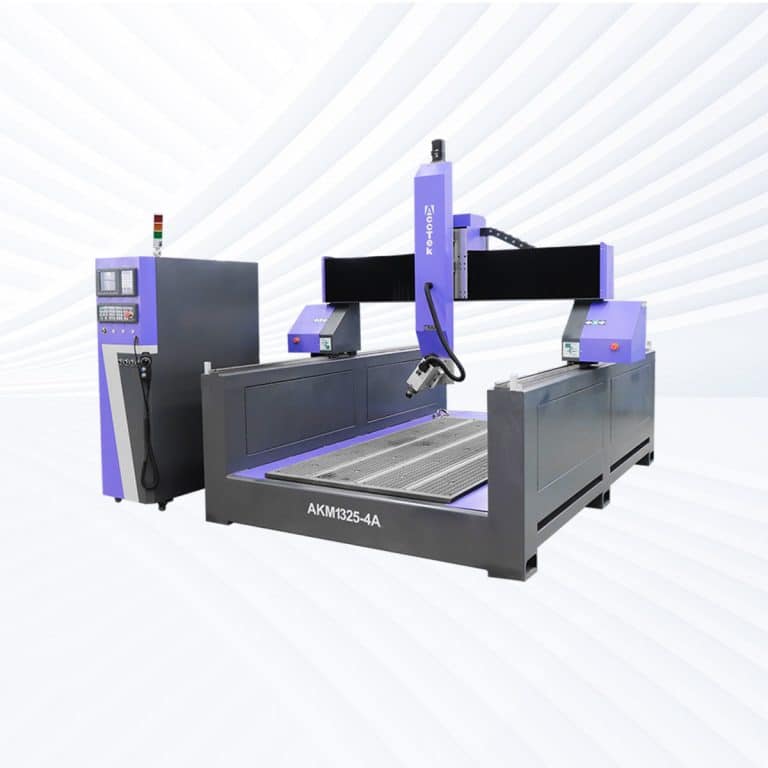
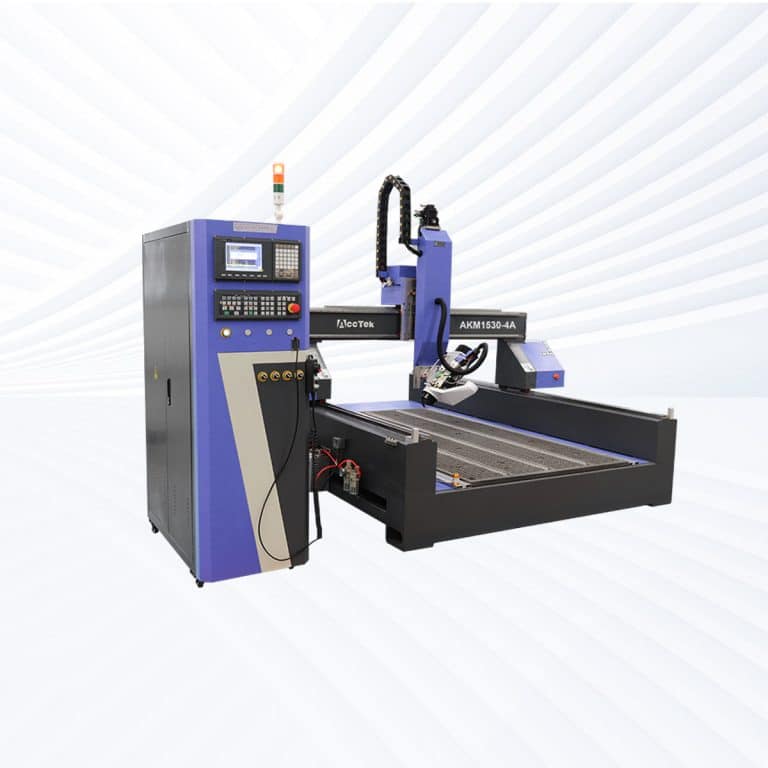
Advantages of CNC Routing Composite
High Precision and Accuracy
CNC routing provides excellent precision when machining composite materials. Computer-controlled toolpaths ensure accurate dimensions and clean edges, which are essential for structural components used in industries such as aerospace, automotive, marine manufacturing, and advanced engineering applications.
Efficient Processing of Layered Materials
Composite materials often consist of layered structures that can be difficult to process using traditional methods. CNC routers use controlled cutting speeds and specialized tools to machine these materials effectively while minimizing issues such as delamination or fiber damage.
Ability to Produce Complex Shapes
CNC routing allows manufacturers to create complex geometries, curved edges, and intricate patterns in composite materials. With CAD/CAM programming, designers can convert digital models into precise physical components that meet detailed engineering requirements.
Consistent and Repeatable Production
Once a design is programmed, CNC routers can produce identical composite parts repeatedly with consistent quality. This repeatability is essential for industries that require standardized components, ensuring uniform performance across multiple production batches.
Reduced Material Waste
CNC routing uses optimized cutting paths that remove only the necessary material. This helps minimize waste when machining expensive composite materials such as carbon fiber and fiberglass, improving cost efficiency and supporting more sustainable manufacturing processes.
Faster Production and Automation
Automated CNC routing significantly speeds up the manufacturing process compared to manual cutting methods. The machine can run continuously with minimal supervision, allowing manufacturers to increase productivity while maintaining consistent quality and reliable machining performance.
Compatible Materials
- Carbon Fiber Reinforced Polymer
- Glass Fiber Reinforced Polymer
- Fiberglass Reinforced Plastic
- Carbon Fiber Laminates
- Fiberglass Laminates
- Aramid Fiber Reinforced Polymer
- Basalt Fiber Reinforced Polymer
- Carbon Fiber Sandwich Panels
- Fiberglass Sandwich Panels
- Honeycomb Composite Panels
- Aluminum Honeycomb Composite Panels
- Nomex Honeycomb Composite
- Polypropylene Honeycomb Panels
- Carbon Fiber Honeycomb Panels
- Fiberglass Honeycomb Panels
- Carbon Fiber Reinforced Epoxy
- Glass Fiber Reinforced Epoxy
- Carbon Fiber Reinforced Nylon
- Glass Fiber Reinforced Nylon
- Carbon Fiber Reinforced Polycarbonate
- Glass Fiber Reinforced Polycarbonate
- Carbon Fiber Reinforced ABS
- Glass Fiber Reinforced ABS
- Epoxy Resin Carbon Fiber Composite
- Polyester Resin Fiberglass Composite
- Vinyl Ester Fiberglass Composite
- Carbon Fiber Reinforced Thermoplastic
- Glass Fiber Reinforced Thermoplastic
- Carbon Fiber Reinforced Polypropylene
- Glass Fiber Reinforced Polypropylene
- Carbon Fiber Reinforced Polyester
- Composite Aluminum Panels
- Fiber Reinforced Phenolic Panels
- Structural Composite Panels
- Foam Core Composite Panels
- Carbon Fiber Foam Core Panels
- Fiberglass Foam Core Panels
- Advanced Engineering Composites
- Thermoset Composite Panels
- Thermoplastic Composite Sheets
CNC Routing VS Other Engraving Methods
| Comparison Item | CNC Routing | Laser Engraving | Hand Engraving | Chemical Etching |
|---|---|---|---|---|
| Processing Method | Uses computer-controlled rotating cutting tools to mechanically remove composite material. | Uses a focused laser beam to vaporize or burn the material surface. | Manual carving using handheld tools and operator skill. | Uses chemical solutions to dissolve exposed material areas. |
| Precision and Accuracy | Very high precision due to digital programming and controlled toolpaths. | High precision for fine markings and small patterns. | Accuracy depends heavily on the skill of the craftsman. | Moderate precision depending on masking and chemical control. |
| Depth Control | Excellent control for shallow engraving or deep cutting. | Mostly suitable for shallow surface engraving. | Depth varies based on manual pressure and technique. | Limited depth control during chemical reaction. |
| Complex Design Capability | Can create complex shapes, contours, and detailed geometries. | Ideal for detailed 2D graphics, text, and logos. | Complex designs possible but require significant time. | Best suited for relatively simple patterns. |
| Material Removal Efficiency | Efficient for trimming, cutting, and shaping thick composite materials. | Primarily used for surface marking rather than heavy cutting. | Slow material removal process. | Material removal speed depends on chemical strength. |
| Production Speed | High speed with automated machining and continuous operation. | Very fast for surface engraving and marking. | Slow due to manual operation. | Moderate speed due to chemical processing time. |
| Repeatability | Excellent repeatability for identical parts and batch production. | Highly repeatable with digital control systems. | Difficult to produce identical pieces consistently. | Moderate repeatability with precise masking. |
| Surface Finish | Produces clean edges and smooth machined surfaces when optimized. | Creates smooth engraved marks with minimal mechanical stress. | Surface quality varies depending on craftsmanship. | Can create smooth but sometimes uneven etched surfaces. |
| Automation Level | Fully automated once programmed through CAD/CAM systems. | Fully automated using computer-controlled laser systems. | Completely manual process. | Semi-automated but requires chemical preparation. |
| Material Compatibility | Suitable for many composite materials like carbon fiber and fiberglass. | Some composites may burn, melt, or release fumes. | Difficult for hard or layered composite materials. | Limited to materials compatible with specific chemicals. |
| Tool Wear | Cutting tools may wear when machining abrasive composites. | No mechanical tool wear because it uses light energy. | Manual tools require frequent sharpening. | No mechanical tools, but chemicals must be replenished. |
| Cost Efficiency (Large Production) | Cost-effective for high-volume production and precise parts. | Cost-effective for marking and decorative engraving. | Expensive due to high labor requirements. | Moderate cost but includes chemical handling expenses. |
| Safety Considerations | Requires dust collection and machine safety measures. | Requires laser shielding and ventilation systems. | Lower machine risk, but depends on manual handling. | Requires strict safety measures for chemical use. |
| Environmental Impact | Produces composite dust but minimal chemical waste. | Low physical waste, but may produce fumes. | Environmentally friendly with minimal waste. | Generates chemical waste requiring proper disposal. |
| Typical Applications | Composite panels, aerospace parts, automotive components, and molds. | Product marking, branding, and decorative engraving. | Artistic engraving and custom decorative work. | Printed circuit boards, decorative plates, and metal patterns. |
CNC Routing Capacity
| Item | Cutting | Engraving | Drilling | Pocketing | Carving | Slotting | Surface Finishing | 3D Contouring |
|---|---|---|---|---|---|---|---|---|
| Softwood | Supported | Supported | Supported | Supported | Supported | Supported | Supported | Supported |
| Hardwood | Supported | Supported | Supported | Supported | Supported | Supported | Supported | Supported |
| MDF | Supported | Supported | Supported | Supported | Supported | Supported | Supported | Supported |
| Plywood | Supported | Supported | Supported | Supported | Supported | Supported | Supported | Supported |
| Acrylic | Supported | Supported | Supported | Supported | Supported | Supported | Supported | Supported |
| PVC | Supported | Supported | Supported | Supported | Supported | Supported | Supported | Supported |
| ABS | Supported | Supported | Supported | Supported | Supported | Supported | Supported | Supported |
| Coroplast | Supported | Supported | Supported | Supported | Supported | Supported | Supported | Limited |
| Aluminum | Supported | Supported | Supported | Supported | Supported | Supported | Supported | Supported |
| Brass | Supported | Supported | Supported | Supported | Supported | Supported | Supported | Supported |
| Copper | Supported | Supported | Supported | Supported | Supported | Supported | Supported | Supported |
| Glass | Limited | Shallow engraving only | Limited | Limited | Limited | Limited | Limited | Limited |
| Foam | Supported | Supported | Supported | Supported | Supported | Supported | Supported | Limited |
| Rubber | Supported | Supported | Supported | Supported | Supported | Supported | Supported | Limited |
| Composite | Supported | Supported | Supported | Supported | Supported | Supported | Supported | Supported |
| Marble | Limited | Shallow engraving only | Supported | Pocketing only | Limited | Supported | Supported | Supported |
| Granite | Limited | Shallow engraving only | Supported | Pocketing only | Limited | Supported | Supported | Supported |
| Leather | Supported | Supported | Supported | Supported | Supported | Supported | Supported | Limited |
| Fabrics | Supported | Supported | Supported | Supported | Supported | Supported | Supported | Limited |
| Ceramics | Limited | Shallow engraving only | Limited | Limited | Limited | Limited | Surface polish only | Limited |
Applications of CNC Routing Composite
Customer Testimonials
Related Resources
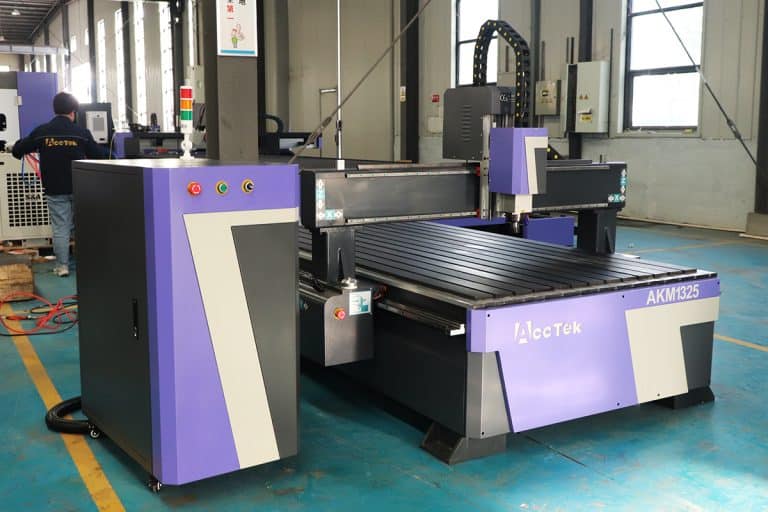
What Are CNC Routers
This article helps users understand what CNC routers are, how they work, their key components, types, materials, applications, advantages, and how to choose the right machine for your needs.
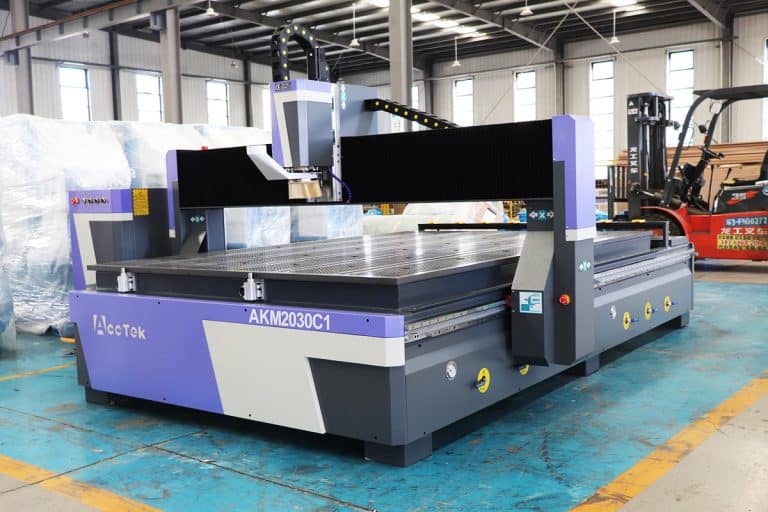
How to Choose CNC Routers
This article explores how to choose CNC routers, covering machine types, application requirements, working area, spindle selection, motion systems, software compatibility, costs, and maintenance considerations.
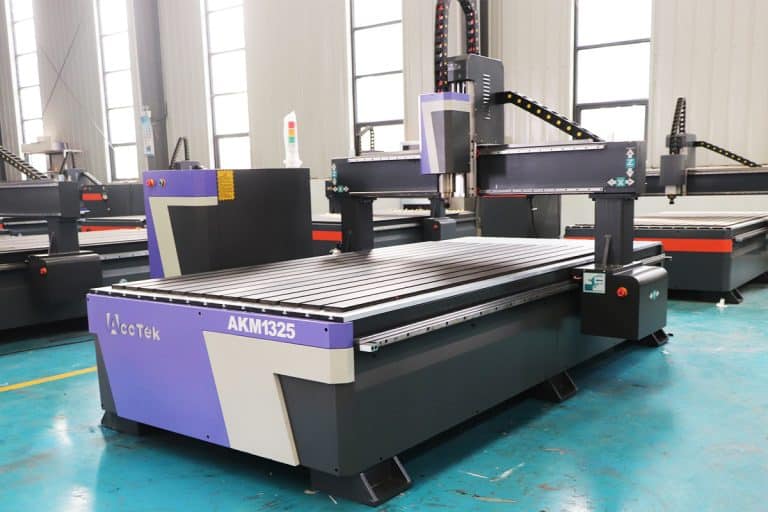
What Is The Lifespan Of CNC Routers
This article explores what determines the lifespan of CNC routers, including machine design, usage intensity, maintenance practices, accuracy drift, and when to repair, rebuild, or replace equipment.
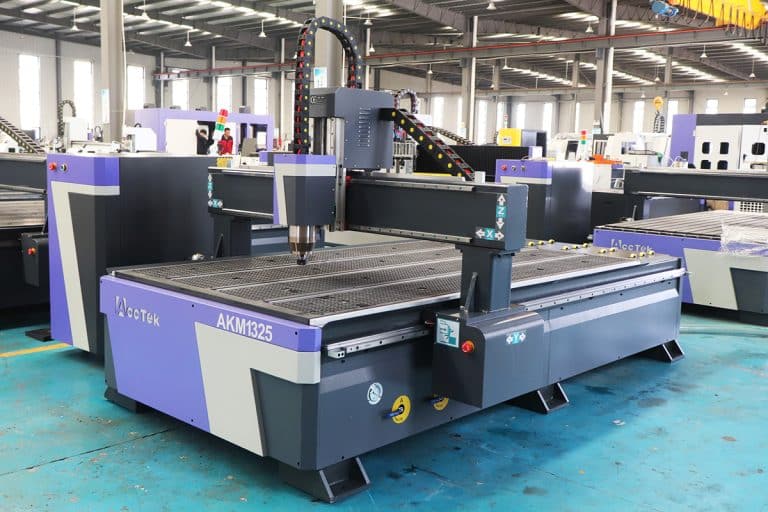
How Do CNC Routers Work
This article explains the working principle of CNC routers, from the motion system and cutting tools to the software workflow, materials, precision, and actual machining principles.
Frequently Asked Questions
What Is The Working Principle Of CNC Routing Composites?
- Digital Design and Toolpath Generation: The process begins with a CAD (Computer-Aided Design) model of the component. CAM (Computer-Aided Manufacturing) software converts this design into toolpaths that guide the router along the X, Y, and Z axes. Toolpaths specify cutting depth, feed rate, spindle speed, and movement direction to optimize cutting efficiency and prevent delamination or fiber pullout.
- Mechanical Material Removal: Composites are layered and often reinforced with fibers, which are difficult to cut cleanly using standard bits. CNC routers for composites typically use sharp, single-flute or diamond-coated bits designed to slice through fibers rather than tear them. The cutting tool rotates at high speed while moving along the programmed path, removing material in controlled layers. Multiple shallow passes are common to reduce stress on the composite and maintain surface integrity.
- Feed Rate and Spindle Speed Control: Because composites are prone to delamination, chipping, and heat damage, precise control of spindle speed and feed rate is critical. Too fast a feed or excessive spindle speed can cause fibers to fray, layers to separate, or resin to burn. Optimized parameters ensure smooth cuts, minimal dust, and minimal thermal stress.
- Dust Extraction and Cooling: Routing composites generates fine dust, including respirable fibers, which can be hazardous if inhaled. CNC routers often incorporate dust extraction systems and, in some cases, mist or air cooling to capture airborne particles, reduce heat buildup, and protect both the operator and the material.
- Workpiece Fixturing: Proper clamping and support of the composite sheet are crucial. Unsupported areas can vibrate or lift under cutting forces, leading to edge chipping or delamination. Vacuum tables, clamps, or sacrificial layers are often used to stabilize the material during machining.
- Output: The result is a precisely shaped composite component with smooth edges, minimal fiber fraying, and high dimensional accuracy. CNC routing allows for complex 2D and 3D geometries that would be difficult to achieve manually, enabling efficient production of parts for aerospace, automotive, marine, and industrial applications.
What Are Common Defects In CNC Routing Composites?
- Delamination: One of the most frequent defects is delamination, where the layers of the composite separate during machining. Excessive cutting pressure, incorrect feed rates, or unsupported areas can cause the fibers and resin layers to peel apart, resulting in weakened parts and poor edge quality. Proper fixturing and controlled depth of cut are essential to prevent this.
- Fiber Pullout and Fraying: Composites reinforced with carbon, fiberglass, or other fibers can experience pullout along cut edges. Improper tool selection, worn bits, or high feed rates can cause fibers to lift or fray, leaving rough or uneven edges. Single-flute or diamond-coated bits, along with slower feed rates, minimize fiber damage.
- Surface Chipping: Chipping occurs when brittle resin or fibers break away at corners or along edges. This is especially common in thin sections, sharp corners, or areas with rapid tool direction changes. Climb routing, multiple shallow passes, and support fixtures reduce chipping risk.
- Burning or Resin Smearing: High spindle speeds or excessive friction can generate heat, causing the resin matrix to burn or smear along the cut edge. This not only affects appearance but can also compromise bonding between layers in structural parts. Coolant, compressed air, or proper spindle/feed optimization helps control thermal defects.
- Dimensional Inaccuracy: Tool deflection, vibration, or improper machine calibration can cause deviations from the intended dimensions. Because composites cannot deform plastically, even small inaccuracies can render a part unusable or require additional finishing steps.
- Edge Roughness: Despite careful machining, some composites may exhibit rough edges due to the heterogeneity of fiber orientation or uneven resin distribution. Post-processing, such as sanding or light polishing, may be required to achieve smooth, functional edges.
- Dust and Contamination: Routing composites produces fine, potentially hazardous dust. Accumulated dust can interfere with machine operation or contaminate surfaces, indirectly affecting edge quality and dimensional accuracy. Dust extraction and proper PPE are critical.
How Does CNC Routing Reduce Composite Defects?
- Precision Toolpath Control: CNC routers convert CAD designs into exact toolpaths using CAM software. This ensures consistent, repeatable movements along the X, Y, and Z axes, allowing the tool to follow optimized paths that minimize stress on the composite layers. By controlling the depth of cut and incremental passes, the router reduces the risk of delamination or fiber separation.
- Optimized Feed Rates and Spindle Speeds: Defects like fiber fraying, chipping, and resin burning often result from excessive cutting forces or heat. CNC routing allows operators to precisely adjust spindle speeds and feed rates according to material type, thickness, and fiber orientation. Slower, controlled feeds with appropriate spindle speeds help maintain clean edges and smooth surfaces while reducing thermal damage to the resin matrix.
- Specialized Cutting Tools: CNC routers use single-flute, diamond-coated, or high-speed steel bits designed for composites. These tools slice fibers cleanly rather than tearing them, reducing fiber pullout and edge fraying. Proper tool selection also distributes cutting forces evenly, preventing localized stress that could cause cracks or chipping.
- Support and Fixturing: CNC routers stabilize the workpiece using vacuum tables, clamps, or sacrificial layers. This prevents vibration, lifting, or flexing during cutting, which are common causes of delamination and edge defects. Well-supported composites maintain dimensional accuracy and edge integrity throughout the process.
- Cooling and Dust Management: CNC routers for composites often integrate dust extraction and coolant systems. Removing debris and controlling heat prevents resin softening, burning, and dust contamination, all of which can degrade surface quality and increase the likelihood of defects.
- Process Automation and Repeatability: By automating material removal and tool movement, CNC routing eliminates inconsistencies associated with manual cutting. The controlled, repeatable process ensures that each part adheres to tight tolerances and maintains surface integrity, reducing scrap rates and rework.
What Is Chip Load In CNC Routing Composites?
- Importance for Composites: Composites can delaminate, fray, or chip if the tool removes too much material at once. A high chip load can overload the cutting edge, causing fibers to pull out, layers to separate, or resin to burn. On the other hand, a chip load that is too low causes the tool to rub against the material rather than cut cleanly, generating heat, accelerating tool wear, and leaving rough, frayed edges. Maintaining the correct chip load ensures that fibers are cleanly sliced, the resin matrix remains intact, and the finished part has precise dimensions and smooth edges.
- Tool and Material Considerations: Chip load depends on factors like the type of cutting bit, the number of flutes, and the composite material’s hardness and layer thickness. Single-flute or diamond-coated tools are commonly used because they can remove fibers cleanly without tearing. Multi-flute bits reduce the material removed per tooth, so feed rates need to be adjusted to maintain the proper engagement with the composite. Different composites, such as thick fiberglass panels or delicate carbon fiber laminates, require different chip loads to prevent defects.
- Impact on Surface Finish and Tool Life: Proper chip load helps maintain smooth edges and prevents common defects like delamination, fiber pullout, chipping, or resin smearing. It also reduces friction and heat buildup, extending the life of cutting tools. An incorrect chip load can lead to frequent tool replacement and rework, increasing production time and cost.
Is CNC Routing Cost-Effective For Composites?
- Material Handling and Waste Reduction: Composites like carbon fiber, fiberglass, and laminated panels are expensive, and CNC routing minimizes material waste. Precise toolpaths allow for optimized nesting, meaning parts can be cut close together with minimal scrap. Reducing wasted composite material directly lowers production costs, which is especially important given the high price of reinforced fibers and resins.
- Labor and Automation: CNC routers are automated, reducing the need for extensive manual labor. Once the design and toolpaths are programmed, the machine can produce multiple parts with consistent accuracy. This automation is particularly advantageous for complex geometries that would take much longer to cut manually, decreasing labor costs and improving throughput.
- Tooling and Maintenance Costs: Specialized tools, such as diamond-coated or single-flute bits, are more expensive than standard cutting tools, and frequent replacement may be necessary depending on composite abrasiveness. However, careful control of feed rates, chip load, and spindle speed extends tool life. Over time, the reduction in defects and scrap can offset higher tooling costs, making CNC routing economically viable for medium to high-volume production.
- Production Speed and Complexity: CNC routers excel in producing complex 2D and 3D shapes consistently. For high-precision or intricate composite components, manual methods are slow and prone to error, increasing the likelihood of part rejection. CNC routing speeds up production while maintaining quality, which is crucial in aerospace, automotive, and industrial applications where composites are commonly used.
- Setup and Flexibility: Initial setup and programming for CNC routing can be time-intensive, especially for one-off or prototype parts. However, once programmed, the machine can produce identical parts repeatedly without additional setup time, making it cost-effective for batch production. Flexible programming also allows quick design changes without the need for new tooling.
What Are The Limitations Of CNC Routing Composites?
- Material Sensitivity: Composites, such as carbon fiber, fiberglass, or laminated panels, are layered and brittle. Improper feed rates, excessive cutting depth, or inadequate support can cause delamination, fiber pullout, or edge chipping. This sensitivity limits the maximum depth of cut and requires careful attention to tool selection and machining parameters.
- Tool Wear and Cost: Composites are abrasive, especially carbon fiber reinforced materials. This wears down standard cutting tools quickly, necessitating diamond-coated or specialized single-flute bits. These tools are more expensive than standard router bits, and frequent replacement can increase production costs. Tool wear can also lead to defects if not monitored and replaced in time.
- Dust and Health Hazards: Routing composites produce fine dust, including respirable fibers and resin particles. This dust can be hazardous if inhaled and can accumulate in machines, affecting performance. Effective dust extraction and proper PPE are essential, adding complexity and cost to the operation.
- Edge Quality Limitations: While CNC routers can produce clean cuts, achieving perfectly smooth edges can be challenging due to the heterogeneous nature of composites. Fiber orientation, resin hardness, and layer thickness may result in minor fraying or roughness, often requiring additional post-processing such as sanding or polishing.
- Machine Constraints: CNC routers for composites must have rigid frames and high-precision linear guides to minimize vibration. Smaller or lower-quality machines may struggle with larger sheets or intricate 3D shapes, limiting part size and complexity. Unsupported areas of composite sheets are prone to movement or lifting, which can affect dimensional accuracy.
- Setup and Programming Time: CNC routing requires careful programming and setup, particularly for multi-layered or complex geometries. For small production runs or prototypes, the time and effort required to program the machine may reduce overall cost-effectiveness.
- Thermal Concerns: Excessive spindle speed or friction can heat the resin in composites, causing burning, smearing, or weakening of the layers. Controlling heat with proper feed rates, tool selection, and coolant is necessary but adds operational complexity.
Can CNC Routing Replace Laser Cutting For Composites?
- Material Compatibility and Thickness: CNC routers excel with thick composite panels, layered laminates, and reinforced materials that are difficult to cut with lasers. They mechanically remove material, making them ideal for parts that require deep cuts or complex 3D shapes. Laser cutting, however, is better suited for thin composite sheets or precise 2D profiles, where the heat from the laser can produce clean, sealed edges without mechanical stress.
- Edge Quality: Laser cutting produces smooth, polished edges with minimal fraying because the laser melts or vaporizes the resin and fibers along the cut line. CNC routing relies on mechanical cutting, which may leave minor fraying, fiber pullout, or chipping on brittle composite edges. While proper tool selection and cutting parameters can improve edge quality, achieving the same finish as a laser often requires post-processing.
- Speed and Efficiency: For thin composites and high-volume production of flat parts, laser cutting is faster because it requires no mechanical contact and can follow intricate 2D profiles quickly. CNC routing is slower for these applications because multiple passes are often needed to prevent delamination or edge defects, especially with thicker or layered composites.
- Tool Wear and Maintenance: CNC routing composites requires specialized bits, such as diamond-coated or single-flute cutters, which wear out over time. Laser cutting has fewer consumables in comparison, though laser tubes and optics require maintenance. For abrasive materials like carbon fiber, CNC tooling costs can be high.
- 3D and Complex Shapes: CNC routing is superior for creating 3D contours, pockets, or varying-depth features in composites. Lasers are generally limited to 2D cutting or surface engraving and cannot remove material in depth with the same precision.
- Safety and Dust Management: Routing composites generates fine, potentially hazardous dust that requires extraction and PPE, whereas lasers produce less airborne debris but may release fumes from burning resin, which also requires ventilation.
What Training Is Required For Operators Of CNC Routing Composites?
- Understanding CNC Principles: Training begins with the fundamentals of CNC technology, including how digital designs are translated into machine movements. Operators learn to work with CAD (Computer-Aided Design) files to define part geometry and CAM (Computer-Aided Manufacturing) software to generate toolpaths. This ensures that the router follows precise paths for cutting, milling, or engraving without damaging the composite layers.
- Material Knowledge: Composites require an understanding of fiber orientation, resin types, layer thickness, and overall material behavior. Operators must recognize how these properties influence cutting parameters, such as feed rate, spindle speed, and chip load. Improper handling can cause delamination, fiber pullout, chipping, or thermal damage. Knowledge of material-specific tooling and cutting strategies is a critical component of training.
- Tool Selection and Maintenance: Composites are abrasive and can wear tools quickly. Operators need training on selecting the right bits, such as single-flute or diamond-coated cutters, and monitoring wear. Regular tool inspection and replacement are essential to maintain edge quality, dimensional accuracy, and reduce the risk of defects.
- Machine Operation and Setup: CNC routing composites requires careful setup, including proper fixturing, alignment, and leveling of the workpiece. Operators must learn how to secure panels using clamps, vacuum tables, or sacrificial layers to prevent vibration or lifting. They also need to understand multi-axis operations for complex 3D parts, ensuring consistent results across layers.
- Safety Training: Machining composites generates fine, potentially harmful dust and fibers. Training includes the use of personal protective equipment (PPE) such as respirators, safety glasses, hearing protection, and gloves for material handling. Operators also learn dust collection systems, emergency stop procedures, and safe handling of composite sheets to minimize health risks.
- Process Optimization: Advanced training covers feed rate optimization, spindle speed adjustments, and cutting strategies like climb vs conventional routing. Operators learn how to balance efficiency, surface finish, and tool life to reduce defects and maintain quality across multiple production runs.