

Introduction
CNC Routers Suitable For Ceramics
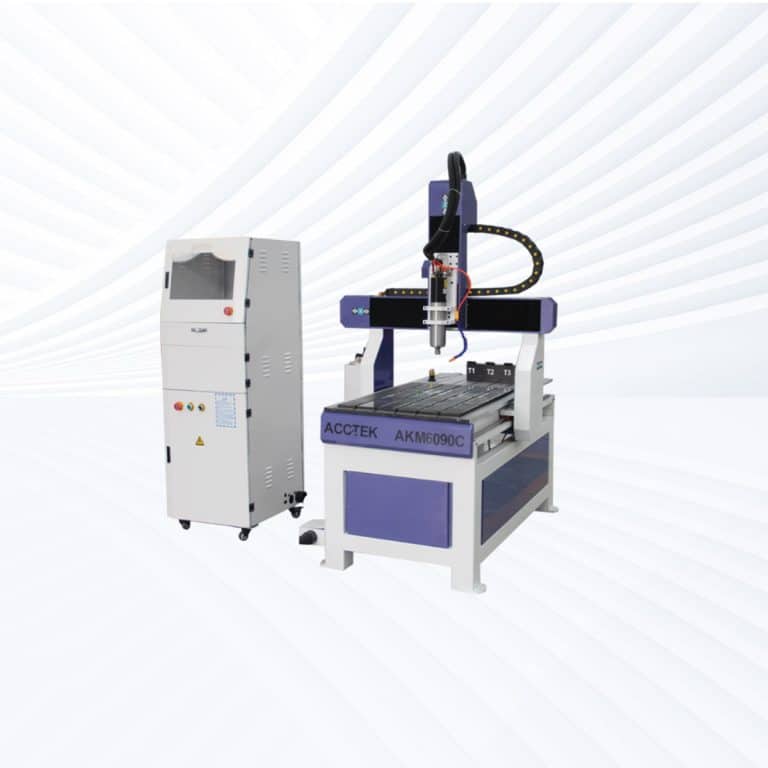
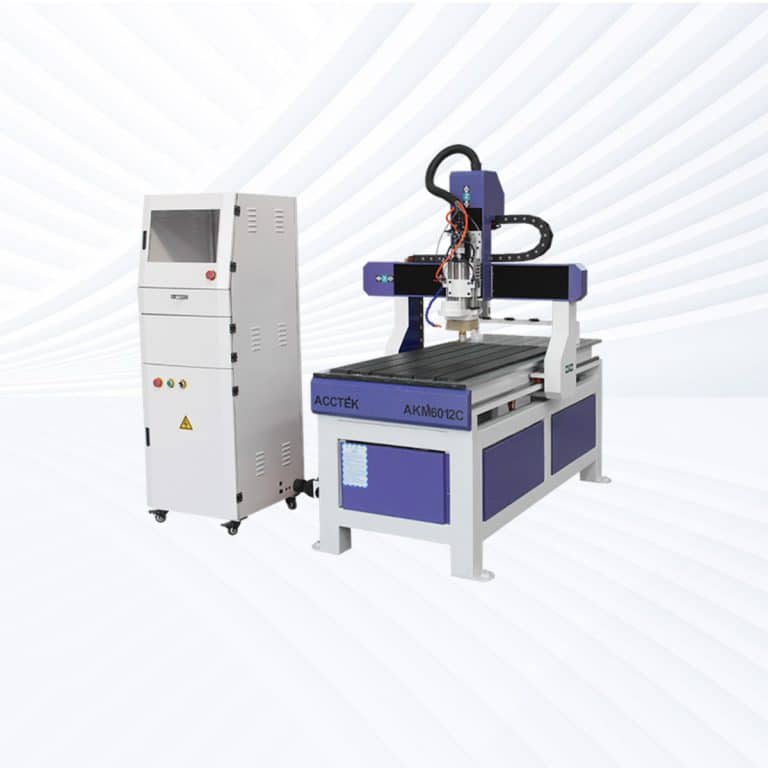
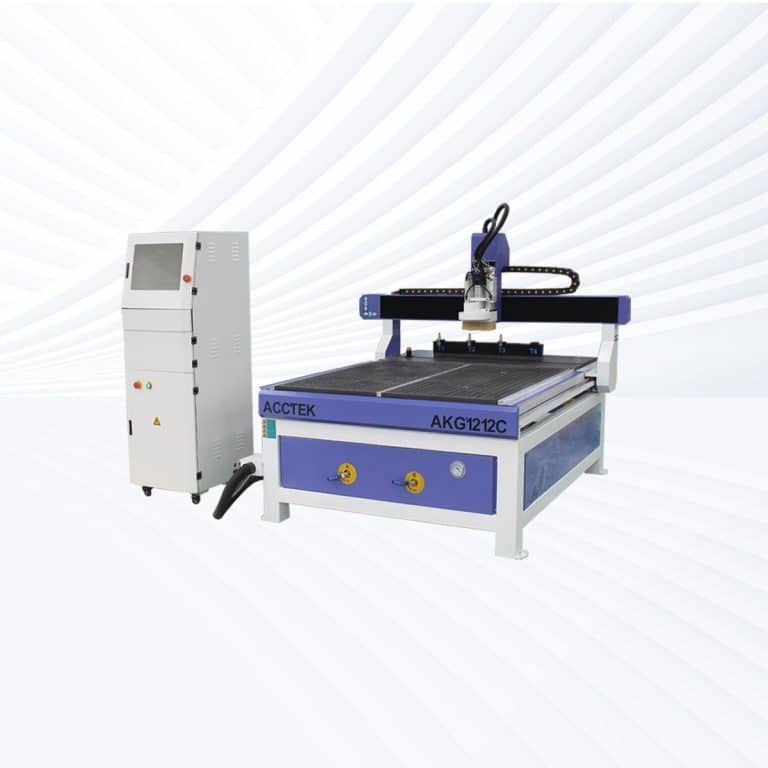
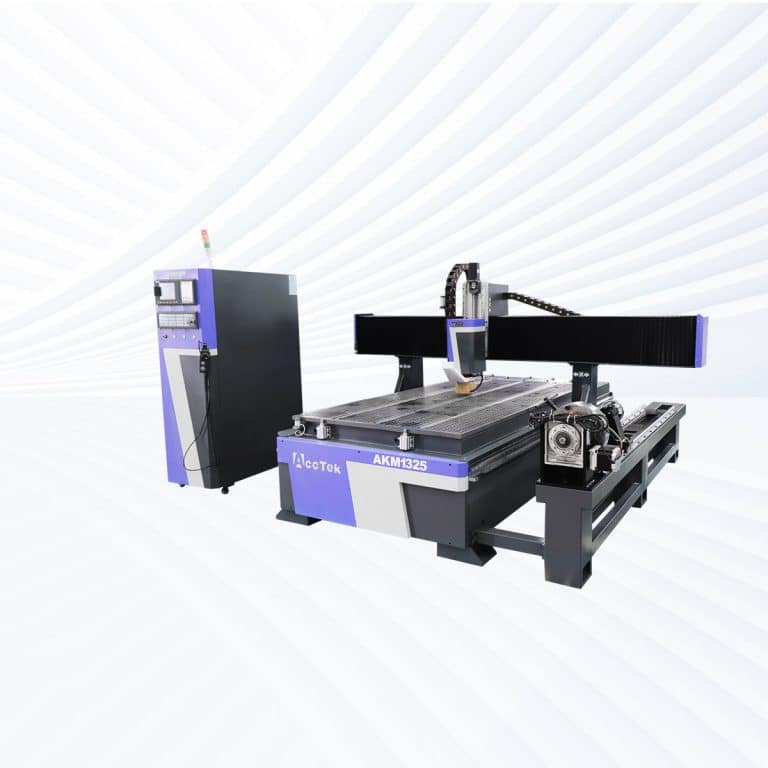
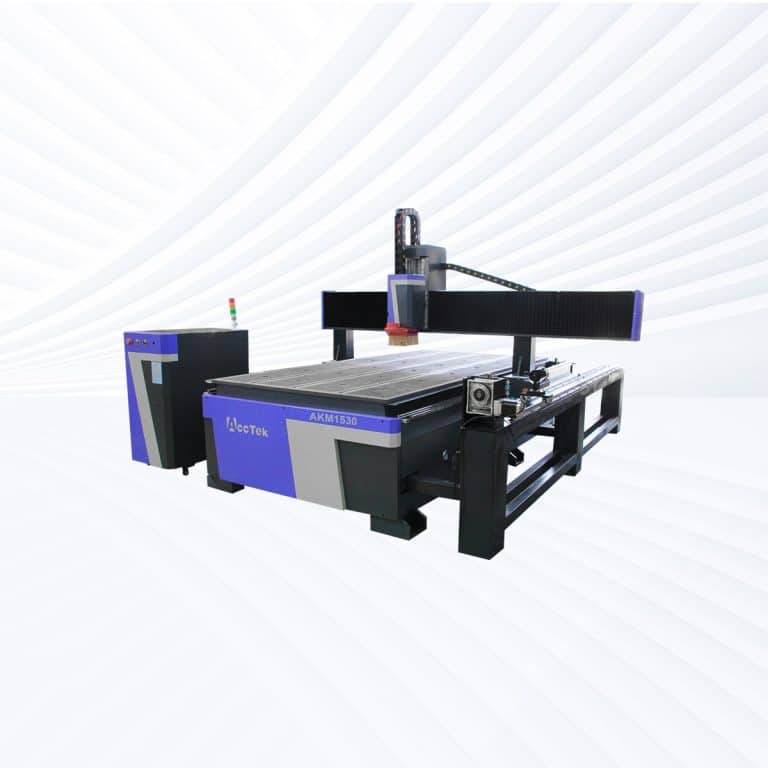
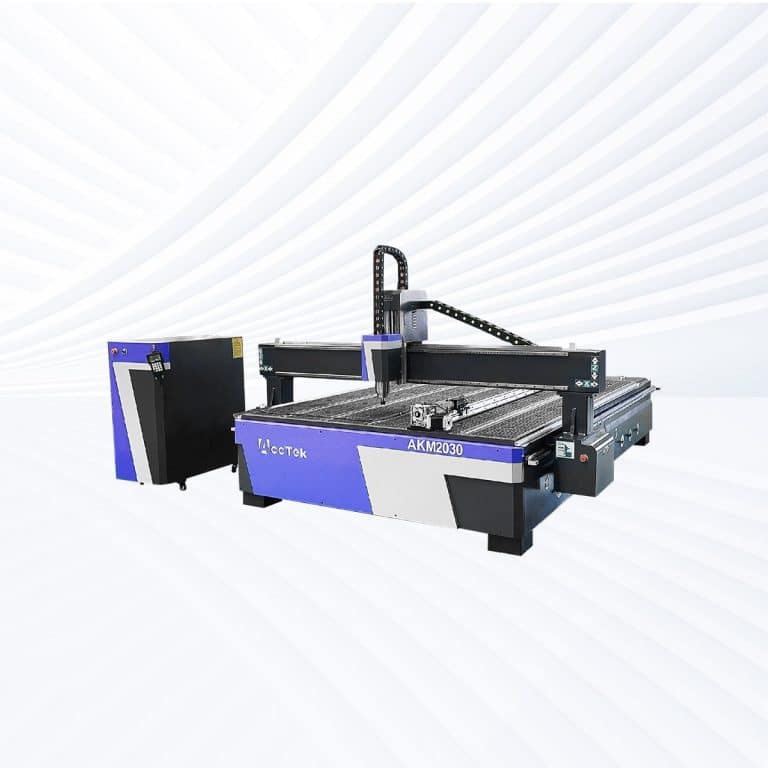
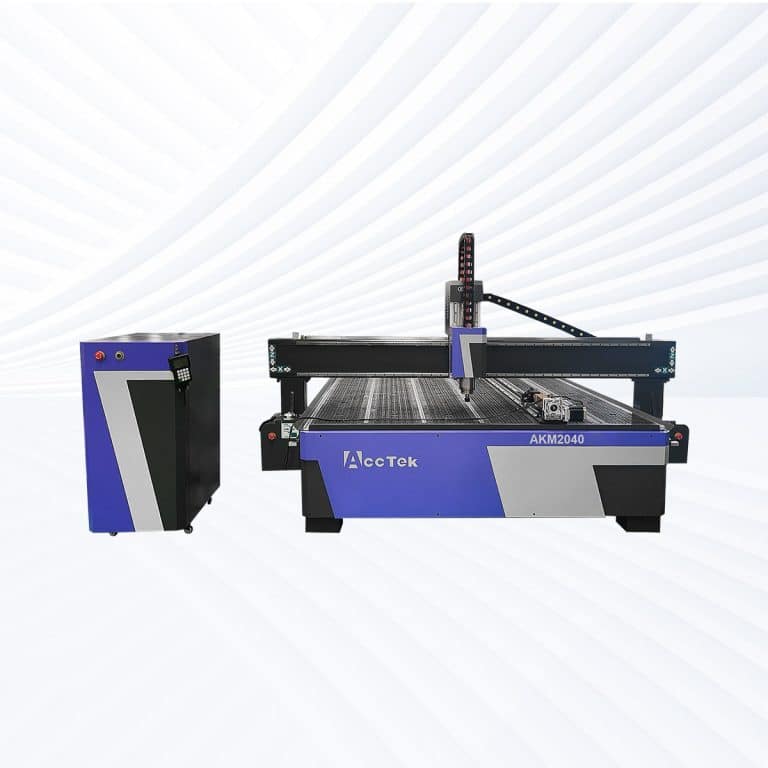
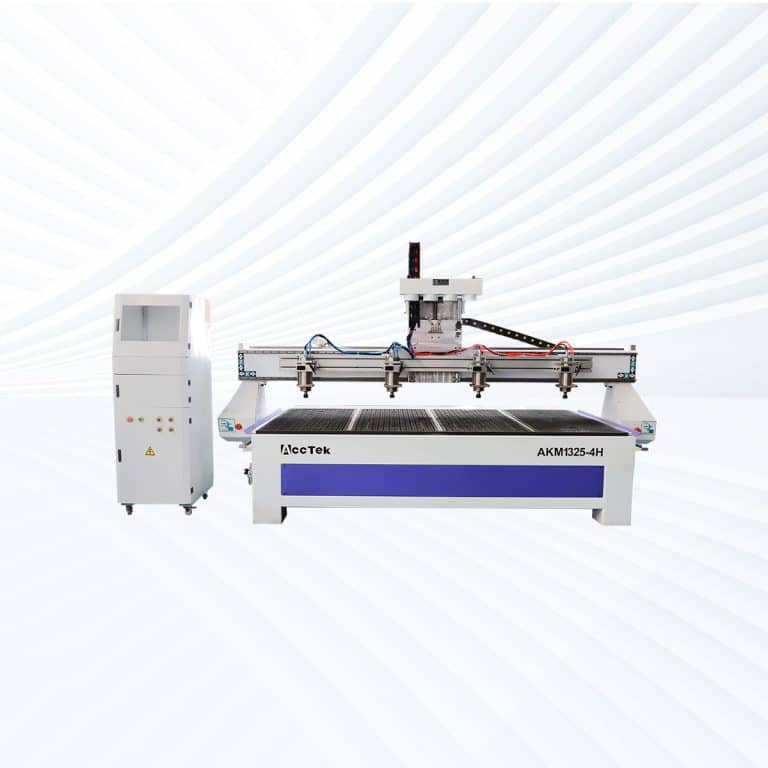
Advantages of CNC Routing Ceramics
High Precision Machining
CNC routing provides exceptional precision when machining ceramic materials. Computer-controlled toolpaths ensure accurate dimensions and clean edges, which are critical for technical ceramic components used in electronics, aerospace, medical devices, and other applications requiring tight tolerances and reliable performance.
Capability to Process Hard Materials
Ceramics are extremely hard and wear-resistant, making them difficult to machine using traditional methods. CNC routing uses specialized cutting tools and controlled machining parameters to effectively process ceramic materials while maintaining structural integrity and reducing the risk of cracking.
Ability to Produce Complex Shapes
CNC routing enables the creation of intricate geometries, fine features, and detailed patterns in ceramic components. Designers can translate digital CAD models into physical parts with complex curves, holes, and grooves that would be difficult or impossible to achieve manually.
Consistent and Repeatable Production
Because CNC routers follow programmed instructions, they can reproduce identical ceramic parts repeatedly with minimal variation. This repeatability is especially important in industries such as electronics and medical manufacturing, where uniform quality and precision are essential.
Reduced Material Waste
CNC routing uses optimized toolpaths to remove only the necessary material, helping minimize waste during ceramic machining. This efficient use of raw materials lowers production costs and improves sustainability, especially when working with expensive technical ceramics.
Efficient Prototyping and Customization
CNC routing allows manufacturers to quickly create prototypes or customized ceramic components directly from digital designs. This speeds up product development, design testing, and small-batch production, enabling faster innovation and reduced time-to-market for advanced ceramic products.
Compatible Materials
- Alumina
- Zirconia
- Silicon Carbide
- Silicon Nitride
- Aluminum Nitride
- Boron Carbide
- Mullite
- Steatite
- Cordierite
- Macor
- Glass Ceramic
- Quartz Ceramic
- Porcelain
- Feldspar Ceramic
- Talc-Based Ceramics
- Lead Zirconate Titanate
- Barium Titanate
- Lithium Disilicate
- Magnesium Oxide Ceramic
- Yttria-Stabilized Zirconia
- Calcium Zirconate
- Silicon Oxynitride
- Sialon Ceramics
- Titania Ceramic
- Hafnium Oxide Ceramic
- Lanthanum Oxide Ceramic
- Zircon Ceramic
- Spinel Ceramic
- Aluminum Titanate
- Magnesia-Stabilized Zirconia
- Partially Stabilized Zirconia
- Yttria Ceramic
- Ceramic Matrix Composites
- Clay-Based Ceramics
- Stoneware Ceramic
- Earthenware Ceramic
- Technical Glass Ceramics
- Piezoelectric Ceramics
- Refractory Ceramics
- Advanced Engineering Ceramics
CNC Routing VS Other Engraving Methods
| Comparison Item | CNC Routing | Laser Engraving | Hand Engraving | Chemical Etching |
|---|---|---|---|---|
| Processing Method | Uses computer-controlled cutting tools to mechanically remove ceramic material. | Uses a focused laser beam to burn or mark the surface. | Performed manually using handheld engraving tools. | Uses chemicals to dissolve selected areas of the surface. |
| Precision Level | Very high precision due to computer-controlled toolpaths. | High precision for fine surface markings. | Depends on the skill and consistency of the artisan. | Moderate precision depending on masking quality. |
| Depth Control | Excellent depth control for deep cutting and detailed grooves. | Limited depth; mainly suitable for shallow engraving. | Variable depth depending on manual pressure. | Typically shallow and difficult to control precisely. |
| Complex Geometry Capability | Capable of producing complex shapes and intricate 3D features. | Suitable for detailed 2D patterns and fine text. | Complex work possible but very time-consuming. | Limited to simple patterns defined by chemical masks. |
| Material Removal Efficiency | Efficient for cutting and shaping thick ceramic materials. | Mainly used for marking rather than removing large amounts of material. | Slow material removal process. | Removes material slowly through chemical reactions. |
| Production Speed | High speed for automated production and batch manufacturing. | Very fast for marking and engraving tasks. | Slow and labor-intensive process. | Moderate speed depending on chemical reaction time. |
| Repeatability | Highly repeatable with consistent results across multiple parts. | Highly repeatable due to digital control. | Difficult to achieve identical results repeatedly. | Moderate repeatability with proper masking. |
| Surface Finish Quality | Produces clean edges and smooth machined surfaces. | Leaves a fine engraved mark with minimal surface damage. | Surface finish varies depending on craftsmanship. | Can produce smooth but sometimes uneven etched surfaces. |
| Automation Level | Fully automated once the program is set. | Fully automated with computer-controlled systems. | Entirely manual process requiring skilled labor. | Semi-automated but requires chemical preparation. |
| Design Flexibility | High flexibility through CAD/CAM digital design changes. | High flexibility for quick design adjustments. | Limited flexibility due to manual effort. | Limited by mask preparation and chemical handling. |
| Suitability for Hard Ceramics | Well-suited with appropriate cutting tools such as diamond bits. | Some ceramics may crack under high laser heat. | Difficult due to ceramic hardness and brittleness. | May damage material depending on chemical compatibility. |
| Cost Efficiency (Large Production) | Very cost-effective for large production runs. | Cost-effective for surface engraving tasks. | Expensive due to labor requirements. | Moderate cost but requires chemical handling and disposal. |
| Safety Considerations | Requires machine safety measures and dust management. | Requires laser safety protection and ventilation. | Lower machine risk, but depends on tool handling. | Requires careful chemical handling and protective equipment. |
| Environmental Impact | Minimal chemical waste but generates ceramic dust. | Low waste but requires electrical energy. | Environmentally friendly with minimal waste. | Generates chemical waste that must be properly disposed of. |
| Typical Applications | Precision ceramic components, industrial parts, and detailed machining. | Decorative marking, labeling, and surface engraving. | Artistic engraving and handcrafted decorations. | Circuit boards, metal plates, and decorative surface patterns. |
CNC Routing Capacity
| Item | Cutting | Engraving | Drilling | Pocketing | Carving | Slotting | Surface Finishing | 3D Contouring |
|---|---|---|---|---|---|---|---|---|
| Softwood | Supported | Supported | Supported | Supported | Supported | Supported | Supported | Supported |
| Hardwood | Supported | Supported | Supported | Supported | Supported | Supported | Supported | Supported |
| MDF | Supported | Supported | Supported | Supported | Supported | Supported | Supported | Supported |
| Plywood | Supported | Supported | Supported | Supported | Supported | Supported | Supported | Supported |
| Acrylic | Supported | Supported | Supported | Supported | Supported | Supported | Supported | Supported |
| PVC | Supported | Supported | Supported | Supported | Supported | Supported | Supported | Supported |
| ABS | Supported | Supported | Supported | Supported | Supported | Supported | Supported | Supported |
| Coroplast | Supported | Supported | Supported | Supported | Supported | Supported | Supported | Limited |
| Aluminum | Supported | Supported | Supported | Supported | Supported | Supported | Supported | Supported |
| Brass | Supported | Supported | Supported | Supported | Supported | Supported | Supported | Supported |
| Copper | Supported | Supported | Supported | Supported | Supported | Supported | Supported | Supported |
| Glass | Limited | Shallow engraving only | Limited | Limited | Limited | Limited | Limited | Limited |
| Foam | Supported | Supported | Supported | Supported | Supported | Supported | Supported | Limited |
| Rubber | Supported | Supported | Supported | Supported | Supported | Supported | Supported | Limited |
| Composite | Supported | Supported | Supported | Supported | Supported | Supported | Supported | Supported |
| Marble | Limited | Shallow engraving only | Supported | Pocketing only | Limited | Supported | Supported | Supported |
| Granite | Limited | Shallow engraving only | Supported | Pocketing only | Limited | Supported | Supported | Supported |
| Leather | Supported | Supported | Supported | Supported | Supported | Supported | Supported | Limited |
| Fabrics | Supported | Supported | Supported | Supported | Supported | Supported | Supported | Limited |
| Ceramics | Limited | Shallow engraving only | Limited | Limited | Limited | Limited | Surface polish only | Limited |
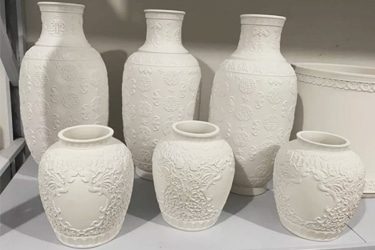
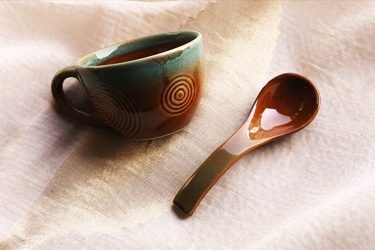
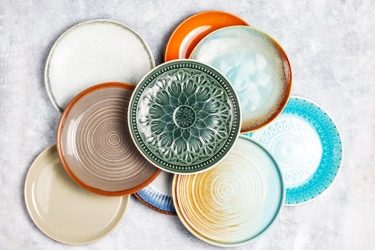
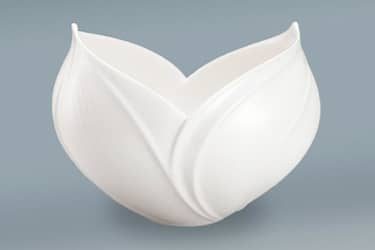
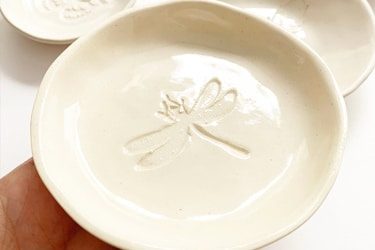
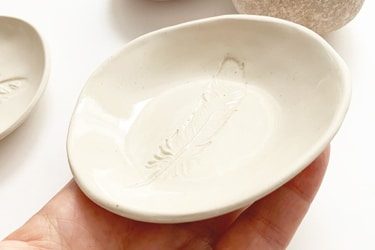
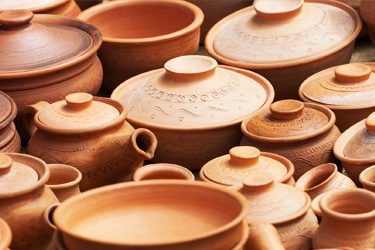
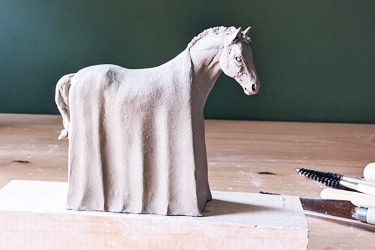
Applications of CNC Routing Ceramics
Customer Testimonials
Related Resources
What Are CNC Routers
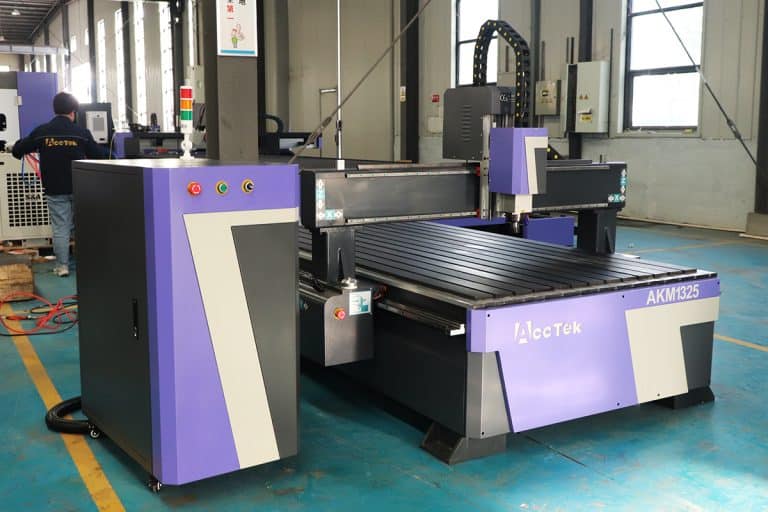
This article helps users understand what CNC routers are, how they work, their key components, types, materials, applications, advantages, and how to choose the right machine for your needs.
How to Choose CNC Routers
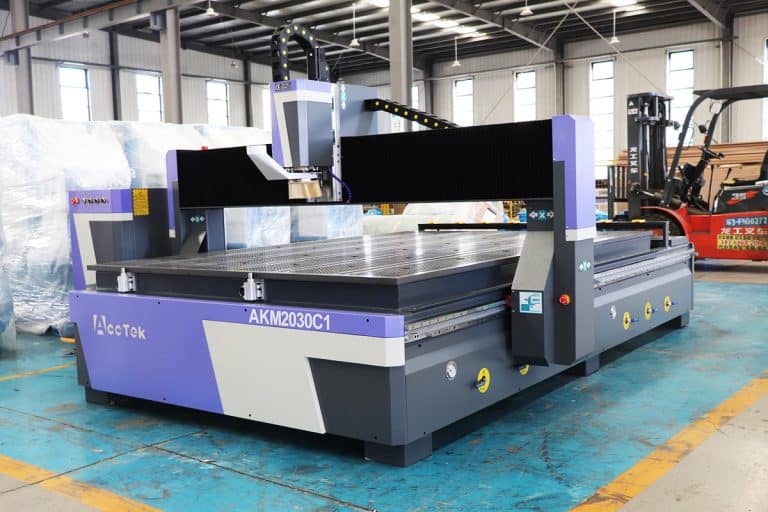
This article explores how to choose CNC routers, covering machine types, application requirements, working area, spindle selection, motion systems, software compatibility, costs, and maintenance considerations.
What Is The Lifespan Of CNC Routers
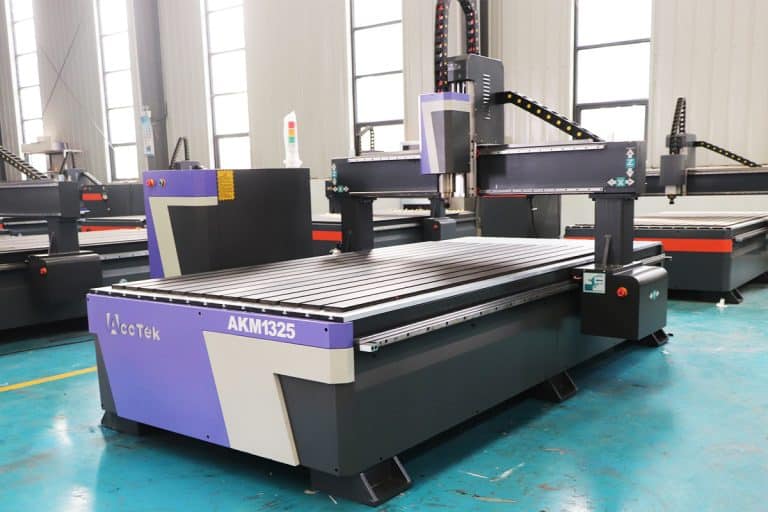
This article explores what determines the lifespan of CNC routers, including machine design, usage intensity, maintenance practices, accuracy drift, and when to repair, rebuild, or replace equipment.
How Do CNC Routers Work
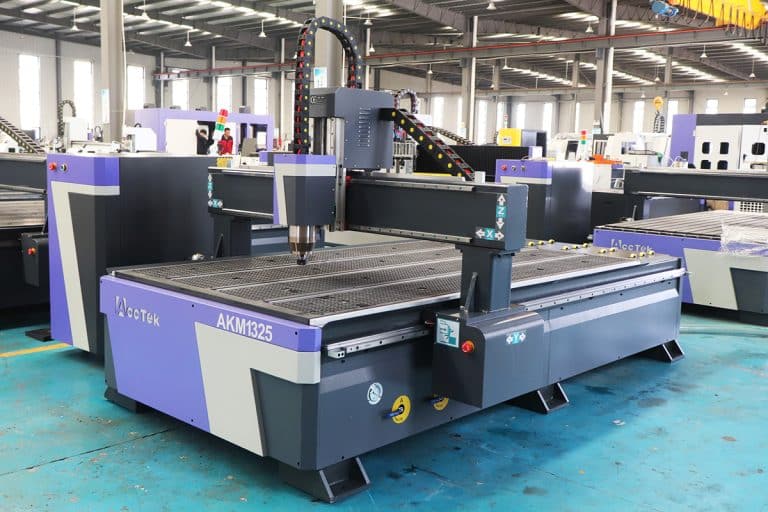
This article explains the working principle of CNC routers, from the motion system and cutting tools to the software workflow, materials, precision, and actual machining principles.
Frequently Asked Questions
What Is The Working Principle Of CNC Routing Ceramics?
- Abrasive Material Removal: Ceramics are extremely hard and brittle, so conventional cutting bits cannot effectively remove material without causing cracks or chipping. CNC routing of ceramics typically uses diamond-coated or diamond-embedded tools that grind away the surface rather than cut it. The router moves these tools along programmed paths, removing microscopic layers of material through friction and abrasion rather than shearing.
- Digital Design and Toolpaths: Like standard CNC routing, ceramics routing begins with a CAD design, which is translated into CAM toolpaths. The machine’s control system directs the abrasive tool along precise X, Y, and Z axes to produce the desired shape, contours, or engraving patterns. Multi-axis CNC routers may tilt or rotate the workpiece to access complex geometries while maintaining constant contact between the abrasive tool and the ceramic surface.
- Controlled Feed and Spindle Speeds: Because ceramics are brittle, controlling feed rates and spindle speeds is critical. Too fast a feed or excessive pressure can cause cracks, fractures, or edge chipping. Slower, steady movements combined with high-speed rotation of diamond tools allow gradual material removal, ensuring precision and minimizing the risk of damage.
- Cooling and Dust Management: Grinding ceramics generates high friction and heat, which can damage the material or reduce tool life. Water or coolant is often applied during the process to reduce heat buildup, lubricate the cutting area, and suppress dust. The resulting slurry also helps capture fine ceramic particles, preventing them from becoming airborne and creating respiratory hazards.
- Surface Quality and Finishing: CNC routing ceramics produces smoother surfaces than mechanical cutting alone, but post-processing like polishing or lapping may still be required for optical clarity or high-precision components. The precision of the CNC system ensures that repeated parts can be manufactured with consistent dimensions, which is critical for applications in electronics, aerospace, or medical devices.
What Is The Accuracy Of CNC Routing Ceramics?
- Dimensional Precision: High-quality CNC routers for ceramics, often using diamond-coated or abrasive tools, can achieve tolerances in the range of ±0.01 to ±0.05 millimeters for standard parts. For ultra-precise components, such as those used in electronics, optics, or medical devices, tolerances can be tightened to ±0.005 millimeters, provided proper machine calibration, tool wear management, and careful feed rate control are maintained.
- Tooling Impact: Diamond or diamond-impregnated bits are essential for maintaining accuracy because conventional carbide or steel bits tend to chip or wear rapidly when working with ceramics. Even slight wear on the tool can lead to dimensional deviations, edge chipping, or surface roughness, affecting overall part accuracy. Regular inspection and replacement of cutting tools are critical for consistent results.
- Feed Rate and Spindle Control: Accuracy is strongly influenced by feed rate and spindle speed. Excessive feed or pressure can cause micro-cracks or fractures along the ceramic edges, while too slow a feed can overheat the surface, producing uneven material removal. Optimized feed-to-speed ratios allow for controlled abrasive grinding, maintaining both geometric accuracy and surface integrity.
- Machine Stability and Calibration: CNC routing ceramics requires highly rigid machines to minimize vibration, which can cause chatter marks or surface deviation. Precision linear guides, stabilized gantry designs, and carefully leveled work surfaces contribute to maintaining tight tolerances. Calibration before each operation, including axis zeroing and verification of tool offsets, ensures repeatable accuracy across multiple parts.
- Material Considerations: The type of ceramic—alumina, zirconia, or porcelain—affects achievable accuracy. Harder ceramics may resist grinding but are more prone to micro-fractures, whereas softer ceramics are easier to shape but can compress or chip. Proper support and fixturing reduce movement or stress during machining, enhancing accuracy.
- Post-Processing Effects: In some cases, finishing steps such as lapping or polishing may be required to reach final tolerances and surface smoothness. While CNC routing gets the part close to the desired dimensions, these finishing operations can improve both dimensional and surface accuracy.
What Are Common Defects In CNC Routing Ceramics?
- Chipping and Edge Fractures: One of the most frequent defects in ceramic routing is chipping along edges or corners. Abrasive tools or diamond bits can cause small pieces of ceramic to break off if feed rates are too high, spindle speeds are excessive, or the material is inadequately supported. Sharp corners and thin sections are particularly vulnerable.
- Micro-Cracks and Fractures: Ceramics are brittle and can develop internal micro-cracks during machining. Excessive cutting pressure, vibration, or thermal stress from friction can initiate cracks that may propagate later, weakening the part. These micro-fractures are often invisible immediately, but compromise the component’s mechanical integrity.
- Surface Roughness: Even with diamond tooling, CNC routing can leave uneven surfaces or tool marks. Poorly optimized feed rates, worn tools, or insufficient cooling can result in a rough, uneven finish that may require additional polishing or lapping. Certain ceramics, like alumina, are particularly prone to minor surface irregularities.
- Dimensional Inaccuracy: Misalignment of the workpiece, incorrect tool calibration, or tool wear can produce parts outside the desired tolerance. Since ceramics cannot deform plastically, even small deviations during routing can result in parts that are unusable or require post-processing to correct dimensions.
- Thermal Damage or Burning: High friction during routing can generate localized heat, especially if coolant or water is insufficient. This can cause discoloration, glazing, or slight surface cracking. In some cases, thermal stress may lead to warping in thin sections of the ceramic.
- Delamination in Layered Ceramics: For composite or layered ceramic materials, improper tool engagement or excessive depth per pass can cause layers to separate. This results in delamination defects that weaken the part and reduce its functional performance.
- Dust and Contamination Issues: Fine ceramic dust generated during routing can settle on the surface and interfere with subsequent finishing steps, especially in optical or electronic applications. Inadequate dust extraction may also reduce tool efficiency, indirectly affecting part quality.
What File Formats Are Used For CNC Routing Ceramics?
- CAD File Formats: The process begins with a CAD (Computer-Aided Design) file, which defines the geometry of the ceramic part. Common formats include .DWG and .DXF, which store vector-based 2D designs for layouts, cutouts, or engraved patterns. For 3D ceramic components, .STEP and .STL files are widely used. STL files describe the surface of the object as a mesh of triangles, while STEP files preserve precise parametric data, making them suitable for complex shapes and high-precision components.
- CAM and Toolpath Files: Once the CAD design is finalized, CAM (Computer-Aided Manufacturing) software generates toolpaths and converts the design into a format the CNC router can execute. The most common output is G-code, stored in files with extensions such as .NC, .TAP, or .GCODE. These files contain detailed instructions for spindle speed, feed rate, and movement along the X, Y, and Z axes, ensuring the router follows precise paths without damaging the brittle ceramic material.
- Vector Graphics for Engraving: For surface engraving or decorative patterns on ceramics, vector-based formats like .SVG and .AI (Adobe Illustrator) are frequently used. These files provide clean, scalable outlines that CAM software translates into accurate engraving toolpaths. Vector files are preferred for detailed work because they allow consistent depth control and minimal tool stress.
- Raster Graphics for Detailed Textures: Some CNC routers support raster images like .BMP, .PNG, or .JPEG for engraving or textured surface work. In this case, pixel intensity is translated into depth variations, allowing the creation of fine patterns or images on ceramic surfaces.
- Machine-Specific Formats: Certain high-precision ceramic routers may require proprietary formats, often extensions of G-code, which include pre-configured tool compensation, coolant settings, or multi-axis movement parameters. These formats ensure compatibility with specialized hardware and reduce the risk of errors during machining.
What Is Climb VS Conventional Routing For Ceramics?
- Conventional Routing: In conventional routing, also called “up-cut” routing, the cutting tool rotates against the direction of the feed. The tool bites into the material gradually, starting from a thin edge and increasing thickness as the cut progresses. For ceramics, this method can reduce the risk of chipping on the top surface because the cutting forces are applied in a more controlled manner. However, conventional routing tends to push material upward, which can create slight tearing along edges and increase the heat generated at the cutting interface. This makes it slower and can accelerate tool wear, especially with brittle ceramic materials.
- Climb Routing: Climb routing, or “down-cut” routing, moves the cutting tool in the same direction as the feed. The tool engages the material at its thickest point first and thins the chip as it moves along. For ceramics, climb routing can produce a cleaner top surface with less tearing, smoother edges, and better overall surface finish. It also reduces friction and heat buildup because the material is sheared more efficiently. However, climb routing exerts higher downward forces on the workpiece, which can increase the risk of chipping along the bottom or sides if the ceramic is not well supported.
- Tool Wear and Cutting Forces: Both methods require careful control of feed rates, spindle speeds, and depth of cut. Conventional routing tends to produce longer tool life on brittle ceramics since the engagement forces are gentler, while climb routing, though faster and smoother, may accelerate wear on diamond-coated tools if feed rates are too high. Proper coolant or water application is essential for both approaches to reduce heat, remove ceramic dust, and prevent micro-cracks.
- Application Considerations: The choice between climb and conventional routing depends on part geometry, fixturing, and desired surface quality. Thin, unsupported sections of ceramic benefit from conventional routing to minimize fracture risk, while well-supported areas can be routed with the climb method to achieve superior surface finish and smoother edges. Some advanced CNC routers combine both approaches, alternating passes to optimize tool life and surface integrity.
What Is The Ceramic Edge Quality After CNC Routing?
- Surface Finish and Smoothness: When using diamond-coated or abrasive tools, the top surface and edges of routed ceramics can be relatively smooth, often exhibiting a matte or slightly textured finish due to the grinding action of the tool. Proper feed rates and spindle speeds minimize micro-chipping and tearing, producing edges that are uniform and consistent. Climb routing generally produces cleaner top edges, while conventional routing may leave minor roughness on unsupported sections.
- Edge Chipping: One of the primary concerns with ceramic routing is chipping along corners or thin sections. Even with precise CNC control, some micro-fractures can occur, particularly if the material is hard alumina or zirconia. The risk is higher when feed rates are too aggressive, the tool is worn, or the workpiece is inadequately supported. Well-fitted ceramics with optimized cutting parameters can have minimal edge chipping, suitable for functional or decorative applications.
- Dimensional Accuracy: Properly routed ceramic edges maintain tight dimensional tolerances, typically within ±0.01 to ±0.05 millimeters for standard parts. Edge straightness and corner definition are generally good, but extremely fine features may require post-processing such as polishing or lapping to achieve optical-level finishes or precise mating surfaces.
- Surface Integrity: CNC routing can introduce micro-cracks beneath the surface if cutting forces are excessive or cooling is insufficient. These are usually not visible but may affect the mechanical strength of the ceramic. Applying water or coolant during routing helps reduce friction, heat, and stress, resulting in cleaner edges and better overall surface integrity.
- Post-Processing Requirements: Even with optimized CNC routing, many ceramics benefit from secondary finishing to enhance edge quality. Light polishing, lapping, or abrasive finishing can remove any remaining tool marks, improve surface smoothness, and ensure sharp but durable corners.
What Are The Safety Risks Associated With CNC Routing Ceramics?
- Flying Chips and Particles: During routing, ceramics fracture into small chips and fine dust. These fragments can cause eye injuries or skin abrasions if operators are not wearing protective equipment. Diamond-coated tools reduce large fractures, but microscopic particles still pose a hazard, making safety glasses, face shields, and protective clothing essential.
- Respiratory Hazards: Fine ceramic dust is a major health risk. Inhalation can irritate the respiratory system and may lead to long-term lung issues if exposure is frequent. Using dust extraction systems, proper ventilation, and respirators or dust masks mitigates these risks. Wet routing or coolant application also helps suppress airborne particles.
- Tool Breakage: Diamond or abrasive bits are essential for ceramic routing, but excessive pressure or improper feed rates can cause bits to fracture or chip. High-speed fragments from broken tools can cause serious injury, highlighting the importance of proper setup, secure fixturing, and operator awareness.
- Workpiece Fracture: Ceramics are brittle and may crack or shatter under mechanical stress. Improper fixturing, excessive depth of cut, or vibration can cause the part to break, creating sharp shards that pose cutting hazards. Ensuring the workpiece is fully supported and using appropriate routing parameters reduces this risk.
- Noise Exposure: CNC routers produce high levels of noise, especially when routing hard ceramics. Prolonged exposure can lead to hearing damage, making hearing protection like earmuffs or earplugs a necessary part of PPE.
- Slippery or Wet Surfaces: Wet routing or coolant use helps control dust and heat, but can create slippery surfaces. Spills may increase the risk of slips and falls in the workshop, so proper containment and cleanup protocols are important.
- Electrical and Mechanical Hazards: As with any CNC machine, there is a risk of electrical shock, moving parts, or entanglement. Operators must follow machine safety procedures, avoid loose clothing, and use emergency stop mechanisms when needed.
What PPE Is Required For CNC routing Ceramics?
- Eye Protection: Safety glasses or goggles are essential to shield the eyes from flying ceramic chips and fragments. For high-speed routing or when machining thicker parts, a full-face shield provides additional protection against larger shards and unexpected tool breakage.
- Respiratory Protection: Ceramics generate very fine dust during CNC routing. Inhalation can irritate the respiratory system and, over time, may lead to more serious lung issues. Operators should use respirators or dust masks rated for fine particulate matter. Effective dust extraction and ventilation systems complement PPE, reducing airborne ceramic dust in the workspace.
- Hearing Protection: CNC routers produce high noise levels, particularly when cutting dense ceramics. Earplugs or earmuffs are required to prevent long-term hearing damage, especially during extended machining sessions.
- Hand Protection: While gloves should not be worn near moving spindles to avoid entanglement, cut-resistant or heavy-duty gloves are recommended for handling raw or finished ceramic pieces. Ceramics are brittle, and broken shards can easily cause cuts and abrasions.
- Protective Clothing: Long sleeves, durable work shirts, and aprons protect against minor abrasions and ceramic dust contact. Clothing should fit snugly to prevent loose fabric from catching on moving parts.
- Foot Protection: Steel-toe or reinforced safety shoes protect the feet from heavy ceramic panels, tools, or fixturing components that might be dropped. Non-slip soles are important to reduce the risk of slipping, especially when coolant or water is used during machining.
- Additional Considerations: When wet routing is employed to reduce dust and heat, operators should ensure that clothing and footwear are water-resistant to maintain comfort and safety. High-visibility clothing may also be useful in multi-machine workshops.