

Product Introduction
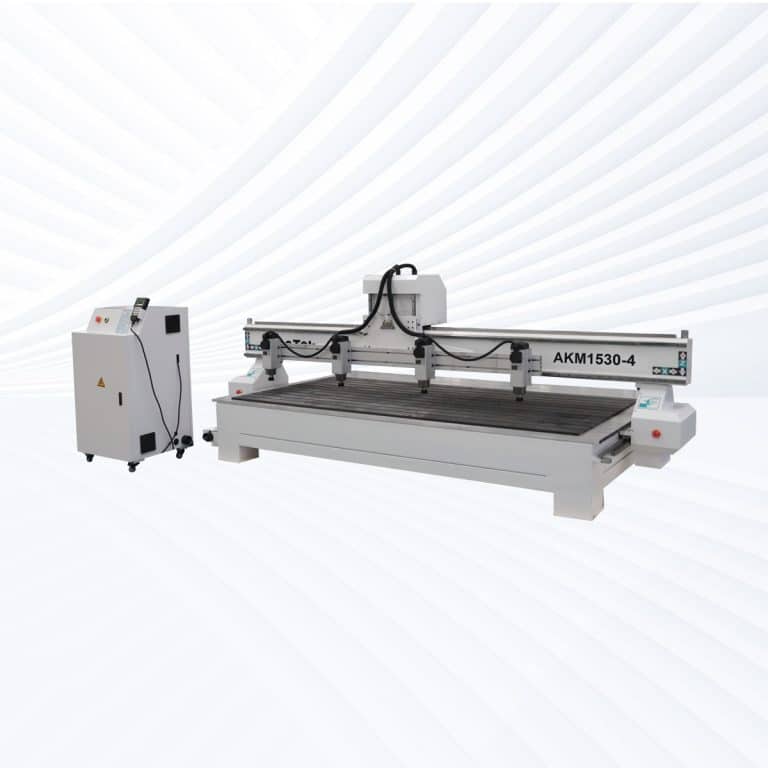
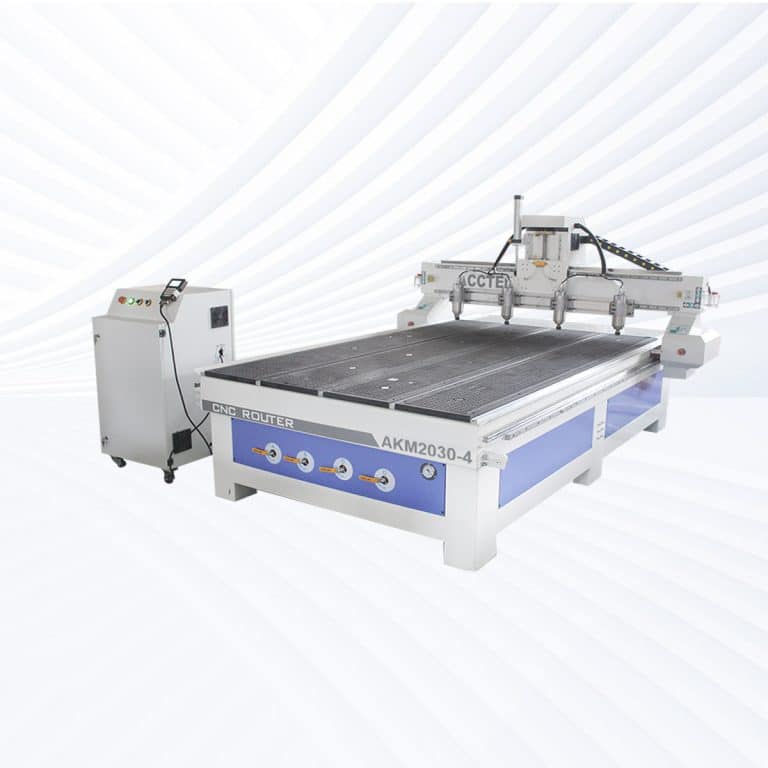
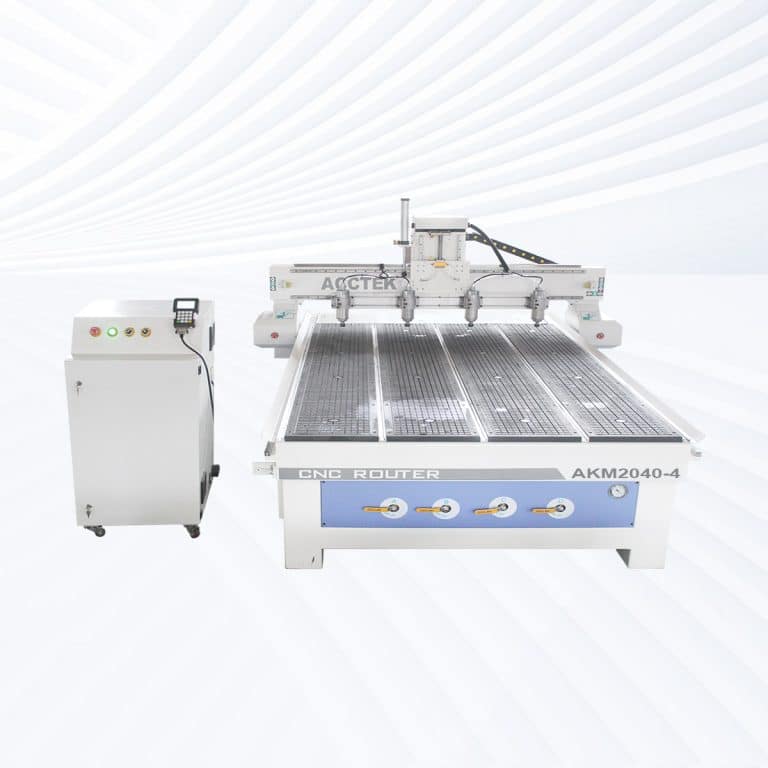
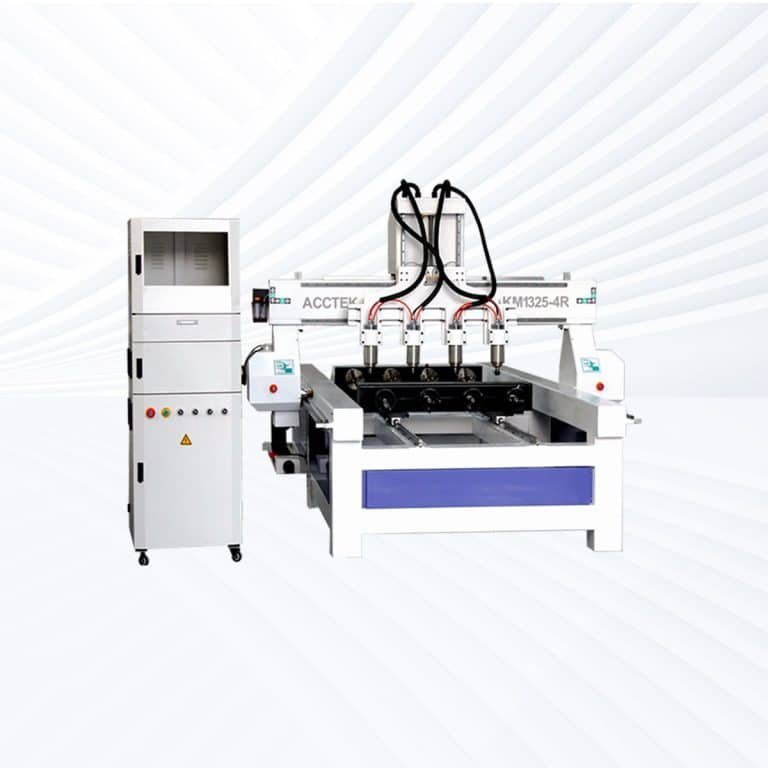
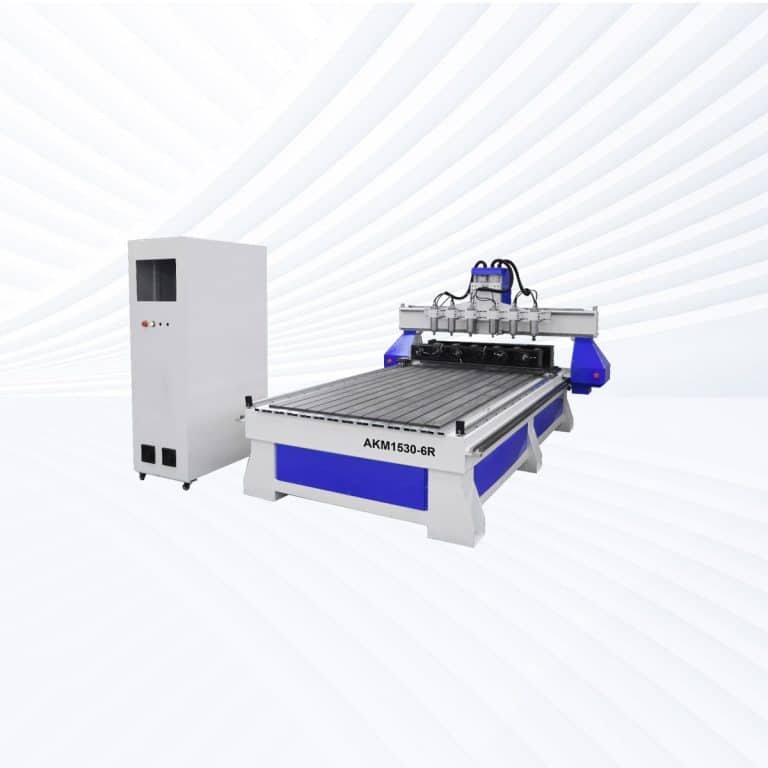
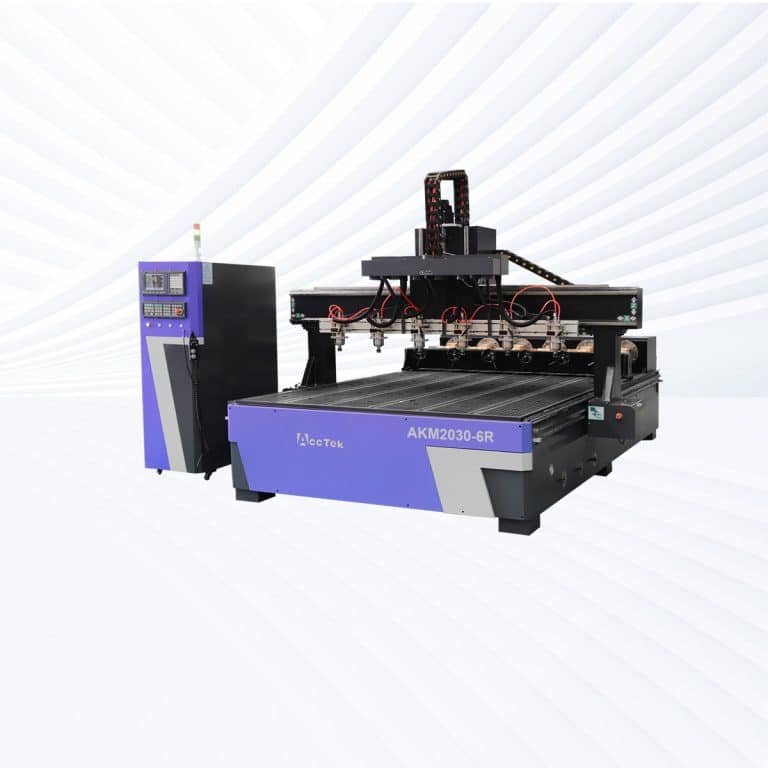
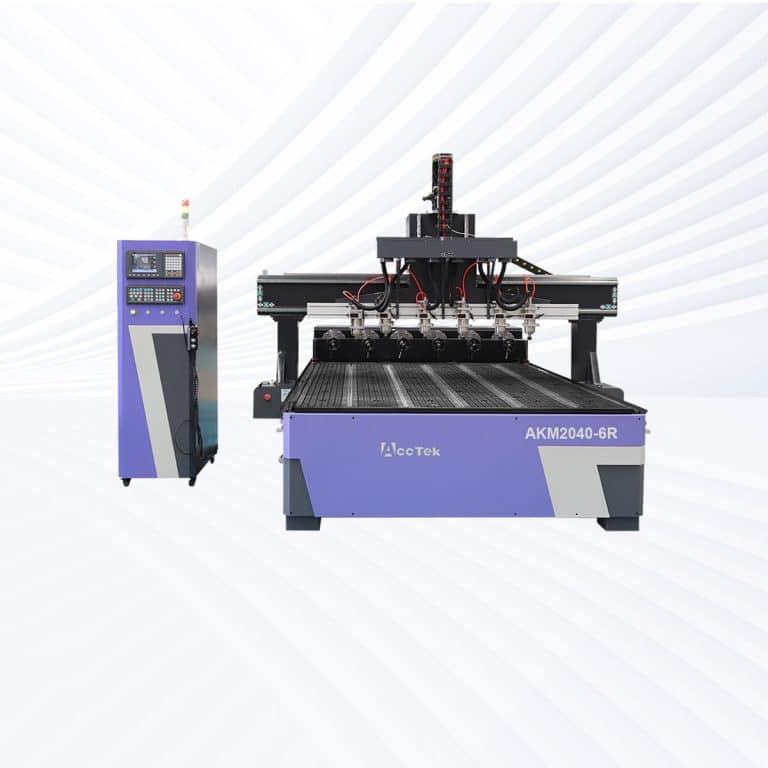
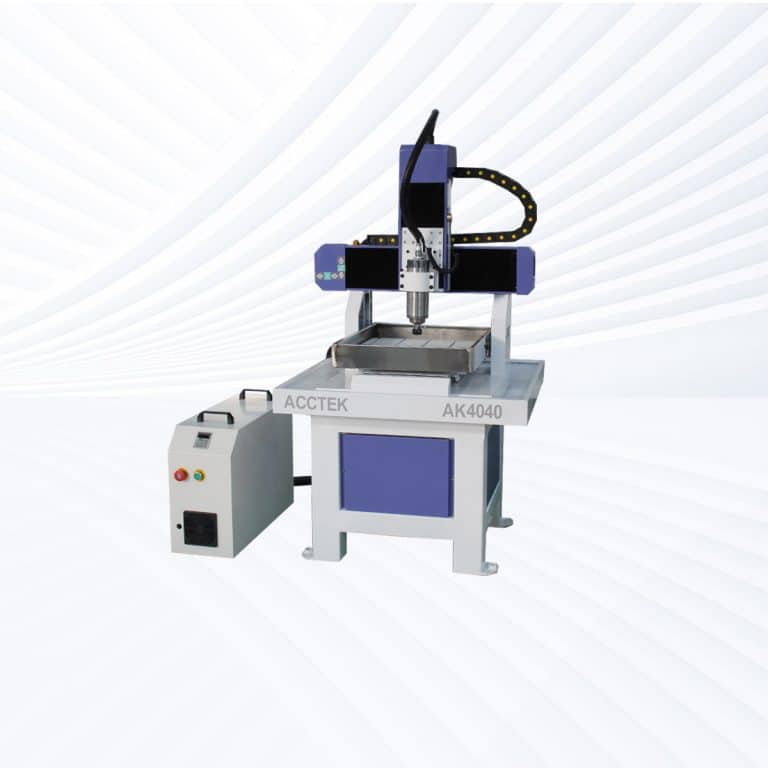
Material Routing Capability
| Material Type | 1.5 kW | 2.2 kW | 3.0 kW | 3.2 kW | 3.5 kW | 4.5 kW | 5.5 kW | 6.0 kW | 7.5 kW | 9.0 kW |
|---|---|---|---|---|---|---|---|---|---|---|
| Softwood | Light Cutting | Standard Cutting | Fast Cutting | Fast Cutting | Fast Cutting | High-Speed Cutting | Heavy-Duty Cutting | Heavy-Duty Cutting | Industrial Cutting | Industrial Cutting |
| Hardwood | Light Duty | Standard Cutting | Stable Cutting | Stable Cutting | High-Precision | Heavy-Duty | Heavy-Duty | High-Torque Cutting | Industrial Cutting | Industrial Cutting |
| Plywood/MDF | Basic Cutting | Smooth Cutting | Fast, Clean Cutting | Fast Cutting | High-Precision | Heavy-Duty | Heavy-Duty | Industrial Smooth Cuts | High-Volume Cutting | High-Volume Cutting |
| HDF/Particle Board/Melamine | Light Cuts | Standard Cuts | Clean Cuts | Clean Cuts | High-Precision | Heavy-Duty | Heavy-Duty | Industrial | Industrial | Industrial |
| Acrylic(PMMA) | Thin Sheets | Clean Cutting | Fast, Clean Edges | High Clarity | High Clarity | Smooth Finishing | Smooth Finishing | Industrial Clarity | Industrial Clarity | Industrial Clarity |
| Polycarbonate/PETG | Thin Sheets | Clean Cutting | Stable Cutting | Stable Cutting | Precision Cutting | Heavy-Duty | Heavy-Duty | Industrial | Industrial | Industrial |
| ABS/PVC Foam Board | Light Duty | Standard | Fast Cutting | Fast Cutting | High Stability | Heavy-Duty | Heavy-Duty | Industrial | Industrial | Industrial |
| HDPE/LDPE/PP/Nylon | Light Cuts | Standard Cuts | Stable Cuts | Stable Cuts | Deep Routing | Heavy-Duty | Heavy-Duty | High-Torque | Industrial | Industrial |
| Delrin/UHMW | Light Duty | Standard | Accurate Routing | Accurate Routing | High-Precision | Heavy-Duty | Heavy-Duty | Industrial | Industrial | Industrial |
| Solid Surface (Corian) | Very Light | Standard | Strong Cutting | Clean Cutting | High-Precision | Heavy-Duty | Heavy-Duty | Industrial Cutting | Industrial Cutting | Industrial Cutting |
| Fiberglass/Carbon Fiber Sheet | Light Trimming | Standard | Precise Routing | Precise Routing | High-Precision | Heavy-Duty | Heavy-Duty | Industrial | Industrial | Industrial |
| Phenolic/Bakelite | Limited | Standard | Clean Routing | Clean Routing | Precision Routing | Heavy-Duty | Heavy-Duty | Industrial | Industrial | Industrial |
| Foam(EVA, XPS, EPS, PU) | Very Easy | Very Easy | Fast Cutting | Fast Cutting | Ultra-Fast | Ultra-Fast | Ultra-Fast | High-Speed | High-Speed | High-Speed |
| Rubber/Leather/Cork | Light Duty | Standard | Clean Edges | Clean Edges | Faster Routing | Heavy-Duty | Heavy-Duty | Industrial | Industrial | Industrial |
| Cardboard/Paperboard | Easy | Easy | Fast Cutting | Fast Cutting | Ultra-Fast | Ultra-Fast | Ultra-Fast | Industrial | Industrial | Industrial |
| ACP/ACM (Surface Routing Only) | Very Light | Standard | Clean Grooves | Clean Grooves | High Precision | Heavy-Duty | Heavy-Duty | Industrial | Industrial | Industrial |
Compatible Materials
- UHMW-PE Standard Grade
- UHMW-PE 1000
- UHMW-PE 500
- UHMW-PE 2000
- Virgin UHMW-PE
- Reprocessed UHMW-PE
- Food-Grade UHMW
- FDA-Compliant UHMW
- Medical-Grade UHMW
- Antistatic UHMW
- Conductive UHMW
- Anti-UV UHMW
- High-Temperature UHMW
- Low-Temperature UHMW
- Lubricated UHMW
- Oil-Filled UHMW
- Glass-Filled UHMW
- Ceramic-Filled UHMW
- Carbon-Filled UHMW
- Colored UHMW Sheets
- UHMW Machinable Plates
- UHMW Wear-Resistant Sheets
- UHMW Conveyor Guides
- UHMW Chain Guides
- UHMW Impact-Resistant Blocks
- UHMW Marine-Grade Sheets
- UHMW Dock Bumpers
- UHMW Fender Pads
- UHMW Truck Bed Liners
- UHMW Cutting Boards
- UHMW Ski Base Materials
- UHMW Snowplow Edges
- UHMW Bearing Grade
- UHMW Sprocket Stock
- UHMW Round Rod
- UHMW Square Rod
- UHMW Profiles and Extrusions
- UHMW Textured Sheets
- UHMW Flame-Retardant Grades
- UHMW Moisture-Resistant Industrial Panels
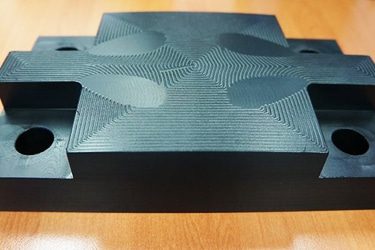
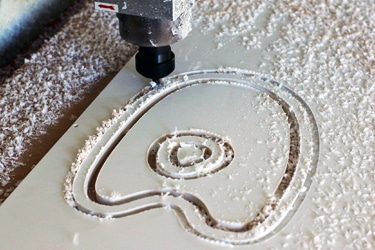
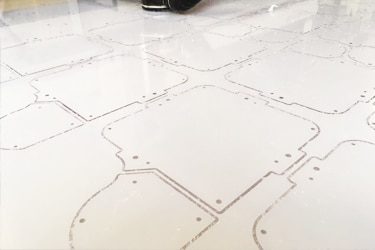
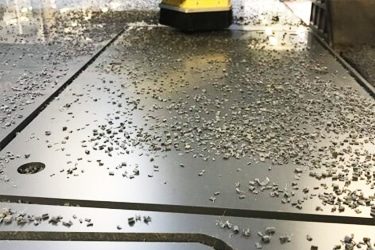
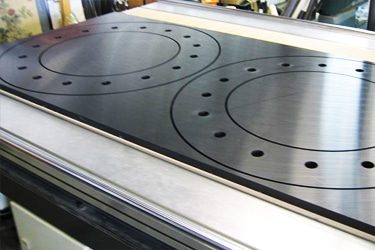
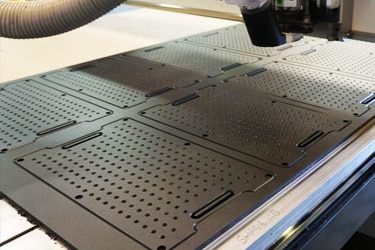
Application of UHMW CNC Routers


Customer Testimonials
Comparison VS Other Engraving Technologies
| Comparison Item | UHMW CNC Routing | Laser Engraving | Chemical Etching | EDM Engraving |
|---|---|---|---|---|
| Working Principle | Mechanical cutting using rotating bits | Material vaporized by laser energy | Chemical reaction dissolves material | Electrical discharge melts material |
| Compatibility with UHMW | Excellent; ideal for shaping and machining | Poor; UHMW melts and burns | Not suitable for plastics | Not suitable; EDM requires conductive materials |
| Cutting Ability | Full-depth cutting, profiling, pocketing | Minimal; mostly surface marking | No cutting ability | Limited to conductive metals |
| Edge Quality | Clean edges with correct tooling | Poor—melting and charring | Smooth but only on metals | Very fine but only on metals |
| Surface Finish | Smooth, consistent | Rough, discolored on UHMW | Uniform on metal | High precision for metal surfaces |
| Precision Level | High accuracy and repeatability | High for engraving | Mid-level, depends on masking | Extremely high but metal-only |
| Detail Resolution | Good for complex shapes | Good for fine lines | Good for shallow details | Excellent for intricate metal patterns |
| Production Speed | Fast for routing plastics | Fast on suitable materials | Medium | Slow compared with routing |
| Heat Influence | Very low heat; ideal for UHMW | High heat causes deformation | None | Generates heat in metal only |
| Tool Requirements | Standard end mills for plastics | No physical tool | Chemical tanks + masking | Electrodes, dielectric fluid |
| Operating Cost | Low (bits + power) | Medium (laser tube wear) | Medium-high (chemicals, disposal) | High (electrodes + energy) |
| Maintenance | Simple (cleaning, lubrication) | Optics cleaning, tube care | Chemical handling & disposal | Complex; high maintenance |
| Safety Concerns | Low; mainly chips and noise | Laser radiation, fumes | Hazardous chemicals | High voltage, flammable fluids |
| Suitable Applications | Cutting UHMW sheets, parts, components | Marking plastics and coated materials | Surface patterns on metals | Precision metal machining |
| Best Use Case | High-accuracy machining of UHMW parts | Fine engraving of non-melting materials | Mass metal marking | Ultra-precise metal shaping |
Why Choose Us
High Precision & Efficiency
AccTek CNC routers deliver fast, accurate results with minimal errors, supporting intricate designs and mass production across the woodworking, plastic, and metal industries.
Robust and Durable Design
Our machines are built with high-quality frames and components, ensuring long service life, high load-bearing capacity, and stability during high-speed operations.
Intelligent Control Systems
Equipped with user-friendly interfaces and smart controllers, our routers offer smooth motion control, automatic toolpath optimization, and easy integration with various CAD/CAM software.
Flexible Customization
From machine size to spindle power and motor type, we offer flexible configurations to suit different production needs, budgets, and material requirements.
Related Resources
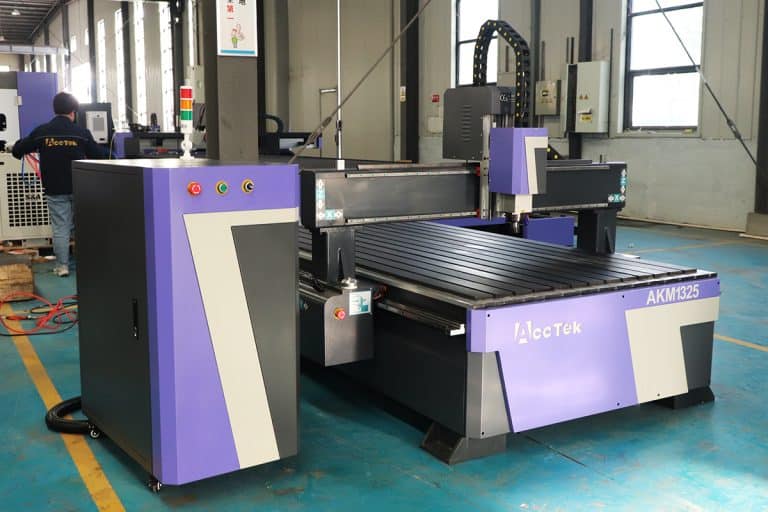
What Are CNC Routers
This article helps users understand what CNC routers are, how they work, their key components, types, materials, applications, advantages, and how to choose the right machine for your needs.
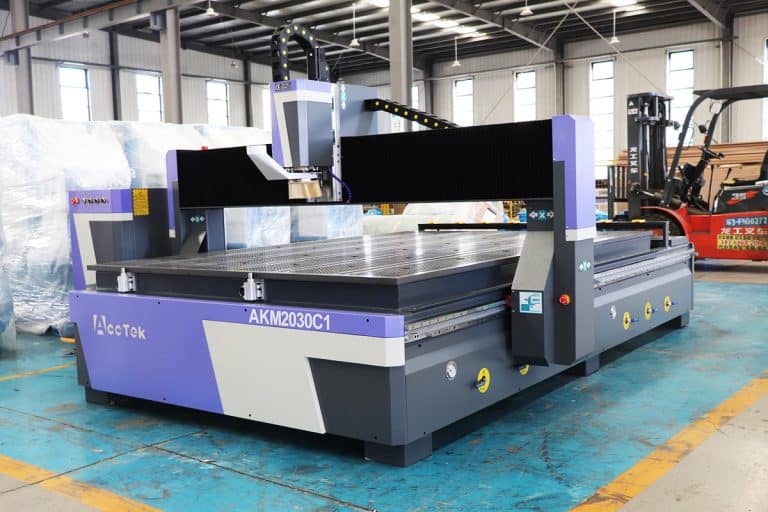
How to Choose CNC Routers
This article explores how to choose CNC routers, covering machine types, application requirements, working area, spindle selection, motion systems, software compatibility, costs, and maintenance considerations.
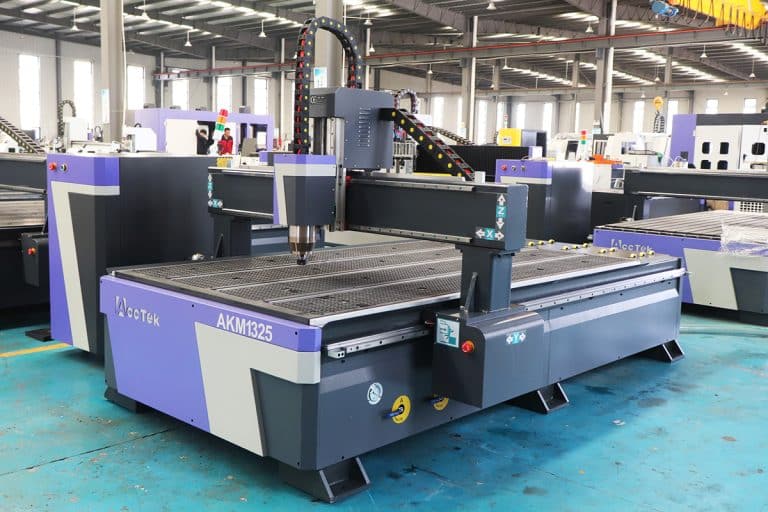
What Is The Lifespan Of CNC Routers
This article explores what determines the lifespan of CNC routers, including machine design, usage intensity, maintenance practices, accuracy drift, and when to repair, rebuild, or replace equipment.
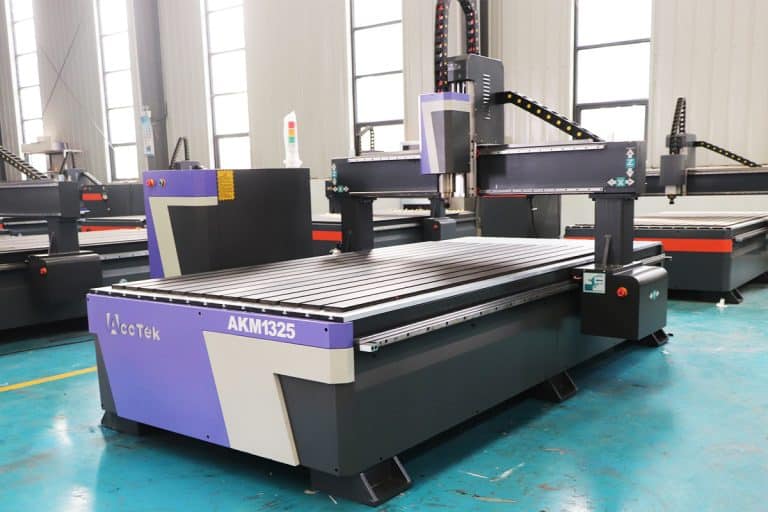
How Do CNC Routers Work
This article explains the working principle of CNC routers, from the motion system and cutting tools to the software workflow, materials, precision, and actual machining principles.
Frequently Asked Questions
What Is The Price Of UHMW CNC Routers?
What Is The Working Range Of UHMW CNC Routers?
- Standard Worktable Sizes for UHMW CNC Routers
- 600mm×900mm: A smaller, more compact option suitable for smaller UHMW sheets or projects requiring precision on a smaller scale.
- 600mm×1200mm: This size allows for a slightly larger range of materials, offering more flexibility for medium-sized components.
- 1200mm×1200mm: A square configuration, ideal for moderate-sized parts, providing versatility for a range of UHMW routing tasks.
- 1200mm×2400mm: A commonly used size that can handle larger sheets of UHMW, making it suitable for more substantial cutting or engraving projects.
- 1300mm×2500mm: Slightly larger than the previous option, it offers more room for larger UHMW sheets while maintaining versatility for varied tasks.
- 1500mm×3000mm: Ideal for larger workpieces, this size is popular in heavy-duty industrial environments, where larger cuts are frequently required.
- 2000mm×3000mm: A larger worktable suitable for cutting bigger UHMW sheets, providing more flexibility in handling oversized projects.
- 2000mm×4000mm: Used for even larger projects, this size can accommodate bigger UHMW materials and is suitable for larger-scale industrial applications.
- 2000mm×6000mm: One of the largest standard sizes, often used in industries requiring extensive routing capacity for large UHMW sheets.
- 3000mm×6000mm: The largest standard size, typically used for heavy-duty production where extremely large sheets of UHMW need to be processed.
- Custom Sizes
- For specific needs, custom-sized worktables can also be requested. This flexibility allows businesses to tailor the CNC router to their unique requirements, especially for large-scale production or specialized projects.
What Problems Might Occur When Using UHMW CNC Routers?
- Material Clogging or Poor Chip Removal: UHMW is a tough, waxy material that tends to generate sticky chips during the cutting process. These chips can easily clog the router bit, which may reduce cutting efficiency and precision. Without proper chip removal, the material can overheat or cause binding, leading to poor cut quality. Proper dust collection and chip removal systems are essential to prevent this issue.
- Tool Wear and Tear: Due to the toughness of UHMW, the cutting tools, such as router bits, may wear down quickly. This is especially true when high speeds or aggressive feeds are used. Tool life can be significantly reduced, resulting in frequent replacements and increased maintenance costs. Using high-quality carbide or diamond-coated tools can mitigate this issue, but it still requires regular monitoring and tool changes to maintain performance.
- Material Warping: While UHMW is less prone to warping compared to other plastics, it can still experience slight deformation if not properly supported during machining. If the material is not adequately secured, it may shift or warp during the cutting process, leading to inaccuracies. Using a vacuum table or T-slot clamping system ensures that the UHMW sheet is held securely in place, preventing such issues.
- Surface Finish Quality: Achieving a smooth finish on UHMW can be challenging, especially when the material is cut at high speeds or with the wrong tool settings. Inconsistent cutting pressure or too much heat can leave rough edges or even cause the material to melt slightly. Slower feed rates and optimized cutting speeds are recommended to achieve a clean, smooth edge.
- Static Build-Up: Due to the nature of UHMW, which is highly static-prone, static buildup can become an issue during routing. This can attract dust and debris to the cutting surface, which may interfere with the cutting process and lead to a dirty work environment. Grounding the machine and using anti-static mats can help prevent these issues.
- Overheating and Melting: UHMW has a relatively low melting point compared to other plastics, and it can melt during the routing process if the cutter is too aggressive or if the material is not cooled properly. This can result in melted edges or material sticking to the cutting tool. Ensuring adequate cooling or air assist can help prevent overheating and maintain clean cuts.
What Type Of Motor Do UHMW CNC Routers use?
- Stepper Motors: Stepper motors are the most commonly used in entry-level and mid-range UHMW CNC routers. They operate by moving in precise, fixed steps, which allows for controlled and accurate positioning of the router head. Stepper motors are best suited for tasks that do not require high speeds or complex motion. They offer simplicity and reliability while being cost-effective, making them ideal for users who need basic routing capabilities without a large investment.
- Easy Servo Motors: Easy servo motors are a hybrid solution between stepper motors and full servo motors. They combine the precision of servo motors with the simplicity of stepper motors, offering better efficiency and smoother operation. These motors are commonly found in mid-range CNC routers and are ideal for tasks that require a balance of performance and affordability. Easy servo motors deliver more torque and higher speeds than stepper motors, making them well-suited for applications requiring moderate precision and quicker throughput.
- Servo Motors: Servo motors are the highest-performing option for UHMW CNC routers and are typically found in industrial-grade, high-end machines. These motors provide precise control over speed, position, and torque. Servo motors are used for applications that demand exceptional performance, such as high-speed machining or cutting intricate designs in tough materials like UHMW. They offer closed-loop control, meaning the motor continuously adjusts to ensure optimal performance, even under changing loads.
What PPE Is Required To Operate UHMW CNC Routers?
- Safety Glasses or Face Shield: Safety glasses or a face shield are crucial to protect the eyes from flying debris and dust generated during the CNC routing process. UHMW material can produce small chips and particles, which, if they come into contact with the eyes, can cause serious injury. A face shield provides more comprehensive protection, especially when working with larger materials or high-speed cutting tasks.
- Dust Mask or Respirator: Cutting UHMW generates fine plastic dust that can be harmful if inhaled over extended periods. A dust mask is the minimum requirement, but for better protection, especially in poorly ventilated areas or during heavy routing, a respirator with a P100 or N95 rating is recommended. Respirators filter out harmful particles and help avoid respiratory issues caused by prolonged exposure to dust.
- Hearing Protection: CNC routers can generate significant noise levels, especially when operating at high speeds or cutting through tough materials like UHMW. Prolonged exposure to loud machinery can lead to hearing loss, so earplugs or earmuffs are essential to protect hearing. Noise levels can exceed 85 decibels, which is the threshold for potential hearing damage, making hearing protection a must in any CNC router environment.
- Protective Gloves: Cut-resistant gloves should be worn to protect the hands from sharp edges, both on the UHMW material itself and on the cutting tools or bits. UHMW material can have rough edges after cutting, and gloves can prevent cuts or abrasions. Gloves also provide better control when handling workpieces, especially during setup or when removing pieces from the machine.
- Protective Clothing: Wearing long-sleeve shirts and long pants made of durable fabric is essential to prevent skin exposure to sharp edges or flying debris. Clothing should be snug enough to avoid getting caught in the machine’s moving parts but loose enough to allow comfortable movement. Avoid wearing loose jewelry or accessories that could get caught in the machinery.
- Foot Protection: Steel-toed boots are recommended to protect the feet from falling tools, heavy workpieces, or other potential hazards. In a workshop where large materials are cut, there is always a risk of heavy items being dropped or rolling, making protective footwear necessary.
- Hair and Jewelry Protection: If an operator has long hair, it should be tied back to prevent it from being caught in the CNC router’s moving parts. Loose jewelry, including rings, bracelets, or necklaces, should also be avoided for the same reason.
What Are The Environmental Requirements For UHMW CNC Routers?
- Temperature Control: Maintaining a consistent temperature in the workshop is crucial when operating UHMW CNC routers. Ideally, the operating temperature should be between 18℃ and 25℃ (64℉ to 77℉). Extreme temperatures can affect both the material and the machine’s components. For instance, if the environment is too cold, UHMW material may become brittle and more prone to cracking during cutting. On the other hand, high temperatures could cause material warping or excessive wear on the cutting tools.
- Humidity Control: Humidity should be maintained at a moderate level (typically 40-60% relative humidity). Excess moisture can cause UHMW sheets to expand or warp, affecting the precision of the cuts. Additionally, too much humidity can promote rusting of metal components in the CNC router, reducing their lifespan. Conversely, low humidity can lead to static buildup, which can attract dust and affect the quality of cuts or cause interference with electrical components.
- Ventilation and Dust Extraction: Effective ventilation is essential when operating CNC routers to handle the fine plastic dust generated during the cutting of UHMW. These dust particles can be hazardous if inhaled, and they can also cause machines to overheat or malfunction if they accumulate. A high-efficiency dust extraction system is necessary to capture the dust at the source and prevent buildup on machine components. Inadequate ventilation could also lead to a buildup of heat in the machine, which can negatively impact both the machine and the material.
- Cleanliness and Air Quality: A clean and dust-free environment helps maintain the machine’s performance. The accumulation of dust on moving parts can lead to friction, premature wear, or even failure of machine components. Air quality should also be monitored to avoid the inhalation of toxic fumes or dust particles, which can be harmful to operators. Using HEPA filters in the ventilation system can help remove harmful airborne particles and maintain a safe working environment.
- Electrical and Power Supply: A stable power supply is essential for optimal CNC router performance. Voltage fluctuations can cause issues with the motor and other sensitive components. Surge protectors and uninterruptible power supplies (UPS) are recommended to protect the machine from power surges or outages.
What Training Is Required To Operate UHMW CNC Routers?
- Machine Setup and Configuration: Training should include the proper setup of the CNC router for UHMW material, which includes adjusting the machine settings (such as feed rates, cutting speeds, and tool paths) to accommodate the unique properties of UHMW. Operators must also learn how to securely mount and align the material on the worktable, ensuring it is properly fixed to avoid movement during the cutting process.
- Understanding UHMW Material Properties: UHMW material behaves differently from other plastics and requires specific techniques to cut effectively. Operators must understand its properties, such as its resistance to wear and low friction, and how these affect the cutting process. Training should emphasize how to manage challenges like material buildup or tool wear due to the sticky nature of UHMW.
- Safety Training: Safety is a critical aspect of CNC router operation. Operators should be trained in using the Personal Protective Equipment (PPE) required for the job, such as safety glasses, dust masks, and ear protection. In addition, operators must be familiar with emergency shutdown procedures and the safe operation of high-speed machinery.
- Routine Maintenance: Regular maintenance is crucial for keeping the CNC router in good working order. Operators should be trained in performing routine maintenance tasks, including cleaning the machine, inspecting parts for wear, and ensuring the dust collection system is functioning properly.
- CNC Programming and Software Operation: CNC routers typically use CAD/CAM software to control the cutting process. Operators need to be trained on using this software to design tool paths, adjust cutting settings, and load designs into the machine. Basic knowledge of programming is essential to ensure the CNC router operates efficiently and the cuts are made with precision.
How To Maintain UHMW CNC Routers?
- Regular Cleaning: Cleaning is crucial to prevent plastic dust and debris from building up on the machine components. UHMW produces sticky chips during cutting, which can accumulate on the machine bed, rails, and moving parts, leading to mechanical issues. It’s essential to clean the dust collection system, tool holders, spindle, and CNC router bed after each use.
- Lubrication: Regular lubrication of the moving parts, such as rails, ballscrews, and linear guides, is essential to reduce friction and wear. This will ensure smooth operation and prevent parts from grinding against each other, which can lead to costly repairs.
- Check and Replace Cutting Tools: Since UHMW material is tough and abrasive, it can cause cutting tools to wear down faster. Regular inspection and replacement of router bits and cutting tools are necessary to maintain the precision and efficiency of the CNC router.
- Inspect and Tighten Components: Over time, the vibrations from the CNC router can cause bolts and screws to loosen. These loose parts can affect the machine’s performance and even lead to failures.
- Dust Extraction System Maintenance: A well-functioning dust extraction system is crucial when working with UHMW to avoid dust buildup and maintain air quality. Ensure that the system is free of blockages and properly extracts the fine plastic dust that is produced during cutting.
- Software and Electrical System Checks: Maintaining the software and electrical components is just as important as the mechanical aspects. Regularly check for software updates and ensure all electrical connections are intact and free from damage.