

Product Introduction
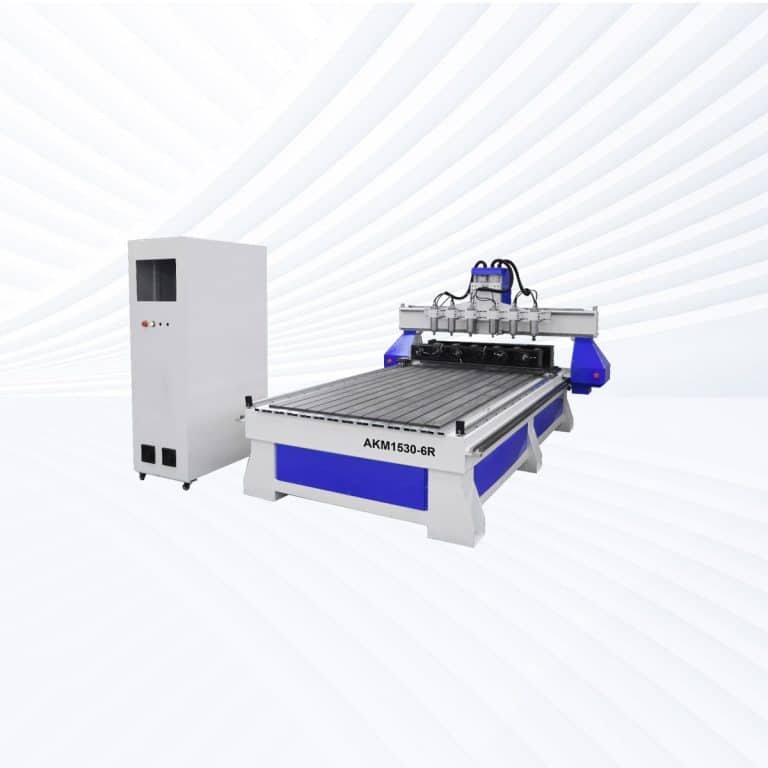
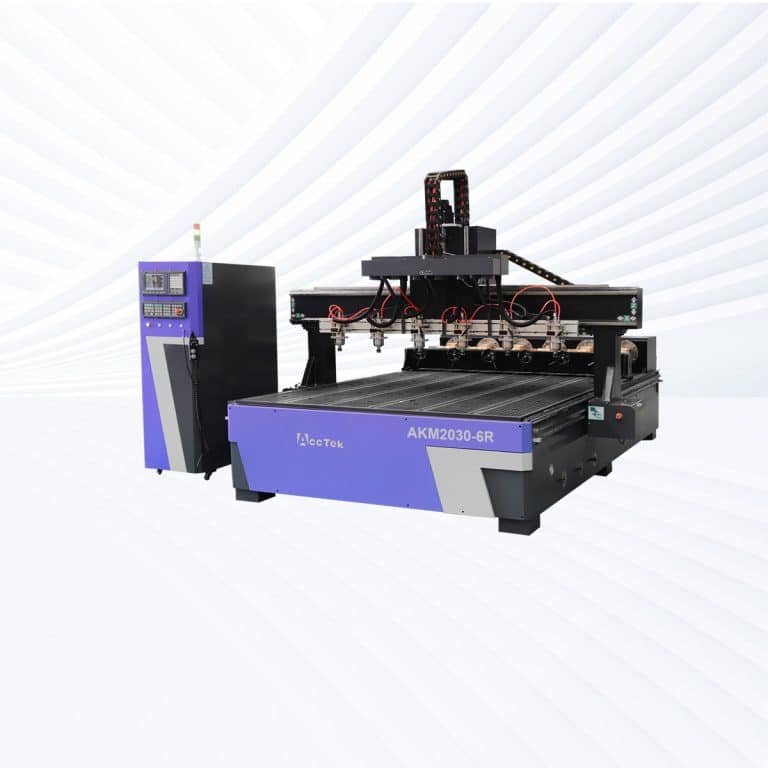
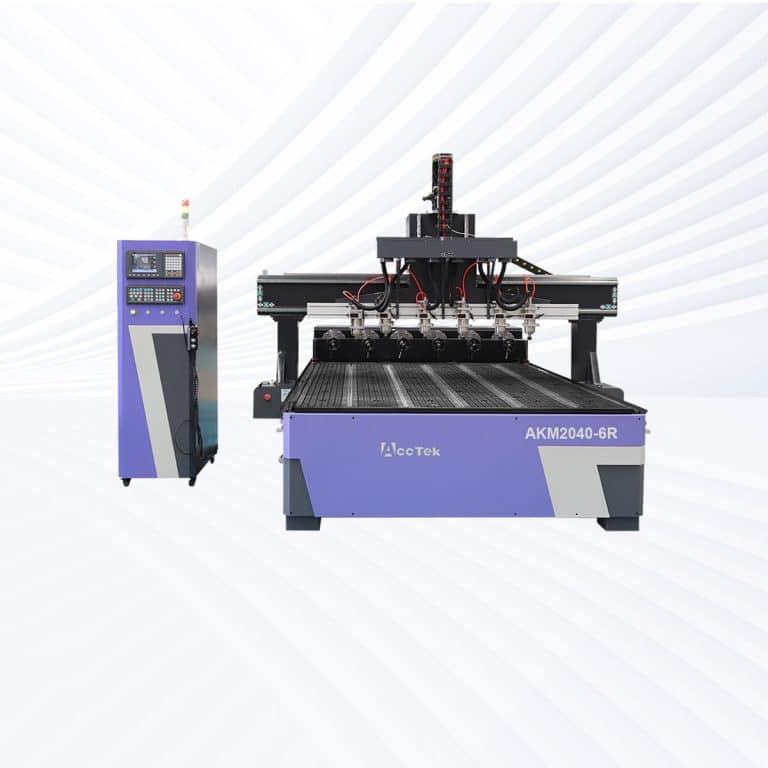
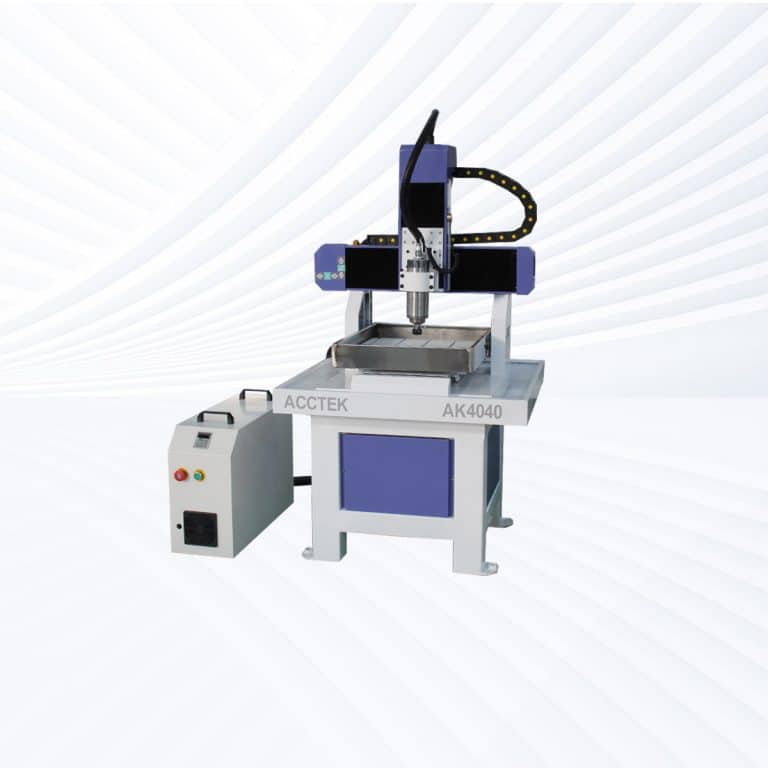
Material Routing Capability
| Material Type | 1.5 kW | 2.2 kW | 3.0 kW | 3.2 kW | 3.5 kW | 4.5 kW | 5.5 kW | 6.0 kW | 7.5 kW | 9.0 kW |
|---|---|---|---|---|---|---|---|---|---|---|
| Softwood | Light Cutting | Standard Cutting | Fast Cutting | Fast Cutting | Fast Cutting | High-Speed Cutting | Heavy-Duty Cutting | Heavy-Duty Cutting | Industrial Cutting | Industrial Cutting |
| Hardwood | Light Duty | Standard Cutting | Stable Cutting | Stable Cutting | High-Precision | Heavy-Duty | Heavy-Duty | High-Torque Cutting | Industrial Cutting | Industrial Cutting |
| Plywood/MDF | Basic Cutting | Smooth Cutting | Fast, Clean Cutting | Fast Cutting | High-Precision | Heavy-Duty | Heavy-Duty | Industrial Smooth Cuts | High-Volume Cutting | High-Volume Cutting |
| HDF/Particle Board/Melamine | Light Cuts | Standard Cuts | Clean Cuts | Clean Cuts | High-Precision | Heavy-Duty | Heavy-Duty | Industrial | Industrial | Industrial |
| Acrylic(PMMA) | Thin Sheets | Clean Cutting | Fast, Clean Edges | High Clarity | High Clarity | Smooth Finishing | Smooth Finishing | Industrial Clarity | Industrial Clarity | Industrial Clarity |
| Polycarbonate/PETG | Thin Sheets | Clean Cutting | Stable Cutting | Stable Cutting | Precision Cutting | Heavy-Duty | Heavy-Duty | Industrial | Industrial | Industrial |
| ABS/PVC Foam Board | Light Duty | Standard | Fast Cutting | Fast Cutting | High Stability | Heavy-Duty | Heavy-Duty | Industrial | Industrial | Industrial |
| HDPE/LDPE/PP/Nylon | Light Cuts | Standard Cuts | Stable Cuts | Stable Cuts | Deep Routing | Heavy-Duty | Heavy-Duty | High-Torque | Industrial | Industrial |
| Delrin/UHMW | Light Duty | Standard | Accurate Routing | Accurate Routing | High-Precision | Heavy-Duty | Heavy-Duty | Industrial | Industrial | Industrial |
| Solid Surface (Corian) | Very Light | Standard | Strong Cutting | Clean Cutting | High-Precision | Heavy-Duty | Heavy-Duty | Industrial Cutting | Industrial Cutting | Industrial Cutting |
| Fiberglass/Carbon Fiber Sheet | Light Trimming | Standard | Precise Routing | Precise Routing | High-Precision | Heavy-Duty | Heavy-Duty | Industrial | Industrial | Industrial |
| Phenolic/Bakelite | Limited | Standard | Clean Routing | Clean Routing | Precision Routing | Heavy-Duty | Heavy-Duty | Industrial | Industrial | Industrial |
| Foam(EVA, XPS, EPS, PU) | Very Easy | Very Easy | Fast Cutting | Fast Cutting | Ultra-Fast | Ultra-Fast | Ultra-Fast | High-Speed | High-Speed | High-Speed |
| Rubber/Leather/Cork | Light Duty | Standard | Clean Edges | Clean Edges | Faster Routing | Heavy-Duty | Heavy-Duty | Industrial | Industrial | Industrial |
| Cardboard/Paperboard | Easy | Easy | Fast Cutting | Fast Cutting | Ultra-Fast | Ultra-Fast | Ultra-Fast | Industrial | Industrial | Industrial |
| ACP/ACM (Surface Routing Only) | Very Light | Standard | Clean Grooves | Clean Grooves | High Precision | Heavy-Duty | Heavy-Duty | Industrial | Industrial | Industrial |
Compatible Materials
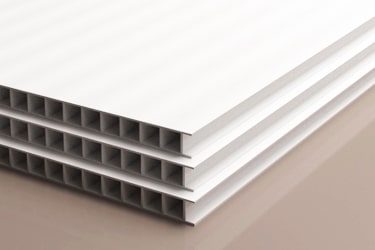
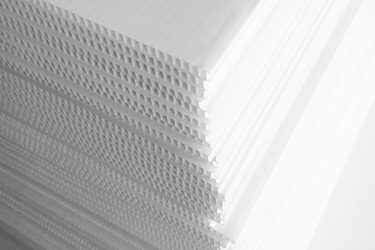
- Standard White Coroplast
- Standard Black Coroplast
- Standard Clear Coroplast
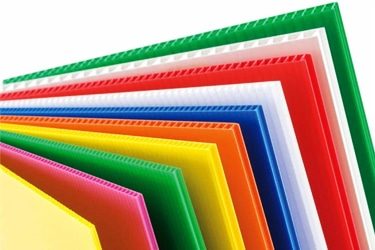
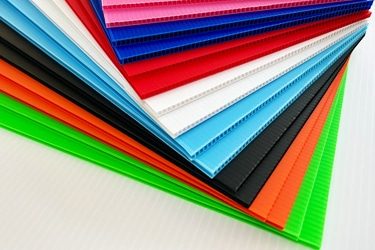
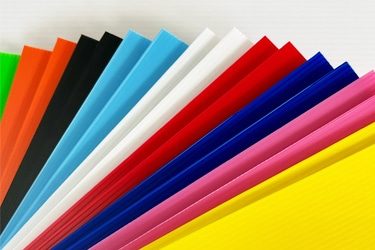
- Colored Coroplast Sheets
- Print-Grade Coroplast
- Corona-Treated Coroplast
- UV-Resistant Coroplast
- Outdoor-Grade Coroplast
- Weatherproof Coroplast
- High-Impact Coroplast
- Flame-Retardant Coroplast
- Anti-Static Coroplast
- Conductive Coroplast
- Recyclable/Eco-Grade Coroplast
- FDA Food-Safe Coroplast
- Extra-Rigid Coroplast
- Lightweight Coroplast
- Double-Wall Coroplast
- Triple-Wall Coroplast
- Laminated Coroplast
- Gloss-Finish Coroplast
- Matte-Finish Coroplast
- Textured Coroplast
- Screen-Print-Ready Coroplast
- Digital-Print-Ready Coroplast
- Adhesive-Backed Coroplast
- Vinyl-Laminated Coroplast
- Pre-Scored Coroplast
- High-Density Coroplast
- Low-Density Coroplast
- Thick-Gauge Coroplast
- Thin-Gauge Coroplast
- Custom Die-Cut Coroplast Blanks
- Coroplast with Foam-Core Backing
- Coroplast with PET Laminate
- Coroplast with PVC Laminate
- Coroplast Construction Panels
- Coroplast Packaging-Grade Sheets
- Coroplast Display Board Sheets
- Coroplast with Aluminum Composite Backing
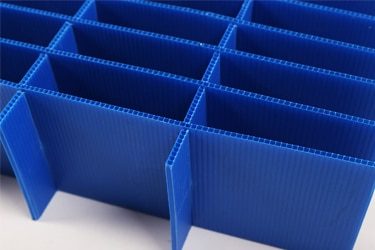
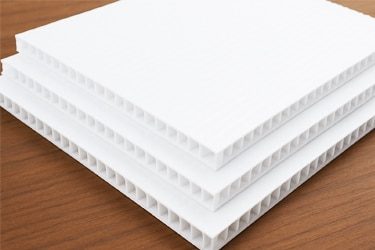
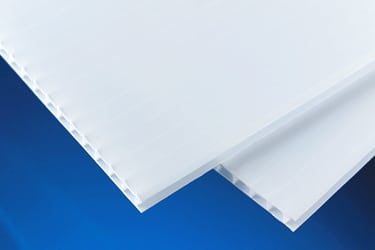
Application of Coroplast CNC Routers
Customer Testimonials
Comparison VS Other Engraving Technologies
| Comparison Item | Coroplast CNC Routing | Laser Engraving | Chemical Etching | EDM Engraving |
|---|---|---|---|---|
| Working Principle | Mechanical cutting with rotating bits | Melts/vaporizes plastic with focused laser heat | Chemicals dissolve surface | Electrical discharge erodes material |
| Material Suitability | Excellent for Coroplast | Risk of melting and burned edges | Not suitable | Not suitable |
| Edge Quality | Clean, sharp edges | Melted or charred edges | Not applicable | Not applicable |
| Cutting Ability | Full-depth cutting | Limited cutting; risk of warping | No cutting | No cutting |
| Speed | Fast for large sheets | Moderate; slower to avoid heat damage | Slow | Very slow |
| Precision | High repeatability | High but inconsistent due to melting | Low–moderate | Very high (for metals only) |
| Heat Impact | No heat distortion | High heat; deforming likely | None, but chemical swelling possible | No heat on plastics, but process incompatible |
| Thickness Handling | Works well with all Coroplast thicknesses | Poor for thick sheets | Poor | Not suitable for plastics |
| Design Complexity | Handles detailed shapes + contouring | Good for surface marks | Limited to simple mask patterns | Excellent—but only on metal |
| Surface Finish | Smooth, uniform | Burn marks possible | Uneven if chemical spread varies | Very smooth (metal only) |
| Setup Requirements | Simple fixtures + tools | Software setup only | Chemical prep + masking | Complex setup and tooling |
| Operating Cost | Low | Medium (laser tube wear) | Medium–high (chemicals) | High |
| Maintenance | Change bits, basic cleaning | Optics and exhaust maintenance | Hazardous chemical disposal | Electrode replacement |
| Safety Considerations | Low risk | Laser radiation + fumes | Chemical burns + toxic fumes | High voltage hazards |
| Ideal Use Case | Signs, boxes, displays, packaging | Light marking on thin plastics | Metal pattern etching | Precision metal engraving |
Why Choose Us
High Precision & Efficiency
AccTek CNC routers deliver fast, accurate results with minimal errors, supporting intricate designs and mass production across the woodworking, plastic, and metal industries.
Robust and Durable Design
Our machines are built with high-quality frames and components, ensuring long service life, high load-bearing capacity, and stability during high-speed operations.
Intelligent Control Systems
Equipped with user-friendly interfaces and smart controllers, our routers offer smooth motion control, automatic toolpath optimization, and easy integration with various CAD/CAM software.
Flexible Customization
From machine size to spindle power and motor type, we offer flexible configurations to suit different production needs, budgets, and material requirements.
Related Resources
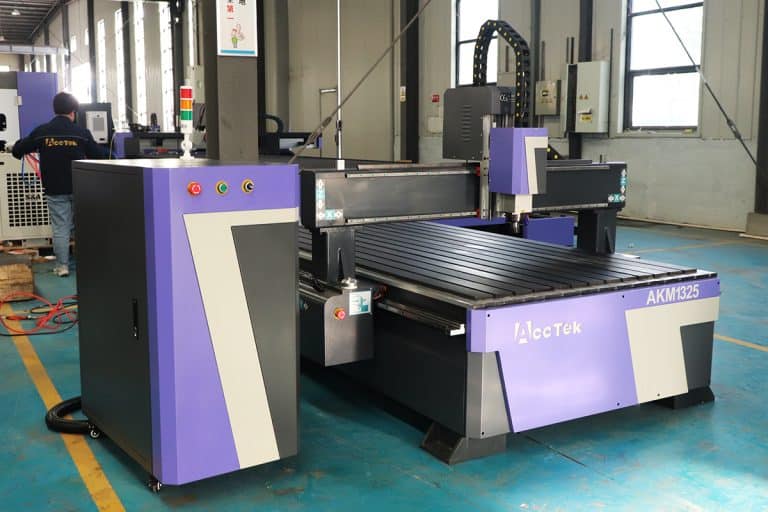
What Are CNC Routers
This article helps users understand what CNC routers are, how they work, their key components, types, materials, applications, advantages, and how to choose the right machine for your needs.
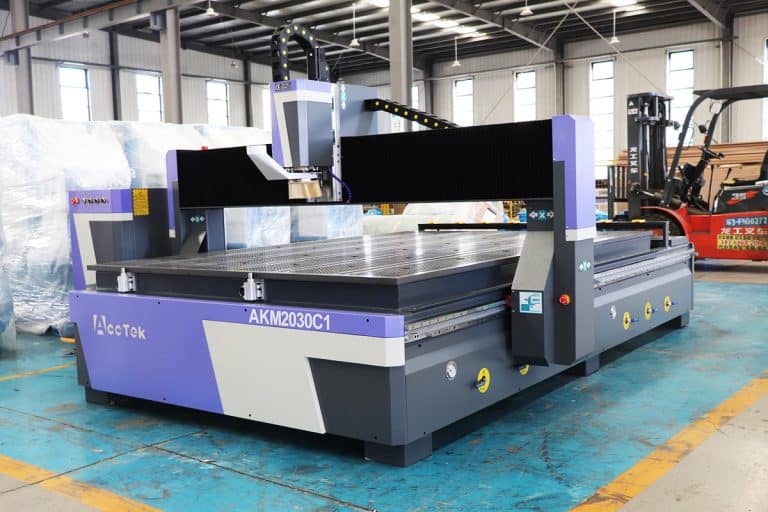
How to Choose CNC Routers
This article explores how to choose CNC routers, covering machine types, application requirements, working area, spindle selection, motion systems, software compatibility, costs, and maintenance considerations.
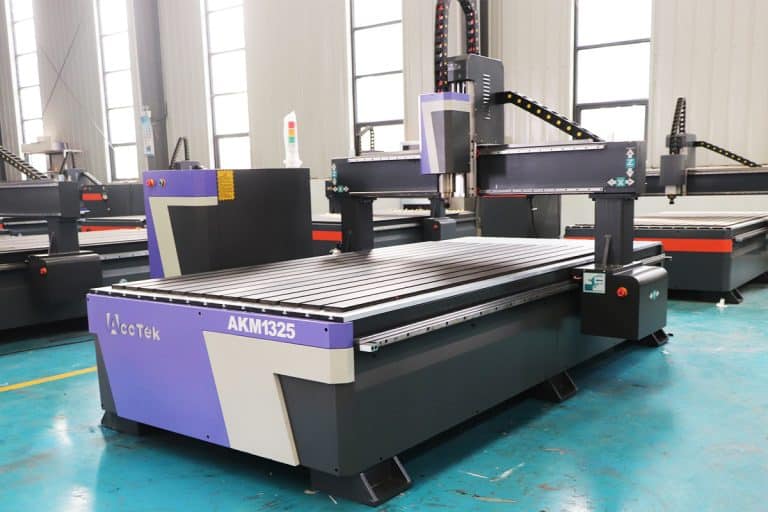
What Is The Lifespan Of CNC Routers
This article explores what determines the lifespan of CNC routers, including machine design, usage intensity, maintenance practices, accuracy drift, and when to repair, rebuild, or replace equipment.
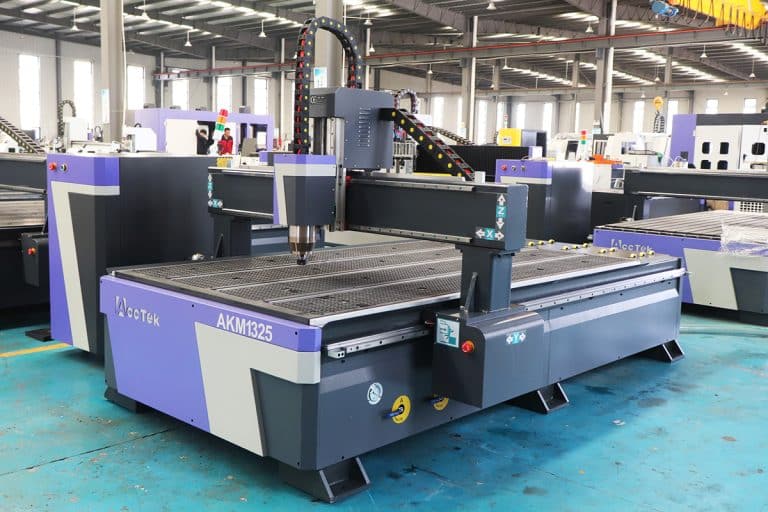
How Do CNC Routers Work
This article explains the working principle of CNC routers, from the motion system and cutting tools to the software workflow, materials, precision, and actual machining principles.
Frequently Asked Questions
What Is The Price Of Coroplast CNC Routers?
What Is The Working Range Of Coroplast CNC Routers?
- Standard Available Sizes
- 600mm×900mm: A compact worktable suitable for smaller projects or precise cuts on smaller sheets of Coroplast.
- 600mm×1200mm: Slightly larger, ideal for medium-sized Coroplast sheets or smaller batches of work.
- 1200mm×1200mm: A square configuration providing more room for larger pieces while still maintaining versatility.
- 1200mm×2400mm: A commonly used size, offering ample space for cutting larger sheets of Coroplast, making it ideal for signage and display applications.
- 1300mm×2500mm: Suitable for standard-sized Coroplast sheets, commonly used in medium-scale production environments.
- 1500mm×3000mm: A larger worktable providing more flexibility for larger Coroplast sheets and more complex cutting tasks.
- 2000mm×3000mm: Designed for larger Coroplast sheets or industrial-level production, providing ample space for high-volume tasks.
- 2000mm×4000mm: Suitable for very large-scale projects or custom-cut jobs that require extra space to work with large sheets of Coroplast.
- 2000mm×6000mm: A very large worktable, ideal for industrial-grade applications and high-volume production that requires an extensive cutting area.
- 3000mm×6000mm: The largest standard size, offering maximum flexibility for cutting large sheets of Coroplast, typically used in commercial or industrial settings where large quantities need to be processed.
- Custom Sizes
- In addition to the standard sizes, custom sizes can be requested to meet the specific needs of particular applications. This allows businesses to tailor the CNC router to their precise requirements, whether for unique sheet dimensions or specialized production volumes.
What Factors Affect The Price of Coroplast CNC Routers?
- Machine Size and Worktable Dimensions: The size of the CNC router and the worktable dimensions are primary factors in determining the price. Larger machines with more expansive worktables, such as those capable of handling sheets up to 3000mm x 6000mm, tend to cost more than smaller units. Larger tables allow for more flexibility in cutting larger Coroplast sheets or handling high-volume production, making them more expensive.
- Cutting Precision and Performance: The cutting precision required for specific projects also affects the price. CNC routers designed for high-precision tasks, such as intricate signage or small, detailed cuts in Coroplast, often come with advanced features, higher-quality motors, and better overall engineering, which increases the cost. Machines with higher resolution or tight tolerance capabilities for fine cuts generally carry a premium price tag.
- Motor Type and Power: The type of motor used in the CNC router can also influence the price. Stepper motors are generally less expensive but may be less efficient for larger or faster cutting tasks. Servo motors and Easy servo motors, which offer higher performance in terms of speed and precision, are more costly but provide better results in demanding applications. The power of the motor (e.g., high torque or high-speed motors) can further increase the cost.
- Features and Automation: Advanced features such as automatic tool changers, advanced software, and automated loading/unloading systems can add to the price of the CNC router. CNC routers that include more automation and support for complex tasks typically come at a higher cost. Additionally, specialized features like vacuum hold-down systems for securely holding Coroplast sheets in place also contribute to the overall price.
- Brand and Build Quality: The brand of the CNC router plays a significant role in its price. Established brands with a reputation for quality, reliability, and customer support typically command higher prices. Additionally, build quality—such as the durability of materials used for the frame, rails, and moving components—can influence cost. Heavier, more durable machines with high-quality components will generally cost more.
- Software and Control System: The software and control systems that come with the CNC router can also affect the price. Machines equipped with advanced CAD/CAM software or user-friendly interfaces for easy programming and design integration are often more expensive. Higher-end CNC routers with customizable software packages also contribute to the price.
- Customization and Add-ons: Customization options, such as custom worktable sizes, specific motor configurations, or special tooling capabilities, can add to the cost. Additionally, optional add-ons like extra dust extraction systems or specialized tooling can increase the price.
What Is The Accuracy Of Coroplast CNC Routers?
- Positioning Accuracy: The positioning accuracy of CNC routers refers to how precisely the machine can move its cutting tool to the desired location on the material. For Coroplast CNC routers, positioning accuracy typically ranges from 0.05 mm to 0.1 mm (50 to 100 microns). This is sufficient for most cutting and engraving tasks, allowing for detailed work such as lettering or intricate designs on Coroplast sheets.
- Repeatability: Repeatability refers to the ability of the CNC router to return to the same position after multiple cycles or operations. Good repeatability ensures that the machine can perform consistent cuts across multiple sheets or during high-volume production. Coroplast CNC routers generally offer repeatability within 0.01 mm to 0.05 mm, ensuring consistency in large batches of cuts.
- Resolution: The resolution of CNC routers, or the smallest movement the machine can make, also impacts accuracy. Coroplast CNC routers typically have a resolution of 0.01 mm to 0.05 mm, allowing for detailed engraving or cutting, such as small holes or fine details in signage.
What Type Of Worktable Do Coroplast CNC Routers Use? Vacuum and T-Slot Worktable
- Vacuum Worktable: The vacuum worktable uses suction to hold the material firmly in place. It’s especially beneficial for cutting lightweight or thin materials like plastics or foam. The vacuum system generates an even suction across the surface, which is adjustable to accommodate various material thicknesses and densities. This ensures that the workpiece remains stationary, preventing any shifting that could affect precision. The vacuum table is particularly effective in applications where material distortion due to clamping pressure would be an issue, offering a clean and non-invasive way of holding the material.
- T-Slot Worktable: The T-slot worktable features a grid of slots into which clamping tools and fixtures are inserted. This type of worktable is highly flexible, allowing for quick and easy setup of custom fixtures and clamps. The T-slots are typically arranged in a grid pattern across the table, offering multiple points for securing different sizes of material. This table type is ideal for situations where material sizes vary and there is a need for precise positioning or support.
- Both types of worktables are often used in conjunction, providing the flexibility and stability needed for the wide variety of materials Coroplast CNC routers handle. While the vacuum table provides secure holding for flexible, thin materials, the T-slot table allows for more customizable and robust clamping for heavier or irregularly shaped materials. Together, they enhance the accuracy and efficiency of the CNC routing process.
What Are The Environmental Requirements For Coroplast CNC Routers?
- Temperature and Humidity Control: CNC routers should be operated in a temperature-controlled environment to prevent thermal expansion or contraction of materials, which can affect the precision of the cuts. The ideal operating temperature is typically between 18℃ and 24℃ (64℉ to 75℉). Excessive humidity can lead to material swelling or rusting of metal components, so it’s crucial to maintain a balanced humidity level, ideally between 30% and 50%.
- Ventilation and Air Quality: Proper ventilation is vital for CNC router operations, especially when cutting materials like plastics or foam that can produce harmful fumes. A well-ventilated workshop helps maintain air quality and removes any potentially harmful fumes generated during the machining process. In addition, dust collection systems or exhaust systems should be used to remove particles and debris that can contaminate the air or clog the machine’s components.
- Cleanliness and Dust-Free Environment: CNC routers are highly sensitive to dust and debris. A clean environment helps ensure that the precision components of the CNC router, such as the rails and motors, are not hindered by buildup. Additionally, dust can interfere with the cutting quality and potentially cause fire hazards, especially when working with materials like foam or plastics. Routine cleaning and maintenance of the workspace and CNC router are essential for optimal performance.
- Power Supply Stability: CNC routers require a stable and clean power supply to avoid interruptions or damage to sensitive electrical components. Fluctuations in voltage can result in erratic machine behavior, compromising the accuracy of cuts. Surge protectors and uninterruptible power supplies (UPS) should be used to safeguard the equipment.
- Flooring and Grounding: The floor of the workspace should be solid, level, and free of vibrations. Uneven floors can affect the machine’s ability to maintain accuracy during cutting operations. Additionally, proper grounding of the CNC router is essential to avoid electrical issues and to ensure the safety of the equipment and operator.
What Is The Lifespan Of Coroplast CNC Routers?
- Usage and Workload: The amount of work the CNC router performs directly affects its lifespan. Heavy usage, such as continuous, high-speed cutting of dense materials, can lead to faster wear on key components like the spindle, rails, and motors. If the CNC router is used for more demanding applications, it may need to be replaced or refurbished sooner. In contrast, light or intermittent use can extend the machine’s lifespan.
- Maintenance and Care: Regular maintenance is critical to the longevity of any CNC router. Keeping the machine clean, lubricating moving parts, and regularly checking and replacing wear parts (e.g., belts, bearings, and spindles) can significantly extend the lifespan of the equipment. Routine inspections to identify issues such as misalignments or damage will prevent minor problems from becoming major repairs.
- Component Quality: The quality of the CNC router’s components also plays a role in its overall longevity. High-end, industrial-grade CNC routers often feature more durable materials and advanced technologies, allowing them to perform well for a longer time. In contrast, budget models may not be built to the same standards and could experience issues sooner, particularly under heavy usage.
- Environment: The working environment also impacts the lifespan of the machine. Dust, temperature fluctuations, and humidity can accelerate wear and tear on the CNC router. Proper ventilation, humidity control, and a clean working space are essential to minimize environmental factors that could negatively affect the CNC router.
What Training Is Required To Operate Coroplast CNC Routers?
- Basic CNC Router Operation: Operators must understand the fundamentals of CNC routing, including how to load materials, set up the machine, and execute cutting programs. Training typically covers:
- Loading and securing materials: Properly placing materials on the worktable, whether using a vacuum or T-slot system, and ensuring they are securely fastened.
- Understanding machine controls: Familiarizing operators with the control panel, software interface, and emergency stop functions.
- Basic programming skills: Knowledge of how to use CNC software (like CAD/CAM programs) to input designs and convert them into machine-readable instructions.
- Safety Protocols: Safety is a priority when operating CNC routers due to the high-speed, high-precision nature of the machines. Training will focus on:
- Personal protective equipment (PPE): Operators should be trained to wear appropriate safety gear such as safety glasses, ear protection, and dust masks.
- Safe machine operation: Instructions on avoiding common risks like moving parts, flying debris, and electrical hazards.
- Emergency procedures: Operators should know how to stop the machine quickly in case of a malfunction or an emergency, as well as how to handle situations like material jams or electrical issues.
- Material Handling and Compatibility: Operators must understand the properties of different materials they will be working with (e.g., plastic, foam, and composite materials). Training includes:
- Material selection: How to choose the correct material for specific tasks based on the machine’s capabilities and the material’s properties.
- Cutting settings: Adjusting machine settings like speed, feed rate, and tool choice to optimize results for different materials.
- Material hazards: Awareness of fumes or risks associated with certain materials, ensuring proper ventilation or dust extraction systems are in place.
- Maintenance and Troubleshooting: Routine maintenance is crucial for maximizing the lifespan and performance of Coroplast CNC routers. Training will include:
- Daily checks: Ensuring the machine is properly calibrated, that the spindles are clean, and that no debris is interfering with operation.
- Basic troubleshooting: Operators should know how to diagnose and resolve minor issues like tool wear, software glitches, or material misalignment.
- Regular maintenance: Performing scheduled maintenance tasks like lubricating moving parts, checking alignment, and updating software.
- Advanced CNC Programming (optional for more experienced operators): For operators who will be involved in advanced applications or custom work, training may cover:
- G-code programming: Writing and editing G-code for more complex routing tasks.
- CAD/CAM software: Using specialized design software to create intricate designs that the CNC router can execute.