

Product Introduction
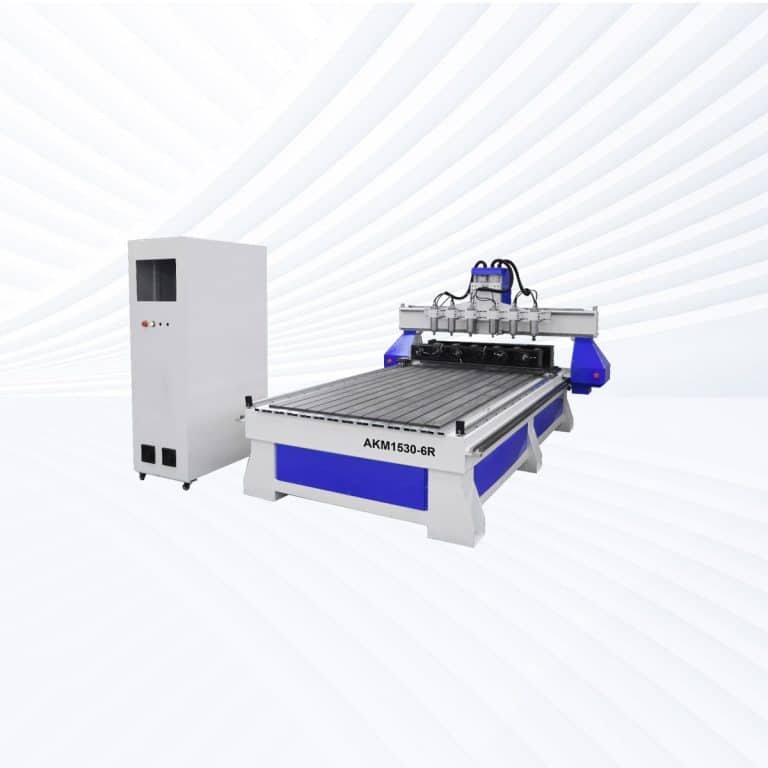
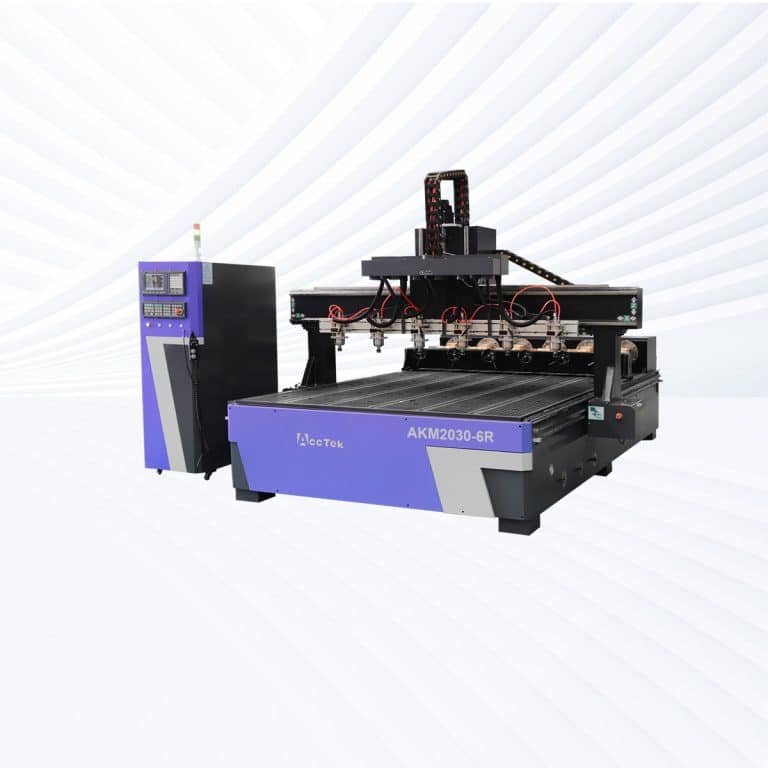
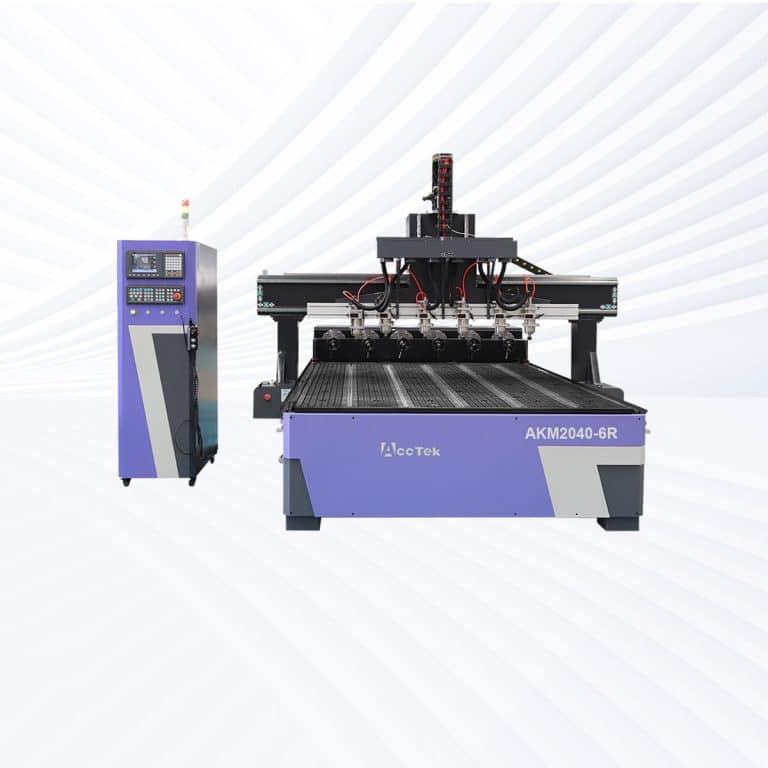
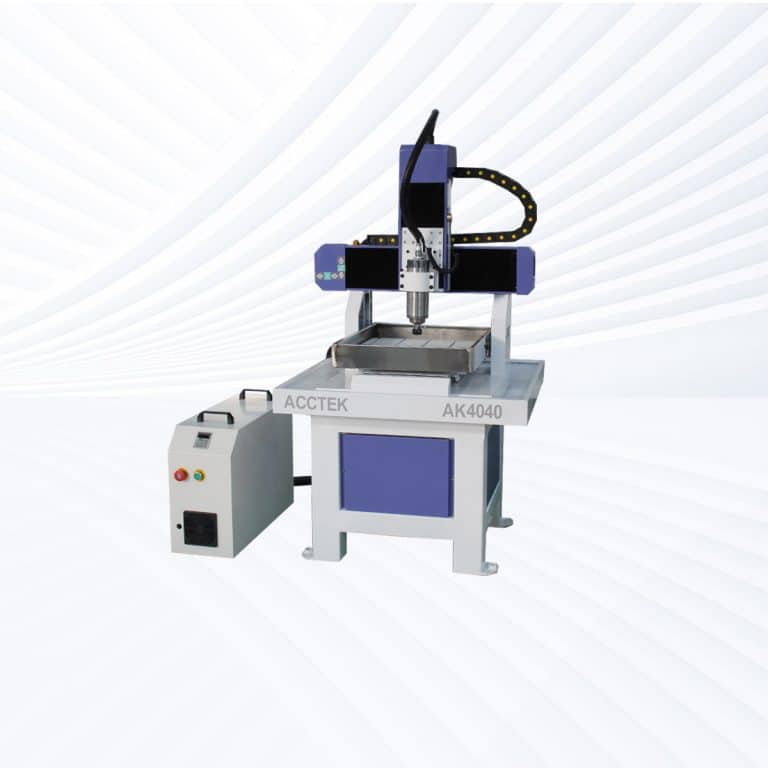
Benefits of CNC Routing Ceramic
High Precision and Accuracy
Ceramic CNC routers deliver precise cutting and engraving, eliminating cracks and uneven edges common with manual methods. Advanced motion control ensures consistent results, making them ideal for industries where exact tolerances and flawless finishes are critical.
Versatility Across Ceramic Types
From porcelain and ceramic tiles to technical ceramics like alumina and zirconia, CNC routers can process a wide range of materials. This versatility makes them suitable for decorative applications, electronics, medical implants, aerospace components, and more.
Enhanced Productivity
Automated CNC routing reduces production time by completing complex cuts and engravings faster than traditional methods. This efficiency allows businesses to scale output, meet tight deadlines, and handle high-volume production while maintaining quality standards.
Superior Surface Finish
With diamond-coated tooling and optimized cooling systems, CNC routers achieve smooth, chip-free edges on ceramic materials. This reduces the need for secondary finishing, saving time and improving the overall quality and appearance of the final product.
Consistency and Repeatability
Once programmed, CNC routers reproduce the same design flawlessly across multiple pieces. This ensures uniformity in large production runs, making them the ideal choice for manufacturers that demand reliability and repeatable results.
Expanded Design Possibilities
CNC routing enables the creation of intricate patterns, 3D engravings, and customized shapes that are difficult or impossible with manual tools. This flexibility allows businesses to innovate and expand product offerings in both functional and decorative ceramics.
Compatible Ceramic Materials
- Porcelain
- Ceramic Tiles
- Glazed Ceramic Tiles
- Unglazed Ceramic Tiles
- Mosaic Tiles
- Stoneware
- Earthenware
- Terracotta
- Bone China
- Glass-Ceramics
- Alumina
- Zirconia
- Silicon Carbide
- Boron Carbide
- Silicon Nitride
- Aluminum Nitride
- Mullite
- Cordierite
- Steatite
- Forsterite
- Spinel Ceramics
- Magnesium Oxide Ceramics
- Titania
- Lead Zirconate Titanate
- Barium Titanate
- Ferrite Ceramics
- Piezoelectric Ceramics
- Dielectric Ceramics
- Insulator Ceramics
- Refractory Bricks
- Kiln Furniture
- Ceramic Filters
- Ceramic Honeycomb Structures
- Ceramic Bearings
- Ceramic Substrates for Electronics
- Bioceramics
- Dental Ceramics
- Ceramic Coatings
- Oxide-Based Technical Ceramics
- Non-Oxide Technical Ceramics
Application of Ceramic CNC Routers
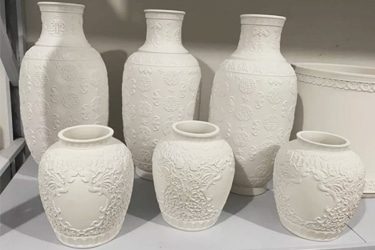


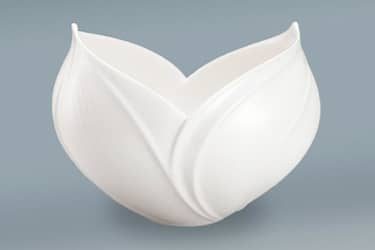


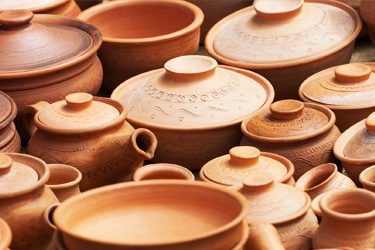

Customer Testimonials
Comparison VS Other Engraving Technologies
| Feature | Ceramic CNC Router | Laser Engraving | Hand Engraving | Chemical Etching |
|---|---|---|---|---|
| Cutting Depth | Deep, variable 2D & 3D routing | Shallow, mostly surface | Limited by artisan’s strength & tools | Very shallow, surface-level |
| Precision | High accuracy, chip-free edges | Very fine surface detail, risk of cracks | Inconsistent, depends on skill | Moderate, depends on masking quality |
| Speed | Fast for complex and large projects | Very fast for surface marking only | Slow, labor-intensive | Moderate, requires multiple steps |
| Material Compatibility | Wide: porcelain, alumina, zirconia, silicon carbide, tiles | Limited, heat may damage/glaze ceramics | Works on some, slow & laborious | Limited, not suitable for all ceramics |
| Complex Designs | Handles intricate 2D/3D shapes | Excellent for 2D surface patterns | Restricted to artisan skill | Flat designs, limited complexity |
| Repeatability | Perfectly repeatable with CAD/CAM | Repeatable for surface engravings | Difficult to replicate | Repeatable if masks are consistent |
| Setup Requirements | CAD/CAM software, diamond tooling, coolant/dust control | Software, laser calibration | None beyond tools & manual skill | Masking, chemical handling, safety measures |
| Learning Curve | Moderate, requires training | Moderate, software-based | Very steep, years of practice | Moderate, process-sensitive |
| Production Volume | Ideal for prototypes & mass production | Good for medium-scale engraving | Poor, one-off artistry only | Good for batches, not for ceramics |
| Surface Finish | Smooth, chip-free, professional | Burn marks or cracks possible | Textured, handmade look | Matte finish, less sharp |
| Durability of Work | Structural & long-lasting | Surface-only, may fade | Durable but inconsistent | Shallow, prone to wear |
| Customization | Easy design changes via CAD | Quick adjustments in software | Manual, slow & limited | New masks required for each change |
| Waste & Safety | Minimal waste, dust extraction required | Minimal waste but toxic fumes possible | No waste, but physically demanding | Hazardous chemicals & disposal issues |
| Cost Efficiency | Higher upfront, low per-part cost | Moderate setup, low per-part | Low tool cost, high labor | Low machine cost, high consumables |
| Best Use Case | Tiles, advanced ceramics, industrial & decorative parts | Logos, fine surface marks | Artistic, one-of-a-kind ceramics | Industrial surface coding |
Why Choose Us
High Precision & Efficiency
AccTek CNC routers deliver fast, accurate results with minimal errors, supporting intricate designs and mass production across the woodworking, plastic, and metal industries.
Robust and Durable Design
Our machines are built with high-quality frames and components, ensuring long service life, high load-bearing capacity, and stability during high-speed operations.
Intelligent Control Systems
Equipped with user-friendly interfaces and smart controllers, our routers offer smooth motion control, automatic toolpath optimization, and easy integration with various CAD/CAM software.
Flexible Customization
From machine size to spindle power and motor type, we offer flexible configurations to suit different production needs, budgets, and material requirements.
Related Resources
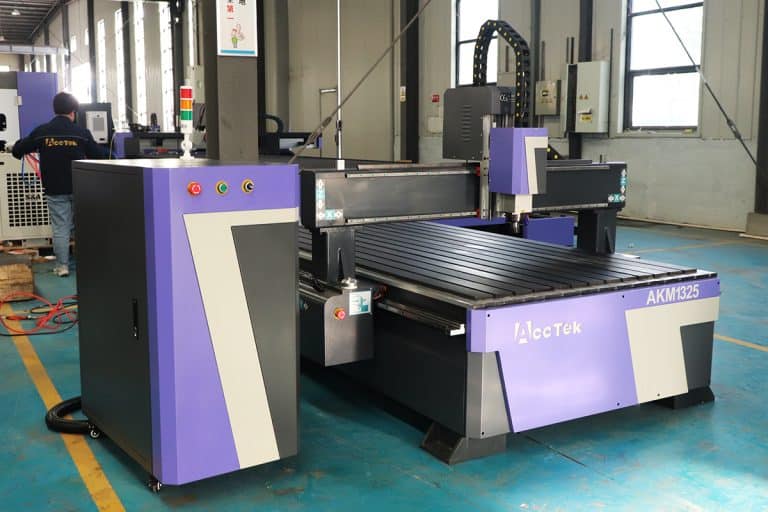
What Are CNC Routers
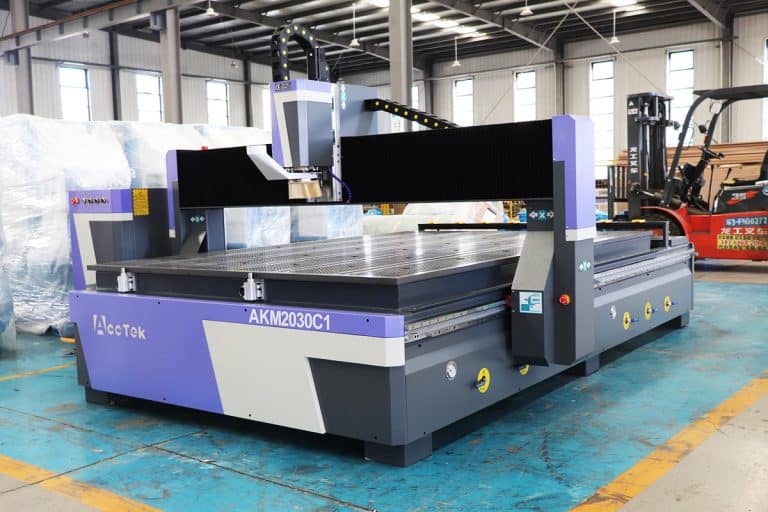
This article helps users understand what CNC routers are, how they work, their key components, types, materials, applications, advantages, and how to choose the right machine for your needs.
How to Choose CNC Routers
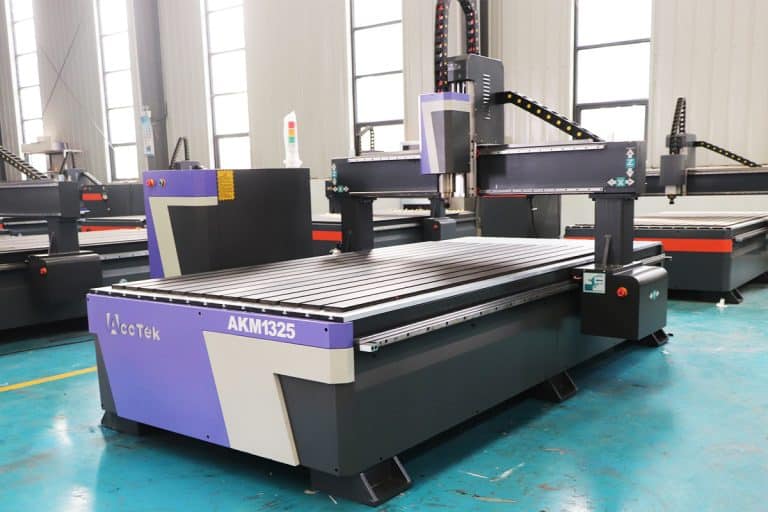
This article explores how to choose CNC routers, covering machine types, application requirements, working area, spindle selection, motion systems, software compatibility, costs, and maintenance considerations.
What Is The Lifespan Of CNC Routers
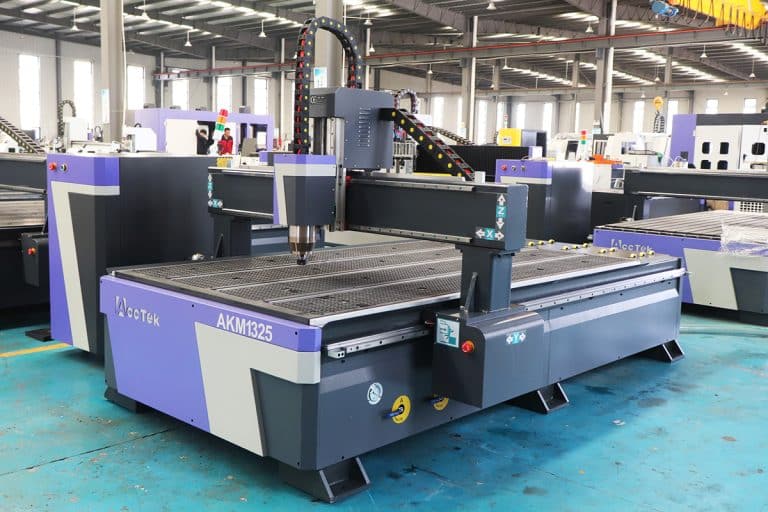
This article explores what determines the lifespan of CNC routers, including machine design, usage intensity, maintenance practices, accuracy drift, and when to repair, rebuild, or replace equipment.
How Do CNC Routers Work
This article explains the working principle of CNC routers, from the motion system and cutting tools to the software workflow, materials, precision, and actual machining principles.
Frequently Asked Questions
How Much Do Ceramic CNC Routers Cost?
- 3-Axis CNC Routers: $3,000 – $10,000. These entry-level machines handle flat ceramic tiles, panels, and basic engraving tasks. They’re best for small workshops, art studios, or manufacturers producing decorative ceramics. Affordable and practical, but limited in handling complex shapes or multi-surface machining.
- 4-Axis CNC Routers: $12,000 – $22,000. Adding a rotary axis allows machining of cylindrical or curved ceramic components, such as vases, tubes, or custom molds. These machines provide more flexibility for decorative and functional products. Their higher cost reflects stronger construction and advanced tooling compatibility.
- 5-Axis CNC Routers: $57,000 – $70,000. Industrial-grade 5-axis CNC routers offer the highest level of precision, allowing ceramics to be cut or carved from nearly any angle. These machines are used in advanced industries such as aerospace, biomedical, or custom engineering, where ceramic molds, dental parts, or precision components are required. The cost reflects their advanced mechanics, durability, and accuracy.
- ATC (Automatic Tool Changer) CNC Routers: $8,000 – $25,000. ATC models focus on efficiency by automatically switching between different tools. This is especially useful for ceramic machining, where operations may include rough cutting, engraving, and polishing in a single job. They reduce downtime and are ideal for workshops handling medium to large production runs.
Is The Spindle Of Ceramic CNC Routers Air Or Water-Cooled?
- Air-Cooled Spindles: Air-cooled spindles use built-in fans to dissipate heat during operation. They are simple to install, require minimal maintenance, and don’t need external cooling equipment. These spindles are well-suited for small workshops or occasional use, where convenience and lower upfront cost are priorities. However, they tend to be noisier and less efficient during long machining sessions, which may impact performance when cutting dense ceramic materials.
- Water-Cooled Spindles: Water-cooled spindles circulate coolant through an external system to remove heat more effectively. They operate quietly and remain stable during long production runs, making them ideal for continuous or industrial-scale ceramic machining. The improved cooling reduces thermal stress on the spindle and helps maintain cutting precision. The trade-off is that water-cooled systems require additional setup, including a pump, reservoir, and regular maintenance of the cooling circuit.
- Customer Configuration: Ceramic CNC routers can be customized with either air-cooled or water-cooled spindles based on application needs. For light engraving or hobby use, air cooling may be sufficient. For professional ceramic cutting or large production runs, water cooling is usually the better choice to ensure durability and consistent performance.
How Accurate Are Ceramic CNC Routers?
- General Accuracy Range: Most ceramic CNC routers achieve positioning accuracy within ±0.02–0.05 mm. This is suitable for engraving patterns, producing decorative tiles, or cutting standard ceramic components. For high-end industrial models, precision can be as fine as ±0.01 mm, enabling detailed micro-cutting and complex shapes.
- Repeatability: Consistency is as important as raw accuracy. Ceramic CNC routers typically offer repeatability in the ±0.02 mm range, meaning parts can be cut identically across multiple runs. This is essential for batch production in industries like electronics or medical ceramics.
- Effect of Axis Configuration: 3-axis CNC routers provide reliable accuracy on flat ceramic sheets or panels, ideal for engraving and surface cuts. 4-axis machines add the ability to machine curved or cylindrical ceramics with precision. 5-axis models offer the highest accuracy for multi-angle machining, ensuring complex shapes and fine details are executed without re-clamping errors.
- Tooling and Spindle Factors: Accuracy also depends on spindle stability and tool quality. High-speed spindles (18,000–24,000 RPM) paired with diamond-coated tools reduce chipping and maintain fine tolerances. Dull tools or unstable spindles, by contrast, compromise edge quality and dimensional accuracy.
- Material Considerations: Ceramics are brittle, and cutting forces can cause chipping or micro-cracks if speeds and feeds aren’t optimized. While CNC routers are accurate, operators must adjust settings to preserve both precision and material integrity.
- Environmental Influence: Accuracy can be affected by machine vibration, dust buildup, or poor workholding. A stable foundation, clean environment, and effective vacuum hold-down system help maintain precision during ceramic machining.
What Type Of Motor Do Ceramic CNC Routers use?
- Stepper Motors: Stepper motors move in fixed increments, making them reliable and cost-effective for ceramic CNC routers. They are ideal for basic engraving, tile cutting, or small-batch ceramic work where ultra-high precision is not essential. Stepper-driven CNC routers are simpler to maintain and provide adequate accuracy for most decorative or functional ceramic applications. However, they can lose steps under heavy loads, which may affect accuracy during long or complex machining jobs.
- Servo Motors: Servo motors are more advanced, offering continuous feedback to the control system. This ensures smoother motion, higher speeds, and greater accuracy, even under heavy cutting forces. For ceramics, which are brittle and prone to chipping, servo motors help maintain precise control and reduce errors. They are the preferred choice for industrial applications such as aerospace ceramics, medical components, or complex 3D ceramic machining. The trade-off is higher cost and more complex maintenance compared to stepper systems.
- Customer Configuration: Manufacturers typically offer ceramic CNC routers with either stepper or servo motor options, depending on budget and performance needs. Entry-level or hobbyist machines often use stepper motors, while professional and industrial-grade CNC routers favor servo motors for their precision, speed, and reliability.
What Are The Disadvantages Of Ceramic CNC Routers?
- Brittleness and Chipping: Ceramics are hard but brittle materials, making them prone to chipping, cracking, or shattering under improper feeds, speeds, or tool pressure. Achieving clean edges requires optimized cutting parameters, high-quality diamond tooling, and stable machine setups.
- High Tool Wear and Costs: Ceramic materials are extremely abrasive. Even diamond-coated tools wear down over time, and frequent replacement adds to operating costs. Using the wrong tool type can lead to premature breakage and poor surface finishes.
- Dust and Health Risks: Cutting ceramics produces fine, silica-based dust, which is hazardous when inhaled. This dust can cause respiratory issues without proper extraction and protective equipment. Effective dust collection and sealed enclosures are mandatory for safe operation.
- Limited Material Flexibility: Unlike wood or plastics, ceramics are not forgiving. Mistakes in toolpath programming or clamping can result in cracked or ruined parts. This limits flexibility, making ceramic machining less suitable for beginners or untested designs.
- Machine Wear and Maintenance: The abrasive dust generated during ceramic machining can infiltrate machine components such as bearings, rails, and spindles, causing accelerated wear. Frequent cleaning and maintenance are required to maintain precision and extend machine life.
- Noise and Vibration: Ceramic routing produces significant noise, especially at high spindle speeds with diamond tools. Vibrations caused by improper workholding can further degrade accuracy and surface quality. Operators need robust fixturing systems and hearing protection.
- Higher Equipment Cost: Compared to CNC routers for wood or plastics, ceramic CNC routers often require more durable spindles, motors, and dust control systems. This makes initial investment and long-term operating costs higher.
- Slow Machining Speeds: To prevent cracking and chipping, ceramics must often be machined at slower feed rates. This increases cycle time and limits throughput compared to softer materials, especially in industrial-scale production.
What Is The Life Expectancy Of Ceramic CNC Routers?
- Entry-Level CNC Routers (5–8 Years): Smaller, budget-friendly 3-axis ceramic CNC routers generally last 5–8 years with light use and proper care. They are best suited for decorative tile engraving, small workshops, or educational use. Heavy use on dense ceramics shortens their lifespan due to faster spindle and tool wear.
- Mid-Range Professional CNC Routers (8–12 Years): CNC routers in this category are designed for daily ceramic machining and typically last 8–12 years. They feature stronger spindles, rigid frames, and better dust management. With routine calibration, cleaning, and part replacement, many machines in this range remain accurate for over a decade.
- Industrial CNC Routers (15–20+ Years): High-end 4-axis and 5-axis ceramic CNC routers used in aerospace, dental, or advanced manufacturing industries can last 15–20 years or more. These machines are engineered for heavy workloads, with servo motors, high-speed spindles, and enclosed dust-control systems. Many remain in service for decades if maintained and upgraded.
- Spindles and Wear Components (2–5 Years): The CNC router’s main structure lasts longest, but high-wear parts—spindles, bearings, belts, and couplings—typically require replacement every 2–5 years. Diamond-coated tooling is essential for ceramics, but even these tools wear quickly and must be replaced regularly.
- Impact of Dust and Maintenance: Ceramic machining produces fine, abrasive dust that accelerates wear if not properly managed. Without strong dust collection and frequent cleaning, the lifespan is drastically reduced. Regular lubrication, inspection, and filter replacement extend both precision and machine life.
- Upgrades and Longevity: Even when mechanics remain solid, outdated control systems or worn spindles may reduce performance. Many industrial CNC routers continue operating for decades after electronic retrofits and spindle replacements, making long-term upgrades a cost-effective way to extend service life.
How Should I Choose Ceramic CNC Routers?
- Machine Type and Axis Configuration:
- 3-axis CNC routers are suitable for engraving flat ceramic tiles, panels, and simple cuts. They are cost-effective for workshops handling decorative or functional surface work.
- 4-axis machines add rotary cutting, making them useful for cylindrical ceramics such as tubes, pottery, or custom molds.
- 5-axis CNC routers are the most versatile, allowing multi-angle machining of complex ceramic parts. They are essential for industries such as aerospace, dental, or medical ceramics, where precision and geometry are critical.
- Spindle Type and Cooling: Ceramics are brittle and require stable spindle operation at high speeds. Air-cooled spindles are simple and cost-efficient, while water-cooled spindles provide better heat control and quieter operation during long production runs. Choosing the right system depends on workload and operating environment.
- Motor System (Stepper vs. Servo):
- Stepper motors are reliable and budget-friendly, making them suitable for small shops and less demanding ceramic projects.
- Servo motors provide smoother motion, higher accuracy, and faster speeds. They are better for industrial users requiring precision and efficiency in large-scale ceramic machining.
- Tooling Compatibility: Ceramic cutting requires diamond-coated tools to handle hardness and brittleness. A good CNC router should support easy tool changes, and advanced models may include Automatic Tool Changers (ATC) to improve efficiency for multi-step machining.
- Dust Collection and Safety Features: Cutting ceramics produces hazardous silica dust. A proper dust extraction system with HEPA-level filtration is crucial for operator safety and machine longevity. CNC routers with enclosed work areas further improve safety and cleanliness.
- Workholding System: Flat ceramics can be held with vacuum tables, but curved or delicate ceramics require specialized clamps or fixtures. The right hold-down system prevents vibration, cracking, or part movement during machining.
- Software and Ease of Use: CAD/CAM compatibility ensures a smooth workflow from design to production. Beginners may prefer user-friendly software packages, while advanced users may require compatibility with specialized design and toolpath systems for complex ceramic parts.
- Budget and Intended Use: Entry-level ceramic CNC routers ($3,000–10,000) are best for small workshops or decorative tile engraving. Mid-range ($12,000–25,000) offers versatility with ATC and rotary options. Industrial-grade systems ($50,000+) provide multi-axis machining, precision motors, and advanced dust management for high-volume or high-precision industries.
How Should I Maintain Ceramic CNC Routers?
- Dust and Debris Removal: Machining ceramics generates fine, abrasive dust that can damage mechanical components and electronics. Daily cleaning with vacuums and compressed air keeps rails, motors, and spindles clear. A strong dust extraction system with proper filters must be checked and maintained regularly.
- Spindle and Tool Care: Spindles endure heavy stress when cutting ceramics. Operators should monitor for overheating, vibration, or unusual noise, which may indicate bearing wear. Diamond-coated tools must be inspected frequently and replaced as needed, since dull tools increase chipping and stress on the spindle.
- Lubrication of Moving Parts: Linear rails, ball screws, and bearings should be lubricated according to manufacturer schedules. Ceramic dust is abrasive, so lubrication prevents wear and helps maintain smooth, accurate movement. Neglecting lubrication leads to premature component failure.
- Calibration and Alignment: Ceramic machining requires high precision. Routine calibration of axes, squareness, and tool offsets ensures accuracy. Misalignments caused by vibration or long-term use should be corrected to maintain consistency across multiple parts.
- Cooling and Air/Water Systems: Water-cooled spindles require monitoring of coolant levels, quality, and lines to prevent leaks or blockages. Air-assist systems should also be checked for clear flow, as they help reduce dust accumulation and overheating during cutting.
- Inspection of Wear Components: Belts, couplings, and bearings wear faster in dusty environments. Regular inspection and timely replacement of these parts prevent unexpected breakdowns. Keeping spare consumables on hand minimizes downtime.
- Electrical and Control Systems: Fine ceramic dust can infiltrate control boxes, causing overheating or electrical shorts. Sealed enclosures should be inspected, and filters replaced as needed. Software and firmware updates should also be applied to maintain compatibility and performance.
- Workholding Maintenance: Vacuum tables, clamps, and fixtures should be kept clean. Dust buildup reduces suction power and clamping stability, leading to vibration or part slippage. Ensuring strong workholding is critical to preventing cracks or breakage in ceramic pieces.