

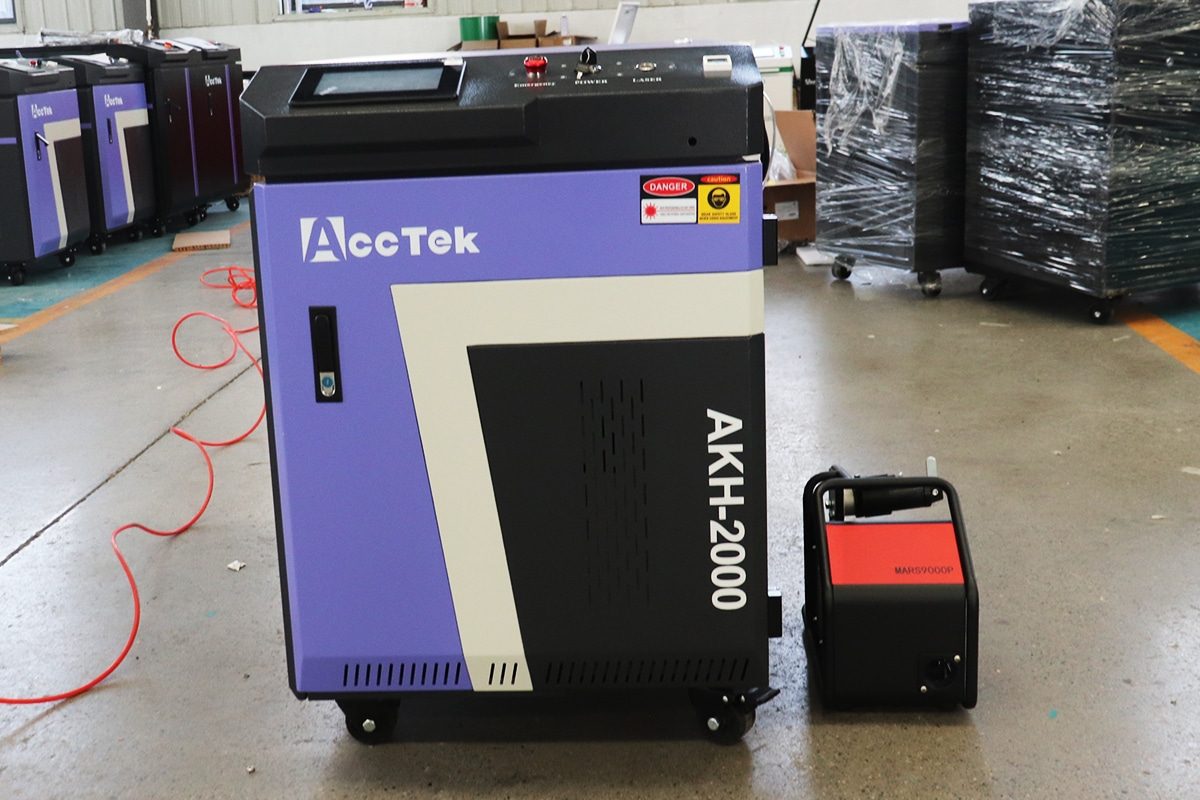
What Are The Hazards of Laser Welding
Laser welding has become one of the most widely used joining technologies in modern manufacturing because of its speed, accuracy, and ability to create strong, clean welds. Industries such as automotive, aerospace, electronics, medical device manufacturing, and metal fabrication increasingly rely on laser welding for high-precision production. Compared with traditional welding methods, laser welding offers several advantages, including deeper penetration, lower heat distortion, faster processing speeds, and greater compatibility with automation. However, despite these benefits, laser welding also introduces a range of hazards that can pose serious risks to operators, nearby workers, and equipment if proper safety measures are not followed.
The hazards of laser welding extend beyond the visible laser beam itself. One of the most significant dangers is exposure to intense laser radiation, which can cause severe eye injuries and skin burns even from reflected beams. High-powered industrial lasers are capable of permanently damaging vision within fractions of a second. In addition, the welding process generates hazardous fumes and airborne particles that may contain toxic metals and chemical compounds harmful to human health. Prolonged inhalation of these fumes can lead to respiratory problems and other long-term medical conditions.
Laser welding operations also involve electrical hazards, fire risks, and exposure to high temperatures. Sparks, molten metal, and combustible materials can create dangerous working conditions if the environment is not properly controlled. Furthermore, the sophisticated equipment used in laser welding systems introduces mechanical and maintenance-related risks that require trained personnel and strict operational procedures.
Understanding these hazards is essential for maintaining workplace safety and ensuring compliance with industrial health and safety regulations. By identifying potential risks and implementing appropriate protective measures, companies can maximize the advantages of laser welding while minimizing accidents, injuries, and operational disruptions.
Table of Contents
Understanding How Laser Welding Works
Laser welding is a high-precision joining process that uses a concentrated beam of light energy to melt and fuse materials. Unlike traditional welding methods that rely on electrical arcs or gas flames, laser welding generates heat through an intensely focused laser beam. This beam delivers a large amount of energy to a very small area, allowing metals to melt rapidly and form strong, accurate welds with minimal distortion. Because of its precision and efficiency, laser welding is widely used in industries that require high-quality welds, including automotive manufacturing, aerospace engineering, electronics, medical devices, and metal fabrication.
At the core of the process is the laser source, which produces a concentrated beam of coherent light. Common industrial laser types include fiber lasers, CO2 lasers, and Nd:YAG lasers. The laser beam is directed through mirrors or optical fibers and then focused onto the workpiece using specialized lenses. When the beam strikes the surface of the material, the metal absorbs the laser energy and converts it into heat. As the temperature rises rapidly, the metal melts and forms a weld pool. Once the laser moves away, the molten material cools and solidifies, creating a permanent joint.
Laser welding generally operates in two primary modes: conduction welding and keyhole welding. In conduction welding, the laser heats the surface of the material without deeply penetrating it. This method produces smooth and aesthetically clean welds, making it suitable for thin materials and applications where appearance is important. Keyhole welding, on the other hand, uses much higher power densities. The intense energy vaporizes part of the metal and creates a narrow cavity known as a “keyhole.” As the laser travels along the joint, the molten metal flows around the keyhole and solidifies behind it, producing deep and narrow welds with excellent strength.
Several factors influence the effectiveness of laser welding. Laser power, beam focus, welding speed, material type, joint design, and shielding gas all play critical roles in determining weld quality. Shielding gases such as argon or helium are often used to protect the molten metal from contamination by oxygen and moisture in the air. Automated systems, robotic arms, and computer-controlled positioning are also commonly integrated into laser welding operations to improve consistency and production efficiency.
One of the main advantages of laser welding is its ability to create precise welds with a small heat-affected zone. Since heat is concentrated in a limited area, surrounding materials experience less thermal distortion compared to conventional welding methods. This makes laser welding especially valuable for delicate components, thin metals, and high-speed manufacturing environments. However, the same concentration of energy that makes laser welding efficient also contributes to its hazards. The extremely intense beam, high temperatures, reflected radiation, electrical systems, fumes, and molten metal all create potential dangers that require strict safety controls.
Understanding how laser welding works is essential for recognizing the risks associated with the process. By understanding the equipment, operating principles, and energy involved, workers and employers can better identify hazards and implement effective safety measures to reduce injuries and maintain a safe working environment.
Laser Radiation Hazards
Laser radiation is one of the most serious hazards associated with laser welding. The process relies on highly concentrated beams of light energy capable of generating extremely high temperatures within a very small area. While this precision makes laser welding efficient and accurate, it also creates significant safety risks for operators and nearby personnel. Exposure to laser radiation can cause severe eye injuries, skin burns, and long-term damage if proper protective measures are not followed. The danger is increased by the fact that some industrial laser beams are invisible to the human eye, making accidental exposure more likely.
Understanding Laser Radiation
Laser radiation differs from ordinary light because it is highly concentrated, coherent, and directional. Unlike natural or scattered light sources, a laser beam focuses a large amount of energy into a narrow path with minimal divergence. This concentrated energy allows the beam to melt and vaporize metal during welding, but it also means the beam can instantly damage human tissue.
Industrial laser welding systems commonly use fiber lasers, CO2 lasers, and solid-state lasers, many of which operate at power levels capable of causing serious injury within milliseconds. Laser radiation is categorized into different classes based on hazard level, with Class 4 lasers representing the highest risk category. Most laser welding equipment falls into this classification because the beam can cause eye injuries, skin burns, fires, and hazardous reflections.
The wavelength of the laser also affects the level of danger. Some laser beams are visible, while others operate in the infrared spectrum and cannot be seen by the naked eye. Even when invisible, the radiation still carries enough energy to permanently damage the eyes or skin. Because laser energy can travel long distances without significant spreading, exposure risks may exist far beyond the immediate welding area.
Direct Beam Exposure
Direct exposure to a laser beam is the most dangerous type of laser radiation hazard. The beam produced during laser welding is extremely concentrated and can cause catastrophic injuries almost instantly. Human eyes are especially vulnerable because the eye’s lens naturally focuses incoming light onto the retina. When laser radiation enters the eye, the energy becomes even more concentrated, potentially burning retinal tissue and causing permanent vision loss.
The severity of eye injuries depends on factors such as laser power, wavelength, exposure duration, and distance from the beam. Damage can include retinal burns, corneal injuries, cataracts, blind spots, or complete blindness. In some cases, symptoms may not appear immediately, making injuries difficult to recognize until permanent damage has already occurred.
Skin exposure is also hazardous. High-powered laser beams can burn skin tissue, create deep thermal injuries, and damage underlying layers of tissue. Prolonged or repeated exposure may increase the risk of chronic skin damage. In industrial environments, accidental direct exposure may occur because of equipment malfunction, improper alignment procedures, inadequate training, or bypassing safety interlocks.
To reduce the risk of direct beam exposure, laser welding systems are often enclosed within protective barriers and equipped with interlock systems that automatically shut down the laser when safety doors are opened. Operators must also wear laser-specific protective eyewear designed for the exact wavelength and power level of the laser being used.
Reflected Beam Hazards
Many people assume laser hazards exist only when directly facing the beam, but reflected laser radiation can also be extremely dangerous. During laser welding, metal surfaces often reflect part of the laser energy. Depending on the material and surface finish, these reflections may remain powerful enough to injure workers nearby.
Reflective metals such as aluminum, copper, stainless steel, and titanium can create particularly hazardous reflections. Smooth or polished surfaces may produce mirror-like reflections that redirect concentrated laser energy unpredictably across the work area. Even diffuse reflections, where the beam scatters in multiple directions, may still contain enough energy to damage eyes or skin.
Reflected beam hazards are especially dangerous because they are less predictable than direct beam exposure. Workers may unknowingly place themselves in hazardous positions without realizing that reflected energy is present. Tools, fixtures, machine surfaces, jewelry, or even nearby equipment can unintentionally reflect laser radiation.
To minimize reflected beam risks, laser welding workstations are designed with non-reflective surfaces and protective shielding materials. Operators are trained to avoid wearing reflective objects and to maintain proper positioning during welding operations. Controlled work zones and warning systems also help reduce accidental exposure.
Invisible Laser Radiation Risks
One of the most dangerous aspects of laser welding is the presence of invisible laser radiation. Many industrial lasers operate in infrared wavelengths that cannot be detected by human vision. Because the beam is invisible, workers may not realize they are being exposed until injuries have already occurred.
Visible light normally triggers the body’s natural protective responses, such as blinking or turning away from bright light. Invisible laser radiation bypasses these defenses because there is no visual warning. As a result, exposure durations may be longer, increasing the severity of injuries. Infrared laser radiation can penetrate deep into eye tissue and cause retinal damage without immediate pain or visible symptoms.
Invisible radiation also complicates maintenance and alignment procedures. During equipment servicing, workers may mistakenly believe the laser is inactive because no beam is visible. If safety systems are disabled during maintenance, the risk of accidental exposure rises significantly.
Another concern is that invisible laser beams can travel beyond the immediate welding point and reflect off surrounding surfaces without being noticed. This creates hidden danger zones within the workplace. Specialized detection equipment, beam barriers, warning indicators, and enclosed welding cells are therefore essential for identifying and controlling invisible radiation hazards.
Laser radiation hazards are among the most severe dangers associated with laser welding because of the extreme concentration of energy involved in the process. Direct beam exposure can cause immediate and permanent eye injuries, skin burns, and tissue damage, while reflected laser radiation introduces additional risks that may be difficult to predict or detect. The danger becomes even greater when working with invisible infrared lasers, which provide no natural visual warning before injury occurs.
Understanding how laser radiation behaves is critical for maintaining a safe welding environment. Effective safety practices include using enclosed laser systems, wearing wavelength-specific protective eyewear, installing beam shields and interlocks, controlling reflective surfaces, and ensuring workers receive proper training. By recognizing the risks associated with direct, reflected, and invisible laser radiation, organizations can significantly reduce workplace accidents and protect employees from potentially life-altering injuries.
Eye Hazards In Laser Welding
Eye injuries are among the most serious and common hazards associated with laser welding. The intense energy produced by industrial lasers can damage delicate eye tissues within fractions of a second, often resulting in permanent vision impairment. Unlike many other workplace injuries, laser-related eye damage may occur instantly and without pain, making it especially dangerous. Because laser welding systems generate highly concentrated beams of visible or invisible radiation, even brief exposure can create severe medical consequences for operators, maintenance personnel, and nearby workers.
The human eye is extremely sensitive to laser radiation because it naturally collects and focuses light. This focusing effect amplifies the laser’s energy, increasing the risk of tissue destruction inside the eye. In addition to direct beam exposure, reflected laser radiation, welding sparks, ultraviolet emissions, and intense brightness can also threaten eye safety. Understanding the different types of eye hazards in laser welding is essential for preventing injuries and maintaining a safe work environment.
Why Eyes Are Highly Vulnerable
The human eye is uniquely vulnerable to laser radiation because of its optical structure. The cornea and lens work together to gather and focus incoming light onto the retina, which is the light-sensitive tissue located at the back of the eye. While this process enables clear vision under normal conditions, it becomes extremely dangerous when exposed to concentrated laser energy.
When a laser beam enters the eye, the natural focusing mechanism intensifies the energy many times over. Even a relatively small laser beam can become highly concentrated on the retina, generating temperatures capable of burning tissue almost instantly. Since retinal tissue cannot regenerate effectively, damage is often permanent.
The degree of injury depends on several factors, including laser wavelength, beam power, exposure duration, viewing angle, and whether the exposure is direct or reflected. Certain wavelengths pass through the eye more easily and reach deeper structures, increasing the severity of injury. Infrared lasers are particularly hazardous because the beam is invisible, preventing the body from reacting quickly enough to avoid exposure.
Another factor that increases vulnerability is the speed at which laser damage occurs. In many cases, injury happens faster than the human blink reflex, which normally protects the eyes from bright light. This means a worker may suffer serious eye damage before realizing exposure has occurred.
Retinal Damage
Retinal injury is one of the most severe consequences of laser welding exposure. The retina contains highly specialized cells responsible for detecting light and transmitting visual information to the brain. Because the retina is extremely sensitive, even a small amount of concentrated laser energy can destroy retinal tissue.
Visible and near-infrared laser wavelengths are especially dangerous because they can pass through the cornea and lens and focus directly onto the retina. Exposure may cause retinal burns, hemorrhaging, tissue scarring, or destruction of photoreceptor cells. In severe cases, permanent blind spots or complete loss of central vision can occur.
One of the greatest dangers of retinal damage is that it may initially occur without pain. Workers may not realize their eyes have been injured until symptoms begin to appear later. Common symptoms include blurred vision, dark spots, distorted images, reduced color perception, and difficulty focusing. Some injuries worsen over time as damaged tissue deteriorates.
The severity of retinal injury depends on the energy level and duration of exposure. High-powered industrial lasers used in welding can cause irreversible retinal destruction in milliseconds. Even reflected beams may contain enough energy to damage the retina under certain conditions.
Corneal And Lens Damage
Not all laser-related eye injuries involve the retina. Certain laser wavelengths are absorbed by the cornea or lens before reaching deeper eye structures. This can result in burns, inflammation, and long-term visual impairment.
The cornea is the transparent outer layer of the eye that helps focus incoming light. Exposure to high-energy ultraviolet or far-infrared laser radiation can burn the corneal surface, leading to pain, redness, tearing, swelling, and temporary vision loss. Severe corneal injuries may result in scarring, which can permanently affect eyesight.
The lens of the eye can also be damaged by prolonged or repeated exposure to laser radiation. Thermal energy absorbed by the lens may contribute to cataract formation, a condition in which the lens becomes cloudy and reduces vision clarity. Cataracts caused by radiation exposure may develop gradually over time, making the connection to workplace exposure less obvious.
Corneal and lens injuries may occur during direct exposure, reflected beam exposure, or from intense ultraviolet emissions generated during welding operations. In some cases, workers may experience symptoms similar to “welder’s flash,” including severe eye irritation and sensitivity to light.
Flash Blindness
Flash blindness is another significant eye hazard in laser welding environments. It occurs when intense bursts of light temporarily overwhelm the visual system, causing temporary vision impairment or disorientation. Although flash blindness may not always result in permanent damage, it can create dangerous situations in industrial workplaces.
Laser welding generates extremely bright light emissions that can interfere with normal vision, particularly in dark or enclosed environments. Sudden exposure may leave workers unable to see clearly for several seconds or minutes. During this period, operators may lose depth perception, experience afterimages, or struggle to recognize hazards around them.
Temporary blindness can increase the risk of secondary accidents, including slips, falls, collisions, or contact with moving machinery. In high-risk industrial settings, even a brief loss of vision can have serious consequences.
Repeated exposure to intense flashes may also contribute to eye strain, headaches, fatigue, and reduced visual performance over time. Workers who regularly operate near laser welding equipment without proper eye protection are especially vulnerable to these effects.
Importance Of Laser Safety Eyewear
Proper laser safety eyewear is one of the most important protective measures in laser welding operations. Standard safety glasses are not sufficient for laser protection because they are not designed to filter the specific wavelengths and energy levels produced by industrial lasers.
Laser safety eyewear is specially engineered to absorb or block harmful radiation while still allowing adequate visibility for work tasks. Different lasers operate at different wavelengths, so protective eyewear must be carefully selected to match the exact laser type being used. Using incorrect eyewear can create a false sense of security and leave workers exposed to dangerous radiation.
Protective eyewear is rated according to optical density (OD), which measures its ability to reduce laser energy transmission. Higher-powered lasers require higher optical density ratings for adequate protection. Eyewear must also fit properly and remain free from scratches or damage that could compromise its effectiveness.
In addition to wearing safety eyewear, employers should implement multiple layers of protection, including enclosed laser systems, beam barriers, warning signs, controlled access zones, and worker training programs. Safety eyewear should never be considered the only protective measure, but rather part of a comprehensive laser safety strategy.
Eye hazards in laser welding are extremely serious because laser radiation can damage delicate eye tissues almost instantly. The eyes are particularly vulnerable due to their natural ability to focus light, which intensifies laser energy on sensitive structures such as the retina, cornea, and lens. Direct exposure, reflected beams, invisible radiation, and intense flashes of light can all lead to temporary or permanent vision problems.
Retinal burns, corneal injuries, cataracts, and flash blindness are among the most significant risks faced by workers in laser welding environments. Many injuries occur without immediate pain or visible symptoms, making prevention especially important. Proper laser safety eyewear, enclosed welding systems, worker training, and strict safety procedures play critical roles in reducing the likelihood of eye injuries.
Understanding the various eye hazards associated with laser welding helps employers and workers recognize the importance of laser safety practices. By implementing appropriate protective measures and maintaining awareness of potential risks, organizations can significantly improve workplace safety and protect workers from permanent vision damage.
Skin Exposure Hazards
Skin exposure is another major safety concern in laser welding operations. Although eye injuries often receive the most attention, laser radiation and welding-related heat can also cause serious damage to the skin. Workers may be exposed to direct laser beams, reflected radiation, ultraviolet emissions, hot metal surfaces, sparks, and molten spatter during welding activities. Depending on the intensity and duration of exposure, these hazards can result in burns, irritation, tissue damage, and long-term skin problems.
Laser welding environments frequently involve extremely high temperatures capable of melting and vaporizing metal within seconds. This intense thermal energy creates multiple opportunities for skin injuries, especially when workers operate without proper protective clothing or safe handling procedures. In addition to immediate burn hazards, prolonged exposure to ultraviolet and infrared radiation may contribute to chronic skin damage over time. Understanding these skin-related hazards is essential for maintaining worker safety and reducing occupational injuries in laser welding environments.
Thermal Burns
Thermal burns are among the most common skin injuries associated with laser welding. High-powered laser beams generate enormous amounts of heat concentrated within a very small area. If the beam comes into direct contact with the skin, it can rapidly burn tissue and cause severe injuries within milliseconds.
The severity of burns depends on several factors, including laser power, beam wavelength, exposure duration, and the area of the body affected. Minor exposure may result in redness, irritation, or superficial burns, while more intense exposure can produce deep tissue damage, blistering, carbonization, and permanent scarring. In extreme cases, laser burns may penetrate multiple skin layers and require medical treatment or surgical intervention.
Direct beam exposure is not the only source of thermal injury. Reflected laser radiation can also carry enough energy to burn exposed skin, particularly when working with reflective metals such as aluminum, copper, or stainless steel. Workers performing maintenance, alignment, or inspection tasks may face elevated risks because protective covers or safety interlocks are sometimes temporarily removed during these procedures.
Burn injuries may also occur from accidental contact with heated workpieces, welding equipment, or recently welded joints. Since metal components can retain heat long after the welding process is complete, workers who handle materials without proper gloves or cooling procedures may suffer painful contact burns.
Ultraviolet And Infrared Exposure
Laser welding operations may expose workers to ultraviolet (UV) and infrared (IR) radiation, both of which can damage the skin. While some laser systems primarily emit infrared energy, the welding process itself can also generate secondary radiation that affects exposed skin areas.
Ultraviolet radiation is particularly harmful because it can damage the outer layers of the skin in a manner similar to severe sunburn. Short-term exposure may cause redness, irritation, inflammation, and skin sensitivity. Workers exposed to high levels of UV radiation may experience painful skin reactions after only brief exposure periods.
Repeated or prolonged ultraviolet exposure can increase the risk of premature skin aging and long-term cellular damage. In some industrial settings, chronic UV exposure may contribute to an elevated risk of skin cancer. Areas commonly affected include the face, neck, hands, and arms, especially when workers do not wear full protective coverage.
Infrared radiation presents different hazards. Instead of primarily affecting surface layers, infrared energy produces deep heating within tissue. Prolonged exposure to intense infrared radiation can cause thermal stress, dehydration of skin tissue, and heat-related discomfort. Workers operating near high-powered laser systems for extended periods may experience cumulative heat exposure that contributes to fatigue and reduced concentration.
Unlike visible light, infrared radiation is often invisible, meaning workers may not realize they are being exposed until symptoms develop. This makes protective clothing and shielding especially important in laser welding environments.
Hot Metal And Spatter
Laser welding generates molten metal, sparks, and hot debris that can create serious skin hazards. During the welding process, tiny droplets of molten metal known as spatter may be expelled from the weld zone at high speed. These particles can land on exposed skin or ignite clothing, causing burns and secondary injuries.
Spatter injuries are particularly common when welding parameters are improperly adjusted or when working with contaminated materials. Certain metals and coatings may produce more aggressive spatter, increasing the likelihood of worker exposure. Even small particles of molten metal can cause painful burns because of their extremely high temperature.
In addition to spatter, workers may encounter hazards from handling hot tools, welded materials, clamps, fixtures, or nearby equipment surfaces. Components that appear cool may still retain dangerous levels of heat for extended periods after welding. Accidental contact with these surfaces can result in first-degree or second-degree burns.
Hot metal fragments and sparks may also become trapped inside gloves, sleeves, or clothing folds, prolonging contact with the skin and increasing injury severity. Loose or damaged protective clothing can therefore create additional risks rather than providing effective protection.
Proper housekeeping is another important factor. Metal debris, slag, and hot particles left in the work area may injure workers who kneel, lean, or accidentally touch contaminated surfaces.
Protective Clothing Requirements
Protective clothing is essential for reducing skin exposure hazards in laser welding operations. Because workers face risks from radiation, heat, sparks, molten metal, and hot surfaces, standard work clothing is usually insufficient for adequate protection.
Laser welding protective clothing should be flame-resistant, heat-resistant, and designed to minimize exposed skin areas. Long-sleeved jackets, welding aprons, gloves, face shields, and protective sleeves are commonly used to shield workers from burns and radiation exposure. Clothing materials are selected to resist ignition and withstand high temperatures without melting onto the skin.
Protective gloves play a critical role because the hands are frequently exposed to hot materials and metal surfaces. Gloves must provide both thermal protection and enough flexibility to safely handle equipment and components. Damaged gloves should be replaced immediately because holes or worn areas significantly reduce protection.
Workers should also avoid synthetic fabrics that can melt when exposed to heat or sparks. Instead, heavy cotton, leather, or specially engineered flame-resistant materials are typically recommended. Clothing should fit properly without loose sections that could catch sparks or become entangled in equipment.
In addition to clothing, workplaces should implement engineering controls such as protective barriers, enclosed welding systems, ventilation systems, and controlled work zones. Training workers to recognize heat hazards and follow safe handling procedures further reduces the likelihood of skin injuries.
Skin exposure hazards in laser welding environments involve far more than simple contact with heat. Workers may be exposed to direct laser radiation, reflected energy, ultraviolet and infrared radiation, molten metal, sparks, and extremely hot surfaces. These hazards can cause thermal burns, tissue damage, irritation, and long-term skin problems if appropriate safety measures are not followed.
Thermal burns from laser beams and hot materials are among the most immediate dangers, while ultraviolet and infrared exposure may contribute to cumulative skin damage over time. Molten metal spatter and heated equipment surfaces create additional risks that can lead to painful injuries and workplace accidents.
Proper protective clothing, safe work practices, and effective engineering controls are essential for minimizing skin exposure hazards. Flame-resistant garments, heat-resistant gloves, protective barriers, and worker training all play important roles in maintaining a safe laser welding environment. By understanding these risks and implementing comprehensive protective measures, employers can significantly reduce workplace injuries and improve overall safety during laser welding operations.
Fire And Explosion Hazards
Fire and explosion hazards are major safety concerns in laser welding environments because the process generates extremely high temperatures, concentrated energy, sparks, and molten metal. Laser welding systems are designed to melt and fuse metal rapidly, but the same thermal energy that enables efficient welding can also ignite combustible materials or trigger explosions under certain conditions. Industrial facilities that use laser welding often contain flammable gases, pressurized cylinders, dust particles, oils, solvents, and energy storage systems, all of which can increase the severity of fire-related incidents.
Unlike some conventional welding methods, laser welding concentrates a large amount of energy into a very small area. This intense heat can quickly ignite nearby materials if proper safety controls are not in place. Fires may spread rapidly through surrounding equipment, insulation, cables, packaging materials, or chemical residues. In more severe cases, explosions may occur when laser energy interacts with flammable vapors, combustible dust, pressurized gases, or damaged battery systems. Understanding these risks is essential for maintaining a safe working environment and preventing catastrophic industrial accidents.
Fire Risks In Laser Welding
Laser welding creates several conditions that increase the likelihood of fire. The laser beam itself generates temperatures high enough to melt and vaporize metal, while the welding process also produces sparks, hot metal fragments, and molten spatter that can ignite nearby combustible materials.
Common workplace items such as paper, cardboard, wood, plastics, cloth, insulation, lubricants, oils, and chemical residues may catch fire if exposed to welding heat or sparks. Even materials located several meters away from the welding area can become ignition sources if hot particles travel beyond the immediate workspace.
The risk becomes greater in facilities with poor housekeeping practices. Accumulated dust, scrap materials, grease, or waste products can provide fuel for rapidly spreading fires. Laser beams may also accidentally strike unintended surfaces because of misalignment, reflection, or equipment malfunction, creating hidden ignition hazards.
Electrical systems associated with laser welding equipment can create additional fire risks. Damaged wiring, overloaded circuits, cooling system failures, or defective components may overheat and ignite surrounding materials. High-powered laser systems often operate continuously for long periods, increasing the importance of equipment maintenance and thermal management.
Fires in laser welding environments may spread quickly because of the presence of compressed gases, ventilation systems, and interconnected machinery. For this reason, fire-resistant barriers, proper ventilation, automatic shutoff systems, and fire suppression equipment are critical safety measures in industrial laser welding operations.
Explosive Atmospheres
Explosions can occur when laser welding is performed in environments containing flammable gases, vapors, or combustible dust. The intense heat generated by the laser beam can ignite explosive mixtures even without direct flame contact.
Flammable vapors from solvents, paints, cleaning chemicals, fuels, or industrial coatings are especially dangerous. If these vapors accumulate in enclosed or poorly ventilated areas, a single spark or hot surface generated during welding may trigger an explosion. Industrial facilities that use chemical processing equipment or combustible liquids must therefore carefully control atmospheric conditions before welding begins.
Combustible metal dust also presents a serious explosion hazard. Fine particles of aluminum, magnesium, titanium, or other reactive metals can become suspended in the air during grinding, cutting, or manufacturing processes. When mixed with oxygen in the correct concentration, these dust clouds may ignite violently if exposed to laser-generated heat or sparks.
Certain metals themselves may increase explosion risks during welding. Reactive materials such as magnesium and titanium can burn intensely at high temperatures and may react unpredictably under certain conditions. Laser welding sealed or closed containers can also be hazardous because trapped gases or pressure buildup may cause sudden rupture or explosion.
Proper ventilation, atmospheric monitoring, explosion-proof equipment, and strict control of combustible materials are essential for reducing explosion risks in laser welding environments. Employers should also establish hot-work permitting systems to ensure hazards are identified before welding operations begin.
Gas Cylinder Hazards
Compressed gas cylinders are commonly used in laser welding operations to supply shielding gases such as argon, helium, nitrogen, or oxygen. While these gases play an important role in protecting weld quality, pressurized cylinders introduce significant fire and explosion hazards if improperly handled or stored.
Gas cylinders contain extremely high internal pressures. If a cylinder becomes damaged, overheated, punctured, or exposed to fire, it may rupture violently or explode. A broken cylinder valve can transform the cylinder into a dangerous high-speed projectile capable of causing severe injuries and structural damage.
Some gases used in welding environments may also increase fire hazards. Oxygen cylinders, for example, do not burn themselves but greatly accelerate combustion. Materials that normally burn slowly may ignite rapidly and burn intensely in oxygen-enriched environments. Oil or grease contamination on oxygen equipment can even ignite spontaneously under pressure.
Gas leaks present another serious concern. Escaping flammable gases can accumulate in enclosed spaces and create explosive atmospheres. In addition, inert gases such as argon or nitrogen may displace oxygen in poorly ventilated areas, creating asphyxiation hazards alongside fire risks.
Safe cylinder management requires proper storage, secure upright positioning, leak inspections, protective valve caps, and separation of incompatible gases. Workers must also receive training on cylinder handling procedures and emergency response protocols.
Battery And Energy Storage Risks
Modern laser welding operations increasingly involve lithium-ion batteries and other energy storage systems, particularly in industries such as electric vehicle manufacturing, electronics production, and renewable energy equipment fabrication. Welding near or directly on battery systems introduces unique fire and explosion hazards.
Lithium-ion batteries contain highly reactive chemicals and store large amounts of electrical energy in compact spaces. If a battery is punctured, overheated, short-circuited, or improperly welded, it may enter a condition known as thermal runaway. During thermal runaway, the battery rapidly releases heat, flammable gases, and energy, potentially causing fires, explosions, or toxic gas emissions.
Laser welding used in battery manufacturing requires extremely precise control because excessive heat can damage battery cells or compromise internal separators. Even minor defects may create hidden failures that develop later during battery charging or operation.
Battery fires are especially dangerous because they can burn at extremely high temperatures and may reignite even after appearing extinguished. Some battery chemistries also release toxic fumes and corrosive gases during combustion, increasing risks for workers and emergency responders.
Energy storage systems used to power industrial equipment may also present electrical and thermal hazards during maintenance or repair work. Improper isolation of stored electrical energy can lead to sparks, overheating, or ignition during welding operations.
To reduce battery-related risks, facilities should implement strict temperature monitoring, fire suppression systems, specialized handling procedures, and emergency containment measures for damaged batteries.
Fire and explosion hazards in laser welding environments arise from the combination of intense heat, concentrated laser energy, combustible materials, pressurized gases, and modern energy storage systems. Sparks, molten metal, hot surfaces, and reflected laser beams can quickly ignite nearby materials, while flammable atmospheres and combustible dust may create conditions for devastating explosions.
Gas cylinders and lithium-ion battery systems introduce additional risks because of their stored pressure and energy content. Improper handling, overheating, leaks, or equipment failures can escalate into severe industrial accidents with the potential for injuries, structural damage, and production shutdowns.
Preventing fires and explosions in laser welding operations requires a combination of engineering controls, safe work practices, proper ventilation, housekeeping, fire-resistant barriers, equipment maintenance, and worker training. Facilities must also ensure that combustible materials, compressed gases, and battery systems are carefully managed and monitored. By understanding these hazards and implementing comprehensive safety procedures, organizations can significantly reduce the likelihood of fire and explosion incidents in laser welding environments.
Electrical Hazards
Electrical hazards are a critical safety concern in laser welding operations because laser systems rely on powerful electrical components to generate and control high-energy laser beams. Industrial laser welding equipment often operates using high-voltage power supplies, sophisticated control systems, cooling units, and automated machinery. While these systems are essential for achieving precise and efficient welding, they also expose workers to potentially life-threatening electrical dangers if equipment is improperly maintained, operated, or repaired.
Electrical accidents in laser welding environments can result in severe injuries, including electric shock, burns, nerve damage, cardiac arrest, and fatalities. The risk becomes even greater in industrial settings where workers may encounter conductive metal surfaces, cooling liquids, damaged cables, or confined workspaces. Maintenance technicians and operators who bypass safety systems or work on energized equipment face particularly high risks. In addition to direct electrical contact, laser welding systems may also create arc flash hazards capable of producing intense heat, pressure waves, and flying debris. Understanding these electrical hazards is essential for preventing workplace accidents and maintaining safe laser welding operations.
High Voltage Risks
Laser welding systems require substantial electrical power to generate concentrated laser energy. Many industrial laser machines contain high-voltage power supplies, capacitors, transformers, and electrical distribution systems capable of storing and delivering dangerous levels of electricity. Some components remain energized even after the equipment has been switched off, creating hidden hazards during maintenance or servicing.
High-voltage systems present serious dangers because even brief contact with energized components can result in severe injury or death. Electrical current passing through the body may disrupt the nervous system, damage internal organs, or interfere with heart function. The severity of injury depends on factors such as voltage level, current flow, exposure duration, and the path the electricity takes through the body.
Laser welding equipment often contains enclosed electrical cabinets and control panels designed to restrict unauthorized access. However, workers performing inspections, troubleshooting, or repairs may still be exposed to energized components if lockout and isolation procedures are not followed correctly.
Capacitors used in laser power systems are particularly dangerous because they can store electrical energy even after the machine has been powered down. Workers who assume equipment is safe immediately after shutdown may unknowingly contact charged components. Improper grounding, damaged insulation, and moisture accumulation can further increase the risk of high-voltage accidents.
Because industrial laser welding systems frequently operate continuously in demanding environments, electrical components may degrade over time. Overheating, vibration, dust buildup, and cooling system failures can contribute to insulation breakdown and electrical faults if preventive maintenance is neglected.
Electric Shock Hazards
Electric shock is one of the most immediate and dangerous risks associated with laser welding equipment. Shock occurs when electrical current passes through the human body after contact with energized components or conductive surfaces.
Workers may experience electric shock from exposed wires, damaged cables, faulty grounding systems, improperly connected equipment, or defective electrical components. Wet working conditions, perspiration, and contact with conductive metal surfaces can significantly increase the likelihood and severity of shock incidents.
The effects of electric shock vary depending on the amount of current and the duration of exposure. Mild shocks may cause tingling sensations, muscle spasms, or temporary pain, while severe shocks can result in burns, paralysis, respiratory failure, cardiac arrest, or death. In some cases, workers may be unable to release energized equipment because muscle contractions caused by electrical current prevent voluntary movement.
Laser welding environments often contain additional factors that increase shock risks. Cooling systems may use water or other liquids near electrical components, and damaged hoses or leaks can create conductive pathways for electricity. Metal workpieces, welding tables, robotic arms, and nearby machinery may also become energized if grounding systems fail.
Portable tools and extension cords used around laser welding stations can introduce further hazards when improperly maintained. Frayed cables, overloaded circuits, and unauthorized modifications to electrical systems are common causes of workplace electrical accidents.
Regular inspections, equipment testing, grounding verification, and immediate repair of damaged electrical components are essential for reducing electric shock risks in laser welding operations.
Arc Flash Hazards
Arc flash hazards are another serious electrical danger associated with high-powered laser welding systems. An arc flash occurs when electrical current suddenly travels through the air between conductors or from a conductor to ground. This event releases enormous amounts of energy in the form of heat, light, pressure, and molten metal particles.
Temperatures during an arc flash can exceed several thousand degrees Celsius, hot enough to cause severe burns, ignite clothing, melt metal, and damage nearby equipment. The intense pressure wave generated by an arc flash may also throw workers across rooms or cause hearing injuries.
Arc flashes can occur because of equipment failure, damaged insulation, loose connections, accidental contact with energized parts, or improper maintenance procedures. In laser welding systems, arc flash risks may be present inside electrical cabinets, power supply units, switchgear, and control panels.
Even workers who are not directly touching energized equipment may suffer injuries if they are standing nearby during an arc flash event. Burns to the face, hands, and upper body are common because exposed skin is highly vulnerable to intense thermal energy and flying debris.
In addition to physical injuries, arc flashes can temporarily blind workers because of the extremely bright light produced during the event. This may increase the likelihood of secondary accidents involving machinery, falls, or collisions.
To reduce arc flash risks, facilities must implement proper electrical safety procedures, maintain equipment regularly, and establish safe working distances around energized systems. Specialized arc-rated protective clothing and face shields may also be required for workers performing high-risk electrical tasks.
Safe Electrical Practices
Safe electrical practices are essential for preventing accidents and protecting workers in laser welding environments. Because laser systems combine high voltage, automated machinery, cooling systems, and conductive materials, electrical safety must be treated as a critical part of workplace operations.
One of the most important safety measures is the use of lockout/tagout procedures. These procedures ensure that electrical power is completely isolated before maintenance or repair work begins. Lockout systems prevent accidental equipment startup while technicians are servicing energized components.
Proper grounding of laser welding equipment is also essential. Grounding helps safely direct fault currents away from workers and reduces the risk of electric shock. Electrical systems should be inspected regularly to verify grounding integrity and identify damaged components before failures occur.
Routine maintenance plays a major role in electrical safety. Cables, connectors, insulation, cooling systems, and power supplies should be checked frequently for wear, overheating, corrosion, or mechanical damage. Any defective components must be repaired or replaced immediately.
Workers should receive specialized training on electrical hazards, emergency response procedures, and safe equipment operation. Only qualified personnel should access electrical cabinets or perform repairs on high-voltage systems. Warning labels, safety barriers, and restricted access areas help prevent unauthorized exposure to energized equipment.
Personal protective equipment is another important layer of protection. Depending on the task, workers may require insulated gloves, arc-rated clothing, safety footwear, and face protection. Maintaining dry working conditions and avoiding contact with conductive surfaces further reduces electrical risks.
Electrical hazards in laser welding operations arise from the high-voltage systems, energized components, and complex electrical equipment required to power industrial lasers. Workers may face risks from electric shock, high-voltage exposure, arc flash incidents, faulty grounding, damaged wiring, and improperly maintained systems. Because laser welding environments often include conductive metals, cooling liquids, and automated machinery, the potential for serious electrical accidents is significant.
Electric shock can cause severe injuries or fatalities, while arc flash events may produce extreme heat, pressure waves, burns, and flying debris. Hidden electrical energy stored in capacitors and power systems can also create dangers during maintenance and repair activities.
Preventing electrical accidents requires a combination of engineering controls, equipment maintenance, worker training, grounding systems, lockout/tagout procedures, and appropriate personal protective equipment. By understanding electrical hazards and following strict safety practices, organizations can greatly reduce the risk of injury and maintain safer laser welding operations.
Fume And Gas Hazards
Fume and gas hazards are among the most significant health risks in laser welding operations. During the welding process, intense heat generated by the laser beam melts and vaporizes metal, producing airborne fumes, gases, and microscopic particles that can be harmful when inhaled. These contaminants may contain toxic metals, chemical compounds, and reactive gases capable of causing both short-term irritation and long-term health problems. Because many hazardous fumes are invisible or difficult to detect without monitoring equipment, workers may unknowingly be exposed to dangerous concentrations over extended periods.
Laser welding often produces finer particles than some conventional welding methods because of the high energy density of the laser beam. These ultrafine particles can penetrate deep into the respiratory system, increasing the risk of lung damage and systemic health effects. The level of exposure depends on several factors, including the type of material being welded, surface coatings, ventilation quality, and the duration of the welding operation. Understanding the hazards associated with welding fumes and gases is essential for maintaining worker health and ensuring safe industrial practices.
Generation Of Welding Fumes
Welding fumes are generated when the laser beam heats metal to extremely high temperatures, causing portions of the material to melt, vaporize, and oxidize. As the vaporized metal cools, it condenses into fine airborne particles that form visible or invisible welding fumes.
Laser welding can create particularly small particles because of the concentrated nature of the heat source. These microscopic particles often remain suspended in the air for extended periods, making them easy to inhale. In confined or poorly ventilated spaces, fume concentrations may quickly build to hazardous levels.
The composition of welding fumes depends largely on the materials being processed. Different metals produce different types of particulate matter and chemical byproducts. For example, welding stainless steel may release chromium and nickel compounds, while welding galvanized steel can generate zinc oxide fumes.
The welding process may also produce gases as a result of heat interacting with the surrounding atmosphere, shielding gases, or surface contaminants. Some gases are generated directly by the welding arc or laser interaction, while others form through chemical reactions caused by intense heat and ultraviolet radiation.
Although some fumes are visible as smoke or haze, dangerous airborne contaminants are not always noticeable. Workers may therefore underestimate exposure risks, especially during long production shifts or automated welding operations.
Toxic Metal Exposure
One of the most serious concerns in laser welding is exposure to toxic metals contained in welding fumes. When metals are heated and vaporized, hazardous metallic particles can become airborne and enter the body through inhalation.
Stainless steel welding commonly produces chromium and nickel compounds, both of which are associated with serious health risks. Hexavalent chromium, in particular, is considered highly toxic and has been linked to respiratory diseases, skin irritation, and increased cancer risk. Nickel exposure may contribute to asthma, allergic reactions, and lung damage.
Welding carbon steel can generate iron oxide fumes, which may cause metal fume fever, a flu-like condition characterized by fever, chills, muscle aches, and fatigue. Although symptoms are often temporary, repeated exposure may contribute to chronic respiratory problems.
Galvanized metals coated with zinc can release zinc oxide fumes when heated. Aluminum, copper, manganese, lead, cadmium, and beryllium are other metals that may produce hazardous fumes during laser welding operations. Some of these substances can affect the nervous system, kidneys, liver, or cardiovascular system after prolonged exposure.
The risk becomes more severe in enclosed workspaces where fumes accumulate rapidly. Workers performing repetitive welding tasks or operating near multiple welding stations may face higher cumulative exposure levels over time.
Hazardous Coatings And Contaminants
Surface coatings, paints, oils, adhesives, and contaminants on metal workpieces can create additional hazards during laser welding. When heated by the laser beam, these materials may decompose and release highly toxic fumes and gases into the air.
Painted or coated metals may produce dangerous organic vapors, including volatile organic compounds (VOCs), when exposed to high temperatures. Some coatings contain heavy metals or chemical additives that become hazardous after thermal decomposition.
Galvanized coatings are especially problematic because heating zinc-coated steel generates zinc oxide fumes that can cause acute respiratory illness. Welding materials coated with cadmium, lead, or chromium-based finishes can produce extremely toxic airborne contaminants associated with severe organ damage and cancer risk.
Oils, grease, solvents, and cleaning chemicals remaining on metal surfaces may ignite, vaporize, or decompose during welding. These substances can release harmful smoke and chemical byproducts that irritate the respiratory system and increase fire hazards.
Plastic residues, adhesives, and synthetic materials near the welding area may also release toxic gases when exposed to laser heat. Certain compounds generated during decomposition can cause headaches, dizziness, nausea, or long-term respiratory complications.
Proper material preparation and cleaning are therefore essential before laser welding begins. Removing coatings and contaminants significantly reduces the production of hazardous fumes and improves overall workplace safety.
Ozone And Nitrogen Oxides
Laser welding can also generate hazardous gases such as ozone and nitrogen oxides through high-energy interactions with the surrounding air. These gases are particularly dangerous because they can cause serious respiratory irritation even at relatively low concentrations.
Ozone forms when ultraviolet radiation and high-energy welding processes react with oxygen in the atmosphere. Although ozone is beneficial in the upper atmosphere, ground-level ozone is harmful to human health. Inhalation may cause coughing, chest pain, throat irritation, shortness of breath, and reduced lung function.
Nitrogen oxides form when nitrogen and oxygen in the air react at high temperatures generated during welding. These gases can irritate the lungs and respiratory tract, causing inflammation and breathing difficulties. Severe exposure may lead to fluid accumulation in the lungs or delayed respiratory complications.
Because ozone and nitrogen oxides are often colorless and difficult to detect without monitoring equipment, workers may unknowingly inhale harmful concentrations. Enclosed spaces, inadequate ventilation, and prolonged welding operations significantly increase the likelihood of dangerous gas accumulation.
Exposure risks may be even greater when laser welding is combined with other industrial processes that generate airborne contaminants. Monitoring air quality and maintaining proper ventilation are, therefore, essential safety measures.
Respiratory Health Risks
Inhalation of welding fumes and gases can have serious effects on respiratory health. Short-term exposure may cause immediate symptoms such as coughing, throat irritation, headaches, dizziness, nausea, chest tightness, and difficulty breathing. Some workers may experience eye irritation and flu-like symptoms after inhaling metal fumes.
Repeated or long-term exposure presents much greater health concerns. Chronic inhalation of welding fumes has been linked to bronchitis, asthma, reduced lung function, chronic obstructive pulmonary disease (COPD), and occupational lung diseases. Certain metal compounds and chemical byproducts generated during welding are also classified as carcinogens.
Fine and ultrafine particles produced during laser welding are especially dangerous because they can penetrate deep into the lungs and enter the bloodstream. Once inside the body, toxic substances may affect organs beyond the respiratory system, including the nervous system, kidneys, and cardiovascular system.
Workers with pre-existing respiratory conditions may be more vulnerable to welding-related health effects. Poor ventilation, confined spaces, high production rates, and inadequate respiratory protection can all increase exposure levels and worsen health outcomes.
Respiratory hazards are not limited to welders alone. Nearby workers, maintenance personnel, and other employees in the facility may also inhale airborne contaminants if fumes are not properly controlled.
Ventilation Requirements
Effective ventilation is one of the most important methods for controlling fume and gas hazards in laser welding operations. Ventilation systems help remove airborne contaminants from the work environment before workers can inhale them.
Local exhaust ventilation is commonly used in welding facilities because it captures fumes directly at the source. Extraction hoods, downdraft tables, and fume extraction arms are designed to remove hazardous particles and gases immediately as they are generated. Capturing contaminants close to the weld zone greatly reduces worker exposure.
General ventilation systems also play an important role by circulating fresh air throughout the workspace and preventing the buildup of hazardous gases. In confined spaces or high-production environments, additional mechanical ventilation may be required to maintain safe air quality levels.
Air filtration systems are often used alongside ventilation equipment to remove fine particles and contaminants before air is recirculated or released into the environment. Regular inspection and maintenance of ventilation systems are essential to ensure continued effectiveness.
In situations where ventilation alone cannot adequately control exposure, workers may need respiratory protective equipment such as respirators or supplied-air systems. Employers should also conduct air monitoring and exposure assessments to verify that contaminant levels remain within safe occupational limits.
Fume and gas hazards in laser welding environments present serious health risks because the welding process generates airborne particles, toxic metals, chemical vapors, and reactive gases. The intense heat of the laser beam vaporizes metal and surface contaminants, creating fumes that may contain harmful substances such as chromium, nickel, manganese, zinc, and other toxic compounds.
Additional dangers arise from hazardous coatings, oils, solvents, ozone, and nitrogen oxides generated during welding operations. Short-term exposure may cause irritation, headaches, breathing difficulties, and metal fume fever, while long-term exposure can contribute to chronic respiratory disease, organ damage, and increased cancer risk.
Proper ventilation is essential for reducing worker exposure to hazardous fumes and gases. Local exhaust systems, air filtration, respiratory protection, material cleaning, and air quality monitoring all play critical roles in maintaining a safe laser welding environment. By understanding the sources and health effects of welding fumes and gases, employers and workers can implement effective safety measures that protect respiratory health and improve workplace safety.
Mechanical Hazards
Mechanical hazards are an important but sometimes overlooked risk in laser welding operations. Modern laser welding systems often involve automated machinery, robotic arms, moving worktables, conveyors, clamping devices, and high-speed positioning systems. While these technologies improve production efficiency and welding precision, they also introduce dangers related to moving mechanical components and machine operation. Workers may be exposed to crushing injuries, entanglement, impact hazards, pinch points, and unexpected machine movements during normal production, setup, or maintenance activities.
Mechanical hazards are especially significant in automated manufacturing environments where laser welding equipment operates continuously at high speed. Robotic welding cells and automated handling systems can move suddenly and with substantial force, often faster than workers can react. Injuries may occur if employees enter restricted areas, bypass machine guards, or perform maintenance without proper safety procedures. Understanding mechanical hazards is essential for preventing accidents and ensuring safe interaction between workers and laser welding equipment.
Moving Machine Components
Laser welding systems frequently include moving mechanical parts designed to position materials, direct the laser beam, or automate production processes. These components may include conveyors, rotating tables, linear actuators, positioning arms, drive mechanisms, rollers, and motorized fixtures.
Moving machinery creates several types of hazards. Workers may become caught between moving and stationary parts, resulting in crushing or pinching injuries. Hands, fingers, clothing, jewelry, or hair can become entangled in rotating or moving equipment, leading to serious trauma or amputations.
Automated positioning systems often move rapidly and with significant force to maintain production speed and welding accuracy. If workers place their hands near moving parts during operation, they may suffer fractures, lacerations, or crushing injuries. Components carrying heavy metal workpieces can also create impact hazards if materials shift unexpectedly or fall during movement.
Another concern is unexpected machine startup or movement. Faulty sensors, programming errors, electrical malfunctions, or accidental activation may cause equipment to move without warning. Workers performing adjustments or cleaning inside machine areas are particularly vulnerable if safety interlocks are bypassed or disabled.
Mechanical hazards may also arise from damaged or poorly maintained equipment. Worn gears, loose components, broken guards, or malfunctioning actuators can increase the likelihood of sudden failures and accidents. Regular inspections and preventive maintenance are therefore essential for maintaining safe operation.
Robotic Welding Risks
Many modern laser welding operations rely heavily on robotic systems to improve productivity, consistency, and precision. Robotic welding cells can perform repetitive tasks with high speed and accuracy, reducing manual labor requirements. However, robotic automation introduces unique safety challenges because industrial robots can move unpredictably and generate substantial force.
Robotic arms used in laser welding often operate along multiple axes and can move in complex patterns. Workers entering robotic work zones may be struck, trapped, or crushed if the robot changes direction unexpectedly. Since robotic systems are programmed to operate continuously and automatically, workers may not always anticipate machine movement.
Programming errors, software faults, sensor failures, or communication problems can create hazardous robot behavior. In some cases, robots may continue moving even when workers believe the system is inactive. Collaborative interactions between humans and robots, therefore, require strict safety controls and clear operating procedures.
Maintenance and troubleshooting tasks are especially dangerous because technicians may need to enter restricted robotic areas while systems are partially energized. During these activities, accidental activation or stored mechanical energy may cause sudden movement of robotic arms or attached tools.
Robotic welding cells are typically equipped with safety fences, light curtains, pressure-sensitive mats, emergency stop systems, and interlocked access doors to prevent accidental entry during operation. However, bypassing these safeguards significantly increases injury risks.
Worker training is essential in robotic welding environments. Employees must understand robot operating zones, emergency shutdown procedures, and the importance of maintaining safe distances from moving equipment.
Clamping And Fixture Hazards
Clamping systems and fixtures are widely used in laser welding to hold workpieces securely in position during the welding process. While these devices improve weld accuracy and production consistency, they also create pinch points and crushing hazards.
Mechanical clamps, hydraulic fixtures, pneumatic systems, and automated holding devices can exert significant force when securing materials. Workers placing their hands or fingers near clamping areas may suffer crushing injuries if clamps activate unexpectedly. Even small fixtures can generate enough pressure to fracture bones or damage soft tissue.
Automated clamping systems present additional risks because they may operate as part of programmed production cycles. If workers attempt to reposition materials while the system is active, sudden clamp movement can occur without warning.
Heavy workpieces secured in fixtures may also shift or fall if improperly positioned or if clamping systems fail. This can result in impact injuries, foot injuries, or damage to surrounding equipment. Improperly balanced materials may become unstable during welding or automated movement.
Hydraulic and pneumatic systems used in fixtures introduce stored energy hazards as well. Pressurized systems can release energy suddenly if hoses rupture, valves fail, or components are disconnected improperly during maintenance.
To reduce these risks, facilities should use machine guarding, two-hand activation controls, pressure monitoring systems, and clearly marked danger zones around clamping equipment. Workers should also receive training on safe loading and unloading procedures.
Maintenance Hazards
Maintenance activities are among the most hazardous tasks in laser welding operations because workers may be exposed to multiple risks simultaneously. During inspection, cleaning, troubleshooting, or repair work, employees often work close to moving components, electrical systems, robotic equipment, and stored energy sources.
One of the most serious maintenance hazards is unexpected machine startup. If equipment is not properly isolated before servicing, machinery may activate suddenly while workers are inside hazardous areas. This can result in crushing, entanglement, or impact injuries.
Stored mechanical energy also presents significant dangers. Springs, pneumatic systems, hydraulic systems, counterweights, and moving components may remain under tension or pressure even after equipment has been shut down. Releasing this stored energy unexpectedly can cause parts to move violently or eject components at high speed.
Maintenance workers may also remove protective guards or disable interlock systems to access internal machine components. While necessary for certain tasks, this temporarily eliminates important safety protections and increases exposure to hazards.
Confined workspaces inside welding cells or machinery enclosures can further increase risks by limiting worker mobility and escape options. Slippery surfaces, poor lighting, and awkward body positions may contribute to accidents during repair activities.
Proper lockout/tagout procedures are essential during maintenance work. These procedures ensure that electrical, pneumatic, hydraulic, and mechanical energy sources are fully isolated before servicing begins. Only trained and authorized personnel should perform maintenance on laser welding systems.
Mechanical hazards in laser welding operations arise from the extensive use of automated machinery, robotic systems, moving components, and clamping devices. Workers may face risks from crushing injuries, entanglement, impact hazards, pinch points, and unexpected machine movement during production, setup, or maintenance activities.
Robotic welding systems and automated positioning equipment can move rapidly and unpredictably, creating dangerous working conditions if proper safeguards are not followed. Clamping systems and fixtures introduce additional risks because of the high forces used to secure materials during welding operations. Maintenance tasks are particularly hazardous because workers may be exposed to stored energy, disabled safety systems, and accidental equipment startup.
Reducing mechanical hazards requires a combination of machine guarding, emergency stop systems, lockout/tagout procedures, preventive maintenance, worker training, and safe operating practices. Safety fences, interlocks, light curtains, and clearly defined restricted zones are essential for preventing accidental contact with moving equipment. By understanding the mechanical risks associated with laser welding systems and implementing comprehensive safety measures, organizations can significantly reduce workplace injuries and improve operational safety.
Noise Hazards
Noise hazards are an important occupational safety concern in laser welding environments, particularly in industrial manufacturing facilities where multiple machines operate simultaneously. Although laser welding is often quieter than some traditional welding methods, the overall process can still generate harmful noise levels from associated equipment, automated systems, cooling units, ventilation systems, material handling equipment, and metal processing operations. Continuous exposure to elevated noise can affect workers’ hearing, communication, concentration, and overall workplace safety.
In many laser welding facilities, noise does not come solely from the laser itself but from the surrounding production environment. Robotic systems, extraction fans, compressors, pumps, conveyors, and metal impact sounds can combine to create sustained high-noise conditions. Workers exposed to excessive noise over long periods may develop hearing damage gradually without noticing symptoms until the condition becomes permanent. Understanding the sources of industrial noise and implementing proper hearing protection measures are essential for maintaining a safe and healthy work environment.
Sources Of Noise
Laser welding systems can generate noise from several different sources throughout the welding and manufacturing process. While the laser beam itself may not always produce extremely loud sound levels, supporting equipment and surrounding industrial operations often contribute significant noise exposure.
Cooling systems are one of the primary sources of continuous background noise. Industrial laser welding machines commonly rely on chillers, cooling fans, pumps, and ventilation systems to regulate equipment temperature. These components may operate continuously during production and can create constant mechanical noise throughout the work area.
Fume extraction and ventilation systems also contribute to workplace noise. High-powered exhaust fans and air handling systems are necessary for removing hazardous welding fumes and gases, but they may generate substantial airflow noise, especially in enclosed production facilities.
Automated robotic systems and material handling equipment create additional sound hazards. Robotic arms, conveyors, rotating tables, pneumatic actuators, and automated positioning systems often produce repetitive mechanical noise during movement and operation. Metal workpieces being loaded, clamped, or moved may generate impact sounds that increase overall noise exposure.
Laser welding itself can also produce sharp sounds during high-energy processing, particularly when vaporizing metal or working with thick materials. Pulsed laser systems may generate rapid clicking or popping sounds, while cutting and welding operations can produce bursts of noise associated with molten metal ejection and material interaction.
In large manufacturing environments, workers may also be exposed to combined noise from nearby grinding, stamping, machining, cutting, and fabrication processes operating alongside laser welding stations. This cumulative noise exposure may exceed safe occupational limits even if individual machines do not appear excessively loud on their own.
Hearing Damage Risks
Prolonged exposure to high noise levels can cause both temporary and permanent hearing damage. One of the greatest dangers associated with occupational noise exposure is that hearing loss often develops gradually, making it difficult for workers to recognize the problem until significant damage has already occurred.
Excessive noise can damage delicate hair cells inside the inner ear that are responsible for transmitting sound signals to the brain. Once these cells are damaged, they do not regenerate effectively, resulting in permanent hearing impairment.
Workers exposed to industrial noise may initially experience temporary symptoms such as muffled hearing, ringing in the ears, or difficulty understanding speech after leaving the work area. This condition, known as temporary threshold shift, may improve after rest. However, repeated exposure over time can lead to permanent hearing loss.
Tinnitus is another common occupational noise-related condition. Workers may hear persistent ringing, buzzing, or humming sounds even in quiet environments. Tinnitus can interfere with concentration, sleep quality, and overall quality of life.
High noise levels can also contribute to non-hearing-related health effects. Workers exposed to constant industrial noise may experience stress, fatigue, headaches, increased blood pressure, reduced concentration, and mental exhaustion. Communication difficulties in noisy environments may increase the likelihood of accidents because workers may not hear alarms, warnings, or verbal instructions clearly.
Sudden loud impact sounds from machinery or metal handling may pose additional risks because impulsive noise can damage hearing more rapidly than continuous background noise. Workers operating near multiple machines or inside enclosed production areas are often at greater risk because sound may reflect off walls and equipment, amplifying overall exposure.
Hearing Protection
Hearing protection is essential in laser welding environments where noise exposure exceeds safe occupational limits. Effective hearing conservation programs help reduce the risk of long-term hearing damage and improve overall workplace safety.
The first step in noise control is identifying and measuring workplace noise levels. Employers should conduct regular noise assessments to determine which areas require hearing protection and whether engineering controls can reduce exposure.
Engineering controls are often the most effective method for reducing noise hazards. These may include installing sound-dampening materials, acoustic enclosures, vibration isolation systems, quieter ventilation equipment, and properly maintained machinery. Reducing noise at the source helps protect all workers in the area rather than relying solely on personal protective equipment.
Administrative controls can also help minimize exposure. Rotating workers between tasks, limiting time spent in high-noise areas, and scheduling noisy operations separately can reduce cumulative noise exposure during a work shift.
When engineering and administrative controls are insufficient, personal hearing protection becomes necessary. Earplugs and earmuffs are commonly used to reduce sound exposure to safer levels. In extremely noisy environments, workers may need dual protection using both earplugs and earmuffs simultaneously.
Hearing protection equipment should fit properly and provide an appropriate noise reduction rating for the specific workplace conditions. Improperly fitted hearing protection may significantly reduce effectiveness and leave workers vulnerable to hearing damage.
Employee training is also important. Workers should understand the risks associated with noise exposure, recognize early signs of hearing problems, and learn how to properly wear and maintain hearing protection devices. Regular hearing tests and audiometric monitoring programs can help detect early hearing loss before it becomes severe.
Noise hazards in laser welding environments often result from supporting equipment, robotic systems, ventilation systems, cooling units, material handling operations, and nearby industrial processes rather than the laser beam alone. Continuous exposure to elevated noise levels can damage hearing over time and contribute to stress, fatigue, communication difficulties, and reduced workplace safety.
Hearing damage caused by industrial noise is frequently gradual and irreversible. Workers may experience temporary hearing loss, tinnitus, or permanent impairment after prolonged exposure to loud manufacturing environments. Sudden impact sounds and cumulative background noise both contribute to occupational hearing risks.
Protecting workers from noise hazards requires a combination of engineering controls, administrative measures, and personal hearing protection. Noise monitoring, sound-reduction systems, worker training, and regular hearing assessments all play important roles in maintaining a safe workplace. By recognizing the sources and effects of industrial noise in laser welding operations, employers can implement effective hearing conservation strategies that protect worker health and improve long-term occupational safety.
Ergonomic Hazards
Ergonomic hazards are a significant concern in laser welding operations, particularly in manufacturing environments where workers perform repetitive tasks, maintain awkward body positions, or operate equipment for extended periods. While laser welding is often associated with hazards such as radiation, fumes, and electrical risks, musculoskeletal strain and physical fatigue can also have serious long-term effects on worker health and productivity. Poor workstation design, repetitive motion, improper lifting techniques, and prolonged standing may all contribute to ergonomic injuries in laser welding environments.
Modern laser welding systems often involve repetitive production cycles and precision work that require workers to maintain steady positioning and concentration for long periods. Operators may repeatedly load materials, adjust fixtures, inspect welds, or monitor automated equipment throughout their shifts. Over time, these physical demands can lead to chronic pain, joint problems, muscle strain, and repetitive stress injuries. Ergonomic hazards not only affect worker comfort but may also increase the likelihood of accidents, reduce productivity, and contribute to long-term occupational health issues.
Repetitive Motion Injuries
Repetitive motion injuries are among the most common ergonomic problems in laser welding operations. These injuries develop when workers repeatedly perform the same movements over long periods without adequate recovery time. Even small repetitive motions can place continuous stress on muscles, tendons, joints, and nerves.
Laser welding operators may perform repetitive tasks such as positioning materials, loading and unloading components, operating controls, adjusting fixtures, or inspecting welded parts. In high-production environments, these movements may be repeated hundreds or thousands of times during a single shift.
Over time, repetitive stress can lead to musculoskeletal disorders such as tendonitis, carpal tunnel syndrome, bursitis, and chronic joint pain. Workers may experience numbness, tingling, weakness, swelling, or reduced range of motion in the hands, wrists, shoulders, elbows, or neck.
Hand-intensive tasks are particularly problematic when workers must maintain precise control while handling tools or small components. Repetitive gripping, twisting, or reaching motions increase strain on tendons and joints, especially when performed at high speed or under force.
The risk of repetitive motion injuries becomes greater when workers lack adequate rest breaks or rotate infrequently between tasks. Continuous production schedules and demanding manufacturing targets may encourage workers to maintain repetitive movements for prolonged periods, increasing physical stress and cumulative injury risk.
Poor Working Posture
Poor working posture is another major ergonomic hazard in laser welding environments. Workers often need to position themselves in awkward or uncomfortable ways to access welding areas, inspect joints, or operate equipment. Maintaining these postures for extended periods can place excessive strain on the body.
Common posture-related problems include bending over workpieces, twisting the torso, reaching overhead, kneeling, crouching, or leaning forward for long periods. Workstations that are too high, too low, or poorly arranged may force workers into unnatural positions that increase stress on the spine, neck, shoulders, and lower back.
Laser welding tasks involving confined spaces or complex assemblies may require operators to work in restricted positions with limited mobility. Repeated exposure to awkward postures can contribute to chronic back pain, neck stiffness, muscle fatigue, and joint disorders.
Poor posture may also reduce circulation and increase muscle tension, making workers tire more quickly during long shifts. Over time, these conditions may develop into long-term musculoskeletal disorders that require medical treatment or lead to lost work time.
Heavy protective equipment can further increase physical strain. Welding helmets, protective clothing, gloves, and safety gear may add weight and restrict movement, making it more difficult for workers to maintain comfortable body positioning during tasks.
Workplace layout plays an important role in posture-related risks. Poorly positioned tools, controls, monitors, or materials may force workers to stretch, bend, or reach unnecessarily throughout the workday.
Fatigue Risks
Fatigue is a serious ergonomic and safety concern in laser welding operations because the work often requires prolonged concentration, repetitive physical activity, and extended periods of standing or monitoring equipment. Physical and mental fatigue can reduce worker performance, increase discomfort, and contribute to workplace accidents.
Workers who stand for long periods may experience leg pain, foot strain, lower back discomfort, and reduced circulation. Repeated lifting, material handling, and awkward movements can also contribute to muscle exhaustion and physical fatigue over time.
Mental fatigue is another important factor. Laser welding operations often require workers to maintain close attention to equipment settings, production quality, robotic systems, and safety procedures. Continuous concentration over long shifts can reduce alertness and reaction time, increasing the risk of errors and accidents.
Fatigue can negatively affect coordination, judgment, and decision-making abilities. Tired workers may become less aware of hazards, slower to react to emergencies, or more likely to overlook equipment problems and safety procedures.
Shift work and overtime may further increase fatigue risks in manufacturing facilities that operate continuously. Workers performing night shifts or extended production hours may experience sleep disruption, reduced recovery time, and cumulative exhaustion.
Environmental conditions such as heat, noise, poor lighting, and inadequate ventilation can also worsen fatigue levels and increase physical stress during welding operations.
Ergonomic Improvements
Improving ergonomics in laser welding environments is essential for reducing musculoskeletal injuries, improving worker comfort, and increasing overall productivity. Effective ergonomic design focuses on adapting the workplace and equipment to fit the worker rather than forcing workers to adapt to physically stressful conditions.
Adjustable workstations are one of the most effective ergonomic improvements. Worktables, fixtures, and equipment controls should be positioned at comfortable heights that reduce bending, reaching, and awkward body positions. Adjustable seating and footrests may also help reduce strain for workers performing seated tasks.
Automation and material handling equipment can significantly reduce repetitive lifting and repetitive motion injuries. Conveyors, robotic systems, lifting devices, and positioning tools help minimize manual handling and physical exertion.
Task rotation is another valuable strategy for reducing repetitive stress. Rotating workers between different tasks throughout the day allows muscles and joints to recover from repeated movements and reduces cumulative strain on specific body areas.
Proper tool design can also improve ergonomics. Lightweight, easy-to-grip tools with vibration reduction features help reduce stress on the hands and wrists. Organizing tools and materials within easy reach minimizes unnecessary stretching and twisting motions.
Employee training is equally important. Workers should learn proper lifting techniques, posture awareness, stretching exercises, and methods for recognizing early signs of musculoskeletal strain. Encouraging regular rest breaks and recovery periods further helps reduce fatigue and injury risk.
Facilities should also evaluate environmental factors such as lighting, flooring, temperature, and workspace layout to create more comfortable and efficient working conditions.
Ergonomic hazards in laser welding operations can have significant long-term effects on worker health, comfort, and productivity. Repetitive motion injuries, awkward working postures, prolonged standing, and physical fatigue are common problems in manufacturing environments where workers perform repetitive tasks and maintain high levels of concentration for extended periods.
Poor ergonomics may contribute to musculoskeletal disorders affecting the hands, wrists, shoulders, neck, and back. Fatigue caused by repetitive work, demanding production schedules, and uncomfortable working conditions can also reduce alertness and increase the likelihood of workplace accidents.
Reducing ergonomic hazards requires a combination of workstation design improvements, automation, task rotation, worker training, and fatigue management strategies. Adjustable equipment, proper material handling systems, ergonomic tools, and scheduled rest breaks all help create safer and more comfortable working conditions. By addressing ergonomic risks proactively, organizations can reduce injuries, improve worker well-being, and maintain more efficient laser welding operations.
Thermal Hazards
Thermal hazards are a major safety concern in laser welding operations because the process relies on extremely high temperatures to melt and fuse metal materials. The concentrated energy produced by industrial lasers can rapidly heat metal surfaces to thousands of degrees, creating dangerous conditions for workers operating near the welding area. Exposure to hot workpieces, heated surfaces, molten metal, and overheated equipment can lead to serious burns, fire risks, heat stress, and equipment damage if proper precautions are not followed.
Although laser welding often produces a smaller heat-affected zone compared to conventional welding methods, the temperatures generated at the weld point remain extremely intense. Workers may mistakenly assume that surrounding areas are safe because the weld itself appears small or because the process produces less visible heat than traditional arc welding. However, metal components, fixtures, tools, and nearby machine parts can retain dangerous temperatures long after welding has ended. Thermal hazards may also arise from equipment overheating or cooling system failures, which can compromise both worker safety and machine performance. Understanding these heat-related risks is essential for maintaining safe laser welding operations.
Hot Workpieces
One of the most common thermal hazards in laser welding involves contact with hot workpieces. During the welding process, laser energy rapidly heats metal components to melting temperatures, causing the welded area and surrounding surfaces to become extremely hot.
Freshly welded parts may remain dangerously hot for extended periods after welding is complete. Because some metals cool slowly or distribute heat unevenly, workers may underestimate surface temperatures and accidentally touch materials before they are safe to handle. Contact with heated metal can cause painful burns ranging from mild skin irritation to severe tissue damage requiring medical treatment.
Large metal components and thick materials often retain heat longer than smaller parts, increasing the risk of accidental contact injuries during material handling, inspection, or assembly operations. Even when the weld seam itself appears cool, nearby surfaces may still contain enough residual heat to cause burns.
Automated laser welding systems may move hot workpieces along conveyors or robotic handling systems immediately after welding. Workers unloading or repositioning materials may therefore encounter heated components unexpectedly. In high-production environments, repeated handling of warm or hot parts can create cumulative exposure to thermal stress.
Tools, fixtures, clamps, and welding tables may also absorb heat from welded materials. Workers touching nearby surfaces without proper gloves or protective equipment may suffer contact burns even when not directly handling the welded part itself.
Proper labeling of hot materials, cooling procedures, insulated handling tools, and heat-resistant gloves is essential for reducing burn hazards associated with hot workpieces.
Heat-Affected Areas
Laser welding creates localized regions known as heat-affected areas, where surrounding material experiences elevated temperatures even though it may not fully melt. Although the heat-affected zone in laser welding is generally smaller than in traditional welding methods, these areas can still present serious safety hazards.
Heat may spread beyond the visible weld seam into nearby metal surfaces, structural components, fixtures, and surrounding equipment. Workers focusing only on the weld point may accidentally contact adjacent heated areas that appear visually unchanged but remain hot enough to cause burns.
The temperature distribution around a weld can vary depending on material type, thickness, laser power, and welding duration. Thin metals may transfer heat rapidly across large surface areas, while thicker materials may retain concentrated heat internally for longer periods.
Heat-affected areas can also weaken nearby materials or alter their mechanical properties. Excessive heat exposure may increase the risk of warping, cracking, thermal distortion, or structural failure in certain components. Workers handling stressed or heat-damaged materials may encounter unexpected mechanical instability or sharp edges created during thermal expansion and contraction.
In enclosed or poorly ventilated workspaces, heat generated during continuous welding operations may contribute to elevated ambient temperatures. Workers exposed to prolonged heat may experience discomfort, dehydration, fatigue, or heat-related illness, especially when wearing heavy protective equipment.
Nearby machine components and electrical systems may also be affected by excessive heat buildup. Prolonged exposure to elevated temperatures can damage insulation, degrade lubricants, and shorten the lifespan of sensitive equipment.
To minimize heat-related risks, facilities should establish safe cooling periods, use temperature monitoring systems, and clearly identify recently welded or heated components before handling.
Cooling System Failures
Cooling systems play a critical role in laser welding operations because industrial laser equipment generates significant amounts of heat during operation. Most high-powered laser systems rely on water cooling units, chillers, pumps, heat exchangers, and ventilation systems to maintain stable operating temperatures and prevent overheating.
When cooling systems fail or operate improperly, thermal hazards can increase rapidly. Overheated laser equipment may malfunction, shut down unexpectedly, or suffer severe internal damage. In extreme cases, excessive heat buildup can create fire hazards or cause critical components to fail catastrophically.
Cooling failures may occur because of blocked filters, coolant leaks, pump malfunctions, power interruptions, insufficient coolant levels, or inadequate maintenance. If heat is not removed effectively, laser power supplies, optics, electrical systems, and mechanical components may overheat within a short period.
Overheated optics and lenses may crack or deform, potentially altering the laser beam path and creating additional safety hazards. Electrical components exposed to excessive heat may also become more likely to short-circuit, ignite, or fail unexpectedly.
Workers performing maintenance near overheated equipment may face burn hazards from hot machine surfaces, pipes, coolant lines, or damaged components. Escaping hot coolant or steam may also cause scalding injuries if pressurized systems rupture.
Cooling system failures can additionally affect weld quality and production stability. Unstable laser temperatures may result in inconsistent weld penetration, equipment shutdowns, or process defects that require rework or repair.
Regular inspection and maintenance of cooling systems are therefore essential. Monitoring coolant temperature, flow rates, pressure levels, and equipment alarms helps identify problems before dangerous overheating occurs.
Thermal hazards in laser welding operations result from the extremely high temperatures required to melt and join metal materials. Workers may be exposed to burns, heat stress, and equipment-related hazards through contact with hot workpieces, heat-affected areas, and overheated machinery.
Freshly welded components, surrounding metal surfaces, and nearby fixtures can retain dangerous heat long after welding is complete, creating significant burn risks during handling and inspection. Heat-affected areas may also contribute to material distortion, worker discomfort, and elevated workplace temperatures during continuous operations.
Cooling systems are essential for controlling the large amounts of heat generated by industrial laser equipment. Failures in cooling systems can lead to overheating, equipment damage, fire risks, and dangerous working conditions for maintenance personnel and operators.
Reducing thermal hazards requires a combination of protective equipment, safe handling procedures, temperature monitoring, proper cooling system maintenance, and worker training. Heat-resistant gloves, cooling periods, warning labels, ventilation systems, and preventive maintenance programs all help minimize heat-related injuries and improve workplace safety. By understanding thermal hazards and implementing effective controls, organizations can maintain safer and more reliable laser welding operations.
Optical Hazards Beyond The Laser Beam
When discussing laser welding safety, most attention is typically focused on direct laser radiation exposure. However, laser welding operations also create several additional optical hazards that can affect workers even when they are not directly exposed to the laser beam itself. Bright process emissions, plasma radiation, intense visible light, ultraviolet radiation, infrared emissions, and optical monitoring systems can all contribute to eye strain, visual impairment, and potential eye injuries in industrial welding environments.
These secondary optical hazards are often underestimated because they may appear less dangerous than the concentrated laser beam. In reality, prolonged or repeated exposure to intense light emissions generated during welding can still affect worker vision, reduce visual comfort, and increase accident risks. In automated laser welding systems, optical monitoring devices and camera systems may also create indirect exposure hazards if not properly protected. Understanding these optical risks is important for maintaining a safe work environment and protecting workers’ eyesight during laser welding operations.
Bright Process Emissions
Laser welding generates extremely bright visible light during the interaction between the laser beam and the metal surface. As the metal heats, melts, and vaporizes, the process emits intense optical radiation across multiple wavelengths. These bright emissions can create discomfort, visual fatigue, and temporary vision impairment for workers operating near the welding area.
The brightness produced during welding is often concentrated in a small area, making it particularly intense to observe directly. Workers exposed to repeated bright flashes or continuous glare may experience eye strain, headaches, reduced concentration, and difficulty focusing on nearby tasks. Even short-term exposure to intense visible light can temporarily affect visual sensitivity and adaptation.
Bright process emissions become especially problematic in dark or enclosed industrial environments where the contrast between the welding area and the surrounding workspace is high. Sudden exposure to intense light may reduce night vision or create afterimages that interfere with safe movement around machinery and equipment.
Certain materials and welding parameters may generate stronger visible emissions than others. High-power welding operations, reflective metals, and unstable welding conditions can all increase light intensity. Workers performing inspections or alignment procedures close to the weld zone are often exposed to the highest levels of visual stress.
In addition to discomfort, excessive glare may reduce a worker’s ability to recognize nearby hazards, read control panels, or monitor equipment effectively. Proper shielding screens, tinted viewing windows, and protective eyewear are therefore important for minimizing exposure to bright process emissions.
Plasma Radiation
During high-energy laser welding, the intense heat generated at the weld point may create a plasma plume above the molten metal surface. Plasma is a highly energized state of matter formed when metal vapor and surrounding gases become ionized under extreme temperatures. This plasma emits additional optical radiation that can create further hazards for workers.
Plasma radiation may contain visible light, ultraviolet radiation, and infrared energy. The brightness and intensity of the plasma plume can vary depending on laser power, welding speed, shielding gas composition, and material type. High-powered industrial laser systems often produce particularly intense plasma emissions.
Ultraviolet radiation generated by plasma can contribute to eye irritation and skin exposure hazards. Repeated UV exposure may increase the risk of photochemical eye injuries, similar to welder’s flash experienced in traditional arc welding operations. Symptoms may include redness, tearing, burning sensations, and light sensitivity.
Infrared radiation from plasma emissions may also create heat-related discomfort and contribute to cumulative eye strain during prolonged exposure. Since infrared energy is invisible, workers may not immediately recognize the level of exposure occurring during welding operations.
Plasma plumes can additionally interfere with visibility around the weld area. Bright glare, fluctuating light intensity, and airborne particles may make it difficult for operators to observe the welding process safely and accurately. In automated systems, excessive plasma generation can even affect sensors and monitoring equipment used for process control.
To reduce plasma-related optical hazards, facilities commonly use protective barriers, filtered observation windows, enclosed welding cells, and properly rated eye protection designed for both visible and non-visible radiation.
Monitoring Camera Risks
Modern laser welding systems frequently use monitoring cameras and optical viewing systems to observe and control the welding process. These systems allow operators to monitor weld quality remotely without direct exposure to the laser beam. While monitoring technology improves safety in many ways, it can also introduce additional optical hazards if improperly designed or maintained.
Industrial cameras used in laser welding environments may capture extremely bright process emissions and display them on monitors or viewing systems. Operators who observe welding activity continuously through screens may experience visual fatigue, eye strain, and reduced visual comfort because of prolonged exposure to intense light images.
Improperly filtered camera systems may also transmit hazardous optical radiation to viewing equipment. In some cases, damaged filters, misaligned optics, or faulty shielding may allow excessive brightness or non-visible radiation to reach operators indirectly through optical systems.
Maintenance personnel working on camera systems or optical sensors may face additional risks if laser safety interlocks are disabled during servicing. Direct exposure may occur if viewing systems are opened or protective housings are removed while the laser remains active.
Reflections from camera lenses, optical components, or monitoring windows can also create unintended beam paths within the welding enclosure. Although these reflections are generally less intense than the primary beam, they may still contribute to accidental exposure risks under certain conditions.
Display screen fatigue is another consideration in automated laser welding operations. Workers monitoring multiple welding processes simultaneously may spend long periods focusing on high-contrast visual displays, increasing the likelihood of eye fatigue, headaches, and concentration problems.
Proper filter selection, regular inspection of optical systems, safe maintenance procedures, and ergonomic monitor positioning are all important for reducing camera-related optical hazards.
Optical hazards in laser welding extend beyond direct exposure to the laser beam itself. Bright process emissions, plasma radiation, and optical monitoring systems can all affect worker vision and contribute to discomfort, eye strain, and potential injury during welding operations.
Intense visible light generated during laser-material interaction may cause glare, temporary vision impairment, and reduced visual comfort, while plasma plumes can emit additional ultraviolet and infrared radiation that increases optical exposure risks. Monitoring cameras and viewing systems, although valuable for process control and remote observation, may also create indirect hazards if filters, shielding, or maintenance procedures are inadequate.
Protecting workers from these secondary optical hazards requires proper shielding, filtered observation systems, protective eyewear, ergonomic workstation design, and regular inspection of optical equipment. By understanding the broader range of optical risks associated with laser welding, organizations can implement more comprehensive safety measures that improve worker comfort, protect vision, and enhance overall workplace safety.
Hazards Related To Reflective Materials
Reflective materials create unique and serious hazards in laser welding operations because they can redirect high-energy laser radiation in unpredictable ways. Unlike non-reflective surfaces that absorb most of the laser energy, reflective metals can bounce a significant portion of the beam away from the intended weld area. This reflected energy may expose workers to dangerous laser radiation, interfere with welding stability, or damage sensitive optical components inside the laser system.
Highly reflective metals are commonly used in industries such as automotive manufacturing, aerospace, electronics, and battery production, making this hazard particularly important in modern industrial environments. Materials such as aluminum, copper, brass, gold, and polished stainless steel are especially challenging because they reflect large amounts of laser energy, particularly at certain wavelengths. Working with reflective materials not only increases safety risks for operators but can also reduce weld quality and place additional stress on laser equipment. Understanding the dangers associated with reflective surfaces is essential for maintaining safe and reliable laser welding operations.
Highly Reflective Metals
Certain metals naturally reflect a large percentage of incoming laser energy instead of absorbing it efficiently. Aluminum, copper, brass, silver, and gold are among the most reflective materials commonly encountered in laser welding operations. Polished or mirror-like surfaces further increase reflectivity and make laser processing more difficult and hazardous.
When the laser beam strikes a highly reflective metal surface, part of the energy may bounce away from the weld area rather than penetrating the material. These reflections can travel in unexpected directions and may retain enough intensity to damage eyes, burn skin, or ignite nearby materials. Even indirect reflections can be dangerous because industrial laser systems often operate at extremely high power levels.
The hazard becomes greater during setup, alignment, or maintenance tasks when protective enclosures or shielding systems may be partially open. Workers positioned near reflective workpieces may unknowingly place themselves in the path of reflected radiation. Since some industrial lasers operate in invisible infrared wavelengths, dangerous reflections may not be visible to the human eye.
Reflective metals also present processing challenges because the laser beam may initially struggle to couple energy into the material. This can create unstable welding conditions, inconsistent penetration, or sudden changes in energy absorption once the surface begins to melt.
In some cases, highly reflective materials may require specialized laser systems, adjusted power settings, modified beam angles, or surface preparation techniques to reduce reflection hazards and improve weld performance.
Beam Instability
Reflective materials can contribute to beam instability during laser welding operations. Because part of the laser energy is reflected rather than absorbed consistently, the welding process may become less predictable and more difficult to control.
At the beginning of the weld, reflective surfaces may prevent efficient energy transfer into the material. As the metal heats and begins to melt, its reflectivity may decrease suddenly, causing rapid changes in absorption. This abrupt shift can lead to unstable weld pool behavior, inconsistent penetration depth, and fluctuations in weld quality.
Beam instability may result in excessive spatter, uneven weld seams, porosity, cracking, or incomplete fusion. In some cases, unstable energy interaction can create sudden bursts of plasma or molten metal ejection, increasing thermal and optical hazards for nearby workers.
Reflected energy can also interfere with laser beam alignment and process control systems. Sensors and monitoring devices used in automated welding operations may receive distorted signals because of fluctuating reflections, reducing the accuracy of process monitoring and quality control.
Unstable beam behavior may increase the likelihood of accidental reflections leaving the intended welding zone. This can create unpredictable hazard areas around the workpiece and expose nearby equipment or workers to unintended radiation.
Robotic and automated systems operating at high speed may be particularly sensitive to instability caused by reflective materials. Small variations in beam interaction can affect production consistency and increase the risk of equipment malfunction or process interruption.
To reduce beam instability, manufacturers often optimize laser wavelength selection, beam focus, shielding gas flow, and welding parameters specifically for reflective materials. Surface treatments or preheating techniques may also help improve energy absorption and process stability.
Optical Component Damage
One of the most serious risks associated with reflective materials is damage to the laser system’s optical components. Reflected laser energy may travel backward into the laser head or optical path, exposing sensitive components to intense heat and radiation.
Laser optics such as lenses, mirrors, fiber connectors, protective windows, and beam delivery systems are designed to handle controlled laser energy traveling in a specific direction. When reflected energy returns toward the laser source, it can overload these components and cause overheating, cracking, coating damage, or complete failure.
Back reflections are particularly dangerous for high-powered fiber laser systems. Reflected energy traveling back into the optical fiber may destabilize the laser source or damage internal components. In severe cases, back reflections can shorten equipment lifespan, interrupt production, or cause costly system failures.
Damaged optical components may also create additional safety hazards. Cracked lenses or misaligned mirrors can distort the laser beam path, increasing the risk of uncontrolled radiation exposure or unpredictable reflections inside the welding enclosure.
Contaminated optics present another concern. Dust, spatter, fumes, or debris accumulating on optical surfaces may absorb reflected energy and overheat, leading to thermal damage or sudden component failure. Even minor optical contamination can significantly reduce laser performance and increase maintenance requirements.
To minimize optical damage risks, many industrial laser systems include protective isolators, anti-reflective coatings, beam monitoring systems, and automatic shutdown features. Regular inspection and cleaning of optical components are also critical for maintaining safe operation and preventing reflection-related equipment failures.
Reflective materials create unique hazards in laser welding because they can redirect powerful laser energy away from the intended weld area. Highly reflective metals such as aluminum, copper, brass, and polished stainless steel increase the risk of dangerous reflections, unstable welding behavior, and equipment damage.
Reflected laser radiation may expose workers to eye injuries, skin burns, and fire hazards, while unstable beam interaction can reduce weld quality and create unpredictable processing conditions. Reflective surfaces may also cause sudden changes in energy absorption that contribute to excessive spatter, inconsistent penetration, and process instability.
One of the most significant risks involves damage to optical components caused by back reflections traveling into the laser system. Sensitive lenses, mirrors, and fiber delivery systems may overheat or fail when exposed to uncontrolled reflected energy, leading to costly repairs and additional safety concerns.
Reducing hazards associated with reflective materials requires careful process control, proper shielding, specialized laser settings, optical protection systems, and worker training. By understanding how reflective metals interact with laser energy, organizations can improve welding safety, protect equipment, and maintain more stable and efficient laser welding operations.
Confined Space Hazards
Confined space hazards present serious safety challenges in laser welding operations, particularly when welding is performed inside tanks, vessels, pipelines, storage containers, ship compartments, or other enclosed areas. These environments often have limited airflow, restricted movement, and difficult access conditions that can significantly increase the dangers associated with laser welding. Hazards that may be manageable in open work areas can become far more dangerous in confined spaces because fumes, gases, heat, and smoke can accumulate rapidly.
Laser welding inside confined spaces exposes workers to multiple overlapping risks, including toxic atmosphere buildup, oxygen deficiency, limited escape routes, heat stress, and reduced visibility. In emergencies such as fires, equipment failures, or gas leaks, workers may struggle to evacuate quickly because of restricted exits and limited mobility. The combination of welding hazards and confined space conditions creates a high-risk environment that requires strict safety procedures, atmospheric monitoring, ventilation systems, and emergency planning.
Limited Ventilation
Limited ventilation is one of the most dangerous aspects of confined space laser welding. Unlike open industrial environments where fumes and heat can disperse more easily, enclosed spaces often trap airborne contaminants and restrict fresh airflow.
During laser welding, metal fumes, smoke, toxic gases, and fine particles are generated continuously as the laser melts and vaporizes metal surfaces. In confined spaces, these contaminants can accumulate quickly and reach hazardous concentrations within a short period. Workers inside the space may inhale dangerous substances without realizing how rapidly the air quality is deteriorating.
Poor ventilation can significantly increase exposure to hazardous welding fumes containing chromium, nickel, manganese, zinc oxide, and other toxic metals. Harmful gases such as ozone, nitrogen oxides, and carbon monoxide may also build up in enclosed environments, increasing the risk of respiratory illness, dizziness, headaches, or unconsciousness.
Heat buildup is another major concern. Laser welding generates intense thermal energy, and confined spaces may trap heat, causing temperatures to rise rapidly. Workers wearing heavy protective clothing may experience dehydration, exhaustion, or heat stress during prolonged operations.
Limited airflow can also reduce visibility because smoke and airborne particles remain suspended in the work area. Reduced visibility may increase the likelihood of accidents involving hot surfaces, moving equipment, or incorrect handling of tools and materials.
To reduce these risks, confined space welding operations require mechanical ventilation systems capable of continuously supplying fresh air and removing contaminants from the workspace. Local exhaust ventilation and atmospheric monitoring are essential for maintaining safe breathing conditions.
Restricted Escape
Restricted escape routes are another serious hazard in confined space laser welding operations. Many confined spaces have narrow openings, limited entry points, or difficult access paths that can slow evacuation during emergencies.
If a fire, explosion, equipment malfunction, or toxic gas release occurs, workers inside the confined space may have only seconds to escape safely. However, confined environments often make rapid evacuation difficult because workers may need to climb ladders, crawl through narrow passages, or maneuver around equipment and cables.
Heavy protective clothing, welding helmets, respirators, and tools may further limit worker mobility during emergencies. In some cases, workers may become disoriented because of smoke, heat, poor visibility, or oxygen deficiency, making escape even more difficult.
Restricted movement inside confined spaces may also increase the risk of physical injury during normal welding activities. Workers often need to maintain awkward body positions or operate in cramped conditions with limited room to move. This can contribute to fatigue, muscle strain, and slower reaction times during emergencies.
Rescue operations inside confined spaces are especially dangerous. Emergency responders entering hazardous confined environments may themselves become exposed to toxic atmospheres, heat, or oxygen-deficient conditions if proper rescue procedures are not followed.
Because of these risks, confined space welding operations require carefully planned entry and exit procedures. Emergency rescue plans, communication systems, standby attendants, and clearly defined evacuation protocols are essential for protecting workers.
Gas Accumulation
Gas accumulation is one of the most life-threatening confined space hazards associated with laser welding. Enclosed areas can trap hazardous gases generated during welding or released from surrounding materials, creating dangerous atmospheric conditions.
Shielding gases commonly used in laser welding, such as argon, helium, and nitrogen, may displace oxygen inside confined spaces if ventilation is inadequate. Although these gases are generally non-toxic, they can create oxygen-deficient atmospheres that prevent the body from receiving enough oxygen to function properly.
Oxygen deficiency may develop gradually and without warning because inert gases are often colorless and odorless. Workers exposed to low oxygen levels may experience dizziness, confusion, fatigue, impaired judgment, loss of coordination, unconsciousness, or death. In severe cases, oxygen depletion can incapacitate workers so quickly that they are unable to escape.
Toxic gases generated during welding may also accumulate in confined spaces. Ozone, nitrogen oxides, carbon monoxide, and chemical vapors from coatings or contaminants can reach dangerous concentrations if not removed effectively. Some gases may irritate the lungs immediately, while others may produce delayed or cumulative health effects.
Flammable gases and vapors create additional explosion hazards. If combustible gases accumulate and encounter sparks, hot surfaces, or laser-generated heat, fires or explosions may occur inside the confined space.
Certain confined spaces may already contain hazardous atmospheres before welding begins because of residues from previous industrial processes, stored chemicals, or decomposing materials. Atmospheric testing before entry is therefore essential.
Continuous gas monitoring systems are often required during confined space laser welding operations. These systems measure oxygen levels, toxic gas concentrations, and flammable atmospheres to ensure conditions remain safe throughout the work process.
Confined space hazards significantly increase the risks associated with laser welding because enclosed environments limit ventilation, restrict movement, and allow hazardous gases and fumes to accumulate rapidly. Welding inside tanks, vessels, pipelines, and other confined areas can expose workers to dangerous atmospheric conditions, heat stress, oxygen deficiency, and emergency evacuation difficulties.
Limited ventilation may cause toxic fumes, smoke, and heat to build up quickly, increasing respiratory and thermal hazards. Restricted escape routes can delay evacuation during fires, equipment failures, or gas leaks, while confined movement may increase physical strain and reduce worker reaction time during emergencies.
Gas accumulation is particularly dangerous because shielding gases and welding byproducts can displace oxygen or create toxic and explosive atmospheres without obvious warning signs. Continuous atmospheric monitoring, mechanical ventilation, emergency rescue planning, and confined space safety procedures are essential for protecting workers.
Reducing confined space hazards requires careful planning, worker training, ventilation systems, gas detection equipment, communication protocols, and strict entry procedures. By understanding the unique dangers of confined space laser welding, organizations can implement effective safety measures that protect workers and reduce the likelihood of serious accidents or fatalities.
Chemical Hazards
Chemical hazards are an important safety concern in laser welding operations because various chemicals, coatings, cleaning agents, and industrial residues may be present before, during, or after the welding process. Although laser welding is often viewed primarily as a thermal or radiation-based process, chemical exposure can create serious risks for workers through inhalation, skin contact, chemical reactions, or the release of toxic fumes during heating.
Industrial manufacturing environments frequently use solvents, degreasers, lubricants, paints, adhesives, and protective coatings to prepare or process metal components. When these substances are exposed to the intense heat generated by laser welding, they may decompose, vaporize, ignite, or react chemically to produce hazardous gases and airborne contaminants. In some cases, materials that appear harmless under normal conditions can become highly dangerous when heated by a laser beam.
Chemical hazards may affect not only weld operators but also maintenance workers, cleaning personnel, and nearby employees exposed to airborne contaminants. Understanding the chemical risks associated with laser welding is essential for preventing respiratory problems, chemical burns, toxic exposure, fires, and long-term occupational health issues.
Cleaning Chemicals
Cleaning chemicals are widely used in laser welding operations to remove oils, grease, dirt, oxidation, and contaminants from metal surfaces before welding. Proper surface preparation is important for achieving high-quality welds, but many industrial cleaning agents contain chemicals that can become hazardous during welding operations.
Solvents, degreasers, and cleaning sprays may release harmful vapors even at room temperature. When exposed to the high temperatures generated by laser welding, these chemicals can vaporize rapidly and produce toxic gases or combustible atmospheres. Workers may inhale these vapors or experience skin and eye irritation during handling.
Chlorinated cleaning solvents are especially dangerous in welding environments. Under intense heat or ultraviolet radiation, certain chlorinated compounds can decompose and form highly toxic gases such as phosgene. Even small amounts of these gases may cause severe respiratory damage or life-threatening poisoning.
Flammable cleaning chemicals also create significant fire and explosion hazards. Residual solvent vapors trapped on surfaces or inside confined spaces may ignite when exposed to laser energy, sparks, or hot metal surfaces. Improper storage of cleaning chemicals near welding stations further increases the risk of fire incidents.
Some cleaning products contain strong acids or alkaline substances capable of causing chemical burns if they contact the skin or eyes. Workers handling concentrated cleaners without proper protective equipment may suffer irritation, tissue damage, or allergic reactions.
Proper chemical selection, safe storage, ventilation, and worker training are therefore critical for reducing risks associated with industrial cleaning chemicals in laser welding operations.
Residue Reactions
Chemical residues left on metal surfaces can create dangerous reactions during laser welding. Oils, paints, coatings, adhesives, lubricants, sealants, and corrosion inhibitors may all react unpredictably when exposed to extreme heat.
As the laser beam heats the workpiece, residual substances may decompose thermally and release toxic smoke, harmful gases, or reactive byproducts into the surrounding air. Some residues can ignite or explode if trapped within joints, seams, or enclosed components.
Painted or coated materials are particularly hazardous because coatings often contain heavy metals, solvents, or chemical additives. Heating galvanized surfaces may release zinc oxide fumes, while lead-based paints and chromium-containing coatings can generate highly toxic airborne contaminants linked to serious long-term health effects.
Plastic residues, adhesives, and synthetic sealants may produce volatile organic compounds (VOCs), hydrogen chloride, cyanide compounds, or other toxic decomposition products when heated. Workers exposed to these emissions may experience headaches, dizziness, respiratory irritation, nausea, or more severe toxic effects depending on exposure levels.
Residue reactions can also affect weld quality and process stability. Contaminants trapped in the weld zone may create porosity, cracking, excessive spatter, or unstable plasma formation during welding. This not only compromises product quality but may also increase optical and thermal hazards.
Certain residues can interact chemically with shielding gases or molten metal, producing unexpected reactions or increasing corrosion risks in finished welds. Residual moisture or trapped chemicals inside sealed components may also expand rapidly during heating and create pressure-related hazards.
To minimize these dangers, workpieces should be cleaned thoroughly and inspected carefully before welding begins. Removing coatings and contaminants significantly reduces both chemical exposure risks and welding defects.
Safe Chemical Handling
Safe chemical handling is essential for controlling chemical hazards in laser welding environments. Proper procedures help protect workers from toxic exposure, chemical burns, fires, and hazardous reactions during welding operations.
One of the most important safety practices is understanding the chemicals present in the workplace. Employers should maintain safety data sheets (SDS) for all cleaning agents, coatings, solvents, and industrial chemicals used in the facility. These documents provide information about hazards, safe handling procedures, required protective equipment, and emergency response measures.
Chemicals should be stored in clearly labeled containers and kept away from welding areas whenever possible. Flammable materials must be stored in approved fire-resistant cabinets or designated storage areas to reduce ignition risks. Incompatible chemicals should never be stored together because accidental mixing may produce dangerous reactions.
Workers handling chemicals should wear appropriate personal protective equipment, including gloves, safety goggles, face shields, aprons, and respiratory protection when necessary. Protective equipment should be selected based on the specific chemicals being used and the potential exposure routes.
Ventilation systems are also critical for safe chemical handling. Local exhaust ventilation helps remove chemical vapors and airborne contaminants before workers inhale them. Proper airflow is especially important when using solvents, cleaners, or coatings near welding operations.
Training is another key element of chemical safety. Workers should understand how to recognize hazardous substances, follow safe handling procedures, respond to spills, and use emergency equipment such as eyewash stations and chemical spill kits.
Routine housekeeping further reduces chemical hazards by preventing the buildup of residues, spills, and contaminated waste materials around laser welding workstations.
Chemical hazards in laser welding operations arise from the use of cleaning agents, industrial chemicals, coatings, oils, and surface residues that may react dangerously when exposed to intense laser-generated heat. These substances can release toxic fumes, combustible vapors, and harmful decomposition products that threaten worker health and workplace safety.
Cleaning chemicals such as solvents and degreasers may create fire hazards or generate toxic gases during welding, while residues left on workpieces can decompose into dangerous airborne contaminants. Coatings, paints, adhesives, and lubricants may also contribute to toxic exposure, respiratory irritation, and chemical reactions that affect both worker safety and weld quality.
Safe chemical handling practices are essential for minimizing these risks. Proper chemical storage, ventilation, personal protective equipment, worker training, and thorough surface preparation all play important roles in reducing chemical exposure and preventing hazardous reactions.
By understanding the chemical hazards associated with laser welding and implementing effective safety procedures, organizations can improve workplace safety, protect worker health, and maintain more reliable welding operations.
Automation And Software Hazards
Modern laser welding systems increasingly rely on automation, robotics, sensors, computer controls, and advanced software to improve production speed, precision, and consistency. Automated laser welding cells can perform complex welding tasks with minimal human intervention, making them highly valuable in industries such as automotive manufacturing, aerospace, electronics, and battery production. However, the integration of automation and digital control systems also introduces new categories of hazards that can affect both worker safety and operational reliability.
Unlike traditional manual welding systems, automated laser welding equipment depends heavily on software programming, electronic communication, sensor feedback, and robotic movement. Errors in programming, equipment malfunctions, sensor failures, or cybersecurity breaches may cause machinery to behave unpredictably or operate unsafely. Workers may be exposed to moving robotic systems, uncontrolled laser activation, incorrect machine positioning, or hazardous process conditions if automation systems fail or are improperly configured.
As manufacturing environments become more connected through industrial networks and smart factory technologies, software reliability and cybersecurity have become critical components of workplace safety. Understanding automation and software hazards is essential for preventing accidents, protecting workers, and ensuring stable laser welding operations.
Unexpected Machine Movement
Unexpected machine movement is one of the most serious hazards associated with automated laser welding systems. Robotic arms, positioning tables, conveyors, and automated handling systems are designed to move quickly and precisely during production. However, software errors, communication failures, or incorrect programming can cause equipment to move unexpectedly and create dangerous situations for workers.
Automated welding systems may begin operating suddenly if sensors detect a production signal, if a process cycle restarts automatically, or if remote commands are activated without warning. Workers performing setup, maintenance, inspection, or cleaning tasks inside robotic work areas are especially vulnerable to injuries caused by unexpected movement.
Industrial robots used in laser welding can move with substantial speed and force. If a worker is struck, pinned, or trapped between moving components, serious crushing injuries, fractures, or fatalities may occur. Unlike human-operated machinery, automated systems may continue operating without recognizing the presence of nearby personnel unless safety systems function correctly.
Programming errors can also create unsafe motion paths. A robot may travel beyond its intended operating zone, move in the wrong direction, or accelerate unexpectedly if software parameters are incorrect. Mechanical failures such as damaged motors, faulty actuators, or unstable positioning systems may further contribute to uncontrolled movement.
Power interruptions and system restarts present additional risks. Some automated systems may resume operation automatically after power is restored, potentially catching workers off guard if lockout procedures are not properly implemented.
To reduce these hazards, automated laser welding cells typically use safety fences, interlocked doors, emergency stop systems, light curtains, motion sensors, and controlled access zones. Strict lockout/tagout procedures and worker training are also essential for preventing accidents during maintenance or troubleshooting activities.
Sensor Failures
Sensors play a critical role in automated laser welding systems because they monitor equipment position, workpiece alignment, temperature, beam quality, safety conditions, and process stability. When sensors fail or provide incorrect information, the welding system may operate unsafely or produce dangerous conditions without immediate warning.
Position sensors help ensure robotic arms and welding heads move accurately during operation. If these sensors malfunction, the laser beam may target the wrong location, potentially damaging equipment or creating unintended radiation hazards. Incorrect positioning may also cause collisions between robotic components, fixtures, or workpieces.
Safety sensors are particularly important because they detect worker presence and help prevent accidental exposure to moving machinery or active laser radiation. Light curtains, motion detectors, and interlock systems are designed to stop equipment automatically if someone enters a hazardous area. If these safety systems fail, workers may unknowingly enter dangerous zones while the laser or robotic system remains active.
Temperature and cooling sensors monitor heat levels within laser equipment. Sensor malfunctions may prevent the system from detecting overheating conditions, increasing the risk of equipment damage, fire, or thermal failure.
Optical sensors and weld monitoring systems are also widely used to maintain welding quality and process stability. Faulty readings may result in unstable welds, excessive heat generation, increased spatter, or incomplete fusion, all of which can create additional operational hazards.
Environmental conditions such as dust, smoke, vibration, electromagnetic interference, or contamination may interfere with sensor accuracy and reliability. Poor maintenance practices can further increase the likelihood of undetected sensor failures.
Regular calibration, testing, inspection, and redundancy systems are therefore essential for maintaining reliable sensor performance in automated laser welding environments.
Cybersecurity Risks
As laser welding systems become increasingly connected to industrial networks, cloud platforms, and smart manufacturing systems, cybersecurity risks have emerged as an important safety concern. Modern laser welding equipment often relies on networked software, remote monitoring, programmable controllers, and automated data exchange, making these systems vulnerable to cyber threats.
Unauthorized access to industrial control systems may allow attackers to alter machine settings, disrupt production processes, disable safety features, or manipulate robotic movement. In severe cases, compromised systems could create unsafe operating conditions that place workers at risk of injury.
Cybersecurity attacks targeting manufacturing systems may involve malware, ransomware, phishing, or unauthorized remote access. If attackers gain control of automated laser welding equipment, they may interfere with laser power settings, robotic motion paths, cooling systems, or emergency shutdown functions.
Even accidental software changes or unauthorized internal modifications can create serious hazards. Improper software updates, configuration errors, or incompatible network connections may cause equipment instability or communication failures between critical safety systems.
Production downtime caused by cybersecurity incidents can also increase operational risks. Workers troubleshooting malfunctioning systems may bypass safety features or manually intervene in automated processes under stressful conditions, increasing the likelihood of accidents.
Industrial facilities using connected laser welding systems must therefore implement strong cybersecurity measures, including network segmentation, access controls, secure passwords, software updates, firewalls, and system monitoring. Employee cybersecurity training is equally important because human error is often a major factor in industrial cyber incidents.
Protecting automation systems from cyber threats is no longer solely an information technology concern; it has become an essential part of workplace safety and operational reliability.
Automation and software hazards in laser welding operations arise from the increasing use of robotics, computerized controls, sensors, and network-connected manufacturing systems. While automation improves efficiency and precision, it also introduces risks related to unexpected machine movement, sensor failures, and cybersecurity threats.
Unexpected robotic motion or uncontrolled equipment activation can lead to crushing injuries, collisions, and accidental laser exposure, particularly during maintenance or setup tasks. Sensor failures may compromise process control and disable important safety functions, while cybersecurity vulnerabilities can expose industrial systems to unauthorized access and dangerous operational disruptions.
Reducing automation-related hazards requires a combination of engineering controls, software reliability, cybersecurity protection, regular maintenance, and worker training. Safety fences, interlocks, emergency stop systems, sensor testing, secure networks, and strict access controls all play important roles in protecting workers and maintaining safe automated welding operations.
As laser welding technology continues to evolve toward greater automation and digital integration, organizations must address both physical and software-related hazards to ensure long-term workplace safety and operational stability.
Psychological And Human Factors
Psychological and human factors play a major role in laser welding safety because even advanced equipment and safety systems can become ineffective if workers make poor decisions, overlook hazards, or fail to follow proper procedures. Laser welding environments often involve high-powered machinery, automated systems, hazardous radiation, toxic fumes, and fast-paced production demands. In these conditions, human behavior, mental focus, training quality, and workplace culture can strongly influence the likelihood of accidents and injuries.
Many laser welding incidents are not caused solely by equipment failure but by human error, inadequate communication, distraction, fatigue, or unsafe work practices. Workers who lack sufficient knowledge or become too comfortable around hazardous equipment may underestimate risks and bypass important safety measures. Stressful production schedules, repetitive tasks, and mental fatigue can further reduce concentration and decision-making ability. Understanding the psychological and human factors associated with laser welding is essential for creating a safer workplace and reducing preventable accidents.
Inadequate Training
Inadequate training is one of the leading contributors to laser welding accidents and safety violations. Laser welding systems are highly specialized and require workers to understand not only the welding process itself but also the associated hazards involving radiation, electrical systems, fumes, automation, and mechanical equipment.
Workers who receive insufficient training may not fully understand how laser systems operate or how quickly dangerous situations can develop. They may fail to recognize invisible laser radiation hazards, reflective beam risks, or the importance of proper protective equipment. Inexperienced operators are also more likely to misuse controls, bypass safety systems, or apply incorrect machine settings that create unsafe conditions.
Improper training can affect maintenance personnel as well. Technicians servicing laser welding equipment must understand lockout/tagout procedures, stored electrical energy, robotic hazards, and optical safety requirements. A lack of technical knowledge during maintenance work can expose workers to severe injury risks.
Temporary workers, new employees, and contractors are often especially vulnerable because they may have limited familiarity with the specific equipment and safety procedures used in a facility. Language barriers, unclear instructions, or inadequate supervision can further increase the risk of misunderstandings and unsafe actions.
Training should include both theoretical knowledge and hands-on practice. Workers need to understand hazard recognition, emergency procedures, safe operating methods, equipment limitations, and proper use of personal protective equipment. Regular refresher training is also important because safety knowledge can decline over time if not reinforced consistently.
A strong safety culture encourages workers to ask questions, report hazards, and follow procedures carefully rather than relying on assumptions or shortcuts.
Overconfidence
Overconfidence is another significant human factor hazard in laser welding environments. Experienced workers who perform the same tasks repeatedly may become overly comfortable around hazardous equipment and begin underestimating the risks associated with laser welding operations.
As workers gain familiarity with machinery and procedures, they may gradually ignore safety protocols they consider unnecessary or inconvenient. This can include bypassing interlock systems, neglecting protective eyewear, skipping equipment inspections, or entering restricted robotic zones without proper shutdown procedures.
Overconfidence may also lead workers to believe they can predict or control dangerous situations without following established safety measures. For example, an operator might assume a reflective beam is harmless, ignore warning indicators, or perform maintenance without fully isolating power sources because previous shortcuts did not result in injury.
In automated environments, workers may trust machines too heavily and become less attentive to changing conditions or abnormal equipment behavior. This false sense of security can delay responses to equipment malfunctions, sensor failures, or unsafe process conditions.
Overconfidence is particularly dangerous because laser welding hazards can cause injury almost instantly. Eye damage from laser exposure, electrical shock, or robotic impact injuries may occur before workers have time to react. The absence of previous accidents does not eliminate the underlying risk.
Supervisors and safety programs must therefore reinforce the importance of consistent compliance with safety procedures, regardless of worker experience level. Encouraging routine safety checks and accountability helps reduce complacency and prevent unsafe habits from developing over time.
Stress And Distraction
Stress and distraction are major contributors to human error in laser welding operations. Industrial manufacturing environments often involve demanding production schedules, strict quality requirements, repetitive tasks, noise, heat, and constant monitoring responsibilities. These conditions can place significant mental and physical pressure on workers.
Stress may affect concentration, judgment, memory, and reaction time. Workers experiencing fatigue, anxiety, frustration, or production pressure may become more likely to overlook hazards, forget procedures, or make unsafe decisions. Mental stress can also reduce situational awareness, making it harder to recognize changing equipment conditions or nearby dangers.
Distractions inside the workplace can further increase accident risks. Conversations, alarms, mobile devices, excessive noise, or interruptions during setup and maintenance tasks may divert attention from critical safety procedures. In laser welding environments, even a brief lapse in attention can result in serious injury because hazards such as laser radiation, moving robotic systems, or electrical components may react instantly.
Monotonous or repetitive work may also contribute to reduced focus. Workers performing the same production tasks repeatedly over long periods may experience mental fatigue and reduced alertness, increasing the likelihood of mistakes.
Shift work and overtime can worsen stress and distraction levels. Employees working long hours or night shifts may experience sleep deprivation, slower reaction times, and reduced cognitive performance. Fatigue-related errors become more likely when workers operate complex machinery under physically demanding conditions.
Workplace communication problems can create additional psychological strain. Unclear instructions, poor coordination between teams, or inconsistent safety expectations may confuse workers and increase operational risks.
Reducing stress and distraction requires effective workload management, proper staffing, regular rest breaks, clear communication, and supportive supervision. Creating a work environment that values both productivity and safety helps workers remain focused and engaged during laser welding operations.
Psychological and human factors are critical elements of laser welding safety because worker behavior, decision-making, and mental focus strongly influence accident risks in industrial environments. Even advanced laser welding systems can become dangerous when workers lack proper training, develop overconfidence, or lose concentration because of stress and distraction.
Inadequate training may leave workers unprepared to recognize hazards or follow safe operating procedures, while overconfidence can lead experienced operators to ignore important safety precautions. Stress, fatigue, and workplace distractions further reduce attention, judgment, and reaction time, increasing the likelihood of human error.
Preventing accidents related to human factors requires comprehensive training programs, strong safety culture, effective supervision, and ongoing reinforcement of safe work practices. Encouraging communication, reducing workplace stress, managing fatigue, and promoting consistent compliance with safety procedures all help create a safer laser welding environment.
By understanding the psychological and behavioral aspects of workplace safety, organizations can reduce preventable accidents, improve worker awareness, and strengthen overall safety performance in laser welding operations.
Laser Classification Standards
Laser classification standards are an essential part of laser welding safety because they help identify the hazard level associated with different laser systems and determine the protective measures required for safe operation. Industrial laser welding equipment can generate extremely powerful beams capable of causing severe eye injuries, skin burns, fires, and other workplace hazards. Without standardized classification systems, it would be difficult for manufacturers, employers, and workers to assess risks accurately and implement appropriate safety controls.
Laser classification systems categorize lasers according to their power output, wavelength, and potential to cause biological damage. These classifications provide a structured way to communicate hazard severity and establish safety requirements such as protective eyewear, warning labels, controlled access areas, and operator training. In laser welding environments, understanding laser classifications is especially important because most industrial welding lasers fall into the highest hazard categories. Compliance with laser safety standards and regulations helps organizations reduce accidents, protect workers, and meet legal safety obligations.
Importance Of Laser Classes
Laser classes are designed to indicate the level of hazard associated with a particular laser system. The classification process evaluates factors such as laser power, beam accessibility, exposure duration, and the ability of the beam to injure human tissue. By assigning lasers to specific hazard categories, safety professionals can determine the level of protection needed for safe operation.
Lower-class lasers generally pose minimal risk during normal use, while higher-class lasers can cause serious injury from direct or reflected exposure. Industrial laser welding systems are typically classified as Class 4 lasers, which represent the highest hazard category. These lasers are capable of causing permanent eye injuries, severe skin burns, fires, and dangerous diffuse reflections.
Class 4 lasers require strict safety measures because even indirect exposure may be hazardous. Protective enclosures, interlock systems, warning indicators, beam barriers, and restricted access zones are commonly required when operating high-powered welding lasers. Specialized laser safety eyewear matched to the laser wavelength and power level is also essential.
Understanding laser classifications helps workers recognize the seriousness of potential hazards. Operators who understand the risks associated with Class 4 systems are more likely to follow safety procedures carefully and avoid unsafe behaviors such as bypassing interlocks or removing protective barriers.
Laser classification standards also help equipment manufacturers design safer systems. Manufacturers must provide hazard labels, operating instructions, safety features, and technical information that correspond to the laser’s classification level. This ensures that users receive consistent safety guidance regardless of the equipment brand or application.
Another important function of laser classes is assisting in workplace hazard assessments. Safety officers and engineers use classification information to determine appropriate control measures, training requirements, and emergency procedures for specific laser welding operations.
Regulatory Compliance
Regulatory compliance is a critical aspect of laser welding safety because governments and industry organizations establish standards to protect workers from laser-related injuries. Employers operating industrial laser systems must comply with applicable safety regulations, workplace standards, and laser classification requirements to maintain safe working conditions.
Laser safety regulations often reference internationally recognized standards developed by organizations such as the International Electrotechnical Commission (IEC), the American National Standards Institute (ANSI), and national occupational safety authorities. These standards define laser classifications, exposure limits, labeling requirements, engineering controls, and safe operating procedures.
Compliance with laser safety regulations typically requires employers to implement multiple protective measures. These may include controlled laser work areas, restricted access systems, emergency shutoff devices, warning signs, beam enclosures, ventilation systems, and personal protective equipment. Worker training programs are also commonly required to ensure employees understand laser hazards and safe operating practices.
Many regulations require employers to appoint a qualified Laser Safety Officer (LSO) when operating high-powered industrial lasers. The Laser Safety Officer is responsible for overseeing laser safety programs, conducting hazard assessments, ensuring regulatory compliance, and maintaining safety documentation.
Routine inspections, maintenance records, and safety audits are also important components of compliance. Laser systems must be maintained properly to ensure safety interlocks, protective housings, cooling systems, and emergency controls remain fully functional. Damaged or modified equipment may no longer comply with safety standards and can create significant hazards.
Failure to comply with laser safety regulations may result in serious consequences, including workplace injuries, legal penalties, production shutdowns, equipment damage, and financial liability. Non-compliance can also increase insurance costs and damage an organization’s reputation.
As laser technology continues to evolve, regulatory standards are regularly updated to address new industrial applications, automation systems, and emerging safety concerns. Organizations using laser welding equipment must therefore stay informed about current safety requirements and industry best practices.
Laser classification standards play a vital role in identifying the hazards associated with laser welding systems and determining the safety measures required for safe operation. These classifications help workers, manufacturers, and employers understand the potential risks posed by different laser systems, particularly high-powered Class 4 industrial lasers commonly used in welding applications.
Understanding laser classes is essential because industrial laser welding equipment can cause severe eye injuries, skin burns, fires, and hazardous reflections if not properly controlled. Classification systems support hazard assessment, equipment design, worker training, and the implementation of protective measures such as safety eyewear, interlocks, warning labels, and controlled work areas.
Regulatory compliance is equally important for maintaining workplace safety and meeting legal obligations. International standards and occupational safety regulations establish requirements for laser operation, hazard control, worker training, and equipment maintenance. Organizations that follow these standards can significantly reduce workplace accidents and improve overall safety performance.
By understanding laser classification standards and complying with established safety regulations, companies can create safer laser welding environments, protect workers from serious injuries, and ensure more reliable and responsible industrial operations.
Emergency Response Considerations
Emergency response planning is a critical part of laser welding safety because accidents involving high-powered lasers, electrical systems, toxic fumes, fires, and hazardous chemicals can escalate rapidly if not handled correctly. Even with strong preventive safety measures in place, emergencies may still occur because of equipment failure, human error, improper maintenance, or unexpected operating conditions. Quick and effective emergency response procedures can significantly reduce injuries, limit property damage, and improve worker survival during serious incidents.
Laser welding environments often contain multiple overlapping hazards, including high temperatures, flammable materials, high-voltage electrical systems, compressed gases, and hazardous airborne contaminants. Workers must therefore be trained not only to prevent accidents but also to respond effectively when emergencies occur. Emergency preparedness includes proper communication systems, evacuation procedures, first aid training, emergency shutdown controls, and access to appropriate safety equipment. Understanding how to respond to common laser welding emergencies is essential for maintaining a safe industrial workplace.
Fire Emergencies
Fire emergencies are one of the most serious risks associated with laser welding operations because the process generates intense heat, sparks, molten metal, and concentrated laser energy capable of igniting combustible materials quickly.
When a fire occurs, the priority is to stop the welding process safely if possible. Emergency shutdown systems should be activated immediately to deactivate the laser and isolate energy sources. Workers should then alert nearby personnel and follow established evacuation procedures if the fire cannot be controlled safely.
Small fires involving metal sparks, packaging materials, cables, or surface debris may sometimes be extinguished using appropriate portable fire extinguishers. However, workers must use the correct type of extinguisher for the specific fire hazard. Using improper extinguishing agents on electrical or metal fires may worsen the situation or create additional hazards.
Laser welding environments may also contain compressed gas cylinders, flammable solvents, coatings, or battery systems that can intensify fires rapidly. If these materials become involved, evacuation may be necessary because explosions or toxic gas releases can occur.
Smoke inhalation is another major concern during welding-related fires. Burning metals, plastics, coatings, and industrial chemicals may release highly toxic fumes that threaten both workers and emergency responders. Proper ventilation and respiratory protection are therefore important during emergency response operations.
Facilities should maintain clearly marked emergency exits, fire suppression systems, alarm systems, and accessible firefighting equipment throughout laser welding areas. Workers should also receive regular fire response training and participate in emergency evacuation drills.
Eye Injury Response
Eye injuries caused by laser welding can be severe and may require immediate medical attention. Because laser radiation can damage eye tissue within milliseconds, rapid response is essential to reduce the risk of permanent vision loss.
If a worker experiences suspected laser eye exposure, welding operations should stop immediately, and the injured person should be removed from further exposure. Even if symptoms appear mild initially, all laser-related eye injuries should be treated as serious medical emergencies because retinal damage may not cause immediate pain.
Common symptoms of laser eye injuries include blurred vision, blind spots, flashing lights, eye pain, redness, tearing, sensitivity to light, or difficulty focusing. Some workers may not notice symptoms until hours after exposure, which makes prompt medical evaluation especially important.
Workers should avoid rubbing the affected eye because this may worsen the injury. If foreign particles or debris are present, flushing with clean water or sterile eyewash solution may help remove contaminants, but this should only be done carefully and according to medical guidance.
Facilities should provide emergency eyewash stations near welding areas to address chemical splashes or particulate contamination. However, eyewash stations are not a substitute for professional medical treatment after laser radiation exposure.
Medical personnel evaluating laser eye injuries may require information about the laser type, wavelength, power level, and exposure conditions. Maintaining accurate equipment records and safety documentation can therefore assist emergency treatment.
Preventing panic and maintaining calm communication during eye injury emergencies is also important because vision impairment may increase worker anxiety and disorientation.
Electrical Emergencies
Electrical emergencies in laser welding environments can involve electric shock, arc flash incidents, equipment fires, or contact with energized machinery. High-voltage laser systems create particularly dangerous conditions because severe injury or death can occur within seconds of exposure.
If a worker suffers an electric shock, the priority is to disconnect the power source safely before attempting rescue. Rescuers should never touch an energized victim directly because they may also become part of the electrical circuit. Emergency power shutoffs, disconnect switches, or lockout systems should be used immediately if accessible.
Once power has been isolated, emergency medical services should be contacted without delay. Electrical injuries may affect the heart, nervous system, muscles, and internal organs, even when external burns appear minor. Workers exposed to electrical shock should therefore receive professional medical evaluation regardless of visible symptoms.
Cardiopulmonary resuscitation (CPR) may be necessary if the victim is unconscious or not breathing. Facilities should ensure that trained personnel are available to provide first aid and CPR until emergency responders arrive.
Arc flash incidents may also produce burns, hearing damage, eye injuries, and blast-related trauma. Workers exposed to arc flashes should be moved away from hazardous equipment and treated for thermal injuries while awaiting medical assistance.
Electrical fires require specialized response procedures because water-based extinguishing methods may create additional shock hazards. Appropriate fire extinguishers designed for electrical fires must be readily available near laser welding equipment.
Routine emergency drills, clearly marked emergency disconnects, and worker training on electrical hazard response are essential for improving survival and reducing injury severity during electrical incidents.
Chemical Exposure Response
Chemical exposure emergencies may occur during laser welding because of solvents, coatings, cleaning agents, fumes, gases, and chemical residues used in industrial processes. Exposure can happen through inhalation, skin contact, eye contact, or accidental ingestion.
If workers inhale toxic fumes or gases, they should be moved immediately to fresh air away from the contamination source. Breathing difficulties, dizziness, confusion, coughing, or unconsciousness may indicate serious exposure requiring urgent medical attention.
Workers responding to chemical emergencies must avoid entering contaminated areas without proper protective equipment because secondary exposure can occur quickly, especially in confined or poorly ventilated spaces.
Skin contact with hazardous chemicals should be treated by removing contaminated clothing and flushing the affected area thoroughly with water for the recommended duration. Chemical burns may continue to damage tissue if contaminants are not removed promptly.
For eye exposure involving chemicals, emergency eyewash stations should be used immediately. Eyes should be flushed continuously with clean water for at least the recommended time specified by safety guidelines or chemical safety data sheets. Medical evaluation is necessary even if symptoms improve after rinsing.
Chemical spills may require evacuation, containment procedures, or specialized cleanup depending on the substance involved. Workers should never attempt to clean hazardous spills without proper training and equipment.
Safety data sheets (SDS) are critical during chemical emergencies because they provide information about hazards, first aid measures, protective equipment, and spill response procedures. Emergency responders and workers should know how to access these documents quickly.
Emergency response planning is essential in laser welding operations because accidents involving fires, eye injuries, electrical systems, and chemical exposure can escalate rapidly and cause severe injuries if not handled correctly. Effective emergency procedures help reduce harm, improve worker survival, and limit damage to equipment and facilities.
Fire emergencies require rapid equipment shutdown, evacuation procedures, and proper firefighting methods, while laser-related eye injuries demand immediate medical evaluation even when symptoms appear minor. Electrical emergencies involving shock or arc flash incidents require safe power isolation and prompt medical care, and chemical exposure incidents may involve urgent decontamination and respiratory protection measures.
Successful emergency response depends on worker training, communication systems, emergency equipment availability, and clearly established procedures. Fire extinguishers, eyewash stations, emergency shutoffs, ventilation systems, first aid supplies, and safety documentation all play important roles in managing workplace emergencies effectively.
By preparing workers to respond quickly and correctly during accidents, organizations can significantly improve safety outcomes and reduce the severity of incidents in laser welding environments.
Best Practices For Minimizing Laser Welding Hazards
Laser welding offers significant advantages in speed, precision, and manufacturing efficiency, but the process also involves numerous hazards that can threaten worker safety if proper precautions are not followed. Risks associated with laser radiation, electrical systems, toxic fumes, moving machinery, high temperatures, and automation require a comprehensive safety approach that combines engineering controls, administrative procedures, worker training, and personal protective equipment.
Minimizing laser welding hazards is not achieved through a single safety measure. Instead, effective risk reduction depends on creating a layered safety system that addresses hazards at every stage of the welding process. Proper training, equipment maintenance, ventilation, machine guarding, housekeeping, and routine inspections all contribute to safer operations. Organizations that prioritize safety not only reduce workplace injuries but also improve equipment reliability, operational efficiency, and regulatory compliance.
Proper Training
Proper training is one of the most important elements of laser welding safety. Workers who understand the hazards associated with laser systems are more likely to follow procedures correctly and recognize dangerous situations before accidents occur.
Training programs should cover laser radiation hazards, electrical safety, fire prevention, chemical exposure, robotic systems, emergency response procedures, and the correct use of personal protective equipment. Operators must also understand machine controls, shutdown procedures, and warning systems specific to the equipment they use.
Maintenance personnel require additional specialized training because they may work near energized systems, exposed optical components, or moving machinery during servicing activities. Training should include lockout/tagout procedures, safe troubleshooting methods, and hazard recognition during maintenance operations.
Refresher training is equally important because safety knowledge can decline over time. Regular retraining helps workers remain aware of hazards, new safety requirements, and updated operational procedures.
Clear communication and a strong safety culture also improve training effectiveness. Workers should feel comfortable reporting unsafe conditions, asking questions, and stopping operations if hazards are identified.
Use Of Personal Protective Equipment
Personal protective equipment (PPE) provides an important layer of defense against laser welding hazards. Although engineering controls should always be the primary safety method, PPE helps reduce exposure when hazards cannot be eliminated.
Laser safety eyewear is one of the most critical forms of protection. Protective glasses or goggles must match the specific wavelength and power level of the laser system being used. Incorrect eyewear may provide little or no protection against harmful radiation.
Workers should also wear flame-resistant clothing, heat-resistant gloves, protective sleeves, face shields, and safety footwear to reduce risks from burns, sparks, molten metal, and hot surfaces. Respiratory protection may be necessary when ventilation systems cannot fully control welding fumes and airborne contaminants.
Hearing protection should be used in noisy manufacturing environments where prolonged exposure to industrial noise may damage hearing. Hard hats and protective helmets may also be required in facilities using automated material handling systems or overhead equipment.
PPE must fit properly, remain in good condition, and be inspected regularly for damage or wear. Employers should train workers on correct PPE selection, usage, storage, and maintenance procedures.
Machine Enclosures And Interlocks
Machine enclosures and safety interlocks are essential engineering controls in laser welding operations. Because industrial laser welding systems often use high-powered Class 4 lasers, fully enclosed welding cells are commonly required to prevent accidental exposure to laser radiation.
Protective enclosures help contain laser beams, reflected radiation, sparks, fumes, and optical emissions within controlled areas. These barriers also reduce the risk of accidental contact with moving robotic systems and automated machinery.
Interlock systems are designed to shut down the laser automatically if access doors, panels, or protective barriers are opened during operation. This prevents workers from entering hazardous areas while the laser remains active.
Safety systems may also include light curtains, emergency stop buttons, motion sensors, warning alarms, and access control systems that limit entry to authorized personnel only.
Workers should never bypass or disable safety interlocks because doing so can expose them to severe radiation, mechanical, or electrical hazards. Regular inspection and testing of protective systems are necessary to ensure they function properly at all times.
Ventilation And Fume Extraction
Effective ventilation is critical for controlling hazardous welding fumes, gases, smoke, and airborne particles generated during laser welding operations. Without adequate ventilation, toxic contaminants can accumulate quickly and create serious respiratory health risks.
Local exhaust ventilation systems are especially effective because they capture fumes directly at the source before contaminants spread throughout the workplace. Fume extraction arms, downdraft tables, and enclosed extraction systems help remove harmful particles and gases efficiently.
General ventilation systems also improve overall air circulation and help maintain safe working conditions in larger production areas. In confined spaces or high-production environments, additional mechanical ventilation may be required to prevent hazardous gas buildup.
Air filtration systems may be used alongside ventilation equipment to remove fine particles and improve indoor air quality. Regular maintenance of ventilation systems is essential because clogged filters or damaged extraction equipment can significantly reduce effectiveness.
In situations where ventilation alone cannot adequately control exposure, workers may require respirators or supplied-air breathing systems.
Routine Maintenance
Routine maintenance is essential for maintaining safe and reliable laser welding equipment. Poorly maintained systems are more likely to malfunction, overheat, leak, or create unsafe operating conditions.
Maintenance programs should include inspection of electrical systems, cooling systems, optics, robotic components, ventilation equipment, safety interlocks, and emergency shutdown controls. Damaged cables, worn mechanical parts, contaminated lenses, or malfunctioning sensors should be repaired immediately.
Cooling systems require particular attention because overheating can damage laser components and create fire hazards. Optical systems should also be cleaned and aligned properly to prevent beam distortion and hazardous reflections.
Preventive maintenance helps identify problems before they lead to accidents or equipment failure. Maintenance records should be documented carefully to support safety audits and regulatory compliance.
Only trained and authorized personnel should perform maintenance on laser welding systems, especially when high-voltage components or laser optics are involved.
Safe Housekeeping
Good housekeeping practices are essential for reducing fire hazards, trip hazards, chemical exposure, and operational risks in laser welding environments. Clean and organized work areas improve both safety and efficiency.
Combustible materials such as paper, cardboard, oily rags, solvents, and scrap debris should be kept away from welding areas to reduce fire risks. Metal dust, spatter, and waste materials should be removed regularly to prevent accumulation.
Cables, hoses, and tools should be organized properly to reduce tripping hazards and improve worker mobility around equipment. Spilled liquids, lubricants, and chemicals should be cleaned immediately to prevent slips and contamination.
Safe storage of gas cylinders, chemicals, and flammable materials is also important. Clearly labeled storage areas and proper waste disposal procedures help minimize hazards throughout the facility.
Good housekeeping improves visibility, accessibility, and emergency response readiness while reducing the likelihood of accidents caused by cluttered workspaces.
Lockout/Tagout Procedures
Lockout/tagout procedures are critical for protecting workers during maintenance, repair, and servicing activities. These procedures ensure that hazardous energy sources are isolated and cannot be activated unexpectedly while workers are performing tasks inside or near machinery.
Laser welding systems may contain multiple hazardous energy sources, including electrical power, stored mechanical energy, compressed gases, hydraulic systems, and robotic motion systems. Failure to isolate these energy sources properly can result in severe injuries or fatalities.
Lockout devices physically prevent equipment from being energized, while tagout labels provide warnings that maintenance work is in progress. Workers performing service tasks should verify that all energy sources have been isolated before beginning work.
Only authorized personnel should perform lockout/tagout procedures, and workers must receive proper training on energy isolation methods and verification procedures.
Regular audits of lockout/tagout programs help ensure compliance and identify weaknesses in safety practices.
Safety Audits And Monitoring
Safety audits and monitoring programs help organizations identify hazards, evaluate safety performance, and improve workplace conditions continuously. Regular inspections allow facilities to detect unsafe behaviors, equipment problems, and procedural weaknesses before accidents occur.
Safety audits may include inspection of laser enclosures, ventilation systems, PPE usage, housekeeping conditions, emergency equipment, machine guards, and maintenance records. Air quality monitoring, noise measurements, and radiation assessments may also be conducted to verify that exposure levels remain within safe limits.
Incident investigations and near-miss reporting systems provide valuable information about potential hazards and help organizations improve preventive measures. Worker feedback is also important because operators often recognize safety concerns before supervisors or inspectors do.
Monitoring programs should be ongoing rather than reactive. Continuous improvement helps organizations adapt to changing equipment, new technologies, and updated regulatory requirements.
A strong safety management system supported by regular audits promotes accountability, reinforces safe behavior, and helps create a proactive safety culture.
Minimizing laser welding hazards requires a comprehensive safety strategy that combines worker training, engineering controls, protective equipment, maintenance procedures, and continuous monitoring. Because laser welding involves multiple hazards, including radiation, fumes, electrical systems, moving machinery, and thermal risks, no single safety measure is sufficient on its own.
Proper training ensures workers understand hazards and safe operating procedures, while personal protective equipment provides essential protection against radiation, burns, fumes, and noise exposure. Machine enclosures, interlocks, ventilation systems, and fume extraction equipment help control hazards directly at the source.
Routine maintenance, safe housekeeping, and lockout/tagout procedures further reduce operational risks by preventing equipment failures, accidental startup, and unsafe working conditions. Safety audits and monitoring programs allow organizations to identify hazards early and improve workplace safety continuously.
By implementing these best practices consistently, organizations can significantly reduce workplace injuries, improve regulatory compliance, protect worker health, and maintain safer and more efficient laser welding operations.
Summary
Laser welding has become an essential manufacturing technology because of its precision, speed, efficiency, and ability to produce high-quality welds across a wide range of industries. From automotive and aerospace production to electronics, medical devices, and battery manufacturing, laser welding plays a major role in modern industrial operations. However, despite its many advantages, laser welding also presents a wide variety of hazards that can threaten worker safety, equipment reliability, and workplace operations if not properly controlled.
The hazards associated with laser welding extend far beyond the laser beam itself. Workers may be exposed to dangerous laser radiation capable of causing permanent eye injuries and severe skin burns. Additional optical hazards such as bright process emissions, plasma radiation, and reflected beams can further increase the risk of visual damage. Welding fumes, toxic gases, and chemical contaminants generated during the process may lead to serious respiratory and long-term health problems, especially in poorly ventilated or confined environments.
Laser welding operations also involve significant electrical, thermal, mechanical, and fire hazards. High-voltage equipment, robotic systems, moving machinery, hot workpieces, molten metal, and combustible materials can all create dangerous working conditions. Automated systems and digital controls introduce additional risks related to software failures, sensor malfunctions, and cybersecurity vulnerabilities. Human factors such as inadequate training, overconfidence, fatigue, stress, and distraction can further increase the likelihood of accidents and unsafe behavior.
Because laser welding hazards are complex and interconnected, effective safety management requires a comprehensive approach. Proper worker training, laser classification awareness, machine enclosures, ventilation systems, personal protective equipment, lockout/tagout procedures, routine maintenance, and emergency response planning are all essential for reducing risk. Regular safety audits and monitoring programs also help ensure that safety controls remain effective as equipment and production processes evolve.
Ultimately, laser welding can be performed safely and efficiently when organizations fully understand the hazards involved and commit to maintaining strong safety practices. By combining advanced technology with proper safety procedures and worker awareness, companies can protect employees, improve operational reliability, and maximize the benefits of laser welding while minimizing the risk of accidents and injuries.
Get Laser Welding Solutions
As laser welding technology continues to evolve, choosing the right equipment and safety solutions is essential for achieving high-quality production while maintaining a safe working environment. AccTek Group is a professional manufacturer of intelligent laser equipment, providing advanced laser welding solutions designed to meet the needs of modern industries. With extensive experience in laser technology, automation, and industrial manufacturing, AccTek Group helps businesses improve welding efficiency, precision, and operational safety across a wide range of applications.
Laser welding systems must not only deliver excellent welding performance but also provide reliable safety protection for operators and production facilities. AccTek Group focuses on integrating advanced safety features into its laser welding equipment, including protective enclosures, intelligent control systems, emergency stop functions, interlock protection, stable cooling systems, and high-precision beam control technologies. These features help reduce risks associated with laser radiation, overheating, electrical hazards, and process instability during operation.
AccTek Group offers a variety of laser welding solutions suitable for industries such as automotive manufacturing, aerospace, metal fabrication, electronics, kitchenware production, advertising, hardware processing, and battery manufacturing. Whether customers require handheld laser welding machines, automated robotic welding systems, or customized industrial laser solutions, AccTek Group provides equipment designed for high efficiency, stable performance, and user-friendly operation.
In addition to equipment manufacturing, AccTek Group also provides technical support, operator guidance, and professional consultation to help customers select the most appropriate laser welding systems for their production requirements. Proper equipment selection, installation, and maintenance are critical for minimizing laser welding hazards and improving long-term workplace safety.
As industrial production standards continue to increase, businesses need laser welding solutions that combine productivity, precision, and safety. AccTek Group is committed to delivering intelligent laser equipment that helps manufacturers improve production quality while reducing operational risks. By working with experienced laser equipment professionals, companies can build safer, more efficient, and more reliable laser welding operations for long-term success.