

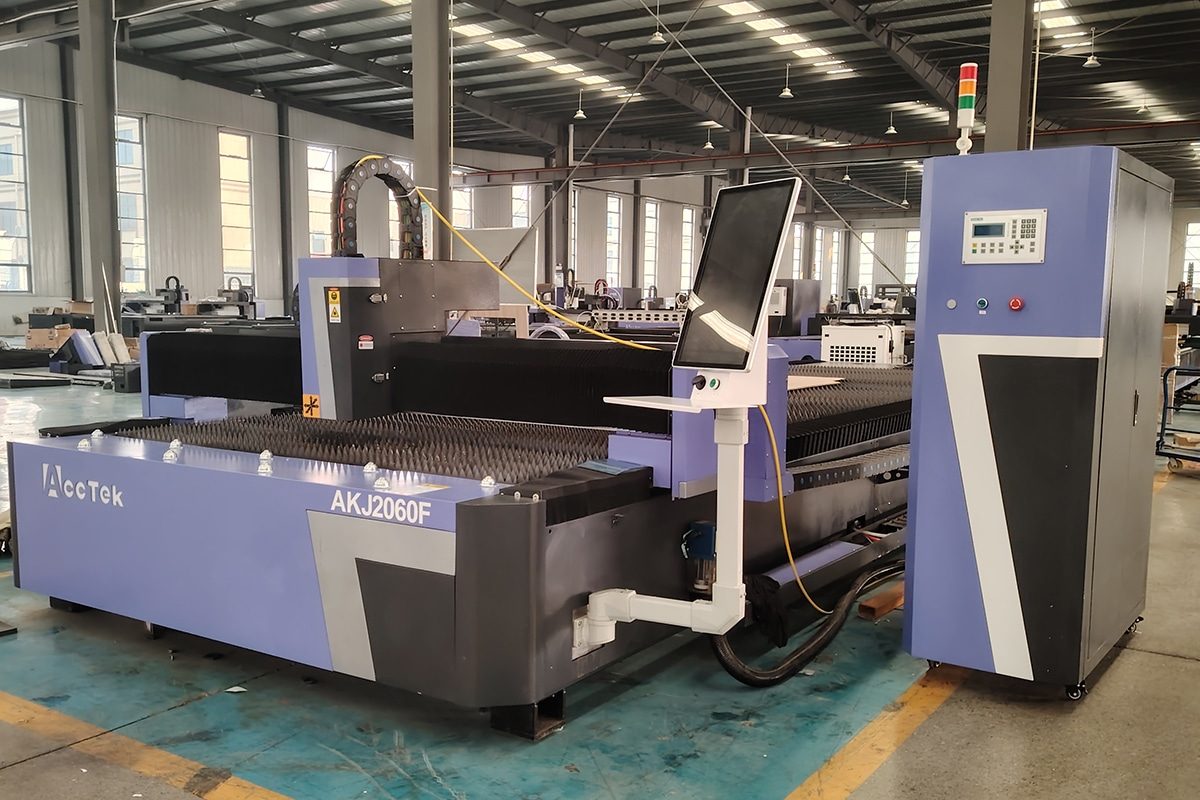
What Safety Measures Should Be Taken When Operating Laser Cutting Machines
Operating laser cutting machines offers precision, efficiency, and versatility in industries ranging from manufacturing and automotive to jewelry and medical device production. However, with their high-powered lasers capable of cutting through metals, plastics, and other materials, these machines also pose significant safety risks if not handled properly. Accidents such as burns, eye injuries, fires, and exposure to harmful fumes can occur without strict adherence to safety protocols.
The importance of implementing robust safety measures cannot be overstated. Proper training, protective equipment, and maintenance routines are essential not only for preventing injuries but also for ensuring consistent machine performance and prolonging its lifespan. Furthermore, understanding laser classifications, maintaining ventilation systems, and following manufacturer guidelines help minimize workplace hazards and ensure compliance with regulatory standards such as those set by OSHA and ANSI.
This article explores the key safety measures to consider when operating laser cutting machines, providing a comprehensive guide for operators, supervisors, and facility managers. From personal protective gear to machine maintenance and emergency preparedness, each measure plays a crucial role in creating a safe and efficient work environment. By following these practices, operators can harness the full potential of laser technology while safeguarding their health and workplace safety.
Table of Contents
Understand the Core Hazards
Laser cutting machines integrate powerful energy sources, automated motion systems, and complex support equipment into a single operation. Because of this, the risks involved are broader and more severe than many operators initially realize. Understanding each core hazard—and the consequences of ignoring it—is essential for preventing injuries, equipment damage, and production downtime. The following subheadings break down the primary hazards associated with laser cutting machines and explain why each one matters in real-world operations.
Laser Radiation Exposure
Laser radiation is the most direct and dangerous hazard in laser cutting operations. High-energy laser beams can cause instant, irreversible eye damage and severe skin burns. Even indirect exposure is dangerous; reflections from polished metals or misaligned optics can redirect laser energy outside the intended cutting area. These risks increase during setup, alignment, and maintenance tasks, especially when protective housings are open or safety interlocks are bypassed. Because many industrial lasers operate outside the visible spectrum, operators may not realize exposure is occurring until injury has already happened.
Fire and Thermal Hazards
Laser cutting generates intense heat capable of igniting flammable materials such as plastics, paper, wood, oils, and accumulated dust. Sparks and molten slag produced during cutting can escape the work zone and start fires inside or outside the machine enclosure. Oxygen-assisted cutting further increases fire intensity. These hazards demand constant monitoring, proper housekeeping, and fire detection systems to prevent small ignition sources from becoming major incidents.
Thermal Contact Hazards
Beyond fire risks, thermal contact hazards are common. Freshly cut parts, cutting beds, nozzles, and internal machine components can remain extremely hot long after the cutting process ends. Direct contact with these surfaces can cause serious burns. Operators who rush part removal or maintenance without allowing adequate cooling time are especially vulnerable to these injuries.
Fumes, Smoke, and Toxic Byproducts
Laser cutting vaporizes material at high temperatures, releasing fumes and fine particulates into the air. Metals can produce metal oxides, while plastics and coated materials may emit highly toxic gases. Inhalation of these byproducts can irritate the eyes and lungs and, over time, lead to chronic respiratory or neurological conditions. Poor air quality can also reduce visibility inside the cutting area, increasing the risk of operational errors or delayed fire detection.
Electrical Hazards
Laser cutting machines rely on high-voltage electrical systems to power the laser source, motion controls, and cooling equipment. Faulty wiring, damaged insulation, improper grounding, or moisture intrusion can result in electric shock, burns, or arc flash injuries. Electrical hazards are especially severe during maintenance and troubleshooting, as stored electrical energy may remain present even after power is shut off.
Mechanical Hazards
Automated movement is essential to laser cutting precision, but it introduces mechanical hazards. Gantries, cutting heads, conveyors, and loading systems can move rapidly and unexpectedly, creating pinch points, crushing zones, and impact risks. Software errors, sensor failures, or human mistakes can cause sudden motion, making proper guarding and safe operating distances critical.
Assist Gas Hazards
Assist gases such as oxygen, nitrogen, and compressed air are used to improve cutting quality, but they introduce additional risks. High-pressure gas systems can leak or rupture, causing physical injury. Oxygen-enriched environments dramatically increase fire severity, while incorrect gas selection or pressure settings can lead to unstable cutting conditions or explosions.
Noise and Secondary Process Hazards
Noise from exhaust fans, compressors, and motion systems can contribute to hearing loss and operator fatigue over time. Secondary processes—such as part removal, slag chipping, grinding, and finishing—introduce their own hazards, including sharp edges, flying debris, repetitive strain injuries, and ergonomic stress. These risks are often underestimated but can have long-term health consequences.
Laser cutting machines present a wide range of interconnected hazards, including laser radiation, heat, fire, fumes, electrical energy, mechanical motion, pressurized gases, noise, and secondary processing risks. Understanding each hazard and why it matters is the foundation of effective safety practices. When operators are aware of these dangers, they are better equipped to prevent accidents, protect their health, and maintain a safe, efficient laser cutting environment.
Build Safety Into the Machine
When it comes to laser cutting safety, the most effective protection is designed directly into the machine itself. Engineering controls are the first and strongest line of defense because they reduce risk at the source rather than relying solely on operator behavior. Unlike procedural rules or personal protective equipment, engineering controls work continuously and consistently, even when humans make mistakes. A well-designed laser cutting system anticipates hazards such as laser radiation, fire, electrical faults, and unexpected motion—and actively prevents them from causing harm. The following elements explain how safety should be built into the machine from the ground up and why each control is critical.
Use Properly Enclosed Systems Whenever Possible
Fully enclosed laser cutting systems provide the highest level of protection against laser radiation, flying debris, sparks, and fumes. Enclosures prevent direct and reflected laser beams from escaping the cutting area and protect operators from accidental exposure. They also help contain fires and channel fumes toward extraction systems. Whenever feasible, enclosed systems should be prioritized over open-bed designs, especially in shared workspaces or environments with less experienced operators. Doors, viewing windows, and access panels must be constructed from laser-rated materials appropriate for the machine’s wavelength and power.
Interlocks Must Work—and Must Not Be Bypassed
Safety interlocks are designed to shut down the laser immediately when protective doors or panels are opened. These systems are critical during normal operation and maintenance. A failed or bypassed interlock removes a major safeguard and exposes operators to invisible yet extremely dangerous laser radiation. Interlocks should be tested regularly, documented as part of maintenance routines, and designed to fail safely. Bypassing interlocks for convenience is one of the leading contributors to serious laser-related injuries and should never be tolerated.
Beam Path Control and Stray Reflection Management
Effective beam path control ensures that laser energy travels only where it is intended. This includes fully enclosed beam delivery systems, secure mounting of mirrors and optics, and the use of beam dumps or absorbers to safely terminate unused energy. Stray reflections are especially dangerous when cutting reflective metals, as they can redirect energy unpredictably. Internal surfaces should be non-reflective and rated to withstand accidental exposure. Proper beam alignment and routine inspection are essential to maintaining safe beam containment.
Emergency Stop (E-Stop) Accessibility and Testing
Emergency stop systems provide a fast and intuitive way to shut down the machine during unsafe conditions. E-stop buttons must be clearly labeled, easily reachable from all operator positions, and unobstructed at all times. Pressing an E-stop should immediately disable laser emission and halt hazardous motion. Regular testing ensures the system responds correctly and that operators remain familiar with its location and function. A poorly placed or non-functional E-stop can turn a manageable incident into a serious accident.
Guarding and Safe Motion Design
Mechanical motion systems—such as gantries, cutting heads, conveyors, and loaders—must be guarded to prevent contact with moving parts. Fixed guards, light curtains, pressure-sensitive mats, and software-based motion limits all contribute to safer operation. Machines should be designed to prevent unexpected movement during setup, loading, or maintenance. Controlled acceleration, collision detection, and safe-speed modes reduce the risk of crushing, pinching, or impact injuries while maintaining productivity.
Electrical Safety Design
Electrical hazards are addressed first through proper machine design. This includes robust grounding, insulated wiring, sealed enclosures, and clearly labeled electrical panels. High-voltage components should be isolated and accessible only to qualified personnel. Lockout/tagout compatibility must be built into the system so energy sources can be safely isolated during maintenance. Protective devices such as circuit breakers, overload protection, and fault detection systems reduce the risk of shock, arc flash, and electrical fires.
Fire Detection and Suppression Options
Because laser cutting involves intense heat and combustible materials, fire prevention must be engineered into the machine. Integrated fire detection systems can monitor the cutting area for abnormal temperature rises, flames, or smoke. Some systems include automatic fire suppression using inert gases or localized extinguishing agents that activate without human intervention. Fire-resistant materials inside the enclosure, proper spark containment, and continuous monitoring all help stop fires before they spread.
Engineering controls form the foundation of laser cutting safety by eliminating or reducing hazards at their source. Enclosures, functional interlocks, controlled beam paths, accessible emergency stops, guarded motion systems, safe electrical design, and integrated fire protection all work together to create a safer machine. When safety is built into the equipment itself, reliance on human perfection is reduced, accidents become less likely, and laser cutting operations can run efficiently without compromising operator well-being.
Establish Clear Operating Rules
Even the safest laser cutting machine can become dangerous without clear, well-enforced operating rules. Administrative controls bridge the gap between engineered safety features and day-to-day human behavior. They define how the machine should be used, who is allowed to operate it, and what actions are required under normal and abnormal conditions. Clear rules reduce variability, prevent unsafe shortcuts, and ensure that safety practices are applied consistently across shifts, operators, and job types. When properly implemented, administrative controls create structure, accountability, and predictability in laser cutting operations.
Written SOPs for Normal Operation
Standard Operating Procedures (SOPs) provide step-by-step guidance for safe and consistent machine use. These procedures should cover startup and shutdown sequences, material loading and unloading, parameter setup, assist gas selection, monitoring during cutting, and post-operation cleanup. SOPs must clearly identify hazards at each step and specify required safety checks, such as verifying enclosure closure, interlock status, ventilation operation, and fire readiness. Written SOPs should be easy to access at the machine, written in clear language, and reviewed regularly to reflect equipment upgrades or process changes. Without documented procedures, operators are more likely to rely on informal habits, increasing the risk of errors and accidents.
Permit or Approval Process for “Non-Standard” Jobs
Non-standard jobs—such as cutting new materials, unusually thick stock, reflective surfaces, coated components, or experimental setups—carry higher and often unpredictable risks. A formal permit or approval process ensures these jobs receive additional scrutiny before cutting begins. This process should require risk assessment, verification of material safety data, confirmation of proper assist gas selection, and approval from a qualified supervisor or safety officer. Requiring authorization discourages impulsive experimentation and ensures that hazards are identified and controlled before exposure occurs.
Supervision: Never Leave Certain Jobs Unattended
Some laser cutting operations demand continuous supervision due to increased fire risk, unstable materials, or long cutting cycles. Operators should never leave high-risk jobs unattended, even briefly. Supervision allows immediate response to sparks, flare-ups, abnormal sounds, loss of cut quality, or system alarms. Administrative rules should clearly define which jobs require constant monitoring and prohibit multitasking or leaving the machine area during active cutting. This control is especially critical when cutting flammable materials or using oxygen-assisted processes.
Training and Authorization
Only trained and authorized personnel should operate laser cutting machines. Training must go beyond basic machine operation and include hazard recognition, emergency response, fire prevention, ventilation requirements, and safe handling of materials and assist gases. Authorization should be role-specific, ensuring operators are qualified for the exact machine and processes they use. Refresher training should be conducted periodically and whenever equipment, software, or procedures change. Clear authorization prevents unqualified individuals from operating complex, high-risk equipment.
Administrative controls provide the rules, structure, and accountability needed to support safe laser cutting operations. Written SOPs, formal approval for non-standard jobs, defined supervision requirements, and comprehensive training ensure that safety is applied consistently—not left to individual judgment. When clear operating rules are established and enforced, they significantly reduce risk, reinforce safe habits, and complement engineering controls to create a safer and more reliable laser cutting environment.
Training: What Operators Must Know
Effective laser cutting safety depends heavily on operator knowledge, not just machine design or written rules. Training must go far beyond teaching operators which buttons to press or which programs to load. Laser cutting machines are complex systems where small changes in materials, settings, or conditions can introduce serious hazards. Operators who understand why safety rules exist are far more capable of preventing incidents, recognizing early warning signs, and responding correctly under pressure. Comprehensive training builds confidence, situational awareness, and accountability—qualities that are essential in high-energy manufacturing environments.
Laser Basics for Operators
Operators must understand the fundamental principles of how lasers work and why they are dangerous. This includes basic concepts such as laser wavelength, power levels, and beam focus, as well as how laser energy interacts with different materials. Training should explain why some materials reflect laser energy, why certain plastics or coatings produce toxic fumes, and why higher power or oxygen-assisted cutting increases fire risk. Understanding laser classification and exposure risks helps operators respect enclosure requirements, interlocks, and protective features rather than viewing them as obstacles to productivity.
Machine-Specific Hazard Points
Every laser cutting machine has unique hazard zones that operators must be familiar with. Training should identify specific risk areas such as the cutting head, gantry travel paths, pinch points, assist gas connections, electrical panels, and hot surfaces. Operators should know where it is safe to stand during operation, where hands and tools must never be placed, and how automated motion behaves during startup, homing, and program execution. Machine-specific training ensures operators are not relying on assumptions carried over from different equipment.
Recognizing Abnormal Conditions
A critical skill for laser operators is the ability to recognize when something is wrong. Training should cover warning signs such as unusual noises, excessive sparks, unstable flames, inconsistent cut quality, smoke buildup, alarms, or unexpected machine motion. Operators must understand which conditions require immediate shutdown and how to use emergency stop systems correctly. Recognizing abnormal conditions early often prevents fires, equipment damage, and injuries.
Practical Drills
Hands-on drills reinforce training and prepare operators to respond effectively in real situations. These drills should include emergency stop activation, fire response procedures, safe power-down sequences, and evacuation protocols. Practicing responses to simulated failures—such as ventilation loss or assist gas issues—helps operators react calmly and correctly during actual emergencies. Regular drills also reveal gaps in procedures and reinforce muscle memory, making safe responses automatic rather than hesitant.
Training is a critical safety control that transforms operators from machine users into risk-aware professionals. By teaching laser fundamentals, machine-specific hazards, abnormal condition recognition, and emergency response through practical drills, organizations significantly reduce the likelihood and severity of incidents. Well-trained operators not only work more safely but also contribute to more reliable, efficient, and responsible laser cutting operations.
PPE: What to Wear, When, and Why
Personal Protective Equipment (PPE) is a critical layer of defense in laser cutting operations, especially when engineering and administrative controls cannot eliminate all risks. PPE does not replace safe machine design or proper procedures, but it significantly reduces the severity of injuries when exposure occurs. Understanding what PPE is required, when it must be worn, and why it is necessary helps operators make informed decisions rather than treating safety gear as optional or inconvenient. Proper selection, use, and maintenance of PPE are essential for effective protection.
Eye and Face Protection
Eye injuries are among the most severe and irreversible risks in laser cutting. Operators must wear laser-rated protective eyewear whenever there is a potential for exposure to laser radiation, including during setup, alignment, maintenance, or when working near open systems. Protective lenses must be rated for the specific laser wavelength and power level in use. In addition to laser radiation, cutting operations generate sparks, flying debris, and molten metal. Face shields or safety goggles with side protection help prevent burns and impact injuries, especially during part removal, slag cleaning, or secondary processing.
Respiratory Protection
Laser cutting produces fumes, smoke, and fine particulates that may contain toxic or irritating substances. While local exhaust ventilation is the primary control, respiratory protection may be required when cutting hazardous materials, during maintenance, or if ventilation performance is reduced. Depending on the risk, this may include disposable particulate respirators or higher-level respirators with appropriate filters. Operators must be trained in proper fit, use, and limitations of respiratory equipment to ensure it provides effective protection.
Gloves and Protective Clothing
Hands and skin are frequently exposed to thermal and mechanical hazards. Heat-resistant gloves protect against burns when handling hot workpieces or machine components, while cut-resistant gloves reduce the risk of lacerations from sharp edges. Protective clothing made from flame-resistant materials helps shield the body from sparks, slag, and accidental contact with hot surfaces. Loose-fitting clothing, synthetic fabrics, and exposed skin should be avoided, as they can increase burn risk or become entangled in moving parts.
Hearing Protection
Noise from exhaust systems, compressors, and machine motion can exceed safe exposure limits over time. Prolonged exposure may lead to hearing loss, fatigue, and reduced concentration. Earplugs or earmuffs should be worn in areas where noise levels are elevated, particularly during long cutting cycles or when multiple machines are operating simultaneously. Hearing protection supports long-term health and improves overall operator awareness.
Foot Protection
Foot injuries can occur from falling parts, sharp scrap, or hot materials. Safety footwear with reinforced toes protects against impact and crushing injuries, while heat-resistant soles reduce the risk of burns from hot debris. Slip-resistant soles are also important, as cutting environments may contain dust, metal shavings, or residues that create slipping hazards.
PPE plays a vital role in protecting laser cutting operators from residual risks that cannot be fully engineered out of the process. Eye, respiratory, hand, hearing, and foot protection each address specific hazards associated with laser cutting operations. When selected correctly, worn consistently, and maintained properly, PPE reduces injury severity and reinforces a strong culture of safety without compromising productivity.
Ventilation and Fume Extraction
Ventilation and fume extraction are not optional add-ons in laser cutting operations—they are essential safety infrastructure. Laser cutting vaporizes materials at extremely high temperatures, producing fumes, smoke, gases, and fine particulates that can harm health, damage equipment, and increase fire risk. Even materials that appear harmless can release hazardous byproducts when exposed to laser energy. Without effective ventilation, contaminants accumulate quickly in the breathing zone, reduce visibility, and create conditions where minor problems escalate into serious incidents. Properly designed ventilation systems protect operators, support compliance with safety regulations, and maintain stable cutting conditions.
Local Exhaust Ventilation (LEV)
Local exhaust ventilation is the most effective method for controlling airborne hazards at their source. LEV systems capture fumes and smoke directly at the cutting zone before they spread into the surrounding workspace. For laser cutting machines, this typically involves extraction ports integrated into the cutting bed or enclosure. LEV must be properly sized for the machine’s power, cutting area, and materials processed. Poorly positioned or underpowered extraction allows contaminants to escape, exposing operators to harmful substances and increasing fire risk. Regular inspection ensures airflow remains consistent and unobstructed.
Filtration and Air Management
Captured air must be properly filtered before being discharged or recirculated. Filtration systems remove fine particulates, metal oxides, and other hazardous byproducts that pose respiratory and environmental risks. High-efficiency filters are especially important when cutting metals or coated materials that generate ultrafine particles. Air management strategies should also prevent contaminated air from being blown back into work areas or adjacent spaces. Improper air recirculation can spread pollutants throughout a facility, exposing workers far beyond the cutting area.
Ducting and Dust Collector Fire Risk
Fume extraction systems themselves can become fire hazards if not properly designed and maintained. Hot sparks and glowing particles can enter ducting and dust collectors, igniting accumulated debris. Ductwork must be constructed from fire-resistant materials, routed to minimize buildup, and cleaned regularly. Dust collectors should include spark arrestors, fire detection, or suppression features where appropriate. Neglecting these elements can turn a safety system into a major ignition source.
Never Cut Prohibited Materials
Some materials should never be laser cut due to the extreme hazards they produce. Certain plastics, foams, and coated materials can release highly toxic or corrosive gases that standard ventilation systems cannot safely manage. Cutting prohibited materials can endanger operators, damage equipment, and contaminate ventilation systems. Clear rules must define which materials are allowed, and operators must verify material composition before cutting begins.
Ventilation and fume extraction systems are critical for protecting health, preventing fires, and maintaining safe laser cutting operations. Effective LEV, proper filtration, fire-safe ducting, and strict material controls work together to manage airborne hazards. Treating ventilation as non-negotiable infrastructure—not an afterthought—ensures a safer, cleaner, and more reliable laser cutting environment.
Fire Safety
Fire is one of the most serious and common risks associated with laser cutting operations. The combination of intense heat, sparks, molten material, assist gases, and combustible debris creates an environment where ignition can occur quickly and spread rapidly if not controlled. Effective fire safety requires a layered approach that focuses on prevention first, early detection second, and a clear, practiced response when an incident occurs. Fire protection is not limited to having extinguishers nearby; it involves disciplined housekeeping, correct machine settings, trained operators, and defined post-incident procedures that together minimize damage and downtime.
Housekeeping Reduces Fire Load
Good housekeeping is one of the simplest and most effective fire prevention measures. Accumulated scrap, dust, slag, oils, packaging materials, and residues significantly increase the available fuel for a fire. Regular cleaning of cutting beds, enclosures, ventilation inlets, and surrounding areas reduces ignition sources and limits how quickly a fire can grow. Housekeeping routines should be built into daily operations rather than treated as occasional tasks, especially when cutting materials that generate sparks or fine debris.
Parameter Control to Prevent Sustained Flame
Incorrect cutting parameters are a frequent cause of fires. Excessive power, improper speed, poor focus, or incorrect assist gas selection can cause material to burn rather than cut cleanly. Sustained flames, excessive sparking, or glowing edges are warning signs that parameters are unsafe. Operators must understand how adjustments affect heat input and combustion, and machines should be programmed with approved parameter ranges to prevent unsafe settings. Continuous monitoring during cutting allows operators to intervene before a small flame becomes a major fire.
Fire Extinguishers
Fire extinguishers must be suitable for the types of fires likely to occur in laser cutting environments, such as fires involving metals, electrical components, or general combustibles. Having the correct extinguisher is only effective if operators are trained to use it properly and know when it is safe to do so. Training should emphasize personal safety, proper extinguisher selection, and recognizing when evacuation is the safer option. Poorly trained responses can worsen a fire or put operators at serious risk.
Response Plan for Common Fire Scenarios
A clear, practiced response plan is essential for managing fire incidents. Operators should know how to stop the laser safely, shut off assist gases, activate emergency stops, and isolate power when required. The plan should address common scenarios such as small material flare-ups, internal enclosure fires, and fires spreading into ducting or dust collection systems. Defined roles, communication procedures, and evacuation routes ensure that responses are calm, coordinated, and effective.
Post-Incident Inspection
After any fire event—no matter how small—a thorough inspection is required before restarting operations. Heat, smoke, and suppression agents can damage optics, wiring, sensors, and ventilation components. Residual embers or hidden damage may create conditions for a secondary fire if overlooked. Inspections should verify that all safety systems are intact, parameters are reviewed, and the root cause of the incident is identified and corrected.
Fire safety in laser cutting operations depends on disciplined prevention, early detection, and a well-practiced response. Clean workspaces, controlled cutting parameters, proper extinguishers, trained operators, and thorough post-incident inspections all work together to reduce fire risk. By treating fire safety as a continuous process rather than a reactive measure, facilities can protect people, equipment, and productivity.
Assist Gas Safety
Assist gases are essential to laser cutting performance, but they also introduce serious safety risks if not handled correctly. Oxygen, nitrogen, and other compressed gases are stored under high pressure and interact directly with heat, combustion, and the surrounding environment. Incidents involving assist gases can escalate quickly, leading to fires, explosions, or life-threatening exposure. Understanding how to safely store, connect, and use these gases is critical for protecting operators, equipment, and facilities. Proper gas safety practices must be treated with the same level of importance as laser radiation and fire prevention.
Cylinder Handling and Storage
Gas cylinders must be handled with care at all times. Cylinders should be stored upright, secured with chains or straps to prevent tipping, and protected from impact or excessive heat. Storage areas should be well ventilated and clearly labeled, with full and empty cylinders separated to prevent confusion. Transporting cylinders requires appropriate carts designed for compressed gas use—never rolling or dragging cylinders. Valve caps must remain in place when cylinders are not connected to equipment. Improper handling can damage valves, turning a cylinder into a dangerous projectile.
Regulator and Hose Integrity
Regulators and hoses control gas pressure and flow, making their integrity critical to safe operation. Only regulators designed for the specific gas type and pressure range should be used. Mismatched or damaged regulators can fail catastrophically. Hoses must be rated for the gas in use, free from cracks, wear, or contamination, and securely connected with proper fittings. Regular inspection is essential, as small leaks can escalate into major hazards. Leaks should be detected using approved methods and corrected immediately.
Oxygen-Specific Precautions
Oxygen presents unique and severe risks because it dramatically accelerates combustion. Materials that would normally burn slowly—or not at all—can ignite explosively in oxygen-enriched environments. Oil, grease, and other hydrocarbons must never come into contact with oxygen components, as they can ignite spontaneously. Oxygen systems should be kept meticulously clean, and operators must understand that even minor leaks can significantly increase fire intensity. Strict controls are necessary when using oxygen-assisted cutting.
Nitrogen and Asphyxiation Risk
Nitrogen is often considered safer because it is inert, but it carries its own dangers. Nitrogen displaces oxygen in the air and can create an asphyxiation hazard in enclosed or poorly ventilated spaces. Because nitrogen is odorless and colorless, operators may not realize oxygen levels are dropping until symptoms occur. Adequate ventilation, oxygen monitoring in confined areas, and awareness of early asphyxiation signs are essential for safe nitrogen use.
Assist gases play a vital role in laser cutting, but they also introduce high-pressure, fire, and asphyxiation risks. Safe cylinder handling, reliable regulators and hoses, strict oxygen precautions, and awareness of nitrogen hazards are essential safety measures. When assist gas systems are properly managed, they support efficient cutting while minimizing the potential for serious accidents.
Electrical and Maintenance Safety
Electrical energy and maintenance activities represent some of the highest-risk moments in laser cutting operations. While machines may appear inactive during servicing or troubleshooting, dangerous energy sources often remain present in the form of electricity, stored mechanical energy, pressurized systems, or residual heat. Many serious injuries occur not during normal production, but during maintenance tasks performed without proper controls. Electrical and maintenance safety depends on strict lockout/tagout procedures, clearly defined access restrictions, and a preventive maintenance program that treats safety as a core objective rather than an afterthought.
Lockout/Tagout (LOTO) for Maintenance
Lockout/tagout procedures are essential whenever maintenance, repair, cleaning, or inspection work is performed. LOTO ensures that all hazardous energy sources—electrical, pneumatic, hydraulic, and mechanical—are fully isolated before work begins. Power must be disconnected, stored energy discharged, and locks applied to prevent accidental re-energization. Tags communicate who used the lock and why, creating accountability and clear communication. Skipping or shortcutting LOTO procedures can result in unexpected startup, electric shock, or crushing injuries. Every maintenance task, regardless of how routine, should follow documented LOTO procedures.
Only Qualified Personnel Should Access Certain Areas
Laser cutting machines contain restricted zones that expose individuals to extreme hazards, including high-voltage electrical cabinets, laser sources, optics, and motion control systems. Access to these areas must be limited to trained and authorized personnel with the appropriate technical competence. Qualified technicians understand the risks, proper isolation methods, and manufacturer requirements. Allowing untrained personnel to access restricted areas significantly increases the likelihood of fatal errors, equipment damage, and system instability. Clear labeling, physical barriers, and access controls help enforce these restrictions.
Preventive Maintenance Is Safety Maintenance
Preventive maintenance plays a direct role in accident prevention. Worn cables, degraded insulation, loose connections, contaminated optics, and failing cooling systems can all create serious safety hazards if left unaddressed. Regular inspections, testing, and component replacement reduce the likelihood of electrical faults, overheating, fires, and unexpected machine behavior. Maintenance schedules should follow manufacturer recommendations and be documented thoroughly. Treating preventive maintenance as a safety function—not just a reliability task—ensures that machines remain stable, predictable, and safe to operate.
Electrical and maintenance safety requires discipline, expertise, and consistent execution. Lockout/tagout procedures protect workers from unexpected energy release, restricted access ensures only qualified personnel handle high-risk components, and preventive maintenance reduces hazards before they become emergencies. Together, these practices form a critical safety barrier that protects both people and equipment throughout the life of laser cutting machines.
Material Handling and Workflow Safety
Material handling and workflow design play a major role in laser cutting safety, yet these risks are often underestimated because they occur outside the active cutting process. Injuries frequently happen while loading materials, removing finished parts, or managing scrap—tasks that may seem routine but involve sharp edges, heavy loads, and extreme heat. A well-organized workflow reduces unnecessary movement, minimizes exposure to hazards, and helps operators maintain focus. Safe material handling practices protect workers from burns, cuts, strains, and impact injuries while supporting efficient and predictable production.
Safe Loading and Unloading
Loading and unloading materials safely requires planning, proper tools, and correct body positioning. Sheet metal and other raw materials can be heavy, awkward, and have sharp edges that cause cuts or crush injuries. Mechanical aids such as lifts, carts, or vacuum handling systems should be used whenever possible to reduce manual handling. Operators must ensure materials are properly aligned and secured before cutting begins to prevent shifting or tipping during operation. Clear communication between team members during loading and unloading helps avoid sudden movements that can lead to injury.
Hot Part Control
Freshly cut parts can remain extremely hot even when they appear cool. Contact with hot parts, slugs, or cutting beds can cause serious burns. Operators should assume all parts are hot until verified otherwise and use appropriate tools such as tongs or heat-resistant gloves when handling them. Clearly designated cooling areas allow parts to cool safely without creating congestion near the machine. Visual indicators or signage can help remind operators and nearby workers of burn hazards during post-cutting activities.
Scrap Management
Scrap material presents multiple hazards, including sharp edges, hot fragments, and fire risk. Poorly managed scrap can obstruct walkways, damage equipment, or ignite if combustible materials are mixed with hot metal. Scrap should be removed regularly and placed in designated, fire-resistant containers. Operators must never allow scrap to accumulate inside the machine enclosure or near ventilation inlets. Effective scrap management not only reduces injury risk but also improves housekeeping and workflow efficiency.
Safe material handling and efficient workflow design are essential components of laser cutting safety. Proper loading and unloading practices, controlled handling of hot parts, and disciplined scrap management reduce the risk of burns, cuts, strains, and fires. When material flow is planned and hazards are anticipated, operators can work more safely while maintaining productivity and order in the laser cutting environment.
Software, Programming, and Human Factors
Modern laser cutting machines rely heavily on software, automation, and human decision-making. While advanced controls improve precision and productivity, they also introduce new risks when programming errors, poor interface design, or human factors come into play. Many laser-related incidents are not caused by mechanical failure, but by incorrect parameters, ignored alarms, or operators working under fatigue and pressure. Addressing software and human factors is essential for preventing unsafe conditions before the laser ever fires.
Approved Parameter Libraries
Approved parameter libraries are a critical safety control. These libraries contain verified cutting parameters—such as power, speed, focus, and assist gas settings—that are known to produce stable, safe results for specific materials and thicknesses. Limiting operators to approved parameter sets reduces the risk of excessive heat input, sustained flames, or unpredictable cutting behavior. Changes to parameters should require authorization and documentation, ensuring that experimental or unsafe settings are not introduced casually into production.
Simulation and Dry-Run Mindset
Simulation and dry-run functions allow operators to verify programs before actual cutting begins. By visually simulating tool paths, motion limits, and sequencing, operators can identify collisions, incorrect part placement, or unexpected movements without exposing the machine or personnel to risk. Dry runs with the laser disabled reinforce a cautious mindset, allowing operators to confirm setup, alignment, and motion behavior. Treating simulation as a standard step—not a shortcut to skip—significantly reduces programming-related incidents.
Alarms Should Be Meaningful, Not Ignored
Laser cutting systems generate alarms to warn operators of unsafe or abnormal conditions. When alarms are frequent, unclear, or routinely ignored, their effectiveness is lost. Alarm systems should be configured to be meaningful, with clear messages that guide operators toward correct action. Training must reinforce that alarms are safety tools, not productivity obstacles. Operators should never silence or bypass alarms without understanding and correcting the underlying issue.
Fatigue and Production Pressure
Human performance declines under fatigue, stress, and production pressure. Long shifts, repetitive tasks, and tight deadlines increase the likelihood of mistakes such as incorrect material selection, skipped checks, or delayed responses to abnormal conditions. Organizations must recognize fatigue as a safety risk and manage workloads accordingly. Encouraging breaks, realistic production targets, and a culture where safety overrides speed helps operators remain alert and make sound decisions.
Software controls and human factors are powerful influences on laser cutting safety. Approved parameter libraries, consistent use of simulation, meaningful alarms, and awareness of fatigue all reduce the risk of errors that can lead to serious incidents. When technology is supported by thoughtful programming practices and realistic expectations of human performance, laser cutting operations become safer, more reliable, and more resilient.
Specific Safety Considerations by Laser Type
Laser cutting safety is not one-size-fits-all. The type of laser cutting system in use significantly influences the nature and severity of hazards operators may face. Differences in wavelength, power density, beam delivery method, enclosure design, and typical materials processed all affect how risks must be controlled. A safety approach that is effective for one laser type may be insufficient—or even inappropriate—for another. Understanding these distinctions allows organizations to tailor engineering controls, operating rules, training, and PPE to the actual risk profile of the equipment in use, rather than relying on generic assumptions.
Fiber Laser Cutting Systems
Fiber laser cutting systems operate at extremely high power densities and use wavelengths that are invisible to the human eye. This invisibility greatly increases risk, as operators receive no visual warning of laser exposure. Reflections are a major concern, especially when cutting highly reflective materials such as aluminum, brass, or copper. Even small surface imperfections or misaligned optics can redirect significant energy back toward the cutting head or enclosure, potentially damaging components or creating secondary hazards.
Because fiber lasers cut very efficiently, they can generate intense heat in a short time. Improper parameters, poor focus, or incorrect assist gas selection can quickly lead to sustained flames or internal fires. Fiber systems, therefore, rely heavily on robust enclosures, functional interlocks, beam containment, and approved parameter libraries. Operators must be trained to recognize subtle signs of instability, such as abnormal sparks or changes in cut sound, which may precede more serious incidents.
CO2 Laser Cutting Systems
CO2 laser cutting systems typically use longer wavelengths and rely on mirror-based beam delivery rather than fiber-optic cables. This introduces additional safety considerations related to beam alignment, mirror condition, and open beam paths inside the machine. Misaligned mirrors or degraded optics can cause stray beams or localized heating within the machine enclosure, increasing fire and exposure risks.
CO2 lasers are commonly used for cutting non-metal materials such as wood, acrylic, rubber, fabrics, and composites. Many of these materials are highly combustible or produce toxic fumes when cut. Fire risk is often higher than with metal cutting, and ventilation requirements are more demanding. Operators must be especially disciplined about material verification, never cutting unknown or prohibited materials. Maintenance activities on CO2 laser cutting systems also require caution, as beam tubes, mirrors, and power supplies can retain heat and residual energy.
Hybrid or Open-Bed Systems
Hybrid and open-bed laser cutting systems present some of the highest exposure risks due to reduced physical containment. In these designs, operators may be closer to the cutting area, increasing the likelihood of exposure to laser radiation, sparks, molten material, and fumes. Reflections and stray beams pose a greater threat, particularly when cutting reflective materials or performing setup and alignment tasks.
Because engineering controls are often more limited, these systems depend heavily on administrative controls and PPE. Strict operating rules, controlled access zones, laser-rated eye protection, and constant supervision are essential. Fire risk is also elevated, as sparks and hot debris are less contained. Ventilation must be carefully designed to capture fumes effectively despite the open configuration, and housekeeping must be meticulous to prevent ignition of surrounding materials.
Different laser cutting systems introduce distinct safety challenges that demand tailored controls. Fiber lasers require rigorous management of invisible radiation and reflections, CO2 lasers demand careful control of beam paths, combustible materials, and fumes, and hybrid or open-bed systems rely heavily on disciplined procedures, PPE, and supervision. Recognizing these laser-type-specific risks ensures that safety measures are targeted, effective, and aligned with the real hazards present in each cutting environment.
Facility Safety
Facility design plays a critical role in laser cutting safety, yet it is often overlooked in favor of machine-level controls. Even a well-designed and well-operated laser cutting system can become hazardous if the surrounding workspace is poorly organized or inadequately controlled. Layout, signage, and access control influence how people move, where they stand, and how clearly hazards are communicated. A thoughtfully designed facility reduces unnecessary exposure, prevents collisions and confusion, and supports safe behavior by default rather than relying solely on operator vigilance.
Layout for Safe Movement
A safe facility layout ensures clear, unobstructed movement around laser cutting machines. Walkways should be clearly defined and kept free of scrap, cables, and tools to prevent trips and falls. Adequate space must be provided for material loading, unloading, and cooling areas so operators are not forced to work too close to active cutting zones. The layout should minimize crossing paths between pedestrians, material handling equipment, and automated systems. Proper spacing also supports emergency access, allowing operators and responders to reach emergency stops, extinguishers, and exits without delay.
Signage and Labeling
Clear signage and labeling communicate hazards instantly, especially to visitors, new employees, or personnel who do not work directly with laser equipment. Warning signs should indicate laser radiation hazards, high-voltage areas, hot surfaces, assist gas systems, and required PPE. Labels on controls, emergency stops, and shutoff valves must be easy to read and consistently placed. Well-designed signage reduces reliance on memory and training alone, reinforcing safe behavior through constant visual reminders.
Access Control
Access control limits exposure by ensuring only authorized and trained personnel enter laser-controlled areas. This may include physical barriers, locked doors, badge systems, or controlled entry points. Access control is especially important for open-bed or high-power laser systems, where exposure risks extend beyond the immediate operator. Restricting access protects untrained personnel, contractors, and visitors from accidental exposure and reinforces accountability for those operating or servicing the equipment.
Facility-level safety measures support and strengthen machine and operator protections. A well-planned layout enables safe movement, effective signage communicates hazards clearly, and access control prevents unauthorized exposure. Together, these elements create an environment where safe behavior is intuitive and hazards are managed proactively, contributing to a safer and more efficient laser cutting operation.
Inspection Routines
Consistent inspection routines are one of the most effective ways to prevent accidents in laser cutting operations. Many incidents are preceded by warning signs such as loose components, blocked ventilation, damaged hoses, or abnormal cutting behavior. Inspections help identify these issues early—before they escalate into fires, equipment damage, or injuries. Establishing clear inspection routines before, during, and after cutting ensures that machines remain in a safe condition and that operators stay engaged with the process rather than relying on assumptions.
Pre-Start Checks (Every Shift or Every Job)
Before cutting begins, operators should perform a structured pre-start inspection. This includes confirming that enclosures are closed and intact, interlocks are functioning, and emergency stop buttons are accessible. Assist gas cylinders, regulators, and hoses should be checked for correct pressure, secure connections, and signs of damage or leaks. Ventilation and fume extraction systems must be operating properly, with airflow verified and filters unobstructed. Operators should also confirm correct material identification, approved cutting parameters, and a clean cutting bed free of scrap or combustible debris. These checks establish a safe baseline for each job or shift.
Monitoring During Cutting
Safety inspections continue while the machine is operating. Operators must actively observe the cutting process rather than treating it as a fully autonomous task. Key indicators include flame behavior, spark patterns, cut quality, smoke levels, and machine sounds. Excessive sparking, sustained flames, unusual noise, or alarms signal abnormal conditions that require immediate attention. Operators should remain within sight and sound of the machine, especially during high-risk cuts, so they can stop the process quickly if needed.
Post-Job Checks
After the cutting is complete, post-job inspections help prevent secondary hazards. Operators should verify that parts have cooled sufficiently before handling, remove scrap safely, and check the cutting area for smoldering debris or residual heat. Optics, nozzles, and the cutting bed should be inspected for damage or excessive wear. Ventilation systems should continue running long enough to clear residual fumes. Documenting issues identified during post-job checks supports maintenance planning and continuous improvement.
Inspection routines before, during, and after cutting form a critical safety net in laser cutting operations. Pre-start checks establish safe conditions, active monitoring detects problems early, and post-job inspections prevent delayed incidents. When inspections are performed consistently and thoughtfully, they reduce risk, protect equipment, and reinforce a culture of safety at every stage of the cutting process.
Emergency Preparedness
No laser cutting operation is completely risk-free, even when best practices are followed. High-energy lasers, pressurized gases, electricity, and combustible materials mean that abnormal events can escalate rapidly. Emergency preparedness ensures that operators respond decisively and correctly rather than hesitating or reacting instinctively. Well-defined emergency actions protect lives, limit equipment damage, and prevent secondary incidents. Preparedness also depends on training, drills, and a clear understanding of when to act independently and when to evacuate and call for help.
If You Suspect Eye Exposure
Suspected eye exposure to laser radiation must always be treated as a serious incident, regardless of whether symptoms are immediately present. Many laser eye injuries cause delayed effects, meaning pain or vision loss may develop hours later. The operator should stop the machine immediately using the emergency stop and avoid any further exposure. Rubbing the eyes should be avoided, as this can worsen internal damage. The incident must be reported, and the affected individual should receive urgent evaluation by an eye care professional familiar with laser injuries. Equipment should be secured and inspected to determine how exposure occurred, such as enclosure failure or interlock bypass.
If a Fire Starts in the Cutting Area
Fires can begin suddenly from sustained flames, sparks, or ignited debris. At the first sign of a fire, operators should stop the laser and shut off assist gases if this can be done safely. Small, contained fires inside the enclosure may be addressed with the correct fire extinguisher by trained personnel. Operators should never open an enclosure during an active fire unless trained and it is clearly safe to do so, as oxygen introduction can intensify flames. If the fire cannot be controlled immediately, evacuation and emergency notification are the correct response. After any fire event, the machine must remain out of service until inspected and approved for use.
If You Suspect a Gas Leak
Gas leaks are especially dangerous because they may be invisible and odorless. Warning signs can include hissing sounds, unexpected pressure drops, or abnormal cutting behavior. If a leak is suspected, the cutting process should be stopped immediately, and ignition sources should be avoided. Ventilation should be increased if possible, and the area should be cleared of personnel if the leak cannot be quickly isolated. Only trained personnel should shut off gas supplies or perform leak detection. Systems must not be restarted until the leak is repaired and verified safe.
If Extraction Fails Mid-Cut
Ventilation failure during cutting can quickly lead to smoke buildup, toxic fume exposure, and increased fire risk. Operators should stop the laser immediately when extraction performance drops or alarms indicate failure. Continuing to cut without ventilation is unsafe, even for short periods. After stopping, the enclosure should remain closed while fumes are cleared. Operators should investigate the cause—such as blocked filters, fan failure, or power loss—only after the system is safe. Cutting should resume only once the full extraction function is restored and verified.
Emergency preparedness turns potential disasters into manageable incidents. Clear actions for suspected eye exposure, fires, gas leaks, and ventilation failures enable operators to respond quickly and safely. Regular training, drills, and incident reviews ensure these responses become second nature. When operators know exactly what to do in an emergency, the risk of injury, damage, and escalation is significantly reduced.
Management Systems
Laser cutting safety is not a “set it and forget it” program. Even with strong engineering controls, clear SOPs, and good training, risk can creep back in through wear and tear, staff turnover, shifting production demands, and process changes. That’s why effective safety depends on management systems that continuously verify what is happening on the shop floor, capture early warning signs, and adapt controls as conditions evolve. Audits, near-miss reporting, and structured change management create a feedback loop: they identify weak points before someone gets hurt and turn everyday learning into lasting improvements.
Safety Audits and Observation
Safety audits are formal checks that confirm equipment, procedures, and behaviors match the safety standards your facility expects. They should include both “paper” reviews (SOPs, training records, maintenance logs, inspection checklists) and real-world observation at the machine. Observation matters because the true risks often show up in habits—operators reaching into the bed too soon, bypassing a step during setup, or letting scrap accumulate.
Strong audits look for leading indicators, not just obvious violations. Examples include: interlocks tested and documented, E-stops accessible and functional, fume extraction airflow within target range, assist gas components in good condition, housekeeping consistent, and parameter libraries being used correctly. Audits should also verify that fire protection equipment is present, inspected, and appropriate for the hazards, and that signage and access control are still effective. The goal is not to “catch” people—it’s to uncover system gaps and remove obstacles that make safe work harder than unsafe work.
Near-Miss Reporting
Near misses are events that could have caused injury or damage but didn’t—often due to luck, timing, or a last-second correction. In laser cutting, common near misses include small flare-ups that self-extinguish, a brief loss of extraction, abnormal sparking that stops after an adjustment, a gas pressure drop, or a program that nearly causes a head crash during a dry run. These are gold for prevention because they reveal weak controls before someone gets hurt.
A strong near-miss system makes reporting easy and non-punitive. Operators should feel safe reporting errors, close calls, and equipment irregularities without fear of blame. Reports should capture what happened, what conditions were present (material, thickness, parameters, assist gas, ventilation status), and what immediate actions were taken. Most importantly, near-miss reports must lead to visible follow-up: root-cause analysis, corrective actions, and communication back to the team. If workers never see improvement after reporting, reporting will stop—and the organization loses one of its best early-warning tools.
Change Management
Changes—new materials, new programs, new assist gases, replacement parts, software updates, or modifications to ventilation and ducting—can introduce hazards even when the change seems minor. Change management is the structured process that prevents “surprise risk” by requiring review before changes are implemented.
A good change management practice asks: Does this change affect laser radiation exposure, fume generation, fire risk, electrical loads, mechanical motion, or gas usage? Does it require new parameters, revised SOPs, additional training, or different PPE? For example, switching from mild steel to coated metal may increase toxic byproducts; increasing production speed may raise fire risk; a software update might change alarm behavior; and altering ducting can affect airflow and spark transport. Changes should be documented, approved by competent personnel, tested safely (often with simulation/dry runs), and then communicated clearly to operators before full production resumes.
Management systems keep laser cutting safety strong over time. Safety audits and on-floor observation verify that controls actually work in practice, near-miss reporting captures early warning signs before injuries occur, and change management prevents new hazards from slipping in unnoticed. Together, these systems create continuous improvement—turning everyday lessons into safer machines, better procedures, and a stronger safety culture that can keep pace with production demands.
Practical Safety Culture: The “Non-Negotiables”
In laser cutting operations, safety culture is revealed not by posters or policies, but by what people refuse to compromise on when time, cost, or convenience push in the opposite direction. The “non-negotiables” exist because they address the most common root causes of serious incidents: unknown materials, defeated safeguards, poor housekeeping, ignored warning signs, and unqualified intervention. A practical safety culture makes these rules absolute, universally understood, and actively enforced. When these principles are embedded in daily behavior, they protect people even when conditions are less than ideal.
Never Cut Unknown or Prohibited Materials—Always Verify Composition
Laser cutting fundamentally changes materials through extreme heat and energy. Many substances that seem harmless in solid form can release toxic, corrosive, or explosive byproducts when laser-cut. Coatings, adhesives, laminates, and composite layers are particularly dangerous. A practical safety culture requires material verification every time—through documentation, labeling, or approved material lists. If the composition cannot be confirmed, the job stops. This rule prevents exposure to toxic gases, damage to ventilation systems, and contamination of the facility. Guesswork is incompatible with safe laser operation.
Fume Extraction Must Be Working Before You Cut
Fume extraction is a life-safety system, not a productivity accessory. Cutting without active extraction exposes operators to airborne toxins, reduces visibility inside the enclosure, and increases fire risk by allowing hot particles to accumulate. A non-negotiable rule is that the laser does not fire unless extraction is confirmed operational. If airflow drops, filters clog, or fans fail during cutting, the process stops immediately. Continuing “just to finish the job” is a known pathway to fires and long-term health damage.
Interlocks Are Not Optional—Never Bypass Them
Interlocks exist because human error is inevitable. They prevent laser emission when doors or panels are open, protecting operators from invisible, high-energy radiation. Bypassing interlocks removes this last line of defense and has been a direct factor in severe injuries and fatalities across the industry. In a strong safety culture, interlock bypassing is treated as a serious violation, not a workaround. Any interlock failure requires immediate reporting and repair before operation resumes.
Don’t Leave High-Risk Cuts Unattended
Some cutting jobs are inherently unstable: thick materials, layered stock, oxygen-assisted cuts, or materials prone to flare-ups. These jobs require constant observation because small flames can become large fires in seconds. A non-negotiable rule is that operators remain present, attentive, and ready to intervene. Stepping away, multitasking, or assuming the machine will “take care of it” undermines fire prevention and emergency response.
Keep the Cutting Area Clean—Scrap and Dust Fuel Fires
Fire needs fuel, and poor housekeeping supplies it. Scrap pieces, fine dust, slag, oils, and packaging materials significantly increase fire load inside and around the machine. A practical safety culture treats cleanliness as a safety task, not cosmetic maintenance. Cutting beds, enclosures, and surrounding floors must be kept clear, and scrap must be removed to designated, fire-resistant containers. Clean areas limit ignition sources and reduce fire severity if ignition occurs.
Treat Abnormal Signs as Stop Signals, Not “Push Through”
Abnormal conditions are the machine communicating danger. Excessive sparks, sustained flames, unusual sounds, unexpected smoke, alarms, or changes in cut quality indicate loss of control. Pushing through these signs in the name of throughput often converts a warning into an incident. In a strong safety culture, stopping to investigate is expected and supported. Operators are trained and empowered to pause production without fear of blame when something doesn’t look right.
Only Qualified Personnel Perform Electrical or Laser Servicing
Laser sources, optics, and high-voltage electrical systems carry risks that cannot be mitigated by general mechanical knowledge. Only qualified, authorized personnel should perform electrical work, laser alignment, or internal servicing. Allowing untrained individuals to “take a look” introduces severe shock, radiation, and fire risks. Clear role boundaries protect both people and equipment and ensure compliance with safety standards.
Plan Emergencies and Practice the Response
Emergency response must be automatic, not improvised. Operators need to know how to respond to fires, gas leaks, eye exposure, and ventilation failure without hesitation. Regular drills reinforce correct actions, clarify responsibilities, and reveal weaknesses in plans or equipment. Practiced response reduces panic, shortens reaction time, and limits damage when real emergencies occur.
The “non-negotiables” define a practical safety culture in laser cutting operations. Verifying materials, ensuring extraction, respecting interlocks, supervising high-risk cuts, maintaining cleanliness, stopping for abnormalities, restricting servicing to qualified personnel, and practicing emergency response are not optional choices—they are the foundation of safe work. When these principles are enforced consistently, safety becomes dependable, even under pressure.
Summary
Operating laser cutting machines safely requires far more than basic operational knowledge—it demands a comprehensive, system-wide approach to risk control. Throughout this article, we have explored how effective safety is built from multiple, reinforcing layers. Engineering controls such as enclosures, interlocks, beam containment, and fire protection reduce hazards at their source. Administrative controls—including clear SOPs, training, supervision, and change management—ensure that machines are used consistently and responsibly. Personal protective equipment provides a final barrier when residual risks remain.
Equally important are supporting systems such as ventilation and fume extraction, assist gas safety, electrical isolation, preventive maintenance, and disciplined material handling. Fire prevention, inspection routines, and emergency preparedness address the most common and most severe laser cutting incidents before they escalate. Attention to software controls, human factors, facility layout, and access control further reduces the likelihood of error and exposure.
Ultimately, safe laser cutting depends on a strong safety culture built around non-negotiable principles: verified materials, working extraction, intact interlocks, continuous supervision of high-risk jobs, clean work areas, and empowered operators who stop when something looks wrong. When safety is treated as an integral part of production—not a constraint—laser cutting operations can achieve precision, efficiency, and reliability without compromising the health and safety of those who operate them.
Get Laser Cutting Solutions
Choosing the right laser cutting solution is a critical step in ensuring long-term safety, efficiency, and reliability. AccTek Group is a professional manufacturer of intelligent laser equipment, dedicated to helping businesses achieve high-performance cutting while maintaining strict safety standards. From machine design to after-sales support, safety is integrated into every stage of AccTek’s laser cutting solutions.
AccTek Group provides a wide range of intelligent laser cutting machines designed with advanced engineering controls, including fully enclosed structures, reliable safety interlocks, stable beam delivery systems, and integrated fire prevention features. These designs help reduce operator exposure to laser radiation, heat, fumes, and mechanical hazards while supporting consistent, high-quality cutting results. In addition, AccTek Group systems are built to support effective ventilation, assist gas safety, and intelligent monitoring—key elements for safe daily operation.
Beyond equipment, AccTek Group emphasizes complete solutions. This includes professional consultation to match the right machine to your materials and applications, clear operating guidance, and technical support to help customers establish safe operating procedures. Training, maintenance guidance, and responsive service ensure that machines remain safe and productive throughout their lifecycle.
By partnering with AccTek Group, manufacturers gain more than a laser cutting machine—they gain a comprehensive, safety-focused solution designed to support efficient production while protecting operators, equipment, and facilities.