

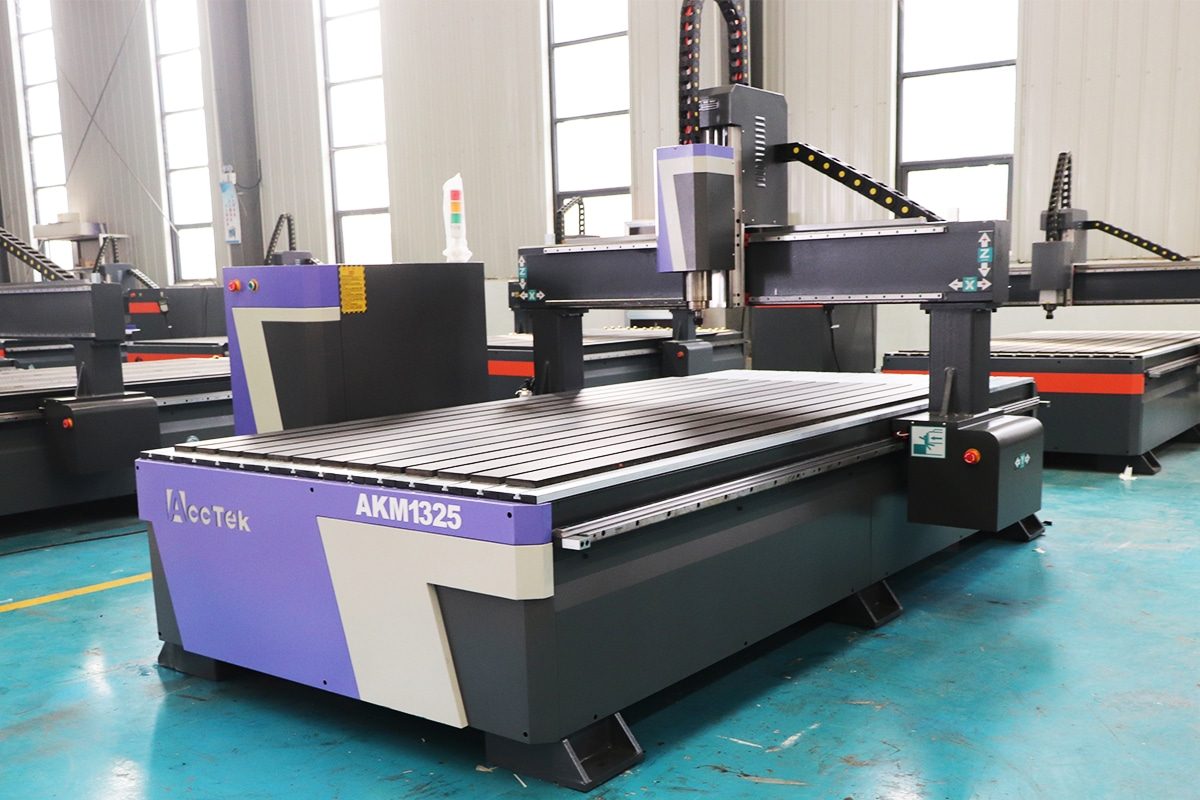
What Is The Lifespan Of CNC Routers
When investing in industrial or workshop machinery, one of the most important questions buyers ask is about longevity. This is especially true for CNC routers, which are widely used in woodworking, metal fabrication, plastics, signage, and manufacturing industries. Understanding what is the lifespan of CNC routers helps business owners, hobbyists, and manufacturers make informed decisions about budgeting, maintenance, and long-term productivity.
CNC routers are a significant investment, not only in terms of purchase price but also in training, tooling, and integration into existing workflows. While some machines operate reliably for decades, others may experience a shorter service life due to heavy workloads, poor maintenance, or substandard components. Factors such as build quality, operating environment, usage intensity, and preventive care all play a crucial role in determining how long CNC routers will last.
In this article, we will explore the typical lifespan of CNC routers, what affects their durability, and how proper maintenance can dramatically extend their working life. Whether you’re considering buying your first CNC router or evaluating whether it’s time to upgrade an existing machine, gaining a clear understanding of CNC router lifespan will help you maximize value, reduce downtime, and plan confidently for the future.
Table of Contents
Defining Lifespan
When discussing what is the lifespan of CNC routers, it is important to understand that lifespan is not a single, fixed measurement. CNC routers age in multiple ways, and each aspect of aging affects how useful the machine remains over time. CNC routers may still run programs and cut material, yet fail to meet precision standards, slow down production, or become too expensive to maintain. For this reason, lifespan is best defined through four distinct perspectives: functional lifespan, accuracy lifespan, productivity lifespan, and economic lifespan. Together, these perspectives provide a complete and realistic picture of how long CNC routers truly last.
Functional Lifespan
Functional lifespan refers to the period during which CNC routers can operate and perform their intended tasks at a basic level. From this standpoint, the machine is considered functional as long as its core systems—such as the control unit, spindle, drive motors, power supply, and motion components—continue to work. With quality construction and proper care, many CNC routers remain functional for 15 to 30 years or even longer.
However, functionality alone does not mean reliability or efficiency. As machines age, components such as wiring, sensors, cooling systems, and drive electronics may fail more frequently. Repairs become more common, spare parts may be harder to source, and downtime increases. While the CNC router may still cut parts, its operation can become inconsistent, requiring constant supervision and maintenance to keep it running.
Accuracy Lifespan
Accuracy lifespan focuses on how long CNC routers can maintain consistent dimensional precision and repeatability. Over time, mechanical wear affects critical components such as linear rails, ball screws, rack-and-pinion systems, bearings, and spindle assemblies. Thermal expansion, vibration, and structural fatigue can further reduce accuracy, especially in high-speed or heavy-duty applications.
In many cases, the accuracy lifespan is significantly shorter than the functional lifespan. Depending on usage intensity, material type, and maintenance quality, noticeable accuracy degradation can occur after 5 to 10 years. While calibration, software compensation, and component replacement can temporarily restore precision, these measures become increasingly costly and less effective as wear accumulates. Eventually, the machine may no longer meet tolerance requirements for certain jobs, limiting its practical use.
Productivity Lifespan
Productivity lifespan measures how well CNC routers meet modern production demands over time. This includes cutting speed, acceleration, tool change capability, automation compatibility, and overall uptime. Advances in CNC technology continuously raise productivity standards, making older machines less competitive even if they remain accurate.
As CNC routers age, cycle times may increase due to reduced feed rates, conservative settings to avoid vibration, or frequent stoppages for maintenance. Older controllers may struggle with complex toolpaths or lack compatibility with newer CAD/CAM software. For many businesses, the productivity lifespan ends when the machine can no longer produce parts quickly or efficiently enough to meet customer demand or profit targets. This typically occurs within 7 to 15 years, depending on industry pace and workload growth.
Economic Lifespan
Economic lifespan represents the point at which operating the CNC router is no longer financially justified. This calculation includes maintenance and repair costs, downtime losses, energy consumption, labor inefficiencies, and missed business opportunities. Even if CNC routers are still functional and reasonably accurate, escalating costs can outweigh their output value.
As machines age, replacement parts become more expensive, repairs take longer, and unexpected failures disrupt production schedules. At a certain point, investing in a newer machine offers better return on investment through improved efficiency, reliability, and lower operating costs. Economic lifespan varies widely but often falls between 8 and 20 years, depending on usage intensity and business goals.
The lifespan of CNC routers cannot be defined by a single number. Functional lifespan reflects how long the machine can operate, accuracy lifespan determines how long it can meet precision standards, productivity lifespan measures its ability to keep up with production demands, and economic lifespan defines financial viability. Evaluating all four provides a comprehensive understanding of CNC router longevity and helps users make informed decisions about maintenance, upgrades, and replacement timing.
Typical Lifespan Ranges by CNC Router Class
The lifespan of CNC routers is closely tied to how they are designed, built, and used. CNC routers are not one-size-fits-all machines; they are engineered for specific workloads, duty cycles, and levels of precision. As a result, lifespan expectations vary dramatically depending on the class of the machine. Evaluating lifespan by the CNC router class provides clearer insight into how long a machine can remain functional, accurate, productive, and economically viable in real-world use.
Hobby and Light-Duty Desktop CNC Routers
Hobby and light-duty desktop CNC routers are designed primarily for low-intensity use. These machines are commonly found in home workshops, schools, makerspaces, and small creative studios. They are typically used for short production runs, prototyping, and personal projects involving wood, plastics, foam, and occasional light aluminum cutting. Their construction often relies on aluminum extrusions, lightweight gantries, belt drives, or lead screws rather than heavy-duty ball screws and welded steel frames.
In terms of functional lifespan, these machines can operate for 5 to 10 years, and sometimes longer if used only intermittently. However, because they are not built for continuous operation, wear accumulates quickly when they are pushed beyond their intended limits. Accuracy lifespan is often limited due to frame flex, backlash in motion systems, and spindle wear. Productivity lifespan is usually the shortest, as slower cutting speeds, limited rigidity, and frequent manual intervention make them unsuitable once production demands increase. Many users replace these machines not because they fail, but because their capabilities no longer align with evolving needs.
Mid-Range “Prosumer” CNC Routers
Mid-range or “prosumer” CNC routers occupy the space between hobby machines and full industrial systems. They are designed for small commercial shops, sign manufacturers, furniture builders, and custom fabrication businesses. These machines typically feature welded steel or reinforced aluminum frames, higher-quality linear rails, ball screws or rack-and-pinion drives, and more powerful spindles capable of extended run times.
The functional lifespan of prosumer CNC routers commonly ranges from 10 to 20 years. With proper maintenance, these machines can remain accurate for a significant portion of that time. Accuracy lifespan depends heavily on routine lubrication, alignment checks, and timely replacement of wear components such as bearings and drive systems. Productivity lifespan often ends sooner than functional lifespan, especially as businesses grow. As order volume increases, cycle times, tool change limitations, and a lack of automation may reduce competitiveness. Many shops upgrade at this stage, even though the machine itself remains mechanically sound.
Industrial Production CNC Routers
Industrial production CNC routers are engineered for demanding, continuous-use environments. These machines are found in large manufacturing facilities producing cabinetry, furniture, aerospace components, and industrial parts. Their construction includes heavy welded steel frames, precision-ground linear motion components, industrial-grade spindles, and advanced CNC controllers capable of handling complex toolpaths and automation systems.
Functionally, industrial CNC routers can last 20 to 30 years or more. Their accuracy lifespan is extended through structured preventive maintenance programs, professional servicing, and scheduled replacement of critical components before failure occurs. Productivity lifespan is influenced less by mechanical wear and more by technological advancement. Older machines may still cut accurately but lack modern automation, data integration, or energy efficiency. In such cases, replacement is driven by competitiveness rather than physical deterioration.
Specialized CNC Routers
Specialized CNC routers are designed for specific, high-performance applications such as composite machining, high-speed nesting for panel processing, or heavy aluminum cutting. These machines feature reinforced frames, high-torque spindles, advanced cooling systems, vibration control, and application-specific tooling and software. They are often mission-critical assets in industries with strict quality and throughput requirements.
These machines typically have functional lifespans of 15 to 25 years. The accuracy lifespan is carefully monitored, as even small deviations can compromise part quality. Productivity lifespan is closely tied to evolving process standards and material technologies. Instead of full replacement, specialized CNC routers are often rebuilt, retrofitted, or upgraded with new spindles, controls, or automation systems to extend their service life while maintaining performance.
CNC router lifespan varies significantly by machine class. Hobby routers offer limited durability suitable for light use, mid-range machines balance longevity and cost for small businesses, industrial routers deliver decades of service under heavy workloads, and specialized systems combine long life with strict performance demands. Understanding these lifespan ranges helps users choose the right CNC router and plan strategically for maintenance, upgrades, and long-term investment.
The Biggest Drivers of CNC Router Lifespan
The lifespan of CNC routers is shaped by a complex interaction of engineering, operating conditions, and human decision-making. Two machines of the same model can experience dramatically different outcomes depending on how they are used and maintained. While hours of operation matter, they are only one part of the equation. Structural integrity, workload intensity, material choice, environmental exposure, and operator habits all compound over time to determine how long CNC routers remain functional, accurate, productive, and economically viable.
Machine Design and Build Quality
Machine design and build quality establish the upper limit of CNC routers’ lifespan. Rigid machine frames—typically welded steel or heavily reinforced cast structures—resist deflection, vibration, and long-term fatigue. High-quality linear motion components, such as precision-ground rails, ball screws, or industrial rack-and-pinion systems, distribute loads evenly and wear more slowly. Industrial-grade spindles with proper cooling and high-quality bearings can run for thousands of hours before requiring rebuilds.
In contrast, lightly built machines with thin frames, undersized gantries, or low-grade bearings may perform adequately at first but degrade quickly under sustained use. Structural flex leads to vibration, which accelerates wear throughout the entire machine. No amount of maintenance can fully overcome fundamental design limitations, making build quality the most critical lifespan driver.
Duty Cycle and Utilization Rate
Duty cycle defines how hard CNC routers work over time. Running a machine intermittently for short jobs is vastly different from operating it continuously across multiple shifts. Motors, drives, spindles, and power electronics generate heat under load, and excessive run time without adequate cooling or rest accelerates fatigue and failure.
Machines designed for light or medium duty often suffer when pushed into production roles. Bearings overheat, lubrication breaks down, and electronic components age faster. Industrial CNC routers are engineered to tolerate high utilization rates, but even they require planned downtime. Matching the machine class to the expected duty cycle is essential for preserving long-term reliability.
Material Type and Abrasiveness
The materials CNC routers process directly influence wear rates. Softwoods, plastics, and foams exert minimal cutting forces and generate less abrasive debris. In contrast, MDF, plywood with glue layers, fiberglass, carbon fiber, and aluminum introduce abrasive particles, higher cutting forces, and increased heat.
Abrasive dust acts like a grinding compound inside bearings, ball screws, and linear rails if not properly managed. Aluminum cutting increases thermal load on spindles and can shorten bearing life. Machines cutting aggressive materials require stronger dust extraction, sealed components, and more frequent inspections to maintain lifespan.
Cutting Strategy and Tool Condition
Programming and tooling choices significantly affect mechanical stress. Conservative feeds and speeds, proper chip loads, and smooth toolpaths reduce vibration and shock loading. Aggressive strategies may boost short-term throughput but dramatically increase wear on spindles, motors, and drive systems.
Tool condition is equally important. Dull tools increase cutting resistance, forcing the machine to compensate with higher torque and heat. This strain accelerates spindle bearing wear and can damage drive components. Consistent tool monitoring and replacement protect both surface quality and machine longevity.
Environmental Control
The operating environment has a constant, cumulative impact on CNC router lifespan. Fine dust can infiltrate electronics, clog cooling systems, and contaminate lubrication. Temperature swings cause thermal expansion and contraction, which affects accuracy and accelerates fatigue in mechanical assemblies.
High humidity promotes corrosion in steel frames, rails, and electrical connections, while overly dry conditions can increase static discharge risks. Controlled shop environments with effective dust collection, stable temperatures, and balanced humidity significantly extend machine life and reduce unexpected failures.
Maintenance Discipline
Preventive maintenance transforms lifespan potential into reality. Regular lubrication prevents metal-to-metal contact, alignment checks catch wear early, and scheduled replacement of consumable components avoids catastrophic failure. Machines with disciplined maintenance routines often remain accurate and reliable far beyond their expected service life.
Neglected maintenance leads to cascading failures. A dry bearing causes vibration, vibration damages rails, and misalignment increases tool wear. Over time, small ignored issues compound into major repairs or premature machine retirement.
Operator Behavior and Crash History
Operator behavior can either preserve or destroy CNC routers. Skilled operators understand machine limits, proper fixturing, warm-up procedures, and safe programming practices. They recognize warning signs such as unusual noise or vibration and act before damage occurs.
Conversely, frequent crashes, poor workholding, incorrect zeroing, or bypassing safety interlocks can cause irreversible harm. Even a single severe collision can twist a gantry, damage linear rails, or compromise spindle bearings, permanently reducing accuracy and lifespan. Human factors often determine whether a machine reaches its full design life.
CNC router lifespan is driven by far more than time in service. Build quality sets the ceiling, duty cycle and material choice dictate wear rate, cutting strategy and tooling influence mechanical stress, environmental control affects long-term stability, maintenance discipline prevents premature failure, and operator behavior can either safeguard or sabotage the machine. Managing these drivers effectively allows CNC routers to deliver reliable performance for decades instead of years.
Components That Define CNC Routers’ Lifespan
The true lifespan of CNC routers is the sum of how long their critical components can continue to operate within acceptable limits of accuracy, reliability, and safety. While software can be updated and tooling replaced, mechanical and electrical components age through wear, fatigue, heat, and contamination. Some parts are designed as consumables with predictable service intervals, while others—especially structural elements—define the absolute ceiling of machine longevity. Understanding how each major component contributes to lifespan allows owners to anticipate failures, budget intelligently, and extend usable service life.
Spindle and Spindle Bearings
The spindle is the heart of CNC routers and one of the most lifespan-defining components. It operates at high RPMs under continuous load, converting motor power directly into cutting action. Spindle bearings bear the greatest stress, experiencing radial and axial loads, vibration, and heat. Their lifespan is influenced by spindle speed, cutting forces, lubrication quality, cooling method (air vs. liquid), and cleanliness.
Over time, bearing wear manifests as increased noise, heat, runout, and vibration, all of which degrade surface finish and dimensional accuracy. In production environments, spindles are often rebuilt proactively after a known number of operating hours. Failure to address bearing wear early can result in catastrophic spindle failure, potentially damaging toolholders, workpieces, and even the machine structure.
Linear Guides, Carriages, and Wipers
Linear guides and carriages govern how smoothly and accurately the machine moves along each axis. These components rely on hardened raceways and rolling elements that wear gradually with motion and load. Wipers and seals are critical because they prevent dust, chips, and coolant from entering the bearing surfaces.
When wipers fail or lubrication is neglected, abrasive contamination accelerates wear dramatically. This leads to increased friction, stick-slip motion, vibration, and loss of repeatability. In well-maintained systems, high-quality linear guides can last many years, but once raceways are damaged, accuracy degradation is often permanent and costly to correct.
Drive Systems
Drive systems translate motor rotation into linear motion and have a major influence on both accuracy and lifespan. Ball screws offer excellent precision and low backlash but are sensitive to contamination and wear, particularly on long-travel axes. As ball nuts wear, backlash increases, reducing positional accuracy.
Rack-and-pinion systems are more tolerant of long travel and high speeds, making them common in large-format CNC routers. However, they require proper preload, alignment, and lubrication to prevent uneven tooth wear. Belt-driven systems are the simplest and least expensive, but belts stretch, degrade, and lose positional consistency over time. The chosen drive system directly affects how long CNC routers can maintain usable accuracy.
Bearings, Couplings, and Gearboxes
Supporting mechanical components, such as rotary bearings, flexible couplings, and gearboxes, play a crucial but often underestimated role in the lifespan. Bearings support shafts and rotating elements, while couplings accommodate minor misalignment between motors and drives. Gearboxes modify torque and speed characteristics but introduce additional wear surfaces.
As these components age, they introduce backlash, vibration, and noise. Minor wear can often be corrected through replacement, but undetected failure can overload motors, damage drive systems, and propagate vibration throughout the machine. Consistent inspection and timely replacement are essential to prevent cascading damage.
Servo/Stepper Motors and Drives
Motors and drives are responsible for motion control accuracy and responsiveness. Servo motors, commonly used in industrial CNC routers, operate in closed-loop systems and can maintain performance over long periods if properly cooled and loaded. Stepper motors, more common in lighter machines, are simpler but can lose torque efficiency when overheated or overdriven.
Drives and amplifiers are sensitive to heat, dust, and electrical instability. Aging electronic components—especially capacitors—can cause intermittent faults or sudden failure. Clean power, proper cooling, and stable environmental conditions significantly extend the lifespan of motors and drives.
Electrical Cabinet Components
The electrical cabinet houses the CNC controller, power supplies, contactors, relays, drives, and communication hardware. These components age primarily due to heat, dust accumulation, and moisture exposure. Cooling fans and filters are critical, yet often neglected, contributors to lifespan.
As electronics age, failure rates increase, and replacement parts may become obsolete. While individual components can be replaced, widespread electrical aging can make continued operation costly or impractical, often defining the economic end of CNC routers’ life.
Vacuum and Pneumatic Systems
Vacuum and pneumatic systems support workholding, tool changing, and auxiliary functions. Vacuum pumps operate under continuous load and are sensitive to dust and debris ingestion. Seals, vanes, filters, and hoses degrade over time, reducing holding force and reliability.
While these systems may not affect cutting accuracy directly, their failure can halt production or compromise safety. Regular servicing and filtration are essential to maintain consistent performance and prevent premature system failure.
Structural Frame and Gantry
The structural frame and gantry define the ultimate lifespan boundary of CNC routers. These components are rarely replaced and must resist vibration, deflection, and fatigue for decades. A rigid, well-engineered frame maintains alignment and accuracy even as other components wear and are replaced.
Poor structural design or long-term stress can cause permanent deformation, twisting, or loss of squareness. Once structural integrity is compromised, accuracy cannot be fully restored through maintenance alone, effectively ending the machine’s viable lifespan.
The lifespan of CNC routers is defined by the durability and interaction of their core components. Wear items like spindles, bearings, and drive systems determine service intervals, while electrical systems and structural elements define long-term viability. Machines with robust frames, high-quality components, clean environments, and disciplined maintenance can operate accurately and reliably for decades. Understanding how each component ages is essential for extending lifespan and maximizing return on investment.
Accuracy Lifespan
Accuracy is often the first performance characteristic to decline as CNC routers age, even while the machine remains fully operational. This gradual loss of precision—known as accuracy drift—results from cumulative mechanical wear, structural movement, vibration, and thermal cycling. Accuracy lifespan defines the period during which CNC routers can reliably hold required tolerances and maintain repeatability. Once accuracy drift exceeds acceptable limits, the machine may still run programs but no longer produce consistent or compliant parts. Understanding the mechanisms behind this drift is essential for diagnosing problems early and extending usable accuracy.
Backlash and Lost Motion
Backlash and lost motion develop as moving components wear at their contact surfaces. In ball screws, the rolling elements and raceways gradually wear, increasing clearance between the ball nut and screw. In rack-and-pinion systems, tooth wear and preload loss allow slight free movement before motion is transferred. Couplings, gearboxes, and even motor shafts can contribute additional compliance as they age.
This lost motion is most noticeable during direction changes, circular interpolation, and fine detail work. Edges may become rounded, pockets slightly oversized, and hole positions inconsistent. Software backlash compensation can help in early stages, but it assumes uniform wear and cannot correct dynamic effects such as flex under load. As backlash grows unevenly across axes, repeatability suffers, marking a significant decline in the lifespan.
Squareness and Gantry Alignment Drift
Gantry-style CNC routers rely on precise alignment between linear rails, drive systems, and the machine frame. Over time, cutting forces, vibration, thermal expansion, and even minor crashes can cause slow shifts in alignment. Bolted joints may relax, rails may settle unevenly, and gantry beams may experience long-term stress or creep.
Early signs of squareness drift include diagonal measurement errors, inconsistent part dimensions across the work envelope, and difficulty matching opposing edges. While periodic re-squaring and realignment can restore accuracy, repeated drift often indicates underlying structural fatigue or uneven wear in linear guides. Once alignment stability becomes difficult to maintain, the accuracy lifespan is nearing its practical limit.
Spindle Runout and Vibration
Spindle accuracy directly affects cut quality and dimensional precision. As spindle bearings wear, radial and axial runout increase, causing the cutting tool to orbit slightly instead of rotating perfectly on center. This leads to inconsistent tool engagement, chatter, and uneven material removal.
Vibration further amplifies these effects by propagating oscillations through the gantry, rails, and drive systems. Over time, vibration loosens fasteners, accelerates guide and bearing wear, and worsens alignment drift. While spindle rebuilds can restore runout performance, persistent vibration may signal deeper structural or motion-system degradation that limits long-term accuracy.
Thermal Effects
Thermal behavior plays a major role in accuracy drift, especially in machines without active thermal control. Motors, spindles, and drives generate heat during operation, causing localized expansion. Different materials within the machine—steel frames, aluminum gantries, linear rails—expand at different rates, subtly changing geometry.
Repeated heating and cooling cycles contribute to material fatigue and long-term dimensional change. Thermal drift can cause parts machined at different times of day to vary in size, even with identical programs. High-end machines mitigate these effects through symmetric designs, temperature sensors, and compensation algorithms. In less controlled environments, thermal effects steadily erode the accuracy lifespan.
Accuracy lifespan reflects how long CNC routers can consistently hold tolerances and repeat positions. Backlash growth, alignment drift, spindle runout, vibration, and thermal effects all contribute to gradual but inevitable accuracy loss. While calibration, compensation, and component replacement can slow the process, accuracy drift cannot be eliminated. Recognizing these mechanisms helps users maintain precision longer and determine when rebuilds or replacements become necessary.
Realistic Ways to Estimate Lifespan
Estimating the lifespan of CNC routers by asking how many years they will last often oversimplifies a complex reality. CNC routers do not age uniformly, nor do they suddenly fail at a fixed point in time. Instead, they move through predictable stages of wear, maintenance, refurbishment, and eventual replacement. A far more realistic and actionable approach is to think in terms of service intervals—defined periods of operation between required maintenance, rebuilds, or upgrades. This perspective aligns lifespan estimation with how CNC routers actually perform in production environments and allows owners to plan proactively rather than reactively.
Start With Your Production Profile
Lifespan estimation begins with an honest assessment of how the CNC router is used. A production profile should include daily and weekly operating hours, average spindle RPM, cutting loads, and the types of materials being machined. Light-duty routing of softwood for a few hours per day produces vastly different wear patterns than continuous cutting of MDF, composites, or aluminum in multi-shift operations.
Tolerance requirements also matter. A machine used for rough cutting may remain “acceptable” long after it would be unsuitable for precision work. Production profiles are not static; as businesses grow, machines are often pushed harder. Revisiting and updating this profile regularly allows service intervals to be adjusted as usage intensity changes.
Identify Your “Wear-Limiting” Subsystem
Every CNC router has one subsystem that effectively defines how long it can remain useful without major intervention. This wear-limiting subsystem may be the spindle and its bearings, the linear motion system, the drive mechanism, or even the electrical control hardware. While many components wear gradually, one typically reaches a critical threshold first.
Identifying this subsystem requires observation and data. Rising vibration levels, increasing backlash, repeated drive faults, or declining cut quality are signals that a particular system is approaching the end of its service interval. Once identified, lifespan can be estimated as a series of rebuild or replacement cycles rather than a single end date. Machines with rebuildable wear-limiting systems often enjoy significantly longer overall lifespans.
Track Your Machine Like an Asset, Not a Mystery
Accurate lifespan estimation depends on disciplined tracking. Treating CNC routers as a capital asset means recording spindle hours, axis travel, maintenance actions, part replacements, crashes, and calibration results. Over time, this data reveals patterns that make wear predictable.
Tracking also clarifies cost trends. When maintenance intervals shorten and repair costs rise, the machine is signaling that it is approaching the end of an economically efficient service interval. With data in hand, owners can schedule rebuilds, plan upgrades, or justify replacement before unexpected failures occur. This asset-based approach transforms lifespan management from guesswork into strategic planning.
Realistic estimates of CNC router lifespan come from thinking in service intervals rather than years. By defining a clear production profile, identifying the wear-limiting subsystem, and tracking performance and maintenance data, owners can predict when major service will be required and extend usable life. This approach turns CNC router lifespan into a controllable variable instead of an uncertain outcome.
Maintenance Practices That Most Affect Lifespan
Maintenance is the most powerful factor under an owner’s control when it comes to determining how long CNC routers will remain accurate, reliable, and economically viable. Even the best-designed machine will experience accelerated wear and premature failure if maintenance is inconsistent or reactive. Conversely, disciplined maintenance can extend the useful life of CNC routers far beyond their nominal expectations. Effective maintenance is not about occasional repairs—it is about creating stable operating conditions that minimize friction, contamination, heat, and mechanical stress over thousands of operating hours.
Dust Control and Housekeeping
Dust and chips are among the most damaging influences on CNC router components. Fine dust from MDF, plywood, composites, and plastics can migrate into linear guides, ball screws, bearings, cable carriers, and electronic enclosures. Once inside, dust acts as an abrasive, wearing down precision surfaces and trapping heat.
Proper dust control begins with a well-designed extraction system that matches spindle power and cutting volume. Hoods, brushes, and ducting must be correctly positioned and maintained. Housekeeping is equally important—rails, drive systems, motors, and enclosures should be cleaned regularly. Neglecting dust control accelerates wear across the entire machine and significantly shortens accuracy and functional lifespan.
Correct Lubrication
Lubrication is essential to preserving precision surfaces and reducing mechanical stress. Linear guides, ball screws, rack-and-pinion systems, bearings, and gearboxes all rely on a thin, consistent lubrication film to prevent metal-to-metal contact. Using the wrong lubricant can attract contaminants, break down under load, or fail to protect at operating temperatures.
Equally damaging is improper quantity. Over-lubrication can trap dust and create abrasive paste, while under-lubrication leads to rapid wear and overheating. Following manufacturer-recommended lubrication schedules—and verifying that automatic lubrication systems are functioning correctly—dramatically extends service intervals and reduces long-term repair costs.
Spindle Care
The spindle is one of the most stressed and expensive components on CNC routers. Proper spindle warm-up routines allow bearings to reach operating temperature gradually, reducing thermal shock and extending bearing life. Balanced tooling minimizes vibration, which protects bearings, improves cut quality, and reduces stress on the entire motion system.
Cooling systems must be kept clean and unobstructed to prevent overheating. Collet hygiene is often overlooked but critical; worn or dirty collets introduce runout, increasing vibration and accelerating bearing wear. Regular inspection and replacement of collets and toolholders can significantly extend spindle service life.
Alignment and Calibration Checks
Alignment and calibration ensure that the machine’s geometry remains within design tolerances. Over time, vibration, thermal cycling, and cutting forces can cause subtle shifts in squareness, axis straightness, and tool length references. Left unchecked, these misalignments increase cutting loads, cause uneven wear, and degrade accuracy.
Routine checks—especially after crashes or major maintenance—allow small issues to be corrected before they propagate. Well-aligned machines not only produce better parts but also experience slower mechanical degradation, extending overall lifespan.
Electrical Cabinet Maintenance
Electrical systems are highly sensitive to environmental conditions. Heat buildup, dust accumulation, and moisture can degrade drives, power supplies, controllers, and relays. Cooling fans and filters play a vital role in maintaining stable temperatures and must be inspected and replaced regularly.
Loose connections, failing capacitors, and aging components often cause intermittent faults that stress motors and drives. Preventive electrical maintenance reduces unexpected downtime, protects expensive electronics, and extends the economic lifespan of the CNC router.
Vacuum and Pneumatic Maintenance
Vacuum and pneumatic systems support workholding, tool changes, and auxiliary machine functions. Vacuum pumps and compressors operate under continuous load and are sensitive to contamination and seal wear. Filters, hoses, valves, and seals degrade gradually, reducing efficiency and reliability.
Poor vacuum performance can allow workpieces to shift, increasing the risk of crashes and tool damage. Regular servicing of pumps, inspection of lines, and timely replacement of wear components ensure consistent performance. Maintaining these systems protects both productivity and machine safety, indirectly extending the CNC router’s overall lifespan.
Maintenance practices directly shape the lifespan of CNC routers. Effective dust control, precise lubrication, disciplined spindle care, regular alignment checks, electrical cabinet upkeep, and vacuum system maintenance work together to slow wear and prevent premature failure. When maintenance is systematic and proactive, CNC routers can maintain accuracy, reliability, and productivity for decades rather than years.
Operator Habits That Extend (or Shorten) Lifespan
Even with high build quality and disciplined maintenance, the daily habits of CNC router operators often determine whether a machine reaches its full lifespan or deteriorates prematurely. Operators interact with the machine more frequently than any other factor, and their decisions directly influence cutting forces, vibration levels, heat generation, and crash risk. Over thousands of operating hours, small habits compound into significant differences in wear, accuracy retention, and long-term reliability. Skilled operators act as stewards of the machine, while careless practices can quietly shorten its useful life.
Feed and Speed Discipline
Feed rate and spindle speed choices have a direct and continuous impact on mechanical stress. Proper feeds and speeds allow tools to cut efficiently, producing consistent chip loads and minimizing heat buildup. When feeds are too slow, tools rub instead of cutting, generating excess heat that transfers into the spindle bearings and toolholders. This heat accelerates bearing wear and reduces lubrication effectiveness.
Conversely, overly aggressive feeds or spindle speeds increase cutting forces and vibration. This vibration propagates through the spindle, linear guides, drive systems, and frame, accelerating wear and contributing to accuracy drift. Operators who routinely push beyond recommended parameters may gain short-term cycle time improvements but pay for them through reduced service intervals. Disciplined operators understand that stable cutting conditions preserve both productivity and machine health over the long term.
Tooling Management
Tooling is the interface between the machine and the material, and its condition heavily influences machine wear. Dull or damaged tools increase cutting resistance, forcing motors and spindles to deliver higher torque. This added load increases heat, vibration, and stress on bearings, couplings, and drive systems.
Effective tooling management includes inspecting tools for wear, replacing or sharpening them at appropriate intervals, and ensuring proper tool balance. Clean toolholders and collets are essential to minimize runout, which otherwise amplifies vibration and degrades surface finish. Operators who proactively manage tooling reduce mechanical strain, protect spindles, and maintain consistent accuracy across jobs.
Preventing Crashes
Crashes represent some of the most severe and immediate threats to CNC router lifespan. They often result from skipped setup checks, incorrect work offsets, programming errors, or inadequate fixturing. Even low-speed collisions can misalign linear rails, damage spindle bearings, or introduce microfractures that weaken structural components.
Experienced operators follow strict verification procedures, including simulation, dry runs, and cautious first cuts. They remain attentive to unusual sounds, vibrations, or alarms and stop the machine before damage occurs. Avoiding crashes preserves alignment, protects precision components, and prevents hidden damage that can shorten accuracy and functional lifespan long after the event.
Operator habits play a decisive role in determining CNC router lifespan. Disciplined feed and speed selection, proactive tooling management, and rigorous crash prevention significantly reduce wear and mechanical stress. Over time, these habits translate into longer service intervals, more stable accuracy, and higher overall return on investment from the machine.
Signs Your CNC Router Is Nearing the End of Its Useful Life
CNC routers rarely fail without warning. Long before a machine becomes unusable, it begins to show consistent signs that its functional, accuracy, and economic lifespans are converging. These warning signs often emerge gradually, making them easy to normalize or work around until productivity and reliability are seriously compromised. Recognizing these signals early allows owners to evaluate whether continued repair makes sense or whether it is time to plan for a rebuild or replacement. The most telling indicators appear across mechanical performance, cut quality, electrical reliability, and day-to-day operations.
Mechanical Warning Signs
Mechanical degradation is one of the clearest indicators that CNC routers are reaching the limits of their useful life. Increasing backlash that cannot be fully corrected through adjustment or compensation suggests advanced wear in ball screws, racks, pinions, or couplings. Vibration that persists despite tooling changes or feed adjustments often points to worn spindle bearings, fatigued linear guides, or structural looseness.
Unusual or growing noise—such as grinding, whining, or knocking—during axis movement or spindle operation is another red flag. Frequent bearing replacements, lubrication leaks, or components that fail repeatedly indicate systemic wear rather than isolated problems. When mechanical adjustments hold only briefly before drifting again, it often means that precision surfaces are worn beyond practical recovery.
Cut Quality and Dimensional Signs
Cut quality deterioration is a strong signal that the accuracy lifespan is ending. Parts may show inconsistent surface finish, visible chatter, or tearing that was not present in earlier operations. Dimensional accuracy becomes harder to maintain, with parts varying between runs or across different areas of the work envelope.
Operators may find themselves constantly adjusting offsets, feed rates, or toolpaths to achieve acceptable results. Increased tool wear is also common, as vibration, runout, and misalignment place uneven loads on cutting edges. When a machine can no longer reliably hold tolerances required for its intended work, its practical usefulness is significantly diminished.
Electrical and Control Warning Signs
As CNC routers age, electrical systems often become less stable and more difficult to maintain. Intermittent control faults, unexplained alarms, communication errors, and drive failures may occur with increasing frequency. Cooling fans may struggle to regulate temperature, and aging power supplies can cause voltage instability that affects motors and drives.
Another critical issue is obsolescence. Replacement components may be expensive, difficult to source, or incompatible with modern software and control systems. When troubleshooting electrical issues consumes excessive time and spare parts availability becomes uncertain, the machine’s economic lifespan is nearing its end.
Operational Warning Signs
From an operational standpoint, an aging CNC router increasingly disrupts workflow. Unplanned downtime becomes more common, maintenance intervals shorten, and production schedules require frequent adjustment. Operators may avoid complex parts, tight tolerances, or long unattended runs due to reduced confidence in machine reliability.
Costs provide the final signal. When repair expenses, lost productivity, and quality issues consistently outweigh the cost of upgrading or replacing the machine, continued operation becomes economically unjustifiable. At this point, even a functioning CNC router has effectively reached the end of its useful life.
CNC routers nearing the end of their useful life show clear, cumulative warning signs. Persistent mechanical wear, declining cut quality, electrical instability, and growing operational disruption all indicate that the machine is no longer sustainable. Recognizing these signals early enables informed planning, allowing businesses to transition smoothly rather than reacting to costly, unexpected failures.
Repair VS. Rebuild VS. Replace
As CNC routers moves deeper into its service life, owners must periodically decide how much further investment makes sense. This decision is rarely binary. Machines often pass through multiple repair phases, then a rebuild, and eventually replacement. The challenge lies in recognizing which stage the machine is in and choosing the option that delivers the best balance of cost, reliability, accuracy, and future capability. Making the right choice requires looking beyond immediate repair bills and evaluating long-term performance, risk, and opportunity cost.
When Repair Makes Sense
Repair is the most appropriate option when problems are localized, predictable, and relatively inexpensive compared to the value the machine continues to deliver. Typical repair items include replacing worn bearings, belts, hoses, limit switches, sensors, relays, cooling fans, or vacuum components. These parts are expected to wear and can often be replaced quickly without affecting overall machine geometry or accuracy.
Repairs make sense when the machine still holds tolerances, remains productive, and does not require constant attention to stay operational. They are also justified when downtime must be minimized or when the machine is being kept in service temporarily while planning for a future upgrade. However, repair stops being the right choice when failures become frequent, repetitive, or unpredictable. At that point, repair costs and downtime begin to erode the economic value of keeping the machine running.
When Rebuilding Makes Sense
Rebuilding is a strategic investment aimed at extending the useful life of CNC routers by addressing their core wear systems. A rebuild typically involves spindle rebuilding or replacement, new linear guides and carriages, refreshed drive systems, updated lubrication components, and a full realignment and calibration. In some cases, controls, drives, or motors are upgraded to improve reliability and compatibility with modern software.
Rebuilding makes sense when the structural frame and gantry remain rigid and dimensionally stable, and when the machine’s size, layout, and capabilities still fit production needs. A successful rebuild can restore accuracy and reliability close to original performance at a lower cost than replacement. However, rebuilds require significant downtime and careful planning. If the machine design is outdated or lacks features now essential to productivity, a rebuild may extend life but not competitiveness.
When Replacement Is the Smarter Choice
Replacement becomes the smartest option when fundamental limitations cannot be economically corrected. Structural deformation, persistent alignment instability, or chronic vibration often indicate that accuracy cannot be reliably restored. Electrical obsolescence is another strong driver; unsupported controllers, unavailable drives, or outdated interfaces increase risk and downtime.
Replacement also makes sense when business needs have evolved. Increased production volume, tighter tolerances, automation requirements, or material changes may demand capabilities the existing machine cannot deliver—even after rebuilding. Modern CNC routers often provide higher speeds, better energy efficiency, improved dust control, and advanced software integration. When the long-term gains of a new machine outweigh the short-term savings of continued investment, replacement becomes the most strategic choice.
Choosing between repair, rebuild, and replacement is about aligning machine condition with business objectives. Repairs are effective for isolated issues, rebuilds extend the life of structurally sound machines, and replacement addresses fundamental wear, obsolescence, or growth needs. Evaluating total cost, downtime risk, and future requirements ensures that CNC router investments support long-term productivity and profitability.
Strategies to Extend Lifespan
Extending the lifespan of CNC routers is rarely about a single major upgrade or occasional intensive maintenance effort. Instead, it is the result of consistently applying a set of high-impact practices that reduce wear, stabilize operating conditions, and prevent avoidable damage. These strategies focus on addressing the primary causes of premature aging—contamination, heat, vibration, inconsistent maintenance, and human error—while creating predictable, repeatable processes that protect the machine over thousands of operating hours.
Upgrade Dust Extraction and Filtration
Dust is one of the most destructive forces acting on CNC routers, especially in woodworking and composite environments. Fine dust penetrates linear guides, ball screws, bearings, cable carriers, motors, and electrical cabinets, where it acts as both an abrasive and a thermal insulator. Over time, this accelerates wear, degrades lubrication, and increases operating temperatures.
Upgrading dust extraction involves more than adding suction power. It includes properly designed hoods, effective brush skirts, sealed ducting, and filtration systems capable of capturing fine particulate matter. Preventing dust from entering electrical cabinets and cooling pathways is equally important. Cleaner machines experience less friction, more stable thermal behavior, and significantly longer service intervals across nearly all components.
Standardize Maintenance Checklists
Maintenance failures are often the result of inconsistency rather than neglect. When maintenance depends on memory or individual habits, critical tasks are easily skipped under production pressure. Standardized maintenance checklists convert good intentions into repeatable actions.
These checklists should define daily, weekly, monthly, and annual tasks, covering lubrication points, inspection items, cleaning procedures, and calibration checks. Recording completed tasks creates accountability and provides historical data that helps identify emerging wear patterns. Over time, standardized maintenance reduces unplanned downtime, slows component degradation, and makes machine health more predictable.
Improve Tooling Discipline
Tooling condition has an outsized impact on CNC router lifespan. Dull or damaged tools increase cutting forces, generate excessive heat, and introduce vibration that propagates through the spindle, motion system, and frame. Poorly maintained toolholders or collets introduce runout, which compounds these stresses.
Improving tooling discipline means establishing clear standards for tool inspection, replacement, and storage. Tools should be changed before performance degrades noticeably, not after failure. Collets and toolholders should be cleaned regularly and replaced at defined intervals. Balanced, sharp tools reduce mechanical load, improve surface finish, and dramatically extend spindle bearing life.
Reduce Heat and Vibration
Heat and vibration are cumulative stressors that quietly shorten CNC router lifespan. Excessive heat breaks down lubricants, accelerates bearing wear, and shortens the life of electronic components. Vibration loosens fasteners, degrades alignment, and amplifies wear in linear guides and drive systems.
Reducing these factors begins with stable cutting strategies—appropriate feeds and speeds, smooth toolpaths, and proper depth of cut. Spindle warm-up routines, adequate cooling, and clean airflow paths help manage thermal loads. Addressing chatter early, rather than working around it, prevents damage that compounds over time.
Train Operators on “Machine Sympathy”
Operator behavior is one of the most influential yet least expensive lifespan-extending tools. Training operators in “machine sympathy” teaches them to understand how their actions affect long-term machine health. This includes recognizing early warning signs, respecting machine limits, and prioritizing smooth, controlled cutting.
Machine-sympathetic operators avoid unnecessary stress, follow verification procedures, and stop the machine when abnormal sounds or vibrations appear. They treat the CNC router as a precision system rather than a disposable tool. Over years of operation, this mindset prevents countless small damages that no maintenance program can fully reverse.
Extending the lifespan of CNC routers is achieved through practical, disciplined actions that address the root causes of wear. Upgraded dust extraction, standardized maintenance routines, disciplined tooling management, reduced heat and vibration, and operator training all deliver long-term benefits. Together, these strategies transform the CNC router lifespan from a matter of chance into a manageable, controllable outcome.
Lifespan Expectations by Subsystem
Realistic understanding of CNC router lifespan comes from recognizing that the machine is a collection of subsystems with very different wear rates, costs, and replacement strategies. While the CNC router may appear to function as a single unit, its components age on independent timelines. Planning ownership costs around these timelines allows businesses to avoid surprise failures, maintain consistent performance, and make informed long-term decisions. By separating components into consumables, medium-term replacements, and long-term life determinants, the CNC router’s lifespan becomes predictable rather than uncertain.
Consumables and Routine Wear Items
Consumables are components designed to wear out frequently and be replaced as part of normal operation. These include cutting tools, collets, toolholders, wipers, filters, belts, seals, lubrication lines, vacuum gaskets, hoses, and pneumatic fittings. Their lifespan varies from hours to months, depending on usage intensity, material abrasiveness, and environmental conditions.
Although consumables are relatively inexpensive individually, they play a critical role in protecting more expensive subsystems. Worn wipers allow dust into linear guides, clogged filters restrict airflow and cooling, and damaged belts introduce backlash and vibration. Budgeting for regular consumable replacement prevents secondary damage and preserves accuracy and productivity. Neglecting these items often leads to accelerated wear elsewhere, multiplying long-term costs.
Medium-Term Replacements
Medium-term components define the major service intervals of CNC routers. These include spindle bearings or complete spindle rebuilds, linear guide carriages, ball nuts, rack-and-pinion components, couplings, bearings, motors, drives, vacuum pumps, and pneumatic valves. These parts typically last several thousand operating hours under proper conditions but eventually reach wear limits that affect performance.
The lifespan of these components is strongly influenced by maintenance discipline, dust control, tooling practices, and operator behavior. Budgeting for medium-term replacements allows owners to treat rebuilds as planned investments rather than emergency repairs. Replacing these subsystems at the right time can restore cutting accuracy, reduce vibration, and extend the CNC router’s productive life by many years.
Long-Term Life Determinants
Long-term life determinants are the components that ultimately define whether CNC routers can remain viable over decades. These include the structural frame, gantry, base casting, and fundamental machine geometry. These elements are rarely replaced and must maintain rigidity, alignment, and fatigue resistance throughout the machine’s life.
Control architecture and software ecosystem can also become long-term determinants. Unsupported controllers, obsolete drives, or incompatible software can limit usability even if the mechanical structure remains sound. When long-term determinants degrade or become obsolete, further investment in consumables and rebuilds becomes difficult to justify. Budgeting for these factors often means planning eventual replacement rather than continued repair.
CNC router lifespan is best managed by understanding how different subsystems age over time. Consumables require frequent attention, medium-term components define rebuild cycles, and long-term determinants set the ultimate lifespan ceiling. By budgeting with these timelines in mind, owners can reduce downtime, control costs, and maximize return on investment throughout the machine’s operational life.
Control and Software Lifespan
When evaluating what is the lifespan of CNC routers, it is easy to focus on tangible mechanical wear—spindles, rails, bearings, and frames. Yet in many real-world cases, CNC routers are retired not because they can no longer cut accurately, but because their control and software systems can no longer keep up. This “invisible” lifespan driver often ends a machine’s practical usefulness years before its mechanical limits are reached. Control hardware, firmware, and software ecosystems age silently, and when they fall behind, productivity, reliability, and supportability decline rapidly.
Hardware Obsolescence
CNC control hardware relies on electronic components that follow much shorter life cycles than mechanical systems. Motion controllers, I/O boards, servo drives, HMIs, and industrial PCs eventually reach end-of-support status. When a component fails, replacements may be unavailable, prohibitively expensive, or only obtainable on the secondary market with no warranty.
Operating system dependence compounds the problem. Many older CNC routers rely on legacy operating systems or communication standards that are no longer supported or secure. As hardware ages, failure rates increase, and downtime becomes unpredictable. At this stage, even minor electrical faults carry disproportionate risk, making continued operation increasingly difficult to justify despite a sound mechanical condition.
Workflow Expectations Rise
Control and software lifespan are also constrained by evolving workflow expectations. Modern CNC operations demand faster processing of large toolpath files, advanced simulation, adaptive machining strategies, and seamless integration with CAD/CAM, nesting, ERP, and automation systems. Older controllers may lack sufficient processing power, memory, or interpolation capability to handle these demands efficiently.
As a result, operators spend more time managing workarounds—splitting programs, reducing toolpath complexity, or manually intervening during runs. These inefficiencies increase programming time, limit unattended operation, and reduce throughput. Over time, the machine becomes a bottleneck in an otherwise modern production environment, effectively shortening its productive lifespan.
Retrofitting Controls
Control retrofitting offers a way to extend the lifespan of CNC routers by replacing obsolete electronics while retaining the mechanical platform. A retrofit can include a new CNC controller, servo drives, motors, wiring, operator interface, and updated software. When applied to a mechanically sound machine, this can dramatically improve reliability, responsiveness, and compatibility with modern workflows.
However, retrofits must be evaluated carefully. Costs can approach a significant percentage of a new machine, and downtime can be substantial. Retrofitting makes the most sense when the machine’s frame, motion systems, and working envelope remain valuable and when mechanical wear is well understood and manageable. If structural or accuracy limitations already exist, retrofitting may only delay inevitable replacement.
Control and software lifespan are critical yet often overlooked factors in determining the true lifespan of CNC routers. Hardware obsolescence, rising workflow demands, and declining software compatibility can render a mechanically capable machine impractical or risky to operate. While control retrofits can extend service life, they must align with the remaining mechanical lifespan and production needs. Recognizing this invisible end-of-life driver allows owners to plan upgrades or replacements strategically rather than reactively.
Safety and Compliance Considerations Over the Lifespan
Safety and regulatory compliance are not one-time concerns when CNC routers are installed—they are ongoing responsibilities that evolve as the machine ages. Over the lifespan of CNC routers, components wear, modifications are made, production demands change, and safety standards are updated. A machine that was fully compliant and safe when new can gradually become a liability if safety systems are not maintained, upgraded, and reassessed. Addressing safety throughout the entire lifespan of CNC routers protects operators, reduces legal and financial risk, and supports long-term, uninterrupted operation.
Electrical Safety
Electrical systems are among the most critical safety-related components affected by age. Over time, heat, vibration, dust, and moisture degrade insulation, connectors, and circuit boards. Wiring may become brittle, terminal connections can loosen, and grounding paths may degrade, increasing the risk of electrical shock, unintended motion, or fire.
Aging drives, power supplies, and control components may fail unpredictably, sometimes bypassing protective logic. Regular inspection of electrical cabinets, emergency stop circuits, interlocks, grounding systems, and overload protection is essential. Cooling fans and filters must be kept clean to prevent overheating. In many cases, older CNC routers require electrical upgrades—such as modern circuit protection, improved grounding, or updated controllers—to remain safe and compliant with current electrical standards.
Dust and Respiratory Safety
Dust exposure is a long-term safety concern that intensifies as CNC routers age. Dust extraction systems degrade gradually as hoses leak, seals wear, filters clog, and airflow performance declines. Fine dust from wood, MDF, composites, and plastics poses serious respiratory health risks and, in certain conditions, fire or explosion hazards.
As production volume increases or materials change, dust control systems that were once adequate may no longer provide sufficient protection. Maintaining dust safety requires routine inspection of ducting, hoods, filters, and enclosures, as well as periodic upgrades to extraction capacity. Ensuring consistent airflow and filtration throughout the machine’s lifespan is essential for operator health, regulatory compliance, and machine cleanliness.
Mechanical Guarding
Mechanical guarding protects operators from contact with moving components such as spindles, belts, gears, gantries, and linear motion systems. Over time, guards may be removed for convenience, damaged during maintenance, or rendered ineffective by machine modifications, retrofits, or wear.
Older machines may lack guarding features that are now considered standard, such as fully enclosed work zones, interlocked access doors, or improved chip containment. Periodic review of guarding systems is necessary to ensure they remain intact, properly fitted, and compliant with current safety expectations. Updating or adding guarding not only reduces injury risk but also reinforces safe operating habits.
Safety and compliance considerations extend across the entire lifespan of CNC routers. Electrical systems degrade, dust hazards evolve, and mechanical guarding must be maintained and modernized. Proactively addressing these areas ensures that CNC routers remain safe, compliant, and suitable for professional use, protecting operators while preserving the long-term value of the machine.
How Lifespan Changes with Application
The lifespan of CNC routers cannot be accurately discussed without considering the application context. Machines do not wear out simply because of age—they wear out because of what they cut, how often they run, and the environment they operate in. Two identical CNC routers can have radically different lifespans if one runs a few hours a week and the other operates continuously in a harsh, abrasive setting. The following real-world scenarios illustrate how application-specific factors reshape functional lifespan, accuracy lifespan, productivity lifespan, and economic lifespan.
Cabinet Shop Cutting MDF Daily
Cabinet shops are among the most demanding environments for CNC routers, especially those processing MDF every day. MDF is highly abrasive due to its resin content and fine fibers, and it produces extremely fine dust that penetrates nearly every mechanical system. Even with good dust extraction, some contamination is unavoidable.
In this scenario, spindle bearings, linear guides, wipers, and drive components experience accelerated wear. Dust also clogs cooling paths and degrades lubrication more quickly. Accuracy lifespan tends to be shorter because abrasive contamination increases backlash and friction. However, cabinet shops often justify frequent rebuilds because production volume remains high. These machines may remain functionally useful for many years, but they cycle through service intervals—spindle rebuilds, guide replacements, vacuum system overhauls—much more frequently than lighter-use machines.
Sign Shop Cutting Plastics and Aluminum Occasionally
Sign shops typically run CNC routers intermittently, cutting plastics, foam, wood, and occasionally aluminum. Duty cycles are lower, and machines often sit idle between jobs. As a result, mechanical wear accumulates slowly, and many components may last far beyond their expected service intervals based on hours alone.
However, aluminum cutting introduces higher cutting forces, heat, and vibration during those jobs. If tooling and feeds are not optimized, spindles and drive systems can experience localized stress. Electrical components may age more from calendar time than usage, leading to control or drive issues before mechanical wear becomes a concern. In this environment, CNC routers often reach the end of their practical lifespan due to software obsolescence or workflow limitations rather than mechanical failure.
Composite Shop
Composite machining is one of the harshest applications for CNC routers. Carbon fiber and fiberglass are extremely abrasive and produce fine, hazardous dust that accelerates wear across nearly all subsystems. Carbon dust can also be conductive, posing additional risks to electronics.
Spindle bearings, linear guides, seals, and wipers wear rapidly, and accuracy drift occurs sooner than in most other applications. Even with excellent dust extraction and sealing, service intervals are shorter and maintenance demands are higher. Machines in composite shops often remain structurally sound but lose accuracy or reliability faster due to relentless abrasive exposure. Lifespan in this scenario is defined more by maintenance discipline and rebuild feasibility than by calendar age.
Factory Nesting Line with ATC and Vacuum Pods
High-volume factory nesting lines represent the opposite end of the spectrum. These CNC routers operate continuously, often across multiple shifts, with automatic tool changers (ATCs), vacuum pods, and integrated material handling systems. Thermal load is constant, and auxiliary systems—tool changers, vacuum pumps, and pneumatics—experience heavy, continuous use.
Despite this intensity, these machines are engineered for industrial duty. Components are replaced proactively on fixed schedules, and downtime is planned rather than reactive. Functional lifespan can extend for decades, but productivity lifespan is often shorter. Machines are replaced not because they fail, but because newer systems offer faster cycle times, better automation, and improved integration. In these environments, economic and technological factors define lifespan more than mechanical wear.
Real-world application has a decisive influence on CNC router lifespan. Daily MDF cutting accelerates abrasive wear, intermittent sign work preserves mechanical life but risks obsolescence, composite machining shortens accuracy lifespan through extreme abrasion, and factory nesting lines trade heavy use for disciplined maintenance and planned replacement. Understanding how application shapes wear allows owners to set realistic expectations, budget correctly, and choose machines aligned with their operating reality.
Building Lifespan Plans for Your CNC Router
The lifespan of CNC routers is shaped long before the first part is cut and continues to be influenced every day the machine is in service. Machines that last the longest are rarely just “well built”—they are supported by deliberate, long-term planning at every stage of ownership. Building a lifespan plan means treating the CNC router as a strategic asset, with decisions made during purchase, installation, and daily operation all aligned toward preserving accuracy, reliability, and economic value over time.
During Purchase
Lifespan planning begins with an honest assessment of how the CNC router will actually be used. Many machines fail early because they are selected based on optimistic assumptions rather than realistic production demands. Duty cycle planning should include expected daily run hours, material types, cutting forces, tolerance requirements, and future growth.
Selecting a machine that operates near its maximum capacity every day dramatically shortens service intervals. Choosing CNC routers with excess rigidity, spindle capacity, and industrial-grade components provides a margin that reduces mechanical stress. Serviceability also matters—machines designed for easy access to wear components, clear maintenance documentation, and long-term parts availability are far more likely to remain viable over decades. The lowest upfront cost often results in the highest long-term cost if lifespan is compromised.
During Installation
Installation decisions quietly influence CNC router lifespan for years. A stable, level foundation minimizes vibration, reduces alignment drift, and protects linear guides and drive systems from uneven loading. Poor flooring, inadequate anchoring, or uneven support can introduce persistent stress that no amount of calibration can fully eliminate.
Environmental conditions are equally important. Effective dust extraction infrastructure, stable temperature, and controlled humidity slow wear and protect both mechanical and electrical systems. Electrical supply quality, proper grounding, surge protection, and adequate cooling capacity protect control electronics from premature failure. A well-planned installation creates a stable operating environment that preserves accuracy and reduces maintenance burden.
During Operation
Daily operational discipline determines whether CNC routers reaches its design lifespan or fall short. Tracking key metrics—such as spindle hours, axis travel, maintenance actions, and performance changes—turns lifespan management into a data-driven process. This information allows owners to anticipate service needs rather than react to failures.
Preventive maintenance must be consistent and documented. Lubrication, cleaning, inspection, and calibration routines protect precision surfaces and catch issues early. Tuning is equally critical; optimized feeds and speeds, regular alignment checks, and vibration control reduce mechanical stress. Operators trained to recognize abnormal behavior and respond appropriately serve as the first safeguard against premature wear.
Building a lifespan plan for CNC routers requires coordinated decisions across purchase, installation, and operation. Selecting a machine that matches the real duty cycle, installing it in a stable and controlled environment, and operating it with disciplined tracking and maintenance dramatically extend usable life. With planning, CNC routers can remain accurate, reliable, and economically valuable for decades.
Summary
The lifespan of CNC routers cannot be defined by a single number of years. Instead, it is the result of how the machine is designed, how it is used, and how well it is maintained over time. While many CNC routers can remain functional for decades, their accuracy, productivity, and economic value often follow different timelines. Understanding this distinction is critical for setting realistic expectations and making informed investment decisions.
CNC router lifespan is influenced by multiple factors, including build quality, duty cycle, material abrasiveness, operating environment, maintenance discipline, and operator behavior. Mechanical components such as spindles, linear guides, and drive systems define service intervals, while structural frames and control systems ultimately set the ceiling for long-term viability. In many cases, control and software obsolescence—not mechanical failure—becomes the invisible driver that ends a machine’s useful life.
A practical approach to lifespan management focuses on service intervals, proactive maintenance, disciplined operation, and data-driven tracking. Strategic decisions made during purchase, installation, and daily use play a decisive role in extending machine life. By understanding how CNC routers age and planning accordingly, owners can maximize accuracy, reliability, and return on investment, ensuring their machines deliver long-term value rather than unexpected downtime.
Get CNC Routing Solutions
Choosing the right CNC routing solution is as important as understanding what is the lifespan of CNC routers. A machine’s longevity, accuracy, and productivity are all strongly influenced by the quality of its design, components, and long-term support. This is where working with an experienced and professional manufacturer makes a measurable difference.
AccTek Group brings extensive engineering experience and manufacturing expertise to intelligent CNC and laser-based equipment solutions. By focusing on robust machine structures, reliable motion systems, and modern control technology, AccTek Group helps users achieve longer service life, stable accuracy, and predictable operating costs. Their solutions are designed to handle real-world duty cycles rather than idealized lab conditions, reducing premature wear and unexpected downtime.
Beyond machine quality, professional guidance plays a key role in lifespan optimization. From application analysis and machine selection to installation advice and long-term technical support, a well-matched CNC routing solution can significantly extend both functional and economic lifespan. Proper system configuration ensures the machine is not overworked, underutilized, or limited by mismatched components.
If you are planning to invest in CNC routing technology or upgrade existing equipment, choosing a reliable supplier with strong engineering capabilities is a critical step toward long-term performance, safety, and return on investment.