

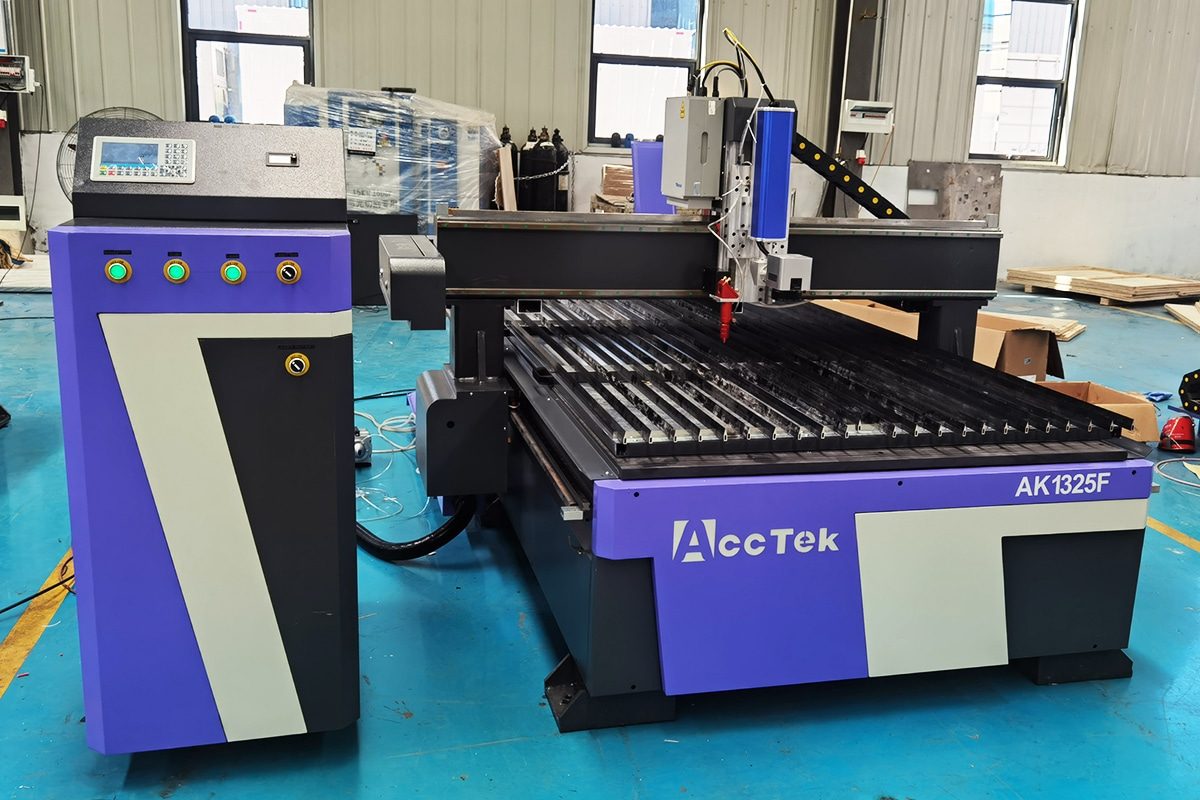
What Factors Affect Laser Marking Quality
Laser marking has become a preferred method for creating precise, permanent marks on metals, plastics, ceramics, and other materials. Its ability to deliver high-speed, non-contact, and highly customizable results makes it indispensable across industries such as automotive, electronics, medical devices, aerospace, and consumer goods. However, achieving consistent, high-quality laser marks is not automatic. The outcome depends on a complex interplay of factors, ranging from the type of laser and its operating parameters to the physical and chemical properties of the workpiece itself. Even environmental conditions and post-processing steps can influence clarity, contrast, and durability. A slight variation in settings or material composition can mean the difference between a crisp, legible mark and one that fades, smudges, or damages the surface.
Understanding these variables is essential for manufacturers who want to ensure product traceability, branding integrity, or compliance with industry standards. By carefully controlling the factors that affect laser marking quality, businesses can reduce waste, improve efficiency, and maintain consistent results at scale. This article examines the key elements that determine marking performance, providing practical insights for engineers, operators, and decision-makers who rely on laser technology for precision marking.
Table of Contents
Defining Laser Marking Quality
Before exploring the factors that influence laser marking outcomes, it is essential to define what “marking quality” actually means. High-quality laser marks are not judged by a single attribute, but by a combination of visual clarity, dimensional accuracy, functional reliability, and consistency across production runs. The following criteria are commonly used to assess laser marking quality:
Optical Contrast
Contrast determines how easily the mark can be distinguished from the background. Strong contrast ensures that text, logos, or barcodes are visible under various lighting conditions. Low contrast can make marks hard to read, undermining traceability and brand presentation. Achieving optimal contrast depends on material absorption, wavelength selection, and laser parameters.
Feature Fidelity
Fidelity refers to how precisely the laser reproduces the intended design. Fine lines, small fonts, and intricate patterns must appear sharp without blurring or distortion. This depends on beam quality, focus stability, and motion control systems.
Geometric Accuracy
Accuracy ensures that the size, shape, and positioning of the mark match the specifications. In applications like medical instruments or electronic components, even slight deviations can affect usability or compliance. High-precision optics and stable fixturing are critical to maintaining geometric accuracy.
Depth and Topography
The physical depth and surface texture of a mark influence both aesthetics and function. Shallow surface markings may provide clarity but lack durability, while deeper engravings can withstand wear and sterilization processes. Controlling depth requires precise modulation of laser power, pulse duration, and scan speed.
Code Readability
For industries that rely on barcodes, QR codes, or data matrix symbols, readability is paramount. A code must be consistently scannable across different devices and under varying conditions. Readability depends on factors like contrast, line sharpness, and error correction, all of which hinge on optimized marking parameters.
Durability
A high-quality mark must withstand the environment in which the product will be used. Exposure to heat, chemicals, abrasion, or sterilization can degrade markings if they lack sufficient permanence. Durability is especially critical in aerospace, automotive, and medical applications where safety and compliance are non-negotiable.
Process Capability
Finally, quality is not just about a single perfect mark, but about repeatability at scale. Process capability measures whether the laser marking system can consistently deliver marks within defined tolerances over long production runs. It reflects the stability of the equipment, the robustness of parameter settings, and the level of operator control.
Laser marking quality is a multidimensional standard shaped by visual, dimensional, and functional performance. A mark must be clear, precise, durable, and consistently reproducible to meet industrial demands. By evaluating quality through the lenses of contrast, fidelity, accuracy, depth, readability, durability, and process capability, manufacturers can set measurable benchmarks and ensure reliable outcomes across diverse applications.
Material Factors
The properties of the material being marked play a decisive role in determining the quality of the final mark. Even with a well-calibrated laser system, variations in composition, surface treatment, or condition can alter how the beam interacts with the substrate. Understanding material factors is therefore critical for achieving consistent, high-quality results.
Base Material and Microstructure
Different materials absorb and respond to laser energy in unique ways. Metals, plastics, ceramics, and composites all exhibit distinct thermal and optical properties that influence marking outcomes. For example, stainless steel typically produces high-contrast oxidation marks, while aluminum can be more challenging due to its reflectivity. Beyond the bulk material type, microstructure matters as well. Grain size, alloying elements, and hardness affect how heat dissipates during marking. A material with coarse grains may result in uneven edges, while one with fine grains tends to produce sharper, more uniform features.
Coatings, Films, and Surface Treatments
Surface modifications significantly influence laser-material interaction. Anodized aluminum, painted surfaces, or polymer films often improve contrast and enable marking without deep engraving. On the other hand, reflective or protective coatings, such as chrome plating, can scatter or block the beam, reducing efficiency and quality. Surface treatments like passivation or polishing may also change energy absorption characteristics, requiring parameter adjustments to avoid damage or low-contrast marks.
Surface Condition
Even when working with a uniform material, surface condition can make or break quality. Rough or uneven surfaces scatter laser light, leading to blurred or inconsistent features. Contaminants such as oil, dust, or oxide layers can prevent uniform energy absorption, resulting in incomplete or patchy markings. Conversely, clean, smooth surfaces provide an optimal platform for sharp, high-contrast marks. Pre-treatment steps—such as cleaning, sanding, or chemical etching—are often essential to prepare surfaces for reliable marking.
Material characteristics set the foundation for laser marking quality. The type of substrate, its microstructure, and the presence of coatings or surface treatments directly influence how the laser interacts with the workpiece. At the same time, surface condition determines whether that interaction produces clean, consistent, and durable marks. By accounting for these material factors and tailoring laser parameters accordingly, manufacturers can minimize defects and maximize both performance and consistency.
Laser Source and Beam Characteristics
The performance of a laser marking system is fundamentally tied to the properties of the laser source itself. The way energy is delivered—its wavelength, temporal profile, and spatial distribution—directly dictates how effectively the material absorbs the laser and how precise the mark will be. Choosing the right laser source and understanding its beam characteristics are, therefore, crucial for achieving consistent quality.
Wavelength
The wavelength of a laser determines how well the target material absorbs its energy. Metals, plastics, ceramics, and composites each have unique absorption profiles. For example, infrared lasers (1064 nm, common in fiber lasers) are highly effective on metals, while UV lasers (355 nm) are better suited for plastics and delicate materials because they enable “cold marking” with minimal thermal damage. A mismatch between wavelength and material can result in poor contrast, excess melting, or ineffective marking.
Pulse Regime
The temporal delivery of energy—continuous wave (CW), nanosecond, picosecond, or femtosecond pulses—shapes both the marking mechanism and the result. Nanosecond pulses are common for general applications, offering a balance of speed and quality. Ultrafast pulses (picosecond or femtosecond) enable extremely precise marking with minimal heat-affected zones, ideal for sensitive electronics or medical devices. Selecting the appropriate pulse regime ensures the right trade-off between speed, precision, and material impact.
Beam Quality and Spot Size
Beam quality, often expressed as the M² factor, indicates how closely a beam approaches an ideal Gaussian profile. High-quality beams (low M²) can be tightly focused, producing small, sharp spots for fine detail and high-resolution marking. Spot size also controls energy density: a smaller spot concentrates power, improving resolution but requiring precise alignment, while larger spots cover more area but sacrifice detail. Both must be carefully balanced based on the application.
Energy, Power, and Fluence
The total energy delivered, its average power, and fluence (energy per unit area) all determine how the laser interacts with the surface. Too little energy produces faint or incomplete marks, while too much risks burning, melting, or cracking the substrate. Optimizing these parameters ensures the desired depth, contrast, and durability. In production, maintaining stable power delivery is just as important as selecting the correct level, since fluctuations can compromise consistency.
Laser marking quality depends heavily on the characteristics of the laser source and beam. Wavelength governs absorption, pulse regime dictates the marking mechanism, beam quality and spot size determine resolution, and energy delivery controls contrast and durability. By tailoring these parameters to the material and application, manufacturers can achieve marks that are sharp, permanent, and reproducible. In practice, success comes from aligning the physics of the beam with the physical properties of the substrate.
Optics, Focus, and Field
While the laser source provides the energy, the optical system determines how that energy is delivered to the workpiece. Lenses, mirrors, and focusing mechanisms shape the beam, define the working area, and ultimately control precision. Even with a high-quality laser, poor optics or improper focus can result in blurred, distorted, or inconsistent marks. For this reason, understanding the role of optics, focus, and field coverage is essential to maintaining laser marking quality.
F-theta Lenses and Working Field
F-theta lenses are the standard choice for laser marking systems because they ensure a flat field and uniform spot size across the marking area. Without them, distortion can cause curved or uneven marks at the edges of the field. The size of the working field depends on the lens focal length: shorter focal lengths provide smaller fields with higher resolution, while longer focal lengths allow larger fields at the expense of detail. Selecting the right lens involves balancing field size with the resolution and sharpness required by the application.
Focus and Depth of Field
Accurate focus is critical because laser energy is concentrated into the smallest spot at the focal plane. If the surface is above or below this plane, the spot enlarges, reducing energy density and producing blurred or faint marks. Depth of field defines the range over which acceptable focus is maintained. Materials with curved, textured, or irregular surfaces may require dynamic focusing systems to maintain proper beam alignment. In precision applications, even small deviations in focus can degrade quality.
Optical Cleanliness and Alignment
The condition and alignment of optical components directly affect beam delivery. Dust, debris, or film on lenses and mirrors scatter light, reduce energy transmission, and can even burn onto the optics, creating permanent defects. Misalignment between mirrors, scanners, or lenses leads to spot distortion, irregular positioning, or power loss. Regular inspection, cleaning, and calibration of the optical path are therefore crucial for consistent performance. Neglecting optical maintenance is one of the most common causes of declining marking quality over time.
The optical system is the bridge between the laser source and the material. F-theta lenses define the usable field, focus determines sharpness and energy concentration, and optical cleanliness and alignment preserve beam integrity. High-quality marking depends not just on the laser itself but also on how well the optics are designed, maintained, and adjusted. By treating the optical path as a critical quality factor, manufacturers can safeguard consistency, precision, and long-term reliability in their marking processes.
Motion Control and Path Strategy
Laser marking quality is not determined by the laser alone—it also depends on how the beam moves across the material. The motion control system and the path strategy used to draw characters, symbols, or codes directly affect resolution, consistency, and speed. Any instability or inefficiency in beam movement can translate into blurred edges, uneven depths, or distorted geometries. Optimizing motion control and scanning strategy is therefore a key requirement for producing reliable, high-quality marks.
Galvanometer Dynamics
Most industrial laser marking systems rely on galvanometer-driven mirrors to steer the beam rapidly across the surface. The dynamics of these galvos—speed, acceleration, and settling time—determine how well the system can follow complex paths without distortion. At high speeds, overshoot or vibration can cause rounded corners or inconsistent stroke widths. Precision applications require careful tuning of galvo response and synchronization with the laser’s firing to maintain geometric accuracy and sharpness.
Fill Patterns and Hatch Strategy
When marking filled areas, shading logos, or engraving deeper features, the path strategy is just as important as the beam itself. Common hatch patterns—such as parallel lines, crosshatching, or spiral fills—affect how energy is distributed across the surface. Too much overlap can cause excessive heat buildup, leading to warping or discoloration, while too little overlap can leave gaps or uneven textures. Adjusting hatch spacing, angle, and sequence allows operators to balance contrast, depth, and processing speed for the desired outcome.
Vector Complexity
The complexity of the design being marked influences both quality and throughput. Intricate fonts, fine lines, or high-density codes require precise vector following. If the vector path is overly complex or not optimized, the system may slow down or introduce jitter, reducing feature fidelity. Simplifying artwork, optimizing code layouts, and ensuring efficient vector sequencing can minimize unnecessary motion and improve both accuracy and cycle time.
Motion control and path strategy bridge the gap between the laser’s potential and the final mark on the material. Galvanometer performance ensures smooth and accurate beam positioning, hatch strategies determine how energy is distributed, and vector optimization keeps the process efficient and precise. Together, these factors define whether a laser mark is sharp, uniform, and repeatable—or inconsistent and flawed. By aligning motion dynamics with marking requirements, manufacturers can achieve both high quality and high productivity.
Process Parameters and Their Interactions
Even with the right laser, optics, and motion system, the quality of a mark ultimately depends on how process parameters are configured and balanced. These parameters determine how energy is delivered to the surface, how heat accumulates, and how precisely the laser follows the intended path. No single parameter acts in isolation—changes to one often affect others, making process optimization a multidimensional challenge. A well-calibrated set of parameters can produce sharp, durable, and efficient marks, while poorly tuned settings can lead to fading, distortion, or damage.
Speed (v)
Scan speed defines how fast the laser moves across the material. Higher speeds shorten cycle times but reduce the energy per unit area, potentially causing shallow or faint marks. Lower speeds concentrate energy, improving depth and contrast but risking excessive melting or heat-affected zones.
Repetition Rate (f)
The repetition rate, or pulse frequency, determines how many pulses are delivered per second. High repetition rates can create smooth lines and even energy distribution, while low rates may produce dotted or segmented marks. The right frequency depends on both material absorption and the required resolution.
Pulse Overlap
Pulse overlap refers to the degree of overlap between successive laser pulses along the scanning path. Too little overlap results in gaps, while too much can overheat the material and blur edges. Optimizing overlap is key for consistent marking depth and smooth surface finishes.
Average Power / Duty Cycle
Average power, often controlled through duty cycle, dictates the overall energy delivered. Excessive power can burn or damage the substrate, while insufficient power yields weak contrast. Stable power delivery is crucial for repeatability across long runs.
Hatch Spacing
In filled areas, hatch spacing defines the distance between parallel scan lines. Tight spacing produces dense, uniform fills but increases cycle time and risk of overheating. Wider spacing is faster but may leave visible gaps or streaks.
Hatch Strategy
Beyond spacing, hatch orientation and sequencing influence surface texture and consistency. Alternating angles between passes can minimize directional artifacts, while optimized sequencing distributes heat evenly and reduces warping.
Number of Passes
Some applications require multiple passes to achieve the desired depth or contrast. Fewer passes with higher energy may be efficient but risk surface damage, while more passes at lower energy distribute heat more gently, producing cleaner results.
Dwell / Laser On Delay / Laser Off Delay
Timing controls ensure the laser fires only when properly positioned. Dwell time (pausing at the start of a stroke) improves mark initiation, while on/off delays prevent under- or over-burning at the edges of vectors. Poorly tuned timing often shows up as uneven endpoints or distorted corners.
Corner Power Reduction & Velocity Tuning
When the beam changes direction, inertia slows the galvo, concentrating energy in corners and producing dark spots or burns. Corner power reduction automatically lowers energy during turns, while velocity tuning synchronizes laser output with scanning speed. Together, they maintain uniformity in detailed geometries.
Process parameters form the operational backbone of laser marking. Speed, frequency, overlap, and power control how energy interacts with the material, while hatch design, number of passes, and timing fine-tune consistency and finish. Corner and velocity compensation prevent localized defects in complex patterns. Most importantly, these parameters do not work in isolation—their interactions must be carefully balanced to achieve stable, repeatable, and application-specific results. By mastering parameter optimization, manufacturers can ensure both quality and efficiency in laser marking.
Marking Mechanisms and Their Quality Trade-offs
Laser marking quality is also shaped by the underlying mechanism used to form the mark. Depending on the material, application, and laser settings, different physical and chemical interactions occur at the surface. Each mechanism—whether it modifies color, removes material, or alters surface texture—comes with distinct advantages, limitations, and trade-offs. Understanding these mechanisms is essential for selecting the right approach to balance clarity, durability, speed, and cost.
Annealing (Thermal Oxide Coloring on Metals)
Annealing uses localized heating to form a thin oxide layer on the surface of metals such as stainless steel or titanium. The oxide thickness determines the interference color, producing marks without removing material. This method yields smooth surfaces and excellent corrosion resistance, making it suitable for medical and food-grade tools. However, annealed marks often lack strong optical contrast under all lighting conditions and may fade under high abrasion.
Ablation (Paints, Coatings, Oxides)
Ablation removes surface coatings—such as paints, anodized layers, or oxides—to reveal the underlying substrate. It produces high-contrast results, especially when a dark coating overlays a lighter base (or vice versa). Ablation is fast and efficient, but it depends heavily on coating uniformity. If the layer is too thin or inconsistent, the mark may appear patchy. It also does not alter the base material, so durability depends on the integrity of the exposed substrate.
Engraving (Material Removal)
Engraving involves physically removing material to create grooves or cavities. This method produces highly durable, wear-resistant marks that remain legible under harsh conditions such as abrasion, chemical exposure, or sterilization. Engraving can also provide tactile features, which are useful in certain applications. However, it is slower than other marking methods, consumes more energy, and can alter mechanical properties if done excessively. Careful control of depth and heat input is necessary to avoid microcracks or surface distortion.
Foaming / Carbonization (Polymers)
When applied to plastics, lasers can cause localized melting and gas formation, creating a foamed texture that scatters light and appears lighter than the base polymer. Alternatively, carbonization darkens the surface by breaking down polymer chains. Both methods can provide high-contrast marks without deep penetration, preserving structural integrity. The trade-off is that foamed surfaces may be less durable under abrasion, and carbonization can produce uneven coloration depending on material composition.
Color Marking (Stainless Steel, Titanium)
Color marking leverages precise thermal control to generate oxide layers of varying thicknesses, creating stable interference colors. Unlike annealing, this approach aims for a deliberate palette of colors, often used for branding, decorative features, or differentiation. The process requires fine control of parameters such as wavelength, pulse duration, and energy density. While visually striking, color marks are generally slower to produce, and durability under UV or mechanical stress can be a concern.
Laser marking mechanisms define the balance between appearance, durability, and throughput. Annealing offers smooth, corrosion-resistant surfaces but limited contrast. Ablation excels in coated materials but depends on surface uniformity. Engraving delivers unmatched durability at the expense of speed and efficiency. Foaming and carbonization provide cost-effective solutions for plastics, with moderate durability. Color marking expands design possibilities but requires precise control and sacrifices speed. Choosing the right mechanism involves evaluating material type, application requirements, and the desired trade-off between performance and aesthetics.
Part Presentation, Fixturing, and Machine Capability
Even with an optimized laser source, optics, and process parameters, the way a part is presented to the laser—and the stability of the machine itself—can make or break marking quality. Small deviations in positioning, vibration, or power delivery often translate directly into poor readability, uneven contrast, or inconsistent results. For manufacturers seeking both precision and repeatability, fixturing, machine stability, and laser power control are critical considerations.
Fixturing
Proper fixturing ensures that the workpiece remains in the correct orientation and position throughout marking. Even slight tilts or height variations can shift the focus plane, producing blurry or uneven marks. Rigid, well-designed fixtures prevent movement, minimize vibration, and allow repeatable part loading in high-volume production. Adjustable or modular fixtures may be necessary when marking different part geometries, but they must still maintain consistent clamping without distorting the workpiece. In automated systems, integration with vision or alignment aids can further reduce setup errors and improve precision.
Machine Stability
Mechanical and thermal stability of the marking system is essential for long-term quality. Vibrations from the machine itself—or from the surrounding environment—can cause waviness, jitter, or distortion in lines and codes. A stable, rigid machine frame combined with vibration isolation measures helps maintain consistent accuracy. Temperature stability is also important; thermal drift in optics or galvos can shift alignment and degrade feature fidelity. Regular maintenance, calibration, and system diagnostics ensure that machine stability supports high-quality marking across production runs.
Power and Pulse Stability
Laser output consistency directly affects mark clarity and repeatability. Variations in average power or pulse energy can cause uneven depth, inconsistent contrast, or incomplete codes. Pulse-to-pulse stability is especially critical in applications like barcode or data matrix marking, where even minor fluctuations compromise readability. Advanced marking systems include power monitoring and feedback loops to regulate energy delivery in real time. Maintaining laser stability also requires proper cooling, clean optics, and scheduled recalibration to prevent drift over time.
Part presentation and machine capability define the foundation for reliable laser marking. Fixturing ensures stable, repeatable positioning, machine stability protects against vibration and drift, and power stability guarantees consistent energy delivery. Together, these factors determine whether optimized parameters translate into high-quality marks in real-world conditions. By investing in robust fixturing, stable machinery, and reliable laser control, manufacturers can safeguard quality, reduce rejects, and ensure repeatability at both small and industrial scales.
Artwork, Font, and Code Design Choices
The design of the artwork, text, or code being marked has a direct impact on how well the final mark meets functional and aesthetic requirements. Even if the laser system and process parameters are optimized, poor design choices can lead to marks that are unreadable, unattractive, or unnecessarily time-consuming to produce. Careful attention to feature size, stroke weight, code density, and artwork simplification ensures that marks remain legible, scannable, and durable under real-world conditions.
Minimum Feature Size
Every laser system has a practical limit on the smallest feature it can reproduce clearly. This depends on spot size, beam quality, and material interaction. Features below this threshold blur together, lose definition, or disappear entirely. Ensuring that lines, gaps, and characters exceed the minimum feature size guarantees readability, especially in high-density marks like barcodes or fine text.
Fonts and Strokes
Font selection plays a major role in legibility. Simple, sans-serif fonts with uniform stroke widths mark more cleanly than ornate or script styles. Thin strokes may not survive material inconsistencies or wear, while excessively bold fonts can cause overlap or excessive heating. Optimizing stroke width to match the laser spot size ensures sharp, durable text. Consistent baseline alignment and spacing also reduce the risk of distorted characters.
Barcodes and Data Matrix
Machine-readable codes require special attention, as scanners rely on precise contrast and geometry. Data matrix codes, for example, demand uniform cell sizes and consistent edge clarity. Excessive shrinkage or distortion of cells leads to scanning errors. Barcodes require adequate quiet zones and proper aspect ratios. Design choices such as code size, cell density, and orientation must account for the laser’s resolution as well as the scanning environment (e.g., handheld scanners vs. machine vision).
Logo Simplification
Logos often include fine details, gradients, or complex curves that do not translate well into laser marking. Simplifying logos—by reducing stroke density, eliminating unnecessary detail, and converting gradients into solid fills—ensures both readability and manufacturability. Vector-based artwork is preferable, as it can be scaled and optimized without distortion. Simplification not only improves quality but also reduces marking time and system strain.
Artwork and design choices determine whether a laser mark is functional, attractive, and production-ready. Minimum feature size sets the physical limits of detail, fonts and strokes define readability, barcodes and data matrix codes require precision for machine readability, and logo simplification balances brand fidelity with manufacturability. By tailoring artwork and text to the capabilities of the laser marking system, manufacturers can achieve marks that are both visually effective and technically reliable.
Environmental and Safety Considerations
Laser marking does not occur in isolation—the surrounding environment and adherence to safety protocols strongly influence both the quality of the mark and the safety of operators. Ambient conditions, airborne byproducts, and material compliance issues can all impact outcomes. Ignoring these factors may lead to inconsistent results, equipment degradation, or even health and regulatory risks. Effective management of the marking environment and materials ensures not only quality but also long-term process reliability and operator safety.
Ambient Conditions
Temperature, humidity, and airborne particulates affect both machine stability and marking results. High or fluctuating temperatures can cause thermal drift in optics, changing focus or alignment. Excess humidity can promote condensation on optics or on the material itself, degrading beam transmission. Dust or airborne contaminants scatter the laser beam and adhere to surfaces, creating inconsistencies in mark quality. Maintaining a stable, clean, and controlled environment minimizes these risks and ensures repeatable results.
Fume Extraction
Laser marking often produces fumes, vapors, and particulates, especially when ablating coatings, engraving plastics, or oxidizing metals. Without proper extraction, these byproducts can settle on optics, reducing transmission efficiency, or contaminate the workpiece, lowering contrast and sharpness. More importantly, some fumes may be hazardous to operators, containing volatile organic compounds (VOCs) or fine particulates harmful to respiratory health. Effective fume extraction systems—equipped with appropriate filters—are essential for maintaining both optical integrity and workplace safety.
Material Restrictions
Not all materials are safe or suitable for laser marking. For example, chlorinated plastics such as PVC release corrosive and toxic chlorine gas when lasered, posing risks to both operators and equipment. Certain coatings may contain heavy metals or hazardous compounds that require special handling or may be legally restricted. Beyond safety, some restricted materials also present long-term durability concerns, such as fading or degradation after marking. Understanding material restrictions, complying with regulations, and selecting safe, compatible substrates are crucial for sustainable laser marking operations.
Environmental and safety factors are inseparable from laser marking quality. Stable ambient conditions protect optical performance, fume extraction maintains both clarity and operator health, and awareness of material restrictions prevents safety hazards and compliance violations. By proactively managing these considerations, manufacturers can ensure that laser marking processes remain consistent, safe, and aligned with regulatory standards, without compromising on quality.
Metrology and Verification
Producing a high-quality laser mark is only part of the equation—verifying that the mark meets specifications is equally important. Metrology and inspection practices provide objective measures of clarity, accuracy, and durability. Without systematic verification, small deviations in process parameters, material response, or equipment stability may go unnoticed, leading to costly quality issues downstream. Robust verification not only ensures compliance with standards but also enables continuous improvement in marking processes.
Visual and Microscopic Inspection
The most basic evaluation is visual inspection under normal lighting, which quickly reveals obvious defects such as blurring, distortion, or incomplete characters. For finer detail, microscopic or high-magnification inspection reveals microcracks, edge quality, and uniformity at scales invisible to the naked eye. Microscopy is especially valuable for precision applications, such as medical devices or microelectronics, where defects could compromise safety or function.
Color and Contrast Measurement
Since readability often depends on optical contrast, objective measurement tools such as spectrophotometers or digital imaging systems are used to quantify brightness, color difference (ΔE), and reflectivity. This eliminates the subjectivity of visual inspection and ensures consistency across production batches. For marks relying on oxide layers or interference colors, precise color measurement is critical to confirm both aesthetic quality and compliance with customer requirements.
Code Grading
For barcodes, QR codes, and data matrix symbols, verification requires more than visual clarity. Dedicated code graders evaluate symbols against ISO/IEC standards, measuring parameters such as contrast, cell size uniformity, axial nonuniformity, and quiet zone integrity. Grading ensures that codes are reliably scannable across devices and environments. Even if a code looks acceptable, a poor grade may signal marginal readability under less-than-ideal conditions.
Durability Testing
Mark quality must be proven not just at the time of marking but throughout the product’s lifecycle. Durability tests simulate real-world stresses such as abrasion, chemical exposure, sterilization, or UV radiation. Depending on the application, marks may need to withstand repeated cleaning, outdoor weathering, or high-temperature cycles. Accelerated aging tests confirm that the mark remains legible and functional over time, providing confidence in both compliance and product reliability.
Metrology and verification transform subjective impressions into objective evidence of quality. Visual and microscopic inspection catch defects at different scales, contrast measurement ensures optical clarity, code grading validates machine readability, and durability testing guarantees performance over time. Together, these practices form a complete quality assurance framework. By embedding verification into production workflows, manufacturers can ensure that every mark meets specifications, complies with industry standards, and maintains integrity throughout its service life.
Common Failure Modes and Corrective Actions
Even with well-designed systems and optimized parameters, laser marking processes can produce defects that reduce readability, durability, or compliance. These failure modes often result from imbalances between laser settings, material response, optics, and motion control. Recognizing common defects and applying corrective actions allows manufacturers to maintain consistent quality, minimize scrap, and reduce downtime.
Low Contrast on Metals
Marks on reflective metals such as aluminum or stainless steel sometimes appear faint or washed out. This occurs when insufficient energy is absorbed or when oxidation layers form unevenly.
Corrective actions: Adjust wavelength or pulse parameters to enhance absorption; use multiple passes with lower energy to build contrast; or apply coatings or surface pre-treatment (e.g., anodizing) for improved visibility.
Burrs, Recast, and Bulging
Excessive energy input can melt material and redeposit it along the edges of a mark, creating burrs, bulges, or rough surfaces. These not only look poor but may also interfere with functional tolerances.
Corrective actions: Reduce pulse energy or scan speed, optimize focus, or distribute energy across multiple passes to avoid overheating. In sensitive parts, post-mark cleaning or polishing may be required.
Striping and Non-Uniform Fill
Filled areas may show stripes, banding, or inconsistent textures if hatch spacing or overlap is poorly tuned. Non-uniform energy deposition causes visible streaks.
Corrective actions: Adjust hatch spacing, angle, or overlap; alternate hatch orientations between passes; and ensure consistent power delivery across the scan field.
Corner Burns and Start/Stop Artifacts
When galvos decelerate or pause at corners and endpoints, the laser lingers, depositing excess energy. This results in dark spots, burns, or uneven line widths.
Corrective actions: Enable corner power reduction or velocity tuning, fine-tune dwell times, and synchronize laser firing with motion control.
Poor Code Readability
Barcodes, QR codes, or data matrix symbols may fail to scan despite appearing intact. Causes include distorted cell geometry, insufficient contrast, or edge roughness.
Corrective actions: Verify code design meets ISO/IEC standards; optimize spot size, overlap, and hatch strategy for clean edges; and use contrast measurement or code graders for process feedback.
Inconsistent Depth
Marks that vary in depth across a part compromise both aesthetics and function. Causes include uneven focus, material inconsistencies, or unstable laser power.
Corrective actions: Recheck fixturing and part alignment, calibrate optics, and ensure power and pulse stability. Multiple low-energy passes may also improve depth uniformity.
Corrosion After Marking Stainless
Improper laser marking of stainless steel can damage the passive oxide layer, leaving the surface prone to rusting. This is especially critical in medical, food, or marine environments.
Corrective actions: Use controlled annealing instead of engraving for corrosion-sensitive parts; verify oxide layer regeneration; and apply post-mark passivation treatments if required.
Defects in laser marking are often symptoms of an imbalance between process parameters, optics, materials, and machine control. Low contrast, burrs, striping, corner burns, unreadable codes, uneven depths, and corrosion can all undermine quality and reliability. Corrective actions range from tuning speed, power, and hatch strategy to improving optics, fixturing, or post-processing. By systematically identifying failure modes and applying targeted corrections, manufacturers can ensure consistent, durable, and compliant laser marks.
Throughput Versus Quality Trade-offs
In industrial environments, laser marking processes must balance two competing demands: high throughput and high quality. While customers and regulators expect sharp, durable, and scannable marks, manufacturers also need to maintain production speed and cost efficiency. Achieving this balance requires conscious trade-offs in process design. Pushing for faster cycle times often comes at the expense of precision, while prioritizing quality may slow operations. Understanding these compromises helps manufacturers optimize their processes for specific applications.
Speed Versus Passes
Faster scan speeds reduce cycle time but deliver less energy per unit area, often resulting in faint or shallow marks. Slower speeds, or multiple low-energy passes, create deeper, sharper, and more consistent results but extend marking time. A typical compromise is to use higher speeds for cosmetic marks and multi-pass strategies for critical identification codes where durability is essential.
Field Size Versus Resolution
Larger marking fields increase productivity by covering more area without repositioning, but they come with reduced resolution. F-theta lenses with longer focal lengths allow bigger fields but produce larger spot sizes, reducing feature fidelity. Smaller fields yield higher resolution but require more frequent part repositioning or smaller batch setups. Manufacturers must weigh the need for detail (e.g., micro codes) against the efficiency of covering larger areas per cycle.
High Frequency Versus Pulse Energy
Increasing pulse repetition frequency allows smoother lines and faster marking, but it reduces energy per pulse, which may limit depth or contrast. Lower frequencies deliver higher pulse energy, producing strong marks but at slower speeds. Applications like engraving benefit from high-energy pulses, while shallow surface marking or annealing often favor higher frequencies for speed.
Automation Gains
Automation can shift the throughput-quality balance by reducing handling time, misalignment, and operator variability. Automated part loading, vision-guided positioning, and real-time process monitoring allow systems to maintain quality at higher speeds. While initial investment is higher, automation enables both faster cycle times and consistent quality by eliminating human-induced errors.
Throughput and quality are inherently linked in laser marking, and the right balance depends on application priorities. Faster speeds, larger fields, and high repetition rates favor productivity, while multiple passes, small spot sizes, and high pulse energy favor quality. Automation offers a path to optimize both by reducing variability and streamlining workflows. By consciously managing these trade-offs, manufacturers can align marking performance with both production goals and quality requirements.
Maintenance and Control Plan
Consistent laser marking quality depends not only on initial setup and parameter optimization but also on disciplined maintenance and control. Over time, optics collect debris, components drift out of alignment, and consumables wear down, all of which degrade performance. A structured maintenance and control plan ensures that the system remains reliable, marks stay consistent, and costly downtime is avoided. Best practices divide tasks into daily, weekly, monthly/quarterly, and event-driven actions.
Daily
Operators should perform quick but essential checks at the start and end of each shift. This includes inspecting lenses and protective windows for dust or residue, cleaning them with approved wipes if necessary, and checking that fixtures are secure. Cooling systems and fume extraction units should also be verified for proper function. Daily logs of laser power output and mark quality (e.g., through test marks) provide early warnings of drift.
Weekly
Weekly tasks focus on system cleanliness and calibration consistency. Optical paths, galvo mirrors, and working areas should be inspected more thoroughly, with deeper cleaning if light contamination is detected. Fixturing should be tested for repeatability, and motion stages or galvos verified for smooth operation. Any anomalies in beam delivery or alignment should be addressed before they worsen. Weekly backups of process parameters and job files safeguard against accidental data loss.
Monthly / Quarterly
At longer intervals, preventive maintenance becomes more comprehensive. This may include verifying beam alignment across the full field, recalibrating focus and marking field dimensions, and checking power stability against baseline measurements. Cooling fluids, filters in extraction systems, and other consumables should be inspected or replaced. Software and firmware should be updated if validated versions are available. Quarterly audits of marking quality using objective tools—such as code graders, contrast meters, or durability tests—ensure compliance with customer and regulatory standards.
After Service / Events
Unscheduled maintenance is required after unusual events such as power outages, equipment relocation, collisions with fixtures, or unexpected system alarms. After service interventions, operators should validate the machine by running standardized test marks to confirm alignment, focus, and energy delivery. Any shift in quality must be investigated before production resumes to prevent defective output.
A well-defined maintenance and control plan protects both quality and productivity in laser marking operations. Daily checks catch early issues, weekly routines ensure stability, monthly and quarterly interventions provide preventive calibration, and event-driven actions safeguard recovery after disruptions. By embedding structured maintenance into operations, manufacturers can reduce unplanned downtime, extend equipment life, and guarantee consistent marking performance over time.
Summary
Laser marking quality is not determined by a single variable but by the interaction of many factors across the system, the material, and the operating environment. Quality is defined through attributes such as contrast, geometric accuracy, feature fidelity, depth, readability, durability, and repeatability. Each element of the process contributes: the base material and its condition influence how the beam is absorbed; the laser source and beam characteristics govern energy delivery; and optics, focus, and field shape precision. Motion control, path strategies, and process parameters define how consistently energy is applied, while marking mechanisms such as annealing, ablation, engraving, or foaming bring their own strengths and trade-offs.
External considerations are just as critical. Part presentation and fixturing ensure positional stability, while environmental factors such as fume extraction, cleanliness, and safe material use maintain both process reliability and operator safety. Verification methods—including visual inspection, contrast measurement, code grading, and durability testing—provide objective confirmation of quality. Preventive maintenance and structured control plans sustain long-term performance.
Ultimately, achieving high-quality marks requires balancing productivity with precision, anticipating common failure modes, and applying corrective actions. By systematically addressing each factor, manufacturers can ensure that laser marks are not only clear and durable but also consistent, compliant, and production-ready.
Get Laser Marking Solutions
Achieving high-quality laser marking is not just about selecting the right machine—it requires a complete solution that matches your materials, applications, and production goals. From choosing the correct laser source and optics to optimizing process parameters and designing reliable fixturing, every step impacts the clarity, durability, and efficiency of your marks. Many manufacturers face challenges such as low contrast, poor readability, or inconsistent depth, often because their equipment or processes are not fully aligned with their specific needs.
At AccTek Group, we specialize in delivering intelligent laser equipment and customized marking solutions that address these challenges. Our systems are engineered with advanced motion control, stable power delivery, and precise optics to ensure consistent performance. Whether you need high-speed marking for consumer products, corrosion-resistant identification for medical instruments, or decorative color marking on stainless steel, we can configure solutions that balance throughput with uncompromising quality.
Beyond equipment, we provide application support, process optimization, and training to help you get the most from your laser system. With AccTek Group as your partner, you gain not only robust machines but also the expertise to maintain consistent quality in demanding industrial environments.