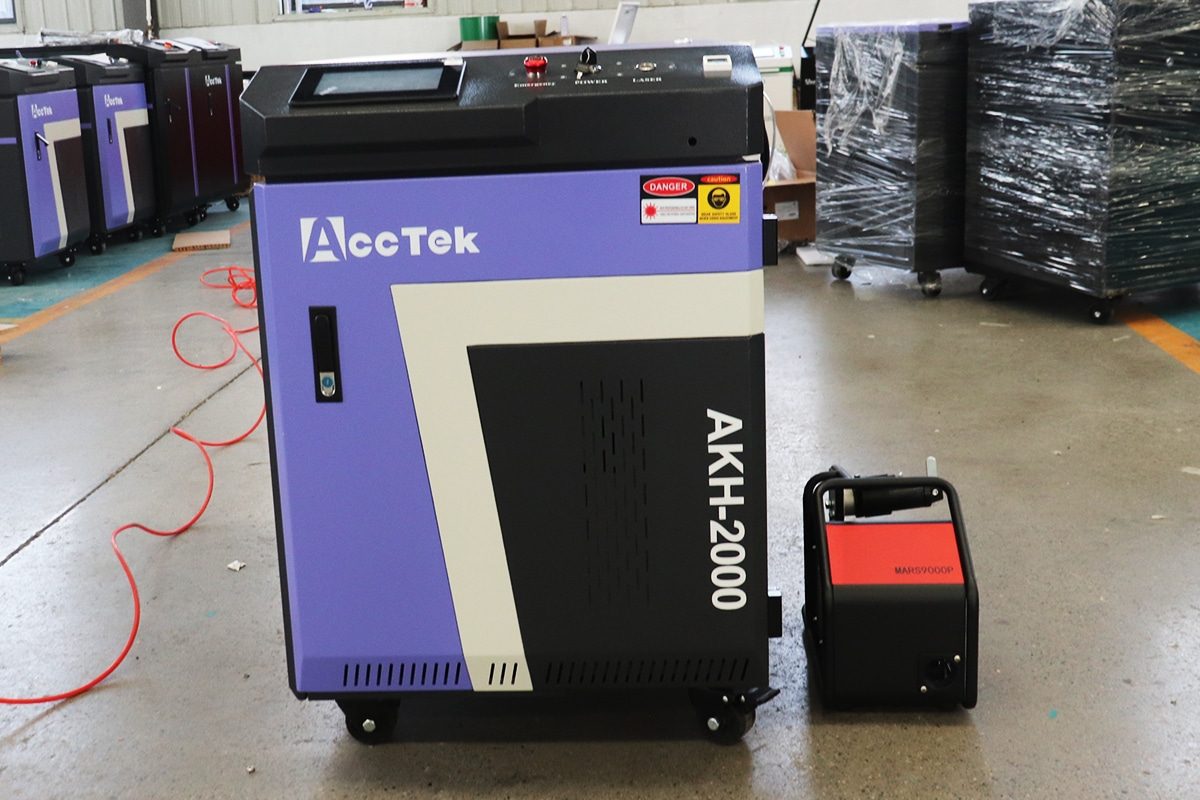
Laser welding is a fast, precise, and efficient joining method widely used in industries like automotive, aerospace, electronics, and medical device manufacturing. It offers clear advantages over traditional welding techniques—minimal heat input, narrow weld seams, and the ability to join complex or delicate components. But while its benefits are well known, the hazards associated with laser welding are often overlooked or underestimated.
The process involves high-powered laser beams that can instantly melt metal, which also means it poses serious risks to both workers and equipment if not properly managed. The dangers range from obvious physical threats—like eye and skin injuries—to less visible but equally serious risks, such as exposure to toxic fumes, electrical hazards, and fire. Laser radiation itself is a significant concern, capable of causing permanent eye damage with even brief exposure. Inadequate ventilation can lead to inhalation of harmful particles, especially when welding coated or treated metals. Add in the use of high-voltage equipment and flammable materials, and it becomes clear that laser welding is far from risk-free.
Understanding these hazards is critical for anyone involved in the process. This article breaks down the key risks of laser welding and outlines practical safety measures to help reduce them in real-world settings.
Laser radiation is one of the most serious hazards in laser welding. The intensity and precision that make lasers effective for welding also make them extremely dangerous when proper controls are not in place. Laser radiation hazards fall into several categories, primarily involving optical (eye) exposure, skin exposure, and beam enclosure risks.
The human eye is highly vulnerable to laser radiation. Even a brief moment of direct exposure to a high-powered laser beam can cause permanent retinal damage or blindness. What makes this hazard particularly insidious is that the beam may be invisible (especially in the infrared spectrum), giving no visual warning. Additionally, reflections—both specular (mirror-like) and diffuse—pose significant risks. Shiny or reflective surfaces near the welding area can redirect the beam unpredictably, extending the danger beyond the immediate work zone. This is why laser safety goggles must be specific to the laser’s wavelength and optical density and always worn in the vicinity of active laser systems.
While the eyes are more sensitive, skin can also suffer from laser radiation. High-energy beams can cause burns, ranging from mild redness to serious thermal injuries. Long-term or repeated low-level exposure to certain wavelengths may also increase the risk of skin damage or cancer. Protective clothing and proper shielding are essential to minimize skin contact, especially in open-beam systems.
Beam enclosures are designed to contain laser radiation, making systems safer by preventing accidental exposure. However, they can introduce risks of their own. A poorly maintained or improperly designed enclosure may offer a false sense of security, while gaps, degraded materials, or unauthorized modifications can allow radiation to escape. Furthermore, during maintenance or troubleshooting, workers may bypass or open enclosures, increasing the chance of direct or reflected beam exposure. Proper training, interlock systems, and strict adherence to lockout/tagout procedures are critical to mitigating these risks.
Laser radiation hazards in welding operations are serious and multifaceted. Direct and reflected optical radiation can cause irreversible eye damage. Skin exposure, while less immediately dramatic, carries real health risks, especially in high-power applications. Even safety measures like beam enclosures require vigilance, as they can fail or be improperly used. Managing these hazards requires a combination of proper protective equipment, engineering controls, routine inspections, and rigorous training. Laser welding may be a cutting-edge technology, but without robust safety practices, it comes with very real consequences.
Laser welding doesn’t just pose optical risks—it also generates airborne hazards that are just as dangerous, though often less visible. The intense heat of the laser melts and vaporizes metal, producing a complex mix of metal fumes, ultrafine particles, and toxic gases. These byproducts can linger in the air, especially in poorly ventilated spaces, and pose serious risks to respiratory health. Understanding the composition and behavior of these emissions is critical for maintaining a safe work environment.
When metal is vaporized during laser welding, it rapidly condenses into fine particulates known as metal fumes. These particles are typically smaller than 1 micron in diameter, making them easy to inhale and difficult for the body to filter out. Depending on the materials being welded, the fumes can include hazardous metals such as chromium, nickel, manganese, aluminum, and lead. Inhaling these substances may lead to a range of health effects, from acute symptoms like headaches, nausea, and respiratory irritation, to long-term risks such as lung disease, metal fume fever, and even cancer.
Laser welding can also produce nanoparticles—ultrafine particles less than 100 nanometers in size—that can penetrate deep into the lungs and enter the bloodstream. These particles are especially dangerous because they can bypass many of the body’s natural defenses. In addition to solid particulates, the process often releases toxic gases such as ozone (O₃), nitrogen oxides (NOₓ), and carbon monoxide (CO), especially when welding coated or treated materials. These gases can cause immediate effects like eye and throat irritation, dizziness, and shortness of breath, and may contribute to chronic respiratory and cardiovascular problems with repeated exposure.
Because of these risks, occupational health agencies like OSHA and NIOSH have established exposure limits for various welding byproducts. But laser welding can easily exceed these limits if proper ventilation and filtration aren’t used. Local exhaust ventilation (LEV) systems, fume extractors with HEPA filters, and continuous air monitoring are essential for keeping exposure levels within safe boundaries. Personal protective equipment (PPE), such as respirators, may also be required in high-risk environments.
Fume and particulate hazards in laser welding are a major occupational health concern. Metal fumes and nanoparticles can cause serious respiratory and systemic effects, while toxic gases add to the risk. Exposure can be both acute and cumulative, making it essential to control air quality through engineering controls, air monitoring, and appropriate PPE. Protecting workers requires not just awareness but proactive safety measures, because what you can’t see can still harm you.
Laser welding involves extremely high temperatures concentrated into a small area, making fire and explosion hazards a real and present danger. Although the laser beam itself is focused and precise, it can ignite nearby materials or create sparks and molten metal that travel beyond the weld zone. When combined with flammable substances or explosive atmospheres, the result can be catastrophic. Understanding these risks is crucial for creating a safe welding environment.
The presence of flammable materials is one of the most common contributors to fire incidents in laser welding operations. Combustible items such as cleaning solvents, paper, cardboard, rags, plastics, and dust accumulation can easily ignite if exposed to stray laser radiation or hot metal particles. Even materials stored several feet away from the welding area can catch fire due to reflected beams or airborne sparks. This is why it’s critical to maintain a clean, clutter-free workspace and to remove or isolate any flammable substances before welding begins.
Laser welding is classified as “hot work,” meaning it carries a high potential for fire or explosion and requires special safety protocols. These include hot work permits, fire watch personnel, designated welding zones, and the availability of fire extinguishing equipment. Fire-resistant blankets or shields can be used to contain sparks and prevent the ignition of nearby materials. In industrial settings, integrating automated fire detection and suppression systems into laser work cells is a best practice.
The fire and explosion hazards of laser welding stem from its intense heat and potential to ignite surrounding materials or volatile atmospheres. Flammable objects, explosive environments, and improper hot work practices can quickly turn a routine weld into a serious emergency. Preventing these incidents requires a layered safety strategy: removing combustible materials, controlling the environment, enforcing hot work rules, and being prepared to act quickly if something goes wrong. Fire safety isn’t optional in laser welding—it’s essential.
While laser welding is often associated with optical and thermal dangers, the electrical hazards involved are equally serious—and often underestimated. Laser welding systems rely on high-voltage power supplies, complex electronic components, and sensitive control systems. A failure in any part of the electrical setup can result in an electric shock, equipment damage, or even fires. Operators and maintenance personnel need to be especially aware of these risks to ensure safe operation.
Improper or deteriorated wiring is a major cause of electrical hazards in industrial settings. Loose connections, worn insulation, or ungrounded equipment can lead to short circuits, electric shocks, or fires. Grounding is especially important in laser welding systems to ensure that stray currents are safely directed away from users and sensitive electronics. Without proper grounding, even a minor electrical fault can create a dangerous potential difference between the machine and surrounding structures. Regular inspections, electrical testing, and adherence to installation codes are critical to reducing these risks.
Electrostatic discharge (ESD) is a lesser-known but important hazard in laser welding environments, particularly where sensitive electronics are present. A sudden discharge of static electricity—caused by friction between materials or improper handling—can damage control circuits, disrupt laser performance, or create sparks that ignite flammable substances. ESD protection strategies include anti-static mats, grounding wrist straps, ionizing air blowers, and proper handling protocols for electronic components.
Electrical hazards in laser welding are a serious safety concern, especially given the presence of high-voltage components, intricate wiring systems, and sensitive electronics. Faulty grounding, poor maintenance, or a single moment of carelessness can lead to shock, fire, or equipment failure. Even electrostatic discharge poses a threat to both machinery and worker safety. Mitigating these risks requires strict adherence to electrical safety standards, regular inspections, and properly trained personnel. Electrical safety isn’t just about compliance—it’s about protecting people and preventing costly downtime or accidents.
Laser welding systems are not just about light and heat—they’re complex machines with moving parts, automated components, and powerful actuators. This creates a set of mechanical and physical hazards that can cause serious injuries if not properly managed. These dangers often stem from automation systems, robotic arms, and the behavior of the workpiece during welding. While these systems are designed for precision and efficiency, the physical forces involved are substantial and potentially dangerous.
Laser welding setups often include conveyors, clamps, mechanical arms, and positioning systems. These components move quickly and with significant force to hold or adjust the workpiece during welding. If a hand, finger, or limb enters a pinch point or gets caught between moving components, the result can be crushing injuries, lacerations, or even amputations. Guarding, safety interlocks, and marked danger zones are essential to protect operators. Maintenance work should always be performed with the system powered down and locked out to avoid accidental motion.
The intense energy of the laser beam can sometimes cause rapid thermal expansion, structural failure, or spatter that results in pieces of the material being ejected from the weld zone. This is particularly hazardous when working with brittle or pressurized parts. High-velocity ejection of fragments or molten metal can cause eye injuries, burns, or blunt-force trauma. Enclosures, shields, and protective screens should be used to contain any potential ejection, and operators should always wear safety gear, including face shields and gloves.
Many laser welding systems are automated using robotic arms. These robots follow programmed paths and can move with great speed and force. Collisions can occur if someone enters the robot’s operational range without proper coordination or if a programming error sends the arm in an unexpected direction. These collisions can cause bruises, fractures, or worse. Safety sensors, light curtains, and zone monitoring systems should be in place to detect human presence and halt robot movement. Human-robot interaction zones must be clearly defined, and staff should be trained on how to work safely around these systems.
Mechanical and physical hazards in laser welding stem from the machinery that makes the process possible. Moving parts can crush or sever, ejected workpieces can be injured by impact or heat, and robotic systems can cause dangerous collisions. These risks are real, especially in high-speed or automated environments. Preventing injury requires more than common sense—it demands engineered safety measures, strict operational protocols, and a well-trained workforce. Automation improves productivity, but without proper safeguards, it can also increase physical risk.
Laser welding is often assumed to be a quiet process compared to traditional welding methods, but that’s a misconception. While it may not produce the constant crackle of arc welding, laser welding can still generate significant noise hazards that impact both hearing and overall workplace safety. High-frequency pulsed lasers, powerful mechanical actuators, and material interactions all contribute to elevated sound pressure levels and vibrations. These effects can harm workers’ hearing, cause discomfort, and even interfere with precision welding outcomes if not properly controlled.
During laser welding, especially with high-powered or pulsed lasers, the rapid heating and expansion of metal can produce loud, impulsive noises. These sound bursts can exceed 85 dB(A), which is the threshold for mandatory hearing protection in many industrial settings. In some cases—such as with certain metals or high repetition rates—sound pressure levels can spike over 100 dB(A). Prolonged exposure to this kind of noise can result in temporary or permanent hearing loss, tinnitus, and increased fatigue. Workers operating near laser welding stations should use proper hearing protection like earmuffs or earplugs, and noise levels should be regularly measured using dosimeters or sound level meters.
In addition to airborne noise, laser welding systems can generate mechanical vibrations. These vibrations may originate from motors, fans, positioning equipment, or robotic arms. Over time, sustained exposure to vibration—especially through the hands or arms—can contribute to conditions like hand-arm vibration syndrome (HAVS) or repetitive strain injuries. Another concern is mechanical resonance, where components or workpieces begin to vibrate at their natural frequencies. This can not only produce disruptive noise but also affect weld quality, cause structural fatigue in equipment, and introduce unpredictable movements that endanger safety.
Proper design and maintenance of machinery, along with the use of vibration-dampening mounts or pads, can help minimize these risks. Additionally, scheduling regular breaks for workers and rotating tasks can reduce prolonged exposure.
Noise hazards in laser welding are real, even if less obvious than in other welding methods. Loud bursts from laser-material interaction, combined with mechanical vibrations and resonance, can damage hearing and impair both worker health and machine performance. Controlling noise exposure through hearing protection, machine isolation, and regular monitoring is essential. Just because the laser itself is silent doesn’t mean the welding process is. Hearing safety should never be an afterthought in any high-tech welding environment.
Laser welding uses focused, high-intensity heat to join materials, which naturally brings a range of thermal hazards. While the beam is tightly controlled, the heat it generates doesn’t stay confined to the weld line. From direct burns to the risks of hot surfaces and malfunctioning cooling systems, thermal dangers are a constant presence in any laser welding setup. These hazards can impact not only the operator but also nearby personnel and the equipment itself.
The Heat-Affected Zone (HAZ) is the area of the base material that doesn’t melt but is still altered by the intense heat of the welding process. In laser welding, HAZs are typically narrow due to the precision of the beam, but they can still reach extremely high temperatures. These zones may remain hot long after the welding is finished, posing a burn risk during handling or inspection. Additionally, changes in microstructure or hardness within the HAZ can affect the mechanical properties of the material, leading to unexpected failures or the need for post-weld treatment. Proper cooling time and thermal management protocols must be respected before interacting with welded parts.
The most immediate thermal risk is burns. Contact with the laser beam, the heated workpiece, spatter, or nearby surfaces can cause first- to third-degree burns depending on exposure. Even touching tools or fixtures used during welding can result in injury if they haven’t cooled down sufficiently. Laser beams can also cause burns without visible flame or sparks, which can lull workers into a false sense of safety. Protective gloves, face shields, aprons, and strict safety zones around the weld area are crucial to preventing thermal injuries.
Most high-powered laser welding systems rely on active cooling—often water-cooled or air-cooled units—to prevent overheating of the laser source and associated components. If a cooling system fails, it can lead to equipment damage, reduced beam quality, or sudden overheating that creates additional burn or fire risks. Regular maintenance and automated temperature monitoring are essential to ensure cooling systems function properly. Workers should be trained to recognize signs of cooling failure, such as fluctuating laser output or unexpected shutdowns, and respond quickly.
Thermal hazards in laser welding are a critical safety concern, involving not just the laser beam itself but also the surrounding equipment, materials, and components. Heat-Affected Zones can compromise material properties and cause burns if mishandled. Direct contact with hot parts or failed cooling systems can lead to serious injury or equipment damage. Preventing these risks means respecting the heat through proper PPE, safe handling practices, cooling system maintenance, and awareness of residual temperatures. In laser welding, heat is both the tool and the threat.
Laser welding is often thought of as a clean, high-tech process, but it can still take a physical toll on operators. Even in modern, semi-automated systems, workers may spend long hours in static postures, repeating precise tasks, or visually monitoring intense work zones. Over time, these demands can lead to ergonomic strain, fatigue, and decreased performance. These hazards are subtle but real, and they can affect both health and productivity if not addressed.
Operators involved in manual laser welding or system setup often perform the same tasks repeatedly—positioning parts, aligning components, adjusting fixtures, or loading and unloading materials. These repetitive motions, especially when combined with awkward postures or poorly designed workstations, can lead to musculoskeletal disorders (MSDs). Common issues include wrist strain, shoulder pain, lower back problems, and neck stiffness. Fatigue builds up gradually and may go unnoticed until it becomes chronic. Over time, it can reduce precision, slow reaction times, and increase the likelihood of accidents or errors.
To minimize these risks, ergonomic workstation design is critical. Adjustable tables, anti-fatigue floor mats, and rotating tasks among team members can all help. Regular breaks, stretching routines, and employee training on proper posture and movement can also make a big difference in preventing injury.
Laser welding requires a high level of visual focus, whether monitoring the process directly or via screens and sensors. Intense lighting, flickering from pulsed lasers, and long hours of focusing on fine details can cause significant eye strain. Even when using protective eyewear, constant visual attention in a high-contrast or low-light environment contributes to visual fatigue. Symptoms may include dry eyes, headaches, blurred vision, and reduced focus—all of which impact safety and work quality.
Using high-quality laser safety glasses with appropriate optical density and light transmission helps reduce eye strain. In addition, proper ambient lighting, well-calibrated screens, and rest periods for the eyes (e.g., the 20-20-20 rule: every 20 minutes, look at something 20 feet away for 20 seconds) are effective ways to combat visual fatigue.
Ergonomic and fatigue-related hazards in laser welding may not be as obvious as physical burns or electrical shocks, but they are just as important. Repetitive motion, poor posture, and visual strain can lead to long-term health problems, reduce worker performance, and increase the chance of mistakes. Addressing these issues through ergonomic design, scheduled rest, and employee training is essential for maintaining a safe, efficient, and sustainable laser welding operation. Healthy workers are productive workers, and smart ergonomics is smart business.
Laser welding hazards aren’t just tied to the laser itself—they also depend heavily on what’s being welded. The materials involved, especially when coated, painted, or chemically treated, can release toxic fumes and residues that pose serious health and environmental risks. Some substrates react unpredictably under high heat, creating unique hazards that must be understood and controlled. Without proper precautions, operators may unknowingly expose themselves to carcinogens, corrosives, or reactive substances.
When laser welding is performed on surfaces with paint, primers, or protective coatings, the intense heat breaks these substances down into hazardous gases and particulates. For example, welding on galvanized steel (coated with zinc) produces zinc oxide fumes, which can cause metal fume fever—a flu-like condition with symptoms like chills, nausea, and muscle aches. Paints may contain lead, chromium, or isocyanates, all of which become airborne when vaporized. Inhaling these fumes can lead to respiratory problems, neurological damage, and long-term health issues, including cancer.
These risks can be minimized by removing coatings before welding, using local exhaust ventilation (LEV) systems, and wearing appropriate respiratory protection. It’s also crucial to identify coating materials in advance, as some may produce more dangerous byproducts than others.
Chemical and material-specific hazards in laser welding depend on more than just technique—they hinge on exactly what materials are being used. Coated, painted, or chemically treated surfaces can emit highly toxic fumes, while certain metal substrates present reactivity or toxicity risks of their own. The only safe way to handle these hazards is through thorough material identification, effective ventilation, use of personal protective equipment, and strict adherence to safety protocols. In laser welding, knowing your materials isn’t just good practice—it’s a life-saving necessity.
Laser welding operations don’t just affect the immediate workspace—they can impact the broader facility environment if not carefully managed. From air quality and waste handling to the physical layout of the workspace, poor facility planning or environmental controls can introduce hazards that put workers, equipment, and production quality at risk. These hazards are often overlooked but can lead to long-term health problems, equipment failures, or regulatory violations if left unaddressed.
Proper ventilation is one of the most critical environmental controls in laser welding. The process generates fumes, metal particulates, and gases—many of which are harmful or even toxic. Without sufficient airflow, these contaminants can accumulate in the work zone, leading to respiratory issues, eye and skin irritation, or oxygen displacement. General building ventilation isn’t enough—laser welding requires localized exhaust systems such as fume extractors with high-efficiency particulate air (HEPA) or activated carbon filters. Airflow must be carefully engineered to capture contaminants at the source without disrupting the laser’s stability or welding quality. Regular filter maintenance and air quality monitoring are also essential to ensure long-term safety.
Laser welding produces more than just clean joints. It leaves behind fine dust, metal slag, spatter, and sometimes chemical residues from surface treatments or coatings. These byproducts can be hazardous if not properly contained and disposed of. Fine metallic dust, for example, can be combustible and may present a fire or explosion risk if allowed to build up. Other residues may fall under hazardous waste classifications, requiring special disposal procedures under environmental regulations like the EPA or OSHA guidelines. A clear waste management plan—including sealed containers, regular clean-up schedules, and employee training—is essential to prevent both environmental contamination and regulatory penalties.
The physical layout of a laser welding area can directly influence safety. Crowded workspaces increase the risk of collisions with equipment, radiation exposure, and interference with airflow. Laser welding zones must be marked and isolated from foot traffic, flammable storage areas, and sensitive electronics. Ideally, welding should occur in dedicated laser-safe enclosures or rooms, equipped with interlock systems and warning signage. Zoning must also account for escape routes, emergency shutoff access, and fire suppression systems. Poor space planning can turn a minor malfunction into a facility-wide hazard.
Environmental and facility hazards in laser welding are systemic risks that go beyond the welding torch. Without proper ventilation, toxic fumes and gases linger. Without waste controls, residues become ignition or contamination sources. And without thoughtful space and zoning design, the environment itself becomes a safety risk. Effective facility planning, routine maintenance, and strict adherence to environmental safety standards are essential for preventing these hazards. A clean, well-designed, and well-ventilated space isn’t just safer—it’s smarter for everyone involved.
Laser welding involves high-powered equipment, hazardous emissions, and multiple physical risks, making strict regulatory compliance and adherence to safety standards essential. Without a well-structured safety program, facilities not only put workers at risk but also expose themselves to legal penalties, shutdowns, and long-term liability. Understanding how laser systems are classified, what federal safety bodies require, and which protective measures are mandatory is critical for any organization using laser welding technology.
Lasers are classified based on their potential to cause injury, with Class 1 being the least hazardous and Class 4 being the most dangerous. Most industrial laser welding systems fall into Class 4, which means they pose a significant risk of injury to eyes and skin from both direct and indirect (reflected or scattered) exposure. Class 4 lasers also present fire and fume hazards and typically require controlled access, warning signage, beam enclosures, and designated laser safety officers (LSOs). The American National Standards Institute (ANSI) Z136.1 standard outlines detailed requirements for safe laser use, including hazard assessments and control measures specific to each laser class.
The Occupational Safety and Health Administration (OSHA) enforces workplace safety standards in the U.S. While OSHA doesn’t have a laser-specific regulation, it mandates a general duty to protect workers from known hazards under the General Duty Clause (Section 5(a)(1)). OSHA also references the ANSI Z136.1 standard and enforces regulations related to welding fumes (29 CFR 1910.1000), electrical safety (29 CFR 1910 Subpart S), personal protective equipment (29 CFR 1910 Subpart I), and ventilation (29 CFR 1910.94). Employers must provide hazard communication training, perform air quality monitoring, and ensure that all protective systems are properly maintained.
PPE is a frontline defense against many laser welding hazards. At minimum, workers should wear laser safety goggles rated for the specific wavelength and optical density of the laser in use. Goggles that don’t match the laser’s specifications can provide a false sense of protection and still result in permanent eye damage. In addition to eye protection, appropriate PPE includes flame-resistant clothing, gloves, face shields, and respiratory protection if fume levels are elevated. PPE must be regularly inspected, maintained, and properly fitted to be effective. Employers are responsible for training workers on correct usage and ensuring PPE is always available.
Compliance with laser safety classifications, OSHA requirements, and PPE standards isn’t optional—it’s foundational to operating laser welding systems safely and legally. Class 4 lasers demand strict access controls and specialized training. OSHA requires comprehensive protection from chemical, electrical, and physical hazards. PPE tailored to the specific risks of laser welding must be worn at all times. Regulatory compliance isn’t just about avoiding fines—it’s about building a culture of safety that protects workers and sustains operations in the long term.
The hazards of laser welding are varied and serious, from radiation exposure and toxic fumes to mechanical injuries and electrical shocks. But these risks can be effectively controlled with a comprehensive safety strategy built around engineering, administrative, and procedural safeguards. Preventive measures aren’t just about reacting to accidents—they’re about eliminating hazards before they become incidents. Implementing structured mitigation strategies is essential to protect workers, maintain equipment reliability, and ensure regulatory compliance.
Well-designed engineering controls reduce reliance on human behavior and minimize exposure across the board.
Consistent administrative practices create a safety-first culture and reduce human error.
Preventive maintenance not only protects workers but also reduces downtime and extends equipment life.
Regular emergency drills help ensure that everyone knows how to respond quickly and safely if something goes wrong.
Effective laser welding safety depends on a layered strategy of prevention and preparedness. Engineering controls isolate the hazards. Administrative controls guide safe behavior. Maintenance keeps everything functioning correctly. Emergency planning ensures swift, organized responses when needed. Together, these elements form a strong, proactive defense against the many risks of laser welding. Safety doesn’t just happen—it’s built, maintained, and continuously improved.
While physical risks are more visible, the psychological and cognitive hazards of laser welding are just as real—and often more difficult to detect. Operating high-powered, precision equipment in a demanding industrial environment can put considerable mental strain on workers. Factors like production pressure, constant vigilance, sensory input from noise and light, and the consequences of error can all contribute to mental fatigue, stress, and burnout. These hazards not only affect individual well-being but also reduce focus, increase mistake rates, and compromise overall safety.
Laser welding tasks often come with high expectations for accuracy, speed, and consistency. Operators may face pressure to meet tight deadlines, manage complex setups, and troubleshoot issues on the fly—all while maintaining strict safety protocols. This pressure is especially high in industries like aerospace or medical manufacturing, where tolerances are razor-thin and mistakes can be costly or catastrophic. Over time, sustained mental pressure can lead to chronic stress, which affects decision-making, slows reaction time, and increases the likelihood of errors or accidents.
Workplace stress can also stem from fear of injury or job loss, lack of support from supervisors, or insufficient training. Addressing these issues requires a supportive culture, realistic workload management, and access to mental health resources.
Laser welding environments are packed with sensory stimuli—bright flashes, pulsed lights, loud mechanical noise, sharp contrasts in visibility, and the need for constant visual attention. While PPE like laser safety glasses protects the eyes, they can also distort color or reduce peripheral awareness, increasing the mental effort required to process visual information. Combined with noise from ventilation systems or robotic equipment, this sensory input can lead to cognitive overload, especially during long shifts or complex tasks.
Over time, this overload reduces attention span and increases fatigue. Workers may become desensitized or mentally checked out, which is especially dangerous when dealing with high-voltage systems, automated robots, or hazardous materials. Rotating tasks, enforcing regular breaks, and designing workstations to reduce unnecessary visual or auditory stress can help mitigate these effects.
Psychological and cognitive hazards in laser welding are often invisible but deeply impactful. Stress from high expectations, constant pressure, and safety responsibilities can lead to burnout and impaired judgment. Meanwhile, sensory overload from lights, noise, and equipment demands adds mental fatigue that compounds the risk of error. A truly safe laser welding environment considers the mental load on operators, not just the physical dangers. Supporting mental well-being, reducing pressure, and managing cognitive demands are essential parts of a complete workplace safety strategy.
Laser welding is a powerful, precise, and highly efficient manufacturing process—but it comes with a wide range of hazards that must not be underestimated. From direct laser radiation that can permanently damage eyes and skin, to toxic fumes, airborne particulates, and high sound pressure levels, the risks span both physical and environmental domains. The use of high-voltage components introduces serious electrical dangers, while mechanical systems, including robots and moving parts, create potential for crushing injuries and collisions. Thermal risks, such as burns and heat-affected zones, are ever-present, and poor ventilation or workspace layout can further compound safety challenges.
Less visible but equally important are the ergonomic, cognitive, and psychological hazards faced by operators. Repetitive motion, sensory overload, and workplace stress can lead to long-term health issues and reduced performance. In addition, certain materials—especially coated or chemically treated ones—can release hazardous byproducts that require careful handling and waste disposal.
Preventing these hazards requires a layered approach: engineering controls, administrative procedures, regular maintenance, proper PPE, and thorough training. Compliance with regulatory standards, such as OSHA and ANSI, is essential. Ultimately, laser welding safety is about more than just technology—it’s about creating a culture of awareness, responsibility, and continuous improvement.