Laser Welding Titanium

Laser welding titanium is a precision joining process that produces clean, high-strength welds with minimal heat impact, excellent corrosion resistance, and consistent quality for aerospace, medical, and industrial applications.
Home » Laser Welding » Laser Welding Titanium

Introduction

Laser welding titanium is a high-precision joining process that uses a focused laser beam to fuse titanium components with excellent strength, accuracy, and repeatability. Titanium is valued for its high strength-to-weight ratio, outstanding corrosion resistance, and biocompatibility, making it widely used in aerospace, medical devices, automotive, chemical processing, and high-performance industrial applications. However, titanium is also highly reactive at elevated temperatures, which makes controlled welding essential. Laser welding is particularly well-suited for titanium because it delivers concentrated energy in a very small area, allowing rapid melting and solidification while minimizing exposure to oxygen, nitrogen, and hydrogen. When combined with proper shielding gas protection, laser welding produces clean, contamination-free welds that preserve titanium’s mechanical properties and corrosion resistance.
Compared to traditional welding methods, laser welding titanium creates a very small heat-affected zone, reducing distortion and residual stress. This is critical for thin materials, complex geometries, and precision components that require tight dimensional control. The process supports both conduction and keyhole welding modes, making it suitable for a wide range of thicknesses and joint designs. Laser welding titanium is also highly compatible with automation and modern manufacturing systems. It offers high welding speed, excellent repeatability, and consistent quality, making it ideal for both small-batch production and large-scale industrial applications. As industries continue to demand lightweight structures, high reliability, and superior material performance, laser-welded titanium has become a preferred solution. It enables manufacturers to achieve strong, precise, and durable titanium joints while maintaining high productivity and quality standards.

Advantages of Laser Welding Titanium

Excellent Weld Purity and Quality

Laser welding titanium provides precise heat control and rapid solidification, reducing exposure to oxygen, nitrogen, and hydrogen. When proper shielding is used, this results in clean, contamination-free welds with excellent mechanical strength and corrosion resistance.

Minimal Heat-Affected Zone

The concentrated laser beam creates a very small heat-affected zone in titanium welding. This minimizes thermal distortion, reduces residual stress, and preserves the base material’s microstructure, which is critical for precision and thin-walled titanium components.

High Strength and Structural Integrity

Laser welding titanium produces strong metallurgical bonds with deep penetration and uniform weld profiles. The resulting joints maintain titanium’s high strength-to-weight ratio, making them suitable for demanding aerospace, medical, and industrial applications.

High Welding Speed and Efficiency

Laser welding titanium operates at high speeds compared to conventional methods. Faster processing improves productivity, shortens cycle times, and supports automated manufacturing environments without compromising weld quality or consistency.

Superior Precision for Complex Designs

The high accuracy of laser welding allows precise control over weld placement and size. This makes it ideal for complex geometries, thin sections, and components requiring tight tolerances with minimal post-weld machining.

Excellent Automation Compatibility

Laser welding titanium integrates easily with robotic systems and automated production lines. This ensures repeatable weld quality, reduced dependence on manual skill, and stable process control for high-volume or safety-critical manufacturing.

Compatible Materials

Laser Welding VS Other Welding Methods

Comparison Item Laser Welding TIG Welding MIG Welding Arc Welding (Stick)
Heat Input Control Extremely precise Moderate, operator-dependent Higher heat input High and difficult to control
Heat-Affected Zone (HAZ) Very small Medium Large Very large
Contamination Risk Very low with proper shielding Moderate Higher High
Welding Speed Very high Slow Moderate Slow
Weld Precision Excellent High Moderate Low
Distortion Risk Minimal Moderate Higher Very high
Weld Appearance Clean, narrow, smooth Clean but wider Wider with spatter Rough, uneven
Shielding Gas Efficiency High and localized High but broad coverage Moderate Low
Automation Capability Excellent Limited Good Very limited
Repeatability Extremely high Operator-dependent Moderate Low
Thin Material Welding Excellent Good Fair Poor
Post-Weld Finishing Minimal Moderate Moderate to high High
Skill Requirement Low after setup Very high Moderate High
Production Efficiency Very high Low Moderate Low
Suitability for Critical Applications Excellent Good Fair Poor

Laser Welding Capacity

Applications of Laser Welding Titanium

Laser welding titanium is widely used in industries that demand high strength, lightweight structures, corrosion resistance, and precise joint quality. Titanium’s unique properties make it ideal for critical applications, and laser welding provides the control and cleanliness required to join titanium reliably.
In the aerospace industry, laser-welded titanium is used for airframe components, engine parts, brackets, ducts, and structural assemblies. The small heat-affected zone and low distortion help maintain tight tolerances and structural integrity, which are essential for flight safety and performance. In the medical and healthcare sector, laser-welded titanium is commonly applied to surgical instruments, orthopedic implants, dental components, and medical device housings. The process produces clean, contamination-free welds that preserve titanium’s biocompatibility and meet strict medical standards. The automotive and motorsports industries use laser-welded titanium for exhaust systems, turbocharger components, suspension parts, and lightweight structural elements. Laser welding supports high-strength joints while enabling weight reduction and improved performance. In chemical processing and marine applications, laser-welded titanium is used for heat exchangers, pressure vessels, pipes, and corrosion-resistant equipment. The precise heat control minimizes material degradation and ensures long service life in harsh environments.
Additional applications include industrial machinery, energy and power equipment, defense systems, and precision manufacturing, where reliability and repeatability are critical. Overall, laser welding titanium enables manufacturers to produce high-performance, durable, and lightweight components with consistent quality, making it an essential technology for advanced and demanding industrial applications.
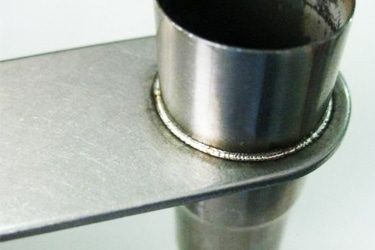
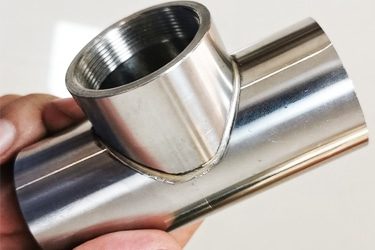
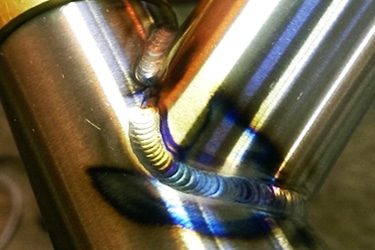
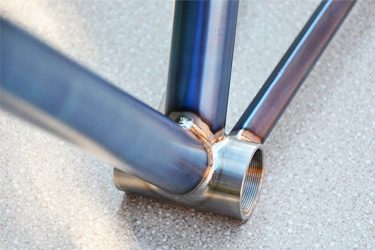
Titanium Laser Welding Sample

Customer Testimonials

Related Resources

Are Welding Masks Required For Laser Welding

Are Welding Masks Required For Laser Welding

This article explains laser welding safety, including laser hazards, standards, PPE requirements, and practical scenarios that determine when welding masks and laser-rated eye protection are needed.

How To Select Laser Welding Power

How To Select Laser Welding Power

This article teaches you how to select laser welding power and provides clear guidance on materials, thickness, welding modes, beam settings, defects, testing methods, and process optimization to achieve stable, high-quality welds.

Laser Welding VS Arc Welding

Laser Welding VS Arc Welding

This article explores the key differences between laser welding and arc welding, comparing their processes, advantages, limitations, and ideal applications across various industries.

What Welding Defects Can Occur In Laser Welding

What Welding Defects Can Occur In Laser Welding

This article helps to understand common laser welding defects, their causes, and effective prevention strategies to ensure consistent welding quality across different materials and applications.

Frequently Asked Questions

What Properties Of Titanium Influence Its Laser Weldability?
Titanium is widely regarded as a highly laser-weldable metal, but its performance in laser welding is strongly influenced by a unique combination of physical, thermal, and chemical properties. Understanding these properties is essential for achieving sound welds and avoiding defects. Below is a structured explanation presented in the same descriptive style as your reference format.

  • High Melting Point and Strength-to-Weight Ratio: Titanium has a relatively high melting point compared to many structural metals, which allows it to withstand the intense, localized heat of a laser beam without excessive distortion. Its excellent strength-to-weight ratio supports narrow weld profiles with good mechanical integrity when proper penetration is achieved.
  • Low Thermal Conductivity: Titanium’s low thermal conductivity means heat is not rapidly dissipated away from the weld zone. This promotes deep penetration with relatively low laser power and helps maintain a stable keyhole during welding. However, it also increases the risk of overheating if parameters are not carefully controlled.
  • High Absorptivity to Laser Energy: Titanium absorbs laser energy efficiently, especially at the wavelengths used in fiber and disk lasers. This high absorptivity contributes to consistent melting and penetration, making laser welding more efficient compared to highly reflective metals such as aluminum or copper.
  • Reactivity at Elevated Temperatures: One of the most critical factors influencing titanium’s laser weldability is its strong affinity for oxygen, nitrogen, and hydrogen at high temperatures. When exposed during welding, these elements can cause embrittlement, discoloration, and loss of ductility. This property makes high-quality shielding gas coverage essential, often extending beyond the weld pool to protect the cooling metal.
  • Phase Transformation Behavior: Titanium undergoes a phase transformation from alpha to beta structure at elevated temperatures. Rapid heating and cooling during laser welding can alter the microstructure of the weld and heat-affected zone. While this allows for strong welds, improper thermal control can result in excessive hardness or reduced toughness.
  • Low Density and Modulus of Elasticity: Titanium’s low density and relatively low elastic modulus reduce overall residual stresses and distortion compared to heavier metals. This makes it well-suited for precision laser welding of thin or complex components.
  • Surface Condition Sensitivity: Titanium is highly sensitive to surface contamination. Oils, moisture, or oxide layers can introduce hydrogen or other contaminants into the weld, leading to porosity or cracking. Thorough cleaning before welding is essential.
  • Alloy Composition Effects: Different titanium grades and alloys respond differently to laser welding. Commercially pure titanium generally welds more easily than highly alloyed grades, which may require tighter process control.

Titanium’s low thermal conductivity, high laser absorptivity, and mechanical stability favor laser welding, while its high reactivity and phase behavior demand precise shielding, cleanliness, and parameter control for successful results.
Shielding gas selection is a critical factor in laser welding titanium, as titanium is extremely reactive at elevated temperatures. Without proper shielding, titanium readily absorbs oxygen, nitrogen, and hydrogen from the atmosphere, leading to embrittlement, discoloration, and severe loss of mechanical properties. Below is a structured explanation, presented in the same descriptive style as your reference format.

  • Argon (Ar): Argon is the most commonly used shielding gas for laser welding titanium. It is inert, readily available, and provides excellent protection against atmospheric contamination. Argon effectively shields the molten weld pool and surrounding heat-affected zone, helping maintain ductility and corrosion resistance. It is suitable for most titanium grades and thicknesses and is often used as the primary gas in both manual and automated laser welding systems.
  • Helium (He): Helium is also an inert gas and is sometimes used alone or blended with argon. Due to its higher ionization potential and thermal conductivity, helium can increase heat input and promote deeper weld penetration. This makes it useful for thicker titanium sections or high-speed welding. However, helium is more expensive and requires higher flow rates to achieve effective shielding.
  • Argon–Helium Gas Mixtures: Blends of argon and helium combine the stability of argon with the penetration benefits of helium. These mixtures allow better control over weld pool behavior, penetration depth, and bead profile. They are commonly used in precision or high-performance titanium welding applications where consistent quality is required.
  • Trailing and Backside Shielding Gases: In titanium laser welding, shielding is not limited to the immediate weld pool. Trailing shields are often used to protect the hot weld bead and heat-affected zone as the material cools. Argon is typically used for trailing shielding due to its cost-effectiveness and inert properties. Backside shielding with argon is also essential when welding thin titanium sheets or tubes to prevent oxidation on the root side.
  • Gas Purity Requirements: High-purity shielding gas is essential for titanium welding. Impurities such as oxygen or moisture in the gas supply can cause discoloration ranging from straw to blue or gray, indicating contamination and reduced weld quality. Purity levels of 99.99% or higher are commonly required.
  • Flow Control and Coverage: Proper gas flow rate, nozzle design, and coverage area are just as important as gas selection. Insufficient flow or turbulent gas delivery can draw in ambient air, leading to contamination even when the correct gas is used.
  • Gases to Avoid: Active or semi-active gases such as nitrogen, oxygen, or carbon dioxide must never be used for titanium welding, as they react aggressively with molten titanium and cause severe embrittlement.

Argon is the standard shielding gas for laser welding titanium, with helium or argon–helium blends used for enhanced penetration. Comprehensive shielding coverage and high gas purity are essential to achieve high-quality titanium laser welds.
Shielding gas purity has a decisive impact on the quality of laser-welded titanium because titanium is extremely reactive at elevated temperatures. Even trace amounts of oxygen, nitrogen, or hydrogen in the shielding gas can significantly degrade weld integrity. Below is a structured explanation, presented in the same descriptive style as your reference format.

  • Reactivity of Titanium at High Temperatures: When titanium is heated during laser welding, it readily absorbs gases from its surroundings. If the shielding gas contains impurities, these reactive elements dissolve into the molten weld pool and heat-affected zone. This interaction directly alters the microstructure and mechanical properties of the weld.
  • Effects of Oxygen Contamination: Oxygen is one of the most damaging impurities. Elevated oxygen levels increase weld hardness but dramatically reduce ductility and toughness. Visually, oxygen contamination causes discoloration of the weld surface, ranging from light straw to blue, purple, or gray. These color changes are clear indicators of reduced weld quality and insufficient gas purity or coverage.
  • Nitrogen Absorption and Embrittlement: Nitrogen contamination leads to severe embrittlement in titanium welds. Even small nitrogen concentrations can form brittle titanium nitrides, increasing the likelihood of cracking under load or vibration. Nitrogen-related defects may not always be obvious on the surface, but can significantly shorten service life.
  • Hydrogen and Porosity Formation: Hydrogen impurities, often introduced through moisture in the gas supply or hoses, can cause porosity and delayed cracking. Hydrogen dissolves readily in molten titanium and becomes trapped during solidification, forming internal voids that weaken the weld.
  • Impact on Mechanical and Corrosion Properties: Contaminated shielding gas results in welds with reduced elongation, lower fatigue resistance, and compromised corrosion performance. This is especially critical in aerospace, medical, and chemical applications, where titanium is chosen specifically for its reliability and biocompatibility.
  • Importance of High-Purity Shielding Gas: To avoid these issues, shielding gases with purity levels of 99.99% or higher are typically required for titanium laser welding. Gas supply systems must be clean, dry, and leak-free. Even high-purity gas can become contaminated if hoses, fittings, or regulators are not properly maintained.
  • Extended Shielding Coverage: High gas purity alone is not sufficient if shielding coverage is inadequate. Trailing and backside shielding must remain in place until the titanium cools below its critical reaction temperature. Premature exposure to air can contaminate the weld despite using pure gas.
  • Process Monitoring and Quality Control: Weld color inspection is often used as a quick quality check. Bright silver or light straw coloration generally indicates acceptable shielding, while darker colors signal contamination and reduced weld quality.

Shielding gas purity is fundamental to titanium laser weld quality. Maintaining ultra-high purity gas, clean delivery systems, and adequate shielding duration is essential to preserve titanium’s mechanical performance and long-term reliability.
Laser welding is particularly well-suited for titanium due to its focused heat input and minimal distortion, but joint design plays a decisive role in achieving high-quality results. Because titanium is sensitive to contamination, fit-up accuracy and shielding effectiveness are closely tied to joint geometry. Below is a structured explanation presented in the same descriptive style as your reference format.

  • Butt Joints (Square Butt Joints): Square butt joints are the most commonly used and best-suited joint design for laser welding titanium, especially for thin to medium thicknesses. Laser welding provides deep penetration with a narrow fusion zone, allowing full-penetration welds without edge preparation in many cases. Tight fit-up is essential, as excessive gaps can lead to a lack of fusion or instability in the weld pool.
  • Edge Joints: Edge joints are frequently used for thin titanium sheets, foils, or enclosures. Because laser welding concentrates energy precisely at the joint line, edge joints can be welded with minimal heat input and distortion. These joints are ideal for lightweight aerospace or medical components but require excellent alignment and uniform material thickness.
  • Lap Joints: Lap joints can be laser-welded in titanium applications where joint access is limited or where an increased load-bearing area is desired. However, lap joints are more challenging from a shielding perspective, as trapped air between layers can lead to contamination. Proper gas coverage and surface cleanliness are critical to avoid oxidation and embrittlement at the overlap.
  • T-Joints: T-joints are suitable for laser welding titanium when structural reinforcement or perpendicular attachments are required. Laser welding allows precise energy placement at the joint root, producing strong welds with limited distortion. Careful control of beam angle and shielding gas delivery is necessary to protect both the weld pool and adjacent surfaces.
  • Single-V and Narrow-Groove Joints: For thicker titanium sections, narrow V-groove or single-bevel joints may be used to ensure full penetration while minimizing filler material and heat input. Laser welding’s deep penetration capability allows much narrower grooves than conventional welding, reducing welding time and distortion.
  • Autogenous vs. Filler-Assisted Joint Designs: Many titanium laser welds are performed autogenously due to the process’s precision. However, joint designs that allow controlled filler wire addition are beneficial when fit-up tolerances are difficult to maintain or when enhanced crack resistance is required.
  • Shielding Considerations in Joint Design: Joint designs must allow effective primary, trailing, and backside shielding. Designs that trap heat or restrict gas flow increase the risk of oxidation, even with high-purity gas.
  • Designs to Avoid: Wide gaps, poorly aligned joints, and complex geometries that hinder shielding coverage are poorly suited for laser welding titanium.

Square butt joints, edge joints, and narrow-groove designs are best suited for laser welding titanium. Successful joint design prioritizes tight fit-up, efficient shielding access, and compatibility with laser penetration characteristics to ensure strong, contamination-free welds.
Laser welding titanium offers excellent strength, precision, and low distortion, but the material’s unique chemical reactivity and thermal behavior make it sensitive to certain defects. Most defects in laser-welded titanium are directly linked to shielding quality, surface condition, and process control. Below is a structured explanation presented in the same descriptive style as your reference format.

  • Oxidation and Discoloration: The most visible and common defect in laser-welded titanium is surface oxidation. When shielding is inadequate, titanium reacts with oxygen and nitrogen at elevated temperatures, producing discoloration ranging from light straw to blue, purple, or gray. These color changes indicate contamination and are often associated with reduced ductility and corrosion resistance.
  • Embrittlement: Gas absorption—especially oxygen, nitrogen, and hydrogen—can cause severe embrittlement. Embrittled welds may appear visually acceptable but exhibit poor toughness and a high risk of cracking under service loads. This defect is particularly dangerous because it may not be immediately detectable without mechanical testing.
  • Porosity: Porosity occurs when gas becomes trapped in the molten weld pool during solidification. In titanium laser welding, porosity is commonly caused by surface contamination, moisture in the shielding gas, or hydrogen pickup. Internal pores weaken the weld and reduce fatigue strength, even if the external appearance is smooth.
  • Cracking: Although titanium is generally less prone to solidification cracking than some other metals, cracking can still occur due to contamination, excessive restraint, or improper thermal control. Hydrogen-induced cracking and brittle fracture in contaminated weld metal are the most common forms.
  • Lack of Fusion: Lack of fusion happens when the laser energy is insufficient to fully melt the joint interface or sidewalls. Poor joint fit-up, incorrect focal position, or excessive welding speed can cause this defect. Lack of fusion significantly reduces load-carrying capacity.
  • Incomplete Penetration: Incomplete penetration is a concern in thicker titanium sections. It typically results from insufficient laser power, improper beam focus, or unsuitable joint design. This defect is critical in pressure-containing or structural applications.
  • Excessive Hardness in the Heat-Affected Zone: Rapid cooling during laser welding can lead to localized hardness increases, particularly in certain titanium alloys. While not always harmful, excessive hardness may reduce toughness and increase susceptibility to cracking.
  • Surface Contamination Defects: Residues from oils, fingerprints, or cleaning agents can introduce hydrogen and oxygen into the weld. These contaminants often lead to porosity, discoloration, or localized embrittlement.
  • Geometric Irregularities: Undercut or uneven bead profiles may occur due to excessive power density or unstable keyhole behavior. These defects can act as stress concentrators.

The most common defects in laser-welded titanium include oxidation, embrittlement, porosity, and fusion-related issues. Nearly all can be prevented through strict shielding control, high gas purity, meticulous surface preparation, and precise process parameter optimization.
Filler wire can be used in laser welding titanium, and while many titanium laser welds are performed autogenously, filler wire plays an important role in improving weld reliability, metallurgy, and production tolerance. Because titanium is highly reactive and sensitive to joint conditions, the decision to use filler wire depends on application requirements rather than process limitations. Below is a structured explanation presented in the same descriptive style as your reference format.

  • Why Filler Wire Is Used in Titanium Laser Welding: Laser welding produces a narrow, deep weld with minimal heat input, which makes it sensitive to joint fit-up. When joint gaps exceed acceptable limits, autogenous welding becomes unstable. Filler wire helps bridge gaps, stabilize the molten pool, and ensure consistent fusion, especially in real-world manufacturing where perfect fit-up is difficult to achieve.
  • Metallurgical Control and Crack Resistance: Filler wire allows control over weld metal chemistry. Properly selected titanium filler can reduce the risk of embrittlement, adjust strength levels, and balance ductility. This is especially important when welding titanium alloys, where rapid cooling can otherwise lead to unfavorable microstructures or excessive hardness in the weld and heat-affected zone.
  • Improving Mechanical Properties: Using filler wire can enhance tensile strength, fatigue performance, and fracture toughness. In aerospace, medical, and pressure-containing applications, filler-assisted laser welding helps meet strict mechanical and qualification standards that autogenous welds may not always satisfy.
  • Common Filler Wire Types: Commercially pure titanium filler wire is often used for CP titanium grades. For alloys such as Ti-6Al-4V, matching or slightly under-alloyed filler wire is typically selected to maintain ductility and reduce crack sensitivity. Filler wire purity is critical, as contamination can quickly degrade weld quality.
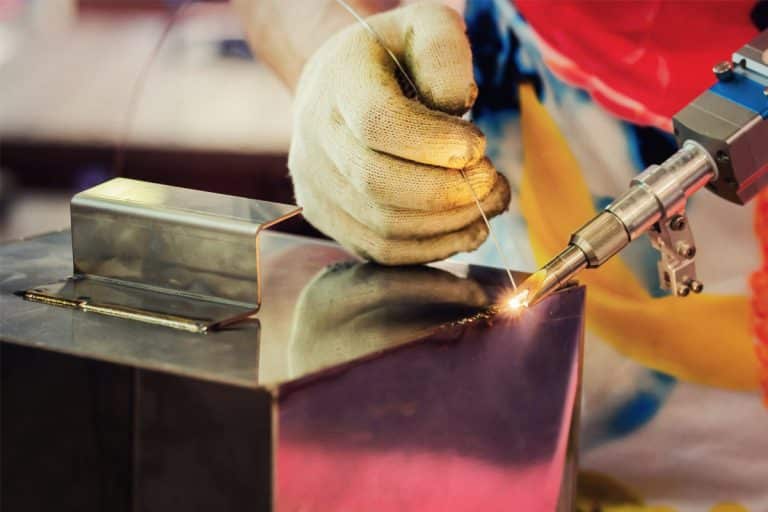
  • Process Variants Using Filler Wire: Filler wire can be introduced using cold-wire laser welding or laser–arc hybrid welding. In cold-wire setups, the filler is fed mechanically into the laser-generated molten pool without additional electrical heating, maintaining precise thermal control and low dilution.
  • Shielding Requirements with Filler Wire: When filler wire is used, shielding requirements become even more demanding. The filler wire, molten pool, and cooling weld bead must all be protected from oxygen, nitrogen, and hydrogen. Trailing shields and backside shielding are often necessary to prevent contamination and discoloration.
  • Equipment and Process Control: Successful filler wire laser welding requires precise wire feeding angle, speed synchronization, and alignment with the laser beam. Improper wire positioning can cause a lack of fusion, spatter, or unstable weld pools.
  • When Filler Wire May Not Be Necessary: For thin titanium sheets, tight joints, and non-critical components, autogenous laser welding remains efficient and cost-effective, offering excellent weld quality without added complexity.

Filler wire is fully compatible with laser welding titanium and is widely used to improve gap tolerance, metallurgical control, and mechanical performance. When combined with proper shielding, cleanliness, and process control, filler-assisted laser welding enables robust, production-ready titanium joints.
Preheating is generally not required for laser welding titanium, and in most cases, it offers little benefit compared to conventional welding processes. Laser welding’s concentrated heat input and rapid heating make it well-suited for titanium without the need for preheat. However, there are specific situations where controlled preheating may be considered. Below is a structured explanation presented in the same descriptive style as your reference format.

  • Low Hydrogen Sensitivity Compared to Steels: Unlike high-strength carbon or alloy steels, titanium does not require preheating to prevent hydrogen-induced cold cracking. Titanium’s crystal structure and welding behavior mean that hydrogen-related cracking is more closely tied to contamination than to thermal gradients. As a result, cleanliness and shielding are far more important than preheat temperature.
  • Low Thermal Conductivity and Laser Heat Input: Titanium has relatively low thermal conductivity, allowing the laser’s focused energy to produce rapid melting and deep penetration without excessive heat loss. This characteristic eliminates the need for preheating to stabilize the weld pool or improve fusion, even in thicker sections.
  • Minimal Residual Stress in Laser Welding: Laser welding introduces much lower overall heat input compared to arc welding processes. This reduces residual stresses and distortion, which are typical reasons for preheating in other welding methods. For most titanium grades, the as-welded stress state is acceptable without preheat.
  • Typical Applications Without Preheating: In aerospace, medical, and precision industrial components, titanium is routinely laser-welded at ambient temperature. Autogenous and filler-assisted laser welds are both commonly performed without preheat while still meeting strict mechanical and quality standards.
  • When Preheating May Be Considered: Preheating may be beneficial in certain edge cases. Very thick titanium sections, highly restrained joints, or complex geometries may benefit from mild preheating to reduce thermal shock and improve weld consistency. Preheating may also help in cold environments to eliminate condensation or surface moisture, which can introduce hydrogen into the weld.
  • Temperature Range and Control: When preheating is used, temperatures are typically low and tightly controlled. Excessive preheat is not recommended, as elevated temperatures increase titanium’s reactivity with oxygen and nitrogen, raising the risk of contamination if shielding is insufficient.
  • Interaction With Shielding Requirements: If preheating is applied, shielding requirements become even more critical. Heated titanium surfaces react more readily with atmospheric gases, so extended shielding coverage must be maintained before, during, and after welding.
  • Focus on Preparation Over Preheat: For titanium laser welding, proper surface cleaning, high-purity shielding gas, and stable process parameters have a far greater impact on weld quality than preheating.

Preheating is not normally required for laser welding titanium. In most applications, eliminating contaminants, ensuring effective shielding, and optimizing laser parameters are far more important than applying preheat.
Laser welding titanium offers high precision and excellent joint performance, but it also introduces distinct safety concerns due to the combination of high-energy laser radiation and titanium’s unique material properties. Effective risk control is essential to protect both operators and equipment. Below is a structured explanation presented in the same descriptive style as your reference format.

  • Laser Radiation Hazards: High-power laser welding systems used for welding can cause severe eye and skin injuries. Titanium surfaces can reflect or scatter laser energy, increasing the risk of unintended exposure. Enclosed welding cells, interlocked doors, warning systems, and certified laser protective eyewear are critical safety measures.
  • Fire and Combustion Risks: Titanium presents a unique fire hazard. Fine titanium particles, dust, or spatter can ignite easily and burn at extremely high temperatures. Once ignited, titanium fires are difficult to extinguish with conventional fire suppression methods. Strict housekeeping, proper extraction of fine particles, and avoidance of combustible materials near the welding area are essential.
  • Thermal and Burn Hazards: Laser welding produces localized but intense heat. Molten titanium, hot fixtures, and recently welded parts can cause severe burns. Titanium retains heat and may appear cool while still being dangerously hot. Heat-resistant gloves, protective clothing, and controlled cooling zones help reduce burn risks.
  • Fume and Gas Exposure: Although titanium itself produces relatively low fume volume, laser welding can generate fine metal particles and reaction byproducts. Inadequate ventilation may expose operators to airborne contaminants. Additionally, shielding gases such as argon or helium can displace oxygen in confined spaces, creating an asphyxiation hazard if ventilation is insufficient.
  • Shielding Gas Management Risks: Titanium welding requires extensive shielding coverage. Leaks, incorrect flow rates, or poorly designed gas delivery systems can lead not only to weld defects but also to oxygen-deficient environments. Oxygen monitoring may be necessary in enclosed or automated welding cells.
  • Electrical and Equipment Hazards: Laser welding systems operate with high-voltage power supplies, cooling systems, and precision optics. Improper maintenance or bypassed safety interlocks increase the risk of electric shock or equipment damage. Only trained personnel should service laser welding systems.
  • Mechanical and Automation Hazards: Robotic laser welding systems introduce moving axes, pinch points, and collision risks. Unintended motion during setup or maintenance can cause serious injury. Lockout and tagging procedures are essential when accessing automated cells.
  • Human Factors and Training: Inadequate operator training increases the likelihood of unsafe conditions, including incorrect shielding setup, poor housekeeping, or unsafe exposure to laser radiation. Clear procedures and regular safety training reduce human-related risks.

Laser welding titanium involves hazards related to laser radiation, fire potential, heat, shielding gases, and automation. Comprehensive safety systems, proper training, and strict process control are essential to ensure a safe working environment.

Get Laser Welding Solutions for Titanium

Choosing the right laser welding solution is essential for achieving clean, high-strength, and contamination-free titanium welds. Because titanium is highly reactive at elevated temperatures, precise heat control, effective shielding, and stable process parameters are critical for reliable results.
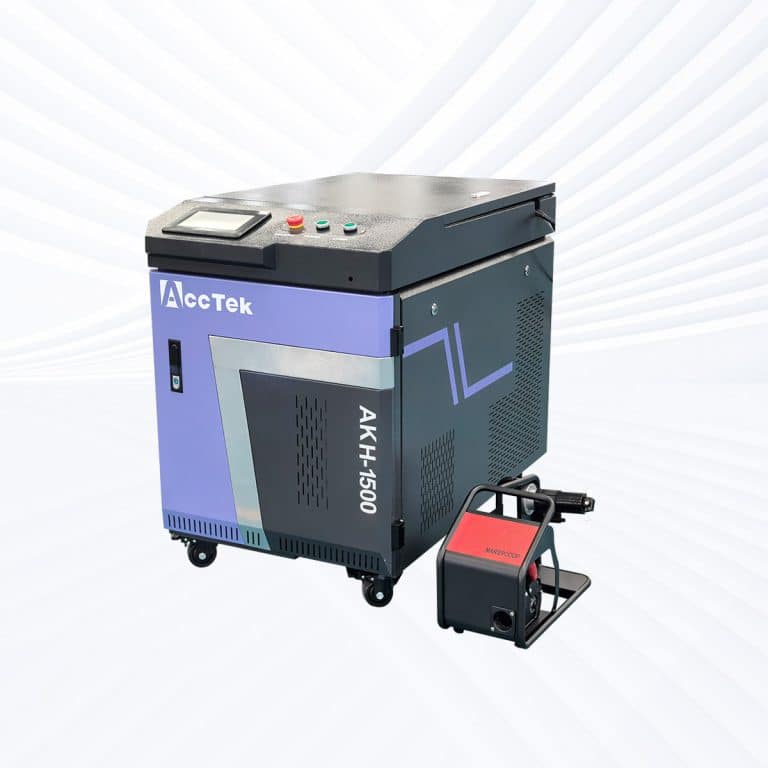
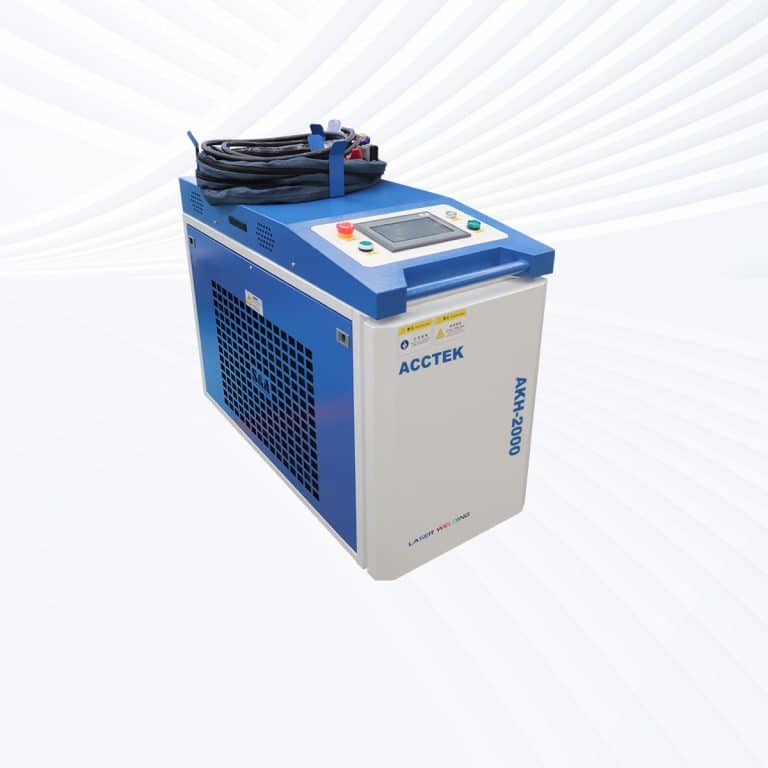
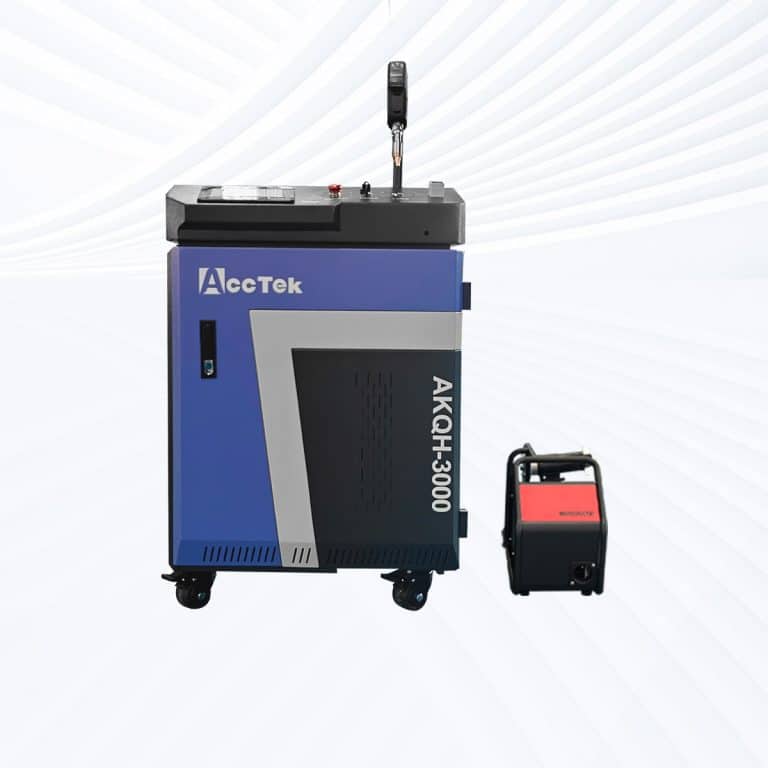
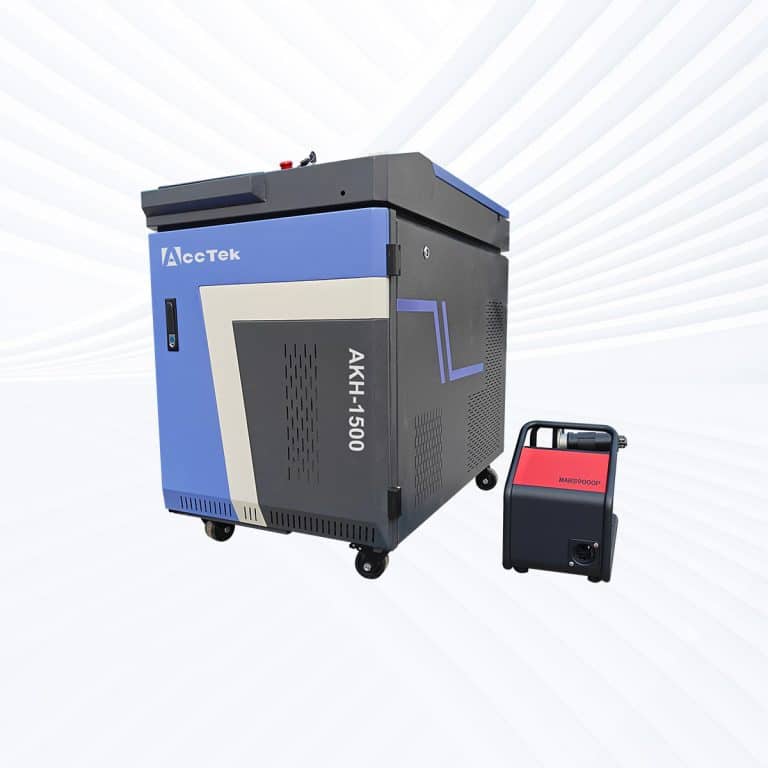
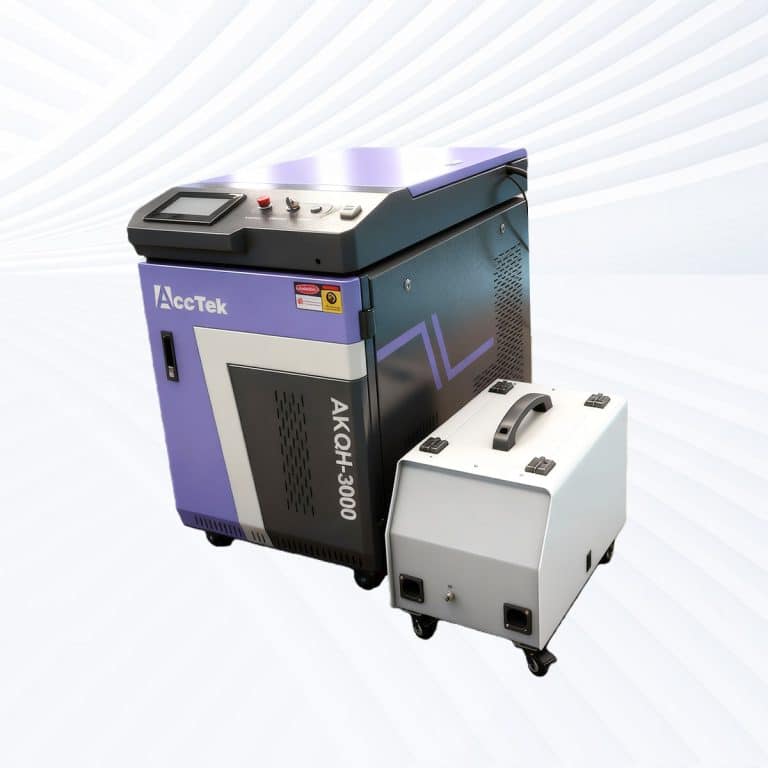
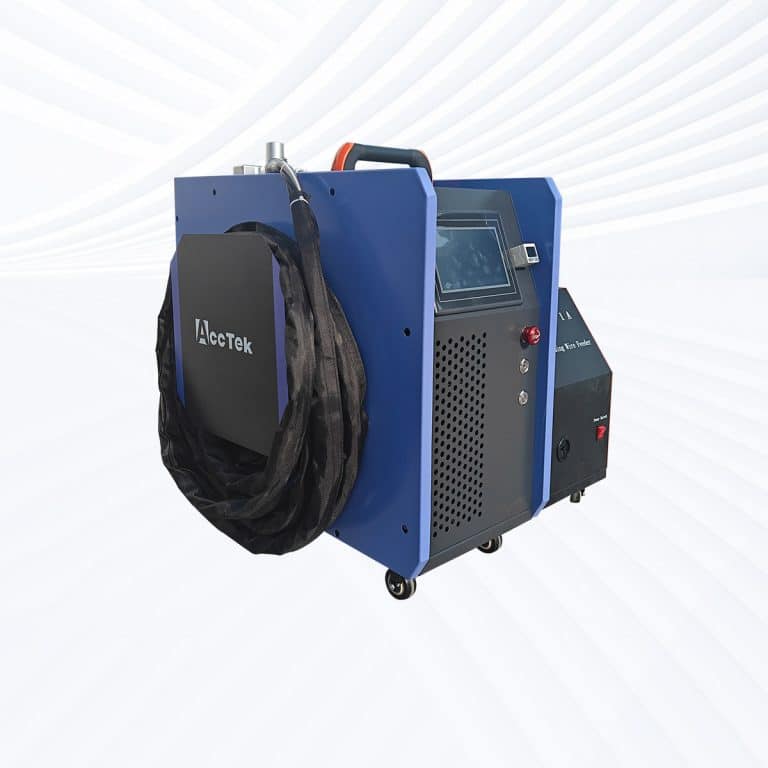
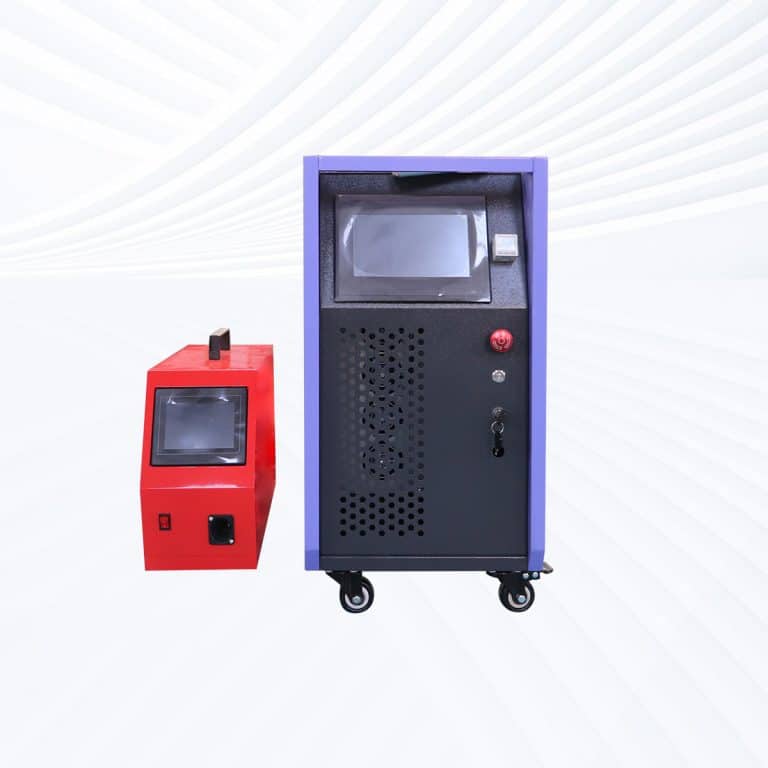
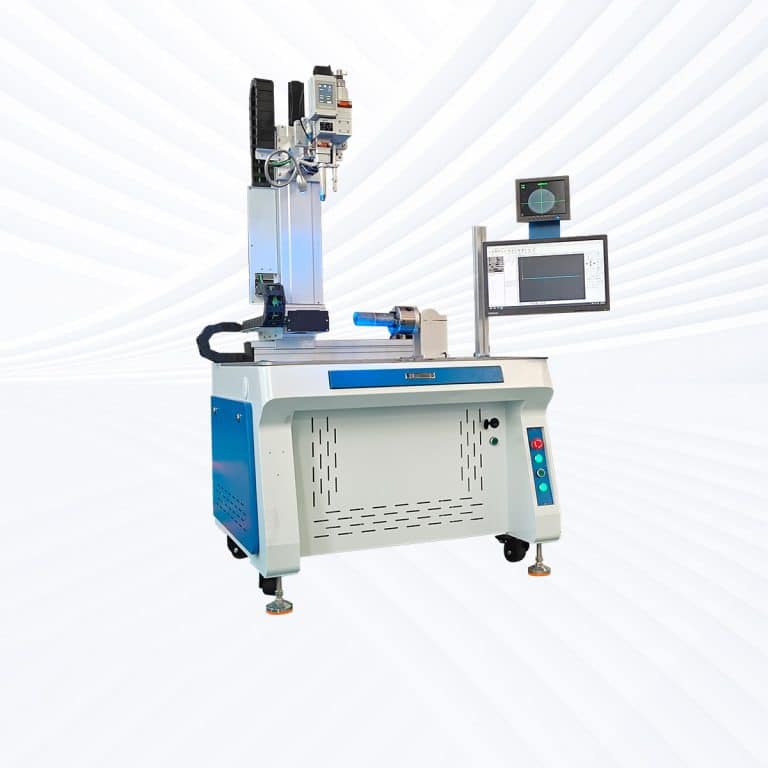
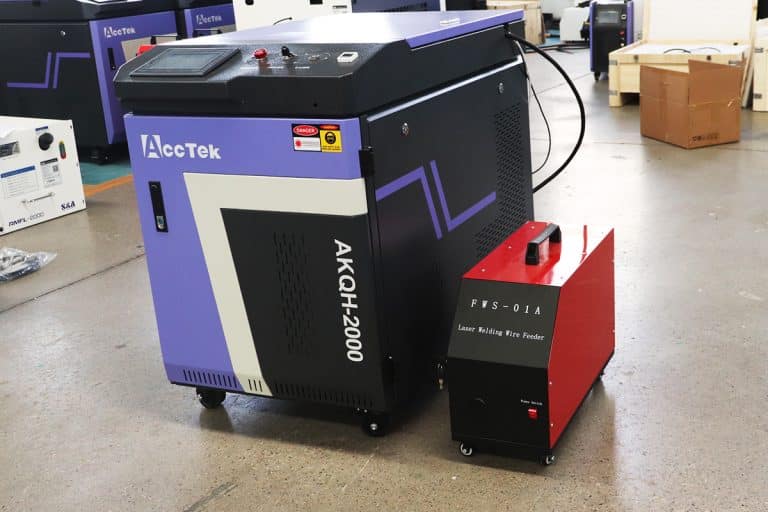
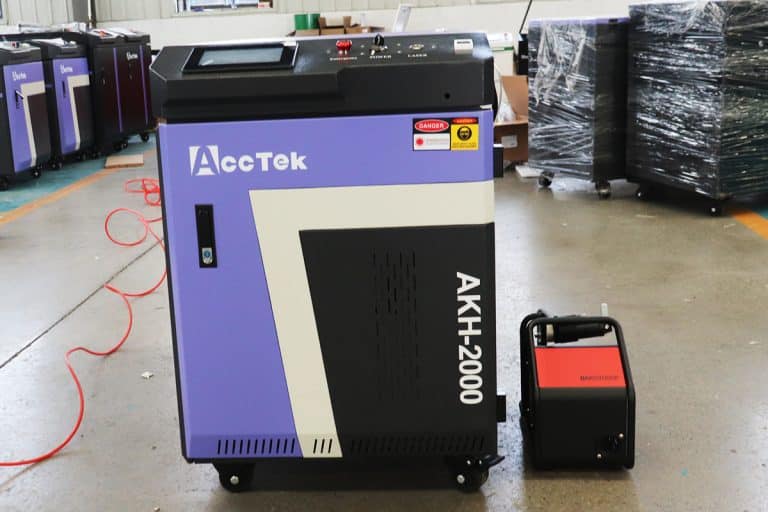
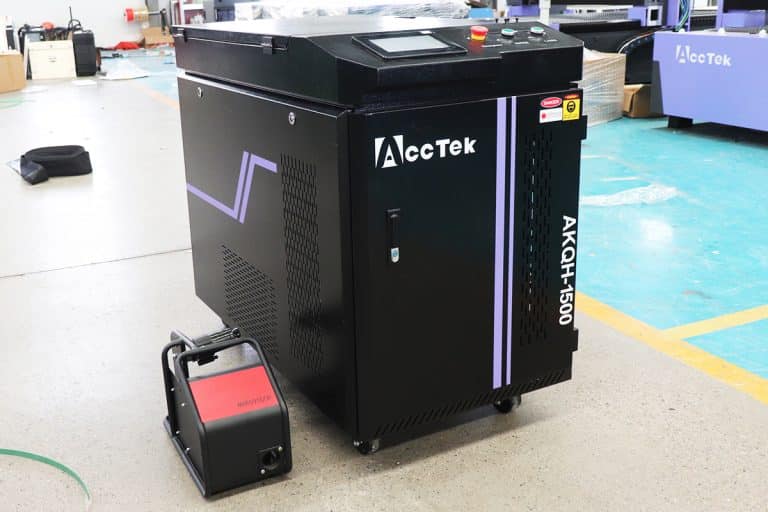
AccTek Group provides complete laser welding solutions specifically designed for titanium materials and demanding industrial applications. Solutions include handheld laser welding machines for flexible fabrication and fully automated laser welding systems for high-precision, high-volume production. Advanced laser sources, precise control systems, and optimized shielding gas designs help ensure excellent weld purity, minimal distortion, and consistent quality across different titanium grades and thicknesses.
Beyond equipment, professional solutions also include material testing, process development, parameter optimization, operator training, and long-term technical support. This ensures smooth integration into existing production lines and stable performance over time.
Whether for aerospace structures, medical devices, automotive components, or industrial equipment, a tailored laser welding solution for titanium can significantly improve productivity, reduce defects, and ensure long-term performance and reliability.
* We value your privacy. AccTek Group is committed to protecting your personal information. Any details you provide when submitting the form will be kept strictly confidential and used only to assist with your inquiry. We do not share, sell, or disclose your information to third parties. Your data is securely stored and handled by our privacy policy.
AccTek Logo
Privacy Overview

This website uses cookies so that we can provide you with the best user experience possible. Cookie information is stored in your browser and performs functions such as recognising you when you return to our website and helping our team to understand which sections of the website you find most interesting and useful.

Laser Power Welding Form Thickness Welding Speed Defocus Amount Protective Gas Blowing Method Flow Welding Effect
1500W Butt Welding 0.5mm 40~50 mm/s -1~1 Ar Coaxial/Paraaxial 5~10 L/min Welded Completely
2000W Butt Welding 0.5mm 50~60 mm/s -1~1 Ar Coaxial/Paraaxial 5~10 L/min Welded Completely
Butt Welding 1mm 20~30 mm/s -1~1 Ar Coaxial/Paraaxial 5~10 L/min Welded Completely
3000W Butt Welding 0.5mm 60~70 mm/s -1~1 Ar Coaxial/Paraaxial 5~10 L/min Welded Completely
Butt Welding 1mm 40~50 mm/s -1~1 Ar Coaxial/Paraaxial 5~10 L/min Welded Completely
Butt Welding 1.5mm 30~40 mm/s -1~1 Ar Coaxial/Paraaxial 5~10 L/min Welded Completely
6000W Butt Welding 0.5mm 60~70 mm/s -1~1 Ar Coaxial/Paraaxial 5~10 L/min Welded Completely
Butt Welding 1mm 50~60 mm/s -1~1 Ar Coaxial/Paraaxial 5~10 L/min Welded Completely
Butt Welding 1.5mm 40~50 mm/s -1~1 Ar Coaxial/Paraaxial 5~10 L/min Welded Completely
Butt Welding 2mm 30~40 mm/s -1~1 Ar Coaxial/Paraaxial 5~10 L/min Welded Completely