

Introduction
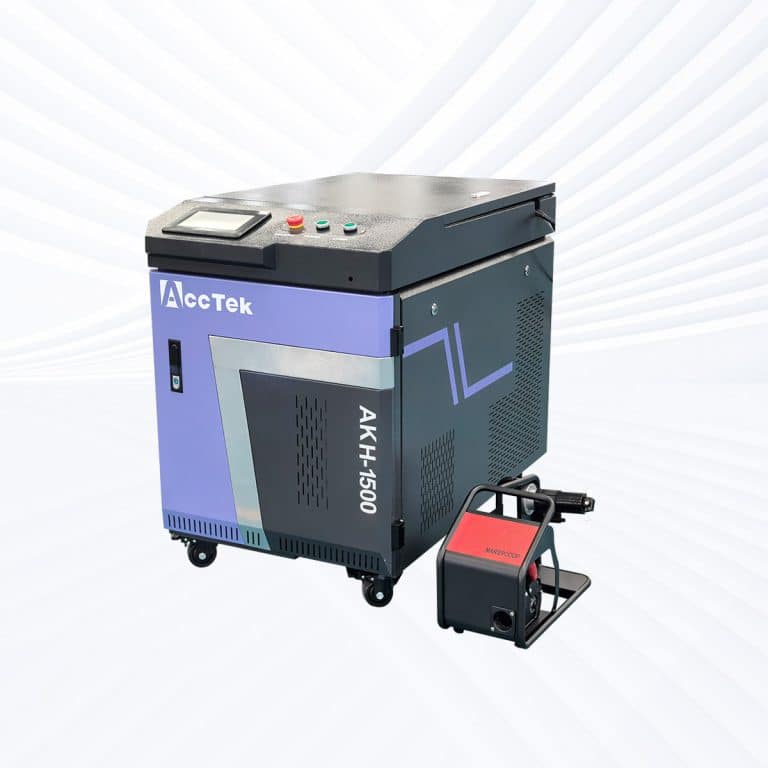
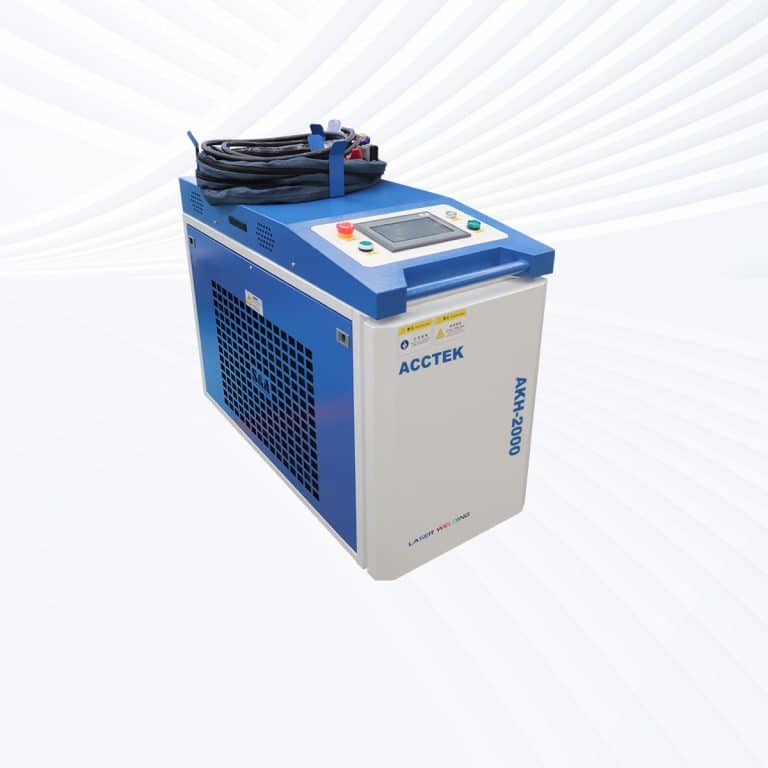
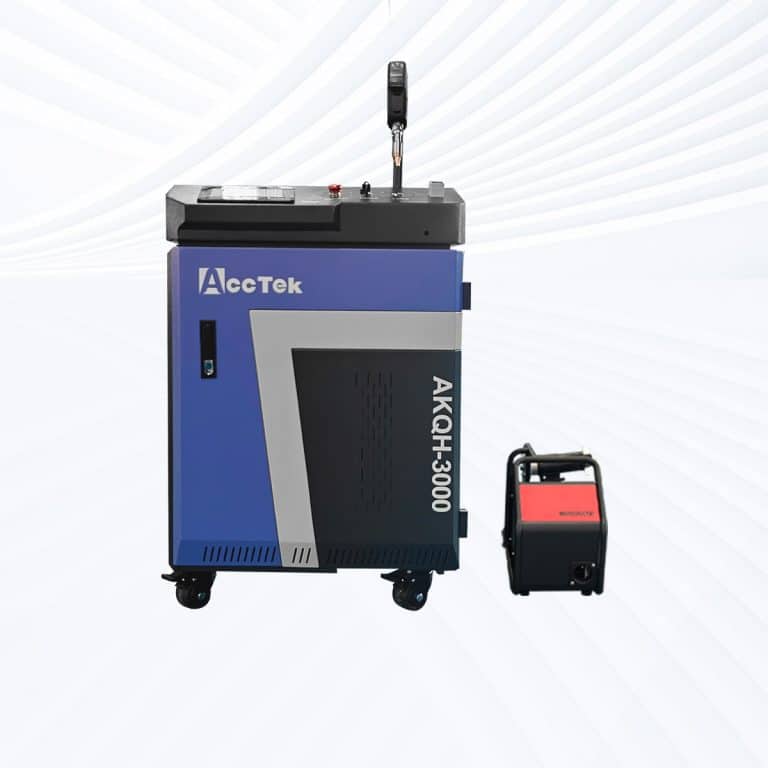
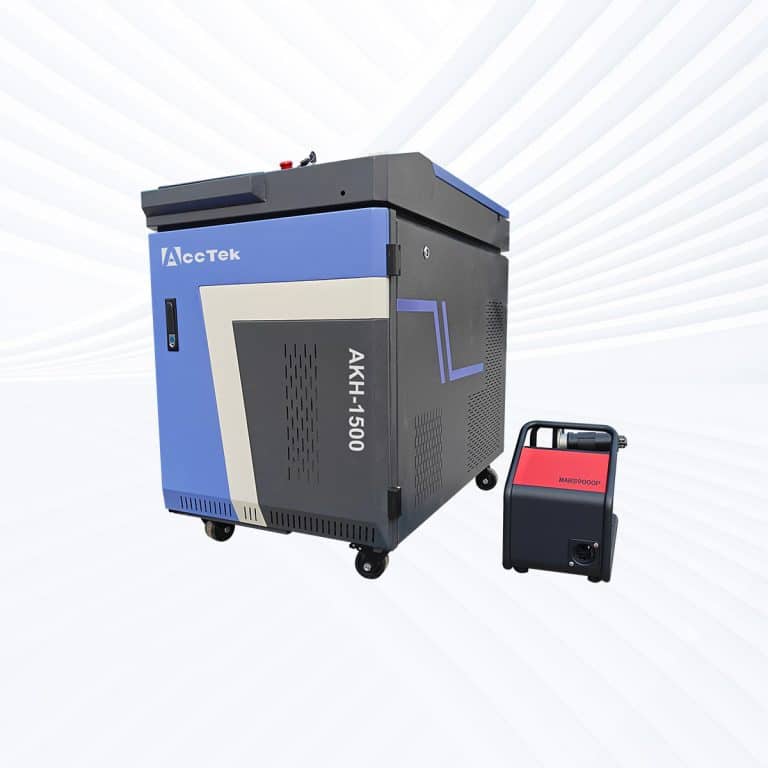
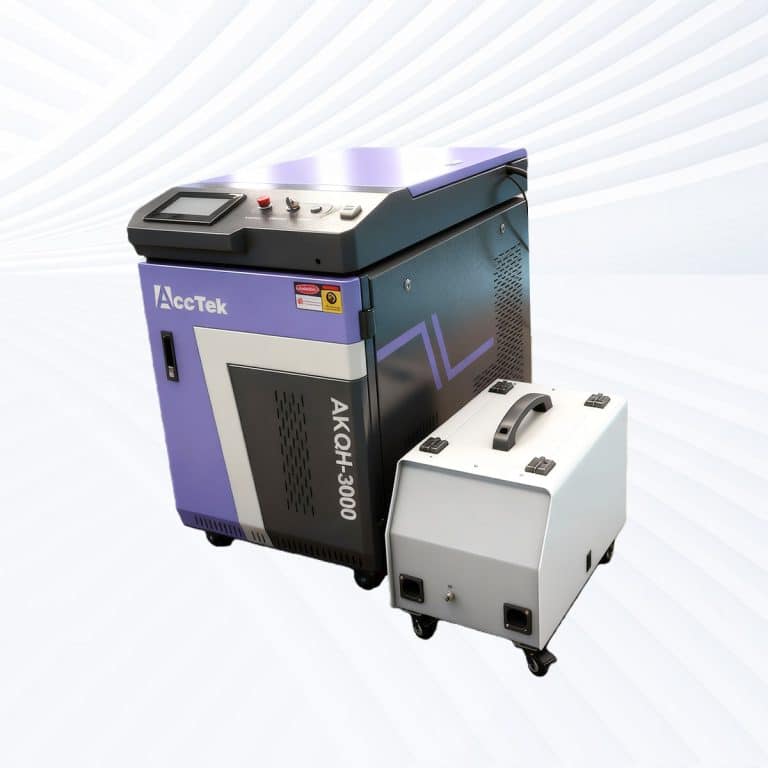
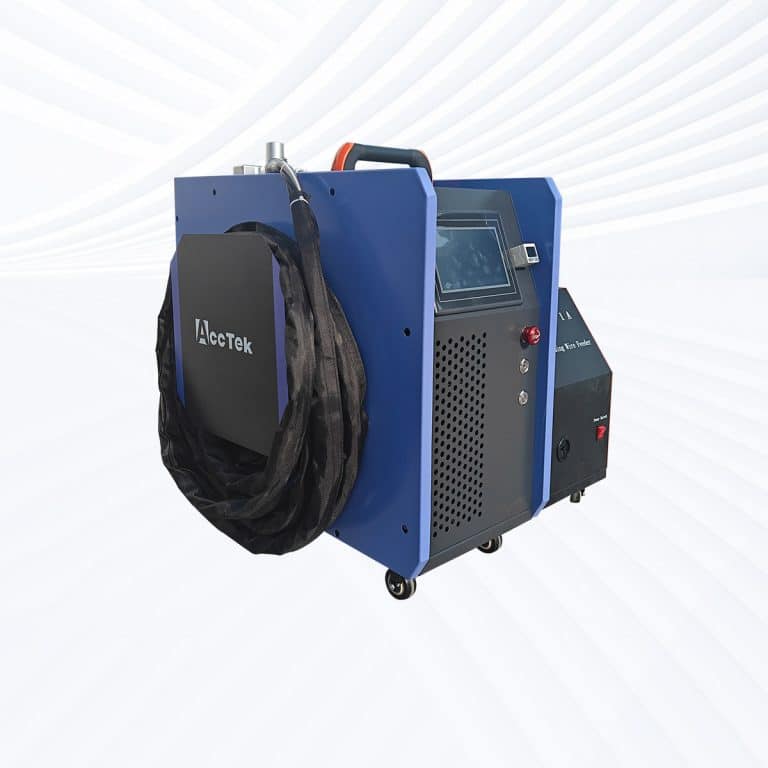
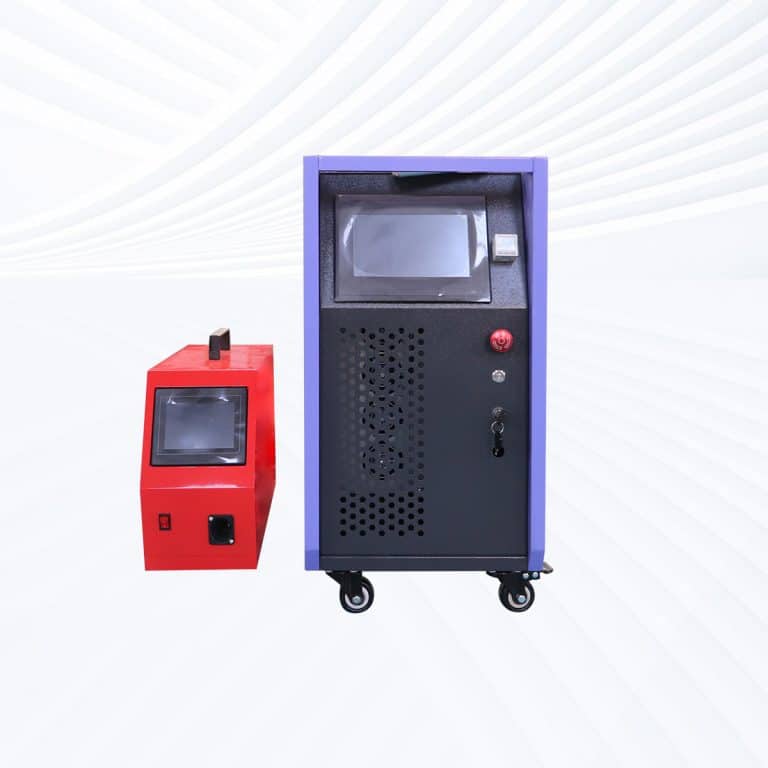
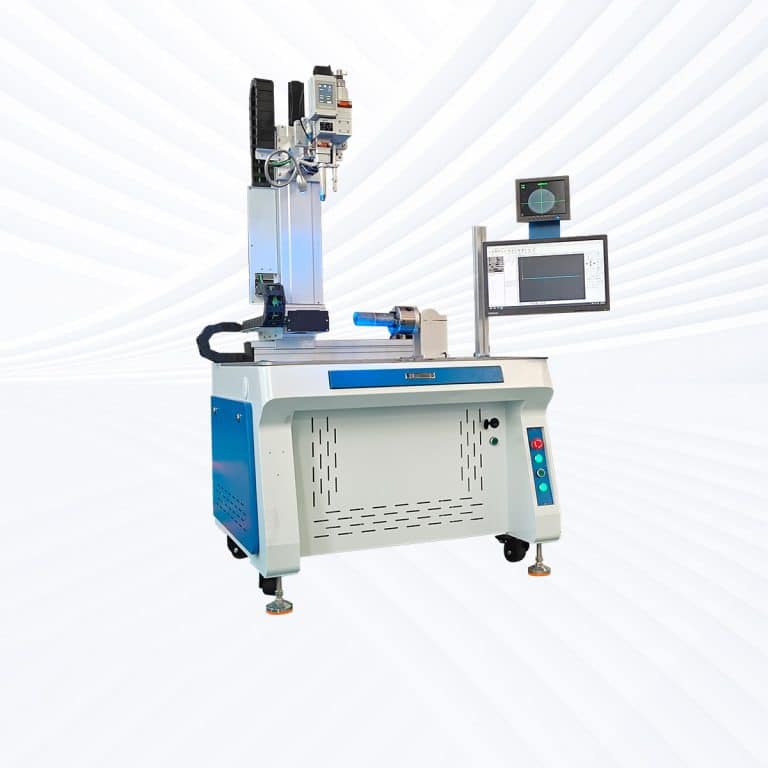
Laser Welding Machines Suitable For Carbon Steel
Advantages of Laser Welding Carbon Steel
High Welding Speed and Productivity
Laser welding carbon steel delivers very high welding speeds compared to traditional methods. Faster processing shortens production cycles, increases throughput, and makes it ideal for mass production and automated manufacturing environments.
Precise Heat Input Control
The focused laser beam allows accurate control of heat input when welding carbon steel. This reduces excessive heating, helps maintain material properties, and minimizes issues such as warping, excessive hardness, or cracking in the weld zone.
Small Heat-Affected Zone
Laser welding produces a narrow weld seam and a small heat-affected zone. This minimizes thermal distortion, preserves the base material structure, and ensures better dimensional accuracy, especially for thin or precision carbon steel components.
Strong and Consistent Weld Quality
Laser welding carbon steel creates deep, uniform penetration and strong metallurgical bonding. The process delivers consistent weld quality with low defect rates, making it suitable for structural and load-bearing applications.
Reduced Post-Weld Finishing
The clean and stable welding process produces minimal spatter and smooth weld surfaces. This reduces the need for grinding, polishing, or rework, saving time and lowering overall production costs.
Excellent Automation Compatibility
Laser welding carbon steel integrates easily with robotic systems and automated production lines. This enables high repeatability, consistent quality, reduced labor dependency, and improved process stability in modern industrial manufacturing.
Compatible Materials
- AISI 1006
- AISI 1008
- AISI 1010
- AISI 1012
- AISI 1015
- AISI 1018
- AISI 1020
- AISI 1022
- AISI 1025
- AISI 1030
- AISI 1035
- AISI 1040
- AISI 1045
- AISI 1050
- AISI 1055
- AISI 1060
- AISI 1065
- AISI 1070
- AISI 1075
- AISI 1080
- AISI 1085
- AISI 1090
- AISI 1095
- ASTM A36
- ASTM A53
- ASTM A106
- ASTM A283
- ASTM A285
- ASTM A516
- ASTM A572
- ASTM A588
- EN S235JR
- EN S275JR
- EN S355JR
- JIS SS400
- JIS S20C
- JIS S25C
- JIS S30C
- JIS S35C
- JIS S45C
Laser Welding VS Other Welding Methods
| Comparison Item | Laser Welding | TIG Welding | MIG Welding | Arc Welding (Stick) |
|---|---|---|---|---|
| Heat Input Control | Extremely precise | Moderate, operator-dependent | Higher heat input | High and difficult to control |
| Heat-Affected Zone (HAZ) | Very small | Medium | Large | Very large |
| Welding Speed | Very high | Slow | Moderate to high | Slow |
| Weld Precision | Excellent | High | Moderate | Low |
| Distortion Risk | Minimal | Moderate | Higher | Very high |
| Weld Penetration Control | Excellent | Good | Good | Limited |
| Weld Appearance | Clean, narrow, smooth | Clean but wider | Wider with spatter | Rough, uneven |
| Automation Capability | Excellent | Limited | Good | Very limited |
| Repeatability | Extremely high | Operator-dependent | Moderate | Low |
| Thin Material Welding | Excellent | Good | Fair | Poor |
| Thick Material Capability | Good with high power | Very good | Very good | Very good |
| Porosity Control | Excellent | Good | Moderate | Poor |
| Post-Weld Finishing | Minimal | Moderate | Moderate to high | High |
| Skill Requirement | Low after setup | Very high | Moderate | High |
| Production Efficiency | Very high | Low | Moderate | Low |
Laser Welding Capacity
| Laser Power | Welding Form | Thickness | Welding Speed | Defocus Amount | Protective Gas | Blowing Method | Flow | Welding Effect |
|---|---|---|---|---|---|---|---|---|
| 1000W | Butt Welding | 0.5mm | 70~80 mm/s | -1~1 | Ar | Coaxial/Paraaxial | 5~10 L/min | Welded Completely |
| Butt Welding | 1mm | 50~60 mm/s | -1~1 | Ar | Coaxial/Paraaxial | 5~10 L/min | Welded Completely | |
| Butt Welding | 1.5mm | 30~40 mm/s | -1~1 | Ar | Coaxial/Paraaxial | 5~10 L/min | Welded Completely | |
| Butt Welding | 2mm | 20~30 mm/s | -1~1 | Ar | Coaxial/Paraaxial | 5~10 L/min | Welded Completely | |
| 1500W | Butt Welding | 0.5mm | 80~90 mm/s | -1~1 | Ar | Coaxial/Paraaxial | 5~10 L/min | Welded Completely |
| Butt Welding | 1mm | 70~80 mm/s | -1~1 | Ar | Coaxial/Paraaxial | 5~10 L/min | Welded Completely | |
| Butt Welding | 1.5mm | 50~60 mm/s | -1~1 | Ar | Coaxial/Paraaxial | 5~10 L/min | Welded Completely | |
| Butt Welding | 2mm | 30~40 mm/s | -1~1 | Ar | Coaxial/Paraaxial | 5~10 L/min | Welded Completely | |
| Butt Welding | 3mm | 20~30 mm/s | -1~1 | Ar | Coaxial/Paraaxial | 5~10 L/min | Welded Completely | |
| Butt Welding | 4mm | 15~20 mm/s | -1~1 | Ar | Coaxial/Paraaxial | 5~10 L/min | Welded Completely | |
| 2000W | Butt Welding | 0.5mm | 80~90 mm/s | -1~1 | Ar | Coaxial/Paraaxial | 5~10 L/min | Welded Completely |
| Butt Welding | 1mm | 70~80 mm/s | -1~1 | Ar | Coaxial/Paraaxial | 5~10 L/min | Welded Completely | |
| Butt Welding | 1.5mm | 50~60 mm/s | -1~1 | Ar | Coaxial/Paraaxial | 5~10 L/min | Welded Completely | |
| Butt Welding | 2mm | 30~40 mm/s | -1~1 | Ar | Coaxial/Paraaxial | 5~10 L/min | Welded Completely | |
| Butt Welding | 3mm | 20~30 mm/s | -1~1 | Ar | Coaxial/Paraaxial | 5~10 L/min | Welded Completely | |
| Butt Welding | 4mm | 15~20 mm/s | -1~1 | Ar | Coaxial/Paraaxial | 5~10 L/min | Welded Completely | |
| 3000W | Butt Welding | 0.5mm | 100~110 mm/s | -1~1 | Ar | Coaxial/Paraaxial | 5~10 L/min | Welded Completely |
| Butt Welding | 1mm | 90~100 mm/s | -1~1 | Ar | Coaxial/Paraaxial | 5~10 L/min | Welded Completely | |
| Butt Welding | 1.5mm | 70~80 mm/s | -1~1 | Ar | Coaxial/Paraaxial | 5~10 L/min | Welded Completely | |
| Butt Welding | 2mm | 60~70 mm/s | -1~1 | Ar | Coaxial/Paraaxial | 5~10 L/min | Welded Completely | |
| Butt Welding | 3mm | 50~60 mm/s | -1~1 | Ar | Coaxial/Paraaxial | 5~10 L/min | Welded Completely | |
| Butt Welding | 4mm | 40~50 mm/s | -1~1 | Ar | Coaxial/Paraaxial | 5~10 L/min | Welded Completely | |
| Butt Welding | 5mm | 30~40 mm/s | -1~1 | Ar | Coaxial/Paraaxial | 5~10 L/min | Welded Completely | |
| Butt Welding | 6mm | 20~30 mm/s | -1~1 | Ar | Coaxial/Paraaxial | 5~10 L/min | Welded Completely | |
| 6000W | Butt Welding | 0.5mm | 100~110 mm/s | -1~1 | Ar | Coaxial/Paraaxial | 5~10 L/min | Welded Completely |
| Butt Welding | 1mm | 90~100 mm/s | -1~1 | Ar | Coaxial/Paraaxial | 5~10 L/min | Welded Completely | |
| Butt Welding | 1.5mm | 80~90 mm/s | -1~1 | Ar | Coaxial/Paraaxial | 5~10 L/min | Welded Completely | |
| Butt Welding | 2mm | 70~80 mm/s | -1~1 | Ar | Coaxial/Paraaxial | 5~10 L/min | Welded Completely | |
| Butt Welding | 3mm | 60~70 mm/s | -1~1 | Ar | Coaxial/Paraaxial | 5~10 L/min | Welded Completely | |
| Butt Welding | 4mm | 50~60 mm/s | -1~1 | Ar | Coaxial/Paraaxial | 5~10 L/min | Welded Completely | |
| Butt Welding | 5mm | 40~50 mm/s | -1~1 | Ar | Coaxial/Paraaxial | 5~10 L/min | Welded Completely | |
| Butt Welding | 6mm | 30~40 mm/s | -1~1 | Ar | Coaxial/Paraaxial | 5~10 L/min | Welded Completely | |
| Butt Welding | 7mm | 20~30 mm/s | -1~1 | Ar | Coaxial/Paraaxial | 5~10 L/min | Welded Completely |
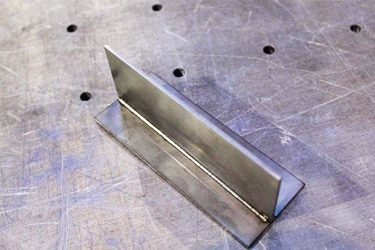
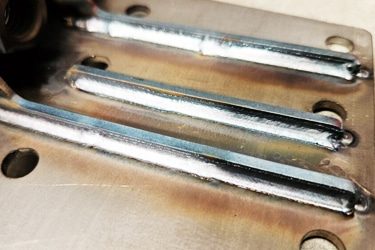
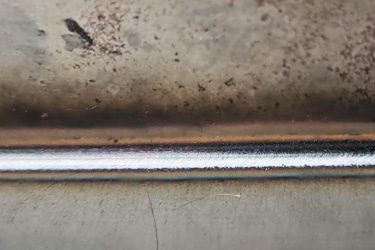
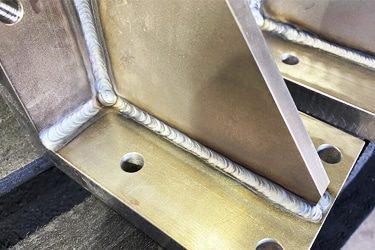
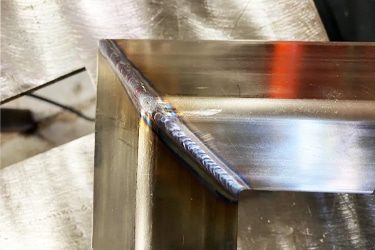
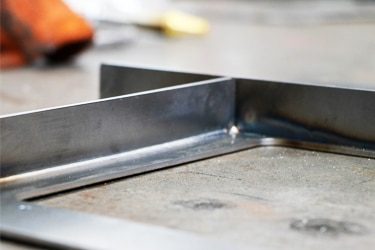
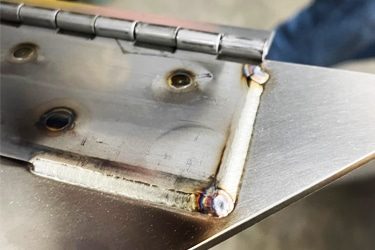
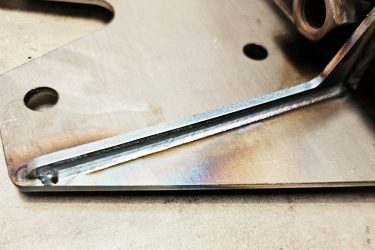
Applications of Laser Welding Carbon Steel
Customer Testimonials
Related Resources
Are Welding Masks Required For Laser Welding
This article explains laser welding safety, including laser hazards, standards, PPE requirements, and practical scenarios that determine when welding masks and laser-rated eye protection are needed.
How To Select Laser Welding Power
This article teaches you how to select laser welding power and provides clear guidance on materials, thickness, welding modes, beam settings, defects, testing methods, and process optimization to achieve stable, high-quality welds.
Laser Welding VS Arc Welding
This article explores the key differences between laser welding and arc welding, comparing their processes, advantages, limitations, and ideal applications across various industries.
What Welding Defects Can Occur In Laser Welding
This article helps to understand common laser welding defects, their causes, and effective prevention strategies to ensure consistent welding quality across different materials and applications.
Frequently Asked Questions
How Does Carbon Content Influence The Laser Weldability Of Carbon Steel?
- Low-Carbon Steels (Generally Good Weldability): Low-carbon steels typically contain less than about 0.25% carbon and are the easiest to laser weld. During rapid cooling, these steels tend to form ferrite and pearlite structures rather than hard, brittle phases. The small heat-affected zone (HAZ) produced by laser welding further limits adverse microstructural changes, resulting in low residual stress and minimal cracking risk. Autogenous laser welding is often sufficient for these steels without preheating or post-weld heat treatment.
- Medium-Carbon Steels (Increased Sensitivity): Medium-carbon steels, with carbon contents roughly between 0.25% and 0.6%, show reduced laser weldability. The high cooling rates of laser welding promote the formation of martensite in the fusion zone and HAZ. Martensite is hard and brittle, increasing susceptibility to cold cracking, particularly in the presence of hydrogen. As carbon content increases within this range, higher hardness levels and residual stresses become more problematic.
- High-Carbon Steels (Challenging to Laser Weld): High-carbon steels, typically above 0.6% carbon, are difficult to laser weld without special measures. Rapid cooling almost inevitably produces a martensitic structure in and around the weld. This can lead to severe brittleness, cracking, and reduced toughness. Laser welding of high-carbon steel often requires preheating to slow the cooling rate and post-weld heat treatment to temper the martensite and relieve stresses.
- Effect on Hardness and Mechanical Properties: As carbon content increases, weld and HAZ hardness rise significantly after laser welding. While higher hardness can improve wear resistance, it usually reduces ductility and impact toughness. In many structural applications, this trade-off is unacceptable without additional heat treatment.
- Influence on Process Stability and Cracking: Higher carbon content also increases sensitivity to hydrogen-induced cracking. Even small amounts of moisture or contamination can introduce hydrogen, which combines with high hardness and residual stress to promote crack formation. Clean surfaces and controlled shielding are therefore critical.
- Role of Carbon Equivalent (CE): In practice, weldability is often evaluated using the carbon equivalent rather than carbon content alone. Elements such as manganese, chromium, and molybdenum amplify the effects of carbon. A higher CE indicates greater crack risk during laser welding.
What Role Does Laser Power Play In Carbon Steel Penetration Depth?
- Energy Input and Melting Behavior: Higher laser power increases the energy density at the focal spot, allowing the steel to reach melting and vaporization temperatures more rapidly. As power rises, the molten pool deepens and transitions from conduction-mode welding to keyhole-mode welding. In keyhole mode, metal vapor forms a narrow cavity that enables laser energy to penetrate deeper into the material, significantly increasing penetration depth.
- Threshold for Keyhole Formation: There is a minimum laser power threshold required to initiate and maintain a stable keyhole in carbon steel. Below this threshold, the laser produces shallow, wide welds with limited penetration. Once the threshold is exceeded, penetration depth increases sharply with relatively small power increases. This nonlinear relationship makes power selection critical.
- Interaction with Welding Speed: Laser power must be considered together with travel speed. At a constant speed, increasing power generally increases penetration depth. However, at high speeds, even high power may not provide sufficient interaction time to achieve deep penetration. Conversely, excessive power at low speeds can lead to excessive melt volume, spatter, or burn-through.
- Influence on Weld Geometry and Quality: While higher power increases penetration, it also affects weld shape and stability. Excessive power can cause keyhole instability, undercut, or excessive reinforcement. In carbon steel, too much power may increase spatter and introduce defects, reducing weld quality despite deeper penetration.
- Material Properties and Absorption: Carbon steel absorbs laser energy relatively well compared to highly reflective metals. This means penetration depth responds efficiently to increases in power. However, variations in surface condition, alloy composition, and carbon content can still influence absorption and melt behavior, slightly modifying the power–penetration relationship.
- Thermal Effects and Heat-Affected Zone: Higher laser power increases local peak temperatures and can slightly widen the heat-affected zone (HAZ). Although laser welding still produces a narrow HAZ compared to arc welding, excessive power can lead to higher hardness in the HAZ due to rapid cooling, especially in higher-carbon steels.
- Process Optimization: Optimal penetration is achieved by balancing laser power with focus position, beam quality, shielding gas, and travel speed. Simply increasing power is not always the best solution; precise control ensures deep, consistent penetration without sacrificing weld integrity.
What Surface Preparation Is Required Before Laser Welding Carbon Steel?
- Removal of Oils, Grease, and Dirt: Carbon steel parts often carry machining oils, cutting fluids, or handling residues. These contaminants vaporize under laser heating and can introduce hydrogen into the weld pool, increasing the risk of porosity or hydrogen-induced cracking. Degreasing with suitable solvents or aqueous cleaners is typically the first step, followed by thorough drying to eliminate moisture.
- Rust and Scale Removal: Carbon steel surfaces may have rust, mill scale, or oxide layers. These layers interfere with laser energy absorption and can lead to inconsistent melting, lack of fusion, or spatter. Light rust can be removed by wire brushing or mechanical abrasion, while heavier scale may require grinding, pickling, or shot blasting. Clean, bare metal surfaces provide more predictable welding behavior.
- Paints, Coatings, and Plating: Any paint, primer, galvanizing, or surface coating in the weld area should be removed before laser welding. Coatings can produce harmful fumes, contaminate the weld pool, and alter penetration depth. Zinc coatings in particular vaporize rapidly and can cause porosity and instability if not removed or properly managed.
- Surface Roughness and Finish: A moderately clean and uniform surface finish is ideal. Extremely rough surfaces can trap contaminants and shielding gas, while highly polished surfaces are unnecessary for carbon steel and may slightly reduce absorption. The goal is consistency rather than mirror smoothness.
- Joint Edge Preparation and Fit-Up: Laser welding relies on a small, precise molten pool, making accurate joint fit-up critical. Edges should be straight, burr-free, and well aligned. Excessive gaps can lead to a lack of fusion, while misalignment can cause uneven penetration. Simple square butt joints are often preferred and require minimal edge preparation compared to arc welding.
- Moisture Control: Moisture on the surface or within cleaning residues introduces hydrogen into the weld area. After cleaning, parts should be kept dry and welded promptly. In humid environments or for thicker, higher-carbon steels, mild preheating may be used to drive off residual moisture and reduce cracking risk.
- Optional Preheating and Conditioning: For medium- or high-carbon steels, preheating may be part of surface preparation. While not always required, it helps reduce cooling rate, limit martensite formation, and improve weld toughness.
What Shielding Gases Are Commonly Used For Laser Welding Carbon Steel?
- Argon (Ar): Argon is the most commonly used shielding gas for laser welding carbon steel. It is inert, readily available, and cost-effective. Argon provides good protection against oxygen and nitrogen, preventing oxidation and excessive spatter. It supports stable keyhole formation and produces clean weld surfaces, making it suitable for most thin to medium thickness carbon steel applications.
- Helium (He): Helium is used when deeper penetration or higher welding speeds are required. Its higher ionization potential reduces plasma formation above the weld pool, allowing more laser energy to reach the steel surface. This can improve penetration depth and keyhole stability, particularly in high-power laser welding. However, helium is more expensive than argon and requires higher flow rates due to its low density, which increases operating cost.
- Argon–Helium Mixtures: Blends of argon and helium are widely used in industrial laser welding of carbon steel. These mixtures combine argon’s good coverage and affordability with helium’s ability to enhance penetration and suppress plasma. By adjusting the helium percentage, manufacturers can balance weld quality, penetration depth, and gas consumption to suit specific applications.
- Nitrogen (Selective Use): Nitrogen is sometimes used as a shielding or backing gas in laser welding carbon steel, especially for non-critical structural applications. It is less expensive than argon and can provide adequate shielding. However, nitrogen may react with molten steel under certain conditions, potentially forming nitrides that can reduce toughness. For this reason, nitrogen is typically avoided in applications with strict mechanical property requirements.
- Carbon Dioxide (Limited and Mixed Use): Pure CO2 is generally not used as a primary shielding gas in laser welding carbon steel because it is reactive and can increase oxidation and spatter. However, small amounts of CO2 may be mixed with inert gases in hybrid laser–arc welding systems rather than pure laser welding.
- Gas Delivery and Flow Considerations: Regardless of gas type, proper flow rate, nozzle design, and coverage are critical. Insufficient shielding leads to oxidation and porosity, while excessive flow can disturb the molten pool and introduce air into the weld zone.
What Joint Designs Are Best Suited For Laser Welding Carbon Steel?
- Square Butt Joints: Square butt joints are the most common and best-suited joint design for laser welding carbon steel. They allow direct access of the laser beam to the joint line and enable efficient keyhole formation and deep penetration. With proper alignment and tight gap control, square butt joints produce narrow welds with high strength and minimal distortion. They are especially effective for thin to medium plate thicknesses and are widely used in automotive and structural applications.
- Lap Joints: Lap joints are well-suited for thin carbon steel sheets and applications where welding from one side is required. The overlapping geometry makes laser welding easier by increasing the effective material thickness at the weld zone and improving energy absorption. Lap joints also tolerate slightly larger gaps than butt joints. However, care must be taken to avoid trapped contaminants or excessive overlap that could affect fatigue performance.
- T-Joints: T-joints are commonly used in frames, stiffeners, and structural assemblies. Laser welding carbon steel T-joints is feasible but requires precise beam positioning to ensure proper fusion at the intersection. Depending on thickness, the laser may be directed at the joint root or slightly offset to ensure adequate penetration. T-joints may benefit from filler wire or beam oscillation in thicker sections.
- Edge Joints: Edge joints are suitable for thin carbon steel components such as enclosures or sheet metal housings. Laser welding works well here due to its low heat input and precision. However, edge joints generally have lower strength than butt or lap joints and are not ideal for load-bearing structures.
- Corner Joints: Corner joints can be laser-welded effectively in carbon steel, particularly in box or tubular constructions. Accurate fixturing is essential to maintain alignment and consistent penetration along the joint length.
- Joint Gap Tolerance and Fit-Up: Regardless of joint type, tight fit-up is essential. Laser welding has a limited ability to bridge gaps compared to arc welding. Excessive gaps can cause a lack of fusion or inconsistent penetration. Simple joint designs with minimal beveling are preferred.
- Avoidance of Complex Grooves: V-grooves and large bevels are generally unnecessary for laser welding carbon steel and may complicate the process. Deep penetration can often be achieved with square edges, even in relatively thick materials.
What Role Does Preheating Play In Laser Welding Carbon Steel?
- Reduction of Cooling Rate: Laser welding is characterized by extremely rapid heating and cooling. In carbon steel, fast cooling can lead to the formation of hard and brittle martensite in the weld metal and heat-affected zone (HAZ). Preheating the base material slows the cooling rate after welding, reducing martensite formation and lowering hardness levels. This improves toughness and ductility in the welded joint.
- Prevention of Hydrogen-Induced Cracking: Hydrogen-induced cold cracking is a major concern in medium- and high-carbon steels. Hydrogen can enter the weld area from surface moisture, contaminants, or shielding gas impurities. Preheating helps by reducing hydrogen solubility, promoting hydrogen diffusion out of the weld zone, and lowering residual stresses. Together, these effects significantly reduce crack susceptibility.
- Stress Reduction and Improved Weld Integrity: Preheating decreases thermal gradients between the weld zone and surrounding material. This reduces residual stresses generated during solidification and cooling. Lower residual stress improves dimensional stability and reduces the likelihood of delayed cracking, especially in restrained joints or thick components.
- Improved Penetration Consistency: In some cases, preheating can improve weld penetration stability by reducing the energy required to initiate melting. This is particularly useful in thicker carbon steel sections, where heat loss to the surrounding material can otherwise limit penetration depth or cause variability along the weld.
- Application by Carbon Content and Thickness: Low-carbon steels (typically below 0.25% carbon) rarely require preheating for laser welding. Medium-carbon steels may benefit from mild preheating, especially when the thickness increases. High-carbon steels often require preheating as a standard practice to achieve acceptable weld quality and avoid cracking.
- Temperature Control and Practical Considerations: Preheating temperatures are generally much lower for laser welding than for arc welding due to the smaller heat-affected zone. Uniform heating of the joint area is important; excessive or uneven preheating can introduce distortion or affect productivity. Preheating methods include induction heating, resistance heating, or controlled ovens.
- Not a Substitute for Process Control: While preheating is helpful, it cannot compensate for poor surface preparation, improper joint design, or incorrect laser parameters. It should be considered part of a broader weld procedure.
What Are The Most Common Defects In Laser-Welded Carbon Steel?
- Porosity: Porosity is one of the most frequently observed defects in laser-welded carbon steel. It occurs when gases become trapped in the molten weld pool during rapid solidification. Sources of gas include surface contamination such as oil, rust, moisture, or coatings, as well as metal vapor generated during keyhole welding. Porosity reduces mechanical strength and can compromise fatigue performance, especially in structural applications.
- Lack of Fusion: Lack of fusion happens when the laser energy is insufficient to fully melt the joint interface or penetrate the base material. This defect is often caused by excessive welding speed, incorrect focus position, or poor joint fit-up. Even though carbon steel absorbs laser energy relatively well, gaps or misalignment can still prevent proper bonding.
- Incomplete Penetration: Incomplete penetration occurs when the weld does not extend through the full thickness of the joint. This is common in thicker sections or when laser power is too low relative to travel speed. Incomplete penetration significantly reduces load-carrying capacity and is a critical defect in structural components.
- Hot and Cold Cracking: Cracking can occur in laser-welded carbon steel, particularly in medium- and high-carbon grades. Rapid cooling can produce hard, brittle martensite in the heat-affected zone (HAZ), increasing susceptibility to cold cracking. Hydrogen-induced cracking may also occur if moisture or contaminants are present. Hot cracking is less common but can appear under high restraint or improper composition.
- Undercut and Excessive Reinforcement: Undercut forms when excessive laser power or improper beam positioning melts the base material edges without adequate filler or melt back. This creates grooves along the weld toe that act as stress concentrators. Excessive reinforcement, on the other hand, results from too much heat input at low speeds and can negatively affect fatigue life.
- Spatter and Surface Irregularities: High power density and unstable keyhole behavior can cause molten metal ejection, leading to spatter and rough bead surfaces. While often cosmetic, excessive spatter may indicate unstable welding conditions that also affect internal quality.
- Heat-Affected Zone Hardening: Although laser welding produces a narrow HAZ, rapid cooling can cause localized hardening, especially in higher-carbon steels. Excessive hardness may reduce toughness and increase crack susceptibility.
Can Filler Wire Be Used In Laser Welding Carbon Steel?
- Autogenous Laser Welding (No Filler): Carbon steel is often laser welded without filler wire, especially in thin sheets and precision applications. Carbon steel absorbs laser energy efficiently and forms stable weld pools, making autogenous welding feasible when joint fit-up is tight and edges are well aligned. This approach offers high speed, low heat input, and minimal distortion, which is why it is widely used in automotive and sheet metal production.
- When Filler Wire Is Beneficial: Filler wire is commonly introduced when joint gaps cannot be tightly controlled, when welding thicker sections, or when improved weld bead shape is required. Laser welding has limited gap-bridging capability, and filler wire helps compensate for variations in joint fit-up that would otherwise lead to a lack of fusion or underfill.
- Control of Weld Metal Chemistry: Using filler wire allows control over weld metal composition and mechanical properties. In medium- and high-carbon steels, filler wire can be selected to reduce carbon content in the weld metal, lowering hardness and minimizing the risk of cracking. Alloyed filler wires can also improve toughness, ductility, or corrosion resistance, depending on application requirements.
- Reduction of Cracking Risk: Rapid cooling in laser welding can lead to martensite formation and high hardness in carbon steel welds. Introducing filler wire increases the molten pool volume and slightly reduces the cooling rate. This helps lower peak hardness and reduces susceptibility to hydrogen-induced cracking, especially in higher-carbon steels or restrained joints.
- Improved Weld Appearance and Geometry: Filler wire helps produce smoother bead profiles and adequate reinforcement, particularly in butt joints and T-joints. This is beneficial for fatigue-loaded components, where weld toe geometry plays a significant role in performance.
- Laser–Arc Hybrid Welding: In thicker carbon steel sections, laser welding is often combined with arc welding in a hybrid process. In this setup, filler wire is essential and provides excellent gap-bridging capability, deeper penetration, and higher deposition rates while retaining the precision and low distortion of laser welding.
- Equipment and Process Considerations: Using filler wire requires additional equipment, including a wire feeder and precise control of wire feed speed, angle, and position. Improper synchronization can lead to spatter or inconsistent melting, so process tuning is essential.