

Product Introduction
Laser Marking Capabilities
| Material | 20W | 30W | 60W | 100W | 200W | 300W |
|---|---|---|---|---|---|---|
| Stainless Steel (304/316) | Surface Mark; Black/Anneal; Color Marking | Surface Mark; Black/Anneal; Color Marking | Surface Mark; Black/Anneal; Shallow Engrave | Surface Mark; Black/Anneal; Shallow Engrave; Deep Color | Surface Mark; Black/Anneal; Shallow Engrave; Deep Relief | Surface Mark; Black/Anneal; Shallow Engrave; Deep Relief |
| Carbon Steel (Mild) | Surface Mark; Shallow Engrave | Surface Mark; Shallow Engrave | Surface Mark; Shallow Engrave; Deep Engrave | Surface Mark; Shallow Engrave; Deep Engrave | Deep Engrave; High-Contrast Mark | Deep Engrave; High-Contrast Mark |
| Tool Steel (HRC ≤55) | Surface Mark | Surface Mark; Shallow Engrave | Surface Mark; Shallow Engrave | Surface Mark; Shallow Engrave; Deep Engrave | Deep Engrave | Deep Engrave |
| Tool Steel (HRC 55–60) | Surface Mark | Surface Mark | Surface Mark; Shallow Engrave | Surface Mark; Shallow Engrave | Deep Engrave | Deep Engrave |
| Titanium & Ti Alloys | Surface Mark; Black/Anneal (Color Capable) | Surface Mark; Black/Anneal; Color Marking | Surface Mark; Black/Anneal; Color Marking | Surface Mark; Black/Anneal; Color Marking | Surface Mark; Black/Anneal; Deep Color | Surface Mark; Black/Anneal; Deep Color |
| Nickel Alloys / Inconel | Surface Mark | Surface Mark; Shallow Engrave | Surface Mark; Shallow Engrave | Surface Mark; Shallow Engrave | Surface Mark; Deep Engrave | Surface Mark; Deep Engrave |
| Aluminum (Anodized) | Fast Coating Removal (Surface Mark) | Coating Removal; Color Mark | Coating Removal | Coating Removal | Coating Removal | Coating Removal |
| Aluminum (Bare) | Surface Mark (MOPA Color Capable) | Surface Mark; Shallow Engrave (MOPA Color Capable) | Surface Mark; Shallow Engrave | Surface Mark; Shallow Engrave | Deep Engrave; High-Contrast Mark | Deep Engrave; High-Contrast Mark |
| Brass | Surface Mark; High Contrast | Surface Mark; Shallow Engrave | Surface Mark; Shallow Engrave | Surface Mark; Shallow Engrave | Deep Engrave | Deep Engrave |
| Copper | Surface Mark (MOPA Recommended) | Surface Mark; Shallow Engrave (MOPA Recommended) | Surface Mark; Shallow Engrave | Surface Mark; Shallow Engrave | Deep Engrave (Slow) | Deep Engrave (Slow) |
| Galvanized Steel | Surface Mark (Manage Zinc Fumes) | Surface Mark | Surface Mark | Surface Mark | Surface Mark | Surface Mark |
| Zinc-/Chrome-Plated Steel | Coating Ablation (Surface Mark) | Coating Ablation | Coating Ablation | Coating Ablation | Coating Ablation | Coating Ablation |
| Black Oxide/Phosphate Coat | Surface Mark; Black/Anneal | Surface Mark; Black/Anneal | Surface Mark; Black/Anneal | Surface Mark; Black/Anneal | Surface Mark; Black/Anneal | Surface Mark; Black/Anneal |
| Painted/Powder-Coated Metals | Coating Ablation (Surface Mark) | Coating Ablation | Coating Ablation | Coating Ablation | Coating Ablation | Coating Ablation |
| Hard Plastics (ABS/PC/PA) | Surface Mark (MOPA; Laser-Markable Grades) | Surface Mark (MOPA; Laser-Markable Grades) | Surface Mark (MOPA; Laser-Markable Grades) | Surface Mark (MOPA; Laser-Markable Grades) | Deep Mark (Laser-Grade) | Deep Mark (Laser-Grade) |
| POM/PE/PP (Additive-Filled) | Surface Mark (Additive-Filled; MOPA Recommended) | Surface Mark (Additive-Filled; MOPA Recommended) | Surface Mark (Additive-Filled) | Surface Mark (Additive-Filled) | Surface Mark (Additive-Filled) | Surface Mark (Additive-Filled) |
| CFRP/GFRP Composites | Resin Surface Mark | Resin Surface Mark | Resin Surface Mark | Resin Surface Mark | Deep Surface Mark | Deep Surface Mark |
| Ceramics (With Marking Paste) | Shallow Engrave (With Paste) | Shallow Engrave (With Paste) | Shallow Engrave; Surface Mark (With Paste) | Shallow Engrave; Surface Mark (With Paste) | Deep Engrave (With Paste) | Deep Engrave (With Paste) |
| Glass (With Marking Paste) | Shallow Engrave (With Paste) | Shallow Engrave (With Paste) | Shallow Engrave; Surface Mark (With Paste) | Shallow Engrave; Surface Mark (With Paste) | Deep Engrave (With Paste) | Deep Engrave (With Paste) |
| Wood/Leather (Organics) | Not Recommended (use CO₂ laser) | Not Recommended | Not Recommended | Not Recommended | Not Recommended | Not Recommended |
| PVC | Not Recommended (toxic fumes) | Not Recommended | Not Recommended | Not Recommended | Not Recommended | Not Recommended |
Compatible Materials
- Stainless Steel
- Aluminum
- Anodized Aluminum
- Brass
- Copper
- Bronze
- Titanium
- Tungsten
- Carbide
- Zinc
- Chrome
- Nickel
- Nickel Alloys
- Silver
- Gold
- Platinum
- Palladium
- Iron
- Carbon Steel
- Galvanized Steel
- Magnesium
- Cobalt
- Inconel
- Hard Alloys
- Painted Metals
- Powder-Coated Metals
- Stainless Steel with Mirror Finish
- Plastics
- Polycarbonate
- PEEK
- PET
- Acrylic
- Nylon
- Polypropylene
- Silicone
- Epoxy Resin
- Coated Glass
- Ceramic
- Leather
- Wood
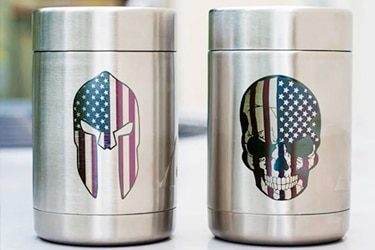
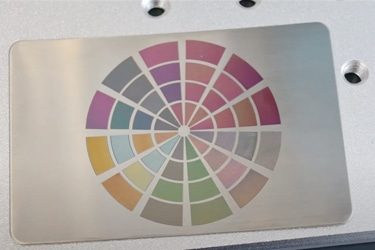
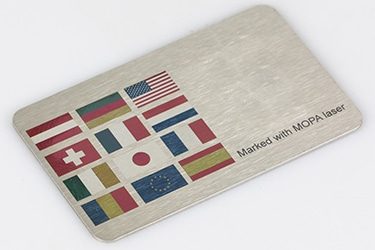
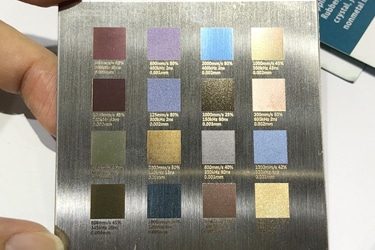
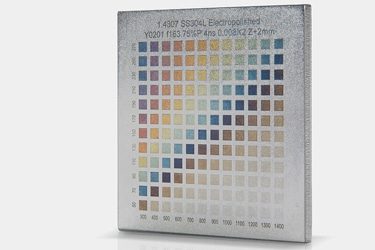
Application of 30W MOPA Laser Marking Machines


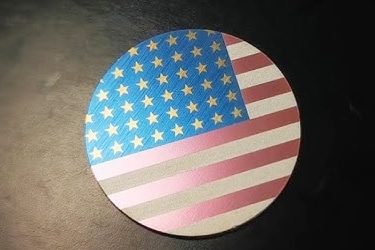
Customer Testimonials
Comparison VS Other Marking Technologies
| Comparison Item | MOPA Laser Marking | Dot Peen Marking | Inkjet Printing | Chemical Etching |
|---|---|---|---|---|
| Marking Speed | Very fast; suitable for high-volume production | Moderate; mechanical impact slows it down | Fast, but requires drying | Slow; multi-step process |
| Marking Quality | Extremely fine, clean, and high contrast | Medium; rough, dotted appearance | Good, but can smear or fade | Good, depends on chemical precision |
| Material Compatibility | Works on metals, plastics, anodized and coated materials | Mostly metals | Metals, plastics, paper | Metals and coated materials |
| Color Marking Capability | Can create vivid color marks on stainless steel and anodized aluminum | Not possible | Limited to ink colors | Not possible |
| Permanence | Permanent, wear- and corrosion-resistant | Permanent, but can deform surface | Temporary; ink can fade | Permanent, but surface can degrade |
| Surface Damage | Non-contact; no material deformation | Indents and scratches surface | No physical damage | Can erode or discolor surface |
| Precision on Small Parts | Excellent; ideal for micro-marking | Limited accuracy | Moderate; depends on printhead | Good but less controlled |
| Maintenance Requirements | Very low; no consumables | Frequent stylus replacement | Frequent ink and nozzle cleaning | Regular chemical replacement and cleanup |
| Operating Cost | Low after purchase; no consumables | Low to medium; mechanical wear parts | High; ongoing ink and solvent costs | Medium; chemical use and waste handling |
| Environmental Impact | Eco-friendly; no chemicals or waste | Minimal | Uses solvents, creates fumes | Produces hazardous waste |
| Noise Level | Silent operation | Noisy; mechanical impact | Quiet | Silent |
| Automation Integration | Easily automated; software-controlled | Possible, but slower | Easy to integrate | Difficult; mostly manual |
| Marking Depth Control | Adjustable pulse width allows precise control | Fixed by stylus pressure | Not applicable | Limited by etching time |
| Suitable for 2D Codes / QR Codes | Excellent; precise and high contrast | Poor readability | Moderate; prone to smudging | Not ideal for fine detail |
| Lifespan & Reliability | Over 100,000 hours; minimal wear | Moderate; frequent part replacement | Moderate; nozzle wear and clogging | Shorter; tank corrosion and chemical fatigue |
Why Choose Us
High Precision
Our machines deliver sharp, detailed markings with excellent contrast, suitable for complex patterns and small components across metal, plastic, and other materials.
Fast Processing
Designed for speed and efficiency, our systems complete marking tasks quickly without compromising quality, making them ideal for high-volume production environments.
Low Maintenance
With durable components and minimal consumables, our machines offer stable long-term performance, reducing downtime and keeping operating costs low.
Flexible Solutions
We provide a variety of models and customization options to suit different materials, marking needs, and production setups, ensuring the right fit for your business.
Related Resources
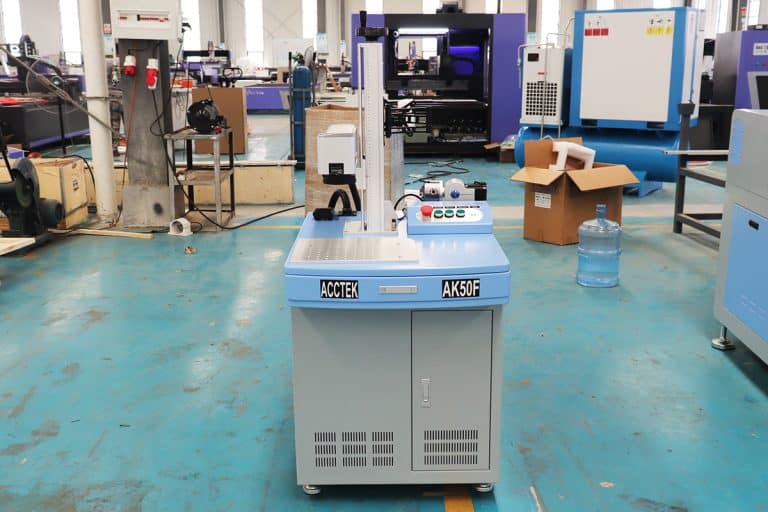
How Do Laser Parameters Affect The Marking Effect?
This article explores how laser power, speed, frequency, pulse width, focus, wavelength, hatch spacing, and material properties influence marking quality, depth, contrast, and precision.
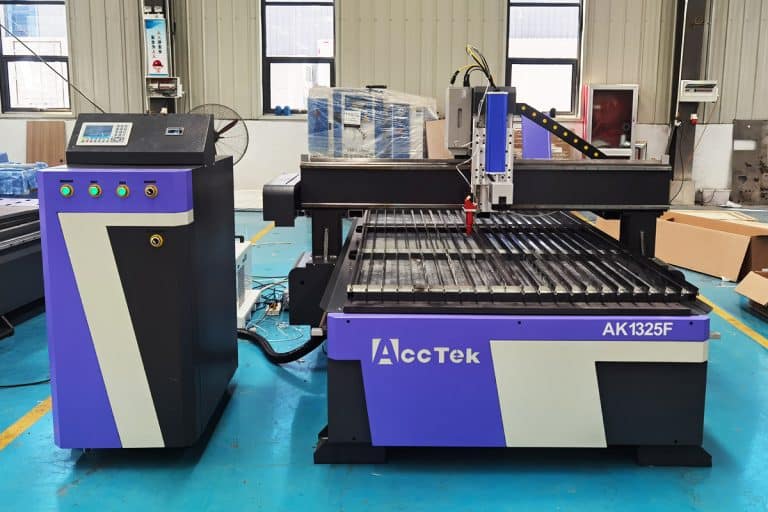
How Does Laser Beam Quality Affect Marking Results?
This article explores how laser beam quality affects marking clarity, contrast, line width, edge sharpness, depth control, heat input, material response, and marking repeatability.
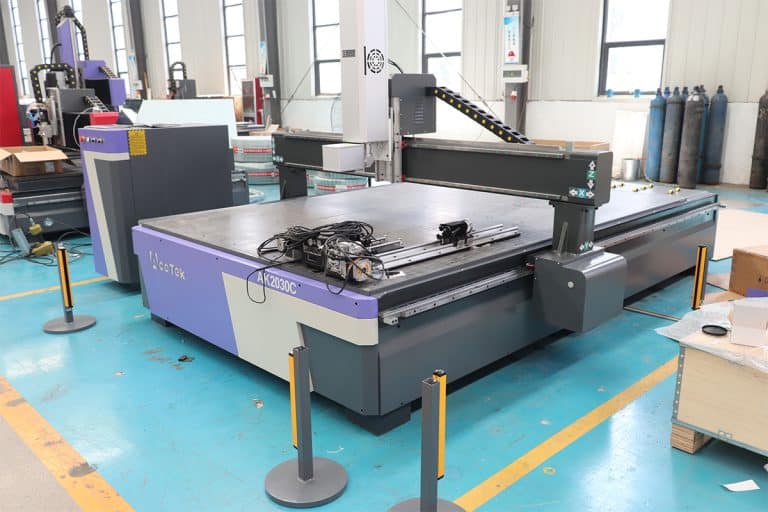
Can Laser Marking Be Removed
This article explores whether laser marking can be removed, the techniques used on different materials, common challenges, removal risks, and industrial use cases.
Can Lasers Be Used For Color Marking
This article explores how laser color marking works, the materials and colors it supports, its industrial applications, advantages, limitations, quality control, and safety factors.
Frequently Asked Questions
What Models Are Available For 30W MOPA Laser Marking Machines?
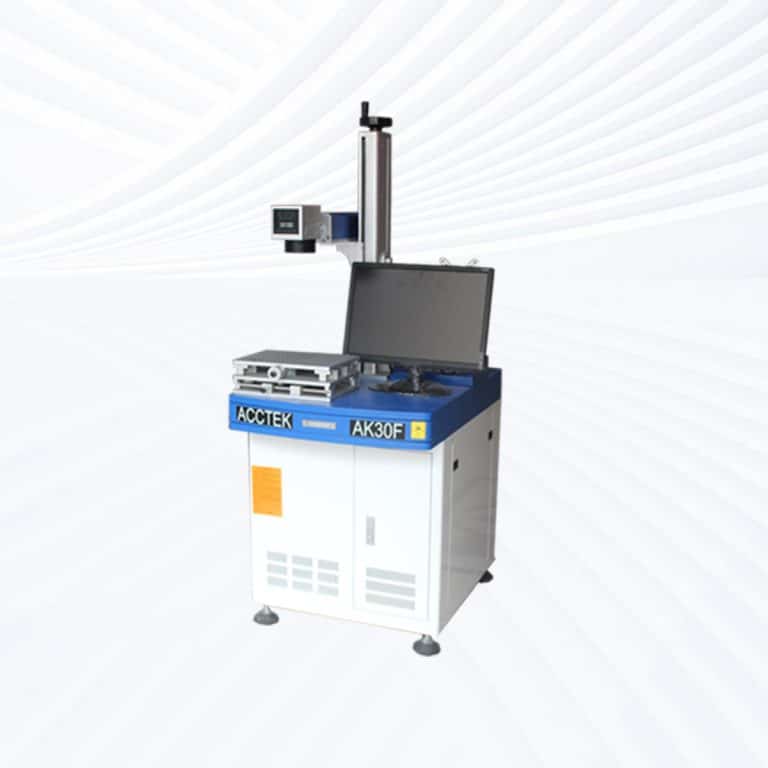
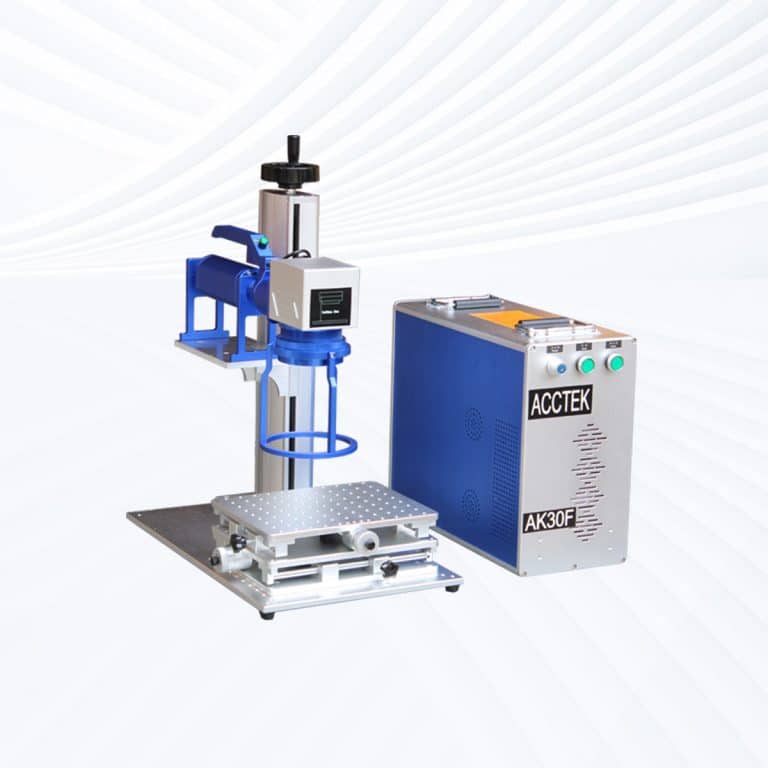
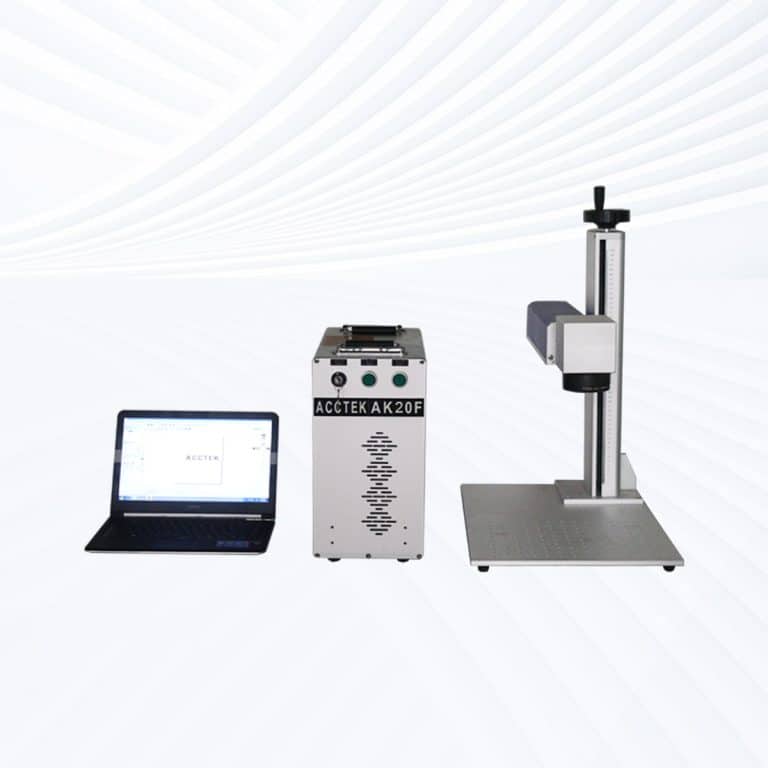
- Desktop Models: Compact, precise, and efficient, desktop 30W MOPA systems are perfect for fine color marking on stainless steel, titanium, and anodized aluminum. Their stable structure and wide parameter range make them suitable for workshop or laboratory use.
- Portable Models: Designed for mobility and flexibility, portable 30W MOPA lasers provide the same performance as desktop systems but can be easily relocated. They’re commonly used for part labeling, metal tag engraving, and field applications.
- Handheld Models: Built for large or irregularly shaped workpieces, handheld versions enable direct marking without moving the object. The 30W power ensures clear, deep, and colorful markings on industrial components and machinery.
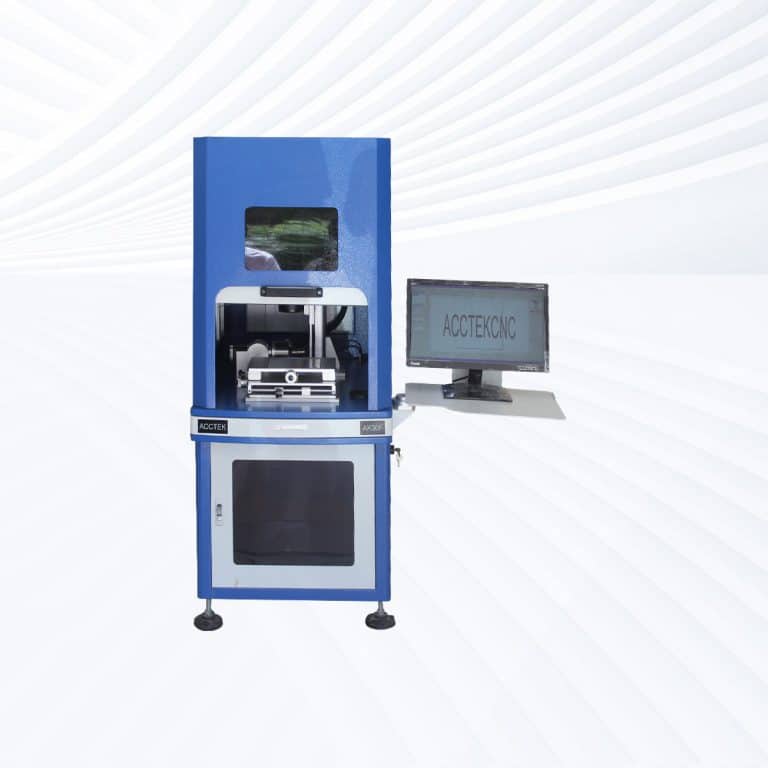
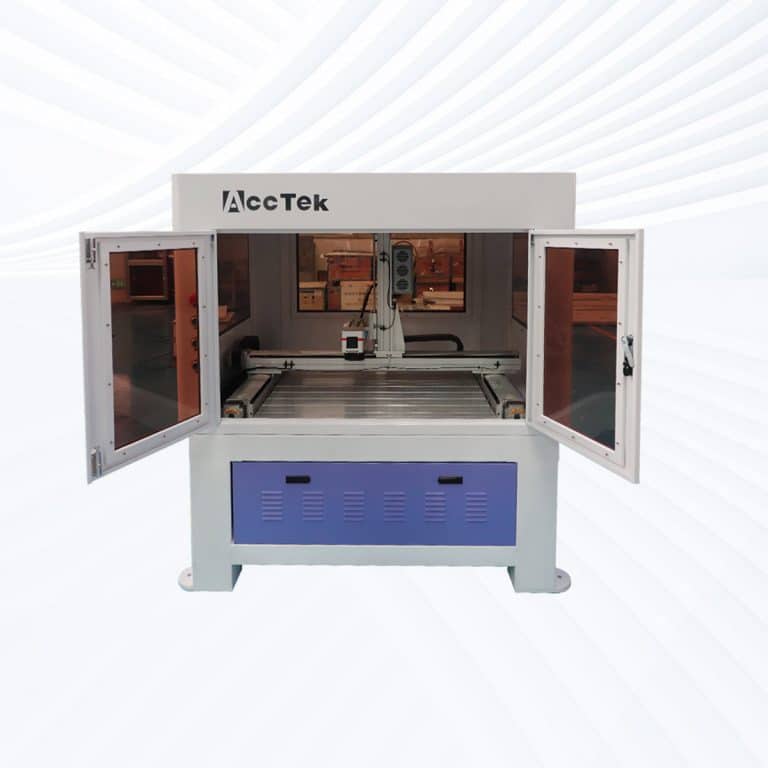
- Fully Enclosed Systems: These machines feature laser-safe enclosures, observation windows, and integrated fume extraction. They are ideal for clean manufacturing environments, ensuring operator safety and consistent marking quality.
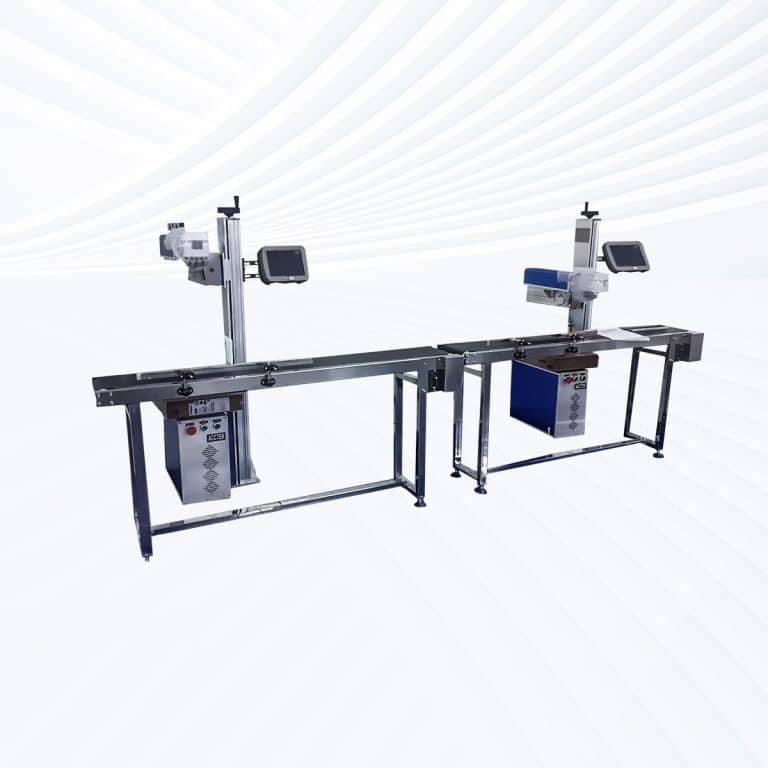
- Flying Lasers: Integrated into automated production lines, flying MOPA models allow continuous marking on moving items like packaging, electronics, or cables. Adjustable pulse parameters ensure vivid, durable color markings even at high speed.
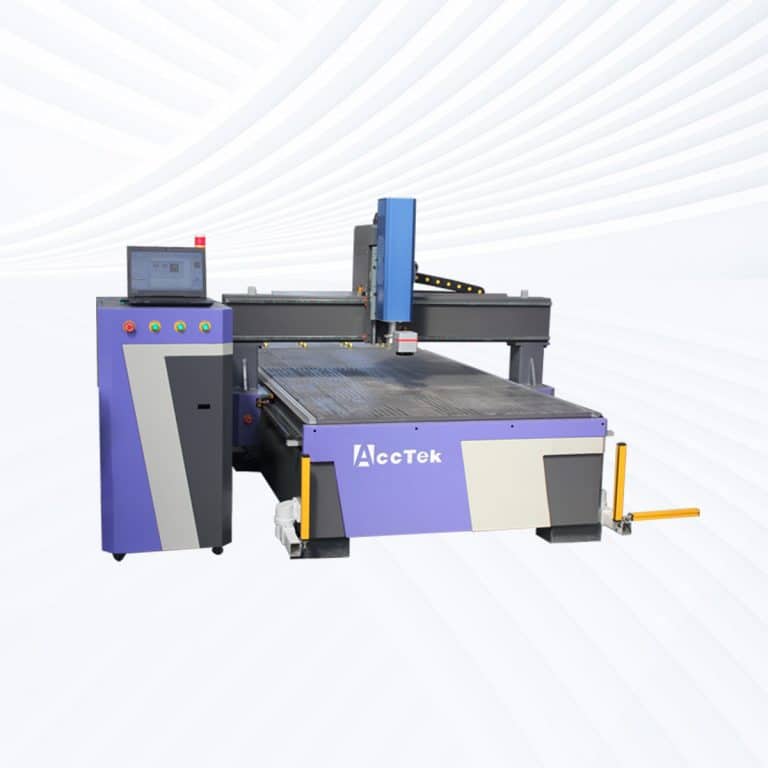
- Large-Area Screw-Drive Systems: Using precision ball-screw motion control, these systems deliver highly stable, detailed marking over large areas. They’re perfect for molds, panels, or industrial components requiring fine detail and uniform color effects.
- Large-Area Open Rack-Drive Systems: Designed for efficiency and accessibility, rack-driven MOPA systems handle oversized parts or batch marking applications. The open layout and high-speed operation make them well-suited for industrial-scale production.
How Much Do 30W MOPA Laser Marking Machines Cost?
- Desktop Models ($2600–3200): Compact and stable, these machines are ideal for small-scale precision marking and color engraving on stainless steel, aluminum, and titanium. Their affordability and accuracy make them the most popular choice for entry-level industrial users.
- Portable Models ($2600–3200): Offering identical optical performance with improved mobility, portable versions allow operators to move between workstations easily. They’re perfect for light manufacturing and workshop environments where flexibility is key.
- Handheld Units ($3000–3600): Designed for marking large or irregularly shaped components, handheld 30W MOPA lasers combine deep engraving ability with high color quality. They are widely used for machinery, pipework, and custom metal product marking.
- Fully Enclosed Systems ($3300–3900): Built with protective housings, fume extractors, and laser-safe viewing glass, enclosed models provide maximum safety and cleanliness. They are suitable for cleanroom, laboratory, or precision production environments.
- Flying Fiber Lasers ($3900–4500): Integrated into conveyor or robotic lines, these high-speed systems mark moving products continuously. Adjustable pulse width ensures clear and colorful results on plastics, electronics, and metal packaging.
- Large-Area Screw-Drive Systems ($6900–9500): Featuring precision ball-screw transmission, these machines provide smooth, accurate marking across extended surfaces. They are commonly used for molds, plates, and industrial panels that require detailed or multi-color engraving.
- Large-Area Open Rack-Drive Systems ($8000–8600): Designed for speed and accessibility, these rack-driven machines handle oversized workpieces and high-volume production efficiently. They’re ideal for mass production where throughput and flexibility matter most.
Is It Safe To Use 30W MOPA Laser Marking Machines?
- Laser Classification and Eye Protection: 30W MOPA laser marking machines are classified as Class 4 lasers, meaning they can cause serious eye or skin injury from direct or reflected exposure. The beam operates at around 1064 nm, which is invisible to the human eye but can permanently damage the retina. Operators must always wear laser safety glasses rated for 1064 nm and avoid looking at the beam or reflective surfaces during operation.
- Protective Enclosure: Most MOPA laser marking systems can be configured as open or enclosed units. Enclosed machines, equipped with interlocks and laser-blocking panels, provide the highest safety level by containing the beam and preventing accidental exposure. Open machines require stricter adherence to protective eyewear and restricted access zones around the marking area.
- Ventilation and Fume Extraction: When marking metals, plastics, or painted surfaces, small amounts of fumes and particulates are released. A fume extraction system should always be used to remove smoke and airborne contaminants from the workspace. Proper ventilation prevents operator inhalation and maintains clean optics.
- Electrical and Grounding Safety: The machine must be connected to a properly grounded electrical outlet to prevent static or electrical shock. Periodic inspection of cables, plugs, and grounding terminals ensures safe and stable operation. Avoid using the machine near water or in humid environments.
- Fire and Heat Safety: While MOPA marking generates minimal heat compared to cutting lasers, flammable materials (like paper or coated plastics) should not be left unattended during operation. Keep a fire extinguisher nearby and maintain a clean workspace free of debris or oil residues.
- Operational Training: Only trained personnel should operate the machine. Training should cover safe startup and shutdown procedures, focus adjustment, and emergency stop usage. The operator must understand how to respond to warning alarms and how to avoid unintentional exposure.
- Compliance and Labeling: All certified 30W MOPA laser marking machines should carry CE, FDA, or ISO safety certifications and have visible laser hazard labels. Operators should not remove or tamper with safety covers, interlocks, or labels.
What Are The Disadvantages Of 30W MOPA Laser Marking Machines?
- Higher Cost Compared to Standard Fiber Lasers: MOPA laser systems are more expensive than traditional Q-switched fiber lasers due to their advanced pulse modulation technology. The higher manufacturing cost of the MOPA source, combined with its complex control electronics, makes it less economical for users who only require standard black or deep engravings.
- Slower Marking Speed for Certain Applications: Although 30W MOPA lasers provide superior marking precision, achieving detailed results—especially for color marking or fine grayscale work—requires lower marking speeds. Adjusting pulse width and frequency for high-quality finishes can reduce productivity in high-volume production environments.
- Limited Color Marking Consistency: Color marking on stainless steel or titanium, one of MOPA’s signature advantages, can be inconsistent depending on surface quality, oxidation behavior, and laser parameters. Environmental factors such as temperature and humidity can also affect color tone repeatability, making it challenging to reproduce identical results across batches.
- Complex Parameter Adjustment: MOPA marking technology allows independent control of pulse width and frequency, which enhances flexibility but increases setup complexity. Operators need to understand the interaction between these parameters to achieve optimal marking effects. Without sufficient training or experience, users may struggle to balance marking depth, color, and surface smoothness.
- Limited Depth for Deep Engraving: While the 30W MOPA laser excels at fine and shallow surface marking, it is not ideal for deep engraving or thick material removal. Its lower average power compared to high-wattage Q-switched or continuous-wave lasers makes it less suitable for heavy-duty engraving applications.
- Maintenance and Environmental Sensitivity: Though generally stable, MOPA laser marking systems rely on precise optical and electronic components that are sensitive to dust, moisture, and vibration. Improper environmental control or irregular maintenance can affect marking quality or shorten system lifespan.
- Material Limitations: Certain plastics and reflective metals may not respond well to MOPA marking due to their absorption characteristics at 1064 nm. Achieving uniform marking on materials like copper or brass often requires fine-tuning or multiple passes, which can increase processing time.
How Quiet Are 30W MOPA Laser Marking Machines?
- Laser Source: The laser source in MOPA laser marking systems is typically quiet because it uses fiber optics, which does not involve moving parts in the laser generator itself. Therefore, the laser generation process itself does not contribute significantly to the noise.
- Air Assist System: The air assist system, which is used to clear debris and reduce heat during marking, can generate some noise. This system uses compressed air to cool the marked area, which might make a soft but continuous humming sound.
- Cooling System: MOPA lasers often use water cooling systems or air-based cooling for heat dissipation. While these cooling systems are relatively quiet, they can still produce a low-level sound from circulating air or water, especially if the system is under a higher load.
- Movement Mechanism: The movement of the laser head or the scanning mirrors inside the laser system typically does not generate a lot of noise. However, higher speeds may lead to a slight increase in vibration, which can cause a bit of mechanical noise.
- Marking Material: The material being marked may also influence the noise levels. Harder materials like metals may produce higher-pitched sounds due to the way the laser interacts with the surface.
- Typical Noise Levels: The typical sound level from 30W MOPA laser marking machines is around 60-70 dB, which is similar to the noise level of a normal conversation or the background noise in an office. This is quieter than other industrial machines, such as those used for cutting or engraving, which often reach higher decibel levels.
What Are The Environmental Requirements For 30W MOPA Laser Marking Machines?
- Temperature
- Operating Temperature: The ideal operating temperature range for a 30W MOPA laser marking machine is 10℃ to 35℃ (50℉ to 95℉). This ensures that the machine components function efficiently and prevents overheating, which can damage the system.
- Storage Temperature: The storage temperature range should be -10℃ to 45℃ (14℉ to 113℉), protecting sensitive components such as lasers and electrical circuits from extreme temperatures that can cause wear or malfunction.
- Humidity
- Relative Humidity: The machine should operate in an environment with a relative humidity of 10% to 90%. This range helps avoid issues like condensation or excess moisture that can damage the internal electrical components and laser optics.
- Avoid Condensation: Ensure that the machine is not exposed to high humidity or sudden changes in temperature that could lead to condensation forming on the machine, which can cause electrical short circuits or rust.
- Ventilation
- Good Air Circulation: Proper ventilation is crucial to prevent the machine from overheating. Ensure that the machine is placed in a room with sufficient airflow to dissipate the heat generated during operation.
- Fume Extraction: MOPA lasers, like other high-powered lasers, may generate fumes depending on the materials being marked. A fume extraction system should be in place to filter out harmful gases and particles, ensuring a safe and clean working environment.
- Power Supply
- Stable Power Source: The machine requires a stable 220V power supply with a frequency of 50Hz to 60Hz. Fluctuations in power supply can cause operational instability or damage to the laser system.
- Surge Protection: It’s advisable to use a surge protector or uninterruptible power supply (UPS) to safeguard the machine from power spikes or outages, ensuring smooth and safe operation.
- Dust and Contaminants
- Clean Environment: The area where the laser marking machine is placed should be free of excessive dust and contaminants. Dust and dirt can settle on the machine’s optics and affect the performance and precision of the marking. The environment should be as clean as possible to prevent such issues.
- Avoid Pollutants: The machine should be kept away from sources of airborne pollutants like smoke, chemicals, or corrosive gases, which can deteriorate the system over time.
- Lighting
- Adequate Lighting: While it’s not as critical as temperature or humidity, ensuring proper ambient lighting in the workspace is necessary for operators to effectively monitor the marking process.
- Avoid Direct Sunlight: Avoid placing the machine in direct sunlight or under extreme artificial lighting, as this could cause inconsistencies in marking quality or overheating of the system.
- Noise Levels
- Noise Control: While MOPA lasers are generally quieter than CO2 lasers, they may still emit some noise due to fans or the cooling system. The operating environment should aim for noise levels of under 80dB for operator comfort.
- Surface and Placement
- Stable Surface: The machine must be placed on a stable, vibration-free surface to avoid potential damage or inaccurate marking. This helps ensure precision during the marking process.
- Adequate Space: Leave at least 1 meter of space around the machine to allow sufficient airflow and provide easy access for maintenance and safety.
- Operator Safety
- Laser Safety: Proper laser safety precautions must be followed, including the use of laser safety goggles to protect the eyes from accidental exposure to the beam.
- PPE (Personal Protective Equipment): Operators should wear appropriate PPE, such as safety glasses, gloves, and lab coats, to ensure protection from laser exposure, fumes, or potential accidents.
- General Setup
- Minimize Environmental Variability: Try to keep the room temperature and humidity stable, as fluctuations can affect the laser’s consistency and performance. Avoid placing the machine near high-traffic areas, open windows, or areas where temperatures change rapidly.
- Space Considerations: Ensure that the marking area has adequate space for the machine to operate without obstruction and that the setup supports efficient maintenance.
What Is The Service Life Of 30W MOPA Laser Marking Machines?
- Laser Source
- Service Life: Typically 25,000 to 30,000 hours.
- Factors: The MOPA laser’s lifespan is largely dependent on the quality of the laser diode. MOPA lasers, being more efficient in operation, can often last longer than traditional lasers due to their better-controlled pulse rates.
- Cooling System
- Service Life: The cooling system (air-cooled or water-cooled) usually lasts around 5-10 years.
- Factors: Proper maintenance, including ensuring clean filters and proper coolant levels, will help maintain its efficiency and prevent overheating.
- Mechanical Components
- Service Life: Mechanical components such as scanners, motors, and guides typically last 5-10 years.
- Factors: Wear and tear from usage is a significant factor. Regular cleaning, lubrication, and proper alignment will extend their operational life.
- Optical Components (Lenses & Mirrors)
- Service Life: 2-5 years, depending on usage and material type.
- Factors: Optical components are more susceptible to contamination, so regular cleaning and protection are essential for extending their lifespan.
- Overall Machine Life
- Service Life: With proper care, 30W MOPA laser marking machines can last 10-15 years.
- Factors: Key aspects that influence overall life include frequency of use, maintenance, and environmental conditions (such as dust or temperature).
- Laser Diode Replacement
- Service Life: The laser diode generally needs to be replaced after about 25,000 to 30,000 hours of operation.
- Factors: Regular maintenance and use of optimal power settings can help prolong the diode’s life.
- Maintenance: Routine maintenance to extend the service life of the machine includes:
- Cleaning the lens and mirrors regularly.
- Monitor the cooling system to prevent overheating.
- Calibrating the system periodically.
- Ensuring proper ventilation to reduce dust buildup.
What PPE Is Required When Operating 30W MOPA Laser Marking Machines?
- Laser Safety Glasses
- MOPA lasers are typically fiber lasers and emit light in the near-infrared (IR) spectrum (around 1064 nm). Laser safety glasses are crucial to protect the eyes from accidental exposure to this wavelength, which can be harmful and cause permanent damage.
- Make sure the glasses are rated for the specific wavelength of the laser and offer protection against reflections as well.
- Protective Clothing
- Operators should wear long-sleeved clothing to avoid direct skin exposure to laser beams or reflections. Special laser-resistant garments may be used for high-power lasers.
- Flame-resistant or heat-resistant clothing may also be advisable, depending on the materials being marked.
- Gloves
- Non-reflective gloves (such as leather or Kevlar gloves) are recommended, especially when handling metal or other reflective materials, as they reduce the risk of accidental reflections from the laser.
- Face Shields
- A face shield can provide additional protection from stray reflections or accidental exposure, particularly when working with reflective materials like metals. Some shields are designed specifically for laser safety.
- Ventilation and Respiratory Protection
- While the laser primarily marks rather than cuts, fumes and particulates can still be produced depending on the material being marked. Ensure that adequate ventilation or an air extraction system is in place.
- Respiratory protection may be required if there are concerns about toxic fumes or particles, especially when working with certain plastics, coatings, or chemicals.
- Work Area Protection
- Laser marking machines should be operated in areas with appropriate laser barriers or shields to prevent exposure to bystanders. These can include physical barriers or curtains designed to absorb or reflect stray laser light.
- Hearing Protection
- While noise is not a major concern with 30W MOPA lasers, hearing protection may still be required in noisy environments or if the laser is being used in a high-noise area.