

Product Introduction
Laser Marking Capabilities
| Material | 30W | 60W | 100W | 150W |
|---|---|---|---|---|
| Wood (Birch, MDF, Pine) | Surface Mark; Deep Engrave | Deep Engrave; Cut (≤5mm) | Deep Engrave; Cut (≤10mm) | Deep Engrave; Cut (≤20mm) |
| Bamboo | Surface Mark; Deep Engrave | Deep Engrave; Cut (≤5mm) | Deep Engrave; Cut (≤10mm) | Deep Engrave; Cut (≤20mm) |
| Leather (Genuine & PU) | Surface Mark; Color Change | Deep Engrave; Burn Mark | Deep Engrave; Burn Mark | Deep Engrave; Burn Mark |
| Acrylic (PMMA) | Surface Mark; Edge Polished Cut (≤3mm) | Deep Engrave; Cut (≤6mm) | Deep Engrave; Cut (≤10mm) | Deep Engrave; Cut (≤20mm) |
| ABS / Plastics (Non-Metallic) | Surface Mark; Color Change | Surface Mark; Light Engrave | Deep Engrave; Surface Burn | Deep Engrave; Surface Burn |
| Glass (With or Without Paste) | Frosted Surface Mark | Frosted Surface Mark; Light Engrave | Deep Frosted Engrave | Deep Frosted Engrave |
| Paper / Cardboard | Fast Mark; Cut (≤2mm) | Fast Mark; Cut (≤3mm) | Fast Mark; Cut (≤5mm) | Fast Mark; Cut (≤10mm) |
| Fabric / Textiles (Cotton, Felt, Denim) | Surface Mark; Pattern Cutting | Surface Mark; Pattern Cutting | Deep Engrave; Cut | Deep Engrave; Cut |
| Rubber (Natural & Silicone) | Surface Mark; Deep Engrave | Deep Engrave | Deep Engrave | Deep Engrave |
| Anodized Aluminum | Surface Mark (Coating Removal) | Surface Mark (Coating Removal) | Surface Mark (Coating Removal) | Surface Mark (Coating Removal) |
| Painted/Coated Metals | Coating Ablation Only (No Metal Removal) | Coating Ablation | Coating Ablation | Coating Ablation |
| Ceramics (With Marking Paste) | Surface Mark (With Paste) | Surface Mark (With Paste) | Deep Engrave (With Paste) | Deep Engrave (With Paste) |
| Stone / Marble / Granite | Surface Mark; Shallow Engrave | Deep Engrave (≤2mm) | Deep Engrave (≤4mm) | Deep Engrave (≤6mm) |
| Glass Fiber / Epoxy Boards | Surface Mark; Shallow Engrave | Deep Engrave | Deep Engrave | Deep Engrave |
| Foam / EVA | Surface Mark; Cut (≤3mm) | Deep Engrave; Cut (≤6mm) | Deep Engrave; Cut (≤10mm) | Deep Engrave; Cut (≤15mm) |
| PVC | Not Recommended (toxic fumes) | Not Recommended | Not Recommended | Not Recommended |
| Metals (Stainless, Carbon, Brass, Copper) | Not Recommended (use Fiber Laser) | Not Recommended | Not Recommended | Not Recommended |
Compatible Materials
- Acrylic
- Plexiglass
- Polycarbonate
- Polyethylene
- Polypropylene
- ABS Plastic
- Polystyrene
- Polyvinyl Chloride
- Rubber
- Silicone
- Felt
- Polyester
- Cardstock
- Anodized Aluminum
- Laminates
- Organic Composites
- Coated Metals
- Eggshell
- Natural Fibers
- Synthetic Fibers
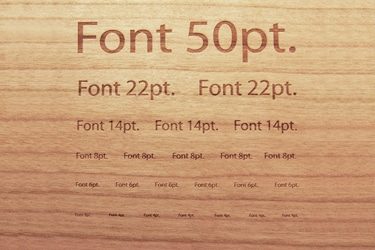
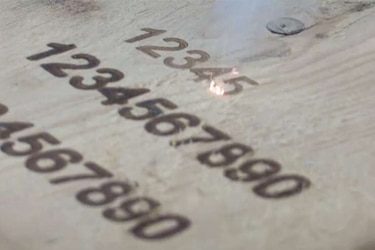
Application of 100W CO2 Laser Marking Machines





Customer Testimonials
Comparison VS Other Marking Technologies
| Comparison Item | CO2 Laser Marking | Dot Peen Marking | Inkjet Printing | Chemical Etching |
|---|---|---|---|---|
| Marking Method | Non-contact laser beam vaporizes surface | Mechanical impact using stylus | Ink-based printing | Acid or chemical corrosion |
| Suitable Materials | Non-metals (wood, leather, plastics, glass, paper, ceramics) | Mostly metals | Paper, plastic, metal, glass | Metals, coated materials |
| Marking Speed | Very fast; suitable for continuous production | Moderate; depends on hardness | High-speed | Slow, multi-step process |
| Marking Precision | Extremely high; fine and detailed marks | Moderate; limited by stylus tip | Medium; dependent on droplet control | High, but requires masking |
| Heat Effect on Material | Minimal; clean and smooth | Generates frictional heat | None | Can cause surface damage |
| Marking Quality | Clean, sharp, and permanent | Rough, indented marks | Good but prone to fading | Smooth but may leave residue |
| Permanence of Marking | Permanent and wear-resistant | Permanent but may deform surface | Non-permanent; ink can fade | Permanent but prone to corrosion |
| Surface Damage | Non-contact, no damage | Causes indentation | None | May etch or weaken surface |
| Maintenance Requirements | Very low; no consumables | Frequent stylus replacement | High; needs ink and nozzle cleaning | Requires chemical handling |
| Consumables Needed | None | Stylus tips | Ink cartridges, solvents | Acids and masks |
| Environmental Impact | Eco-friendly; no waste | Minimal | Generates ink waste | Produces hazardous chemical waste |
| Noise Level | Silent operation | Noisy due to mechanical impact | Quiet | Silent |
| Automation Compatibility | Easily integrated into automated lines | Limited | Easy to automate | Difficult; mostly manual |
| Operating Cost | Low long-term cost | Medium | High due to ink use | Medium to high |
| Ideal Applications | Organic materials, packaging, plastics, wood, glass | Metal tags, nameplates, industrial parts | Labels, barcodes, dates | Metal parts, decorative engraving |
Why Choose Us
High Precision
Our machines deliver sharp, detailed markings with excellent contrast, suitable for complex patterns and small components across metal, plastic, and other materials.
Fast Processing
Designed for speed and efficiency, our systems complete marking tasks quickly without compromising quality, making them ideal for high-volume production environments.
Low Maintenance
With durable components and minimal consumables, our machines offer stable long-term performance, reducing downtime and keeping operating costs low.
Flexible Solutions
We provide a variety of models and customization options to suit different materials, marking needs, and production setups, ensuring the right fit for your business.
Related Resources
Can Laser Marking Be Removed
This article explores whether laser marking can be removed, the techniques used on different materials, common challenges, removal risks, and industrial use cases.
Can Lasers Be Used For Color Marking
This article explores how laser color marking works, the materials and colors it supports, its industrial applications, advantages, limitations, quality control, and safety factors.
What Is The Lifespan Of Laser Marking Machines
This article explores the lifespan of laser marking machines, including laser types, key components, operating factors, maintenance needs, and cost considerations across different industries.
What Are The Design Limitations Of Laser Marking
This article explores the key design limitations of laser marking, including material compatibility, resolution, durability, cost, and integration challenges, with insights on optimizing performance in real-world applications.
Frequently Asked Questions
What Models Are Available For 100W CO2 Laser Marking Machines?
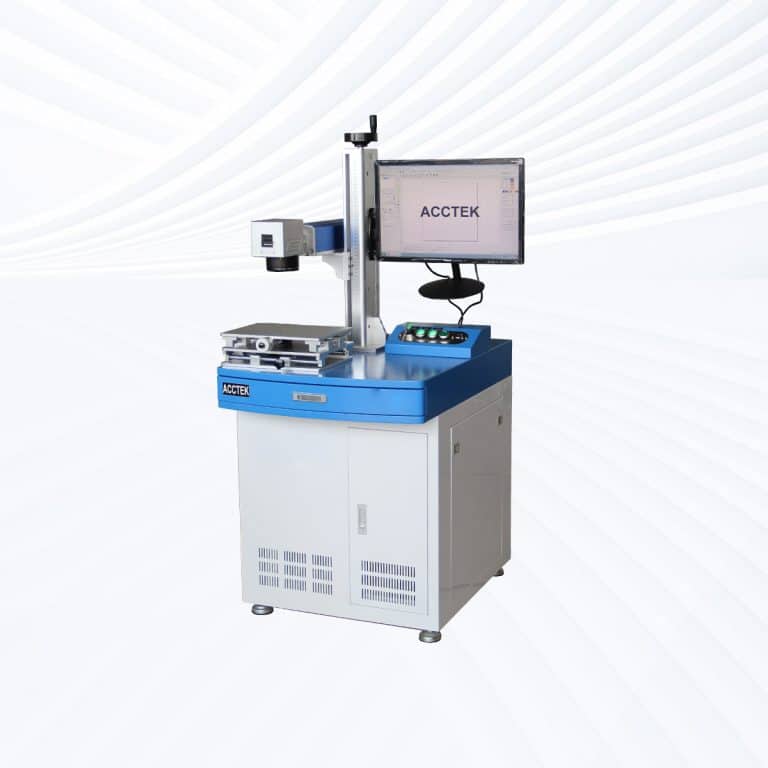
- Desktop Models: Desktop 100W CO2 laser marking machines are compact and efficient systems designed for workshops or production spaces where high precision and consistent engraving depth are required. They are ideal for medium-volume tasks such as signage, woodcraft, and acrylic marking.
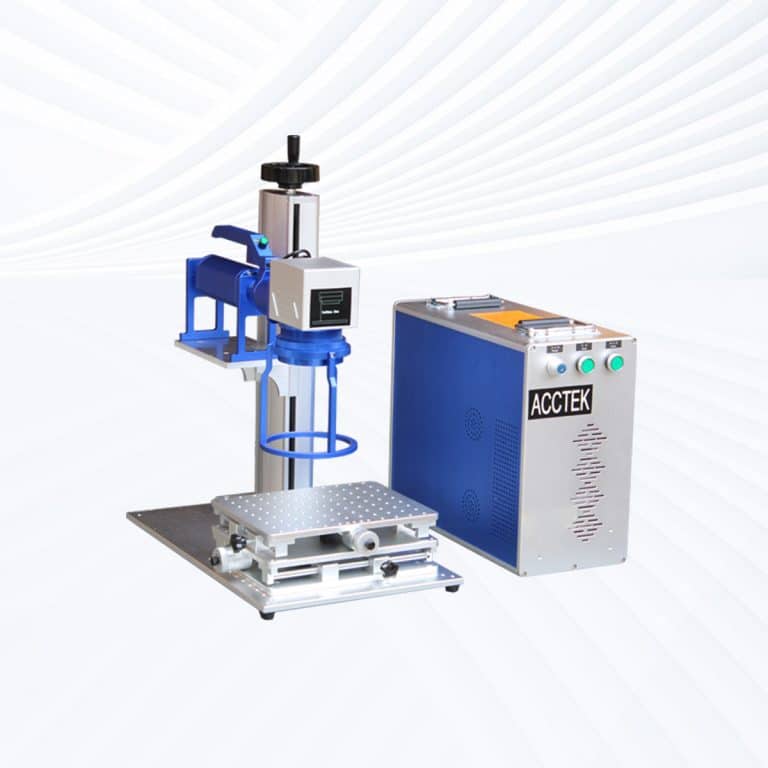
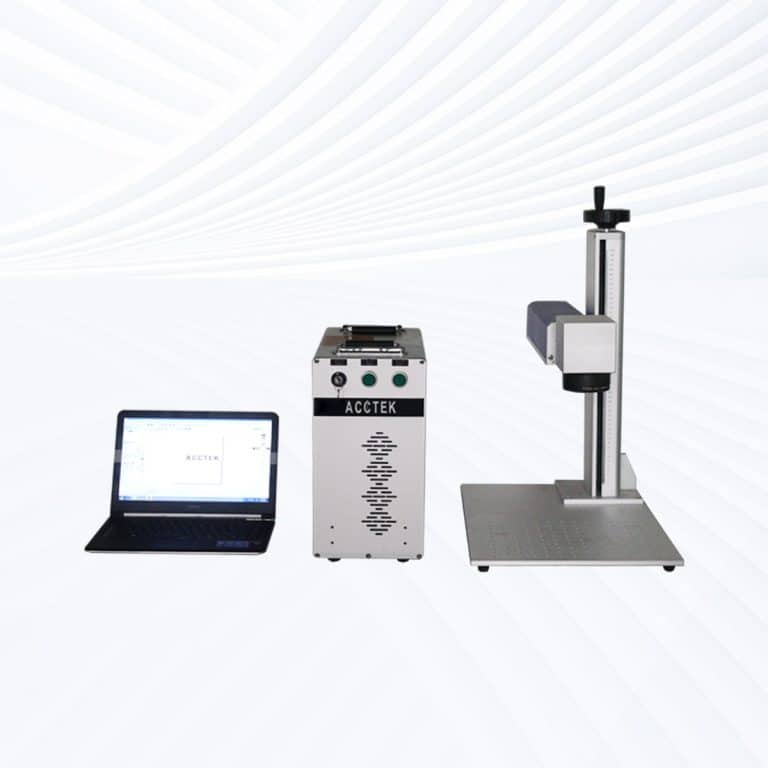
- Portable Models: Portable 100W CO2 laser marking systems combine strong laser power with easy mobility. These machines can be quickly moved between stations or used for marking large parts on-site, making them excellent for manufacturers that need flexibility in marking operations.
- Handheld Models: Handheld 100W CO2 laser marking machines are ideal for oversized or fixed workpieces that cannot be placed on a worktable. The handheld design allows for direct marking of wooden furniture, leather sheets, or large panels with excellent beam stability and clarity.
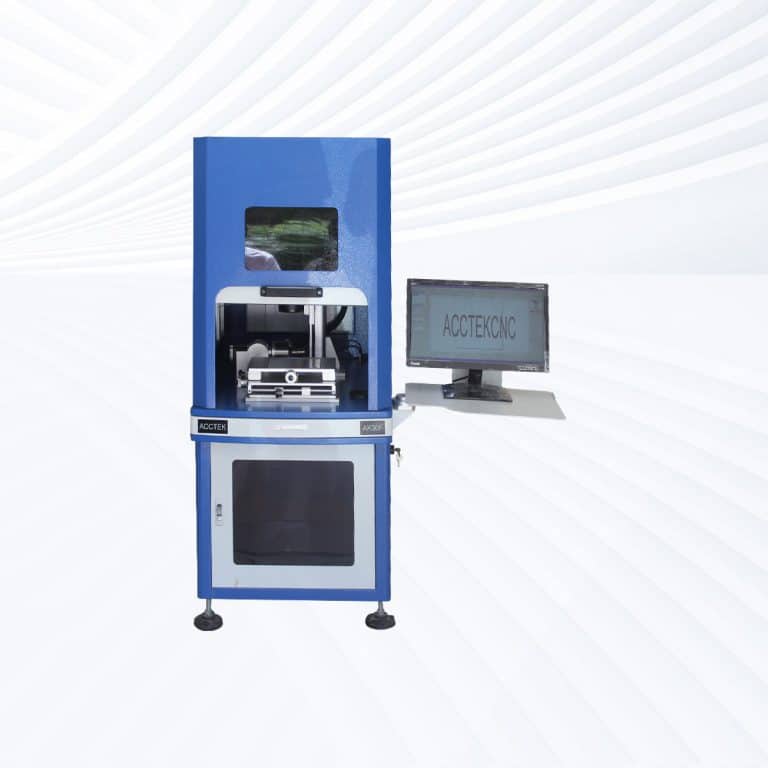
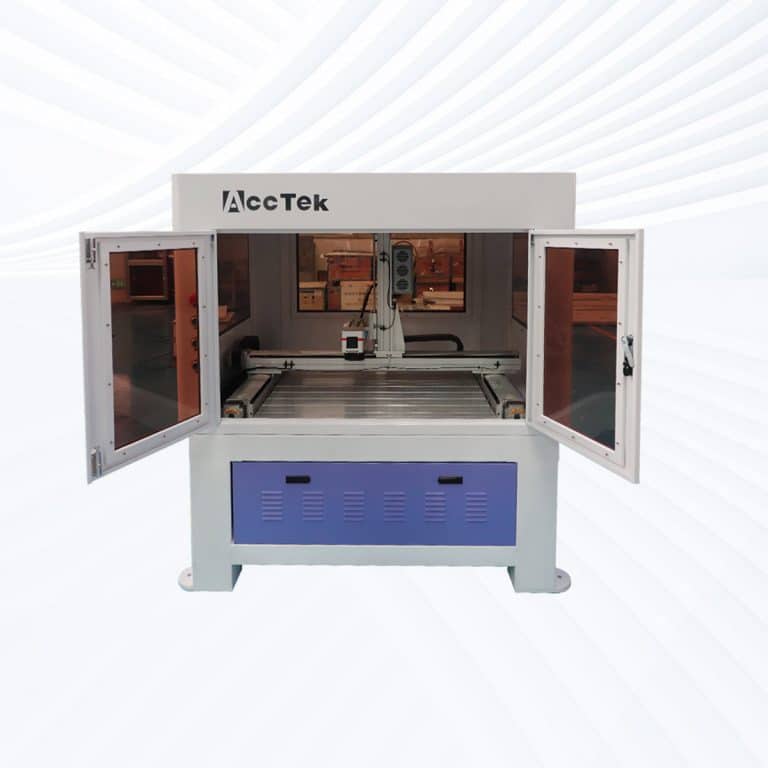
- Fully Enclosed Models: Fully enclosed 100W CO2 laser marking systems offer maximum operator protection through sealed laser chambers, smoke extraction, and safety interlocks. They are commonly used in environments where safety, dust control, and visual cleanliness are essential, such as electronics or medical equipment production.
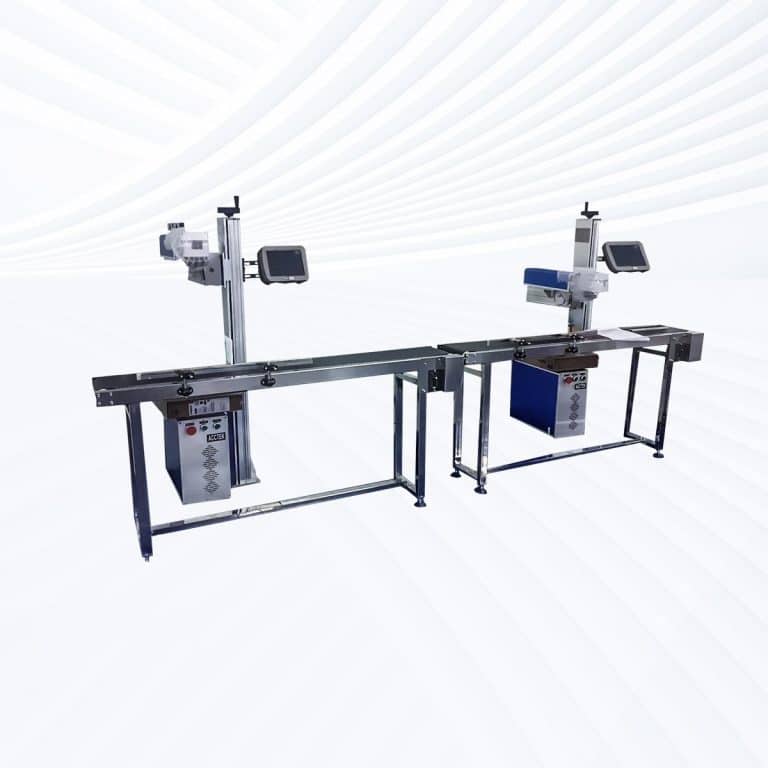
- Flying CO2 Lasers: Flying 100W CO2 laser marking machines are built for inline, continuous marking on production conveyors. Their high laser power allows rapid engraving on moving packaging materials such as paperboard, glass bottles, or coated plastics — ideal for date codes, barcodes, and logos in high-speed production lines.
- Large-Area Screw-Drive Systems: Equipped with precision screw-drive transmission, these machines provide ultra-smooth motion and fine engraving over large areas. The screw-drive structure ensures high positioning accuracy, making them suitable for detailed engraving on wood panels, acrylic boards, or industrial labeling plates.
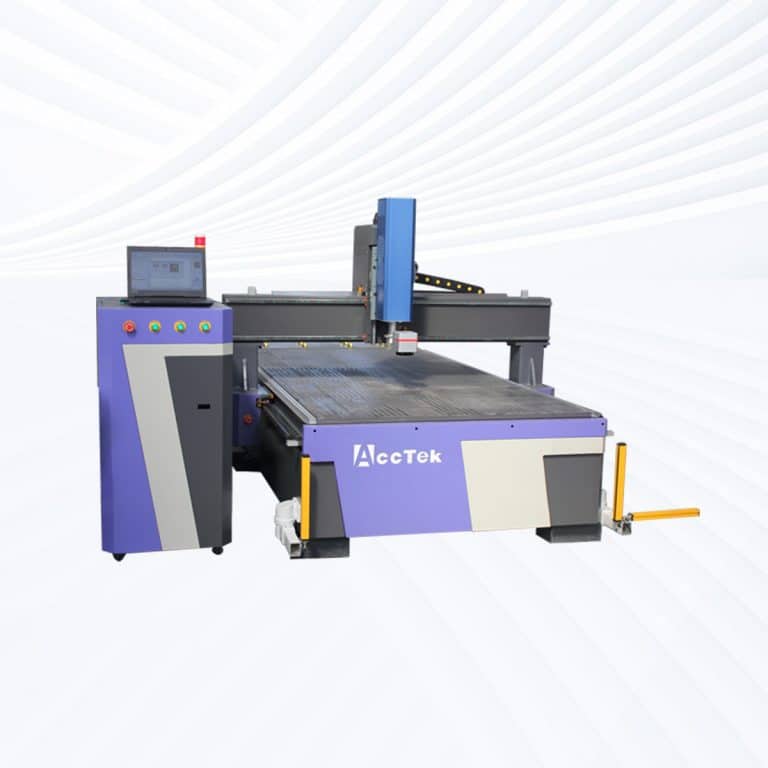
- Large-Area Open Rack-Drive Systems: Open rack-drive models feature rack-and-pinion movement for high-speed marking and improved accessibility for large-format materials. These systems are designed for heavy-duty industrial applications such as furniture engraving, decorative panel marking, and bulk production, where fast throughput is essential.
How Much Do 100W CO2 Laser Marking Machines Cost?
- Desktop Models ($3900–9900): Desktop 100W CO2 laser marking machines provide a compact footprint with powerful output suitable for engraving and cutting non-metal materials like wood, leather, and acrylic. They are ideal for small-to-medium workshops needing professional-grade performance without occupying extensive space.
- Portable Models ($3900–9900): Portable configurations offer flexibility and ease of transport, making them well-suited for businesses that need to move marking stations or handle on-site customization tasks. Despite their mobility, they retain full laser power and precision for consistent results.
- Handheld Models ($4100–10100): Handheld 100W CO2 laser marking systems are designed for marking or engraving on large or stationary materials. They enable direct, ergonomic marking on bulky items like furniture, packaging boxes, or leather sheets without repositioning the workpiece.
- Fully Enclosed Models ($4600–10600): Fully enclosed 100W CO2 laser marking machines prioritize safety and cleanliness. They include sealed laser chambers, protective housings, and integrated smoke exhaust systems, making them ideal for regulated industries such as electronics, medical labeling, and food packaging.
- Flying CO2 Models ($5200–11600): Flying 100W CO2 laser marking systems are used for continuous marking on conveyor belts or production lines. They can operate at high speeds without compromising accuracy, making them a reliable choice for marking codes, serials, and logos on bottles, cartons, and cables in mass production environments.
- Large-Area Screw-Drive Systems ($8500–14500): These models employ precision screw-drive motion to ensure stable performance and high-resolution engraving across extended working areas. They’re perfect for industrial applications requiring fine detailing on large panels, signage, or multi-material products.
- Large-Area Open Rack-Drive Systems ($8600–14600): Rack-and-pinion models emphasize speed and accessibility for large-format work. They’re ideal for workshops and factories handling oversized or thick materials such as decorative wood panels, acrylic displays, and architectural signage.
What Is The Marking Speed Of 100W CO2 Laser Marking Machines?
- General Speed Range
- For a 100W CO2 laser, marking speeds typically range from 100 mm/s to 1000 mm/s (1 m/s).
- Faster speeds can be achieved for simple designs with less intricate detail, while slower speeds might be needed for high-precision marking or when working with tougher materials.
- Factors Affecting Marking Speed
- Material Type: Softer materials like wood, acrylic, and rubber generally allow for faster marking speeds compared to denser materials like metals.
- Wood and Acrylic: These can typically be marked at higher speeds due to the relatively soft nature of the material.
- Metals: Harder materials such as stainless steel or aluminum require slower speeds or multiple passes, reducing overall marking speed.
- Laser Power and Settings: With a 100W CO2 laser, adjusting parameters such as power, speed, frequency, and focus can drastically affect the marking speed. Higher power and optimized settings can lead to quicker engraving.
- Complexity of Design: More detailed and intricate designs will require slower marking speeds to achieve fine precision, whereas simple, bold text or logos can be marked more quickly.
- Typical Applications
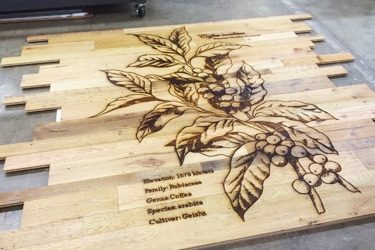
- Wood Marking: Can be done at higher speeds (e.g., 500–1000 mm/s), as wood is relatively soft and doesn’t require excessive power.
- Acrylic and Plastic Marking: Also marked quickly at speeds ranging from 500–1000 mm/s, depending on the material thickness and engraving depth.
- Metal Marking: Requires slower speeds due to the hardness of the material, typically around 100–500 mm/s, with multiple passes if deep engraving is required.
- Efficiency Considerations
- The overall marking speed is directly related to the machine’s cooling efficiency, beam quality, and the ventilation system. Adequate cooling and air assist ensure optimal performance and maintain marking speed without damaging the equipment.
Is It Safe To Use 100W CO2 Laser Marking Machines?
- Laser Safety
- CO2 lasers emit powerful beams of light that can be harmful if directly exposed to the eyes or skin. The 100W power of the machine makes it even more dangerous. Always use protective eyewear that is specifically designed to block or absorb the laser wavelength (typically around 10.6 µm for CO2 lasers).
- The machine should always be operated with the enclosure closed. Most industrial CO2 lasers come with safety covers and shutters that block the laser beam during operation.
- Ventilation and Fume Extraction
- Laser marking, especially on materials like plastics, rubber, and metals, can produce harmful fumes, gases, and particulate matter. Proper ventilation and a fume extraction system are essential to prevent exposure to toxic fumes (e.g., chlorine gas from PVC or carbon monoxide from burning materials).
- Ensure that fume filters are regularly replaced or cleaned to maintain their effectiveness.
- Fire Safety
- Certain materials (wood, paper, and plastics) can catch fire when exposed to high-power laser beams. Always monitor the machine during operation, and have fire extinguishers nearby. Ensure that flammable materials are not placed near the laser marking area.
- Ensure fire-resistant materials are used for the machine’s enclosure to prevent the spread of any potential fire.
- Electrical Safety
- CO2 laser marking machines are high-power devices, so ensure that the electrical connections are secure and the equipment is properly grounded. It’s important to have the machine inspected regularly to avoid issues like electrical short circuits.
- If the machine includes a water-cooling system, check that water levels are adequate and the system is functioning properly to prevent overheating.
- Training and Proper Operation
- Only trained operators should use the 100W CO2 laser marking machine. This includes understanding how to safely adjust settings, change focus, and handle materials to prevent accidents.
- Operators should also be familiar with emergency shutdown procedures and how to troubleshoot the machine safely.
- Regular Maintenance
- Regularly check the optical components (e.g., lenses, mirrors) for damage or debris, as dirty or misaligned optics can result in inefficient operation and may cause accidents.
- The cooling system and air assist components should also be maintained to ensure the machine operates safely and efficiently.
How Noisy Are 100W CO2 Laser Marking Machines?
- Air Assist and Cooling Systems
- The air assist mechanism, which helps to blow debris away from the marking area and improves the cutting or engraving process, is one of the primary sources of noise in CO2 laser marking machines. Air compressors or pumps used to maintain airflow can produce a significant amount of sound, particularly in machines that require higher airflow for larger marking areas.
- Additionally, the cooling system (either water or air-cooled) that ensures the laser tube and other components do not overheat can also generate noise, though it’s usually less significant compared to air assist.
- Laser Mechanism and Motion
- The laser head’s motion, as it moves across the material for engraving or marking, may also create noise. The stepper motors or servo motors that control the movement of the gantry system can add to the overall sound, especially when marking at higher speeds or when the machine is working with larger pieces.
- Material Being Processed
- The type of material being marked can also influence the noise level. Softer materials like paper or acrylic tend to produce less noise during marking, while harder materials like certain metals may produce more noise due to the higher power required for cutting or engraving.
- Enclosure and Soundproofing
- Many 100W CO2 laser marking machines are equipped with enclosures to contain the laser beam and fumes, which can help reduce noise exposure. These enclosures, along with soundproofing materials, can help minimize the noise emitted by the machine, although they do not eliminate it.
- Operational Environment
- The location and environment in which the machine is operated can also impact perceived noise. A machine running in a small, confined room may sound louder due to the acoustics, whereas a larger workshop with more open space may provide better sound dispersion.
What Problems May Occur When Using 100W CO2 Laser Marking Machines?
- Material Compatibility
- Inconsistent results: Certain materials may not be compatible with CO2 lasers or may require special settings to achieve optimal results. For example, reflective metals like aluminum, brass, or copper can cause the laser to lose efficiency, potentially damaging the machine. Additionally, certain plastics (like PVC) can release toxic fumes when cut, posing a health hazard.
- Charring and burning: When marking or cutting materials like wood, especially thicker materials, there is a risk of charred edges or even combustion. Proper ventilation and careful adjustments of speed and power are essential to prevent fire hazards.
- Laser Tube Issues
- Reduced power over time: Over time, the laser tube of the machine can degrade, causing a decrease in power output. This can result in less effective marking or cutting, especially with thicker or harder materials. Replacing the laser tube is a regular maintenance task to ensure continued efficiency.
- Alignment problems: Misalignment of the laser tube can lead to uneven or inaccurate markings. Regular checks and calibration are required to ensure the beam is correctly focused and aligned.
- Cooling System Failures
- Overheating: A malfunctioning cooling system (whether air or water-cooled) can cause the machine to overheat. CO2 lasers generate significant heat during operation, and without proper cooling, the machine may shut down automatically to prevent damage. Inadequate cooling could also lead to reduced marking quality or machine failure.
- Clogging or blockage in cooling lines: Over time, dust or debris can accumulate in the cooling system, especially in water-cooled machines. This could obstruct the flow of coolant, leading to overheating and potential damage to sensitive components.
- Fume and Smoke Accumulation
- Fume buildup: During the marking process, especially with materials like plastic, rubber, or wood, fumes and smoke are generated. If the machine isn’t properly ventilated or connected to an efficient exhaust system, this can lead to poor air quality and potential health risks for operators.
- Smoke residue on lenses: Smoke and particulate matter can accumulate on the focusing lens and mirrors, reducing the laser’s efficiency and causing distorted markings. Regular cleaning of these components is necessary to maintain performance.
- Power Supply Fluctuations
- Power surges or drops: Fluctuations in power supply can cause inconsistent laser operation. Surge protectors and voltage regulation devices can help prevent this issue, which can lead to malfunctioning or damage of the machine’s electrical components.
What Are The Environmental Requirements For 100W CO2 Laser Marking Machines?
- Ventilation and Fume Extraction
- Air Quality: CO2 lasers generate fumes and smoke during the marking or cutting process, especially when working with materials like acrylic, rubber, wood, or plastics. Proper ventilation is crucial to prevent the accumulation of harmful fumes that can affect the health of operators and reduce the quality of the machine’s operation.
- Fume Extraction: An efficient fume extraction system is essential for removing toxic gases and particles from the work area. Without proper extraction, the air may become hazardous to the operator and the surrounding environment. Systems with high-efficiency filters (e.g., activated carbon) can capture and eliminate these contaminants.
- Cooling System Requirements
- Ambient Temperature: CO2 lasers generate significant heat during operation. To prevent overheating and maintain laser efficiency, the operating environment should be kept at an ambient temperature between 20℃ and 25℃ (68℉ to 77℉). Temperatures outside this range may cause the machine to overheat, reduce power output, or damage sensitive components.
- Water or Air Cooling: Many 100W CO2 lasers require an external cooling system to maintain stable operating temperatures. For water-cooled systems, clean and demineralized water should be used to avoid scale build-up. Regular maintenance of cooling systems, including checking for leaks and ensuring proper flow, is essential to prevent overheating.
- Humidity Control
- Humidity Levels: The humidity in the room should be maintained between 40% and 60%. High humidity can cause condensation on internal components, leading to corrosion or electrical malfunctions, while low humidity can generate static electricity, which may damage delicate electronics and sensors within the machine.
- Dehumidification: In areas with high humidity, dehumidifiers may be necessary to maintain stable environmental conditions.
- Cleanliness and Dust Control
- Clean Environment: Dust and debris in the working area can affect the accuracy and quality of the marking. It can also clog ventilation or cooling systems, causing performance issues. The area should be kept clean and free from dust, especially around the laser’s focusing lens, mirrors, and moving parts.
- Air Quality: Ensure that the laser machine is placed in an environment with clean, filtered air to avoid contamination of lenses and mirrors, which can degrade laser beam quality.
- Stable Power Supply
- Power Fluctuations: The machine requires a stable electrical supply with a consistent voltage and frequency. Power fluctuations, such as voltage spikes or surges, can damage internal components or lead to inconsistent performance. Using surge protectors and uninterruptible power supplies (UPS) can safeguard the machine from electrical disturbances.
- Space Requirements
- Sufficient Space: The working area should be spacious enough to accommodate the laser marking machine along with safety zones, ventilation, and cooling systems. There should be adequate clearance around the machine for operator access and to allow for air circulation.
What Training Is Required To Operate 100W CO2 Laser Marking Machines?
- Machine Setup and Operation
- Basic Understanding of Laser Principles: Operators must have a fundamental understanding of how CO2 lasers work, including how the laser beam is generated, focused, and directed onto materials.
- Machine Components: Operators should be familiar with the key components of the machine, including the laser tube, optics, mirrors, motors, and control panel. They should be able to properly align and adjust these components for optimal performance.
- Loading and Preparing Materials: Training should include guidance on how to properly load materials into the machine. Understanding the correct placement and securing of materials is critical to ensuring accuracy and safety during operation.
- Software Operation: Familiarity with the design and control software used to operate the machine (e.g., CorelDRAW, AutoCAD, or proprietary software) is necessary. Operators should be able to import and manipulate design files, select appropriate parameters (speed, power, frequency), and execute marking tasks.
- Safety Protocols
- Laser Safety: Operators need to be trained on laser safety protocols to prevent exposure to laser radiation. This includes understanding the potential risks of laser light and using protective eyewear to avoid eye injury. The machine should be equipped with safety enclosures or shields to contain the laser beam and prevent exposure to the operator.
- Protective Equipment: Training should include the proper use of Personal Protective Equipment (PPE) such as safety glasses with appropriate laser filters, gloves, and protective clothing to avoid burns or exposure to hazardous fumes.
- Emergency Procedures: Operators should know how to respond to emergencies such as fires, electrical malfunctions, or system failures. Training should include understanding the location and use of fire extinguishers, emergency stops, and first aid kits.
- Material Handling and Cutting Techniques
- Material Selection: Different materials require specific settings for effective cutting or engraving. Operators must be trained to identify which materials are compatible with the machine and understand how to select the appropriate cutting parameters.
- Adjusting Machine Settings: Operators need to know how to adjust settings such as laser power, speed, frequency, and focus for various materials to achieve the best quality marks or cuts.
- Maintenance and Troubleshooting
- Routine Maintenance: Operators should be familiar with routine maintenance tasks such as cleaning optics, checking water levels (for cooling), and inspecting the laser tube. Regular maintenance helps prevent machine downtime and ensures a longer service life.
- Troubleshooting Skills: Training should include identifying common issues such as misalignment, power loss, or poor engraving/cutting quality. Operators should know how to troubleshoot these issues effectively without compromising machine safety.
- Environmental Considerations
- Ventilation and Fume Extraction: Operators should understand the importance of proper ventilation when using the machine, especially when cutting materials that generate harmful fumes. The training should cover the operation of fume extraction systems to protect the operator and the work environment.