

Product Introduction
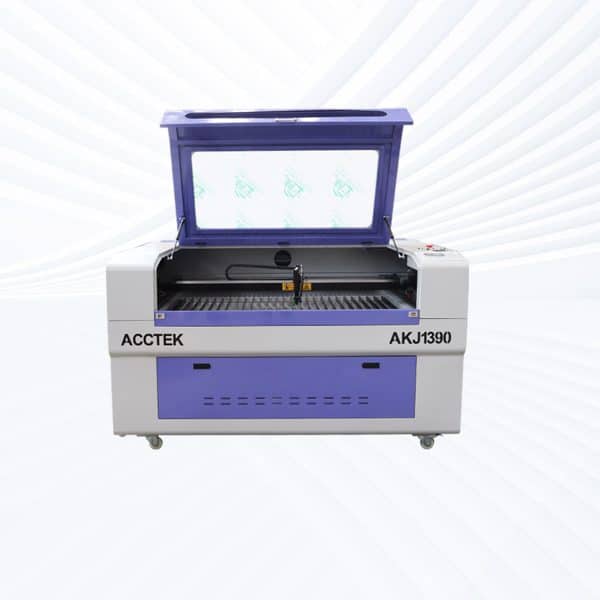
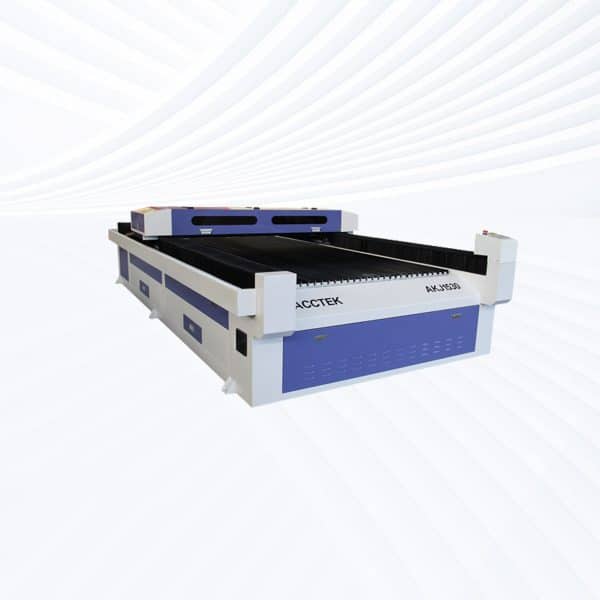
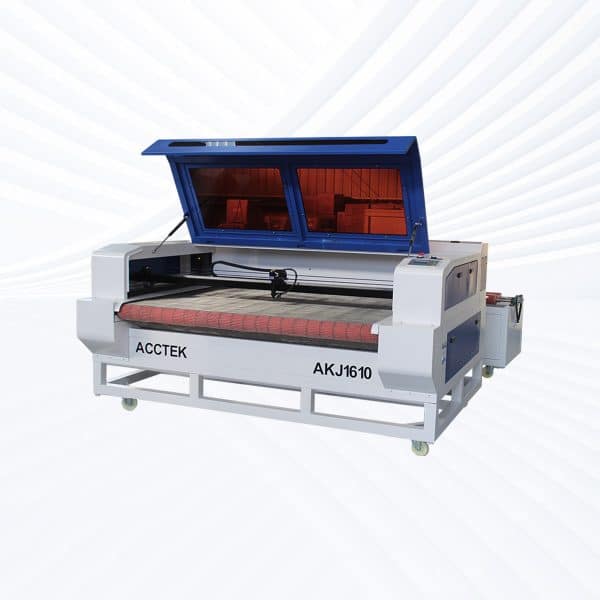
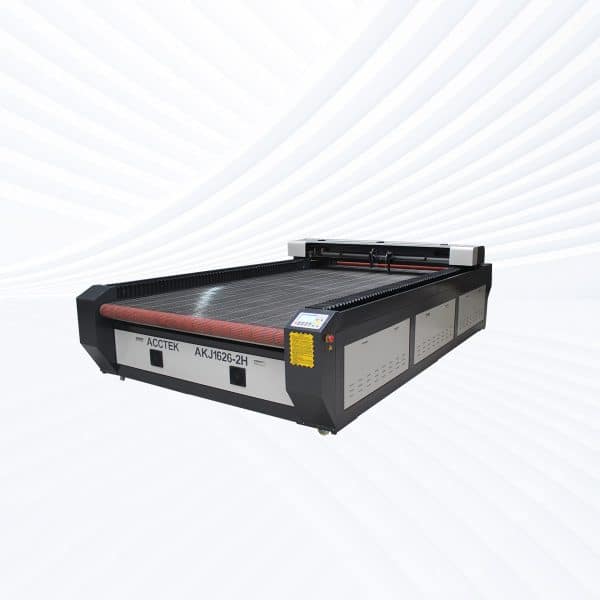
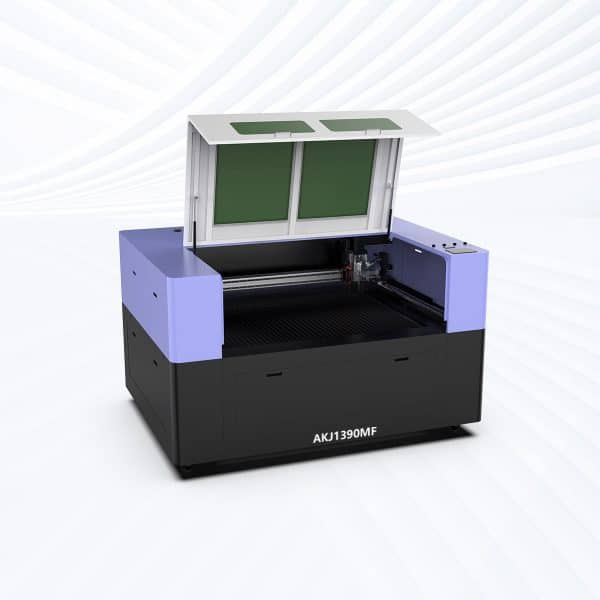
CO2 Laser Cutting Capabilities
| Material Type | 60W | 80W | 90W | 100W | 130W | 150W | 180W | 220W | 260W | 300W | 500W | 600W |
|---|---|---|---|---|---|---|---|---|---|---|---|---|
| Acrylic | 0-8mm | 0-10mm | 0-12mm | 0-15mm | 0-18mm | 0-20mm | 0-22mm | 0-25mm | 0-28mm | 0-30mm | 0-35mm | 0-40mm |
| Plywood | 0-6mm | 0-8mm | 0-9mm | 0-10mm | 0-12mm | 0-15mm | 0-15mm | 0-18mm | 0-20mm | 0-22mm | 0-25mm | 0-28mm |
| MDF | 0-5mm | 0-6mm | 0-8mm | 0-9mm | 0-12mm | 0-15mm | 0-15mm | 0-18mm | 0-20mm | 0-22mm | 0-25mm | 0-25mm |
| Solid Wood | 0-5mm | 0-6mm | 0-8mm | 0-10mm | 0-12mm | 0-15mm | 0-15mm | 0-18mm | 0-20mm | 0-22mm | 0-25mm | 0-25mm |
| Bamboo Board | 0-5mm | 0-6mm | 0-8mm | 0-10mm | 0-12mm | 0-15mm | 0-15mm | 0-18mm | 0-20mm | 0-22mm | 0-25mm | 0-25mm |
| Leather | 0-4mm | 0-5mm | 0-5mm | 0-6mm | 0-6mm | 0-8mm | 0-8mm | 0-8mm | 0-10mm | 0-10mm | 0-12mm | 0-12mm |
| Textile | Any Cutting | Any Cutting | Any Cutting | Any Cutting | Any Cutting | Any Cutting | Any Cutting | Any Cutting | Any Cutting | Any Cutting | Any Cutting | Any Cutting |
| Rubber | 0-3mm | 0-4mm | 0-5mm | 0-5mm | 0-6mm | 0-6mm | 0-8mm | 0-8mm | 0-8mm | 0-10mm | 0-10mm | 0-10mm |
| EVA | 0-5mm | 0-6mm | 0-8mm | 0-10mm | 0-12mm | 0-15mm | 0-15mm | 0-18mm | 0-20mm | 0-25mm | 0-30mm | 0-30mm |
| Cardboard | 0-3mm | 0-4mm | 0-4mm | 0-5mm | 0-6mm | 0-6mm | 0-8mm | 0-8mm | 0-8mm | 0-10mm | 0-10mm | 0-10mm |
| Cork Sheet | 0-3mm | 0-4mm | 0-5mm | 0-5mm | 0-6mm | 0-6mm | 0-8mm | 0-8mm | 0-8mm | 0-10mm | 0-10mm | 0-10mm |
| ABS | 0-3mm | 0-4mm | 0-5mm | 0-6mm | 0-8mm | 0-8mm | 0-10mm | 0-10mm | 0-12mm | 0-12mm | 0-15mm | 0-15mm |
| Delrin | 0-3mm | 0-4mm | 0-5mm | 0-6mm | 0-8mm | 0-8mm | 0-10mm | 0-10mm | 0-12mm | 0-12mm | 0-15mm | 0-15mm |
| Foam Board | 0-5mm | 0-6mm | 0-8mm | 0-10mm | 0-12mm | 0-15mm | 0-18mm | 0-20mm | 0-25mm | 0-25mm | 0-30mm | 0-30mm |
| PCB | 0-1mm | 0-1.5mm | 0-2mm | 0-2mm | 0-3mm | 0-3mm | 0-3mm | 0-4mm | 0-4mm | 0-5mm | 0-5mm | 0-5mm |
| Laminates | 0-3mm | 0-4mm | 0-5mm | 0-6mm | 0-8mm | 0-8mm | 0-10mm | 0-10mm | 0-12mm | 0-12mm | 0-15mm | 0-15mm |
| Stone | Engraving Only | Engraving Only | Engraving Only | Engraving Only | Engraving Only | Engraving Only | Engraving Only | Engraving Only | Engraving Only | Engraving Only | Engraving Only | Engraving Only |
| Ceramic | Engraving Only | Engraving Only | Engraving Only | Engraving Only | Engraving Only | Engraving Only | Engraving Only | Engraving Only | Engraving Only | Engraving Only | Engraving Only | Engraving Only |
Compatible Materials
- Rubber
- Delrin
- ABS Plastic
- Polystyrene
- Polycarbonate
- PETG
- EVA Foam
- Neoprene
- Mylar
- Nylon
- Canvas
- Suede
- Fleece
- Cardstock
- Veneer
- Latex
- Foam Board
- Pressboard
- Melamine
- Carbon Fiber
- Linoleum
- Birch Plywood
- Walnut Plywood
- Alder Wood
- Basswood
- Chipboard
- Hardboard
- Synthetic Felt
- Wool Fabric
- Polyurethane Foam
Application of 180W CO2 Laser Cutting Machines
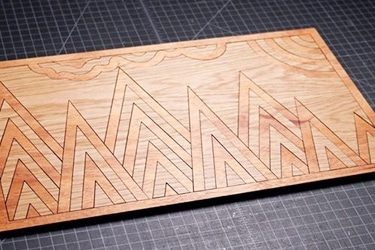




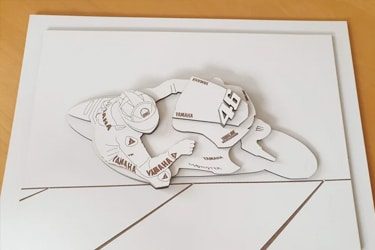
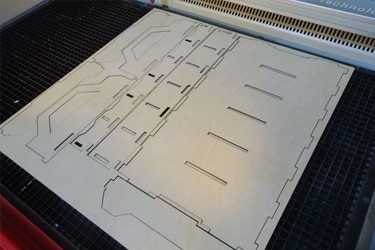

Customer Testimonials
Comparison VS Other Cutting Technologies
| Comparison Item | CO2 Laser Cutting | CNC Routing | Knife Cutting | Waterjet Cutting |
|---|---|---|---|---|
| Cutting Principle | Uses a focused laser beam to vaporize material | Uses rotating cutting bits to remove material | Uses a sharp blade to slice through material | Uses a high-pressure jet of water (with or without abrasive) |
| Suitable Materials | Non-metals like wood, acrylic, leather, fabric, rubber | Wood, plastics, composites, soft metals | Soft materials like foam, leather, textiles, and paper | Almost all materials, including metal, stone, glass, and composites |
| Cutting Precision | Very high (±0.05 mm) | Moderate (±0.2 mm) | Moderate to high (±0.1 mm) | High (±0.1 mm) |
| Edge Quality | Smooth, sealed edges (especially on acrylic and wood) | May require sanding or finishing | Clean for soft materials | Smooth but can be slightly rough on thick cuts |
| Cutting Speed | Fast for thin to medium materials | Slower due to mechanical resistance | Fast on soft materials | Slower, especially for thick or hard materials |
| Maintenance | Low — no physical contact with material | Medium — bits wear out regularly | Low — blades replaced periodically | High — pumps, nozzles, and abrasive handling required |
| Noise Level | Quiet operation | Noisy (due to motor and bit contact) | Very quiet | Very loud (requires sound enclosure) |
| Heat Effect | Generates localized heat (may char some materials) | Minimal heat | No heat | No heat |
| Tool Wear | None — non-contact process | High — cutting tools dull quickly | Moderate — blades wear over time | High — nozzles and pumps wear from abrasive use |
| Material Waste | Minimal (thin kerf <0.2 mm) | Moderate | Low | Moderate to high (especially with abrasives) |
| Operating Cost | Low — mostly electricity and maintenance | Medium — bits and material waste | Low — inexpensive blades | High — abrasives, water, and power costs |
| Environmental Impact | Clean, no water waste | Minimal | Clean | Generates slurry and consumes large amounts of water |
| Software Compatibility | Compatible with most CAD/CAM and design files | Standard CNC software | Basic vector design software | Specialized CAD/CAM software |
| Cutting Thickness Range | Best up to ~15 mm (material-dependent) | Varies widely by bit and material | Best for soft, thin materials | Can cut very thick materials (>100 mm) |
| Ideal Applications | Signage, crafts, packaging, engraving, prototyping | Woodworking, furniture, 3D carving | Soft goods, packaging, leatherwork | Industrial metal, stone, and glass cutting |
Why Choose Us
Advanced Technology
Our laser cutting machines feature high-speed, precision cutting with the latest laser technology, ensuring smooth edges, minimal waste, and superior efficiency across various materials and thicknesses.
Reliable Quality
Each machine undergoes rigorous quality control and durability testing to ensure long-term stability, low maintenance, and consistent high performance, even under demanding industrial conditions.
Comprehensive Support
We provide full technical support, including installation guidance, operator training, and after-sales service, ensuring smooth machine operation and minimal downtime for your business.
Cost-Effective Solutions
Our machines offer high performance at competitive prices, with customizable options to fit different production needs, helping businesses maximize their investment without compromising on quality.
Related Resources
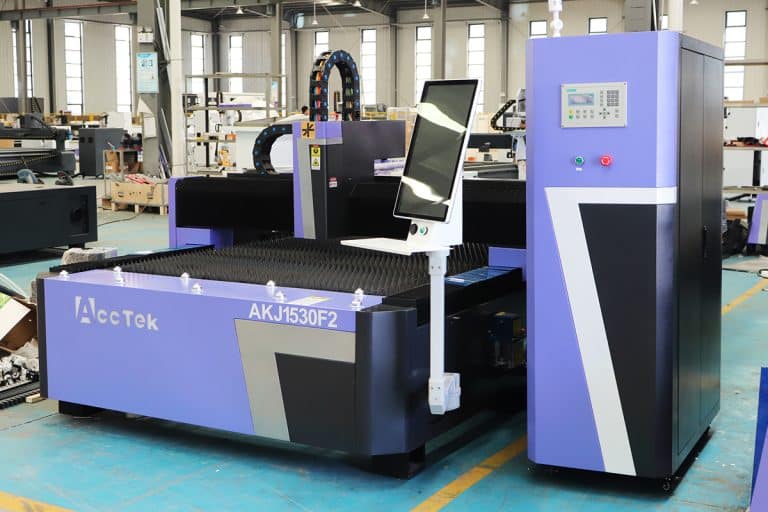
Understanding Laser Cutting Radiation
This article explores the types, sources, risks, health effects, exposure routes, safety standards, protective measures, and operating practices associated with laser cutting radiation.
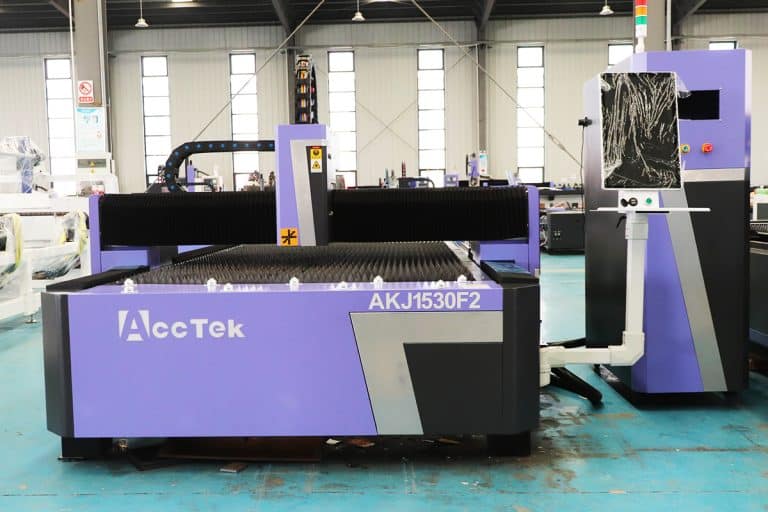
How To Maintain Laser Cutting Machines?
This article explores how laser cutting reduces material waste through accurate processing, narrow kerfs, optimized nesting, automated cutting, and improved material utilization.
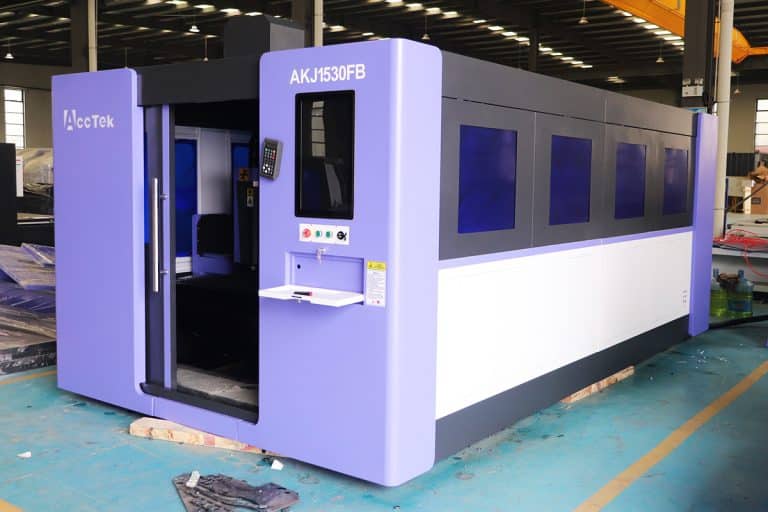
Can Laser Cutting Cause Fires?
This article explores how laser cutting fires can start, which materials and machine areas carry higher risks, and how proper settings, maintenance, monitoring, and fire protection reduce hazards.
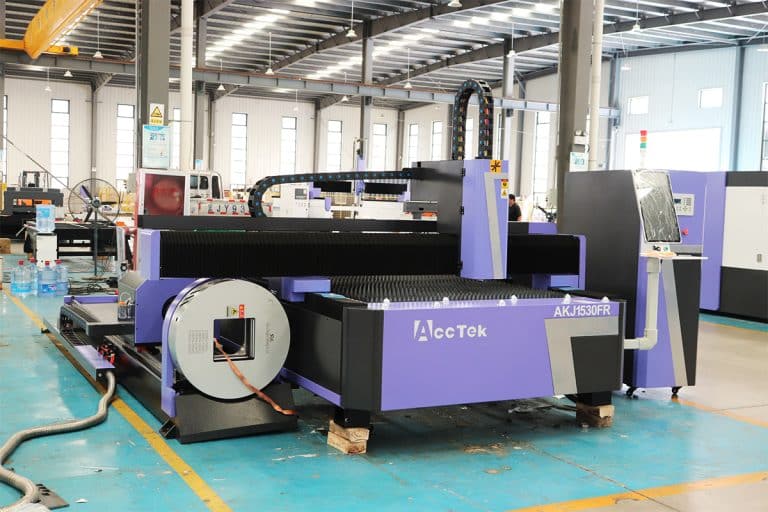
What Factors Affect Laser Cutting Speed?
This article explores the key factors that affect laser cutting speed, including material type and thickness, laser power, beam quality, focus, assist gas, machine condition, motion control, and automation.
Frequently Asked Questions
What Is The Price Of 180W CO2 Laser Cutting Machines?
- Entry-Level Models ($3,950–$5,200): Designed for small studios, sign-making shops, and light manufacturing, these machines offer working areas from 900×600mm to 1300×900mm. They typically include RECI W6 or EFR F6 laser tubes, Ruida controllers, and stepper motors, ensuring reliable performance for materials like acrylic, wood, MDF, and leather. Lifespans of up to 6,000 hours make them a cost-effective solution for hobbyists and small workshops. While automation is minimal, precision and cutting quality remain high for non-metal applications.
- Mid-Range Models ($5,200–$7,500): Aimed at professional users and small factories, these machines feature expanded worktables such as 1300×1800mm or 1600×1000mm, motorized lifting platforms, and autofocus systems for stable performance during long operation hours. They often integrate servo motion systems, high-speed guide rails, and CW-5200 or CW-6000 chillers, enabling consistent output during high-demand tasks. These units can cut up to 30mm acrylic and 20mm MDF efficiently, offering faster processing speeds and higher precision than lower-tier models.
- High-End Industrial Models ($7,500–$9,750): Built for large-scale manufacturing, these machines offer oversized cutting beds—typically 1300×2500mm, 1500×3000mm, or 1600×2600mm—and advanced automation options. Equipped with dual laser heads, CCD camera recognition systems, and servo-driven transmission, they ensure maximum productivity and precision. Enhanced chassis rigidity, high-efficiency exhaust systems, and intelligent nesting software make them ideal for furniture production, textile cutting, signage fabrication, and other high-throughput environments.
What Are The Working Areas Of 180W CO2 Laser Cutting Machines?
- Small-Format Models (600×400mm – 1300×900mm): Compact 180W CO2 laser cutting machines are ideal for sign-making, model production, crafts, and light-duty industrial applications. These machines offer precise cutting for materials like wood, acrylic, leather, and rubber, making them suitable for workshops with limited floor space. Despite their smaller footprint, they deliver the same beam quality and cutting power as larger models, achieving smooth edges and high precision for intricate designs.
- Medium-Format Models (1600×1000mm – 1300×1800mm): This category represents the most popular configuration among professional users. With extended worktables, these machines support medium-to-large sheet processing, such as advertising displays, furniture components, and decorative panels. Most units are equipped with motorized lifting platforms, autofocus functions, and CW-5200 or CW-6000 chillers, ensuring stable operation during prolonged use. The working area also accommodates roll-to-roll attachments, allowing efficient fabric and soft material cutting.
- Large-Format Industrial Models (1300×2500mm – 1500×3000mm – 1600×2600mm): For heavy-duty industrial manufacturing, these large-format 180W CO2 laser cutting machines provide powerful and efficient performance. They are designed for mass production in fields such as furniture manufacturing, packaging, textile processing, and large signage fabrication. Equipped with servo motor systems, dual laser heads, and CCD vision systems, these machines can handle large sheets of acrylic, MDF, plywood, and fabric with exceptional accuracy. Enhanced bed rigidity and high-speed transmission systems ensure consistent cutting performance even in 24-hour production environments.
What Factors Affect The Price Of 180W CO2 Laser Cutting Machines?
- Working Area Size: Larger working areas, such as 1300×2500mm, 1600×2600mm, or 1500×3000mm, require more material, stronger frames, and longer motion systems, which directly increase manufacturing costs. Compact models like 900×600mm or 1300×900mm are more affordable and suited for smaller workshops, while industrial users prefer larger platforms for processing oversized sheets and mass production.
- Laser Tube Brand and Quality: The laser tube is one of the most critical components influencing price and cutting performance. High-end brands like RECI (W6/W8), EFR (F6), or SPT offer longer lifespans (up to 10,000 hours) and stable beam quality, while budget options may require frequent replacements. Machines with dual laser tubes or higher-grade models for continuous operation cost considerably more.
- Motion Control System: Machines equipped with servo motors, imported HIWIN or PMI linear guide rails, and high-precision transmission belts or rack systems provide faster cutting speeds and smoother motion than models using stepper motors and standard rails. These components reduce vibration and enhance accuracy, especially important for fine engraving or complex contour cutting, raising the overall cost.
- Automation and Intelligent Features: The inclusion of autofocus systems, motorized Z-axis tables, dual laser heads, or CCD camera recognition systems significantly affects pricing. These upgrades increase productivity and ease of operation, making them common in mid-range and industrial models.
- Cooling and Exhaust Systems: Since 180W CO2 laser tubes generate substantial heat, machines with CW-5200 or CW-6000 chillers, efficient air-assist compressors, and powerful exhaust blowers are priced higher. These systems ensure continuous, stable performance and prevent overheating or beam instability during extended cutting operations.
- Build Quality and Frame Structure: Heavy-duty welded steel frames provide superior stability and vibration resistance compared to lightweight sheet-metal structures. Industrial-grade designs also feature enhanced optical alignment, reinforced beds, and dust-proof guide protection, which increase both precision and cost.
- Software, Controller, and After-Sales Support: Machines using Ruida RDWorks, LightBurn, or Trocen controllers generally offer better user interfaces and compatibility. Additionally, brands providing strong technical support, spare parts availability, and training often command higher prices due to long-term reliability and reduced downtime risks.
Does CO2 Laser Cutting Release Toxic Fumes?
- Material Composition: Organic materials like wood, paper, and leather mainly produce smoke and fine dust, which, while irritating, are not highly toxic. In contrast, plastics such as PVC, ABS, and polycarbonate release highly harmful substances like hydrogen chloride, phosgene, and cyanide compounds when cut. These gases can corrode equipment and pose serious respiratory risks to operators. Therefore, PVC and similar chlorine-containing plastics should never be cut on CO2 laser cutting machines.
- Fume Extraction and Filtration Systems: Because fumes are unavoidable, a high-quality exhaust and filtration setup is essential. Machines equipped with external exhaust blowers, activated carbon filters, and HEPA filters can effectively remove smoke, particulate matter, and volatile organic compounds (VOCs). Larger 180W CO2 laser cutting systems often integrate dual-fan exhaust systems or connect to centralized dust collectors to ensure continuous, clean airflow.
- Work Environment and Safety: Proper ventilation is crucial, especially in enclosed workshops. Operators should ensure that exhaust outlets are directed outdoors and that filters are replaced regularly to maintain effectiveness. Some advanced systems include air-assist compressors that blow clean air at the cutting point, reducing fume concentration and preventing material flare-ups.
- Material Testing and Safety Compliance: Before cutting any unfamiliar material, users should consult its Material Safety Data Sheet (MSDS) to identify potential emission risks. Complying with occupational safety standards, such as OSHA or CE requirements, ensures safer operation and longer equipment lifespan.
What Are The Environmental Requirements For 180W CO2 Laser Cutting Machines?
- Ambient Temperature: The ideal operating temperature for a 180W CO2 laser cutting machine is between 15℃ and 30℃ (59℉–86℉). Excessive heat can reduce laser efficiency, shorten the laser tube lifespan, and cause thermal drift in optical components. Similarly, very low temperatures may affect water circulation in the chiller and reduce cooling efficiency. Maintaining a stable indoor temperature is essential for continuous, high-power operation.
- Humidity Level: The recommended relative humidity should remain between 40% and 70%. High humidity can lead to condensation on mirrors, lenses, and electrical components, causing laser instability or short circuits. Conversely, air that is too dry increases the risk of static electricity, which can interfere with control systems. Installing a dehumidifier or air conditioner helps maintain optimal moisture levels.
- Ventilation and Exhaust: Proper air circulation is mandatory due to the smoke, fumes, and particulates generated during laser cutting. Each machine should be equipped with a powerful exhaust system to remove emissions and prevent accumulation inside the enclosure. For industrial setups, connecting the exhaust to an external duct or filtration system ensures compliance with environmental and safety regulations.
- Dust and Air Quality: A clean, dust-free environment is vital to protect the laser optics, guide rails, and motion systems. Dust can scatter the laser beam and reduce cutting accuracy, while debris buildup on the rails leads to uneven motion. Regular maintenance, filtered air intake, and enclosed optical paths minimize contamination.
- Electrical and Grounding Requirements: The machine should be installed in a stable power environment with proper grounding and surge protection. Voltage fluctuations can damage laser tubes or control boards, while poor grounding increases electrical hazards.
What Training Is Required To Operate 180W CO2 Laser Cutting Machines?
- Basic Operational Training: Operators must first learn the machine’s structure, components, and working principles, including the laser tube, optics, motion system, and cooling setup. This foundational knowledge allows users to understand how adjustments affect cutting depth, speed, and precision. Hands-on instruction typically covers starting and shutting down procedures, laser alignment, focusing methods, and parameter calibration for different materials.
- Software and Control System Training: Familiarity with control software such as Ruida RDWorks, LightBurn, or Trocen is essential. Operators learn how to import vector files, adjust cutting layers, set laser power and speed, and manage job queues. Training also includes file preparation techniques in design software (e.g., CorelDRAW, AutoCAD, or Adobe Illustrator) to ensure proper format compatibility and accurate results.
- Material Processing Techniques: Since laser performance varies with different substrates, users must understand how to optimize parameters for wood, acrylic, leather, MDF, and other materials. Training focuses on selecting suitable cutting speeds, air-assist levels, and power settings to prevent burning, charring, or melting. For advanced users, instruction may also cover multi-layer engraving, nesting optimization, and cutting path efficiency.
- Safety and Environmental Training: Laser operators must follow strict safety standards, including the use of protective eyewear, proper ventilation systems, and fire prevention measures. Training emphasizes identifying unsafe materials (like PVC), handling exhaust systems, and responding to overheating or electrical faults.
- Maintenance and Troubleshooting: Routine maintenance is vital for consistent laser output. Training includes cleaning mirrors and lenses, replacing consumables, checking water quality in chillers, and diagnosing alignment or motion errors. Understanding how to detect early signs of laser tube degradation helps avoid costly downtime.
What Is The Lifespan Of 180W CO2 Laser Cutting Machines?
- Laser Tube Lifespan: The laser tube is the heart of the cutting process, and its lifespan is primarily defined by its working hours. The more frequently the machine is used at higher power levels, the quicker the tube will degrade. High-quality tubes from brands like RECI (W6/W8), EFR (F6), and SPT are designed to last up to 10,000 hours, offering stable beam quality and consistent performance. Budget models, however, may require replacement after as few as 4,000 to 6,000 hours, leading to higher operational costs over time.
- Cooling and Exhaust Systems: A crucial aspect of maintaining the laser tube’s lifespan is the cooling system. A high-quality chiller, such as the CW-5200 or CW-6000, keeps the laser tube at an optimal operating temperature, preventing overheating that can damage the tube or shorten its lifespan. Poor cooling or lack of maintenance in these systems can lead to reduced tube life and performance degradation.
- Maintenance Practices: Regular maintenance is essential for maximizing the lifespan of both the laser tube and other machine components. This includes cleaning mirrors and lenses, inspecting the motion system for wear, and ensuring that the cooling and exhaust systems are functioning properly. Neglecting maintenance can lead to the accumulation of dust, misalignment of optics, and overheating, all of which can shorten the overall lifespan of the machine.
- Usage Patterns: Machines used for heavy-duty or continuous industrial production will experience more wear and tear, reducing the lifespan of both the laser tube and the entire system. In contrast, machines used for lighter, intermittent tasks will generally last longer before requiring significant repairs or component replacements.
How To Maintain 180W CO2 Laser Cutting Machines?
- Laser Tube and Optics Maintenance
- Clean Mirrors and Lenses Regularly: Dust and debris on the mirrors or lenses can scatter the laser beam, leading to decreased cutting accuracy and potential damage to the components. Use a soft, lint-free cloth and a cleaning solution specifically designed for optics to gently clean them.
- Check Alignment: Misaligned mirrors or lenses can reduce cutting efficiency and damage the laser tube. Periodically inspect and realign the optical components according to the manufacturer’s specifications.
- Check for Laser Tube Degradation: Over time, the laser tube will degrade and lose power. Monitoring the tube’s output helps determine when it needs replacing. If you notice reduced cutting speed or power, it may be time to replace the tube.
- Cooling System Care
- Monitor Chiller Levels and Performance: The cooling system keeps the laser tube from overheating. Regularly check the water level and temperature of the chiller (e.g., CW-5200 or CW-6000) and ensure it’s operating within the specified range. Clean the chiller’s water tank and replace the coolant as recommended by the manufacturer.
- Inspect Water Circulation: Ensure that the water is circulating correctly and that there are no blockages in the hoses. Over time, mineral deposits can build up, which could affect the cooling efficiency.
- Motion System and Belt Maintenance
- Inspect and Lubricate Moving Parts: Regularly check the belts, rails, and bearings for wear. Lubricate the moving parts according to the machine’s manual to ensure smooth motion and reduce vibration during cutting.
- Check for Wear and Tear: Over time, the motion components can wear down due to heavy usage. Look for signs of wear on the rails and belts, and replace them as necessary to maintain precision and prevent malfunctions.
- Exhaust and Air-Assist System
- Clean and Replace Filters: The exhaust system removes fumes and smoke created during cutting. Over time, the filters can become clogged, reducing the system’s effectiveness. Clean and replace filters regularly to ensure optimal airflow.
- Check for Air Leaks: Air-assist compressors help remove debris and cool the cutting area. Ensure the air-assist system is functioning properly and check for any leaks in the hoses or connections that could affect performance.
- Software and Controller Updates
- Update Software Regularly: Keep the machine’s software (e.g., Ruida RDWorks, LightBurn, Trocen) up to date to ensure compatibility with new file types and to benefit from bug fixes or performance improvements.
- Back Up Settings: Regularly back up your machine’s configuration and settings. In case of a system failure, restoring from a backup can save time and reduce downtime.
- General Cleanliness and Environment
- Keep the Machine Clean: Dust and debris can cause friction and damage parts. Regularly clean the machine’s exterior, bed, and around the laser head to maintain a safe working environment.
- Environmental Controls: Ensure the machine is operating in a stable environment with appropriate temperature and humidity levels. Avoid placing the machine near direct sunlight, moisture, or excessive dust.