

Product Introduction
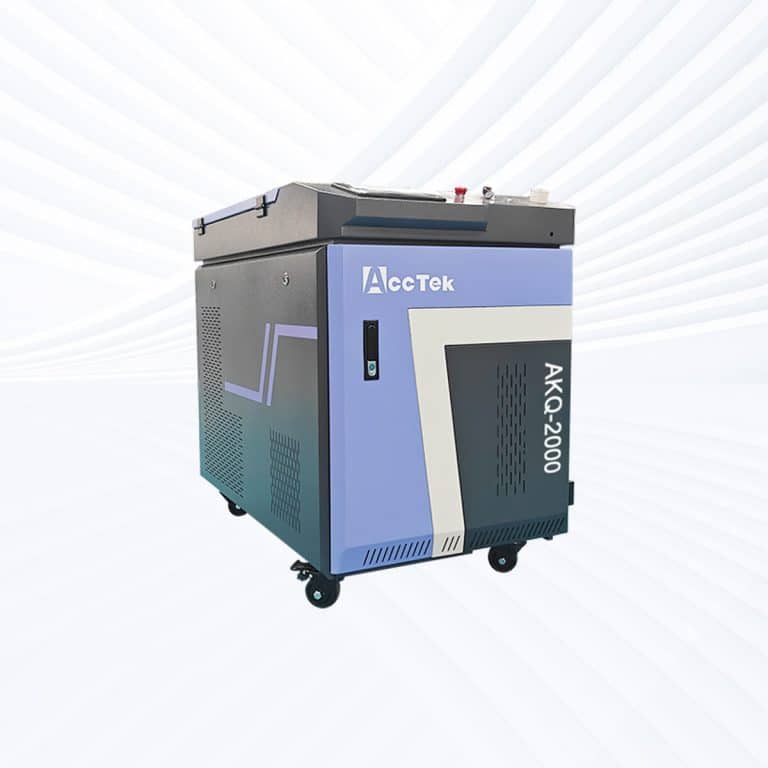
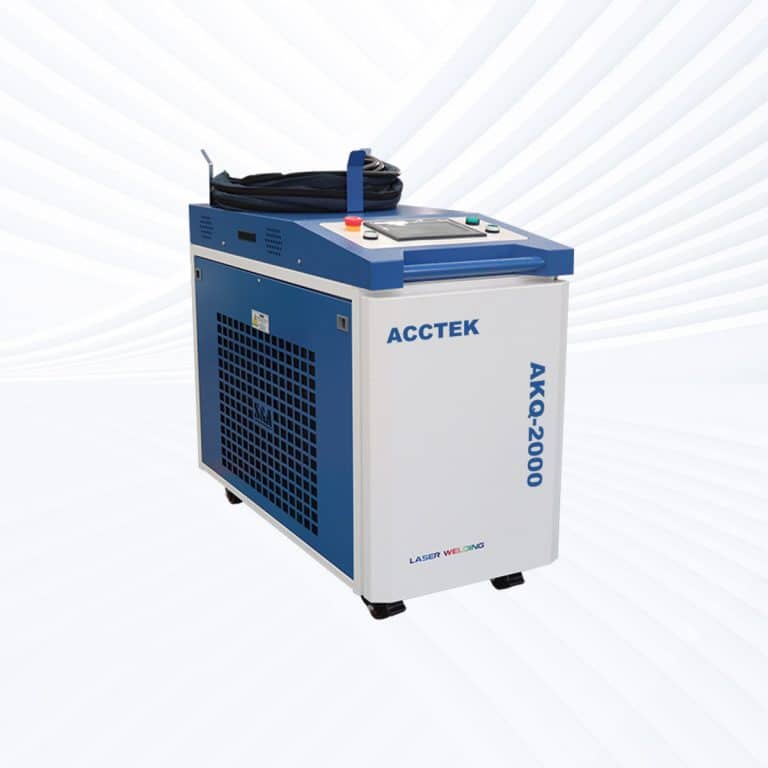
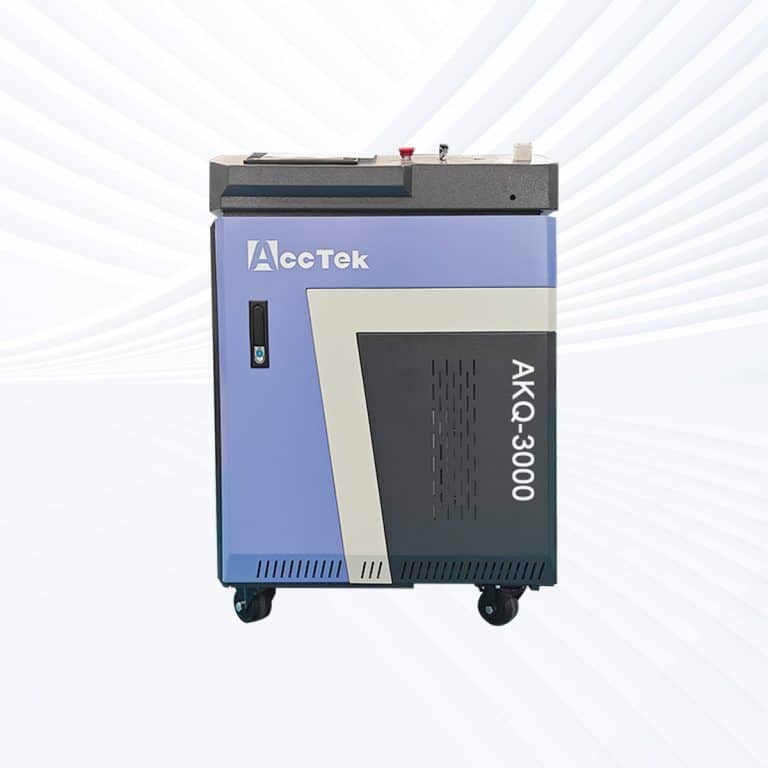
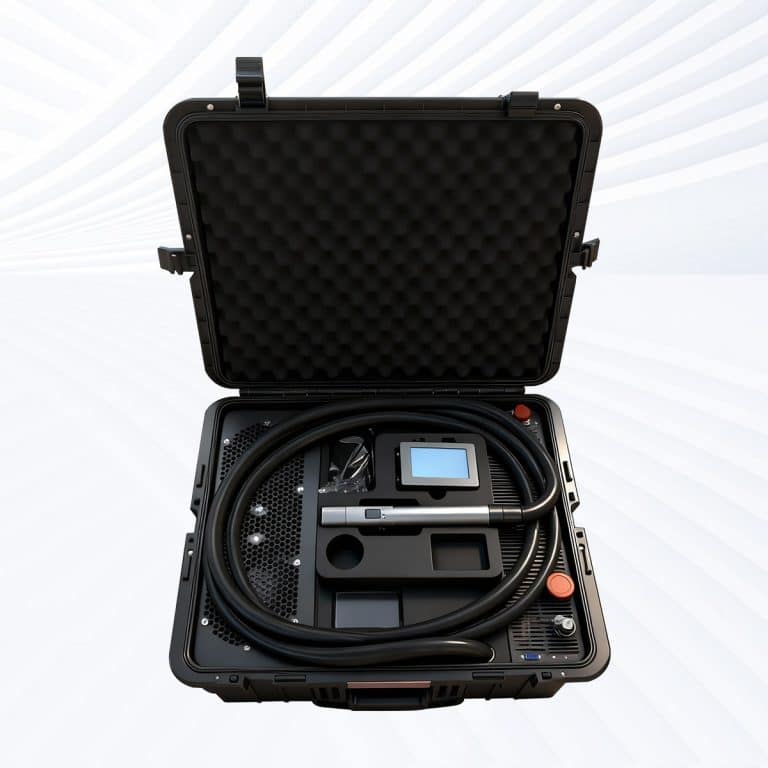
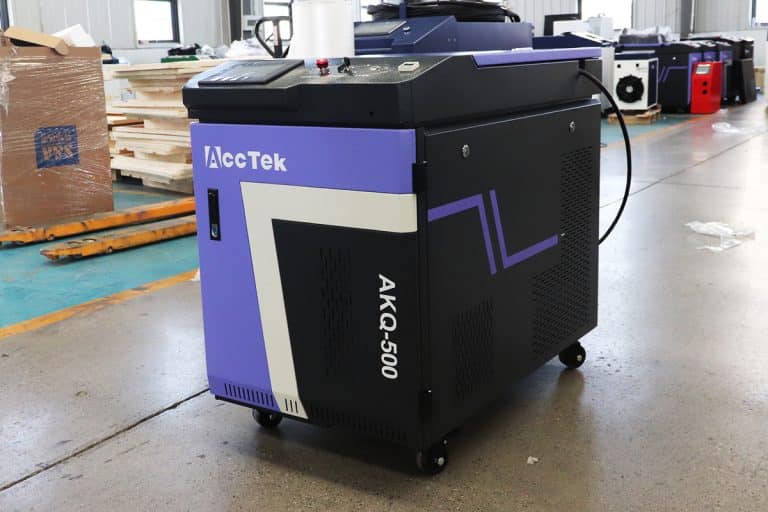
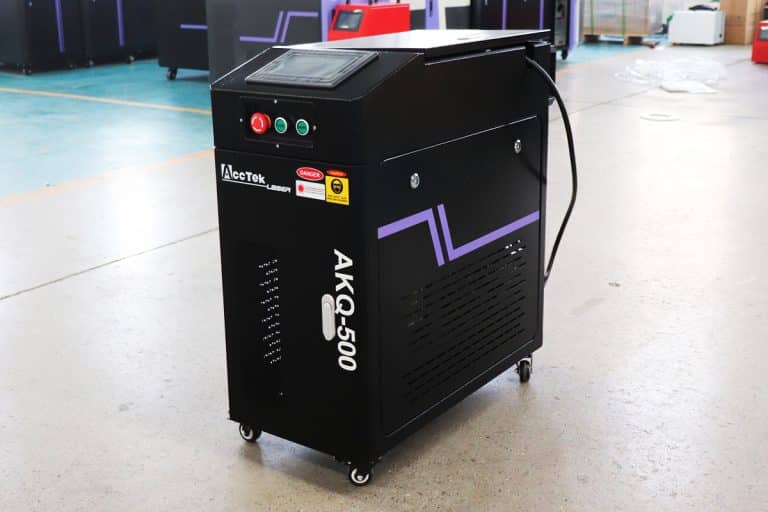
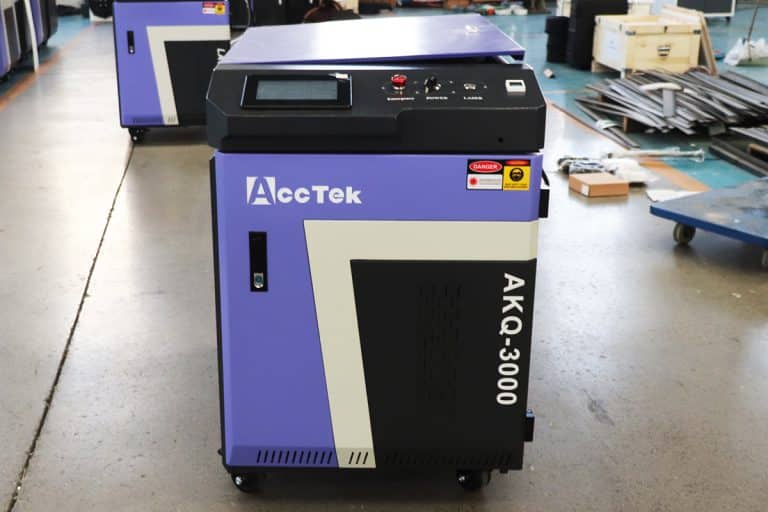
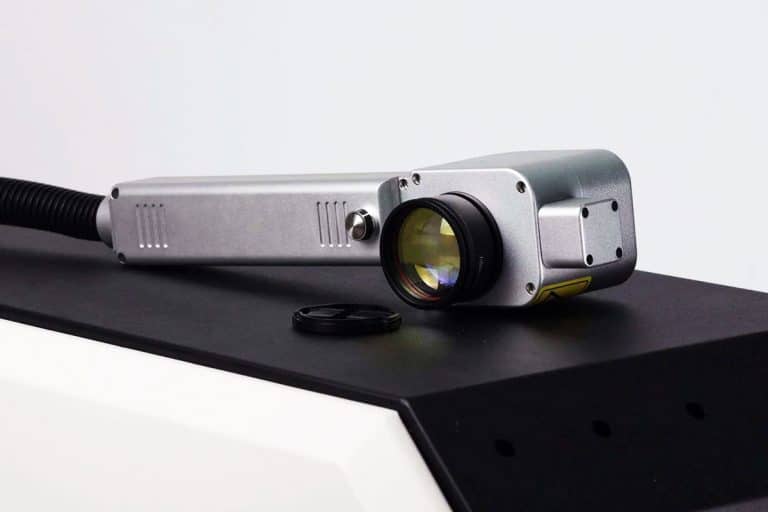
Types of 6kW Continuous Laser Cleaning Machines
Contaminant Removal Capability
| Contaminant Type | 1kW | 1.5kW | 2kW | 3kW | 6kW |
|---|---|---|---|---|---|
| Light Rust / Oxide Film | Excellent | Excellent | Excellent | Excellent | Excellent |
| Heavy Rust / Deep Corrosion | Moderate | Good | Excellent | Excellent | Excellent |
| Paint / Coating Layer | Moderate | Good | Excellent | Excellent | Excellent |
| Powder Coating | Light Removal | Moderate | Good | Excellent | Excellent |
| Oil / Grease / Mold Release Residue | Excellent | Excellent | Excellent | Excellent | Excellent |
| Resin / Rubber / Adhesive Film | Light Removal | Moderate | Good | Excellent | Excellent |
| Carbon Deposits / Burn Marks | Moderate | Good | Excellent | Excellent | Excellent |
| Weld Oxidation / Heat Tint | Good | Excellent | Excellent | Excellent | Excellent |
| Polishing Compound / Buffing Paste | Good | Excellent | Excellent | Excellent | Excellent |
| Protective Film Residue / Glue | Excellent | Excellent | Excellent | Excellent | Excellent |
| Oxide Scale after Heat Treatment | Moderate | Good | Excellent | Excellent | Excellent |
| Dust / Environmental Contaminants | Excellent | Excellent | Excellent | Excellent | Excellent |
| Tar / Asphalt / Hydrocarbon Film | Moderate | Good | Excellent | Excellent | Excellent |
| Salt / Mineral Deposits | Good | Excellent | Excellent | Excellent | Excellent |
Compatible Materials
- Carbon Steel
- Stainless Steel
- Mild Steel
- Alloy Steel
- Tool Steel
- Cast Iron
- Galvanized Steel
- Aluminum
- Aluminum Alloys
- Copper
- Brass
- Bronze
- Nickel
- Nickel Alloys
- Titanium
- Titanium Alloys
- Zinc
- Chrome-Plated Steel
- Chromium Alloys
- Tungsten
- Molybdenum
- Inconel
- Lead
- Silver
- Gold
- Platinum
- Metal Molds
- Welding Seams and Joints
- Oxidized Metal Surfaces
- Painted Metal Parts
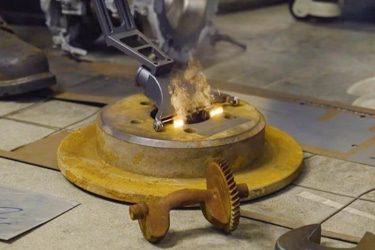
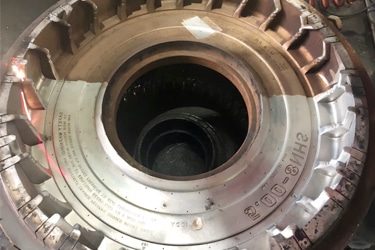
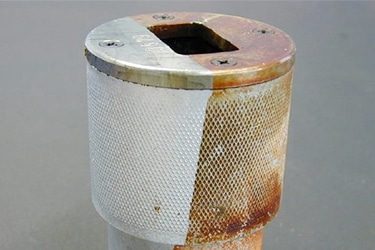
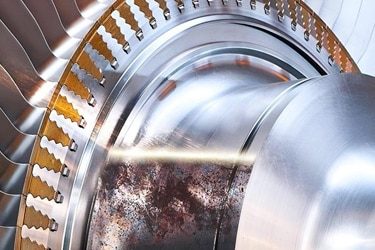
Application of 6kW Continuous Laser Cleaning Machines
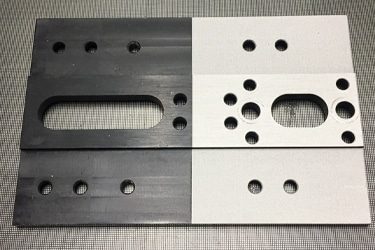
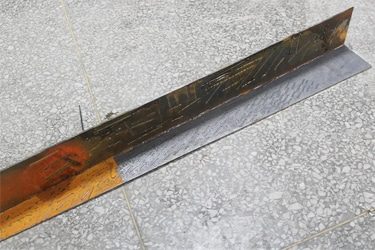
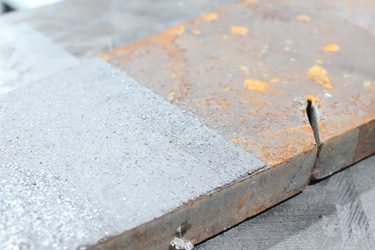
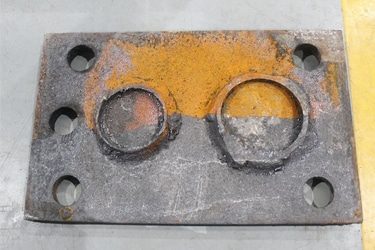
Customer Testimonials
Comparison VS Other Cleaning Technologies
| Comparison Item | Continuous Laser Cleaning | Sandblasting | Chemical Cleaning | Ultrasonic Cleaning |
|---|---|---|---|---|
| Cleaning Method | Non-contact laser ablation | Abrasive particle impact | Chemical reaction/dissolution | Cavitation from ultrasonic waves |
| Surface Damage Risk | None (non-abrasive) | High (abrasive wear) | Possible chemical corrosion | Low |
| Environmental Impact | Eco-friendly, no waste | Dust and debris generation | Hazardous waste and fumes | Requires detergent solution |
| Precision Cleaning | Extremely precise | Low precision | Moderate | High for small components |
| Cleaning Speed | Very fast | Moderate | Slow | Moderate |
| Material Compatibility | Metals, alloys, stone, rubber, etc. | Mostly metals and hard surfaces | Limited by chemical reactivity | Mostly metals and delicate parts |
| Operating Costs | Low (no consumables) | Medium (abrasives) | High (chemicals and disposal) | Medium (detergents and water) |
| Maintenance Requirements | Minimal | Frequent (abrasive clogging) | High (chemical handling) | Moderate |
| Worker Safety | High (no chemicals or dust) | Low (airborne particles) | Low (toxic exposure risk) | High |
| Automation Capability | Easily automated/robot-integrated | Difficult | Limited | Limited |
| Waste Generation | None | High (abrasive residue) | High (chemical waste) | Low |
| Operating Environment | Clean and dry | Dusty and noisy | Fume and liquid handling needed | Wet and enclosed |
| Consumables Required | None | Abrasive media | Chemicals | Cleaning solution |
| Energy Efficiency | High | Moderate | Low | Moderate |
| Typical Applications | Rust, paint, oxide, coating removal | Rust, scale, paint removal | Oil, grease, oxide removal | Fine cleaning of small precision parts |
Why Choose Us
Efficient Cleaning
Our machines offer fast, precise cleaning without chemicals or abrasion, making them ideal for delicate surfaces and complex materials across various industries.
Safe & Eco-Friendly
Laser cleaning eliminates the need for harsh chemicals and generates no secondary pollution, creating a safer and more environmentally friendly workspace.
Stable Performance
Built with high-quality components and advanced control systems, our machines ensure consistent cleaning results with minimal maintenance and long service life.
Custom Solutions
We provide flexible configurations and tailored options to match different cleaning requirements, helping customers achieve optimal performance for their specific applications.
Related Resources
Comprehensive Guide to Choosing the Right Laser Cleaning Machines
This comprehensive guide provides essential insights into selecting the right laser cleaning machine, covering key factors like machine capabilities, cost, efficiency, and maintenance for optimal results.
How Effective Is Laser Cleaning At Removing Contaminants
This article explores how effective laser cleaning is at removing contaminants, covering mechanisms, materials, system types, real-world applications, limitations, and optimization factors for reliable results.
Will Laser Cleaning Damage The Substrate
This article explains whether laser cleaning damages substrates, examining damage mechanisms, material risks, process control, and verification methods for safe, effective laser cleaning.
Comprehensive Guides to Choosing the Right Laser Cleaning Parameters
This comprehensive guide explores the key factors in choosing the right laser cleaning parameters, including material types, contamination levels, and practical considerations for optimal results.
Frequently Asked Questions
How Much Do 6kW Continuous Laser Cleaning Machines Cost?
- High-Power Fiber Laser Source: The laser core is the costliest part. A 6 kW fiber laser requires multiple diode modules, rare-earth-doped optical fibers, and advanced alignment systems to maintain beam stability. Producing consistent output at this power level demands premium materials and complex manufacturing.
- Advanced Water-Cooling System: At 6 kW continuous output, heat generation is immense. A closed-loop water-cooling chiller with compressors, sensors, and flow control keeps the laser and optics at safe temperatures. This adds significant cost but is essential for continuous operation.
- Precision Optics and Beam Delivery: The galvanometer scanning head, F-Theta lens, and fiber connectors must withstand high temperatures and energy density. These parts are coated with special anti-reflection layers to prevent damage, and any imperfection could destroy the optics, raising quality-control costs.
- High-Grade Electrical and Control Systems: Stable power supplies, safety interlocks, and frequency-modulation circuits ensure smooth and safe operation. Industrial-level wiring, PLC systems, and smart interfaces further increase the build price.
- Structural Design and Automation: 6kW continuous laser cleaning systems are large and heavy, built with steel frames, industrial casters, and sometimes robotic integration ports. Optional automation—robotic arms, conveyor systems, or motion controllers—adds thousands to the total cost.
- Safety and Certification Requirements: Machines at this power level must meet international Class IV laser safety standards (CE, FDA, ISO 11553). Safety enclosures, interlock systems, and compliance testing all add manufacturing and certification expenses.
- Long-Life and Reliability: Fiber lasers can operate over 50,000 hours with minimal maintenance. The investment reflects durability, performance consistency, and reduced operating costs compared to chemical or abrasive cleaning methods.
What Cooling Method Do 6kW Continuous Laser Cleaning Machines Use?
- Laser Source Cooling: The fiber laser core contains multiple high-power diode pump modules that produce significant heat during continuous operation. Water circulates through internal channels surrounding these modules, absorbing and transferring heat away to prevent thermal drift or diode degradation.
- Optics and Scanning Head Cooling: The galvanometer head and focusing lens handle dense, high-energy beams. These parts are water-cooled to prevent distortion, maintain beam stability, and extend the lifespan of precision glass components.
- Power Supply and Electronics: Power conversion units, control boards, and frequency stabilizers also produce heat during operation. The cooling circuit connects to these components, ensuring reliable electrical performance under heavy-duty use.
- Chiller System Function: An industrial-grade chiller circulates deionized water through closed-loop piping. The water absorbs heat, passes through a condenser and radiator, and returns cooled. Temperature sensors and flow monitors maintain constant operation without overheating.
Are 6kW Continuous Laser Cleaning Machines Safe To Use?
- Laser Radiation Hazards: 6kW continuous fiber lasers emit intense, invisible infrared radiation at around 1064 nm. Direct or reflected exposure to this beam can cause permanent eye injury or severe skin burns. Operators must wear laser safety eyewear rated specifically for this wavelength and optical density. The cleaning area should be fully enclosed with laser safety barriers or curtains rated for high-power fiber lasers to prevent radiation from escaping. Access should be restricted only to trained personnel during operation.
- Reflected Beam Risks: At 6kW, even diffuse reflections from shiny metals like aluminum, copper, or stainless steel can be hazardous. These reflections can travel unpredictably and damage optical components or injure nearby operators. To reduce risk, work surfaces should be angled to minimize reflection, and non-reflective coatings or matte finishes can be applied to high-gloss materials before cleaning.
- Thermal and Fire Hazards: The high energy of a 6kW continuous laser can generate significant surface heat. If the beam remains focused in one area too long, it can melt or burn the substrate. Flammable materials such as paper, rags, or solvents should be kept away from the cleaning area to prevent ignition. Operators should always have fire extinguishing equipment nearby and never leave the machine unattended during operation.
- Fume and Particle Emission: Laser cleaning vaporizes rust, paint, and coatings, producing dense fumes and fine particulates that may contain toxic compounds, especially from materials like lead-based paint or oil residues. A high-capacity fume extraction system with HEPA and activated carbon filters must be used to maintain safe air quality. Operators should also wear respiratory protection if working in enclosed or poorly ventilated spaces.
- Electrical and Cooling Safety: 6kW continuous laser cleaning systems require a stable and well-grounded electrical supply. Power fluctuations, poor grounding, or damaged cables can cause electrical faults or system shutdowns. The water-cooling system, critical for temperature regulation, should be inspected regularly for leaks, proper coolant levels, and flow rate. Overheating from cooling failure can damage the laser source and create electrical hazards.
- Mechanical and Optical Integrity: Because of the high energy involved, even minor contamination on optical lenses or scanning mirrors can cause localized heating and failure. Protective windows and optics should be kept clean and replaced immediately if damaged. Mechanical parts, such as the scanning head and fiber connectors, must be inspected regularly to ensure they remain aligned and secure.
- Environmental Controls: 6kW continuous laser cleaning machines should be operated in a clean, dry, and temperature-controlled environment. Dust, humidity, and vibration can affect laser performance and stability. Ambient temperature should remain between 10℃ and 35℃, and relative humidity should be maintained between 30% and 70%. Adequate airflow and clearance around the cooling and ventilation units are essential for safe heat dissipation.
- Operator Training and Certification: Because of the high power output, only certified operators should handle 6kW continuous laser cleaning machines. Training must cover laser safety principles, proper PPE usage, parameter adjustment, system maintenance, and emergency shutdown procedures. Operators should be supervised by a qualified Laser Safety Officer (LSO) to ensure compliance with ANSI Z136 or IEC 60825 safety standards.
- Personal Protective Equipment (PPE): Operators must wear laser-rated protective eyewear, flame-resistant clothing, gloves, and non-reflective safety footwear. A respirator or powered air-purifying respirator (PAPR) should be used during high-fume applications. Full-face shields or hoods may be required when operating in open environments.
- Emergency and Safety Features: Most modern 6kW continuous laser cleaning systems include built-in safety interlocks, key switches, and emergency stop buttons. These features prevent accidental emission when panels are open or when the system detects unsafe conditions. Operators should test these systems regularly to ensure they function properly.
What Are The Disadvantages Of 6kW Continuous Laser Cleaning Machines?
- High Equipment Cost: Due to their powerful laser source, advanced cooling systems, and precision optics, 6kW continuous laser cleaning machines have a very high initial purchase price. They are designed primarily for industrial applications such as shipbuilding, heavy machinery, and aerospace manufacturing, making them impractical for small or medium-scale operations. The overall cost includes not just the machine, but also installation, safety infrastructure, and ventilation systems.
- Excessive Power for Delicate Tasks: The high energy output of a 6kW laser can be excessive for cleaning thin metals or precision components. If parameters are not carefully controlled, the intense heat can melt, warp, or discolor the substrate. These machines are better suited for large-scale or heavily corroded surfaces rather than fine restoration or detailed work.
- Risk of Surface Damage: Improper parameter settings—such as excessive power, slow scanning speed, or incorrect focus—can cause overheating, oxidation, or micro-cracking on the surface being cleaned. Operators must have advanced training to balance power and exposure time to prevent permanent damage, especially when cleaning sensitive alloys or coated materials.
- High Power Consumption: Operating a 6kW continuous laser requires substantial electrical power. Combined with the energy demand of its cooling system and fume extraction equipment, total power usage can be significant. This increases operational costs and may require dedicated high-voltage electrical infrastructure to ensure stable performance.
- Complex Cooling Requirements: The higher the laser power, the greater the heat generated during operation. 6kW continuous laser cleaning systems rely on powerful water-cooling units that must be regularly maintained to prevent overheating. Coolant must be clean, properly circulated, and kept at the right temperature. Failure to maintain the cooling system can result in performance loss or damage to the laser source.
- Fume and Particle Hazards: The intense laser energy vaporizes rust, paint, and coatings almost instantly, generating dense smoke and fine particulates. These fumes can contain harmful substances depending on the material being cleaned. A high-capacity fume extraction system is mandatory, and operators must wear appropriate respiratory protection. Without proper ventilation, air quality can quickly deteriorate.
- Limited Material Compatibility: 6kW continuous lasers are primarily intended for metal surfaces such as steel, aluminum, copper, and titanium. They are unsuitable for plastics, rubber, or composites, which may melt or emit toxic fumes under laser exposure. This limits their versatility for mixed-material cleaning tasks or restoration projects.
- Safety Risks: Because of their high energy density, 6kW lasers pose serious hazards to operators and nearby personnel. Direct or reflected beam exposure can cause permanent eye injury or severe burns. Strict safety measures—including laser-rated barriers, PPE, and access control—are required to prevent accidents. Any lapse in safety discipline can have catastrophic consequences.
- Maintenance Complexity: The optical components, scanning head, and cooling system require regular inspection and cleaning. Dust or debris on the protective lens can lead to optical overheating or laser scattering. Cooling filters, lenses, and protective windows must be replaced periodically, which increases maintenance time and cost.
- Environmental Sensitivity: Although robustly built, high-power lasers are sensitive to environmental conditions. Excess humidity, dust, or temperature fluctuations can degrade performance and shorten component life. These machines operate best in clean, temperature-controlled facilities, which may not be feasible in all industrial environments.
- Need for Skilled Operators: Due to the power level and precision required, only trained and certified operators should use 6kW continuous laser cleaning machines. Incorrect handling can lead to poor cleaning results, equipment damage, or serious safety incidents. Advanced training in laser physics, material science, and safety standards is necessary before operation.
What Problems Might Occur When Using 6kW Continuous Laser Cleaning Machines?
- Surface Overheating: At 6kW power, the laser produces intense heat. If the cleaning parameters are not set properly—such as power level, focus, or scan speed—the metal surface can overheat. This can lead to discoloration, melting, or even small cracks in thin materials. Continuous exposure in one spot should always be avoided to prevent damage.
- Uneven Cleaning: Inconsistent cleaning results can occur when the beam is not focused correctly or when the operator moves the handheld head unevenly. Too fast a movement may leave residue behind, while too slow can overheat the surface. Regular calibration of the optics and a consistent scanning technique are necessary for uniform cleaning.
- Optical Contamination: Dust, fumes, and microscopic particles created during cleaning can settle on the protective lens or mirrors. This buildup reduces beam quality and may cause lens overheating or damage. Cleaning the optics regularly and maintaining proper airflow around the laser head helps prevent contamination.
- Cooling System Failures: A 6kW laser generates a lot of heat, making the cooling system critical. If coolant levels drop, filters clog, or circulation is blocked, the system may overheat and automatically shut down. Long-term cooling problems can damage internal components or reduce laser power. Regular maintenance of coolant quality and flow is essential.
- Fume and Dust Accumulation: High-power cleaning produces large amounts of vaporized material. Without a strong fume extraction system, smoke and particulates can fill the workspace, reducing visibility and contaminating optics. Fumes from certain coatings can also be toxic. A well-maintained exhaust and filtration system prevents buildup and protects both operators and equipment.
- Power Fluctuations: Voltage drops or unstable power supply can cause sudden changes in laser output, leading to inconsistent cleaning or unexpected shutdowns. Using a dedicated, grounded power source and a voltage stabilizer ensures smooth and safe operation.
- Reflected Beam Hazards: Highly reflective metals such as aluminum or polished steel can reflect part of the laser beam back toward the cleaning head. This can damage optics or pose a safety hazard to the operator. Adjusting the cleaning angle and using matte or oxidized surfaces helps reduce reflections.
- Environmental Sensitivity: Dust, humidity, and temperature fluctuations can affect beam stability and system performance. These machines should be operated in clean, dry environments with stable temperatures. Condensation or airborne particles can lead to optical misalignment and reduced laser efficiency.
- Software or Control Errors: Incorrect parameter settings or outdated software can cause scanning errors, power irregularities, or even system freezes. Regularly updating the control software and verifying settings before operation minimizes such problems.
- Safety Risks: With such high laser power, improper handling or lack of protective gear can result in serious injuries. Direct or reflected exposure to the beam can cause permanent eye or skin damage. Operators must wear certified laser safety glasses, flame-resistant clothing, and follow strict safety procedures.
Do 6kW Continuous Laser Cleaning Machines Require Assist Gas?
- No Assist Gas (Standard Operation): In most applications, 6kW continuous laser cleaning machines function effectively without any assist gas. The laser energy alone is sufficient to vaporize and remove contaminants like rust, paint, and oxide layers from metal surfaces. This is one of the main advantages of laser cleaning—it is a dry, chemical-free process that does not depend on additional consumables such as gas or abrasives.
- Air Assist: Compressed air is the most commonly used assist gas for laser cleaning. It helps blow away vaporized residues, dust, and particles generated during cleaning. Air assist improves visibility, keeps the cleaning area clear, and prevents contaminants from resettling on the surface. It also helps cool the surface slightly, reducing the risk of overheating or discoloration. Clean, dry air is recommended to avoid introducing moisture or oil into the optical system.
- Nitrogen Assist: Nitrogen gas can be used as an assist medium when working with metals that oxidize easily, such as aluminum or titanium. Because nitrogen is inert, it prevents oxidation during the cleaning process, helping maintain the metal’s natural color and finish. This is especially useful in industries like aerospace, electronics, and mold cleaning, where surface appearance and purity are important.
- Argon Assist: Argon gas, another inert gas, is sometimes used for high-precision or high-value cleaning applications where even minor oxidation is unacceptable. It provides excellent protection for reactive metals but is more expensive than air or nitrogen. Argon assist is typically reserved for specialized tasks such as preparing welding joints or cleaning precision components.
- Oxygen Assist (Not Recommended): Oxygen is rarely used for laser cleaning because it reacts with the material and can cause unwanted oxidation or discoloration. It also increases the risk of surface heating and combustion, especially at high laser power levels like 6kW. Therefore, oxygen is generally avoided in cleaning applications.
- Protective Airflow for Optics: Even if no assist gas is used for cleaning, most 6kW continuous laser cleaning systems include a protective air purge directed at the optical lens. This airflow—usually clean, dry air or nitrogen—keeps dust, fumes, and debris from depositing on the lens, protecting it from contamination and heat damage. Regular use of protective airflow extends the life of the optical components and maintains beam quality.
- When Assist Gas Is Helpful
- Cleaning thick rust, heavy paint, or deep corrosion layers.
- Working in confined spaces with limited natural ventilation.
- Cleaning materials that are prone to oxidation or discoloration.
- Protecting optical components from contamination during continuous operation.
What PPE Is Required When Operating 6kW Continuous Laser Cleaning Machines?
- Laser Safety Glasses: Eye protection is the most important requirement. Operators must wear laser safety glasses rated for the laser’s wavelength—typically 1064 nm for fiber lasers—and with sufficient optical density (OD) to block high-intensity infrared light. The glasses must meet standards such as EN 207 or ANSI Z136. Without proper eyewear, even a brief reflection from a 6kW laser can cause permanent eye damage or blindness.
- Protective Clothing: Operators should wear flame-resistant, non-reflective clothing made of natural fibers such as cotton or specially designed laser-protective fabric. Synthetic materials like nylon or polyester can melt when exposed to heat or scattered laser light, increasing the risk of burns. Long sleeves, full-length pants, and fitted garments help protect against heat, light scattering, and debris. Clothing should have minimal metallic or shiny parts, such as zippers or buttons, to prevent beam reflection.
- Heat-Resistant Gloves: High-intensity laser cleaning can heat metal surfaces quickly. Heat-resistant gloves protect the operator’s hands from burns when handling recently cleaned parts or equipment. Gloves should be made from leather or other non-reflective materials and fit snugly to ensure control and comfort.
- Respiratory Protection: Laser cleaning vaporizes rust, paint, and coatings, releasing fine particles and fumes that may contain toxic materials. Operators should wear respirators or masks rated for fine dust and fumes (such as N95, P100, or equivalent). For continuous or heavy-duty work, a powered air-purifying respirator (PAPR) system or a full fume extraction setup should be used to keep the breathing zone clean and safe.
- Face Shield (Optional but Recommended): In addition to laser glasses, a full-face shield protects from flying debris, light scattering, and reflected heat. The shield should be non-reflective and designed for use with laser cleaning operations. It also protects against accidental splashes from coolant or cleaning residues.
- Safety Footwear: Operators should wear industrial-grade safety shoes or boots with non-slip soles and heat resistance. Steel-toe or composite-toe boots are ideal in industrial environments where heavy components are handled. Reflective or metallic footwear should be avoided to prevent laser reflection.
- Hearing Protection: While laser cleaning itself is relatively quiet, the high-powered cooling fans, air compressors, and fume extractors used with 6kW systems can generate significant noise. Wearing earplugs or earmuffs helps reduce fatigue and protect hearing during long work sessions.
- Head and Hair Protection: If the operator has long hair, it should be tied back or covered with a flame-resistant cap or hood. Loose hair can interfere with safety equipment or become a hazard near the moving parts of the machine. A non-reflective head covering adds another layer of protection against scattered light.
- High-Visibility or Protective Vest (For Industrial Environments): When working in shared industrial spaces, wearing a high-visibility, non-reflective safety vest ensures operators are clearly seen by others. Reflective strips should be avoided near active laser zones to prevent beam reflections.
- Additional Safety Barriers and Controls: Beyond personal PPE, 6kW continuous laser cleaning machines should be used within a controlled, enclosed area. Laser-safe curtains or barriers rated for 1064 nm should surround the cleaning zone. Access should be restricted during operation, and warning signs must be clearly posted.
What Are The Environmental Requirements For 6kW Continuous Laser Cleaning Machines?
- Operating Temperature: The machine should be used in a temperature-controlled environment. The ideal working temperature range is typically between 10℃ and 35℃ (50℉ to 95℉). If the ambient temperature is too high, the laser and cooling system may overheat, reducing efficiency or causing automatic shutdowns. In very low temperatures, the coolant may thicken or freeze, leading to poor circulation and potential damage to the laser source. Stable temperature ensures consistent beam quality and long-term reliability.
- Humidity Control: Relative humidity should be maintained between 30% and 70%, with no condensation. Excessive moisture can cause electrical short circuits, optical corrosion, and damage to the fiber connectors or internal components. Dry, well-ventilated environments help prevent condensation buildup on optics and electronics. In humid regions, using a dehumidifier or air conditioning system is recommended to keep humidity levels stable.
- Clean and Dust-Free Environment: Dust and debris can easily contaminate the optical components, such as the protective lens and scanning head. Contaminants on optics can reduce beam transmission, cause uneven cleaning, and lead to overheating or lens damage. The workspace should be clean and free of airborne dust. Installing air filters or maintaining positive air pressure in the laser room helps prevent dust intrusion.
- Ventilation and Air Quality: Proper ventilation is critical when operating 6kW continuous laser cleaning machines. The process vaporizes rust, paint, and coatings, producing smoke, metal fumes, and fine particles. A high-capacity fume extraction system with HEPA and activated carbon filters is required to remove these contaminants. This not only protects the operator’s health but also prevents smoke buildup that can affect beam quality or contaminate optics. For large-scale cleaning operations, an external exhaust system should be used to expel filtered air safely outdoors.
- Cooling System Space and Airflow: 6kW lasers generate substantial heat, making cooling efficiency vital. The machine’s cooling unit needs adequate space and airflow to operate effectively. Ensure at least 0.5–1 meter of clearance around ventilation grilles and fans. The cooling system should not be placed in confined or poorly ventilated spaces, as this can lead to heat buildup and reduced cooling performance.
- Stable Electrical Supply: The laser cleaning system should be connected to a stable, grounded power supply that meets the machine’s voltage and current requirements. Power fluctuations or surges can cause system instability or damage sensitive components. Using a voltage stabilizer or uninterruptible power supply (UPS) helps protect against electrical interruptions.
- Work Area Layout: The cleaning area should be well-organized, with non-reflective surfaces and sufficient space for safe operation. Reflective walls, metal objects, or bright surfaces should be avoided near the laser beam path, as they can reflect light and create safety hazards. Surrounding the cleaning area with laser safety curtains or barriers rated for 1064 nm lasers ensures radiation containment.
- Environmental Safety Measures: All personnel working near the machine should follow strict safety protocols. Warning lights and laser hazard signs should be posted around the operation area. The workspace should be restricted during laser use to prevent unauthorized entry or accidental exposure.
- Storage Conditions: When the continuous laser cleaning machine is not in use, it should be stored in a dry, temperature-stable environment free from vibration, dust, and direct sunlight. Fiber cables should be coiled neatly without sharp bends, and optical ports should be capped to prevent contamination.