

Product Introduction
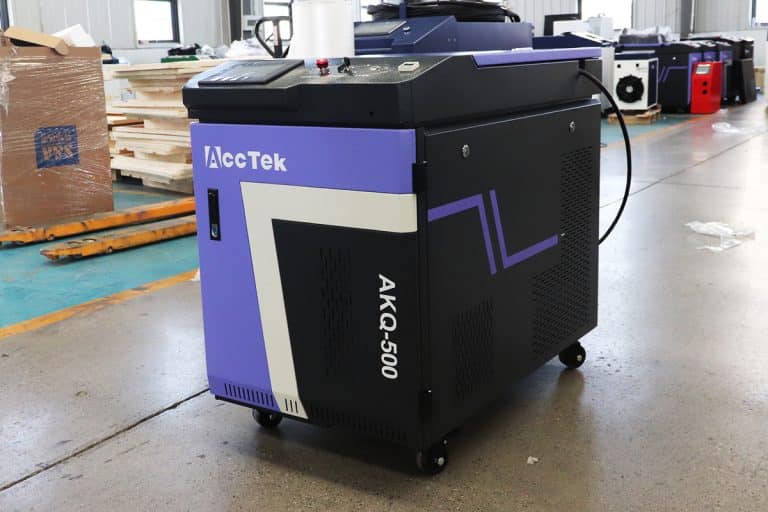
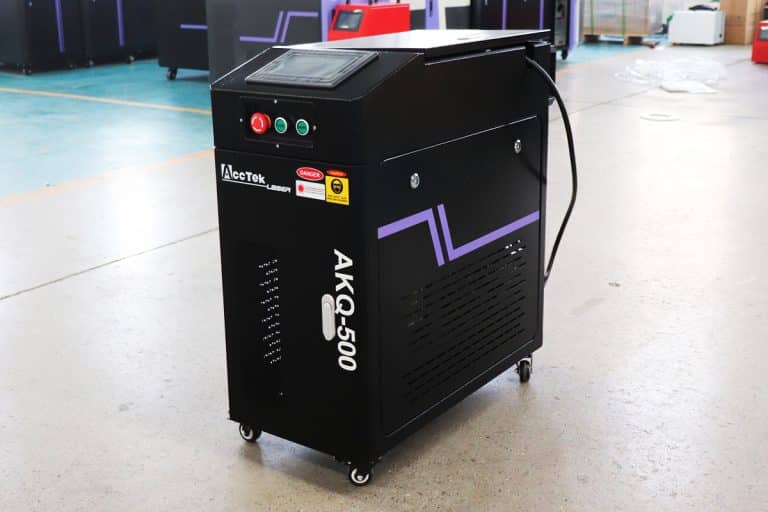
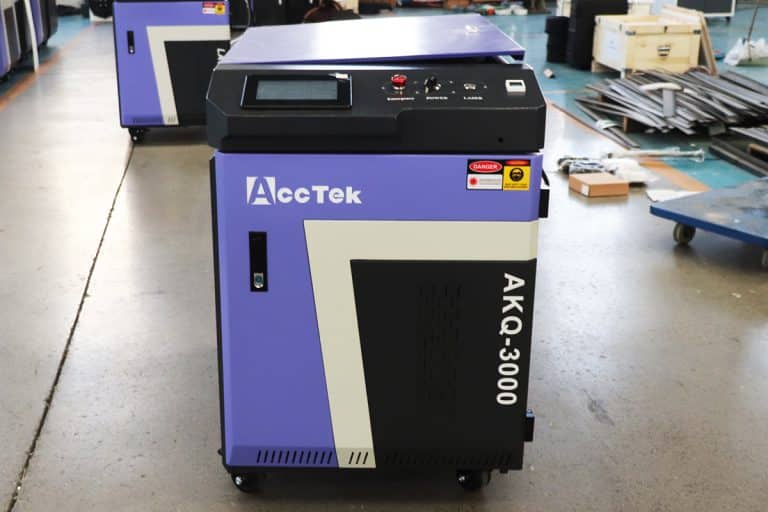
Types of 500W Pulsed Laser Cleaning Machines
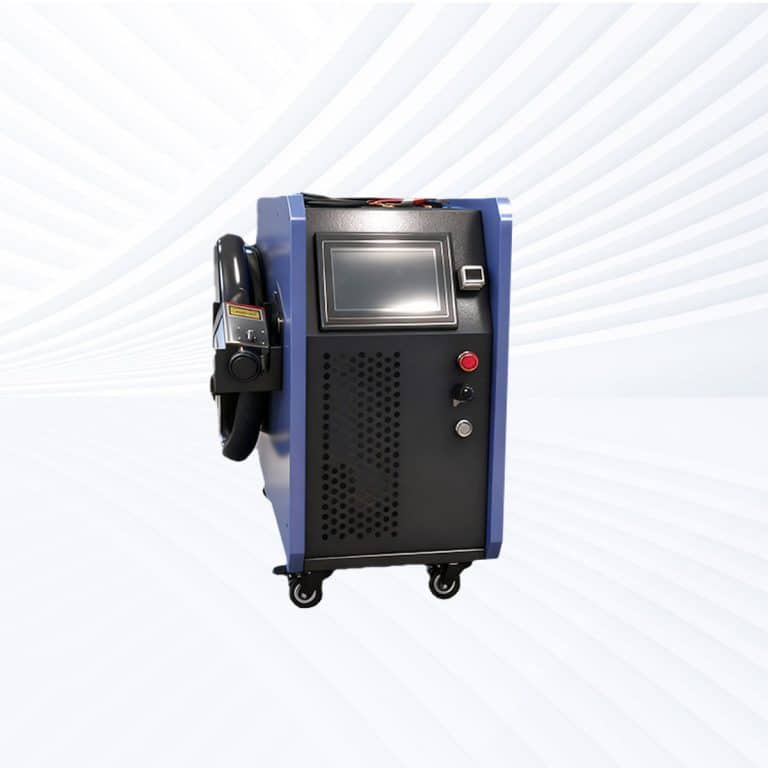
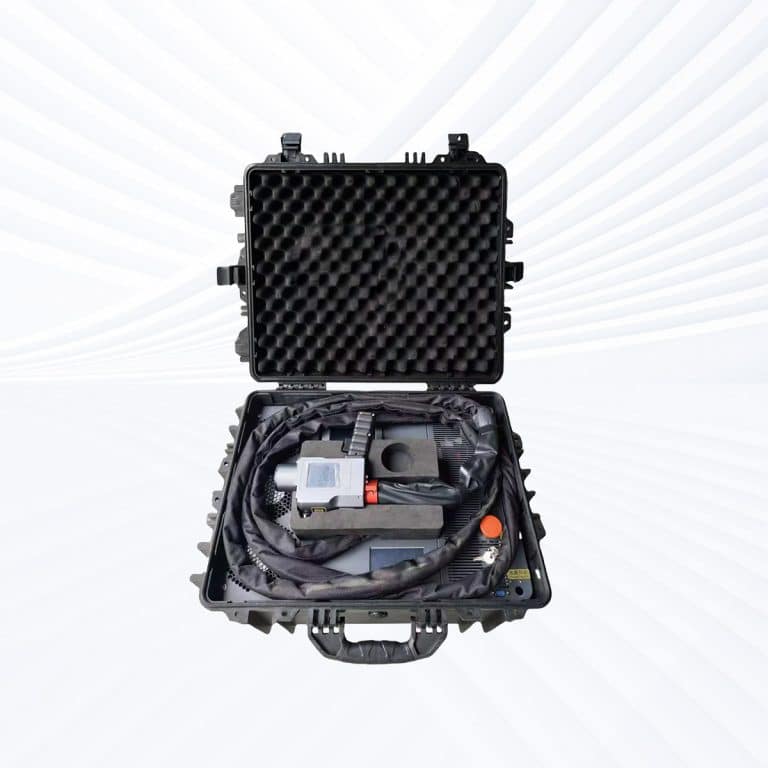
Contaminant Removal Capability
| Contaminant Type | 100W | 200W | 300W | 500W | 1kW | 2kW |
|---|---|---|---|---|---|---|
| Light Rust / Oxide Film | Excellent | Excellent | Excellent | Excellent | Excellent | Excellent |
| Heavy Rust / Deep Corrosion | Light Removal | Moderate | Good | Excellent | Excellent | Excellent |
| Paint / Thin Coating | Moderate | Good | Excellent | Excellent | Excellent | Excellent |
| Thick Paint / Oxide Layer | Light Removal | Moderate | Good | Excellent | Excellent | Excellent |
| Oil / Grease / Mold Release | Excellent | Excellent | Excellent | Excellent | Excellent | Excellent |
| Resin / Rubber / Adhesive Film | Moderate | Good | Excellent | Excellent | Excellent | Excellent |
| Carbon Deposits / Burn Marks | Moderate | Good | Excellent | Excellent | Excellent | Excellent |
| Weld Oxidation / Heat Tint | Excellent | Excellent | Excellent | Excellent | Excellent | Excellent |
| Polishing Compound / Buffing Paste | Good | Excellent | Excellent | Excellent | Excellent | Excellent |
| Oxide Scale after Heat Treatment | Light Removal | Moderate | Good | Excellent | Excellent | Excellent |
| Dust / Environmental Contamination | Excellent | Excellent | Excellent | Excellent | Excellent | Excellent |
| Tarnish / Discoloration | Excellent | Excellent | Excellent | Excellent | Excellent | Excellent |
| Paint Underlayer / Primer | Moderate | Good | Excellent | Excellent | Excellent | Excellent |
| Thin Coating / Oxide on Precision Components | Excellent | Excellent | Excellent | Excellent | Excellent | Excellent |
Compatible Materials
- Carbon Steel
- Stainless Steel
- Mild Steel
- Tool Steel
- Alloy Steel
- Aluminum
- Aluminum Alloys
- Copper
- Brass
- Bronze
- Nickel
- Nickel Alloys
- Titanium
- Titanium Alloys
- Zinc
- Chromium
- Chrome-Plated Parts
- Gold
- Silver
- Platinum
- Lead
- Tin
- Iron
- Cast Iron
- Galvanized Steel
- Inconel
- Magnesium
- Molybdenum
- Tungsten
- Metal Molds
- Soldered Joints
- Anodized Aluminum
- Painted Metal Parts
- Oxidized Copper and Brass
- Composite Materials
- Plastic
- Rubber Molds
- Stone
- Glass
- Ceramic
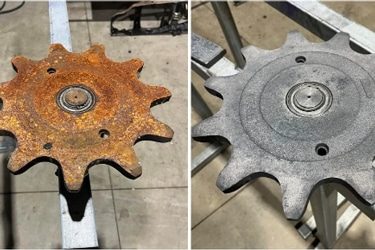
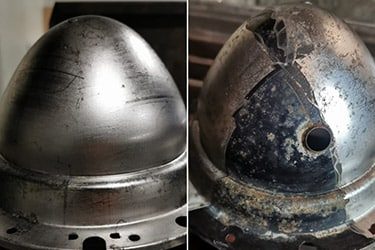
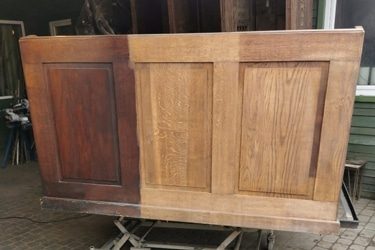
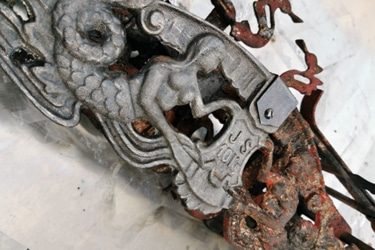
Application of 500W Pulsed Laser Cleaning Machines
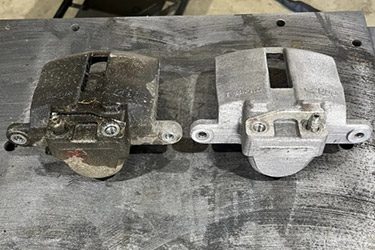
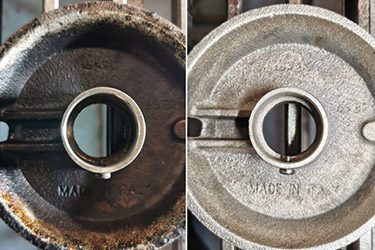


Customer Testimonials
Comparison VS Other Cleaning Technologies
| Comparison Item | Pulsed Laser Cleaning | Chemical Cleaning | Mechanical Grinding | Dry Ice Cleaning |
|---|---|---|---|---|
| Cleaning Method | Laser ablation using pulsed light energy | Chemical reaction/dissolution | Physical abrasion | CO2 pellet impact and sublimation |
| Surface Damage Risk | None (non-contact) | Possible corrosion or etching | High (abrasive wear) | Low |
| Precision Cleaning | Very high | Moderate | Low | Moderate |
| Thermal Impact | Minimal (pulsed laser control) | None | Friction heat possible | None |
| Suitable for Delicate Materials | Excellent | Limited | Poor | Good |
| Environmental Impact | Eco-friendly, no waste | Hazardous chemicals & fumes | Dust and debris | CO2 emissions (moderate) |
| Consumables Required | None | Chemical solutions | Grinding media | Dry ice pellets |
| Operating Costs | Low (no consumables) | High (chemical purchase & disposal) | Medium | High (dry ice supply) |
| Maintenance Requirements | Minimal | Frequent (chemical handling) | Frequent (tool wear) | Moderate |
| Cleaning Speed | Moderate to fast | Slow to moderate | Fast | Moderate |
| Surface Finish Quality | Excellent | Variable | Rough | Smooth |
| Operator Safety | High | Low (chemical exposure) | Medium (dust, noise) | High |
| Automation Capability | Easily automated | Limited | Difficult | Limited |
| Waste Generation | None | Chemical waste | Solid debris | CO2 gas only |
| Typical Applications | Fine rust, oxide, and oil removal | Grease and coating removal | Scale, rust, and weld prep | Residue and oil removal |
Why Choose Us
Efficient Cleaning
Our machines offer fast, precise cleaning without chemicals or abrasion, making them ideal for delicate surfaces and complex materials across various industries.
Safe & Eco-Friendly
Laser cleaning eliminates the need for harsh chemicals and generates no secondary pollution, creating a safer and more environmentally friendly workspace.
Stable Performance
Built with high-quality components and advanced control systems, our machines ensure consistent cleaning results with minimal maintenance and long service life.
Custom Solutions
We provide flexible configurations and tailored options to match different cleaning requirements, helping customers achieve optimal performance for their specific applications.
Related Resources
Comprehensive Guide to Choosing the Right Laser Cleaning Machines
This comprehensive guide provides essential insights into selecting the right laser cleaning machine, covering key factors like machine capabilities, cost, efficiency, and maintenance for optimal results.
How Effective Is Laser Cleaning At Removing Contaminants
This article explores how effective laser cleaning is at removing contaminants, covering mechanisms, materials, system types, real-world applications, limitations, and optimization factors for reliable results.
Will Laser Cleaning Damage The Substrate
This article explains whether laser cleaning damages substrates, examining damage mechanisms, material risks, process control, and verification methods for safe, effective laser cleaning.
Comprehensive Guides to Choosing the Right Laser Cleaning Parameters
This comprehensive guide explores the key factors in choosing the right laser cleaning parameters, including material types, contamination levels, and practical considerations for optimal results.
Frequently Asked Questions
How Much Do 500W Pulsed Laser Cleaning Machines Cost?
- High-Power Pulsed Fiber Laser Source: The main reason for the high cost lies in the laser core itself. A 500W pulsed fiber laser requires multiple high-quality diode pump modules, rare-earth-doped fibers, and precision optical coupling systems. These components must be carefully aligned and temperature-stabilized to deliver nanosecond-level pulses with consistent energy. The laser’s ability to maintain high peak power without overheating or pulse distortion significantly increases manufacturing complexity and cost.
- Advanced Cooling System: At this power level, the machine generates substantial heat during prolonged use. Therefore, most 500W pulsed laser cleaning systems rely on water cooling to maintain optimal thermal balance. Industrial-grade chillers, heat exchangers, and flow sensors ensure the laser and optics operate within precise temperature limits. This cooling infrastructure adds several thousand dollars to the machine’s production cost but is essential for continuous stability and diode longevity.
- High-Precision Optics and Beam Delivery: The galvanometer scanning head and focusing lenses must withstand the intense energy density of 500W laser pulses. These optical elements use advanced coatings, fused-silica lenses, and precision mirror assemblies to prevent reflection losses and heat damage. The strict optical tolerances required for accurate, uniform cleaning add to the overall cost.
- Power Management and Control Electronics: Delivering 500W of pulsed power requires robust control electronics capable of stabilizing pulse frequency, width, and energy in real time. Industrial-grade power drivers, frequency modulators, and digital control boards ensure clean, stable output under variable conditions. These high-spec electronic systems increase both reliability and cost.
- Industrial Structure and Safety Design: 500W pulsed laser cleaning systems are built for continuous, high-duty industrial operation. The enclosure must shield the user from laser radiation and protect the components from dust, vibration, and heat. Each unit includes Class IV laser safety systems, such as interlocks, key switches, and emergency stops, as well as certification to CE, FDA, and ISO standards—all of which add to manufacturing and compliance costs.
- Software and Automation Integration: Many 500W pulsed laser cleaning machines include programmable control interfaces that allow users to fine-tune laser parameters and automate cleaning paths. Some are designed for integration with robotic arms or CNC systems, requiring additional control modules and motion coordination software, further increasing development and production costs.
What Cooling Method Do 500W Pulsed Laser Cleaning Machines Use?
- Air-Cooled Systems: Some 500W pulsed laser cleaning machines adopt air cooling, primarily in compact or portable designs. These units use high-speed fans and large aluminum heat sinks to draw heat away from the laser source, control boards, and power supply. The circulating air dissipates thermal buildup inside the housing, ensuring that critical components remain within safe operating temperatures. Air cooling is suitable for environments where the machine runs intermittently or where portability and low maintenance are more important than continuous operation.
- Water-Cooled Systems: Most industrial-grade 500W pulsed laser cleaning machines rely on water cooling due to the higher sustained power output and heat load. A closed-loop water-cooling system circulates deionized water through channels surrounding the laser diodes, optical modules, and galvanometer head. The heated water passes through a condenser or radiator before being cooled and recirculated by a chiller. This method maintains precise temperature control, enabling stable pulse energy, high repetition rates, and long-term continuous cleaning without overheating.
- Why Cooling Is Necessary: The 500W pulsed fiber laser produces thousands of nanosecond-level pulses per second, each carrying concentrated energy. This process creates localized heat within the fiber core, diode pumps, and optical coatings. Without proper cooling, thermal buildup could:
- Distort beam quality and reduce cleaning precision.
- Damage diode modules and shorten their operational life.
- Causes pulse instability, resulting in uneven or unsafe cleaning performance.
- Efficient cooling ensures thermal stability, preserving both optical alignment and pulse consistency throughout long cleaning cycles.
- Thermal Balance and System Efficiency: Cooling also affects the system’s electrical and optical efficiency. Stable operating temperatures improve energy transfer from the diode to the fiber and reduce power losses. This balance guarantees consistent cleaning depth, higher energy efficiency, and smoother operation under heavy workloads.
What Are The Disadvantages Of 500W Pulsed Laser Cleaning Machines?
- High Equipment Cost: 500W pulsed laser cleaning machines are expensive due to their high-power laser source, precision optics, and advanced control systems. The initial investment can be significant, especially for small or medium-sized businesses. Additionally, costs for installation, training, and safety accessories increase overall expenses.
- Complex Operation: Although automated systems make operation easier, proper use still requires trained personnel. Setting optimal parameters such as pulse frequency, beam focus, and cleaning speed takes experience. Incorrect settings can lead to poor cleaning results or surface damage.
- Limited Effectiveness on Certain Materials: While effective on metals, 500W pulsed lasers may not perform well on highly reflective or transparent materials like copper, glass, or plastics. These surfaces can reflect or absorb laser energy unevenly, reducing cleaning efficiency or causing surface damage.
- High Power Consumption: Due to their greater output, 500W pulsed laser cleaning machines consume more electrical energy compared to lower-power models. This increases operational costs and requires stable, high-capacity power supply systems.
- Cooling System Requirements: High-power pulsed lasers generate significant heat and require efficient water-cooling systems. Without proper maintenance, coolant leaks, blockages, or pump failures can lead to overheating and laser damage.
- Potential Surface Damage: If used improperly, the laser beam can remove not only contaminants but also affect the substrate surface. Sensitive or polished materials may lose their finish if the energy density is too high.
- Fume and Particle Generation: The laser cleaning process vaporizes surface contaminants, producing fumes and microscopic particles. Without proper extraction and filtration systems, these can pose health and environmental hazards.
- Maintenance and Consumables: Although laser systems have fewer consumables than traditional cleaning methods, protective lenses, filters, and cooling components still require periodic maintenance or replacement. Neglecting this can affect laser performance.
- Noise and Light Hazards: The high-intensity pulsed laser produces visible plasma flashes and popping sounds during cleaning. Operators must use protective eyewear and hearing protection to avoid discomfort or injury.
How Should I Choose 500W Pulsed Laser Cleaning Machines?
- Cleaning Application and Material Type: The first step is to determine what kind of materials and contaminants you plan to remove. 500W pulsed laser cleaning machines are ideal for medium to heavy-duty cleaning tasks such as rust removal, paint stripping, oxide cleaning, and surface preparation on metals like steel, aluminum, and titanium. However, for delicate surfaces or thin coatings, a lower-power laser may be more suitable. Choosing the right power level ensures effective cleaning without damaging the base material.
- Laser Type and Pulse Parameters: When selecting 500W pulsed laser cleaning machines, check the pulse frequency, duration, and energy control range. Machines with adjustable pulse widths offer greater flexibility for cleaning various surfaces. For example, shorter pulse durations minimize heat transfer and prevent substrate damage, while higher frequencies improve cleaning speed on large areas. Opt for a model that provides fine control over these parameters.
- Beam Quality and Focus System: High beam quality allows for precise and uniform cleaning. Look for machines with stable laser output and automatic focus adjustment systems. Autofocus or dynamic focusing technology helps maintain a consistent cleaning distance, especially on curved or uneven surfaces.
- Portability and Design: Depending on your work environment, you may prefer a portable handheld model or a stationary system. Handheld designs are suitable for cleaning large structures, pipelines, or machinery on-site, while fixed systems work better in controlled workshop environments. Machines with ergonomic cleaning heads reduce operator fatigue and improve precision during long cleaning sessions.
- Control System and Software: Modern 500W pulsed laser cleaning machines feature intuitive control interfaces that allow easy parameter adjustment and process monitoring. Choose systems with touchscreen controls, preset cleaning modes, and real-time diagnostics. Software that allows you to save custom settings improves efficiency and consistency in repeated tasks.
- Cooling Method: Since 500W lasers generate significant heat, a reliable water-cooling system is essential. Ensure the model includes an efficient chiller or closed-loop system to maintain stable laser performance. Machines with built-in temperature and flow sensors are safer and easier to maintain.
- Fume Extraction and Safety Systems: Laser cleaning produces microscopic dust and fumes, so a fume extraction unit is crucial. Choose a machine that includes or supports connection to an industrial-grade extraction system with replaceable filters. Additional safety features, such as laser shielding, interlocks, and emergency stop buttons, enhance operator protection.
- Energy Efficiency and Maintenance: Consider models with energy-saving features and easy maintenance access. Machines with modular designs simplify the replacement of optical lenses, filters, or cables. Reliable systems use durable components that reduce downtime and long-term maintenance costs.
- Manufacturer Reputation and Support: Select a machine from a reputable manufacturer known for quality assurance, service, and technical support. Check for warranty coverage, availability of spare parts, and after-sales training. Reliable technical support ensures smooth operation and quick resolution of issues.
- Budget and Total Cost of Ownership: While 500W pulsed laser cleaning machines are more expensive than lower-power systems, they offer greater cleaning speed and efficiency. When comparing models, consider not only the purchase price but also maintenance, energy consumption, and consumables. A higher-quality system with better reliability may offer lower lifetime costs.
- Compliance and Certification: Ensure that the machine complies with international laser safety standards (such as ISO 11553 or FDA 21 CFR 1040.10) and includes appropriate Class 4 laser warning systems. This guarantees both performance quality and workplace safety.
What Is The Service Life Of 500W Pulsed Laser Cleaning Machines?
- Laser Source Lifespan: The laser source is the core of the machine and typically has a service life of around 80,000 to 100,000 operating hours. Fiber laser sources used in 500W pulsed laser cleaning machines are solid-state and highly reliable, with minimal degradation over time. Proper cooling and stable operating environments can help extend this lifespan.
- Optical Components: Optical lenses, mirrors, and protective windows play an essential role in focusing and directing the laser beam. These components generally last 2 to 3 years, depending on the working environment and cleaning intensity. Dust, debris, or improper handling can shorten their service life, so regular cleaning and replacement are recommended.
- Cooling System: The water-cooling system ensures that the laser operates within safe temperature limits. With proper maintenance, including regular coolant replacement and filter cleaning, cooling units can last 5 to 10 years. Neglecting maintenance can lead to overheating, reducing both laser efficiency and lifespan.
- Control System and Electronics: The control interface, power supply, and electronic components typically last 10 years or more under stable voltage and clean working conditions. Machines with modular control systems are easier to maintain, and individual parts can be replaced if necessary without affecting the entire system.
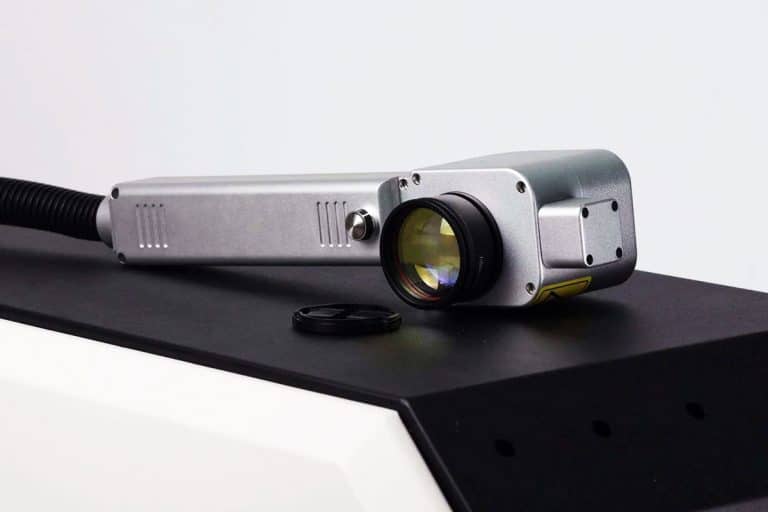
- Fiber Delivery Cable and Handpiece: The fiber optic cable and handheld cleaning head experience wear over time due to frequent movement and exposure to debris. These parts generally last 3 to 5 years, but their lifespan varies depending on handling care and the frequency of use. Using protective covers and avoiding sharp bends in the fiber helps prevent damage.
- Overall Machine Lifespan: When used properly and maintained regularly, 500W pulsed laser cleaning machines can have an overall service life of 10 to 15 years. This makes it a long-term investment, especially compared to conventional cleaning equipment that requires more frequent replacement or servicing.
What PPE Is Required When Operating 500W Pulsed Laser Cleaning Machines?
- Laser Safety Glasses: Laser safety glasses are the most critical PPE when using 500W pulsed laser cleaning machines. Operators must wear optical-density-rated glasses that match the laser’s specific wavelength (typically around 1064 nm for fiber lasers). These glasses protect the eyes from direct and reflected laser radiation, which can cause permanent eye injury. Glasses should comply with ANSI Z136.1 or EN 207/208 standards, and they must fully cover the eyes with side protection to prevent accidental exposure.
- Protective Clothing: Operators should wear laser-resistant clothing made from non-reflective and flame-retardant materials. This helps protect against accidental beam reflection or debris produced during cleaning. Avoid shiny or reflective surfaces on clothing, watches, or jewelry, as these can reflect laser light. Long-sleeved garments, full-length pants, and heat-resistant gloves are recommended for additional protection.
- Laser Safety Gloves: While 500W pulsed lasers typically do not burn through materials instantly, the beam’s intensity and heat can cause burns upon direct contact. Operators should use heat- and laser-resistant gloves, especially when working close to the laser beam or cleaning hot metallic surfaces.
- Respiratory Protection: During cleaning, the laser ablates surface contaminants such as rust, paint, or oil, which can generate fine dust and potentially harmful fumes. A respirator or dust mask rated N95 or higher should be worn if a local fume extraction system is unavailable or insufficient. In industrial settings, using a full fume extraction system with HEPA and activated carbon filters is strongly recommended.
- Face Shield or Visor: In addition to laser safety glasses, a clear polycarbonate face shield provides extra protection from flying debris and small particles that can be ejected during cleaning. This is especially important when working on corroded or uneven metal surfaces.
- Hearing Protection: Some 500W pulsed laser cleaning machines produce loud noises, especially when operating at high repetition rates or cleaning large surfaces. Operators should wear earplugs or earmuffs rated for industrial noise reduction to maintain safe sound exposure levels.
- Safety Footwear: Operators working in industrial or workshop environments should wear steel-toed safety shoes with non-slip soles to protect against dropped tools, machine components, or debris.
- Protective Work Area: In addition to personal protection, a controlled laser-safe workspace should be established. This includes using laser safety curtains or barriers, proper warning signage, and restricted access zones to ensure that bystanders are not exposed to laser radiation.
What Are The Environmental Requirements For 500W Pulsed Laser Cleaning Machines?
- Temperature and Humidity: 500W pulsed laser cleaning machines work best in stable, controlled environments. The ideal operating temperature range is 10℃ to 35℃ (50℉–95℉). Excessive heat can cause the cooling system to overload, while very low temperatures may lead to condensation inside the laser system. Relative humidity should be maintained between 35% and 75%, as high humidity can lead to corrosion and optical interference, while overly dry air increases static electricity that can affect sensitive components.
- Ventilation and Air Quality: Good ventilation is essential for removing dust, fumes, and vaporized material produced during laser cleaning. The workspace should be equipped with a high-efficiency fume extraction system that includes HEPA and activated carbon filters to capture particulates and absorb gases. The surrounding air should remain clean and dust-free, as airborne contaminants can deposit on optical lenses and mirrors, reducing beam quality and efficiency.
- Electrical Power Supply: A stable electrical supply is necessary to protect the machine’s electronics and ensure consistent laser output. Most 500W pulsed laser cleaning machines require 220V or 380V AC, 50/60Hz, depending on configuration. To avoid voltage fluctuations or power surges, a voltage stabilizer or uninterruptible power supply (UPS) should be used. Consistent power delivery prevents damage to the laser source, control boards, and cooling systems.
- Cooling and Water Quality: 500W pulsed laser cleaning systems typically rely on water-cooling units to regulate temperature. The cooling system should be placed in a well-ventilated area with adequate airflow to disperse heat. The cooling water must be deionized or distilled, with no impurities that could cause corrosion or scale buildup. The optimal cooling water temperature is 20℃–25℃ (68℉–77℉), and filters should be cleaned or replaced regularly to ensure proper flow and efficiency.
- Workspace and Installation Area: The laser cleaning machine should be installed on a stable, vibration-free surface to maintain optical alignment. Vibrations from nearby heavy machinery can reduce cleaning precision. The machine requires at least 1 meter (3 feet) of clearance on all sides for ventilation, maintenance, and safety. The area should be dry, well-lit, and free from reflective surfaces or flammable materials that could pose a hazard during laser operation.
- Safety and Laser Control Area: The working area should comply with laser safety standards (ANSI Z136.1 or IEC 60825). It must be designated as a Class IV laser operation zone, meaning only trained personnel are permitted access during operation. Laser safety barriers or curtains rated for the machine’s wavelength (typically 1064 nm) should be installed to prevent beam reflections. Additionally, warning signs, interlock systems, and emergency stop switches should be present and functional.
- Noise and Emissions: Although laser cleaning is generally quieter than abrasive or chemical methods, the cooling system and exhaust fans can produce moderate noise. The workspace should maintain noise levels below 80 dB(A) to comply with occupational safety standards. If noise exceeds this threshold, hearing protection should be used.
- Lighting and Visibility: The workspace should be bright and well-illuminated to ensure clear visibility of the surface being cleaned. However, lighting should not cause reflections or glare that could interfere with laser alignment or operator visibility.
What Training Is Required To Operate 500W Pulsed Laser Cleaning Machines?
- Laser Safety Training: Before using 500W pulsed laser cleaning machines, operators must complete certified laser safety training based on standards such as ANSI Z136.1 or IEC 60825-1. This training covers the fundamentals of laser radiation, beam hazards, and reflection risks. Operators learn about laser classifications, exposure limits, protective eyewear selection, and safe work practices. They are also trained to recognize potential hazards and respond correctly in emergencies, including fire or accidental exposure.
- Operational Training: Operators must receive hands-on equipment training from the manufacturer or a qualified instructor. This includes understanding the machine interface, power settings, pulse frequency adjustment, and beam focusing. Training also covers proper alignment, work distance calibration, and motion control techniques to achieve optimal cleaning efficiency without damaging the substrate. In addition, users learn how to handle the laser gun safely and how to adjust cleaning parameters for different materials such as metal, paint, rust, or oxides.
- Maintenance and System Handling Training: Basic maintenance training ensures that operators can perform routine checks and preventive care safely. This includes cleaning optics, inspecting the cooling system, checking water levels and filters, and verifying proper air extraction. Operators must also know how to safely start up and shut down the laser system, manage cables, and avoid contamination or misalignment of optical components.
- Electrical and Cooling System Familiarization: 500W pulsed laser cleaning machines often rely on stable electrical input and precise water cooling systems. Operators should understand how to monitor the chiller, handle coolant replacement, and detect system warnings such as overheating or low water flow. Electrical safety awareness is also crucial — operators must be trained to avoid live circuits and follow proper grounding procedures.
- Fume Extraction and Environmental Safety Training: Laser cleaning produces dust, fumes, and vaporized particles that may contain hazardous materials. Training should include the correct use of fume extraction systems, filter maintenance, and air quality safety protocols. Operators learn to identify when ventilation is inadequate and to use additional PPE such as respirators if needed.
- Emergency Procedures Training: Operators should be familiar with emergency shutdown procedures, including the use of the emergency stop button, key-lock systems, and interlock safety features. They should know how to respond to laser accidents, such as reflections or overheating, and how to report and document incidents. Training also includes fire safety awareness, as improper laser use may ignite nearby flammable materials.
- Personal Protective Equipment (PPE) Training: Operators must be trained in selecting and using the correct laser safety glasses for the machine’s wavelength (typically 1064 nm), as well as protective clothing, gloves, and footwear. Proper PPE usage prevents burns, eye injury, or exposure to reflected beams.
- Documentation and Regulatory Compliance: Operators should be trained to follow laser operation logs, maintenance records, and safety inspection checklists. Training should also include compliance with local occupational safety regulations, such as OSHA or CE standards, ensuring the workspace meets laser safety zone requirements.