

Product Introduction
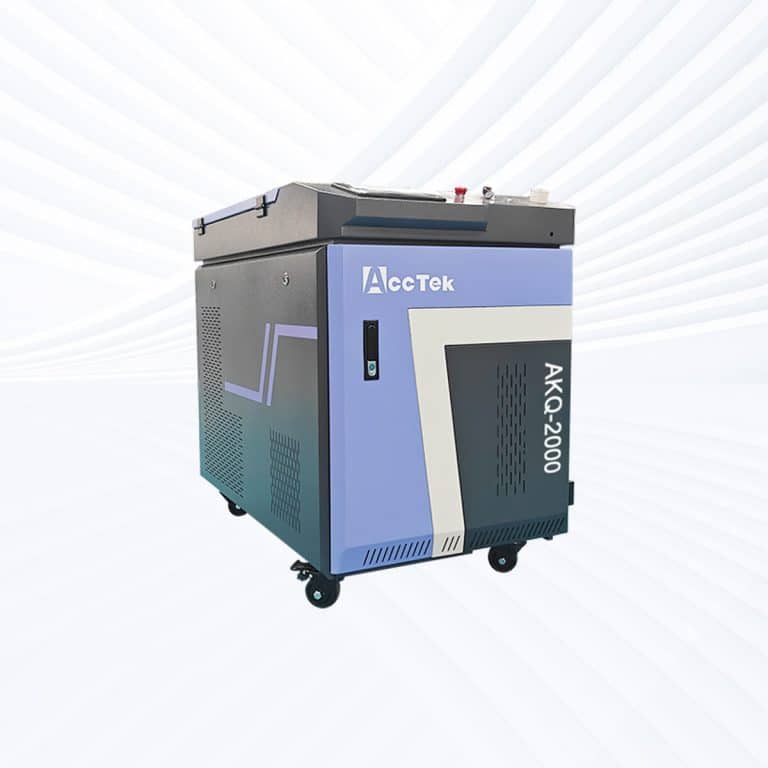
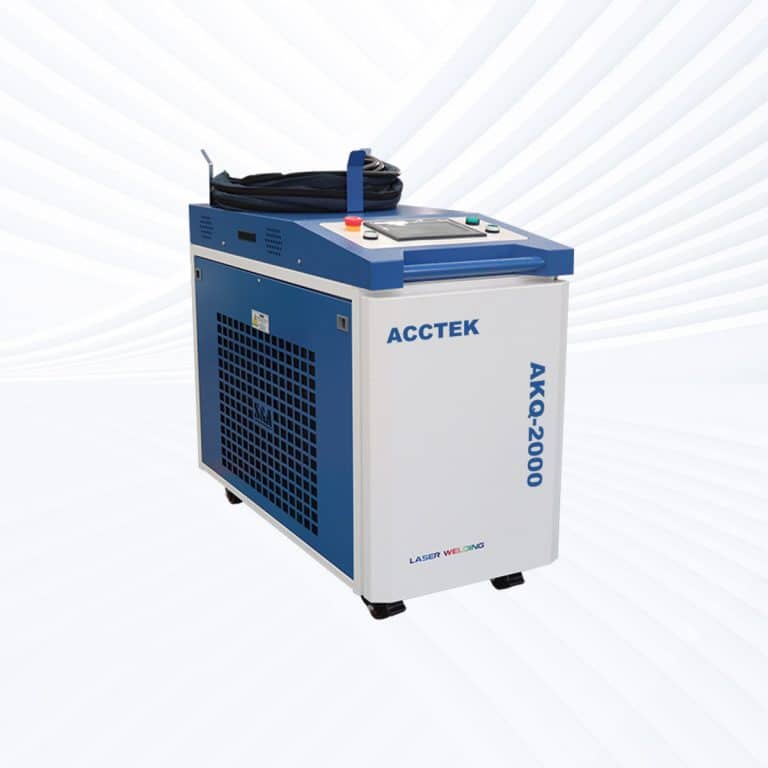
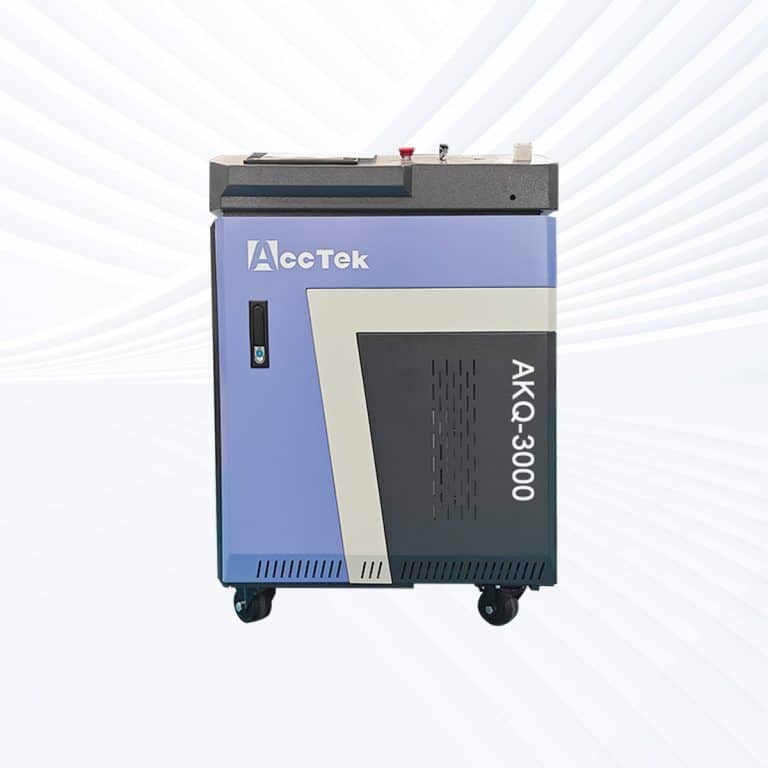
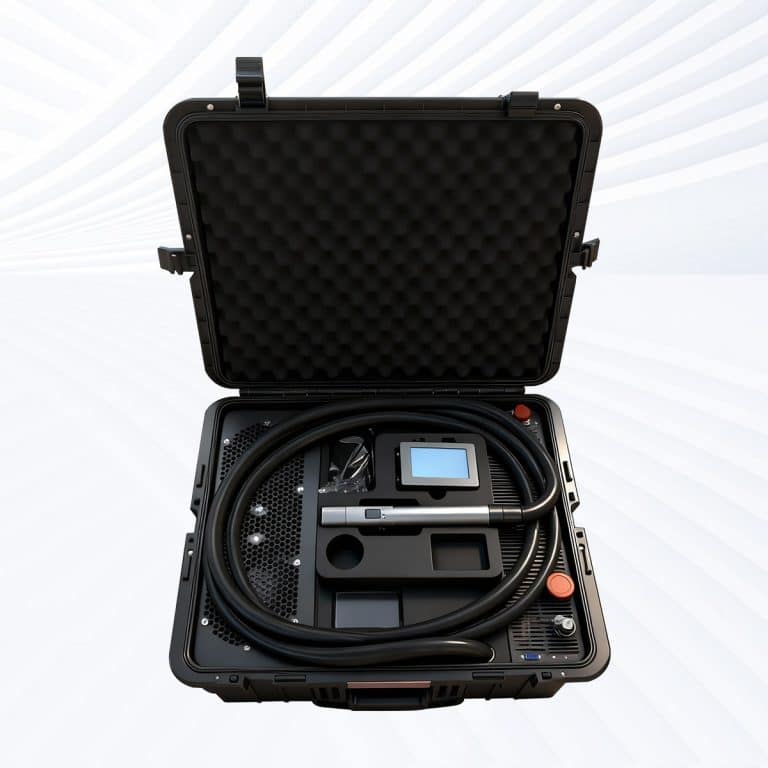
Types of 3kW Continuous Laser Cleaning Machines
Contaminant Removal Capability
| Contaminant Type | 1kW | 1.5kW | 2kW | 3kW | 6kW |
|---|---|---|---|---|---|
| Light Rust / Oxide Film | Excellent | Excellent | Excellent | Excellent | Excellent |
| Heavy Rust / Deep Corrosion | Moderate | Good | Excellent | Excellent | Excellent |
| Paint / Coating Layer | Moderate | Good | Excellent | Excellent | Excellent |
| Powder Coating | Light Removal | Moderate | Good | Excellent | Excellent |
| Oil / Grease / Mold Release Residue | Excellent | Excellent | Excellent | Excellent | Excellent |
| Resin / Rubber / Adhesive Film | Light Removal | Moderate | Good | Excellent | Excellent |
| Carbon Deposits / Burn Marks | Moderate | Good | Excellent | Excellent | Excellent |
| Weld Oxidation / Heat Tint | Good | Excellent | Excellent | Excellent | Excellent |
| Polishing Compound / Buffing Paste | Good | Excellent | Excellent | Excellent | Excellent |
| Protective Film Residue / Glue | Excellent | Excellent | Excellent | Excellent | Excellent |
| Oxide Scale after Heat Treatment | Moderate | Good | Excellent | Excellent | Excellent |
| Dust / Environmental Contaminants | Excellent | Excellent | Excellent | Excellent | Excellent |
| Tar / Asphalt / Hydrocarbon Film | Moderate | Good | Excellent | Excellent | Excellent |
| Salt / Mineral Deposits | Good | Excellent | Excellent | Excellent | Excellent |
Compatible Materials
- Carbon Steel
- Stainless Steel
- Mild Steel
- Alloy Steel
- Tool Steel
- Cast Iron
- Galvanized Steel
- Aluminum
- Aluminum Alloys
- Copper
- Brass
- Bronze
- Nickel
- Nickel Alloys
- Titanium
- Titanium Alloys
- Zinc
- Chrome-Plated Steel
- Chromium Alloys
- Tungsten
- Molybdenum
- Inconel
- Lead
- Silver
- Gold
- Platinum
- Metal Molds
- Welding Seams and Joints
- Oxidized Metal Surfaces
- Painted Metal Parts
Application of 3kW Continuous Laser Cleaning Machines
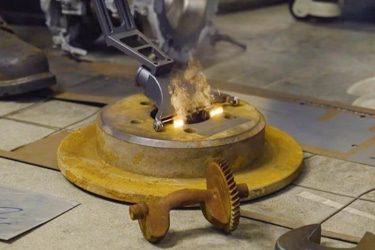
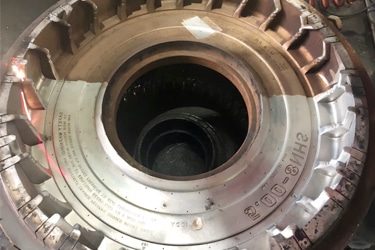
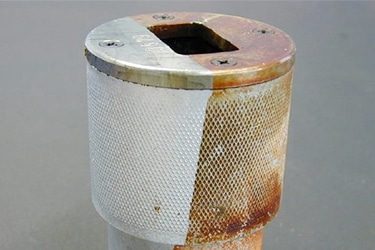
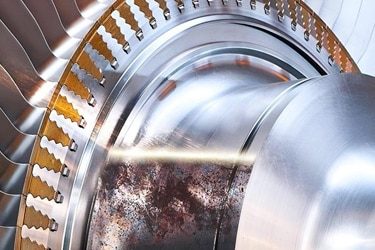
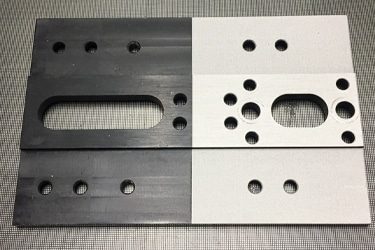
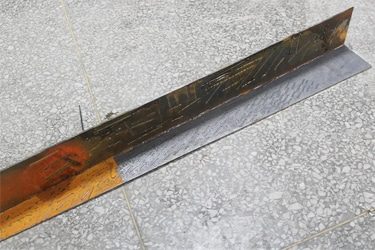
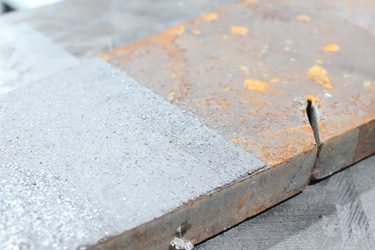
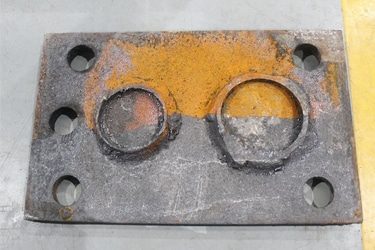
Customer Testimonials
Comparison VS Other Cleaning Technologies
| Comparison Item | Continuous Laser Cleaning | Sandblasting | Chemical Cleaning | Ultrasonic Cleaning |
|---|---|---|---|---|
| Cleaning Method | Non-contact laser ablation | Abrasive particle impact | Chemical reaction/dissolution | Cavitation from ultrasonic waves |
| Surface Damage Risk | None (non-abrasive) | High (abrasive wear) | Possible chemical corrosion | Low |
| Environmental Impact | Eco-friendly, no waste | Dust and debris generation | Hazardous waste and fumes | Requires detergent solution |
| Precision Cleaning | Extremely precise | Low precision | Moderate | High for small components |
| Cleaning Speed | Very fast | Moderate | Slow | Moderate |
| Material Compatibility | Metals, alloys, stone, rubber, etc. | Mostly metals and hard surfaces | Limited by chemical reactivity | Mostly metals and delicate parts |
| Operating Costs | Low (no consumables) | Medium (abrasives) | High (chemicals and disposal) | Medium (detergents and water) |
| Maintenance Requirements | Minimal | Frequent (abrasive clogging) | High (chemical handling) | Moderate |
| Worker Safety | High (no chemicals or dust) | Low (airborne particles) | Low (toxic exposure risk) | High |
| Automation Capability | Easily automated/robot-integrated | Difficult | Limited | Limited |
| Waste Generation | None | High (abrasive residue) | High (chemical waste) | Low |
| Operating Environment | Clean and dry | Dusty and noisy | Fume and liquid handling needed | Wet and enclosed |
| Consumables Required | None | Abrasive media | Chemicals | Cleaning solution |
| Energy Efficiency | High | Moderate | Low | Moderate |
| Typical Applications | Rust, paint, oxide, coating removal | Rust, scale, paint removal | Oil, grease, oxide removal | Fine cleaning of small precision parts |
Why Choose Us
Efficient Cleaning
Our machines offer fast, precise cleaning without chemicals or abrasion, making them ideal for delicate surfaces and complex materials across various industries.
Safe & Eco-Friendly
Laser cleaning eliminates the need for harsh chemicals and generates no secondary pollution, creating a safer and more environmentally friendly workspace.
Stable Performance
Built with high-quality components and advanced control systems, our machines ensure consistent cleaning results with minimal maintenance and long service life.
Custom Solutions
We provide flexible configurations and tailored options to match different cleaning requirements, helping customers achieve optimal performance for their specific applications.
Related Resources
Comprehensive Guide to Choosing the Right Laser Cleaning Machines
This comprehensive guide provides essential insights into selecting the right laser cleaning machine, covering key factors like machine capabilities, cost, efficiency, and maintenance for optimal results.
How Effective Is Laser Cleaning At Removing Contaminants
This article explores how effective laser cleaning is at removing contaminants, covering mechanisms, materials, system types, real-world applications, limitations, and optimization factors for reliable results.
Will Laser Cleaning Damage The Substrate
This article explains whether laser cleaning damages substrates, examining damage mechanisms, material risks, process control, and verification methods for safe, effective laser cleaning.
Comprehensive Guides to Choosing the Right Laser Cleaning Parameters
This comprehensive guide explores the key factors in choosing the right laser cleaning parameters, including material types, contamination levels, and practical considerations for optimal results.
Frequently Asked Questions
How Much Do 3kW Continuous Laser Cleaning Machines Cost?
- Rust and Oxides: Removes heavy rust and scale from carbon steel, stainless steel, and iron. A 3 kW beam provides deep surface penetration for industrial-grade restoration.
- Paint and Coatings: Strips multilayer coatings, including epoxy, powder coatings, and old primers, without damaging the substrate—ideal for automotive, shipyard, and tooling industries.
- Oil, Grease, and Carbon Deposits: Cleans engine parts, molds, and welded joints with high energy density, eliminating the need for chemical solvents.
- Oxidized or Contaminated Welds: Restores weld seams by removing discoloration and oxide layers, improving post-processing adhesion and appearance.
- Cultural Artifacts and Precision Parts (with low-power mode): When tuned to lower fluence, can safely clean delicate surfaces such as bronze or aluminum components.
What Cooling Method Do 3kW Continuous Laser Cleaning Machines Use?
- Thermal Stability: Prevents overheating, ensuring consistent beam quality and cleaning efficiency.
- Extended Component Life: Keeps fiber modules, QBH connectors, and optics from thermal fatigue.
- Continuous Duty Operation: Allows the laser to run for long durations without performance degradation—essential for large-scale industrial cleaning tasks.
- Quiet and Efficient: Unlike air-cooling fans, water cooling provides stable temperature control with less noise and better energy efficiency.
What Problems Might Occur When Using 3kW Continuous Laser Cleaning Machines?
- Surface Overheating and Damage: With their high power output, 3kW continuous lasers can easily overheat or damage the base material if parameters are not properly controlled. Prolonged exposure or excessive power can cause melting, discoloration, or micro-cracking on the metal surface. Proper parameter settings—such as beam focus, scan speed, and power adjustment—are critical to avoid substrate distortion.
- Inconsistent Cleaning Quality: Uneven cleaning may result from incorrect focal distance, unstable hand movement, or misaligned optics. Variations in scanning patterns or focus can lead to patchy cleaning areas or residue left behind. Regular calibration and consistent operator technique are necessary for smooth, uniform cleaning results.
- Optical Contamination: High-energy ablation generates fumes, dust, and microscopic debris that can settle on the laser’s protective lens or mirror. Over time, these contaminants reduce beam intensity, distort focus, and can lead to lens overheating or cracking. Regular cleaning of optical components and the use of protective air purges help maintain stable performance.
- Cooling System Failures: 3kW continuous laser cleaning systems generate significant heat and rely heavily on effective water-cooling. Problems such as coolant contamination, low flow rate, or blocked filters can cause overheating and automatic shutdowns. In severe cases, insufficient cooling may damage the laser source or fiber connections. Routine inspection and coolant replacement are essential to prevent thermal issues.
- Fume and Particle Accumulation: Laser cleaning vaporizes contaminants, releasing dense fumes and particulates into the air. Without proper fume extraction, these emissions can obscure the work area, contaminate optics, and pose health risks. Inadequate ventilation or poorly positioned exhaust systems can lead to residue buildup on nearby surfaces and equipment.
- Power Supply Instability: Fluctuating voltage or inadequate grounding can disrupt laser operation, causing inconsistent power output or triggering system faults. Power interruptions during cleaning can lead to incomplete results or unexpected downtime. Using a voltage stabilizer or uninterruptible power supply (UPS) ensures steady operation.
- Reflected Beam Hazards: Highly reflective metals such as aluminum, copper, or polished steel can reflect the laser beam, creating potential hazards for operators and optical components. These reflections may damage the laser head or reduce cleaning efficiency. Adjusting cleaning angles and using matte finishes on reflective surfaces minimizes reflection risks.
- Software or Control Errors: Faulty parameter settings, outdated firmware, or communication errors between the laser source and control system can cause scanning irregularities, unstable output, or equipment freezing. Regular software updates and correct parameter calibration help prevent control issues.
- Environmental Sensitivity: Dust, humidity, and temperature fluctuations can negatively affect optical alignment and beam stability. The system should be operated in a clean, climate-controlled environment. Excessive humidity can cause condensation on optics, while high temperatures may reduce cooling performance.
- Safety Risks from Improper Operation: Due to the high power of 3kW continuous lasers, inadequate training or disregard for safety protocols can result in serious hazards. Exposure to the beam or reflections can cause eye and skin injuries. Operators must always wear laser-rated eyewear, maintain restricted access zones, and follow all safety guidelines.
What Is The Service Life Of 3kW Continuous Laser Cleaning Machines?
- Laser Source Lifespan: The fiber laser source is the core of 3kW continuous laser cleaning machines, and it typically has a service life of 80,000 to 100,000 working hours. High-quality laser modules from reputable manufacturers like IPG, Raycus, or Maxphotonics are built for continuous operation with stable power output and minimal degradation over time. With proper cooling and maintenance, the laser source can perform consistently for over a decade in industrial environments.
- Optical Components: Protective lenses, mirrors, and scanning heads are exposed to heat, debris, and fumes during operation. These components may gradually wear out or become contaminated, reducing beam efficiency. With regular cleaning and timely replacement of protective lenses, optical systems can maintain peak performance for 3,000 to 5,000 hours of use before requiring servicing or replacement.
- Cooling System: Because 3kW continuous lasers generate significant heat, efficient water cooling is essential for stability and longevity. The cooling system—comprising pumps, filters, and water lines—typically lasts 5 to 8 years with routine maintenance. Replacing coolant periodically and keeping filters clean helps prevent overheating and extends both the cooling system and laser source lifespan.
- Electronic and Control Components: The control module, power supply, and electronic boards can last 8 to 12 years under stable electrical conditions. However, exposure to voltage fluctuations, high humidity, or dust can shorten their life. Using voltage stabilizers and maintaining a clean, temperature-controlled environment helps protect sensitive electronic parts.
- Mechanical Components: The handheld cleaning head, fiber cable, and machine housing are engineered for durability. The fiber cable itself can last more than 10 years if properly handled—avoiding sharp bends, twisting, or impacts. The handheld head, depending on frequency of use, may need servicing or replacement of minor parts such as protective windows or focusing lenses after prolonged operation.
- Software and Firmware Longevity: The control software does not physically wear out, but requires periodic updates to maintain performance and compatibility. Updated firmware ensures smoother operation, improved efficiency, and access to new safety features. Manufacturers typically support software updates for at least 5 to 10 years after purchase.
- Environmental Factors: The operating environment plays a major role in determining service life. Excessive dust, humidity, or temperature fluctuations can shorten component longevity by contaminating optics or corroding electronic parts. Maintaining the system in a clean, temperature-controlled workspace ensures optimal performance and longer equipment lifespan.
- Maintenance and Operator Care: Proper daily maintenance—such as lens cleaning, filter checks, and cooling water monitoring—has a direct impact on overall service life. Neglecting these tasks can lead to gradual performance loss or premature component failure. Well-maintained 3kW laser cleaning machines often outlast their expected lifespan, providing reliable service for 12 to 15 years.
- Manufacturer and Build Quality: Machines from established manufacturers with certified components and strict quality control tend to offer longer service lives and better after-sales support. Low-cost alternatives may have shorter lifespans due to inferior optics, unstable cooling, or substandard electrical components.
What Are The Disadvantages Of 3kW Continuous Laser Cleaning Machines?
- High Initial Investment: 3kW continuous laser cleaning systems are expensive compared to lower-power models or traditional cleaning methods like sandblasting and chemical stripping. The advanced fiber laser source, cooling system, and control electronics significantly increase upfront costs. While long-term maintenance costs are low, the initial purchase price may be a barrier for small or medium-sized operations.
- Risk of Surface Damage: At 3kW power, the laser beam generates intense energy capable of overheating the surface if settings are not properly controlled. Excessive exposure or incorrect parameters can cause discoloration, warping, or micro-cracks on thin or reflective materials. Skilled operation and careful adjustment of power, scan speed, and focus are necessary to avoid surface alteration.
- Limited Material Compatibility: These high-power continuous lasers are best suited for metallic surfaces. They are ineffective or unsafe for non-metal materials such as plastics, rubber, composites, or organic coatings, which can burn, melt, or release harmful fumes. This limits their use in industries dealing with mixed materials or delicate substrates.
- Fume and Dust Generation: Laser cleaning vaporizes contaminants such as rust, paint, or coatings, producing fumes and fine particles that may contain toxic compounds. Without an efficient fume extraction or air filtration system, these emissions can contaminate optics and pose health hazards to operators. Proper ventilation and dust collection systems add to installation costs and maintenance needs.
- High Power Consumption: A 3kW continuous laser requires significant electrical power, especially during long operational cycles. Combined with the energy demands of water-cooling units, total power consumption can be substantial. This increases operating costs and may require dedicated electrical infrastructure in industrial settings.
- Cooling and Maintenance Requirements: Because of the high energy output, effective cooling is critical. Water-cooled systems must be maintained regularly, with periodic coolant replacement and filter cleaning to prevent overheating. Poor maintenance can lead to reduced performance or even damage to the laser source. Cooling systems also increase machine weight and reduce portability.
- Complex Operation and Training Needs: Operating 3kW continuous laser cleaning machines safely and effectively requires professional training. Operators must understand laser safety, system calibration, and material interaction to prevent accidents or surface damage. Improper use can lead to inconsistent cleaning results or equipment faults, increasing downtime.
- Environmental Sensitivity: Dust, moisture, and temperature fluctuations can affect optical stability and system reliability. These machines perform best in clean, temperature-controlled environments. Using them in harsh or outdoor conditions without proper protection can lead to optical contamination or reduced performance.
- Safety Risks: Due to the laser’s high power, improper handling poses severe safety risks, including eye and skin injuries from direct or reflected exposure. Strict adherence to laser safety protocols is required, including the use of rated protective eyewear, enclosed work areas, and interlock systems. Ignoring safety procedures can lead to serious accidents.
- Large Size and Weight: 3kW continuous laser cleaning systems, especially those with water-cooling units, are heavier and bulkier than lower-power models. Their larger footprint can limit mobility and make them less suitable for field operations or confined workspaces.
What Training Is Required To Operate 3kW Continuous Laser Cleaning Machines?
- Laser Safety Training: Before using 3kW continuous laser cleaning machines, operators must complete certified laser safety training based on standards such as IEC 60825 or ANSI Z136. This includes understanding the principles of laser radiation, potential hazards, and proper safety practices. Operators learn how to identify laser classifications, wear wavelength-specific protective eyewear (typically for 1064 nm), and follow procedures that prevent exposure to direct or reflected beams. Safety training also covers the use of interlocks, emergency stops, and laser-controlled access zones.
- Machine Operation Training: Practical instruction is required to operate the laser cleaning system safely and effectively. Operators learn how to start, calibrate, and shut down the machine, set laser parameters such as power, scanning speed, and focus, and select appropriate cleaning patterns for different materials. This training ensures operators understand how to adjust the laser for varying levels of rust, paint, or coating thickness while preventing surface damage or energy waste.
- Material and Process Knowledge: Different metals and coatings respond differently to laser energy. Operators must understand how to select the correct settings for each material type—such as aluminum, stainless steel, copper, or titanium—to achieve optimal cleaning results without overheating or discoloration. Training also includes identifying materials that should not be cleaned with a 3kW laser, such as plastics, composites, or reflective surfaces, which can pose safety risks or cause poor results.
- Maintenance and Inspection Training: Routine maintenance is critical for long-term performance. Operators are trained to clean optical lenses, replace filters, check coolant levels, and inspect fiber connections. They learn to recognize warning signs of potential problems, such as reduced beam power, irregular cleaning patterns, or overheating. Proper maintenance techniques prevent downtime and extend the lifespan of key components like the fiber laser source and cooling system.
- Cooling and Power Management Training: Because 3kW continuous laser cleaning systems produce substantial heat, proper cooling management is essential. Operators are trained to monitor coolant flow, temperature, and quality in water-cooled systems. Electrical training ensures they understand how to connect the machine to a stable power supply, verify grounding, and manage power fluctuations safely. This reduces the risk of electrical damage and overheating.
- Software and Control Interface Training: Modern 3kW continuous laser cleaning machines are controlled via digital interfaces or touchscreen panels. Operators learn how to navigate menus, adjust laser settings, and store or recall preset cleaning programs. They also learn how to perform parameter optimization, interpret diagnostic messages, and update the machine’s firmware when required.
- Fume Extraction and Air Quality Control: Laser cleaning generates fumes and particulates that must be managed through a proper fume extraction system. Training includes how to set up and maintain extraction equipment, position nozzles correctly, and replace filters regularly. Operators also learn about workplace ventilation requirements and personal respiratory protection to ensure safe air quality during operation.
- Emergency Procedures and First Aid: Operators are trained to respond quickly to emergencies, including laser exposure, fire hazards, or equipment malfunctions. They must know how to use emergency stop functions, safely disconnect power, and report incidents immediately. Basic first aid and fire extinguisher use are also covered to ensure readiness in case of accidents.
- Regulatory Compliance and Documentation: Facilities operating high-power lasers must comply with national and international safety regulations. Operators are trained to follow documentation requirements, maintain safety logs, and assist laser safety officers (LSOs) in audits or inspections. Compliance ensures workplace safety and legal protection for the company.
- Hands-On Practical Experience: Finally, supervised hands-on training allows operators to apply theoretical knowledge in real cleaning scenarios. Under expert supervision, they practice adjusting parameters, handling the handheld cleaning head, and maintaining a consistent cleaning path for optimal efficiency and finish quality.
What PPE Is Required When Operating 3kW Continuous Laser Cleaning Machines?
- Laser Safety Glasses: Laser safety eyewear is the most critical PPE. Operators and nearby personnel must wear glasses rated for the laser’s wavelength, typically 1064 nm for fiber lasers, with sufficient optical density (OD) protection. The eyewear must meet international safety standards such as EN 207/208 or ANSI Z136 to ensure complete protection from direct and reflected beams. Using incorrect or uncertified lenses can result in permanent eye damage or blindness.
- Protective Clothing: Operators should wear flame-resistant and non-reflective clothing made from natural fibers or laser-rated materials. Synthetic fabrics such as polyester or nylon can melt or ignite when exposed to laser radiation. Long sleeves, full-length pants, and fitted clothing protect against scattered laser light, sparks, or heat emitted during cleaning. Clothing should be free of reflective surfaces, such as metallic zippers or buttons, to avoid beam reflection.
- Gloves: Heat-resistant gloves are recommended to protect hands from contact with hot metal surfaces and debris generated during cleaning. Leather or nitrile-coated gloves provide adequate heat resistance and dexterity. Operators should avoid bright or reflective gloves, as these can reflect the laser beam and pose safety risks.
- Respiratory Protection: Laser cleaning vaporizes contaminants like rust, paint, and oil, releasing fine particulates and potentially hazardous fumes. Operators should wear a respirator or mask rated for fine particulates and metal fumes (such as N95, P100, or equivalent). In industrial environments, a powered air-purifying respirator (PAPR) or a full fume extraction system is recommended to maintain clean air quality and protect respiratory health.
- Face Shield (Optional for High-Exposure Tasks): A full-face shield offers added protection against flying debris, molten particles, or light scattering during high-power operations. While it does not replace laser safety glasses, it provides extra shielding for the skin and eyes from thermal and particulate hazards. The shield should be anti-reflective and compatible with the operator’s eyewear.
- Safety Footwear: Industrial-grade safety shoes with non-slip, heat-resistant soles protect against dropped objects and hot debris. Steel-toe or composite-toe boots are preferred for heavy-duty environments. Avoid footwear with reflective or metallic finishes, as these can interfere with the laser’s beam path.
- Hearing Protection: Although laser cleaning is quieter than mechanical or abrasive cleaning, high-frequency noise from cooling fans, pumps, or scanners may occur, especially in enclosed spaces. Earplugs or earmuffs rated for industrial noise protection help prevent hearing fatigue during extended operation.
- Head and Hair Protection: Operators with long hair should tie it back securely or wear a non-reflective protective cap or hood. Laser-rated head coverings can be used in areas where there is a higher risk of scattered radiation. This prevents accidental exposure to hair or skin.
- High-Visibility or Protective Vest (For Field Operations): When operating 3kW continuous laser cleaning machines in shared or outdoor environments, wearing high-visibility vests ensures the operator remains visible to others. However, the vest should be matte or non-reflective to avoid laser reflections.
- Additional Environmental Protection: Besides PPE, safety curtains or barriers rated for 1064 nm lasers should surround the cleaning area to contain reflected beams. Proper signage, warning lights, and restricted access zones must be established to ensure bystanders are not exposed to radiation or fumes.
How Should 3kW Continuous Laser Cleaning Machines Be Maintained?
- Laser Source Maintenance: The fiber laser source is the heart of the system and requires minimal internal maintenance due to its sealed design. However, operators should regularly check for stable output power and smooth beam performance. Any noticeable drop in cleaning efficiency or uneven beam distribution may indicate fiber contamination or degradation. Keeping the surrounding area dust-free and ensuring proper ventilation around the laser cabinet helps maintain source longevity.
- Optical Lens Cleaning: The protective lens at the front of the cleaning head can accumulate dust, vaporized residues, or fine debris during operation. Contamination reduces beam transmission efficiency and can cause overheating or optical damage. The lens should be inspected daily and cleaned gently with optical-grade wipes and isopropyl alcohol. If damage or heavy buildup is visible, the lens should be replaced promptly to maintain beam quality.
- Scanning Head Inspection: The galvanometer or scanning head that directs the laser beam should be checked weekly for stable operation. Ensure that mirrors and protective glass are free of dust or smudges. Avoid touching optical components directly with bare hands, as oils and moisture can permanently damage coatings. Proper air purging or dust covers help keep optics clean and stable during extended use.
- Cooling System Maintenance: 3kW continuous laser cleaning machines rely on efficient water cooling to dissipate heat generated during operation. Coolant temperature, flow rate, and cleanliness should be checked regularly. Replace the coolant every three to six months or as recommended by the manufacturer, using deionized or distilled water mixed with corrosion inhibitors. Clean or replace filters to prevent clogging, and inspect hoses and fittings for leaks or blockages. Maintaining optimal coolant conditions prevents overheating and ensures laser stability.
- Air Filtration and Fume Extraction: Laser cleaning vaporizes rust, paint, and contaminants, generating fumes and fine particles. The fume extraction system and air filters should be cleaned or replaced regularly to maintain airflow efficiency. Blocked filters reduce suction power, allowing fumes to contaminate optics or escape into the workspace. Regular maintenance of exhaust hoses and fans ensures clean air quality and protects both the machine and operators.
- Electrical and Power System Checks: A stable power supply is essential for consistent laser output. Inspect electrical connections monthly for loose cables, corrosion, or insulation damage. Ensure the machine is properly grounded to prevent static discharge or electrical faults. Using a voltage stabilizer or uninterruptible power supply (UPS) helps protect sensitive electronics from surges or power fluctuations.
- Software and Control Panel Updates: The control software that manages cleaning parameters and scanning patterns should be updated periodically. Manufacturers release firmware updates to improve system stability, add features, or fix known bugs. Back up custom cleaning settings before updating. Operators should also check the control panel’s touch response and replace any damaged buttons or cables.
- Cooling Fans and Air Vents: Internal fans and vents play a vital role in dissipating heat from electronics and optics. Over time, dust accumulation can restrict airflow, leading to overheating. Clean vents and fans monthly using low-pressure air. Ensure that the machine has sufficient clearance (at least 0.5 meters) around ventilation openings for proper heat dissipation.
- Fiber Cable Handling: The fiber optic cable that delivers laser energy must be handled with care. Avoid sharp bends, twists, or physical impacts that could damage internal fibers. During operation and storage, keep the cable straight and secure to prevent strain on connectors. Inspect fiber ends for dirt or scratches before reconnecting to prevent signal loss or reflection damage.
- Preventive Maintenance Schedule: Manufacturers often provide a maintenance schedule that includes daily, weekly, and monthly inspections. Following this schedule ensures early detection of potential problems. Routine performance checks—such as laser power measurements and cleaning test samples—help verify that the system is functioning optimally.
- Storage and Environmental Control: When not in use, the laser cleaning machine should be stored in a clean, dry environment with stable temperature and humidity. Avoid exposure to dust, moisture, or corrosive vapors. Cover the cleaning head and optical ports to prevent contamination during downtime.