

Product Introduction
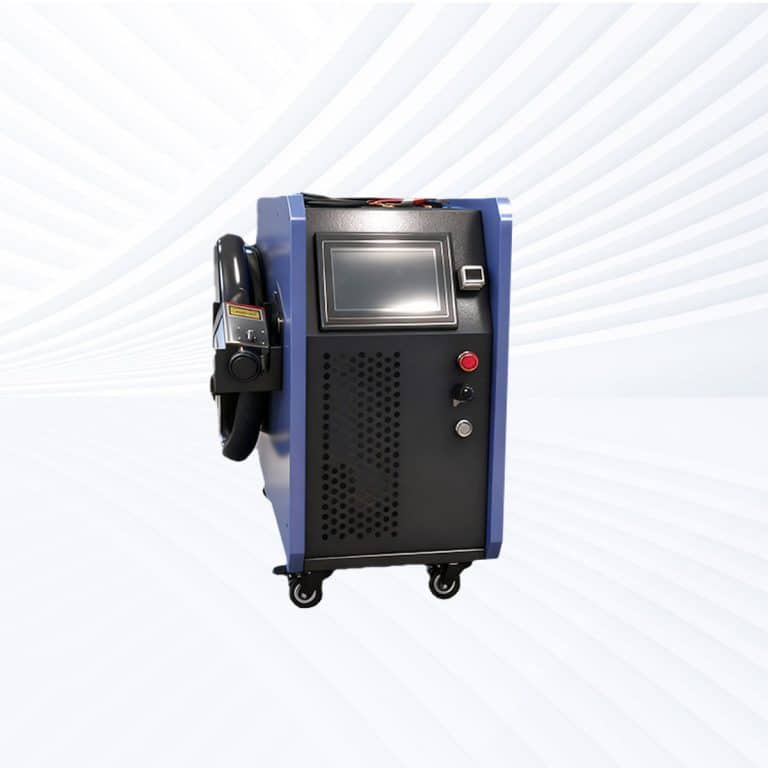
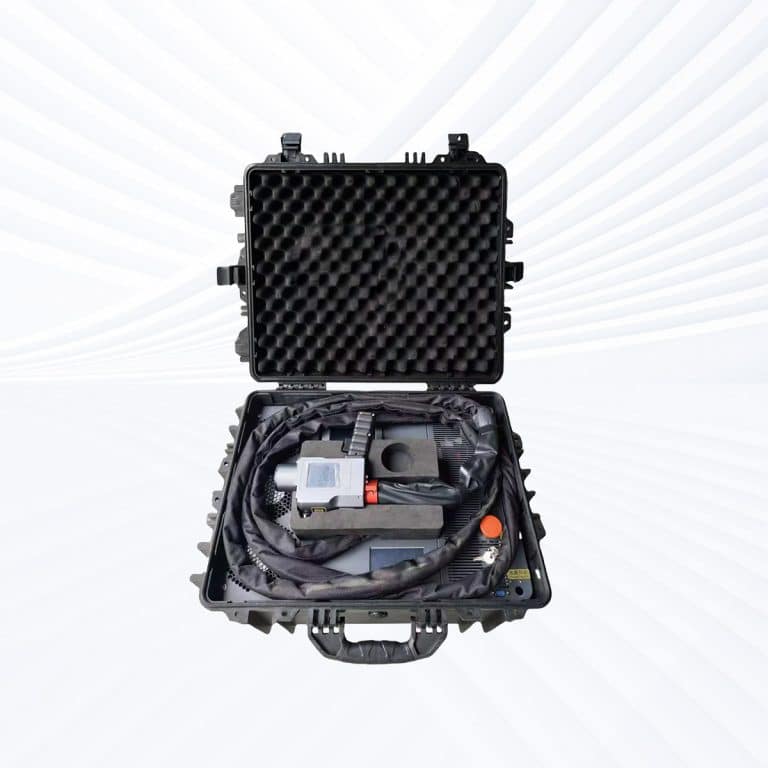
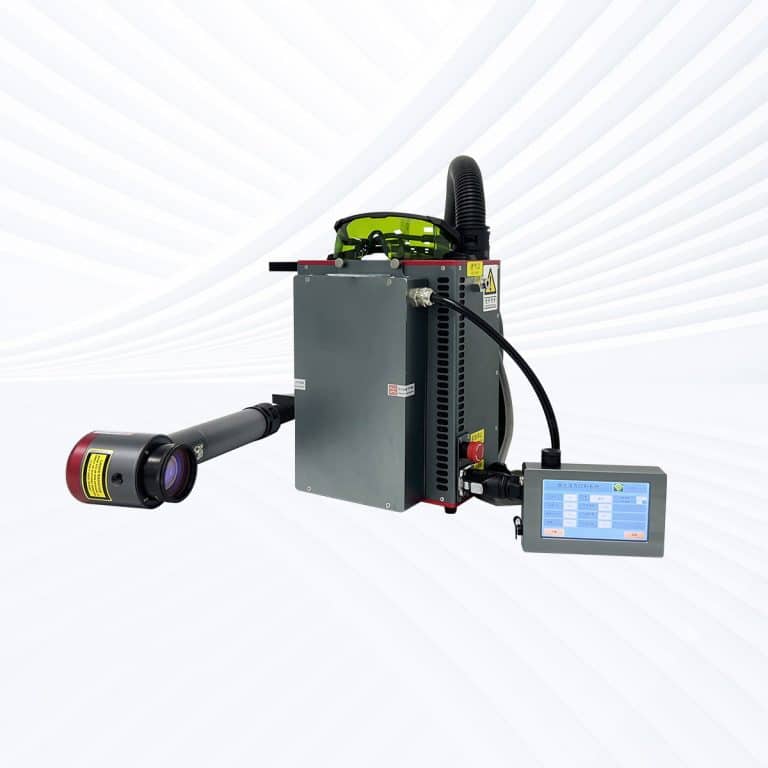
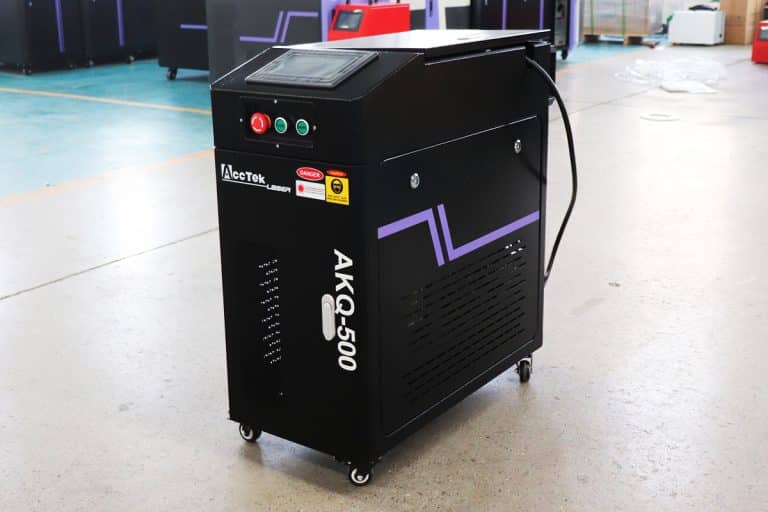
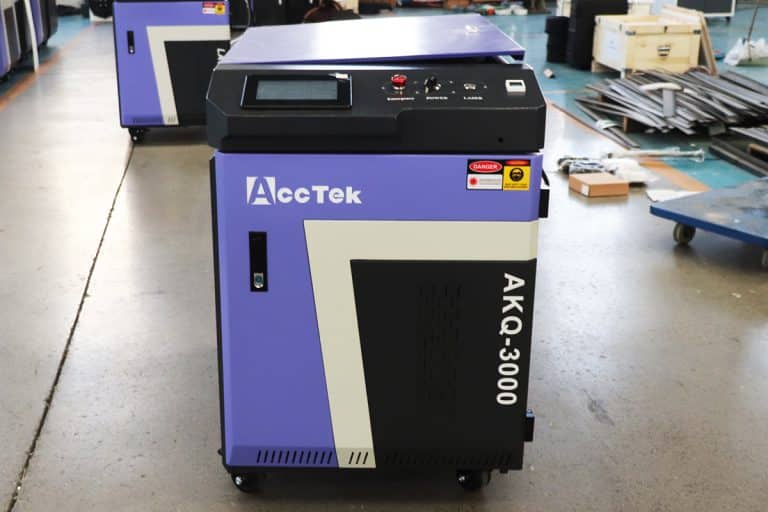
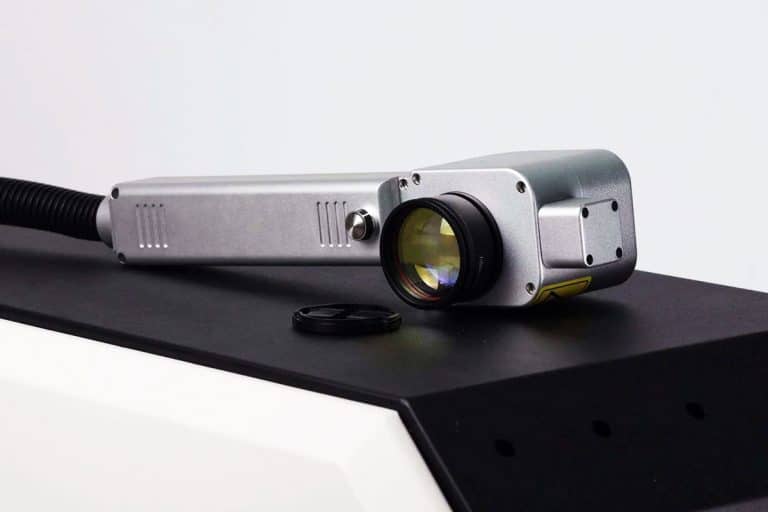
Types of 200W Pulsed Laser Cleaning Machines
Contaminant Removal Capability
| Contaminant Type | 100W | 200W | 300W | 500W | 1kW | 2kW |
|---|---|---|---|---|---|---|
| Light Rust / Oxide Film | Excellent | Excellent | Excellent | Excellent | Excellent | Excellent |
| Heavy Rust / Deep Corrosion | Light Removal | Moderate | Good | Excellent | Excellent | Excellent |
| Paint / Thin Coating | Moderate | Good | Excellent | Excellent | Excellent | Excellent |
| Thick Paint / Oxide Layer | Light Removal | Moderate | Good | Excellent | Excellent | Excellent |
| Oil / Grease / Mold Release | Excellent | Excellent | Excellent | Excellent | Excellent | Excellent |
| Resin / Rubber / Adhesive Film | Moderate | Good | Excellent | Excellent | Excellent | Excellent |
| Carbon Deposits / Burn Marks | Moderate | Good | Excellent | Excellent | Excellent | Excellent |
| Weld Oxidation / Heat Tint | Excellent | Excellent | Excellent | Excellent | Excellent | Excellent |
| Polishing Compound / Buffing Paste | Good | Excellent | Excellent | Excellent | Excellent | Excellent |
| Oxide Scale after Heat Treatment | Light Removal | Moderate | Good | Excellent | Excellent | Excellent |
| Dust / Environmental Contamination | Excellent | Excellent | Excellent | Excellent | Excellent | Excellent |
| Tarnish / Discoloration | Excellent | Excellent | Excellent | Excellent | Excellent | Excellent |
| Paint Underlayer / Primer | Moderate | Good | Excellent | Excellent | Excellent | Excellent |
| Thin Coating / Oxide on Precision Components | Excellent | Excellent | Excellent | Excellent | Excellent | Excellent |
Compatible Materials
- Carbon Steel
- Stainless Steel
- Mild Steel
- Tool Steel
- Alloy Steel
- Aluminum
- Aluminum Alloys
- Copper
- Brass
- Bronze
- Nickel
- Nickel Alloys
- Titanium
- Titanium Alloys
- Zinc
- Chromium
- Chrome-Plated Parts
- Gold
- Silver
- Platinum
- Lead
- Tin
- Iron
- Cast Iron
- Galvanized Steel
- Inconel
- Magnesium
- Molybdenum
- Tungsten
- Metal Molds
- Soldered Joints
- Anodized Aluminum
- Painted Metal Parts
- Oxidized Copper and Brass
- Composite Materials
- Plastic
- Rubber Molds
- Stone
- Glass
- Ceramic
Application of 200W Pulsed Laser Cleaning Machines
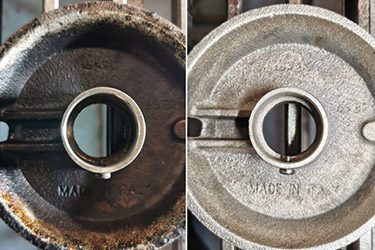

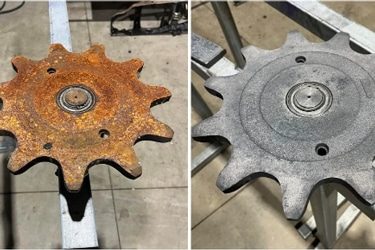
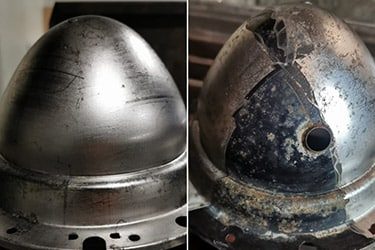



Customer Testimonials
Comparison VS Other Cleaning Technologies
| Comparison Item | Pulsed Laser Cleaning | Chemical Cleaning | Mechanical Grinding | Dry Ice Cleaning |
|---|---|---|---|---|
| Cleaning Method | Laser ablation using pulsed light energy | Chemical reaction/dissolution | Physical abrasion | CO2 pellet impact and sublimation |
| Surface Damage Risk | None (non-contact) | Possible corrosion or etching | High (abrasive wear) | Low |
| Precision Cleaning | Very high | Moderate | Low | Moderate |
| Thermal Impact | Minimal (pulsed laser control) | None | Friction heat possible | None |
| Suitable for Delicate Materials | Excellent | Limited | Poor | Good |
| Environmental Impact | Eco-friendly, no waste | Hazardous chemicals & fumes | Dust and debris | CO2 emissions (moderate) |
| Consumables Required | None | Chemical solutions | Grinding media | Dry ice pellets |
| Operating Costs | Low (no consumables) | High (chemical purchase & disposal) | Medium | High (dry ice supply) |
| Maintenance Requirements | Minimal | Frequent (chemical handling) | Frequent (tool wear) | Moderate |
| Cleaning Speed | Moderate to fast | Slow to moderate | Fast | Moderate |
| Surface Finish Quality | Excellent | Variable | Rough | Smooth |
| Operator Safety | High | Low (chemical exposure) | Medium (dust, noise) | High |
| Automation Capability | Easily automated | Limited | Difficult | Limited |
| Waste Generation | None | Chemical waste | Solid debris | CO2 gas only |
| Typical Applications | Fine rust, oxide, and oil removal | Grease and coating removal | Scale, rust, and weld prep | Residue and oil removal |
Why Choose Us
Efficient Cleaning
Our machines offer fast, precise cleaning without chemicals or abrasion, making them ideal for delicate surfaces and complex materials across various industries.
Safe & Eco-Friendly
Laser cleaning eliminates the need for harsh chemicals and generates no secondary pollution, creating a safer and more environmentally friendly workspace.
Stable Performance
Built with high-quality components and advanced control systems, our machines ensure consistent cleaning results with minimal maintenance and long service life.
Custom Solutions
We provide flexible configurations and tailored options to match different cleaning requirements, helping customers achieve optimal performance for their specific applications.
Related Resources
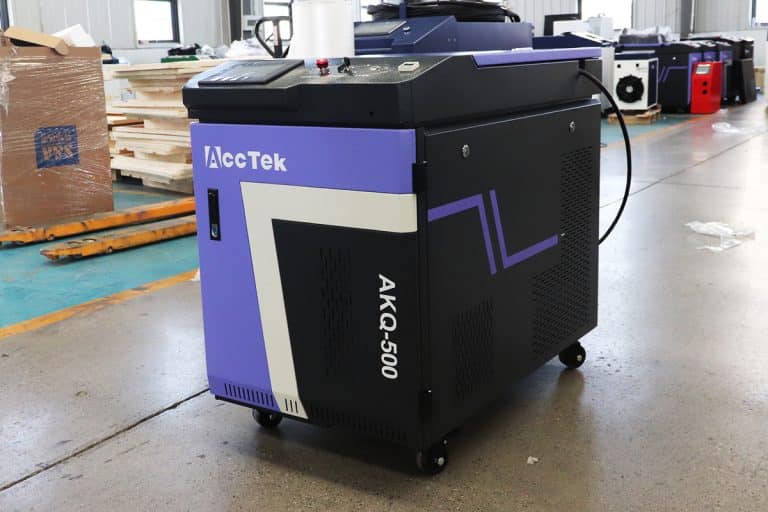
Comprehensive Guide to Choosing the Right Laser Cleaning Machines
This comprehensive guide provides essential insights into selecting the right laser cleaning machine, covering key factors like machine capabilities, cost, efficiency, and maintenance for optimal results.
How Effective Is Laser Cleaning At Removing Contaminants
This article explores how effective laser cleaning is at removing contaminants, covering mechanisms, materials, system types, real-world applications, limitations, and optimization factors for reliable results.
Will Laser Cleaning Damage The Substrate
This article explains whether laser cleaning damages substrates, examining damage mechanisms, material risks, process control, and verification methods for safe, effective laser cleaning.
Comprehensive Guides to Choosing the Right Laser Cleaning Parameters
This comprehensive guide explores the key factors in choosing the right laser cleaning parameters, including material types, contamination levels, and practical considerations for optimal results.
Frequently Asked Questions
How Much Do 200W Pulsed Laser Cleaning Machines Cost?
- High-Energy Pulsed Fiber Laser Source: The heart of the machine is the 200W pulsed fiber laser. It delivers powerful bursts of light energy at high frequency, with precise control over pulse width, duration, and repetition rate. Manufacturing this laser module involves rare-earth-doped fibers, precision alignment of diode pump modules, and advanced temperature stabilization. These processes ensure long service life and stable pulse energy output, significantly increasing production cost.
- Improved Thermal Management System: At 200W, the laser cleaning system generates much more heat than a 100W unit. To maintain stable operation, many models integrate enhanced air or hybrid air-water cooling. Larger heat sinks, high-efficiency fans, and temperature sensors are used to prevent overheating and extend the lifespan of optical components.
- High-Speed Galvanometer and Optics: The scanning head must handle a denser, higher-frequency laser beam with pinpoint accuracy. Precision mirrors, coated lenses, and fast-response galvanometers ensure clean, consistent scanning performance. These optical components are expensive due to their heat resistance and the precise coatings required to handle high-intensity pulsed light.
- Power Supply and Pulse Control Circuitry: 200W laser cleaning systems require robust power electronics to regulate energy flow, maintain consistent pulse output, and prevent overvoltage or thermal spikes. The inclusion of intelligent pulse modulation circuits and digital control boards increases both the functionality and cost of the machine.
- Industrial Durability and Portability: Although compact, 200W pulsed laser cleaning machines are built for industrial-grade use. The enclosure must shield sensitive components from dust and vibration, while maintaining portability for field cleaning. This rugged, miniaturized construction increases production complexity.
- Safety, Compliance, and Calibration: The laser cleaning system includes interlocks, key switches, and emergency stops to meet Class IV laser safety standards. Additionally, calibration and certification (CE, FDA, ISO) add to overall manufacturing expenses, ensuring that each machine meets strict quality and safety benchmarks.
What Cooling Method Do 200W Pulsed Laser Cleaning Machines Use?
- Laser Module Heat Dissipation: The 200W pulsed fiber laser operates by firing rapid bursts of high-energy pulses. Each pulse produces concentrated heat within the diode pump and optical fiber core. Air cooling uses powerful fans and aluminum heat sinks to extract heat from these modules, keeping the diode temperature stable and preventing degradation of beam quality.
- Scanning Head and Lens Protection: The galvanometer and focusing lens handle high-intensity pulsed beams at fast repetition rates. Continuous airflow across these parts prevents the accumulation of thermal stress, protecting the delicate mirror coatings and ensuring the beam remains stable and distortion-free during operation.
- Power Electronics and Control Board Cooling: The internal power drivers, signal processors, and modulation circuits work constantly to regulate pulse energy and frequency. These electronics generate steady heat loads that must be removed to prevent power fluctuation or circuit failure. Air cooling maintains a consistent internal temperature to ensure reliable operation under extended use.
- Compact Design Advantage: Air cooling supports the lightweight, portable nature of 200W pulsed laser cleaning machines. Unlike water-cooled systems, air cooling requires no pumps, chillers, or fluid circulation, reducing the machine’s size, cost, and maintenance needs. This makes it ideal for workshop and field cleaning applications.
- Thermal Stability and Efficiency: Because 200W lasers operate with pulsed energy delivery (short bursts rather than continuous beams), their average heat output remains within the limits of well-designed air cooling. High-efficiency fans automatically adjust to maintain stable operating temperatures, ensuring long-term thermal balance without complex cooling infrastructure.
How Should I Choose 200W Pulsed Laser Cleaning Machines?
- Laser Type and Pulse Parameters: 200W pulsed laser cleaning machines typically use a fiber laser source operating at a wavelength of 1064 nm. When selecting a model, check its pulse duration, repetition frequency, and energy per pulse, as these directly affect cleaning performance. Shorter pulses with high peak power remove coatings more effectively without heating or damaging the base material. Machines with adjustable pulse settings offer more flexibility for different surfaces, such as metals, plastics, or composites.
- Cleaning Efficiency and Speed: Compared to 100W models, 200W pulsed lasers clean faster and handle tougher contaminants such as heavy rust, paint, and oxide layers. Look for systems with a wide adjustable power range and fine control over scanning speed. This allows you to balance cleaning precision with efficiency. For industrial users, selecting a laser with a cleaning rate of 1–2 m² per hour is ideal for medium-duty applications such as mold restoration, weld cleaning, and surface preparation.
- Beam Quality and Focus Control: The quality of the laser beam determines how effectively it removes contaminants. Choose a machine with high beam stability and uniform energy distribution across the scanning area. Adjustable focal length or beam focus improves precision when working on curved or textured surfaces. Systems with automatic focus adjustment help maintain consistent cleaning results without frequent manual recalibration.
- Cooling System: 200W pulsed laser cleaning machines typically use an air-cooling or water-cooling system. Air-cooled systems are simpler and more compact, suitable for light to moderate cleaning tasks. Water-cooled models provide better thermal stability during continuous operation and are ideal for longer working periods. Consider your working environment and duty cycle when choosing between the two.
- Portability and Design: If the machine will be used across multiple job sites, portability is important. Compact, lightweight models with integrated handles or wheels are easier to move. For fixed installations, such as factory lines, a larger stationary system with a stable frame and longer fiber cable may be more appropriate. The cleaning head should be ergonomic and comfortable for extended use.
- Control System and Interface: Choose a machine with an intuitive digital interface or touchscreen control panel that allows easy adjustment of parameters such as power, pulse frequency, and scanning width. Advanced models also include preset cleaning modes for different materials, making the operation faster and safer for inexperienced users. Compatibility with automation systems or robotic integration is a plus for industrial users.
- Safety Features: Laser safety is critical. Ensure that the machine includes built-in safety interlocks, emergency stop buttons, and key switches to prevent unauthorized operation. The system should meet Class IV laser safety standards and include clear warning indicators. For additional protection, consider models that support external safety enclosures or laser curtains.
- Optical Protection: The scanning head lens is exposed to debris and vapor during cleaning. A good 200W pulsed laser cleaning machine should have a replaceable protective lens or air barrier system to shield the optics from contamination. This feature helps maintain beam quality and reduces the frequency of maintenance or part replacement.
- Fume Extraction Compatibility: During laser cleaning, vaporized rust, paint, or coatings generate smoke and fine dust. Choose a machine that either includes or is compatible with a fume extraction unit equipped with HEPA and activated carbon filters. Proper ventilation ensures operator safety and maintains optical clarity.
- Power Supply and Stability: Ensure the laser operates with a stable AC power supply compatible with your facility’s electrical system (typically 220V single-phase or 380V three-phase). Using a voltage regulator or UPS (uninterruptible power supply) helps protect the machine from power fluctuations and ensures consistent performance.
- Manufacturer Support and Warranty: Choose a reputable manufacturer with a proven track record in laser technology. Check for warranty coverage (typically 2–3 years) on the laser source and critical components. Access to technical support, training, and spare parts is essential for long-term reliability.
- Cost and Application Fit: While 200W pulsed laser cleaning machines are more expensive than lower-power models, they provide faster cleaning and broader application potential. Evaluate whether your cleaning tasks—such as rust removal, paint stripping, or mold maintenance—require this level of power. For light cleaning jobs, a 100W pulsed laser cleaning system may be more cost-effective, while for heavy-duty industrial use, higher-power models (300–500W) might be more efficient.
What Are The Disadvantages Of 200W Pulsed Laser Cleaning Machines?
- High Initial Cost: 200W pulsed laser cleaning machines are significantly more expensive than traditional cleaning methods like sandblasting or chemical treatments. The cost includes the laser source, control system, cooling components, and safety features. Although it offers long-term savings through reduced consumables and maintenance, the high upfront investment can be a barrier for small businesses or occasional users.
- Limited Cleaning Area: Even though 200W pulsed laser cleaning systems clean faster than 100W models, the cleaning width is still relatively small—typically 10 to 60 mm, depending on the optics. Large surfaces require multiple passes, which can increase total cleaning time. This makes laser cleaning less efficient for very large industrial components compared to bulk methods like abrasive blasting.
- Slower for Heavy Contamination: While 200W lasers handle light to medium rust, oxide, and paint layers efficiently, they can struggle with thick coatings, carbonized layers, or deeply pitted corrosion. Multiple passes or slower scan speeds may be needed to achieve complete removal, reducing cleaning efficiency. For heavy-duty applications, higher-power systems (300W–500W or continuous lasers) are often more effective.
- High Power Consumption and Cooling Needs: Compared to smaller pulsed lasers, 200W pulsed laser cleaning systems consume more electricity and generate more heat. Most models require a dedicated air or water cooling system to maintain stable operation. Water-cooled machines, in particular, need regular coolant maintenance and sufficient ventilation to prevent overheating. Improper cooling can lead to reduced laser lifespan or performance instability.
- Fume and Dust Generation: Laser cleaning vaporizes contaminants into fine dust and smoke. At 200W power, the volume of these byproducts increases significantly. Without a fume extraction system, the air quality can deteriorate, and optical components may become contaminated. Continuous use in enclosed spaces without proper ventilation can pose health and environmental risks.
- Surface Sensitivity: Although laser cleaning is considered non-contact and non-abrasive, excessive power or incorrect settings can still damage delicate surfaces. Highly reflective materials such as copper or aluminum require careful control to prevent overheating, discoloration, or surface roughening. Operators must understand how to adjust parameters like pulse energy, frequency, and focus distance to avoid substrate damage.
- Complex Setup and Learning Curve: Unlike simple cleaning methods, 200W pulsed laser cleaning systems require operator training to manage parameters effectively. Understanding how to balance power output, pulse duration, and scan speed takes experience. Inexperienced users may cause uneven cleaning or inefficient operation if settings are not optimized for the specific material.
- Limited Effectiveness on Non-Metallic Surfaces: 200W pulsed lasers are highly effective on metals but less suitable for organic or composite materials such as rubber, plastics, or painted wood. The laser energy can burn, melt, or discolor these materials instead of cleaning them. As a result, the application range is narrower compared to mechanical or chemical methods that can treat a wider variety of surfaces.
- Safety Concerns: Laser cleaning involves Class IV laser radiation, which poses risks to the eyes and skin if safety procedures are not followed. Even though the beam is precisely directed, reflections from shiny surfaces can be hazardous. Proper laser safety eyewear, enclosures, and signage are mandatory. Operating without these precautions can result in severe injury or regulatory non-compliance.
- Maintenance of Optical Components: Optical lenses and scanning mirrors are sensitive to dust, smoke, and heat. Without regular inspection and cleaning, contamination can reduce beam transmission and accuracy. Replacing protective lenses or mirrors can be costly over time. Failing to maintain these parts properly may degrade the laser’s cleaning efficiency.
- Not Ideal for Outdoor or Harsh Environments: 200W pulsed laser cleaning machines are designed primarily for controlled indoor conditions. Dust, moisture, or unstable power in outdoor or industrial environments can cause system faults or shorten component life. For field use, extra protection such as sealed enclosures or portable power sources may be required.
- Long-Term Operating Costs: While no abrasives or chemicals are needed, ongoing costs include electricity, periodic optical part replacement, cooling maintenance, and fume filter changes. Over time, these costs can accumulate, especially in continuous operation settings.
Do 200W Pulsed Laser Cleaning Machines Require Assist Gas?
- No Assist Gas Required for Standard Cleaning: In most cleaning operations, a 200W pulsed laser relies solely on focused light energy to vaporize rust, paint, oil, or oxide layers. The rapid heating and expansion of contaminants cause them to detach from the surface without any chemical reaction or additional airflow. This makes the process simple, clean, and environmentally friendly—no compressed gases or external gas supply are needed. The laser beam alone provides enough localized energy to clean most metal surfaces effectively.
- Optional Use of Compressed Air: Although assist gas is not necessary, many systems use compressed air as a support measure. A gentle stream of air directed at the cleaning area helps blow away dust, smoke, and debris created during the process. This airflow keeps the work surface clear and prevents contaminants from redepositing on the cleaned area. It also helps protect the optical lens from smoke buildup and overheating. Compressed air can come from a standard air compressor and does not need to be of high purity or pressure.
- Protective Airflow for Optics: Many 200W pulsed laser cleaning heads include an air knife or protective air nozzle that creates a thin layer of airflow in front of the lens. This airflow prevents dust, vapor, or molten particles from contacting the optical surface. Without it, contaminants can settle on the lens, reducing laser transmission and beam quality over time. This air protection system functions similarly to assist gas but is primarily for lens maintenance and beam stability, not for cleaning enhancement.
- Use of Inert Gases (Optional in Special Cases): In some specialized applications—such as cleaning sensitive metals like copper, titanium, or aluminum alloys—inert gases like nitrogen or argon may be used. These gases form a protective atmosphere that prevents oxidation or discoloration of the metal during cleaning. However, this is optional and mainly applied in industries such as aerospace, electronics, or precision manufacturing, where surface purity is critical.
What Are The Environmental Requirements For 200W Pulsed Laser Cleaning Machines?
- Operating Temperature: 200W pulsed laser cleaning machines work optimally in environments with temperatures between 10℃ and 35℃ (50℉ to 95℉). Operating outside this range can cause instability in the laser source or damage sensitive electronics. Low temperatures may lead to condensation on optics, while excessive heat can overwork the cooling system. For best results, maintain a consistent indoor temperature and avoid direct sunlight or heat sources.
- Humidity Control: The ideal relative humidity level is 30%–70%, with no condensation. High humidity can cause corrosion on electrical parts and optical components, while very low humidity increases the risk of static electricity. In damp environments, use dehumidifiers or air conditioning systems to control moisture levels.
- Clean and Dust-Free Conditions: A clean environment is essential for reliable operation. Dust or airborne particles can settle on the protective lens or scanning mirror, reducing beam quality and causing energy loss. Regularly clean the workspace and avoid operating the laser near grinding, sanding, or polishing machines that generate dust. Installing an air filtration system or working inside an enclosed area with filtered airflow helps maintain optical performance.
- Ventilation and Air Quality: During operation, 200W pulsed laser cleaning machines vaporize surface contaminants such as rust, paint, and oil, releasing smoke and fine particulates. Adequate ventilation or fume extraction is required to remove these byproducts. Use a fume extractor equipped with HEPA and activated carbon filters to capture airborne particles and harmful gases. Proper ventilation not only protects the operator’s health but also keeps the optics clean and prevents smoke buildup inside the machine.
- Stable Power Supply: The machine requires a stable AC power source—typically 220V single-phase or 380V three-phase, depending on the model. Voltage fluctuations can affect laser stability and damage electrical components. Using a voltage regulator or UPS (uninterruptible power supply) ensures consistent power and protects the system from sudden outages or surges.
- Cooling Requirements: 200W pulsed lasers generate more heat than lower-power units, so they may use air or water cooling. For air-cooled systems, ensure that vents and fans are free from obstructions and that airflow is sufficient for heat dissipation. Water-cooled systems require a reliable chiller, clean coolant, and leak-free hoses. The chiller should operate in a cool, ventilated area and be maintained regularly to prevent overheating or corrosion.
- Vibration and Stability: The laser cleaning machine should be placed on a stable, vibration-free surface. Excessive vibration can misalign the scanning system or distort the laser beam path. Avoid positioning the machine near heavy machinery or equipment that generates movement or mechanical shocks.
- Lighting and Visibility: A well-lit workspace improves visibility and safety. However, avoid reflective surfaces or bright overhead lights that could interfere with laser operation or reflect stray beams. Non-reflective surfaces and matte finishes around the work area reduce the risk of unwanted reflections.
- Work Area Layout: The work area should be spacious and organized, allowing proper cable routing and operator movement. Ensure that the laser cleaning head’s cable and fiber connections are not bent sharply or under tension. The laser zone should be enclosed or clearly marked with warning signs to restrict access to authorized personnel only.
- Environmental Safety Controls: Install laser safety barriers or curtains rated for the 1064 nm wavelength used by fiber lasers. These barriers help contain stray reflections and maintain compliance with Class IV laser safety standards. Warning lights and emergency stop buttons should be visible and easily accessible.
- Storage Conditions: When not in use, the machine should be stored in a dry, dust-free, temperature-controlled room. Cover it with a dust cover, disconnect power, and protect optical components with caps. For long-term storage, keep humidity below 60% and avoid freezing or high-heat conditions that could damage cables or seals.
- Noise and Airflow Management: Although 200W pulsed laser cleaning systems are relatively quiet, the cooling fans and fume extraction units can generate moderate noise. Maintain adequate airflow and position the machine in an area where the noise will not disturb nearby workers.
What Training Is Required To Operate 200W Pulsed Laser Cleaning Machines?
- Laser Safety Training: Before operating any pulsed laser cleaning machine, users must complete laser safety training. This includes understanding laser classifications (Class IV for 200W systems), safe operating zones, and the potential hazards of direct or reflected laser exposure. Operators learn how to use laser safety eyewear rated for 1064 nm fiber lasers, follow proper beam alignment procedures, and identify risks from reflective surfaces. Training also covers emergency shutdown procedures, interlock systems, and compliance with safety standards such as ANSI Z136.1 or EN 60825.
- Machine Operation and Controls: Operators must be trained to understand the machine’s control interface, including power settings, pulse frequency, scan width, and focus adjustment. Training should explain how each parameter affects cleaning performance and material interaction. For example, increasing pulse energy improves removal power but may risk substrate damage if overused. The operator should know how to navigate the touchscreen or control panel, load cleaning presets, and interpret system feedback such as temperature warnings or error messages.
- Optical and Beam Alignment Awareness: Proper laser alignment ensures stable and accurate cleaning. Training includes recognizing signs of misalignment, such as uneven cleaning patterns or energy loss. Operators should know how to inspect and clean the protective lens, avoid direct contact with optical components, and perform visual checks without exposing themselves to active laser radiation.
- Material Identification and Cleaning Techniques: Operators must understand the types of materials suitable for laser cleaning. Training covers how different materials—such as steel, aluminum, copper, or composites—respond to pulsed laser energy. This knowledge helps the operator choose appropriate settings for different contaminants like rust, paint, or grease. Practical instruction should include adjusting scanning speed, focal distance, and pulse frequency to achieve effective cleaning without surface damage.
- Maintenance and Equipment Care: Basic maintenance training is essential to keep the system in good working order. Operators learn how to clean optical lenses, check air filters and cooling systems, and ensure proper fiber cable management. They should also know how to replace protective lenses, empty dust collection units, and verify the operation of the fume extraction system. Regular inspections prevent contamination buildup and ensure consistent beam performance.
- Fume Extraction and Ventilation Use: Laser cleaning produces fumes and fine particles as contaminants are vaporized. Operators must be trained in setting up and maintaining the fume extraction system. This includes positioning the suction nozzle correctly, replacing filters as needed, and ensuring adequate airflow during operation. Proper training prevents air contamination and maintains a safe working environment.
- Cooling System Management: If the 200W pulsed laser is water-cooled, training includes checking coolant levels, cleaning filters, and monitoring chiller performance. For air-cooled models, operators should know how to inspect and clean ventilation fans and ensure proper airflow around the unit. Overheating can reduce laser efficiency or damage internal components, so understanding temperature management is critical.
- Software and Parameter Adjustment: Operators should be trained to use the software that controls laser parameters. This includes setting pulse duration, repetition rate, and beam path patterns. Advanced training may involve creating and saving cleaning recipes for different materials or surface types. Understanding how to fine-tune settings ensures consistent results across various applications.
- Emergency Procedures: Training must include how to respond to emergencies such as equipment malfunction, overheating, or accidental exposure. Operators should know where the emergency stop button is located and how to shut down the laser safely. Procedures for dealing with electrical issues, fire hazards, or optical damage should be part of standard instruction.
- Regulatory and Safety Compliance: Operators must understand workplace safety regulations that apply to laser systems. This includes maintaining restricted access zones, posting laser warning signs, and following national and local safety codes. Supervisors or laser safety officers (LSOs) should verify compliance through regular inspections and operator certifications.
- Hands-On Practice and Certification: Finally, practical, supervised training is necessary. Operators should complete hands-on cleaning sessions under the guidance of experienced trainers to gain confidence with different materials and laser parameters. After training, operators typically receive a certificate of competence, confirming their ability to safely and effectively operate the 200W pulsed laser cleaning machine.
How Should 200W Pulsed Laser Cleaning Machines Be Maintained?
- Optical System Maintenance: The optical system is one of the most critical components of a pulsed laser cleaning machine. Regular inspection and cleaning of the protective lens, collimating lens, and focusing optics are essential to maintain beam quality. Dust, oil, or smoke residue on the lens can reduce laser efficiency or cause overheating. Operators should clean the lens gently using a lint-free cloth and optical cleaning solution, following manufacturer guidelines. Never touch the lens with your bare hands or use compressed air that contains oil or moisture. If the protective lens becomes scratched or clouded, it should be replaced immediately to prevent damage to deeper optical layers.
- Fiber Cable Care: The laser fiber cable transmits the beam from the source to the cleaning head. It must be handled with care to avoid bending, twisting, or stretching. The minimum bend radius should always be maintained to prevent internal fiber breakage. During operation and storage, the cable should be laid out smoothly and protected from heavy objects, foot traffic, or sharp edges. When disconnecting the fiber, always keep protective caps on the connectors to prevent dust or contamination from entering the optical ports.
- Cooling System Maintenance: Most 200W pulsed laser cleaning machines are equipped with either air-cooling or water-cooling systems. For air-cooled models, regularly check the ventilation grills and fans for dust buildup. Clean them using dry air or a soft brush to maintain proper airflow. For water-cooled models, inspect the chiller, coolant level, and water filters weekly. Use only distilled or deionized water, and replace it every three months to prevent corrosion or algae growth. Check for any coolant leaks in hoses or fittings, and ensure the cooling temperature remains within the manufacturer’s recommended range.
- Fume Extraction and Air Filtration: Laser cleaning vaporizes surface contaminants, creating smoke and fine particles. To maintain a clean working environment and protect the optics, the fume extraction system should be cleaned and serviced regularly. Replace HEPA and activated carbon filters according to usage frequency or manufacturer specifications. Ensure the suction hose is unobstructed and positioned close to the cleaning area to effectively capture debris and fumes.
- Protective Airflow and Nozzle Maintenance: The laser cleaning head often includes a protective air nozzle that directs compressed air across the lens to prevent contamination. Check that the airflow is steady and clean. Use dry, filtered air to avoid introducing oil or water vapor into the optics. Clean the nozzle opening regularly to ensure even airflow and prevent dust buildup, which could scatter the laser beam or affect cleaning precision.
- Electrical and Power System Checks: The electrical system should be inspected periodically for loose connections, damaged cables, or worn insulation. Verify that the power supply voltage matches the machine’s requirements and that grounding is properly installed. Avoid plugging the machine into unstable or overloaded circuits. Using a voltage stabilizer or UPS (uninterruptible power supply) helps protect the system from surges or sudden power loss.
- Software and Control System Maintenance: Ensure that the laser control software and firmware are kept up to date with the latest manufacturer releases. Updates often include performance improvements and bug fixes. Regularly back up parameter settings and calibration data to avoid loss in case of a system reset. Check touchscreen interfaces or control panels for responsiveness, and recalibrate if necessary.
- Cleaning Head and Mirror Alignment: Inspect the laser cleaning head periodically for alignment accuracy. If the cleaning beam appears uneven or produces inconsistent results, it may indicate misalignment. Adjustments should only be performed by qualified technicians using proper alignment tools. Keeping the cleaning head free of dust and oil also improves consistency and prevents heat buildup.
- General Cleaning and Machine Environment: Wipe down the machine’s exterior regularly to remove dust and debris. Keep the workspace dry, clean, and well-ventilated. Avoid placing the machine near sources of vibration, moisture, or extreme heat. Ensure adequate space around the unit for airflow and easy access during maintenance.
- Storage and Idle Maintenance: If the machine will not be used for an extended period, store it in a temperature-controlled, dry, and dust-free environment. Cover it with a protective dust cloth, disconnect the power source, and release pressure from the air system. Run the cooling and optical systems briefly every few weeks to keep internal components functional.