

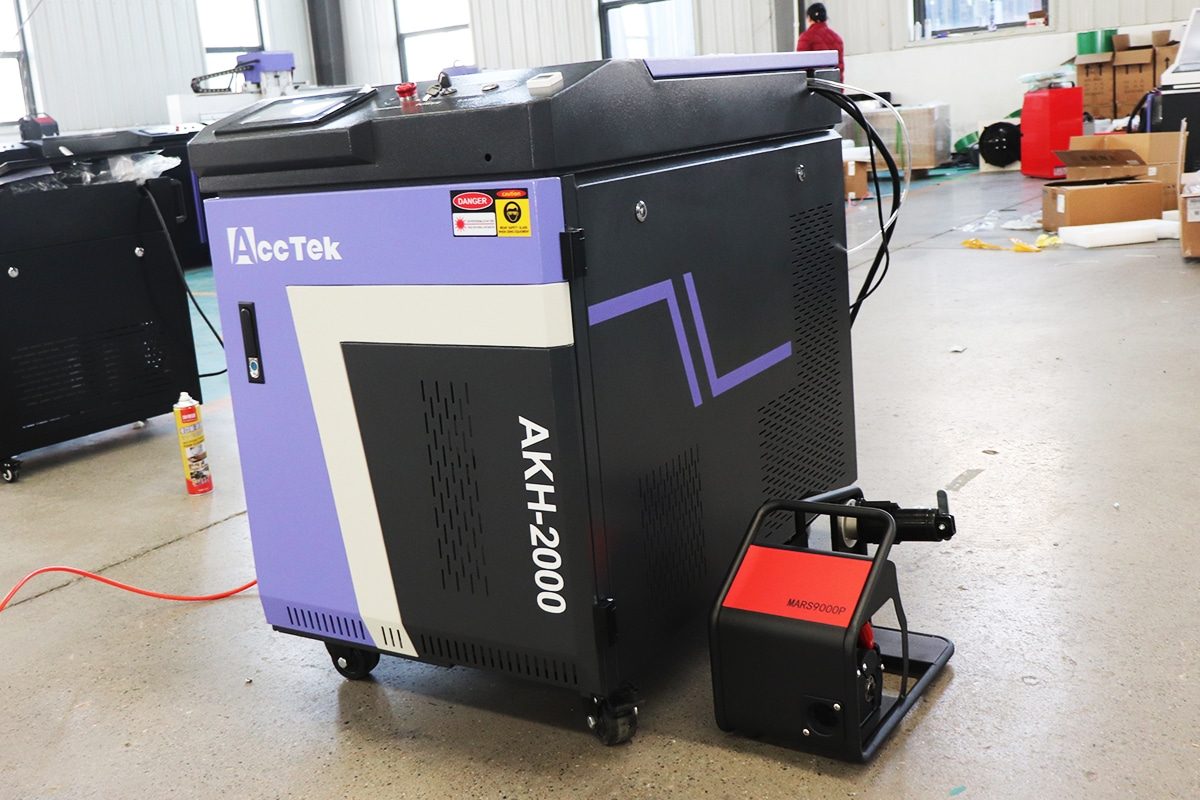
Understanding Laser Welding Technology
What is Laser Welding?
When the laser beam strikes the material surface, several physical phenomena occur:
- Reflection: A portion of the laser energy is reflected, especially in highly reflective metals like aluminum and copper.
- Absorption: The remaining energy is absorbed and converted into heat.
- Rapid Heating: The temperature in the irradiated zone rises quickly.
- Melting: The material transitions from the solid to the liquid phase.
- Possible Vaporization: At higher energy densities, the material may vaporize.
- Solidification: Once the laser moves away, the molten pool cools and solidifies, forming a metallurgical bond.
One of the defining advantages of laser welding is its extremely localized heat input. Because energy is concentrated into a small region, the surrounding material remains largely unaffected. This leads to:
- Narrow heat-affected zones (HAZ)
- Reduced thermal distortion
- Lower residual stresses
- Improved dimensional accuracy
- Minimal post-weld correction
In addition, laser welding is highly adaptable. It can operate in:
- Continuous Wave (CW) mode for deep, high-speed welding
- Pulsed mode for precise energy control in delicate applications
Types of Laser Welding
Laser welding processes are broadly categorized into two operational modes based on the intensity of the laser beam and its interaction with the material:
- Conduction Welding Mode
- Keyhole Welding Mode
Conduction Welding Mode
Physical Characteristics
- Power density typically below 10⁵–10⁶ W/cm²
- Surface melting without significant vapor formation
- Stable molten pool behavior
- Gradual temperature gradient
- Controlled cooling rates
Advantages
- High process stability
- Minimal spatter and porosity
- Excellent surface finish
- Reduced risk of internal defects
- Lower equipment power requirements
Typical Applications
Conduction welding is ideal for:
- Thin sheet metals
- Micro-electronics
- Medical device assemblies
- Battery tabs and connectors
- Hermetic sealing applications
- Jewelry and decorative welding
Limitations
Keyhole Welding Mode
Physical Characteristics
- Power density typically above 10⁶ W/cm²
- Material vaporization at the focal point
- Formation of a stable vapor cavity
- Deep and narrow penetration
- High welding speeds
Advantages
- Deep penetration in a single pass
- Strong metallurgical bonding
- High joint strength
- Efficient for thicker materials
- Reduced overall heat input compared to multi-pass arc welding
Typical Applications
Keyhole welding is widely used in:
- Automotive structural components
- Aerospace frames and assemblies
- Shipbuilding
- Heavy machinery
- Pressure vessel manufacturing
- Structural stainless steel fabrication
Process Challenges
While keyhole welding offers superior penetration, it requires precise parameter control. Instability in keyhole formation can result in:
- Porosity
- Undercutting
- Incomplete penetration
- Weld collapse
Comparative Understanding of the Two Modes
From a machine selection perspective, this distinction directly impacts:
- Required laser power
- Beam quality (M² value)
- Focus control systems
- Cooling capacity
- Monitoring technology
Laser welding technology operates under two principal regimes determined by laser power density: conduction welding mode and keyhole welding mode. These modes represent two fundamentally different thermal and physical behaviors within the material.
- Conduction welding mode involves surface melting and heat transfer through thermal conduction. It produces shallow, smooth welds with excellent aesthetic quality and minimal distortion. It is best suited for thin materials, precision components, and applications requiring high visual standards.
- Keyhole welding mode involves material vaporization and the formation of a vapor cavity that enables deep energy penetration. This mode produces narrow, deep welds with superior mechanical strength and is ideal for structural and thick-material applications.
Understanding Laser Welding Machines
Laser welding machines can be categorized in two major ways:
- By laser generation technology (Fiber vs. CO2 systems)
- By energy delivery mode (Continuous Wave vs. Pulsed output)
Types of Laser Welding Machines
The most common industrial classifications include:
- Fiber Laser Welding Machines
- CO2 Laser Welding Machines
- Continuous Wave (CW) Laser Welding Machines
- Pulsed Laser Welding Machines
Fiber Laser Welding Machines
Engineering Characteristics
- Operating wavelength: approximately 1.06–1.08 μm
- High beam quality (low M² value)
- Electrical-to-optical efficiency often exceeding 30–40%
- Compact, modular construction
- Fiber optic beam transmission
Material Interaction Advantages
The shorter wavelength of fiber lasers is efficiently absorbed by most engineering metals. This is especially important when welding:
Operational Benefits
- Lower energy consumption
- Minimal warm-up time
- Compact installation footprint
- Long service intervals
- Strong compatibility with robotic automation
CO2 Laser Welding Machines
Engineering Characteristics
- Operating wavelength: 10.6 μm
- Beam delivered via mirror systems
- Capable of very high output power
- Larger system size
Performance Considerations
Additionally, CO2 systems typically require:
- Precise mirror alignment
- Regular gas management
- More complex maintenance procedures
Current Industrial Role
Continuous Wave Laser Welding Machines
Technical Characteristics
- Constant power output
- Suitable for high-speed welding
- Ideal for the keyhole welding mode
- Capable of deep penetration
Industrial Applications
Continuous wave laser welding machines are widely used in:
- Automotive body structures
- Heavy equipment fabrication
- Pipeline welding
- Structural steel assembly
- Shipbuilding
Pulsed Laser Welding Machines
Technical Characteristics
- Adjustable pulse widths (microseconds to milliseconds)
- High peak power with low average heat input
- Excellent thermal control
Applications
Pulsed laser welding machines are commonly used in:
- Medical device manufacturing
- Microelectronics
- Jewelry production
- Mold repair
- Thin sheet metal fabrication
Key Components of Laser Welding Machines
Laser Source
The laser source is the core energy generator. It determines:
- Maximum power output
- Beam quality
- Wavelength
- Energy efficiency
- Operational lifespan
Beam Delivery System
Precision in this system ensures:
- Stable beam alignment
- Consistent power transmission
- Reduced energy loss
- Focusing Optics
Welding Head Assembly
The welding head houses the optical components and may include:
- Protective lenses
- Shielding gas nozzles
- Seam tracking sensors
- Real-time monitoring cameras
Motion and Positioning System
In automated environments, laser welding machines integrate with robotic arms or CNC positioning systems. Accurate motion control ensures:
- Consistent weld path
- Proper joint alignment
- High repeatability
Cooling System
Effective cooling:
- Extends component lifespan
- Prevents thermal drift
- Maintains beam consistency
Shielding Gas System
Shielding gases protect the molten weld pool from oxidation and contamination. Proper gas selection improves:
- Surface finish
- Mechanical strength
- Corrosion resistance
Factors to Consider When Choosing Laser Welding Machines
Material Type
The type of material being welded is arguably the most important factor when selecting a laser welding machine. Different materials have distinct characteristics that affect how they interact with the laser beam. The absorption of laser energy, melting point, thermal conductivity, and reflectivity all vary significantly across different materials, requiring different laser sources, power settings, and welding processes.
- Metals: Materials like stainless steel, carbon steel, aluminum, and copper have different energy absorption characteristics. Aluminum, for instance, has high reflectivity and low absorption for certain wavelengths, which requires a higher power density from the laser beam, such as that delivered by fiber lasers. Steel, on the other hand, has a good absorption rate for laser welding, which makes it easier to weld using a variety of laser types.
- Non-Metals: Non-metals such as plastics and ceramics require very specific types of lasers. Plastics, for instance, are often welded with CO2 lasers that emit a wavelength suitable for their absorption, while ceramics might require UV lasers for more precise, small-scale work.
- Reflective Materials: Welding highly reflective materials such as copper, gold, or aluminum alloys can be challenging, as these materials reflect much of the laser energy. Specialized fiber lasers or even hybrid systems can be used for these types of materials.
Thickness of Materials
The thickness of the material being welded directly impacts the laser welding system you need. Thicker materials require higher energy input and more powerful lasers to achieve full penetration and ensure the weld’s strength. Thinner materials, on the other hand, require less energy and are more susceptible to thermal distortion if too much heat is applied.
- Thin Materials: For materials that are less than 2 mm thick, lower power laser systems (typically in the 500 W to 2 kW range) are often sufficient. These systems are ideal for applications such as micro-welding, precision electronics, and fine details. Pulsed laser welding systems are often used in such cases because they provide high power in short bursts, reducing the heat-affected zone and preventing distortion.
- Thick Materials: For materials that are greater than 5 mm in thickness, higher power laser systems (3 kW and above) are required. These systems typically operate in keyhole mode, where the laser energy is focused enough to penetrate deep into the material, resulting in a narrow, deep weld. This is ideal for industries that deal with structural components, heavy machinery, and thick-section steel welding.
Joint Design
The design of the weld joint plays a significant role in determining the type of laser welding machine required. The geometry of the joint, as well as how accessible it is, will influence the power settings, beam angle, and focal adjustments necessary for effective welding.
- Butt Joints and Lap Joints: These types of joints are relatively simple and easy to align, making them ideal for laser welding. They generally require lower complexity in terms of machine settings and are commonly used in industries like automotive assembly and sheet metal fabrication.
- Complex Joints: Joints that require deep penetration or involve geometrically complex angles (such as T-joints or corner joints) may require specialized optics or motion control systems. Complex joint designs often need adaptive beam shaping or seam tracking capabilities to ensure that the laser reaches all areas of the joint.
Welding Process Type
Laser welding operates in two primary modes: conduction welding and keyhole welding. The welding process type directly influences the choice of laser welding machine, as each mode requires different power densities, beam shaping, and cooling configurations.
- Conduction Mode Welding: This is ideal for welding thin materials or producing wide, shallow welds. The energy from the laser melts the surface of the material and spreads inward through conduction. Conduction welding is often used in applications like electronics, medical device manufacturing, and micro-welding, where precision is paramount.
- Keyhole Mode Welding: In this mode, the laser’s energy is focused enough to vaporize the material at the focal point, creating a keyhole that allows the laser to penetrate deeply into the material. This is ideal for thick materials, where deeper penetration is required, such as in automotive or aerospace manufacturing.
Welding Speed and Efficiency
The speed of the laser welding process is directly tied to productivity, especially in high-volume manufacturing environments. Faster welding speeds help increase throughput, reducing cycle times and ultimately lowering costs.
- High-Speed Welding: For mass production, such as in the automotive or electronics industries, speed is essential. Laser welding systems that can deliver high power efficiently at fast speeds—such as fiber lasers—are particularly suitable for applications that require precision and speed.
- Efficiency: Not just speed, but the overall energy efficiency of the machine is also crucial. Energy-efficient systems help reduce operating costs over time, especially in high-power applications. Fiber lasers, for example, are often more energy-efficient compared to CO2 lasers because they have higher electrical-to-optical conversion efficiency.
Precision and Accuracy
Laser welding is known for its high precision, but the level of accuracy required for a given application may vary. For fine, intricate work, precise control over energy delivery and laser focus is essential.
- Micro-Welding: For small-scale, high-precision work, such as in the medical device, electronics, or jewelry industries, lasers with fine spot sizes and the ability to control energy output in microseconds are critical. These systems require pulsed lasers and advanced focus control to achieve minimal heat input and high-quality results.
- Macro-Welding: For larger, industrial-scale welding applications, accuracy is still essential, but the emphasis will be more on speed and penetration depth rather than extreme fine control.
Power and Energy Requirements
Power is a critical factor in laser welding, as it determines the depth of penetration, weld size, and processing speed. The energy required is largely dependent on the material type, thickness, and welding speed.
- Lower-Power Lasers: Machines in the 500 W to 2 kW range are suitable for thin materials and delicate applications. These are often used in industries that require precision, such as electronics, medical devices, and small-scale component manufacturing.
- High-Power Lasers: For thicker materials (greater than 5 mm), lasers with power ratings of 3 kW and higher are required to achieve deep penetration and weld strong joints. These machines are typically used in industries like automotive, aerospace, and heavy machinery manufacturing, where structural integrity is paramount.
Cooling Requirements
Laser welding machines generate significant heat during operation, particularly in high-power systems. Efficient cooling is critical for maintaining consistent performance and extending the lifespan of the equipment.
- Water Cooling: High-power laser welding machines typically use water-cooled systems to maintain optimal operational temperatures. These systems are essential for preventing overheating and ensuring that the machine operates efficiently during extended production runs.
- Air Cooling: For lower-power systems, air cooling may be sufficient, but for high-frequency or high-intensity operations, water cooling remains necessary.
Weld Size and Depth
The weld size and depth required for a given application are critical factors that influence machine selection. Shallow welds are often sufficient for thin materials, but thick materials or heavy-duty components require deep, strong welds.
- Shallow Welds: These are typically needed for thin materials or decorative applications, where the focus is on achieving clean, aesthetically pleasing welds with minimal distortion.
- Deep Welds: For structural applications, deeper, narrower welds are needed to ensure strong joints capable of bearing significant loads. Keyhole mode welding is typically used for these deep welds, especially when working with thick metals.
Cost Considerations
When selecting laser welding machines, it is essential to evaluate both the initial purchase cost and the total cost of ownership (TCO). While it’s tempting to focus solely on the upfront cost, ongoing costs—such as energy consumption, maintenance, and consumables—should also be factored in.
- Initial Purchase: High-end laser welding machines with higher power outputs and additional features such as automation integration and advanced cooling may require a larger initial investment.
- Operational Costs: Energy consumption, maintenance, and consumables (such as lenses, gases, and power supplies) add to the overall cost of ownership. Machines that offer higher energy efficiency or lower maintenance costs may ultimately prove to be more cost-effective over time.
Automation and Integration
Modern laser welding machines often come with the ability to integrate into automated production lines, which increases productivity, consistency, and throughput.
- Automated Systems: Laser welding machines that are integrated with robotic arms, vision systems, and CNC controls offer unparalleled flexibility and precision in high-volume production environments. Automation can reduce labor costs and increase throughput while maintaining consistent weld quality.
- Integration with Other Systems: For large-scale manufacturing, seamless integration with other systems (such as conveyor belts or material handling systems) ensures smooth, continuous operation without bottlenecks.
Advanced Features to Look For
Spot Size Control
Key Benefits of Spot Size Control:
- High Precision Welding: A smaller spot size allows for highly focused energy delivery, which is essential when welding thin, delicate, or intricate components, such as those found in electronics or medical devices. With spot size control, manufacturers can achieve fine, micro-welds with minimal heat input, which reduces the risk of material distortion and heat-affected zones (HAZ).
- Optimized Energy Distribution: By adjusting the spot size, manufacturers can ensure that the energy is distributed across the weld joint appropriately. For thicker materials, a larger spot size is used, which distributes the energy over a wider area to ensure deeper penetration and a more uniform weld. On the other hand, for applications requiring finer details, such as jewelry welding or precision automotive parts, a smaller spot size provides the accuracy needed for clean, aesthetic welds.
- Reduced Thermal Distortion: The ability to adjust the spot size allows for better control of the heat input. A smaller spot size produces a more localized heat effect, minimizing thermal distortion in sensitive materials and ensuring that the surrounding areas remain unaffected by excessive heat.
Pulse Control
Why Pulse Control Matters:
- Thermal Management: Pulse control allows the laser to deliver short, high-intensity bursts of energy, limiting the heat input during each pulse. This prevents excessive heat buildup in the material, which could otherwise lead to thermal distortion, warping, or burn-through. Pulse-controlled lasers are particularly beneficial when welding heat-sensitive materials like plastics, thin metals, and highly reflective materials.
- Welding Delicate Materials: For applications in micro-welding or welding thin materials, pulse control ensures that only the necessary amount of energy is delivered to the workpiece. By controlling the pulse frequency (the number of pulses per second) and pulse width (the duration of each pulse), pulse-controlled lasers can achieve excellent results in terms of precision, without causing thermal damage or compromising the structural integrity of the weld.
- Improved Weld Quality: By modulating the energy delivered during each pulse, pulse control enables manufacturers to fine-tune the welding process for different materials, joint designs, and thicknesses. This control reduces defects such as spatter, porosity, and inconsistent penetration, resulting in smoother, stronger, and more visually appealing welds.
Automated Beam Delivery
Advantages of Automated Beam Delivery:
- Increased Productivity and Speed: Automation enables continuous welding without the need for manual adjustments, significantly increasing production speed. This is especially beneficial in high-volume manufacturing environments where fast, consistent welds are required. Automated systems can perform welding operations in seconds or minutes, depending on the complexity of the joint, helping manufacturers meet high-demand production schedules.
- Precision and Consistency: Automated systems can execute welding tasks with high repeatability, ensuring that each weld is placed exactly where it is needed, with consistent power delivery and focus. This level of precision is especially critical in industries like electronics, automotive assembly, and aerospace, where small deviations can lead to significant defects or performance issues.
- Flexibility in Handling Complex Joints: Automated beam delivery systems are capable of handling a wide range of joint designs and material configurations. Whether welding simple butt joints or complex multi-part assemblies, the system’s ability to adapt to different geometries ensures that each joint receives the proper focus and energy input.
- Seamless Integration with Other Manufacturing Processes: Automation enables the integration of the laser welding machine with other manufacturing systems, such as material handling robots, vision systems for part detection, and CNC machines for precise alignment. This creates a fully automated production environment that streamlines the welding process, improves overall factory efficiency, and reduces the need for manual intervention.
Real-Time Monitoring and Feedback
Key Benefits of Real-Time Monitoring and Feedback:
- Quality Assurance and Process Control: Real-time monitoring ensures that the welding parameters stay within optimal ranges throughout the process. This allows for immediate corrections to be made if any deviations are detected, preventing defects such as inconsistent weld penetration, excessive spatter, or underfill. In critical applications, such as aerospace and medical device manufacturing, real-time monitoring ensures that weld quality meets the required standards for safety and durability.
- Adaptive Process Control: One of the most significant advantages of real-time feedback is the ability to make dynamic adjustments during the welding process. For instance, if the system detects variations in material properties, misalignment, or any external disturbances, it can automatically adjust laser power, speed, or focus to correct the issue and maintain the desired weld characteristics. This reduces the risk of human error and ensures consistent results across multiple welds.
- Reduced Waste and Rework: With real-time feedback, defective welds can be identified and corrected immediately, minimizing the risk of producing faulty parts. This prevents the need for costly rework or scrap, thereby saving both time and material costs. Real-time monitoring also helps optimize the welding parameters for efficiency, reducing energy consumption while maintaining high-quality welds.
- Improved Process Optimization: Data gathered during the welding process can be used to analyze trends and performance over time. By continuously monitoring welding conditions, manufacturers can identify areas for improvement and optimize machine settings, leading to better productivity and cost-effectiveness. Additionally, real-time data can be used for predictive maintenance, preventing unplanned downtime and extending the machine’s service life.
Cost Considerations
Initial Investment
Factors Affecting Initial Investment:
- Laser Type: The type of laser (fiber laser, CO2 laser, or diode laser) has a significant impact on the initial cost. Fiber lasers, for example, tend to be more expensive initially compared to CO2 lasers, but they are more energy-efficient and require less maintenance. Fiber lasers offer superior beam quality, making them ideal for precision applications such as electronics manufacturing, medical devices, and micro-welding. While the initial cost is higher, fiber lasers provide long-term savings due to their lower operational and maintenance costs.
- Machine Power: The power of the laser is another crucial factor in determining the upfront cost. Machines with higher power ratings (e.g., 5 kW and above) are generally more expensive, but they are necessary for welding thicker materials or handling higher-volume production runs. Conversely, machines with lower power ratings (around 1–3 kW) are sufficient for applications involving thin metals, delicate components, or micro-welding. Choosing the right power rating depends on the thickness of the materials you intend to work with, and it’s important to strike the right balance between power and cost.
- Advanced Features: Machines with additional features such as automated beam delivery, real-time monitoring, pulse control, spot size control, and robotic integration will come with a higher price tag. However, these features improve precision, reduce defects, and enable higher production speeds, ultimately offering enhanced efficiency and productivity in the long term. For example, automated beam delivery is crucial for high-volume manufacturing environments where speed, consistency, and scalability are essential.
Maintenance Costs
Key Maintenance Costs:
- Routine Maintenance: Regular maintenance is necessary to keep components such as lenses, mirrors, nozzles, protective windows, and cooling systems functioning properly. Even machines with lower maintenance requirements, such as fiber lasers, require periodic servicing. For example, cleaning and aligning the optics to ensure the beam quality remains optimal are routine tasks that need to be performed regularly.
- Laser Source and Optics: The laser source itself, whether it is a fiber laser, CO2 laser, or diode laser, may require periodic adjustments or even replacement. Fiber lasers have a longer service life and require less maintenance compared to CO2 lasers, which often need more frequent alignments, mirror adjustments, and gas refills. Replacing the laser source or optics can incur substantial costs, particularly if they are more specialized for certain applications (such as medical or aerospace components).
- Consumables and Spare Parts: Consumables such as laser gas, filters, gases (argon, nitrogen), and coolants need to be replaced regularly. Over time, these consumables add to the overall operating costs. Additionally, spare parts such as laser diodes or robotic arm components might require replacement, depending on machine usage and the complexity of the system. These parts may be more expensive for machines with automation features or advanced robotics integration.
- Energy Costs: Although not always considered part of traditional maintenance costs, energy consumption is an ongoing expense that directly affects operational costs. Fiber lasers tend to be more energy-efficient than CO2 lasers, leading to lower electricity bills in high-volume applications.
Training Costs
Key Training Costs:
- Operator Training: When purchasing laser welding machines, it’s important to factor in the costs associated with training your operators. Proper training is necessary to ensure that operators can use the system safely and efficiently. Training programs typically cover aspects such as laser safety protocols, machine operation, process parameter optimization, troubleshooting, and software operation. For machines equipped with advanced features like automated beam delivery or real-time feedback systems, specialized training may be required to ensure operators can fully leverage these capabilities.
- Safety Training: Laser welding involves high-powered lasers, which can pose safety risks if not handled properly. In addition to operator training, it’s essential to invest in safety training programs that cover proper handling techniques, safety equipment usage (such as eye protection), and emergency response procedures.
- Advanced Features and Automation Training: If the laser welding system is integrated with advanced automation, robotic arms, or vision systems, additional training is often required. Operators will need to learn how to interface with robotic automation or CNC systems to ensure that parts are positioned accurately, laser parameters are adjusted properly, and the welding process is executed without error.
Long-Term Value and ROI (Return on Investment)
Key Factors Influencing Long-Term Value:
- Increased Production Speed and Efficiency: One of the greatest advantages of laser welding systems is their ability to significantly increase production speed compared to traditional welding methods. High-quality laser welding systems, particularly fiber lasers, offer faster processing times without sacrificing weld quality, which leads to higher throughput and reduced cycle times. The ability to automate the welding process through robotic integration or automated beam delivery further boosts productivity by allowing for continuous operation.
- Reduced Scrap and Rework: High-quality laser welding systems produce clean, precise welds with minimal distortion. This reduces material waste and the need for rework, which can be costly and time-consuming. Real-time monitoring and feedback systems, for example, ensure that weld quality is maintained throughout the process, preventing defects and minimizing the risk of scrap.
- Energy Efficiency: Modern laser welding systems, particularly fiber lasers, are designed to be highly energy-efficient. By reducing energy consumption, these systems lower operational costs, which can add up significantly over time. Even if the initial investment in a high-efficiency laser welding system is higher, the long-term savings on electricity and operational expenses can make up for the upfront cost.
- Scalability: Investing in laser welding machines that are scalable can lead to better long-term value. Machines that can easily accommodate different materials, joint designs, or higher production volumes without significant upgrades offer flexibility and adaptability. As production requirements evolve or as new products and materials are introduced, a scalable system ensures that the machine can grow with the business.
- Lower Operational Downtime: With efficient maintenance schedules and predictive maintenance capabilities, high-quality laser welding machines are less likely to experience unexpected downtime. Reducing downtime means more consistent production, faster turnaround times, and fewer delays in meeting customer demands, all of which contribute to higher profitability.
Safety Features
Laser Safety Enclosures
Key Benefits of Laser Safety Enclosures:
- Shielding from Laser Radiation: The primary role of laser safety enclosures is to prevent exposure to laser radiation, which can be extremely harmful to the eyes and skin. High-powered lasers emit energy in specific wavelengths that can damage the retina or cause severe skin burns. A properly designed laser enclosure will absorb or reflect the laser radiation, containing the beam within a confined space. This ensures that operators can work without the risk of exposure, even if the laser is operating at full power.
- Compliance with Industry Regulations: Laser welding machines must comply with strict safety standards, including those set by organizations such as the International Electrotechnical Commission (IEC) and Occupational Safety and Health Administration (OSHA). These regulatory bodies set guidelines for the design of laser safety enclosures to protect workers from the dangers of laser radiation. By integrating high-quality enclosures, manufacturers ensure that their operations are compliant with these regulations, preventing potential legal liabilities and ensuring worker safety.
- Containment of Heat and Debris: In addition to containing laser radiation, safety enclosures also help manage the intense heat generated by the laser during the welding process. The enclosures help prevent sparks, molten material, or debris from escaping the work area, reducing the risk of burns, fire hazards, or damage to surrounding equipment. This containment is essential in industrial environments where several machines or workers may be in proximity to each other.
- Interlock Systems for Safety: Modern laser welding machines are typically equipped with interlocking door systems or sensor-activated switches that prevent the machine from operating if the enclosure is open. If the door is opened during operation, the machine will automatically stop the laser from firing, preventing accidental exposure. This interlocking system adds a layer of safety by ensuring that the operator cannot interact with the machine while it is in use, effectively eliminating the possibility of accidental exposure to the laser.
Protective Eyewear
Importance of Protective Eyewear:
- Protection from Laser Radiation: The laser light emitted during welding processes, especially in CO2 lasers, fiber lasers, and diode lasers, is often invisible to the human eye. Without proper protective eyewear, exposure to this light can cause permanent retinal damage or even blindness. Protective eyewear is designed to block specific wavelengths of light emitted by the laser, preventing eye injuries by filtering out harmful radiation while still allowing operators to see clearly enough to monitor the welding process.
- Optical Density and Wavelength Protection: Different lasers emit different wavelengths of light, so protective eyewear must be selected according to the laser type used in the system. CO2 lasers, which operate in the infrared spectrum, require eyewear designed to block out those wavelengths. Similarly, fiber lasers and diode lasers, which have different light properties, require lenses tailored for their respective wavelengths. The optical density of the eyewear must be high enough to fully block out harmful radiation while still allowing the operator to maintain adequate visibility.
- Comfort and Visibility: Laser welding often requires long periods of focused work, and protective eyewear must be both functional and comfortable. High-quality eyewear should be lightweight, adjustable, and designed for long-term wear without causing discomfort or fatigue. In some cases, operators may need face shields or goggles with additional features such as ventilation or anti-fog coatings to maintain comfort and visibility in challenging work environments.
- Comprehensive Eye Protection: Everyone in the vicinity of the laser welding process must wear proper protective eyewear. Even if the operator is behind a protective enclosure, other workers may still be exposed to stray reflections or scattered light from the laser. This ensures that everyone working in or near the laser welding area is adequately protected from harmful exposure.
Automatic Shutdown and Alarm Systems
Benefits of Shutdown and Alarm Systems:
- Automatic Shutdown for Safety: Modern laser welding machines are equipped with sensors that monitor various factors such as temperature, power output, beam focus, and coolant levels. If any of these parameters fall outside of safe operating ranges, the system automatically shuts down the machine to prevent further damage or unsafe conditions. For example, if the machine detects an overheating issue or a malfunction in the cooling system, it will stop the laser operation immediately, protecting both the operator and the equipment.
- Alarm Systems for Immediate Response: In addition to automatic shutdown, audible alarms, visual indicators, or digital alerts are used to warn the operator when a malfunction occurs. These alarms can be triggered by issues such as misalignment, laser power failure, or coolant system failure, providing real-time feedback that allows operators to address the issue before it escalates into a safety hazard. This system ensures that the operator is always informed about the status of the machine and can take corrective actions swiftly.
- Prevention of Equipment Damage: By immediately detecting and responding to issues like overheating, mechanical failure, or component malfunction, automatic shutdown systems help prevent severe damage to the laser welding machine. This reduces the risk of costly repairs and maintenance due to avoidable malfunctions and minimizes downtime in production environments.
- Safety and Process Integrity: Alarm systems and automatic shutdown mechanisms provide an added layer of confidence in the welding process. When operators can rely on the machine to respond to unsafe conditions, they can focus on ensuring the quality and precision of the weld without being distracted by concerns over potential malfunctions.
Ventilation and Fume Extraction
Key Benefits of Fume Extraction and Ventilation:
- Removal of Toxic Fumes: Laser welding produces fumes that can be hazardous to health. These fumes, which are created when metals and other materials are vaporized by the laser, may contain a mixture of toxic gases and microscopic particles. Effective fume extraction systems are designed to capture these hazardous fumes at the source, before they can enter the general workspace. The extracted fumes are then filtered and safely vented outside, reducing the risk of inhalation exposure for workers.
- Maintaining Air Quality: Proper ventilation systems help maintain clean air in the workspace by providing sufficient airflow to dissipate the heat produced during welding and prevent the buildup of harmful gases in the environment. A well-ventilated workspace reduces the likelihood of respiratory problems, skin irritation, or eye discomfort caused by inhaling fumes.
- Compliance with Health and Safety Standards: Regulatory bodies such as OSHA require that manufacturers install adequate ventilation and fume extraction systems when welding materials that emit harmful fumes. Compliance with these standards is essential not only for worker safety but also to avoid potential fines or violations. Regularly checking and maintaining ventilation systems ensures that these systems remain effective and compliant with legal requirements.
- Reducing Fire Hazards: Certain fumes, especially those from metals like aluminum and magnesium, can be highly flammable. A proper fume extraction system helps remove potentially explosive fumes from the workspace, preventing the risk of fire hazards and ensuring that the welding operation remains safe.
Maintenance and Service
Routine Cleaning and Inspection
Importance of Routine Cleaning:
- Cleaning Laser Optics: One of the most critical areas to maintain is the laser optics, which include mirrors, lenses, and focusing components. These optics can become dirty over time from the welding process, particularly when materials like metal are vaporized and produce soot or particulate matter. Even small amounts of dirt on the lenses or mirrors can distort the laser beam, resulting in poor welds, inconsistent energy output, and a decrease in machine efficiency. Cleaning the optics regularly using non-abrasive materials ensures that the machine delivers high-quality laser beams for precise welding.
- Cooling Systems: Laser welding machines generate a considerable amount of heat, which is managed by cooling systems, typically using liquid coolants or airflow. Cooling units, such as heat exchangers and fans, require routine cleaning to prevent blockages, which could lead to overheating. Over time, dust and grime can accumulate within the cooling units, reducing the system’s ability to regulate temperature. Regular inspection of the cooling system ensures it operates effectively, preventing overheating and maintaining optimal machine performance.
- Mechanical Components and Moving Parts: The mechanical parts of laser welding systems, such as robotic arms, rails, and other moving components, are subjected to friction and wear. Routine inspection of these moving parts helps identify any signs of wear, misalignment, or damage that could result in equipment failure. Proper lubrication of these parts during inspection ensures smooth operation, reducing the likelihood of mechanical malfunctions and enhancing overall system stability.
- Air and Dust Filters: Air filters and other dust collection components play a crucial role in ensuring that clean air circulates throughout the welding system, preventing contaminants from interfering with the machine’s operation. Regularly cleaning or replacing these filters helps prevent the accumulation of dust and particulates that could impair the machine’s cooling and performance.
Preventive Maintenance Plans
Key Aspects of Preventive Maintenance:
- Scheduled Inspections: Preventive maintenance involves setting up a series of inspections based on manufacturer guidelines and usage intensity. These inspections typically include checking the alignment of the laser beam, verifying the calibration of the laser welding system, and ensuring the proper function of optical components and the cooling system. By conducting these checks at regular intervals (e.g., monthly, quarterly, or annually), operators can identify early signs of wear or misalignment that could affect the quality of the weld.
- Laser Source and Calibration: Regularly recalibrating the laser ensures that the system delivers consistent energy and accurate welds. A misaligned or poorly calibrated laser can result in inconsistent weld quality, reduced penetration, or increased risk of defects. Preventive maintenance should include checking the beam focus, power output, and beam alignment to maintain optimal performance and ensure the system’s reliability.
- Lubrication of Moving Parts: For systems with robotic arms or moving components, the lubrication of joints, motors, and rails is essential. Over time, parts such as sliders, motors, and ball bearings can wear out, leading to misalignment and reduced efficiency. Regular lubrication as part of a preventive maintenance plan reduces friction, prevents corrosion, and extends the life of these parts.
- Consumables and Components: A preventive maintenance plan should also address the replacement of consumables, such as nozzles, filters, gaskets, and coolant fluids. Regularly replacing consumables at prescribed intervals ensures that they do not degrade to the point where they compromise machine performance. For example, a worn-out nozzle can lead to reduced gas flow, resulting in poor weld quality or contamination.
- Software Updates and System Calibration: Many modern laser welding machines rely on software for operation and control. As such, it is critical to update the software and firmware periodically to ensure the system is running with the latest improvements and safety patches. Preventive maintenance should include software calibration to maintain high performance and introduce new features or enhancements to optimize the machine’s capability.
Troubleshooting and Support
Key Aspects of Troubleshooting and Support:
- Diagnostic Tools and Error Codes: Modern laser welding machines are equipped with diagnostic tools that automatically monitor machine parameters and performance. These systems generate error codes when something goes wrong, helping operators quickly identify the source of the problem. Whether it’s an issue with the laser power supply, cooling system, or optical components, having access to these error codes enables operators to narrow down the cause and take corrective action. Manufacturer manuals often provide helpful troubleshooting guides that explain common error codes and solutions.
- Common Troubleshooting Issues: Some of the most common issues that may require troubleshooting include:
- Beam misalignment: If the laser is misaligned, it can lead to poor-quality welds or failure to penetrate the material correctly. Misalignment may be caused by worn-out components or a physical shock to the machine.
- Cooling system failure: Overheating can lead to significant damage if the cooling system is not functioning properly. Routine maintenance of the cooling system can help prevent overheating, but in the event of a failure, troubleshooting may involve checking for coolant leaks, pump malfunctions, or clogged filters.
- Electrical or power issues: Issues with the laser power supply, electrical wiring, or the system’s power distribution can cause intermittent operation or total failure. Diagnosing these issues requires checking connections and verifying the integrity of electrical components.
- Access to Support Services: It’s crucial to have access to technical support in the event of serious issues. This support can be provided by the machine manufacturer, authorized service providers, or third-party technicians. Support services may be available remotely (via phone, email, or video call) or on-site, depending on the severity of the issue. Having a good support plan in place ensures that problems are resolved quickly, minimizing machine downtime and production delays.
- Spare Parts Availability: Having a reliable source of spare parts is essential for resolving troubleshooting issues quickly. Laser diodes, optical lenses, and cooling components are critical parts that may require replacement after extended use. Ensuring that parts are readily available from the manufacturer or a local distributor can speed up repairs and reduce downtime. Establishing a partnership with a certified parts supplier can help keep essential components in stock for immediate use.
- Service Contracts: Many companies opt for service contracts that cover regular inspections, preventive maintenance, and emergency support. Service contracts often provide priority access to technical support, faster turnaround times for repairs, and discounted rates on replacement parts. These contracts offer peace of mind and ensure that the machine is always operating at peak performance.
Choosing Laser Welding Machine Suppliers
Choosing a supplier should therefore be approached as a long-term partnership evaluation rather than a short-term purchasing decision. Beyond comparing price quotes, decision-makers must assess five critical dimensions:
- High-Quality Equipment
- Reputation and Experience
- Support and Training
- Machine Customization Capabilities
- After-Sales Service and Long-Term Support
High-Quality Equipment
Laser Source Reliability
The laser source is the core component of the welding system. High-quality suppliers use industrial-grade laser sources known for:
- Stable output power
- Long diode lifespan
- High beam quality (low M² value)
- Consistent energy density
Optical System Integrity
The optical system determines how effectively the laser beam is delivered and focused. Premium suppliers utilize:
- High-durability coated lenses
- Thermal-resistant optical materials
- Precision beam shaping components
- Protective windows designed for industrial contamination environments
Mechanical and Structural Design
Laser welding machines must maintain alignment stability under vibration, temperature variation, and extended operation. Structural considerations include:
- Rigid welded frames
- Precision linear guide rails
- Vibration-dampening design
- High-tolerance servo systems
Cooling System Efficiency
Industrial laser welding systems generate significant thermal loads. A high-quality supplier provides:
- Robust closed-loop cooling systems
- Stable coolant flow regulation
- Redundant safety monitoring
- Industrial-grade heat exchangers
Control Software and Interface Stability
Modern laser welding machines rely heavily on digital control systems. Evaluate whether the supplier offers:
- Real-time process monitoring
- Adjustable welding parameters
- Data logging and traceability
- Firmware update capability
- Remote access diagnostics
Reputation and Experience
Industry-Specific Expertise
Laser welding requirements vary across industries:
- Automotive production prioritizes speed and repeatability
- Aerospace applications demand structural integrity and traceability
- Medical manufacturing requires ultra-precision micro-welding
- Electronics fabrication requires minimal thermal distortion
Proven Track Record
Indicators of credibility include:
- Long operational history
- International installations
- Customer testimonials
- Published case studies
- Demonstrated sample weld results
Engineering Depth and R&D Investment
Suppliers that actively invest in research and development demonstrate commitment to innovation. R&D investment typically leads to:
- Improved beam shaping techniques
- Enhanced automation compatibility
- Greater energy efficiency
- Advanced real-time monitoring systems
Financial Stability and Longevity
Financially stable suppliers are more likely to:
- Maintain long-term spare part inventories
- Continue software updates
- Provide ongoing service support
- Sustain product development
Support and Training
Installation and Commissioning
Professional commissioning ensures:
- Proper machine alignment
- Accurate beam calibration
- Stable power supply configuration
- Safe enclosure integration
- Correct shielding gas setup
Operator and Maintenance Training
Effective suppliers provide structured training covering:
- Laser safety protocols
- Parameter optimization
- Material-specific welding strategies
- Preventive maintenance procedures
- Diagnostic interpretation
Application Engineering Assistance
Application engineers help optimize:
- Power levels
- Travel speeds
- Pulse parameters
- Shielding gas selection
- Joint preparation techniques
Remote Monitoring and Technical Help
Modern suppliers often offer:
- Remote diagnostics
- Online troubleshooting
- Software-based performance monitoring
Machine Customization Capabilities
Power and Configuration Flexibility
Customization may include:
- Variable laser power options
- Conduction or keyhole welding configuration
- Multi-axis motion systems
- Integrated robotic arms
Automation and Industry 4.0 Compatibility
Modern factories often require integration with:
- Robotic cells
- Conveyor systems
- CNC platforms
- Manufacturing execution systems (MES)
Software Adaptability
Advanced customization options include:
- User-defined parameter libraries
- Adaptive weld control systems
- Real-time quality monitoring dashboards
- Production data integration
Scalability and Upgrade Path
Future growth may require:
- Power upgrades
- Additional welding heads
- Expanded automation
- Enhanced monitoring systems
After-Sales Service and Lifecycle Support
Warranty and Coverage Transparency
Clear warranty policies should specify:
- Laser source coverage duration
- Component replacement conditions
- Labor and service terms
Spare Parts Accessibility
Critical considerations include:
- Local parts availability
- Replacement lead times
- Inventory strategy
- Regional service centers
Preventive Maintenance Programs
Service contracts may include:
- Scheduled inspections
- Laser recalibration
- Cooling system servicing
- Performance audits
Guaranteed Response Time
Long-Term Technical Partnership
A strong supplier relationship includes:
- Process improvement consultations
- Upgrade recommendations
- Continuous technology updates
- Support during production expansion