

Product Introduction
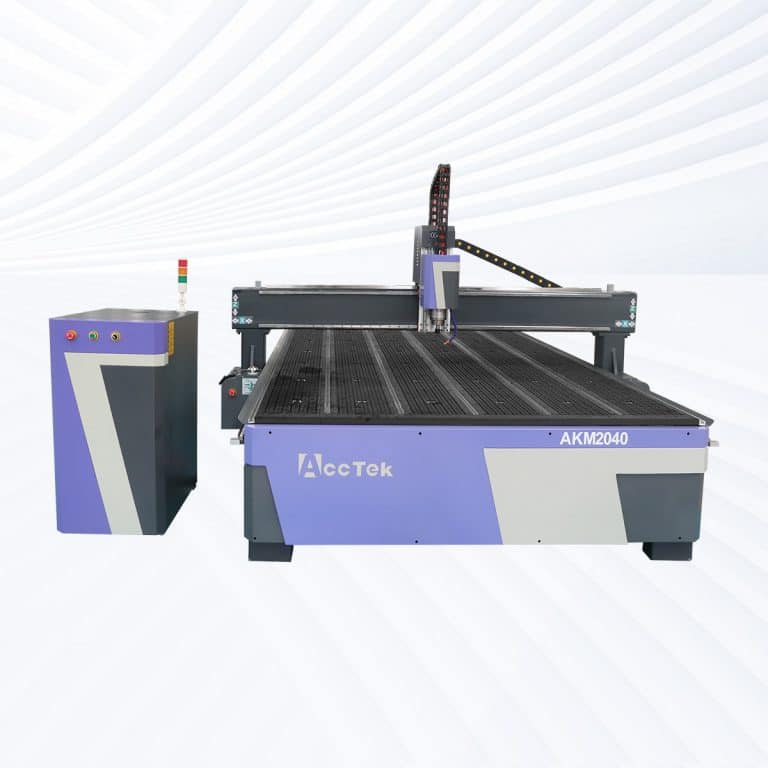
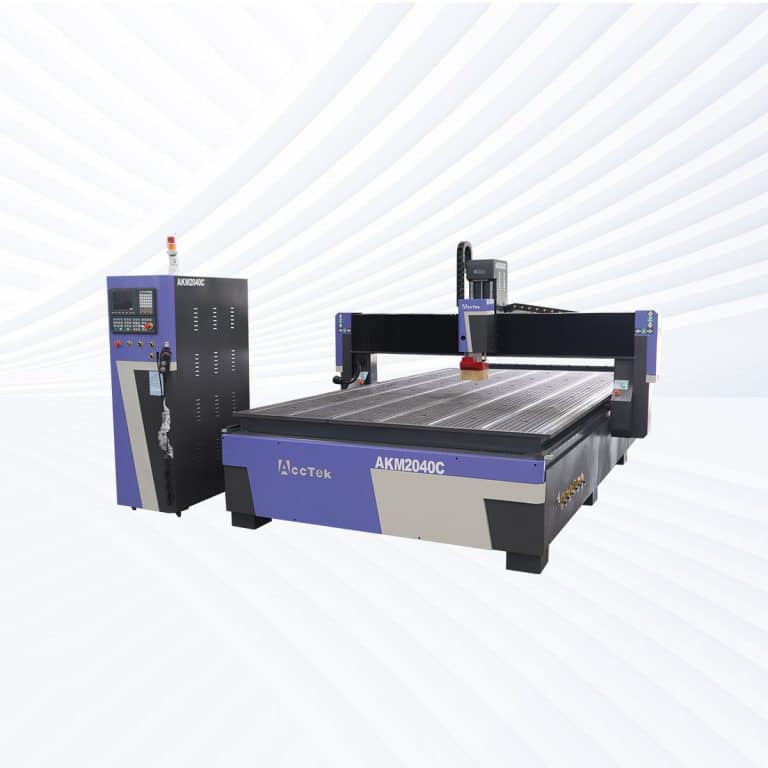
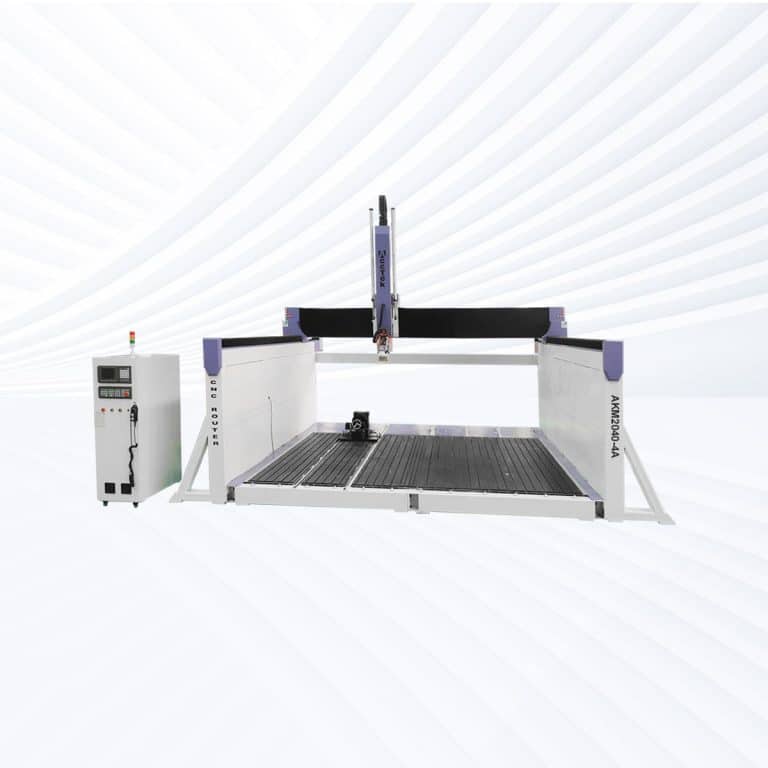
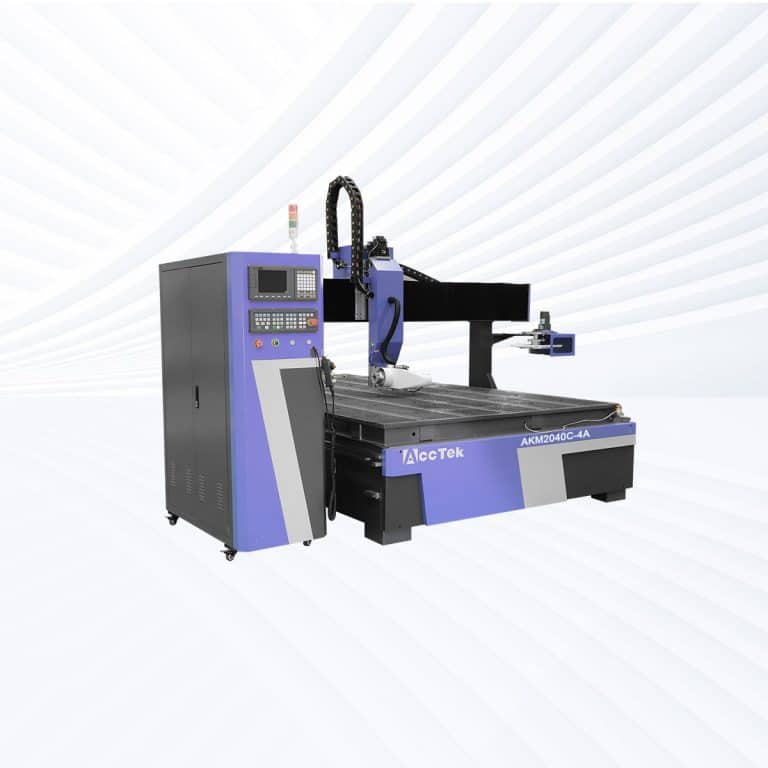
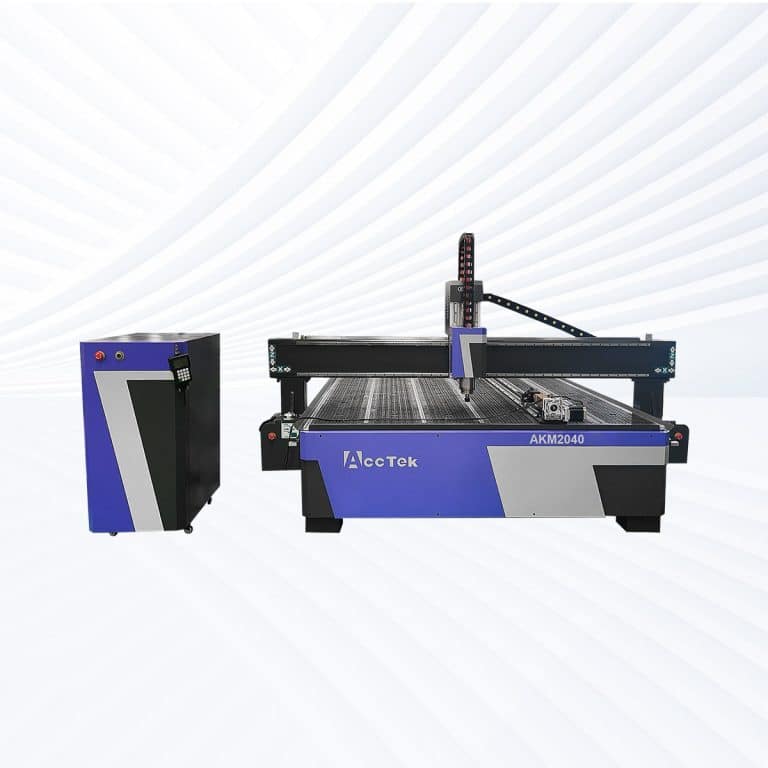
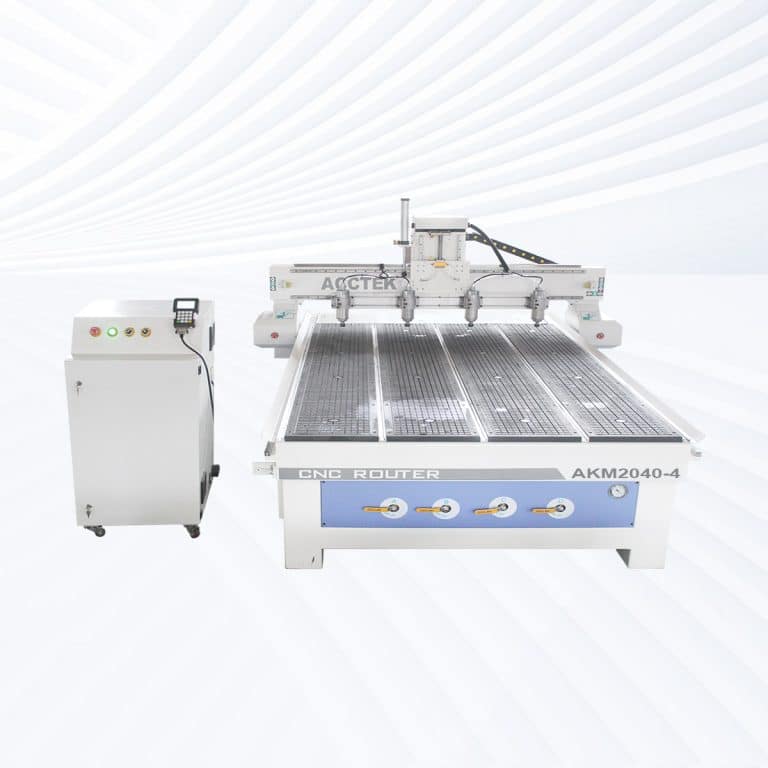
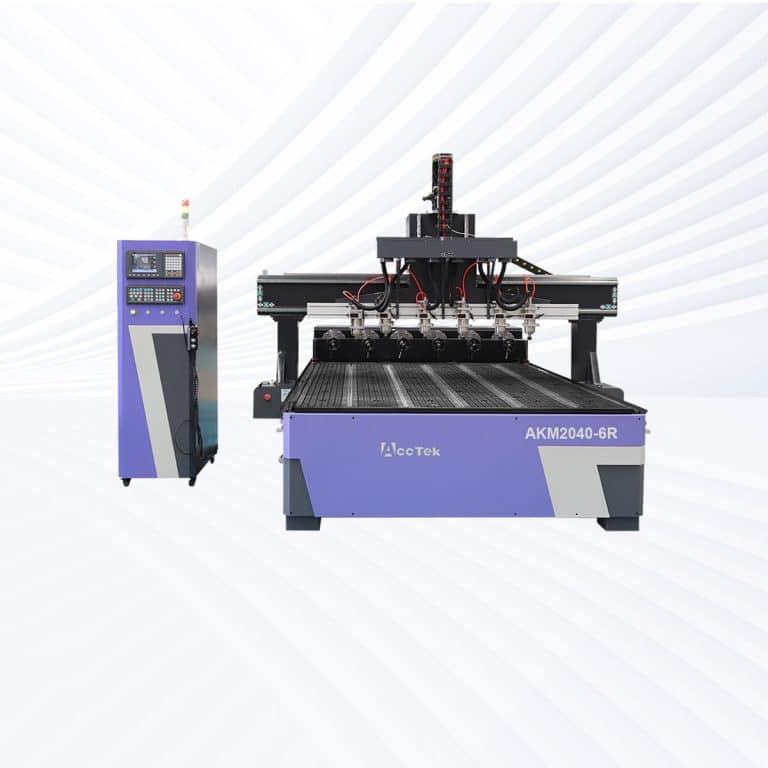
Material Routing Capability
| Material Type | 1.5 kW | 2.2 kW | 3.0 kW | 3.2 kW | 3.5 kW | 4.5 kW | 5.5 kW | 6.0 kW | 7.5 kW | 9.0 kW |
|---|---|---|---|---|---|---|---|---|---|---|
| Softwood | Light Cutting | Standard Cutting | Fast Cutting | Fast Cutting | Fast Cutting | High-Speed Cutting | Heavy-Duty Cutting | Heavy-Duty Cutting | Industrial Cutting | Industrial Cutting |
| Hardwood | Light Duty | Standard Cutting | Stable Cutting | Stable Cutting | High-Precision | Heavy-Duty | Heavy-Duty | High-Torque Cutting | Industrial Cutting | Industrial Cutting |
| Plywood/MDF | Basic Cutting | Smooth Cutting | Fast, Clean Cutting | Fast Cutting | High-Precision | Heavy-Duty | Heavy-Duty | Industrial Smooth Cuts | High-Volume Cutting | High-Volume Cutting |
| HDF/Particle Board/Melamine | Light Cuts | Standard Cuts | Clean Cuts | Clean Cuts | High-Precision | Heavy-Duty | Heavy-Duty | Industrial | Industrial | Industrial |
| Acrylic(PMMA) | Thin Sheets | Clean Cutting | Fast, Clean Edges | High Clarity | High Clarity | Smooth Finishing | Smooth Finishing | Industrial Clarity | Industrial Clarity | Industrial Clarity |
| Polycarbonate/PETG | Thin Sheets | Clean Cutting | Stable Cutting | Stable Cutting | Precision Cutting | Heavy-Duty | Heavy-Duty | Industrial | Industrial | Industrial |
| ABS/PVC Foam Board | Light Duty | Standard | Fast Cutting | Fast Cutting | High Stability | Heavy-Duty | Heavy-Duty | Industrial | Industrial | Industrial |
| HDPE/LDPE/PP/Nylon | Light Cuts | Standard Cuts | Stable Cuts | Stable Cuts | Deep Routing | Heavy-Duty | Heavy-Duty | High-Torque | Industrial | Industrial |
| Delrin/UHMW | Light Duty | Standard | Accurate Routing | Accurate Routing | High-Precision | Heavy-Duty | Heavy-Duty | Industrial | Industrial | Industrial |
| Solid Surface (Corian) | Very Light | Standard | Strong Cutting | Clean Cutting | High-Precision | Heavy-Duty | Heavy-Duty | Industrial Cutting | Industrial Cutting | Industrial Cutting |
| Fiberglass/Carbon Fiber Sheet | Light Trimming | Standard | Precise Routing | Precise Routing | High-Precision | Heavy-Duty | Heavy-Duty | Industrial | Industrial | Industrial |
| Phenolic/Bakelite | Limited | Standard | Clean Routing | Clean Routing | Precision Routing | Heavy-Duty | Heavy-Duty | Industrial | Industrial | Industrial |
| Foam(EVA, XPS, EPS, PU) | Very Easy | Very Easy | Fast Cutting | Fast Cutting | Ultra-Fast | Ultra-Fast | Ultra-Fast | High-Speed | High-Speed | High-Speed |
| Rubber/Leather/Cork | Light Duty | Standard | Clean Edges | Clean Edges | Faster Routing | Heavy-Duty | Heavy-Duty | Industrial | Industrial | Industrial |
| Cardboard/Paperboard | Easy | Easy | Fast Cutting | Fast Cutting | Ultra-Fast | Ultra-Fast | Ultra-Fast | Industrial | Industrial | Industrial |
| ACP/ACM (Surface Routing Only) | Very Light | Standard | Clean Grooves | Clean Grooves | High Precision | Heavy-Duty | Heavy-Duty | Industrial | Industrial | Industrial |
Compatible Materials
Application of 2040 CNC Routers
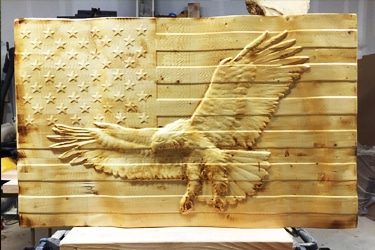
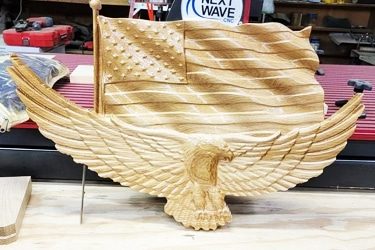

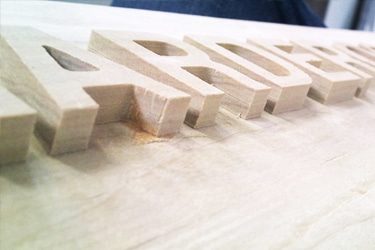

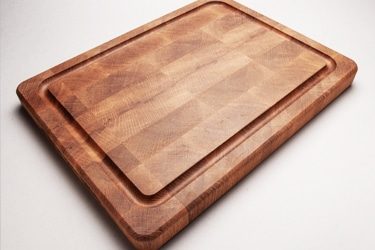
Customer Testimonials
Comparison VS Other Engraving Technologies
| Comparison Item | CNC Routing | Laser Engraving | Hand Engraving | Chemical Etching |
|---|---|---|---|---|
| Working Principle | Mechanical cutting with rotating tools | Vaporizing or melting material with laser beams | Manual carving with handheld tools | Chemical reaction removes material from surface |
| Material Compatibility | Wood, plastics, composites, foam, soft metals | Wood, plastics, coated metals, some stones | Wood, metal, soft materials | Metals, glass, ceramics |
| Cutting Ability | Full-depth cutting, profiling, pocketing | Mostly engraving; cutting only on thin materials | Limited cutting; slow | No cutting capability |
| Engraving Depth | Deep engraving and 3D carving | Mostly shallow | Depends on skill | Shallow and uniform |
| Precision Level | High accuracy and repeatability | Extremely high precision | Low–moderate | Moderate |
| Detail Resolution | Good for small to complex features | Excellent for fine patterns | Skill-dependent | Good but limited by process |
| Production Speed | Fast for cutting and shaping | Fast for engraving, slow for deep cuts | Slow | Medium |
| Complexity of Designs | Handles 3D relief, contours, pockets | Excellent for detailed 2D/2.5D work | Limited | Works well for flat patterned designs |
| Setup Requirements | Medium (tooling, fixturing) | Low (mostly software) | None | Medium (chemical prep, masks) |
| Learning Curve | Moderate; requires training | Easy to moderate | High skill required | Moderate process knowledge |
| Operating Cost | Low (bits + electricity) | Low–medium (laser tube wear) | Very low | Medium–high (chemicals, disposal) |
| Maintenance Needs | Regular lubrication + tool changes | Optics care + tube replacement | Minimal | Chemical disposal + equipment cleaning |
| Safety Concerns | Debris, noise, tool hazards | Laser radiation, fumes | Very low | Chemical burns, toxic fumes |
| Best Applications | Cutting, shaping, 3D carving, prototyping | Fine engraving, marking, small detailing | Artistic, custom craftsmanship | Serial marking, metal patterns, surface textures |
| Ideal Use Case | Versatile machining for production & fabrication | High-precision engraving on many materials | Artistic, low-volume, handmade work | Uniform, shallow metal designs at scale |
Why Choose Us
High Precision & Efficiency
AccTek CNC routers deliver fast, accurate results with minimal errors, supporting intricate designs and mass production across the woodworking, plastic, and metal industries.
Robust and Durable Design
Our machines are built with high-quality frames and components, ensuring long service life, high load-bearing capacity, and stability during high-speed operations.
Intelligent Control Systems
Equipped with user-friendly interfaces and smart controllers, our routers offer smooth motion control, automatic toolpath optimization, and easy integration with various CAD/CAM software.
Flexible Customization
From machine size to spindle power and motor type, we offer flexible configurations to suit different production needs, budgets, and material requirements.
Related Resources
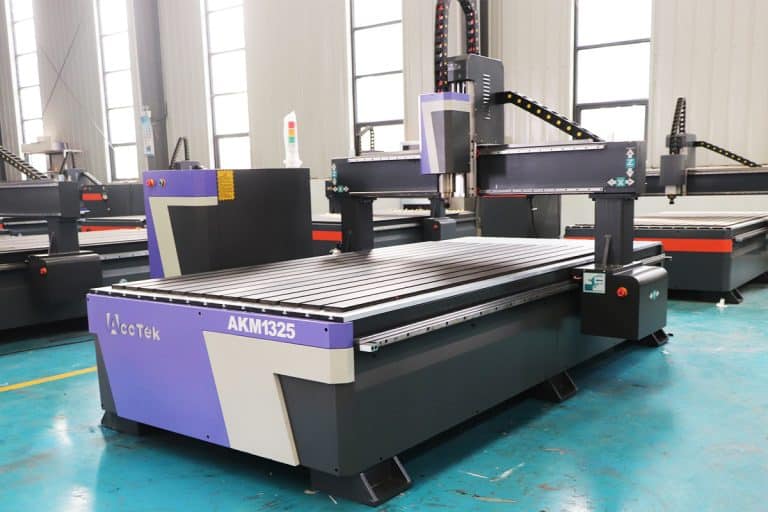
What Is The Lifespan Of CNC Routers
This article explores what determines the lifespan of CNC routers, including machine design, usage intensity, maintenance practices, accuracy drift, and when to repair, rebuild, or replace equipment.
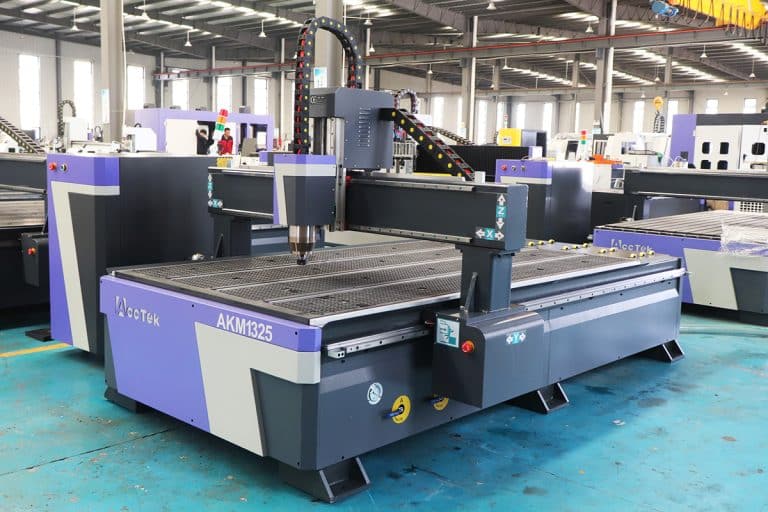
How Do CNC Routers Work
This article explains the working principle of CNC routers, from the motion system and cutting tools to the software workflow, materials, precision, and actual machining principles.
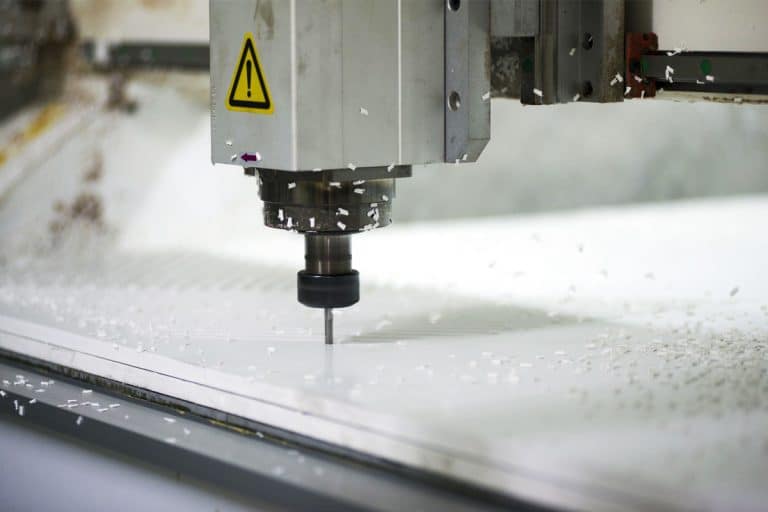
How To Maintain CNC Routers
This article provides a comprehensive guide on how to maintain CNC routers, covering essential tasks, troubleshooting tips, upgrades, and best practices to ensure optimal performance and longevity.
What Is The Accuracy Of CNC Routers
This article is a comprehensive guide that explains the precision of CNC routers, the key factors affecting precision, expected performance, and how to improve machining results.
Frequently Asked Questions
What Is The Price Of 2040 CNC Routers?
What Factors Affect The Price Of 2040 CNC Routers?
- Spindle Power and Cooling Method: The machine may be equipped with 3.5 kW, 4.5 kW, 6.0 kW, 7.5 kW, or 9.0 kW spindles. Higher-power spindles increase cutting capability and continuous-duty performance, thus raising the price. Water-cooled spindles cost more due to pumps, chillers, and additional cooling hardware.
- Motor and Driver System: Stepper motors are the most economical option, while easy servo motors add stability and prevent lost steps. Full servo motors—such as Delta, Yaskawa, or Mitsubishi—significantly increase the machine price due to higher speed, torque, and precision.
- Control System: Entry-level controllers like Mach3 lower the cost, while industrial controllers such as Syntec, OSAI, FANUC, and Weihong NK105 elevate pricing through smoother interpolation, advanced automation functions, and higher processing speeds.
- Transmission Structure: The quality of rack-and-pinion drives, ball screws, and branded linear guides (HIWIN, PMI, THK) affects cost. Precision components improve accuracy, reduce noise, and extend lifespan but require higher investment.
- Worktable Configuration: T-slot tables are the most affordable, while multi-zone vacuum tables significantly increase cost due to pumps, valves, and suction channels. Hybrid vacuum + T-slot tables provide additional flexibility and increase total pricing.
- Machine Frame and Gantry Build: A heavier frame, reinforced steel structure, and enlarged gantry beams add cost but greatly improve rigidity and cutting stability. Industrial-grade builds increase long-term durability and performance.
- Automatic Tool Changer (ATC) Options: Linear or carousel ATC systems can substantially raise the price since they improve efficiency for multi-bit machining, furniture production, and continuous cutting operations.
- Additional Accessories: Dust-collection systems, rotary attachments, mist coolers, tool setters, safety enclosures, and CAD/CAM software packages all contribute to the final machine cost.
- Brand Reputation and After-Sales Support: Established manufacturers charge more due to superior engineering quality and stronger technical support networks.
What is The Accuracy Of 2040 CNC Routers?
- Positioning Accuracy: Most 2040 CNC routers provide a positioning accuracy between ±0.03 mm and ±0.05 mm, depending on the transmission system, linear guides, and calibration quality. Machines equipped with servo motors and high-quality rack-and-pinion drives achieve higher consistency.
- Repeatability Accuracy: Repeatability is typically ±0.02 mm to ±0.03 mm, allowing the machine to return to the same coordinates after repeated movements. Closed-loop servo systems, rigid frames, and reinforced gantries help maintain this high repeatability during long production runs.
- Mechanical Structure Influence: Heavy-duty welded frames and thick steel beams reduce vibration, which is vital for maintaining precision across the machine’s large 2000×4000 mm work area. Stronger structures minimize flexing during high-speed cutting.
- Transmission System Quality: Helical rack-and-pinion drives on the X and Y axes and ball-screw transmission on the Z axis ensure smooth motion, reduced backlash, and stable cutting accuracy. Branded linear guides (HIWIN, PMI, THK) further enhance precision.
- Motor and Driver Impact: Stepper motors offer good accuracy for basic applications, but easy servo and full servo motors significantly improve positioning stability, especially at high feed rates. Encoders on servo systems enable real-time error correction.
- Controller Performance: Industrial controllers such as Syntec, OSAI, Weihong, or FANUC enhance trajectory planning and interpolation, resulting in smoother edges, more accurate curves, and reduced vibration during complex toolpaths.
- Material and Tooling Factors: Optimal accuracy requires sharp cutters, proper collet installation, correct feed/spindle settings, and secure material hold-down—especially when machining aluminum, acrylic, or composite panels.
- Environmental Stability: Level flooring, consistent temperature, and good dust control help maintain machine geometry and long-term accuracy.
Is It Safe To Use 2040 CNC Routers?
- Enclosed Electrical and Motion Systems: Most 2040 CNC routers include sealed electrical cabinets, limit switches, soft limits, and overload protection to prevent accidental damage or uncontrolled motion. These systems enhance operational safety during both manual and automated cutting.
- Emergency Stop and Safety Interlocks: The machine is equipped with emergency stop buttons placed on the control panel and machine frame. Some models include safety interlocks to stop the spindle when doors or covers are opened, preventing dangerous operation.
- Stable Mechanical Structure: The heavy-duty steel frame and reinforced gantry reduce vibration and ensure stable cutting. The rigid structure minimizes accidental movement or tool deflection, contributing to safe, predictable performance.
- Safe Operation Procedures: Operators must follow startup routines, perform tool inspection, load materials securely, and remain aware of moving components. Standing clear of the spindle, gantry, and cut path prevents accidental contact during high-speed cutting.
- Dust Management and Ventilation: Effective dust collection reduces airborne particles that may pose respiratory risks. Proper ventilation is essential when cutting MDF, plastics, or resins, which can generate fine dust or fumes.
- Noise Protection: Route-cutting operations can produce significant noise, especially at high spindle speeds. Wearing hearing protection is recommended to maintain a safe work environment.
- Tooling and Bit Safety: Regular inspection of router bits helps prevent breakage, which may otherwise cause flying debris. Proper tightening of collets and selecting the right bit for each material enhances safety.
- Training Requirements: Safe use depends heavily on operator training. Understanding CNC controls, G-code behavior, toolpaths, and machine limits prevents accidents caused by programming errors or improper handling.
- Maintenance and Inspection: Routine maintenance—including lubrication, belt inspection, screw tightening, and cleaning—keeps the machine in safe working condition and prevents unexpected mechanical failures.
What Problems Might Occur When Using 2040 CNC Routers?
- Inaccurate Cut Dimensions: Machine misalignment, loose gantry bolts, or worn transmission components can cause dimensional errors. Poor calibration or an unlevel floor may also affect cutting accuracy across the large 2000×4000 mm working area.
- Rough or Burned Edges: Incorrect feed rates, spindle speeds, or dull cutting tools can produce chipped, melted, or burned edges—especially when machining MDF, acrylic, or hardwoods. Poor dust extraction may worsen the edge finish.
- Vibration or Chatter: Large-format frames must remain stable. If the floor is uneven, the machine is improperly leveled, or the gantry bearings are worn, vibrations may appear during cutting, resulting in visible tool marks or reduced precision.
- Material Movement on the Table: Insufficient vacuum suction, leaks in vacuum zones, or poor clamping can cause workpieces to shift. This leads to tool breakage, inaccurate cuts, or ruined parts.
- Tool Breakage: Incorrect tool selection, excessive cutting depth, or overly aggressive feed rates can cause bits to snap. Dull tools or improper collet installation may also result in tool failure.
- Electrical or Controller Errors: Power fluctuations, outdated controller firmware, and loose wiring can cause emergency stops, communication errors, or lost steps. Servo overloads or motor overheating may occur in heavy-duty production.
- Dust Accumulation: Inadequate dust collection can clog rails, sensors, and electronics, reducing accuracy and increasing maintenance requirements. Fine dust from MDF or composites may also pose safety risks if not properly extracted.
- Noise and Heat Issues: High-power spindles and long cutting cycles generate significant noise and heat. Poor workshop ventilation can lead to overheating of the spindle or control cabinet.
- Software or Toolpath Errors: Incorrect CAM settings, wrong post-processor output, or misconfigured toolpaths may cause collisions, gouging, or wasted material.
What Type Of Spindle Do 2040 CNC Routers Use?
- 3.0 kW Spindle: Best suited for light-to-medium woodworking, acrylic cutting, PVC routing, and signage applications. It offers good flexibility for standard sheet materials but is not ideal for heavy industrial workloads or thick hardwoods.
- 3.5 kW Spindle: A balanced option for users who require slightly stronger torque and smoother cutting performance. It handles denser materials such as MDF, HDPE, and composite boards with improved stability.
- 4.5 kW Spindle: A popular industrial choice for continuous woodworking and deeper cutting. This spindle supports larger bit diameters and maintains torque at lower RPMs, making it suitable for thicker materials and more aggressive cutting strategies.
- 5.5 kW Spindle: Ideal for heavy-duty processing, cabinet manufacturing, and large-scale panel machining. It provides high torque and stable operation during long cutting cycles, making it well-suited for professional production environments.
- 6.0 kW Spindle: Designed for demanding industrial tasks such as hardwood milling, composite machining, and aluminum sheet cutting. It delivers strong cutting force and maintains consistent performance during high-speed routing.
- 9.0 kW Spindle: The highest-power option for 2040 CNC routers, commonly used by factories with high-volume production requirements. It supports fast feed rates, deep passes, and multi-bit machining for maximum efficiency.
What Control System Do 2040 CNC Routers Use?
- Mach3 Control System: Mach3 is a widely used PC-based controller suitable for entry-level and mid-range CNC routers. It provides essential functions such as manual jogging, G-code loading, toolpath visualization, and feed/spindle speed adjustments. Mach3 is a cost-effective choice for small workshops, hobbyists, and light production tasks, but it offers less advanced automation compared to industrial controllers.
- Syntec 60W-E Control System: This industrial-grade controller provides faster processing, smoother motion interpolation, and superior reliability. It is well-suited for woodworking, furniture production, signage, and composite machining. With built-in tool management, error diagnosis, and stable high-speed performance, Syntec 60W-E enhances machining accuracy and reduces downtime.
- Syntec 610MA-E5 Control System: A higher-end controller designed for professional and large-scale production environments. It supports advanced features such as multi-axis coordination, faster toolpath calculation, better servo integration, and improved anti-vibration algorithms. It is ideal for machines equipped with servo motors, ATC systems, and heavy-duty spindles.
What Training Is Required To Operate 2040 CNC Routers?
- Basic Machine Operation Training: Operators must learn essential machine functions, including startup/shutdown procedures, homing the axes, jogging the gantry, loading materials, setting work coordinates, and managing emergency stops. Understanding movement limits and safety interlocks is fundamental to safe operation.
- Control System Training: Depending on the model—Mach3, Syntec 60W-E, or Syntec 610MA-E5—operators must learn how to load G-code, adjust feed and spindle speeds, manage tool libraries, interpret alarm messages, and configure job parameters. Advanced controllers require deeper familiarity with their menu structure and automation features.
- CAD/CAM Software Training: Since CNC routers rely on digital toolpaths, training includes learning software such as ArtCAM, Aspire, Fusion 360, or Mastercam. Operators must understand drawing tools, toolpath generation, machining strategies, post-processing, and exporting compatible G-code.
- Tooling and Bit Setup: Training covers selecting appropriate cutting tools—such as spiral bits, compression bits, ball-nose cutters, V-bits, and aluminum-specific tools—based on material and machining requirements. Operators must practice proper collet installation, tool-length setting, and safe tool changing.
- Material Machining Knowledge: Each material behaves differently under cutting forces and heat. Training should address feed rate optimization, chip load calculation, spindle speed adjustment, and strategies to prevent burning, melting, or chattering during machining.
- Safety Procedures and PPE Use: Operators must learn correct PPE usage, safe material handling, keep distance from moving gantries, monitor spindle operation, and maintain a clean work area. Proper dust extraction and workshop ventilation are essential for safe operation.
- Maintenance and Troubleshooting: Routine tasks such as lubrication, cleaning linear guides, checking belts and screws, inspecting vacuum pumps, and monitoring spindle health must be taught. Operators should also learn to identify common issues such as vibration, tool wear, alignment problems, or vacuum loss.
- Workflow Optimization: For large-format 2040 CNC routers, training includes nesting techniques, batch processing, setup reduction, and efficient job sequencing.