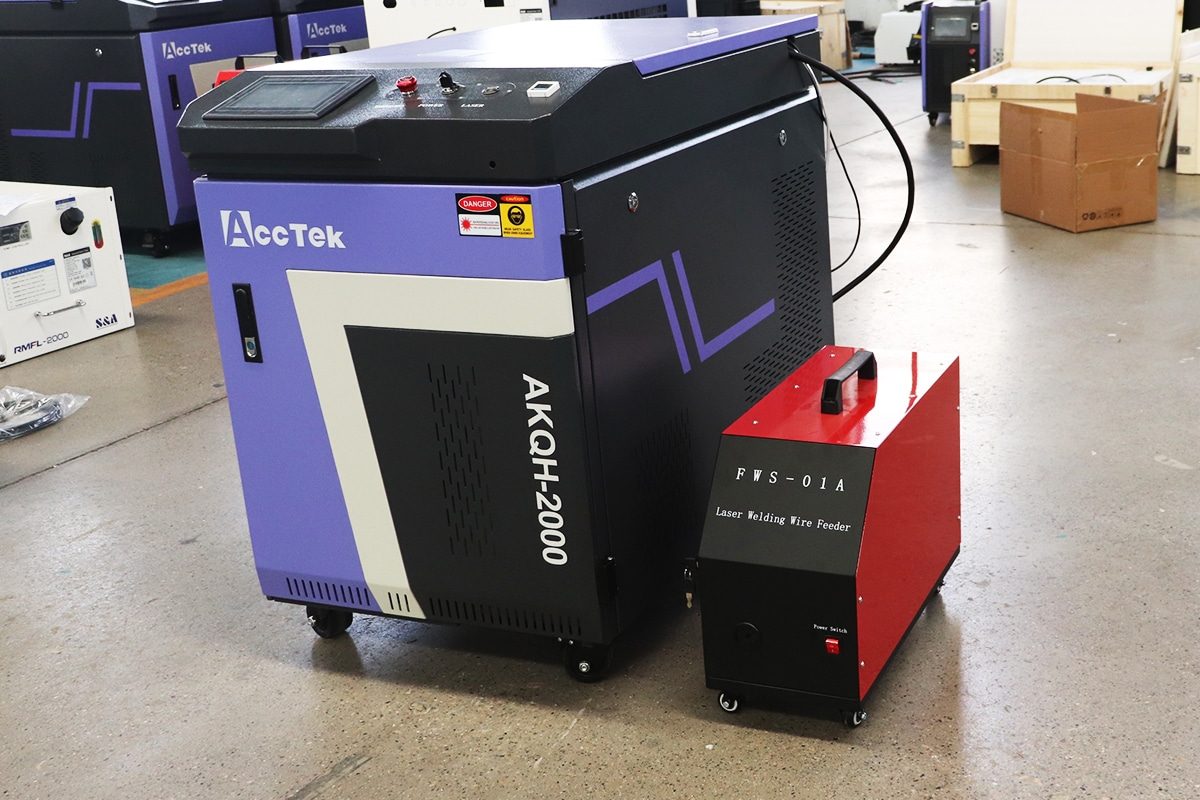
Laser welding has rapidly become a preferred joining method across industries such as automotive manufacturing, aerospace, medical device production, and precision electronics. Known for its speed, accuracy, and ability to create clean, high-strength welds, laser welding represents a significant advancement over traditional welding techniques. However, alongside its many benefits comes an important safety question that professionals and employers often ask: Are welding masks required for laser welding?
Unlike conventional arc or MIG welding, laser welding does not always produce visible sparks or a bright welding arc. This can lead to the misconception that standard welding safety gear—especially welding masks—is optional or unnecessary. In reality, laser welding introduces unique hazards, including intense laser radiation, reflected beams, infrared exposure, and potential eye and skin injuries that are not always immediately noticeable. These risks make proper eye and face protection a critical consideration rather than an afterthought.
Understanding whether welding masks are required for laser welding involves examining laser classifications, workplace safety regulations, and the specific risks associated with laser exposure. It also requires recognizing how laser welding environments differ from traditional welding setups. This article explores the safety requirements surrounding laser welding, clarifies when welding masks or specialized laser safety eyewear are necessary, and explains how to protect operators effectively while maintaining productivity and compliance.
Although laser welding and traditional welding processes share the same objective—permanently joining materials—the way they achieve this goal is fundamentally different. These differences are not merely technical; they significantly affect operator safety and determine whether conventional protective equipment, such as standard welding masks, is appropriate. Traditional welding safety practices are built around visible arcs, spatter, and heat, while laser welding introduces less obvious but often more severe risks. Understanding these distinctions is essential when evaluating safety requirements for laser welding environments.
Traditional welding methods, such as MIG, TIG, and stick welding, generate heat through an electric arc formed between an electrode and the workpiece. This arc produces intense visible light, ultraviolet (UV), and infrared (IR) radiation, which is why welding masks use shaded lenses specifically designed to filter these emissions. Laser welding operates on an entirely different principle. It uses focused optical radiation—often infrared laser light—to deliver energy with extreme precision. Because many industrial lasers emit wavelengths that are invisible to the human eye, operators may not realize they are exposed. Standard welding masks are not inherently designed to block specific laser wavelengths, meaning they may offer little or no protection unless they are laser-rated for the exact wavelength and power level involved.
Laser welding presents one of the most serious eye hazards in industrial work environments. A direct laser beam can cause irreversible damage to the retina or cornea in microseconds. Unlike arc welding, where brightness causes immediate discomfort and a natural reflex to look away, laser exposure may not trigger pain or visual cues before injury occurs. The eye’s lens can also focus laser energy onto the retina, amplifying the damage. This makes even brief, accidental exposure extremely dangerous and highlights why eye protection must be specifically engineered for laser safety rather than relying on conventional welding masks.
Laser welding differs from traditional welding not only in how it generates heat but also in how it affects safety. Its reliance on optical radiation, the instantaneous nature of eye injuries, the danger of reflected beams, and the presence of electrical, thermal, and fume-related hazards create a unique risk profile. These factors make it clear that laser welding cannot rely solely on traditional welding safety practices, and they play a crucial role in determining whether standard welding masks are adequate or if specialized laser safety protection is necessary.
When evaluating whether welding masks are required for laser welding, the term “required” must be understood in a broader, layered sense. In industrial safety, requirements do not come from a single authority. Instead, they are shaped by a combination of laws, technical standards, manufacturer guidance, insurance conditions, and customer expectations. In laser welding, where hazards can be invisible yet severe, these layers often overlap and reinforce one another. Meeting only one definition of “required” is rarely sufficient; true compliance means satisfying all applicable safety obligations at the same time.
Legal requirements are the foundation of workplace safety. Occupational health and safety laws generally require employers to identify hazards, assess risk, and implement appropriate controls. For laser welding, this includes compliance with laser safety regulations that define exposure limits and mandate suitable eye and face protection. While laws may not explicitly state “a welding mask must be worn,” they do require protection against hazardous laser radiation. If a welding mask does not provide certified protection for the specific laser wavelength, power, and exposure duration, it does not meet the legal definition of adequate protection. Regulatory agencies can impose fines, issue stop-work orders, or pursue legal action if workers are exposed without proper PPE.
Industry standards translate legal principles into practical guidance. Laser safety standards describe how lasers should be classified, how hazards should be controlled, and what protective equipment is acceptable. Best practices often go beyond minimum legal requirements by emphasizing risk reduction rather than simple compliance. For example, they may recommend enclosed laser cells, interlocked doors, warning systems, and laser-rated eye and face protection instead of standard welding masks. In many industries, especially high-risk or high-precision sectors, failure to follow recognized standards can be viewed as a failure of due diligence, even if no law was technically broken.
Laser welding equipment manufacturers design their systems with specific safety assumptions in mind. Their manuals typically specify required protective equipment, including optical density ratings, wavelength compatibility, and coverage areas for eyes and face. These instructions are not optional. Ignoring them can void equipment warranties, invalidate certifications, and shift responsibility for accidents entirely to the user. If a manufacturer states that laser-rated protective eyewear or face protection is mandatory, substituting a conventional welding mask may be considered misuse of the equipment, with serious legal and financial consequences.
Insurance providers and customers add another layer of obligation. Insurers often require documented laser safety programs, employee training records, and proof that proper PPE is used as a condition of coverage. If an injury occurs and investigations show that recommended safety equipment was not used, insurance claims may be denied. Customers, particularly in regulated industries such as aerospace, automotive, and medical manufacturing, frequently conduct safety audits. These audits often require strict compliance with laser safety standards. Failure to meet these expectations can result in lost contracts, failed audits, or removal from approved supplier lists.
In laser welding, “required” is not a single rule but a combination of legal, technical, contractual, and financial obligations. A welding mask may only be acceptable if it meets laser-specific safety criteria—and in many cases, it does not. Understanding what “required” truly means helps clarify why specialized laser safety protection is often mandatory, not optional, in professional laser welding environments.
Standard welding masks are an essential safety tool in traditional welding, but their effectiveness depends entirely on the type of hazard they are designed to control. Laser welding introduces concentrated optical radiation that behaves very differently from the light generated by an electric arc. Because of this, equipment that performs well in MIG, TIG, or stick welding may fall short when used around laser systems. Understanding why standard welding masks may not be suitable helps explain why laser welding often requires specialized eye and face protection rather than relying on familiar equipment.
Arc welding filters are designed to reduce the intense visible brightness of an electric arc while broadly blocking ultraviolet and infrared radiation. Their protection is categorized by shade numbers, which primarily indicate how much visible light is reduced. Laser filters, however, are engineered with a completely different goal: blocking very specific wavelengths of laser radiation at defined power levels. They are rated using optical density values that correspond to particular laser wavelengths. A standard welding mask may significantly darken the view but still transmit harmful laser energy because it is not designed to attenuate that precise wavelength. This fundamental design difference makes many traditional welding filters unreliable for laser welding.
Many laser welding systems operate in the near-infrared spectrum, which is invisible to the human eye. This creates a serious safety challenge because the absence of visible light does not mean the absence of danger. The eye cannot detect near-infrared radiation, and there is no natural reflex to look away. Standard welding masks often focus on controlling visible glare and may not sufficiently block invisible infrared energy. As a result, an operator could be exposed to hazardous radiation without any immediate warning signs, increasing the risk of permanent eye damage.
In traditional welding, brightness is often a reliable indicator of risk—the brighter the arc, the greater the potential harm. Laser welding breaks this assumption. Laser welds may appear relatively dim or even calm, yet still emit energy levels far above safe exposure limits. Standard welding masks reduce visible brightness, which can create a false sense of security. Comfort to the eye does not equal protection. True safety in laser welding depends on whether the filter is capable of blocking the laser’s wavelength and intensity, not on how dark the weld appears.
Laser radiation is highly concentrated and can place extreme stress on materials not designed to handle it. Standard welding filters may degrade when exposed to laser energy, developing microfractures, discoloration, or loss of filtering effectiveness. This damage may not be immediately visible to the user, allowing exposure risks to increase over time without detection. Laser-rated filters are specifically tested to withstand defined laser power densities, while traditional welding filters are not. Using the wrong filter can therefore create a hidden and cumulative safety hazard.
Standard welding masks are not automatically suitable for laser welding because they were designed for a different type of hazard. Differences in filter design, the invisibility of near-infrared radiation, misleading visual cues, and the potential for filter damage all limit their effectiveness. Without laser-specific ratings and certifications, a conventional welding mask may provide a false sense of protection rather than real safety in laser welding environments.
The requirement for a welding mask in laser welding is highly dependent on exposure risk rather than the process name alone. In fully enclosed, automated laser welding cells, engineering controls often provide sufficient protection. However, many laser welding operations—especially modern handheld and flexible systems—are performed in open or semi-open environments. In these situations, the likelihood of eye, face, and skin exposure increases significantly. When hazards cannot be eliminated through enclosures, interlocks, or barriers, a welding mask equipped with appropriate laser-rated protection becomes a necessary part of personal protective equipment.
During setup, alignment, testing, or maintenance, laser welding systems are often operated outside normal production conditions. Safety enclosures may be opened, and interlocks may be temporarily bypassed. High-power open processing significantly increases exposure risk, as the laser beam is no longer fully contained. In these situations, wearing a welding mask provides critical protection against accidental beam contact, stray reflections, and unexpected system behavior during troubleshooting.
In shared or crowded workspaces, laser welding hazards extend beyond the primary operator. Reflected beams, scattered radiation, and bright light can affect nearby workers who may not be wearing adequate eye protection. A welding mask helps reduce facial exposure and demonstrates adherence to safety protocols. It also plays a role in protecting others by encouraging controlled work practices and reducing the chance of accidental exposure in multi-user environments.
Although laser welding is often cleaner than traditional welding, certain materials, coatings, and parameters can generate fumes, smoke, and molten particles. These byproducts can irritate the eyes, skin, and respiratory system. A welding mask offers face protection against hot spatter and helps shield the eyes from airborne debris. When combined with proper fume extraction, it contributes to a safer and more comfortable working environment, particularly during extended welding operations.
Welding masks are typically required for laser welding whenever the process is performed in open or high-risk conditions. Handheld welding, reflective materials, high-power open modes, shared workspaces, and fume-producing applications all increase exposure risks. In these scenarios, a properly selected welding mask—often paired with laser-rated eye protection—serves as a vital safeguard against both visible and invisible laser welding hazards.
Laser welding hazards are often underestimated because they are not always visible or intuitive. Unlike traditional welding, where danger is concentrated around a bright arc and obvious spatter, laser welding introduces risks that can extend well beyond the weld point. The laser beam itself, energy reflected from materials, and the defined area in which exposure becomes unsafe all play a role in determining safety requirements. Understanding these elements is essential for evaluating whether welding masks, laser-rated eye protection, and other controls are necessary in a given laser welding operation.
Direct exposure to a laser welding beam represents the highest level of risk. Industrial laser welding systems operate at power densities capable of causing instantaneous and irreversible eye injury or deep skin burns. Even very brief exposure—fractions of a second—can permanently damage the retina or cornea. In many cases, the beam is invisible or only faintly visible, removing the natural warning cues present in arc welding. Because the eye can focus laser energy onto a small point on the retina, the resulting injury can be far more severe than expected. Any task where the beam could be accidentally encountered, even during setup or repositioning, must be treated as a serious hazard.
Specular reflections occur when the laser beam strikes smooth, reflective surfaces and is redirected in a mirror-like fashion. Highly polished metals, fixtures, clamps, and even nearby tools can act as unintended mirrors. These reflections may retain nearly the same intensity as the original beam, making them just as dangerous as direct exposure. The unpredictable direction of specular reflections increases the risk to operators and bystanders, especially in open or handheld laser welding setups. Because these reflections may travel outside the immediate work area, they complicate safety planning and make protective equipment and controlled access zones essential.
Diffuse reflections occur when the laser beam hits rough, textured, or matte surfaces, scattering energy in multiple directions. While diffuse reflections are less concentrated than specular reflections, they are not harmless. At close distances or with high-power lasers, diffuse radiation can still exceed safe exposure limits for the eyes and skin. Repeated or prolonged exposure can cause cumulative damage, particularly to the eyes. In environments where operators work close to the weld or where multiple people share the space, diffuse reflections contribute significantly to overall risk and must be considered in hazard assessments.
The Nominal Hazard Zone (NHZ) is a critical concept in laser safety. It defines the three-dimensional area around laser welding systems where radiation levels exceed the maximum permissible exposure limits. Within this zone, protective measures are mandatory. The size of the NHZ depends on several factors, including laser power, wavelength, beam divergence, workpiece reflectivity, and whether the process is enclosed or open. In open laser welding applications, the NHZ can extend several meters from the weld area. Identifying and controlling the NHZ helps determine where welding masks, laser-rated eyewear, barriers, warning signs, and access restrictions are required.
Laser welding hazards extend far beyond the visible weld point. Direct beam exposure, specular and diffuse reflections, and the boundaries defined by the Nominal Hazard Zone all influence who may be at risk and what level of protection is required. A clear understanding of these hazards explains why laser welding safety cannot rely on assumptions or traditional welding practices alone and why proper eye and face protection is often essential within the laser hazard area.
Among all laser welding safety considerations, eye protection is the most critical and least forgiving. Unlike skin exposure, which may result in burns that heal, eye injuries caused by laser radiation are often permanent and life-altering. Laser welding systems produce concentrated optical energy that can damage the eye in fractions of a second, sometimes without any pain or visual warning. For this reason, decisions about whether a welding mask is required for laser welding should always begin with a detailed evaluation of eye protection needs.
The human eye is uniquely vulnerable to laser radiation because it functions as a powerful optical focusing system. The cornea and lens concentrate incoming light onto the retina, increasing the energy density by several orders of magnitude. When laser radiation enters the eye, even at relatively low power levels, this focusing effect can cause instantaneous retinal burns, hemorrhaging, or permanent blind spots. Many laser welding systems emit near-infrared radiation, which is invisible to the eye and does not trigger the blink reflex. As a result, injury can occur before a person is even aware that exposure has happened.
Laser safety eyewear must be selected based on the exact characteristics of the laser being used. This includes wavelength, power output, and whether exposure may be direct or reflective. Proper eyewear is rated by optical density (OD), which indicates how effectively it reduces laser energy to safe levels. Eyewear must be clearly labeled, certified, and appropriate for the specific laser class. Side protection is also essential, as reflected radiation can enter the eye from unexpected angles. Comfort, fit, and durability matter as well, since poorly fitting eyewear is less likely to be worn consistently.
Different forms of eye and face protection serve different purposes in laser welding. Laser safety glasses are often the minimum requirement and may be sufficient in enclosed or well-controlled systems. Welding helmets fitted with laser-rated filters provide broader protection for the face and eyes and are especially useful in handheld or open laser welding. Face shields can add an extra layer of defense against reflections, spatter, and debris, but should not replace laser-rated eyewear unless specifically designed for laser protection. In higher-risk environments, combining eyewear with a helmet or shield offers the most comprehensive protection.
A critical and common mistake is assuming that tinted or darkened lenses provide laser protection. Tinting only reduces visible light and glare; it does not guarantee protection from hazardous laser wavelengths. A lens can appear very dark while still allowing dangerous laser energy to pass through. Only lenses that are specifically tested, rated, and labeled for laser protection can reliably reduce exposure to safe levels. Using non-rated tinted lenses can create a false sense of security and significantly increase the risk of severe eye injury.
Eye protection is the single most important factor in laser welding safety. The eye’s natural vulnerability to focused laser energy, the invisibility of many laser wavelengths, and the strict requirements for wavelength-specific filtering all demand careful equipment selection. Whether through laser-rated glasses, helmets, or face shields, proper eye protection is central to determining when and how a welding mask is required for laser welding.
Laser welding is often described as “clean” compared to arc welding, and in many setups it is cleaner—less smoke, less spatter, and a smaller heat-affected zone. But that reputation can make people overlook an important reality: your skin and face can still be injured quickly during laser welding, especially in handheld or open processing environments. The hazards aren’t always dramatic or obvious. In fact, some of the most serious injuries happen when the weld looks calm, the light doesn’t seem bright, and the operator assumes normal shop PPE is enough.
One major risk is burns from direct or reflected laser energy. Laser welding concentrates optical energy into a tiny spot, and that same concentration can injure skin rapidly if exposure occurs. Direct contact with the beam is the worst case, but reflected energy can also cause damage—particularly when working with shiny, reflective metals or when nearby tools and fixtures have smooth surfaces. Because many laser wavelengths used in welding are invisible, you might not get a “warning flash” the way you would with an arc. The result can be a burn that appears later as redness, blistering, or a deeper hot-spot injury.
Another frequent cause of injury is contact burns from hot parts and fixtures. Laser welds may localize heat more than traditional welding, but the weld seam, surrounding metal, clamps, and jigs can still reach temperatures that burn instantly. Operators often get hurt during routine moments—repositioning a part, checking the seam, brushing slag or discoloration, or grabbing a finished component too soon. Thin sheet metal and small components heat rapidly, and edges can become “invisible hot,” meaning they look normal but burn on contact.
Then there’s spatter and ejected molten metal, which varies greatly based on parameters and material condition. Laser welding can produce spatter when there is poor fit-up, surface contamination (oil, paint, oxide layers), incorrect shielding gas flow, excessive power, or unstable keyhole behavior. Even tiny molten droplets can sting, embed in skin, or burn through lightweight fabrics. The face and neck are especially vulnerable because operators naturally lean toward the seam for alignment and tracking. A mask or face shield doesn’t just protect the eyes—it helps prevent facial burns from stray particles, hot debris, and sudden “pop” events when the weld pool becomes unstable.
A less discussed but real risk is photothermal injury, where skin absorbs optical radiation and converts it into heat. This can happen from the main beam, reflected energy, or intense process emissions near the weld zone. Photothermal injury is tricky because it may not feel like “radiant warmth” at first; it can be localized and fast. The most exposed areas are typically the cheeks, nose, lips, and hands—especially if gloves are thin, worn out, or not designed for heat and sparks. Over time, repeated minor exposures can lead to chronic irritation and sensitivity, particularly if operators regularly work close to the nominal hazard zone.
Finally, don’t ignore secondary facial hazards that show up during real production work: sharp burrs on sheet metal, hot wire ends, and fumes that irritate the nose and eyes. If welding produces smoke or vaporized metal—especially from coated materials—operators may rub their face or adjust PPE more often, increasing the chance of accidental exposure. This is another reason why comfortable, well-fitting face protection matters: if PPE is annoying, people use it inconsistently.
Even if laser welding produces less spatter than arc welding, skin and face injuries are still a serious risk. Burns can come from invisible radiation, unexpected reflections, hot workpieces, and molten droplets. In open or handheld laser welding, protecting the face, neck, and hands with appropriate PPE—and keeping the work area controlled and clutter-free—can be the difference between a routine shift and a painful, preventable injury.
In discussions about laser welding safety, fumes and respiratory exposure often receive far less attention than eye or skin hazards. This is partly because laser welding usually looks cleaner than traditional arc welding—there is often less visible smoke, less odor, and fewer sparks. However, appearance is not a reliable indicator of air quality. Laser welding can generate extremely fine airborne contaminants that are easy to inhale and difficult for the body to expel. In many cases, these fumes pose long-term health risks that develop gradually, making them easy to overlook until problems appear.
Laser welding involves intense, localized heating that vaporizes metal at the weld seam. As the vapor cools, it condenses into ultrafine particles—many of them small enough to penetrate deep into the lungs and even enter the bloodstream. These particles are often much smaller than those produced by arc welding, which means they can be more biologically active and harder for the body to filter out naturally.
The hazard level depends heavily on the materials being welded. Stainless steel can release chromium and nickel compounds, some of which are known respiratory irritants and potential carcinogens. Galvanized or zinc-coated steels can produce zinc oxide fumes that cause metal fume fever, with flu-like symptoms. Aluminum alloys, copper, and brass can also generate metal vapors that irritate the lungs and airways. Painted, oiled, or adhesive-coated parts introduce additional risks by producing decomposition gases and organic compounds when heated.
Another challenge is that laser welding fumes are often invisible or only faintly visible. Operators working close to the seam—especially in handheld laser welding—may inhale contaminants directly in their breathing zone without noticing any smoke. Short-term exposure can cause irritation, coughing, or headaches, while long-term exposure may contribute to chronic respiratory conditions.
The most effective way to control laser welding fumes is through engineering controls, particularly local exhaust ventilation and fume extraction systems. These systems should be positioned as close as practical to the weld zone to capture contaminants at the source before they disperse. Properly designed extraction not only protects the welder but also improves visibility and reduces contamination of the surrounding workspace.
However, extraction systems are not always sufficient. In open or shared workspaces, confined areas, during setup and maintenance, or when welding awkward geometries, fumes can escape capture. In these cases, respiratory protection becomes necessary as a supplemental control. Respirators must be selected based on the specific hazards present, including particle size and chemical composition. Fit testing, proper training, and regular maintenance are essential to ensure respirators provide real protection rather than a false sense of security.
It is also important to recognize that respiratory protection should never be used as a substitute for poor ventilation. Instead, it should be part of a layered approach that includes clean workpieces, controlled parameters, effective extraction, and appropriate PPE.
Laser welding fumes are often underestimated because they are less visible than those produced by traditional welding. Yet the ultrafine particles and metal vapors generated during the process can pose serious respiratory risks, especially during close-up or prolonged work. Effective fume extraction should always be the first line of defense, with respirators used when engineering controls cannot fully eliminate exposure. Addressing respiratory hazards alongside eye and face protection ensures a more complete and realistic approach to laser welding safety.
Laser welding safety is governed by a framework of technical standards and compliance concepts that differ significantly from those used for traditional welding. These rules are not based on appearance, comfort, or convention—they are based on measurable exposure limits, hazard classification, and risk control hierarchy. Understanding these concepts is essential for answering the question “Are welding masks required for laser welding?” because requirements are determined by objective safety thresholds, not by preference or habit. Employers, safety officers, auditors, and inspectors rely on these principles to decide what controls and protective equipment are mandatory in a given situation.
Laser classification is the foundation of laser safety compliance. Lasers are categorized according to their potential to cause injury to the eyes or skin, either through direct exposure or reflections. As the laser class increases, so does the level of hazard and the strictness of required controls.
Most industrial laser welding systems fall into the highest hazard classifications, meaning they are capable of causing immediate and irreversible injury from momentary exposure. This is true even if the beam is invisible or appears low-intensity. Classification applies to the laser welding system itself, not how “carefully” it is used. Once a system is classified as a high-hazard laser, safety requirements are triggered automatically—regardless of operator experience. These requirements can include controlled access areas, warning signage, training, interlocks, and the use of laser-rated eye and face protection when the beam is accessible.
Maximum Permissible Exposure (MPE) defines the highest level of laser radiation that the human eye or skin can safely tolerate without expected injury. MPE values are extremely low for the eye, especially for wavelengths that the eye can focus onto the retina. Exceeding MPE—even briefly—can result in permanent damage.
Optical Density (OD) is the measurement used to describe how effectively a lens or filter reduces laser energy. OD values are wavelength-specific and logarithmic, meaning small numerical increases represent large increases in protection. Laser safety eyewear, welding mask filters, or face shields must have an OD rating sufficient to reduce the laser’s output below the applicable MPE. This is a critical distinction from traditional welding shade numbers, which primarily address visible brightness. A filter that looks dark may still allow hazardous laser energy to pass through if it is not rated for the correct wavelength and OD.
A core principle of laser safety standards is the hierarchy of controls, which prioritizes hazard elimination and engineering solutions over personal protective equipment. Engineering controls include enclosed laser cells, beam containment, interlocked doors, shielding, automated operation, and fail-safe system design. These measures reduce reliance on human behavior and provide the highest level of protection.
However, engineering controls are not always sufficient or practical. Handheld laser welding, open processing, setup, alignment, maintenance, and troubleshooting often involve direct access to the laser beam. In these situations, PPE becomes mandatory rather than optional. Welding masks or helmets equipped with laser-rated filters, along with appropriate eyewear and face protection, are used to manage residual risk when engineering controls cannot fully eliminate exposure. Standards make it clear that PPE must be properly rated, correctly worn, and supported by training—it is a last line of defense, not a substitute for safe system design.
Standards and compliance concepts define laser welding safety through objective, measurable criteria. Laser classification establishes hazard severity, MPE and OD define safe exposure limits, and the hierarchy of controls explains why engineering measures are preferred over PPE whenever possible. When engineering controls are reduced or unavailable, properly rated eye and face protection—including welding masks designed for laser use—becomes essential. Understanding these principles clarifies why laser welding safety requirements are stricter, more technical, and less forgiving than those for traditional welding.
Choosing eye and face protection for laser welding is one of those areas where “close enough” can be dangerously wrong. With arc welding, many shops can standardize on a few helmet shades because the hazard profile is relatively familiar: bright visible light, UV/IR, spatter, and fumes. Laser welding is different. The hazard may be invisible, the injury can be instantaneous, and the risk can come from unexpected reflections rather than the weld pool itself. The right protection is not simply “darker”—it must be laser-rated for the specific laser wavelength and powerful enough (in terms of optical density) to reduce exposure to safe levels, while still allowing the operator to see the seam clearly enough to work without lifting protection.
This step is the foundation. If the PPE doesn’t match the wavelength, it may provide little protection even if it looks dark.
Next, consider how the laser is actually used—not just how it’s supposed to be used in an ideal scenario. PPE decisions should be based on worst-case exposure, because that’s when injuries occur.
Thinking in “worst-case” terms doesn’t mean being paranoid—it means selecting protection that still works when conditions are less than perfect.
In many laser welding environments, a “welding mask” is only suitable if it is fitted with a laser-rated filter that meets the required OD and wavelength coverage. Otherwise, it may be comfort gear, not safety gear.
Laser injuries don’t always come from looking “straight at” the process. In laser welding, reflections and scattered radiation can enter from the sides, below, or at odd angles, especially when working with reflective metals or in tight spaces.
Side-entry protection is often the difference between “PPE worn” and “PPE actually protective.”
Visibility is not a luxury; it is a control factor that influences real-world compliance.
To choose the right eye and face protection for laser welding, you need a method—not guesswork. Identify the laser source and wavelength, evaluate operating mode and worst-case exposure scenarios, and select PPE that is explicitly laser-rated for the correct wavelength and optical density. Make sure the setup protects against side-entry reflections and is comfortable and clear enough that operators keep it on continuously. When protection is properly matched to the laser and the work environment, it supports both safe operation and consistent, high-quality welding results.
In real workplaces, the question “Are welding masks required for laser welding?” often comes down to a quick decision made on the shop floor. But laser welding safety isn’t a “glance” situation. A mask is not required simply because you’re welding, and it’s not optional simply because the process looks dim. The deciding factor is whether a person could be exposed to hazardous laser radiation or process byproducts during normal work or during predictable mishaps (misalignment, part variation, hand movement, reflection off a shiny surface, etc.). The most practical way to decide is to evaluate the welding setup in terms of beam accessibility, the effectiveness of enclosures and interlocks, and what you’re actually seeing at the weld point.
In open setups, a welding mask (or helmet/face shield) becomes especially valuable because it adds full-face coverage against reflections, hot particles, and debris. However, the key detail is that the lens/filter must be laser-rated for the system’s wavelength and optical density needs. A standard arc-welding lens may reduce glare but still fail to block the actual laser wavelength.
So, an enclosed/interlocked process may reduce the need for a welding mask during routine production—but it does not automatically eliminate PPE needs during non-routine tasks. In many workplaces, the rule becomes: no mask needed in normal, fully closed operation; mask/laser-rated protection required when the enclosure is open, or controls are bypassed.
In practical terms: if the process is open and you’re relying on “it doesn’t look that bright” to justify skipping a mask, you’re using the wrong decision tool. Brightness is a visibility issue; laser safety is a wavelength-and-exposure issue.
A practical decision about whether a mask is required for laser welding starts with one question: Can anyone be exposed to hazardous laser radiation during welding or foreseeable upsets? If the laser is open and accessible, a mask (with laser-rated protection) is typically required because direct and reflected exposure is plausible. If the process is fully enclosed and interlocked, a mask may not be required during normal operation—but it often becomes necessary during setup, maintenance, or any time the enclosure is opened or interlocks are bypassed. And if you’re deciding based on how bright the weld pool looks, you’re using an unreliable indicator; visible brightness is not the same as laser safety.
If the question “Do I need a mask for laser welding?” keeps coming up in a shop, it usually means one thing: people are being asked to make safety decisions with an incomplete understanding. Laser welding is not forgiving. The hazard can be invisible, exposure can be instantaneous, and the most dangerous events often happen during “normal” moments—setup, repositioning, cleaning, inspection, and quick adjustments. That’s why training is the missing piece. It turns mask use from a personal guess (“it doesn’t look that bright”) into a consistent, repeatable decision based on risk.
A good training program starts by resetting expectations for workers who come from arc welding. In traditional welding, the bright arc is the obvious cue: it hurts to look at, so you drop the helmet. Laser welding is different. Brightness is not a reliable warning. Training must explain that many laser welding systems operate at wavelengths that are invisible or only weakly visible. Operators need to understand the difference between (1) the glowing weld pool, (2) a visible aiming beam, and (3) the actual hazardous laser radiation. If people don’t grasp that distinction, they may “peek” during alignment or hold a part closer for a better view—exactly when exposure risk is highest.
This is where training should be practical: show operators how reflections behave on aluminum, copper, and polished stainless; demonstrate how a small change in torch angle can change reflection direction; and reinforce why keeping reflective tools out of the beam area matters.
Training should also cover fit and coverage, because protection that “technically” meets a spec can still fail in practice if it doesn’t fit well. Workers need to know how to reduce gaps at the cheeks and temples, use side shields or wraparound designs, and layer protection appropriately (for example, laser-rated eyewear under a face shield or helmet when reflections and spatter are likely). Fogging management belongs here, too—if lenses fog constantly, people lift PPE, and that creates exposure.
Training should also address the hazards that influence mask decisions beyond the beam. Laser welding can produce fumes that are easy to overlook because they may be less visible. Operators need to know when to use local extraction, what symptoms suggest poor fume control, and why certain materials and coatings increase respiratory risk. They also need burn prevention basics: hot workpiece handling, glove and sleeve selection, protecting the neck and wrists, and recognizing that clamps and fixtures can stay hot longer than expected. Even fire risk should be included—laser energy and hot particles can ignite nearby rags, cardboard, or solvent residue.
Finally, training must be built around competency and refreshers, not just a one-time presentation. The practical standard in many workplaces is: if the process changes, retraining is required. That includes new materials, different part finishes, changes in power settings, new shielding gas setups, new work locations, or a switch from enclosed to handheld operation. Short hands-on checkouts, routine refresher sessions, and “what went wrong” reviews after near-misses make training stick. Clear procedures and checklists help too—especially for setup and maintenance, where people are more likely to remove guards or lift protection.
In short, training is what turns the question “Do I need a mask?” into a clear answer based on the job’s risk profile. When workers understand laser hazards, can verify their PPE, and follow controlled work practices, mask use becomes consistent, defensible, and safer for everyone in the area—not an opinion based on what the weld happens to look like that day.
During laser welding operations, most serious incidents don’t happen when everything is running smoothly—they happen when things are being set up, adjusted, cleaned, repaired, or tested. Maintenance, alignment, commissioning, troubleshooting, and other non-routine tasks consistently present a higher risk than normal production welding, even in facilities with strong engineering controls. Understanding why these tasks are more dangerous is critical when deciding whether welding masks and laser-rated face protection are required.
During normal production, hazards are typically controlled by fixed beam paths, enclosures, interlocks, automation, and repeatable parameters. Operators may never see the beam directly. In contrast, maintenance and alignment work often requires opening enclosures, removing guards, bypassing interlocks, or operating the laser in special modes. These actions temporarily defeat the very systems designed to keep people safe. Once those protections are reduced, personal protective equipment—including laser-rated eye and face protection—becomes far more important.
A major risk during non-routine tasks is open and intentional beam access. Alignment, focus checks, seam tracking verification, and optical inspections often require firing the laser at low duty cycles or reduced power. This creates a dangerous misconception that “low power equals low risk.” In reality, even low-power laser emissions can exceed safe exposure limits for the eyes, especially at close distances. Because technicians are often positioned directly in front of the process area during these tasks, exposure pathways multiply.
Beam behavior is also far less predictable during setup and troubleshooting. Parameters are adjusted repeatedly, focal positions change, and test pulses may strike unintended surfaces. Fixtures, calibration tools, feeler gauges, and measurement devices—many of which are metallic and reflective—are introduced into the work area. These objects can create unexpected specular reflections, redirecting energy toward the face or eyes from angles that are not present during production. Unlike steady-state welding, the beam path during alignment is dynamic, increasing uncertainty and risk.
These conditions increase fatigue, distraction, and the temptation to take shortcuts—such as lifting eye protection “just for a second” to check alignment or clarity. Because laser hazards may be invisible, these brief moments can be enough to cause injury.
Non-routine tasks also introduce additional overlapping hazards that affect face and mask decisions. Components and optics may remain hot long after the laser is powered down, creating burn risks. Electrical hazards are present when accessing cabinets, power supplies, or cooling systems. Cleaning optics or protective windows may involve solvents that irritate the skin or eyes. Test firings can generate unexpected fumes or debris if contamination is present. When multiple hazards coexist, broader face protection becomes more valuable than minimal eyewear alone.
In many cases, best practice is to layer protection—laser-rated eyewear worn at all times within the hazard zone, combined with a helmet or face shield during open-beam tasks.
Maintenance, alignment, and non-routine laser welding tasks are inherently higher risk than production because safeguards are reduced, beam behavior is less predictable, and human error is more likely. These conditions significantly increase the likelihood of eye and face exposure, making welding masks and laser-rated protective equipment far more critical during non-routine work. Treating these tasks as “business as usual” is one of the most common—and most dangerous—mistakes in laser welding safety planning.
When people ask whether welding masks are required for laser welding, it’s easy to focus only on eye and face protection. In reality, laser welding safety is a whole-body issue. The process introduces multiple hazards at once—optical radiation, heat, hot metal, sharp edges, fumes, electrical risks, and noise from supporting equipment. A welding mask may protect the eyes and face, but it does nothing for the hands, arms, feet, or hearing. That’s why a complete personal protective equipment (PPE) strategy looks beyond the mask and considers how the entire body is exposed during real work conditions, especially in handheld and open laser welding.
Gloves should be heat-resistant and made from materials that will not melt or ignite when exposed to hot metal. Very thin gloves may improve dexterity but often fail to protect against contact burns. On the other hand, overly thick gloves can reduce control, increasing the chance of dropping hot parts or accidentally contacting the beam path. The best choice balances heat resistance, grip, flexibility, and task requirements.
Laser welding may produce less visible spatter than arc welding, but hot particles and radiant heat are still present, and laser energy can ignite or melt inappropriate clothing. Protective clothing should be made from flame-resistant (FR) materials to prevent ignition or melting against the skin. Long sleeves protect the forearms, while high collars or neck coverings reduce the risk of burns to one of the most exposed areas when leaning toward the workpiece.
Fit matters as much as material. Loose clothing can snag on fixtures or catch hot debris, while tight clothing may restrict movement and increase fatigue. Sleeves and pant legs should overlap gloves and footwear to eliminate gaps where hot particles can land. Over time, proper clothing also reduces cumulative skin irritation from heat and airborne contaminants.
Feet are often directly below the work area, placing them at risk from falling hot metal, heavy components, and sharp scrap. Protective footwear with reinforced toes helps prevent crush injuries, while heat-resistant soles reduce the risk of burns from hot debris on the floor. In environments where parts are frequently handled or repositioned, high-top boots or footwear with metatarsal protection provide added coverage.
Slip resistance is another important factor. Laser welding work areas often include cables, hoses, cooling lines, and extraction ducts. A slip near an active laser or hot workpiece can quickly turn a minor misstep into a serious injury.
Laser welding itself is often quieter than traditional welding, but it is rarely silent. Noise can come from chiller units, extraction fans, compressed gas systems, robotic movement, part handling, or nearby machinery. Impulse noises—such as metal parts dropping or fixtures engaging—can contribute to cumulative hearing damage. In shared industrial spaces, laser welding is frequently performed alongside other noisy processes, making hearing protection necessary even if the laser welding system alone seems quiet. Earplugs or earmuffs should be selected based on actual noise measurements and worn consistently where required.
Masks are only one component of laser welding safety. Gloves protect hands from burns and sharp edges, protective clothing shields skin from heat and hot particles, footwear prevents foot injuries, and hearing protection guards against noise exposure. When combined with proper eye and face protection, these additional PPE elements create a comprehensive safety system that reflects the real hazards of laser welding—not just the most obvious ones.
Personal protective equipment is critical in many laser welding scenarios, but PPE is inherently dependent on human behavior. People get distracted, fatigued, rushed, or uncomfortable—and that’s when PPE is most likely to be misused or removed. For this reason, laser safety standards emphasize engineering and workstation controls as the primary means of protection. These controls reduce or eliminate hazards at the source, limit who can be exposed, and shrink the area where PPE is required. When implemented correctly, workstation controls make laser welding safer, more consistent, and less reliant on perfect human compliance.
Enclosures are the most effective way to isolate laser welding hazards. A fully enclosed laser cell physically prevents direct and reflected radiation from escaping the process area. When doors are closed, the operator is separated from the beam, reflections, and process emissions. In these systems, welding masks may not be required during normal production because the hazard is contained.
When full enclosures are not practical—such as in flexible, handheld, or large-part welding—laser-rated curtains or screens can be used to create controlled zones. These curtains are designed to absorb or attenuate laser radiation at specific wavelengths and power levels. Their effectiveness depends heavily on correct installation: they must overlap properly, reach the floor when necessary, and be positioned to block expected reflection paths. Gaps, worn material, or incorrect ratings can turn a curtain into little more than a visual barrier.
Managing where the laser beam and reflections can travel is a core workstation control. Beam blocks are placed beyond the weld joint to safely absorb energy if the beam overshoots, passes through thin material, or misses the seam during startup or misalignment. These components must be designed for the laser’s power and wavelength; improvised solutions can fail catastrophically.
Equally important is reducing reflectivity inside the work area. Polished fixtures, shiny clamps, and clean stainless surfaces can act like mirrors, creating specular reflections that travel unpredictably. Using non-reflective materials, matte finishes, dark coatings, or purpose-designed fixtures significantly reduces the intensity and directionality of reflections. Even small changes—such as swapping a polished clamp for a matte-finished one—can materially reduce risk.
Interlocks are designed to prevent laser operation unless safety conditions are met. Doors, panels, and access points are fitted with sensors that shut down the laser immediately if they are opened. This ensures that exposure cannot occur during normal operation. Key control systems add another layer by restricting who can enable the laser, preventing unauthorized or accidental activation.
These controls are particularly important during maintenance and setup. Unfortunately, this is also when they are most often bypassed. From a safety perspective, interlock bypasses should be rare, deliberate, and tightly controlled with additional PPE, procedures, and supervision. Treating interlocks as optional convenience features is one of the most common contributors to laser incidents.
Even the best physical controls fail if people don’t understand what is happening. Clear signage marks hazard zones, restricted access areas, and laser classifications so workers immediately recognize risk. Signage should be placed at all entry points and be readable from normal approach paths.
Indicators and status lights provide real-time information about the system state. “Laser armed,” “laser active,” and “access restricted” indicators reduce surprise exposures and help workers coordinate safely. In shared or busy environments, audible alerts or flashing indicators can be critical for preventing someone from unknowingly entering a hazard area.
Fume extraction is often thought of as a health or comfort feature, but it is also an important workstation control that indirectly reduces reliance on PPE. Effective extraction captures fumes and particulates at the source, improving visibility and air quality. When operators can see clearly and breathe comfortably, they are less likely to lean into the work area, lift face protection, or rush tasks.
Proper fume extraction also limits the spread of contaminants to surrounding areas, reducing the need for respiratory PPE for bystanders and support staff. Inadequate extraction often leads to secondary problems—fogged lenses, irritation, and frequent PPE adjustment—that increase overall risk.
Workstation controls are the backbone of laser welding safety. Enclosures, curtains, beam blocks, non-reflective surfaces, interlocks, clear communication, and effective fume extraction all work together to control hazards at their source. When these controls are properly designed, maintained, and respected, they significantly reduce dependence on PPE and make decisions about welding masks clearer, more consistent, and more defensible.
Laser welding injuries rarely come from a single dramatic failure. They usually happen because of small, routine mistakes—the kinds that feel reasonable in the moment but are dangerous in a laser environment. Many of these mistakes are rooted in familiarity with arc welding, overconfidence, or pressure to work faster. Because laser hazards can be invisible and injuries can occur instantly, these errors don’t leave room for “learning the hard way.” Understanding the most common failure points helps explain why welding masks and laser-rated protection are often required and why shortcuts in laser welding carry much higher risk than in traditional welding.
One of the most persistent and dangerous assumptions is that a standard arc welding helmet automatically protects against laser radiation. Arc welding lenses are engineered to reduce visible brightness and block broad UV/IR emissions from an electric arc. Laser welding hazards are different: they involve specific wavelengths, often in the near-infrared range, delivered at very high energy density.
A helmet can feel comfortable and “dark enough” while still allowing hazardous laser energy to pass through because the filter is not rated for the laser’s wavelength or optical density requirements. This mistake is especially common when operators switch between arc welding and laser welding in the same area and assume their existing PPE covers both processes. Without clear laser-rating labels that specify wavelength and OD, the protection should be assumed inadequate.
Many laser welding injuries occur without direct beam contact. Highly reflective materials—aluminum, copper, polished stainless steel, plated components—can reflect laser energy in mirror-like (specular) paths. Fixtures, clamps, gauges, and even hand tools can unintentionally become reflectors.
A common mistake is focusing only on the weld seam and forgetting that laser energy can leave the interaction zone at unexpected angles. Reflections can enter from the side, below, or even from behind if surrounding surfaces are reflective. Because these reflections may be invisible, operators may not realize exposure is occurring until after injury. Effective protection requires not only PPE, but awareness of how the entire workspace interacts with the beam.
The phrase “just for a second” appears in nearly every laser injury report. Operators may lift eyewear or a face shield to check alignment, see a joint more clearly, or make a quick tack. In laser welding, this is one of the most dangerous habits.
Laser exposure does not need seconds to cause injury—milliseconds can be enough. The risk is highest during alignment and initial firing, precisely when people are most likely to remove protection. If PPE interferes with visibility, that is a signal to improve lighting, upgrade optical clarity, or adjust work practices—not to remove protection, even briefly.
Laser welding often looks less aggressive than arc welding, which can make it seem safer to observers. This leads to another common failure: allowing untrained coworkers, supervisors, or visitors to stand nearby without protection. These individuals may be exposed to reflected or scattered laser energy without realizing it, especially if they are outside the operator’s immediate field of view.
This mistake reflects a lack of hazard zone control. Laser welding requires controlled access, clear signage, and physical barriers where necessary. Everyone within the hazard area—not just the person holding the torch—must be protected or kept out.
Even properly selected laser PPE can become ineffective if it is not maintained. Scratches, cracks, discoloration, delamination, or coating damage can reduce a lens’s ability to block laser energy. These defects may not be obvious to the wearer, especially if the lens still looks “dark enough.”
Poor maintenance also includes improper storage—leaving eyewear loose in toolboxes, exposed to heat, sunlight, or chemical vapors. Fogging and dirt are other issues: when lenses fog or become dirty, operators are more likely to lift them, increasing exposure risk. Regular inspection, cleaning, and replacement schedules are essential for PPE to remain protective.
Laser welding injuries are rarely mysterious. They almost always trace back to predictable mistakes: assuming arc welding helmets are sufficient, underestimating reflections, lifting protection for convenience, allowing untrained observers near the work, and neglecting PPE maintenance. Each of these errors increases exposure risk in a process where there is little margin for error. Addressing these common mistakes through training, proper equipment selection, and disciplined work practices is critical to preventing injuries and making informed decisions about welding mask requirements in laser welding environments.
Laser welding does not happen in a vacuum, and PPE decisions shouldn’t either. The same laser system can require very different protection depending on how open the process is, how reflective the materials are, how close people are to the weld zone, and how consistent the controls are. In practice, injuries often occur not because PPE was completely absent, but because the PPE did not match the actual scenario. The examples below reflect common real-world setups and explain what level of PPE usually makes sense—not as a rigid rule, but as a risk-based starting point.
This is one of the most demanding and risk-intensive laser welding scenarios. Handheld operation means the operator is very close to the weld, constantly changing angles, and reacting in real time to joint fit-up and seam tracking. An open bay offers little containment, and stainless steel—especially brushed or polished—can produce strong specular and diffuse reflections.
In this scenario, laser-rated eyewear is non-negotiable, and a welding mask or helmet with a laser-rated filter usually makes sense because it adds full-face coverage. Reflections can strike the face from unexpected angles, and hot particles or minor spatter can reach the cheeks, chin, or neck. Relying on glasses alone often leaves too much exposed skin.
Additional PPE typically includes heat-resistant gloves, flame-resistant clothing with covered cuffs and collars, and robust fume extraction positioned close to the weld zone. Because the operator is working inside or near the nominal hazard zone, PPE acts as a critical layer rather than a backup.
In this setup, the laser head is fixed or automated, and some shielding—such as beam blocks, curtains, or partial enclosures—is used. Risk is lower than handheld welding, but it is not eliminated. Gaps in shielding, part repositioning, and reflective materials can still create exposure pathways.
Here, laser-rated eyewear is typically mandatory for anyone inside the controlled area. Whether a welding mask or face shield is required depends on how accessible the weld zone is during operation and how reflective the surrounding surfaces are. If operators must lean in to load parts, clear jams, or visually inspect the seam while the system is active, a mask or face shield often becomes the safer choice.
A common mistake in this scenario is assuming partial shielding is equivalent to full containment. PPE decisions should be based on worst-case access, not best-case alignment.
Fully enclosed robotic laser welding cells represent the lowest routine exposure risk when they are properly designed and maintained. The laser beam and reflections are physically contained, viewing windows are laser-rated, and interlocks prevent firing when doors are open.
During normal production, a welding mask is usually not required because engineering controls eliminate the exposure pathway. However, this does not mean PPE is irrelevant. During setup, teaching, alignment, maintenance, or troubleshooting, enclosures may be opened, and interlocks bypassed. In these moments, the risk profile can quickly resemble an open process.
For non-routine tasks, facilities often require laser-rated eyewear at a minimum, and frequently add a face shield or welding mask for full-face protection—especially when personnel are close to the process or firing test pulses. Many incidents in robotic cells occur during these non-production moments, not during steady-state operation.
Small shops and repair operations face a unique combination of risks: limited space, fewer dedicated controls, and less repetition. Laser welding may be used only occasionally, which means procedures and muscle memory are less established. Work is often done in flexible areas rather than dedicated laser cells.
In this environment, it usually makes sense to default to a more conservative PPE approach. Laser-rated eyewear combined with a welding mask or face shield provides a safety margin when engineering controls are minimal. Because occasional work increases the likelihood of setup errors, reflections from improvised fixtures, or bystanders wandering too close, PPE often becomes the primary risk control.
Clear boundaries, temporary curtains or screens, strict control of who is allowed nearby, and refresher training are especially important in these settings. When experience and infrastructure are limited, PPE helps compensate—but only if it is correctly rated and consistently worn.
Different laser welding scenarios demand different PPE strategies. Handheld open-bay welding on reflective materials typically requires the highest level of protection, including laser-rated eyewear and a welding mask. Partially shielded workstations rely on a mix of engineering controls and PPE, guided by how accessible the weld zone really is. Fully enclosed robotic cells reduce PPE needs during normal production but still require protection during non-routine tasks. Small shops and occasional repair work benefit from conservative PPE choices to offset limited controls and experience. Matching PPE to the actual scenario, rather than the equipment alone, is key to preventing laser welding injuries.
So, are welding masks required for laser welding? The most accurate answer is sometimes, but often for very different reasons than in traditional welding. Laser welding introduces hazards that are not always visible and cannot be judged by brightness alone. Direct beam exposure, dangerous reflections from shiny materials, photothermal skin injury, and highly concentrated optical radiation all change how eye and face protection must be selected and used.
In fully enclosed, interlocked laser welding systems, engineering controls may eliminate the need for a welding mask during normal production. However, as soon as the process becomes open, handheld, partially shielded, or accessible—especially during setup, alignment, maintenance, or repair—laser-rated eye and face protection becomes critical. In many of these situations, a welding mask or helmet equipped with a laser-rated filter provides valuable full-face coverage that safety glasses alone cannot offer.
Just as important, not all masks are suitable. Standard arc welding helmets are not automatically safe for laser welding unless they are specifically rated for the laser’s wavelength and optical density requirements. Effective safety decisions must be based on laser classification, exposure risk, reflections, and real working conditions—not habit or appearance.
Ultimately, laser welding safety works best when engineering controls, proper PPE, and thorough training are combined. When protection is matched to the actual hazards, welding masks become a purposeful safety tool—not a guess or an afterthought.