

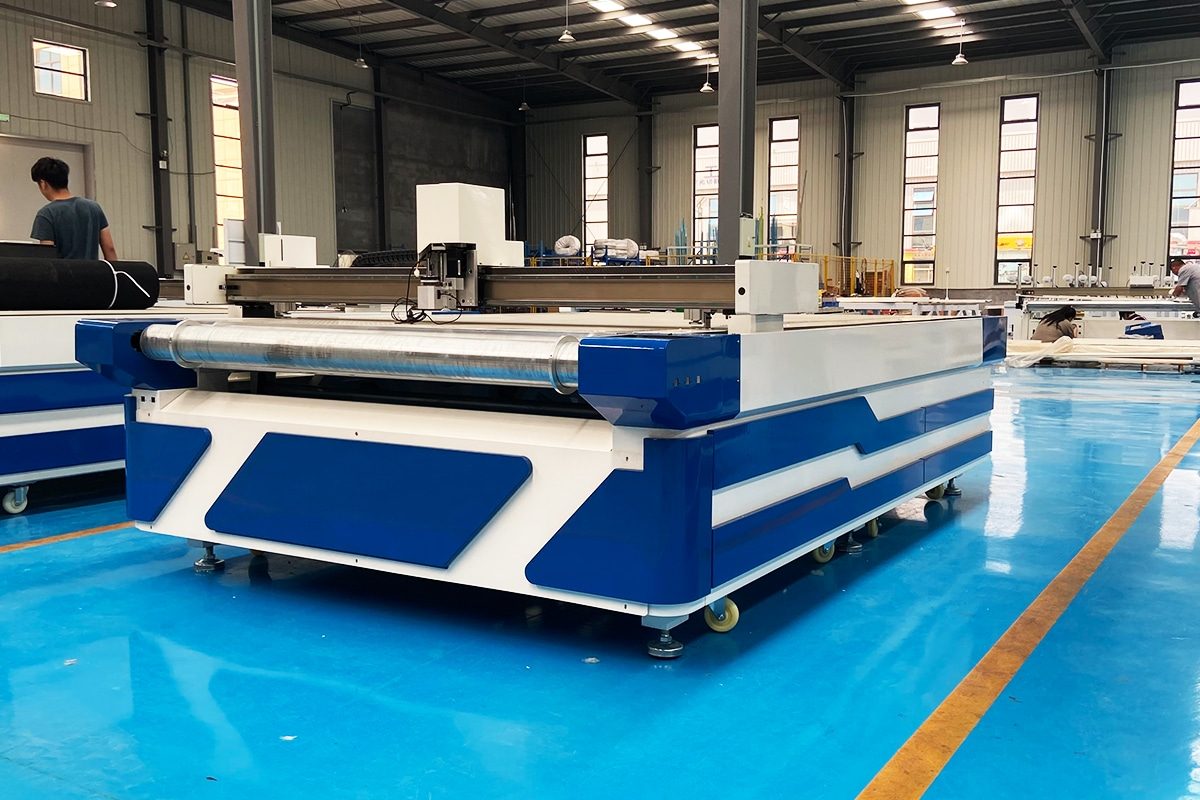
Does Oscillating Knife Cutting Generate Contaminants
Oscillating knife cutting has become an important machining and trimming method in industries that process soft, layered, or flexible materials, including textiles, composites, polymers, food products, medical materials, and electronic components. Unlike conventional rotary cutting, oscillating knife systems use rapid reciprocating blade motion to reduce cutting resistance, improve dimensional precision, and minimize thermal damage to sensitive materials. Because of these advantages, the technology is widely adopted in automated manufacturing environments where high cutting quality and process efficiency are required. However, as industrial cleanliness standards continue to increase, concerns have emerged regarding whether oscillating knife cutting generates contaminants during operation and how these contaminants may affect product quality, worker safety, and equipment reliability.
Contaminants generated during cutting processes can take several forms, including particulate debris, airborne dust, microfibers, metallic wear particles, volatile compounds, and surface residues. Their formation depends on multiple factors such as blade geometry, oscillation frequency, cutting speed, material composition, frictional interaction, and environmental conditions. Although oscillating knives are generally considered cleaner than thermal cutting methods such as laser or plasma cutting, the repeated mechanical contact between blade and material can still produce fine particles through abrasion, fracture, or material tearing. In precision manufacturing fields such as aerospace composites, medical device production, semiconductor packaging, and food processing, even microscopic contamination may compromise product performance, hygiene standards, or downstream assembly processes.
Existing studies on cutting contamination have primarily focused on conventional machining, sawing, and thermal cutting technologies, while relatively limited attention has been given to contamination behavior in oscillating knife cutting systems. As a result, there remains insufficient understanding of the mechanisms of contaminant generation, the characteristics of emitted particles, and the effectiveness of mitigation strategies. Therefore, investigating whether oscillating knife cutting generates contaminants is essential for evaluating process sustainability, improving workplace environmental safety, and optimizing clean manufacturing practices. This article examines the potential sources, mechanisms, influencing factors, and control methods associated with contamination in oscillating knife cutting processes.
Table of Contents
Understanding Oscillating Knife Cutting
Oscillating knife cutting is a precision cutting technology widely used for processing soft, flexible, layered, and semi-rigid materials. Unlike conventional rotary blades that continuously spin during cutting, an oscillating knife uses a blade that rapidly moves up and down in a reciprocating motion while advancing along a programmed cutting path. This cutting method is commonly integrated into CNC and automated digital cutting systems, allowing manufacturers to achieve accurate shapes, smooth edges, and high repeatability with minimal material distortion.
The process is particularly valuable in industries where clean cuts, dimensional precision, and reduced thermal influence are important. Compared with thermal cutting technologies such as laser cutting, oscillating knife cutting generates little or no heat-affected zone, making it suitable for heat-sensitive materials. At the same time, the mechanical interaction between the blade and material raises important questions regarding wear debris, particulate release, and potential contamination during operation.
What Is Oscillating Knife Cutting
Oscillating knife cutting is a mechanical cutting process that uses a vibrating or reciprocating blade to separate materials through repeated vertical motion. The blade typically oscillates at high frequencies, often thousands of strokes per minute, while the cutting head moves horizontally according to a computer-controlled path. This combination of vertical oscillation and lateral movement allows the blade to penetrate materials more efficiently than a stationary knife.
The technology was developed to improve cutting quality in materials that are difficult to process using conventional methods. Flexible materials such as fabrics, rubber sheets, foam, and composite laminates can deform, drag, or tear when cut with traditional blades. The oscillating motion reduces friction and cutting resistance, enabling smoother cuts and reducing stress on the material. Depending on the application, oscillating knives may use straight blades, serrated blades, or specialized geometries designed for specific material characteristics.
Modern oscillating knife systems are frequently integrated with vacuum worktables, automated feeding systems, and CAD/CAM software. This enables highly precise cutting in mass production environments while minimizing manual handling and material waste. The process is commonly used in aerospace manufacturing, automotive interiors, packaging, textiles, signage production, medical products, and industrial fabrication.
How the Process Works
The oscillating knife cutting process begins with the positioning of the material on a flat cutting table or conveyor system. In many industrial systems, vacuum suction is applied beneath the material to prevent movement during cutting and maintain dimensional stability. A digital design file generated through CAD software defines the cutting path, which is then transmitted to the CNC-controlled cutting machine.
During operation, the blade oscillates vertically at high speed while simultaneously moving along the programmed contour. The rapid up-and-down movement creates repeated localized cutting actions that progressively separate the material. This motion reduces continuous drag between the blade and the workpiece, which helps lower cutting forces and improve edge quality.
Several parameters influence the efficiency and cleanliness of the process. Oscillation frequency affects how aggressively the blade interacts with the material, while cutting speed influences productivity and surface finish. Blade sharpness, blade angle, material thickness, and material density also play important roles. Improper parameter selection may cause tearing, incomplete cuts, excessive friction, or the generation of debris and airborne particles.
Unlike laser cutting, oscillating knife cutting does not rely on heat to remove material. As a result, it avoids thermal degradation, smoke generation, and burnt edges. However, because the blade remains in direct mechanical contact with the material, some degree of abrasion and material fragmentation may still occur. In applications involving composites, fiber-reinforced materials, or multilayer laminates, the cutting action can release fine particles, fibers, or microscopic debris that may contribute to contamination concerns.
Common Materials Processed
Oscillating knife cutting is highly versatile and can process a broad range of materials with varying thicknesses and mechanical properties. One of its primary applications is the cutting of flexible materials such as textiles, leather, vinyl, paperboard, foam, and rubber. In the textile and apparel industry, oscillating knives are used for accurate fabric cutting while minimizing fraying and distortion.
The technology is also widely used for composite materials, including carbon fiber prepregs, fiberglass sheets, and multilayer laminates. These materials are commonly found in aerospace, automotive, and sporting goods manufacturing. Oscillating knife cutting allows manufacturers to trim composite layers accurately without introducing excessive heat that could damage resin systems or alter material properties.
Packaging and signage industries frequently use oscillating knife systems for corrugated cardboard, plastic sheets, gaskets, and display materials. In medical and industrial applications, the process is used for cutting insulation materials, filtration media, adhesive films, and soft polymer sheets, where clean edges and dimensional accuracy are essential.
Food processing is another area where oscillating knife cutting has gained importance. Specialized food-grade oscillating blades are used to cut bakery products, cheese, meat, and frozen foods with reduced deformation and improved consistency. In such applications, contamination control becomes especially critical because particulate generation or blade wear may directly affect food safety and hygiene standards.
Oscillating knife cutting is an advanced mechanical cutting technology designed for the precise processing of soft, flexible, and layered materials. By combining rapid blade oscillation with controlled movement, the process achieves efficient cutting with reduced friction, improved edge quality, and minimal thermal damage. These advantages have made oscillating knife systems widely adopted across industries such as textiles, composites, packaging, automotive manufacturing, medical production, and food processing.
Although the process is generally cleaner than many thermal cutting methods, the direct mechanical interaction between the blade and material can still produce debris, fibers, dust, and wear particles under certain conditions. The amount and type of contaminants generated depend heavily on cutting parameters, blade condition, and material characteristics. Understanding how oscillating knife cutting works and what materials are commonly processed is, therefore, essential for evaluating contamination risks and developing effective control strategies in precision manufacturing environments.
What Are Manufacturing Contaminants
Manufacturing contaminants are unwanted substances, emissions, particles, or environmental byproducts generated during industrial production processes. They can originate from raw materials, machinery, cutting operations, chemical reactions, lubrication systems, or environmental exposure within the production area. In manufacturing environments, contaminants may exist in solid, liquid, gaseous, or even energy forms such as noise and vibration.
In cutting and fabrication processes, contaminants are often produced through friction, abrasion, material fragmentation, heat generation, or chemical decomposition. Even manufacturing methods considered relatively clean, such as oscillating knife cutting, can generate microscopic particles, fibers, residues, or airborne emissions under certain conditions. Understanding manufacturing contaminants is essential because they directly affect product quality, worker health, equipment performance, and environmental sustainability.
As industries move toward cleaner production standards and stricter environmental regulations, contamination control has become an increasingly important part of modern manufacturing. Industries such as aerospace, electronics, medical device production, food processing, and pharmaceuticals require especially high levels of cleanliness because even microscopic contamination can compromise product reliability or safety.
Definition of Contaminants
In manufacturing, contaminants are any unwanted materials or forms of pollution that interfere with the intended production environment, process stability, or final product performance. These contaminants may be visible, such as dust or debris, or microscopic, such as airborne particles, chemical vapors, or surface residues.
Contaminants can originate from multiple sources. Some are produced directly by the manufacturing process itself, while others result from equipment wear, environmental conditions, handling procedures, or material degradation. For example, cutting operations may release dust and fibers, while heated materials may emit fumes and volatile chemicals.
The impact of contamination varies depending on the industry and application. In heavy industrial manufacturing, small amounts of dust may be acceptable. However, in semiconductor fabrication or medical manufacturing, even nanoscale contamination can cause severe defects or regulatory failures. Therefore, understanding what constitutes contamination is the first step toward controlling it effectively.
Main Categories of Contaminants
Manufacturing contaminants can generally be grouped into several major categories based on their physical or chemical characteristics. These categories include particulate matter, volatile organic compounds (VOCs), smoke and fumes, microplastics, noise pollution, and surface contamination. Each type presents different operational, environmental, and health-related challenges.
Some contaminants remain localized near the source, while others become airborne and spread throughout the production environment. Certain contaminants are immediately visible, whereas others require specialized monitoring equipment for detection. In oscillating knife cutting operations, contamination is typically dominated by mechanical debris and airborne particles rather than thermal emissions.
Particulate Matter
Particulate matter refers to solid particles generated during manufacturing activities such as cutting, grinding, sanding, drilling, trimming, or material handling. These particles may include dust, fibers, flakes, chips, powders, or microscopic fragments released from the processed material or cutting tools.
In oscillating knife cutting, particulate matter is usually produced through mechanical abrasion and material separation. The amount and size of particles depend on factors such as material type, blade sharpness, cutting speed, and oscillation frequency. Composite materials, textiles, foams, and cardboard are especially prone to particle generation.
Fine particulate matter is particularly concerning because small airborne particles can remain suspended for long periods and may be inhaled by workers. In addition, dust accumulation can contaminate products, reduce machine performance, and increase maintenance requirements.
Volatile Organic Compounds (VOCs)
Volatile organic compounds are carbon-based chemicals that easily evaporate into the air at relatively low temperatures. VOCs are commonly emitted from adhesives, coatings, synthetic polymers, solvents, inks, foams, and chemically treated materials during manufacturing processes.
Although oscillating knife cutting is considered a low-heat process, friction between the blade and certain materials can still generate localized warming. This may cause limited VOC release, particularly when processing adhesive-backed materials, laminated products, rubber compounds, or synthetic foams.
Exposure to VOCs can negatively affect indoor air quality and may lead to headaches, respiratory irritation, dizziness, or long-term health concerns, depending on concentration levels and chemical composition. For this reason, ventilation systems and air filtration are important in enclosed manufacturing facilities.
Smoke and Fumes
Smoke and fumes are airborne emissions typically generated when materials are heated, burned, melted, or chemically decomposed. These contaminants are commonly associated with laser cutting, plasma cutting, welding, and thermal machining operations.
Compared with thermal cutting technologies, oscillating knife cutting produces very little smoke because it relies on mechanical blade movement rather than high temperatures. However, certain synthetic materials or coated products may still release small amounts of fumes due to frictional heat or chemical interaction at the cutting interface.
Even low levels of smoke and fumes can contribute to odor problems, indoor air contamination, and worker discomfort if ventilation is inadequate. Some fumes may also contain hazardous compounds depending on the material composition.
Microplastics
Microplastics are extremely small plastic particles generated through the fragmentation or degradation of polymer-based materials. These particles are generally smaller than five millimeters and may be invisible to the naked eye.
Manufacturing processes involving plastics, synthetic textiles, foams, or composite materials can generate microplastics during cutting and trimming operations. In oscillating knife cutting, repeated mechanical interaction between the blade and polymer materials may produce microscopic plastic fragments that become airborne or settle onto surrounding surfaces.
Microplastics are receiving increasing attention because of their environmental persistence and potential ecological impact. Once released into air or water systems, these particles can be difficult to remove and may accumulate over time in natural ecosystems.
Noise Pollution
Noise pollution is a non-material form of contamination caused by excessive or repetitive industrial sound. Manufacturing equipment such as motors, compressors, cutting systems, and vibrating machinery can generate continuous noise that affects workers and the surrounding environments.
Oscillating knife cutting systems produce characteristic mechanical noise due to the rapid reciprocating movement of the blade. While generally quieter than heavy machining or grinding equipment, prolonged exposure to repetitive cutting noise may still contribute to stress, fatigue, reduced concentration, and hearing damage in industrial settings.
Noise pollution also affects workplace comfort and productivity. In large-scale automated manufacturing facilities, cumulative machine noise can become a significant occupational health issue if not properly controlled.
Surface Contamination
Surface contamination occurs when unwanted particles, residues, oils, fibers, or chemicals accumulate on the surface of products, machinery, or tools. This type of contamination is especially important in industries requiring precise bonding, coating, sterilization, or electronic assembly.
In oscillating knife cutting, surface contamination may result from loose fibers, blade wear particles, adhesive transfer, or airborne dust settling onto freshly cut materials. Surface contamination can interfere with downstream manufacturing processes and may reduce product quality or durability.
For example, microscopic debris on composite components can affect adhesive bonding performance, while dust on medical products may compromise cleanliness standards. As a result, many manufacturing systems incorporate cleaning, filtration, and anti-static measures to reduce surface contamination.
Why Contaminants Matter
Manufacturing contaminants matter because they directly influence product quality, operational efficiency, worker safety, and environmental performance. In precision industries, even microscopic contamination can cause defects, assembly failures, or reduced product lifespan. Dust particles may interfere with sensors and electronics, while chemical residues can affect coatings, adhesives, and sterilization processes.
Worker health is another major concern. Airborne dust, VOCs, fumes, and microplastics may contribute to respiratory irritation, skin sensitivity, headaches, or long-term occupational illnesses. Noise pollution can also negatively affect hearing, concentration, and overall workplace well-being.
Contaminants also increase maintenance requirements and operating costs. Dust accumulation can damage machinery, clog ventilation systems, and reduce production efficiency. In addition, environmental regulations increasingly require manufacturers to monitor and control emissions, airborne particles, and industrial waste streams.
As industries adopt stricter sustainability and cleanliness standards, contamination control has become a critical part of modern manufacturing strategy. Cleaner production methods not only improve workplace conditions but also support higher product reliability and reduced environmental impact.
Manufacturing contaminants are unwanted substances or forms of pollution generated during industrial production processes. They may exist as solid particles, airborne chemicals, fumes, microscopic plastic fragments, noise, or surface residues. Even relatively clean technologies such as oscillating knife cutting can generate certain contaminants through mechanical interaction between cutting tools and processed materials.
The major categories of contaminants include particulate matter, volatile organic compounds, smoke and fumes, microplastics, noise pollution, and surface contamination. Each category presents unique challenges related to worker health, product quality, equipment reliability, and environmental protection. The level of contamination depends on material properties, process conditions, machine design, and workplace controls.
Understanding manufacturing contaminants is essential when evaluating the cleanliness and environmental performance of oscillating knife cutting systems. By identifying the sources and effects of contamination, manufacturers can implement more effective dust extraction, filtration, ventilation, and process optimization strategies to maintain cleaner and safer production environments.
Does Oscillating Knife Cutting Generate Contaminants
Oscillating knife cutting is widely recognized as a relatively clean cutting technology compared with thermal and abrasive cutting methods. The process uses a rapidly reciprocating blade to mechanically separate materials instead of relying on high heat, sparks, or friction-intensive grinding. Because of this, oscillating knife systems typically generate fewer airborne emissions, less thermal damage, and lower levels of hazardous byproducts. However, despite these advantages, the process is not entirely free from contamination.
Like any manufacturing operation involving direct interaction between tools and materials, oscillating knife cutting can still produce certain contaminants during operation. These contaminants are usually generated through mechanical abrasion, blade wear, material fragmentation, or limited frictional heating. The amount and type of contamination depend heavily on the material being processed, machine settings, blade condition, and environmental controls. Understanding these contaminants is important for industries that require high cleanliness standards, including aerospace, textiles, electronics, medical manufacturing, food processing, and composite fabrication.
The Short Answer
The short answer is yes, oscillating knife cutting does generate contaminants, but generally at much lower levels than many other industrial cutting technologies. The process produces contamination mainly through mechanical cutting action rather than thermal decomposition. As a result, it avoids much of the smoke, fumes, and toxic emissions commonly associated with laser cutting, plasma cutting, or abrasive machining.
Although oscillating knife cutting is considered a cleaner alternative, it can still release dust, fibers, microscopic particles, blade wear debris, and small amounts of airborne emissions. The contaminants are usually localized and easier to control compared with those generated by high-temperature processes. In many cases, contamination levels remain low enough to be effectively managed through vacuum extraction, proper ventilation, regular blade maintenance, and optimized cutting parameters.
The actual contamination profile varies according to the material being cut. Soft foams may release lightweight dust particles, textiles may produce lint and loose fibers, and composite materials may generate fine particulate debris. Synthetic materials and adhesive-backed products can also release small amounts of volatile compounds during cutting. Therefore, while oscillating knife cutting is not contamination-free, it is generally regarded as a low-contamination manufacturing method.
Why Oscillating Knife Cutting Is Considered Cleaner
One of the main reasons oscillating knife cutting is considered cleaner is that it is a cold-cutting process. The blade separates material mechanically without generating the extremely high temperatures associated with thermal cutting systems. Since the material is not melted, burned, or vaporized, there is far less production of smoke, toxic fumes, and heat-related chemical emissions.
Reduced heat generation also minimizes thermal damage to sensitive materials. In laser cutting or plasma cutting, high temperatures can decompose plastics, coatings, adhesives, and resins, producing hazardous airborne pollutants and burnt residues. Oscillating knife cutting largely avoids these issues because the cutting action depends on reciprocating blade motion rather than thermal energy.
Another important advantage is the precision of the cutting process. The oscillating blade moves rapidly up and down while following a controlled cutting path, allowing the material to be sliced with relatively low resistance. This reduces tearing, dragging, and excessive material deformation, which helps minimize unnecessary debris formation. Cleaner edges also reduce the need for secondary finishing processes such as sanding or grinding, which themselves can generate additional contaminants.
Many oscillating knife systems are also equipped with vacuum hold-down tables and localized extraction systems. These features help capture dust and loose particles directly at the cutting zone before they spread into the surrounding workspace. In industries where cleanliness is critical, such as medical device production or composite manufacturing, this built-in contamination control provides a major advantage.
Additionally, oscillating knife cutting generally consumes less energy and produces lower environmental emissions compared with heat-based cutting methods. The absence of combustion and reduced airborne pollutants contributes to safer workplace conditions and improved environmental sustainability.
The Main Types of Contaminants Produced
Although oscillating knife cutting is cleaner than many alternative technologies, several types of contaminants can still be generated during operation.
Particulate Dust
Particulate dust is the most common contaminant associated with oscillating knife cutting. As the blade cuts through materials, small fragments may separate from the workpiece and become airborne. Dust generation is especially common when processing foam materials, composites, cardboard, insulation materials, and brittle polymers.
The particle size can vary from visible debris to microscopic dust particles. Fine airborne dust is particularly important because it can remain suspended in the air and potentially be inhaled by workers. Dust may also settle on machinery, sensors, and finished products, affecting cleanliness and equipment performance.
Fibers and Lint
When cutting textiles, woven composites, filtration media, or insulation materials, oscillating knife systems can release loose fibers and lint. Natural fibers such as cotton and wool often generate soft lint particles, while synthetic fibers such as polyester or nylon may produce finer airborne fibers.
Fiber contamination can interfere with sensitive manufacturing environments and may accumulate on machine components over time. In industries requiring precise bonding or electronic assembly, airborne fibers can become a significant contamination concern.
Blade Wear Particles
The oscillating blade experiences continuous mechanical stress during operation, leading to gradual wear over time. As blades become dull, microscopic metallic particles may be released from the blade surface through abrasion and friction.
Although blade wear contamination is usually minimal, it can become important in precision industries such as electronics, medical manufacturing, and food processing, where even small metallic contaminants are undesirable. Regular blade replacement and maintenance are therefore essential for minimizing contamination risks.
Microplastics
Cutting synthetic polymers, plastics, foams, and composite materials may generate microscopic plastic fragments known as microplastics. These particles are produced when the material fractures or abrades during the cutting process.
Microplastics have become an increasing environmental concern because they can persist in air and water systems for long periods. While oscillating knife cutting generally produces fewer microplastics than abrasive machining methods, polymer processing operations can still contribute to microscopic particle release.
Limited VOCs and Odors
Although oscillating knife cutting produces far fewer chemical emissions than thermal cutting methods, certain materials may still release low levels of volatile organic compounds (VOCs) or odors. Adhesive-backed materials, coated fabrics, synthetic foams, and laminated composites are particularly susceptible.
The friction generated during cutting may cause localized heating that releases trace chemical vapors from the material surface. These emissions are typically much lower than those produced by laser or plasma cutting, but proper ventilation may still be necessary in enclosed manufacturing environments.
Noise and Vibration
Noise pollution is another indirect contaminant associated with oscillating knife cutting systems. The rapid reciprocating motion of the blade produces repetitive mechanical sound and vibration during operation. While oscillating knife machines are usually quieter than heavy machining equipment, prolonged exposure to industrial noise can still affect worker comfort and occupational safety.
Oscillating knife cutting does generate contaminants, but the contamination levels are generally much lower than those associated with thermal or abrasive cutting technologies. Because the process relies on mechanical blade oscillation rather than intense heat, it produces minimal smoke, fumes, and thermal degradation byproducts. This makes oscillating knife cutting a cleaner and more environmentally friendly manufacturing solution for many industrial applications.
The primary contaminants produced during oscillating knife cutting include particulate dust, loose fibers, blade wear particles, microplastics, minor VOC emissions, and operational noise. The quantity and type of contamination depend on several factors, including material composition, blade condition, cutting speed, and machine configuration. Materials such as composites, foams, textiles, and synthetic polymers are particularly likely to generate dust and microscopic debris during processing.
Despite these contamination risks, modern oscillating knife systems can effectively minimize pollutant generation through localized extraction systems, vacuum hold-down tables, proper blade maintenance, and optimized cutting parameters. As a result, oscillating knife cutting remains one of the cleaner industrial cutting methods available, especially for applications requiring precision, reduced thermal damage, and improved workplace cleanliness.
Dust Generation During Oscillating Knife Cutting
Dust generation is one of the most important contamination concerns associated with oscillating knife cutting. Although the process is cleaner than many thermal and abrasive cutting methods, the repeated mechanical interaction between the blade and the material can still release airborne particles and fine debris. During cutting, the oscillating blade rapidly moves up and down while advancing through the material, creating localized stress, abrasion, and fragmentation that may produce dust of varying sizes.
The amount of dust generated depends on several factors, including material composition, blade sharpness, oscillation frequency, cutting speed, and environmental conditions. Some materials produce only minimal particulate matter, while others can release large quantities of fine airborne particles that affect product cleanliness, worker safety, and equipment reliability. Understanding how dust forms and how it can be controlled is essential for evaluating the overall contamination profile of oscillating knife cutting systems.
How Dust Is Generated
Dust in oscillating knife cutting is primarily generated through mechanical fragmentation. As the blade repeatedly oscillates against the material surface, small particles break away from the cut edge due to friction, compression, tearing, and microfracture. Unlike laser cutting or plasma cutting, where contaminants are mainly created through thermal decomposition, oscillating knife cutting produces contaminants through direct physical interaction between the blade and the workpiece.
Blade condition plays a major role in dust generation. A sharp blade slices cleanly through material with relatively low resistance, producing larger and more controlled debris particles. In contrast, a dull or damaged blade increases friction and tearing, leading to greater particle release and finer airborne dust.
Cutting parameters also influence contamination levels. High cutting speeds, improper feed rates, or excessive oscillation frequency may destabilize the cutting process and increase fragmentation. Material thickness and density further affect particle formation. Brittle materials tend to fracture into fine dust, while fibrous materials release loose fibers and lint.
Environmental conditions can intensify dust problems as well. Dry air and static electricity may cause lightweight particles to remain airborne longer or adhere to machinery and product surfaces. Poor ventilation allows airborne contaminants to accumulate within the workspace, increasing contamination risks over time.
Materials That Produce Significant Dust
Not all materials generate dust at the same level during oscillating knife cutting. The quantity, particle size, and behavior of the dust depend heavily on the material’s structure and composition. Materials with brittle, fibrous, layered, or cellular structures are generally more likely to release airborne particles during cutting operations.
Among the most significant dust-producing materials are foams, composite materials, textiles, and cardboard products. These materials are widely used in industrial manufacturing and are commonly processed using oscillating knife systems because of their flexibility and sensitivity to heat. However, each presents unique contamination challenges that require specific dust control strategies.
Foam Materials
Foam materials are among the most common sources of dust in oscillating knife cutting operations. Polyurethane foam, polyethylene foam, EVA foam, acoustic foam, and insulation foam can all release particulate matter during cutting due to their porous and cellular structure.
When the oscillating blade penetrates the foam, tiny fragments may separate from the internal cell walls and disperse into the surrounding air. Soft foams often produce lightweight airborne particles, while rigid foams may create brittle dust through cracking and fragmentation. In high-speed automated cutting systems, foam dust can accumulate rapidly if extraction systems are inadequate.
Static electricity further complicates foam processing because lightweight particles tend to cling to machine surfaces, finished products, and operators. In packaging, furniture manufacturing, and insulation production, uncontrolled foam dust may reduce product cleanliness and increase maintenance requirements.
Composite Materials
Composite materials are particularly challenging because they combine multiple substances with different physical properties. Carbon fiber composites, fiberglass laminates, reinforced polymers, and multilayer industrial composites can generate significant amounts of fine particulate matter during cutting.
As the blade cuts through reinforced layers, fibers and resin particles may break apart and become airborne. Carbon fiber dust is especially problematic because it is extremely fine, lightweight, and electrically conductive. Fiberglass particles can irritate the skin, eyes, and respiratory system, while resin dust may contain chemically active compounds.
Composite materials often produce mixed contamination consisting of broken fibers, resin fragments, and adhesive residues. These contaminants are difficult to remove and may spread throughout production environments if proper extraction systems are not used. Because of these risks, composite cutting operations frequently require advanced filtration and enclosed dust collection systems.
Textiles
Textiles generate dust mainly in the form of lint, loose fibers, and microscopic fabric particles. Natural fabrics such as cotton, wool, and felt tend to release soft fibrous dust, while synthetic materials such as polyester, nylon, and acrylic fabrics may produce finer airborne particles.
The structure of the fabric strongly affects dust generation. Loosely woven materials and multilayer textiles generally produce more airborne fibers than tightly woven fabrics. Repeated cutting of synthetic textiles may also contribute to microplastic contamination because microscopic polymer fibers can detach during the cutting process.
Textile dust can accumulate on machinery, sensors, and finished products, interfering with product quality and machine performance. In industries such as apparel manufacturing, automotive interiors, and filtration media production, controlling airborne fibers is critical for maintaining cleanliness standards.
Cardboard
Cardboard and corrugated paperboard are widely processed using oscillating knife cutting systems in packaging and display manufacturing. Although cardboard is relatively easy to cut, it can still generate considerable amounts of paper dust and loose cellulose fibers.
Dust forms when paper fibers fracture and separate during the cutting process. Corrugated structures are especially prone to fiber release because of their layered construction. Recycled cardboard materials may produce even more particulate matter due to weaker fiber bonding and material degradation.
Dry environmental conditions can increase dust generation by making paper materials more brittle. Over time, paper dust may accumulate inside machinery, ventilation systems, and electrical components, reducing operational efficiency and increasing maintenance needs.
Health Risks of Dust
Dust generated during oscillating knife cutting can create several health and safety concerns, particularly when fine airborne particles are inhaled over extended periods. The severity of the risk depends on particle size, concentration, material composition, and exposure duration.
Larger particles are usually trapped in the nose or upper respiratory system, but smaller particles can penetrate deep into the lungs. Prolonged exposure to airborne dust may contribute to respiratory irritation, coughing, allergic reactions, asthma symptoms, or chronic lung conditions.
Certain materials pose additional hazards. Fiberglass particles can irritate the skin and eyes, while carbon fiber dust may cause respiratory discomfort and contaminate electronic equipment because of its conductive properties. Dust generated from synthetic polymers and chemically treated materials may also contain additives, resins, or flame retardants that present potential toxicological risks.
In addition to health effects, dust accumulation may create operational hazards. Fine combustible dust particles can increase fire or explosion risks in enclosed industrial environments if allowed to accumulate near ignition sources.
Dust Control Methods
Effective dust control is essential for minimizing contamination during oscillating knife cutting operations. One of the most important methods is localized dust extraction. Vacuum systems positioned close to the cutting zone capture airborne particles directly at the source before they disperse into the surrounding environment.
Vacuum hold-down tables provide additional contamination control by stabilizing materials while simultaneously pulling dust downward into filtration systems. High-efficiency particulate air (HEPA) filters are commonly used in advanced manufacturing environments to remove fine airborne particles from exhaust air.
Blade maintenance is another critical factor. Sharp blades reduce friction, tearing, and material fragmentation, resulting in cleaner cuts and lower dust generation. Regular blade replacement helps maintain cutting efficiency and contamination control.
Optimizing machine parameters can further reduce dust production. Proper oscillation frequency, feed rate, and cutting speed should be selected according to the material properties. Lower friction and smoother cutting motion generally produce fewer airborne particles.
Additional control strategies include anti-static devices, humidity regulation, machine enclosures, routine cleaning procedures, and personal protective equipment such as respirators and protective eyewear. In high-dust applications such as composite processing, enclosed cutting systems may be necessary to maintain workplace safety.
Dust generation is one of the primary contaminants associated with oscillating knife cutting. Although the process produces less contamination than many thermal or abrasive cutting methods, mechanical interaction between the oscillating blade and the material can still release airborne particles, fibers, and microscopic debris. The amount and type of dust generated depend heavily on material composition, cutting conditions, blade sharpness, and environmental factors.
Materials such as foam, composite laminates, textiles, and cardboard are particularly prone to dust formation because of their cellular, fibrous, or layered structures. Some dust particles may present health risks through respiratory exposure, skin irritation, or long-term workplace contamination. Composite materials are especially challenging because they can release fine fibers and chemically complex particulate matter.
Despite these contamination concerns, effective dust control systems can significantly reduce airborne particle levels and improve workplace cleanliness. Localized extraction systems, HEPA filtration, sharp blade maintenance, optimized cutting parameters, and proper ventilation all contribute to safer and cleaner manufacturing environments. Understanding dust generation is therefore essential when evaluating the contamination characteristics of oscillating knife cutting technology.
Fiber and Particle Contamination
Fiber and particle contamination is a major concern in oscillating knife cutting, especially when processing fibrous, reinforced, or composite materials. Although oscillating knife systems are generally cleaner than thermal cutting technologies, the repeated mechanical interaction between the oscillating blade and the workpiece can still release loose fibers, fine particles, and microscopic debris into the surrounding environment. These contaminants may affect product quality, worker health, machine reliability, and environmental cleanliness.
The problem becomes more significant when materials contain woven structures, reinforcement fibers, or brittle composite layers. During cutting, fibers may fracture, separate from the matrix, or become airborne due to vibration and blade movement. Fine particles generated from reinforced materials are often lightweight and difficult to control, allowing them to spread through ventilation systems and settle on equipment surfaces. In industries such as aerospace, automotive manufacturing, electronics, medical production, and filtration media fabrication, fiber contamination can create serious operational and safety challenges.
Fibrous Material Challenges
Fibrous materials present unique difficulties during oscillating knife cutting because their internal structure behaves differently from that of solid homogeneous materials. Instead of separating cleanly, fibers may bend, stretch, fray, or pull apart under mechanical stress. As the oscillating blade repeatedly moves through the material, small fibers and fragments can detach from the cut edge and disperse into the surrounding workspace.
Textiles, insulation materials, felt, woven composites, filtration fabrics, and multilayer laminates are especially prone to fiber release. Natural fibers such as cotton and wool typically generate lint and soft airborne particles, while synthetic fibers such as polyester, nylon, and aramid materials may produce finer and more persistent contaminants.
Another challenge is that fibrous materials can create irregular particle sizes. Some particles remain large and visible, while others become microscopic and difficult to detect. Fine airborne fibers may accumulate on machine surfaces, sensors, ventilation ducts, and finished products, creating long-term contamination problems.
Static electricity can further increase contamination issues, especially when cutting synthetic textiles or polymer-based composites. Lightweight fibers may cling to equipment and product surfaces instead of being removed by standard airflow systems. This can interfere with downstream manufacturing operations such as bonding, coating, sealing, or electronic assembly.
In addition, repeated fiber accumulation may reduce machine efficiency by clogging filters, increasing maintenance requirements, and affecting cutting precision. Therefore, fibrous material processing often requires specialized extraction and contamination control systems.
Carbon Fiber Dust
Carbon fiber reinforced composites are among the most challenging materials in terms of particle contamination. These materials are widely used in aerospace, automotive, sports equipment, and advanced engineering applications because of their high strength-to-weight ratio. However, cutting carbon fiber materials can generate extremely fine conductive dust particles that pose both health and equipment risks.
During oscillating knife cutting, the blade mechanically fractures carbon fiber strands and resin layers. This process releases microscopic carbon particles and broken fiber fragments into the air. Carbon fiber dust is particularly problematic because it is lightweight, easily airborne, and electrically conductive. Once dispersed, the particles can settle on machinery, circuit boards, sensors, and electronic components, potentially causing electrical interference or equipment damage.
The sharp and brittle nature of carbon fibers also increases the likelihood of respiratory irritation if particles are inhaled. Fine carbon dust can penetrate deeply into the lungs, especially when proper ventilation or respiratory protection is not used. Although oscillating knife cutting produces less airborne contamination than grinding or abrasive machining, significant dust generation can still occur during high-volume composite processing.
Another challenge with carbon fiber dust is the difficulty. The particles tend to spread easily and may remain suspended in the air for extended periods. Conventional cleaning methods, such as dry sweeping, can redistribute the dust instead of removing it. As a result, specialized vacuum extraction systems and HEPA filtration are often required in carbon fiber processing environments.
Fiberglass Irritation
Fiberglass materials also present important contamination and health concerns during oscillating knife cutting. Fiberglass composites consist of fine glass fibers embedded within a resin matrix. When these materials are cut, microscopic glass fragments and airborne particles may be released into the environment.
Unlike softer textile fibers, fiberglass particles are rigid and abrasive. Direct contact with fiberglass dust can cause skin irritation, itching, redness, and discomfort. Airborne fiberglass particles may also irritate the eyes, nose, and throat. Inhalation of fine fiberglass dust can contribute to respiratory irritation, coughing, and breathing discomfort, particularly during prolonged exposure.
The severity of irritation often depends on fiber size and concentration. Smaller fiberglass particles are more likely to remain airborne and penetrate deeper into the respiratory system. High-speed cutting operations, worn blades, or improper cutting parameters can increase particle fragmentation and airborne contamination levels.
Fiberglass contamination may also affect production quality. Loose glass fibers can settle on nearby products, machinery, and adhesive surfaces, interfering with downstream assembly processes. In clean manufacturing environments, uncontrolled fiberglass particles may compromise product reliability and cleanliness standards.
Although oscillating knife cutting generally produces less fiberglass dust than sawing or grinding operations, contamination control remains essential due to the material’s abrasive and irritant properties.
Prevention Measures
Effective prevention measures are essential for controlling fiber and particle contamination during oscillating knife cutting. One of the most important strategies is localized dust extraction. Vacuum systems positioned directly near the cutting area can capture airborne fibers and particles before they spread throughout the workspace.
Vacuum hold-down tables provide additional contamination control by stabilizing the material while simultaneously drawing particles downward into collection systems. In applications involving carbon fiber or fiberglass, high-efficiency particulate air (HEPA) filtration is often necessary to capture microscopic airborne contaminants effectively.
Blade maintenance is another critical factor. Sharp blades create cleaner cuts with less tearing and fiber fragmentation, reducing the amount of loose debris generated during cutting. Dull blades increase friction, pulling, and material damage, leading to greater particle release.
Optimizing cutting parameters also helps minimize contamination. Proper oscillation frequency, feed rate, and cutting speed should be selected according to the material properties. Lower mechanical stress generally reduces fiber breakage and airborne particle formation.
Machine enclosures and controlled airflow systems can further improve contamination management. Enclosed cutting environments prevent fibers from dispersing into adjacent production areas, while directional airflow helps guide airborne particles toward extraction systems.
Anti-static systems are especially useful when processing synthetic fibers and polymer-based materials. By reducing static electricity buildup, these systems help prevent lightweight fibers from adhering to product and equipment surfaces.
Personal protective equipment is equally important for worker safety. Respirators, protective gloves, safety glasses, and protective clothing help reduce exposure to airborne fibers and skin irritation. Regular workplace cleaning using industrial vacuum systems rather than dry sweeping also helps prevent secondary dust redistribution.
Fiber and particle contamination is a significant issue in oscillating knife cutting, particularly when processing textiles, reinforced composites, fiberglass materials, and other fibrous products. The oscillating blade’s repeated mechanical action can release loose fibers, microscopic particles, and airborne debris that affect product quality, equipment reliability, and workplace cleanliness.
Carbon fiber composites generate especially challenging contamination because the resulting dust is lightweight, conductive, and difficult to remove. Fiberglass materials create additional concerns due to their abrasive nature and potential to cause skin, eye, and respiratory irritation. Even relatively soft textile materials can release lint and fine airborne fibers that accumulate throughout manufacturing environments.
Despite these challenges, contamination risks can be significantly reduced through proper prevention measures. Localized extraction systems, HEPA filtration, sharp blade maintenance, optimized cutting parameters, machine enclosures, anti-static controls, and appropriate personal protective equipment all contribute to cleaner and safer production conditions. Understanding fiber and particle contamination is, therefore, essential for evaluating the overall environmental and operational impact of oscillating knife cutting technology.
Microplastic Generation
Microplastic generation has become an increasingly important topic in modern manufacturing and industrial processing. As industries rely more heavily on synthetic polymers, plastic composites, and engineered materials, concerns have grown regarding the release of microscopic plastic particles during cutting, trimming, grinding, and fabrication operations. Although oscillating knife cutting is generally considered a cleaner alternative to thermal and abrasive cutting methods, the process can still generate microplastics when processing polymer-based materials.
During oscillating knife cutting, the blade repeatedly moves through the material at high frequency, creating mechanical stress, friction, and fragmentation at the cutting interface. These actions may release tiny plastic particles that are too small to be easily detected but can still contribute to environmental contamination and workplace exposure. The issue is particularly important in industries that process synthetic textiles, foam products, packaging materials, polymer composites, and flexible plastics.
Understanding how microplastics are generated and controlled is essential for evaluating the environmental impact of oscillating knife cutting technology. While the process produces fewer emissions than many conventional cutting methods, microplastic contamination remains a growing concern because of the persistence and widespread distribution of plastic particles in natural ecosystems.
What Are Microplastics
Microplastics are extremely small plastic particles that are generally less than five millimeters in size. Some microplastics are visible to the naked eye, while others are microscopic and require specialized equipment for detection. These particles originate from the breakdown, fragmentation, abrasion, or degradation of larger plastic materials.
Microplastics are commonly divided into two categories: primary microplastics and secondary microplastics. Primary microplastics are intentionally manufactured in small sizes for products such as cosmetics, coatings, or industrial applications. Secondary microplastics are generated when larger plastic products degrade or break apart through mechanical wear, environmental exposure, or manufacturing processes.
In oscillating knife cutting, the microplastics produced are primarily secondary. As the oscillating blade cuts through polymer materials, small fragments can detach from the material surface or the cut edge. Depending on the cutting conditions and material structure, these particles may become airborne, settle on nearby surfaces, or enter waste collection systems.
Microplastic particles vary significantly in shape and composition. Some appear as fibers, while others exist as flakes, fragments, films, or microscopic granules. Their small size allows them to disperse easily throughout manufacturing environments and potentially enter air and water systems.
Sources of Microplastics
Several types of materials processed with oscillating knife systems can contribute to microplastic generation. Synthetic textiles are one of the most common sources. Fabrics made from polyester, nylon, acrylic, polypropylene, and other synthetic fibers can release microscopic plastic particles during cutting due to fiber breakage and abrasion.
Foam materials are another significant source. Polyurethane foam, polyethylene foam, EVA foam, and insulation materials often contain polymer structures that fragment during cutting operations. Lightweight foam particles may become airborne easily and remain suspended in the surrounding environment.
Plastic sheets and flexible polymer films also generate microplastics during mechanical cutting. Materials such as PVC, acrylic, polypropylene, PET, and laminated packaging materials may release small fragments from the cut edge, especially when blades become dull or cutting parameters are poorly optimized.
Composite materials containing polymer resins can create mixed contamination that includes microplastic particles. Carbon fiber reinforced plastics and fiberglass composites often contain epoxy or thermoplastic matrices that break apart during cutting, releasing microscopic resin fragments alongside reinforcement fibers.
Adhesive-backed materials and coated fabrics may generate additional microplastic contamination because cutting can separate not only the base material but also polymer coatings, laminates, and adhesive layers. Repeated production cycles in automated manufacturing environments can therefore contribute to the gradual accumulation of plastic particles within the workspace.
Blade condition also influences microplastic generation. Sharp blades produce cleaner cuts with reduced material tearing, while dull blades increase friction and fragmentation. Excessive cutting speed or improper oscillation settings may further increase particle release by creating unstable cutting conditions.
Environmental Concerns
Microplastics have become a major environmental concern because they are highly persistent and difficult to remove once released into natural ecosystems. Unlike biodegradable materials, most synthetic polymers degrade very slowly, allowing microscopic particles to accumulate in air, soil, rivers, oceans, and wastewater systems over long periods.
One major concern is the mobility of microplastic particles. Because they are extremely small and lightweight, they can spread easily through ventilation systems, wastewater discharge, and industrial runoff. Airborne particles generated during manufacturing may eventually settle into surrounding environments or enter water treatment systems, where filtration efficiency may be limited.
Microplastics may also affect wildlife and aquatic ecosystems. Small plastic particles can be ingested by marine organisms, fish, birds, and other animals, potentially causing physical blockage, chemical exposure, or disruption of biological processes. Over time, microplastics can move through food chains and accumulate within ecosystems.
Another concern involves the chemical composition of microplastics. Plastic particles may contain additives such as plasticizers, stabilizers, flame retardants, pigments, and residual monomers. In some cases, microplastics can also absorb environmental pollutants and transport them through ecosystems.
In industrial environments, microplastic contamination may also affect workplace cleanliness and indoor air quality. Fine airborne particles can settle on products, machinery, and ventilation systems, increasing cleaning requirements and potentially interfering with sensitive manufacturing operations.
As environmental regulations become stricter, industries are facing increasing pressure to reduce plastic waste and minimize the release of microplastic contaminants during production processes.
Reduction Strategies
Several strategies can help reduce microplastic generation during oscillating knife cutting operations. One of the most effective approaches is optimizing cutting parameters. Proper cutting speed, oscillation frequency, and feed rate reduce unnecessary friction and material tearing, resulting in cleaner cuts and lower particle release.
Blade maintenance is equally important. Sharp blades minimize abrasion and fragmentation, while dull blades increase mechanical stress on polymer materials. Regular blade inspection and replacement help maintain efficient cutting performance and reduce contamination.
Localized extraction systems are widely used to capture airborne particles directly at the cutting zone. Vacuum extraction units combined with high-efficiency particulate air (HEPA) filtration can significantly reduce the spread of microplastics throughout the workspace. Vacuum hold-down tables also help draw particles downward into collection systems during cutting.
Machine enclosures and controlled airflow systems provide additional contamination control by limiting particle dispersion into surrounding production areas. In clean manufacturing environments, enclosed cutting chambers may be necessary when processing high volumes of synthetic materials.
Anti-static systems are particularly useful for controlling lightweight plastic particles. Because synthetic materials often accumulate static electricity during cutting, microplastic fragments may cling to surfaces and resist removal. Anti-static devices reduce particle adhesion and improve collection efficiency.
Material selection can also influence contamination levels. Some manufacturers are exploring recyclable, biodegradable, or lower-fragmentation materials to reduce environmental impact. In addition, minimizing unnecessary trimming and optimizing material nesting layouts can reduce the total volume of plastic waste generated during production.
Regular cleaning and waste management procedures are essential as well. Industrial vacuum systems are preferred over dry sweeping because sweeping may redistribute fine particles into the air. Proper disposal and filtration systems help prevent microplastics from entering wastewater or outdoor environments.
Microplastic generation is an important contamination issue associated with oscillating knife cutting, particularly when processing synthetic polymers, foam materials, textiles, plastic films, and composite materials. During cutting, the repeated mechanical interaction between the oscillating blade and the material can release microscopic plastic fragments through abrasion, tearing, and fragmentation.
These particles may become airborne, settle on surfaces, or enter industrial waste streams, creating both environmental and workplace contamination concerns. Because microplastics are highly persistent and difficult to remove from ecosystems, their release has become a growing focus of environmental regulation and sustainable manufacturing practices.
Although oscillating knife cutting generally produces fewer emissions than thermal or abrasive cutting methods, effective contamination control is still necessary. Optimized cutting parameters, sharp blades, localized extraction systems, HEPA filtration, anti-static controls, and proper waste management can significantly reduce microplastic generation and improve overall environmental performance. Understanding these contamination mechanisms is therefore essential for evaluating the long-term sustainability of oscillating knife cutting technology.
Static Electricity and Contamination
Static electricity is an often-overlooked source of contamination in oscillating knife cutting operations. Although static charge itself is not a physical contaminant, it can significantly increase the movement, accumulation, and persistence of airborne particles, fibers, and microplastics within the manufacturing environment. During cutting, friction and repeated contact between the oscillating blade, the material, and surrounding machine components can generate electrostatic charges that attract contaminants to surfaces and prevent effective particle removal.
Static-related contamination is especially common when processing synthetic materials such as plastics, foams, textiles, films, and composite laminates. These materials tend to accumulate electrical charges easily because of their low electrical conductivity. Once charged, lightweight dust particles and fibers may cling to products, cutting tables, machine components, and operators instead of being removed by airflow or vacuum systems. In industries requiring high cleanliness standards, static electricity can become a serious challenge, affecting product quality, process stability, and workplace cleanliness.
How Static Electricity Develops
Static electricity develops when two materials come into contact and then separate, causing electrons to transfer from one surface to another. This process, known as triboelectric charging, commonly occurs during oscillating knife cutting because the blade continuously rubs against and separates material surfaces at high speed.
As the oscillating blade moves through synthetic or non-conductive materials, friction between the blade and the workpiece generates electrical charges. Additional static buildup may occur as the material slides across cutting tables, conveyor systems, rollers, or vacuum surfaces. Repeated movement and vibration during automated cutting operations can further increase charge accumulation.
Environmental conditions strongly influence static generation. Dry air is one of the most important contributing factors because low humidity reduces the natural dissipation of electrical charges. In low-humidity environments, static electricity can accumulate rapidly and persist for longer periods. High-speed cutting operations and lightweight polymer materials are particularly susceptible to electrostatic buildup.
Certain materials generate static more easily than others. Synthetic polymers such as PVC, polyester, polyethylene, polypropylene, acrylic, and polyurethane are especially prone to charging because they are electrically insulating materials. Foam products and synthetic textiles are also highly susceptible due to their lightweight structure and high surface area.
Machine design may also affect static accumulation. Poor grounding, non-conductive machine components, and inadequate airflow control can allow electrostatic charges to build up over time. Once the charge becomes sufficiently strong, it can attract airborne particles and fibers from the surrounding environment.
Problems Caused by Static
Static electricity can create several contamination-related problems during oscillating knife cutting. One of the most common issues is particle attraction. Charged materials and machine surfaces act like magnets for dust, fibers, and microplastic particles, causing contaminants to adhere strongly to the product surface.
This contamination can interfere with downstream manufacturing processes such as bonding, coating, painting, printing, laminating, or electronic assembly. Even microscopic particles trapped by static attraction may reduce product quality or compromise the performance of precision components.
Static electricity also makes cleaning more difficult. Lightweight particles cling to surfaces instead of being removed naturally by airflow or vacuum extraction systems. As a result, contaminants may accumulate on cutting tables, machine housings, rollers, sensors, and finished products over time. This increases cleaning frequency and maintenance requirements.
Another problem is airborne particle redistribution. Electrostatic forces can suspend lightweight fibers and dust particles in the air for longer periods, increasing the spread of contamination throughout the production environment. In clean manufacturing facilities, this may affect adjacent production areas and compromise cleanliness standards.
Static discharge can also create operational and safety concerns. Sudden electrostatic discharge may interfere with sensitive electronic equipment, sensors, and control systems. In environments containing fine combustible dust or solvent vapors, static sparks may even present ignition risks under certain conditions.
Worker discomfort is another consideration. Operators may experience small electrostatic shocks when touching charged equipment or materials. While usually not dangerous, repeated static discharge can reduce workplace comfort and contribute to handling difficulties during production.
In industries such as electronics manufacturing, medical device production, and precision composite fabrication, uncontrolled static electricity can become a major source of contamination and process instability.
Anti-Static Solutions
Several anti-static solutions can effectively reduce contamination caused by static electricity during oscillating knife cutting operations. One of the most widely used methods is ionization. Ionizing bars, blowers, or nozzles release balanced positive and negative ions into the surrounding air, neutralizing electrostatic charges on materials and machine surfaces.
Proper grounding is another essential strategy. Grounded machine components allow accumulated electrical charges to dissipate safely instead of building up on surfaces. Conductive grounding systems are especially important for cutting tables, rollers, conveyor systems, and extraction equipment.
Humidity control also plays a major role in reducing static buildup. Maintaining moderate humidity levels increases the conductivity of the surrounding air, allowing static charges to dissipate more naturally. Extremely dry environments are more likely to experience severe electrostatic problems.
Anti-static materials and coatings can further minimize charge accumulation. Conductive or static-dissipative table surfaces, belts, and machine components reduce the likelihood of electrostatic buildup during cutting operations. Some manufacturers also apply anti-static sprays or surface treatments to processed materials to reduce particle attraction.
Vacuum extraction systems are important not only for dust removal but also for controlling lightweight particles before static forces attract them to surfaces. Localized extraction positioned near the cutting zone captures airborne contaminants directly at the source, reducing particle dispersion throughout the workspace.
Optimizing cutting parameters may also help reduce electrostatic effects. Excessive cutting speed, high friction, or unstable material movement can increase static generation. Proper blade sharpness and smooth cutting motion help minimize unnecessary friction and charge buildup.
Regular cleaning procedures are equally important. Industrial vacuum systems designed for electrostatic-sensitive environments should be used instead of dry sweeping or compressed air, which may redistribute charged particles into the air. In highly sensitive industries, cleanroom-compatible anti-static protocols may be necessary to maintain contamination control.
Static electricity is an important indirect source of contamination in oscillating knife cutting operations. Although static charge itself is not a physical contaminant, it significantly influences the behavior of dust, fibers, and microplastic particles within the manufacturing environment. Friction between the oscillating blade, synthetic materials, and machine components can generate electrostatic charges that attract and retain contaminants on surfaces.
Static-related contamination is especially problematic when processing polymer-based materials such as plastics, foams, synthetic textiles, and composite laminates. Charged surfaces can trap airborne particles, increase contamination spread, interfere with downstream manufacturing processes, and complicate cleaning operations. In some environments, electrostatic discharge may also create equipment reliability or safety concerns.
Fortunately, effective anti-static strategies can significantly reduce these problems. Ionization systems, proper grounding, humidity control, anti-static materials, localized extraction systems, optimized cutting parameters, and regular cleaning procedures all help minimize static buildup and contamination. Understanding the relationship between static electricity and contamination is therefore essential for maintaining cleaner, safer, and more reliable oscillating knife cutting operations.
Comparison With Other Cutting Technologies
The level and type of contaminants generated during manufacturing depend heavily on the cutting technology being used. Different cutting methods rely on different mechanisms to separate material, including thermal energy, mechanical abrasion, high-pressure fluid erosion, or reciprocating blade motion. As a result, each technology produces its own contamination profile involving dust, smoke, fumes, particles, wastewater, noise, or thermal residues.
Oscillating knife cutting is generally considered one of the cleaner cutting technologies for soft and flexible materials because it relies on mechanical blade oscillation rather than extreme heat or aggressive abrasion. However, the process still produces some particulate contamination through material fragmentation and blade interaction. Comparing oscillating knife cutting with other common cutting technologies helps clarify where it performs well in terms of cleanliness, environmental impact, and contamination control.
Oscillating Knife VS Laser Cutting
Laser cutting uses a concentrated beam of high-energy light to melt, burn, or vaporize material along a programmed cutting path. The process is highly precise and widely used for metals, plastics, textiles, wood, and composite materials. However, laser cutting generates significant thermal contamination because the material is exposed to extremely high temperatures during processing.
Compared with laser cutting, oscillating knife cutting produces far fewer smoke emissions, fumes, and heat-related byproducts. Since the oscillating blade mechanically slices through material instead of vaporizing it, there is little or no thermal decomposition. This greatly reduces the release of volatile organic compounds (VOCs), burnt residues, toxic gases, and airborne smoke particles.
Laser cutting of plastics, foams, synthetic textiles, and coated materials can release hazardous fumes containing chemical compounds from melted polymers and adhesives. Burnt edges and heat-affected zones may also create additional contamination that requires post-processing cleanup. Oscillating knife cutting avoids most of these issues because it is fundamentally a cold-cutting process.
Another important difference is edge quality. Laser cutting can create clean edges in many materials, but heat-sensitive materials may warp, melt, discolor, or develop hardened edges. Oscillating knife cutting generally produces smoother and cooler edges in flexible materials without thermal damage.
However, laser cutting has advantages in speed, detail resolution, and the ability to process hard materials such as metals. Oscillating knife systems are more limited in material hardness and thickness. While oscillating knife cutting generates less airborne chemical contamination, it may still produce fibers, dust, and microplastic particles when processing composites and polymers.
Oscillating Knife VS Plasma Cutting
Plasma cutting is a thermal cutting technology that uses electrically ionized gas at extremely high temperatures to melt and remove conductive materials, particularly metals. The process is highly effective for cutting thick metal sheets quickly, but it also produces one of the highest contamination levels among industrial cutting technologies.
Compared with plasma cutting, oscillating knife cutting is dramatically cleaner in terms of airborne emissions. Plasma systems generate large amounts of smoke, metallic fumes, sparks, molten material particles, and thermal oxidation residues. The intense heat can vaporize coatings, oils, paints, and metal alloys, releasing hazardous airborne pollutants into the work environment.
Oscillating knife cutting does not involve combustion or ionized gas, so it produces no sparks or molten debris. This makes it much safer for applications involving sensitive materials, clean production environments, or combustible materials. The absence of thermal oxidation also reduces the need for extensive ventilation and air purification systems.
Noise pollution is another major difference. Plasma cutting operations are typically very loud due to electrical discharge, gas flow, and molten material ejection. Oscillating knife systems generally operate at significantly lower noise levels, although mechanical vibration and reciprocating blade movement still generate some operational sound.
In terms of contamination, plasma cutting creates substantial airborne particulate matter and thermal residues that can settle on surrounding surfaces and equipment. Oscillating knife cutting primarily generates mechanical debris such as dust, fibers, and microscopic particles, which are generally easier to capture using localized extraction systems.
Despite its cleaner operation, oscillating knife cutting cannot replace plasma cutting for thick conductive metals. Plasma cutting remains essential for heavy industrial metal fabrication where high cutting power and speed are required.
Oscillating Knife VS Waterjet Cutting
Waterjet cutting uses high-pressure water, often mixed with abrasive particles, to erode material along a cutting path. Because the process does not rely on heat, waterjet cutting is often considered a relatively clean cutting technology for many materials, including metals, composites, stone, plastics, and glass.
Compared with waterjet cutting, oscillating knife cutting produces less liquid waste and generally requires simpler contamination management systems. Waterjet processes generate wastewater containing abrasive particles, suspended solids, and fragmented material residues. Disposal and filtration of contaminated water can become a significant environmental and operational challenge.
Oscillating knife cutting avoids wastewater generation entirely because it is a dry mechanical process. There is no risk of water contamination, moisture absorption, or slurry accumulation. This makes oscillating knife systems more suitable for materials that are sensitive to moisture, such as cardboard, textiles, paper products, and certain composites.
However, waterjet cutting produces very little airborne dust because water suppresses particle dispersion during cutting. Oscillating knife cutting, in contrast, may generate airborne fibers, foam particles, and dust when processing lightweight materials. Waterjet systems can therefore provide superior particulate control in some applications.
Another difference is edge quality and material versatility. Waterjet cutting can process very thick and hard materials with minimal thermal damage, while oscillating knife systems are optimized mainly for soft, flexible, or semi-rigid materials. Waterjet cutting is also capable of extremely intricate shapes without generating heat-affected zones.
Noise levels are another consideration. High-pressure waterjet systems can be extremely noisy and require large, energy-intensive pumping systems. Oscillating knife cutting generally consumes less energy and operates more quietly, making it advantageous for indoor manufacturing environments focused on operator comfort and lower operational complexity.
Oscillating Knife VS CNC Routing
CNC routing uses high-speed rotating cutting tools to mechanically remove material from a workpiece. It is widely used for wood, plastics, composites, foam boards, aluminum, and industrial sheet materials. While CNC routing offers excellent versatility and cutting power, it can generate substantial contamination through abrasion and high-speed material removal.
Compared with CNC routing, oscillating knife cutting generally produces less dust, fewer chips, and lower noise levels when processing flexible materials. CNC routers rely on rotational cutting action, which creates continuous friction and material abrasion. This often produces large amounts of airborne dust, chips, and fine particulate matter, especially when machining wood, composites, or plastics.
Oscillating knife cutting uses a reciprocating blade motion rather than rotational abrasion, resulting in cleaner cuts and reduced particle generation in many soft materials. The process also creates less frictional heat, reducing the likelihood of melting, burning, or thermal deformation.
Another advantage of oscillating knife cutting is reduced material stress. Flexible materials such as foam, textiles, leather, and thin composites may deform under the rotational force of CNC routers. Oscillating knives apply lower cutting forces, helping maintain dimensional accuracy and edge quality.
However, CNC routing is more suitable for rigid and thick materials that require aggressive material removal. Oscillating knife systems are limited in their ability to process dense structural materials or achieve deep machining operations. CNC routers also offer greater three-dimensional machining capabilities compared with flatbed oscillating knife systems.
In terms of contamination, CNC routing typically produces heavier dust loads and larger chip accumulation, requiring robust extraction systems. Oscillating knife cutting usually generates finer but lower-volume particulate contamination that is easier to manage in controlled manufacturing environments.
Compared with many industrial cutting technologies, oscillating knife cutting is generally considered a cleaner and lower-contamination process. Because it relies on mechanical blade oscillation rather than high thermal energy or aggressive abrasion, it produces fewer fumes, smoke emissions, molten residues, and heat-related pollutants. This makes it particularly suitable for industries that require cleaner production environments and reduced thermal damage.
When compared with laser and plasma cutting, oscillating knife systems generate significantly lower levels of smoke, VOCs, sparks, and toxic airborne emissions. Compared with waterjet cutting, oscillating knife cutting avoids wastewater generation and moisture-related contamination but may produce more airborne particulate matter. Relative to CNC routing, oscillating knife systems typically create less dust, lower noise levels, and reduced material stress when processing flexible materials.
Despite these advantages, oscillating knife cutting still generates some contamination in the form of dust, fibers, microplastics, and blade wear particles. The overall contamination level depends on material properties, cutting conditions, and environmental controls. Effective extraction systems, blade maintenance, and optimized machine settings remain essential for maintaining clean and safe manufacturing conditions.
Industry-Specific Contamination Considerations
The contamination risks associated with oscillating knife cutting vary significantly across industries because each sector processes different materials and follows different cleanliness standards. While oscillating knife cutting is generally considered a cleaner alternative to thermal or abrasive cutting methods, the type of contaminants generated and the acceptable contamination limits depend heavily on the application environment.
Some industries prioritize worker safety and environmental compliance, while others focus on product cleanliness, material integrity, or precision manufacturing standards. In sectors such as aerospace and medical manufacturing, even microscopic contamination can compromise product performance or regulatory compliance. In industries such as packaging and textiles, contamination may affect production efficiency, appearance, or consumer safety. Understanding these industry-specific contamination concerns is essential for evaluating the practical impact of oscillating knife cutting technology.
Aerospace Industry
The aerospace industry places extremely high demands on cleanliness and contamination control because aircraft components must meet strict safety, durability, and performance requirements. Oscillating knife cutting is widely used in aerospace manufacturing for trimming composite prepregs, carbon fiber laminates, insulation materials, gaskets, and lightweight structural components.
One of the primary contamination concerns in aerospace applications is carbon fiber dust. When oscillating knives cut carbon fiber reinforced composites, fine conductive particles and broken fibers may be released into the surrounding environment. These particles can contaminate sensitive electronic systems, interfere with bonding surfaces, and create cleanup challenges within precision manufacturing facilities.
Composite contamination is particularly important because aerospace structures often rely on adhesive bonding and layered composite assemblies. Loose fibers, resin particles, or surface debris may reduce bonding strength and affect structural reliability. In addition, airborne composite particles can accumulate inside machinery and ventilation systems, increasing maintenance requirements.
Another concern involves foreign object debris (FOD). Aerospace manufacturing environments are highly sensitive to any uncontrolled particles or material fragments that could remain trapped within assemblies or aircraft systems. Even microscopic contaminants may lead to long-term reliability issues.
To address these risks, aerospace manufacturers typically use advanced extraction systems, HEPA filtration, enclosed cutting environments, and strict cleaning procedures. Oscillating knife cutting is often preferred over thermal cutting methods because it minimizes heat damage and reduces smoke and chemical emissions, but contamination control remains a critical operational requirement.
Automotive Industry
The automotive industry uses oscillating knife cutting for processing interior fabrics, leather, foam insulation, composite panels, soundproofing materials, carpets, gaskets, and adhesive-backed components. Compared with many metal-cutting processes, oscillating knife cutting offers cleaner edges and lower thermal distortion, making it suitable for flexible automotive materials.
One major contamination concern in automotive production is fiber and dust generation from interior materials. Cutting carpets, textiles, insulation foams, and acoustic materials can release airborne fibers and particulate matter that accumulate on equipment and product surfaces. Dust contamination may interfere with adhesive bonding, painting, coating, and assembly operations.
Synthetic materials used in modern vehicles may also generate microplastics during cutting. Polymer foams, vinyl materials, and laminated composites can release microscopic particles through mechanical fragmentation. Static electricity may further increase contamination by causing fibers and plastic particles to cling to surfaces.
In electric vehicle manufacturing, contamination control has become even more important because electronic systems and battery components are sensitive to conductive dust and foreign particles. Carbon fiber composites used in lightweight vehicle structures can also create conductive particle contamination similar to aerospace applications.
Automotive manufacturers often use localized extraction systems, anti-static devices, and automated cleaning procedures to manage contamination. Oscillating knife cutting is valued because it produces less smoke, fewer fumes, and lower thermal emissions than laser cutting or abrasive routing methods.
Packaging Industry
The packaging industry widely uses oscillating knife cutting for cardboard, corrugated board, foam inserts, plastic films, labels, flexible packaging materials, and display products. In this industry, contamination concerns focus mainly on dust generation, material cleanliness, and product appearance.
Cardboard and paper-based materials commonly release cellulose dust and loose fibers during cutting. Corrugated structures are particularly prone to particle release because of their layered composition. Dust accumulation may affect machine sensors, reduce print quality, and contaminate packaged products.
Plastic packaging materials and laminated films may generate microplastic particles during cutting. Thin polymer films are especially susceptible to static electricity, which causes lightweight particles and fibers to cling to surfaces. In food and consumer packaging applications, contamination control is important for maintaining hygiene standards and preventing visible defects.
Foam packaging materials can also create lightweight airborne particles that spread easily throughout production areas. In automated packaging operations, accumulated dust and fibers may interfere with sensors, conveyors, and robotic systems.
Oscillating knife cutting is often preferred in packaging production because it avoids burnt edges, smoke, and thermal distortion commonly associated with laser cutting. However, proper vacuum extraction, anti-static control, and routine cleaning are still necessary to maintain clean packaging environments.
Textile Industry
The textile industry is one of the largest users of oscillating knife cutting technology because the process is highly effective for cutting fabrics, garments, technical textiles, carpets, upholstery materials, and multilayer textile assemblies.
Fiber contamination is the primary concern in textile cutting operations. Natural fibers such as cotton and wool generate lint and airborne fibrous dust, while synthetic textiles such as polyester and nylon release finer fibers and potential microplastics. Lightweight textile particles can remain airborne for extended periods and spread throughout production facilities.
Static electricity is another major issue in textile manufacturing. Synthetic fabrics often accumulate electrostatic charges during cutting, causing fibers and dust to cling to machinery, products, and operators. This can complicate material handling and reduce production cleanliness.
Contamination can also affect product quality. Loose fibers and lint may interfere with printing, coating, lamination, and sewing operations. In technical textile applications such as filtration materials or protective fabrics, uncontrolled contamination may compromise product performance.
Despite these challenges, oscillating knife cutting remains highly popular in textile manufacturing because it produces cleaner edges and less thermal damage than laser cutting. Proper ventilation, anti-static systems, and dust extraction are essential for controlling contamination in large-scale textile production environments.
Medical Manufacturing
Medical manufacturing requires some of the strictest contamination control standards of any industry. Oscillating knife cutting is commonly used for processing medical foams, filtration media, surgical textiles, adhesive films, polymer sheets, gaskets, and disposable medical products.
In medical applications, even microscopic contamination can create serious quality and safety concerns. Dust particles, loose fibers, blade wear debris, and surface contamination may compromise sterility, biocompatibility, or product performance. Medical products often require extremely clean cut edges and particle-free surfaces.
Polymer-based medical materials may generate microplastics or fine particulate matter during cutting. Adhesive-backed materials and multilayer medical laminates can also release small fragments or residues that must be carefully controlled. In cleanroom environments, airborne particles generated during cutting may affect nearby manufacturing processes.
Another important concern is cross-contamination between materials. Medical manufacturing facilities often process multiple sensitive materials within the same production area, requiring strict cleaning protocols and contamination isolation measures.
Oscillating knife cutting is widely favored in medical manufacturing because it produces minimal heat, avoiding material melting, smoke generation, and chemical degradation. However, advanced filtration systems, cleanroom-compatible equipment, anti-static controls, and rigorous maintenance procedures are typically required to meet medical cleanliness standards.
The contamination characteristics of oscillating knife cutting vary significantly across industries because each application involves different materials, operational conditions, and cleanliness requirements. In aerospace and automotive manufacturing, contamination concerns often focus on carbon fiber dust, composite particles, and bonding surface cleanliness. The packaging and textile industries primarily deal with dust, fibers, lint, static electricity, and microplastic generation. Medical manufacturing requires the highest level of contamination control because even microscopic particles can affect sterility and product reliability.
Although oscillating knife cutting is generally cleaner than thermal or abrasive cutting technologies, it still generates contaminants such as particulate matter, fibers, blade wear particles, and static-related debris. The importance of these contaminants depends on industry-specific quality standards and regulatory requirements.
Effective contamination management strategies include localized extraction systems, HEPA filtration, anti-static controls, sharp blade maintenance, enclosed cutting environments, and strict cleaning procedures. By adapting contamination control methods to industry-specific requirements, manufacturers can take advantage of the precision and low-heat benefits of oscillating knife cutting while minimizing environmental and operational risks.
Factors That Affect Contaminant Levels
The amount and type of contaminants generated during oscillating knife cutting are influenced by multiple operational and material-related factors. Although oscillating knife cutting is generally considered a cleaner manufacturing method compared with thermal or abrasive cutting technologies, contamination levels can vary significantly depending on how the process is configured and maintained.
Contaminants such as dust, fibers, microplastics, blade wear particles, and airborne debris are not produced at a constant rate. Instead, they are directly affected by material properties, machine settings, blade condition, vacuum efficiency, and maintenance quality. Poorly optimized cutting conditions can increase material tearing, friction, and particle release, while properly controlled systems can greatly reduce contamination and improve cutting precision.
Understanding the factors that influence contamination is essential for manufacturers seeking to improve workplace cleanliness, product quality, equipment reliability, and environmental performance. By optimizing these variables, oscillating knife cutting systems can achieve cleaner operation and lower overall contamination levels.
Material Type
Material type is one of the most important factors affecting contaminant generation during oscillating knife cutting. Different materials respond differently to mechanical cutting forces, and their structural composition strongly influences the amount and nature of particles released during processing.
Soft fibrous materials such as textiles, felt, and insulation fabrics tend to release lint and airborne fibers during cutting. Synthetic fabrics may also generate microplastic particles through fiber fragmentation. Foam materials commonly produce lightweight dust particles because of their porous and cellular structure, while rigid foams may create brittle particulate debris through cracking and fracture.
Composite materials present even greater contamination challenges. Carbon fiber reinforced plastics and fiberglass laminates can generate extremely fine particulate matter, broken fibers, and resin fragments during cutting. Carbon fiber dust is particularly problematic because it is electrically conductive and easily airborne.
Paper products and cardboard materials release cellulose dust and loose fibers, especially when recycled materials are used. Plastic sheets, films, and polymer-based materials may generate microplastics through mechanical abrasion and fragmentation.
Material thickness, density, flexibility, and brittleness also affect contamination levels. Brittle materials generally create finer particles, while softer materials tend to produce larger fibers or fragments. Adhesive-backed materials and multilayer laminates may additionally release coating particles or adhesive residues during cutting.
Blade Condition
Blade condition has a direct impact on cutting cleanliness and contaminant generation. A sharp blade cuts efficiently with minimal resistance, producing cleaner edges and reducing unnecessary material damage. In contrast, dull or worn blades increase friction, dragging, tearing, and compression during cutting, leading to greater particle release.
When a blade loses sharpness, the cutting process becomes less precise. Instead of slicing smoothly through the material, the blade may pull or crush fibers and material layers apart. This increases the formation of dust, loose fibers, and microscopic debris.
Dull blades also create additional frictional heat, which may contribute to localized melting or the release of volatile compounds when cutting synthetic materials. Excessive blade wear can further generate metallic wear particles that contaminate both the product and the surrounding environment.
Blade geometry is another important consideration. Different blade designs are optimized for different materials. Using an incorrect blade type may increase material stress and contamination levels. Serrated blades, for example, may produce different particle characteristics than smooth, straight blades.
Regular blade inspection and replacement are therefore essential for minimizing contamination. Proper blade maintenance not only improves cutting quality but also reduces airborne particle generation and machine stress.
Cutting Speed
Cutting speed significantly affects contaminant generation because it influences how the blade interacts with the material surface. If the cutting speed is too high, the blade may move through the material faster than the cutting action can remain stable, increasing tearing, vibration, and particle fragmentation.
High cutting speeds can also increase friction and heat generation at the cutting interface. While oscillating knife cutting remains a low-heat process overall, excessive speed may still contribute to localized warming and release of small amounts of fumes or volatile compounds from synthetic materials.
On the other hand, cutting speeds that are too slow may create prolonged blade contact with the material, increasing friction and material deformation. This can also raise contamination levels by producing irregular cuts and additional debris.
Optimal cutting speed depends on the material type, thickness, density, and flexibility. Softer materials often require different speeds than rigid composites or multilayer laminates. Automated CNC systems typically allow operators to fine-tune cutting speed to balance productivity and cleanliness.
Stable cutting motion generally results in lower contamination levels because the material is separated more cleanly and efficiently. Proper speed optimization, therefore, plays an important role in reducing dust, fibers, and particulate matter.
Oscillation Frequency
Oscillation frequency refers to how rapidly the blade moves up and down during cutting. This parameter strongly influences cutting efficiency, edge quality, and contamination generation.
Higher oscillation frequencies can improve cutting smoothness by reducing drag and allowing the blade to slice more effectively through the material. In many applications, this helps reduce tearing and minimizes particle release. However, excessively high frequencies may create additional vibration and instability, potentially increasing fragmentation in brittle or layered materials.
Low oscillation frequencies may not provide sufficient cutting action for dense or reinforced materials, causing increased resistance and rough cutting behavior. This can lead to material pulling, incomplete cuts, and greater fiber separation.
Different materials require different oscillation settings. Flexible textiles and foams may respond well to moderate frequencies, while dense composites may require carefully controlled high-frequency cutting for clean edge formation. Incorrect frequency settings can increase contamination by producing irregular cuts and unstable material behavior.
Oscillation frequency also affects blade wear. Extremely aggressive oscillation settings may accelerate blade degradation, indirectly increasing contamination through reduced cutting precision and metallic wear particle formation.
Vacuum Hold-Down Quality
Vacuum hold-down systems play a critical role in controlling contaminants during oscillating knife cutting. These systems stabilize the material against the cutting table while simultaneously helping remove airborne particles and debris from the cutting area.
Strong and evenly distributed vacuum pressure prevents material movement during cutting. If the material shifts or vibrates excessively, the blade may tear or drag the surface instead of cutting cleanly, increasing contamination levels.
Vacuum systems also help capture lightweight dust, fibers, and microplastic particles before they disperse throughout the workspace. Inadequate vacuum performance allows contaminants to remain airborne longer and spread onto surrounding machinery and products.
Poorly maintained vacuum systems may suffer from clogged filters, airflow restrictions, or uneven suction distribution. These problems reduce particle capture efficiency and may lead to contamination buildup within the production environment.
Vacuum hold-down quality is especially important when processing lightweight materials such as foam, textiles, paperboard, and thin polymer films. Without effective suction, these materials are more likely to lift, shift, or release airborne debris during cutting.
Advanced oscillating knife systems often integrate localized extraction directly into the cutting head or table surface to improve contamination control efficiency.
Machine Maintenance
Machine maintenance has a major influence on contamination levels because poorly maintained equipment often produces unstable cutting conditions and secondary particle generation. Dust accumulation, worn components, damaged bearings, and unclean cutting surfaces can all contribute to increased contamination.
One of the most important maintenance tasks is regular cleaning. Dust, fibers, and debris that accumulate inside the machine can be redistributed into the air during operation. Contaminants trapped within ventilation systems or vacuum channels may also reduce extraction efficiency over time.
Mechanical wear within the machine can create additional contamination sources. Worn bearings, loose components, or damaged moving parts may produce metallic particles or increase machine vibration, leading to less stable cutting performance.
Improperly maintained extraction systems are another common problem. Dirty filters and blocked ducts reduce airflow efficiency, allowing contaminants to escape into the workspace. Regular inspection and replacement of filters are therefore essential for maintaining clean operation.
Calibration and alignment are equally important. Misaligned cutting heads or unstable machine motion may increase material tearing and particulate generation. Routine maintenance ensures that the cutting system operates smoothly and consistently.
Well-maintained machines generally produce cleaner cuts, lower dust levels, improved extraction performance, and reduced operational contamination.
Contaminant levels during oscillating knife cutting are influenced by a combination of material characteristics, machine settings, and equipment condition. Materials such as composites, foams, textiles, plastics, and cardboard each generate different forms of contamination, including dust, fibers, microplastics, and particulate debris. The structure and composition of the material strongly determine how particles are released during cutting.
Operational factors such as blade sharpness, cutting speed, oscillation frequency, and vacuum hold-down quality also play critical roles in contamination control. Sharp blades, optimized cutting parameters, and effective vacuum systems help reduce tearing, friction, and airborne particle generation. In contrast, poorly adjusted machines and worn components can significantly increase contamination levels.
Machine maintenance remains equally important because dust buildup, extraction system failure, and mechanical wear can reduce cutting precision and contamination control efficiency. By carefully managing these factors, manufacturers can significantly minimize contaminants and improve the cleanliness, safety, and overall performance of oscillating knife cutting operations.
Air Filtration and Extraction Systems
Air filtration and extraction systems play a critical role in controlling contaminants generated during oscillating knife cutting operations. Although oscillating knife cutting is generally cleaner than many thermal or abrasive cutting technologies, the process can still produce dust, fibers, microplastics, and microscopic particulate matter through mechanical interaction between the blade and the material. Without effective extraction and filtration systems, these contaminants may accumulate in the workspace, spread through ventilation systems, settle on products and equipment, and create long-term health and operational problems.
Modern manufacturing environments increasingly prioritize contamination control because airborne particles can affect worker safety, product quality, equipment reliability, and regulatory compliance. Industries such as aerospace, medical manufacturing, electronics, textiles, and composite fabrication often require advanced air management systems to maintain clean production conditions. Effective extraction and filtration systems not only reduce airborne contamination but also improve machine performance, reduce maintenance requirements, and support safer workplace environments.
Importance of Extraction
Extraction systems are essential because they remove airborne contaminants directly from the cutting area before particles can spread throughout the production environment. During oscillating knife cutting, lightweight dust, fibers, and debris may become suspended in the air due to blade movement, vibration, and airflow around the cutting zone. If not controlled, these particles can contaminate nearby products, accumulate on machinery, and expose workers to inhalation risks.
One of the most important benefits of extraction systems is improved workplace air quality. Fine particulate matter generated during cutting may remain airborne for extended periods, especially when processing composite materials, textiles, foams, or synthetic polymers. Continuous exposure to airborne contaminants can contribute to respiratory irritation, skin sensitivity, and long-term occupational health concerns.
Extraction systems also improve manufacturing cleanliness. Airborne fibers and dust can interfere with downstream operations such as bonding, coating, painting, laminating, and electronic assembly. In precision industries, even microscopic contamination may affect product reliability and quality standards.
Another advantage is equipment protection. Dust accumulation inside machine components, sensors, motors, and ventilation channels can reduce operational efficiency and increase maintenance requirements. Effective extraction helps prevent contamination buildup and extends equipment lifespan.
In addition, extraction systems support environmental compliance by reducing airborne emissions and preventing particulate release into surrounding areas. As environmental regulations become stricter, manufacturers increasingly rely on advanced extraction technologies to minimize industrial contamination.
Vacuum Extraction Systems
Vacuum extraction systems are among the most widely used contamination control methods in oscillating knife cutting operations. These systems create negative pressure near the cutting zone, capturing airborne particles and debris directly at the source before they disperse into the surrounding workspace.
Many oscillating knife cutting machines integrate vacuum extraction into the cutting table itself. Vacuum hold-down tables stabilize the material during cutting while simultaneously drawing dust and lightweight particles downward into collection channels. This dual-purpose design improves both cutting precision and contamination control.
Localized extraction positioned near the cutting head is especially effective for capturing fine dust and fibers generated during processing. The closer the extraction point is to the source of contamination, the more efficiently airborne particles can be removed before they spread through the air.
Vacuum extraction is particularly important when cutting materials that generate lightweight or airborne contaminants, such as foam, textiles, cardboard, fiberglass, and carbon fiber composites. These particles can remain suspended in the air for long periods if not immediately captured.
System performance depends on several factors, including airflow capacity, suction distribution, filter condition, and duct design. Insufficient vacuum pressure may allow contaminants to escape into the workspace, while uneven airflow can create areas of poor particle capture.
Regular maintenance is critical for maintaining extraction efficiency. Dust buildup inside ducts, clogged filters, and airflow restrictions can reduce system performance over time. Routine cleaning and inspection help ensure consistent contamination control.
HEPA Filtration
HEPA filtration is commonly used in advanced oscillating knife cutting environments where fine particulate control is essential. HEPA stands for High-Efficiency Particulate Air, and these filters are specifically designed to capture extremely small airborne particles with very high efficiency.
HEPA filters are especially important when processing materials that generate microscopic contaminants, such as carbon fiber composites, fiberglass, synthetic textiles, and polymer foams. Fine airborne particles produced from these materials can penetrate deeply into the respiratory system and are often difficult to remove using standard filtration methods.
One major advantage of HEPA filtration is its ability to capture ultrafine particulate matter before filtered air is recirculated into the workspace. This helps maintain cleaner indoor air quality and reduces contamination of nearby production areas.
In clean manufacturing environments such as medical device production, electronics fabrication, and aerospace composite processing, HEPA filtration may be required to meet strict cleanliness standards. Some facilities combine HEPA filtration with enclosed cutting chambers and controlled airflow systems for maximum contamination control.
HEPA systems also help protect sensitive equipment. Fine conductive carbon fiber dust, for example, can damage electronics and interfere with sensors if not properly filtered. By removing microscopic particles from the air stream, HEPA filtration reduces contamination-related equipment failures.
However, HEPA filters require regular replacement and monitoring. Overloaded or damaged filters reduce airflow efficiency and may allow contaminants to bypass the filtration system. Proper maintenance is therefore essential for long-term filtration performance.
Centralized Dust Collection
Centralized dust collection systems are commonly used in large-scale manufacturing facilities where multiple cutting machines operate simultaneously. Instead of relying solely on individual extraction units, centralized systems connect multiple machines to a shared network of ducts, separators, and filtration equipment.
These systems provide several operational advantages. Centralized collection allows contaminants from multiple cutting stations to be managed through a single high-capacity filtration and disposal system. This improves overall airflow management and reduces the need for separate extraction equipment at each workstation.
Centralized systems are especially useful in industries with high production volumes, such as textile manufacturing, packaging production, automotive interiors, and composite fabrication. Facilities processing large quantities of dust-producing materials can benefit from more consistent contamination control across the entire production area.
Dust collectors often use multiple filtration stages. Larger particles may first be separated using cyclonic separators or pre-filters before finer particles pass through high-efficiency filters. This staged approach improves filtration efficiency and extends filter lifespan.
Automated waste collection and disposal are additional advantages of centralized systems. Collected dust and debris can be transported directly into sealed containers, reducing manual handling and minimizing secondary contamination during cleanup.
Despite their advantages, centralized systems require careful system design and maintenance. Improper duct sizing, airflow imbalance, or inadequate filtration capacity can reduce extraction efficiency and allow contaminants to circulate throughout the facility.
Airflow Optimization
Airflow optimization is an essential part of contamination control because even advanced filtration systems cannot function effectively without proper airflow management. Airflow determines how particles move within the production environment and how efficiently contaminants are transported toward extraction systems.
Poor airflow design may create turbulence, dead zones, or uncontrolled particle dispersion. In some cases, air currents generated by nearby equipment, ventilation systems, or operator movement can spread dust and fibers beyond the cutting area.
Proper airflow optimization focuses on directing contaminants toward extraction points while minimizing uncontrolled particle movement. Controlled directional airflow can help guide airborne particles into vacuum systems before they settle on surfaces or enter adjacent work areas.
Machine enclosure design also affects airflow efficiency. Partially enclosed cutting systems reduce external airflow disturbances and improve localized particle capture. In high-cleanliness environments, fully enclosed cutting chambers may be used to isolate contaminants completely.
Humidity control can further improve airflow performance and reduce airborne particle persistence. Dry air increases static electricity and allows lightweight particles to remain airborne longer, while moderate humidity helps reduce electrostatic attraction and particle suspension.
Airflow optimization also includes balancing extraction rates with room ventilation systems. Excessively strong extraction may destabilize lightweight materials during cutting, while insufficient airflow may fail to remove contaminants effectively.
Modern facilities often use computational airflow analysis and environmental monitoring systems to improve contamination control and optimize extraction efficiency across the production environment.
Air filtration and extraction systems are essential for controlling contaminants generated during oscillating knife cutting operations. Although oscillating knife cutting produces fewer fumes and thermal emissions than many alternative cutting technologies, the process can still release dust, fibers, microplastics, and microscopic particulate matter that affect workplace cleanliness, worker safety, and product quality.
Vacuum extraction systems capture contaminants directly at the cutting source, while HEPA filtration removes ultrafine airborne particles that standard filters may miss. Centralized dust collection systems provide efficient contamination management for large-scale production facilities, and airflow optimization ensures that airborne particles are effectively directed toward extraction systems.
Proper filtration and extraction not only reduce environmental contamination but also improve machine reliability, support regulatory compliance, and create safer manufacturing conditions. By combining localized extraction, high-efficiency filtration, optimized airflow, and regular system maintenance, manufacturers can significantly minimize contaminant levels and improve the overall cleanliness of oscillating knife cutting operations.
Worker Safety and Occupational Health
Worker safety and occupational health are critical considerations in oscillating knife cutting operations, especially when processing materials that generate dust, fibers, microplastics, or airborne particulate matter. Although oscillating knife cutting is generally cleaner than thermal cutting technologies such as laser or plasma cutting, the process can still expose workers to contaminants through inhalation, skin contact, eye irritation, noise, and prolonged interaction with airborne particles.
The level of occupational risk depends on the materials being processed, machine configuration, ventilation quality, and contamination control measures in place. Materials such as carbon fiber composites, fiberglass, synthetic textiles, foams, and polymer laminates may generate fine particles that remain airborne for extended periods. Over time, repeated exposure to these contaminants can affect respiratory health, skin condition, and overall workplace safety.
Modern manufacturing facilities increasingly prioritize occupational health by implementing protective equipment, ventilation systems, exposure monitoring programs, and structured safety procedures. Effective contamination control not only protects workers but also improves productivity, product quality, and regulatory compliance.
Personal Protective Equipment
Personal protective equipment (PPE) is one of the most important safety measures for reducing worker exposure to contaminants generated during oscillating knife cutting. Proper PPE acts as a barrier between workers and airborne particles, fibers, sharp debris, and other workplace hazards.
Respiratory protection is especially important when processing materials that generate fine dust or microscopic fibers. Respirators and particulate-filtering masks help reduce inhalation of airborne contaminants such as carbon fiber dust, fiberglass particles, textile fibers, and polymer debris. The level of respiratory protection required depends on the material type, particle concentration, and workplace ventilation conditions.
Eye protection is also essential because airborne particles and loose fibers may irritate or damage the eyes during cutting operations. Safety glasses or sealed protective goggles help prevent particle contact, especially when processing brittle composites or fiberglass materials.
Protective gloves are commonly used to reduce skin contact with sharp fibers, abrasive materials, and blade-related hazards. Fiberglass particles, for example, can cause skin irritation and itching, while carbon fiber fragments may create minor cuts or abrasions.
Protective clothing may be necessary in high-contamination environments. Long-sleeved garments, disposable coveralls, and anti-static clothing help prevent fibers and dust from accumulating on workers’ skin and personal clothing. In clean manufacturing environments, specialized garments may also help reduce contamination transfer between production areas.
Hearing protection may be required in facilities where multiple cutting machines operate continuously. Although oscillating knife systems are generally quieter than heavy machining equipment, prolonged exposure to repetitive mechanical noise can still contribute to hearing fatigue and occupational stress.
PPE is most effective when combined with proper training, routine inspection, and correct usage procedures. Poorly fitted or damaged protective equipment may significantly reduce worker protection.
Ventilation Requirements
Proper ventilation is essential for maintaining safe air quality in oscillating knife cutting environments. Ventilation systems help remove airborne contaminants from the workspace and reduce worker exposure to dust, fibers, microplastics, fumes, and volatile compounds.
Localized exhaust ventilation is one of the most effective solutions because it captures contaminants directly at the source before they spread throughout the facility. Vacuum extraction systems positioned near the cutting head or integrated into the cutting table can significantly reduce airborne particle concentration.
General facility ventilation is also important for maintaining consistent airflow and preventing contaminant buildup in enclosed spaces. Fresh air exchange systems dilute airborne pollutants and help maintain safer breathing conditions for workers.
Ventilation requirements vary depending on the materials being processed. Composite materials such as carbon fiber and fiberglass often require more advanced extraction systems because they generate fine airborne particles that are difficult to remove. Synthetic polymers and adhesive-backed materials may also require additional ventilation to control low levels of volatile organic compounds.
Airflow design is another important consideration. Poor airflow patterns can spread contaminants into adjacent work areas instead of directing them toward extraction systems. Optimized airflow management helps contain airborne particles within the cutting zone and improves extraction efficiency.
In high-cleanliness industries such as medical manufacturing and aerospace production, enclosed cutting systems combined with HEPA-filtered ventilation may be required to meet occupational and environmental standards.
Regular maintenance of ventilation systems is equally important. Clogged filters, blocked ducts, and inadequate airflow reduce extraction performance and may allow contaminants to accumulate within the workplace.
Exposure Monitoring
Exposure monitoring is an important part of occupational health management because it helps manufacturers measure and control worker exposure to airborne contaminants. Monitoring programs provide data on dust concentration, particle size, airborne fiber levels, noise exposure, and chemical emissions within the production environment.
Air sampling is commonly used to evaluate airborne particulate matter generated during oscillating knife cutting. Monitoring devices may measure total dust concentration, respirable particles, or specific contaminants such as carbon fiber dust or fiberglass particles. These measurements help determine whether exposure levels remain within occupational safety guidelines.
Noise monitoring is also important in facilities with continuous cutting operations. Repetitive machine noise and vibration may contribute to long-term hearing risks if exposure levels exceed recommended occupational limits.
Some facilities also monitor volatile organic compounds and airborne chemical emissions when processing synthetic materials, adhesives, coatings, or laminated composites. Although oscillating knife cutting produces fewer fumes than thermal cutting methods, certain materials may still release low levels of airborne chemicals.
Exposure monitoring allows manufacturers to identify high-risk processes and improve contamination control strategies. If elevated particle concentrations are detected, adjustments may include improved extraction systems, modified cutting parameters, upgraded filtration, or enhanced PPE requirements.
Long-term monitoring also supports regulatory compliance and occupational health documentation. Many industries require routine environmental assessments to demonstrate that workplace exposure remains within acceptable safety limits.
Training and Safety Procedures
Training and safety procedures are essential for reducing contamination-related risks and ensuring safe machine operation. Even advanced extraction and filtration systems cannot fully protect workers if operators do not understand proper safety practices.
Worker training typically includes instruction on machine operation, contamination hazards, PPE usage, emergency procedures, and safe material handling practices. Operators should understand the specific contamination risks associated with the materials they process, including dust hazards, static electricity, airborne fibers, and potential chemical exposure.
Safe blade handling procedures are also important because oscillating knife systems use sharp, rapidly moving blades. Improper blade replacement or maintenance may create injury risks in addition to contamination problems.
Cleaning procedures must be carefully controlled to prevent secondary particle redistribution. Dry sweeping or compressed air cleaning can reintroduce dust into the air, increasing worker exposure. Industrial vacuum systems equipped with proper filtration are generally preferred for workplace cleaning.
Lockout and maintenance procedures are another critical aspect of safety management. Machines should be safely deactivated before maintenance or cleaning operations to prevent accidental movement and worker injury.
Emergency response procedures should also address contamination-related incidents such as ventilation failure, dust accumulation, or accidental exposure to hazardous materials. Clear communication and routine safety drills help improve workplace preparedness.
Regular refresher training ensures that workers remain aware of evolving safety standards, contamination risks, and proper operational procedures. A strong safety culture significantly reduces occupational exposure and improves long-term workplace health.
Worker safety and occupational health are essential considerations in oscillating knife cutting operations because the process can generate airborne dust, fibers, microplastics, and particulate contaminants. Although oscillating knife cutting is cleaner than many thermal or abrasive cutting methods, workers may still be exposed to respiratory irritants, skin irritants, noise, and airborne debris depending on the materials being processed.
Personal protective equipment, such as respirators, eye protection, gloves, and protective clothing, helps reduce direct exposure to contaminants, while proper ventilation systems remove airborne particles from the workplace. Exposure monitoring programs allow manufacturers to evaluate air quality, particle concentration, and workplace noise levels to ensure compliance with occupational safety standards.
Training and structured safety procedures are equally important for minimizing contamination-related risks and promoting safe machine operation. By combining effective PPE, ventilation, monitoring, and worker education, manufacturers can create cleaner, safer, and more sustainable oscillating knife cutting environments while protecting both employee health and production quality.
Environmental Impact of Oscillating Knife Cutting
The environmental impact of manufacturing technologies has become an increasingly important consideration as industries pursue cleaner production methods, lower emissions, and more sustainable operations. Cutting processes are often associated with energy consumption, airborne pollution, waste generation, and resource usage. Compared with many thermal and abrasive cutting technologies, oscillating knife cutting is generally considered a more environmentally friendly option because it operates with lower energy intensity and produces fewer harmful emissions.
Oscillating knife cutting uses a rapidly reciprocating mechanical blade rather than high-temperature plasma, lasers, or abrasive grinding systems. As a result, the process typically generates less smoke, fewer chemical fumes, and reduced thermal waste. However, environmental impacts are not eliminated. Dust, fibers, microplastics, and material waste can still be produced depending on the materials being processed and the efficiency of contamination control systems.
Understanding the environmental advantages and limitations of oscillating knife cutting is important for evaluating its role in sustainable manufacturing. By reducing emissions, improving material efficiency, and supporting cleaner workplace conditions, oscillating knife systems can contribute to more environmentally responsible industrial production.
Lower Carbon Emissions
One of the major environmental advantages of oscillating knife cutting is its relatively low carbon emission profile compared with many other industrial cutting technologies. Because the process relies on mechanical blade movement instead of extremely high thermal energy, it generally requires less power consumption during operation.
Thermal cutting technologies such as plasma cutting and laser cutting often consume significant amounts of electricity to generate intense heat capable of melting or vaporizing materials. Additional energy is also required for cooling systems, gas supply systems, and ventilation equipment used to manage smoke and thermal emissions. Oscillating knife cutting typically operates with lower overall energy demand, especially when processing soft or flexible materials.
Lower energy consumption contributes directly to reduced greenhouse gas emissions, particularly in facilities where electricity is generated from fossil fuel sources. Over large-scale production cycles, even moderate reductions in energy use can significantly decrease the carbon footprint of manufacturing operations.
Another factor influencing carbon emissions is secondary processing. Oscillating knife cutting often produces clean edges that require minimal finishing operations such as sanding, grinding, or polishing. Reducing these additional manufacturing steps lowers overall energy use and associated emissions.
Material efficiency also contributes to lower environmental impact. Computer-controlled oscillating knife systems often achieve highly optimized nesting and precise cutting paths, reducing material waste and minimizing excess scrap generation. Less wasted material means fewer resources are required throughout the production cycle.
Although oscillating knife systems still consume electricity and require maintenance, their overall carbon impact is generally lower than that of many heat-based or abrasive cutting technologies.
Reduced Air Pollution
Oscillating knife cutting is widely regarded as a cleaner cutting method because it produces significantly less air pollution than thermal cutting processes. Since the material is mechanically separated rather than melted or burned, there is minimal production of smoke, combustion gases, or heat-related airborne pollutants.
Laser cutting, plasma cutting, and other thermal technologies can release substantial amounts of fumes, volatile organic compounds (VOCs), toxic gases, and fine particulate matter when processing plastics, coatings, composites, or chemically treated materials. These emissions may contain hazardous substances generated through thermal decomposition of the material.
Oscillating knife cutting largely avoids these problems because the process occurs at relatively low temperatures. There is little or no combustion, vaporization, or thermal oxidation, resulting in cleaner air emissions and improved workplace air quality.
However, the process is not completely free of airborne contaminants. Mechanical cutting action can still generate dust, fibers, microplastics, and microscopic particulate matter, particularly when processing composites, textiles, foam materials, or synthetic polymers. Although these contaminants are generally easier to control than thermal fumes, they still require proper extraction and filtration systems.
Reduced air pollution offers several environmental benefits. Lower emissions improve workplace conditions, decrease ventilation requirements, and reduce the release of pollutants into the surrounding environments. In industries operating under strict environmental regulations, cleaner air emissions can also simplify compliance with occupational and environmental standards.
Waste Material Management
Waste material management is another important aspect of the environmental impact of oscillating knife cutting. Like all manufacturing processes, cutting operations generate scrap material, dust, fibers, and residual debris that must be properly collected, recycled, or disposed of.
One advantage of oscillating knife cutting is its high cutting precision. CNC-controlled systems can optimize material layouts and minimize unnecessary waste generation through efficient nesting strategies. Cleaner cuts and improved dimensional accuracy also reduce the likelihood of rejected parts and material rework.
Compared with abrasive machining methods, oscillating knife cutting generally produces lower volumes of fragmented waste and fewer secondary contaminants such as grinding sludge or thermal residues. The absence of liquid coolants and abrasive media further simplifies waste handling procedures.
However, waste management challenges still exist, particularly when processing synthetic materials, composites, or multilayer laminates. Dust, microplastics, and mixed-material debris may require specialized disposal procedures depending on local environmental regulations and material composition.
Composite waste is especially difficult to manage because reinforced materials often combine fibers, resins, adhesives, and coatings that are challenging to recycle. Carbon fiber dust and fiberglass particles must also be carefully collected to prevent environmental release and workplace contamination.
Many manufacturers now implement centralized extraction systems, recyclable material separation programs, and industrial filtration technologies to improve waste management efficiency. Proper containment and disposal of collected contaminants are essential for preventing secondary environmental pollution.
Sustainability Advantages
Oscillating knife cutting offers several sustainability advantages that make it attractive for modern, environmentally conscious manufacturing. One of the most important benefits is reduced thermal impact. Because the process avoids excessive heat generation, it consumes less energy and produces fewer airborne pollutants than many alternative cutting technologies.
The technology also supports material efficiency. Digital cutting systems allow precise optimization of cutting patterns, reducing scrap generation and maximizing raw material utilization. Improved material efficiency lowers resource consumption and reduces the environmental burden associated with material production and disposal.
Another sustainability advantage is lower water usage. Unlike waterjet cutting systems, oscillating knife cutting is a dry process that does not require high-pressure water streams or generate contaminated wastewater. This eliminates the environmental challenges associated with water treatment, slurry disposal, and moisture-related waste management.
Reduced noise and vibration compared with heavy machining operations also contribute to improved workplace sustainability and occupational comfort. Cleaner production environments can reduce the need for extensive environmental remediation and maintenance procedures.
Oscillating knife cutting is particularly well-suited for the sustainable processing of recyclable and lightweight materials. Many industries use the technology for eco-friendly packaging, recycled textiles, flexible composites, and lightweight engineered materials designed to reduce environmental impact.
As sustainability standards continue to evolve, manufacturers increasingly value processes that combine energy efficiency, low emissions, reduced waste, and improved worker safety. Oscillating knife cutting aligns well with these goals when supported by effective contamination control and responsible waste management practices.
Oscillating knife cutting generally has a lower environmental impact than many conventional thermal and abrasive cutting technologies. Because the process relies on mechanical blade oscillation rather than high-temperature material removal, it typically produces lower carbon emissions, reduced air pollution, and fewer hazardous thermal byproducts. The absence of combustion and limited energy consumption contribute to cleaner and more energy-efficient manufacturing operations.
Although the process still generates contaminants such as dust, fibers, and microplastics, these pollutants are generally easier to manage through proper extraction, filtration, and waste handling systems. High cutting precision also improves material utilization and reduces unnecessary scrap generation, supporting more efficient resource use.
The sustainability advantages of oscillating knife cutting include lower energy demand, reduced wastewater generation, improved material efficiency, and cleaner workplace conditions. While environmental challenges remain when processing synthetic and composite materials, effective contamination control and responsible waste management can significantly minimize ecological impact. As industries continue to prioritize sustainable manufacturing practices, oscillating knife cutting remains an important, low-emission, and environmentally favorable cutting technology.
Best Practices for Minimizing Contaminants
Although oscillating knife cutting is generally considered a cleaner manufacturing process than many thermal or abrasive cutting methods, contaminants such as dust, fibers, microplastics, and particulate debris can still be generated during operation. The amount of contamination produced depends heavily on machine condition, material selection, cutting parameters, and environmental controls. Without proper management, these contaminants may affect product quality, worker safety, equipment reliability, and environmental performance.
Fortunately, many contamination problems can be significantly reduced through proper operational practices and system optimization. Manufacturers that implement effective contamination control strategies often achieve cleaner cutting environments, improved product consistency, lower maintenance requirements, and better compliance with occupational and environmental standards.
Best practices for minimizing contaminants focus on reducing unnecessary friction, stabilizing the cutting process, improving particle capture, and maintaining clean operating conditions. By combining proper machine setup, regular maintenance, and effective extraction systems, oscillating knife cutting can operate with very low contamination levels in both industrial and precision manufacturing environments.
Use Sharp Blades
Using sharp blades is one of the most important practices for minimizing contaminants during oscillating knife cutting. Blade sharpness directly affects cutting efficiency, edge quality, and the amount of material fragmentation generated during processing.
A sharp blade cleanly slices through the material with minimal resistance, reducing tearing, dragging, and compression. Cleaner cutting action produces fewer airborne particles, fibers, and dust fragments because the material separates more smoothly along the cutting path.
In contrast, dull or worn blades increase friction and mechanical stress on the material. Instead of slicing efficiently, the blade may pull, crush, or shred the material, significantly increasing contaminant generation. This is especially problematic when processing textiles, foams, composites, and synthetic polymers, which are highly sensitive to tearing and fiber release.
Dull blades may also generate additional frictional heat, increasing the likelihood of localized melting or release of volatile compounds from certain materials. Excessive blade wear can further create metallic wear particles that contaminate both the work environment and finished products.
Regular blade inspection and replacement are therefore essential for maintaining clean cutting conditions. Operators should monitor blade wear based on cutting volume, material type, and edge quality. Selecting the correct blade geometry for the material being processed is equally important because improper blade selection can increase material damage and particle release.
Optimize Cutting Parameters
Optimizing cutting parameters is another critical factor in reducing contamination levels. Parameters such as cutting speed, oscillation frequency, blade angle, feed rate, and cutting depth all influence how the blade interacts with the material.
Properly optimized settings allow the blade to move smoothly through the material with minimal vibration and resistance. Stable cutting conditions reduce tearing, fragmentation, and irregular edge formation, leading to lower dust and fiber generation.
Excessive cutting speed may create unstable blade motion and increase friction, causing greater particle release and potential material deformation. Conversely, speeds that are too low may prolong blade contact with the material and increase heat buildup or dragging effects.
Oscillation frequency must also be carefully adjusted according to material properties. Flexible materials may require different settings than dense composites or layered laminates. Improper oscillation settings can increase vibration and material stress, leading to higher contamination levels.
Testing and calibration are often necessary to identify the most effective parameter combinations for each material type. Modern CNC-controlled oscillating knife systems allow operators to fine-tune cutting settings for improved cleanliness and cutting precision.
Optimized cutting parameters not only reduce contaminants but also improve production efficiency, blade lifespan, and material utilization.
Install Effective Dust Extraction
Effective dust extraction is essential for controlling airborne contaminants generated during oscillating knife cutting. Even when cutting conditions are optimized, lightweight dust particles, fibers, and microplastics may still become airborne during processing.
Localized extraction systems positioned near the cutting zone are among the most effective contamination control methods. These systems capture particles directly at the source before they spread throughout the workspace. Vacuum extraction integrated into the cutting table or cutting head is particularly effective for lightweight materials such as foam, textiles, cardboard, and composite laminates.
High-efficiency filtration systems, including HEPA filters, are often necessary for applications involving fine particulate matter such as carbon fiber dust or fiberglass particles. These filters help prevent microscopic contaminants from recirculating into the workspace.
Proper airflow design is equally important. Poor extraction positioning or insufficient suction capacity may allow contaminants to escape into the surrounding environment. Airflow should be directed to guide airborne particles toward collection systems while minimizing turbulence.
Regular maintenance of extraction systems is critical for maintaining performance. Clogged filters, blocked ducts, and worn vacuum components reduce particle capture efficiency and increase contamination risks over time.
Well-designed extraction systems not only improve workplace cleanliness but also protect workers, reduce machine contamination, and support compliance with environmental regulations.
Maintain Clean Work Areas
Maintaining clean work areas is an important preventive measure for reducing secondary contamination. Dust, fibers, and debris that accumulate on equipment, floors, and machine surfaces can easily become airborne again during machine operation or worker movement.
Routine cleaning helps prevent contaminant buildup and reduces the spread of particles throughout the manufacturing environment. Industrial vacuum systems equipped with high-efficiency filtration are generally preferred because they remove contaminants without redistributing them into the air.
Dry sweeping and compressed air cleaning should be avoided whenever possible because they can disperse fine particles and increase airborne contamination. This is particularly important when handling carbon fiber dust, fiberglass particles, or synthetic microplastics.
Machine surfaces, cutting tables, extraction ducts, and surrounding floors should be cleaned regularly to maintain efficient operation and prevent contamination transfer between production batches. In clean manufacturing environments, scheduled cleaning procedures may include surface wiping, filtration system inspection, and contamination monitoring.
Organized workspaces also improve operational efficiency and worker safety. Excessive dust accumulation may interfere with machine sensors, reduce airflow efficiency, and increase maintenance requirements.
Clean work areas are especially important in industries such as medical manufacturing, aerospace production, and electronics fabrication, where even microscopic contamination can affect product performance.
Select Proper Materials
Material selection plays a major role in contamination control because different materials generate different levels and types of contaminants during cutting. Choosing materials that are more stable and less prone to fragmentation can significantly reduce contamination levels.
Some synthetic materials and brittle composites naturally produce more dust, fibers, or microplastics during cutting. In contrast, materials with more stable internal structures may generate fewer airborne particles and cleaner cut edges.
Manufacturers increasingly consider contamination characteristics when selecting materials for precision applications. Low-lint textiles, low-fragmentation foams, and engineered composites designed for cleaner machining can help reduce particulate generation.
Recyclable and environmentally friendly materials may also support sustainability goals while reducing hazardous waste generation. In some applications, replacing heavily coated or adhesive-rich materials with cleaner alternatives can minimize VOC emissions and residue formation.
Material thickness, density, and surface treatment should also be evaluated. Excessively brittle materials often create finer particulate matter, while layered materials may release multiple forms of debris simultaneously.
Careful material selection allows manufacturers to improve both contamination control and overall process efficiency.
Use Enclosed Cutting Systems
Enclosed cutting systems provide one of the most effective methods for controlling contaminants in oscillating knife cutting environments. Enclosures isolate the cutting process from the surrounding workspace, preventing airborne particles and fibers from spreading throughout the facility.
By containing contaminants within a controlled space, enclosed systems improve extraction efficiency and reduce worker exposure to airborne dust and fibers. This is particularly important when processing materials such as carbon fiber composites, fiberglass laminates, synthetic textiles, and polymer foams.
Enclosed systems also improve airflow management. Controlled airflow within the enclosure directs contaminants toward vacuum extraction points and minimizes uncontrolled particle movement. Combined with HEPA filtration, enclosed systems can significantly improve air quality in sensitive manufacturing environments.
Another advantage is reduced cross-contamination between production areas. In industries requiring high cleanliness standards, enclosed cutting systems help isolate contamination sources and maintain cleaner downstream operations.
Enclosures may also reduce noise exposure by containing machine vibration and operational sound within the cutting chamber. This contributes to improved occupational comfort and workplace safety.
Although enclosed systems may increase equipment cost and complexity, they are often essential for high-precision industries where contamination control is critical.
Minimizing contaminants during oscillating knife cutting requires a combination of proper machine operation, contamination control systems, and workplace management practices. Although the process is generally cleaner than many thermal and abrasive cutting technologies, contaminants such as dust, fibers, microplastics, and particulate debris can still be generated during cutting operations.
Key best practices include using sharp blades, optimizing cutting parameters, installing effective dust extraction systems, maintaining clean work areas, selecting appropriate materials, and using enclosed cutting systems. Each of these strategies helps reduce friction, stabilize cutting performance, improve particle capture, and prevent contamination spread throughout the manufacturing environment.
When implemented together, these practices significantly improve workplace cleanliness, product quality, worker safety, and environmental performance. Effective contamination control not only supports cleaner manufacturing operations but also enhances machine reliability, regulatory compliance, and long-term operational sustainability in oscillating knife cutting applications.
Advantages of Oscillating Knife Cutting for Clean Manufacturing
Clean manufacturing has become a major priority across modern industries as companies seek to improve product quality, reduce environmental impact, and maintain safer working conditions. Manufacturing processes that generate excessive heat, smoke, dust, or chemical emissions can create contamination problems that affect both production efficiency and regulatory compliance. In this context, oscillating knife cutting has gained significant attention as a cleaner alternative to many conventional cutting technologies.
Unlike thermal cutting systems that rely on burning, melting, or vaporizing materials, oscillating knife cutting uses a rapidly reciprocating mechanical blade to separate materials with relatively low friction and minimal heat generation. This approach reduces many of the contamination issues commonly associated with laser cutting, plasma cutting, abrasive machining, and routing processes.
Although oscillating knife cutting can still produce certain contaminants such as dust, fibers, and microscopic particles, the overall contamination level is generally lower and easier to control. The process offers several important advantages for clean manufacturing environments, including reduced thermal damage, improved indoor air quality, lower secondary processing requirements, and enhanced product quality.
No Thermal Damage
One of the most significant advantages of oscillating knife cutting is the absence of major thermal damage during processing. Because the process relies on mechanical blade motion instead of high-energy heat sources, materials are cut without being melted, burned, or vaporized.
This is especially important for heat-sensitive materials such as textiles, foams, plastics, composite laminates, adhesive-backed products, and medical materials. Thermal cutting technologies often create heat-affected zones that can discolor, deform, harden, or weaken materials near the cut edge. Oscillating knife cutting largely avoids these problems by maintaining relatively low cutting temperatures.
The lack of thermal damage also reduces contamination caused by burnt residues, smoke particles, and chemically decomposed materials. Laser and plasma cutting can release volatile organic compounds, toxic fumes, and carbonized debris when processing synthetic materials. Oscillating knife systems produce far fewer heat-related pollutants because the material remains below combustion temperatures during cutting.
Another benefit is improved dimensional stability. Excessive heat can cause warping, shrinkage, or edge distortion in flexible materials, leading to reduced product accuracy. Mechanical cutting with an oscillating blade minimizes thermal expansion and helps maintain precise cut geometry.
The absence of thermal stress is particularly valuable in industries such as aerospace, medical manufacturing, electronics, and packaging, where material integrity and cleanliness are critical.
Cleaner Indoor Air
Oscillating knife cutting contributes to cleaner indoor air quality because it produces significantly fewer airborne chemical emissions than thermal or abrasive cutting technologies. Since the process does not rely on combustion or material vaporization, it generates minimal smoke, fumes, and gas emissions during operation.
In laser or plasma cutting environments, airborne pollutants may include volatile organic compounds, combustion byproducts, toxic gases, and ultrafine particulate matter generated from melted materials. These contaminants often require extensive ventilation and filtration systems to maintain acceptable workplace air quality.
Oscillating knife cutting primarily generates mechanical debris such as dust, fibers, and microscopic particles rather than thermal fumes. Although these contaminants still require proper extraction and filtration, they are generally easier to capture and control using localized vacuum systems and HEPA filtration.
Cleaner indoor air provides several advantages for manufacturing environments. Improved air quality reduces worker exposure to respiratory irritants, chemical pollutants, and airborne particulate matter. This contributes to safer workplace conditions and may reduce long-term occupational health risks.
Lower airborne pollution also benefits nearby equipment and products. Reduced smoke and residue accumulation helps maintain cleaner machine surfaces, sensors, electronics, and production areas. In clean manufacturing facilities, lower airborne contamination improves overall environmental stability and reduces cleaning requirements.
The cleaner air profile of oscillating knife cutting makes it especially suitable for indoor manufacturing environments where air quality standards are strict or where sensitive products are produced.
Reduced Secondary Processing
Another important advantage of oscillating knife cutting is the reduced need for secondary processing operations. Many cutting technologies require additional finishing steps to remove burnt edges, burrs, rough surfaces, or thermal damage after the initial cutting process.
Because oscillating knife cutting produces relatively clean and smooth edges, fewer post-processing operations are typically required. The blade’s rapid reciprocating motion allows materials to separate cleanly with minimal edge deformation, reducing the need for sanding, grinding, polishing, or trimming.
Reducing secondary processing provides several contamination-related benefits. Additional finishing operations often generate extra dust, chips, fumes, and particulate matter that increase overall contamination levels within the manufacturing environment. By eliminating unnecessary finishing steps, oscillating knife cutting helps minimize total contaminant generation across the production process.
Lower secondary processing requirements also improve production efficiency. Manufacturers can reduce labor, energy consumption, equipment wear, and material handling while maintaining high product quality. Faster production flow contributes to more streamlined and sustainable manufacturing operations.
Another advantage is reduced risk of contamination transfer. Each additional handling or finishing step introduces opportunities for particles, fibers, oils, or residues to contaminate the product surface. Cleaner initial cuts reduce the number of production stages and help maintain better overall cleanliness.
This benefit is particularly important in industries such as medical manufacturing, aerospace composites, and packaging production, where minimizing contamination throughout the process chain is essential.
Better Product Quality
Oscillating knife cutting often produces superior product quality in applications involving soft, flexible, layered, or heat-sensitive materials. Cleaner cuts, reduced thermal stress, and lower contamination levels contribute directly to improved finished product performance and appearance.
One important quality advantage is smoother edge formation. Because the oscillating blade cuts mechanically rather than thermally, materials are less likely to develop burnt edges, melting, or edge hardening. This results in a cleaner visual appearance and more consistent dimensional accuracy.
The process also reduces material distortion. Flexible materials such as textiles, foams, leather, and thin composites can deform under excessive heat or rotational cutting forces. Oscillating knife systems apply relatively low cutting force, helping maintain material shape and structural integrity.
Improved cleanliness further enhances product quality. Reduced smoke, residue, and particulate contamination helps preserve clean product surfaces and improve compatibility with downstream processes such as bonding, coating, printing, or assembly.
In multilayer and composite materials, oscillating knife cutting often produces more controlled separation between layers, reducing delamination and edge damage. This is especially valuable in aerospace, automotive, and technical textile applications where structural consistency is critical.
Consistent cutting quality also reduces rejection rates and material waste. Cleaner edges and more accurate cuts improve manufacturing repeatability and support tighter quality control standards.
Oscillating knife cutting offers several important advantages for clean manufacturing environments because it produces lower contamination levels than many thermal and abrasive cutting technologies. The process relies on mechanical blade motion rather than intense heat, allowing materials to be cut with minimal thermal damage, reduced smoke generation, and fewer airborne chemical emissions.
The absence of significant heat-related contamination helps maintain cleaner indoor air quality and reduces exposure to harmful fumes and combustion byproducts. In addition, oscillating knife cutting often produces cleaner edges that require less secondary processing, further reducing dust generation, energy consumption, and contamination risks throughout the production cycle.
Better product quality is another major advantage. Reduced thermal distortion, smoother cut edges, lower particulate contamination, and improved dimensional stability all contribute to higher manufacturing precision and cleaner finished products. While some contaminants, such as dust and fibers, may still be generated, effective extraction and maintenance systems can control them efficiently.
Oscillating knife cutting supports cleaner, safer, and more sustainable manufacturing practices, making it an attractive solution for industries that prioritize environmental performance, workplace cleanliness, and high-quality production standards.
Limitations and Challenges
Although oscillating knife cutting is widely recognized as a cleaner and lower-emission manufacturing process than many thermal and abrasive cutting technologies, it is not completely free from contamination challenges. Mechanical cutting action still creates dust, fibers, microplastics, and particulate debris under certain operating conditions. In some applications, especially those involving composite materials or synthetic polymers, contamination control can become complex and resource-intensive.
The effectiveness of oscillating knife cutting as a clean manufacturing solution depends heavily on material selection, machine condition, environmental controls, and extraction system performance. While many contaminants can be significantly reduced through optimized cutting parameters and proper filtration systems, some contamination sources cannot be eliminated.
As manufacturing standards become stricter, especially in industries such as aerospace, medical manufacturing, electronics, and advanced composites, even low contamination levels may present operational and regulatory challenges. Understanding the limitations of oscillating knife cutting is therefore essential for developing realistic contamination control strategies and maintaining high production quality.
Dust Cannot Be Completely Eliminated
One of the primary limitations of oscillating knife cutting is that dust generation cannot be eliminated. The process relies on direct mechanical interaction between the oscillating blade and the material, and whenever materials are physically cut, some level of particle release is unavoidable.
Even under ideal cutting conditions, microscopic fragments may separate from the cut edge due to friction, material deformation, and mechanical stress. Dust generation is especially common when processing foam materials, textiles, cardboard, insulation products, and brittle polymers. Lightweight particles may become airborne and spread throughout the workspace if extraction systems are insufficient.
Although sharp blades and optimized cutting parameters can significantly reduce contamination, they cannot fully prevent microscopic particle formation. Some materials naturally fragment during cutting because of their internal structure. Cellular foams, woven fabrics, and layered laminates are particularly prone to releasing fibers and fine debris.
Another challenge is ultrafine particulate matter. Extremely small particles may remain suspended in the air for long periods and are difficult to capture completely, even with advanced filtration systems. Over time, these particles may accumulate on equipment, ventilation systems, and nearby products.
In high-cleanliness manufacturing environments, even minimal dust levels may create quality concerns. As a result, oscillating knife cutting still requires continuous contamination monitoring, regular cleaning, and efficient extraction systems despite its relatively clean operating profile.
Composite Materials Remain Difficult
Composite materials continue to present some of the greatest contamination challenges in oscillating knife cutting applications. Modern composites often combine multiple materials such as carbon fibers, fiberglass, resins, adhesives, and polymer matrices, each with different mechanical properties and contamination behaviors.
During cutting, composite materials may release mixed contaminants, including fine fibers, resin fragments, adhesive particles, and microscopic dust. Carbon fiber reinforced composites are especially difficult because the resulting dust is lightweight, electrically conductive, and highly dispersible. Conductive carbon particles can interfere with electronic equipment and contaminate sensitive manufacturing environments.
Fiberglass composites present additional challenges because airborne glass fibers can irritate the skin, eyes, and respiratory system. Resin particles generated during cutting may also contain chemically active compounds that require careful handling and filtration.
Another difficulty is layer separation and delamination. Some composite structures may fracture unevenly during cutting, increasing debris formation and reducing edge quality. Improper blade selection or poorly optimized cutting parameters can intensify these problems.
Composite materials also place greater demands on extraction and filtration systems. Standard dust collection equipment may not be sufficient for capturing ultrafine conductive or fibrous particles generated during high-volume composite processing. In many cases, enclosed cutting systems and HEPA filtration become necessary.
Despite the advantages of oscillating knife cutting over abrasive machining or thermal cutting, composites remain among the most difficult materials to process cleanly.
Static Issues Persist
Static electricity remains a persistent contamination challenge in oscillating knife cutting, especially when processing synthetic materials and lightweight polymers. Friction between the blade, material, and machine surfaces generates electrostatic charges that attract dust, fibers, and microplastic particles to surrounding surfaces.
Synthetic textiles, plastic films, foams, vinyl materials, and polymer composites are particularly susceptible to static buildup because they are electrically insulating materials. Once charged, these materials can retain airborne contaminants and resist normal airflow-based cleaning methods.
Static electricity complicates contamination control in several ways. Lightweight particles may cling to products, machine components, cutting tables, and operators instead of being removed by extraction systems. This increases cleaning requirements and raises the risk of contamination transfer between production stages.
Static-related contamination is especially problematic in industries requiring high cleanliness standards, such as electronics manufacturing, medical device production, and precision composite fabrication. Even microscopic particles attracted by electrostatic forces may interfere with bonding, coating, printing, or electronic assembly operations.
Another challenge is environmental variability. Dry air conditions significantly increase electrostatic buildup because low humidity reduces natural charge dissipation. Seasonal changes and climate-controlled manufacturing environments may therefore influence contamination levels.
Although anti-static systems, ionizers, grounding systems, and humidity control can reduce electrostatic problems, static electricity cannot always be fully eliminated. Continuous management and environmental monitoring are often necessary to maintain acceptable contamination levels.
High-Volume Production Requires Advanced Filtration
High-volume manufacturing environments create additional contamination control challenges because large-scale cutting operations continuously generate airborne particles and debris over extended periods. As production speed and machine utilization increase, extraction and filtration systems must handle significantly greater contaminant loads.
Standard extraction systems that perform adequately in small-scale operations may become insufficient during continuous industrial production. Dust accumulation can overload filters, reduce airflow efficiency, and increase the spread of airborne contaminants throughout the facility.
Materials such as foam, textiles, cardboard, composites, and synthetic polymers may produce substantial volumes of dust and fibers during high-speed automated cutting. In large production facilities, contaminants generated by multiple machines may combine to create significant airborne particle concentrations.
Advanced filtration systems are therefore often required for high-volume operations. HEPA filtration, multi-stage dust collection, centralized extraction systems, and enclosed cutting environments help maintain acceptable air quality and contamination control.
However, these systems introduce additional operational complexity and cost. High-capacity filtration equipment requires regular maintenance, filter replacement, airflow balancing, and energy consumption. Poorly maintained systems may lose effectiveness and allow contaminants to circulate through the workplace.
Another challenge is maintaining consistent airflow across large production areas. Air turbulence caused by multiple machines, ventilation systems, and worker movement can interfere with localized extraction efficiency and spread contaminants into adjacent workspaces.
As production scale increases, contamination management becomes increasingly dependent on sophisticated engineering controls and environmental monitoring systems.
Despite its reputation as a cleaner manufacturing technology, oscillating knife cutting still faces several important limitations and contamination-related challenges. Dust generation cannot be eliminated because mechanical cutting inevitably produces some level of particulate debris, fibers, and microscopic fragments. Even advanced extraction systems may struggle to capture ultrafine airborne particles under certain conditions.
Composite materials remain especially difficult to process cleanly because they generate complex mixtures of fibers, resin particles, and conductive dust. Carbon fiber and fiberglass composites present additional health, equipment, and contamination control challenges that require specialized filtration systems and enclosed processing environments.
Static electricity also continues to complicate contamination management by attracting lightweight particles to products and machine surfaces. In high-volume manufacturing environments, contamination control becomes even more demanding because large-scale production generates continuous airborne particle loads that require advanced extraction and filtration infrastructure.
Although oscillating knife cutting offers major cleanliness advantages compared with thermal and abrasive cutting technologies, it is not a contamination-free process. Effective contamination control requires ongoing optimization of cutting parameters, extraction systems, anti-static measures, maintenance procedures, and environmental management strategies.
Summary
Oscillating knife cutting is widely regarded as one of the cleaner and more environmentally friendly cutting technologies used in modern manufacturing. Unlike thermal cutting methods such as laser or plasma cutting, oscillating knife systems rely on rapid mechanical blade motion rather than extreme heat to separate materials. This significantly reduces smoke, toxic fumes, thermal damage, and heat-related chemical emissions. As a result, oscillating knife cutting is commonly used in industries that require precision, cleaner working conditions, and lower environmental impact.
However, the process is not completely free from contaminants. Mechanical interaction between the oscillating blade and the material can still generate dust, fibers, particulate matter, microplastics, blade wear particles, and limited airborne emissions. The level and type of contamination depend heavily on several factors, including material composition, blade sharpness, cutting speed, oscillation frequency, machine maintenance, and extraction system performance. Materials such as foam, textiles, cardboard, fiberglass, and carbon fiber composites are especially likely to produce airborne particles and contamination during cutting.
The article also highlights that contamination control is strongly influenced by industry requirements. Aerospace, automotive, textile, packaging, and medical manufacturing each face unique contamination challenges based on their materials, cleanliness standards, and production environments. While oscillating knife cutting generally produces fewer pollutants than many alternative cutting technologies, advanced filtration systems, vacuum extraction, anti-static controls, and proper workplace ventilation remain essential for maintaining safe and clean operations.
Another important conclusion is that oscillating knife cutting offers several sustainability advantages. The process typically consumes less energy, generates lower carbon emissions, and produces less air pollution than thermal or abrasive cutting methods. It also reduces the need for secondary finishing operations, helping minimize overall waste and contamination generation.
Overall, oscillating knife cutting can generate contaminants, but the contamination levels are usually lower and more manageable compared with many conventional cutting technologies. With proper machine optimization, effective extraction systems, regular maintenance, and strong contamination control practices, oscillating knife cutting remains a highly effective solution for clean, precise, and modern manufacturing applications.
Get Oscillating Knife Cutting Solutions
Choosing the right oscillating knife cutting system is essential for achieving high cutting precision, cleaner production conditions, and improved manufacturing efficiency. Whether you are processing textiles, composites, foam materials, packaging products, leather, gaskets, or technical fabrics, a well-designed oscillating knife cutting solution can help reduce contaminants, improve product quality, and optimize overall production performance.
As a professional manufacturer of intelligent laser and cutting equipment, AccTek Group provides advanced oscillating knife cutting solutions designed to meet the demands of modern industrial manufacturing. AccTek Group combines precision engineering, intelligent control systems, and efficient contamination management technologies to support cleaner and more reliable cutting operations across multiple industries.
Oscillating knife cutting machines are designed to process a wide range of flexible and semi-rigid materials while minimizing dust, fibers, and material deformation. The systems use high-speed oscillating blade technology to achieve smooth and accurate cuts without generating the excessive heat associated with laser or plasma cutting. This makes them especially suitable for heat-sensitive materials and applications that require clean edge quality and low thermal impact.
To help reduce contamination during production, AccTek Group systems can be equipped with vacuum hold-down tables, localized extraction systems, and intelligent motion control technologies. These features improve material stability during cutting while helping capture airborne particles and debris directly at the source. Advanced CNC control systems also allow operators to optimize cutting parameters for different materials, reducing unnecessary friction and improving cutting consistency.
In addition to machine performance, AccTek Group provides customized solutions based on customer production requirements. From small workshops to high-volume industrial manufacturing environments, the company offers equipment configurations designed to improve efficiency, reduce waste, and support cleaner manufacturing processes.
With growing industry demand for environmentally responsible production and improved workplace safety, investing in modern oscillating knife cutting technology can provide long-term operational and environmental benefits. By combining precision cutting, contamination control, and intelligent automation, AccTek Group helps manufacturers achieve cleaner, more efficient, and higher-quality production results.